AB 1659: Healing arts boards: inactive licenses.
- Session Year: 2017-2018
- House: Assembly
- Latest Version Date: 2018-09-05
Existing law establishes healing arts boards in the Department of Consumer Affairs to ensure private businesses and professions deemed to engage in activities which have potential impact upon the public health, safety, and welfare are adequately regulated in order to protect the people of California. Existing law requires each healing arts board to issue inactive licenses to holders of active licenses whose license is not punitively restricted by that board. Existing law prohibits the holder of an inactive license from engaging in any activity for which an active license is required. Existing law requires the renewal fee for an active license to apply to an inactive license.
This bill would prohibit the holder of an inactive license from representing that he or she has an active license. The bill would also authorize a healing arts board to establish a lower inactive license renewal fee.
(1)The California Integrated Waste Management Act of 1989, administered by the Department of Resources Recycling and Recovery, generally regulates the disposal, management, and recycling of solid waste.Existing law requires a manufacturer of carpets sold in the state, individually or through a carpet stewardship organization, to submit a carpet stewardship plan to the Department of Resources Recycling and Recovery for approval that would, among other things, increase the amount of postconsumer carpet that is diverted from landfills and recycled into secondary products. Existing law requires the carpet stewardship plan to include a funding mechanism that provides sufficient funding to carry out the plan and requires a manufacturer or carpet stewardship organization to pay the department an annual administrative fee. Existing law requires the department to identify the direct development or regulatory costs incurred by the department prior to the submittal of the carpet stewardship plans, and to establish a fee in an amount adequate to cover these costs, that is paid by a carpet stewardship organization. Existing law imposes administrative civil penalties on a person who violates these provisions.This bill, the Food Service Plastic Packaging Recovery and Recycling Stewardship Act, would authorize a city, county, or city and county to establish and implement a residential curbside collection program for the collection and recycling of a particular type of plastic packaging, defined to mean a container or single-use food service packaging product labeled with the same resin code. The bill would require a residential curbside collection program to impose certain requirements on the transportation of plastic packaging collected as a part of the program and on material recovery facilities to which waste that includes that plastic packaging is delivered.The bill would require, by June 30, 2018, a manufacturer of plastic packaging sold in this state, individually or through a plastic packaging stewardship organization, to submit to the department one or more plastic packaging stewardship plans, similar to the carpet stewardship plans described above, collectively covering each particular type of plastic packaging distributed, sold, or used in the state by that manufacturer. The bill would require the plan to include a funding mechanism similar to that required in the carpet stewardship law. The bill would require the manufacturer or organization to, among other things, establish a plastic packaging stewardship fee that would be imposed on members of the organization and to determine the appropriate projects and programs to be funded by the stewardship fee that would further the efforts to recycle the particular type of plastic packaging. The bill would require each plastic packaging stewardship organization to make reasonable efforts to achieve specified rate of community access to residential curbside collection programs for each type of plastic packaging covered by the organizations plan, with an overall goal of a 75% rate of community access for each type of plastic packaging on or before January 1, 2043.Similar to the carpet stewardship organization, a manufacturer or plastic packaging stewardship organization would be required to pay the department an annual administrative fee, as determined by the department. The bill would require the department to identify the direct development or regulatory costs incurred by the department prior to the submittal of plastic packaging stewardship plans and to establish a fee in an amount adequate in aggregate to cover those costs, to be paid by each plastic packaging stewardship organization that submits a plastic packaging stewardship plan. The bill would provide for the imposition of administrative civil penalties upon a person who violates the bill. The bill would establish the Plastic Packaging Stewardship Account in the Integrated Waste Management Fund and would require the fees collected by the department to be deposited in that account, for expenditure by the department, upon appropriation by the Legislature, to cover the departments cost to implement the bills provisions. The bill would also establish the Plastic Packaging Stewardship Penalty Subaccount in the Integrated Waste Management Fund and would require that the civil penalties collected by the department pursuant to the bills provisions be deposited in that subaccount, for expenditure by the department, upon appropriation by the Legislature, to cover the departments costs to implement the bills provisions.(2)Existing law requires the department to adopt regulations relating to waste management, including standards for the design, operation, maintenance, and ultimate reuse of solid waste facilities, and for solid waste handling, transfer, composting, transformation, and disposal.This bill would authorize a material recovery facility to send residual materials containing plastic packaging to a secondary sorting facility with the capacity of sorting or separating plastic packaging material from the residual material for recycling. The bill would encourage a solid waste landfill that receives solid waste that contains plastic packaging to send the plastic packaging to a material recovery facility, secondary sorting facility, or to a recycling facility that has the capability to sort, separate, or recycle plastic packaging material.(1)The California Integrated Waste Management Act of 1989, administered by the Department of Resources Recycling and Recovery, generally regulates the disposal, management, and recycling of solid waste.
Existing law requires a manufacturer of carpets sold in the state, individually or through a carpet stewardship organization, to submit a carpet stewardship plan to the Department of Resources Recycling and Recovery for approval that would, among other things, increase the amount of postconsumer carpet that is diverted from landfills and recycled into secondary products. Existing law requires the carpet stewardship plan to include a funding mechanism that provides sufficient funding to carry out the plan and requires a manufacturer or carpet stewardship organization to pay the department an annual administrative fee. Existing law requires the department to identify the direct development or regulatory costs incurred by the department prior to the submittal of the carpet stewardship plans, and to establish a fee in an amount adequate to cover these costs, that is paid by a carpet stewardship organization. Existing law imposes administrative civil penalties on a person who violates these provisions.
This bill, the Food Service Plastic Packaging Recovery and Recycling Stewardship Act, would authorize a city, county, or city and county to establish and implement a residential curbside collection program for the collection and recycling of a particular type of plastic packaging, defined to mean a container or single-use food service packaging product labeled with the same resin code. The bill would require a residential curbside collection program to impose certain requirements on the transportation of plastic packaging collected as a part of the program and on material recovery facilities to which waste that includes that plastic packaging is delivered.
The bill would require, by June 30, 2018, a manufacturer of plastic packaging sold in this state, individually or through a plastic packaging stewardship organization, to submit to the department one or more plastic packaging stewardship plans, similar to the carpet stewardship plans described above, collectively covering each particular type of plastic packaging distributed, sold, or used in the state by that manufacturer. The bill would require the plan to include a funding mechanism similar to that required in the carpet stewardship law. The bill would require the manufacturer or organization to, among other things, establish a plastic packaging stewardship fee that would be imposed on members of the organization and to determine the appropriate projects and programs to be funded by the stewardship fee that would further the efforts to recycle the particular type of plastic packaging. The bill would require each plastic packaging stewardship organization to make reasonable efforts to achieve specified rate of community access to residential curbside collection programs for each type of plastic packaging covered by the organizations plan, with an overall goal of a 75% rate of community access for each type of plastic packaging on or before January 1, 2043.
Similar to the carpet stewardship organization, a manufacturer or plastic packaging stewardship organization would be required to pay the department an annual administrative fee, as determined by the department. The bill would require the department to identify the direct development or regulatory costs incurred by the department prior to the submittal of plastic packaging stewardship plans and to establish a fee in an amount adequate in aggregate to cover those costs, to be paid by each plastic packaging stewardship organization that submits a plastic packaging stewardship plan. The bill would provide for the imposition of administrative civil penalties upon a person who violates the bill. The bill would establish the Plastic Packaging Stewardship Account in the Integrated Waste Management Fund and would require the fees collected by the department to be deposited in that account, for expenditure by the department, upon appropriation by the Legislature, to cover the departments cost to implement the bills provisions. The bill would also establish the Plastic Packaging Stewardship Penalty Subaccount in the Integrated Waste Management Fund and would require that the civil penalties collected by the department pursuant to the bills provisions be deposited in that subaccount, for expenditure by the department, upon appropriation by the Legislature, to cover the departments costs to implement the bills provisions.
(2)Existing law requires the department to adopt regulations relating to waste management, including standards for the design, operation, maintenance, and ultimate reuse of solid waste facilities, and for solid waste handling, transfer, composting, transformation, and disposal.
This bill would authorize a material recovery facility to send residual materials containing plastic packaging to a secondary sorting facility with the capacity of sorting or separating plastic packaging material from the residual material for recycling. The bill would encourage a solid waste landfill that receives solid waste that contains plastic packaging to send the plastic packaging to a material recovery facility, secondary sorting facility, or to a recycling facility that has the capability to sort, separate, or recycle plastic packaging material.
The California Integrated Waste Management Act of 1989, which is administered by the Department of Resources Recycling and Recovery, requires every rigid plastic packaging container, as defined, sold or offered for sale in this state, to generally meet one of specified criteria.This bill would declare the intent of the Legislature to enact subsequent legislation that would create a recycling program for food service packaging and would make related findings and declarations.The California Integrated Waste Management Act of 1989, which is administered by the Department of Resources Recycling and Recovery, requires every rigid plastic packaging container, as defined, sold or offered for sale in this state, to generally meet one of specified criteria.
This bill would declare the intent of the Legislature to enact subsequent legislation that would create a recycling program for food service packaging and would make related findings and declarations.
(a)As used in this article, board refers to any healing arts board, division, or examining committee which licenses or certifies health professionals.
(b)Each healing arts board referred to in this division shall issue, upon application and payment of the normal renewal fee, an inactive license or certificate to a current holder of an active license or certificate whose license or certificate is not suspended, revoked, or otherwise punitively restricted by that board.
SEC. 2.Section 702 of the Business and Professions Code is amended to read:702.The holder of an inactive healing arts license or certificate issued pursuant to this article shall not do any of the following:
(a)Engage in any activity for which an active license or certificate is required.
(b)Represent that he or she has an active license.
SEC. 3.Section 703 of the Business and Professions Code is amended to read:703.(a)An inactive healing arts license or certificate issued pursuant to this article shall be renewed during the same time period at which an active license or certificate is renewed. In order to renew a license or certificate issued pursuant to this article, the holder thereof need not comply with any continuing education requirement for renewal of an active license or certificate.
(b)The renewal fee for a license or certificate in an active status shall apply also for renewal of a license or certificate in an inactive status, unless a lower fee has been established by the issuing board.
(a)As used in this article, board refers to any healing arts board, division, or examining committee which licenses or certifies health professionals.
(b)Each healing arts board referred to in this division shall issue, upon application and payment of the normal renewal fee, an inactive license or certificate to a current holder of an active license or certificate whose license or certificate is not suspended, revoked, or otherwise punitively restricted by that board.
SEC. 2.Section 702 of the Business and Professions Code is amended to read:702.The holder of an inactive healing arts license or certificate issued pursuant to this article shall not engage do any of the following:
(a)Engage in any activity for which an active license or certificate is required.
(b)Represent that he or she has an active license.
SEC. 3.Section 703 of the Business and Professions Code is amended to read:703.(a)An inactive healing arts license or certificate issued pursuant to this article shall be renewed during the same time period at which an active license or certificate is renewed. In order to renew a license or certificate issued pursuant to this article, the holder thereof need not comply with any continuing education requirement for renewal of an active license or certificate.
The(b)The renewal fee for a license or certificate in an active status shall apply also for renewal of a license or certificate in an inactive status. status, unless a lower fee has been established by the issuing board.
SECTION 1.This act shall be known, and may be cited, as the Food Service Plastic Packaging Recovery and Recycling Stewardship Act.SEC. 2.Chapter 6 (commencing with Section 42370) is added to Part 3 of Division 30 of the Public Resources Code, to read:6.Food Service Plastic Packaging Stewardship Program1.General Provisions42370.The Legislature finds and declares the following:(a)It is the intent of the Legislature, in adopting this chapter, to reduce the amount of food service packaging that is littered and improperly disposed of, to reduce the amount of food service plastic packaging that is disposed of in landfills, to increase opportunities for businesses or multifamily complexes to save money, to create jobs in California by providing materials for recycling manufacturing facilities, to reduce greenhouse gas emissions, to keep valuable materials out of landfills, and to create a healthy environment for the community and future generations by recovering natural resources by increasing the recycling rate of food service plastic packaging.(b)California is home to a number of food service packaging manufacturers that produce a variety of products. These facilities employ thousands of Californians and are important components of the states economy.(c)All food service packaging, regardless of the material from which it is made, has environmental impacts, including, but not limited to, raw material acquisition, energy use, greenhouse gas emissions and other emissions associated with its manufacture, transportation, and disposal, consumption of increasingly scarce landfill capacity, and unsightly and environmentally damaging consequences of littering and other improper disposal.(d)Manufacturers, distributors, and users of food service packaging have a shared responsibility to identify, finance, and implement food service packaging materials life-cycle management solutions that are both environmentally responsible and economically sustainable. These solutions include, but are not limited to, reduction of food service packaging, reuse of food service packaging materials, enhanced material collection, sorting and recycling programs, antilitter, pollution prevention, and other public education programs, and developing and supporting emerging material recycling and conversion technologies to facilitate greater reuse and recycling of food service packaging materials.(e)Manufacturers of each type of food service packaging material, transporters, solid waste haulers, recyclers, the State of California, local governments, and other stakeholders should work together to develop and implement programs to ensure all food service packaging materials are managed in an environmentally sound and economically sustainable manner.(f)With the enactment of this chapter, the Legislature intends to encourage the development of recycling technologies for food service plastic packaging materials without favoring one type of food service packaging material, whether plastic or otherwise, over another. It is anticipated that the methods and programs that will be developed pursuant to this chapter will serve as models for similar programs addressing other types of food service packaging materials.42370.1.The purpose of this chapter is to increase the amount of food service plastic packaging waste that is diverted from landfills and recycled into new products or otherwise managed in a manner that is consistent with the states hierarchy for waste management practices pursuant to Section 40051.42370.2.(a)For purposes of this chapter, and unless the context otherwise requires, the following definitions shall apply:(1)Community recycling access rate, for a particular type of plastic packaging, means the number of residents that have access to a residential curbside collection program that accepts that type of plastic packaging for recycling divided by the total number of residents in the State of California.(2)Department means the Department of Resources Recycling and Recovery.(3)Manufacturer means either of the following:(A)The person or entity in the state that manufactures plastic packaging that is sold, offered for sale, or distributed for use in the state.(B)If there is no person or entity that is a manufacturer of plastic packaging for purposes of subparagraph (A), the person or entity that imports the plastic packaging into the state for sale, distribution, or use in the state.(4)Material recovery facility means a facility that sorts residential solid waste that includes recyclable materials for the purpose of separating recyclable materials from materials destined for disposal at a landfill.(5)Particular type of plastic packaging or type of plastic packaging means all plastic packaging labeled with the same resin code pursuant to Section 18015.(6)Plastic packaging means a container or other single-use food service packaging product labeled with a resin code pursuant to Section 18015 that is used by a food service provider to carry or contain food or beverages that are prepared onsite so that a customer may consume the food offsite if the customer wishes to do so.(7)Plastic packaging stewardship organization or organization means either of the following:(A)An organization appointed by one or more manufacturers of a particular type of plastic packaging to act as an agent on behalf of the manufacturer to design, submit, and administer a plastic packaging stewardship plan pursuant to this chapter.(B)A plastic packaging manufacturer that complies with this chapter as an individual manufacturer. (8)Recycle means to take a product or material that has been used and discarded and divert it from disposal in a landfill for the purpose of being transformed, regenerated, or reused in the production of a useful product.(b)A term not specifically defined in this chapter shall be interpreted consistent with its meaning in this division.2.Food Service Plastic Packaging Stewardship Organization42371.On or before June 30, 2018, a manufacturer of plastic packaging distributed, sold, or used in this state shall, individually or through a plastic packaging stewardship organization formed pursuant to Section 42371.2, submit to the department one or more plastic packaging stewardship plans, collectively covering each particular type of plastic packaging distributed, sold, or used in this state by that manufacturer, that will do all of the following:(a)Achieve the purposes of this chapter, as described in Section 42370.1, and meet the requirements of Section 42372.4.(b)Establish goals that, to the extent feasible based on available technology and information, increase the recycling of plastic packaging, increase the diversion of plastic packaging from landfills, increase the recyclability of plastic packaging, and provide incentives for the market growth of secondary products made from recycled plastic packaging.(c)Describe proposed measures that will be implemented by the organization that reduce the disposal of plastic packaging manufactured by the organizations members in a manner consistent with the states solid waste management hierarchy, including, but not limited to, source reduction, source separation and processing to segregate and recover recyclable materials, and environmentally sound management of materials that cannot feasibly be recycled.(d)Include a funding mechanism consistent with subdivision (b) of Section 42371.2.(e)Include a process by which the financial activities of the plastic packaging stewardship organization that are related to implementation of the plastic packaging stewardship plan will be subject to an independent audit.42371.2.Manufacturers of one or more than one particular type of plastic packaging may form an organization known as a plastic packaging stewardship organization. A plastic packaging stewardship organization may address a stewardship plan to more than one type of plastic packaging only if all of the manufacturers of that organization manufacture all of the types of plastic packaging to be covered by the plan. A plastic packaging stewardship organization shall do all of the following:(a)Prepare a plastic packaging stewardship plan that meets the requirements of Section 42371.(b)Establish a funding mechanism, consistent with Article 4 (commencing with Section 42374), that provides sufficient funding to carry out the plastic packaging stewardship plan, including the administrative, operational, and capital costs of the plan, payment of fees pursuant to Section 42374.6, and incentive payments that will advance the purposes of this chapter.(c) Set the plastic packaging stewardship fee in accordance with Article 4 (commencing with Section 42374). (d)Determine the projects and programs to be funded by the plastic packaging stewardship fee collected pursuant to Section 42374.4. 3.Food Service Plastic Packaging Recycling Program42372.(a)A city, county, or city and county may establish and implement a residential curbside collection program pursuant to this article for the collection and recycling of a particular type of plastic packaging. If a city, county, or city and county establishes and implements a residential curbside collection program, the city, county, or city and county shall notify the department for purposes of tracking community access rates to residential curbside collection programs for each particular type of plastic packaging.(b)To help ensure statewide consistency, the department may collaborate with any city, county, or city and county on the establishment and implementation of a residential curbside collection program for a particular type of plastic packaging, and may develop a list that identifies by resin code the particular types of plastic packaging materials accepted for recycling by each program. 42372.2.(a)A residential curbside collection program established pursuant to this article shall include the following requirements:(1)Postconsumer untreated plastic packaging that is collected as part of a residential curbside collection program for a particular type of plastic packaging shall be transported only to a facility where it is feasible to recycle that type of plastic packaging or to a material recovery facility for the purpose of sorting that particular type of plastic packaging before recycling.(2)A material recovery facility that receives material from a residential curbside collection program for a particular type of plastic packaging that is unable to separate at least 75 percent of that particular type of plastic packaging from the mixture of solid waste and recyclable materials collected in the residential curbside collection program shall send its residual material to a secondary sorting facility if the secondary sorting facility is reasonably available and willing to accept the residual material.(b)For purposes of this section, the following definitions apply:(1)Reasonably available means available at a cost, including the cost of transporting the residual material and any fee charged by the secondary sorting facility receiving the material, that does not exceed the cost of transporting the residual material to a landfill and disposing of the material at that landfill.(2)Residual material means any material collected through a residential curbside collection program by, or material delivered through a drop off program to, a material recovery facility that remains after processing by the material recovery facility. Processing means the removal of recyclable material from other material to the extent a material recovery facility is equipped to do so.(3)Secondary sorting facility means a facility equipped to sort a particular type of plastic packaging from other recyclable material and solid waste in residual material.(c)The department shall adopt regulations establishing a mechanism by which the department will resolve disputes regarding whether a secondary sorting facility is reasonably available and under what circumstances the department may direct a residential curbside collection program, a recycling facility, or a solid waste facility to transfer residual material containing plastic packaging to a secondary sorting facility in order to further the purposes of this act.42372.4.(a)On and before January 1, 2023, each plastic packaging stewardship organization shall make reasonable efforts to achieve a 15-percent rate of community access to residential curbside collection programs for each type of plastic packaging covered by the organization.(b)On and before January 1, 2028, each plastic packaging stewardship organization shall make reasonable efforts to achieve a 30-percent rate of community access to residential curbside collection programs for each type of plastic packaging covered by the organization.(c)On and before January 1, 2033, each plastic packaging stewardship organization shall make reasonable efforts to achieve a 45-percent rate of community access to residential curbside collection programs for each type of plastic packaging covered by the organization.(d)On and before January 1, 2038, each plastic packaging stewardship organization shall make reasonable efforts to achieve a 60-percent rate of community access to residential curbside collection programs for each type of plastic packaging covered by the organization.(e)On and before January 1, 2043, each plastic packaging stewardship organization shall make reasonable efforts to achieve a 75-percent rate of community access to residential curbside collection programs for each type of plastic packaging covered by the organization.4.Plastic Packaging Stewardship Fees and Administrative Fees42374.Each plastic packaging stewardship organization shall establish a plastic packaging stewardship fee for each particular type of plastic packaging covered by the organization, to be paid by members of the organization based on the amount of that particular type of plastic packaging of each member that is covered. The plastic packaging stewardship fee shall be calculated on a per pound basis by type of plastic packaging as follows:(a)For each type of plastic packaging, if manufactured in the state, the organization member shall pay the applicable amount for its plastic packaging to be sold or used in the state.(b)For each type plastic packaging, if manufactured out of state, the organization member shall pay the applicable amount for plastic packaging introduced into the state by the organization member. 42374.2.Each plastic packaging stewardship organization shall determine the rules and procedures that are necessary and proper to implement the collection of the charge in a fair, efficient, and lawful manner. 42374.4.The plastic packaging stewardship fee for each particular type of plastic packaging shall be collected by a plastic packaging stewardship organization and deposited in accounts, segregated by the type of plastic packaging, that are maintained and disbursed by the organization. Moneys collected pursuant to this article shall be used by a plastic packaging stewardship organization only for purposes of carrying out its duties under this chapter and for appropriate projects and programs that would further the efforts to recycle the particular type of plastic packaging for which the moneys were collected, pursuant to the plastic packaging stewardship plan. Those projects or programs may include, but are not limited to, investments in infrastructure that promote the recycling of the particular type of plastic packaging for which the moneys were collected, pursuant to the plastic packaging stewardship plan. 42374.6.(a)A plastic packaging stewardship organization submitting a plastic packaging stewardship plan shall pay the department a quarterly administrative fee. The department shall set the fee at an amount that, when paid by every plastic packaging stewardship organization that submits a plastic packaging stewardship plan, is adequate to cover the departments full costs of administering and enforcing this chapter, including any program development costs or regulatory costs incurred by the department prior to plastic packaging stewardship plans being submitted. The department may establish a variable fee based on relevant factors, including, but not limited to, the portion of a particular type of plastic packaging sold in the state by members of the organization compared to the total amount of the same type of plastic packaging sold in the state by all organizations submitting a plastic packaging stewardship plan.(b)The total amount of fees collected annually pursuant to this section shall not exceed the amount necessary to recover costs incurred by the department in connection with the administration and enforcement of the requirements of this chapter.(c)The department shall identify the direct development or regulatory costs it incurs pursuant to this chapter prior to the submittal of a plastic packaging stewardship plan and shall establish a fee in an amount adequate to cover those costs, which shall be paid by a plastic packaging stewardship organization that submits a plastic packaging stewardship plan. The fee established pursuant to this subdivision shall be paid pursuant to the schedule specified in subdivision (d).(d)A plastic packaging stewardship organization subject to this section shall pay a quarterly fee to the department to cover the administrative and enforcement costs of the requirements of this chapter pursuant to subdivision (a) on or before July 1, 2019, and every three months thereafter. The plastic packaging stewardship organization shall pay the applicable portion of the fee pursuant to subdivision (c) on July 1, 2019, and every three months thereafter through July 1, 2043. After the initial year of payment, the total amount of the administrative fees paid for a calendar year shall not exceed 5 percent of the total amount of stewardship fees collected for the preceding calendar year.(e)The department shall deposit the fees collected pursuant to this section into the Plastic Packaging Stewardship Account created pursuant to Section 42377. 5.Member Reporting42375.(a)Each plastic packaging stewardship organization shall submit annual reports on their efforts to recycle plastic packaging to the department. A plastic packaging stewardship organization submitting an annual report on behalf of its members shall identify the individual members of the organization but is not required to distinguish the individual recycling efforts of its members.(b)A member of a plastic packaging stewardship organization shall be considered in compliance with this section with regards to the types of plastic packaging covered by the organization if the plastic packaging stewardship organization of which it is a member submits a report.6.Enforcement42376.(a)A civil penalty up to one thousand dollars ($1,000) per day may be administratively imposed by the department on any person who is in violation of any provision of this chapter, or up to ten thousand dollars ($10,000) per day if the violation is intentional, knowing, or negligent. (b)In assessing or reviewing the amount of a civil penalty imposed pursuant to subdivision (a) for a violation of this chapter, the department or the court shall consider all of the following:(1)The nature and extent of the violation.(2)The number and severity of the violation or violations.(3)The economic effect of the penalty on the violator.(4)Whether the violator took good faith measures to comply with this chapter and the period of time over which these measures were taken.(5)The willfulness of the violators misconduct.(6)The deterrent effect that the imposition of the penalty would have on both the violator and the regulated community.(7)Any other factor that justice may require. 7.Financial Provisions42377.(a)The Plastic Packaging Stewardship Account and the Plastic Packaging Stewardship Penalty Subaccount are hereby established in the Integrated Waste Management Fund.(b)All fees collected by the department pursuant to this article shall be deposited in the Plastic Packaging Stewardship Account and may be expended by the department, upon appropriation by the Legislature, to cover the departments costs to implement this chapter.(c)All civil penalties collected pursuant to this article shall be deposited in the Plastic Packaging Stewardship Penalty Subaccount and may be expended by the department, upon appropriation by the Legislature, to cover the departments costs to implement this chapter. 8.Antitrust Immunity42378.(a)Except as provided in subdivision (b), an action relating to the establishment, administration, collection, or disbursement of the funds associated with implementation of this chapter that is taken by the plastic packaging stewardship organization or its members is not a violation of the Cartwright Act (Chapter 2 (commencing with Section 16700) of Part 2 of Division 7 of the Business and Professions Code), the Unfair Practices Act (Chapter 4 (commencing with Section 17000) of Part 2 of Division 7 of the Business and Professions Code), or the Unfair Competition Law (Chapter 5 (commencing with Section 17200) of Part 2 of Division 7 of the Business and Professions Code).(b)Subdivision (a) shall not apply to an agreement that does any of the following:(1)Fixes a price of or for plastic packaging.(2)Fixes the output or production of plastic packaging.(3)Restricts the geographic area in which, or customers to whom, plastic packaging will be sold. SEC. 3.Section 43020.2 is added to the Public Resources Code, to read:43020.2.(a)A solid waste landfill that receives solid waste that contains plastic packaging material may landfill the plastic packaging material, but is encouraged to send solid waste containing plastic packaging material received to a material recovery facility, a secondary sorting facility, or a recycling facility that has the capability to sort, separate, or recycle plastic packaging material. (b)For purposes of this section, the definitions of Chapter 6 (commencing with Section 42370) of Part 3 shall apply.SEC. 4.Section 43020.3 is added to the Public Resources Code, to read:43020.3.(a)A material recovery facility may send residual materials containing plastic packaging to a secondary sorting facility with the capability of sorting or separating plastic packaging material from the residual material for recycling.(b)For purposes of this section, the definitions of Chapter 6 (commencing with Section 42370) of Part 3 shall apply.This act shall be known, and may be cited, as the Food Service Plastic Packaging Recovery and Recycling Stewardship Act.
SEC. 2.Chapter 6 (commencing with Section 42370) is added to Part 3 of Division 30 of the Public Resources Code, to read:6.Food Service Plastic Packaging Stewardship Program1.General Provisions42370.The Legislature finds and declares the following:
(a)It is the intent of the Legislature, in adopting this chapter, to reduce the amount of food service packaging that is littered and improperly disposed of, to reduce the amount of food service plastic packaging that is disposed of in landfills, to increase opportunities for businesses or multifamily complexes to save money, to create jobs in California by providing materials for recycling manufacturing facilities, to reduce greenhouse gas emissions, to keep valuable materials out of landfills, and to create a healthy environment for the community and future generations by recovering natural resources by increasing the recycling rate of food service plastic packaging.
(b)California is home to a number of food service packaging manufacturers that produce a variety of products. These facilities employ thousands of Californians and are important components of the states economy.
(c)All food service packaging, regardless of the material from which it is made, has environmental impacts, including, but not limited to, raw material acquisition, energy use, greenhouse gas emissions and other emissions associated with its manufacture, transportation, and disposal, consumption of increasingly scarce landfill capacity, and unsightly and environmentally damaging consequences of littering and other improper disposal.
(d)Manufacturers, distributors, and users of food service packaging have a shared responsibility to identify, finance, and implement food service packaging materials life-cycle management solutions that are both environmentally responsible and economically sustainable. These solutions include, but are not limited to, reduction of food service packaging, reuse of food service packaging materials, enhanced material collection, sorting and recycling programs, antilitter, pollution prevention, and other public education programs, and developing and supporting emerging material recycling and conversion technologies to facilitate greater reuse and recycling of food service packaging materials.
(e)Manufacturers of each type of food service packaging material, transporters, solid waste haulers, recyclers, the State of California, local governments, and other stakeholders should work together to develop and implement programs to ensure all food service packaging materials are managed in an environmentally sound and economically sustainable manner.
(f)With the enactment of this chapter, the Legislature intends to encourage the development of recycling technologies for food service plastic packaging materials without favoring one type of food service packaging material, whether plastic or otherwise, over another. It is anticipated that the methods and programs that will be developed pursuant to this chapter will serve as models for similar programs addressing other types of food service packaging materials.
42370.1.The purpose of this chapter is to increase the amount of food service plastic packaging waste that is diverted from landfills and recycled into new products or otherwise managed in a manner that is consistent with the states hierarchy for waste management practices pursuant to Section 40051.
42370.2.(a)For purposes of this chapter, and unless the context otherwise requires, the following definitions shall apply:
(1)Community recycling access rate, for a particular type of plastic packaging, means the number of residents that have access to a residential curbside collection program that accepts that type of plastic packaging for recycling divided by the total number of residents in the State of California.
(2)Department means the Department of Resources Recycling and Recovery.
(3)Manufacturer means either of the following:
(A)The person or entity in the state that manufactures plastic packaging that is sold, offered for sale, or distributed for use in the state.
(B)If there is no person or entity that is a manufacturer of plastic packaging for purposes of subparagraph (A), the person or entity that imports the plastic packaging into the state for sale, distribution, or use in the state.
(4)Material recovery facility means a facility that sorts residential solid waste that includes recyclable materials for the purpose of separating recyclable materials from materials destined for disposal at a landfill.
(5)Particular type of plastic packaging or type of plastic packaging means all plastic packaging labeled with the same resin code pursuant to Section 18015.
(6)Plastic packaging means a container or other single-use food service packaging product labeled with a resin code pursuant to Section 18015 that is used by a food service provider to carry or contain food or beverages that are prepared onsite so that a customer may consume the food offsite if the customer wishes to do so.
(7)Plastic packaging stewardship organization or organization means either of the following:
(A)An organization appointed by one or more manufacturers of a particular type of plastic packaging to act as an agent on behalf of the manufacturer to design, submit, and administer a plastic packaging stewardship plan pursuant to this chapter.
(B)A plastic packaging manufacturer that complies with this chapter as an individual manufacturer.
(8)Recycle means to take a product or material that has been used and discarded and divert it from disposal in a landfill for the purpose of being transformed, regenerated, or reused in the production of a useful product.
(b)A term not specifically defined in this chapter shall be interpreted consistent with its meaning in this division.
2.Food Service Plastic Packaging Stewardship Organization42371.On or before June 30, 2018, a manufacturer of plastic packaging distributed, sold, or used in this state shall, individually or through a plastic packaging stewardship organization formed pursuant to Section 42371.2, submit to the department one or more plastic packaging stewardship plans, collectively covering each particular type of plastic packaging distributed, sold, or used in this state by that manufacturer, that will do all of the following:
(a)Achieve the purposes of this chapter, as described in Section 42370.1, and meet the requirements of Section 42372.4.
(b)Establish goals that, to the extent feasible based on available technology and information, increase the recycling of plastic packaging, increase the diversion of plastic packaging from landfills, increase the recyclability of plastic packaging, and provide incentives for the market growth of secondary products made from recycled plastic packaging.
(c)Describe proposed measures that will be implemented by the organization that reduce the disposal of plastic packaging manufactured by the organizations members in a manner consistent with the states solid waste management hierarchy, including, but not limited to, source reduction, source separation and processing to segregate and recover recyclable materials, and environmentally sound management of materials that cannot feasibly be recycled.
(d)Include a funding mechanism consistent with subdivision (b) of Section 42371.2.
(e)Include a process by which the financial activities of the plastic packaging stewardship organization that are related to implementation of the plastic packaging stewardship plan will be subject to an independent audit.
42371.2.Manufacturers of one or more than one particular type of plastic packaging may form an organization known as a plastic packaging stewardship organization. A plastic packaging stewardship organization may address a stewardship plan to more than one type of plastic packaging only if all of the manufacturers of that organization manufacture all of the types of plastic packaging to be covered by the plan. A plastic packaging stewardship organization shall do all of the following:
(a)Prepare a plastic packaging stewardship plan that meets the requirements of Section 42371.
(b)Establish a funding mechanism, consistent with Article 4 (commencing with Section 42374), that provides sufficient funding to carry out the plastic packaging stewardship plan, including the administrative, operational, and capital costs of the plan, payment of fees pursuant to Section 42374.6, and incentive payments that will advance the purposes of this chapter.
(c) Set the plastic packaging stewardship fee in accordance with Article 4 (commencing with Section 42374).
(d)Determine the projects and programs to be funded by the plastic packaging stewardship fee collected pursuant to Section 42374.4.
3.Food Service Plastic Packaging Recycling Program42372.(a)A city, county, or city and county may establish and implement a residential curbside collection program pursuant to this article for the collection and recycling of a particular type of plastic packaging. If a city, county, or city and county establishes and implements a residential curbside collection program, the city, county, or city and county shall notify the department for purposes of tracking community access rates to residential curbside collection programs for each particular type of plastic packaging.
(b)To help ensure statewide consistency, the department may collaborate with any city, county, or city and county on the establishment and implementation of a residential curbside collection program for a particular type of plastic packaging, and may develop a list that identifies by resin code the particular types of plastic packaging materials accepted for recycling by each program.
42372.2.(a)A residential curbside collection program established pursuant to this article shall include the following requirements:
(1)Postconsumer untreated plastic packaging that is collected as part of a residential curbside collection program for a particular type of plastic packaging shall be transported only to a facility where it is feasible to recycle that type of plastic packaging or to a material recovery facility for the purpose of sorting that particular type of plastic packaging before recycling.
(2)A material recovery facility that receives material from a residential curbside collection program for a particular type of plastic packaging that is unable to separate at least 75 percent of that particular type of plastic packaging from the mixture of solid waste and recyclable materials collected in the residential curbside collection program shall send its residual material to a secondary sorting facility if the secondary sorting facility is reasonably available and willing to accept the residual material.
(b)For purposes of this section, the following definitions apply:
(1)Reasonably available means available at a cost, including the cost of transporting the residual material and any fee charged by the secondary sorting facility receiving the material, that does not exceed the cost of transporting the residual material to a landfill and disposing of the material at that landfill.
(2)Residual material means any material collected through a residential curbside collection program by, or material delivered through a drop off program to, a material recovery facility that remains after processing by the material recovery facility. Processing means the removal of recyclable material from other material to the extent a material recovery facility is equipped to do so.
(3)Secondary sorting facility means a facility equipped to sort a particular type of plastic packaging from other recyclable material and solid waste in residual material.
(c)The department shall adopt regulations establishing a mechanism by which the department will resolve disputes regarding whether a secondary sorting facility is reasonably available and under what circumstances the department may direct a residential curbside collection program, a recycling facility, or a solid waste facility to transfer residual material containing plastic packaging to a secondary sorting facility in order to further the purposes of this act.
42372.4.(a)On and before January 1, 2023, each plastic packaging stewardship organization shall make reasonable efforts to achieve a 15-percent rate of community access to residential curbside collection programs for each type of plastic packaging covered by the organization.
(b)On and before January 1, 2028, each plastic packaging stewardship organization shall make reasonable efforts to achieve a 30-percent rate of community access to residential curbside collection programs for each type of plastic packaging covered by the organization.
(c)On and before January 1, 2033, each plastic packaging stewardship organization shall make reasonable efforts to achieve a 45-percent rate of community access to residential curbside collection programs for each type of plastic packaging covered by the organization.
(d)On and before January 1, 2038, each plastic packaging stewardship organization shall make reasonable efforts to achieve a 60-percent rate of community access to residential curbside collection programs for each type of plastic packaging covered by the organization.
(e)On and before January 1, 2043, each plastic packaging stewardship organization shall make reasonable efforts to achieve a 75-percent rate of community access to residential curbside collection programs for each type of plastic packaging covered by the organization.
4.Plastic Packaging Stewardship Fees and Administrative Fees42374.Each plastic packaging stewardship organization shall establish a plastic packaging stewardship fee for each particular type of plastic packaging covered by the organization, to be paid by members of the organization based on the amount of that particular type of plastic packaging of each member that is covered. The plastic packaging stewardship fee shall be calculated on a per pound basis by type of plastic packaging as follows:
(a)For each type of plastic packaging, if manufactured in the state, the organization member shall pay the applicable amount for its plastic packaging to be sold or used in the state.
(b)For each type plastic packaging, if manufactured out of state, the organization member shall pay the applicable amount for plastic packaging introduced into the state by the organization member.
42374.2.Each plastic packaging stewardship organization shall determine the rules and procedures that are necessary and proper to implement the collection of the charge in a fair, efficient, and lawful manner.
42374.4.The plastic packaging stewardship fee for each particular type of plastic packaging shall be collected by a plastic packaging stewardship organization and deposited in accounts, segregated by the type of plastic packaging, that are maintained and disbursed by the organization. Moneys collected pursuant to this article shall be used by a plastic packaging stewardship organization only for purposes of carrying out its duties under this chapter and for appropriate projects and programs that would further the efforts to recycle the particular type of plastic packaging for which the moneys were collected, pursuant to the plastic packaging stewardship plan. Those projects or programs may include, but are not limited to, investments in infrastructure that promote the recycling of the particular type of plastic packaging for which the moneys were collected, pursuant to the plastic packaging stewardship plan.
42374.6.(a)A plastic packaging stewardship organization submitting a plastic packaging stewardship plan shall pay the department a quarterly administrative fee. The department shall set the fee at an amount that, when paid by every plastic packaging stewardship organization that submits a plastic packaging stewardship plan, is adequate to cover the departments full costs of administering and enforcing this chapter, including any program development costs or regulatory costs incurred by the department prior to plastic packaging stewardship plans being submitted. The department may establish a variable fee based on relevant factors, including, but not limited to, the portion of a particular type of plastic packaging sold in the state by members of the organization compared to the total amount of the same type of plastic packaging sold in the state by all organizations submitting a plastic packaging stewardship plan.
(b)The total amount of fees collected annually pursuant to this section shall not exceed the amount necessary to recover costs incurred by the department in connection with the administration and enforcement of the requirements of this chapter.
(c)The department shall identify the direct development or regulatory costs it incurs pursuant to this chapter prior to the submittal of a plastic packaging stewardship plan and shall establish a fee in an amount adequate to cover those costs, which shall be paid by a plastic packaging stewardship organization that submits a plastic packaging stewardship plan. The fee established pursuant to this subdivision shall be paid pursuant to the schedule specified in subdivision (d).
(d)A plastic packaging stewardship organization subject to this section shall pay a quarterly fee to the department to cover the administrative and enforcement costs of the requirements of this chapter pursuant to subdivision (a) on or before July 1, 2019, and every three months thereafter. The plastic packaging stewardship organization shall pay the applicable portion of the fee pursuant to subdivision (c) on July 1, 2019, and every three months thereafter through July 1, 2043. After the initial year of payment, the total amount of the administrative fees paid for a calendar year shall not exceed 5 percent of the total amount of stewardship fees collected for the preceding calendar year.
(e)The department shall deposit the fees collected pursuant to this section into the Plastic Packaging Stewardship Account created pursuant to Section 42377.
5.Member Reporting42375.(a)Each plastic packaging stewardship organization shall submit annual reports on their efforts to recycle plastic packaging to the department. A plastic packaging stewardship organization submitting an annual report on behalf of its members shall identify the individual members of the organization but is not required to distinguish the individual recycling efforts of its members.
(b)A member of a plastic packaging stewardship organization shall be considered in compliance with this section with regards to the types of plastic packaging covered by the organization if the plastic packaging stewardship organization of which it is a member submits a report.
6.Enforcement42376.(a)A civil penalty up to one thousand dollars ($1,000) per day may be administratively imposed by the department on any person who is in violation of any provision of this chapter, or up to ten thousand dollars ($10,000) per day if the violation is intentional, knowing, or negligent.
(b)In assessing or reviewing the amount of a civil penalty imposed pursuant to subdivision (a) for a violation of this chapter, the department or the court shall consider all of the following:
(1)The nature and extent of the violation.
(2)The number and severity of the violation or violations.
(3)The economic effect of the penalty on the violator.
(4)Whether the violator took good faith measures to comply with this chapter and the period of time over which these measures were taken.
(5)The willfulness of the violators misconduct.
(6)The deterrent effect that the imposition of the penalty would have on both the violator and the regulated community.
(7)Any other factor that justice may require.
7.Financial Provisions42377.(a)The Plastic Packaging Stewardship Account and the Plastic Packaging Stewardship Penalty Subaccount are hereby established in the Integrated Waste Management Fund.
(b)All fees collected by the department pursuant to this article shall be deposited in the Plastic Packaging Stewardship Account and may be expended by the department, upon appropriation by the Legislature, to cover the departments costs to implement this chapter.
(c)All civil penalties collected pursuant to this article shall be deposited in the Plastic Packaging Stewardship Penalty Subaccount and may be expended by the department, upon appropriation by the Legislature, to cover the departments costs to implement this chapter.
8.Antitrust Immunity42378.(a)Except as provided in subdivision (b), an action relating to the establishment, administration, collection, or disbursement of the funds associated with implementation of this chapter that is taken by the plastic packaging stewardship organization or its members is not a violation of the Cartwright Act (Chapter 2 (commencing with Section 16700) of Part 2 of Division 7 of the Business and Professions Code), the Unfair Practices Act (Chapter 4 (commencing with Section 17000) of Part 2 of Division 7 of the Business and Professions Code), or the Unfair Competition Law (Chapter 5 (commencing with Section 17200) of Part 2 of Division 7 of the Business and Professions Code).
(b)Subdivision (a) shall not apply to an agreement that does any of the following:
(1)Fixes a price of or for plastic packaging.
(2)Fixes the output or production of plastic packaging.
(3)Restricts the geographic area in which, or customers to whom, plastic packaging will be sold.
SEC. 3.Section 43020.2 is added to the Public Resources Code, to read:43020.2.(a)A solid waste landfill that receives solid waste that contains plastic packaging material may landfill the plastic packaging material, but is encouraged to send solid waste containing plastic packaging material received to a material recovery facility, a secondary sorting facility, or a recycling facility that has the capability to sort, separate, or recycle plastic packaging material.
(b)For purposes of this section, the definitions of Chapter 6 (commencing with Section 42370) of Part 3 shall apply.
SEC. 4.Section 43020.3 is added to the Public Resources Code, to read:43020.3.(a)A material recovery facility may send residual materials containing plastic packaging to a secondary sorting facility with the capability of sorting or separating plastic packaging material from the residual material for recycling.
(b)For purposes of this section, the definitions of Chapter 6 (commencing with Section 42370) of Part 3 shall apply.
SECTION 1.The Legislature finds and declares all of the following:(a)It is the intent of the Legislature, in adopting this act, to reduce the amount of food service packaging that is littered and improperly disposed.(b)All food service packaging products, regardless of the material from which they are made, have varied environmental impacts, including, but not limited to, end-of-life disposal challenges, energy use associated with manufacture and transportation, greenhouse gas emissions, raw material acquisition, or impacts on the marine environment.(c)California is home to a number of food service packaging manufacturers that produce a variety of different products. These facilities employ thousands of Californians and are important components of the states economy.(d)Manufacturers, distributors, and users of food service packaging have a shared responsibility to identify, finance, and implement solutions that are both environmentally responsible and economically sustainable for end-of-like management of food service packaging products. These solutions include, but are not limited to, enhanced material collection, sorting and recycling programs, antilitter and pollution prevention efforts, public education programs, and emerging material conversion technologies.(e)The State of California, local governments, solid waste haulers, recyclers, and other stakeholders should work with the food service packaging industry to develop and implement programs to ensure food service packaging is managed in an environmentally sound manner.SEC. 2.It is the intent of the Legislature to enact subsequent legislation that would create a recycling program for food service packaging.The Legislature finds and declares all of the following:
(a)It is the intent of the Legislature, in adopting this act, to reduce the amount of food service packaging that is littered and improperly disposed.
(b)All food service packaging products, regardless of the material from which they are made, have varied environmental impacts, including, but not limited to, end-of-life disposal challenges, energy use associated with manufacture and transportation, greenhouse gas emissions, raw material acquisition, or impacts on the marine environment.
(c)California is home to a number of food service packaging manufacturers that produce a variety of different products. These facilities employ thousands of Californians and are important components of the states economy.
(d)Manufacturers, distributors, and users of food service packaging have a shared responsibility to identify, finance, and implement solutions that are both environmentally responsible and economically sustainable for end-of-like management of food service packaging products. These solutions include, but are not limited to, enhanced material collection, sorting and recycling programs, antilitter and pollution prevention efforts, public education programs, and emerging material conversion technologies.
(e)The State of California, local governments, solid waste haulers, recyclers, and other stakeholders should work with the food service packaging industry to develop and implement programs to ensure food service packaging is managed in an environmentally sound manner.
SEC. 2.It is the intent of the Legislature to enact subsequent legislation that would create a recycling program for food service packaging.
|
Date
|
Status
|
|---|---|
| Sep 5, 2018 | Chaptered by Secretary of State - Chapter 249, Statutes of 2018. |
| Sep 5, 2018 | Approved by the Governor. |
| Aug 27, 2018 | Enrolled and presented to the Governor at 3 p.m. |
| Aug 22, 2018 | In Assembly. Ordered to Engrossing and Enrolling. |
| Aug 22, 2018 | Read third time. Passed. Ordered to the Assembly. |
| Jun 28, 2018 | From Consent Calendar. |
| Jun 26, 2018 | Read second time. Ordered to Consent Calendar. |
| Jun 25, 2018 | From committee: Be ordered to second reading file pursuant to Senate Rule 28.8 and ordered to Consent Calendar. |
| Jun 11, 2018 | From committee: Do pass and re-refer to Com. on APPR. with recommendation: To Consent Calendar. (Ayes 8. Noes 0.) (June 11). Re-referred to Com. on APPR. |
| Apr 19, 2018 | Referred to Com. on B., P. & E.D. |
| Jan 29, 2018 | In Senate. Read first time. To Com. on RLS. for assignment. |
| Jan 29, 2018 | Read third time. Passed. Ordered to the Senate. |
| Jan 22, 2018 | Read second time. Ordered to Consent Calendar. |
| Jan 18, 2018 | From committee: Do pass. To Consent Calendar. (Ayes 17. Noes 0.) (January 18). |
| Jan 11, 2018 | From committee: Do pass and re-refer to Com. on APPR. (Ayes 15. Noes 0.) (January 9). Re-referred to Com. on APPR. |
| Jan 4, 2018 | Re-referred to Com. on NAT. RES. |
| Jan 3, 2018 | From committee chair, with author's amendments: Amend, and re-refer to Com. on NAT. RES. Read second time and amended. |
| Apr 24, 2017 | In committee: Set, first hearing. Hearing canceled at the request of author. |
| Apr 5, 2017 | Re-referred to Com. on NAT. RES. |
| Apr 4, 2017 | From committee chair, with author's amendments: Amend, and re-refer to Com. on NAT. RES. Read second time and amended. |
| Apr 3, 2017 | Referred to Com. on NAT. RES. |
| Feb 19, 2017 | From printer. May be heard in committee March 21. |
| Feb 17, 2017 | Read first time. To print. |
|
Date
|
Description
|
Location
|
Votes
|
|
|---|---|---|---|---|
| Aug 22, 2018 | Assembly 3rd Reading AB1659 Low By Nguyen | Senate Floor |
Passed |
|
| Jun 11, 2018 | Do pass, but first be re-referred to the Committee on [Appropriations] with the recommendation: To Consent Calendar | Senate Standing Committee on Business, Professions and Economic Development |
Passed |
|
| Jan 29, 2018 | AB 1659 LOW Consent Calendar Second Day Regular Session | Assembly Floor |
Passed |
|
| Jan 18, 2018 | Do pass. To Consent Calendar. | Assembly Standing Committee on Appropriations |
Passed |
|
| Jan 9, 2018 | Do pass and be re-referred to the Committee on [Appropriations] | Assembly Standing Committee on Business and Professions |
Passed |
This list shows positions taken on this bill by organizations on the date displayed, which is linked to the original source.
Positions by individuals are not included.
Office of Senate Floor Analyses (916) 651-1520 Fax: (916) 327-4478 | AB |
THIRD READING
Bill No: AB 1659
:
SENATE BUS., PROF. & ECON. DEV. COMMITTEE: 8-0, 6/11/18
AYES: Hill, Fuller, Dodd, Galgiani, Glazer, Hernandez, Pan, Wilk
NO VOTE RECORDED: Newman
SENATE APPROPRIATIONS COMMITTEE: Senate Rule 28.8
ASSEMBLY FLOOR: 75-0, 1/29/18 (Consent) - See last page for vote
DIGEST:
This bill prohibits the holder of an inactive license issued by a healing arts board from engaging in any activity for which an active license or certificate is required and from representing that he or she has an active license; and, authorizes a healing arts board to establish a lower inactive license renewal fee.
Existing law:
- Requires a healing arts board to issue an inactive license or certificate to a current holder of an active license or certificate whose license or certificate is not suspended, revoked, or otherwise punitively restricted by that board.
(BPC § 701) - Prohibits the holder of an inactive healing arts license or certificate from engaging in any activity for which an active license or certificate is required. (BPC § 702)
- Requires the renewal fee for an active license or certificate to also apply to the renewal of an inactive healing arts license or certificate. (BPC § 703)
This bill:
- Prohibits the holder of an inactive license issued by a healing arts board from engaging in any activity for which an active license or certificate is required and from representing that he or she has an active license.
- Authorizes a healing arts board to establish a lower inactive license renewal fee.
Background
Under current law, healing arts boards are authorized to issue inactive licenses. Inactive licenses allow a licensee to apply for an inactive license if he or she plans in discontinuing his or her practice temporarily. An inactive license does not allow the person to practice, but does allow him or her to convert the inactive license into an active license after paying a fee and completing any outstanding continuing education requirements. Inactive license holders do not need to meet continuing education requirements while inactive, but must continue to pay the full renewal fee. This bill simply clarifies that a licensee may not represent that he or she has an active license or certificate, when they hold an inactive license or certificate, nor are they permitted to engage or in any activity for which a license is required. Additionally, this bill allows the healing arts boards to lower the fees for an inactive license renewal.
FISCAL EFFECT: Appropriation: Fiscal Com.: Local:
None received
OPPOSITION: (Verified 6/26/18)
None received
ASSEMBLY FLOOR: 75-0, 1/29/18
AYES: Acosta, Aguiar-Curry, Travis Allen, Arambula, Baker, Berman, Bigelow, Bloom, Bonta, Brough, Burke, Caballero, Calderon, Carrillo, Cervantes, Chau, Chávez, Chen, Chiu, Choi, Chu, Cooley, Cooper, Cunningham, Dahle, Daly, Eggman, Flora, Fong, Frazier, Friedman, Cristina Garcia, Eduardo Garcia, Gipson, Gloria, Gonzalez Fletcher, Gray, Grayson, Harper, Holden, Irwin, Jones-Sawyer, Kalra, Kiley, Lackey, Levine, Limón, Low, Maienschein, Mathis, Mayes, Medina, Melendez, Mullin, Muratsuchi, Nazarian, Obernolte, O'Donnell, Patterson, Quirk, Quirk-Silva, Reyes, Rodriguez, Rubio, Salas, Santiago, Steinorth, Mark Stone, Thurmond, Ting, Voepel, Waldron, Weber, Wood, Rendon
NO VOTE RECORDED: Gallagher, McCarty
6/28/18 14:19:50
**** END ****
SENATE COMMITTEE ON
BUSINESS, PROFESSIONS AND ECONOMIC DEVELOPMENT
Senator Jerry Hill, Chair
2017 - 2018 Regular
Bill No: Hearing Date: June 11, 2018
Author: | |||
Version: | January 3, 2018 | ||
Urgency: | No | Fiscal: | Yes |
Consultant: | Sarah Mason | ||
Subject:
SUMMARY: Prohibits the holder of an inactive license issued by a healing arts board from engaging in any activity for which an active license or certificate is required and from representing that he or she has an active license; and, authorizes a healing arts board) to establish a lower inactive license renewal fee.
Existing law:
- Requires a healing arts board to issue an inactive license or certificate to a current holder of an active license or certificate whose license or certificate is not suspended, revoked, or otherwise punitively restricted by that board. (BPC § 701)
- Prohibits the holder of an inactive healing arts license or certificate from engaging in any activity for which an active license or certificate is required. (BPC § 702)
- Requires the renewal fee for an active license or certificate to also apply to the renewal of an inactive healing arts license or certificate. (BPC § 703)
This bill:
- Prohibits the holder of an inactive license issued by a healing arts board from engaging in any activity for which an active license or certificate is required and from representing that he or she has an active license.
- Authorizes a healing arts board to establish a lower inactive license renewal fee.
FISCAL EFFECT: This bill is keyed fiscal by Legislative Counsel. According to the Assembly Committee on Appropriations analysis dated January 18, 2018, this bill will result in minor and absorbable costs.
COMMENTS:
- Purpose. This bill is sponsored by the Author. According to the Author, existing law generally requires healing arts boards to charge the same fee for active and inactive licenses, even in cases where a board may be able to afford a lower fee. This, however, is unfair, because inactive license holders do not receive the same benefits as active license holders. This bill remedies that issue by authorizing healing arts boards to charge a lower fee for inactive licenses where appropriate. The Author also notes that current law prohibits any person from practicing, attempting to practice, advertising, or holding himself or herself out as practicing any of the healing arts, but does not currently prohibit inactive license holders from representing the ability to practice the healing arts only active license holders may practice. The Author states that this bill clarifies that discrepancy.
- Background. Under current law, healing arts boards are authorized to issue inactive licenses. Inactive licenses allow a licensee to apply for an inactive license if he or she plans in discontinuing his or her practice temporarily. An inactive license does not allow the person to practice, but does allow him or her to convert the inactive license into an active license after paying a fee and completing any outstanding continuing education requirements. Inactive license holders do not need to meet continuing education requirements while inactive, but must continue to pay the full renewal fee. This bill simply clarifies that a licensee may not represent that he or she has an active license or certificate, when they hold an inactive license or certificate, nor are they permitted to engage or in any activity for which a license is required. Additionally, this bill allows the healing arts boards to lower the fees for an inactive license renewal.
SUPPORT AND OPPOSITION:
Support:
None on file as of June 5, 2018.
Opposition:
None on file as of June 5, 2018.
-- END --
Date of Hearing: January 18, 2018
ASSEMBLY COMMITTEE ON APPROPRIATIONS
Lorena Gonzalez Fletcher, Chair
ABPCA Bill Id:AB 1659
Author:(Low) – As Amended Ver:January 3, 2018
Policy Committee: | Business and Professions | Vote: | 15 - 0 |
|
|
Urgency: No State Mandated Local Program: No Reimbursable: No
SUMMARY:
This bill authorizes a healing arts board in the Department of Consumer Affairs (DCA) to establish a lower inactive license renewal fee and prohibits the holder of a healing arts inactive license from representing that he or she has an active license in the healing arts.
FISCAL EFFECT:
Any fiscal effect is expected to be minor and absorbable.
The bill would authorize licensing entities to lower inactive license renewal fees, but entities are not required to lower fees. Entities that establish lower fees will still need to ensure their overall fee structure supports their regulatory workload.
The prohibition on a person representing that he or she has an active license in the healing arts is likely to have minor and absorbable fiscal impact, if any. Practicing without an active, unrestricted license would be considered unprofessional conduct under current law and subject to disciplinary action by the appropriate healing arts board.
COMMENTS:
- Purpose. This author-sponsored bill is intended to provide all healing arts boards the option to reduce inactive license fees. The author explains that because inactive license holders do not receive the same benefits as active license holders, it is reasonable to charge lower fees. It also clarifies inactive license holders are not allowed to represent that they have the ability to practice.
- Background. An inactive license does not allow the person to practice, but does allow him or her to convert the inactive license into an active license after paying a fee and completing any outstanding continuing education requirements. Inactive license holders need not meet continuing education requirements while inactive, but must continue to pay the full renewal fee. Current law limits the boards’ ability to lower the fees for inactive license holders.
Analysis Prepared by: Lisa Murawski / APPR. / (916) 319-2081
Date of Hearing:
ASSEMBLY COMMITTEE ON BUSINESS AND PROFESSIONS
Evan Low, Chair
ABPCA Bill Id:AB 1659
Author:(Low) – As Amended Ver:January 3, 2018
SUBJECT: Healing arts boards: inactive licenses.
SUMMARY: Prohibits the holder of a healing arts inactive license from representing that he or she has an active license in the healing arts; authorizes a healing arts board in the Department of Consumer Affairs (DCA) to establish a lower inactive license renewal fee; and makes other technical changes.
EXISTING LAW:
- Establishes the inactive category of health professionals’ licensure. An inactive license or certificate allows a person who has a license or certificate in the healing arts, but is not active in the practice of his or her profession, to maintain his or her license or certificate. (Business and Professions Code (BPC) § 700)
- Requires a healing arts board to issue an inactive license or certificate to a current holder of an active license or certificate whose license or certificate is not suspended, revoked, or otherwise punitively restricted by that board. (BPC § 701)
- Prohibits the holder of a healing arts inactive license or certificate from engaging in any activity for which an active license or certificate is required. (BPC § 702)
- Requires the renewal fee for an active license or certificate in the healing arts to also apply to the renewal of an inactive license or certificate in the healing arts. (BPC § 703)
FISCAL EFFECT: Unknown. This bill is keyed fiscal by the Legislative Counsel.
COMMENTS:
Purpose. This bill is sponsored by the author. Existing law generally requires healing arts boards to charge the same fee for active and inactive licenses, even in cases where a board may be able to afford a lower fee. This, however, is unfair, because inactive license holders do not receive the same benefits as active license holders. This bill remedies that issue by authorizing healing arts boards to charge a lower fee for inactive licenses where appropriate.
Background. In California, several professions require a license or certificate to legally practice, including the healing arts. Many of the professional licenses and certificates are administered by licensing boards, bureaus, and other entities within the DCA. The DCA licensing entities are established to protect the people of California through adequate regulation of businesses and professions that engage in activities that risk harm to the health, safety, and welfare of the public (BPC § 101.6). The DCA currently regulates the licensing requirements for 20 professions in the Division of Healing Arts.
Under current law, healing arts boards are authorized to issue inactive licenses. Inactive licenses allow a licensee to apply for an inactive license if he or she plans in discontinuing his or her practice temporarily. An inactive license does not allow the person to practice, but does allow him or her to convert the inactive license into an active license after paying a fee and completing any outstanding continuing education requirements. Inactive license holders need not meet continuing education requirements while inactive, but must continue to pay the full renewal fee.
Inactive license holders must pay the same renewal fees as active license holders, and it may be unfair for them to have to pay the full active license fee if they do not receive the same benefits as an active license holder. Current law also limits the boards’ ability to lower the fees for inactive license holders.
Further, the law prohibits any person from practicing, attempting to practice, advertising, or holding himself or herself out as practicing any of the healing arts, but does not currently prohibit inactive license holders from representing the ability to practice the healing arts only active license holders may practice. This bill clarifies that discrepancy.
REGISTERED SUPPORT:
None on file.
REGISTERED OPPOSITION:
None on file.
Analysis Prepared by: Nicholas Scotti / B. & P. / (916) 319-3301
Discussed in Hearing
View Older Hearings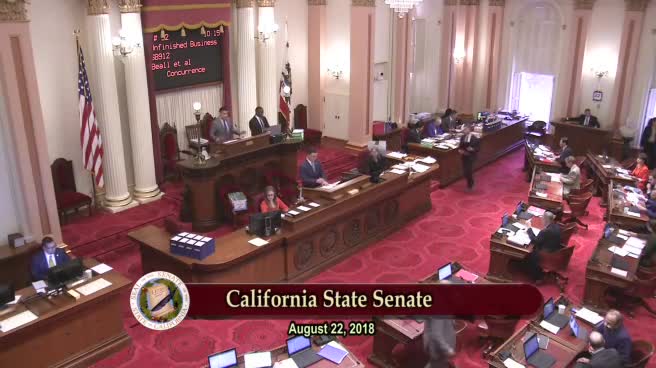
Bill Author

Bill Co-Author(s):