AB 1927: Firearms: prohibition: voluntary list.
- Session Year: 2017-2018
- House: Assembly
- Latest Version Date: 2018-08-27
Existing law makes possession of a firearm by certain classes of persons, including a convicted felon, a person convicted of specified misdemeanors, a person has been found mentally incompetent to stand trial, a person has been found not guilty of specified crimes by reason of insanity, or a person has been placed under conservatorship, a crime. Existing law additionally makes it a crime to sell or give possession of a firearm to these classes of persons prohibited from owning a firearm.
Existing law requires the Department of Justice, upon submission of firearm purchaser information by a licensed firearm dealer, to examine its records to determine whether a potential firearm purchaser is prohibited by state or federal law from possessing, receiving, owning, or purchasing a firearm. Existing law requires the department to participate in the National Instant Criminal Background Check System.
This bill would require the Department of Justice to study options for allowing a person to register himself or herself on a list or database that prohibits the person from being able to purchase a firearm. The bill would require the department to recommend an approach to allow a person to prohibit himself or herself from purchasing a firearm. The bill would require the department to report its findings and recommendations to the Legislature no later than January 1, 2020.
This bill would require the Department of Justice to develop and launch a secure Internet-based platform to enable a person who resides in California to voluntarily add his or her own name to the California Do Not Sell List. The bill would require the department to ensure that information from the list is regularly transmitted to the Federal Bureau of Investigation for inclusion in the National Instant Criminal Background Check System. The bill would make it a crime, punishable as misdemeanor or a felony, to transfer a firearm to a person who is on the California Do Not Sell List. By creating a new crime, this bill would impose a state-mandated local program.The bill would allow a person on the list to request removal from the list through the secure Internet-based platform after 365 days have elapsed from the date the person last added his or her name to the list. The bill would allow the person to request removal prior to that time if he or she submits a declaration from a licensed physician, psychiatrist, or psychologist stating that the person does not present a substantial risk of harm to self or others with a firearm.The bill would require the State Department of Public Health to create and distribute informational materials about the California Do Not Sell List to general acute care hospitals, acute psychiatric hospitals, and mental health facilities. The bill would specify that any suicide hotline maintained or operated by an entity funded in whole or in part by the state should generally inform callers on how to access the California Do Not Sell List Internet-based platform.The bill would provide that its provisions are severable.The California Constitution requires the state to reimburse local agencies and school districts for certain costs mandated by the state. Statutory provisions establish procedures for making that reimbursement.This bill would provide that no reimbursement is required by this act for a specified reason.Existing law makes possession of a firearm by certain classes of persons, including a convicted felon, a person convicted of specified misdemeanors, a person has been found mentally incompetent to stand trial, a person has been found not guilty of specified crimes by reason of insanity, or a person has been placed under conservatorship, a crime. Existing law additionally makes it a crime to sell or give possession of a firearm to these classes of persons prohibited from owning a firearm.
Existing law requires the Department of Justice, upon submission of firearm purchaser information by a licensed firearm dealer, to examine its records to determine whether a potential firearm purchaser is prohibited by state of or federal law from possessing, receiving, owning, or purchasing a firearm. Existing law requires the department to participate in the National Instant Criminal Background Check System.
This bill would require the Department of Justice to develop and launch a secure Internet-based platform to allow enable a person who resides in California to voluntarily add his or her own name to the California Do Not Sell List. The bill would require the department to ensure that information on the list is uploaded and reflected in the from the list is regularly transmitted to the Federal Bureau of Investigation for inclusion in the National Instant Criminal Background Check System. The bill would make it a crime, punishable as misdemeanor or a felony, to transfer a firearm to a person who is validly registered on the California Do Not Sell List. By creating a new crime, this bill would impose a state-mandated local program.
The bill would allow a person registered on the list to file a petition in Superior Court requesting to have his or her name removed from the registry. The bill would require the court to hold a hearing and order removal of the persons name if he or she establishes by a preponderance of the evidence that he or she is not at elevated risk of suicide. on the list to request removal from the list through the secure Internet-based platform after 365 days have elapsed from the date the person last added his or her name to the list. The bill would allow the person to request removal prior to that time if he or she submits a declaration from a licensed physician, psychiatrist, or psychologist stating that the person does not present a substantial risk of harm to self or others with a firearm.
The bill would require the State Department of Public Health to create and distribute informational materials about the California Do Not Sell List to general acute care hospitals and acute psychiatric hospitals. The bill would specify that a person presenting in a general acute care hospital or acute psychiatric hospital who is at a substantially elevated risk of suicide should be presented with these informational materials. hospitals, acute psychiatric hospitals, and mental health facilities. The bill would specify that any suicide hotline maintained or operated by an entity funded in whole or in part by the state should generally inform callers on how to access the California Do Not Sell List Internet-based platform.
The bill would provide that its provisions are severable.
The California Constitution requires the state to reimburse local agencies and school districts for certain costs mandated by the state. Statutory provisions establish procedures for making that reimbursement.
This bill would provide that no reimbursement is required by this act for a specified reason.
Existing law makes possession of a firearm by certain classes of persons, including a convicted felon, a person convicted of specified misdemeanors, a person has been found mentally incompetent to stand trial, a person has been found not guilty of specified crimes by reason of insanity, or a person has been placed under conservatorship, a crime. Existing law additionally makes it a crime to sell or give possession of a firearm to these classes of persons prohibited from owning a firearm.
Existing law requires the Department of Justice, upon submission of firearm purchaser information by a licensed firearm dealer, to examine its records to determine whether a potential firearm purchaser is prohibited by state of federal law from possessing, receiving, owning, or purchasing a firearm. Existing law requires the department to participate in the National Instant Criminal Background Check System.
This bill would require the Department of Justice to develop and launch a secure Internet-based platform to allow a person who resides in California to voluntarily add his or her own name to the California Do Not Sell List. The bill would require the department to ensure that information on the list is uploaded and reflected in the National Instant Criminal Background Check System. The bill would make it a crime, punishable as misdemeanor or a felony, to transfer a firearm to a person who is validly registered on the California Do Not Sell List. By creating a new crime, this bill would impose a state-mandated local program.
The bill would allow a person registered on the list to file a petition in Superior Court requesting to have his or her name removed from the registry. The bill would require the court to hold a hearing and order removal of the persons name if he or she establishes by a preponderance of the evidence that he or she is not at elevated risk of suicide.
The bill would require the State Department of Public Health to create and distribute informational materials about the California Do Not Sell List to general acute care hospitals and acute psychiatric hospitals. The bill would specify that a person presenting in a general acute care hospital or acute psychiatric hospital who is at a substantially elevated risk of suicide should be presented with these informational materials. The bill would specify that any suicide hotline maintained or operated by an entity funded in whole or in part by the state should generally inform callers on how to access the California Do Not Sell List Internet-based platform.
The bill would provide that its provisions are severable.
The California Constitution requires the state to reimburse local agencies and school districts for certain costs mandated by the state. Statutory provisions establish procedures for making that reimbursement.
This bill would provide that no reimbursement is required by this act for a specified reason.
(a)The Department of Justice shall study options for allowing a person to register himself or herself on a list or database that prohibits the person from being able to purchase a firearm. The department shall recommend an approach to allow a person to prohibit himself or herself from purchasing a firearm.
(b)The department shall provide a report of its findings and recommendations to the Legislature no later than January 1, 2020.
(c)(1)A report to be submitted pursuant to subdivision (b) shall be submitted in compliance with Section 9795 of the Government Code.
(2)Pursuant to Section 10231.5 of the Government Code, this section is repealed on January 1, 2024.
SECTION 1.Chapter 6 (commencing with Section 30180) is added to Division 9 of Title 4 of Part 6 of the Penal Code, to read:6.Voluntary Do Not Sell List30180.(a)The Department of Justice shall develop and launch a secure Internet-based platform to enable a person who resides in California to voluntarily add his or her own name to a confidential firearm background check database, to be referred to as the California Do Not Sell List. Inclusion on the list shall render a person ineligible to purchase or receive a firearm, but shall not subject a person on the list to any criminal or civil penalty for purchasing, receiving, or possessing a firearm. Inclusion on the list shall not cause a person to be entered into the Armed Prohibited Persons System.(b)The department, in cooperation with the State Department of Public Health and other relevant state agencies, shall ensure that this Internet-based platform is easily accessible, user-friendly, and does all of the following credibly:(1)Verify the identity of a person who opts to add his or her own name to the California Do Not Sell List or requests removal.(2)Prevent unauthorized disclosure of the identity or private information of a person who has added his or her own name to the list.(3)Provide prior notice of the legal effects of inclusion on the list.(4)Allow a person to list up to five electronic mail addresses to be contacted if the person subsequently attempts to purchase a firearm while included on the list or if the person subsequently requests to be removed from the list.(c)(1)Once the Internet-based platform is operative, a person who resides in California may request, via the platform, to be added to the California Do Not Sell List.(2)The department shall, to the extent practicable, ensure that information from the list is regularly transmitted to the Federal Bureau of Investigation for inclusion in the National Instant Criminal Background Check System. The list, and any information contained in or transmitted from the list, shall not be used for any purpose other than to determine a persons eligibility to purchase or receive a firearm.(d)(1)Upon receiving firearm purchaser information indicating that a prospective purchaser is a person on the California Do Not Sell List, the department shall notify the dealer that the purchase or transfer of the firearm is prohibited.(2)It is unlawful to knowingly transfer a firearm to a person who is on the California Do Not Sell List. A violation of this paragraph is punishable by imprisonment in a county jail not exceeding one year, or by imprisonment pursuant to subdivision (h) of Section 1170. A violation of this paragraph by a licensed firearms dealer may result in a revocation of the dealers license.(e)(1)A person on the California Do Not Sell List may, through the secure Internet-based platform, request to have his or her name removed from the list at any time after 365 days have elapsed from the date that the person last added his or her name to the list. The department shall remove the person from the list 21 days after receiving the request for removal and shall expunge all records related to the persons inclusion on, and removal from, the list.(2)A person on the California Do Not Sell List may request removal from the list before 365 days have elapsed from the date that the person last added his or her name to the list by submitting a declaration from a licensed physician, psychiatrist, or psychologist, on a form to be prescribed by the department, stating that to the best of the declarants professional judgment, the person does not present a substantial risk of harm to self or others with a firearm. A person may submit the declaration through the secure Internet-based platform on a form to be prescribed and provided for by the department. If a removal request satisfies this requirement, the department shall promptly remove the person from the list and shall expunge all records related to the persons inclusion on, and removal from, the list.(3)There shall be no limit to the number of times a person may add or remove his or her own name from the list.(f)(1)The fact that a person is, or previously has been, included on the California Do Not Sell List shall be confidential with respect to all matters involving health care, employment, education, housing, insurance, government benefits, and contracting.(2)A violation of confidentiality occurs if a person or entity engaged in any activity described in paragraph (1), other than a healthcare professional, therapist, or counselor, inquires as to any confidential matter described in paragraph (1), or if any person described in paragraph (1), including, but not limited to, a healthcare professional, therapist, or counselor, takes any adverse action based on that information.(3)The person whose confidentiality is violated by an inquiry or adverse action in violation of this subdivision may bring a private civil action for appropriate relief, including reasonable attorneys fees, for each violation that occurs.30185.(a)The State Department of Public Health shall create and distribute informational materials, including information on how to access the California Do Not Sell List Internet-based platform, to general acute care hospitals and acute psychiatric hospitals, as defined in Section 1250 of the Health and Safety Code, and to mental health facilities, as defined in Section 5500 of the Welfare and Institutions Code.(b)A suicide hotline maintained or operated by an entity funded in whole or in part by the state should generally, as a best practice, inform callers on how to access the California Do Not Sell List Internet-based platform.SEC. 2.If any provision of this act or the application thereof to any person or circumstances is held invalid, that invalidity shall not affect other provisions or applications of the act which can be given effect without the invalid provision or application, and to this end the provisions of this act are severable.SEC. 3.No reimbursement is required by this act pursuant to Section 6 of Article XIIIB of the California Constitution because the only costs that may be incurred by a local agency or school district will be incurred because this act creates a new crime or infraction, eliminates a crime or infraction, or changes the penalty for a crime or infraction, within the meaning of Section 17556 of the Government Code, or changes the definition of a crime within the meaning of Section 6 of Article XIIIB of the California Constitution.(a)The Department of Justice shall develop and launch a secure Internet-based platform to enable a person who resides in California to voluntarily add his or her own name to a confidential firearm background check database, to be referred to as the California Do Not Sell List. Inclusion on the list shall render a person ineligible to purchase or receive a firearm, but shall not subject a person on the list to any criminal or civil penalty for purchasing, receiving, or possessing a firearm. Inclusion on the list shall not cause a person to be entered into the Armed Prohibited Persons System.
(b)The department, in cooperation with the State Department of Public Health and other relevant state agencies, shall ensure that this Internet-based platform is easily accessible, user-friendly, and does all of the following credibly:
(1)Verify the identity of a person who opts to add his or her own name to the California Do Not Sell List or requests removal.
(2)Prevent unauthorized disclosure of the identity or private information of a person who has added his or her own name to the list.
(3)Provide prior notice of the legal effects of inclusion on the list.
(4)Allow a person to list up to five electronic mail addresses to be contacted if the person subsequently attempts to purchase a firearm while included on the list or if the person subsequently requests to be removed from the list.
(c)(1)Once the Internet-based platform is operative, a person who resides in California may request, via the platform, to be added to the California Do Not Sell List.
(2)The department shall, to the extent practicable, ensure that information from the list is regularly transmitted to the Federal Bureau of Investigation for inclusion in the National Instant Criminal Background Check System. The list, and any information contained in or transmitted from the list, shall not be used for any purpose other than to determine a persons eligibility to purchase or receive a firearm.
(d)(1)Upon receiving firearm purchaser information indicating that a prospective purchaser is a person on the California Do Not Sell List, the department shall notify the dealer that the purchase or transfer of the firearm is prohibited.
(2)It is unlawful to knowingly transfer a firearm to a person who is on the California Do Not Sell List. A violation of this paragraph is punishable by imprisonment in a county jail not exceeding one year, or by imprisonment pursuant to subdivision (h) of Section 1170. A violation of this paragraph by a licensed firearms dealer may result in a revocation of the dealers license.
(e)(1)A person on the California Do Not Sell List may, through the secure Internet-based platform, request to have his or her name removed from the list at any time after 365 days have elapsed from the date that the person last added his or her name to the list. The department shall remove the person from the list 21 days after receiving the request for removal and shall expunge all records related to the persons inclusion on, and removal from, the list.
(2)A person on the California Do Not Sell List may request removal from the list before 365 days have elapsed from the date that the person last added his or her name to the list by submitting a declaration from a licensed physician, psychiatrist, or psychologist, on a form to be prescribed by the department, stating that to the best of the declarants professional judgment, the person does not present a substantial risk of harm to self or others with a firearm. A person may submit the declaration through the secure Internet-based platform on a form to be prescribed and provided for by the department. If a removal request satisfies this requirement, the department shall promptly remove the person from the list and shall expunge all records related to the persons inclusion on, and removal from, the list.
(3)There shall be no limit to the number of times a person may add or remove his or her own name from the list.
(f)(1)The fact that a person is, or previously has been, included on the California Do Not Sell List shall be confidential with respect to all matters involving health care, employment, education, housing, insurance, government benefits, and contracting.
(2)A violation of confidentiality occurs if a person or entity engaged in any activity described in paragraph (1), other than a healthcare professional, therapist, or counselor, inquires as to any confidential matter described in paragraph (1), or if any person described in paragraph (1), including, but not limited to, a healthcare professional, therapist, or counselor, takes any adverse action based on that information.
(3)The person whose confidentiality is violated by an inquiry or adverse action in violation of this subdivision may bring a private civil action for appropriate relief, including reasonable attorneys fees, for each violation that occurs.
30185.(a)The State Department of Public Health shall create and distribute informational materials, including information on how to access the California Do Not Sell List Internet-based platform, to general acute care hospitals and acute psychiatric hospitals, as defined in Section 1250 of the Health and Safety Code. Code, and to mental health facilities, as defined in Section 5500 of the Welfare and Institutions Code.
(b)A person presenting in a general acute care hospital or an acute psychiatric hospital who is reasonably believed by the treating clinician to be at substantially elevated risk of suicide should generally, as a best practice, be presented with the informational materials provided for in subdivision (a).(c)(b)A suicide hotline maintained or operated by an entity funded in whole or in part by the state should generally, as a best practice, inform callers on how to access the California Do Not Sell List Internet-based platform.
SEC. 2.If any provision of this act or the application thereof to any person or circumstances is held invalid, that invalidity shall not affect other provisions or applications of the act which can be given effect without the invalid provision or application, and to this end the provisions of this act are severable.
SEC. 3.No reimbursement is required by this act pursuant to Section 6 of Article XIIIB of the California Constitution because the only costs that may be incurred by a local agency or school district will be incurred because this act creates a new crime or infraction, eliminates a crime or infraction, or changes the penalty for a crime or infraction, within the meaning of Section 17556 of the Government Code, or changes the definition of a crime within the meaning of Section 6 of Article XIIIB of the California Constitution.
(a)The Department of Justice shall develop and launch a secure Internet-based platform to allow a person who resides in California to voluntarily add his or her own name to the California Do Not Sell List, hereafter the registry. The department, in cooperation with the State Department of Public Health, and other relevant state agencies, shall ensure that this Internet-based platform is easy to find. The department shall ensure that the Internet-based platform does all of the following credibly:
(1)Verifies the identity of a person who opts to register or requests removal.
(2)Prevents unauthorized disclosure of a person registering or requesting removal.
(3)Informs the potential registrant of the legal effects of registration or removal.
(b)(1)Once the Internet-based platform is operative, a person who resides in California may request, via the platform, to be added to the California Do Not Sell List. The department shall, on an ongoing basis, ensure that registry information is uploaded and reflected in the National Instant Criminal Background Check System (NICS) Index for California. The list shall not be used for any purpose other than to determine eligibility to purchase a firearm.
(2)At the time of registration, a person may, but is not required to, list up to five electronic mail addresses with the registry to be contacted promptly if the person subsequently requests that his or her name be removed from the registry. The department shall promptly provide notice by electronic mail to the provided electronic mail addresses of the fact that the person has requested removal from the registry and of the date, time, and location of any hearing to be held pursuant to subdivision (d).
(c)(1)Registration on the California Do Not Sell List renders receipt of a firearm by a registrant unlawful, however, possession after the moment of receipt is not unlawful and the fact of possession may not be relied upon to prove a violation of this paragraph.
(2)It is unlawful to knowingly transfer a firearm to a person who is validly registered on the California Do Not Sell List. A violation of this paragraph is punishable by imprisonment in a county jail not exceeding one year, or by imprisonment in a county jail pursuant to subdivision (h) of Section 1170. A violation of this paragraph by a licensed firearms dealer may result in a revocation of the dealers license.
(d)A person registered on the California Do Not Sell List may subsequently file a petition in the Superior Court of the county in which the person resides requesting to have his or her name removed from the registry. The court, after a hearing, shall order removal of the persons name from the registry if he or she establishes by a preponderance of the evidence that he or she is not at elevated risk of suicide. Upon receiving the court order for removal, the department shall promptly remove the person from the NICS Index for California and shall expunge all records related to the persons registration on the California Do Not Sell List and his or her removal.
(e)(1)The fact that a person has requested to be added to the registry, is on the registry, has requested to be removed from the registry, or has been removed from the registry is confidential with respect to all matters involving health care, employment, education, housing, insurance, government benefits, and contracting.
(2)A violation of confidentiality occurs if a person or entity engaged in any activity described in paragraph (1), other than a healthcare professional, therapist, or counselor, inquires as to any confidential matter described in paragraph (1), or if any person described in paragraph (1), including, but not limited to, a healthcare professional, therapist, or counselor, takes any adverse action based on that information.
(3)The person whose confidentiality is violated by an inquiry or adverse action in violation of this subdivision may bring a private civil action for appropriate relief, including reasonable attorneys fees, for each violation that occurs.
30185.(a)The State Department of Public Health shall create and distribute informational materials, including information on how to access the California Do Not Sell List Internet-based platform, to general acute care hospitals and acute psychiatric hospitals, as defined in Section 1250 of the Health and Safety Code.
(b)A person presenting in a general acute care hospital or an acute psychiatric hospital who is reasonably believed by the treating clinician to be at substantially elevated risk of suicide should generally, as a best practice, be presented with the informational materials provided for in subdivision (a).
(c)A suicide hotline maintained or operated by an entity funded in whole or in part by the state should generally, as a best practice, inform callers on how to access the California Do Not Sell List Internet-based platform.
SEC. 2.If any provision of this act or the application thereof to any person or circumstances is held invalid, that invalidity shall not affect other provisions or applications of the act which can be given effect without the invalid provision or application, and to this end the provisions of this act are severable.
SEC. 3.No reimbursement is required by this act pursuant to Section 6 of Article XIIIB of the California Constitution because the only costs that may be incurred by a local agency or school district will be incurred because this act creates a new crime or infraction, eliminates a crime or infraction, or changes the penalty for a crime or infraction, within the meaning of Section 17556 of the Government Code, or changes the definition of a crime within the meaning of Section 6 of Article XIIIB of the California Constitution.
|
Date
|
Status
|
|---|---|
| Sep 26, 2018 | Vetoed by Governor. |
| Aug 30, 2018 | Enrolled and presented to the Governor at 4:30 p.m. |
| Aug 24, 2018 | In Assembly. Ordered to Engrossing and Enrolling. |
| Aug 24, 2018 | Read third time. Passed. Ordered to the Assembly. |
| Aug 21, 2018 | Ordered to special consent calendar. |
| Aug 17, 2018 | From committee: Do pass. (Ayes 7. Noes 0.) (August 16). |
| Aug 6, 2018 | In committee: Referred to APPR. suspense file. |
| Jun 20, 2018 | From committee: Do pass and re-refer to Com. on APPR. with recommendation: To Consent Calendar. (Ayes 7. Noes 0.) (June 19). Re-referred to Com. on APPR. |
| Jun 7, 2018 | Referred to Com. on PUB. S. |
| May 31, 2018 | In Senate. Read first time. To Com. on RLS. for assignment. |
| May 30, 2018 | Read third time. Passed. Ordered to the Senate. |
| May 29, 2018 | Read second time. Ordered to third reading. |
| May 25, 2018 | From committee: Amend, and do pass as amended. (Ayes 12. Noes 4.) (May 25). |
| Apr 4, 2018 | In committee: Set, first hearing. Referred to suspense file. |
| Mar 21, 2018 | From committee: Do pass and re-refer to Com. on APPR. (Ayes 6. Noes 0.) (March 20). Re-referred to Com. on APPR. |
| Mar 15, 2018 | Re-referred to Com. on PUB. S. |
| Mar 14, 2018 | From committee chair, with author's amendments: Amend, and re-refer to Com. on PUB. S. Read second time and amended. |
| Feb 5, 2018 | Referred to Com. on PUB. S. |
| Jan 25, 2018 | From printer. May be heard in committee February 24. |
| Jan 24, 2018 | Read first time. To print. |
|
Date
|
Description
|
Location
|
Votes
|
|
|---|---|---|---|---|
| Aug 24, 2018 | Special Consent AB1927 | Senate Floor |
Passed |
|
| Aug 16, 2018 | Do pass | Senate Standing Committee on Appropriations |
Passed |
|
| Aug 6, 2018 | Placed on suspense file | Senate Standing Committee on Appropriations |
Passed |
|
| Jun 19, 2018 | Do pass, but first be re-referred to the Committee on [Appropriations] with the recommendation: To Consent Calendar | Senate Standing Committee on Public Safety |
Passed |
|
| May 30, 2018 | AB 1927 BONTA Assembly Third Reading | Assembly Floor |
Passed |
|
| May 25, 2018 | Do pass as amended. | Assembly Standing Committee on Appropriations |
Passed |
|
| Mar 20, 2018 | Do pass and be re-referred to the Committee on [Appropriations] | Assembly Standing Committee on Public Safety |
Passed |
This list shows positions taken on this bill by organizations on the date displayed, which is linked to the original source.
Positions by individuals are not included.
|
Organization
|
Position
|
Date
|
|---|---|---|
| American Civil Liberties Union of California | * Neutral | Mar 20, 2018 |
| Bay Area Student Activists | ** Support | Aug 18, 2018 |
| California Chapters of the Brady Campaign | ** Support | Aug 18, 2018 |
| City of Santa Monica | ** Support | Aug 18, 2018 |
| County Of Los Angeles | ** Support | Aug 18, 2018 |
| Firearms Policy Coalition | * Against | Mar 20, 2018 |
| Frederick Vars, Professor Of Law | ** Support | Mar 19, 2018 |
| Giffords Law Center | ** Support | Aug 18, 2018 |
| Jewish Public Affairs Committee Of California | ** Support | Aug 18, 2018 |
| Los Angeles County District Attorney'S Office | ** Support | Aug 18, 2018 |
| National Rifle Assocation | * Against | Mar 20, 2018 |
| National Shooting Sports Foundation, Inc. | * Neutral | Mar 20, 2018 |
| Physicians for Social Responsibility | ** Support | Aug 18, 2018 |
| San Francisco Bay Area Chapter | ** Support | Aug 18, 2018 |
GOVERNOR'S VETO
GV Bill Id:AB 1927
Author:(Bonta)
As Enrolled Ver:August 30, 2018
2/3 vote
Committee | Votes | Ayes | Noes |
Public Safety | 6-0 | Jones-Sawyer, Lackey, Carrillo, Gonzalez Fletcher, Quirk, Santiago | |
Appropriations | 12-4 | Gonzalez Fletcher, Bloom, Bonta, Calderon, Carrillo, Chau, Eggman, Friedman, Eduardo Garcia, Nazarian, Quirk, Reyes | Bigelow, Fong, Gallagher, Obernolte |
ASSEMBLY: | 66-0 | (May 30, 2018) | SENATE: | 39-0 | (August 24, 2018) |
SUMMARY: Requires the Department of Justice (DOJ) to study options, and recommend an approach, for allowing a person to register himself or herself on a list or database that prohibits the person from being able to purchase a firearm. Requires DOJ to reports its findings and recommendations to the Legislature by January 1, 2020.
EXISTING LAW:
- Provides for an automated system for tracking firearms and assault weapon owners who might fall into a prohibited status. The online database, which is currently known as the APPS, cross-references all handgun and assault weapon owners across the state against criminal history records to determine persons who have been, or will become, prohibited from possessing a firearm subsequent to the legal acquisition or registration of a firearm or assault weapon.
- Prohibits persons who know or have reasonable cause to believe that the recipient is prohibited from having firearms and ammunition to supply or provide the same with firearms or ammunition.
- Provides that persons convicted of felonies and certain violent misdemeanors are prohibited from owning or possessing a firearm.
- Prohibits a person from possessing or owning a firearm that is subject to specified restraining orders.
- Specifies that a person who has been taken into custody on a 72 hour hold because that person is a danger to himself, herself, or to others, assessed as specified, and admitted to a designated facility because that person is a danger to himself, herself, or others, shall not own or possess any firearm for a period of five years after the person is released from the facility.
- States that a person taken into custody on a 72 hour hold may possess a firearm if the superior court has found that the people of the State of California have not met their burden of showing by a preponderance of the evidence that the person would not be likely to use firearms in a safe and lawful manner.
- Establishes the Dealer's Record of Sale (DROS) Account, a special fund, which receives various firearm registration fees, and which may be used by the DOJ for firearms related regulatory activities, including enforcement activities related to possession.
- Establishes the Firearms Safety and Enforcement Special Fund (FSESF), a continuously appropriated fund, for use by the DOJ for specified purposes related to weapons and firearms regulation. Monies in the fund may be used for the following purposes:
- Implementing and enforcing the provisions of the Firearm Safety Certificate program;
- Implementing and enforcing various gun law enforcement programs; and,
- Establishment, maintenance, and upgrading of equipment and services necessary for firearms dealers to comply with the DROS system.
- Requires the DOJ, upon submission of firearm purchaser information, to examine its records to determine if the purchaser is prohibited from possessing, receiving, owning, or purchasing a firearm. Existing law prohibits the delivery of a firearm within 10 days of the application to purchase, or, after notice by the department, within 10 days of the submission to the department of any corrections to the application to purchase, or within 10 days of the submission to the department of a specified fee.
- Mandates those dealers notify DOJ that persons in applications actually took possession of their firearms.
- Requires if a dealer cannot legally deliver a firearm to return the firearm to the transferor, seller, or person loaning the firearm.
- Requires that in connection with any sale, loan or transfer of a firearm, a licensed dealer must provide the DOJ with specified personal information about the seller and purchaser as well as the name and address of the dealer. This personal information of buyer and seller required to be provided includes the name; address; phone number; date of birth; place of birth; occupation; eye color; hair color; height; weight; race; sex; citizenship status; and a driver's license number; California identification card number; or, military identification number. A copy of the DROS, containing the buyer and seller's personal information, must be provided to the buyer or seller upon request.
- Appropriates $24,000,000 from the DROS Special Account to DOJ to address the backlog in APPS and the illegal possession of firearms by individuals in APPS.
FISCAL EFFECT: According to the Assembly Appropriation Committee, onetime General Fund (GF) costs, likely in the range of a couple hundred thousand dollars, for DOJ to prepare the required report.
COMMENTS: According to the author, "According to the Centers for Disease Control and Prevention, 1,094 people died by gun suicide in California in 2016. Suicide has surpassed homicides as the most prevalent cause of death resulting from the misuse of a firearm in the state. The Sacramento Bee reported that in 2012 about 1,540 Californians killed themselves with a gun while about 1,430 were murdered with a gun.
"This bill provides those battling suicidal thoughts an option to protect themselves by temporarily limiting their access to purchase firearms during a time of crisis. We know suicide can be an impulsive decision that most survivors regret. Guns are lethal and, unfortunately, rarely allow for second chances. This bill takes action on the data that shows a correlation between suicidal thoughts and gun purchases."
This bill would require the Department of Justice to study options, and recommend and approach, to developing a system whereby an individual can opt to prevent themselves from buying a firearm.
While this is an interesting area of inquiry, I do not believe that we need to mandate an additional study of this type.
The Department of Justice is currently implementing a number of large scale changes to our gun laws, and I think that any information regarding a system for self-exclusion from gun purchases can be obtained through existing means. The Legislature's standing committees, as well as California's Violence Prevention Research Center are existing avenues through which this inquiry can be conducted.
Analysis Prepared by: David Billingsley / PUB. S. / (916) 319-3744 FN: 0005289
Office of Senate Floor Analyses (916) 651-1520 Fax: (916) 327-4478 | AB |
THIRD READING
Bill No: AB 1927
:
SENATE PUBLIC SAFETY COMMITTEE: 7-0, 6/19/18
AYES: Skinner, Anderson, Bradford, Jackson, Mitchell, Stone, Wiener
SENATE APPROPRIATIONS COMMITTEE: 7-0, 8/16/18
AYES: Portantino, Bates, Beall, Bradford, Hill, Nielsen, Wiener
ASSEMBLY FLOOR: 66-0, 5/30/18 - See last page for vote
DIGEST:
This bill requires the Department of Justice (DOJ) to study options, and recommend an approach, for allowing a person to register himself or herself on a list or database that prohibits the person from being able to purchase a firearm. This bill also requires DOJ to reports its findings and recommendations to the Legislature by January 1, 2020.
Existing law:
- Provides for an automated system for tracking firearms and assault weapon owners who might fall into a prohibited status. The online database, which is currently known as the Armed Prohibited Persons System (APPS), cross-references all handgun and assault weapon owners across the state against criminal history records to determine persons who have been, or will become, prohibited from possessing a firearm subsequent to the legal acquisition or registration of a firearm or assault weapon. (Pen. Code § 30000, et seq.)
- Prohibits persons who know or have reasonable cause to believe that the recipient is prohibited from having firearms and ammunition to supply or provide the same with firearms or ammunition. (Pen. Code §§ 27500 and 30306; and Welf. & Inst. Code § 8101.)
- Provides that persons convicted of felonies and certain violent misdemeanors are prohibited from owning or possessing a firearm. (Pen. Code §§ 29800 and 29805.)
- Prohibits a person from possessing or owning a firearm that is subject to specified restraining orders. (Pen. Code § 29825.)
- Specifies that a person who has been taken into custody on a 72-hour hold because that person is a danger to himself, herself, or to others, assessed as specified, and admitted to a designated facility because that person is a danger to himself, herself, or others, shall not own or possess any firearm for a period of five years after the person is released from the facility. (Welfare and Inst. Code 8103, subd (f)(1).)
- States that a person taken into custody on a 72-hour hold may possess a firearm if the superior court has found that the people of the State of California have not met their burden of showing by a preponderance of the evidence that the person would not be likely to use firearms in a safe and lawful manner. (Welfare and Inst. Code 8103, subd (f).)
- Establishes the Dealer’s Record of Sale (DROS) Account, a special fund, which receives various firearm registration fees, and which may be used by the DOJ for firearms related regulatory activities, including enforcement activities related to possession. (Pen. Code §§ 28225 and 28235.)
- Establishes the Firearms Safety and Enforcement Special Fund, a continuously appropriated fund, for use by the DOJ for specified purposes related to weapons and firearms regulation. Monies in the fund may be used for the following purposes:
- Implementing and enforcing the provisions of the Firearm Safety Certificate program;
- Implementing and enforcing various gun law enforcement programs; and,
- Establishment, maintenance, and upgrading of equipment and services necessary for firearms dealers to comply with the DROS system. (Pen. Code §28300.)
- Implementing and enforcing the provisions of the Firearm Safety Certificate program;
- Requires the DOJ, upon submission of firearm purchaser information, to examine its records to determine if the purchaser is prohibited from possessing, receiving, owning, or purchasing a firearm. Existing law prohibits the delivery of a firearm within 10 days of the application to purchase, or, after notice by the department, within 10 days of the submission to the department of any corrections to the application to purchase, or within 10 days of the submission to the department of a specified fee. (Pen. Code §§ 28200 to 28250.)
- Mandates those dealers notify DOJ that persons in applications actually took possession of their firearms. (Pen. Code § 28255.)
- Requires if a dealer cannot legally deliver a firearm to return the firearm to the transferor, seller, or person loaning the firearm. (Pen. Code § 28050, subd. (d).)
- Requires that in connection with any sale, loan or transfer of a firearm, a licensed dealer must provide the DOJ with specified personal information about the seller and purchaser as well as the name and address of the dealer. This personal information of buyer and seller required to be provided includes the name; address; phone number; date of birth; place of birth; occupation; eye color; hair color; height; weight; race; sex; citizenship status; and a driver's license number; California identification card number; or, military identification number. A copy of the DROS, containing the buyer and seller's personal information, must be provided to the buyer or seller upon request. (Pen. Code §§ 28160, 28210, and 28215.)
- Appropriates $24,000,000 from the DROS Special Account to DOJ to address the backlog in APPS and the illegal possession of firearms by individuals in APPS. (Pen. Code § 30015.)
This bill:
- Requires the DOJ to study options, and recommend an approach, for allowing a person to register himself or herself on a list or database that prohibits the person from being able to purchase a firearm.
- Requires DOJ to reports its findings and recommendations to the Legislature by January 1, 2020.
Background
California has several laws that prohibit certain persons from purchasing firearms. All felony convictions lead to a lifetime prohibition, while a conviction of specified misdemeanors result in a 10-year prohibition. A person may be prohibited from possessing a firearm due to a protective order or as a condition of probation. Another prohibition is based on the mental health of the individual. If a person communicates to his or her psychotherapist a serious threat of physical violence against a reasonably-identifiable victim or victims, the person is prohibited from owning or purchasing a firearm for five years, starting from the date the psychotherapist reports to local law enforcement the identity of the person making the threat. (Welf. & Inst. Code § 8100, subd. (b)(1).) If a person is admitted into a facility because that person is a danger to himself, herself, or to others, the person is prohibited from owning or purchasing a firearm for five years. (Welf. & Inst. Code § 8103, subd. (f).) For the provisions prohibiting a person from owning or possessing a firearm based on a serious threat of violence or based on admittance into a facility as a threat to self or others, the person has the right to request a hearing whereby the person could restore his or her right to own or possess a firearm if a court determines that the person is likely to use firearms or other deadly weapons in a safe and lawful manner. (Welf. & Inst. Code §§ 8100, subd. (b)(1) and 8103, subd. (f).)
DOJ developed APPS for tracking handgun and assault weapon owners in California who may pose a threat to public safety. (Pen. Code § 30000 et seq.) APPS collects information about persons who have been, or will become, prohibited from possessing a firearm subsequent to the legal acquisition or registration of a firearm or assault weapon. DOJ receives automatic notifications from state and federal criminal history systems to determine if there is a match in the APPS for a current California gun owner. DOJ also receives information from courts, local law enforcement and state hospitals as well as public and private mental hospitals to determine whether someone is in a prohibited status. When a match is found, DOJ has the authority to investigate the person’s status and confiscate any firearms or weapons in the person's possession. Local law enforcement also may request from DOJ the status of an individual, or may request a list of prohibited persons within their jurisdiction, and conduct an investigation of those persons. (Pen. Code § 30010.) Since the development of APPS, California has added long-gun transactions to the list of registered firearms and has added restraining orders to the list of prohibiting events.
Any additional approaches to place individuals on the list of individuals banned from possessing firearms would contribute to a backlog in processing APPS matches.
The fact that a person possesses a firearm increases their risk of suicide. Suicide attempts that involve the use of a gun are more likely to be successful. In a survey of 36 wealthy nations, the United States was unique in having the highest overall firearm mortality rate and the highest proportion of suicides by firearms. There is strong evidence that access to firearms, whether from household availability or a new purchase, is associated with increased risk of suicide. The risk of suicide by guns is far higher in states with high rates of gun ownership than in those with low ownership rates. The increased risk of suicide applies not only to the gun owner but to others living in a household with guns.
In 2010, 50.5 percent of suicides were committed using a firearm. Suicide attempts with guns are likelier to result in death. The CDC found that in 2001, 85 percent of suicide attempts involving guns resulted in death, significantly above other methods. A study looking at hospital admissions for suicides and suicide attempts in Illinois found that 96 percent of firearm cases resulted in death, while only 6.7 percent of cases involving cuts and 6.5 percent of cases involving poisoning did.
Law Professor Frederick Vars wrote an article entitled “Self Defense Against Gun Violence” in October 2015 about the potential policy benefits of providing individuals an opportunity to voluntarily add his or her own name to the list of those already prohibited from purchasing a firearm. Professor Vars listed three ways that such a policy might reduce the numbers of suicide by firearms.
The first and most direct pathway is by preventing the purchase of a firearm for quick use in a suicide attempt. . . ., research shows that waiting periods reduce gun prevalence, and that lower gun prevalence reduces suicides. This will reduce the chances that there will be a gun in the home should suicidal thoughts arise in the future.
Second, introducing and advertising a voluntary do not purchase program may reduce gun access even among people who do not participate. Suicide prevention efforts already advise putting firearms out of reach of people at high risk. Launching a new federal program to reduce suicide by voluntarily curbing access to firearms will help disseminate well-established findings showing the benefits of getting existing firearms out of the house. Some people and their families may decide to remove or lock up firearms even if they do not opt for a voluntary do not purchase program.
Third, providing a relatively easy avenue for people concerned about suicide to reduce their own risk of self-harm may help alleviate the despair and anxiety that pushes them toward suicide in the first place. It should be noted that an individual who has volunteered for do not purchase program may be less likely to purchase a firearm at all, even during non-suicidal periods. Voluntary do not purchase programs would “enhance patients’ self-efficacy and can help to create a sense that suicidal urges can be mastered,” which in turn “may help [patients] feel less vulnerable and less at the mercy of their suicidal thoughts.” In short, allowing people to protect themselves in this way may give them back a sense of control over their lives. Relatedly, hopelessness is a significant risk factor for suicide. Providing an opportunity for distressed individuals to take one concrete step to prevent suicide may itself mitigate feelings of hopelessness. This could reduce non-firearm suicides as well.
This bill is asking for the DOJ to study and make recommendations about establishing a do not sell list in California.
In order to maximize the likelihood that individuals will avail themselves of the Do Not Sell List, it is important to keep barriers to participation in such list to a minimum. Some ways to keep barriers to a minimum are to ensure confidentiality of information, make it easy to sign up on, and be removed from, a Do Not Sell List. Without confidentiality, it is less likely that an individual would voluntarily place themselves on a list that identifies the individual as someone at risk for suicide or a danger to possess a gun. If an individual does not think that they will be able to easily remove themselves from a voluntary do not sell list at a point in their life when they are no longer troubled by the circumstances that led to their willingness to include themselves on the do not sell list, such belief would present a disincentive to sign up in the first place. For the same reason, if the individual is required to jump through burdensome hoops to be removed from the do not sell list, it reduces the incentive for an individual to sign up. There is a concern that an individual might ask to remove themselves from the voluntary Do Not Sell List, before their issues (mental health, or otherwise) have resolved, thereby, creating a potential danger. Given that that inclusion on the list is voluntary, keeping barriers low to encourage participation seems critical.
FISCAL EFFECT: Appropriation: Fiscal Com.: Local:
According to the Senate Appropriations Committee, DOJ anticipates 2018-19 fiscal year costs of $88,000 and 2019-20 fiscal year costs of $137,000 for personnel and contract expenses to carry out the duties imposed by this bill. (Special fund*/General Fund)
* DROS Special Account
Bay Area Student Activists
California Chapters of the Brady Campaign
City of Santa Monica
County of Los Angeles
Giffords Law Center
Jewish Public Affairs Committee of California
Los Angeles County District Attorney’s Office
Physicians for Social Responsibility
San Francisco Bay Area Chapter
OPPOSITION: (Verified 8/16/18)
One individual
ASSEMBLY FLOOR: 66-0, 5/30/18
AYES: Acosta, Aguiar-Curry, Arambula, Baker, Berman, Bloom, Bonta, Brough, Burke, Caballero, Calderon, Carrillo, Cervantes, Chau, Chávez, Chiu, Choi, Chu, Cooley, Cunningham, Dahle, Daly, Eggman, Friedman, Cristina Garcia, Eduardo Garcia, Gipson, Gloria, Gonzalez Fletcher, Gray, Grayson, Harper, Holden, Irwin, Jones-Sawyer, Kalra, Kamlager-Dove, Kiley, Lackey, Levine, Limón, Low, Maienschein, Mathis, McCarty, Medina, Mullin, Muratsuchi, Nazarian, O'Donnell, Quirk, Quirk-Silva, Reyes, Rodriguez, Rubio, Salas, Santiago, Steinorth, Mark Stone, Thurmond, Ting, Voepel, Waldron, Weber, Wood, Rendon
NO VOTE RECORDED: Travis Allen, Bigelow, Chen, Cooper, Flora, Fong, Frazier, Gallagher, Mayes, Melendez, Obernolte, Patterson
8/18/18 13:45:45
SENATE COMMITTEE ON
Senator Anthony Portantino, Chair
2017 - 2018 Regular Session
AB 1927 (Bonta) - Firearms: prohibition: voluntary list
Version: | Policy Vote: |
Urgency: | Mandate: |
Hearing Date: | Consultant: |
This bill meets the criteria for referral to the Suspense File.
Bill Summary:
AB 1927 would require the Department of Justice (DOJ) to study options for allowing a person to register from being able to purchase a firearm.
Fiscal Impact:
The Department of Justice anticipates 2018-19 fiscal year costs of $88,000 and 2019-20 fiscal year costs of $137,000 for personnel and contract expenses to carry out the duties imposed by this measure. (Special fund*/General Fund)
*Dealer Record of Sale (DROS) Special Account
Background:
Current law requires DOJ to examine its records to determine if a firearm purchaser is prohibited by state or federal law from possessing, receiving, owning, or purchasing firearm or ammunition. The department conducts a federal background check through participation in the National Instant Criminal Background Check System. It additionally uses and checks other systems to determine if a prohibition is in place. In part, DOJ examines the purchaser’s criminal history, if he or she is subject to a restraining order, and if the purchaser is listed in numerous other databases, such as the California Mental Health Database, which indicates a prohibited status. If the background check indicates that the person is prohibited from purchasing a firearm under existing state or federal law, DOJ will notify the firearms dealer to cancel the sale and notify law enforcement of the attempted purchase.
Proposed Law:
This bill would:
- Require DOJ to study options for allowing a person to register him or herself on a list or database that prohibits the person from being able to purchase a firearm.
- Require DOJ to recommend an approach to allow a person to prohibit him or herself from purchasing a firearm.
- Require DOJ to provide the Legislature with a report of its findings and recommendations by January 1, 2020.
Staff Comments:
The Department of Justice reports that it would need to contract with an external consultant and to hire 1.0 limited-term Research Analyst II to assist the department’s research unit in conducting the study and drafting the report. Expenses such as these traditionally would be funded from the DROS Special Account. Staff notes, however, that the account is structurally imbalanced. The 2018-19 proposed expenditure exceeds the estimated revenue by over $700,000, leaving a diminished estimated reserve of $5.5 million. This measure would result in General Fund costs pressure if related costs are not fully recoverable from the DROS Special Account.
-- END --
SENATE COMMITTEE ON PUBLIC SAFETY
Senator Nancy Skinner, Chair
2017 - 2018 Regular
Bill No: AB 1927 Hearing Date: June 19, 2018
Author: | Bonta | ||
Version: | May 25, 2018 | ||
Urgency: | No | Fiscal: | Yes |
Consultant: | GC | ||
Subject: Firearms: Prohibition: Voluntary List
HISTORY
Source: Author
Prior Legislation: SB 580 (Jackson), 2014, failed in Assembly Appropriations.
SB 140 (Leno), Ch. 2, Stats. of 2013
Support: Bay Area Student Activists; California Chapters of the Brady Campaign; City of Santa Monica; County of Los Angeles; Giffords Law Center; Jewish Public Affairs Committee of California; Los Angeles County District Attorney’s Office; Physicians for Social Responsibility, San Francisco Bay Area Chapter; one individual
Opposition: None known
Assembly Floor Vote: 66 - 0
PURPOSE
The purpose of this bill is to require the Department of Justice (DOJ) to study options, and recommend an approach, for allowing a person to register himself or herself on a list or database that prohibits the person from being able to purchase a firearm. The bill also requires DOJ to reports its findings and recommendations to the Legislature by January 1, 2020.
Existing law provides for an automated system for tracking firearms and assault weapon owners who might fall into a prohibited status. The online database, which is currently known as the APPS, cross-references all handgun and assault weapon owners across the state against criminal history records to determine persons who have been, or will become, prohibited from possessing a firearm subsequent to the legal acquisition or registration of a firearm or assault weapon. (Pen. Code, § 30000, et seq.)
Existing law prohibits persons who know or have reasonable cause to believe that the recipient is prohibited from having firearms and ammunition to supply or provide the same with firearms or ammunition. (Pen. Code, §§ 27500 and 30306; and Welf. & Inst. Code, § 8101.)
Existing law provides that persons convicted of felonies and certain violent misdemeanors are prohibited from owning or possessing a firearm. (Pen. Code, §§ 29800 and 29805.)
Existing law prohibits a person from possessing or owning a firearm that is subject to specified restraining orders. (Pen. Code, § 29825.)
Existing law specifies that a person who has been taken into custody on a 72 hour hold because that person is a danger to himself, herself, or to others, assessed as specified, and admitted to a designated facility because that person is a danger to himself, herself, or others, shall not own or possess any firearm for a period of five years after the person is released from the facility. (Welfare and Inst. Code, 8103, subd (f)(1).)
Existing law states that a person taken into custody on a 72 hour hold may possess a firearm if the superior court has found that the people of the State of California have not met their burden of showing by a preponderance of the evidence that the person would not be likely to use firearms in a safe and lawful manner. (Welfare and Inst. Code, 8103, subd (f).)
Existing law establishes the Dealer’s Record of Sale (DROS) Account, a special fund, which receives various firearm registration fees, and which may be used by the DOJ for firearms related regulatory activities, including enforcement activities related to possession. (Pen. Code, §§ 28225 and 28235.)
Existing law establishes the Firearms Safety and Enforcement Special Fund (FSESF), a continuously appropriated fund, for use by the DOJ for specified purposes related to weapons and firearms regulation. Monies in the fund may be used for the following purposes:
- Implementing and enforcing the provisions of the Firearm Safety Certificate program;
- Implementing and enforcing various gun law enforcement programs; and,
- Establishment, maintenance, and upgrading of equipment and services necessary for firearms dealers to comply with the DROS system. (Pen. Code, §28300.)
Existing law requires the DOJ, upon submission of firearm purchaser information, to examine its records to determine if the purchaser is prohibited from possessing, receiving, owning, or purchasing a firearm. Existing law prohibits the delivery of a firearm within 10 days of the application to purchase, or, after notice by the department, within 10 days of the submission to the department of any corrections to the application to purchase, or within 10 days of the submission to the department of a specified fee. (Pen. Code, §§ 28200 to 28250.)
Existing law mandates those dealers notify DOJ that persons in applications actually took possession of their firearms. (Pen. Code, § 28255.)
Existing law requires if a dealer cannot legally deliver a firearm to return the firearm to the transferor, seller, or person loaning the firearm. (Pen. Code, § 28050, subd. (d).)
Existing law requires that in connection with any sale, loan or transfer of a firearm, a licensed dealer must provide the DOJ with specified personal information about the seller and purchaser as well as the name and address of the dealer. This personal information of buyer and seller required to be provided includes the name; address; phone number; date of birth; place of birth; occupation; eye color; hair color; height; weight; race; sex; citizenship status; and a driver's license number; California identification card number; or, military identification number. A copy of the DROS, containing the buyer and seller's personal information, must be provided to the buyer or seller upon request. (Pen. Code, §§ 28160, 28210, and 28215.)
Existing law appropriates $24,000,000 from the DROS Special Account to DOJ to address the backlog in APPS and the illegal possession of firearms by individuals in APPS. (Pen. Code, § 30015.)
This bill requires the DOJ to study options, and recommend an approach, for allowing a person to register himself or herself on a list or database that prohibits the person from being able to purchase a firearm.
This bill also requires DOJ to reports its findings and recommendations to the Legislature by January 1, 2020.
COMMENTS
- Need for This Bill
According to the author:
Suicide has surpassed homicides as the most prevalent cause of death resulting from the misuse of a firearm in the state. More people who die by suicide use a firearm than all other methods combined. In 2016, 1,094 people died by gun suicide in California.
Despite California’s 10-day waiting period, a study found that Californians are 57 times more likely to commit suicide in the first week after purchasing a gun. Firearms are the most lethal and most common method of suicide. About 85% of suicide attempts with a firearm end in death while many of the most widely used suicide attempt methods have fatality rates below 5%.
Suicide can be an impulsive decision. People usually make a decision to take their life in less than a day. The Brady Campaign cited that 90% of people who survive a suicide attempt do not go on to die by suicide, suggesting that suicidal impulses may dissipate with time. However, suicide attempts with a firearm rarely afford a second chance.
This decision could be preventable. A recent study found that a close to a third of the general population and more than 40% of those with previously diagnosed mental health concerns would add their name to a Do Not Sell List.
In 2014, California authorized a law enforcement officer or immediate family member to petition to the court to seek a Gun Violence Restraining Order to temporarily prohibit a person from owning a firearm for 21 days or a year if there is reasonable cause to believe that the person poses a danger to themselves or others. In 2016, the courts issued 86 Gun Violence Restraining Orders.
California has enacted some of the strongest gun laws but does not allow for people to self-restrict their ability to purchase a firearm. Strategies to reduce firearm deaths must include policies to prevent suicide by firearm. AB 1927 would allow people to put a barrier between themselves and the most lethal method of suicide.
- Individuals Prohibited from Possessing Firearms in California
California has several laws that prohibit certain persons from purchasing firearms. All felony convictions lead to a lifetime prohibition, while a conviction of specified misdemeanors result in a 10-year prohibition. A person may be prohibited from possessing a firearm due to a protective order or as a condition of probation. Another prohibition is based on the mental health of the individual. If a person communicates to his or her psychotherapist a serious threat of physical violence against a reasonably-identifiable victim or victims, the person is prohibited from owning or purchasing a firearm for five years, starting from the date the psychotherapist reports to local law enforcement the identity of the person making the threat. (Welf. & Inst. Code, § 8100, subd. (b)(1).) If a person is admitted into a facility because that person is a danger to himself, herself, or to others, the person is prohibited from owning or purchasing a firearm for five years. (Welf. & Inst. Code, § 8103, subd. (f).) For the provisions prohibiting a person from owning or possessing a firearm based on a serious threat of violence or based on admittance into a facility as a threat to self or others, the person has the right to request a hearing whereby the person could restore his or her right to own or possess a firearm if a court determines that the person is likely to use firearms or other deadly weapons in a safe and lawful manner. (Welf. & Inst. Code, §§ 8100, subd. (b)(1) and 8103, subd. (f).)
DOJ developed the Armed Prohibited Persons System (APPS) for tracking handgun and assault weapon owners in California who may pose a threat to public safety. (Pen. Code, § 30000 et seq.) APPS collects information about persons who have been, or will become, prohibited from possessing a firearm subsequent to the legal acquisition or registration of a firearm or assault weapon. DOJ receives automatic notifications from state and federal criminal history systems to determine if there is a match in the APPS for a current California gun owner. DOJ also receives information from courts, local law enforcement and state hospitals as well as public and private mental hospitals to determine whether someone is in a prohibited status. When a match is found, DOJ has the authority to investigate the person’s status and confiscate any firearms or weapons in the person's possession. Local law enforcement also may request from DOJ the status of an individual, or may request a list of prohibited persons within their jurisdiction, and conduct an investigation of those persons. (Pen. Code, § 30010.) Since the development of APPS, California has added long-gun transactions to the list of registered firearms and has added restraining orders to the list of prohibiting events.[1]
Any additional approaches to place individuals on the list of individuals banned from possessing firearms would contribute to a backlog in processing APPS matches.
- Suicide and Firearms
The fact that a person possesses a firearm increases their risk of suicide. Suicide attempts that involve the use of a gun are more likely to be successful. In a survey of 36 wealthy nations, the United States was unique in having the highest overall firearm mortality rate and the highest proportion of suicides by firearms. There is strong evidence that access to firearms, whether from household availability or a new purchase, is associated with increased risk of suicide. The risk of suicide by guns is far higher in states with high rates of gun ownership than in those with low ownership rates. The increased risk of suicide applies not only to the gun owner but to others living in a household with guns.[2]
In 2010, 50.5 percent of suicides were committed using a firearm. Suicide attempts with guns are likelier to result in death. The CDC found that in 2001, 85 percent of suicide attempts involving guns resulted in death, significantly above other methods. A study looking at hospital admissions for suicides and suicide attempts in Illinois found that 96 percent of firearm cases resulted in death, while only 6.7 percent of cases involving cuts and 6.5 percent of cases involving poisoning did.[3]
- Use of Voluntary Do Not Sell Lists to Reduce Gun Suicide
Law Professor Frederick Vars wrote an article entitled “Self Defense Against Gun Violence” in October 2015 about the potential policy benefits of providing individuals an opportunity to voluntarily add his or her own name to the list of those already prohibited from purchasing a firearm. Professor Vars listed three ways that such a policy might reduce the numbers of suicide by firearms.
The first and most direct pathway is by preventing the purchase of a firearm for quick use in a suicide attempt. . . ., research shows that waiting periods reduce gun prevalence, and that lower gun prevalence reduces suicides. This will reduce the chances that there will be a gun in the home should suicidal thoughts arise in the future.
Second, introducing and advertising a voluntary do not purchase program may reduce gun access even among people who do not participate. Suicide prevention efforts already advise putting firearms out of reach of people at high risk. Launching a new federal program to reduce suicide by voluntarily curbing access to firearms will help disseminate well-established findings showing the benefits of getting existing firearms out of the house. Some people and their families may decide to remove or lock up firearms even if they do not opt for a voluntary do not purchase program.
Third, providing a relatively easy avenue for people concerned about suicide to reduce their own risk of self-harm may help alleviate the despair and anxiety that pushes them toward suicide in the first place. It should be noted that an individual who has volunteered for do not purchase program may be less likely to purchase a firearm at all, even during non-suicidal periods. Voluntary do not purchase programs would “enhance patients’ self-efficacy and can help to create a sense that suicidal urges can be mastered,” which in turn “may help [patients] feel less vulnerable and less at the mercy of their suicidal thoughts.” In short, allowing people to protect themselves in this way may give them back a sense of control over their lives. Relatedly, hopelessness is a significant risk factor for suicide. Providing an opportunity for distressed individuals to take one concrete step to prevent suicide may itself mitigate feelings of hopelessness. This could reduce non-firearm suicides as well.[4]
This bill is asking for the DOJ to study and make recommendations about establishing a do not sell list in California.
- Encouraging Participation in Voluntary Do Not Sell List
In order to maximize the likelihood that individuals will avail themselves of the Do Not Sell List, it is important to keep barriers to participation in such list to a minimum. Some ways to keep barriers to a minimum are to ensure confidentiality of information, make it easy to sign up on, and be removed from, a Do Not Sell List. Without confidentiality, it is less likely that an individual would voluntarily place themselves on a list that identifies the individual as someone at risk for suicide or a danger to possess a gun. If an individual does not think that they will be able to easily remove themselves from a voluntary do not sell list at a point in their life when they are no longer troubled by the circumstances that led to their willingness to include themselves on the do not sell list, such belief would present a disincentive to sign up in the first place. For the same reason, if the individual is required to jump through burdensome hoops to be removed from the do not sell list, it reduces the incentive for an individual to sign up. There is a concern that an individual might ask to remove themselves from the voluntary Do Not Sell List, before their issues (mental health, or otherwise) have resolved, thereby, creating a potential danger. Given that that inclusion on the list is voluntary, keeping barriers low to encourage participation seems critical.
-- END –
http://oag.ca.gov/sites/all/files/agweb/pdfs/publications/sb-140-supp-budget-report.pdf ↑
https://www.ncbi.nlm.nih.gov/pmc/articles/PMC3518361/ ↑
https://www.vox.com/2014/8/12/5993075/depression-suicide-13-facts ↑
http://lawdigitalcommons.bc.edu/cgi/viewcontent.cgi?article=3462&context=bcl ↑
ASSEMBLY THIRD READING
ATR Bill Id:
Author:(Bonta)
As Amended Ver: May 25, 2018
Majority vote
Committee | Votes | Ayes | Noes |
Public Safety | 6-0 | Jones-Sawyer, Lackey, Carrillo, Gonzalez Fletcher, Quirk, Santiago | |
Appropriations | 12-4 | Gonzalez Fletcher, Bloom, Bonta, Calderon, Carrillo, Chau, Eggman, Friedman, Eduardo Garcia, Nazarian, Quirk, Reyes | Bigelow, Fong, Gallagher, Obernolte |
SUMMARY: Requires the Department of Justice (DOJ) to study options, and recommend an approach, for allowing a person to register himself or herself on a list or database that prohibits the person from being able to purchase a firearm. Requires DOJ to reports its findings and recommendations to the Legislature by January 1, 2020.
EXISTING LAW:
- Provides for an automated system for tracking firearms and assault weapon owners who might fall into a prohibited status. The online database, which is currently known as the APPS, cross-references all handgun and assault weapon owners across the state against criminal history records to determine persons who have been, or will become, prohibited from possessing a firearm subsequent to the legal acquisition or registration of a firearm or assault weapon.
- Prohibits persons who know or have reasonable cause to believe that the recipient is prohibited from having firearms and ammunition to supply or provide the same with firearms or ammunition.
- Provides that persons convicted of felonies and certain violent misdemeanors are prohibited from owning or possessing a firearm.
- Prohibits a person from possessing or owning a firearm that is subject to specified restraining orders.
- Specifies that a person who has been taken into custody on a 72 hour hold because that person is a danger to himself, herself, or to others, assessed as specified, and admitted to a designated facility because that person is a danger to himself, herself, or others, shall not own or possess any firearm for a period of five years after the person is released from the facility.
- States that a person taken into custody on a 72 hour hold may possess a firearm if the superior court has found that the people of the State of California have not met their burden of showing by a preponderance of the evidence that the person would not be likely to use firearms in a safe and lawful manner.
- Establishes the Dealer's Record of Sale (DROS) Account, a special fund, which receives various firearm registration fees, and which may be used by the DOJ for firearms related regulatory activities, including enforcement activities related to possession.
- Establishes the Firearms Safety and Enforcement Special Fund (FSESF), a continuously appropriated fund, for use by the DOJ for specified purposes related to weapons and firearms regulation. Monies in the fund may be used for the following purposes:
- Implementing and enforcing the provisions of the Firearm Safety Certificate program;
- Implementing and enforcing various gun law enforcement programs; and,
- Establishment, maintenance, and upgrading of equipment and services necessary for firearms dealers to comply with the DROS system.
- Requires the DOJ, upon submission of firearm purchaser information, to examine its records to determine if the purchaser is prohibited from possessing, receiving, owning, or purchasing a firearm. Existing law prohibits the delivery of a firearm within 10 days of the application to purchase, or, after notice by the department, within 10 days of the submission to the department of any corrections to the application to purchase, or within 10 days of the submission to the department of a specified fee.
- Mandates those dealers notify DOJ that persons in applications actually took possession of their firearms.
- Requires if a dealer cannot legally deliver a firearm to return the firearm to the transferor, seller, or person loaning the firearm.
- Requires that in connection with any sale, loan or transfer of a firearm, a licensed dealer must provide the DOJ with specified personal information about the seller and purchaser as well as the name and address of the dealer. This personal information of buyer and seller required to be provided includes the name; address; phone number; date of birth; place of birth; occupation; eye color; hair color; height; weight; race; sex; citizenship status; and a driver's license number; California identification card number; or, military identification number. A copy of the DROS, containing the buyer and seller's personal information, must be provided to the buyer or seller upon request.
- Appropriates $24,000,000 from the DROS Special Account to DOJ to address the backlog in APPS and the illegal possession of firearms by individuals in APPS.
FISCAL EFFECT: According to the Assembly Appropriation Committee, onetime General Fund (GF) costs, likely in the range of a couple hundred thousand dollars, for DOJ to prepare the required report.
COMMENTS:: According to the author, "According to the Centers for Disease Control and Prevention, 1,094 people died by gun suicide in California in 2016. Suicide has surpassed homicides as the most prevalent cause of death resulting from the misuse of a firearm in the state. The Sacramento Bee reported that in 2012 about 1,540 Californians killed themselves with a gun while about 1,430 were murdered with a gun.
"This bill provides those battling suicidal thoughts an option to protect themselves by temporarily limiting their access to purchase firearms during a time of crisis. We know suicide can be an impulsive decision that most survivors regret. Guns are lethal and, unfortunately, rarely allow for second chances. This bill takes action on the data that shows a correlation between suicidal thoughts and gun purchases."
Please see the policy committee analysis for a full discussion of this bill.
Analysis Prepared by: David Billingsley / PUB. S. / (916) 319-3744 FN: 0003244
Date of Hearing: April 4, 2018
ASSEMBLY COMMITTEE ON APPROPRIATIONS
Lorena Gonzalez Fletcher, Chair
ABPCA Bill Id:AB 1927
Author:(Bonta) – As Amended Ver:March 14, 2018
Policy Committee: | Public Safety | Vote: | 6 - 0 |
|
| ||
|
|
Urgency: No State Mandated Local Program: Yes Reimbursable: No
SUMMARY:
This bill requires the Department of Justice (DOJ) to develop and launch an internet-based voluntary California “Do Not Sell List” for firearms. Specifically, this bill:
- Requires DOJ to develop and launch a secure internet-based platform to allow a person who resides in California to voluntarily add his or her own name to a confidential firearm background check database, to be referred to as the California Do Not Sell List.
- States that inclusion on the Do Not Sell List cannot cause a person to be entered into the Armed Prohibited Persons System (APPS).
- Requires DOJ, in cooperation with the State Department of Public Health (DPH) and other relevant state agencies, to ensure that this internet-based platform is easily accessible, user-friendly, and meets other requirements, as specified.
- States that DOJ must, to the extent practicable, ensure that information from the list is regularly transmitted to the FBI for inclusion in the National Instant Criminal Background Check System.
- Requires DOJ to notify a firearms dealer that the purchase or transfer of a firearm is prohibited, upon receiving firearm purchaser information indicating that a prospective purchaser is on the list.
- States that it is unlawful to knowingly transfer a firearm to a person who is on the California Do Not Sell List and is punishable by imprisonment in a county jail not exceeding one year, or by imprisonment in a county jail up to three years (as specified by realignment), and a licensed firearms dealer may have their dealer’s license revoked.
- Requires DPH to create and distribute informational materials, including information on how to access the Do Not Sell List Internet-based platform, to general acute care hospitals, acute psychiatric hospitals, and to other mental health facilities, as defined.
- Specifies that a suicide hotline maintained or operated by an entity funded in whole or in part by the state should generally, as a best practice, inform callers on how to access the California Do Not Sell List Internet-based platform.
FISCAL EFFECT:
- Significant costs to DOJ (Dealers’ Record of Sale Account) to create and implement the new system required by this bill. DOJ reports likely costs of $657,000 in 2018-19, $935,000 in 2019-20, $340,000 in 2020-21, $151,000 in 2021-22. In addition, DOJ will have ongoing costs to maintain the system, likely in the low hundreds of thousands of dollars.
- GF costs to DPH of roughly $120,000 annually to design, print, and distribute informational materials.
COMMENTS:
- Background. DOJ currently uses several different systems to track and maintain information on individuals who are prohibited from purchasing a firearm and those who have firearms registered to them and then become prohibited from owning a firearm. When an individual seeks to purchase a firearm in California, several steps are required, including DOJ conducting a background check on the individual which entails evaluating the person’s criminal history, whether the person is subject to a restraining order, and whether the person is listed in numerous other databases such as Federal Bureau of Investigations files, the California Mental Health Database, and others. If the background check indicates that the purchaser of the firearm is prohibited under existing law from owning a firearm, DOJ will notify the firearms dealer to cancel the sale and notify law enforcement of the attempted purchase.
- Purpose. According to the author:
According to the Centers for Disease Control and Prevention, 1,094 people died by gun suicide in California in 2016. Suicide has surpassed homicides as the most prevalent cause of death resulting from the misuse of a firearm in the state. The Sacramento Bee reported that in 2012 about 1,540 Californians killed themselves with a gun while about 1,430 were murdered with a gun. This bill provides those battling suicidal thoughts an option to protect themselves by temporarily limiting their access to purchase firearms during a time of crisis. We know suicide can be an impulsive decision that most survivors regret. Guns are lethal and, unfortunately, rarely allow for second chances. This bill takes action on the data that shows a correlation between suicidal thoughts and gun purchases.
- Staff comments. Creating a Do Not Sell list as required by this bill would be costly and the benefit and extent to which such a system will be used by individuals in unclear. The author may wish to explore ways of allowing people to notify DOJ of their desire to be prohibited from purchasing a gun due to mental health or other concerns that utilizes existing systems and databases rather than creating a new system.
Analysis Prepared by: Jessica Peters / APPR. / (916) 319-2081
Date of Hearing:
Counsel: David Billingsley
ASSEMBLY COMMITTEE ON PUBLIC SAFETY
Reginald Byron Jones-Sawyer, Sr., Chair
ABPCA Bill Id:AB 1927
Author:(Bonta) – As Amended Ver:March 14, 2018
SUMMARY:
Requires the Department of Justice (DOJ) to develop and launch an Internet-based platform to allow California residents to voluntarily add their own name to the California Do Not Sell List for firearms, which prohibits an individual from purchasing a firearm. Specifically, this bill:
- Requires DOJ to develop and launch a secure Internet-based platform to enable a person who resides in California to voluntarily add his or her own name to a confidential firearm background check database, to be referred to as the California Do Not Sell List.
- Specifies that inclusion on the Do Not Sell List shall render a person ineligible to purchase or receive a firearm, but shall not subject a person on the List to any criminal or civil penalty for purchasing, receiving, or possessing a firearm.
- States that inclusion on the Do Not Sell List List shall not cause a person to be entered into the Armed Prohibited Persons System (APPS).
- Requires DOJ, in cooperation with the State Department of Public Health, and other relevant state agencies, shall ensure that this Internet-based platform is easily accessible, user-friendly, and does all of the following credibly:
- Verifies the identity of a person who opts to enter his or her own name to the Do Not Sell List or requests removal;
- Prevents unauthorized disclosure of the identity or private information of a person who has entered his or her own name to the Do Not Sell List;
- Provides prior notice of the legal effects of inclusion on the Do Not Sell List; and
- Allows a person to list up to five electronic mail addresses to be contacted if the person subsequently attempts to purchase a firearm while included on the Do Not Sell List or if the person subsequently requests to be removed from the Do Not Sell List.
- Verifies the identity of a person who opts to enter his or her own name to the Do Not Sell List or requests removal;
- States that DOJ shall, to the extent practicable, ensure that information from the List is regularly transmitted to the FBI for inclusion in the National Instant Criminal Background Check System.
- Specifies that the List, and any information contained in or transmitted from the List, shall not be used for any purpose other than to determine a person’s eligibility to purchase or receive a firearm.
- Specifies the once the Internet-based platform is operative, a person who resides in California may request, via the platform, to be added to the California Do Not Sell List.
- Requires DOJ to notify the dealer that the purchase or transfer of the firearm is prohibited,
upon receiving firearm purchaser information indicating that a prospective purchaser is a person on the Do Not Sell List. - States that it is unlawful to knowingly transfer a firearm to a person who is on the California Do Not Sell List and is punishable by imprisonment in a county jail not exceeding one year, or by imprisonment in a county jail up to three years(as specified by realignment), and a licensed firearms dealer may have their dealer’s license revoked.
- States that a person on the California Do Not Sell List may request through the secure Internet-based platform to have his or her name removed from the Do Not Sell List at any time after 365 days have elapsed from the date that the person last added his or her name to the List.
- Specifies that upon receiving the request for removal, the department shall 21 days later remove the person from the Do Not Sell List and shall expunge all records related to the person’s inclusion in, and removal from, the Do Not Sell List.
- Provides that a person on the California Do Not Sell List may request removal from the Do Not Sell List before 365 days have elapsed by submitting a declaration from a licensed physician, psychologist, or psychologist on a form to be prescribed by the department, that to the best of the declarant’s professional judgment, the person does not present a substantial risk of harm to self or others with a firearm.
- States that a person may submit such declaration through the secure Internet-based platform on a form to be prescribed and provided by the department.
- Specifies that if a removal request satisfies this requirement, then the department shall promptly remove the person from the Do Not Sell List and shall expunge all records related to the person’s inclusion in, and removal from, the Do Not Sell List.
- Provides that there shall be no limit on the number of times a person may add or remove his or her own name to or from the California Do Not Sell List.
- The fact that a person is, or previously has been, included on the Do Not Sell List shall be confidential with respect to all matters involving health care, employment, education, housing, insurance, government benefits, and contracting.
- Specifies that a person whose confidentiality is violated may bring a private civil action for appropriate relief, including reasonable attorney’s fees, for each violation that occurs.
- Requires the State Department of Public Health to create and distribute informational materials, including information on how to access the California Do Not Sell List Internet-based platform, to general acute care hospitals, acute psychiatric hospitals, and to other mental health facilities, as defined.
- Specifies that a suicide hotline maintained or operated by an entity funded in whole or in part by the state should generally, as a best practice, inform callers on how to access the California Do Not Sell List Internet-based platform.
EXISTING LAW:
- Provides for an automated system for tracking firearms and assault weapon owners who might fall into a prohibited status. The online database, which is currently known as the APPS, cross-references all handgun and assault weapon owners across the state against criminal history records to determine persons who have been, or will become, prohibited from possessing a firearm subsequent to the legal acquisition or registration of a firearm or assault weapon. (Pen. Code, § 30000, et seq.)
- Prohibits persons who know or have reasonable cause to believe that the recipient is prohibited from having firearms and ammunition to supply or provide the same with firearms or ammunition. (Pen. Code, §§ 27500 and 30306; and Welf. & Inst. Code, § 8101.)
- Provides that persons convicted of felonies and certain violent misdemeanors are prohibited from owning or possessing a firearm. (Pen. Code, §§ 29800 and 29805.)
- Prohibits a person from possessing or owning a firearm that is subject to specified restraining orders. (Pen. Code, § 29825.)
- Specifies that a person who has been taken into custody on a 72 hour hold because that person is a danger to himself, herself, or to others, assessed as specified, and admitted to a designated facility because that person is a danger to himself, herself, or others, shall not own or possess any firearm for a period of five years after the person is released from the facility. (Welfare and Inst. Code, 8103, subd (f)(1).)
- States that a person taken into custody on a 72 hour hold may possess a firearm if the superior court has found that the people of the State of California have not met their burden of showing by a preponderance of the evidence that the person would not be likely to use firearms in a safe and lawful manner. (Welfare and Inst. Code, 8103, subd (f).)
- Establishes the Dealer’s Record of Sale (DROS) Account, a special fund, which receives various firearm registration fees, and which may be used by the DOJ for firearms related regulatory activities, including enforcement activities related to possession. (Pen. Code, §§ 28225 and 28235.)
- Establishes the Firearms Safety and Enforcement Special Fund (FSESF), a continuously appropriated fund, for use by the DOJ for specified purposes related to weapons and firearms regulation. Monies in the fund may be used for the following purposes:
- Implementing and enforcing the provisions of the Firearm Safety Certificate program;
- Implementing and enforcing various gun law enforcement programs; and,
- Establishment, maintenance, and upgrading of equipment and services necessary for firearms dealers to comply with the DROS system. (Pen. Code, §28300.)
- Implementing and enforcing the provisions of the Firearm Safety Certificate program;
- Requires the DOJ, upon submission of firearm purchaser information, to examine its records to determine if the purchaser is prohibited from possessing, receiving, owning, or purchasing a firearm. Existing law prohibits the delivery of a firearm within 10 days of the application to purchase, or, after notice by the department, within 10 days of the submission to the department of any corrections to the application to purchase, or within 10 days of the submission to the department of a specified fee. (Pen. Code, §§ 28200 to 28250.)
- Mandates those dealers notify DOJ that persons in applications actually took possession of their firearms. (Pen. Code, § 28255.)
- Requires if a dealer cannot legally deliver a firearm to return the firearm to the transferor, seller, or person loaning the firearm. (Pen. Code, § 28050, subd. (d).)
- Requires that in connection with any sale, loan or transfer of a firearm, a licensed dealer must provide the DOJ with specified personal information about the seller and purchaser as well as the name and address of the dealer. This personal information of buyer and seller required to be provided includes the name; address; phone number; date of birth; place of birth; occupation; eye color; hair color; height; weight; race; sex; citizenship status; and a driver's license number; California identification card number; or, military identification number. A copy of the DROS, containing the buyer and seller's personal information, must be provided to the buyer or seller upon request. (Pen. Code, §§ 28160, 28210, and 28215.)
- Appropriates $24,000,000 from the DROS Special Account to DOJ to address the backlog in APPS and the illegal possession of firearms by individuals in APPS. (Pen. Code, § 30015.)
FISCAL EFFECT:
Unknown
COMMENTS:
- Author's Statement: According to the author, "According to the Centers for Disease Control and Prevention, 1,094 people died by gun suicide in California in 2016. Suicide has surpassed homicides as the most prevalent cause of death resulting from the misuse of a firearm in the state. The Sacramento Bee reported that in 2012 about 1,540 Californians killed themselves with a gun while about 1,430 were murdered with a gun.
“This bill provides those battling suicidal thoughts an option to protect themselves by temporarily limiting their access to purchase firearms during a time of crisis. We know suicide can be an impulsive decision that most survivors regret. Guns are lethal and, unfortunately, rarely allow for second chances. This bill takes action on the data that shows a correlation between suicidal thoughts and gun purchases.” - Individuals Prohibited from Possessing Firearms in California: California has several laws that prohibit certain persons from purchasing firearms. All felony convictions lead to a lifetime prohibition, while a conviction of specified misdemeanors result in a 10-year prohibition. A person may be prohibited from possessing a firearm due to a protective order or as a condition of probation. Another prohibition is based on the mental health of the individual. If a person communicates to his or her psychotherapist a serious threat of physical violence against a reasonably-identifiable victim or victims, the person is prohibited from owning or purchasing a firearm for five years, starting from the date the psychotherapist reports to local law enforcement the identity of the person making the threat. (Welf. & Inst. Code, § 8100, subd. (b)(1).) If a person is admitted into a facility because that person is a danger to himself, herself, or to others, the person is prohibited from owning or purchasing a firearm for five years. (Welf. & Inst. Code, § 8103, subd. (f).) For the provisions prohibiting a person from owning or possessing a firearm based on a serious threat of violence or based on admittance into a facility as a threat to self or others, the person has the right to request a hearing whereby the person could restore his or her right to own or possess a firearm if a court determines that the person is likely to use firearms or other deadly weapons in a safe and lawful manner. (Welf. & Inst. Code, §§ 8100, subd. (b)(1) and 8103, subd. (f).)
DOJ developed the Armed Prohibited Persons System (APPS) for tracking handgun and assault weapon owners in California who may pose a threat to public safety. (Pen. Code, § 30000 et seq.) APPS collects information about persons who have been, or will become, prohibited from possessing a firearm subsequent to the legal acquisition or registration of a firearm or assault weapon. DOJ receives automatic notifications from state and federal criminal history systems to determine if there is a match in the APPS for a current California gun owner. DOJ also receives information from courts, local law enforcement and state hospitals as well as public and private mental hospitals to determine whether someone is in a prohibited status. When a match is found, DOJ has the authority to investigate the person’s status and confiscate any firearms or weapons in the person's possession. Local law enforcement also may request from DOJ the status of an individual, or may request a list of prohibited persons within their jurisdiction, and conduct an investigation of those persons. (Pen. Code, § 30010.) Since the development of APPS, California has added long-gun transactions to the list of registered firearms and has added restraining orders to the list of prohibiting events. (http://oag.ca.gov/sites/all/files/agweb/pdfs/publications/sb-140-supp-budget-report.pdf ) These additional requirements have contributed to a backlog in processing APPS matches.
This bill would make an individual ineligible to purchase a firearm if they choose to include themselves on the Do Not Sell List. This bill would not include such individuals in the APPS database. - Suicide and Firearms: The fact that a person possesses a firearm increases their risk of suicide. Suicide attempts that involve the use of a gun are more likely to be successful. In a survey of 36 wealthy nations, the United States was unique in having the highest overall firearm mortality rate and the highest proportion of suicides by firearms. There is strong evidence that access to firearms, whether from household availability or a new purchase, is associated with increased risk of suicide. The risk of suicide by guns is far higher in states with high rates of gun ownership than in those with low ownership rates. The increased risk of suicide applies not only to the gun owner but to others living in a household with guns. (https://www.ncbi.nlm.nih.gov/pmc/articles/PMC3518361/)
In 2010, 50.5 percent of suicides were committed using a firearm. Suicide attempts with guns are likelier to result in death. The CDC found that in 2001, 85 percent of suicide attempts involving guns resulted in death, significantly above other methods. A study looking at hospital admissions for suicides and suicide attempts in Illinois found that 96 percent of firearm cases resulted in death, while only 6.7 percent of cases involving cuts and 6.5 percent of cases involving poisoning did. (https://www.vox.com/2014/8/12/5993075/depression-suicide-13-facts) - Use of Voluntary Do Not Sell Lists to Reduce Gun Suicide: Law Professor Frederick Vars wrote an article entitled “Self Defense Against Gun Violence” in October 2015 about the potential policy benefits of providing individuals an opportunity to voluntarily add his or her own name to the list of those already prohibited from purchasing a firearm. Professor Vars listed three ways that such a policy might reduce the numbers of suicide by firearms.
The first and most direct pathway is by preventing the purchase of a firearm for quick use in a suicide attempt. . . ., research shows that waiting periods reduce gun prevalence, and that lower gun prevalence reduces suicides. This will reduce the chances that there will be a gun in the home should suicidal thoughts arise in the future.
Second, introducing and advertising a voluntary do not purchase program may reduce gun access even among people who do not participate. Suicide prevention efforts already advise putting firearms out of reach of people at high risk. Launching a new federal program to reduce suicide by voluntarily curbing access to firearms will help disseminate well-established findings showing the benefits of getting existing firearms out of the house. Some people and their families may decide to remove or lock up firearms even if they do not opt for a voluntary do not purchase program.
Third, providing a relatively easy avenue for people concerned about suicide to reduce their own risk of self harm may help alleviate the despair and anxiety that pushes them toward suicide in the first place. It should be noted that an individual who has volunteered for do not purchase program may be less likely to purchase a firearm at all, even during non-suicidal periods. Voluntary do not purchase programs would “enhance patients’ self-efficacy and can help to create a sense that suicidal urges can be mastered,” which in turn “may help [patients] feel less vulnerable and less at the mercy of their suicidal thoughts.” In short, allowing people to protect themselves in this way may give them back a sense of control over their lives. Relatedly, hopelessness is a significant risk factor for suicide. Providing an opportunity for distressed individuals to take one concrete step to prevent suicide may itself mitigate feelings of hopelessness. This could reduce non-firearm suicides as well. (http://lawdigitalcommons.bc.edu/cgi/viewcontent.cgi?article=3462&context=bcl)
This bill would establish a protocol for a voluntary Do Not Sell List.
- Encouraging Participation in Voluntary Do Not Sell List: In order to maximize the likelihood that individuals will avail themselves of the Do Not Sell List, it is important to keep barriers to participation in such list to a minimum. Some ways to keep barriers to a minimum are to ensure confidentiality of information, make it easy to sign up on, and be removed from, a Do Not Sell List. Without confidentiality, it is less likely that an individual would voluntarily place themselves on a list that identifies the individual as someone at risk for suicide or a danger to possess a gun. If an individual does not think that they will be able to easily remove themselves from a voluntary do not sell list at a point in their life when they are no longer troubled by the circumstances that led to their willingness to include themselves on the do not sell list, such belief would present a disincentive to sign up in the first place. For the same reason, if the individual is required to jump through burdensome hoops to be removed from the do not sell list, it reduces the incentive for an individual to sign up. There is a concern that an individual might ask to remove themselves from the voluntary Do Not Sell List, before their issues (mental health, or otherwise) have resolved, thereby, creating a potential danger. Given that that inclusion on the list is voluntary, keeping barriers low to encourage participation seems critical.
This bill has confidentiality provisions and ease of sign up, however, this bill does place some barriers to removal from the Do Not Sell List. This bill would allow an individual to request removal from the Do Not Sell List after one year, without the need to provide any documentation. If an individual requests removal from the Do Not Sell List Prior to the one year time period, the individual must submit a declaration from a licensed physician, psychologist, or psychologist, that to the best of the declarant’s professional judgment, the person does not present a substantial risk of harm to self or others with a firearm. - Argument in Support: According to the Brady Campaign Against Gun Violence, California Chapters, “AB 1927 would allow California residents who worry about dying by suicide to voluntarily and confidentially add their own name to the California Do Not Sell List. Specifically, AB 1927, as proposed to be amended, would:
- Require the Department of Justice to develop and launch a secure Internet-based platform to allow a resident of California to voluntarily add their own name to the California Do Not Sell List.
- Allow a person on the list to request through a secure internet-based platform to have their name removed from the List at any time after 365 days.
- Allow a person to request removal from the List through the secure internet-based platform before the 365 days have elapsed by submitting a declaration from a licensed physician, psychologist, or psychiatrist that the person does not present a substantial risk of harm to self or others with a firearm.
- Allow a person to list up to five electronic mail addresses to be contacted if the person subsequently requests that his or her name be removed from the database or attempts to purchase a firearm while included on the List.
- Require the CA Department of Public Health to create and distribute informational materials about the Do Not Sell List to general acute care hospitals, acute psychiatric hospitals, and mental health facilities.
- Specify that any suicide hotline maintained or operated by an entity funded by the state should inform callers on how to access the California Do Not Sell List Internet-based platform.
- Require the Department of Justice to develop and launch a secure Internet-based platform to allow a resident of California to voluntarily add their own name to the California Do Not Sell List.
“Suicide Prevention experts broadly agree that reducing access to firearms, which are a particularly quick and lethal, can save lives. Suicide may be an impulsive decision or a periodic and predictable risk during mental crises. Providing an opportunity for a voluntarily firearm prohibition empowers potentially suicidal people to promote their own health and safety. The California Do Not Sell List is one of many strategies needed to address the serious problem of suicide by firearm.”
- Argument in Opposition: According to the National rifle Association of America, “AB 1927, introduced by Assembly Member Rob Bonta, D-Oakland, directs the state’s Department of Justice to ‘develop and launch a secure Internet-based platform to allow a person who reside in California to voluntarily add his or her own name to the California Do Not Sell List.’ This list would be uploaded to the national Instant Criminal Background Check system (NICS), but there is no clear requirement for the Department of Justice to remove information from NICS, so an individual could be denied by NICS even after going through the process to remove their name from the Do Not Sell List.
“While getting on the Do Not Sell List may be as simple, getting off the list is challenging matter. Under ordinary procedure, the registrant must wait 365 days from when their name was added to the list before they can request to have their name removed. If the registrant wishes to remove themselves from the list before 365 days have elapsed, the individual carries the burden of proving they are capable of safely possessing firearms. The legislation requires the registrant to submit a declaration from a licensed physician or psychologist attesting that the registrant does not pose a risk of harm to self or others. If the registrant satisfies either of these requirements the state must remove the person from the Do Not Sell List and expunge all records related to the person’s registration on the list.
“The apparent rationale behind this bill is to provide those at risk of suicide with a way to declare themselves ‘prohibited person’ for the purposes of future gun purchases. Assemblyman Bonta describes his bill as giving ‘people the power to create a potentially life-saving barrier.’
“Overlooking several practical issues, the bills’ effectiveness isn’t likely to match the declared sentiment of its advocates.
“AB 1927 requires that the ‘internet-based platform’ for the list ‘credibly verif[y]’ the identity of those who sign up online. AB 1927 does not have a corrective procedure to remove anyone included because they share a name and birthdate with some properly listed, or because of some other error. The only way the bill provides for getting de-listed on California’s registry is by waiting out the 365 day period, or by proving their mental health by submitting the prescribed declaration from a licensed physician, psychologist or psychiatrist.
“The most distressing thing about AB 1927 is the focus on the method while bypassing the underlying, core problem of the person’s suicidal impulses, depression, or other mental health emergency. Experts estimate that the vast majority of person who commit suicide suffer from a mental illness at the time of their death. The same mindset impelled “gun violence restraining order” laws in California, aimed specifically at disarming persons at risk of harming themselves (but only with a gun). Regardless, Assemblyman Bonta, resorting to the favorite catchphrase of the gun control movement, describes his bill as ‘common-sense measure’ to allow people to ‘self-restrict their ability to purchase a firearm.’” - Related Legislation:
- AB 2817 (Santiago), would allow a temporary transfer of a firearm that is voluntarily made for the purpose of preventing a suicide attempt using that firearm. AB 2817 is awaiting hearing in the Assembly Public Safety Committee.
- AB 1968 (Low), would require that a person who has been taken into custody, assessed, and admitted to a designated facility because he or she is a danger to himself, herself, or others, as a result of a mental health disorder more than once within a 5-year period to be prohibited from owning a firearm for the remainder of his or her life. AB 1968 is awaiting hearing in the Assembly Public Safety Committee on April 2, 2018.
- AB 2817 (Santiago), would allow a temporary transfer of a firearm that is voluntarily made for the purpose of preventing a suicide attempt using that firearm. AB 2817 is awaiting hearing in the Assembly Public Safety Committee.
- Prior Legislation:
- SB 580 (Jackson), of the 2013-2014 Legislative Session, would have would appropriated the sum of $5,000,000 from the FSESF to the DOJ to contract with local law enforcement agencies to reduce the backlog of individuals who are identified by APPS as illegally possessing firearms. SB 580 died in the Assembly Committee on Appropriations.
- SB 140 (Leno), Chapter 2, Statutes of 2013, appropriated $24 million from the DROS Special Account to the DOJ for costs associated with regulatory and enforcement of illegal possession of firearms by prohibited persons.
- SB 580 (Jackson), of the 2013-2014 Legislative Session, would have would appropriated the sum of $5,000,000 from the FSESF to the DOJ to contract with local law enforcement agencies to reduce the backlog of individuals who are identified by APPS as illegally possessing firearms. SB 580 died in the Assembly Committee on Appropriations.
REGISTERED SUPPORT / OPPOSITION:
Support
Brady Campaign Against Gun Violence, California Chapters
Giffords Law Center to Prevent Gun Violence
Physicians for Social Responsibility, San Francisco Bay Area Chapter
Frederick Vars, Professor of Law
Opposition
National Rifle Association of America
Analysis Prepared by:
David Billingsley / PUB. S. / (916) 319-3744
Discussed in Hearing
 1H
Senate Standing Committee on Appropriations
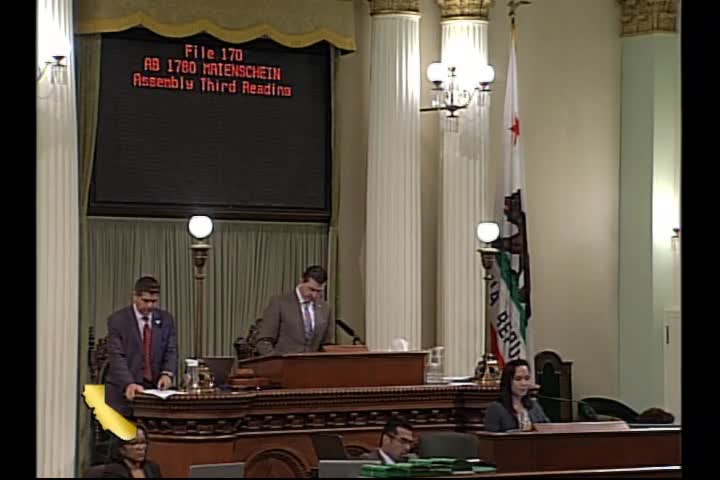 1MIN
Assembly Floor
 28MIN
Assembly Standing Committee on Public Safety
Bill Author


