AB 2096: Personal income taxes: voluntary contributions: Organ and Tissue Donor Registry Voluntary Tax Contribution Fund.
- Session Year: 2017-2018
- House: Assembly
- Latest Version Date: 2018-09-06
Existing law, the Uniform Anatomical Gift Act, establishes the California Organ and Tissue Donor Registrar as a not-for-profit entity to establish and maintain the Donate Life California Organ and Tissue Donor Registry to contain, among other things, information regarding persons who have identified themselves as organ and tissue donors.
Existing law, the Personal Income Tax Law, authorizes an individual to contribute amounts in excess of his or her personal income tax liability for the support of specified funds. Existing law sets forth general administrative provisions applicable to voluntary contributions, which, among other things, repeal funds that fail to meet a minimum contribution amount of $250,000 in a given taxable year.
This bill would allow a taxpayer to designate an amount in excess of personal income tax liability to be transferred into the Organ and Tissue Donor Registry Voluntary Tax Contribution Fund, which the bill would create. The bill would require the Franchise Tax Board to revise the tax return to include a space for this fund when another voluntary contribution designation is removed or space becomes available, whichever occurs first. The bill would require the fund to meet an annual minimum contribution amount of $250,000, as specified. The bill would require moneys transferred to the Organ and Tissue Donor Registry Voluntary Tax Contribution Fund to be continuously appropriated and allocated to the Donate Life California Organ and Tissue Donor Registrar, for the purpose of maintaining the Donate Life California Organ and Tissue Donor Registry, and to the Controller and the Franchise Tax Board, as provided.
The bill would provide that these provisions would remain in effect only until January 1 of the 7th calendar year following the first appearance of the Organ and Tissue Donor Registry Voluntary Tax Contribution Fund on the personal income tax return and would repeal the provisions as of December 1 of that year. The bill would provide for an earlier repeal if the Franchise Tax Board determines that the amount of contributions estimated to be received during the 2nd and later calendar years after its first appearance on a return will not at least equal the minimum contribution amount, in which case these provisions would be repealed on December 1 of that year.
By continuously appropriating these funds, the bill would make an appropriation.
Existing law, the Uniform Anatomical Gift Act, establishes the California Organ and Tissue Donor Registrar as a not-for-profit entity to establish and maintain the Donate Life California Organ and Tissue Donor Registry to contain, among other things, information regarding persons who have identified themselves as organ and tissue donors.
Existing law, the Personal Income Tax Law, authorizes an individual to contribute amounts in excess of his or her personal income tax liability for the support of specified funds. Existing law sets forth general administrative provisions applicable to voluntary contributions, which, among other things, repeal funds that fail to meet a minimum contribution amount of $250,000 in a given taxable year.
This bill would allow a taxpayer to designate an amount in excess of personal income tax liability to be transferred into the Organ and Tissue Donor Registry Voluntary Tax Contribution Fund, which the bill would create. The bill would require the Franchise Tax Board to revise the tax return to include a space for this fund when another voluntary contribution designation is removed or space becomes available, whichever occurs first. The bill would require the fund to meet an annual minimum contribution amount of $250,000, as specified. The bill would require moneys transferred to the Organ and Tissue Donor Registry Voluntary Tax Contribution Fund to be continuously appropriated and allocated to the Donate Life California Organ and Tissue Donor Registrar, for the purpose of maintaining the Donate Life California Organ and Tissue Donor Registry, and to the Controller and the Franchise Tax Board, as provided.
The bill would provide that these provisions would remain in effect only until January 1 of the 7th calendar year following the first appearance of the Organ and Tissue Donor Registry Voluntary Tax Contribution Fund on the personal income tax return and would repeal the provisions as of December 1 of that year. The bill would provide for an earlier repeal if the Franchise Tax Board determines that the amount of contributions estimated to be received during the 2nd and later calendar years after its first appearance on a return will not at least equal the minimum contribution amount, in which case these provisions would be repealed on December 1 of that year.
By continuously appropriating these funds, the bill would make an appropriation.
Existing law, the Uniform Anatomical Gift Act, establishes the California Organ and Tissue Donor Registrar as a not-for-profit entity to establish and maintain the Donate Life California Organ and Tissue Donor Registry to contain, among other things, information regarding persons who have identified themselves as organ and tissue donors.
Existing law, the Personal Income Tax Law, authorizes an individual to contribute amounts in excess of his or her personal income tax liability for the support of specified funds. Existing law sets forth general administrative provisions applicable to voluntary contributions, which, among other things, repeal funds that fail to meet a minimum contribution amount of $250,000 in a given taxable year.
This bill would allow a taxpayer to designate an amount in excess of personal income tax liability to be transferred into the Organ and Tissue Donor Registry Voluntary Tax Contribution Fund, which the bill would create. The bill would require the Franchise Tax Board to revise the tax return to include a space for this fund when another voluntary contribution designation is removed or space becomes available, whichever occurs first. The bill would require the fund to meet an annual minimum contribution amount of $250,000, as specified. The bill would require moneys transferred to the Organ and Tissue Donor Registry Voluntary Tax Contribution Fund to be continuously appropriated and allocated to the Donate Life California Organ and Tissue Donor Registrar, for the purpose of maintaining the Donate Life California Organ and Tissue Donor Registry, and to the Controller and the Franchise Tax Board, as provided.
The bill would provide that these provisions would remain in effect only until January 1 of the 7th calendar year following the first appearance of the Organ and Tissue Donor Registry Voluntary Tax Contribution Fund on the personal income tax return and would repeal the provisions as of December 1 of that year. The bill would provide for an earlier repeal if the Franchise Tax Board determines that the amount of contributions estimated to be received during the 2nd and later calendar years after its first appearance on a return will not at least equal the minimum contribution amount, in which case these provisions would be repealed on December 1 of that year.
By continuously appropriating these funds, the bill would make an appropriation.
Existing law, the Uniform Anatomical Gift Act, establishes the California Organ and Tissue Donor Registrar as a not-for-profit entity to establish and maintain the Donate Life California Organ and Tissue Donor Registry to contain, among other things, information regarding persons who have identified themselves as organ and tissue donors.
Existing law, the Personal Income Tax Law, authorizes an individual to contribute amounts in excess of his or her personal income tax liability for the support of specified funds. Existing law sets forth general administrative provisions applicable to voluntary contributions, which, among other things, repeal funds that fail to meet a minimum contribution amount of $250,000 in a given taxable year.
This bill, notwithstanding those repeal provisions, would indefinitely bill would allow a taxpayer to designate an amount in excess of personal income tax liability to be deposited transferred into the Donate Life California Organ and Tissue Donor Registry Voluntary Tax Contribution Fund, which the bill would create. The bill would require the Franchise Tax Board to revise the tax return to include a space for this fund. fund when another voluntary contribution designation is removed or space becomes available, whichever occurs first. The bill would require the fund to meet an annual minimum contribution amount of $250,000, as specified. The bill would require moneys transferred to the Donate Life California Organ and Tissue Donor Registry Voluntary Tax Contribution Fund to be continuously appropriated and allocated to the California Organ and Tissue Donor Registrar, for the purpose of maintaining the Donate Life California Organ and Tissue Donor Registry, and to the Controller and the Franchise Tax Board, as provided. By
The bill would provide that these provisions would remain in effect only until January 1 of the 7th calendar year following the first appearance of the Organ and Tissue Donor Registry Voluntary Tax Contribution Fund on the personal income tax return and would repeal the provisions as of December 1 of that year. The bill would provide for an earlier repeal if the Franchise Tax Board determines that the amount of contributions estimated to be received during the 2nd and later calendar years after its first appearance on a return will not at least equal the minimum contribution amount, in which case these provisions would be repealed on December 1 of that year.
By continuously appropriating these funds, the bill would make an appropriation.
Existing law, the Uniform Anatomical Gift Act, establishes the California Organ and Tissue Donor Registrar as a not-for-profit entity to establish and maintain the Donate Life California Organ and Tissue Donor Registry to contain, among other things, information regarding persons who have identified themselves as organ and tissue donors.
Existing law, the Personal Income Tax Law, authorizes an individual to contribute amounts in excess of his or her personal income tax liability for the support of specified funds. Existing law sets forth general administrative provisions applicable to voluntary contributions, which, among other things, repeal funds that fail to meet a minimum contribution amount of $250,000 in a given taxable year.
This bill, notwithstanding those repeal provisions, would indefinitely allow a taxpayer to designate an amount in excess of personal income tax liability to be deposited into the Donate Life California Voluntary Tax Contribution Fund, which the bill would create. The bill would require the Franchise Tax Board to revise the tax return to include a space for this fund. The bill would require moneys transferred to the Donate Life California Voluntary Tax Contribution Fund to be continuously appropriated and allocated to the California Organ and Tissue Donor Registrar, for the purpose of maintaining the Donate Life California Organ and Tissue Donor Registry, and to the Controller and the Franchise Tax Board, as provided. By continuously appropriating these funds, the bill would make an appropriation.
Existing law authorizes taxpayers to contribute amounts in excess of their personal income tax liability for the support of specified funds. Existing law also has administrative provisions generally applicable to a new or extended voluntary contribution that takes effect on or after January 2, 2017, as provided.This bill would make nonsubstantive changes to that provision.Existing law authorizes taxpayers to contribute amounts in excess of their personal income tax liability for the support of specified funds. Existing law also has administrative provisions generally applicable to a new or extended voluntary contribution that takes effect on or after January 2, 2017, as provided.
This bill would make nonsubstantive changes to that provision.
(a)An individual may designate on the tax return that a contribution in excess of the taxpayers personal income tax liability, if any, be made to the Organ and Tissue Donor Registry Voluntary Tax Contribution Fund, which is established by Section 18907.1 to be used to maintain the Donate Life California Organ and Tissue Donor Registry, authorized pursuant to Section 7150.90 of the Health and Safety Code. That designation is to be used as a voluntary contribution on the tax return.
(b)The contribution shall be in full dollar amounts and may be made individually by each signatory on a joint return.
(c)A designation under subdivision (a) shall be made for any taxable year on the original return for that taxable year, and once made shall be irrevocable. If payments and credits reported on the return, together with any other credits associated with the taxpayers account, do not exceed the taxpayers tax liability, the return shall be treated as though no designation has been made.
(d)The Franchise Tax Board shall revise the form of the return to include a space labeled the Organ and Tissue Donor Registry Voluntary Tax Contribution Fund to allow for the designation permitted under subdivision (a). The form shall also include in the instructions information that the contribution may be in the amount of one dollar ($1) or more and that the contribution shall be used to maintain the Donate Life California Organ and Tissue Donor Registry.
(e)A deduction shall be allowed under Article 6 (commencing with Section 17201) of Chapter 3 of Part 10 for any contribution made pursuant to subdivision (a).
(f)Notwithstanding subdivision (d), a voluntary contribution designation for the Organ and Tissue Donor Registry Voluntary Tax Contribution Fund shall not be added on the tax return until another voluntary contribution designation is removed or space is available, whichever occurs first.
18907.1.There is hereby established in the State Treasury the Organ and Tissue Donor Registry Voluntary Tax Contribution Fund to receive contributions made pursuant to Section 18907. The Franchise Tax Board shall notify the Controller of both the amount of money paid by taxpayers in excess of their tax liability and the amount of refund money that taxpayers have designated pursuant to Section 18907 to be transferred to the Organ and Tissue Donor Registry Voluntary Tax Contribution Fund. The Controller shall transfer from the Personal Income Tax Fund to the Organ and Tissue Donor Registry Voluntary Tax Contribution Fund an amount not in excess of the sum of the amounts designated by individuals pursuant to Section 18907 for payment into that fund.
18907.2.(a)Notwithstanding Section 13340 of the Government Code, all moneys transferred to the Organ and Tissue Donor Registry Voluntary Tax Contribution Fund pursuant to Section 18907.1 shall be continuously appropriated and allocated as follows:
(1)To the Controller and the Franchise Tax Board for reimbursement of all costs incurred by the Controller and the Franchise Tax Board in connection with their duties under this article.
(2)The balance to the Donate Life California Organ and Tissue Donor Registrar, for its ongoing activities to maintain the Donate Life California Organ and Tissue Donor Registry, authorized by Section 7150.90 of the Health and Safety Code.
(b)All moneys allocated pursuant to paragraph (2) of subdivision (a) may be carried over from the year in which they were received and encumbered in any following year.
18907.3.Donate Life California Organ and Tissue Donor Registrar shall comply with the Internet Web site reporting requirements described in Section 18873.
18907.4.(a)Except as otherwise provided in subdivision (b), this article shall remain in effect only until January 1 of the seventh calendar year following the first appearance of the Organ and Tissue Donor Registry Voluntary Tax Contribution Fund on the personal income tax return, and is repealed as of December 1 of that year.
(b)(1)By September 1 of the second calendar year and each subsequent calendar year that the Organ and Tissue Donor Registry Voluntary Tax Contribution Fund appears on the tax return, the Franchise Tax Board shall determine whether the amount of contributions estimated to be received during the calendar year will equal or exceed the minimum contribution amount determined by the Franchise Tax Board for the calendar year as described in paragraph (3). The Franchise Tax Board shall estimate the amount of contributions to be received by using the actual amounts received and an estimate of the contributions that will be received by the end of that calendar year.
(2)If the Franchise Tax Board determines that the amount of the contributions estimated to be received during a calendar year will not at least equal the minimum contribution amount for the calendar year, this article shall be inoperative with respect to taxable years beginning on or after January 1 of that calendar year and shall be repealed on December 1 of that year.
(3)For purposes of this section, the minimum contribution amount for a calendar year means two hundred fifty thousand dollars ($250,000) for the second calendar year after the first appearance of the Organ and Tissue Donor Registry Voluntary Tax Contribution Fund on the personal income tax return and the following calendar years.
(a)An individual may designate on the tax return that a contribution in excess of the taxpayers personal income tax liability, if any, be made to the Organ and Tissue Donor Registry Voluntary Tax Contribution Fund, which is established by Section 18907.1 to be used to maintain the Donate Life California Organ and Tissue Donor Registry, authorized pursuant to Section 7150.90 of the Health and Safety Code. That designation is to be used as a voluntary contribution on the tax return.
(b)The contribution shall be in full dollar amounts and may be made individually by each signatory on a joint return.
(c)A designation under subdivision (a) shall be made for any taxable year on the original return for that taxable year, and once made shall be irrevocable. If payments and credits reported on the return, together with any other credits associated with the taxpayers account, do not exceed the taxpayers tax liability, the return shall be treated as though no designation has been made.
(d)The Franchise Tax Board shall revise the form of the return to include a space labeled the Organ and Tissue Donor Registry Voluntary Tax Contribution Fund to allow for the designation permitted under subdivision (a). The form shall also include in the instructions information that the contribution may be in the amount of one dollar ($1) or more and that the contribution shall be used to maintain the Donate Life California Organ and Tissue Donor Registry.
(e)A deduction shall be allowed under Article 6 (commencing with Section 17201) of Chapter 3 of Part 10 for any contribution made pursuant to subdivision (a).
(f)Notwithstanding subdivision (d), a voluntary contribution designation for the Organ and Tissue Donor Registry Voluntary Tax Contribution Fund shall not be added on the tax return until another voluntary contribution designation is removed or space is available, whichever occurs first.
18907.1.There is hereby established in the State Treasury the Organ and Tissue Donor Registry Voluntary Tax Contribution Fund to receive contributions made pursuant to Section 18907. The Franchise Tax Board shall notify the Controller of both the amount of money paid by taxpayers in excess of their tax liability and the amount of refund money that taxpayers have designated pursuant to Section 18907 to be transferred to the Organ and Tissue Donor Registry Voluntary Tax Contribution Fund. The Controller shall transfer from the Personal Income Tax Fund to the Organ and Tissue Donor Registry Voluntary Tax Contribution Fund an amount not in excess of the sum of the amounts designated by individuals pursuant to Section 18907 for payment into that fund.
18907.2.(a)Notwithstanding Section 13340 of the Government Code, all moneys transferred to the Organ and Tissue Donor Registry Voluntary Tax Contribution Fund pursuant to Section 18907.1 shall be continuously appropriated and allocated as follows:
(1)To the Controller and the Franchise Tax Board for reimbursement of all costs incurred by the Controller and the Franchise Tax Board in connection with their duties under this article.
(2)The balance to the Donate Life California Organ and Tissue Donor Registrar, for its ongoing activities to maintain the Donate Life California Organ and Tissue Donor Registry, authorized by Section 7150.90 of the Health and Safety Code.
(b)All moneys allocated pursuant to paragraph (2) of subdivision (a) may be carried over from the year in which they were received and encumbered in any following year.
18907.3.Donate Life California Organ and Tissue Donor Registrar shall comply with the Internet Web site reporting requirements described in Section 18873.
18907.4.(a)Except as otherwise provided in subdivision (b), this article shall remain in effect only until January 1 of the seventh calendar year following the first appearance of the Organ and Tissue Donor Registry Voluntary Tax Contribution Fund on the personal income tax return, and is repealed as of December 1 of that year.
(b)(1)By September 1 of the second calendar year and each subsequent calendar year that the Organ and Tissue Donor Registry Voluntary Tax Contribution Fund appears on the tax return, the Franchise Tax Board shall determine whether the amount of contributions estimated to be received during the calendar year will equal or exceed the minimum contribution amount determined by the Franchise Tax Board for the calendar year as described in paragraph (3). The Franchise Tax Board shall estimate the amount of contributions to be received by using the actual amounts received and an estimate of the contributions that will be received by the end of that calendar year.
(2)If the Franchise Tax Board determines that the amount of the contributions estimated to be received during a calendar year will not at least equal the minimum contribution amount for the calendar year, this article shall be inoperative with respect to taxable years beginning on or after January 1 of that calendar year and shall be repealed on December 1 of that year.
(3)For purposes of this section, the minimum contribution amount for a calendar year means two hundred fifty thousand dollars ($250,000) for the second calendar year after the first appearance of the Organ and Tissue Donor Registry Voluntary Tax Contribution Fund on the personal income tax return and the following calendar years.
(a)An individual may designate on the tax return that a contribution in excess of the taxpayers personal income tax liability, if any, be made to the Organ and Tissue Donor Registry Voluntary Tax Contribution Fund, which is established by Section 18907.1 to be used to maintain the Donate Life California Organ and Tissue Donor Registry, authorized pursuant to Section 7150.90 of the Health and Safety Code. That designation is to be used as a voluntary contribution on the tax return.
(b)The contribution shall be in full dollar amounts and may be made individually by each signatory on a joint return.
(c)A designation under subdivision (a) shall be made for any taxable year on the original return for that taxable year, and once made shall be irrevocable. If payments and credits reported on the return, together with any other credits associated with the taxpayers account, do not exceed the taxpayers tax liability, the return shall be treated as though no designation has been made.
(d)The Franchise Tax Board shall revise the form of the return to include a space labeled the Organ and Tissue Donor Registry Voluntary Tax Contribution Fund to allow for the designation permitted under subdivision (a). The form shall also include in the instructions information that the contribution may be in the amount of one dollar ($1) or more and that the contribution shall be used to maintain the Donate Life California Organ and Tissue Donor Registry.
(e)A deduction shall be allowed under Article 6 (commencing with Section 17201) of Chapter 3 of Part 10 for any contribution made pursuant to subdivision (a).
(f)Notwithstanding any other law, subdivision (d), a voluntary contribution designation for the Organ and Tissue Donor Registry Voluntary Tax Contribution Fund shall not be added on the tax return until another voluntary contribution designation is removed or space is available, whichever occurs first.
18907.1.There is hereby established in the State Treasury the Organ and Tissue Donor Registry Voluntary Tax Contribution Fund to receive contributions made pursuant to Section 18907. The Franchise Tax Board shall notify the Controller of both the amount of money paid by taxpayers in excess of their tax liability and the amount of refund money that taxpayers have designated pursuant to Section 18907 to be transferred to the Organ and Tissue Donor Registry Voluntary Tax Contribution Fund. The Controller shall transfer from the Personal Income Tax Fund to the Organ and Tissue Donor Registry Voluntary Tax Contribution Fund an amount not in excess of the sum of the amounts designated by individuals pursuant to Section 18907 for payment into that fund.
18907.2.(a)Notwithstanding Section 13340 of the Government Code, all moneys transferred to the Organ and Tissue Donor Registry Voluntary Tax Contribution Fund pursuant to Section 18907.1 shall be continuously appropriated and allocated as follows:
(1)To the Controller and the Franchise Tax Board for reimbursement of all costs incurred by the Controller and the Franchise Tax Board in connection with their duties under this article.
(2)The balance to the Donate Life California Organ and Tissue Donor Registrar, for its ongoing activities to maintain the Donate Life California Organ and Tissue Donor Registry, authorized by Section 7150.90 of the Health and Safety Code.
(b)All moneys allocated pursuant to paragraph (2) of subdivision (a) may be carried over from the year in which they were received and encumbered in any following year.
18907.3.Donate Life California Organ and Tissue Donor Registrar shall comply with the Internet Web site reporting requirements described in Section 18873.
18907.3.18907.4.(a)Except as otherwise provided in subdivision (b), this article shall remain in effect only until January 1 of the seventh calendar year following the first appearance of the Organ and Tissue Donor Registry Voluntary Tax Contribution Fund on the personal income tax return, and is repealed as of December 1 of that year.
(b)(1)By September 1 of the second calendar year and each subsequent calendar year that the Organ and Tissue Donor Registry Voluntary Tax Contribution Fund appears on the tax return, the Franchise Tax Board shall determine whether the amount of contributions estimated to be received during the calendar year will equal or exceed the minimum contribution amount determined by the Franchise Tax Board for the calendar year as described in paragraph (3). The Franchise Tax Board shall estimate the amount of contributions to be received by using the actual amounts received and an estimate of the contributions that will be received by the end of that calendar year.
(2)If the Franchise Tax Board determines that the amount of the contributions estimated to be received during a calendar year will not at least equal the minimum contribution amount for the calendar year, this article shall be inoperative with respect to taxable years beginning on or after January 1 of that calendar year and shall be repealed on December 1 of that year.
(3)For purposes of this section, the minimum contribution amount for a calendar year means two hundred fifty thousand dollars ($250,000) for the second calendar year after the first appearance of the Organ and Tissue Donor Registry Voluntary Tax Contribution Fund on the personal income tax return and the following calendar years.
(a)Notwithstanding subdivision (c) of Section 18873, an An individual may designate on the tax return that a contribution in excess of the taxpayers personal income tax liability, if any, be made to the Donate Life California Organ and Tissue Donor Registry Voluntary Tax Contribution Fund, which is established by Section 18907.1 to be used to maintain the Donate Life California Organ and Tissue Donor Registry, authorized pursuant to Section 7150.90 of the Health and Safety Code. That designation is to be used as a voluntary contribution on the tax return.
(b)The contribution shall be in full dollar amounts and may be made individually by each signatory on the a joint return.
(c)A designation under subdivision (a) shall be made for any taxable year on the original return for that taxable year, and once made shall be irrevocable. If payments and credits reported on the return, together with any other credits associated with the taxpayers account, do not exceed the taxpayers tax liability, the return shall be treated as though no designation has been made.
(d)The Franchise Tax Board shall revise the form of the return for taxable years beginning on and after January 1, 2018, to include a space labeled Donate Life California the Organ and Tissue Donor Registry Voluntary Tax Contribution Fund to allow for the designation permitted under subdivision (a). The form shall also include in the instructions information that the contribution may be in the amount of one dollar ($1) or more and that the contribution shall be used to maintain the Donate Life California Organ and Tissue Donor Registry.
(e)A deduction shall be allowed under Article 6 (commencing with Section 17201) of Chapter 3 of Part 10 for any contribution made pursuant to subdivision (a).
(f)Notwithstanding any other law, a voluntary contribution designation for the Organ and Tissue Donor Registry Voluntary Tax Contribution Fund shall not be added on the tax return until another voluntary contribution designation is removed or space is available, whichever occurs first.
18907.1.There is hereby established in the State Treasury the Donate Life California Organ and Tissue Donor Registry Voluntary Tax Contribution Fund to receive contributions made pursuant to Section 18907. The Franchise Tax Board shall notify the Controller of both the amount of money paid by taxpayers in excess of their tax liability and the amount of refund money that taxpayers have designated pursuant to Section 18907 to be transferred to the Donate Life California Organ and Tissue Donor Registry Voluntary Tax Contribution Fund. The Controller shall transfer from the Personal Income Tax Fund to the Donate Life California Organ and Tissue Donor Registry Voluntary Tax Contribution Fund an amount not in excess of the sum of the amounts designated by individuals pursuant to Section 18907 for payment into that fund.
18907.2.(a)Notwithstanding Section 13340 of the Government Code, all moneys transferred to the Donate Life California Organ and Tissue Donor Registry Voluntary Tax Contribution Fund pursuant to Section 18907.1 shall be continuously appropriated and allocated as follows:
(1)To the Controller and the Franchise Tax Board for reimbursement of all costs incurred by the Controller and the Franchise Tax Board in connection with their duties under this article.
(2)The balance to the California Organ and Tissue Donor Registrar, for its ongoing activities to maintain the Donate Life California Organ and Tissue Donor Registry, authorized by Section 7150.90 of the Health and Safety Code.
(b)All moneys allocated pursuant to paragraph (2) of subdivision (a) may be carried over from the year in which they were received and encumbered in any following year.
18907.3.(a)Except as otherwise provided in subdivision (b), this article shall remain in effect only until January 1 of the seventh calendar year following the first appearance of the Organ and Tissue Donor Registry Voluntary Tax Contribution Fund on the personal income tax return, and is repealed as of December 1 of that year.
(b)(1)By September 1 of the second calendar year and each subsequent calendar year that the Organ and Tissue Donor Registry Voluntary Tax Contribution Fund appears on the tax return, the Franchise Tax Board shall determine whether the amount of contributions estimated to be received during the calendar year will equal or exceed the minimum contribution amount determined by the Franchise Tax Board for the calendar year as described in paragraph (3). The Franchise Tax Board shall estimate the amount of contributions to be received by using the actual amounts received and an estimate of the contributions that will be received by the end of that calendar year.
(2)If the Franchise Tax Board determines that the amount of the contributions estimated to be received during a calendar year will not at least equal the minimum contribution amount for the calendar year, this article shall be inoperative with respect to taxable years beginning on or after January 1 of that calendar year and shall be repealed on December 1 of that year.
(3)For purposes of this section, the minimum contribution amount for a calendar year means two hundred fifty thousand dollars ($250,000) for the second calendar year after the first appearance of the Organ and Tissue Donor Registry Voluntary Tax Contribution Fund on the personal income tax return and the following calendar years.
(a)Notwithstanding subdivision (c) of Section 18873, an individual may designate on the tax return that a contribution in excess of the taxpayers personal income tax liability, if any, be made to the Donate Life California Voluntary Tax Contribution Fund, which is established by Section 18907.1 to be used to maintain the Donate Life California Organ and Tissue Donor Registry, authorized pursuant to Section 7150.90 of the Health and Safety Code. That designation is to be used as a voluntary contribution on the tax return.
(b)The contribution shall be in full dollar amounts and may be made individually by each signatory on the joint return.
(c)A designation under subdivision (a) shall be made for any taxable year on the original return for that taxable year, and once made shall be irrevocable. If payments and credits reported on the return, together with any other credits associated with the taxpayers account, do not exceed the taxpayers tax liability, the return shall be treated as though no designation has been made.
(d)The Franchise Tax Board shall revise the form of the return for taxable years beginning on and after January 1, 2018, to include a space labeled Donate Life California Voluntary Tax Contribution Fund to allow for the designation permitted under subdivision (a). The form shall also include in the instructions information that the contribution may be in the amount of one dollar ($1) or more and that the contribution shall be used to maintain the Donate Life California Organ and Tissue Donor Registry.
(e)A deduction shall be allowed under Article 6 (commencing with Section 17201) of Chapter 3 of Part 10 for any contribution made pursuant to subdivision (a).
18907.1.There is hereby established in the State Treasury the Donate Life California Voluntary Tax Contribution Fund to receive contributions made pursuant to Section 18907. The Franchise Tax Board shall notify the Controller of both the amount of money paid by taxpayers in excess of their tax liability and the amount of refund money that taxpayers have designated pursuant to Section 18907 to be transferred to the Donate Life California Voluntary Tax Contribution Fund. The Controller shall transfer from the Personal Income Tax Fund to the Donate Life California Voluntary Tax Contribution Fund an amount not in excess of the sum of the amounts designated by individuals pursuant to Section 18907 for payment into that fund.
18907.2.(a)Notwithstanding Section 13340 of the Government Code, all moneys transferred to the Donate Life California Voluntary Tax Contribution Fund pursuant to Section 18907.1 shall be continuously appropriated and allocated as follows:
(1)To the Controller and the Franchise Tax Board for reimbursement of all costs incurred by the Controller and the Franchise Tax Board in connection with their duties under this article.
(2)The balance to the California Organ and Tissue Donor Registrar, for its ongoing activities to maintain the Donate Life California Organ and Tissue Donor Registry, authorized by Section 7150.90 of the Health and Safety Code.
(b)All moneys allocated pursuant to paragraph (2) of subdivision (a) may be carried over from the year in which they were received and encumbered in any following year.
SECTION 1.Section 18873 of the Revenue and Taxation Code is amended to read:18873.Notwithstanding any other law, all of the following requirements shall apply to new voluntary tax contributions, including an extension of an existing voluntary tax contribution:(a)The words voluntary tax contribution shall be included as part of the name of the fund.(b)(1)The administering agencys Internet Web site shall report the process for awarding money, the amount of money spent on administration, and an itemization of how program funds were awarded by the agency, including, but not limited to, information regarding recipients of funds.(2)An administering agency means the state agency or other governmental entity, other than the Franchise Tax Board and the Controller, to which funds are allocated to accomplish the purposes of the voluntary tax contribution designation.(c)(1)Except as otherwise provided in paragraph (2) or where another inoperative or repeal date is provided, the article establishing the voluntary tax contribution shall remain in effect only until January 1 of the seventh calendar year following the first appearance of the contribution on the personal income tax return, and is repealed as of December 1 of that year.(2)The minimum contribution amount that must be received for the fund to continue appearing on the tax return is two hundred fifty thousand dollars ($250,000) for the second calendar year after the first appearance of the fund on the personal income tax return and each calendar year thereafter.(d)Contributions made pursuant to the voluntary tax contribution shall be continuously appropriated from the fund to the administering agency to be spent as prescribed in the act in which the voluntary tax contribution is enacted.(e)This section shall apply only to new voluntary tax contributions, including an extension of any existing voluntary tax contribution, that take effect on or after January 2, 2017.Notwithstanding any other law, all of the following requirements shall apply to any new voluntary tax contributions, including an extension of any an existing voluntary tax contribution:
(a)The words voluntary tax contribution shall be included as part of the name of the fund.
(b)(1)The administering agencys Internet Web site shall report the process for awarding money, the amount of money spent on administration, and an itemization of how program funds were awarded by the agency, including, but not limited to, information regarding recipients of funds.
(2)An administering agency means the state agency or other governmental entity, other than the Franchise Tax Board and the Controller, to which funds are allocated to accomplish the purposes of the voluntary tax contribution designation.
(c)(1)Except as otherwise provided in paragraph (2) or where another inoperative or repeal date is provided, the article establishing the voluntary tax contribution shall remain in effect only until January 1 of the seventh calendar year following the first appearance of the contribution on the personal income tax return, and is repealed as of December 1 of that year.
(2)The minimum contribution amount that must be received for the fund to continue appearing on the tax return is two hundred fifty thousand dollars ($250,000) for the second calendar year after the first appearance of the fund on the personal income tax return and each calendar year thereafter.
(d)Contributions made pursuant to the voluntary tax contribution shall be continuously appropriated from the fund to the administering agency to be spent as prescribed in the act in which the voluntary tax contribution is enacted.
(e)This section shall apply only to new voluntary tax contributions, including an extension of any existing voluntary tax contribution, that take effect on or after January 2, 2017.
|
Date
|
Status
|
|---|---|
| Sep 6, 2018 | Chaptered by Secretary of State - Chapter 276, Statutes of 2018. |
| Sep 6, 2018 | Approved by the Governor. |
| Aug 24, 2018 | Enrolled and presented to the Governor at 4:30 p.m. |
| Aug 20, 2018 | Senate amendments concurred in. To Engrossing and Enrolling. |
| Aug 14, 2018 | In Assembly. Concurrence in Senate amendments pending. May be considered on or after August 16 pursuant to Assembly Rule 77. |
| Aug 13, 2018 | Read third time. Passed. Ordered to the Assembly. |
| Aug 1, 2018 | Ordered to special consent calendar. |
| Jul 3, 2018 | Read second time. Ordered to third reading. |
| Jul 2, 2018 | From committee: Do pass. (Ayes 7. Noes 0.) (July 2). |
| Jun 14, 2018 | Read second time and amended. Re-referred to Com. on APPR. |
| Jun 13, 2018 | From committee: Amend, and do pass as amended and re-refer to Com. on APPR. (Ayes 7. Noes 0.) (June 13). |
| May 24, 2018 | Referred to Com. on GOV. & F. |
| May 10, 2018 | In Senate. Read first time. To Com. on RLS. for assignment. |
| May 10, 2018 | Read third time. Passed. Ordered to the Senate. |
| May 3, 2018 | Read second time. Ordered to Consent Calendar. |
| May 2, 2018 | From committee: Do pass. To Consent Calendar. (Ayes 17. Noes 0.) (May 2). |
| Apr 25, 2018 | Re-referred to Com. on APPR. |
| Apr 24, 2018 | Read second time and amended. |
| Apr 23, 2018 | From committee: Amend, and do pass as amended and re-refer to Com. on APPR. (Ayes 8. Noes 0.) (April 16). |
| Mar 21, 2018 | Re-referred to Com. on REV. & TAX. |
| Mar 20, 2018 | From committee chair, with author's amendments: Amend, and re-refer to Com. on REV. & TAX. Read second time and amended. |
| Mar 19, 2018 | Referred to Com. on REV. & TAX. |
| Feb 8, 2018 | From printer. May be heard in committee March 10. |
| Feb 7, 2018 | Read first time. To print. |
|
Date
|
Description
|
Location
|
Votes
|
|
|---|---|---|---|---|
| Aug 20, 2018 | AB 2096 FRAZIER Concurrence in Senate Amendments | Assembly Floor |
Passed |
|
| Aug 13, 2018 | Special Consent AB2096 | Senate Floor |
Passed |
|
| Jul 2, 2018 | Do pass | Senate Standing Committee on Appropriations |
Passed |
|
| Jun 13, 2018 | Do pass as amended, but first amend, and re-refer to the Committee on [Appropriations] | Senate Standing Committee on Governance and Finance |
Passed |
|
| May 10, 2018 | AB 2096 FRAZIER Consent Calendar Second Day Regular Session | Assembly Floor |
Passed |
|
| May 2, 2018 | Do pass. To Consent Calendar. | Assembly Standing Committee on Appropriations |
Passed |
|
| Apr 16, 2018 | Do pass as amended and be re-referred to the Committee on [Appropriations] | Assembly Standing Committee on Revenue and Taxation |
Passed |
This list shows positions taken on this bill by organizations on the date displayed, which is linked to the original source.
Positions by individuals are not included.
|
Organization
|
Position
|
Date
|
|---|---|---|
| Donate Life California | ** Support | Jul 3, 2018 |
| State Board of Equalization Member George Runner | ** Support | Jul 3, 2018 |
| Three individuals | ** Support | Jul 3, 2018 |
| Unknown. | ** Against | Jun 8, 2018 |
CONCURRENCE IN SENATE AMENDMENTS
CSA1 Bill Id:AB 2096
Author:(Frazier)
As Amended Ver:June 14, 2018
Majority vote
ASSEMBLY: | 73-0 | (May 10, 2018) | SENATE: | 37-0 | (August 13, 2018) |
Original Committee Reference: REV. & TAX.
SUMMARY: Authorizes the addition of the Organ and Tissue Donor Registry Voluntary Tax Contribution Fund (Fund) as a voluntary contribution fund (VCF) on the personal income tax (PIT) return.
The Senate amendments:
- Require the Donate Life California Organ and Tissue Donor Registrar to comply with specified Internet Web site reporting requirements.
- Make minor technical revisions.
EXISTING LAW:
- Establishes the California Organ and Tissue Donor Registrar as a not-for-profit entity to maintain the Donate Life California Organ and Tissue Donor Registry (Registry). The Registry contains information regarding individuals who have identified themselves as organ and tissue donors.
- Allows taxpayers to contribute to one or more of 24 VCFs on the 2017 PIT return.
- Requires each VCF to meet an annual minimum contribution amount to remain in effect, except for the California Firefighters' Memorial Fund, the California Peace Officer Memorial Foundation Fund, and the California Seniors Special Fund.
- Provides a specific sunset date for each VCF, except for the California Seniors Special Fund and the State Parks Protection Fund.
- Requires the statutory provisions establishing a VCF to remain in effect only until January 1 of the seventh calendar year following the VCF's first appearance on the PIT return.
AS PASSED BY THE ASSEMBLY, this bill:
- Established the Fund in the State Treasury.
- Allowed a deduction for any contribution made to the Fund.
- Provided that all money transferred to the Fund shall be continuously appropriated and allocated to the:
- State Controller and Franchise Tax Board (FTB) for reimbursement of all costs incurred in administering the VCF; and,
- California Organ and Tissue Donor Registrar, for its ongoing activities to maintain the Registry, authorized by Health and Safety Code Section 7150.90.
FISCAL EFFECT: According to the Senate Appropriations Committee:
- The FTB estimates that, beginning in fiscal year 2019-20, this bill would result in an annual revenue loss of $8,000 (General Fund).
- The State Controller's Office and FTB would be reimbursed for related administrative costs.
COMMENTS:
- The author has provided the following statement in support of this bill:
For over a decade the State of California has prioritized the importance of increasing the number of registered organ, eye, and tissue donors in the state. To-date over 14 million caring and generous Californians have registered, but another 14 million California license/ID holders have not yet registered.
AB 2096 will reinforce the State's commitment by giving Californians the opportunity each year to support the mission of closing the gap between those waiting for lifesaving organs and those who are able to receive them.
- Committee Staff Comments:
- Donate Life California: Donate Life California (DLC) saves lives by creating opportunities for Californians to sign up on the official state organ, eye, and tissue donor registry. DLC's vision is that, one day, all Californians will embrace organ donation as a personal responsibility. According to DLC's Web site, the Registry included 14,508,356 individuals as of April 9, 2018.
In an effort to educate Californians about the vital role played by organ donation, DLC notes the following:
- One person can save eight lives and enhance 75 others through organ, eye, and tissue donation;
- Anyone, regardless of age or medical history, can sign up on the DLC Registry at the DMV. The family of a registered donor under 18, however, must consent to the donation before it can be carried out;
- Californians can sign up by checking "yes" when applying for or renewing a driver's license or ID;
- More than 120,000 Americans are currently waiting for an organ transplant, and nearly 22,000 of these individuals live in California; and,
- Sadly, an average of 22 patients dies every day while waiting, simply because the organ they needed was not donated in time.
- What would this bill do? This bill would authorize the addition of a new VCF on the PIT return called the "Organ and Tissue Donor Registry Voluntary Tax Contribution Fund." Taxpayer contributions to the Fund would be continuously appropriated to the California Organ and Tissue Donor Registrar for its ongoing activities to maintain the Registry.
- So many causes, so little space: There are countless worthy causes that would benefit from the inclusion of a VCF on the state's PIT return. At the same time, space on the PIT return is limited. It could be argued that the current process for adding or extending VCFs is inherently subjective and rewards organizations that can convince the Legislature to champion their particular cause.
Additionally, adding to the ever-expanding list of VCFs may have the unintended effect of reducing contributions received by older VCFs since they will have to compete with a broader group of worthy causes for taxpayer support. This, in turn, could make it more difficult for existing VCFs to meet their annual $250,000 minimum contribution requirement.
Analysis Prepared by: M. David Ruff / REV. & TAX. / (916) 319-2098 FN: 0003805
Office of Senate Floor Analyses (916) 651-1520 Fax: (916) 327-4478 | AB |
THIRD READING
Bill No: AB 2096
:
SENATE GOVERNANCE & FIN. COMMITTEE: 7-0, 6/13/18
AYES: McGuire, Nguyen, Beall, Hernandez, Hertzberg, Lara, Moorlach
SENATE APPROPRIATIONS COMMITTEE: 7-0, 7/2/18
AYES: Portantino, Bates, Beall, Bradford, Hill, Nielsen, Wiener
ASSEMBLY FLOOR: 73-0, 5/10/18 (Consent) - See last page for vote
SOURCE: Donate Life California
DIGEST:
This bill establishes the Organ and Tissue Donor Registry Voluntary Contribution Fund on the Personal Income Tax Return.
Existing law:
- Allows taxpayers to contribute money to voluntary contribution funds (VCFs) by checking a box on their state income tax returns. There were 24 VCFs listed on the 2017 Personal Income Tax Return.
- Requires contributions made through so-called “check-offs” to be made from taxpayers’ own resources and not from their tax liability, as is possible on federal tax returns.
- Allows contribution amounts to be claimed as charitable contributions on taxpayers’ tax returns in the subsequent year.
- Requires that each VCF is individually added to the tax return by legislation. With a few exceptions, VCFs remain on the return until they are repealed by a sunset date or fail to generate a minimum contribution amount. In general, the minimum contribution amounts are adjusted annually for inflation. For most VCFs, the minimum contribution amount is $250,000, beginning in the fund’s second year. The following check-offs do not have a minimum contribution requirement:
- California Firefighters’ Memorial Foundation Fund,
- California Peace Officer Memorial Foundation Fund, and
- California Seniors Special Fund.
This bill:
- Authorizes the addition of the Organ and Tissue Donor Registry Voluntary Tax Contribution Fund (Fund) as a VCF on the Personal Income Tax Return.
- Establishes the Fund in the State Treasury.
- Allows a deduction for any contribution made to the Fund.
- Provides that all money transferred to the Fund shall be continuously appropriated and allocated to the:
- State Controller and Franchise Tax Board for reimbursement of all costs incurred in administering the VCF; and,
- Donate Life California Organ and Tissue Donor Registrar, for its ongoing activities to maintain the Donate Life California Organ and Tissue Donor Registry.
- Requires the Donate Life California Organ and Tissue Donor Registrar to comply with the Internet Web site VCF reporting requirements.
Background
SB 108 (Speier, Chapter 740, Statutes of 2001) established the Organ and Tissue Donor Registry (Registry) within the Health and Human Services Agency (HHSA). SB 108 required HHSA to maintain the registry with information on persons who have consented to donate their organs or tissues for transplant after death. The Department of Motor Vehicles (DMV) would provide people —who were applying for a new or renewed driver’s licenses—with information on the Registry and a Registry enrollment form. Expenditures for the fund were subject to legislative appropriation. SB 108 also created the Organ and Tissue Donor Registry Fund to receive additional contributions to support the Registry and its activities. However, the state budget deficit prevented HHSA from receiving adequate funding from the Legislature. Thus, SB 112 (Speier, Chapter 405, Statutes of 2003) repealed the requirement that HHSA oversee the Registry and instead, established a not-for-profit — Donate Life California —to oversee the Registry.
Donate Life California is the state-authorized nonprofit organization responsible for managing the Registry. Their mission is to save lives by creating opportunities for all Californians to sign up on the official state organ, eye, and tissue donor registry. They maintain the confidential database of donation wishes to be carried out at the time of death; provide educational and outreach programs to recruit organ donors; support the DMV by providing staff training on donor registry information; and work with the media to accurately report donation stories.
FISCAL EFFECT: Appropriation: Fiscal Com.: Local:
According to the Senate Appropriations Committee:
- The Franchise Tax Board (FTB) estimates that, beginning in 2019-20, this bill will result in an annual revenue loss of $8,000 (General Fund).
- The State Controller’s Office and FTB would be reimbursed for related administrative costs.
Donate Life California (source)
State Board of Equalization Member George Runner
Three individuals
None received
ARGUMENTS IN SUPPORT: According to the author, “For over a decade the State of California has prioritized the importance of increasing the number of registered organ, eye, and tissue donors in the state. To-date over 14 million caring and generous Californians have registered, but another 14 million California license/ID holders have not yet registered. AB 2096 will reinforce the State's commitment by giving Californians the opportunity each year to support the mission of closing the gap between those waiting for lifesaving organs and those who are able to receive them.”
ASSEMBLY FLOOR: 73-0, 5/10/18
AYES: Acosta, Aguiar-Curry, Arambula, Baker, Berman, Bigelow, Bloom, Bonta, Brough, Burke, Caballero, Calderon, Carrillo, Cervantes, Chau, Chávez, Chen, Chiu, Choi, Chu, Cooper, Cunningham, Dahle, Daly, Eggman, Flora, Fong, Frazier, Gallagher, Eduardo Garcia, Gipson, Gloria, Gonzalez Fletcher, Gray, Grayson, Harper, Holden, Irwin, Jones-Sawyer, Kalra, Kamlager-Dove, Kiley, Lackey, Levine, Limón, Low, Maienschein, Mathis, Mayes, McCarty, Medina, Melendez, Mullin, Muratsuchi, Nazarian, O'Donnell, Patterson, Quirk, Quirk-Silva, Reyes, Rodriguez, Rubio, Salas, Santiago, Steinorth, Mark Stone, Thurmond, Ting, Voepel, Waldron, Weber, Wood, Rendon
NO VOTE RECORDED: Travis Allen, Cooley, Friedman, Cristina Garcia, Obernolte
7/3/18 15:27:14
**** END ****
SENATE COMMITTEE ON
Senator Anthony Portantino, Chair
2017 - 2018 Regular Session
AB 2096 (Frazier) - Personal income taxes: voluntary contributions: Organ and Tissue Donor Registry Voluntary Tax Contribution Fund
Version: | Policy Vote: |
Urgency: | Mandate: |
Hearing Date: | Consultant: |
This bill does not meet the criteria for referral to the Suspense File.
Bill Summary:
AB 2096 would establish the Organ and Tissue Donor Registry Voluntary Contribution Fund, and allow taxpayers to make contributions to it on the state personal income tax (PIT) return.
Fiscal Impact:
- The Franchise Tax Board (FTB) estimates that, beginning in 2019-20, this bill would result in an annual revenue loss of $8,000 (General Fund).
- The State Controller’s Office (SCO) and FTB would be reimbursed for related administrative costs.
Background:
Current law allows taxpayers to contribute money to one or more of 24 voluntary contribution funds (VCF) during the process of filing their state income tax return. These contributions are made from taxpayers' own resources, not from their tax liability, as is the case with federal tax returns. Check-off amounts are deductible as charitable contributions on taxpayers' returns during the subsequent tax year. With some exceptions, each VCF (1) has a sunset date, and (2) is required to meet a minimum contribution amount of $250,000, adjusted annually for inflation.
When a taxpayer contributes to a VCF, FTB deposits the total of all contributions, less an administrative fee, into the fund created as part of its legislative authorization. For some VCFs, taxpayers’ contributions are allocated to a state agency for use in a state-administered grant program. Other VCFs’ authorizing statutes direct administrative agencies to allocate donations to a private organization, such as the American Red Cross. Still other VCFs require SCO to send the funds directly to private organizations, such as the California Fire Foundation, without passing through an administrative agency. Like FTB, SCO, and administrative agencies may deduct administration fees from the amount of donations each VCF receives.
In 2016, SB 1476 (Committee on Governance and Finance) established general provisions for all VCFs established or extended after January 2, 2017. Specifically, the bill: (1) set a minimum contribution amount of $250,000 beginning the second calendar year after the fund’s first appearance on the income tax return, with no inflation adjustment in subsequent years, (2) increased the current standard five-year sunset to seven years, (3) required administering agencies to post online the process for awarding money, the amount of money spent on administration, and an itemization of how program funds were awarded, including, but not limited to, information regarding recipients of funds, (4) provided that funds shall be continuously appropriated to the administering agency to be spent as prescribed in the bill that enacts the voluntary contribution, and (5) required “voluntary tax contribution” in the name of the fund.
Donate Life California is the state-authorized nonprofit organization responsible for managing the Organ and Tissue Donor Registry. It promotes opportunities for state residents to sign up on the official state organ, eye, and tissue donor registry. Additionally, it (1) maintains the confidential database of donation wishes to be carried out at the time of death, (2) provides educational and outreach programs to recruit organ donors, (3) supports the Department of Motor Vehicles by providing staff training on donor registry information, and (4) works with the media to accurately report donation stories.
Proposed Law:
This bill would establish the Organ and Tissue Donor Registry Voluntary Tax Contribution Fund (Fund) on the PIT return to finance programs by Donate Life California. The bill would establish the Fund in the State Treasury and continuously appropriate contributions as follows: (1) to FTB and SCO for reimbursement of costs incurred in administering the Fund, and (2) to the Donate Life California Organ and Tissue Donor Registrar, for its ongoing activities to maintain the California Organ and Tissue Donor Registry.
The Fund would remain on the PIT return until it either (1) does not meet the $250,000 minimum contribution amount, or (2) has made seven appearances on the return, whichever comes first.
Related Legislation:
SB 1476 (Committee on Governance and Finance, Chapter 597, Statutes of 2016) added general requirements applicable to VCFs added or extended on or after January 2, 2017.
Staff Comments:
FTB notes that about 56 percent of taxpayers who contribute to VCFs itemize their deductions. Assuming an average tax rate of six percent, FTB estimates the annual revenue loss would be $8,000; FTB assumes that the Fund would receive $250,000 in contributions annually.
Contributions related to the extension of the fund will be in made 2019 when 2018 returns are filed. The deduction for such contributions would be claimed on the 2019 return filed by April 15, 2020; consequently, revenue impact from the bill would not begin until 2019-20.
-- END --
SENATE COMMITTEE ON GOVERNANCE AND FINANCE
Senator Mike McGuire, Chair
2017 - 2018 Regular
Bill No: | AB 2096 | Hearing Date: | 6/13/18 |
Author: | Frazier | Tax Levy: | No |
Version: | 4/24/18 | Fiscal: | Yes |
Consultant: | Brown | ||
Personal income taxes: voluntary contributions: Organ and Tissue Donor Registry Voluntary Tax Contribution Fund
Establishes the Organ and Tissue Donor Registry Voluntary Contribution Fund on the Personal Income Tax Return.
Background
Voluntary contribution funds. Existing state law allows a taxpayer to contribute money to voluntary contribution funds (VCFs), by checking a box on his or her State Personal Income Tax Return. California law requires contributions made through VCFs — or tax check-offs — to be made from a taxpayer’s own resources. The contributions cannot come from the taxpayer’s tax liability. Check-off amounts may be claimed as charitable contributions on the taxpayer’s tax return in the subsequent year.
Each VCF is individually added to the return by legislation. With a few exceptions, VCFs remain on the return until they are repealed by a sunset date or they fail to generate a minimum contribution amount. In general, the minimum contribution amount is $250,000. The check-offs listed below do not have a minimum contribution requirement:
- California Firefighters’ Memorial Foundation Fund;
- California Peace Officer Memorial Foundation Fund; and
- California Seniors Special Fund.
When a taxpayer contributes to a VCF, the Franchise Tax Board (FTB) deposits the total of all contributions, less an administrative fee, into the organization’s fund. For some VCFs, the taxpayer’s contributions are allocated directly to a private organization by an administrative agency. For example, the Office of Emergency Services passes the taxpayer’s contributions to the American Red Cross. For other VCFs, the taxpayer’s contributions are allocated directly to the private organization through the State Controller’s office, without passing through an administrative agency. For example, the State Controller’s office passes the taxpayer’s contributions to the California Fire Foundation.
In 2016, SB 1476 (Committee on Governance and Finance) established general provisions for all VCFs established on or extended after January 2, 2017. Specifically, the bill:
- Set a minimum contribution amount of $250,000 beginning the second calendar year the fund made an appearance on the Tax Return;
- Eliminated the inflation adjustment in subsequent years for the minimum contribution amount;
- Lengthened the current standard sunset provision from five years to seven years;
- Required the administering agency to post online the process and the administrative costs of awarding the money, as well as the itemization of funds awarded (including, but not limited to, information regarding recipients of funds);
- Provided that funds shall be continuously appropriated to the administering agency to be spent as prescribed in the bill that enacted the voluntary contribution; and
- Required “voluntary tax contribution” to be in the name of the fund.
There are currently 24 check-offs listed on the tax return. In the 2016 taxable year, VCFs received roughly $4 million in contributions, collectively.
Organ and Tissue Donor Registry. SB 108 (Speier, 2001) established the Organ and Tissue Donor Registry (Registry) within the Health and Human Services Agency (HHSA). HHSA was required to maintain the registry with information on persons who have consented to donate their organs or tissues for transplant after death. The Department of Motor Vehicles (DMV) would provide people —who were applying for a new or renewed driver’s licenses—with information on the registry and a registry enrollment form. Expenditures for the fund were subject to legislative appropriation. SB 108 also created the Organ and Tissue Donor Registry Fund to receive additional contributions to support the registry and its activities. However, the state budget deficit prevented HHSA from receiving adequate funding from the Legislature. Thus, SB 112 (Speier, 2003) repealed the requirement that HHSA oversee the Registry and instead, established a not-for-profit — Donate Life California —to oversee the Registry.
Donate Life California. Donate Life California is the state-authorized nonprofit organization responsible for managing the Registry. Their mission is to save lives by creating opportunities for all Californians to sign up on the official state organ, eye, and tissue donor registry. They maintain the confidential database of donation wishes to be carried out at the time of death; provide educational and outreach programs to recruit organ donors; support the DMV by providing staff training on donor registry information; and work with the media to accurately report donation stories.
The author would like to create a new VCF to help finance programs that support California’s Organ and Tissue Donor Registry.
Proposed Law
Assembly Bill 2096 establishes the Organ and Tissue Donor Registry Voluntary Tax Contribution Fund (Fund) on the Personal Income Tax Return to finance programs offered by Donate Life California. AB 2096 establishes the Fund in the State Treasury and continuously appropriates contributions as follows:
- To FTB and the State Controller for reimbursement of costs incurred in administering the Fund; and
- To the Donate Life California Organ and Tissue Donor Registrar, for its ongoing activities to maintain the California Organ and Tissue Donor Registry.
The Fund remains on the return until it either doesn’t meet the $250,000 minimum contribution amount, or has made seven appearances on the return, whichever comes first.
State Revenue Impact
FTB estimates no revenue loss in 2018-19, and revenue losses of $8,000 in both 2019-20 and 2020-21.
Comments
1. Purpose of the bill. According to the author, “For over a decade the State of California has prioritized the importance of increasing the number of registered organ, eye, and tissue donors in the state. To-date over 14 million caring and generous Californians have registered, but another 14 million California license/ID holders have not yet registered. AB 2096 will reinforce the State's commitment by giving Californians the opportunity each year to support the mission of closing the gap between those waiting for lifesaving organs and those who are able to receive them.”
2. Bills, bills, bills. Currently, VCFs must be added by the Legislature. In 2008, 11 VCFs appeared on the Personal Income Tax Return. Today, the return contains 24 VCFs. With legislation introduced every year to add new VCFs, there is little reason to expect this number to stop growing. However, space on the return is limited. FTB estimates the system can handle only a few more VCFs before an additional page is added to the return. Furthermore, there are numerous causes that would both be worthy of and benefit from a VCF. Critics argue the current system for adding or extending VCFs on the tax return is unstable, inefficient, subjective, and doesn’t include other worthy causes. The Committee may wish to consider the length of the return as well as the process by which VCFs get Legislative approval.
3. SB 1476. In December 2015, this Committee held an oversight hearing on VCFs. The Committee identified best practices and reforms needed to ensure that taxpayer contributions were being put toward charitable purposes in both a transparent and timely fashion. The best practices identified at the oversight hearing — outlined in SB 1476 — were chaptered in state law in September 2016. AB 2096 is missing one of the best practices outlined: complying with Internet Web site reporting requirements. The Committee may wish to amend AB 2096 to require Donate Life California Organ and Tissue Donor Registry to comply with the Internet Web site reporting requirements described in the Revenue and Taxation Code Sec. 18873.
4. Diminishing returns. Expanding the list of VCFs that appear on the return may have unintended consequences for the funds currently listed. FTB states that over time, as the list of VCFs expands, the increased competition causes some funds to receive less money from year to year. As a result, VCFs may have a difficult time meeting the $250,000 minimum contribution requirement needed to remain on the return. The Committee may wish to consider the effects AB 2096 may have on the 24 VCFs currently listed on the tax return.
5. Technical amendment. Committee staff suggests the following technical amendments:
- In Section 18907.2(a)(2), rename “California Organ and Tissue Donor Registrar” to “Donate Life California Organ and Tissue Donor Registrar;” and
- In Section 18907(f), replace “Notwithstanding any other law” with “Notwithstanding subdivision (d).”
Assembly Actions
Assembly Revenue and Taxation 8-0
Assembly Appropriations 17-0
Assembly Floor 73-0
Support and Opposition
(6/7/18)
Support: Donate Life California Donor Registry (Sponsor); State Board of Equalization Member George Runner; Three Individuals.
Opposition: Unknown.
-- END --
Date of Hearing: May 2, 2018
ASSEMBLY COMMITTEE ON APPROPRIATIONS
Lorena Gonzalez Fletcher, Chair
ABPCA Bill Id:AB 2096
Author:(Frazier) – As Amended Ver:April 24, 2018
Policy Committee: | Revenue and Taxation | Vote: | 8 - 0 |
|
| ||
|
|
Urgency: No State Mandated Local Program: No Reimbursable: No
SUMMARY:
This bill creates the Organ and Tissue Donor Registry Voluntary Tax Contribution Fund (Fund), a voluntary contribution fund (VCF) on the personal income tax return. Specifically, this bill:
- Specifies that money transferred to the Fund is continuously appropriated to the Franchise Tax Board (FTB) and State Controller for reimbursement of relevant expenses and to the California Organ and Tissue Donor Registrar.
- Requires the Fund to meet a minimum contribution of $250,000 and sunsets the Fund on January 1 of the seventh taxable year following the first appearance on the PIT return.
FISCAL EFFECT:
Annual General Fund (GF) revenue loss in the range of $8,000 beginning in 2019-20.
COMMENTS:
- Background and purpose. Taxpayers can contribute to 24 VCFs listed on the state personal income tax return. These VCFs support a range of causes and organizations, such as funding school arts programs and cancer research.
According to the author, AB 2096 will reinforce California’s commitment to signing up for the organ and tissue donor registry through a new VCF.
- Recent changes to VCF policy. The proliferation of VCFs and their lack of consistency resulted in SB 1476 (Senate Committee on Government and Finance), Chapter 597, Statutes of 2016, which established various administrative guidelines for all future or renewed VCFs. Following amendments in policy committee, AB 2096 now complies with guidelines established by SB 1476.
Analysis Prepared by: Luke Reidenbach / APPR. / (916) 319-2081
Date of Hearing: April 16, 2018
ASSEMBLY COMMITTEE ON REVENUE AND TAXATION
Autumn R. Burke, Chairwoman
ABPCA Bill Id:AB 2096 (
Author:Frazier) – As Amended Ver:March 20, 2018
Majority vote. Fiscal committee.
SUBJECT: Personal income taxes: voluntary contributions: Donate Life California Fund
SUMMARY: Authorizes the addition of the Donate Life California Voluntary Tax Contribution Fund (Fund) as a voluntary contribution fund (VCF) on the personal income tax (PIT) return. Specifically, this bill:
- Establishes the Fund in the State Treasury.
- Allows a deduction for any contribution made to the Fund.
- Provides that all money transferred to the Fund shall be continuously appropriated and allocated to the:
- Controller and Franchise Tax Board (FTB) for reimbursement of all costs incurred in administering the VCF; and,
- California Organ and Tissue Donor Registrar, for its ongoing activities to maintain the Donate Life California Organ and Tissue Donor Registry (Registry), authorized by Health and Safety Code Section 7150.90.
- Controller and Franchise Tax Board (FTB) for reimbursement of all costs incurred in administering the VCF; and,
EXISTING LAW:
- Establishes the California Organ and Tissue Donor Registrar as a not-for-profit entity to maintain the Registry. The Registry contains information regarding individuals who have identified themselves as organ and tissue donors.
- Allows taxpayers to contribute to one or more of 24 VCFs on the 2017 PIT return.
- Requires each VCF to meet an annual minimum contribution amount to remain in effect, except for the California Firefighters' Memorial Fund, the California Peace Officer Memorial Foundation Fund, and the California Seniors Special Fund.
- Provides a specific sunset date for each VCF, except for the California Seniors Special Fund and the State Parks Protection Fund.
- Requires the statutory provisions establishing a VCF to remain in effect only until January 1 of the seventh calendar year following the VCF's first appearance on the PIT return.
FISCAL EFFECT: The FTB estimates annual revenue losses of $8,000 beginning in fiscal year 2019-20.
COMMENTS:
- The author has provided the following statement in support of this bill:
For over a decade the State of California has prioritized the importance of increasing the number of registered organ, eye, and tissue donors in the state. To-date over 14 million caring and generous Californians have registered, but another 14 million California license/ID holders have not yet registered.
AB 2096 will reinforce the State's commitment by giving Californians the opportunity each year to support the mission of closing the gap between those waiting for lifesaving organs and those who are able to receive them.
- This bill is sponsored by Donate Life California, which notes the following:
The addition of DLC to the personal income tax form would further allow individuals the ability to, on an annual basis, donate to the organization. DLC's statutorily-authorized relationship with the Department of Motor Vehicles (DMV) has allowed individuals not only the ability and convenience of signing up for the organ and tissue donor registry on the Driver's License/ID Form (DL-44), but also the ability to contribute $2 via an additional check-off box – which, of course, Californians see every five years when they renew. These dollars are used to fund DLC's operating costs.
AB 2096 would allow DLC to take advantage of all available avenues by which to seek contributions. Funding received by way of the personal income tax form would be used to maintain and update the registry, as well as support outreach efforts to promote continued growth in the number of individuals who sign-up as organ and tissue donors. There is much work to be done in California, where we sit at registering 46% of eligible donors – while the national average is 54%.
- This bill is supported by a number of individuals. One such individual notes:
I have been a nurse in the field of kidney and heart transplantation for 30 years and have seen, firsthand, the incredible impact organ donation has, not only on saving lives, but enhancing the quality of life for patients and their family and friends. Organ donation can be extremely comforting for families experiencing a terribly sad situation by giving the gift of life through their loved ones' organs. Recipients of such gifts often give back to their community in very meaningful ways to show their life-long appreciation. Unfortunately, too many lives are lost unnecessarily due to the lack of education and awareness surrounding organ donation.
- The FTB notes the following implementation concern in its staff analysis of this bill:
This bill lacks provisions regarding the administering agency's reporting requirements, the [fund's] minimum contribution amount, and the fund's sunset date as required under Revenue and Taxation Code (R&TC) section 18873. For consistency and internal harmony among the voluntary contribution provisions, this bill should be amended.
- Committee Staff Comments:
- Donate Life California: Donate Life California (DLC) saves lives by creating opportunities for Californians to sign up on the official state organ, eye, and tissue donor registry. DLC's vision is that, one day, all Californians will embrace organ donation as a personal responsibility. According to DLC's Web site, the Registry included 14,508,356 individuals as of April 9, 2018.
In an effort to educate Californians about the vital role played by organ donation, DLC notes the following:
- One person can save eight lives and enhance 75 others through organ, eye, and tissue donation;
- Anyone, regardless of age or medical history, can sign up on the DLC Registry at the DMV. The family of a registered donor under 18, however, must consent to the donation before it can be carried out;
- Californians can sign up by checking "yes" when applying for or renewing a driver's license or ID;
- More than 120,000 Americans are currently waiting for an organ transplant, and nearly 22,000 of these individuals live in California; and,
- Sadly, an average of 22 patients die every day while waiting, simply because the organ they needed was not donated in time.
- One person can save eight lives and enhance 75 others through organ, eye, and tissue donation;
- What would this bill do? This bill would authorize the addition of a new VCF on the PIT return called the "Donate Life California Voluntary Contribution Fund." Taxpayer contributions to the Fund would be continuously appropriated to the California Organ and Tissue Donor Registrar for its ongoing activities to maintain the Registry.
- So many causes, so little space: There are countless worthy causes that would benefit from the inclusion of a VCF on the state's PIT return. At the same time, space on the PIT return is limited. It could be argued that the current process for adding or extending VCFs is inherently subjective and rewards organizations that can convince the Legislature to champion their particular cause.
Additionally, adding to the ever-expanding list of VCFs may have the unintended effect of reducing contributions received by older VCFs since they will have to compete with a broader group of worthy causes for taxpayer support. This, in turn, could make it more difficult for existing VCFs to meet their annual $250,000 minimum contribution requirement.
- Complying with best practices: In an effort to promote a fair playing field, the Legislature recently enacted a series of requirements for new and extended VCFs. Specifically, Revenue and Taxation Code Section 18873 was added by SB 1476 (Committee on Governance and Finance), Chapter 597, Statutes of 2016, to bring a degree of uniformity and improvement to the disparate VCF statutes. Among other things, Section 18873 provides the following parameters:
- The words "voluntary tax contribution" shall be included as part of the name of the fund;
- The Web site of the fund's administering agency shall report the process for awarding money, the amount of money spent on administration, and an itemization of how program funds were awarded, as specified;
- The minimum contribution amount that must be received for the fund to continue appearing on the tax return is $250,000, without subsequent inflation adjustments; and,
- The statutory provisions establishing a VCF shall remain in effect only until January 1 of the seventh calendar year following the VCF's first appearance on the return.
- The words "voluntary tax contribution" shall be included as part of the name of the fund;
- Complying with best practices: In an effort to promote a fair playing field, the Legislature recently enacted a series of requirements for new and extended VCFs. Specifically, Revenue and Taxation Code Section 18873 was added by SB 1476 (Committee on Governance and Finance), Chapter 597, Statutes of 2016, to bring a degree of uniformity and improvement to the disparate VCF statutes. Among other things, Section 18873 provides the following parameters:
While Committee staff is cognizant of the good work undertaken by DLC and the Registry, this bill does not comply with a number of these and other best practices.
First, this bill provides that the new Fund shall appear on the 2018 return, irrespective of whether space is available. Almost all other new VCF bills provide that the VCF shall not be added until another designation is removed or until space is available, whichever occurs first.
Second, this bill contains neither an automatic sunset date nor a minimum contribution requirement for the Fund to remain on the return. While this would ensure that the Fund remains on the PIT return in perpetuity irrespective of its support from taxpayers, it would also place the Fund at a marked competitive advantage vis-à-vis the other VCFs on the return. These VCFs, in turn, support a number of equally worthy causes ranging from cancer research to providing school supplies to homeless children. The Committee may wish to consider amendments to bring this bill into conformity with the best practices established for new VCFs.
- Suggested technical amendment: On page 2, in line 18, strike "the" and insert "a".
REGISTERED SUPPORT / OPPOSITION:
Support
Donate Life California (Sponsor)
State Board of Equalization Member George Runner
3 individuals
Opposition
None on file
Analysis Prepared by: M. David Ruff / REV. & TAX. / (916) 319-2098
Discussed in Hearing
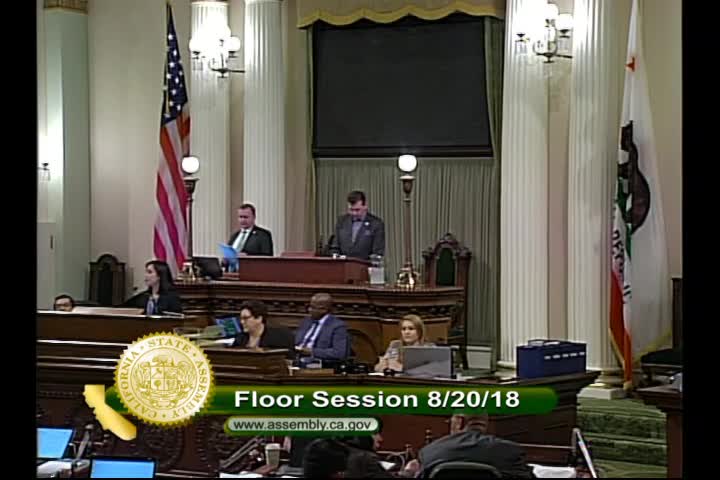 59SEC
Assembly Floor
 1MIN
Senate Standing Committee on Governance and Finance
 5MIN
Assembly Standing Committee on Revenue and Taxation
Bill Author
Bill Co-Author(s):