AB 2236: Conservatorships.
- Session Year: 2017-2018
- House: Assembly
- Latest Version Date: 2018-07-18
Existing law provides that a conservatorship continues until terminated by the death of the conservatee or by order of the court. Notwithstanding that provision, existing law provides that a conservator continues to have the duty of custody and conservation of the estate after the death of the conservatee pending the delivery of the estate to the conservatees estate or other disposition according to law. Among other provisions, existing law further provides that upon the death of a conservatee, the conservator is authorized to contract for and pay for the reasonable expenses of the deceased conservator and the unpaid expenses of the conservatorship from any personal property under the control of the conservator. Existing law provides that the court continues to have jurisdiction over these proceedings, as specified.
This bill would clarify that a conservatorship continues until terminated by the death of the conservatee or by order of the court, subject to the existing provisions of law described above that, among other things, continue to authorize a conservator to take certain actions with regard to the estate of a deceased conservatee.
Existing law provides that a conservatorship continues until terminated by the death of the conservatee or by order of the court. Notwithstanding that provision, existing law provides that a conservator continues to have the duty of custody and conservation of the estate after the death of the conservatee pending the delivery of the estate to the conservatees estate or other disposition according to law. Existing Among other provisions, existing law further provides that upon the death of a conservatee, the conservator is authorized to contract for and pay for the reasonable expenses of the deceased conservator and the unpaid expenses of the conservatorship from any personal property under the control of the conservator. Existing law provides that the court continues to have jurisdiction over these proceedings, as specified.
This bill would clarify that a conservatorship continues until terminated by the death of the conservatee, conservatee or by order of the court, subject to the existing provisions of law described above that that, among other things, continue to authorize a conservator to take certain actions with regard to the estate of a deceased conservatee.
Existing law provides that a conservatorship continues until terminated by the death of the conservatee or by order of the court. Notwithstanding that provision, existing law provides that a conservator continues to have the duty of custody and conservation of the estate after the death of the conservatee pending the delivery of the estate to the conservatees estate or other disposition according to law. Existing law further provides that upon the death of a conservatee, the conservator is authorized to contract for and pay for the reasonable expenses of the deceased conservator and the unpaid expenses of the conservatorship from any personal property under the control of the conservator.
This bill would clarify that a conservatorship continues until terminated by the death of the conservatee, subject to the existing provisions of law described above that continue to authorize a conservator to take certain actions with regard to the estate of a deceased conservatee.
(a)A conservatorship continues until terminated by the death of the conservatee or by order of the court, subject to Section 2467 and Article 4 (commencing with Section 2630) of Chapter 7 of Part 4, and except as otherwise provided by law.
(b)If a conservatorship is established for the person of a married minor, the conservatorship does not terminate if the marriage is dissolved or is adjudged a nullity.
(c)This section does not apply to limited conservatorships.
(a)A conservatorship continues until terminated by the death of the conservatee or by order of the court, subject to Sections 2467 and 2631, Section 2467 and Article 4 (commencing with Section 2630) of Chapter 7 of Part 4, and except as otherwise provided by law.
(b)If a conservatorship is established for the person of a married minor, the conservatorship does not terminate if the marriage is dissolved or is adjudged a nullity.
(c)This section does not apply to limited conservatorships.
(a)A conservatorship continues until terminated by the death of the conservatee or by order of the court. court, subject to Sections 2467 and 2631, and except as otherwise provided by law.
(b)If a conservatorship is established for the person of a married minor, the conservatorship does not terminate if the marriage is dissolved or is adjudged a nullity.
(c)This section does not apply to limited conservatorships.
|
Date
|
Status
|
|---|---|
| Jul 18, 2018 | Chaptered by Secretary of State - Chapter 126, Statutes of 2018. |
| Jul 18, 2018 | Approved by the Governor. |
| Jul 6, 2018 | Enrolled and presented to the Governor at 10:15 a.m. |
| Jul 2, 2018 | Senate amendments concurred in. To Engrossing and Enrolling. |
| Jun 25, 2018 | In Assembly. Concurrence in Senate amendments pending. May be considered on or after June 27 pursuant to Assembly Rule 77. |
| Jun 25, 2018 | Read third time. Passed. Ordered to the Assembly. |
| Jun 14, 2018 | Read second time. Ordered to Consent Calendar. |
| Jun 13, 2018 | From committee: Do pass. To Consent Calendar. (Ayes 7. Noes 0.) (June 12). |
| Apr 25, 2018 | From committee chair, with author's amendments: Amend, and re-refer to committee. Read second time, amended, and re-referred to Com. on JUD. |
| Apr 19, 2018 | Referred to Com. on JUD. |
| Apr 3, 2018 | In Senate. Read first time. To Com. on RLS. for assignment. |
| Apr 2, 2018 | Read third time. Passed. Ordered to the Senate. |
| Mar 21, 2018 | Read second time. Ordered to Consent Calendar. |
| Mar 20, 2018 | From committee: Do pass. To Consent Calendar. (Ayes 10. Noes 0.) (March 20). |
| Mar 1, 2018 | Referred to Com. on JUD. |
| Feb 14, 2018 | From printer. May be heard in committee March 16. |
| Feb 13, 2018 | Read first time. To print. |
|
Date
|
Description
|
Location
|
Votes
|
|
|---|---|---|---|---|
| Jul 2, 2018 | AB 2236 MAIENSCHEIN Concurrence in Senate Amendments | Assembly Floor |
Passed |
|
| Jun 25, 2018 | Consent Calendar AB2236 | Senate Floor |
Passed |
|
| Jun 12, 2018 | Do pass and be ordered to the Consent Calendar | Senate Standing Committee on Judiciary |
Passed |
|
| Apr 2, 2018 | AB 2236 MAIENSCHEIN Consent Calendar Second Day Regular Session | Assembly Floor |
Passed |
|
| Mar 20, 2018 | Do pass. To Consent Calendar. | Assembly Standing Committee on Judiciary |
Passed |
This list shows positions taken on this bill by organizations on the date displayed, which is linked to the original source.
Positions by individuals are not included.
|
Organization
|
Position
|
Date
|
|---|---|---|
| Conference of California Bar Associations | ** Support | Mar 16, 2018 |
CONCURRENCE IN SENATE AMENDMENTS
CSA1 Bill Id:AB 2236
Author:(Maienschein)
As Amended Ver:April 25, 2018
Majority vote
ASSEMBLY: | 73-0 | (April 2, 2018) | SENATE: | 36-0 | (June 25, 2018) |
Original Committee Reference: JUD.
SUMMARY: Provides that a conservatorship may not necessarily terminate on the death of the conservatee. Specifically, this bill provides that a conservatorship terminates upon the death of the conservatee, except as otherwise provided by law, including as provided under specific existing law which:
- Requires that the conservator has the duty of custody and conservation of the conservatee's estate after death, pending delivery of the estate to the conservatee's personal representative or other disposition as required by law.
- Allows the conservator, upon the death of the conservatee, to, among other things, settle accounts, contract, and pay a reasonable sum, for the expenses of the last illness and the disposition of the remains of the deceased conservatee, and for unpaid court-approved attorney's fees, and to pay the unpaid expenses of the conservatorship accruing before or after the death of the conservatee, in full or in part, to the extent reasonable, from any personal property of the deceased ward which is under the control of the conservator.
The Senate amendments extend what a conservator may do on the death of the conservatee to include, among other things, settling accounts.
EXISTING LAW:
- Permits a court to appoint a conservator of the person for a person who is unable to provide properly for his or her personal needs for physical health, food, clothing, or shelter, as provided. Permits a court to appoint a conservator of the estate for a person who is substantially unable to manage his or her own financial resources or resist fraud or undue influence, except as provided. (Probate Code Section 1801. Unless otherwise stated, all further statutory references are to that code.)
- Provides that a conservatorship continues until terminated by the death of the conservatee or by order of the court. (Section 1860.)
- Requires that a guardian or conservator has the duty of custody and conservation of the estate after the death of the ward or conservatee pending the delivery of the estate to the personal representative of the ward's or conservatee's estate or other disposition according to law, and the guardian or conservator has such powers, as provided, as are necessary for the performance of that duty. (Section 2467.)
- Upon the death of a ward or conservatee, allows the guardian or conservator to contract for and pay a reasonable sum for the expenses of the last illness and the disposition of the remains of the deceased ward or conservatee, and for unpaid court-approved attorney's fees, and may pay the unpaid expenses of the guardianship or conservatorship accruing before or after the death of the ward or conservatee, in full or in part, to the extent reasonable, from any personal property of the deceased ward or conservatee which is under the control of the guardian or conservator. If after making those payments, the remaining estate does not exceed the amount of a small estate (currently $150,000 or less), allows the guardian or conservator to petition the court for an order permitting the guardian or conservator to liquidate the estate. Allows the guardian or conservator to make such a petition even if there is a will, if the will does not appoint an executor or if the named executor refuses to act. (Section 2631.)
FISCAL EFFECT: None
COMMENTS: In California, if an adult is unable to manage his or her financial matters, a conservator of the estate may be appointed by a court to manage the adult's or conservatee's financial matters. If the adult is unable to manage his or her medical and personal decisions, a conservator of the person may be appointed. The appointment process requires an in-depth investigation by a court investigator and approval by the court. The conservatorship continues until terminated by the court or the death of the conservatee. However, even with the death of the conservatee, the conservator continues to have certain duties. This bill seeks to harmonize those provisions to clarify that some duties of the conservator continue after the conservatee's death.
This Bill Seeks to Harmonize Statutes That Could be Read as Conflicting: Existing law specifically states that a conservatorship continues until it is terminated by the death of the conservatee or by order of the court. (Section 1860.) However, the conservator retains certain duties even after the death of the conservatee. In particular, Section 2467 requires that a conservator has the duty of custody and conservation of the conservatee's estate after death, pending delivery of the estate to the conservatee's personal representative or other disposition. Additionally, Section 2631 allows the conservator, upon the death of the conservatee, to contract, and pay a reasonable sum, for the expenses of the last illness and the disposition of the remains of the deceased conservatee, and for unpaid court-approved attorney's fees, and to pay the unpaid expenses of the conservatorship accruing before or after the death of the conservatee, in full or in part, to the extent reasonable, from any personal property of the deceased ward which is under the control of the conservator. The conservator may even petition the court for an order permitting the conservator to liquidate the estate if, after making any payments, the remaining estate does not exceed the amount of a small estate (currently $150,000 or less).
However, because Section 1860 specifically states that a conservatorship terminates upon the death of the conservatee, some financial institutions have apparently frozen conservatees' accounts and not permitted conservators to pay bills, including funeral expenses.
This bill seeks to harmonize these potentially conflicting code sections by specifically referencing the code sections that permit a conservator to take action after the conservatee's death in the section that today states that the conservatorship is terminated by the conservatee's death. In order to prevent any other conflicts, the bill also allows the conservatorship to continue "as otherwise provided by law." These changes should help ensure that a conservator can take the steps necessary to pay bills and protect the conservatee's estate, even after the conservatee's death, without having to go to court to seek special permission under today's potentially confusing statutory provisions.
Analysis Prepared by: Leora Gershenzon / JUD. / (916) 319-2334 FN: 0003512
Office of Senate Floor Analyses (916) 651-1520 Fax: (916) 327-4478 | AB |
CONSENT
Bill No: AB 2236
:
SENATE JUDICIARY COMMITTEE: 7-0, 6/12/18
AYES: Jackson, Moorlach, Anderson, Hertzberg, Monning, Stern, Wieckowski
ASSEMBLY FLOOR: 73-0, 4/2/18 (Consent) - See last page for vote
DIGEST:
This bill clarifies that although a conservatorship terminates upon death of a conservatee, the conservator continues to have certain powers and responsibilities, including conserving the estate and paying unpaid expenses.
Existing law:
- Authorizes a conservator of an estate to be appointed for a person who is substantially unable to manage his or her own financial resources or resist fraud or undue influence, except as specified. (Prob. Code Sec. 1801(a).)
- Specifies that a conservatorship continues until it is terminated by the death of the conservatee or by an order of a court. (Prob. Code Sec. 1860(a).)
- Provides that a conservator continues to have the duty of custody and conservation of the estate after the death of the conservatee, pending the delivery of the estate to the personal representative of the conservatee’s estate or other disposition according to law, and existing law grants a conservator such powers as are necessary for the performance of these duties. (Prob. Code Sec. 2467(a) & (b).)
- Provides that the termination of the relationship of conservator and conservatee by the death of the conservatee does not cause the court to lose jurisdiction of the proceeding for the purpose of settling the accounts of the conservator for any other purpose incident to the enforcement of the judgments and orders of the court upon such accounts or upon the termination of the relationship. (Prob. Code Sec. 2630.)
- Provides that, upon the death of a conservatee, the conservator may use the deceased conservatee’s personal property to defray expenses related to the conservatee’s illness, disposition of the conservatee’s remains, court-approved attorney’s fees, and other unpaid expenses of the conservatorship, as prescribed. (Prob. Code Sec. 2631(a).)
- Authorizes a conservator to petition the court to permit the conservator to liquidate a deceased conservatee’s estate if the estate does not exceed an amount specified in law (currently $150,000), in specified circumstances. (Prob. Code Sec. 2631(a).)
- Authorizes a court, when a conservatorship terminates before the inventory of the estate has been filed, to authorize a conservator to forgo filing the inventory and appraisal, and instead to file an account covering only those assets of the state for which the conservator has possession or control. (Prob. Code Sec. 2633.)
This bill clarifies that a conservatorship terminates upon the death of the conservatee, except with regard to the duties specified above, or as otherwise provided by law.
Background
This bill resolves an apparent conflict in Probate Code sections governing conservatorships when the conservatee dies. On the one hand, Section 1860 states that the conservatorship terminates upon the death of the conservatee. On the other hand, some provisions specify that the conservator has certain ongoing obligations with regard to winding up the deceased conservatee’s affairs.
Although a court would be unlikely to construe Section 1860 to effectively nullify those latter provisions, some financial institutions have drawn the conclusion that Section 1860 effectively overrides the provisions that envision a conservator continuing to manage some aspects of a deceased conservatee’s estate. As a result, these financial institutions have frozen accounts of deceased conservatees, preventing their conservators from paying their debts, covering their funeral and burial expenses, and preserving their estate. This bill seeks to end that practice.
Comments
The author writes:
Although two sections of the Probate Code specifically provide for a conservator to take actions consistent with his or her duties regarding the management of the conservatee’s estate upon the death of the conservatee, a third section states that the conservatorship terminates upon the conservatee’s death, without qualification. This has resulted in complications making it impossible for the conservator to perform his or her duties.
FISCAL EFFECT: Appropriation: Fiscal Com.: Local:
None received
OPPOSITION: (Verified 6/12/18)
None received
ASSEMBLY FLOOR: 73-0, 4/2/18
AYES: Acosta, Aguiar-Curry, Travis Allen, Arambula, Baker, Berman, Bigelow, Bloom, Bonta, Brough, Burke, Caballero, Calderon, Cervantes, Chau, Chávez, Chen, Chiu, Choi, Chu, Cooley, Cooper, Cunningham, Dahle, Daly, Eggman, Flora, Fong, Frazier, Friedman, Gallagher, Gipson, Gloria, Gonzalez Fletcher, Gray, Grayson, Harper, Holden, Irwin, Jones-Sawyer, Kalra, Kiley, Lackey, Levine, Limón, Low, Maienschein, Mathis, Mayes, McCarty, Medina, Melendez, Mullin, Muratsuchi, Nazarian, Obernolte, O'Donnell, Patterson, Quirk, Quirk-Silva, Reyes, Rodriguez, Rubio, Salas, Santiago, Steinorth, Mark Stone, Thurmond, Ting, Voepel, Waldron, Weber, Rendon
NO VOTE RECORDED: Carrillo, Cristina Garcia, Eduardo Garcia, Wood
Prepared by: Josh Tosney / JUD. / (916) 651-4113
6/15/18 10:41:49
**** END ****
Senator Hannah-Beth Jackson, Chair
2017-2018 Regular Session
Bill No: AB 2236 (Author:Maienschein)
Version: April 25, 2018
Hearing Date: June 12, 2018
Fiscal: No
Urgency: No
Consultant: JDT
SUBJECT
Conservatorships
DESCRIPTION
This bill clarifies that although a conservatorship terminates upon death of a conservatee, the conservator continues to have certain powers and responsibilities, including conserving the estate and paying unpaid expenses.
BACKGROUND
The Probate Code sets forth a statutory scheme governing the appointment of conservators for adults who cannot take care of themselves or their finances. These conservatees are often elderly people, but can also be younger people who have serious impairments. A conservator of the person is appointed to make decisions about personal matters for the conservatee, including decisions about food, clothing, and residence, and a conservator of the estate is responsible for handling the financial affairs of the conservatee. A conservator generally has the power to collect the conservatee’s assets, pay bills, and make investments, but must seek court supervision for major transactions, such as the purchase or sale of real property, borrowing money, and gifting of assets.
This bill reconciles ostensibly conflicting statutes by clarifying that, although a conservatorship ends when the conservatee dies, the conservator can pay the conservatee’s final bills and conserve the estate before delivering it to the personal representative.
CHANGES TO EXISTING LAW
Existing law authorizes a court to appoint a conservator for a person who is unable to provide properly for his or her personal needs for physical health, food, clothing, or shelter, except as specified. (Prob. Code Sec. 1801(a).)
Existing law authorizes a conservator of an estate to be appointed for a person who is substantially unable to manage his or her own financial resources or resist fraud or undue influence, except as specified. (Prob. Code Sec. 1801(a).)
Existing law specifies that a conservatorship continues until it is terminated by the death of the conservatee or by an order of a court. (Prob. Code Sec. 1860(a).)
Existing law provides that a conservator continues to have the duty of custody and conservation of the estate after the death of the conservatee, pending the delivery of the estate to the personal representative of the conservatee’s estate or other disposition according to law, and existing law grants a conservator such powers as are necessary for the performance of these duties. (Prob. Code Sec. 2467(a) & (b).)
Existing law provides that the termination of the relationship of conservator and conservatee by the death of the conservatee does not cause the court to lose jurisdiction of the proceeding for the purpose of settling the accounts of the conservator for any other purpose incident to the enforcement of the judgments and orders of the court upon such accounts or upon the termination of the relationship. (Prob. Code Sec. 2630.)
Existing law provides that, upon the death of a conservatee, the conservator may use the deceased conservatee’s personal property to defray expenses related to the conservatee’s illness, disposition of the conservatee’s remains, court-approved attorney’s fees, and other unpaid expenses of the conservatorship, as prescribed. (Prob. Code Sec. 2631(a).)
Existing law authorizes a conservator to petition the court to permit the conservator to liquidate a deceased conservatee’s estate if the estate does not exceed an amount specified in law (currently $150,000), in specified circumstances. (Prob. Code Sec. 2631(a).)
Existing law authorizes a court, when a conservatorship terminates before the inventory of the estate has been filed, to authorize a conservator to forgo filing the inventory and appraisal, and instead to file an account covering only those assets of the state for which the conservator has possession or control. (Prob. Code Sec. 2633.)
This bill would clarify that a conservatorship terminates upon the death of the conservatee, except with regard to the duties specified above, or as otherwise provided by law.
COMMENT
1. Stated need for the bill
The author writes:
Although two sections of the Probate Code specifically provide for a conservator to take actions consistent with his or her duties regarding the management of the conservatee’s estate upon the death of the conservatee, a third section states that the conservatorship terminates upon the conservatee’s death, without qualification. This has resulted in complications making it impossible for the conservator to perform his or her duties.
The sponsor of this bill, the Conference of California Bar Associations, writes:
AB 2236 fixes a direct conflict in the Probate Code. Probate Code §1860 provides that a conservatorship terminates upon the death of the conservatee. However, Probate Code §2467 provides that a conservator continues to have the duty of custody and conservation of the estate after the death of the conservatee, pending delivery of the estate to the personal representative thereof or other disposition by law, and has such powers as are required to accomplish this task. And Probate Code §2631 specifically authorizes a conservator to contract and to pay reasonable expenses after the death of the conservatee.
This conflict has created problems where financial institutions have interpreted the literal language of §1860 to mean that because the conservatorship has terminated, the conservator no longer has authority to access the accounts of the conservatee. In some cases, the financial institutions have frozen the deceased conservatee’s accounts, and will not allow access to pay debts of the conservatee, including funeral and burial expenses.
AB 2236 makes clear in the law that the termination of authority in Probate Code §1860 is specifically subject to the requirements, obligations and authority set forth in Probate Code §§2467 and 2631, or where otherwise specified in statute. This should dispel any uncertainty by a financial institution regarding the authority of a conservator after the death of the conservatee, ensuring that the conservator can pay the debts of the conservatee, including funeral and burial expenses.
2. Clarification of a conservator’s ongoing duties
This bill resolves an apparent conflict in Probate Code sections governing conservatorships when the conservatee dies. On the one hand, Section 1860 states that the conservatorship terminates upon the death of the conservatee. On the other hand, some provisions specify that the conservator has certain ongoing obligations with regard to winding up the deceased conservatee’s affairs.
Although a court would be unlikely to construe Section 1860 to effectively nullify those latter provisions, some financial institutions have drawn the conclusion that Section 1860 effectively overrides the provisions that envision a conservator continuing to manage some aspects of a deceased conservatee’s estate. As a result, these financial institutions have frozen accounts of deceased conservatees, preventing their conservators from paying their debts, covering their funeral and burial expenses, and preserving their estate. This bill seeks to end that practice.
Support: None known
Opposition: None known
HISTORY
Source: Conference of California Bar Associations
Related Pending Legislation: AB 2113 (Obernolte, 2018) would similarly clarify that a guardian retains authority to perform certain functions with regard to a ward’s estate following the ward’s death. This bill is set to be heard in the Senate Judiciary Committee on June 12, 2018.
Prior Legislation: None
Prior Vote:
Assembly Floor (Ayes 73, Noes 0)
Assembly Judiciary Committee (Ayes 10, Noes 0)
**************
Date of Hearing: March 20, 2018
ASSEMBLY COMMITTEE ON JUDICIARY
Mark Stone, Chair
ABPCA Bill Id:AB 2236
Author:(Maienschein) – As Introduced Ver:February 13, 2018
PROPOSED CONSENT
SUBJECT: Estates and trusts: TERMINATION OF CONSERVATORships
KEY ISSUE: should conflicting statutes be clarified to ensure that, after the death of a conservatee, the conservator can take steps to pay final bills and conserve the estate PRIOR TO DELIVERY TO THE PERSONAL REPRESENTATIVE OF THE conservatee'S ESTATE?
SYNOPSIS
In California, if an adult is unable to manage his or her financial matters, a conservator of the estate may be appointed by a court to manage the adult’s (or conservatee’s) financial matters. If the adult is unable to manage his or her medical and personal decisions, a conservator of the person may be appointed. The appointment process requires an in-depth investigation by a court investigator and approval by the court. The conservatorship continues until terminated by the court or the death of the conservatee. However, even with the death of the conservatee, the conservator continues to have certain responsibilities, including conserving the estate and paying unpaid expenses. This bill, sponsored by the Conference of California Bar Associations, seeks to harmonize those provisions to clarify that some duties of the conservator can continue after the conservatee's death.
This bill is very similar to AB 2113 (Obernolte), which makes the same change for a guardianship and is also being heard today by this Committee. There is no reported opposition to this bill.
SUMMARY: Provides that a conservatorship may not necessarily terminate on the death of the conservatee. Specifically, this bill provides that a conservatorship terminates upon the death of the conservatee, except as otherwise provided by law, including as provided under specific existing law which:
- Requires that the conservator has the duty of custody and conservation of the conservatee's estate after death, pending delivery of the estate to the conservatee's personal representative or other disposition as required by law.
- Allows the conservator, upon the death of the conservatee, to contract, and pay a reasonable sum, for the expenses of the last illness and the disposition of the remains of the deceased conservatee, and for unpaid court-approved attorney’s fees, and to pay the unpaid expenses of the conservatorship accruing before or after the death of the conservatee, in full or in part, to the extent reasonable, from any personal property of the deceased ward which is under the control of the conservator.
EXISTING LAW:
- Permits a court to appoint a conservator of the person for a person who is unable to provide properly for his or her personal needs for physical health, food, clothing, or shelter, as provided. Permits a court to appoint a conservator of the estate for a person who is substantially unable to manage his or her own financial resources or resist fraud or undue influence, except as provided. (Probate Code Section 1801. Unless otherwise stated, all further statutory references are to that code.)
- Provides that a conservatorship continues until terminated by the death of the conservatee or by order of the court. (Section 1860.)
- Requires that a guardian or conservator has the duty of custody and conservation of the estate after the death of the ward or conservatee pending the delivery of the estate to the personal representative of the ward’s or conservatee’s estate or other disposition according to law, and the guardian or conservator has such powers, as provided, as are necessary for the performance of that duty. (Section 2467.)
- Upon the death of a ward or conservatee, allows the guardian or conservator to contract for and pay a reasonable sum for the expenses of the last illness and the disposition of the remains of the deceased ward or conservatee, and for unpaid court-approved attorney’s fees, and may pay the unpaid expenses of the guardianship or conservatorship accruing before or after the death of the ward or conservatee, in full or in part, to the extent reasonable, from any personal property of the deceased ward or conservatee which is under the control of the guardian or conservator. If after making those payments, the remaining estate does not exceed the amount of a small estate (currently $150,000 or less), allows the guardian or conservator to petition the court for an order permitting the guardian or conservator to liquidate the estate. Allows the guardian or conservator to make such a petition even if there is a will, if the will does not appoint an executor or if the named executor refuses to act. (Section 2631.)
FISCAL EFFECT: As currently in print this bill is keyed non-fiscal.
COMMENTS: In California, if an adult is unable to manage his or her financial matters, a conservator of the estate may be appointed by a court to manage the adult’s or conservatee’s financial matters. If the adult is unable to manage his or her medical and personal decisions, a conservator of the person may be appointed. The appointment process requires an in-depth investigation by a court investigator and approval by the court. The conservatorship continues until terminated by the court or the death of the conservatee. However, even with the death of the conservatee, the conservator continues to have certain duties. This bill seeks to harmonize those provisions to clarify that some duties of the conservator continue after the conservatee's death.
The author states that this bill clarifies "that the conservator still has authority to control financial accounts after the death of the conservatee. It will assist in dispelling any confusion by a financial institution regarding the authority of a conservator after the death of the conservatee pending final discharge of the conservator by a Probate Court, ensuring that the conservator can pay the debts of the conservatee, including funeral and burial expenses, as it should be."
This Bill Seeks to Harmonize Statutes That Could be Read as Conflicting: Existing law specifically states that a conservatorship continues until it is terminated by the death of the conservatee or by order of the court. (Section 1860.) However, the conservator retains certain duties even after the death of the conservatee. In particular, Section 2467 requires that a conservator has the duty of custody and conservation of the conservatee's estate after death, pending delivery of the estate to the conservatee's personal representative or other disposition. Additionally, Section 2631 allows the conservator, upon the death of the conservatee, to contract, and pay a reasonable sum, for the expenses of the last illness and the disposition of the remains of the deceased conservatee, and for unpaid court-approved attorney’s fees, and to pay the unpaid expenses of the conservatorship accruing before or after the death of the conservatee, in full or in part, to the extent reasonable, from any personal property of the deceased ward which is under the control of the conservator. The conservator may even petition the court for an order permitting the conservator to liquidate the estate if, after making any payments, the remaining estate does not exceed the amount of a small estate (currently $150,000 or less).
However, because Section 1860 specifically states that a conservatorship terminates upon the death of the conservatee, some financial institutions have apparently frozen conservatees’ accounts and not permitted conservators to pay bills, including funeral expenses.
This bill seeks to harmonize these potentially conflicting code sections by specifically referencing the code sections that permit a conservator to take action after the conservatee's death – Sections 2467 and 2531 – in the section that today states that the conservatorship is terminated by the conservatee's death. In order to prevent any other conflicts, the bill also allows the conservatorship to continue "as otherwise provided by law." These changes should help ensure that a conservator can take the steps necessary to pay bills and protect the conservatee's estate, even after the conservatee's death, without having to go to court to seek special permission under today's potentially confusing statutory provisions.
ARGUMENTS IN SUPPORT: In support of the bill, the sponsor, Conference of California Bar Associations, writes:
AB 2236 fixes a direct conflict in the Probate Code. . . . This conflict has created problems where financial institutions have interpreted the literal language of §1860 to mean that because the conservatorship has terminated, the conservator no longer has authority to access the accounts of the conservatee. In some cases, the financial institutions have frozen the deceased conservatee’s accounts, and will not allow access to pay debts of the conservatee, including funeral and burial expenses.
AB 2236 makes clear in the law that the termination of authority in Probate Code §1860 is specifically subject to the requirements, obligations and authority set forth in Probate Code §§2467 and 2631, or where otherwise specified in statute. This should dispel any uncertainty by a financial institution regarding the authority of a conservator after the death of the conservatee, ensuring that the conservator can pay the debts of the conservatee, including funeral and burial expenses.
REGISTERED SUPPORT / OPPOSITION:
Support
Conference of California Bar Associations (sponsor)
Opposition
None on file
Analysis Prepared by: Leora Gershenzon / JUD. / (916) 319-2334
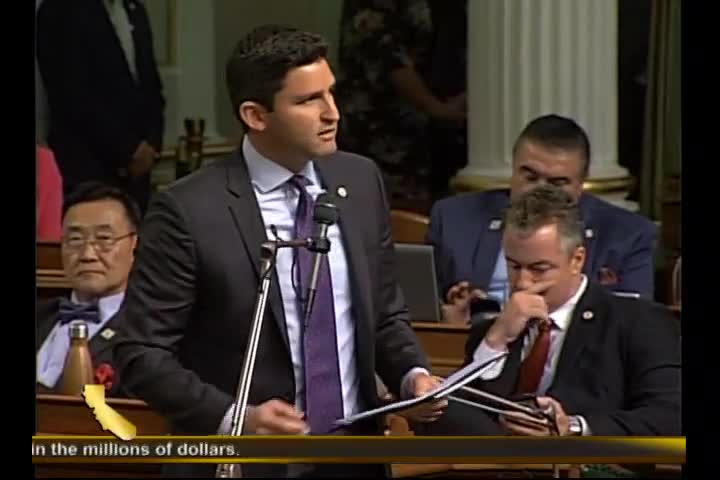
Bill Author

Bill Co-Author(s):