AB 2316: Mental health: county patients’ rights advocates: training materials.
- Session Year: 2017-2018
- House: Assembly
- Latest Version Date: 2018-08-28
Existing law requires the State Department of State Hospitals and the State Department of Health Care Services to contract with a single nonprofit entity to provide for protection and advocacy services to persons with mental disabilities, as specified. Existing law requires each local mental health director to appoint, or contract for the services of, one or more county patients rights advocates. Existing law requires these advocates to, among other things, monitor mental health facilities, services, and programs, as defined, for compliance with statutory and regulatory patients rights provisions, and receive and investigate certain complaints from or concerning recipients of mental health services residing in licensed health or community care facilities.
This bill additionally would require the contracted entity to make patients rights advocacy training materials readily accessible to all county patients rights advocates online and would require the training materials to include specified topics. The bill would require a county to verify that its patients rights advocates review the training materials within 90 days of employment. The bill would also require the county to keep a record of the verification and send a copy to a specified entity. The bill would exempt county patients rights advocates who have been employed for at least a year on or after January 1, 2019, from the requirement to review the training materials. By requiring counties to perform new duties, this bill would impose a state-mandated local program.
The California Constitution requires the state to reimburse local agencies and school districts for certain costs mandated by the state. Statutory provisions establish procedures for making that reimbursement.
This bill would provide that, if the Commission on State Mandates determines that the bill contains costs mandated by the state, reimbursement for those costs shall be made pursuant to the statutory provisions noted above.
Existing law requires the State Department of State Hospitals and the State Department of Health Care Services to contract with a single nonprofit entity to provide for protection and advocacy services to persons with mental disabilities, as specified. Existing law requires each local mental health director to appoint, or contract for the services of, one or more county patients rights advocates. Existing law requires these advocates to, among other things, monitor mental health facilities, services, and programs, as defined, for compliance with statutory and regulatory patients rights provisions, and receive and investigate certain complaints from or concerning recipients of mental health services residing in licensed health or community care facilities.
This bill additionally would require the contracted entity to develop a comprehensive training and certification program for county patients rights advocates, as specified, make patients rights advocacy training materials readily accessible to all county patients rights advocates online and would require the training program materials to include specified topics. The bill would require a county to ensure verify that its patients rights advocates become certified under the training and certification program review the training materials within 90 days of employment. The bill would also require the county to keep a record of the verification and send a copy to a specified entity. The bill would exempt county patients rights advocates who have been employed for at least a year on or after January 1, 2019, from the requirement to complete the training and certification program. review the training materials. By requiring counties to perform new duties, this bill would impose a state-mandated local program.
The California Constitution requires the state to reimburse local agencies and school districts for certain costs mandated by the state. Statutory provisions establish procedures for making that reimbursement.
This bill would provide that, if the Commission on State Mandates determines that the bill contains costs mandated by the state, reimbursement for those costs shall be made pursuant to the statutory provisions noted above.
Existing law requires the State Department of State Hospitals and the State Department of Health Care Services to contract with a single nonprofit entity to provide for protection and advocacy services to persons with mental disabilities, as specified. Existing law requires each local mental health director to appoint, or contract for the services of, one or more county patients rights advocates. Existing law requires these advocates to, among other things, monitor mental health facilities, services, and programs, as defined, for compliance with statutory and regulatory patients rights provisions, and receive and investigate certain complaints from or concerning recipients of mental health services residing in licensed health or community care facilities.
This bill additionally would require the contracted entity to develop a comprehensive training and certification program for county patients rights advocates, as specified, and would require the training program to include specified topics. The bill would require a county to ensure that its patients rights advocates become certified under the training and certification program within 90 days of employment. The bill would exempt county patients rights advocates who have been employed for at least a year on January 1, 2019, from the requirement to complete the training and certification program. By requiring counties to perform new duties, this bill would impose a state-mandated local program.
The California Constitution requires the state to reimburse local agencies and school districts for certain costs mandated by the state. Statutory provisions establish procedures for making that reimbursement.
This bill would provide that, if the Commission on State Mandates determines that the bill contains costs mandated by the state, reimbursement for those costs shall be made pursuant to the statutory provisions noted above.
The Legislature finds and declares as follows:
(a)Persons with mental health disabilities are vulnerable to abuse, neglect, and unreasonable and unlawful deprivations of their rights.
(b)County patients rights advocates are necessary to ensure the civil rights of persons with mental health disabilities are protected. County patients rights advocates should not have direct or indirect responsibility for providing services to persons with mental health disabilities, except advocacy services.
(c)County patients rights advocates should have training to ensure they are sufficiently competent to conduct their statutory duties as stated under Section 5520 of the Welfare and Institutions Code.
SEC. 2.Section 5370.2 of the Welfare and Institutions Code is amended to read:5370.2.(a)The State Department of State Hospitals and the State Department of Health Care Services shall contract with a single nonprofit agency that meets the criteria specified in subdivision (b) of Section 5510 to conduct the activities specified in paragraphs (1) to (5), inclusive. These two state departments shall enter into a memorandum of understanding to ensure the effective management of the contract and the required activities affecting county patients rights programs:
(1)Provide patients rights advocacy services for, and conduct investigations of alleged or suspected abuse and neglect of, including deaths of, persons with mental disabilities residing in state hospitals.
(2)Investigate and take action as appropriate and necessary to resolve complaints from or concerning recipients of mental health services residing in licensed health or community care facilities regarding abuse, and unreasonable denial, or punitive withholding of rights guaranteed under this division that cannot be resolved by county patients rights advocates.
(3)Provide consultation, technical assistance, and support to county patients rights advocates in accordance with their duties under Section 5520.
(4)Conduct program review of patients rights programs.
(5)Make patients rights advocacy training materials readily accessible to all county patients rights advocates online. The training materials shall include, but are not limited to, the topics described in Section 5512.
(b)The services shall be provided in coordination with the appropriate mental health patients rights advocates.
(c)(1)The contractor shall develop a plan to provide patients rights advocacy services for, and conduct investigations of alleged or suspected abuse and neglect of, including the deaths of, persons with mental disabilities residing in state hospitals.
(2)The contractor shall develop the plan in consultation with the statewide organization of mental health patients rights advocates, the statewide organization of mental health clients, and the statewide organization of family members of persons with mental disabilities, and the statewide organization of county mental health directors.
(3)In order to ensure that persons with mental disabilities have access to high quality advocacy services, the contractor shall establish a grievance procedure and shall advise persons receiving services under the contract of the availability of other advocacy services, including services provided by the protection and advocacy agency specified in Section 4901 and the county patients rights advocates specified in Section 5520.
(d)This section does not restrict or limit the authority of the department to conduct the reviews and investigations it deems necessary for personnel, criminal, and litigation purposes.
(e)The State Department of State Hospitals and the State Department of Health Care Services shall jointly contract on a multiyear basis for a contract term of up to five years.
SEC. 3.Section 5524 is added to the Welfare and Institutions Code, to read:5524.(a)Subject to subdivision (b), a county shall verify that county patients rights advocates review the patients rights advocacy training materials provided online as described in paragraph (5) of subdivision (a) of Section 5370.2 within 90 days of employment. The county shall keep a record of this verification and send a copy electronically to the Patients Rights Committee of the California Behavioral Health Planning Council established pursuant to Section 5514.
(b)A county patients rights advocate who has been employed for at least one year on or after January 1, 2019, shall not be required to review the materials described in paragraph (5) of subdivision (a) of Section 5370.2.
(c)The requirements of this section do not replace the ongoing training required to be provided by the contractor to county patients rights advocates as described in Section 5512.
SEC. 4.If the Commission on State Mandates determines that this act contains costs mandated by the state, reimbursement to local agencies and school districts for those costs shall be made pursuant to Part 7 (commencing with Section 17500) of Division 4 of Title 2 of the Government Code.
The Legislature finds and declares as follows:
(a)Persons with mental health disabilities are vulnerable to abuse, neglect, and unreasonable and unlawful deprivations of their rights.
(b)County patients rights advocates are necessary to ensure the civil rights of persons with mental health disabilities are protected. County patients rights advocates should not have direct or indirect responsibility for providing services to persons with mental health disabilities, except advocacy services.
(c)County patients rights advocates should have training to ensure they are sufficiently competent to conduct their statutory duties as stated under Section 5520 of the Welfare and Institutions Code.
SEC. 2.Section 5370.2 of the Welfare and Institutions Code is amended to read:5370.2.(a)The State Department of State Hospitals and the State Department of Health Care Services shall contract with a single nonprofit agency that meets the criteria specified in subdivision (b) of Section 5510 to conduct the activities specified in paragraphs (1) to (5), inclusive. These two state departments shall enter into a memorandum of understanding to ensure the effective management of the contract and the required activities affecting county patients rights programs:
(1)Provide patients rights advocacy services for, and conduct investigations of alleged or suspected abuse and neglect of, including deaths of, persons with mental disabilities residing in state hospitals.
(2)Investigate and take action as appropriate and necessary to resolve complaints from or concerning recipients of mental health services residing in licensed health or community care facilities regarding abuse, and unreasonable denial, or punitive withholding of rights guaranteed under this division that cannot be resolved by county patients rights advocates.
(3)Provide consultation, technical assistance, and support to county patients rights advocates in accordance with their duties under Section 5520.
(4)Conduct program review of patients rights programs.
(5)Make patients rights advocacy training materials readily accessible to all county patients rights advocates online. The training materials shall include, but are not limited to, the topics described in Section 5512.
(b)The services shall be provided in coordination with the appropriate mental health patients rights advocates.
(c)(1)The contractor shall develop a plan to provide patients rights advocacy services for, and conduct investigations of alleged or suspected abuse and neglect of, including the deaths of, persons with mental disabilities residing in state hospitals.
(2)The contractor shall develop the plan in consultation with the statewide organization of mental health patients rights advocates, the statewide organization of mental health clients, and the statewide organization of family members of persons with mental disabilities, and the statewide organization of county mental health directors.
(3)In order to ensure that persons with mental disabilities have access to high quality advocacy services, the contractor shall establish a grievance procedure and shall advise persons receiving services under the contract of the availability of other advocacy services, including services provided by the protection and advocacy agency specified in Section 4901 and the county patients rights advocates specified in Section 5520.
(d)This section does not restrict or limit the authority of the department to conduct the reviews and investigations it deems necessary for personnel, criminal, and litigation purposes.
(e)The State Department of State Hospitals and the State Department of Health Care Services shall jointly contract on a multiyear basis for a contract term of up to five years.
SEC. 3.Section 5524 is added to the Welfare and Institutions Code, to read:5524.(a)Subject to subdivision (b), a county shall verify that county patients rights advocates review the patients rights advocacy training materials provided online as described in paragraph (5) of subdivision (a) of Section 5370.2 within 90 days of employment. The county shall keep a record of this verification and send a copy electronically to the Patients Rights Committee of the California Behavioral Health Planning Council established pursuant to Section 5514.
(b)A county patients rights advocate who has been employed for at least one year on or after January 1, 2019, shall not be required to review the materials described in paragraph (5) of subdivision (a) of Section 5370.2.
(c)The requirements of this section do not replace the ongoing training requirements for required to be provided by the contractor to county patients rights advocates as described in Section 5512.
SEC. 4.If the Commission on State Mandates determines that this act contains costs mandated by the state, reimbursement to local agencies and school districts for those costs shall be made pursuant to Part 7 (commencing with Section 17500) of Division 4 of Title 2 of the Government Code.
The Legislature finds and declares as follows:
(a)Persons with mental health disabilities are vulnerable to abuse, neglect, and unreasonable and unlawful deprivations of their rights.
(b)County patients rights advocates are necessary to ensure the civil rights of persons with mental health disabilities are protected. County patients rights advocates should not have direct or indirect responsibility for providing services to persons with mental health disabilities, except advocacy services.
(c)County patients rights advocates should have training to ensure they are sufficiently competent to conduct their statutory duties as stated under Section 5520. 5520 of the Welfare and Institutions Code.
SEC. 2.Section 5370.2 of the Welfare and Institutions Code is amended to read:5370.2.(a)The State Department of State Hospitals and the State Department of Health Care Services shall contract with a single nonprofit agency that meets the criteria specified in subdivision (b) of Section 5510 to conduct the activities specified in paragraphs (1) to (4), (5), inclusive. These two state departments shall enter into a memorandum of understanding to ensure the effective management of the contract and the required activities affecting county patients rights programs:
(1)Provide patients rights advocacy services for, and conduct investigations of alleged or suspected abuse and neglect of, including deaths of, persons with mental disabilities residing in state hospitals.
(2)Investigate and take action as appropriate and necessary to resolve complaints from or concerning recipients of mental health services residing in licensed health or community care facilities regarding abuse, and unreasonable denial, or punitive withholding of rights guaranteed under this division that cannot be resolved by county patients rights advocates.
(3)Provide consultation, technical assistance, and support to county patients rights advocates in accordance with their duties under Section 5520.
(4)Conduct program review of patients rights programs.
(5)Develop a comprehensive training and certification program for county patients rights advocates that is accessible remotely and at any time. The training and certification program Make patients rights advocacy training materials readily accessible to all county patients rights advocates online. The training materials shall include, but is are not limited to, the topics described under in Section 5512.
(b)The services shall be provided in coordination with the appropriate mental health patients rights advocates.
(c)(1)The contractor shall develop a plan to provide patients rights advocacy services for, and conduct investigations of alleged or suspected abuse and neglect of, including the deaths of, persons with mental disabilities residing in state hospitals.
(2)The contractor shall develop the plan in consultation with the statewide organization of mental health patients rights advocates, the statewide organization of mental health clients, and the statewide organization of family members of persons with mental disabilities, and the statewide organization of county mental health directors.
(3)In order to ensure that persons with mental disabilities have access to high quality advocacy services, the contractor shall establish a grievance procedure and shall advise persons receiving services under the contract of the availability of other advocacy services, including services provided by the protection and advocacy agency specified in Section 4901 and the county patients rights advocates specified in Section 5520.
(d)This section shall not be construed to does not restrict or limit the authority of the department to conduct the reviews and investigations it deems necessary for personnel, criminal, and litigation purposes.
(e)The State Department of State Hospitals and the State Department of Health Care Services shall jointly contract on a multiyear basis for a contract term of up to five years.
SEC. 3.Section 5524 is added to the Welfare and Institutions Code, to read:5524.(a)Subject to subdivision (b), a county shall ensure verify that county patients rights advocates become certified under the training and certification program review the patients rights advocacy training materials provided online as described in paragraph (5) of subdivision (a) of Section 5370.2 within 90 days of employment. The county shall keep a record of this verification and send a copy electronically to the Patients Rights Committee of the California Behavioral Health Planning Council established pursuant to Section 5514.
(b)A county patients rights advocate who has been employed for at least one year on or after January 1, 2019, shall not be required to complete the training and certification program review the materials described in paragraph (5) of subdivision (a) of Section 5370.2.
(c)The requirements of this section do not replace the ongoing training requirements for county patients rights advocates described in Section 5512.
SEC. 4.If the Commission on State Mandates determines that this act contains costs mandated by the state, reimbursement to local agencies and school districts for those costs shall be made pursuant to Part 7 (commencing with Section 17500) of Division 4 of Title 2 of the Government Code.
The Legislature finds and declares as follows:
(a)Persons with mental health disabilities are vulnerable to abuse, neglect, and unreasonable and unlawful deprivations of their rights.
(b)County patients rights advocates are necessary to ensure the civil rights of persons with mental health disabilities are protected. County patients rights advocates should not have direct or indirect responsibility for providing services to persons with mental health disabilities, except advocacy services.
(c)County patients rights advocates should have training to ensure they are sufficiently competent to conduct their statutory duties as stated under Section 5520.
SEC. 2.Section 5370.2 of the Welfare and Institutions Code is amended to read:5370.2.(a)The State Department of State Hospitals and the State Department of Health Care Services shall contract with a single nonprofit agency that meets the criteria specified in subdivision (b) of Section 5510 to conduct the activities specified in paragraphs (1) to (4), inclusive. These two state departments shall enter into a memorandum of understanding to ensure the effective management of the contract and the required activities affecting county patients rights programs:
(1)Provide patients rights advocacy services for, and conduct investigations of alleged or suspected abuse and neglect of, including deaths of, persons with mental disabilities residing in state hospitals.
(2)Investigate and take action as appropriate and necessary to resolve complaints from or concerning recipients of mental health services residing in licensed health or community care facilities regarding abuse, and unreasonable denial, or punitive withholding of rights guaranteed under this division that cannot be resolved by county patients rights advocates.
(3)Provide consultation, technical assistance, and support to county patients rights advocates in accordance with their duties under Section 5520.
(4)Conduct program review of patients rights programs.
(5)Develop a comprehensive training and certification program for county patients rights advocates that is accessible remotely and at any time. The training and certification program shall include, but is not limited to, the topics described under Section 5512.
(b)The services shall be provided in coordination with the appropriate mental health patients rights advocates.
(c)(1)The contractor shall develop a plan to provide patients rights advocacy services for, and conduct investigations of alleged or suspected abuse and neglect of, including the deaths of, persons with mental disabilities residing in state hospitals.
(2)The contractor shall develop the plan in consultation with the statewide organization of mental health patients rights advocates, the statewide organization of mental health clients, and the statewide organization of family members of persons with mental disabilities, and the statewide organization of county mental health directors.
(3)In order to ensure that persons with mental disabilities have access to high quality advocacy services, the contractor shall establish a grievance procedure and shall advise persons receiving services under the contract of the availability of other advocacy services, including services provided by the protection and advocacy agency specified in Section 4901 and the county patients rights advocates specified in Section 5520.
(d)Nothing contained in this section shall This section shall not be construed to restrict or limit the authority of the department to conduct the reviews and investigations it deems necessary for personnel, criminal, and litigation purposes.
(e)The State Department of State Hospitals and the State Department of Health Care Services shall jointly contract on a multiyear basis for a contract term of up to five years.
SEC. 3.Section 5524 is added to the Welfare and Institutions Code, to read:5524.(a)Subject to subdivision (b), a county shall ensure that county patients rights advocates become certified under the training and certification program described in paragraph (5) of subdivision (a) of Section 5370.2 within 90 days of employment.
(b)A county patients rights advocate who has been employed for at least one year on January 1, 2019, shall not be required to complete the training and certification program described in paragraph (5) of subdivision (a) of Section 5370.2.
SEC. 4.If the Commission on State Mandates determines that this act contains costs mandated by the state, reimbursement to local agencies and school districts for those costs shall be made pursuant to Part 7 (commencing with Section 17500) of Division 4 of Title 2 of the Government Code.
|
Date
|
Status
|
|---|---|
| Aug 28, 2018 | Chaptered by Secretary of State - Chapter 237, Statutes of 2018. |
| Aug 28, 2018 | Approved by the Governor. |
| Aug 16, 2018 | Enrolled and presented to the Governor at 4 p.m. |
| Aug 13, 2018 | Senate amendments concurred in. To Engrossing and Enrolling. |
| Aug 9, 2018 | In Assembly. Concurrence in Senate amendments pending. May be considered on or after August 11 pursuant to Assembly Rule 77. |
| Aug 9, 2018 | Read third time. Passed. Ordered to the Assembly. |
| Jul 3, 2018 | Read second time. Ordered to third reading. |
| Jul 2, 2018 | From committee: Be ordered to second reading pursuant to Senate Rule 28.8. |
| Jun 14, 2018 | Read second time and amended. Re-referred to Com. on APPR. |
| Jun 13, 2018 | From committee: Amend, and do pass as amended and re-refer to Com. on APPR. (Ayes 8. Noes 0.) (June 13). |
| May 24, 2018 | Referred to Com. on HEALTH. |
| May 10, 2018 | In Senate. Read first time. To Com. on RLS. for assignment. |
| May 10, 2018 | Read third time. Passed. Ordered to the Senate. |
| May 3, 2018 | Read second time. Ordered to third reading. |
| May 2, 2018 | From committee: Do pass. (Ayes 17. Noes 0.) (May 2). |
| Apr 9, 2018 | Re-referred to Com. on APPR. |
| Apr 5, 2018 | Read second time and amended. |
| Apr 4, 2018 | From committee: Amend, and do pass as amended and re-refer to Com. on APPR. (Ayes 15. Noes 0.) (April 3). |
| Mar 1, 2018 | Referred to Com. on HEALTH. |
| Feb 14, 2018 | From printer. May be heard in committee March 16. |
| Feb 13, 2018 | Read first time. To print. |
|
Date
|
Description
|
Location
|
Votes
|
|
|---|---|---|---|---|
| Aug 13, 2018 | AB 2316 EGGMAN Concurrence in Senate Amendments | Assembly Floor |
Passed |
|
| Aug 9, 2018 | Assembly 3rd Reading AB2316 Eggman By Nguyen | Senate Floor |
Passed |
|
| Jun 13, 2018 | Do pass as amended, but first amend, and re-refer to the Committee on [Appropriations] | Senate Standing Committee on Health |
Passed |
|
| May 10, 2018 | AB 2316 EGGMAN Assembly Third Reading | Assembly Floor |
Passed |
|
| May 2, 2018 | Do pass. | Assembly Standing Committee on Appropriations |
Passed |
|
| Apr 3, 2018 | Do pass as amended and be re-referred to the Committee on [Appropriations] | Assembly Standing Committee on Health |
Passed |
This list shows positions taken on this bill by organizations on the date displayed, which is linked to the original source.
Positions by individuals are not included.
|
Organization
|
Position
|
Date
|
|---|---|---|
| California Access Coalition | ** Support | Jul 3, 2018 |
| California Association Of Mental Health Patients' Rights Advocates | ** Support | Jul 3, 2018 |
| California Association of Social Rehabilitation Agencies | ** Support | Jul 3, 2018 |
| California Behavioral Health Planning Council | ** Support | Jul 3, 2018 |
| California Psychiatric Association | * Support | Apr 3, 2018 |
| California Right to Life Committee, Inc. | ** Against | Jul 3, 2018 |
| CAMHPRA | * Support | Apr 3, 2018 |
| County Behavioral Health Directors Association of California | ** Support | Jul 3, 2018 |
| Disability Rights California | ** Support | Jul 3, 2018 |
| Law Foundation of Silicon Valley | ** Support | Jul 3, 2018 |
| Mental Health America of California | ** Support | Jul 3, 2018 |
| Mental Health America of Los Angeles | ** Support | Jul 3, 2018 |
CONCURRENCE IN SENATE AMENDMENTS
CSA1 Bill Id:AB 2316
Author:(Eggman)
As Amended Ver:June 14, 2018
Majority vote
ASSEMBLY: | 73-0 | (May 10, 2018) | SENATE: | 36-0 | (August 9, 2018) |
Original Committee Reference: HEALTH
SUMMARY: Requires the State Department of Hospitals (DSH) and the Department of Health Care Services (DHCS) to develop a comprehensive training and certification program (program) for county patients' rights advocates (PRAs) that is accessible remotely and at any time. Specifically, this bill:
- Requires the program to include, but is not limited to, the following topics:
- Knowledge of the service system, financial entitlements, and service rights of persons receiving mental health services including knowledge of available treatment and service resources in order to ensure timely access to treatment and services;
- Knowledge of patients' rights in institutional and community facilities;
- Knowledge of civil commitment statutes and procedures;
- Knowledge of state and federal laws and regulations affecting recipients of mental health services;
- Ability to work effectively and respectfully with service recipients and providers, public administrators, community groups, and the judicial system;
- Skill in interviewing and counseling service recipients, including giving information and appropriate referrals;
- Ability to investigate and assess complaints and screen for legal problems;
- Knowledge of administrative and judicial due process proceedings in order to provide representation at administrative hearings and to assist in judicial hearings when necessary, as specified; and,
- Knowledge of, and commitment to, advocacy ethics and principles.
- Requires a county to ensure that county PRAs become certified within 90 days of employment.
- Exempts a county PRA who has been employed for at least one year on January 1, 2019, from being required to complete the program, as specified.
- Establishes legislative findings and declarations as follows:
- Persons with mental health disabilities are vulnerable to abuse, neglect, and unreasonable and unlawful deprivations of their rights;
- County PRAs are necessary to ensure the civil rights of persons with mental health disabilities are protected and county PRAs should not have direct or indirect responsibility for providing services to persons with mental health disabilities, except advocacy services; and,
- County PRAs should have training to ensure they are sufficiently competent to conduct their statutory duties.
The Senate amendments clarify that the new requirements of DSH and DHSC established by this bill do not replace the ongoing training required to be provided by contractors to county patients' rights advocates.
FISCAL EFFECT: According to the Senate Appropriations Committee, pursuant to Senate Rule 28.8, negligible state costs.
COMMENTS: According to the author, PRAs serve the vital function of advocating for the well-being and treatment of Californians with mental illnesses who are receiving treatment in mental health facilities. Due to the significant discrepancy in PRA training, there have long been concerns about the hiring and oversight of PRAs. Larger counties may have extensive training programs, while others do not. In smaller counties, new PRAs may be trained by their peers, and the comprehensiveness and effectiveness of those trainings is not consistent. PRAs may also self-train, using a variety of materials that may not have been properly vetted. This bill will requires DHCS to create a remotely accessible training certification program for PRAs to ensure that they all begin with the same knowledge base to establish full advocate competency.
- California Office of Patients' Rights (OPR). The State Patients' Rights Office was originally established by the legislature in 1974 under the then Department of Mental Health (DMH) and shortly after the establishment of the Lanterman-Petris-Short Act. In 1976, regulations required county mental health departments and state hospitals to provide advocacy services, and created county PRAs, whose responsibilities included the following: ensure that patients are notified of statutory rights; receive and investigate patient complaints; advocate on behalf of patients whose rights had been violated; monitor facilities for compliance with patients' rights laws; and, provide training and education to mental health providers. Despite the establishment of county PRAs, regulations never set forth any recommended ratios to assure that patients' rights advocacy services in the counties were adequate to fulfill the regulatory responsibilities of PRAs. DHCS is required to ensure that mental health laws, regulations, and policies for the rights of mental health service recipients are observed in licensed mental health facilities. Californians with mental illnesses who are receiving treatment in mental health facilities, including those persons subject to involuntary commitment, are guaranteed numerous rights including the right to be free from abuse and neglect, the right to privacy, dignity, and humane care, and the right to basic procedural protections in the commitment process. DHCS, in agreement with DSH, is required to enter a multi-year contract with a nonprofit organization to provide investigative and advocacy services. Currently, the contractor providing the patients' rights investigative and advocacy services is the Disability Rights California (DRC), OPR. The OPR also provides training and technical assistance to all county patients' rights advocates. According to the California Mental Health Planning Council and the California Association of Mental Health Patients' Rights Advocates a staffing ratio of one advocate per 500,000 county residents was set by the then-DMH in 1980. This ratio was recommended by the Chief of the State Patients' Rights Office as a minimum standard for adequate staffing of county advocacy programs. This 1:500,000 ratio was established before many additional duties were assigned to PRAs, in particular, representation in certification review and capacity hearings. With the dissolution of DMH, the Patients' Rights Office was subsequently revised to include both DHS and DHCS.
- PRA Qualifications and Training. There are no specified minimum educational or other qualification requirements for PRAs. Each mental health director designates a county mental health patients' rights advocacy office, and is responsible for hiring or contracting with advocates and/or advocacy agencies. According to information provided by the author, there is one annual in-person Patients' Rights Advocate Training that is held in a different city every year throughout the state, but attendance by county PRAs is not mandatory.
- Current OPR Contract. A current contract between DSH, DHCS, and DRC, for the purpose of fulfilling the requirements for PRAs, as required by law covers Fiscal Years 2013-2018. The contract exclusively allocates funds for personnel and services at the five existing state hospitals. No funding is currently allocated to counties for the purpose of providing training to county PRAs. It is unclear if this is the only contract between DSH, DHCS, and DRC that fulfills statutory requirements.
California Access Coalition states in support of the measure that existing law requires DSH and DHCS to contract with a nonprofit entity to provide for protection and advocacy services to persons with mental disabilities. These advocates monitor mental health facilities, services, and programs, as defined for compliance with statutory and regulatory patients' rights provisions, and receive and investigate certain complaints from or concerning recipients of mental health services residing in licensed health or community care facilities. This measure would require the contracted entity to develop a comprehensive training and certification program for county PRAs and would require the training program to include specified topics.
The California Right to Life Committee, Inc (CRLC), states in opposition that those hired as County PRAs will be trained by the contracted non-profit agency which would present this training more in behalf of the DSH and DHCS than on behalf of the mentally ill patient. CRLC argues that advocates for Patients' Rights must be working for the rights of the patient and not for the advancement of the contracting agency or the government.
Analysis Prepared by: Paula Villescaz / HEALTH / (916) 319-2097 FN: 0003731
Office of Senate Floor Analyses (916) 651-1520 Fax: (916) 327-4478 | AB |
THIRD READING
Bill No: AB 2316
:
SENATE HEALTH COMMITTEE: 8-0, 6/13/18
AYES: Pan, Nguyen, Hernandez, Leyva, Mitchell, Monning, Nielsen, Roth
NO VOTE RECORDED: Newman
SENATE APPROPRIATIONS COMMITTEE: Senate Rule 28.8
ASSEMBLY FLOOR: 73-0, 5/10/18 - See last page for vote
SOURCE: California Association of Mental Health Patients’ Rights Advocates California Behavioral Health Planning Council
DIGEST:
This bill requires the memorandum of understanding between the Department of State Hospitals and the Department of Health Care Services to make specified training materials for county patients’ rights advocates (PRAs) available online; and requires a county to verify that PRAs review training materials and to keep a record of the verification, as specified.
Existing law:
- Requires the Department of State Hospitals (DSH) and the Department of Health Care Services (DHCS) to enter into a memorandum of understanding (MOU) and to contract with a single nonprofit agency to ensure that mental health laws, regulations, and policies on the rights of recipients of mental health services are observed and protected in state hospitals and in licensed health and community care facilities. Requires the contractor to demonstrate the capability to provide statewide advocacy services for persons with mental disabilities and to have no direct or indirect responsibility for providing services to persons, except for advocacy services. [WIC §5510, 5370.2]
- Requires the contractor specified in 1) above to provide training to PRAs to ensure they possess the following:
- Knowledge of the service system, financial entitlements, and service rights of persons receiving mental health services, including knowledge of available treatment and service resources to ensure timely access to treatment and services;
- Knowledge of patients’ rights in institutional and community facilities and of civil commitment statutes and procedures;
- Knowledge of state and federal laws and regulations affecting recipients of mental health services;
- Ability to work effectively and respectfully with service recipients and providers, public administrators, community groups, and the judicial system;
- Skill in interviewing and counseling service recipients;
- Ability to investigate and assess complaints and screen for legal problems;
- Knowledge of administrative and judicial due process proceedings to provide representation at administrative hearings and assist judicial hearings, as specified; and,
- Knowledge of, and commitment to, advocacy ethics and principles. [WIC§ 5512]
- Requires the MOU between DSH and DHCS to ensure the effective management of the contract and that the required activities affecting county patients’ rights programs meet the following:
- Provide PRA services for and conduct investigations of alleged or suspected abuse and neglect of, including deaths of, persons with mental disabilities residing in state hospitals;
- Investigate and take necessary and appropriate action to resolve complaints from or concerning recipients of mental health services residing in licensed health or community care facilities regarding abuse, and to address other issues that cannot be resolved by PRAs;
- Provide consultation, technical assistance, and support to PRAs; and,
- Conduct program review of patients’ rights programs. [WIC §5370.2]
- Requires a five-person Patients’ Rights Committee (PRC) formed through the California Behavioral Health Planning Council (CBHPC) to advise the directors of DSH and DHCS regarding policies and practices that affect patients’ rights. [WIC §5514]
This bill:
- Requires the MOU between DSH and DHCS to make PRA advocacy training materials readily accessible to all PRAs online. Requires the training materials to include, but not be limited to, the required criteria in 2) of existing law above.
- Requires a county to verify that PRAs review training materials that are provided online within 90 days of employment. Requires a county to keep a record of the verification and send a copy electronically to the PRC.
- Prohibits a PRA who has been employed for at least one year on or after January 1, 2019, from being required to review the online training materials.
- Prohibits the online training materials from replacing the ongoing training provided to PRAs in existing law.
- Makes legislative findings and declarations regarding persons with mental health disabilities and their being vulnerable to abuse, neglect, and unreasonable and unlawful deprivation of their rights, as well as the importance of PRAs, with training and sufficient competency, to ensure the civil rights of persons with mental health disabilities are protected.
Comments
- Author’s statement. According to the author, PRAs fill a vital need in our state by advocating on behalf of those dealing with severe mental illness. They fight for fair treatment and to protect civil rights, and we want to make sure that they are as prepared as possible. AB 2316 will provide greater access to crucial training materials and require that any incoming advocates review them.
- History. According to the CBHPC and the California Association of Mental Health Patients’ Rights Advocates (CAMHPRA), the intent of the Lanterman-Petris-Short Act was to end inappropriate and indefinite mental health commitments and instead provide community-based treatment services in the least restrictive manner. In order to ensure the enforcement, the Legislature mandated the establishment of the State Patients’ Rights Office in 1974. Responsibilities of PRAs were also created, including: ensuring that patients are notified of statutory rights; receiving and investigating patient complaints; advocating on behalf of patients whose rights had been violated; monitoring facilities for compliance with patients’ rights laws; and, providing training and education to mental health providers. PRAs may conduct investigations if there is probable cause to believe that the rights of past or present recipients of mental health services have been, may have been, or may be violated. CBHPC and CAMHPRA state that over the years a number of additional responsibilities for PRAs have been added by both judicial decisions and legislative mandate, including representing patients during involuntary commitment certification review hearings, overseeing community-based treatment facilities and programs, and providing advocacy and representation to patients through all phases of Medi-Cal Mental Health Managed Care Plan grievances, appeals, and fair hearing processes. In some counties, PRAs have an increased workload for out-of-county residents who receive services from acute inpatient facilities or long-term Institutions for Mental Disease that serve several surrounding counties.
- PRA qualifications and training. Information received by the Senate Health Committee from the PRC indicates that there is no minimum criteria for being a PRA. PRAs are either employed or contracted by counties. Educational backgrounds of PRAs range from doctorate degrees to no higher education. PRAs sometimes have substantial experience working within the mental health system prior to starting their position or have no experience at all. The California Office of Patients’ Rights (COPR), which is part of Disability Rights California, holds the contract in the state to provide training and technical assistance for PRAs. COPR hosts an annual, three-day conference and training called the Patients’ Rights Advocacy Training (PRAT), which consists of an “Advocacy 101” session, continuing and emerging issues, and other topics applicable to PRAs at all levels of practice. According to the CBHPC and CAMHPRA, PRAs have a diverse range of duties and required skill sets, including knowledge of patients’ rights and mental health laws, the ability to work with individuals with mental health disabilities and individuals in crisis, the ability to navigate and explain complex mental health treatment systems, and the ability to develop and present trainings to providers and clients. Some large counties have extensive training programs that can last months while other counties have no established training program. According to the PRC, many advocates do not attend the PRAT because there is no requirement that they do, because of workload demands, and because some counties do not provide travel reimbursements. Most PRAs receive training from peers in their county and others self-train by using a patchwork of advocacy materials. In a survey conducted by the PRC, slightly more than 77% of PRAs reported having received training prior to assuming their duties; 12% said they had not received training but that their employer currently provides training; and, 11% said they had not received training and their employer does not provide training. The most common forms of training reported in the PRC survey were formal discussions with other advocates (76%); written materials, including online training materials (73%); and, an in-person conference (55%). Additionally, 28% responded that they had educated themselves.
FISCAL EFFECT: Appropriation: Fiscal Com.: Local:
California Association of Mental Health Patients’ Rights Advocates (co-source)
California Behavioral Health Planning Council (co-source)
California Access Coalition
California Association of Social Rehabilitation Agencies
County Behavioral Health Directors Association of California
Disability Rights California
Law Foundation of Silicon Valley
Mental Health America of California
Mental Health America of Los Angeles
California Right to Life Committee, Inc.
ARGUMENTS IN SUPPORT: CAMHPRA and the CBHPC, cosponsors of this bill, and other advocates argue that PRAs conduct some of the most challenging and vital work in California’s mental health system by protecting the rights of those with mental illness, who are some of our most vulnerable community members. Supporters state that PRAs have a wide range of responsibilities, but there are currently no minimum training requirements or standards for new PRAs, who often must learn from other PRAs, or even train themselves. Supporters further argue that the training PRAs do receive varies by county and can be limited based on factors, such as staffing, funding, and other resources, which creates disparities in PRAs’ preparedness and has a negative impact on both PRAs and the patients they serve.
ARGUMENTS IN OPPOSITION: The California Right to Life Committee, Inc. (CRLC) opposes this bill based on concerns that those hired as PRAs will be trained by the contracted non-profit agency, which could present this training more on behalf of DSH and DHCS than on behalf of the mentally ill patient. CRLC states that PRAs must be working for the rights of the patient and not for the advancement of the contracting agency or the government.
ASSEMBLY FLOOR: 73-0, 5/10/18
AYES: Acosta, Aguiar-Curry, Arambula, Baker, Berman, Bigelow, Bloom, Bonta, Brough, Burke, Caballero, Calderon, Carrillo, Cervantes, Chau, Chávez, Chen, Chiu, Choi, Chu, Cooper, Cunningham, Dahle, Daly, Eggman, Flora, Fong, Frazier, Gallagher, Eduardo Garcia, Gipson, Gloria, Gonzalez Fletcher, Gray, Grayson, Harper, Holden, Irwin, Jones-Sawyer, Kalra, Kamlager-Dove, Kiley, Lackey, Levine, Limón, Low, Maienschein, Mathis, Mayes, McCarty, Medina, Melendez, Mullin, Muratsuchi, Nazarian, O'Donnell, Patterson, Quirk, Quirk-Silva, Reyes, Rodriguez, Rubio, Salas, Santiago, Steinorth, Mark Stone, Thurmond, Ting, Voepel, Waldron, Weber, Wood, Rendon
NO VOTE RECORDED: Travis Allen, Cooley, Friedman, Cristina Garcia, Obernolte
7/3/18 16:05:19
**** END ****
SENATE COMMITTEE ON HEALTH
Senator Dr. Richard Pan, Chair
BILL NO: AB 2316
AUTHOR: | Eggman | ||
VERSION: | April 5, 2018 | ||
HEARING DATE: | June 13, 2018 | ||
CONSULTANT: | Reyes Diaz | ||
SUBJECT: Mental health: county patients’ rights advocates: training materials
SUMMARY:
Requires the memorandum of understanding between the Department of State Hospitals and the Department of Health Care Services to make specified training materials for county patients’ rights advocates (PRAs) available online. Requires a county to verify that PRAs review training materials within 90 days of employment. Requires a county to keep a record of the verification, as specified.
Existing law:
- Requires the Department of State Hospitals (DSH) and the Department of Health Care Services (DHCS) to enter into a memorandum of understanding (MOU) and to contract with a single nonprofit agency to ensure that mental health laws, regulations, and policies on the rights of recipients of mental health services are observed and protected in state hospitals and in licensed health and community care facilities. Requires the contractor to demonstrate the capability to provide statewide advocacy services for persons with mental disabilities and to have no direct or indirect responsibility for providing services to persons, except for advocacy services. [WIC §5510, 5370.2]
- Requires the contractor specified in 1) above to provide training to PRAs to ensure they possess the following:
- Knowledge of the service system, financial entitlements, and service rights of persons receiving mental health services, including knowledge of available treatment and service resources to ensure timely access to treatment and services;
- Knowledge of patients’ rights in institutional and community facilities and of civil commitment statutes and procedures;
- Knowledge of state and federal laws and regulations affecting recipients of mental health services;
- Ability to work effectively and respectfully with service recipients and providers, public administrators, community groups, and the judicial system;
- Skill in interviewing and counseling service recipients;
- Ability to investigate and assess complaints and screen for legal problems;
- Knowledge of administrative and judicial due process proceedings to provide representation at administrative hearings and assist judicial hearings, as specified; and,
- Knowledge of, and commitment to, advocacy ethics and principles. [WIC§ 5512]
- Requires the MOU between DSH and DHCS to ensure the effective management of the contract and that the required activities affecting county patients’ rights programs meet the following:
- Provide PRA services for and conduct investigations of alleged or suspected abuse and neglect of, including deaths of, persons with mental disabilities residing in state hospitals;
- Investigate and take necessary and appropriate action to resolve complaints from or concerning recipients of mental health services residing in licensed health or community care facilities regarding abuse, and to address other issues that cannot be resolved by PRAs;
- Provide consultation, technical assistance, and support to PRAs; and,
- Conduct program review of patients’ rights programs. [WIC §5370.2]
- Requires a five-person Patients’ Rights Committee (PRC) formed through the California Behavioral Health Planning Council (CBHPC) to advise the directors of DSH and DHCS regarding policies and practices that affect patients’ rights. [WIC §5514]
This bill:
- Requires the MOU between DSH and DHCS to make PRA advocacy training materials readily accessible to all PRAs online. Requires the training materials to include, but not be limited to, the required criteria in 2) of existing law above.
- Requires a county to verify that PRAs review training materials that are provided online within 90 days of employment. Requires a county to keep a record of the verification and send a copy electronically to the PRC.
- Prohibits a PRA who has been employed for at least one year on or after January 1, 2019, from being required to review the online training materials.
- Prohibits the online training materials from replacing the ongoing training requirements and criteria for PRAs that are required in existing law.
- Makes findings and declarations regarding persons with mental health disabilities and their being vulnerable to abuse, neglect, and unreasonable and unlawful deprivation of their rights, as well as the importance of PRAs, with training and sufficient competency, to ensure the civil rights of persons with mental health disabilities are protected.
FISCAL EFFECT:
According to the Assembly Appropriations Committee, minor and absorbable general fund costs to DSH and DHCS to ensure existing information is posted online, and to the CBHPC to collect county reports, as well as possible state-reimbursable mandate costs because this bill imposes a new duty on counties.
PRIOR VOTES:
Assembly Floor: | 73 - 0 |
Assembly Appropriations Committee: | 17 - 0 |
Assembly Health Committee: | 15 - 0 |
COMMENTS:
- Author’s statement. According to the author, PRAs fill a vital need in our state by advocating on behalf of those dealing with severe mental illness. They fight for fair treatment and to protect civil rights, and we want to make sure that they are as prepared as possible. AB 2316 will provide greater access to crucial training materials and require that any incoming advocates review them.
- Background. According to the CBHPC and the California Association of Mental Health Patients’ Rights Advocates (CAMHPRA), the intent of the Lanterman-Petris-Short Act was to end inappropriate and indefinite mental health commitments and instead provide community-based treatment services in the least restrictive manner. In order to ensure the enforcement, the Legislature mandated the establishment of the State Patients’ Rights Office in 1974. Responsibilities of PRAs were also created, including: ensuring that patients are notified of statutory rights; receiving and investigating patient complaints; advocating on behalf of patients whose rights had been violated; monitoring facilities for compliance with patients’ rights laws; and, providing training and education to mental health providers. PRAs may conduct investigations if there is probable cause to believe that the rights of past or present recipients of mental health services have been, may have been, or may be violated. CBHPC and CAMHPRA state that over the years a number of additional responsibilities for PRAs have been added by both judicial decisions and legislative mandate, including representing patients during involuntary commitment certification review hearings, overseeing community-based treatment facilities and programs, and providing advocacy and representation to patients through all phases of Medi-Cal Mental Health Managed Care Plan grievances, appeals, and fair hearing processes. In some counties, PRAs have an increased workload for out-of-county residents who receive services from acute inpatient facilities or long-term Institutions for Mental Disease that serve several surrounding counties.
- PRA qualifications and training. Information received by this Committee from the PRC indicates that there is no minimum criteria for being a PRA. PRAs are either employed or contracted by counties. Educational backgrounds of PRAs range from doctorate degrees to no higher education. PRAs sometimes have substantial experience working within the mental health system prior to starting their position or have no experience at all. The California Office of Patients’ Rights (COPR), which is part of Disability Rights California, holds the contract in the state to provide training and technical assistance for PRAs. COPR hosts an annual, three-day conference and training called the Patients’ Rights Advocacy Training (PRAT), which consists of an “Advocacy 101” session, continuing and emerging issues, and other topics applicable to PRAs at all levels of practice. According to the CBHPC and CAMHPRA, PRAs have a diverse range of duties and required skill sets, including knowledge of patients’ rights and mental health laws, the ability to work with individuals with mental health disabilities and individuals in crisis, the ability to navigate and explain complex mental health treatment systems, and the ability to develop and present trainings to providers and clients. Some large counties have extensive training programs that can last months while other counties have no established training program. According to the PRC, many advocates do not attend the PRAT because there is no requirement that they do, because of workload demands, and because some counties do not provide travel reimbursements. Most PRAs receive training from peers in their county and others self-train by using a patchwork of advocacy materials. In a survey conducted by the PRC, slightly more than 77% of PRAs reported having received training prior to assuming their duties; 12% said they had not received training but that their employer currently provides training; and, 11% said they had not received training and their employer does not provide training. The most common forms of training reported in the PRC survey were formal discussions with other advocates (76%); written materials, including online training materials (73%); and, an in-person conference (55%). Additionally, 28% responded that they had educated themselves.
- Support. CAMHPRA and the CBHPC, cosponsors of this bill, and other advocates argue that PRAs conduct some of the most challenging and vital work in California’s mental health system by protecting the rights of those with mental illness, who are some of our most vulnerable community members. Supporters state that PRAs have a wide range of responsibilities, but there are currently no minimum training requirements or standards for new PRAs, who often must learn from other PRAs, or even train themselves. Supporters further argue that the training PRAs do receive varies by county and can be limited based on factors, such as staffing, funding, and other resources, which creates disparities in PRAs’ preparedness and has a negative impact on both PRAs and the patients they serve.
- Opposition. The California Right to Life Committee, Inc. (CRLC) opposes based on concerns that those hired as PRAs will be trained by the contracted non-profit agency, which could present this training more on behalf of DSH and DHCS than on behalf of the mentally ill patient. CRLC states that PRAs must be working for the rights of the patient and not for the advancement of the contracting agency or the government.
- Policy comment. Existing law does not require PRAs to be trained, and the sponsors of this bill state that many PRAs either are not trained or train themselves, which creates disparities in PRAs’ preparedness. While this bill requires training materials to be available online and counties to verify that PRAs review the training materials, PRAs will still be allowed to train themselves in lieu of attending what might be a more comprehensive training course.
- Technical amendment. The author may wish to consider the following technical amendment to reflect that current law requires the contractor to provide PRA training but does not require PRAs to attend the training:
- In SEC. 3 of the bill:
5524. (c) The requirements of this section do not replace the ongoing training requirements for required to be provided by the contractor to county patients’ rights advocates as described in Section 5512.
SUPPORT AND OPPOSITION:
Support: California Association of Mental Health Patients’ Rights Advocates (cosponsor)
California Behavioral Health Planning Council (cosponsor)
California Access Coalition
California Association of Social Rehabilitation Agencies
County Behavioral Health Directors Association of California
Disability Rights California
Law Foundation of Silicon Valley
Mental Health America of California
Mental Health America of Los Angeles
Oppose: California Right to Life Committee, Inc.
-- END --
ASSEMBLY THIRD READING
ATR Bill Id:AB 2316
Author:(Eggman)
As Amended Ver:April 5, 2018
Majority vote
Committee | Votes | Ayes | Noes |
Health | 15-0 | Wood, Maienschein, Aguiar-Curry, Bonta, Burke, Carrillo, Flora, Limón, McCarty, Nazarian, Rodriguez, Santiago, Steinorth, Thurmond, Waldron | |
Appropriations | 17-0 | Gonzalez Fletcher, Bigelow, Bloom, Bonta, Brough, Calderon, Carrillo, Chau, Eggman, Fong, Friedman, Gallagher, Eduardo Garcia, Nazarian, Obernolte, Quirk, Reyes |
|
SUMMARY: Requires the State Department of Hospitals (DSH) and the Department of Health Care Services (DHCS) to develop a comprehensive training and certification program (program) for county patients' rights advocates (PRAs) that is accessible remotely and at any time. Specifically, this bill:
- Requires the program to include, but is not limited to, the following topics:
- Knowledge of the service system, financial entitlements, and service rights of persons receiving mental health services including knowledge of available treatment and service resources in order to ensure timely access to treatment and services;
- Knowledge of patients' rights in institutional and community facilities;
- Knowledge of civil commitment statutes and procedures;
- Knowledge of state and federal laws and regulations affecting recipients of mental health services;
- Ability to work effectively and respectfully with service recipients and providers, public administrators, community groups, and the judicial system;
- Skill in interviewing and counseling service recipients, including giving information and appropriate referrals;
- Ability to investigate and assess complaints and screen for legal problems;
- Knowledge of administrative and judicial due process proceedings in order to provide representation at administrative hearings and to assist in judicial hearings when necessary, as specified; and,
- Knowledge of, and commitment to, advocacy ethics and principles.
- Requires a county to ensure that county PRAs become certified within 90 days of employment.
- Exempts a county PRA who has been employed for at least one year on January 1, 2019, from being required to complete the program, as specified.
- Establishes legislative findings and declarations as follows:
- Persons with mental health disabilities are vulnerable to abuse, neglect, and unreasonable and unlawful deprivations of their rights;
- County PRAs are necessary to ensure the civil rights of persons with mental health disabilities are protected and county PRAs should not have direct or indirect responsibility for providing services to persons with mental health disabilities, except advocacy services; and,
- County PRAs should have training to ensure they are sufficiently competent to conduct their statutory duties.
FISCAL EFFECT: According to the Assembly Appropriations Committee, minor and absorbable general fund costs to DSH and DHCS to ensure existing information is posted online, and to the California Behavioral Health Planning Council to collect county reports, as well as possible state-reimbursable mandate costs because this bill imposes a new duty on counties.
COMMENTS: According to the author, PRAs serve the vital function of advocating for the well-being and treatment of Californians with mental illnesses who are receiving treatment in mental health facilities. Due to the significant discrepancy in PRA training, there have long been concerns about the hiring and oversight of PRAs. Larger counties may have extensive training programs, while others do not. In smaller counties, new PRAs may be trained by their peers, and the comprehensiveness and effectiveness of those trainings is not consistent. PRAs may also self-train, using a variety of materials that may not have been properly vetted. This bill will requires DHCS to create a remotely accessible training certification program for PRAs to ensure that they all begin with the same knowledge base to establish full advocate competency.
- California Office of Patients' Rights (OPR). The State Patients' Rights Office was originally established by the legislature in 1974 under the then Department of Mental Health (DMH) and shortly after the establishment of the Lanterman-Petris-Short Act. In 1976, regulations required county mental health departments and state hospitals to provide advocacy services, and created county PRAs, whose responsibilities included the following: ensure that patients are notified of statutory rights; receive and investigate patient complaints; advocate on behalf of patients whose rights had been violated; monitor facilities for compliance with patients' rights laws; and, provide training and education to mental health providers. Despite the establishment of county PRAs, regulations never set forth any recommended ratios to assure that patients' rights advocacy services in the counties were adequate to fulfill the regulatory responsibilities of PRAs. DHCS is required to ensure that mental health laws, regulations, and policies for the rights of mental health service recipients are observed in licensed mental health facilities. Californians with mental illnesses who are receiving treatment in mental health facilities, including those persons subject to involuntary commitment, are guaranteed numerous rights including the right to be free from abuse and neglect, the right to privacy, dignity, and humane care, and the right to basic procedural protections in the commitment process. DHCS, in agreement with DSH, is required to enter a multi-year contract with a nonprofit organization to provide investigative and advocacy services. Currently, the contractor providing the patients' rights investigative and advocacy services is the Disability Rights California (DRC), OPR. The OPR also provides training and technical assistance to all county patients' rights advocates. According to the California Mental Health Planning Council and the California Association of Mental Health Patients' Rights Advocates a staffing ratio of one advocate per 500,000 county residents was set by the then-DMH in 1980. This ratio was recommended by the Chief of the State Patients' Rights Office as a minimum standard for adequate staffing of county advocacy programs. This 1:500,000 ratio was established before many additional duties were assigned to PRAs, in particular, representation in certification review and capacity hearings. With the dissolution of DMH, the Patients' Rights Office was subsequently revised to include both DHS and DHCS.
- PRA Qualifications and Training. There are no specified minimum educational or other qualification requirements for PRAs. Each mental health director designates a county mental health patients' rights advocacy office, and is responsible for hiring or contracting with advocates and/or advocacy agencies. According to information provided by the author, there is one annual in-person Patients' Rights Advocate Training that is held in a different city every year throughout the state, but attendance by county PRAs is not mandatory.
- Current OPR Contract. A current contract between DSH, DHCS, and DRC, for the purpose of fulfilling the requirements for PRAs, as required by law covers Fiscal Years 2013-2018. The contract exclusively allocates funds for personnel and services at the five existing state hospitals. No funding is currently allocated to counties for the purpose of providing training to county PRAs. It is unclear if this is the only contract between DSH, DHCS, and DRC that fulfills statutory requirements.
California Access Coalition states in support of the measure that existing law requires DSH and DHCS to contract with a nonprofit entity to provide for protection and advocacy services to persons with mental disabilities. These advocates monitor mental health facilities, services, and programs, as defined for compliance with statutory and regulatory patients' rights provisions, and receive and investigate certain complaints from or concerning recipients of mental health services residing in licensed health or community care facilities. This measure would require the contracted entity to develop a comprehensive training and certification program for county PRAs and would require the training program to include specified topics.
DRC writes in support of the bill, as proposed to be amended, that they support the author's intent to ensure that county PRAs review the training materials online within 90 days of their employment so that they may, promptly after employment, be better prepared to provide advocacy services. DRC notes that this bill is not intended to preempt attendance at the in-person PRA training program that is offered annually.
The California Right to Life Committee, Inc (CRLC), states in opposition that those hired as County PRAs will be trained by the contracted non-profit agency which would present this training more in behalf of the DSH and DHCS than on behalf of the mentally ill patient. CRLC argues that advocates for Patients' Rights must be working for the rights of the patient and not for the advancement of the contracting agency or the government.
Analysis Prepared by: Paula Villescaz / HEALTH / (916) 319-2097 FN: 0002797
Date of Hearing: May 2, 2018
ASSEMBLY COMMITTEE ON APPROPRIATIONS
Lorena Gonzalez Fletcher, Chair
ABPCA Bill Id:AB 2316
Author:(Eggman) – As Amended Ver:April 5, 2018
Policy Committee: | Health | Vote: | 15 - 0 |
Urgency: No State Mandated Local Program: Yes Reimbursable: Yes
SUMMARY:
This bill requires the Department of State Hospitals (DSH) and the Department of Health Care Services (DHCS) to, through their contracted vendor, make patients’ rights advocacy training materials readily accessible online to all county patients’ rights advocates (PRAs).
It also requires a county to verify that newly employed county patients’ rights advocates review the aforementioned training materials, keep a record of the verification, and send a copy electronically to the Patients’ Rights Committee of the California Behavioral Health Planning Council.
FISCAL EFFECT:
- Minor and absorbable GF costs to DSH and DHCS to ensure existing information is posted online, and to the California Behavioral Health Planning Council to collect county reports.
- State-reimbursable mandate costs are possible because this bill imposes a new duty on counties. However, because the reporting mandate is minor and the material a patient advocate is required to review is similar to what would be expected under current practice, GF state-reimbursable mandate costs, if any, should be insignificant.
COMMENTS:
- Purpose. This bill seeks to improve and standardize training opportunities for public rights advocates to ensure a high level of competence.
- Background. Existing law establishes the Patients' Rights Program to provide statewide advocacy services for persons with mental disabilities. Each mental health director designates a county mental health patients’ rights advocacy office and is responsible for hiring or contracting with advocates and advocacy agencies. There are no specified minimum educational or other qualification requirements for patients’ rights advocates. There is an annual in-person Patients’ Rights Advocate Training held in a different city every year throughout the state, but attendance by county PRAs is not mandatory. This bill attempts to provide standardized training opportunities for patients’ rights advocates.
- Support and Opposition. This bill is supported by Disability Rights California, among other groups, and is opposed by the California Right to Life Committee, Inc, who believes this training would benefit the state and its vendor rather than the mentally ill patient.
Analysis Prepared by: Lisa Murawski / APPR. / (916) 319-2081
Date of Hearing: April 3, 2018
ASSEMBLY COMMITTEE ON HEALTH
Jim Wood, Chair
ABPCA Bill Id:AB 2316
Author:(Eggman) – As Introduced Ver:February 13, 2018
SUBJECT: Mental health: county patients’ rights advocates: training and certification.
SUMMARY: Requires the State Department of Hospitals (DSH) and the Department of Health Care Services (DHCS) to develop a comprehensive training and certification program (program) for county patients’ rights advocates (PRAs) that is accessible remotely and at any time. Specifically, this bill:
- Requires the program to include, but is not limited to, the following topics:
- Knowledge of the service system, financial entitlements, and service rights of persons receiving mental health services including knowledge of available treatment and service resources in order to ensure timely access to treatment and services;
- Knowledge of patients’ rights in institutional and community facilities;
- Knowledge of civil commitment statutes and procedures;
- Knowledge of state and federal laws and regulations affecting recipients of mental health services;
- Ability to work effectively and respectfully with service recipients and providers, public administrators, community groups, and the judicial system;
- Skill in interviewing and counseling service recipients, including giving information and appropriate referrals;
- Ability to investigate and assess complaints and screen for legal problems;
- Knowledge of administrative and judicial due process proceedings in order to provide representation at administrative hearings and to assist in judicial hearings when necessary, as specified; and,
- Knowledge of, and commitment to, advocacy ethics and principles.
- Requires a county to ensure that county PRAs become certified within 90 days of employment.
- Exempts a county PRA who has been employed for at least one year on January 1, 2019, from being required to complete the program, as specified.
- Establishes legislative findings and declarations as follows:
- Persons with mental health disabilities are vulnerable to abuse, neglect, and unreasonable and unlawful deprivations of their rights;
- County PRAs are necessary to ensure the civil rights of persons with mental health disabilities are protected and county PRAs should not have direct or indirect responsibility for providing services to persons with mental health disabilities, except advocacy services; and,
- County PRAs should have training to ensure they are sufficiently competent to conduct their statutory duties.
EXISTING LAW:
- Establishes the Patients' Rights Program for the purpose of providing statewide advocacy services for persons with mental disabilities, as specified.
- Requires the DSH and DHCS to contract with a single nonprofit agency, as specified, and to enter into a memorandum of understanding with that agency to ensure the effective management of the contract and the required activities affecting county patients’ rights programs, as follows:
- Provide patients’ rights advocacy services for, and conduct investigations of alleged or suspected abuse and neglect of, including deaths of, persons with mental disabilities residing in state hospitals;
- Investigate and take action as appropriate and necessary to resolve complaints from or concerning recipients of mental health services residing in licensed health or community care facilities regarding abuse, and unreasonable denial, or punitive withholding of guaranteed rights that cannot be resolved by county patients’ rights advocates;
- Provide consultation, technical assistance, and support to county patients’ rights advocates; and,
- Conduct program review of patients’ rights programs.
- Requires the services described in 2) above to be provided in coordination with the appropriate mental health patients’ rights advocates.
- Requires the contractor (DSH or DHCS) to develop a plan to provide patients’ rights advocacy services for, and conduct investigations of alleged or suspected abuse and neglect of, including the deaths of, persons with mental disabilities residing in state hospitals.
- Requires the contractor to develop the plan in consultation with the statewide organization of mental health patients’ rights advocates, the statewide organization of mental health clients, and the statewide organization of family members of persons with mental disabilities, and the statewide organization of county mental health directors.
- Requires the contractor, to establish a grievance procedure and to advise persons receiving services under the contract of the availability of other advocacy services to ensure that persons with mental disabilities have access to high quality advocacy services.
- Requires DSH and DHCS to jointly contract on a multiyear basis for a contract term of up to five years.
- Requires the contractor to provide training of county patients’ rights for the provision of protection and advocacy services to persons with mental disabilities. Requires the training to be directed at ensuring that all county patients’ rights advocates possess:
- Knowledge of the service system, financial entitlements, and service rights of persons receiving mental health services. This knowledge shall include, but need not be limited to, knowledge of available treatment and service resources in order to ensure timely access to treatment and services;
- Knowledge of patients’ rights in institutional and community facilities;
- Knowledge of civil commitment statutes and procedures;
- Knowledge of state and federal laws and regulations affecting recipients of mental health services;
- Ability to work effectively and respectfully with service recipients and providers, public administrators, community groups, and the judicial system;
- Skill in interviewing and counseling service recipients, including giving information and appropriate referrals;
- Ability to investigate and assess complaints and screen for legal problems;
- Knowledge of administrative and judicial due process proceedings in order to provide representation at administrative hearings and to assist in judicial hearings when necessary, as specified; and,
- Knowledge of, and commitment to, advocacy ethics and principles.
- Establishes the California Behavioral Health Planning Council with the powers and authority necessary to carry out the duties imposed upon it, including, but not limited to, the following:
- To advocate for effective, quality mental health and substance use disorder programs;
- To review, assess, and make recommendations regarding all components of California’s mental health and substance use disorder systems, and to report as necessary to the Legislature, DHCS, local boards, and local programs;
- To review program performance in delivering mental health and substance use disorder services by annually reviewing performance outcome data as specified; and,
- When appropriate, make a finding that a county’s performance in delivering mental health services is failing in a substantive manner. Requires DHCS to investigate and review the finding, and report the action taken to the Legislature.
FISCAL EFFECT: This bill has not yet been analyzed by a fiscal committee.
COMMENTS:
- PURPOSE OF THIS BILL. According to the author, PRAs serve the vital function of advocating for the well-being and treatment of Californians with mental illnesses who are receiving treatment in mental health facilities. Due to the significant discrepancy in PRA training, there have long been concerns about the hiring and oversight of PRAs. Larger counties may have extensive training programs, while others do not. In smaller counties, new PRAs may be trained by their peers, and the comprehensiveness and effectiveness of those trainings is not consistent. PRAs may also self-train, using a variety of materials that may not have been properly vetted. This bill will requires DHCS to create a remotely accessible training certification program for PRAs to ensure that they all begin with the same knowledge base to establish full advocate competency.
- BACKGROUND.
- California Office of Patients' Rights (OPR). The State Patients' Rights Office was originally established by the legislature in 1974 under the then Department of Mental Health (DMH) and shortly after the establishment of the Lanterman-Petris-Short Act. In 1976, regulations required county mental health departments and state hospitals to provide advocacy services, and created county PRAs, whose responsibilities included the following: ensure that patients are notified of statutory rights; receive and investigate patient complaints; advocate on behalf of patients whose rights had been violated; monitor facilities for compliance with patients’ rights laws; and, provide training and education to mental health providers. Despite the establishment of county PRAs, regulations never set forth any recommended ratios to assure that patients’ rights advocacy services in the counties were adequate to fulfill the regulatory responsibilities of PRAs. DHCS is required to ensure that mental health laws, regulations, and policies for the rights of mental health service recipients are observed in licensed mental health facilities. Californians with mental illnesses who are receiving treatment in mental health facilities, including those persons subject to involuntary commitment, are guaranteed numerous rights including the right to be free from abuse and neglect, the right to privacy, dignity, and humane care, and the right to basic procedural protections in the commitment process. DHCS, in agreement with DSH, is required to enter a multi-year contract with a nonprofit organization to provide investigative and advocacy services. Currently, the contractor providing the patients’ rights investigative and advocacy services is the Disability Rights California (DRC), OPR. The OPR also provides training and technical assistance to all county patients' rights advocates. According to the California Mental Health Planning Council and the California Association of Mental Health Patients' Rights Advocates a staffing ratio of one advocate per 500,000 county residents was set by the then-DMH in 1980. This ratio was recommended by the Chief of the State Patients’ Rights Office as a minimum standard for adequate staffing of county advocacy programs. This 1:500,000 ratio was established before many additional duties were assigned to PRAs, in particular, representation in certification review and capacity hearings. With the dissolution of DMH, the Patients' Rights Office was subsequently revised to include both DHS and DHCS.
- PRA Qualifications and Training. There are no specified minimum educational or other qualification requirements for PRAs. Each mental health director designates a county mental health patients’ rights advocacy office, and is responsible for hiring or contracting with advocates and/or advocacy agencies. According to information provided by the author, there is one annual in-person Patients’ Rights Advocate Training (PRAT) that is held in a different city every year throughout the state, but attendance by county PRAs is not mandatory.
- Current OPR Contract. A current contract between DSH, DHCS, and DRC, for the purpose of fulfilling the requirements for PRAs, as required by law covers FY 2013-2018. The contract exclusively allocates funds for personnel and services at the five existing state hospitals. No funding is currently allocated to counties for the purpose of providing training to county PRAs. It is unclear if this is the only contract between DSH, DHCS, and DRC that fulfills statutory requirements.
- SUPPORT. California Access Coalition states in support of the measure that existing law requires DSH and DHCS to contract with a nonprofit entity to provide for protection and advocacy services to persons with mental disabilities. These advocates monitor mental health facilities, services, and programs, as defined for compliance with statutory and regulatory patients' rights provisions, and receive and investigate certain complaints from or concerning recipients of mental health services residing in licensed health or community care facilities. This measure would require the contracted entity to develop a comprehensive training and certification program for county PRAs and would require the training program to include specified topics.
Disability Rights California (DRC) writes in support of the bill, as proposed to be amended, that they support the author's intent to ensure that county PRAs review the training materials online within 90 days of their employment so that they may, promptly after employment, be better prepared to provide advocacy services. DRC notes that this bill is not intended to preempt attendance at the in-person PRA training program that is offered annually.
- OPPOSITION. The California Right to Life Committee, Inc (CRLC), states in opposition that those hired as County PRAs will be trained by the contracted non-profit agency which would present this training more in behalf of the DSH and DHCS than on behalf of the mentally ill patient. CRLC argues that advocates for Patients' Rights must be working for the rights of the patient and not for the advancement of the contracting agency or the government.
- SUGGESTED AMENDMENT.
- The bill, in its current form, requires the development of a comprehensive training and certification program for county PRAs. Currently, the OPR maintains a comprehensive training program for county PRAs, though it is unclear how or if this material is widely available to county PRAs, or if counties are using the information to train PRAs. The author may wish to consider making this information widely available instead of requiring the creation of a new comprehensive training program.
- The bill, in its current form, requires that counties ensure that county PRAs become certified and review relevant training materials. The author may wish to consider instead having the counties certify the county CRAs directly, and maintain records of that certification.
REGISTERED SUPPORT / OPPOSITION:
Support
California Access Coalition
Disability Rights California
Law Foundation of Silicon Valley
Opposition
California Right to Life Committee, Inc.
Analysis Prepared by: Paula Villescaz / HEALTH / (916) 319-2097
Discussed in Hearing
 37SEC
Assembly Floor
 1MIN
Senate Floor
 6MIN
Senate Standing Committee on Health
 1MIN
Assembly Floor
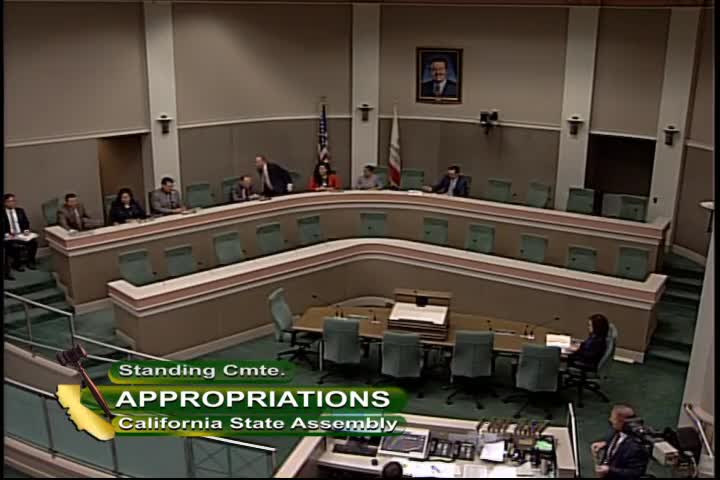 1MIN
Assembly Standing Committee on Appropriations
 6MIN
Assembly Standing Committee on Health
Bill Author

Bill Co-Author(s):