AB 2782: California Environmental Quality Act.
- Session Year: 2017-2018
- House: Assembly
- Latest Version Date: 2018-08-24
The California Environmental Quality Act (CEQA) requires a lead agency, as defined, to prepare, or cause to be prepared, and certify the completion of, an environmental impact report on a project that it proposes to carry out or approve that may have a significant effect on the environment or to adopt a negative declaration if it finds that the project will not have that effect. CEQA also requires a lead agency to prepare a mitigated negative declaration for a project that may have a significant effect on the environment if revisions in the project would avoid or mitigate that effect and there is no substantial evidence that the project, as revised, would have a significant effect on the environment.
This bill would authorize lead agencies, in describing and evaluating projects, to consider specific economic, legal, social, technological, or other benefits of, and the negative impacts of denying, the project.
The California Environmental Quality Act (CEQA) requires a lead agency, as defined, to prepare, or cause to be prepared, and certify the completion of, an environmental impact report on a project that it proposes to carry out or approve that may have a significant effect on the environment or to adopt a negative declaration if it finds that the project will not have that effect. CEQA also requires a lead agency to prepare a mitigated negative declaration for a project that may have a significant effect on the environment if revisions in the project would avoid or mitigate that effect and there is no substantial evidence that the project, as revised, would have a significant effect on the environment.
This bill would authorize lead agencies, in describing and evaluating projects, to consider the positive specific economic, legal, social, technological, or other benefits of, and the negative impacts of denying, the project.
The California Environmental Quality Act (CEQA) requires a lead agency, as defined, to prepare, or cause to be prepared, and certify the completion of, an environmental impact report on a project that it proposes to carry out or approve that may have a significant effect on the environment or to adopt a negative declaration if it finds that the project will not have that effect. CEQA also requires a lead agency to prepare a mitigated negative declaration for a project that may have a significant effect on the environment if revisions in the project would avoid or mitigate that effect and there is no substantial evidence that the project, as revised, would have a significant effect on the environment. Existing law exempts from compliance under CEQA housing projects that satisfy specified criteria.
This bill would make a nonsubstantive change to definitions that apply in connection with the latter provision. authorize lead agencies, in describing and evaluating projects, to consider the positive economic, legal, social, technological, or other benefits of, and the negative impacts of denying, the project.
The California Environmental Quality Act (CEQA) requires a lead agency, as defined, to prepare, or cause to be prepared, and certify the completion of, an environmental impact report on a project that it proposes to carry out or approve that may have a significant effect on the environment or to adopt a negative declaration if it finds that the project will not have that effect. CEQA also requires a lead agency to prepare a mitigated negative declaration for a project that may have a significant effect on the environment if revisions in the project would avoid or mitigate that effect and there is no substantial evidence that the project, as revised, would have a significant effect on the environment. Existing law exempts from compliance under CEQA housing projects that satisfy specified criteria.
This bill would make a nonsubstantive change to definitions that apply in connection with the latter provision.
In describing and evaluating a project in an environmental review document prepared pursuant to this division, the lead agency may consider specific economic, legal, social, technological, or other benefits, including regionwide or statewide environmental benefits, of a proposed project and the negative impacts of denying the project. Any benefits or negative impacts considered pursuant to this section shall be based on substantial evidence in light of the whole record.
In describing and evaluating a project in an environmental review document prepared pursuant to this division, the lead agency may consider specific economic, legal, social, technological, or other benefits, including regionwide or statewide environmental benefits, of a proposed project and the negative impacts of denying the project. Any benefits or negative impacts considered pursuant to this section shall be based on substantial evidence in light of the whole record.
In describing and evaluating a project in an environmental review document prepared pursuant to this division, the lead agency may consider the positive specific economic, legal, social, technological, or other benefits, including regionwide or statewide environmental benefits, of a proposed project and the potential negative impacts of denying the project. Any benefits or negative impacts considered pursuant to this section shall be based on substantial evidence in light of the whole record.
In describing and evaluating a project in an environmental review document prepared pursuant to this division, the lead agency may consider the positive economic, legal, social, technological, or other benefits, including regionwide or statewide environmental benefits, of a proposed project and the potential negative impacts of denying the project.
SECTION 1.Section 21159.20 of the Public Resources Code is amended to read:21159.20.For the purposes of this article, the following definitions apply:(a)Census-defined place means a specific unincorporated land area within boundaries determined by the United States Census Bureau in the most recent decennial census.(b)Community-level environmental review means either of the following:(1)An environmental impact report certified on any of the following:(A)A general plan.(B)A revision or update to the general plan that includes at least the land use and circulation elements.(C)An applicable community plan.(D)An applicable specific plan.(E)A housing element of the general plan, if the environmental impact report analyzed the environmental effects of the density of the proposed project.(2)Pursuant to this division and the implementing guidelines adopted pursuant to this division that govern subsequent review following a program environmental impact report, or pursuant to Section 21157.1, 21157.5, or 21166, a negative declaration or mitigated negative declaration was adopted as a subsequent environmental review document, following and based upon an environmental impact report on any of the projects listed in subparagraphs (A), (C), or (D) of paragraph (1).(c)Low-income households means households of persons and families of very low and low income, as defined in Sections 50093 and 50105 of the Health and Safety Code.(d)Low- and moderate-income households means households of persons and families of low or moderate income, as defined in Section 50093 of the Health and Safety Code.For the purposes of this article, the following terms have the following meanings: definitions apply:
(a)Census-defined place means a specific unincorporated land area within boundaries determined by the United States Census Bureau in the most recent decennial census.
(b)Community-level environmental review means either of the following:
(1)An environmental impact report certified on any of the following:
(A)A general plan.
(B)A revision or update to the general plan that includes at least the land use and circulation elements.
(C)An applicable community plan.
(D)An applicable specific plan.
(E)A housing element of the general plan, if the environmental impact report analyzed the environmental effects of the density of the proposed project.
(2)Pursuant to this division and the implementing guidelines adopted pursuant to this division that govern subsequent review following a program environmental impact report, or pursuant to Section 21157.1, 21157.5, or 21166, a negative declaration or mitigated negative declaration was adopted as a subsequent environmental review document, following and based upon an environmental impact report on any of the projects listed in subparagraphs (A), (C), or (D) of paragraph (1).
(c)Low-income households means households of persons and families of very low and low income, as defined in Sections 50093 and 50105 of the Health and Safety Code.
(d)Low- and moderate-income households means households of persons and families of low or moderate income, as defined in Section 50093 of the Health and Safety Code.
|
Date
|
Status
|
|---|---|
| Aug 24, 2018 | Chaptered by Secretary of State - Chapter 193, Statutes of 2018. |
| Aug 24, 2018 | Approved by the Governor. |
| Aug 14, 2018 | Enrolled and presented to the Governor at 4 p.m. |
| Aug 9, 2018 | In Assembly. Ordered to Engrossing and Enrolling. |
| Aug 9, 2018 | Read third time. Passed. Ordered to the Assembly. |
| Aug 7, 2018 | Read second time. Ordered to third reading. |
| Aug 6, 2018 | From committee: Be ordered to second reading pursuant to Senate Rule 28.8. |
| Jun 21, 2018 | From committee: Do pass and re-refer to Com. on APPR. (Ayes 7. Noes 0.) (June 20). Re-referred to Com. on APPR. |
| Jun 7, 2018 | Referred to Com. on EQ. |
| May 30, 2018 | In Senate. Read first time. To Com. on RLS. for assignment. |
| May 29, 2018 | Read third time. Passed. Ordered to the Senate. |
| May 24, 2018 | Read second time. Ordered to third reading. |
| May 23, 2018 | From committee: Do pass. (Ayes 15. Noes 0.) (May 23). |
| May 1, 2018 | Re-referred to Com. on APPR. |
| Apr 30, 2018 | Read second time and amended. |
| Apr 26, 2018 | From committee: Amend, and do pass as amended and re-refer to Com. on APPR. (Ayes 9. Noes 0.) (April 23). |
| Apr 3, 2018 | Re-referred to Com. on NAT. RES. |
| Apr 2, 2018 | From committee chair, with author's amendments: Amend, and re-refer to Com. on NAT. RES. Read second time and amended. |
| Apr 2, 2018 | Referred to Com. on NAT. RES. |
| Feb 17, 2018 | From printer. May be heard in committee March 19. |
| Feb 16, 2018 | Read first time. To print. |
|
Date
|
Description
|
Location
|
Votes
|
|
|---|---|---|---|---|
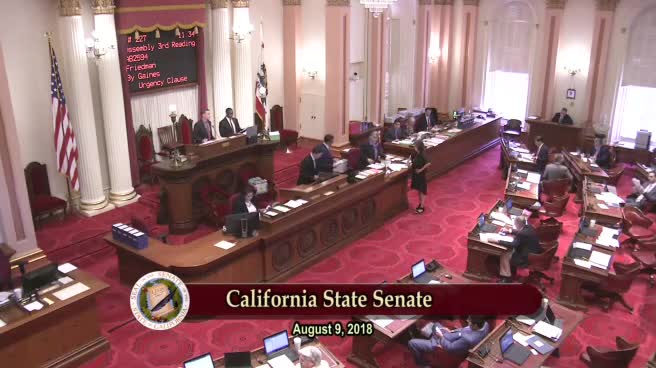
| Aug 9, 2018 | Assembly 3rd Reading AB2782 Friedman By Wiener | Senate Floor |
Passed |
|
| Jun 20, 2018 | Do pass, but first be re-referred to the Committee on [Appropriations] | Senate Standing Committee on Environmental Quality |
Passed |
|
| May 29, 2018 | AB 2782 FRIEDMAN Assembly Third Reading | Assembly Floor |
Passed |
|
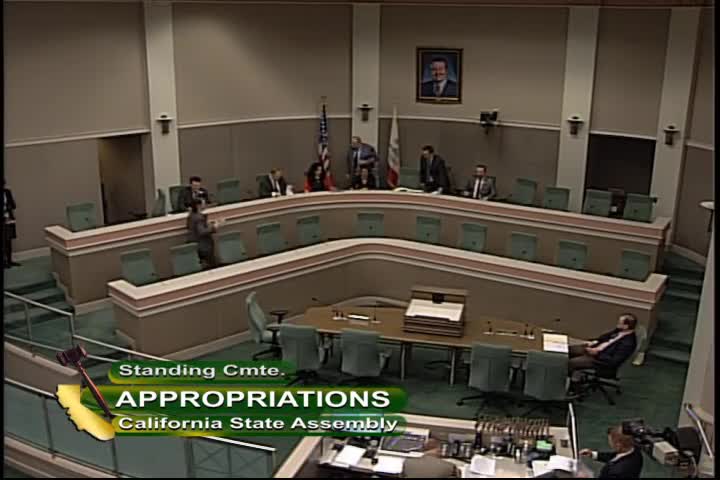
| May 23, 2018 | Do pass. | Assembly Standing Committee on Appropriations |
Passed |
|
| Apr 23, 2018 | Do pass as amended and be re-referred to the Committee on [Appropriations] | Assembly Standing Committee on Natural Resources |
Passed |
This list shows positions taken on this bill by organizations on the date displayed, which is linked to the original source.
Positions by individuals are not included.
|
Organization
|
Position
|
Date
|
|---|---|---|
| California Association Of Realtors | ** Support | Aug 8, 2018 |
| California Building Industry Association | ** Support | Aug 8, 2018 |
| California Business Properties Association | ** Support | Aug 8, 2018 |
| California Chamber Of Commerce | ** Support | Aug 8, 2018 |
Office of Senate Floor Analyses (916) 651-1520 Fax: (916) 327-4478 | AB |
THIRD READING
Bill No: AB 2782
:
SENATE ENVIRONMENTAL QUALITY COMMITTEE: 7-0, 6/20/18
AYES: Wieckowski, Stone, Gaines, Hill, Lara, Skinner, Stern
SENATE APPROPRIATIONS COMMITTEE: Senate Rule 28.8
ASSEMBLY FLOOR: 74-1, 5/29/18 - See last page for vote
DIGEST:
This bill authorizes lead agencies, under the California Environmental Quality Act (CEQA), in describing and evaluating projects, to consider specific economic, legal, social, technological, or other benefits of, and the negative impacts of denying, the project.
Existing law:
- Requires lead agencies with the principal responsibility for carrying out or approving a proposed project to prepare a negative declaration, mitigated negative declaration, or Environmental Impact Report (EIR) for this action, unless the project is exempt from CEQA.
- Prohibits a lead agency from approving a project for which an EIR has been certified which identifies one or more significant effects on the environment unless both of the following occur:
- The agency makes one or more of the following findings with respect to each significant effect:
- Changes or alterations have been required in, or incorporated into, the project which mitigate or avoid the significant effects on the environment.
- Those changes or alterations are within the responsibility and jurisdiction of another public agency and have been, or can and should be, adopted by that other agency.
- Specific economic, legal, social, technological, or other considerations, including considerations for the provision of employment opportunities for highly trained workers, make infeasible the mitigation measures or alternatives identified in the EIR, and the agency finds that specific overriding economic, legal, social, technological, or other benefits of the project outweigh the significant effects on the environment.
- The agency makes one or more of the following findings with respect to each significant effect:
This bill authorizes CEQA lead agencies, in describing and evaluating projects, to consider specific economic, legal, social, technological, or other benefits of, and the negative impacts of denying, the project.
Background
CEQA provides a process for evaluating the environmental effects of applicable projects undertaken or approved by public agencies. If a project is not exempt from CEQA, an initial study is prepared to determine whether the project may have a significant effect on the environment. If the initial study shows that there would not be a significant effect on the environment, the lead agency must prepare a negative declaration. If the initial study shows that the project may have a significant effect on the environment, the lead agency must prepare an EIR.
Generally, an EIR must accurately describe the proposed project, identify and analyze each significant environmental impact expected to result from the proposed project, identify mitigation measures to reduce those impacts to the extent feasible, and evaluate a range of reasonable alternatives to the proposed project, including not approving or carrying out the project (the “no project alternative”).
In general, any significant effects on the environment must be mitigated. However, a lead agency may approve a project without mitigating a significant effect if specific economic, legal, social, technological, or other considerations, including considerations for the provision of employment opportunities for highly trained workers, make infeasible the mitigation measures or alternatives identified in the EIR, and the agency finds that specific overriding economic, legal, social, technological, or other benefits of the project outweigh the significant effects on the environment. This is known as a “statement of overriding considerations,” which is described in Section 15093 of the CEQA Guidelines as follows:
(a) CEQA requires the decision-making agency to balance, as applicable, the economic, legal, social, technological, or other benefits, including region-wide or statewide environmental benefits, of a proposed project against its unavoidable environmental risks when determining whether to approve the project. If the specific economic, legal, social, technological, or other benefits, including regionwide or statewide environmental benefits, of a proposed project outweigh the unavoidable adverse environmental effects, the adverse environmental effects may be considered “acceptable.”
(b) When the lead agency approves a project which will result in the occurrence of significant effects which are identified in the final EIR but are not avoided or substantially lessened, the agency shall state in writing the specific reasons to support its action based on the final EIR and/or other information in the record. The statement of overriding considerations shall be supported by substantial evidence in the record.
Comments
- Purpose of bill. According to the author, “The current EIR process does not include considering the negative consequences within an area of a project not being approved. For example, a project that increases density within the area could lead to overall GHG reduction. Without considering all potential negative and positive impacts of a project, the value within a community is diminished, or a careless project can be avoided. It is beneficial to a region for every aspect of a project and its impact to be considered, as part of the final approval or denial of a project under environmental review.”
- Does the bill create new criteria for evaluating projects under CEQA, or just duplicate existing law and practice? This bill authorizes a lead agency to consider specific economic, legal, social, technological, or other benefits of, and the negative impacts of denying, the project.. The CEQA Guidelines update already contains language that is similar to AB 2782:
Ҥ 15124. Project Description. The description of the project shall contain the following information but should not supply extensive detail beyond that needed for evaluation and review of the environmental impact.
(a) The precise location and boundaries of the proposed project shall be shown on a detailed map, preferably topographic. The location of the project shall also appear on a regional map.
(b) A statement of the objectives sought by the proposed project. A clearly written statement of objectives will help the lead agency develop a reasonable range of alternatives to evaluate in the EIR and will aid the decision makers in preparing findings or a statement of overriding considerations, if necessary. The statement of objectives should include the underlying purpose of the project and may discuss the project benefits.
(c) A general description of the project’s technical, economic, and environmental characteristics, considering the principal engineering proposals if any and supporting public service facilities.”
FISCAL EFFECT: Appropriation: Fiscal Com.: Local:
California Association of Realtors
California Building Industry Association
California Business Properties Association
California Chamber of Commerce
None received
8/8/18 10:34:44
**** END ****
SENATE COMMITTEE ON ENVIRONMENTAL QUALITY
Senator Wieckowski, Chair
2017 - 2018 Regular
Bill No: AB 2782
Author: | Friedman | ||
Version: | 4/30/2018 | Hearing Date: | 6/20/2018 |
Urgency: | No | Fiscal: | Yes |
Consultant: | Rachel Machi Wagoner | ||
SUBJECT: California Environmental Quality Act
ANALYSIS:
EXISTING LAW:
- Requires lead agencies with the principal responsibility for carrying out or approving a proposed project to prepare a negative declaration, mitigated negative declaration, or Environmental Impact Report (EIR) for this action, unless the project is exempt from CEQA.
- Prohibits a lead agency from approving a project for which an EIR has been certified which identifies one or more significant effects on the environment unless both of the following occur:
- The agency makes one or more of the following findings with respect to each significant effect:
- Changes or alterations have been required in, or incorporated into, the project which mitigate or avoid the significant effects on the environment.
- Those changes or alterations are within the responsibility and jurisdiction of another public agency and have been, or can and should be, adopted by that other agency.
- Specific economic, legal, social, technological, or other considerations, including considerations for the provision of employment opportunities for highly trained workers, make infeasible the mitigation measures or alternatives identified in the EIR, and the agency finds that specific overriding economic, legal, social, technological, or other benefits of the project outweigh the significant effects on the environment.
- The agency makes one or more of the following findings with respect to each significant effect:
This bill: authorizes lead agencies, in describing and evaluating projects, to consider specific economic, legal, social, technological, or other benefits of, and the negative impacts of denying, the project.
Background
CEQA provides a process for evaluating the environmental effects of applicable projects undertaken or approved by public agencies. If a project is not exempt from CEQA, an initial study is prepared to determine whether the project may have a significant effect on the environment. If the initial study shows that there would not be a significant effect on the environment, the lead agency must prepare a negative declaration. If the initial study shows that the project may have a significant effect on the environment, the lead agency must prepare an EIR.
Generally, an EIR must accurately describe the proposed project, identify and analyze each significant environmental impact expected to result from the proposed project, identify mitigation measures to reduce those impacts to the extent feasible, and evaluate a range of reasonable alternatives to the proposed project, including not approving or carrying out the project (the "no project alternative").
In general, any significant effects on the environment must be mitigated. However, a lead agency may approve a project without mitigating a significant effect if specific economic, legal, social, technological, or other considerations, including considerations for the provision of employment opportunities for highly trained workers, make infeasible the mitigation measures or alternatives identified in the EIR, and the agency finds that specific overriding economic, legal, social, technological, or other benefits of the project outweigh the significant effects on the environment. This is known as a "statement of overriding considerations," which is described in Section 15093 of the CEQA Guidelines as follows:
(a) CEQA requires the decision-making agency to balance, as applicable, the economic, legal, social, technological, or other benefits, including region-wide or statewide environmental benefits, of a proposed project against its unavoidable environmental risks when determining whether to approve the project. If the specific economic, legal, social, technological, or other benefits, including regionwide or statewide environmental benefits, of a proposed project outweigh the unavoidable adverse environmental effects, the adverse environmental effects may be considered “acceptable.”
(b) When the lead agency approves a project which will result in the occurrence of significant effects which are identified in the final EIR but are not avoided or substantially lessened, the agency shall state in writing the specific reasons to support its action based on the final EIR and/or other information in the record. The statement of overriding considerations shall be supported by substantial evidence in the record.
Comments
- Purpose of Bill. According to the author, “The current EIR process does not include considering the negative consequences within an area of a project not being approved. For example, a project that increases density within the area could lead to overall GHG reduction. Without considering all potential negative and positive impacts of a project, the value within a community is diminished, or a careless project can be avoided. It is beneficial to a region for every aspect of a project and its impact to be considered, as part of the final approval or denial of a project under environmental review.
- Does the bill create new criteria for evaluating projects under CEQA, or just duplicate existing law and practice? This bill authorizes a lead agency to consider specific economic, legal, social, technological, or other benefits of, and the negative impacts of denying, the project.. The CEQA Guidelines update already contains language that is similar to AB 2782:
Ҥ 15124. Project Description. The description of the project shall contain the following information but should not supply extensive detail beyond that needed for evaluation and review of the environmental impact.
(a) The precise location and boundaries of the proposed project shall be shown on a detailed map, preferably topographic. The location of the project shall also appear on a regional map.
(b) A statement of the objectives sought by the proposed project. A clearly written statement of objectives will help the lead agency develop a reasonable range of alternatives to evaluate in the EIR and will aid the decision makers in preparing findings or a statement of overriding considerations, if necessary. The statement of objectives should include the underlying purpose of the project and may discuss the project benefits.
(c) A general description of the project's technical, economic, and environmental characteristics, considering the principal engineering proposals if any and supporting public service facilities.
SOURCE:
Author
SUPPORT:
California Association of Realtors
California Building Industry Association
California Business Properties Association
California Chamber of Commerce
OPPOSITION:
None received
-- END --
ASSEMBLY THIRD READING
ATR Bill Id:AB 2782
Author:(Friedman)
As Amended Ver:April 30, 2018
Majority vote
Committee | Votes | Ayes | Noes |
Natural Resources | 9-0 | Muratsuchi, Acosta, Chau, Eggman, Limón, McCarty, Melendez, Mark Stone, Reyes | |
Appropriations | 15-0 | Gonzalez Fletcher, Bigelow, Bloom, Mathis, Calderon, Carrillo, Chau, Eggman, Friedman, Gallagher, Eduardo Garcia, Nazarian, Obernolte, Quirk, Reyes |
SUMMARY: Authorizes a lead agency, in describing and evaluating a project in an environmental review document prepared pursuant to the California Environmental Quality Act (CEQA), to consider specific economic, legal, social, technological, or other benefits of a proposed project, as well as the negative impacts of denying the project, based on substantial evidence in light of the whole record.
EXISTING LAW:
- Requires lead agencies with the principal responsibility for carrying out or approving a proposed project to prepare a negative declaration, mitigated negative declaration, or Environmental Impact Report (EIR) for this action, unless the project is exempt from CEQA.
- Prohibits a lead agency from approving a project for which an EIR has been certified which identifies one or more significant effects on the environment unless both of the following occur:
- The agency makes one or more of the following findings with respect to each significant effect:
- Changes or alterations have been required in, or incorporated into, the project which mitigate or avoid the significant effects on the environment.
- Those changes or alterations are within the responsibility and jurisdiction of another public agency and have been, or can and should be, adopted by that other agency.
- Specific economic, legal, social, technological, or other considerations, including considerations for the provision of employment opportunities for highly trained workers, make infeasible the mitigation measures or alternatives identified in the EIR, and the agency finds that specific overriding economic, legal, social, technological, or other benefits of the project outweigh the significant effects on the environment.
- The agency makes one or more of the following findings with respect to each significant effect:
FISCAL EFFECT: According to the Assembly Appropriations Committee, negligible fiscal impact.
COMMENTS: CEQA provides a process for evaluating the environmental effects of applicable projects undertaken or approved by public agencies. If a project is not exempt from CEQA, an initial study is prepared to determine whether the project may have a significant effect on the environment. If the initial study shows that there would not be a significant effect on the environment, the lead agency must prepare a negative declaration. If the initial study shows that the project may have a significant effect on the environment, the lead agency must prepare an EIR.
Generally, an EIR must accurately describe the proposed project, identify and analyze each significant environmental impact expected to result from the proposed project, identify mitigation measures to reduce those impacts to the extent feasible, and evaluate a range of reasonable alternatives to the proposed project, including not approving or carrying out the project (the "no project alternative").
In general, any significant effects on the environment must be mitigated. However, a lead agency may approve a project without mitigating a significant effect if specific economic, legal, social, technological, or other considerations, including considerations for the provision of employment opportunities for highly trained workers, make infeasible the mitigation measures or alternatives identified in the EIR, and the agency finds that specific overriding economic, legal, social, technological, or other benefits of the project outweigh the significant effects on the environment. This is known as a "statement of overriding considerations," which is described in the CEQA Guidelines Section 15093 as follows:
(a) CEQA requires the decision-making agency to balance, as applicable, the economic, legal, social, technological, or other benefits, including region-wide or statewide environmental benefits, of a proposed project against its unavoidable environmental risks when determining whether to approve the project. If the specific economic, legal, social, technological, or other benefits, including regionwide or statewide environmental benefits, of a proposed project outweigh the unavoidable adverse environmental effects, the adverse environmental effects may be considered "acceptable."
(b) When the lead agency approves a project which will result in the occurrence of significant effects which are identified in the final EIR but are not avoided or substantially lessened, the agency shall state in writing the specific reasons to support its action based on the final EIR and/or other information in the record. The statement of overriding considerations shall be supported by substantial evidence in the record.
This bill authorizes a lead agency to consider two things: (1) broad benefits of a project and (2) negative impacts of denying the project. These two considerations seem to be captured formally in the current EIR process via the statement of overriding considerations and evaluation of the no project alternative.
Analysis Prepared by: Lawrence Lingbloom / NAT. RES. / (916) 319-2092 FN: 0003007
Date of Hearing: May 23, 2018
ASSEMBLY COMMITTEE ON APPROPRIATIONS
Lorena Gonzalez Fletcher, Chair
ABPCA Bill Id:AB 2782
Author:(Friedman) – As Amended Ver:April 30, 2018
Policy Committee: | Natural Resources | Vote: | 9 - 0 |
|
| ||
|
|
Urgency: No State Mandated Local Program: No Reimbursable: N
SUMMARY:
This bill authorizes a lead agency, in describing and evaluating a project in an environmental review document prepared pursuant to the California Environmental Quality Act (CEQA), to consider specific economic, legal, social, technological, or other benefits, including the regionwide or statewide environmental benefits, of a proposed project and the negative impacts of denying the project. This bill provides any benefits or negative impacts considered pursuant to this section shall be based on substantial evidence in light of the whole record.
FISCAL EFFECT:
Negligible fiscal impact.
COMMENTS:
Background and Purpose. CEQA provides a process for evaluating the environmental effects of applicable projects approved or undertaken by public agencies. For projects that are not exempt from CEQA, an initial study is prepared to determine if the projects may have significant impact on the environment. If the initial study shows no significant impact, a negative declaration is issued. If the project may significantly impact the environment, a full Environmental Impact Report (EIR) must be prepared, including the identification of environmental impacts and required mitigation, compliance and reporting measures intended to reduce the environmental impacts to the extent feasible. CEQA also provides for public process and legal challenges.
In general, any significant effects on the environment must be mitigated. However, a lead agency may approve a project without mitigating a significant effect if specific economic, legal, social, technological, or other considerations, including considerations for the provision of employment opportunities for highly trained workers, make the mitigation measures or alternatives identified in the EIR infeasible, and the lead agency finds specific overriding economic, legal, social, technological, or other benefits of the project outweigh the significant effects on the environment. This is known as a "statement of overriding considerations."
According to the author:
The current EIR process does not include considering the negative consequences within an area of a project not being approved. For example, a project that increases density within the area could lead to overall GHG reduction.
Without considering every negative and positive impact of a project, the value of a project within a community is diminished, or a careless project can be avoided. It is beneficial to a region consider every aspect of a project and its impact, as part of the environmental review process.
This bill authorizes a lead agency to consider the broad benefits of a project and the negative impacts of denying the project consistent with existing CEQA standards.
Analysis Prepared by: Jennifer Galehouse / APPR. / (916) 319-2081
Date of Hearing: April 23, 2018
ASSEMBLY COMMITTEE ON NATURAL RESOURCES
Al Muratsuchi, Acting Chair
ABPCA Bill Id:AB 2782 (
Author:Friedman) – As Amended Ver:April 2, 2018
SUBJECT: California Environmental Quality Act
SUMMARY: Authorizes a lead agency, in describing and evaluating a project in an environmental review document prepared pursuant to the California Environmental Quality Act (CEQA), to consider the positive economic, legal, social, technological, or other benefits, including regionwide or statewide environmental benefits, of a proposed project and the potential negative impacts of denying the project.
EXISTING LAW:
- Requires lead agencies with the principal responsibility for carrying out or approving a proposed project to prepare a negative declaration, mitigated negative declaration, or Environmental Impact Report (EIR) for this action, unless the project is exempt from CEQA.
- Prohibits a lead agency from approving a project for which an EIR has been certified which identifies one or more significant effects on the environment unless both of the following occur:
- The agency makes one or more of the following findings with respect to each significant effect:
- Changes or alterations have been required in, or incorporated into, the project which mitigate or avoid the significant effects on the environment.
- Those changes or alterations are within the responsibility and jurisdiction of another public agency and have been, or can and should be, adopted by that other agency.
- Specific economic, legal, social, technological, or other considerations, including considerations for the provision of employment opportunities for highly trained workers, make infeasible the mitigation measures or alternatives identified in the EIR, and the agency finds that specific overriding economic, legal, social, technological, or other benefits of the project outweigh the significant effects on the environment.
- The agency makes one or more of the following findings with respect to each significant effect:
FISCAL EFFECT: Unknown
COMMENTS:
- Background. CEQA provides a process for evaluating the environmental effects of applicable projects undertaken or approved by public agencies. If a project is not exempt from CEQA, an initial study is prepared to determine whether the project may have a significant effect on the environment. If the initial study shows that there would not be a significant effect on the environment, the lead agency must prepare a negative declaration. If the initial study shows that the project may have a significant effect on the environment, the lead agency must prepare an EIR.
Generally, an EIR must accurately describe the proposed project, identify and analyze each significant environmental impact expected to result from the proposed project, identify mitigation measures to reduce those impacts to the extent feasible, and evaluate a range of reasonable alternatives to the proposed project, including not approving or carrying out the project (the "no project alternative").
In general, any significant effects on the environment must be mitigated. However, a lead agency may approve a project without mitigating a significant effect if specific economic, legal, social, technological, or other considerations, including considerations for the provision of employment opportunities for highly trained workers, make infeasible the mitigation measures or alternatives identified in the EIR, and the agency finds that specific overriding economic, legal, social, technological, or other benefits of the project outweigh the significant effects on the environment. This is known as a "statement of overriding considerations," which is described in Section 15093 of the CEQA Guidelines as follows:
(a) CEQA requires the decision-making agency to balance, as applicable, the economic, legal, social, technological, or other benefits, including region-wide or statewide environmental benefits, of a proposed project against its unavoidable environmental risks when determining whether to approve the project. If the specific economic, legal, social, technological, or other benefits, including regionwide or statewide environmental benefits, of a proposed project outweigh the unavoidable adverse environmental effects, the adverse environmental effects may be considered “acceptable.”
(b) When the lead agency approves a project which will result in the occurrence of significant effects which are identified in the final EIR but are not avoided or substantially lessened, the agency shall state in writing the specific reasons to support its action based on the final EIR and/or other information in the record. The statement of overriding considerations shall be supported by substantial evidence in the record.
- Author's statement:
The current EIR process does not include considering the negative consequences within an area of a project not being approved. For example, a project that increases density within the area could lead to overall GHG reduction.
Without considering every negative and positive impact of a project, the value of a project within a community is diminished, or a careless project can be avoided. It is beneficial to a region consider every aspect of a project and its impact, as part of the environmental review process.
- Does the bill create new criteria for evaluating projects under CEQA, or just duplicate existing law and practice? This bill authorizes a lead agency to consider two things: (1) broad benefits of a project and (2) negative impacts of denying the project. These two considerations seem to be captured formally in the current EIR process via the statement of overriding considerations and evaluation of the no project alternative.
- Suggested amendments. The author and the committee may wish to consider the following amendments to make the bill consistent with existing CEQA standards:
21082.4. In describing and evaluating a project in an environmental review document prepared pursuant to this division, the lead agency may consider the positive specific economic, legal, social, technological, or other benefits, including regionwide or statewide environmental benefits, of a proposed project and the potential negative impacts of denying the project. Any benefits or negative impacts considered pursuant to this section shall be based on substantial evidence in light of the whole record.
REGISTERED SUPPORT / OPPOSITION:
Support
California Association of Realtors
Opposition
None on file
Analysis Prepared by: Lawrence Lingbloom / NAT. RES. /
Discussed in Hearing
 1MIN
Senate Floor
 2MIN
Assembly Floor
 1MIN
Assembly Standing Committee on Appropriations
 4MIN
Assembly Standing Committee on Natural Resources
Bill Author

Bill Co-Author(s):