AB 306: Vote by mail ballots.
- Session Year: 2017-2018
- House: Assembly
- Latest Version Date: 2018-08-27
Existing law requires a vote by mail voter to return his or her voted vote by mail ballot (1) by mail or in person to the elections official, (2) in person to a member of a precinct board at a polling place or vote center, or (3) to a vote by mail ballot dropoff location, as specified. Existing law permits a vote by mail voter who is unable to return his or her ballot to designate another person to return the ballot. Existing law requires that the identification envelope of a vote by mail ballot contain, among other things, the name of the person authorized to return it, the relationship of that person to the voter, and that persons signature. Existing law requires that all vote by mail ballots be received before the close of the polls on election day and prohibits a ballot from being counted if not received before that time.
This bill would require a person designated to return a voters vote by mail ballot to return the ballot or put it in the mail no later than three days after receiving it from the voter or before the close of the polls on election day, whichever time period is shorter. However, the bill would prohibit disqualifying a ballot from being counted solely because it was returned or mailed more than three days after the designated person received it from the voter, provided that the ballot is returned by the designated person before the close of polls on election day. The bill would also prohibit disqualifying a ballot solely because the person returning it did not provide on the identification envelope his or her name, relationship to the voter, or signature.
Existing law requires a vote by mail voter to return his or her voted vote by mail ballot (1) by mail or in person to the elections official, (2) in person to a member of a precinct board at a polling place or vote center, or (3) to a vote by mail ballot dropoff location, as specified. Existing law permits a vote by mail voter who is unable to return his or her ballot to designate another person to return the ballot. Existing law requires that all vote by mail ballots be received before the close of the polls on election day and prohibits a ballot from being counted if not received before that time.
This bill would require a person designated to return a voters vote by mail ballot to return the ballot or put it in the mail no later than two three days after receiving it from the voter or before the close of the polls on election day, whichever time period is shorter. However, the bill would prohibit disqualifying a ballot from being counted solely because it was returned or mailed more than two three days after the designated person received it from the voter, provided that the ballot is returned by the designated person before the close of polls on election day.
Existing law requires a vote by mail voter to return his or her voted vote by mail ballot (1) by mail or in person to the elections official, (2) in person to a member of a precinct board at a polling place or vote center, or (3) to a vote by mail ballot dropoff location, as specified. Existing law permits a vote by mail voter who is unable to return his or her ballot to designate another person to return the ballot. Existing law requires that all vote by mail ballots to be received before the close of the polls on election day. day and prohibits a ballot from being counted if not received before that time.
This bill would require a person designated to return a voters vote by mail ballot to return the ballot no later than two days after receiving it from the voter or before the close of the polls on election day, whichever time period is shorter. However, the bill would prohibit disqualifying a ballot from being counted solely because it was returned more than two days after the designated person received it from the voter, provided that the ballot is returned by the designated person before the close of polls on election day.
Existing law requires a vote by mail voter to return his or her voted vote by mail ballot (1) by mail or in person to the elections official, (2) in person to a member of a precinct board at a polling place or vote center, or (3) to a vote by mail ballot dropoff location, as specified. Existing law permits a vote by mail voter who is unable to return his or her ballot to designate another person to return the ballot. Existing law requires all vote by mail ballots to be received before the close of the polls on election day.
This bill would require a person designated to return a voters vote by mail ballot to return the ballot no later than two days after receiving it from the voter or before the close of the polls on election day, whichever time period is shorter.
Existing law prescribes a system for the payment of benefits to unemployed individuals who meet specified eligibility criteria. Existing law disqualifies an individual for unemployment compensation benefits if the Director of Employment Development finds that the individual left his or her most recent work voluntarily without good cause or that he or she has been discharged for misconduct connected with his or her most recent work. Existing law also deems an individual not eligible for unemployment compensation benefits if the individual left his or her work because of a trade dispute.This bill would delete the prohibition against unemployment compensation benefit eligibility if the individual left his or her work because of a trade dispute. The bill would also provide that an individual is deemed to have left his or her most recent work with good cause if (1) he or she is prohibited by his or her employer from performing his or her work as a result of a trade dispute with the employer regarding wages, hours, or other terms or conditions of employment or (2) he or she left this work during a bona fide strike of more than 50% of the bargaining unit employees in a refusal of these employees who are authorized by a bona fide labor organization pursuant to state or federal labor law to perform work or services for the employer.Because this bill would expand the categories of people who could receive benefits from the Unemployment Fund, a continuously appropriated fund, it would make an appropriation.Existing law prescribes a system for the payment of benefits to unemployed individuals who meet specified eligibility criteria. Existing law requires an employer to post and maintain, in places readily accessible to employees, printed statements concerning benefit rights and other matters. Existing law disqualifies an individual for unemployment compensation benefits if the Director of Employment Development finds that the individual left his or her most recent work voluntarily without good cause or that he or she has been discharged for misconduct connected with his or her most recent work. Existing law also deems an individual not eligible for unemployment compensation benefits if the individual left his or her work because of a trade dispute.
This bill would delete the prohibition against unemployment compensation benefit eligibility if the individual left his or her work because of a trade dispute. The bill would also provide that an individual is deemed to have left his or her most recent work with good cause if (1) he or she is prohibited by his or her employer from performing his or her work as a result of a trade dispute with the employer regarding wages, hours, or other terms or conditions of employment or (2) he or she left this work during a bona fide strike of more than 50% of the bargaining unit employees in a refusal of these employees who are authorized by a bona fide labor organization pursuant to state or federal labor law to perform work or services for the employer.
Because this bill would expand the categories of people who could receive benefits from the Unemployment Fund, a continuously appropriated fund, it would make an appropriation.
This bill would make nonsubstantive changes to these provisions.Existing law prescribes a system for the payment of benefits to unemployed individuals who meet specified eligibility criteria. Existing law requires an employer to post and maintain, in places readily accessible to employees, printed statements concerning benefit rights and other matters.
This bill would make nonsubstantive changes to these provisions.
(a)The identification envelope shall contain all of the following:
(1)A declaration, under penalty of perjury, stating that the voter resides within the precinct in which he or she is voting and is the person whose name appears on the envelope.
(2)The signature of the voter.
(3)The residence address of the voter as shown on the affidavit of registration.
(4)The date of signing.
(5)A notice that the envelope contains an official ballot and is to be opened only by the canvassing board.
(6)A warning plainly stamped or printed on it that voting twice constitutes a crime.
(7)A warning plainly stamped or printed on it that the voter must sign the envelope in his or her own handwriting in order for the ballot to be counted.
(8)A statement that the voter has neither applied, nor intends to apply, for a vote by mail voters ballot from any other jurisdiction for the same election.
(9)The name of the person authorized by the voter to return the vote by mail ballot pursuant to Section 3017.
(10)The relationship to the voter of the person authorized to return the vote by mail ballot.
(11)The signature of the person authorized to return the vote by mail ballot.
(b)Except at a primary election for partisan office, and notwithstanding any other provision of law, the vote by mail voters party preference may not be stamped or printed on the identification envelope.
(c)Notwithstanding paragraphs (9) to (11), inclusive, of subdivision (a), a ballot shall not be disqualified solely because the person authorized to return it did not provide on the identification envelope his or her name, relationship to the voter, or signature.
SEC. 2.Section 3017 of the Elections Code is amended to read:3017.(a)(1)All vote by mail ballots cast under this division shall be voted on or before the day of the election. After marking the ballot, the vote by mail voter shall do any of the following:
(A)Return the ballot by mail or in person to the elections official who issued the ballot.
(B)Return the ballot in person to a member of a precinct board at a polling place or vote center within the state.
(C)Return the ballot to a vote by mail ballot dropoff location within the state that is provided pursuant to Section 3025 or 4005.
(2)A vote by mail voter who is unable to return the ballot may designate another person to return the ballot to the elections official who issued the ballot, to the precinct board at a polling place or vote center within the state, or to a vote by mail ballot dropoff location within the state that is provided pursuant to Section 3025 or 4005. The person designated shall return the ballot in person, or put the ballot in the mail, no later than three days after receiving it from the voter or before the close of the polls on election day, whichever time period is shorter. Notwithstanding subdivision (d), a ballot shall not be disqualified from being counted solely because it was returned or mailed more than three days after the designated person received it from the voter, provided that the ballot is returned by the designated person before the close of polls on election day.
(3)The ballot must be received by the elections official who issued the ballot, the precinct board, or the vote by mail ballot dropoff location before the close of the polls on election day. If a vote by mail ballot is returned to a precinct board at a polling place or vote center, or to a vote by mail ballot dropoff location, that is located in a county that is not the county of the elections official who issued the ballot, the elections official for the county in which the vote by mail ballot is returned shall forward the ballot to the elections official who issued the ballot no later than eight days after receipt.
(b)The elections official shall establish procedures to ensure the secrecy of a ballot returned to a polling place and the security, confidentiality, and integrity of any personal information collected, stored, or otherwise used pursuant to this section.
(c)On or before March 1, 2008, the elections official shall establish procedures to track and confirm the receipt of voted vote by mail ballots and to make this information available by means of online access using the countys elections division Internet Web site. If the county does not have an elections division Internet Web site, the elections official shall establish a toll-free telephone number that may be used to confirm the date a voted vote by mail ballot was received.
(d)The provisions of this section are mandatory, not directory, and a ballot shall not be counted if it is not delivered in compliance with this section.
(e)(1)A person designated to return a vote by mail ballot shall not receive any form of compensation based on the number of ballots that the person returns and an individual, group, or organization shall not provide compensation on this basis.
(2)For purposes of this paragraph, compensation means any form of monetary payment, goods, services, benefits, promises or offers of employment, or any other form of consideration offered to another person in exchange for returning another voters vote by mail ballot.
(3)A person in charge of a vote by mail ballot and who knowingly and willingly engages in criminal acts related to that ballot as described in Division 18 (commencing with Section 18000), including, but not limited to, fraud, bribery, intimidation, and tampering with or failing to deliver the ballot in a timely fashion, is subject to the appropriate punishment specified in that division.
(a)The identification envelope shall contain all of the following:
(1)A declaration, under penalty of perjury, stating that the voter resides within the precinct in which he or she is voting and is the person whose name appears on the envelope.
(2)The signature of the voter.
(3)The residence address of the voter as shown on the affidavit of registration.
(4)The date of signing.
(5)A notice that the envelope contains an official ballot and is to be opened only by the canvassing board.
(6)A warning plainly stamped or printed on it that voting twice constitutes a crime.
(7)A warning plainly stamped or printed on it that the voter must sign the envelope in his or her own handwriting in order for the ballot to be counted.
(8)A statement that the voter has neither applied, nor intends to apply, for a vote by mail voters ballot from any other jurisdiction for the same election.
(9)The name of the person authorized by the voter to return the vote by mail ballot pursuant to Section 3017.
(10)The relationship to the voter of the person authorized to return the vote by mail ballot.
(11)The signature of the person authorized to return the vote by mail ballot.
(b)Except at a primary election for partisan office, and notwithstanding any other provision of law, the vote by mail voters party preference may not be stamped or printed on the identification envelope.
(c)Notwithstanding paragraphs (9) to (11), inclusive, of subdivision (a), a ballot shall not be disqualified solely because the person authorized to return it did not provide on the identification envelope his or her name, relationship to the voter, or signature.
SECTION 1.SEC. 2.Section 3017 of the Elections Code is amended to read:3017.(a)(1)All vote by mail ballots cast under this division shall be voted on or before the day of the election. After marking the ballot, the vote by mail voter shall do any of the following:
(A)Return the ballot by mail or in person to the elections official who issued the ballot.
(B)Return the ballot in person to a member of a precinct board at a polling place or vote center within the state.
(C)Return the ballot to a vote by mail ballot dropoff location within the state that is provided pursuant to Section 3025 or 4005.
(2)A vote by mail voter who is unable to return the ballot may designate another person to return the ballot to the elections official who issued the ballot, to the precinct board at a polling place or vote center within the state, or to a vote by mail ballot dropoff location within the state that is provided pursuant to Section 3025 or 4005. The person designated shall return the ballot in person, or put the ballot in the mail, no later than three days after receiving it from the voter or before the close of the polls on election day, whichever time period is shorter. Notwithstanding subdivision (d), a ballot shall not be disqualified from being counted solely because it was returned or mailed more than three days after the designated person received it from the voter, provided that the ballot is returned by the designated person before the close of polls on election day.
(3)The ballot must be received by the elections official who issued the ballot, the precinct board, or the vote by mail ballot dropoff location before the close of the polls on election day. If a vote by mail ballot is returned to a precinct board at a polling place or vote center, or to a vote by mail ballot dropoff location, that is located in a county that is not the county of the elections official who issued the ballot, the elections official for the county in which the vote by mail ballot is returned shall forward the ballot to the elections official who issued the ballot no later than eight days after receipt.
(b)The elections official shall establish procedures to ensure the secrecy of a ballot returned to a polling place and the security, confidentiality, and integrity of any personal information collected, stored, or otherwise used pursuant to this section.
(c)On or before March 1, 2008, the elections official shall establish procedures to track and confirm the receipt of voted vote by mail ballots and to make this information available by means of online access using the countys elections division Internet Web site. If the county does not have an elections division Internet Web site, the elections official shall establish a toll-free telephone number that may be used to confirm the date a voted vote by mail ballot was received.
(d)The provisions of this section are mandatory, not directory, and a ballot shall not be counted if it is not delivered in compliance with this section.
(e)(1)A person designated to return a vote by mail ballot shall not receive any form of compensation based on the number of ballots that the person returns and an individual, group, or organization shall not provide compensation on this basis.
(2)For purposes of this paragraph, compensation means any form of monetary payment, goods, services, benefits, promises or offers of employment, or any other form of consideration offered to another person in exchange for returning another voters vote by mail ballot.
(3)A person in charge of a vote by mail ballot and who knowingly and willingly engages in criminal acts related to that ballot as described in Division 18 (commencing with Section 18000), including, but not limited to, fraud, bribery, intimidation, and tampering with or failing to deliver the ballot in a timely fashion, is subject to the appropriate punishment specified in that division.
(a)(1)All vote by mail ballots cast under this division shall be voted on or before the day of the election. After marking the ballot, the vote by mail voter shall do any of the following:
(A)Return the ballot by mail or in person to the elections official who issued the ballot.
(B)Return the ballot in person to a member of a precinct board at a polling place or vote center within the state.
(C)Return the ballot to a vote by mail ballot dropoff location within the state that is provided pursuant to Section 3025 or 4005.
(2)A vote by mail voter who is unable to return the ballot may designate another person to return the ballot to the elections official who issued the ballot, to the precinct board at a polling place or vote center within the state, or to a vote by mail ballot dropoff location within the state that is provided pursuant to Section 3025 or 4005. The person designated shall return the ballot in person, or put the ballot in the mail, no later than two three days after receiving it from the voter or before the close of the polls on election day, whichever time period is shorter. Notwithstanding subdivision (d), a ballot shall not be disqualified from being counted solely because it was returned or mailed more than two three days after the designated person received it from the voter, provided that the ballot is returned by the designated person before the close of polls on election day.
(3)The ballot must be received by the elections official who issued the ballot, the precinct board, or the vote by mail ballot dropoff location before the close of the polls on election day. If a vote by mail ballot is returned to a precinct board at a polling place or vote center, or to a vote by mail ballot dropoff location, that is located in a county that is not the county of the elections official who issued the ballot, the elections official for the county in which the vote by mail ballot is returned shall forward the ballot to the elections official who issued the ballot no later than eight days after receipt.
(b)The elections official shall establish procedures to ensure the secrecy of a ballot returned to a polling place and the security, confidentiality, and integrity of any personal information collected, stored, or otherwise used pursuant to this section.
(c)On or before March 1, 2008, the elections official shall establish procedures to track and confirm the receipt of voted vote by mail ballots and to make this information available by means of online access using the countys elections division Internet Web site. If the county does not have an elections division Internet Web site, the elections official shall establish a toll-free telephone number that may be used to confirm the date a voted vote by mail ballot was received.
(d)The provisions of this section are mandatory, not directory, and a ballot shall not be counted if it is not delivered in compliance with this section.
(e)(1)A person designated to return a vote by mail ballot shall not receive any form of compensation based on the number of ballots that the person returns and an individual, group, or organization shall not provide compensation on this basis.
(2)For purposes of this paragraph, compensation means any form of monetary payment, goods, services, benefits, promises or offers of employment, or any other form of consideration offered to another person in exchange for returning another voters vote by mail ballot.
(3)A person in charge of a vote by mail ballot and who knowingly and willingly engages in criminal acts related to that ballot as described in Division 18 (commencing with Section 18000), including, but not limited to, fraud, bribery, intimidation, and tampering with or failing to deliver the ballot in a timely fashion, is subject to the appropriate punishment specified in that division.
(a)(1)All vote by mail ballots cast under this division shall be voted on or before the day of the election. After marking the ballot, the vote by mail voter shall do any of the following:
(A)Return the ballot by mail or in person to the elections official who issued the ballot.
(B)Return the ballot in person to a member of a precinct board at a polling place or vote center within the state.
(C)Return the ballot to a vote by mail ballot dropoff location within the state that is provided pursuant to Section 3025 or 4005.
(2)A vote by mail voter who is unable to return the ballot may designate another person to return the ballot to the elections official who issued the ballot, to the precinct board at a polling place or vote center within the state, or to a vote by mail ballot dropoff location within the state that is provided pursuant to Section 3025 or 4005. The person designated shall return the ballot no later than two days after receiving it from the voter or before the close of the polls on election day, whichever time period is shorter. Notwithstanding subdivision (d), a ballot shall not be disqualified from being counted solely because it was returned more than two days after the designated person received it from the voter, provided that the ballot is returned by the designated person before the close of polls on election day.
(3)The ballot must be received by the elections official who issued the ballot, the precinct board, or the vote by mail ballot dropoff location before the close of the polls on election day. If a vote by mail ballot is returned to a precinct board at a polling place or vote center, or to a vote by mail ballot dropoff location, that is located in a county that is not the county of the elections official who issued the ballot, the elections official for the county in which the vote by mail ballot is returned shall forward the ballot to the elections official who issued the ballot no later than eight days after receipt.
(b)The elections official shall establish procedures to ensure the secrecy of a ballot returned to a polling place and the security, confidentiality, and integrity of any personal information collected, stored, or otherwise used pursuant to this section.
(c)On or before March 1, 2008, the elections official shall establish procedures to track and confirm the receipt of voted vote by mail ballots and to make this information available by means of online access using the countys elections division Internet Web site. If the county does not have an elections division Internet Web site, the elections official shall establish a toll-free telephone number that may be used to confirm the date a voted vote by mail ballot was received.
(d)The provisions of this section are mandatory, not directory, and a ballot shall not be counted if it is not delivered in compliance with this section.
(e)(1)A person designated to return a vote by mail ballot shall not receive any form of compensation based on the number of ballots that the person returns and an individual, group, or organization shall not provide compensation on this basis.
(2)For purposes of this paragraph, compensation means any form of monetary payment, goods, services, benefits, promises or offers of employment, or any other form of consideration offered to another person in exchange for returning another voters vote by mail ballot.
(3)A person in charge of a vote by mail ballot and who knowingly and willingly engages in criminal acts related to that ballot as described in Division 18 (commencing with Section 18000), including, but not limited to, fraud, bribery, intimidation, and tampering with or failing to deliver the ballot in a timely fashion, is subject to the appropriate punishment specified in that division.
(a)(1)All vote by mail ballots cast under this division shall be voted on or before the day of the election. After marking the ballot, the vote by mail voter shall do any of the following: (1) return
(A)Return the ballot by mail or in person to the elections official who issued the ballot, (2) r eturn ballot.
(B)Return the ballot in person to a member of a precinct board at a polling place or vote center within the state, or (3) r eturn state.
(C)Return the ballot to a vote by mail ballot dropoff location within the state that is provided pursuant to Section 3025 or 4005. However, a
(2)A vote by mail voter who is unable to return the ballot may designate any another person to return the ballot to the elections official who issued the ballot, to the precinct board at a polling place or vote center within the state, or to a vote by mail ballot dropoff location within the state that is provided pursuant to Section 3025 or 4005. The person designated shall return the ballot no later than two days after receiving it from the voter or before the close of the polls on election day, whichever time period is shorter.
(3)The ballot must, however, must be received by the elections official who issued the ballot, the precinct board, or the vote by mail ballot dropoff location before the close of the polls on election day. If a vote by mail ballot is returned to a precinct board at a polling place or vote center, or to a vote by mail ballot dropoff location, that is located in a county that is not the county of the elections official who issued the ballot, the elections official for the county in which the vote by mail ballot is returned shall forward the ballot to the elections official who issued the ballot no later than eight days after receipt.
(b)The elections official shall establish procedures to ensure the secrecy of a ballot returned to a polling place and the security, confidentiality, and integrity of any personal information collected, stored, or otherwise used pursuant to this section.
(c)On or before March 1, 2008, the elections official shall establish procedures to track and confirm the receipt of voted vote by mail ballots and to make this information available by means of online access using the countys elections division Internet Web site. If the county does not have an elections division Internet Web site, the elections official shall establish a toll-free telephone number that may be used to confirm the date a voted vote by mail ballot was received.
(d)The provisions of this section are mandatory, not directory, and a ballot shall not be counted if it is not delivered in compliance with this section.
(e)(1)A person designated to return a vote by mail ballot shall not receive any form of compensation based on the number of ballots that the person has returned returns and an individual, group, or organization shall not provide compensation on this basis.
(2)For purposes of this paragraph, compensation means any form of monetary payment, goods, services, benefits, promises or offers of employment, or any other form of consideration offered to another person in exchange for returning another voters vote by mail ballot.
(3)Any A person in charge of a vote by mail ballot and who knowingly and willingly engages in criminal acts related to that ballot as described in Division 18 (commencing with Section 18000), including, but not limited to, fraud, bribery, intimidation, and tampering with or failing to deliver the ballot in a timely fashion, is subject to the appropriate punishment specified in that division.
SECTION 1.Section 1256 of the Unemployment Insurance Code is amended to read:1256.(a)An individual is disqualified for unemployment compensation benefits if the director finds that the individual left his or her most recent work voluntarily without good cause or that he or she has been discharged for misconduct connected with his or her most recent work.(b)An individual is presumed to have been discharged for reasons other than misconduct in connection with his or her work and not to have voluntarily left his or her work without good cause unless his or her employer has given written notice to the contrary to the department as provided in Section 1327, setting forth facts sufficient to overcome the presumption. The presumption provided by this section is rebuttable.(c)An individual whose employment is terminated under the compulsory retirement provisions of a collective bargaining agreement to which the employer is a party, shall not be deemed to have left his or her work without good cause.(d)An individual may be deemed to have left his or her most recent work with good cause if he or she leaves employment to accompany his or her spouse or domestic partner to a place or to join him or her at a place from which it is impractical to commute to the employment. For purposes of this section spouse includes a person to whom marriage is imminent, and domestic partner includes a person to whom a domestic partnership, as described in Section 297 of the Family Code, is imminent.(e)An individual may be deemed to have left his or her most recent work with good cause if he or she leaves employment to protect his or her family, or himself or herself, from domestic violence abuse.(f)An individual shall be deemed to have left his or her most recent work with good cause if he or she elects to be laid off in place of an employee with less seniority pursuant to a provision in a collective bargaining agreement that provides that an employee with more seniority may elect to be laid off in place of an employee with less seniority when the employer has decided to lay off employees.(g)An individual shall be deemed to have left his or her most recent work with good cause if he or she is prohibited by his or her employer from performing his or her work as a result of a trade dispute with the employer regarding wages, hours, or other terms or conditions of employment.(h)An individual shall be deemed to have left his or her most recent work with good cause if he or she left this work during a bona fide strike of more than 50 percent of the bargaining unit employees in a refusal of these employees who are authorized by a bona fide labor organization pursuant to state or federal labor law to perform work or services for the employer.SEC. 2.Section 1262 of the Unemployment Insurance Code is repealed.(a)An individual is disqualified for unemployment compensation benefits if the director finds that he or she the individual left his or her most recent work voluntarily without good cause or that he or she has been discharged for misconduct connected with his or her most recent work.
An(b)An individual is presumed to have been discharged for reasons other than misconduct in connection with his or her work and not to have voluntarily left his or her work without good cause unless his or her employer has given written notice to the contrary to the department as provided in Section 1327, setting forth facts sufficient to overcome the presumption. The presumption provided by this section is rebuttable.
An(c)An individual whose employment is terminated under the compulsory retirement provisions of a collective bargaining agreement to which the employer is a party, shall not be deemed to have left his or her work without good cause.
An(d)An individual may be deemed to have left his or her most recent work with good cause if he or she leaves employment to accompany his or her spouse or domestic partner to a place or to join him or her at a place from which it is impractical to commute to the employment. For purposes of this section spouse includes a person to whom marriage is imminent, and domestic partner includes a person to whom a domestic partnership, as described in Section 297 of the Family Code, is imminent.
An(e)An individual may be deemed to have left his or her most recent work with good cause if he or she leaves employment to protect his or her family, or himself or herself, from domestic violence abuse.
An(f)An individual shall be deemed to have left his or her most recent work with good cause if he or she elects to be laid off in place of an employee with less seniority pursuant to a provision in a collective bargaining agreement that provides that an employee with more seniority may elect to be laid off in place of an employee with less seniority when the employer has decided to lay off employees.
(g)An individual shall be deemed to have left his or her most recent work with good cause if he or she is prohibited by his or her employer from performing his or her work as a result of a trade dispute with the employer regarding wages, hours, or other terms or conditions of employment.
(h)An individual shall be deemed to have left his or her most recent work with good cause if he or she left this work during a bona fide strike of more than 50 percent of the bargaining unit employees in a refusal of these employees who are authorized by a bona fide labor organization pursuant to state or federal labor law to perform work or services for the employer.
SEC. 2.Section 1262 of the Unemployment Insurance Code is repealed.1262.An individual is not eligible for unemployment compensation benefits, and these benefits shall not be payable to him or her, if the individual left his or her work because of a trade dispute. The individual shall remain ineligible for the period during which he or she continues out of work by reason of the fact that the trade dispute is still in active progress in the establishment in which he or she was employed.SECTION 1.Section 1089 of the Unemployment Insurance Code is amended to read:1089.Each employer shall post and maintain in places readily accessible to individuals in his or her service printed statements concerning benefit rights and other matters as may be prescribed by authorized regulations. Each employer shall, pursuant to authorized regulations, supply each individual at the time he or she becomes unemployed with copies of printed statements or materials relating to claims for benefits. Each employer shall immediately notify each employee of any change in his or her relationship with the employer. Failure to comply with this section by an employer shall constitute a misdemeanor. The printed statements shall be supplied by the director to each employer without cost to him or her.Each employer shall post and maintain in places readily accessible to individuals in his or her service such printed statements concerning benefit rights and other matters as may be prescribed by authorized regulations. Each employer shall, pursuant to authorized regulations, supply each individual at the time he or she becomes unemployed with copies of printed statements or materials relating to claims for benefits. Each employer shall immediately notify each employee of any change in his or her relationship with said the employer. Failure to comply with this section by an employer shall constitute a misdemeanor. Such The printed statements shall be supplied by the director to each employer without cost to him. him or her.
|
Date
|
Status
|
|---|---|
| Aug 27, 2018 | Chaptered by Secretary of State - Chapter 203, Statutes of 2018. |
| Aug 27, 2018 | Approved by the Governor. |
| Aug 14, 2018 | Enrolled and presented to the Governor at 4 p.m. |
| Aug 9, 2018 | Senate amendments concurred in. To Engrossing and Enrolling. |
| Aug 7, 2018 | In Assembly. Concurrence in Senate amendments pending. May be considered on or after August 9 pursuant to Assembly Rule 77. |
| Aug 6, 2018 | Read third time. Passed. Ordered to the Assembly. |
| Jun 21, 2018 | Read second time. Ordered to third reading. |
| Jun 20, 2018 | Read third time and amended. Ordered to second reading. |
| May 16, 2018 | Read second time and amended. Ordered to third reading. |
| May 15, 2018 | From committee: Amend, and do pass as amended. (Ayes 4. Noes 1.) (May 15). |
| Mar 15, 2018 | Referred to Com. on E. & C.A. |
| Jan 18, 2018 | In Senate. Read first time. To Com. on RLS. for assignment. |
| Jan 18, 2018 | Read third time. Passed. Ordered to the Senate. |
| Jan 12, 2018 | Read second time. Ordered to third reading. |
| Jan 11, 2018 | Read second time and amended. Ordered returned to second reading. |
| Jan 10, 2018 | From committee: Amend, and do pass as amended. (Ayes 5. Noes 2.) (January 10). |
| Jan 4, 2018 | From committee: Be re-referred to Com. on E. & R. Re-referred. (Ayes 9. Noes 0.) (January 4). Re-referred to Com. on E. & R. |
| Jan 3, 2018 | From committee chair, with author's amendments: Amend, and re-refer to Com. on INS. Read second time and amended. |
| Mar 27, 2017 | Re-referred to Com. on INS. |
| Mar 23, 2017 | From committee chair, with author's amendments: Amend, and re-refer to Com. on INS. Read second time and amended. |
| Mar 23, 2017 | Referred to Com. on INS. |
| Feb 7, 2017 | From printer. May be heard in committee March 9. |
| Feb 6, 2017 | Read first time. To print. |
|
Date
|
Description
|
Location
|
Votes
|
|
|---|---|---|---|---|
| Aug 9, 2018 | AB 306 GONZALEZ FLETCHER Concurrence in Senate Amendments | Assembly Floor |
Passed |
|
| Aug 6, 2018 | Assembly 3rd Reading AB306 Gonzalez Fletcher By Hertzberg | Senate Floor |
Passed |
|
| May 15, 2018 | Do pass as amended | Senate Standing Committee on Elections and Constitutional Amendments |
Passed |
|
| Jan 18, 2018 | AB 306 GONZALEZ FLETCHER Assembly Third Reading | Assembly Floor |
Passed |
|
| Jan 18, 2018 | AB 306 GONZALEZ FLETCHER Assembly Third Reading Amend By HARPER Set #1 Motion to Lay on the Table By CALDERON | Assembly Floor |
Passed |
|
| Jan 10, 2018 | Do pass as amended. | Assembly Standing Committee on Elections and Redistricting |
Passed |
|
| Jan 4, 2018 | Be re-referred to the Committee on [Elections and Redistricting] | Assembly Standing Committee on Rules |
Passed |
This list shows positions taken on this bill by organizations on the date displayed, which is linked to the original source.
Positions by individuals are not included.
|
Organization
|
Position
|
Date
|
|---|---|---|
| County Of San Diego | ** Support | Jun 22, 2018 |
| Disability Rights California | ** Support | Jun 22, 2018 |
CONCURRENCE IN SENATE AMENDMENTS
CSA1 Bill Id:AB 306
Author:(Gonzalez Fletcher)
As Amended Ver:June 20, 2018
Majority vote
ASSEMBLY: | 59-3 | (January 18, 2018) | SENATE: | 26-11 | (August 6, 2018) |
Original Committee Reference: E. & R.
SUMMARY: Requires a person who is designated by a vote by mail (VBM) voter to return the voter's ballot to return the ballot in person or to put it in the mail no later than three days after receiving it from the voter or before the close of the polls on election day, whichever is sooner. Provides that a ballot will not be disqualified from being counted solely because it is returned or mailed more than three days after the designated person receives it from the voter. Makes technical changes.
The Senate amendments:
- Clarify that a person who is designated to return another voter's VBM ballot may return that ballot by mail.
- Increase, from two days to three days, the amount of time that a designated person has under this bill to return a voter's VBM ballot after receiving it from that voter.
- Specify that a VBM ballot shall not be disqualified solely because the person authorized to return that ballot did not provide his or her name, relationship to the voter, or signature on the VBM ballot identification envelope.
EXISTING LAW permits a VBM voter who is unable to return his or her ballot to designate any person to return the ballot to the elections official who issued it, to the precinct board at a polling place or vote center within the state, or to a VBM ballot drop-off location within the state, as specified.
FISCAL EFFECT: None. This bill is keyed non-fiscal by the Legislative Counsel.
COMMENTS: According to the author, "In 2016, the Governor signed AB 1921 [(Gonzalez) Chapter 820] into law, which allowed voters to designate a person of their own choosing to return a completed mail ballot to the proper drop-off location or post office. The bill also prohibited individual canvassers or volunteers from engaging in any sort of paid-per ballot or performance-based compensation schemes based on the number of ballots deposited or collected by that person…
"AB 306 would clarify both for voters and for those they might designate to turn in their mail ballot for them that ballots must be turned in promptly. This bill would require that if a voter has chosen to designate someone else to turn in their mail ballot for them, that person must do so within [three] days, or the close of polls on election day, whichever comes first. This would help ensure that voters have flexible options available to them for how to turn in their ballots, that these options are trustworthy, and that a voter's mail ballot will be counted on time."
AB 1921 (Gonzalez), Chapter 820, Statutes of 2016, permits a VBM voter who is unable to return his or her ballot to designate any person to return the ballot, as specified, and prohibits a designated person from receiving any form of compensation based on the number of ballots that person returns, as specified. Prior to the enactment of AB 1921, California law generally allowed a voter to designate only specified family members or persons residing in the same household as the voter to return his or her VBM ballot.
While existing law does not specify a time period by which someone must deliver a VBM ballot that the person has been designated to return to the elections official, existing law does make it a misdemeanor for a person having charge of a completed VBM ballot to willfully interfere or cause interference with its return to the local elections official.
Existing law includes a variety of safeguards to protect against VBM ballot abuse or fraud. When a VBM ballot is received by an elections official, existing law requires the elections official to compare the signature on the VBM ballot envelope with the signature on file for that voter before the ballot can be counted. If the signatures do not compare, the ballot is not counted. Furthermore, state law includes extensive penalties for misconduct in connection with VBM ballots. For instance, criminal penalties are possible for committing fraud in connection with any vote cast, as specified; coercing or deceiving elders in casting a vote, as specified; interfering with the return of a VBM ballot or VBM ballot application, as specified; soliciting the vote of a VBM voter while the voter is voting, as specified; providing any valuable consideration to a person in exchange for that person voting or refraining from voting for a particular person or measure, as specified; coercing or intimidating a voter to vote or refrain from voting in an election, or to vote or refraining from voting for a particular person or measure, as specified; and fraudulently signing a VBM ballot envelope, as specified, among other provisions.
The Senate amendments clarify that a person who is designated to return a voter's VBM ballot may return that ballot by mail, and increase the amount of time that the designated person has under this bill to return that ballot from two days to three days. Additionally, the Senate amendments specify that although a VBM ballot identification envelope is required to contain certain specified information of any person who is authorized to return that ballot on the voter's behalf, the ballot shall not be disqualified solely because that information is missing. This bill, as amended in the Senate, is generally consistent with Assembly actions.
Please see the policy committee analysis for a full discussion of this bill.
Analysis Prepared by: Ethan Jones / E. & R. / (916) 319-2094 FN: 0003590
Office of Senate Floor Analyses (916) 651-1520 Fax: (916) 327-4478 | AB |
THIRD READING
Bill No: AB 306
: in Senate
SENATE ELECTIONS & C.A. COMMITTEE: 4-1, 5/15/18
AYES: Stern, Allen, Hertzberg, Leyva
NOES: Anderson
ASSEMBLY FLOOR: 59-3, 1/18/18 - See last page for vote
DIGEST:
This bill establishes a required time period of three days for a person designated by the voter to return his or her vote by mail (VBM) ballot and provides the ballot will not be disqualified from being counted solely because it was returned more than three days after being received by the voter’s designee.
Senate Floor Amendments of 6/20/18 clarify that a ballot will not be disqualified solely because the person authorized to return it did not provide on the identification envelope his or her name, relationship to the voter, or signature.
Existing law:
- Permits any registered voter to apply for, receive, and cast a VBM ballot.
- Provides that a voter who casts a ballot in an election in accordance with the laws of the state shall have that vote counted.
- Requires the VBM envelope to contain, among other information, the name of the person authorized by the voter to return a VBM ballot, the designated person’s signature, and the relationship between the designated person and the voter.
- Requires that all VBM ballots cast shall be voted on or before the day of the election.
- Permits a VBM voter to return his or her ballot by either:
- Mailing the ballot or returning the ballot in person to the elections official who issued the ballot.
- Delivering the ballot in person to a member of a precinct board at a polling place or vote center.
- Delivering the ballot to a VBM ballot drop-off location.
- Requires the VBM identification envelope to contain, among other information, the name of the person authorized by the voter to return the VBM ballot, the designee’s relationship to the voter, and the signature of the person returning the VBM ballot.
- Allows a VBM voter who is unable to return the ballot to designate any person to return the ballot to the elections official who issued the ballot, to the precinct board at a polling place or vote center within the state, or to a VBM ballot drop-off location within the state before the close of the polls on Election Day.
- Provides that if a VBM ballot is returned in a county that is not the county where the ballot was issued, the elections official must forward the ballot to the elections official who issued the ballot no later than eight days after receipt.
- Requires elections officials to establish procedures to track and confirm the receipt of returned VBM ballots and to make this information available online or by phone.
- Prohibits a person designated to return a VBM ballot from receiving any form of compensation based on the number of ballots that the person returns and prohibits an individual, group, or organization from providing compensation on this basis.
- Defines “compensation” to mean any form of monetary payment, goods, services, benefits, promises or offers of employment, or any other form of consideration offered to another person in exchange for returning another voter’s VBM ballot.
- Provides that any person in charge of a VBM ballot who knowingly and willingly engages in criminal acts related to that ballot as described under existing law, including, but not limited to, fraud, bribery, intimidation, and tampering with or failing to deliver the ballot in a timely fashion, is subject to the appropriate punishment pursuant to existing law.
- Provides that any person who votes more than once, attempts to vote more than once, or impersonates or attempts to impersonate a voter at an election is guilty of a crime punishable by imprisonment in the state prison for 16 months or two or three years, or in county jail not exceeding one year.
- Provides that any person having charge of a completed VBM ballot who willfully interferes or causes interference with its return to the local elections official having jurisdiction over the election is guilty of a misdemeanor punishable by imprisonment in a county jail, a fine of $10,000, or both.
This bill:
- Requires a person designated to return a voter’s VBM ballot to return the ballot no later than three days after receiving it from the voter or before the close of the polls on Election Day, whichever time period is shorter.
- Provides that a VBM ballot will not be disqualified from being counted solely because it was returned more than three days after the designated person received it from the voter.
- Provides that a ballot will not be disqualified solely because the person authorized to return it did not provide on the VBM identification envelope his or her name, relationship to the voter, or signature.
- Makes clarifying and technical changes.
Background
Vote by mail statistics. In 2001, the Legislature approved and Governor Davis signed AB 1520 (Shelley, Chapter 922, Statutes of 2001) which, among other provisions, authorized any voter to become a permanent absentee voter (currently known as a permanent VBM voter). As a result, California voters have increasingly used VBM ballots to vote in elections. Since 2012, a majority of ballots cast in either a primary or general election were done using a VBM ballot. For the 2016 general election, over eight million ballots or approximately 57.8 percent of the total votes cast were VBM ballots.
California Voter’s Choice Act. The increased utilization of VBM ballots is also expected to continue as additional legislation related to VBM ballots is passed and implemented. Beginning with the 2018 primary election, five counties (Madera, Napa, Nevada, Sacramento, and San Mateo) conducted elections using a new election model established through SB 450 (Allen, Chapter 832, Statutes of 2016). Among the provisions of SB 450, counties who have implemented the Voter’s Choice Act mail a VBM ballot to every registered voter and permit the return of those ballots at any vote center or drop-off location.
Existing precautions. In current statute, there are a number of precautions to protect against VBM ballot fraud or abuse. When a VBM ballot is received by an elections official, existing law requires the elections official to compare the signature on the VBM ballot envelope with the voter’s signature on file for that voter before the ballot is counted. If the signatures do not compare, the ballot is not counted.
In addition, if a voter did not receive, lost, or destroyed his or her original VBM ballot, the elections official is required to send a second VBM ballot when notified by the voter with a statement under penalty of perjury. The elections official keeps a record of each VBM ballot sent to and received from a voter and verifies, prior to counting any duplicate ballot, that the voters has not attempted to vote twice. If it is determined that a voter has attempted to vote twice, both ballots shall be void.
There are also protections against voting multiple times and interfering with a VBM’s return to a local election official. In regards to voting multiple times, any person who votes more than once, attempts to vote more than once, or impersonates or attempts to impersonate a voter at an election is guilty of a crime punishable by imprisonment in the state prison for 16 months or two or three years, or in county jail not exceeding one year. For misconduct related to delivering a VBM ballot, any person in charge of a completed VBM ballot who willfully interferes or causes interference with its return to the local elections official having jurisdiction over the election is guilty of a misdemeanor punishable by imprisonment in a county jail, a fine of $10,000, or both.
Follow-up legislation for AB 1921. AB 306 is a follow-up legislation for AB 1921 (Gonzalez, Chapter 820, Statutes of 2016). AB 1921 permitted a voter who is unable to return his or her VBM ballot to designate any person to return the ballot. The bill also prohibited a designated person from receiving any compensation based on the number of ballots that person returns. Prior to the enactment of AB 1921, California law specified that a voter may designate a person residing in the same household or a specified family member to return the voter’s VBM ballot.
Comments
According to the author, in 2016, the Governor signed AB 1921 into law, which allowed voters to designate a person of their own choosing to return a completed mail ballot to the proper drop-off location or post office. The bill also prohibited individual canvassers or volunteers from engaging in any sort of paid-per ballot or performance-based compensation schemes based on the number of ballots deposited or collected by that person.
With voting by mail becoming increasingly popular among individual voters and counties, this change helped reduce arbitrary obstacles for individuals attempting to vote. However, as this change in law has been implemented during the 2017 special election in Assembly District 51 and going forward, concerns have been voiced that a designee might not return a voter’s ballot in a timely fashion, which could inadvertently mean that their vote is not counted.
While it is already the law that the person designated by a voter to submit a mail ballot must do so, some states have laws on the books to ensure that the designee of a voter returns the ballot quickly. This helps avoid any confusion on behalf of the voter when checking to see if their ballot has been counted, the designee as to what the obligations are, and get-out-the vote or other organizations tracking voter turnout.
AB 306 clarifies both for voters and for those they might designate to turn in their mail ballot for them that ballots must be turned in promptly. This bill requires that if a voter has chosen to designate someone else to turn in their mail ballot for them, that person must do so within three days, or the close of polls on Election Day, whichever comes first. This would help ensure that voters have flexible options available to them for how to turn in their ballots, that these options are trustworthy, and that a voter’s mail ballot will be counted on time.
Related/Prior Legislation
AB 2883 (Harper, 2018), among other provisions, would have required a person designated by the voter to offer the voter with a receipt when the designated person receives the voter’s VBM ballot and provide a receipt to the voter upon request. AB 2883 failed in the Assembly Elections and Redistricting Committee with a vote of 2-5.
AB 1921 (Gonzalez, Chapter 820, Statutes of 2016), among other provisions, permitted a VBM voter who is unable to return his or her ballot to designate any person to return the ballot, as specified.
AB 2080 (Gordon, Chapter 501, Statutes of 2012) deleted the requirement that a voter be ill or disabled in order to have a family member or a person in the same household return a VBM ballot for that voter.
AB 1271 (Krekorian, 2009), AB 1096 (Umberg, 2005), and SB 462 (Karnette, 2001) all proposed to delete the requirement that a voter must be ill or disabled in order to designate another person to return that voter's VBM ballot, among other provisions. AB 1271 and AB 1096 were vetoed by Governor Schwarzenegger, who argued that the bills could lead to abuse of the system. SB 462 was vetoed by Governor Davis, who stated that it was "important to maintain the standard under current law that a person be ill or disabled to request that someone else submit" a voter's VBM ballot.
AB 1520 (Shelley, Chapter 922, Statutes of 2001), among other provisions, permitted any voter to apply to be a permanent absentee voter.
FISCAL EFFECT: Appropriation: Fiscal Com.: Local:
County of San Diego
Disability Rights California
OPPOSITION: (Verified 6/20/18)
ASSEMBLY FLOOR: 59-3, 1/18/18
AYES: Acosta, Aguiar-Curry, Travis Allen, Arambula, Baker, Berman, Bloom, Bonta, Burke, Caballero, Calderon, Carrillo, Cervantes, Chau, Chávez, Chiu, Choi, Chu, Cooley, Cooper, Cunningham, Daly, Eggman, Frazier, Friedman, Cristina Garcia, Eduardo Garcia, Gipson, Gloria, Gonzalez Fletcher, Gray, Grayson, Holden, Irwin, Jones-Sawyer, Kalra, Levine, Limón, Low, Maienschein, Mayes, McCarty, Medina, Melendez, Muratsuchi, Obernolte, O'Donnell, Quirk, Quirk-Silva, Reyes, Rodriguez, Rubio, Salas, Santiago, Mark Stone, Ting, Weber, Wood, Rendon
NOES: Brough, Harper, Patterson
NO VOTE RECORDED: Bigelow, Chen, Dahle, Flora, Fong, Gallagher, Kiley, Lackey, Mathis, Mullin, Nazarian, Steinorth, Thurmond, Voepel, Waldron
6/22/18 14:09:04
**** END ****
Office of Senate Floor Analyses (916) 651-1520 Fax: (916) 327-4478 | AB |
THIRD READING
Bill No: AB 306
: in Senate
SENATE ELECTIONS & C.A. COMMITTEE: 4-1, 5/15/18
AYES: Stern, Allen, Hertzberg, Leyva
NOES: Anderson
ASSEMBLY FLOOR: 59-3, 1/18/18 - See last page for vote
DIGEST:
This bill establishes a required time period of three days for a person designated by the voter to return his or her vote by mail (VBM) ballot and provides the ballot will not be disqualified from being counted solely because it was returned more than three days after being received by the voter’s designee.
Existing law:
- Permits any registered voter to apply for, receive, and cast a VBM ballot.
- Provides that a voter who casts a ballot in an election in accordance with the laws of the state shall have that vote counted.
- Requires the VBM envelope to contain, among other information, the name of the person authorized by the voter to return a VBM ballot, the designated person’s signature, and the relationship between the designated person and the voter.
- Requires that all VBM ballots cast shall be voted on or before the day of the election.
- Permits a VBM voter to return his or her ballot by either:
- Mailing the ballot or returning the ballot in person to the elections official who issued the ballot.
- Delivering the ballot in person to a member of a precinct board at a polling place or vote center.
- Delivering the ballot to a VBM ballot drop-off location.
- Allows a VBM voter who is unable to return the ballot to designate any person to return the ballot to the elections official who issued the ballot, to the precinct board at a polling place or vote center within the state, or to a VBM ballot drop-off location within the state before the close of the polls on Election Day.
- Provides that if a VBM ballot is returned in a county that is not the county where the ballot was issued, the elections official must forward the ballot to the elections official who issued the ballot no later than eight days after receipt.
- Requires elections officials to establish procedures to track and confirm the receipt of returned VBM ballots and to make this information available online or by phone.
- Prohibits a person designated to return a VBM ballot from receiving any form of compensation based on the number of ballots that the person returns and prohibits an individual, group, or organization from providing compensation on this basis.
- Defines “compensation” to mean any form of monetary payment, goods, services, benefits, promises or offers of employment, or any other form of consideration offered to another person in exchange for returning another voter’s VBM ballot.
- Provides that any person in charge of a VBM ballot who knowingly and willingly engages in criminal acts related to that ballot as described under existing law, including, but not limited to, fraud, bribery, intimidation, and tampering with or failing to deliver the ballot in a timely fashion, is subject to the appropriate punishment pursuant to existing law.
- Provides that any person who votes more than once, attempts to vote more than once, or impersonates or attempts to impersonate a voter at an election is guilty of a crime punishable by imprisonment in the state prison for 16 months or two or three years, or in county jail not exceeding one year.
- Provides that any person having charge of a completed VBM ballot who willfully interferes or causes interference with its return to the local elections official having jurisdiction over the election is guilty of a misdemeanor punishable by imprisonment in a county jail, a fine of $10,000, or both.
This bill:
- Requires a person designated to return a voter’s VBM ballot to return the ballot no later than three days after receiving it from the voter or before the close of the polls on Election Day, whichever time period is shorter.
- Provides that a VBM ballot will not be disqualified from being counted solely because it was returned more than three days after the designated person received it from the voter.
- Makes clarifying and technical changes.
Background
Vote by mail statistics. In 2001, the Legislature approved and Governor Davis signed AB 1520 (Shelley, Chapter 922, Statutes of 2001) which, among other provisions, authorized any voter to become a permanent absentee voter (currently known as a permanent VBM voter). As a result, California voters have increasingly used VBM ballots to vote in elections. Since 2012, a majority of ballots cast in either a primary or general election were done using a VBM ballot. For the 2016 general election, over eight million ballots or approximately 57.8 percent of the total votes cast were VBM ballots.
California Voter’s Choice Act. The increased utilization of VBM ballots is also expected to continue as additional legislation related to VBM ballots is passed and implemented. Beginning in the 2018 primary election, five counties (Madera, Napa, Nevada, Sacramento, and San Mateo) will conduct elections using a new election model established through SB 450 (Allen, Chapter 832, Statutes of 2016). Among the provisions of SB 450, counties who have implemented the Voter’s Choice Act will mail a VBM ballot to every registered voter and permit the return of those ballots at any vote center or drop-off location.
Existing precautions. In current statute, there are a number of precautions to protect against VBM ballot fraud or abuse. When a VBM ballot is received by an elections official, existing law requires the elections official to compare the signature on the VBM ballot envelope with the voter’s signature on file for that voter before the ballot is counted. If the signatures do not compare, the ballot is not counted.
In addition, if a voter did not receive, lost, or destroyed his or her original VBM ballot, the elections official is required to send a second VBM ballot when notified by the voter with a statement under penalty of perjury. The elections official keeps a record of each VBM ballot sent to and received from a voter and verifies, prior to counting any duplicate ballot, that the voters has not attempted to vote twice. If it is determined that a voter has attempted to vote twice, both ballots shall be void.
There are also protections against voting multiple times and interfering with a VBM’s return to a local election official. In regards to voting multiple times, any person who votes more than once, attempts to vote more than once, or impersonates or attempts to impersonate a voter at an election is guilty of a crime punishable by imprisonment in the state prison for 16 months or two or three years, or in county jail not exceeding one year. For misconduct related to delivering a VBM ballot, any person in charge of a completed VBM ballot who willfully interferes or causes interference with its return to the local elections official having jurisdiction over the election is guilty of a misdemeanor punishable by imprisonment in a county jail, a fine of $10,000, or both.
AB 1921. AB 306 is a follow-up legislation for AB 1921 (Gonzalez, Chapter 820, Statutes of 2016). AB 1921 permitted a voter who is unable to return his or her VBM ballot to designate any person to return the ballot. The bill also prohibited a designated person from receiving any compensation based on the number of ballots that person returns. Prior to the enactment of AB 1921, California law specified that a voter may designate a person residing in the same household or a specified family member to return the voter’s VBM ballot.
Comments
According to the author, in 2016, the Governor signed AB 1921 into law, which allowed voters to designate a person of their own choosing to return a completed mail ballot to the proper drop-off location or post office. The bill also prohibited individual canvassers or volunteers from engaging in any sort of paid-per ballot or performance-based compensation schemes based on the number of ballots deposited or collected by that person.
With voting by mail becoming increasingly popular among individual voters and counties, this change helped reduce arbitrary obstacles for individuals attempting to vote. However, as this change in law has been implemented during the 2017 special election in Assembly District 51 and going forward, concerns have been voiced that a designee might not return a voter’s ballot in a timely fashion, which could inadvertently mean that their vote is not counted.
While it is already the law that the person designated by a voter to submit a mail ballot must do so, some states have laws on the books to ensure that the designee of a voter returns the ballot quickly. This helps avoid any confusion on behalf of the voter when checking to see if their ballot has been counted, the designee as to what the obligations are, and get-out-the vote or other organizations tracking voter turnout.
AB 306 clarifies both for voters and for those they might designate to turn in their mail ballot for them that ballots must be turned in promptly. This bill requires that if a voter has chosen to designate someone else to turn in their mail ballot for them, that person must do so within three days, or the close of polls on Election Day, whichever comes first. This would help ensure that voters have flexible options available to them for how to turn in their ballots, that these options are trustworthy, and that a voter’s mail ballot will be counted on time.
Related/Prior Legislation
AB 1921 (Gonzalez, Chapter 820, Statutes of 2016), among other provisions, permitted a VBM voter who is unable to return his or her ballot to designate any person to return the ballot, as specified.
AB 2883 (Harper, 2018), among other provisions, would have required a person designated by the voter to offer the voter with a receipt when the designated person receives the voter’s VBM ballot and provide a receipt to the voter upon request. AB 2883 failed in the Assembly Elections and Redistricting Committee with a vote of 2-5.
AB 2080 (Gordon, Chapter 501, Statutes of 2012) deleted the requirement that a voter be ill or disabled in order to have a family member or a person in the same household return a VBM ballot for that voter.
AB 1271 (Krekorian, 2009), AB 1096 (Umberg, 2005), and SB 462 (Karnette, 2001) all proposed to delete the requirement that a voter must be ill or disabled in order to designate another person to return that voter's VBM ballot, among other provisions. AB 1271 and AB 1096 were vetoed by Governor Schwarzenegger, who argued that the bills could lead to abuse of the system. SB 462 was vetoed by Governor Davis, who stated that it was "important to maintain the standard under current law that a person be ill or disabled to request that someone else submit" a voter's VBM ballot.
AB 1520 (Shelley, Chapter 922, Statutes of 2001), among other provisions, permitted any voter to apply to be a permanent absentee voter.
FISCAL EFFECT: Appropriation: Fiscal Com.: Local:
County of San Diego
Disability Rights California
OPPOSITION: (Verified 5/16/18)
None received
ASSEMBLY FLOOR: 59-3, 1/18/18
AYES: Acosta, Aguiar-Curry, Travis Allen, Arambula, Baker, Berman, Bloom, Bonta, Burke, Caballero, Calderon, Carrillo, Cervantes, Chau, Chávez, Chiu, Choi, Chu, Cooley, Cooper, Cunningham, Daly, Eggman, Frazier, Friedman, Cristina Garcia, Eduardo Garcia, Gipson, Gloria, Gonzalez Fletcher, Gray, Grayson, Holden, Irwin, Jones-Sawyer, Kalra, Levine, Limón, Low, Maienschein, Mayes, McCarty, Medina, Melendez, Muratsuchi, Obernolte, O'Donnell, Quirk, Quirk-Silva, Reyes, Rodriguez, Rubio, Salas, Santiago, Mark Stone, Ting, Weber, Wood, Rendon
NOES: Brough, Harper, Patterson
NO VOTE RECORDED: Bigelow, Chen, Dahle, Flora, Fong, Gallagher, Kiley, Lackey, Mathis, Mullin, Nazarian, Steinorth, Thurmond, Voepel, Waldron
5/16/18 10:58:24
**** END ****
SENATE COMMITTEE ON
ELECTIONS AND CONSTITUTIONAL AMENDMENTS
Senator Henry Stern, Chair
2017 - 2018 Regular
Bill No: 306 Hearing Date: 5/15/18
Author: | Gonzalez Fletcher | ||
Version: | 1/11/18 to be amended | ||
Urgency: | Fiscal: | ||
Consultant: | |||
Subject:
DIGEST
This bill establishes a required time period of three days for a person designated by the voter to return his or her vote by mail (VBM) ballot and provides the ballot will not be disqualified from being counted solely because it was returned more than three days after being received by the voter’s designee.
ANALYSIS
Existing law:
- Permits any registered voter to apply for, receive, and cast a VBM ballot.
- Provides that a voter who casts a ballot in an election in accordance with the laws of the State shall have that vote counted.
- Requires the VBM envelope to contain, among other information, the name of the person authorized by the voter to return a VBM ballot, the designated person’s signature, and the relationship between the designated person and the voter.
- Requires that all VBM ballots cast shall be voted on or before the day of the election.
- Permits a VBM voter to return his or her ballot by either:
- Mailing the ballot or returning the ballot in person to the elections official who issued the ballot.
- Delivering the ballot in person to a member of a precinct board at a polling place or vote center.
- Delivering the ballot to a VBM ballot drop-off location.
- Allows a VBM voter who is unable to return the ballot to designate any person to return the ballot to the elections official who issued the ballot, to the precinct board at a polling place or vote center within the state, or to a VBM ballot drop-off location within the state before the close of the polls on Election Day.
- Provides that if a VBM ballot is returned in a county that is not the county where the ballot was issued, the elections official must forward the ballot to the elections official who issued the ballot no later than eight days after receipt.
- Requires elections officials to establish procedures to track and confirm the receipt of returned VBM ballots and to make this information available online or by phone.
- Prohibits a person designated to return a VBM ballot from receiving any form of compensation based on the number of ballots that the person returns and prohibits an individual, group, or organization from providing compensation on this basis.
- Defines “compensation” to mean any form of monetary payment, goods, services, benefits, promises or offers of employment, or any other form of consideration offered to another person in exchange for returning another voter’s VBM ballot.
- Provides that any person in charge of a VBM ballot who knowingly and willingly engages in criminal acts related to that ballot as described under existing law, including, but not limited to, fraud, bribery, intimidation, and tampering with or failing to deliver the ballot in a timely fashion, is subject to the appropriate punishment pursuant to existing law.
- Provides that any person who votes more than once, attempts to vote more than once, or impersonates or attempts to impersonate a voter at an election is guilty of a crime punishable by imprisonment in the state prison for 16 months or two or three years, or in county jail not exceeding one year.
- Provides that any person having charge of a completed VBM ballot who willfully interferes or causes interference with its return to the local elections official having jurisdiction over the election is guilty of a misdemeanor punishable by imprisonment in a county jail, a fine of $10,000, or both.
This bill:
- Requires a person designated to return a voter’s VBM ballot to return the ballot no later than three days after receiving it from the voter or before the close of the polls on Election Day, whichever time period is shorter.
- Provides that a VBM ballot will not be disqualified from being counted solely because it was returned more than three days after the designated person received it from the voter.
- Makes clarifying and technical changes.
BACKGROUND
Vote by Mail Statistics. In 2001, the Legislature approved and Governor Davis signed AB 1520 (Shelley), Chapter 922, Statutes of 2001, which, among other provisions, authorized any voter to become a permanent absentee voter (currently known as a permanent VBM voter). As a result, California voters have increasingly used VBM ballots to vote in elections. Since 2012, a majority of ballots cast in either a primary or general election were done using a VBM ballot. For the 2016 general election, over 8 million ballots or approximately 57.8 percent of the total votes cast were VBM ballots.
California Voter’s Choice Act. The increased utilization of VBM ballots is also expected to continue as additional legislation related to VBM ballots is passed and implemented. Beginning in the 2018 primary election, five counties (Madera, Napa, Nevada, Sacramento, and San Mateo) will conduct elections using a new election model established through SB 450 (Allen), Chapter 832, Statutes of 2016. Among the provisions of SB 450, counties who have implemented the Voter’s Choice Act will mail a VBM ballot to every registered voter and permit the return of those ballots at any vote center or drop-off location.
Existing Precautions. In current statute, there are a number of precautions to protect against VBM ballot fraud or abuse. When a VBM ballot is received by an elections official, existing law requires the elections official to compare the signature on the VBM ballot envelope with the voter’s signature on file for that voter before the ballot is counted. If the signatures do not compare, the ballot is not counted.
In addition, if a voter did not receive, lost, or destroyed his or her original VBM ballot, the elections official is required to send a second VBM ballot when notified by the voter with a statement under penalty of perjury. The elections official keeps a record of each VBM ballot sent to and received from a voter and verifies, prior to counting any duplicate ballot, that the voters has not attempted to vote twice. If it is determined that a voter has attempted to vote twice, both ballots shall be void.
There are also protections against voting multiple times and interfering with a VBM’s return to a local election official. In regards to voting multiple times, any person who votes more than once, attempts to vote more than once, or impersonates or attempts to impersonate a voter at an election is guilty of a crime punishable by imprisonment in the state prison for 16 months or two or three years, or in county jail not exceeding one year. For misconduct related to delivering a VBM ballot, any person in charge of a completed VBM ballot who willfully interferes or causes interference with its return to the local elections official having jurisdiction over the election is guilty of a misdemeanor punishable by imprisonment in a county jail, a fine of $10,000, or both.
Previous Legislation. AB 306 is a follow-up legislation for AB 1921 (Gonzalez), Chapter 820, Statutes of 2016. AB 1921 permitted a voter who is unable to return his or her VBM ballot to designate any person to return the ballot. This bill also prohibited a designated person from receiving any compensation based on the number of ballots that person returns. Prior to the enactment of AB 1921, California law specified that a voter may designate a person residing in the same household or a specified family member to return the voter’s VBM ballot.
COMMENTS
- According to the author: In 2016, the Governor signed AB 1921 into law, which allowed voters to designate a person of their own choosing to return a completed mail ballot to the proper drop-off location or post office. The bill also prohibited individual canvassers or volunteers from engaging in any sort of paid-per ballot or performance-based compensation schemes based on the number of ballots deposited or collected by that person.
With voting by mail becoming increasingly popular among individual voters and counties, this change helped reduce arbitrary obstacles for individuals attempting to vote. However, as this change in law has been implemented during the 2017 special election in Assembly District 51 and going forward, concerns have been voiced that a designee might not return a voter’s ballot in a timely fashion, which could inadvertently mean that their vote is not counted.
While it is already the law that the person designated by a voter to submit a mail ballot must do so, some states have laws on the books to ensure that the designee of a voter returns the ballot quickly. This helps avoid any confusion on behalf of the voter when checking to see if their ballot has been counted, the designee as to what the obligations are, and get-out-the vote or other organizations tracking voter turnout.
AB 306 would clarify both for voters and for those they might designate to turn in their mail ballot for them that ballots must be turned in promptly. This bill would require that if a voter has chosen to designate someone else to turn in their mail ballot for them, that person must do so within three days, or the close of polls on Election Day, whichever comes first. This would help ensure that voters have flexible options available to them for how to turn in their ballots, that these options are trustworthy, and that a voter’s mail ballot will be counted on time.
RELATED/PRIOR LEGISLATION
AB 1921 (Gonzalez), Chapter 820, Statutes of 2016, among other provisions, permitted a VBM voter who is unable to return his or her ballot to designate any person to return the ballot, as specified.
AB 2883 (Harper) of 2018, among other provisions, would require a person designated by the voter to offer the voter with a receipt when the designated person receives the voter’s VBM ballot and provide a receipt to the voter upon request. AB 2883 failed in the Assembly Elections and Redistricting Committee with a vote of 2-5.
AB 2080 (Gordon), Chapter 508, Statutes of 2012, deleted the requirement that a voter be ill or disabled in order to have a family member or a person in the same household return a VBM ballot for that voter.
AB 1271 (Krekorian) of 2009, AB 1096 (Umberg) of 2005, and SB 462 (Karnette) of 2001, all proposed to delete the requirement that a voter must be ill or disabled in order to designate another person to return that voter's VBM ballot, among other provisions. AB 1271 and AB 1096 were vetoed by Governor Schwarzenegger, who argued that the bills could lead to abuse of the system. SB 462 was vetoed by Governor Davis, who stated that it was "important to maintain the standard under current law that a person be ill or disabled to request that someone else submit" a voter's VBM ballot.
AB 1520 (Shelley), Chapter 922, Statutes of 2001, among other provisions, permitted any voter to apply to be a permanent absentee voter.
PRIOR ACTION
Assembly Floor: | 59 - 3 |
Assembly Elections and Redistricting Committee Assembly Committee: | 5 - 2 9 - 0 |
POSITIONS
Sponsor: Author
Support: Disability Rights California
Oppose: None Received
-- END --
ASSEMBLY THIRD READING
ATR Bill Id:AB 306
Author:(Gonzalez Fletcher)
As Amended Ver:January 11, 2018
Majority vote
Committee | Votes | Ayes | Noes |
Elections | 5-2 | Berman, Calderon, Low, Mullin, Weber | Harper, Patterson |
SUMMARY: Requires a person who is designated by a vote by mail (VBM) voter to return the voter's ballot to deliver it no later than two days after receiving it from the voter or before the close of the polls on election day, whichever is sooner. Provides that a ballot will not be disqualified from being counted solely because it is returned more than two days after the designated person receives it from the voter. Makes technical changes.
EXISTING LAW permits a VBM voter who is unable to return his or her ballot to designate any person to return the ballot to the elections official who issued it, to the precinct board at a polling place or vote center within the state, or to a VBM ballot dropoff location within the state, as specified.
FISCAL EFFECT: None. This bill has been keyed non-fiscal by the Legislative Counsel.
COMMENTS: According to the author, "In 2016, the Governor signed AB 1921 [Gonzalez, Chapter 820] into law, which allowed voters to designate a person of their own choosing to return a completed mail ballot to the proper drop-off location or post office. The bill also prohibited individual canvassers or volunteers from engaging in any sort of paid-per ballot or performance-based compensation schemes based on the number of ballots deposited or collected by that person…
"AB 306 would clarify both for voters and for those they might designate to turn in their mail ballot for them that ballots must be turned in promptly. This bill would require that if a voter has chosen to designate someone else to turn in their mail ballot for them, that person must do so within two days, or the close of polls on election day, whichever comes first. This would help ensure that voters have flexible options available to them for how to turn in their ballots, that these options are trustworthy, and that a voter's mail ballot will be counted on time."
AB 1921 (Gonzalez), Chapter 820, Statutes of 2016, permits a VBM voter who is unable to return his or her ballot to designate any person to return the ballot, as specified, and prohibits a designated person from receiving any form of compensation based on the number of ballots that person returns, as specified. Prior to the enactment of AB 1921, California law generally allowed a voter to designate only specified family members or persons residing in the same household as the voter to return his or her VBM ballot.
While existing law does not specify a time period by which someone must deliver a VBM ballot that the person has been designated to return to the elections official, existing law does make it a misdemeanor for a person having charge of a completed VBM ballot to willfully interfere or cause interference with its return to the local elections official.
Existing law includes a variety of safeguards to protect against VBM ballot abuse or fraud. When a VBM ballot is received by an elections official, existing law requires the elections official to compare the signature on the VBM ballot envelope with the signature on file for that voter before the ballot can be counted. If the signatures do not compare, the ballot is not counted. Furthermore, state law includes extensive penalties for misconduct in connection with VBM ballots. For instance, criminal penalties are possible for committing fraud in connection with any vote cast, as specified; coercing or deceiving elders in casting a vote, as specified; interfering with the return of a VBM ballot or VBM ballot application, as specified; soliciting the vote of a VBM voter while the voter is voting, as specified; providing any valuable consideration to a person in exchange for that person voting or refraining from voting for a particular person or measure, as specified; coercing or intimidating a voter to vote or refrain from voting in an election, or to vote or refraining from voting for a particular person or measure, as specified; and fraudulently signing a VBM ballot envelope, as specified, among other provisions.
Please see the policy committee analysis for a full discussion of this bill.
Analysis Prepared by: Ethan Jones / E. & R. / (916) 319-2094 FN: 0002518
Date of Hearing: January 10, 2018
ASSEMBLY COMMITTEE ON ELECTIONS AND REDISTRICTING
Marc Berman, Chair
ABPCA Bill Id:AB 306 (
Author:Gonzalez Fletcher) – As Amended Ver:January 3, 2018
SUBJECT: Vote by mail ballots.
SUMMARY: Requires a person who is designated by a vote by mail (VBM) voter to return the voter's ballot to deliver it no later than two days after receiving it from the voter or before the close of the polls on election day, whichever is sooner. Makes technical changes.
EXISTING LAW:
- Permits any registered voter to apply for and receive a VBM ballot.
- Requires a VBM voter to sign the VBM ballot return envelope, as specified. Requires a county elections official, upon receiving a VBM ballot, to compare the signature on the envelope with a signature appearing in the voter's registration record, as specified. Prohibits a VBM ballot from being counted if the signature on the envelope does not compare to a signature in the voter's registration record.
- Requires a VBM ballot to be received by the elections official from whom it was obtained or by the precinct board no later than the close of polls on election day. Provides, notwithstanding this requirement, that a VBM ballot is considered to be timely cast if it is received by the voter's elections official via United States Postal Service or a bona fide private mail delivery company no later than three days after election day if specified conditions are satisfied.
- Permits a VBM voter who is unable to return his or her ballot to designate any person to return the ballot to the elections official who issued it, to the precinct board at a polling place or vote center within the state, or to a VBM ballot dropoff location within the state, as specified. Prohibits a person designated to return a VBM ballot from receiving any form of compensation based on the number of ballots that the person has returned, and prohibits an individual, group, or organization from providing compensation on that basis.
- Provides that if a VBM ballot is returned to a precinct board at a polling place or vote center, or to a VBM ballot dropoff location, that is located in a county that is not the county of the elections official who issued the ballot, the elections official for the county in which the VBM ballot is returned shall forward the ballot to the elections official who issued it no later than eight days after receipt.
- Provides that a VBM ballot shall not be counted if it is delivered to the elections official in violation of specified provisions of law.
- Provides that any person having charge of a completed VBM ballot who willfully interferes or causes interference with its return to the local elections official having jurisdiction over the election is guilty of a misdemeanor, as specified.
- Requires an elections official to establish procedures to ensure the secrecy of a VBM ballot returned to a precinct polling place and the security, confidentiality, and integrity of any related personal information collected, stored, or otherwise used.
- Provides, in the California Constitution, that a voter who casts a vote in an election in accordance with the laws of this State shall have that vote counted.
FISCAL EFFECT: None. This bill has been keyed non-fiscal by the Legislative Counsel.
COMMENTS:
- Purpose of the Bill: According to the author:
In 2016, the Governor signed AB 1921 into law, which allowed voters to designate a person of their own choosing to return a completed mail ballot to the proper drop-off location or post office. The bill also prohibited individual canvassers or volunteers from engaging in any sort of paid-per ballot or performance-based compensation schemes based on the number of ballots deposited or collected by that person.
With voting by mail becoming increasingly popular among individual voters and counties, this change helped reduce arbitrary obstacles for individuals attempting to vote. However, as this change in law has been implemented during the special election in Assembly District 51, concerns have been voiced by voters that a designee might not return their ballot in a timely fashion, which could inadvertently mean that their vote is not counted.
While it is already the law that the person designated by a voter to submit a mail ballot must do so, some states have laws on the books to ensure that the designee of a voter returns the ballot quickly. For instance, Iowa requires the designee to return the ballot within 72 hours or by close of the polls, whichever is sooner.
AB 306 would clarify both for voters and for those they might designate to turn in their mail ballot for them that ballots must be turned in promptly. This bill would require that if a voter has chosen to designate someone else to turn in their mail ballot for them, that person must do so within two days, or the close of polls on election day, whichever comes first. This would help ensure that voters have flexible options available to them for how to turn in their ballots, that these options are trustworthy, and that a voter's mail ballot will be counted on time.
- VBM Ballot Return and Previous Legislation: AB 1921 (Gonzalez), Chapter 820, Statutes of 2016, permits a VBM voter to who is unable to return his or her ballot to designate any person to return the ballot, as specified, and prohibits a designated person from receiving any form of compensation based on the number ballots that person returns, as specified. Prior to the enactment of AB 1921, California law generally allowed a voter to designate only specified family members or persons residing in the same household as the voter to return his or her VBM ballot.
While existing law does not specify a time period by which someone must deliver a VBM ballot that the person has been designated to return to the elections official, existing law does make it a misdemeanor for a person having charge of a completed VBM ballot to willfully interfere or cause interference with its return to the local elections official. - Existing Vote by Mail Safeguards: Existing law includes a variety of safeguards to protect against VBM ballot abuse or fraud. When a VBM ballot is received by an elections official, existing law requires the elections official to compare the signature on the VBM ballot envelope with the signature on file for that voter before the ballot can be counted. If the signatures do not compare, the ballot is not counted. Furthermore, state law includes extensive penalties for misconduct in connection with VBM ballots. For instance, criminal penalties are possible for committing fraud in connection with any vote cast, as specified; coercing or deceiving elders in casting a vote, as specified; interfering with the return of a VBM ballot or VBM ballot application, as specified; soliciting the vote of a VBM voter while the voter is voting, as specified; providing any valuable consideration to a person in exchange for that person voting or refraining from voting for a particular person or measure, as specified; coercing or intimidating a voter to vote or refrain from voting in an election, or to vote or refraining from voting for a particular person or measure, as specified; and fraudulently signing a VBM ballot envelope, as specified, among other provisions.
- Vote by Mail Data: Since California law was amended in 2001 to allow any voter to become a permanent VBM voter (known at the time as a "permanent absentee voter,") the percentage of voters who vote using a ballot that was mailed to them generally has increased from election-to-election. In fact, in each statewide election going back to the 2012 primary election, a majority of ballots cast in the election were cast on a VBM ballot. In the 2016 statewide general election, 57.8% of ballots were cast on a VBM ballot, including a majority of the ballots in 55 of the state's 58 counties.
The percentage of voters who cast VBM ballots is expected to continue to climb in future elections as recent policy changes are implemented. Specifically, SB 450 (Allen), Chapter 832, Statutes of 2016, enacted the California Voter's Choice Act, which permits counties to conduct elections in which all voters are mailed ballots, and voters have the opportunity to vote on those ballots or to vote in person at a vote center for a period of 10 days leading up to election day. Five counties (Madera, Napa, Nevada, Sacramento, and San Mateo) are expected to conduct elections under this system in 2018, while additional counties may begin using this system in 2020. - Disqualification of Ballots and Potential Amendment: As detailed above, the section of law that this bill amends—Section 3017 of the Elections Code—provides that a VBM ballot "shall not be counted if it is not delivered in compliance with this section." If a person who was designated to return a voter's VBM ballot failed to return it within the timeline, that provision could be interpreted to require the ballot to be disqualified.
California law generally errs on the side of counting ballots in situations where a voter substantially complies with the law, where any non-compliance with the law is outside the control of the voter, and where there is no evidence of fraud or tampering with the ballot. For example, Article II, Section 2.5 of the California Constitution provides that "[a] voter who casts a vote in an election in accordance with the laws of this State shall have that vote counted." Similarly, Section 3000 of the Elections Code requires state laws governing VBM voting to be "liberally construed in favor of the [VBM] voter," and Section 14312 of the Elections Code requires state laws governing provisional balloting to be "liberally construed in favor of the provisional voter."
The author has indicated that the purpose of this bill in proposing a deadline for a designated person to return a voter's VBM ballot is to ensure that a voter's ballot is counted on time. It appears contrary to the intent of this bill to create the potential for a VBM ballot to be disqualified if the voter's designated representative fails to meet the deadline imposed by this bill. To better achieve the author's intent, the author and the committee may wish to consider amending this bill to specify that a representative's failure to return a VBM ballot by the deadline imposed by this bill will not result in the invalidation of that ballot.
REGISTERED SUPPORT / OPPOSITION:
Support
None on file.
Opposition
None on file.
Analysis Prepared by: Ethan Jones / E. & R. / (916) 319-2094
Discussed in Hearing
 1MIN
Assembly Floor
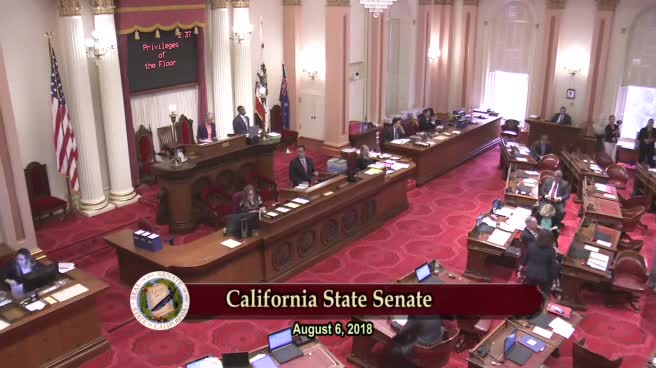 2MIN
Senate Floor
 5MIN
Senate Standing Committee on Elections and Constitutional Amendments
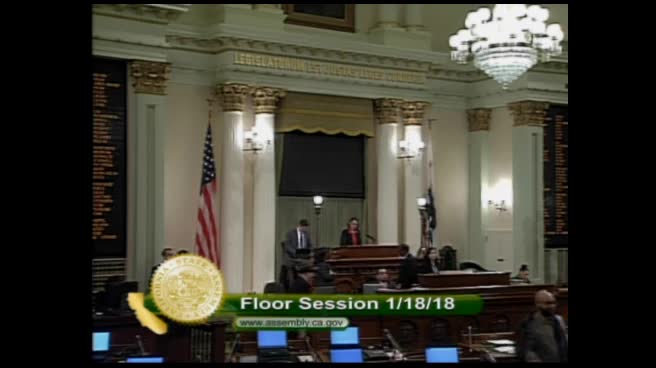 8MIN
Assembly Floor
Bill Author

Bill Co-Author(s):