AB 3211: Advance health care directives.
- Session Year: 2017-2018
- House: Assembly
- Latest Version Date: 2018-09-06
The Health Care Decisions Law, among other things, establishes the requirements for executing a written advance health care directive that is legally sufficient to direct health care decisions. The law provides a form that may be used or modified to create an advance health care directive, and expressly does not require the use of the form.
This bill would revise and recast the portion of the form relating to a persons donation of his or her organs, tissues, and parts, as specified, and would include a provision relating to authorizing an agent to consent to any temporary medical procedure if necessary for purposes of that donation.
The Health Care Decisions Law, among other things, establishes the requirements for executing a written advance health care directive that is legally sufficient to direct health care decisions. The law provides a form that may be used or modified to create an advance health care directive, and expressly does not require the use of the form.
This bill would revise and recast the portion of the form relating to a persons donation of his or her organs, tissues, and parts, as specified, and would include a provision relating to authorizing an agent to consent to any temporary medical procedure if necessary for purposes of that donation.
The Health Care Decisions Law, among other things, establishes the requirements for executing a written advance health care directive that is legally sufficient to direct health care decisions. The law provides a form that may be used or modified to create an advance health care directive, and expressly does not require the use of the form.
This bill would revise and recast the portion of the form relating to a persons donation of his or her organs, tissues, and parts, as specified, and would include a provision relating to authorizing an agent to consent to any temporary medical procedure if necessary for purposes of that donation.
The Health Care Decisions Law, among other things, establishes the requirements for executing a written advance health care directive that is legally sufficient to direct health care decisions. The law provides a form that may be used or modified to create an advance health care directive, and expressly does not require the use of the form.
This bill would revise and recast the portion of the form relating to a persons gift donation of his or her organs, tissues, and parts. parts, as specified, and would include a provision relating to authorizing an agent to consent to any temporary medical procedure if necessary for purposes of that donation.
The Health Care Decisions Law, among other things, establishes the requirements for executing a written advance health care directive that is legally sufficient to direct health care decisions. The law provides a form that may be used or modified to create an advance health care directive, and expressly does not require the use of the form.
This bill would revise and recast the portion of the form relating to a persons gift of his or her organs, tissues, and parts.
The Health Care Decisions Law, among other things, establishes the requirements for executing a written advance health care directive that is legally sufficient to direct health care decisions. The law provides a form that may be used or modified to create an advance health care directive, and expressly does not require the use of the form.
This bill would revise and recast the portion of the form relating to a persons gift of his or her organs, tissues, and parts.
Existing law requires the Secretary for Environmental Protection to examine and adopt information technology standards by which public agencies and the regulated community may use computers and other information technology to comply with environmental data reporting requirements, and to establish a standardized electronic format and protocol for the exchange of electronic data for the purpose of meeting the environmental data reporting requirements of specified laws.This bill would make nonsubstantive revisions to legislative findings and declarations relative to the purposes of the above-described law.Existing law requires the Secretary for Environmental Protection to examine and adopt information technology standards by which public agencies and the regulated community may use computers and other information technology to comply with environmental data reporting requirements, and to establish a standardized electronic format and protocol for the exchange of electronic data for the purpose of meeting the environmental data reporting requirements of specified laws.
This bill would make nonsubstantive revisions to legislative findings and declarations relative to the purposes of the above-described law.
The statutory advance health care directive form is as follows:
ADVANCE HEALTH CARE DIRECTIVE
(California Probate Code Section 4701)
Explanation
You have the right to give instructions about your own health care. You also have the right to name someone else to make health care decisions for you. This form lets you do either or both of these things. It also lets you express your wishes regarding donation of organs and the designation of your primary physician. If you use this form, you may complete or modify all or any part of it. You are free to use a different form.
Part 1 of this form is a power of attorney for health care. Part 1 lets you name another individual as agent to make health care decisions for you if you become incapable of making your own decisions or if you want someone else to make those decisions for you now even though you are still capable. You may also name an alternate agent to act for you if your first choice is not willing, able, or reasonably available to make decisions for you. (Your agent may not be an operator or employee of a community care facility or a residential care facility where you are receiving care, or your supervising health care provider or employee of the health care institution where you are receiving care, unless your agent is related to you or is a coworker.)
Unless the form you sign limits the authority of your agent, your agent may make all health care decisions for you. This form has a place for you to limit the authority of your agent. You need not limit the authority of your agent if you wish to rely on your agent for all health care decisions that may have to be made. If you choose not to limit the authority of your agent, your agent will have the right to:
(a)Consent or refuse consent to any care, treatment, service, or procedure to maintain, diagnose, or otherwise affect a physical or mental condition.
(b)Select or discharge health care providers and institutions.
(c)Approve or disapprove diagnostic tests, surgical procedures, and programs of medication.
(d)Direct the provision, withholding, or withdrawal of artificial nutrition and hydration and all other forms of health care, including cardiopulmonary resuscitation.
(e)Donate your organs, tissues, and parts, authorize an autopsy, and direct disposition of remains.
Part 2 of this form lets you give specific instructions about any aspect of your health care, whether or not you appoint an agent. Choices are provided for you to express your wishes regarding the provision, withholding, or withdrawal of treatment to keep you alive, as well as the provision of pain relief. Space is also provided for you to add to the choices you have made or for you to write out any additional wishes. If you are satisfied to allow your agent to determine what is best for you in making end-of-life decisions, you need not fill out Part 2 of this form.
Part 3 of this form lets you express an intention to donate your bodily organs, tissues, and parts following your death.
Part 4 of this form lets you designate a physician to have primary responsibility for your health care.
After completing this form, sign and date the form at the end. The form must be signed by two qualified witnesses or acknowledged before a notary public. Give a copy of the signed and completed form to your physician, to any other health care providers you may have, to any health care institution at which you are receiving care, and to any health care agents you have named. You should talk to the person you have named as agent to make sure that he or she understands your wishes and is willing to take the responsibility.
You have the right to revoke this advance health care directive or replace this form at any time.
* * * * * * * * * * * * * * * * | |||
PART 1 | |||
(1.1)DESIGNATION OF AGENT:I designate the following individual as my agent to make health care decisions for me: | |||
(name of individual you choose as agent) | |||
(address)(city)(state)(ZIP Code) | |||
(home phone) | (work phone) | ||
| |||
(name of individual you choose as first alternate agent) | |||
(address)(city)(state)(ZIP Code) | |||
(home phone) | (work phone) | ||
| |||
(name of individual you choose as second alternate agent) | |||
(address)(city)(state)(ZIP Code) | |||
(home phone) | (work phone) | ||
| |||
(Add additional sheets if needed.) | |||
| |||
(1.4)AGENTS OBLIGATION:My agent shall make health care decisions for me in accordance with this power of attorney for health care, any instructions I give in Part 2 of this form, and my other wishes to the extent known to my agent. To the extent my wishes are unknown, my agent shall make health care decisions for me in accordance with what my agent determines to be in my best interest. In determining my best interest, my agent shall consider my personal values to the extent known to my agent. | |||
(1.5)AGENTS POSTDEATH AUTHORITY:My agent is authorized to donate my organs, tissues, and parts, authorize an autopsy, and direct disposition of my remains, except as I state here or in Part 3 of this form: | |||
(Add additional sheets if needed.) | |||
(1.6)NOMINATION OF CONSERVATOR: If a conservator of my person needs to be appointed for me by a court, I nominate the agent designated in this form. If that agent is not willing, able, or reasonably available to act as conservator, I nominate the alternate agents whom I have named, in the order designated. | |||
PART 2 | |||
If you fill out this part of the form, you may strike any wording you do not want. | |||
(2.1)ENDOFLIFE DECISIONS: I direct that my health care providers and others involved in my care provide, withhold, or withdraw treatment in accordance with the choice I have marked below: | |||
(a)Choice Not To Prolong Life | |||
I do not want my life to be prolonged if (1) I have an incurable and irreversible condition that will result in my death within a relatively short time, (2) I become unconscious and, to a reasonable degree of medical certainty, I will not regain consciousness, or (3) the likely risks and burdens of treatment would outweigh the expected benefits, OR | |||
(b)Choice To Prolong Life | |||
I want my life to be prolonged as long as possible within the limits of generally accepted health care standards. | |||
(2.2)RELIEF FROM PAIN:Except as I state in the following space, I direct that treatment for alleviation of pain or discomfort be provided at all times, even if it hastens my death: | |||
(Add additional sheets if needed.) | |||
(2.3)OTHER WISHES:(If you do not agree with any of the optional choices above and wish to write your own, or if you wish to add to the instructions you have given above, you may do so here.) I direct that: | |||
(Add additional sheets if needed.) | |||
PART 3 | |||
(3.1) Upon my death, I give my organs, tissues, and parts (mark box to indicate yes). By checking the box above, and notwithstanding my choice in Part 2 of this form, I authorize my agent to consent to any temporary medical procedure necessary solely to evaluate and/or maintain my organs, tissues, and/or parts for purposes of donation. | |||
My donation is for the following purposes (strike any of the following you do not want): (a)Transplant | |||
(b)Therapy | |||
(c)Research | |||
(d)Education | |||
If you want to restrict your donation of an organ, tissue, or part in some way, please state your restriction on the following lines: If I leave this part blank, it is not a refusal to make a donation. My state-authorized donor registration should be followed, or, if none, my agent may make a donation upon my death. If no agent is named above, I acknowledge that California law permits an authorized individual to make such a decision on my behalf. (To state any limitation, preference, or instruction regarding donation, please use the lines above or in Section 1.5 of this form). | |||
PART 4 | |||
(4.1)I designate the following physician as my primary physician: | |||
(name of physician) | |||
(address)(city)(state)(ZIP Code) | |||
(phone) | |||
| |||
(name of physician) | |||
(address)(city)(state)(ZIP Code) | |||
(phone) | |||
| |||
| |||
(5.1)EFFECT OF COPY:A copy of this form has the same effect as the original. | |||
(5.2)SIGNATURE:Sign and date the form here: | |||
(date) | (sign your name) | ||
(address) | (print your name) | ||
(city)(state) | |||
(5.3)STATEMENT OF WITNESSES:I declare under penalty of perjury under the laws of California (1) that the individual who signed or acknowledged this advance health care directive is personally known to me, or that the individuals identity was proven to me by convincing evidence, (2) that the individual signed or acknowledged this advance directive in my presence, (3) that the individual appears to be of sound mind and under no duress, fraud, or undue influence, (4) that I am not a person appointed as agent by this advance directive, and (5) that I am not the individuals health care provider, an employee of the individuals health care provider, the operator of a community care facility, an employee of an operator of a community care facility, the operator of a residential care facility for the elderly, nor an employee of an operator of a residential care facility for the elderly. | |||
First witness | Second witness | ||
(print name) | (print name) | ||
(address) | (address) | ||
(city)(state) | (city)(state) | ||
(signature of witness) | (signature of witness) | ||
(date) | (date) | ||
(5.4)ADDITIONAL STATEMENT OF WITNESSES:At least one of the above witnesses must also sign the following declaration: | |||
(signature of witness) | (signature of witness) | ||
PART 6 | |||
(6.1)The following statement is required only if you are a patient in a skilled nursing facilitya health care facility that provides the following basic services: skilled nursing care and supportive care to patients whose primary need is for availability of skilled nursing care on an extended basis. The patient advocate or ombudsman must sign the following statement: | |||
STATEMENT OF PATIENT ADVOCATE OR OMBUDSMAN | |||
I declare under penalty of perjury under the laws of California that I am a patient advocate or ombudsman as designated by the State Department of Aging and that I am serving as a witness as required by Section 4675 of the Probate Code. | |||
(date) | (sign your name) | ||
(address) | (print your name) | ||
(city)(state) | |||
The statutory advance health care directive form is as follows:
ADVANCE HEALTH CARE DIRECTIVE
(California Probate Code Section 4701)
Explanation
You have the right to give instructions about your own health care. You also have the right to name someone else to make health care decisions for you. This form lets you do either or both of these things. It also lets you express your wishes regarding donation of organs and the designation of your primary physician. If you use this form, you may complete or modify all or any part of it. You are free to use a different form.
Part 1 of this form is a power of attorney for health care. Part 1 lets you name another individual as agent to make health care decisions for you if you become incapable of making your own decisions or if you want someone else to make those decisions for you now even though you are still capable. You may also name an alternate agent to act for you if your first choice is not willing, able, or reasonably available to make decisions for you. (Your agent may not be an operator or employee of a community care facility or a residential care facility where you are receiving care, or your supervising health care provider or employee of the health care institution where you are receiving care, unless your agent is related to you or is a coworker.)
Unless the form you sign limits the authority of your agent, your agent may make all health care decisions for you. This form has a place for you to limit the authority of your agent. You need not limit the authority of your agent if you wish to rely on your agent for all health care decisions that may have to be made. If you choose not to limit the authority of your agent, your agent will have the right to:
(a)Consent or refuse consent to any care, treatment, service, or procedure to maintain, diagnose, or otherwise affect a physical or mental condition.
(b)Select or discharge health care providers and institutions.
(c)Approve or disapprove diagnostic tests, surgical procedures, and programs of medication.
(d)Direct the provision, withholding, or withdrawal of artificial nutrition and hydration and all other forms of health care, including cardiopulmonary resuscitation.
(e)Donate your organs, tissues, and parts, authorize an autopsy, and direct disposition of remains.
Part 2 of this form lets you give specific instructions about any aspect of your health care, whether or not you appoint an agent. Choices are provided for you to express your wishes regarding the provision, withholding, or withdrawal of treatment to keep you alive, as well as the provision of pain relief. Space is also provided for you to add to the choices you have made or for you to write out any additional wishes. If you are satisfied to allow your agent to determine what is best for you in making end-of-life decisions, you need not fill out Part 2 of this form.
Part 3 of this form lets you express an intention to donate your bodily organs, tissues, and parts following your death.
Part 4 of this form lets you designate a physician to have primary responsibility for your health care.
After completing this form, sign and date the form at the end. The form must be signed by two qualified witnesses or acknowledged before a notary public. Give a copy of the signed and completed form to your physician, to any other health care providers you may have, to any health care institution at which you are receiving care, and to any health care agents you have named. You should talk to the person you have named as agent to make sure that he or she understands your wishes and is willing to take the responsibility.
You have the right to revoke this advance health care directive or replace this form at any time.
* * * * * * * * * * * * * * * * | |||
PART 1 | |||
(1.1)DESIGNATION OF AGENT:I designate the following individual as my agent to make health care decisions for me: | |||
(name of individual you choose as agent) | |||
(address)(city)(state)(ZIP Code) | |||
(home phone) | (work phone) | ||
| |||
(name of individual you choose as first alternate agent) | |||
(address)(city)(state)(ZIP Code) | |||
(home phone) | (work phone) | ||
| |||
(name of individual you choose as second alternate agent) | |||
(address)(city)(state)(ZIP Code) | |||
(home phone) | (work phone) | ||
| |||
(Add additional sheets if needed.) | |||
| |||
(1.4)AGENTS OBLIGATION:My agent shall make health care decisions for me in accordance with this power of attorney for health care, any instructions I give in Part 2 of this form, and my other wishes to the extent known to my agent. To the extent my wishes are unknown, my agent shall make health care decisions for me in accordance with what my agent determines to be in my best interest. In determining my best interest, my agent shall consider my personal values to the extent known to my agent. | |||
(1.5)AGENTS POSTDEATH AUTHORITY:My agent is authorized to donate my organs, tissues, and parts, authorize an autopsy, and direct disposition of my remains, except as I state here or in Part 3 of this form: | |||
(Add additional sheets if needed.) | |||
(1.6)NOMINATION OF CONSERVATOR: If a conservator of my person needs to be appointed for me by a court, I nominate the agent designated in this form. If that agent is not willing, able, or reasonably available to act as conservator, I nominate the alternate agents whom I have named, in the order designated. | |||
PART 2 | |||
If you fill out this part of the form, you may strike any wording you do not want. | |||
(2.1)ENDOFLIFE DECISIONS: I direct that my health care providers and others involved in my care provide, withhold, or withdraw treatment in accordance with the choice I have marked below: | |||
(a)Choice Not To Prolong Life | |||
I do not want my life to be prolonged if (1) I have an incurable and irreversible condition that will result in my death within a relatively short time, (2) I become unconscious and, to a reasonable degree of medical certainty, I will not regain consciousness, or (3) the likely risks and burdens of treatment would outweigh the expected benefits, OR | |||
(b)Choice To Prolong Life | |||
I want my life to be prolonged as long as possible within the limits of generally accepted health care standards. | |||
(2.2)RELIEF FROM PAIN:Except as I state in the following space, I direct that treatment for alleviation of pain or discomfort be provided at all times, even if it hastens my death: | |||
(Add additional sheets if needed.) | |||
(2.3)OTHER WISHES:(If you do not agree with any of the optional choices above and wish to write your own, or if you wish to add to the instructions you have given above, you may do so here.) I direct that: | |||
(Add additional sheets if needed.) | |||
PART 3 | |||
(3.1) Upon my death, I give my organs, tissues, and parts (mark box to indicate yes). By checking the box above, and notwithstanding my choice in Part 2 of this form, I authorize my agent to consent to any temporary medical procedure necessary solely to evaluate and/or maintain my organs, tissues, and/or parts for purposes of donation. | |||
My donation is for the following purposes (strike any of the following you do not want): (a)Transplant | |||
(b)Therapy | |||
(c)Research | |||
(d)Education | |||
If you want to restrict your donation of an organ, tissue, or part in some way, please state your restriction on the following lines: If I leave this part blank, it is not a refusal to make a donation. My state-authorized donor registration should be followed, or, if none, my agent may make a donation upon my death. If no agent is named above, I acknowledge that California law permits an authorized individual to make such a decision on my behalf. (To state any limitation, preference, or instruction regarding donation, please use the lines above or in Section 1.5 of this form). | |||
PART 4 | |||
(4.1)I designate the following physician as my primary physician: | |||
(name of physician) | |||
(address)(city)(state)(ZIP Code) | |||
(phone) | |||
| |||
(name of physician) | |||
(address)(city)(state)(ZIP Code) | |||
(phone) | |||
| |||
| |||
(5.1)EFFECT OF COPY:A copy of this form has the same effect as the original. | |||
(5.2)SIGNATURE:Sign and date the form here: | |||
(date) | (sign your name) | ||
(address) | (print your name) | ||
(city)(state) | |||
(5.3)STATEMENT OF WITNESSES:I declare under penalty of perjury under the laws of California (1) that the individual who signed or acknowledged this advance health care directive is personally known to me, or that the individuals identity was proven to me by convincing evidence, (2) that the individual signed or acknowledged this advance directive in my presence, (3) that the individual appears to be of sound mind and under no duress, fraud, or undue influence, (4) that I am not a person appointed as agent by this advance directive, and (5) that I am not the individuals health care provider, an employee of the individuals health care provider, the operator of a community care facility, an employee of an operator of a community care facility, the operator of a residential care facility for the elderly, nor an employee of an operator of a residential care facility for the elderly. | |||
First witness | Second witness | ||
(print name) | (print name) | ||
(address) | (address) | ||
(city)(state) | (city)(state) | ||
(signature of witness) | (signature of witness) | ||
(date) | (date) | ||
(5.4)ADDITIONAL STATEMENT OF WITNESSES:At least one of the above witnesses must also sign the following declaration: | |||
(signature of witness) | (signature of witness) | ||
PART 6 | |||
(6.1)The following statement is required only if you are a patient in a skilled nursing facilitya health care facility that provides the following basic services: skilled nursing care and supportive care to patients whose primary need is for availability of skilled nursing care on an extended basis. The patient advocate or ombudsman must sign the following statement: | |||
STATEMENT OF PATIENT ADVOCATE OR OMBUDSMAN | |||
I declare under penalty of perjury under the laws of California that I am a patient advocate or ombudsman as designated by the State Department of Aging and that I am serving as a witness as required by Section 4675 of the Probate Code. | |||
(date) | (sign your name) | ||
(address) | (print your name) | ||
(city)(state) | |||
The statutory advance health care directive form is as follows:
ADVANCE HEALTH CARE DIRECTIVE
(California Probate Code Section 4701)
Explanation
You have the right to give instructions about your own health care. You also have the right to name someone else to make health care decisions for you. This form lets you do either or both of these things. It also lets you express your wishes regarding donation of organs and the designation of your primary physician. If you use this form, you may complete or modify all or any part of it. You are free to use a different form.
Part 1 of this form is a power of attorney for health care. Part 1 lets you name another individual as agent to make health care decisions for you if you become incapable of making your own decisions or if you want someone else to make those decisions for you now even though you are still capable. You may also name an alternate agent to act for you if your first choice is not willing, able, or reasonably available to make decisions for you. (Your agent may not be an operator or employee of a community care facility or a residential care facility where you are receiving care, or your supervising health care provider or employee of the health care institution where you are receiving care, unless your agent is related to you or is a coworker.)
Unless the form you sign limits the authority of your agent, your agent may make all health care decisions for you. This form has a place for you to limit the authority of your agent. You need not limit the authority of your agent if you wish to rely on your agent for all health care decisions that may have to be made. If you choose not to limit the authority of your agent, your agent will have the right to:
(a)Consent or refuse consent to any care, treatment, service, or procedure to maintain, diagnose, or otherwise affect a physical or mental condition.
(b)Select or discharge health care providers and institutions.
(c)Approve or disapprove diagnostic tests, surgical procedures, and programs of medication.
(d)Direct the provision, withholding, or withdrawal of artificial nutrition and hydration and all other forms of health care, including cardiopulmonary resuscitation.
(e)Donate your organs, tissues, and parts, authorize an autopsy, and direct disposition of remains.
Part 2 of this form lets you give specific instructions about any aspect of your health care, whether or not you appoint an agent. Choices are provided for you to express your wishes regarding the provision, withholding, or withdrawal of treatment to keep you alive, as well as the provision of pain relief. Space is also provided for you to add to the choices you have made or for you to write out any additional wishes. If you are satisfied to allow your agent to determine what is best for you in making end-of-life decisions, you need not fill out Part 2 of this form.
Part 3 of this form lets you express an intention to donate your bodily organs and tissues organs, tissues, and parts following your death.
Part 4 of this form lets you designate a physician to have primary responsibility for your health care.
After completing this form, sign and date the form at the end. The form must be signed by two qualified witnesses or acknowledged before a notary public. Give a copy of the signed and completed form to your physician, to any other health care providers you may have, to any health care institution at which you are receiving care, and to any health care agents you have named. You should talk to the person you have named as agent to make sure that he or she understands your wishes and is willing to take the responsibility.
You have the right to revoke this advance health care directive or replace this form at any time.
* * * * * * * * * * * * * * * * | |||
PART 1 | |||
(1.1)DESIGNATION OF AGENT:I designate the following individual as my agent to make health care decisions for me: | |||
(name of individual you choose as agent) | |||
(address)(city)(state)(ZIP Code) | |||
(home phone) | (work phone) | ||
| |||
(name of individual you choose as first alternate agent) | |||
(address)(city)(state)(ZIP Code) | |||
(home phone) | (work phone) | ||
| |||
(name of individual you choose as second alternate agent) | |||
(address)(city)(state)(ZIP Code) | |||
(home phone) | (work phone) | ||
| |||
(Add additional sheets if needed.) | |||
| |||
(1.4)AGENTS OBLIGATION:My agent shall make health care decisions for me in accordance with this power of attorney for health care, any instructions I give in Part 2 of this form, and my other wishes to the extent known to my agent. To the extent my wishes are unknown, my agent shall make health care decisions for me in accordance with what my agent determines to be in my best interest. In determining my best interest, my agent shall consider my personal values to the extent known to my agent. | |||
(1.5)AGENTS POSTDEATH AUTHORITY:My agent is authorized to donate my organs, tissues, and parts, authorize an autopsy, and direct disposition of my remains, except as I state here or in Part 3 of this form: | |||
(Add additional sheets if needed.) | |||
(1.6)NOMINATION OF CONSERVATOR: If a conservator of my person needs to be appointed for me by a court, I nominate the agent designated in this form. If that agent is not willing, able, or reasonably available to act as conservator, I nominate the alternate agents whom I have named, in the order designated. | |||
PART 2 | |||
If you fill out this part of the form, you may strike any wording you do not want. | |||
(2.1)ENDOFLIFE DECISIONS: I direct that my health care providers and others involved in my care provide, withhold, or withdraw treatment in accordance with the choice I have marked below: | |||
(a)Choice Not To Prolong Life | |||
I do not want my life to be prolonged if (1) I have an incurable and irreversible condition that will result in my death within a relatively short time, (2) I become unconscious and, to a reasonable degree of medical certainty, I will not regain consciousness, or (3) the likely risks and burdens of treatment would outweigh the expected benefits, OR | |||
(b)Choice To Prolong Life | |||
I want my life to be prolonged as long as possible within the limits of generally accepted health care standards. | |||
(2.2)RELIEF FROM PAIN:Except as I state in the following space, I direct that treatment for alleviation of pain or discomfort be provided at all times, even if it hastens my death: | |||
(Add additional sheets if needed.) | |||
(2.3)OTHER WISHES:(If you do not agree with any of the optional choices above and wish to write your own, or if you wish to add to the instructions you have given above, you may do so here.) I direct that: | |||
(Add additional sheets if needed.) | |||
PART 3 | |||
(3.1) Upon my death, I give my organs, tissues, and parts (mark box to indicate yes). By checking the box above, and notwithstanding my choice in Part 2 of this form, I authorize my agent to consent to any temporary medical procedure necessary solely to evaluate and/or maintain my organs and/or tissues organs, tissues, and/or parts for purposes of donation. | |||
My donation is for the following purposes (strike any of the following you do not want): (a)Transplant | |||
(b)Therapy | |||
(c)Research | |||
(d)Education | |||
If you want to restrict your donation of an organ, tissue, or part in some way, please state your restriction on the following lines: If I leave this part blank, it is not a refusal to make a donation. My state-authorized donor registration should be followed, or, if none, my agent may make a donation upon my death. If no agent is named above, I acknowledge that California law permits an authorized individual to make such a decision on my behalf. (To make state any limitations, limitation, preference, or instruction regarding donation known, donation, please state in use the lines above or in Section 1.5 of this form). | |||
PART 4 | |||
(4.1)I designate the following physician as my primary physician: | |||
(name of physician) | |||
(address)(city)(state)(ZIP Code) | |||
(phone) | |||
| |||
(name of physician) | |||
(address)(city)(state)(ZIP Code) | |||
(phone) | |||
| |||
| |||
(5.1)EFFECT OF COPY:A copy of this form has the same effect as the original. | |||
(5.2)SIGNATURE:Sign and date the form here: | |||
(date) | (sign your name) | ||
(address) | (print your name) | ||
(city)(state) | |||
(5.3)STATEMENT OF WITNESSES:I declare under penalty of perjury under the laws of California (1) that the individual who signed or acknowledged this advance health care directive is personally known to me, or that the individuals identity was proven to me by convincing evidence, (2) that the individual signed or acknowledged this advance directive in my presence, (3) that the individual appears to be of sound mind and under no duress, fraud, or undue influence, (4) that I am not a person appointed as agent by this advance directive, and (5) that I am not the individuals health care provider, an employee of the individuals health care provider, the operator of a community care facility, an employee of an operator of a community care facility, the operator of a residential care facility for the elderly, nor an employee of an operator of a residential care facility for the elderly. | |||
First witness | Second witness | ||
(print name) | (print name) | ||
(address) | (address) | ||
(city)(state) | (city)(state) | ||
(signature of witness) | (signature of witness) | ||
(date) | (date) | ||
(5.4)ADDITIONAL STATEMENT OF WITNESSES:At least one of the above witnesses must also sign the following declaration: | |||
(signature of witness) | (signature of witness) | ||
PART 6 | |||
(6.1)The following statement is required only if you are a patient in a skilled nursing facilitya health care facility that provides the following basic services: skilled nursing care and supportive care to patients whose primary need is for availability of skilled nursing care on an extended basis. The patient advocate or ombudsman must sign the following statement: | |||
STATEMENT OF PATIENT ADVOCATE OR OMBUDSMAN | |||
I declare under penalty of perjury under the laws of California that I am a patient advocate or ombudsman as designated by the State Department of Aging and that I am serving as a witness as required by Section 4675 of the Probate Code. | |||
(date) | (sign your name) | ||
(address) | (print your name) | ||
(city)(state) | |||
The statutory advance health care directive form is as follows:
ADVANCE HEALTH CARE DIRECTIVE
(California Probate Code Section 4701)
Explanation
You have the right to give instructions about your own health care. You also have the right to name someone else to make health care decisions for you. This form lets you do either or both of these things. It also lets you express your wishes regarding donation of organs and the designation of your primary physician. If you use this form, you may complete or modify all or any part of it. You are free to use a different form.
Part 1 of this form is a power of attorney for health care. Part 1 lets you name another individual as agent to make health care decisions for you if you become incapable of making your own decisions or if you want someone else to make those decisions for you now even though you are still capable. You may also name an alternate agent to act for you if your first choice is not willing, able, or reasonably available to make decisions for you. (Your agent may not be an operator or employee of a community care facility or a residential care facility where you are receiving care, or your supervising health care provider or employee of the health care institution where you are receiving care, unless your agent is related to you or is a coworker.)
Unless the form you sign limits the authority of your agent, your agent may make all health care decisions for you. This form has a place for you to limit the authority of your agent. You need not limit the authority of your agent if you wish to rely on your agent for all health care decisions that may have to be made. If you choose not to limit the authority of your agent, your agent will have the right to:
(a)Consent or refuse consent to any care, treatment, service, or procedure to maintain, diagnose, or otherwise affect a physical or mental condition.
(b)Select or discharge health care providers and institutions.
(c)Approve or disapprove diagnostic tests, surgical procedures, and programs of medication.
(d)Direct the provision, withholding, or withdrawal of artificial nutrition and hydration and all other forms of health care, including cardiopulmonary resuscitation.
(e)Make anatomical gifts, Donate your organs, tissues, and parts, authorize an autopsy, and direct disposition of remains.
Part 2 of this form lets you give specific instructions about any aspect of your health care, whether or not you appoint an agent. Choices are provided for you to express your wishes regarding the provision, withholding, or withdrawal of treatment to keep you alive, as well as the provision of pain relief. Space is also provided for you to add to the choices you have made or for you to write out any additional wishes. If you are satisfied to allow your agent to determine what is best for you in making end-of-life decisions, you need not fill out Part 2 of this form.
Part 3 of this form lets you express an intention to donate your bodily organs and tissues following your death.
Part 4 of this form lets you designate a physician to have primary responsibility for your health care.
After completing this form, sign and date the form at the end. The form must be signed by two qualified witnesses or acknowledged before a notary public. Give a copy of the signed and completed form to your physician, to any other health care providers you may have, to any health care institution at which you are receiving care, and to any health care agents you have named. You should talk to the person you have named as agent to make sure that he or she understands your wishes and is willing to take the responsibility.
You have the right to revoke this advance health care directive or replace this form at any time.
* * * * * * * * * * * * * * * * | |||
PART 1 | |||
(1.1)DESIGNATION OF AGENT:I designate the following individual as my agent to make health care decisions for me: | |||
(name of individual you choose as agent) | |||
(address)(city)(state)(ZIP Code) | |||
(home phone) | (work phone) | ||
| |||
(name of individual you choose as first alternate agent) | |||
(address)(city)(state)(ZIP Code) | |||
(home phone) | (work phone) | ||
| |||
(name of individual you choose as second alternate agent) | |||
(address)(city)(state)(ZIP Code) | |||
(home phone) | (work phone) | ||
| |||
(Add additional sheets if needed.) | |||
| |||
(1.4)AGENTS OBLIGATION:My agent shall make health care decisions for me in accordance with this power of attorney for health care, any instructions I give in Part 2 of this form, and my other wishes to the extent known to my agent. To the extent my wishes are unknown, my agent shall make health care decisions for me in accordance with what my agent determines to be in my best interest. In determining my best interest, my agent shall consider my personal values to the extent known to my agent. | |||
(1.5)AGENTS POSTDEATH AUTHORITY:My agent is authorized to make anatomical gifts, donate my organs, tissues, and parts, authorize an autopsy, and direct disposition of my remains, except as I state here or in Part 3 of this form: | |||
(Add additional sheets if needed.) | |||
(1.6)NOMINATION OF CONSERVATOR: If a conservator of my person needs to be appointed for me by a court, I nominate the agent designated in this form. If that agent is not willing, able, or reasonably available to act as conservator, I nominate the alternate agents whom I have named, in the order designated. | |||
PART 2 | |||
If you fill out this part of the form, you may strike any wording you do not want. | |||
(2.1)ENDOFLIFE DECISIONS: I direct that my health care providers and others involved in my care provide, withhold, or withdraw treatment in accordance with the choice I have marked below: | |||
(a)Choice Not To Prolong Life | |||
I do not want my life to be prolonged if (1) I have an incurable and irreversible condition that will result in my death within a relatively short time, (2) I become unconscious and, to a reasonable degree of medical certainty, I will not regain consciousness, or (3) the likely risks and burdens of treatment would outweigh the expected benefits, OR | |||
(b)Choice To Prolong Life | |||
I want my life to be prolonged as long as possible within the limits of generally accepted health care standards. | |||
(2.2)RELIEF FROM PAIN:Except as I state in the following space, I direct that treatment for alleviation of pain or discomfort be provided at all times, even if it hastens my death: | |||
(Add additional sheets if needed.) | |||
(2.3)OTHER WISHES:(If you do not agree with any of the optional choices above and wish to write your own, or if you wish to add to the instructions you have given above, you may do so here.) I direct that: | |||
(Add additional sheets if needed.) | |||
PART 3 | |||
(3.1) Upon my death, I give my organs, tissue, tissues, and parts for the purposes of transplantation, therapy, research, and education (mark box to indicate yes). By checking the box above, and notwithstanding my choice in part Part 2 of this document, form, I authorize my agent to consent to any temporary medical procedure necessary solely to evaluate and/or maintain my organs and/or tissues for purposes of donation. | |||
My donation is for the following purposes (strike any of the following you do not want): (a)Transplant | |||
(b)Therapy | |||
(c)Research | |||
(d)Education | |||
If you want to limit your anatomical gifts restrict your donation of an organ, tissue, or part in some way, please state your restriction on the following lines: My choice not to make a gift in this part is not a refusal to make a gift, and my agent, family, or authorized person(s) may make a gift upon my death. If I leave this part blank, it is not a refusal to make a donation. My state-authorized donor registration should be followed, or, if none, my agent may make a donation upon my death. If no agent is named above, I acknowledge that California law permits an authorized individual to make such a decision on my behalf. (To make any limitations, preference, or instruction regarding donation known, please state in the lines above or in Section 1.5 of this form). | |||
PART 4 | |||
(4.1)I designate the following physician as my primary physician: | |||
(name of physician) | |||
(address)(city)(state)(ZIP Code) | |||
(phone) | |||
| |||
(name of physician) | |||
(address)(city)(state)(ZIP Code) | |||
(phone) | |||
| |||
| |||
(5.1)EFFECT OF COPY:A copy of this form has the same effect as the original. | |||
(5.2)SIGNATURE:Sign and date the form here: | |||
(date) | (sign your name) | ||
(address) | (print your name) | ||
(city)(state) | |||
(5.3)STATEMENT OF WITNESSES:I declare under penalty of perjury under the laws of California (1) that the individual who signed or acknowledged this advance health care directive is personally known to me, or that the individuals identity was proven to me by convincing evidence, (2) that the individual signed or acknowledged this advance directive in my presence, (3) that the individual appears to be of sound mind and under no duress, fraud, or undue influence, (4) that I am not a person appointed as agent by this advance directive, and (5) that I am not the individuals health care provider, an employee of the individuals health care provider, the operator of a community care facility, an employee of an operator of a community care facility, the operator of a residential care facility for the elderly, nor an employee of an operator of a residential care facility for the elderly. | |||
First witness | Second witness | ||
(print name) | (print name) | ||
(address) | (address) | ||
(city)(state) | (city)(state) | ||
(signature of witness) | (signature of witness) | ||
(date) | (date) | ||
(5.4)ADDITIONAL STATEMENT OF WITNESSES:At least one of the above witnesses must also sign the following declaration: | |||
(signature of witness) | (signature of witness) | ||
PART 6 | |||
(6.1)The following statement is required only if you are a patient in a skilled nursing facilitya health care facility that provides the following basic services: skilled nursing care and supportive care to patients whose primary need is for availability of skilled nursing care on an extended basis. The patient advocate or ombudsman must sign the following statement: | |||
STATEMENT OF PATIENT ADVOCATE OR OMBUDSMAN | |||
I declare under penalty of perjury under the laws of California that I am a patient advocate or ombudsman as designated by the State Department of Aging and that I am serving as a witness as required by Section 4675 of the Probate Code. | |||
(date) | (sign your name) | ||
(address) | (print your name) | ||
(city)(state) | |||
The statutory advance health care directive form is as follows:
ADVANCE HEALTH CARE DIRECTIVE
(California Probate Code Section 4701)
Explanation
You have the right to give instructions about your own health care. You also have the right to name someone else to make health care decisions for you. This form lets you do either or both of these things. It also lets you express your wishes regarding donation of organs and the designation of your primary physician. If you use this form, you may complete or modify all or any part of it. You are free to use a different form.
Part 1 of this form is a power of attorney for health care. Part 1 lets you name another individual as agent to make health care decisions for you if you become incapable of making your own decisions or if you want someone else to make those decisions for you now even though you are still capable. You may also name an alternate agent to act for you if your first choice is not willing, able, or reasonably available to make decisions for you. (Your agent may not be an operator or employee of a community care facility or a residential care facility where you are receiving care, or your supervising health care provider or employee of the health care institution where you are receiving care, unless your agent is related to you or is a coworker.)
Unless the form you sign limits the authority of your agent, your agent may make all health care decisions for you. This form has a place for you to limit the authority of your agent. You need not limit the authority of your agent if you wish to rely on your agent for all health care decisions that may have to be made. If you choose not to limit the authority of your agent, your agent will have the right to:
(a)Consent or refuse consent to any care, treatment, service, or procedure to maintain, diagnose, or otherwise affect a physical or mental condition.
(b)Select or discharge health care providers and institutions.
(c)Approve or disapprove diagnostic tests, surgical procedures, and programs of medication.
(d)Direct the provision, withholding, or withdrawal of artificial nutrition and hydration and all other forms of health care, including cardiopulmonary resuscitation.
(e)Make anatomical gifts, authorize an autopsy, and direct disposition of remains.
Part 2 of this form lets you give specific instructions about any aspect of your health care, whether or not you appoint an agent. Choices are provided for you to express your wishes regarding the provision, withholding, or withdrawal of treatment to keep you alive, as well as the provision of pain relief. Space is also provided for you to add to the choices you have made or for you to write out any additional wishes. If you are satisfied to allow your agent to determine what is best for you in making end-of-life decisions, you need not fill out Part 2 of this form.
Part 3 of this form lets you express an intention to donate your bodily organs and tissues following your death.
Part 4 of this form lets you designate a physician to have primary responsibility for your health care.
After completing this form, sign and date the form at the end. The form must be signed by two qualified witnesses or acknowledged before a notary public. Give a copy of the signed and completed form to your physician, to any other health care providers you may have, to any health care institution at which you are receiving care, and to any health care agents you have named. You should talk to the person you have named as agent to make sure that he or she understands your wishes and is willing to take the responsibility.
You have the right to revoke this advance health care directive or replace this form at any time.
* * * * * * * * * * * * * * * * | |||
PART 1 | |||
(1.1)DESIGNATION OF AGENT:I designate the following individual as my agent to make health care decisions for me: | |||
(name of individual you choose as agent) | |||
(address)(city)(state)(ZIP Code) | |||
(home phone) | (work phone) | ||
| |||
(name of individual you choose as first alternate agent) | |||
(address)(city)(state)(ZIP Code) | |||
(home phone) | (work phone) | ||
| |||
(name of individual you choose as second alternate agent) | |||
(address)(city)(state)(ZIP Code) | |||
(home phone) | (work phone) | ||
| |||
(Add additional sheets if needed.) | |||
| |||
(1.4)AGENTS OBLIGATION:My agent shall make health care decisions for me in accordance with this power of attorney for health care, any instructions I give in Part 2 of this form, and my other wishes to the extent known to my agent. To the extent my wishes are unknown, my agent shall make health care decisions for me in accordance with what my agent determines to be in my best interest. In determining my best interest, my agent shall consider my personal values to the extent known to my agent. | |||
(1.5)AGENTS POSTDEATH AUTHORITY:My agent is authorized to make anatomical gifts, authorize an autopsy, and direct disposition of my remains, except as I state here or in Part 3 of this form: | |||
(Add additional sheets if needed.) | |||
(1.6)NOMINATION OF CONSERVATOR: If a conservator of my person needs to be appointed for me by a court, I nominate the agent designated in this form. If that agent is not willing, able, or reasonably available to act as conservator, I nominate the alternate agents whom I have named, in the order designated. | |||
PART 2 | |||
If you fill out this part of the form, you may strike any wording you do not want. | |||
(2.1)ENDOFLIFE DECISIONS: I direct that my health care providers and others involved in my care provide, withhold, or withdraw treatment in accordance with the choice I have marked below: | |||
(a)Choice Not To Prolong Life | |||
I do not want my life to be prolonged if (1) I have an incurable and irreversible condition that will result in my death within a relatively short time, (2) I become unconscious and, to a reasonable degree of medical certainty, I will not regain consciousness, or (3) the likely risks and burdens of treatment would outweigh the expected benefits, OR | |||
(b)Choice To Prolong Life | |||
I want my life to be prolonged as long as possible within the limits of generally accepted health care standards. | |||
(2.2)RELIEF FROM PAIN:Except as I state in the following space, I direct that treatment for alleviation of pain or discomfort be provided at all times, even if it hastens my death: | |||
(Add additional sheets if needed.) | |||
(2.3)OTHER WISHES:(If you do not agree with any of the optional choices above and wish to write your own, or if you wish to add to the instructions you have given above, you may do so here.) I direct that: | |||
(Add additional sheets if needed.) | |||
PART 3 | |||
(3.1) Upon my death, I give my organs, tissue, and parts for the purposes of transplantation, therapy, research, and education (mark box to indicate yes). If I checked By checking the box above, and notwithstanding my choice in part 2 of this document, I consent to the commencement and maintenance of any temporary medical procedure necessary to evaluate, maintain, or preserve my organs or tissues for purposes of donation, including, but not limited to, administration of medication, mechanical respiration, and artificial nutrition and hydration. solely to evaluate and/or maintain my organs and/or tissues for purposes of donation. | |||
If you want to limit your anatomical gifts in some way, please state your restriction on the following lines: My choice not to make a gift in this part is not a refusal to make a gift, and my agent, family, or authorized person(s) may make a gift upon my death. | |||
PART 4 | |||
(4.1)I designate the following physician as my primary
physician: | |||
(name of physician) | |||
(address)(city)(state)(ZIP Code) | |||
(phone) | |||
| |||
(name of physician) | |||
(address)(city)(state)(ZIP Code) | |||
(phone) | |||
| |||
| |||
(5.1)EFFECT OF COPY:A copy of this form has the same effect as the original. | |||
(5.2)SIGNATURE:Sign and date the form here: | |||
(date) | (sign your name) | ||
(address) | (print your name) | ||
(city)(state) | |||
(5.3)STATEMENT OF WITNESSES:I declare under penalty of perjury under the laws of California (1) that the individual who signed or acknowledged this advance health care directive is personally known to me, or that the individuals identity was proven to me by convincing evidence, (2) that the individual signed or acknowledged this advance directive in my presence, (3) that the individual appears to be of sound mind and under no duress, fraud, or undue influence, (4) that I am not a person appointed as agent by this advance directive, and (5) that I am not the individuals health care provider, an employee of the individuals health care provider, the operator of a community care facility, an employee of an operator of a community care facility, the operator of a residential care facility for the elderly, nor an employee of an operator of a residential care facility for the elderly. | |||
First witness | Second witness | ||
(print name) | (print name) | ||
(address) | (address) | ||
(city)(state) | (city)(state) | ||
(signature of witness) | (signature of witness) | ||
(date) | (date) | ||
(5.4)ADDITIONAL STATEMENT OF WITNESSES:At least one of the above witnesses must also sign
the following declaration: | |||
(signature of witness) | (signature of witness) | ||
PART 6 | |||
(6.1)The following statement is required only if you are a patient in a skilled nursing facilitya health care facility that provides the following basic services: skilled nursing care and supportive care to patients whose primary need is for availability of skilled nursing care on an extended basis. The patient advocate or ombudsman must sign the following statement: | |||
STATEMENT OF PATIENT ADVOCATE OR OMBUDSMAN | |||
I declare under penalty of perjury under the laws of California that I am a patient advocate or ombudsman as designated by the State Department of Aging and that I am serving as a witness as required by Section 4675 of the Probate Code. | |||
(date) | (sign your name) | ||
(address) | (print your name) | ||
(city)(state) | |||
The statutory advance health care directive form is as follows:
ADVANCE HEALTH CARE DIRECTIVE
(California Probate Code Section 4701)
Explanation
You have the right to give instructions about your own health care. You also have the right to name someone else to make health care decisions for you. This form lets you do either or both of these things. It also lets you express your wishes regarding donation of organs and the designation of your primary physician. If you use this form, you may complete or modify all or any part of it. You are free to use a different form.
Part 1 of this form is a power of attorney for health care. Part 1 lets you name another individual as agent to make health care decisions for you if you become incapable of making your own decisions or if you want someone else to make those decisions for you now even though you are still capable. You may also name an alternate agent to act for you if your first choice is not willing, able, or reasonably available to make decisions for you. (Your agent may not be an operator or employee of a community care facility or a residential care facility where you are receiving care, or your supervising health care provider or employee of the health care institution where you are receiving care, unless your agent is related to you or is a coworker.)
Unless the form you sign limits the authority of your agent, your agent may make all health care decisions for you. This form has a place for you to limit the authority of your agent. You need not limit the authority of your agent if you wish to rely on your agent for all health care decisions that may have to be made. If you choose not to limit the authority of your agent, your agent will have the right to:
(a)Consent or refuse consent to any care, treatment, service, or procedure to maintain, diagnose, or otherwise affect a physical or mental condition.
(b)Select or discharge health care providers and institutions.
(c)Approve or disapprove diagnostic tests, surgical procedures, and programs of medication.
(d)Direct the provision, withholding, or withdrawal of artificial nutrition and hydration and all other forms of health care, including cardiopulmonary resuscitation.
(e)Make anatomical gifts, authorize an autopsy, and direct disposition of remains.
Part 2 of this form lets you give specific instructions about any aspect of your health care, whether or not you appoint an agent. Choices are provided for you to express your wishes regarding the provision, withholding, or withdrawal of treatment to keep you alive, as well as the provision of pain relief. Space is also provided for you to add to the choices you have made or for you to write out any additional wishes. If you are satisfied to allow your agent to determine what is best for you in making end-of-life decisions, you need not fill out Part 2 of this form.
Part 3 of this form lets you express an intention to donate your bodily organs and tissues following your death.
Part 4 of this form lets you designate a physician to have primary responsibility for your health care.
After completing this form, sign and date the form at the end. The form must be signed by two qualified witnesses or acknowledged before a notary public. Give a copy of the signed and completed form to your physician, to any other health care providers you may have, to any health care institution at which you are receiving care, and to any health care agents you have named. You should talk to the person you have named as agent to make sure that he or she understands your wishes and is willing to take the responsibility.
You have the right to revoke this advance health care directive or replace this form at any time.
* * * * * * * * * * * * * * * * | |||
PART 1 | |||
(1.1)DESIGNATION OF AGENT:I designate the following individual as my agent to make health care decisions for me: | |||
(name of individual you choose as agent) | |||
(address)(city)(state)(ZIP Code) | |||
(home phone) | (work phone) | ||
| |||
(name of individual you choose as first alternate agent) | |||
(address)(city)(state)(ZIP Code) | |||
(home phone) | (work phone) | ||
| |||
(name of individual you choose as second alternate agent) | |||
(address)(city)(state)(ZIP Code) | |||
(home phone) | (work phone) | ||
| |||
(Add additional sheets if needed.) | |||
| |||
(1.4)AGENTS OBLIGATION:My agent shall make health care decisions for me in accordance with this power of attorney for health care, any instructions I give in Part 2 of this form, and my other wishes to the extent known to my agent. To the extent my wishes are unknown, my agent shall make health care decisions for me in accordance with what my agent determines to be in my best interest. In determining my best interest, my agent shall consider my personal values to the extent known to my agent. | |||
(1.5)AGENTS POSTDEATH AUTHORITY:My agent is authorized to make anatomical gifts, authorize an autopsy, and direct disposition of my remains, except as I state here or in Part 3 of this form: | |||
(Add additional sheets if needed.) | |||
(1.6)NOMINATION OF CONSERVATOR: If a conservator of my person needs to be appointed for me by a court, I nominate the agent designated in this form. If that agent is not willing, able, or reasonably available to act as conservator, I nominate the alternate agents whom I have named, in the order designated. | |||
PART 2 | |||
If you fill out this part of the form, you may strike any wording you do not want. | |||
(2.1)ENDOFLIFE DECISIONS: I direct that my health care providers and others involved in my care provide, withhold, or withdraw treatment in accordance with the choice I have marked below: | |||
(a)Choice Not To Prolong Life | |||
I do not want my life to be prolonged if (1) I have an incurable and irreversible condition that will result in my death within a relatively short time, (2) I become unconscious and, to a reasonable degree of medical certainty, I will not regain consciousness, or (3) the likely risks and burdens of treatment would outweigh the expected benefits, OR | |||
(b)Choice To Prolong Life | |||
I want my life to be prolonged as long as possible within the limits of generally accepted health care standards. | |||
(2.2)RELIEF FROM PAIN:Except as I state in the following space, I direct that treatment for alleviation of pain or discomfort be provided at all times, even if it hastens my death: | |||
(Add additional sheets if needed.) | |||
(2.3)OTHER WISHES:(If you do not agree with any of the optional choices above and wish to write your own, or if you wish to add to the instructions you have given above, you may do so here.) I direct that: | |||
(Add additional sheets if needed.) | |||
PART 3 | |||
| (a) I give any needed organs, tissues, or parts, OR | |||
| (b) I give the following organs, tissues, or parts only. | |||
| (c) My gift is for the following purposes (strike any ofthe following you do not want): | |||
| (1)Transplant | |||
| (2)Therapy | |||
| (3)Research | |||
| (4)Education | |||
(3.1) Upon my death, I give my organs, tissue, and parts for the purposes of transplantation, therapy, research, and education (mark box to indicate yes). If I checked the box above, I consent to the commencement and maintenance of any temporary medical procedure necessary to evaluate, maintain, or preserve my organs or tissues for purposes of donation, including, but not limited to, administration of medication, mechanical respiration, and artificial nutrition and hydration. | |||
If you want to limit your anatomical gifts in some way, please state your restriction on the following lines: My choice not to make a gift in this part is not a refusal to make a gift, and my agent, family, or authorized person(s) may make a gift upon my death. | |||
PART 4 | |||
(4.1)I designate the following physician as my primary physician: | |||
(name of physician) | |||
(address)(city)(state)(ZIP Code) | |||
(phone) | |||
| |||
(name of physician) | |||
(address)(city)(state)(ZIP Code) | |||
(phone) | |||
| |||
| |||
(5.1)EFFECT OF COPY:A copy of this form has the same effect as the original. | |||
(5.2)SIGNATURE:Sign and date the form here: | |||
(date) | (sign your name) | ||
(address) | (print your name) | ||
(city)(state) | |||
(5.3)STATEMENT OF WITNESSES:I declare under penalty of perjury under the laws of California (1) that the individual who signed or acknowledged this advance health care directive is personally known to me, or that the individuals identity was proven to me by convincing evidence, (2) that the individual signed or acknowledged this advance directive in my presence, (3) that the individual appears to be of sound mind and under no duress, fraud, or undue influence, (4) that I am not a person appointed as agent by this advance directive, and (5) that I am not the individuals health care provider, an employee of the individuals health care provider, the operator of a community care facility, an employee of an operator of a community care facility, the operator of a residential care facility for the elderly, nor an employee of an operator of a residential care facility for the elderly. | |||
First witness | Second witness | ||
(print name) | (print name) | ||
(address) | (address) | ||
(city)(state) | (city)(state) | ||
(signature of witness) | (signature of witness) | ||
(date) | (date) | ||
(5.4)ADDITIONAL STATEMENT OF WITNESSES:At least one of the above witnesses must also sign the following declaration: | |||
(signature of witness) | (signature of witness) | ||
PART 6 | |||
(6.1)The following statement is required only if you are a patient in a skilled nursing facilitya health care facility that provides the following basic services: skilled nursing care and supportive care to patients whose primary need is for availability of skilled nursing care on an extended basis. The patient advocate or ombudsman must sign the following statement: | |||
STATEMENT OF PATIENT ADVOCATE OR OMBUDSMAN | |||
I declare under penalty of perjury under the laws of California that I am a patient advocate or ombudsman as designated by the State Department of Aging and that I am serving as a witness as required by Section 4675 of the Probate Code. | |||
(date) | (sign your name) | ||
(address) | (print your name) | ||
(city)(state) | |||
The Legislature hereby finds and declares all of the following:
(a)Environmental data is currently required by, and submitted to, a variety of public agencies with jurisdiction at the state, regional, and local levels of government. The same information is often submitted by the regulated community to different public agencies, almost always on one or more paper forms. Since a different format is now required for each such report, data items are required to be reformatted one or more additional times at a cost of time and money that brings no accompanying environmental benefit.
(b)The blizzard of incoming paper reports often exceeds the capacity of a public agency to digest the information. In some cases, the public agency cannot look at or evaluate all of the data received on paper. That problem of data utility is aggravated further by the current wasteful and error-laden practice of retyping data from paper forms into the public agencys computer data base.
(c)In many cases, reported data originates in a computer data base database maintained by the company submitting the report. The retyping of data by the public agency could be completely eliminated if business entities were permitted to submit the data in a single electronic format which that every public agency could then use. That standard approach would permit both business entities and public agencies to save time and money that is now spent in reformatting, reentering, and reediting data. The data would also be available more quickly to any member of the public interested in using the data.
(d)Business entities already use common, standardized electronic data formats and protocols to exchange commercial and technical information on materials to be transported and used in manufacturing. That application of electronic data interchange is an important factor in determining the competitiveness of business entities in this state. The imposition by government of barriers to, or multiple incompatible data format requirements on, those existing electronic interchanges impairs the competitiveness of business entities without bringing any accompanying environmental benefit.
(e)It is the policy of the state, for environmental and hazardous materials reporting purposes, to employ nonproprietary electronic data formats and transmission protocols that already function effectively for ongoing commercial and industrial data exchanges between business entities and across different computer operating systems instead of expending public funds to develop public agency-specific formats and protocols.
|
Date
|
Status
|
|---|---|
| Sep 6, 2018 | Chaptered by Secretary of State - Chapter 287, Statutes of 2018. |
| Sep 6, 2018 | Approved by the Governor. |
| Aug 29, 2018 | Enrolled and presented to the Governor at 4 p.m. |
| Aug 23, 2018 | Senate amendments concurred in. To Engrossing and Enrolling. |
| Aug 20, 2018 | In Assembly. Concurrence in Senate amendments pending. May be considered on or after August 22 pursuant to Assembly Rule 77. |
| Aug 20, 2018 | Read third time. Passed. Ordered to the Assembly. |
| Jul 5, 2018 | Read second time and amended. Ordered to third reading. |
| Jul 3, 2018 | From committee: Amend, and do pass as amended. (Ayes 7. Noes 0.) (July 3). |
| Jun 25, 2018 | From committee chair, with author's amendments: Amend, and re-refer to committee. Read second time, amended, and re-referred to Com. on JUD. |
| May 3, 2018 | Referred to Com. on JUD. |
| Apr 19, 2018 | In Senate. Read first time. To Com. on RLS. for assignment. |
| Apr 19, 2018 | Read third time. Passed. Ordered to the Senate. (Ayes 73. Noes 0.) |
| Apr 18, 2018 | Read second time. Ordered to third reading. |
| Apr 17, 2018 | From committee: Do pass. (Ayes 10. Noes 0.) (April 17). |
| Apr 16, 2018 | Re-referred to Com. on JUD. |
| Apr 12, 2018 | From committee chair, with author's amendments: Amend, and re-refer to Com. on JUD. Read second time and amended. |
| Apr 2, 2018 | Re-referred to Com. on JUD. |
| Mar 22, 2018 | Referred to Com. on JUD. |
| Feb 17, 2018 | From printer. May be heard in committee March 19. |
| Feb 16, 2018 | Read first time. To print. |
|
Date
|
Description
|
Location
|
Votes
|
|
|---|---|---|---|---|
| Aug 23, 2018 | AB 3211 KALRA Concurrence in Senate Amendments | Assembly Floor |
Passed |
|
| Aug 20, 2018 | Assembly 3rd Reading AB3211 Kalra By Allen | Senate Floor |
Passed |
|
| Jul 3, 2018 | Do pass as amended | Senate Standing Committee on Judiciary |
Passed |
|
| Apr 19, 2018 | AB 3211 KALRA Assembly Third Reading | Assembly Floor |
Passed |
|
| Apr 17, 2018 | Do pass. | Assembly Standing Committee on Judiciary |
Passed |
This list shows positions taken on this bill by organizations on the date displayed, which is linked to the original source.
Positions by individuals are not included.
|
Organization
|
Position
|
Date
|
|---|---|---|
| 651-4113 | ** Against | Aug 1, 2018 |
| Assembly Floor: 73-0, 4 | ** Against | Aug 1, 2018 |
| California Advocates for Nursing Home Reform | ** Support | Aug 1, 2018 |
| California Advocates for Nursing Reform | * Support | Apr 17, 2018 |
| Donate For Life California | ** Support | Apr 13, 2018 |
| Donate Life California | ** Support | Aug 1, 2018 |
| JUD. | ** Against | Aug 1, 2018 |
| Prepared By: Josh Tosney | ** Against | Aug 1, 2018 |
| S To Others Who Are Ready To Benefit. | ** Against | Aug 1, 2018 |
| The California Right To Life Committee | ** Against | Aug 1, 2018 |
| Two individuals | ** Support | Aug 1, 2018 |
CONCURRENCE IN SENATE AMENDMENTS
CSA1 Bill Id:AB 3211
Author:(Kalra)
As Amended Ver:July 5, 2018
Majority vote
ASSEMBLY: | 73-0 | (April 19, 2018) | SENATE: | 39-0 | (August 20, 2018) |
Original Committee Reference: JUD.
SUMMARY: Revises the optional organ donation section of the statutory Advance Health Care Directive. Specifically, this bill:
- Updates an optional check-off box on the statutory Advance Health Care Directive, to state that upon death, organs, tissue, and parts be given for purposes of transplantation, therapy, research, and education (allowing for strikeout of any purpose). Requires those electing this option, notwithstanding their health care choices made in the directive, to authorize their agent to consent to any temporary medical procedure necessary solely to evaluate and/or maintain their organs, tissues, and/or parts for purposes of donation.
- Allows individuals electing the organ donation option to limit their anatomical gifts by setting forth any restrictions on a blank line provided in the document.
- States that a person's choice not to make an organ donation gift in the Advance Health Directive is not a refusal to make a donation. States that a donor's state-authorized donor registration should be followed, or, if none, their agent may make a donation upon their death. If no agent is named, states that California law permits an authorized individual to make such a decision on the person's behalf, but that the person may state any limitation, preference, or instruction regarding donation on the form.
The Senate amendments revise the form and clarify what an agent or other authorized individual may do with respect to organ donation and what the person executing the form can do to provide any limitation, preference, or instruction.
EXISTING LAW:
- Provides that an advance health care directive is either an individual health care instruction or a power of attorney for health care. Defines "individual health care instruction" as an individual's authorized written or oral direction concerning a health care decision for the individual. Defines "health care decision" as a decision made by an individual or an individual's agent, conservator, or surrogate, regarding that individual's health care, including selection and discharge of health care providers and institutions, approval or disapproval of diagnostic tests, surgical procedures, and programs of medication, and directions to provide, withhold, or withdraw artificial nutrition and hydration and all other forms of health care, including cardiopulmonary resuscitation. Provides that an adult having capacity may execute a power of attorney for health care, which may authorize the agent to make health care decisions. (Probate Code Sections (PROB) 4605, 4623, and 4617)
- Creates a statutory advance health care directive form that includes instructions for completion, allows an individual to choose a power of attorney for health care (an agent), and provides instructions for end-of-life decisions and optional donations of organs at death. (PROB 4701)
- Provides, under the Uniform Anatomical Gift Act, that an anatomical gift of a donor's body or part may be made during the donor's life for the purpose of transplantation, therapy, research, or education by the donor or an agent of the donor, provided that the power of attorney for health care or other record expressly permits the agent to make an anatomical gift. Allows a donor to make an anatomical gift by authorizing a statement or symbol indicating that the donor has made an anatomical gift to be imprinted on the donor's driver's license or identification card and included on a donor database registry, directly through the Donate Life California Organ and Tissue Donor Registry Internet Web site, in a will, or during a terminal illness or injury of the donor, by any form of communication that clearly expresses the donor's wish, as provided. (Health and Safety Code Section (HSC) 7150 et seq.)
- Except as provided, allows an anatomical gift of a decedent's body or part for the purpose of transplantation, therapy, research, or education to be made by, in order of priority, an agent of the decedent at the time of death, the decedent's spouse, the decedent's adult children, the decedent's parents, the decedent's adult siblings, the decedent's adult grandchildren, the decedent's grandparents, and an adult who exhibited special care and concern for the decedent during the decedent's lifetime. (HSC 7150.4)
- Requires, if a prospective donor has a declaration or advance health care directive and the terms of the declaration or directive and the express or implied terms of a potential anatomical gift are in conflict with regard to the administration of measures necessary to ensure the medical suitability of a part for transplantation or therapy, the prospective donor's attending physician and prospective donor to confer to resolve the conflict. If the prospective donor is incapable of resolving the conflict, requires an agent acting under the prospective donor's declaration or directive, as provided, to act for the donor to resolve the conflict. Before resolution of the conflict, provides that measures necessary to ensure the medical suitability of the part shall not be withheld or withdrawn from the prospective donor if withholding or withdrawing the measures is not contraindicated by appropriate end-of-life care. (HSC 7151.10)
- Allows a donation of an anatomical gift to be amended or revoked by a signed record, as provided, or later-executed document that amends or revokes a previous anatomical gift or portion of an anatomical gift, either expressly or by inconsistency. (HSC 7151.25)
- Sets forth how an individual may refuse to make an anatomical gift and provides that an individual's unrevoked refusal to make an anatomical gift bars all other persons from making an anatomical gift of the individual's body or part. (HSC 7151.30)
FISCAL EFFECT: None
COMMENTS: This bill seeks to increase the number of organ donors in California by revising the organ donation provisions of the statutory Advance Health Care Directive form.
The dire need for organ donations across the nation and in California. According to United Network for Organ Sharing, the private, non-profit organization that manages the nation's organ transplant system under contract with the federal government, 115,000 people are awaiting organ transplants today, and, on average, 20 people die each day awaiting a transplant. In California, approximately 23,000 people are on the waiting list. According to the author, while California's registry of donors has grown, at 46% participation, California is below the national average of 54% participation in the registry. Increasing the number of people signing up to be organ donors will save lives.
Advance Health Care Form. The form was created in 1999 by AB 891 (Alquist), Chapter 658, Statutes of 1999, and has not been updated or revised since then. The form allows an individual, with capacity to make decisions, to select an agent to make health care decisions if the individual is not able to do so. The directive also allows the individual to make end-of-life health care choices, including the choice to prolong, or not prolong life, and to seek relief from pain.
Also included on the declaration is optional organ donation language. Today, the form allows an individual to agree to donate any needed organs, tissues, or body parts by checking a box, or, alternatively, to list the organs, tissues, or body parts the donor is willing to donate. The donation can be used for transplant, therapy, research, or education; and the donor is given the option of striking out any of the preceding uses that the donor does not choose.
The bill revises the organ donation language and provides greater information to potential donors. This bill revises the form language on the Advance Health Care Directive to provide a general check-off box to allow, upon death, the donation of all organs, tissue, and body parts to be donated for purposes of transplantation, therapy, research, and education. The donor can choose to limit the donation by setting forth whatever restrictions the donor chooses on a blank line on the form. This is similar to what is in the document today, although it is clearer what the options are and how potential donors may make their choices.
The larger changes are the two new statements on the form. The first states that by agreeing to make a donation under this document option, the donor agrees, notwithstanding their health care choice made in the directive, to consent to any temporary medical procedure necessary solely to evaluate and/or maintain the organs and/or tissues for purposes of donation. In other words, even if the donor chooses (in the end-of-life section of the document) not to prolong the donor's life – in the event that the donor has an incurable and irreversible condition that will result in death within a relatively short time, becomes unconscious and, to a reasonable degree of medical certainty, will not regain consciousness, or the likely risks and burdens of treatment would outweigh the expected benefits – the donor agrees, by electing to be a donor, to any temporary medical procedure necessary solely to evaluate and/or maintain the organs for purposes of donation. If there is a conflict between not prolonging life and preserving organs, the form requires the donor to agree to temporary procedures undertaken to preserve the organs. Should any donor disagree, that donor could always revise the form to make their wishes clear or elect not to be a donor.
The form also states that a person's choice not to make an organ donation gift in the Advance Health Care Directive is not a refusal to make a gift. A donor's state-authorized donor registration should be followed, or, if none, their agent may make a donation upon their death. If no agent is named, the form states that California law permits an authorized individual to make such a decision on the person's behalf, but that the person may state any limitation, preference, or instruction regarding donation on the form. When an individual executes a document making an organ donation, that person is not locked into that gift. They can change their mind at any time and change or revoke the donation. (See HSC 7151.25.) If the individual does not choose to donate a body part, makes that clear, as provided, and does not later change their mind, the individual's wishes cannot be changed after their death. (HSC 7151.30(d)) However, if the individual has not made their wishes known one way or the other, then the agent or family members can agree to the donation after the individual's death. (HSC 7150.4) The new statement on the form simply means that a person's election not to make an organ donation through the check-off box is not the same as the person's explicit statement that they do not want to make an organ donation. Thus, if an individual wants to ensure that their organ donation desire – whether to donate or not to donate – is respected after death, that individual should make their wishes clear in the advance health care directive or other form.
Analysis Prepared by: Leora Gershenzon / JUD. / (916) 319-2334 FN: 0003720
Office of Senate Floor Analyses (916) 651-1520 Fax: (916) 327-4478 | AB |
THIRD READING
Bill No: AB 3211
:
SENATE JUDICIARY COMMITTEE: 7-0, 7/3/18
AYES: Jackson, Moorlach, Anderson, Hertzberg, Monning, Stern, Wieckowski
ASSEMBLY FLOOR: 73-0, 4/19/18 - See last page for vote
SOURCE: California Advocates for Nursing Home Reform
Donate Life California
DIGEST:
This bill revises and recasts the statutory provisions governing the content of the Advance Health Care Directive form with regard to organ donation.
Existing law:
- Governs, under the Uniform Anatomical Gift Act, the donations of anatomical gifts by regulating who may make a gift, how a gift may be made or refused to be made, how to document a gift or refusal, and how to amend or revoke a gift. (Health and Saf. Code Sec. 7150 et seq.)
- Provides that an adult having capacity may give an individual health care instruction that is oral or written, and that may be limited to take effect only if a specified condition arises. (Prob. Code Sec. 4670.)
- Provides that an adult having capacity may execute a power of attorney for health care, as specified, and that the power of attorney for health care may authorize the agent to make health care decisions and may also include individual health care instructions. (Prob. Code Sec. 4671.) Existing law further provides that, subject to any limitations in the power of attorney for health care, an agent designated in the power of attorney may make health care decisions for the principal to the same extent the principal could make health care decisions if the principal had the capacity to do so, including the power to make a disposition under the Uniform Anatomical Gift Act referenced above. (Prob. Code Sec. 4683.)
- Provides that a written advance health care directive may include the individual’s nomination of a conservator of the person or estate or both, or a guardian of the person or estate or both, for consideration by the court if protective proceedings for the individual’s person or estate are thereafter commenced. (Prob. Code Sec. 4672.)
- Provides that for a written advance health care directive to be legally sufficient, it must: (a) contain the date of its execution; (b) be signed by the patient or by another adult at the patient’s direction; and (c) be notarized or signed by at least two witnesses. (Prob. Code Sec. 4673(a).)
- Provides for a form that may be used to create an advance health care directive, and provides that an individual may complete or modify all or any part of the form. (Prob. Code Sec. 4700.)
- Provides that the statutory advance health care directive form explains, among other things, that the individual may use the form to do all of the following:
- Provide instructions for their own health care;
- Designate someone else to make health care decisions for them;
- Express their wishes regarding donation of organs;
- Expressly limit the otherwise unrestricted authority of an agent designated to make health care decisions on their behalf, the agent may, among other things, make anatomical gifts; and
- To express an intention to donate their bodily organs and tissues after death.
This bill revises and recasts the portion of the form relating to a person’s donation of their organs, tissues and parts, by:
- Using clear, uniform terminology;
- Providing notice that the donor may be subject to temporary, life-prolonging procedures necessary for organ donation;
- Allowing the donor to list additional restrictions on donations; and
- Clarifying how to use the form to opt out of making a donation.
Background
The Advance Health Care Directive form (form) is a form provided for in statute. It is intended to provide a clear, convenient means of effectuating one’s wishes for their end-of-life care, including the donation of their organs. However, the current version of the form is potentially misleading with regard to organ donation, as it provides a clear means of opting to donate one’s organs—checking a box—but is less clear when it comes to choosing not to donate one’s organs. In effect, the form creates a default rule that the person’s agent authorized to make end-of-life decisions on their behalf has the authority to donate their organs, unless the person specifically writes on the form that they do not wish for their organs to be donated. But the provision establishing the default rule is in an entirely different part of the form than the box that one checks to opt in. Further, unlike the opt-in section, which uses the plain term “organ donation,” the provision establishing the default rule uses the term “anatomical gifts”—a legal term that may confuse the very people the form is intended to assist. Thus, the form, as it exists in current law, is potentially confusing, both in organization and terminology.
This bill provides needed clarifications to the form’s organ donation provisions.
FISCAL EFFECT: Appropriation: Fiscal Com.: Local:
California Advocates for Nursing Home Reform (co-source)
Donate Life California (co-source)
Two individuals
OPPOSITION: (Verified 7/30/18)
The California Right to Life Committee
ARGUMENTS IN SUPPORT: According to the author:
A person’s choice to be registered as an organ donor upon their death can save a life, and with a waitlist that has reached over 120,000 people in need of a lifesaving transplant, it is critical that existing avenues to be an organ donor are clear and effective. One avenue through the Advanced Health Care Directive (AHCD) model form in Probate Code allows an adult to choose to donate their organs, tissues, and parts upon death, but as currently written a person’s choice may be limited or … information on what their choice means could be improved.
AB 3211 updates the AHCD form to more clearly explain and describe the option for adults to donate their organs, tissues and parts after death. The updates will also more plainly give Californians utilizing the AHCD the opportunity to specify any limitations they would like to place on their donation. The changes in AB 3211 match best practices and enhance how we honor an individual’s wishes regarding organ donation.
ARGUMENTS IN OPPOSITION: The California Right to Life Committee, in opposition to this bill, writes:
Maintaining the person’s organs through any temporary medical procedure allows for injecting drugs to deaden pain and maintain life functions in the living person, until the organs have been removed from the living body.
The donor signs away his organs and life, and the state can determine when to end that life (having no value except for organ donations) and to give the organ/s to others who are ready to benefit.
ASSEMBLY FLOOR: 73-0, 4/19/18
AYES: Acosta, Aguiar-Curry, Travis Allen, Arambula, Baker, Berman, Bigelow, Bloom, Bonta, Brough, Burke, Caballero, Carrillo, Cervantes, Chau, Chávez, Chen, Chiu, Choi, Chu, Cooley, Cooper, Cunningham, Dahle, Daly, Eggman, Flora, Fong, Frazier, Friedman, Gallagher, Eduardo Garcia, Gipson, Gloria, Gonzalez Fletcher, Gray, Grayson, Harper, Holden, Irwin, Jones-Sawyer, Kalra, Kamlager-Dove, Kiley, Lackey, Levine, Limón, Low, Maienschein, Mathis, Mayes, McCarty, Medina, Muratsuchi, Nazarian, Obernolte, O'Donnell, Patterson, Quirk-Silva, Reyes, Rodriguez, Rubio, Salas, Santiago, Steinorth, Mark Stone, Thurmond, Ting, Voepel, Waldron, Weber, Wood, Rendon
NO VOTE RECORDED: Calderon, Cristina Garcia, Melendez, Mullin, Quirk
8/1/18 14:07:37
**** END ****
Senator Hannah-Beth Jackson, Chair
2017-2018 Regular Session
Bill No: AB 3211 (Author:Kalra)
Version: June 25, 2018
Hearing Date: July 3, 2018
Fiscal: No
Urgency: No
Consultant: JDT
SUBJECT
Advance health care directives
DESCRIPTION
This bill would revise and recast the statutory provisions governing the content of the Advance Health Care Directive form with regard to organ donation.
BACKGROUND
The Advance Health Care Directive form (form) is a form provided for in statute. It is intended to provide a clear, convenient means of effectuating one’s wishes for their end-of-life care, including the donation of their organs. However, the current version of the form is potentially misleading with regard to organ donation, as it provides a clear means of opting to donate one’s organs—checking a box—but is less clear when it comes to choosing not to donate one’s organs. In effect, the form creates a default rule that the person’s agent authorized to make end-of-life decisions on their behalf has the authority to donate their organs, unless the person specifically writes on the form that they do not wish for their organs to be donated. But the provision establishing the default rule is in an entirely different part of the form than the box that one checks to opt in. Further, unlike the opt-in section, which uses the plain term “organ donation,” the provision establishing the default rule uses the term “anatomical gifts”—a legal term that may confuse the very people the form is intended to assist. Thus, the form, as it exists in current law, is potentially confusing, both in organization and terminology.
This bill would revise and recast the portions of the form relating to a person’s donation of their organs, tissues and parts, by:
- using clear, uniform terminology;
- providing notice that the donor may be subject to temporary, life-prolonging procedures necessary for organ donation;
- allowing the donor to list additional restrictions on donations; and
- clarifying how to use the form to opt out of making a donation.
CHANGES TO EXISTING LAW
Existing law, under the Uniform Anatomical Gift Act, governs the donations of anatomical gifts by regulating who may make a gift, how a gift may be made or refused to be made, how to document a gift or refusal, and how to amend or revoke a gift. (Health and Saf. Code Sec. 7150 et seq.)
Existing law provides that an adult having capacity may give an individual health care instruction that is oral or written, and that may be limited to take effect only if a specified condition arises. (Prob. Code Sec. 4670.)
Existing law provides that an adult having capacity may execute a power of attorney for health care, as specified, and that the power of attorney for health care may authorize the agent to make health care decisions and may also include individual health care instructions. (Prob. Code Sec. 4671.) Existing law further provides that, subject to any limitations in the power of attorney for health care, an agent designated in the power of attorney may make health care decisions for the principal to the same extent the principal could make health care decisions if the principal had the capacity to do so, including the power to make a disposition under the Uniform Anatomical Gift Act referenced above. (Prob. Code Sec. 4683.)
Existing law provides that a written advance health care directive may include the individual’s nomination of a conservator of the person or estate or both, or a guardian of the person or estate or both, for consideration by the court if protective proceedings for the individual’s person or estate are thereafter commenced. (Prob. Code Sec. 4672.)
Existing law provides that for a written advance health care directive to be legally sufficient, it must: (1) contain the date of its execution; (2) be signed by the patient or by another adult at the patient’s direction; and (3) be notarized or signed by at least two witnesses. (Prob. Code Sec. 4673(a).)
Existing law provides for a form that may be used to create an advance health care directive, and provides that an individual may complete or modify all or any part of the form. (Prob. Code Sec. 4700.)
Existing law provides that the statutory advance health care directive form explains, among other things, that the individual may use the form to do all of the following:
- provide instructions for their own health care;
- designate someone else to make health care decisions for them;
- express their wishes regarding donation of organs;
- expressly limit the otherwise unrestricted authority of an agent designated to make health care decisions on their behalf, the agent may, among other things, make anatomical gifts; and
- to express an intention to donate their bodily organs and tissues after death.
This bill would revise and recast the portion of the form relating to a person’s donation of their organs, tissues and parts, by:
- using clear, uniform terminology;
- providing notice that the donor may be subject to temporary, life-prolonging procedures necessary for organ donation;
- allowing the donor to list additional restrictions on donations; and
- clarifying how to use the form to opt out of making a donation.
COMMENT
1. Stated need for the bill
According to the author:
A person’s choice to be registered as an organ donor upon their death can save a life, and with a waitlist that has reached over 120,000 people in need of a lifesaving transplant, it is critical that existing avenues to be an organ donor are clear and effective. One avenue through the Advanced Health Care Directive (AHCD) model form in Probate Code allows an adult to choose to donate their organs, tissues, and parts upon death, but as currently written a person’s choice may be limited or … information on what their choice means could be improved.
AB 3211 updates the AHCD form to more clearly explain and describe the option for adults to donate their organs, tissues and parts after death. The updates will also more plainly give Californians utilizing the AHCD the opportunity to specify any limitations they would like to place on their donation. The changes in AB 3211 match best practices and enhance how we honor an individual’s wishes regarding organ donation.
2. Scarce supply and high demand for organs
A shortage of organs in the United States has caused the list of patients waiting in need for a life-saving organ transplant to grow to over 120,000. An average of 22 patients die each day while waiting for a transplant that does not occur. (Ahmad et al. An Analysis of Organ Donation Policy in the United States (May, 2016) Rhode Island Medical Journal, p. 26.) In this regard, California Advocates for Nursing Home Reform, a co-sponsor of the bill, writes: “The organ waitlist in California consists of nearly 23,000 people. Action is needed to reduce this list. […] AB 3211 improves [the form] to better serve organ donors and can make a vital difference to thousands of Californians waiting for organs.”
3. The existing Advance Health Care Directive form is potentially misleading
- The form under existing law
The Advance Health Care Directive form is intended to provide a clear, convenient means of effectuating one’s wishes for their end-of-life care, including the donation of their organs. Specifically, Part 3 is described as enabling the individual to “express an intention to donate your bodily organs and tissues following your death.” That part, under existing law, reads as follows:
PART 3
DONATION OF ORGANS AT DEATH
(OPTIONAL)
(3.1) Upon my death (mark applicable box):
◻(a) I give any needed organs, tissues, or parts, OR
◻(b) I give the following organs, tissues, or parts only.
(c) My gift is for the following purposes (strike any of
the following you do not want):
(1) Transplant
(2) Therapy
(3) Research
(4) Education
As can be seen, Part 3 establishes a means for an individual to opt to donate their organs, or to limit the scope or purposes of their donation.
However, somewhat counter-intuitively, if the individual leaves Part 3 blank, this does not mean that the individual has affirmatively indicated that they do not want to donate their organs. Instead, if the individual does not want to donate their organs, the individual must fill out part 1.5, which is a few pages before Part 3. Part 1.5 reads:
(1.5) AGENT’S POSTDEATH AUTHORITY: My agent is authorized to make anatomical gifts, authorize an autopsy, and direct disposition of my remains, except as I state here or in Part 3 of this form:
Additionally, the statutory instructions for the form provide that “If you choose not to limit the authority of your agent, your agent will have the right to: … (e) Make anatomical gifts.”
Thus, under existing law, the form, as it applies to the donation of one’s organs, is somewhat misleading. While it provides a straightforward means by which a person may choose to donate their organs—checking the box on Part 3—choosing not to donate one’s organs is not so straightforward. If the person leaves Part 3 blank, this leaves open the possibility that their personal agent will unilaterally decide to donate their organs. This is so because the form effectively establishes a default rule that vests the agent with such powers by providing in Part 1.5 that “[m]y agent is authorized to make anatomical gifts…except as I state here or in Part 3 of this form.” Consequently, unless the person expressly indicates otherwise, the form, by default, confers discretion on the designated agent to make the decision to donate the person’s organs.
Adding to the confusion, Part 3 refers to “donation of organs”—plain, common parlance—whereas Part 1.5 uses the legalese term “anatomical gifts”—a term that could just as easily be understood to refer to extraordinary physical endowments. One could be forgiven for failing to realize that the two things are one in the same. And the only way the individual can affirmatively indicate on the form that they do not wish to donate their organs is if they clearly write this direction on Part 3 or Part 1.5, or both.
- Legislative history of the form
Probate Code Section 4701, which contains the language of the form, was added in 1999 by AB 891 (Alquist, Ch. 658, Stats. 1999), and has not been amended since. Sponsored by the California Law Revision Commission, AB 891’s provisions were based on the Uniform Health Care Decisions Act. Interestingly, as that bill progressed along, it used the straightforward framework reflected in the Uniform Health Care Decisions Act: “Part Three of the form would provide for donation of organs at death. This is an optional part, which, if the person leaves blank, would mean no anatomical gifts would be permitted.” (Sen. Comm. Judic. Analysis of AB 891 (1999-2000 Reg. Sess.), as amended July 8, 1999, at p. 7.)
This language was again reflected in the Senate Floor Analysis of the final amended version of the bill. (Sen. Flr. Analysis of AB 891, as amended Sept. 1, 1999, at p. 5.) However, as discussed above, the statute that was ultimately enacted does not enable a person to avoid making an anatomical gift by leaving Part 3 blank. Rather, the person must expressly denote this intent in order to override the discretion that the form vests in the person’s agent.
4. This bill provides needed clarifications to the form
This bill clarifies the form in several ways. First, the bill would change Part 1.5 to read as follows:
(1.5) AGENT’S POSTDEATH AUTHORITY: My agent is authorized to donate my organs, tissues, and parts, authorize an autopsy, and direct disposition of my remains, except as I state here or in Part 3 of this form:
Second, the bill would change Part 3 to read as follows:
PART 3
DONATION OF ORGANS, TISSUES, AND PARTS AT DEATH
(OPTIONAL)
(3.1) ◻(a) Upon my death, I give my organs, tissues, and parts (mark box to indicate yes). By checking the box above, and notwithstanding my choice in Part 2 of this form, I authorize my agent to consent to any temporary medical procedure necessary solely to evaluate and/or maintain my organs and/or tissues for purposes of donation.
If you want to restrict your donation of an organ, tissue, or part in some way, please state your restriction on the following lines:
If I leave this part blank, it is not a refusal to make a donation. My state-authorized donor registration should be followed, or, if none, my agent may make a donation upon my death. If no agent is named above, I acknowledge that California law permits an authorized individual to make such a decision on my behalf. (To make any limitations, preference, or instruction regarding a donation known, please state in the lines above or in Section 1.5 of this form).
- Uses clear term “organ donation” instead of “anatomical gifts” throughout form
As described above, the current version of the form alternates between the plain language term “organ donation” in Part 3—which enables the person to check a box to make a donation, but does not provide a clear means to indicate a contrary intent—and the opaque, semi-euphemistic term “anatomical gifts” in the portions of the form that do enable a person to denote an intent that their organs not be harvested.
This bill eliminates that potentially deceptive misalignment in terminology by changing the form to uniformly use “organ donation,” thus reducing the possibility that people misunderstand the form and accidentally fail to make it clear that they wish to override the organ-donating authority the form confers by default on the person’s agent.
- Notifies donor of temporary medical procedures necessary for organ donation
Part 2 of the form enables a person to decline any life-prolonging procedures. However, if the person opts to donate their organs under Part 3, this creates a conflict, as it is generally necessary to temporarily prolong a person’s life in order to evaluate, maintain, and ultimately extract their organs. Such procedures are typically used once the donor is declared brain-dead, and may include administration of medications, blood infusions, artificial nutrition, hydration, and the use of a ventilator, for a period typically lasting 24 to 60 hours.
This bill provides some notice to individuals who use the form that they may be subject to such procedures if they opt to donate their organs, despite their indication in Part 2 that they do not want their lives prolonged. According to the sponsors, this reflects current, necessary medical practices. The current version of the form provides no indication of this possibility, potentially misleading prospective donors and causing confusion for their agents. While the language is not specific—“temporary” is a vague term—the inclusion of this language improves the content of the form, and provides notice to individuals of the possibility that life-prolonging procedures may be used in carrying out their wishes to donate their organs.
In this connection, co-sponsor Donate Life California writes:
The organ donation community has recently established best practices as it pertains to clearly presenting organ donation inquiries to individuals. The goal of the donation community continues to be for individuals to make an informed decision regarding organ and tissue donation. The new language in AB 3211 ensures that individuals have an informed understanding of what their choice means while filling out the advanced health care directive. This language will also ensure the question is asked in a way consistent with other forms (i.e. the DL-44) and simplifies the current language from six options to two.
- Allows the donor to list additional restrictions on donations
The current version of the form enables individuals to strike specific purposes—transplant, therapy, research, and education—for which they do not want their organs to be used. This bill additionally enables the individual to list any other desired limitations on the organs to be donated or the purposes for which they are used. The sponsors contend that this change increases choice and allows individuals to be more specific in delineating their preferences.
- Clarifies how to use the form to opt out of making a donation
The current version of the form creates a somewhat convoluted process for a person to convey the wish that their organs not be harvested upon their death. As described above, the form effectively creates a default rule that the person’s agent has the authority to donate their organs unless the person is savvy enough to realize that merely leaving Part 3 blank is insufficient to preclude organ donation, and that they must affirmatively express this intent in Part 3, Part 1.5, or both. Yet the form offers scant guidance on this issue.
This bill would add to Part 3 a straightforward description of how the form operates in conjunction with any other organ donation authority the person has provided. That description is as follows:
If I leave this part blank, it is not a refusal to make a donation. My state-authorized donor registration should be followed, or, if none, my agent may make a donation upon my death. If no agent is named above, I acknowledge that California law permits an authorized individual to make such a decision on my behalf. (To make any limitations, preference, or instruction regarding a donation known, please state in the lines above or in Section 1.5 of this form).
Crucially, the bill inserts a cross-reference to Part 1.5 to direct the person to the part of the form in which they can affirmatively opt out of donation. This amounts to a substantial improvement in the form’s clarity, and, when combined with the bill’s substitution of “organ donation” for “anatomical gifts,” significantly reduces the likelihood that the form thwarts rather than effectuates a person’s wishes for the disposition of their mortal remains when they go the way of all flesh.
5. Author’s amendments
The author has agreed to additional clarifying and conforming changes. First, the amendments would ensure the bill uniformly uses the phrase “organs, tissues, and parts.” Second, the amendments would make the following clarifying changes: “To make state any limitations, preference, or instruction instructions regarding donation known, donation, please state in use the lines above or in Section 1.5 of this form.”
6. Opposition
The California Right to Life Committee, in opposition to the bill, writes:
Maintaining the person’s organs through any temporary medical procedure allows for injecting drugs to deaden pain and maintain life functions in the living person, until the organs have been removed from the living body.
The donor signs away his organs and life, and the state can determine when to end that life (having no value except for organ donations) and to give the organ/s to others who are ready to benefit.
Support: 2 individuals
Opposition: California Right to Life Committee
HISTORY
Source: California Advocates for Nursing Home Reform; Donate Life California
Related Pending Legislation: SB 987 (Galgiani, 2018) would add the following disclosure to the Department of Motor Vehicles driver’s license and identification application form related to the choice not to register as an organ donor: “If you marked ‘I do not wish to register to be an organ or tissue donor at this time’ you are relying on direction in your Durable Power of Attorney for Healthcare or if none exists, the decision of your family member/agent as defined in the California Uniform Anatomical Gift Act.” That bill is pending before the Assembly Appropriations Committee.
Prior Legislation: AB 891 (Alquist, Ch. 658, Stats. 1999), among other things, created the Advanced Health Care Directive.
Prior Vote:
Assembly Floor (Ayes 73, Noes 0)
Assembly Judiciary Committee (Ayes 10, Noes 0)
**************
ASSEMBLY THIRD READING
ATR Bill Id:AB 3211
Author:(Kalra)
As Amended Ver:April 12, 2018
Majority vote
Committee | Votes | Ayes | Noes |
Judiciary | 10-0 | Mark Stone, Cunningham, Chau, Chiu, Gonzalez Fletcher, Holden, Kalra, Kiley, Maienschein, Reyes |
|
SUMMARY: Revises the optional organ donation section of the statutory Advance Health Care Directive. Specifically, this bill:
- Updates an optional check-off box on the statutory Advance Health Care Directive, to state that upon death, organs, tissue, and parts be given for purposes of transplantation, therapy, research, and education. Requires those electing this option, notwithstanding their health care choices made in the directive, to consent to any temporary medical procedure necessary solely to evaluate and/or maintain their organs and/or tissues for purposes of donation.
- Allows individuals electing the organ donation option to limit their anatomical gifts by setting forth any restrictions on a blank line provided in the document.
- States that a person's choice not to make an organ donation gift in the Advance Health Directive is not a refusal to make a gift and the person's agent, family, or authorized person may make a gift upon his or her death.
EXISTING LAW:
- Provides that an advance health care directive is either an individual health care instruction or a power of attorney for health care. Defines "individual health care instruction" as an individual's authorized written or oral direction concerning a health care decision for the individual. Defines "health care decision" as a decision made by an individual or an individual's agent, conservator, or surrogate, regarding that individual's health care, including selection and discharge of health care providers and institutions, approval or disapproval of diagnostic tests, surgical procedures, and programs of medication, and directions to provide, withhold, or withdraw artificial nutrition and hydration and all other forms of health care, including cardiopulmonary resuscitation. Provides that an adult having capacity may execute a power of attorney for health care, which may authorize the agent to make health care decisions. (Probate Code Sections (PROB) 4605, 4623, and 4617)
- Creates a statutory advance health care directive form that includes instructions for completion, allows an individual to choose a power of attorney for health care (an agent), and provides instructions for end-of-life decisions and optional donations of organs at death. (PROB 4701)
- Provides, under the Uniform Anatomical Gift Act, that an anatomical gift of a donor's body or part may be made during the donor's life for the purpose of transplantation, therapy, research, or education by the donor or an agent of the donor, provided that the power of attorney for health care or other record expressly permits the agent to make an anatomical gift. Allows a donor to make an anatomical gift by authorizing a statement or symbol indicating that the donor has made an anatomical gift to be imprinted on the donor's driver's license or identification card and included on a donor database registry, directly through the Donate Life California Organ and Tissue Donor Registry Internet Web site, in a will, or during a terminal illness or injury of the donor, by any form of communication that clearly expresses the donor's wish, as provided. (Health & Safety Code Section (HSC) 7150 et seq.)
- Except as provided, allows an anatomical gift of a decedent's body or part for the purpose of transplantation, therapy, research, or education to be made by, in order of priority, an agent of the decedent at the time of death, the decedent's spouse, the decedent's adult children, the decedent's parents, the decedent's adult siblings, the decedent's adult grandchildren, the decedent's grandparents, and an adult who exhibited special care and concern for the decedent during the decedent's lifetime. (HSC 7150.4)
- Requires, if a prospective donor has a declaration or advance health care directive and the terms of the declaration or directive and the express or implied terms of a potential anatomical gift are in conflict with regard to the administration of measures necessary to ensure the medical suitability of a part for transplantation or therapy, the prospective donor's attending physician and prospective donor to confer to resolve the conflict. If the prospective donor is incapable of resolving the conflict, requires an agent acting under the prospective donor's declaration or directive, as provided, to act for the donor to resolve the conflict. Before resolution of the conflict, provides that measures necessary to ensure the medical suitability of the part shall not be withheld or withdrawn from the prospective donor if withholding or withdrawing the measures is not contraindicated by appropriate end-of-life care. (HSC 7151.10)
- Allows a donation of an anatomical gift to be amended or revoked by a signed record, as provided, or later-executed document that amends or revokes a previous anatomical gift or portion of an anatomical gift, either expressly or by inconsistency. (HSC 7151.25)
- Sets forth how an individual may refuse to make an anatomical gift and provides that an individual's unrevoked refusal to make an anatomical gift bars all other persons from making an anatomical gift of the individual's body or part. (HSC 7151.30)
FISCAL EFFECT: None
COMMENTS: This bill seeks to increase the number of organ donors in California by revising the organ donation provisions of the statutory Advance Health Care Directive form.
The dire need for organ donations across the nation and in California. According to United Network for Organ Sharing, the private, non-profit organization that manages the nation's organ transplant system under contract with the federal government, 115,000 people are awaiting organ transplants today, and, on average, 20 people die each day awaiting a transplant. In California, approximately 23,000 people are on the waiting list. According to the author, while California's registry of donors has grown, at 46% participation, California is below the national average of 54% participation in the registry. Increasing the number of people signing up to be organ donors will save lives.
Advance Health Care Form. The form was created in 1999 by AB 891 (Alquist), Chapter 658, Statutes of 1999, and has not been updated or revised since then. The form allows an individual, with capacity to make decisions, to select an agent to make health care decisions if the individual is not able to do so. The directive also allows the individual to make end-of-life health care choices, including the choice to prolong, or not prolong life, and to seek relief from pain.
Also included on the declaration is optional organ donation language. Today, the form allows an individual to agree to donate any needed organs, tissues, or body parts by checking a box, or, alternatively, to list the organs, tissues, or body parts the donor is willing to donate. The donation can be used for transplant, therapy, research, or education; and the donor is given the option of striking out any of the preceding uses that the donor does not choose.
The bill revises the organ donation language and provides greater information to potential donors. This bill revises the form language on the Advance Health Care Directive to provide a general check-off box to allow, upon death, the donation of all organs, tissue, and body parts to be donated for purposes of transplantation, therapy, research, and education. The donor can choose to limit the donation by setting forth whatever restrictions the donor chooses on a blank line on the form. This is similar to what is in the document today, although it is clearer what the options are and how potential donors may make their choices.
The larger changes are the two new statements on the form. The first states that by agreeing to make a donation under this document option, the donor agrees, notwithstanding their health care choice made in the directive, to consent to any temporary medical procedure necessary solely to evaluate and/or maintain the organs and/or tissues for purposes of donation. In other words, even if the donor chooses (in the end-of-life section of the document) not to prolong the donor's life – in the event that the donor has an incurable and irreversible condition that will result in death within a relatively short time, becomes unconscious and, to a reasonable degree of medical certainty, will not regain consciousness, or the likely risks and burdens of treatment would outweigh the expected benefits – the donor agrees, by electing to be a donor, to any temporary medical procedure necessary solely to evaluate and/or maintain the organs for purposes of donation. If there is a conflict between not prolonging life and preserving organs, the form requires the donor to agree to temporary procedures undertaken to preserve the organs. Should any donor disagree, that donor could always revise the form to make their wishes clear or elect not to be a donor.
The form also states that a person's choice not to make an organ donation gift in the Advance Health Care Directive is not a refusal to make a gift and that the person's agent, family, or authorized person may make a gift upon his or her death. When an individual executes a document making an organ donation, that person is not locked into that gift. They can change their mind at any time and change or revoke the donation. (See HSC 7151.25.) If the individual does not choose to donate a body part, makes that clear, as provided, and does not later change their mind, the individual's wishes cannot be changed after their death. (HSC 7151.30(d)) However, if the individual has not made their wishes known one way or the other, then the agent or family members can agree to the donation after the individual's death. (HSC 7150.4) The new statement on the form simply means that a person's election not to make an organ donation through the check-off box is not the same as the person's explicit statement that they do not want to make an organ donation. Thus, if an individual wants to ensure that their organ donation desire – whether to donate or not to donate – is respected after death, that individual should make their wishes clear in a written document, including in the advance health care directive.
Analysis Prepared by: Leora Gershenzon / JUD. / (916) 319-2334 FN: 0002701
Date of Hearing: April 17, 2018
ASSEMBLY COMMITTEE ON JUDICIARY
Mark Stone, Chair
ABPCA Bill Id:AB 3211
Author:(Kalra) – As Amended Ver:April 12, 2018
SUBJECT: Advance health care directive: ORGAN DONATION
KEY ISSUE: SHOULD THE ORGAN DONATION CHECK-OFF BOX ON THE ADVANCE HEALTH CARE DIRECTIVE BY UPDATED TO MORE CLEARLY EXPLAIN THE PROCESS?
SYNOPSIS
According to United Network for Organ Sharing, the non-profit organization that manages the nation’s organ transplant system, 115,000 people are awaiting organ transplants today, and, on average, 20 people die each day awaiting a transplant. This bill seeks to increase the number of organ donors in California by revising the organ donation provisions of the statutory Advance Health Care Directive form. This bill revises the form by providing a general check-off box to allow, upon death, the donation of all organs, tissue, and body parts to be donated for purposes of transplantation, therapy, research, and education. The donor can choose to limit the donation in any manner by stating whatever restrictions the donor chooses. This is similar to what is in the Advance Health Care Directive today. The bill also adds two new statements to the directive. The first states that by agreeing to make a donation under the option in the directive, the donor agrees, notwithstanding their health care choice made in the directive, to consent to any temporary medical procedure necessary solely to evaluate and/or maintain the organs or tissues for purposes of donation. If the donor does not change this language on the form, this will be a change from current law, which requires that any conflicts between end-of-life choices and organ donation be resolved by a conversation between the doctor and donor or the donor's agent. The form also states that a person’s choice not to make an organ donation gift in the Advance Health Directive is not a refusal to make a gift and the person’s agent, family, or authorized person may make a gift upon his or her death. The person may still refuse an organ donation, but must do so specifically, not by simply not checking the organ donation box on the advance directive.
The bill is sponsored by California Advocates for Nursing Home Reform and Donate for Life California who argue that the bill will help individuals make more informed organ donation decisions and increase the number of organ donors in California. It is opposed by the California Right to Life Committee who is concerned that being an organ donor could be used to hasten a person's death.
SUMMARY: Revises the optional organ donation section of the statutory Advance Health Care Directive. Specifically, this bill:
- Updates an optional check-off box on the statutory Advance Health Care Directive, to state that upon death, organs, tissue, and parts be given for purposes of transplantation, therapy, research, and education. Requires those electing this option, notwithstanding their health care choices made in the directive, to consent to any temporary medical procedure necessary solely to evaluate and/or maintain their organs and/or tissues for purposes of donation.
- Allows individuals electing the organ donation option to limit their anatomical gifts by setting forth any restrictions on a blank line provided in the document.
- States that a person’s choice not to make an organ donation gift in the Advance Health Directive is not a refusal to make a gift and the person’s agent, family, or authorized person may make a gift upon his or her death.
EXISTING LAW:
- Provides that an advance health care directive is either an individual health care instruction or a power of attorney for health care. Defines “individual health care instruction” as an individual’s authorized written or oral direction concerning a health care decision for the individual. Defines “health care decision” as a decision made by an individual or an individual’s agent, conservator, or surrogate, regarding that individual’s health care, including selection and discharge of health care providers and institutions, approval or disapproval of diagnostic tests, surgical procedures, and programs of medication, and directions to provide, withhold, or withdraw artificial nutrition and hydration and all other forms of health care, including cardiopulmonary resuscitation. Provides that an adult having capacity may execute a power of attorney for health care, which may authorize the agent to make health care decisions. (Probate Code Sections 4605, 4623, and 4617.)
- Creates a statutory advance health care directive form that includes instructions for completion, allows an individual to choose a power of attorney for health care (an agent), and provides instructions for end-of-life decisions and optional donations of organs at death. (Probate Code Section 4701.)
- Provides, under the Uniform Anatomical Gift Act, that an anatomical gift of a donor’s body or part may be made during the donor's life for the purpose of transplantation, therapy, research, or education by the donor or an agent of the donor, provided that the power of attorney for health care or other record expressly permits the agent to make an anatomical gift. Allows a donor to make an anatomical gift by authorizing a statement or symbol indicating that the donor has made an anatomical gift to be imprinted on the donor’s driver’s license or identification card and included on a donor database registry, directly through the Donate Life California Organ and Tissue Donor Registry Internet Web site, in a will, or during a terminal illness or injury of the donor, by any form of communication that clearly expresses the donor’s wish, as provided. (Health & Safety Code Section 7150 et seq.)
- Except as provided, allows an anatomical gift of a decedent’s body or part for the purpose of transplantation, therapy, research, or education to be made by, in order of priority, an agent of the decedent at the time of death, the decedent’s spouse, the decedent’s adult children, the decedent’s parents, the decedent’s adult siblings, the decedent’s adult grandchildren, the decedent’s grandparents, and an adult who exhibited special care and concern for the decedent during the decedent’s lifetime. (Health & Safety Code Section 7150.4.)
- Requires, if a prospective donor has a declaration or advance health care directive and the terms of the declaration or directive and the express or implied terms of a potential anatomical gift are in conflict with regard to the administration of measures necessary to ensure the medical suitability of a part for transplantation or therapy, the prospective donor’s attending physician and prospective donor to confer to resolve the conflict. If the prospective donor is incapable of resolving the conflict, requires an agent acting under the prospective donor’s declaration or directive, as provided, to act for the donor to resolve the conflict. Before resolution of the conflict, provides that measures necessary to ensure the medical suitability of the part shall not be withheld or withdrawn from the prospective donor if withholding or withdrawing the measures is not contraindicated by appropriate end-of-life care. (Health & Safety Code Section 7151.10.)
- Allows a donation of an anatomical gift to be amended or revoked by a signed record, as provided, or later-executed document that amends or revokes a previous anatomical gift or portion of an anatomical gift, either expressly or by inconsistency. (Health & Safety Code Section 7151.25.)
- Sets forth how an individual may refuse to make an anatomical gift and provides that an individual’s unrevoked refusal to make an anatomical gift bars all other persons from making an anatomical gift of the individual’s body or part. (Health & Safety Code Section 7151.30.)
FISCAL EFFECT: As currently in print this bill is keyed non-fiscal.
COMMENTS: This bill seeks to increase the number of organ donors in California by revising the organ donation provisions of the statutory Advance Health Care Directive form. The author states in support:
A person’s choice to be registered as an organ donor upon their death can save a life, and with a waitlist that has reached over 120,000 people in need of a lifesaving transplant, it is critical that existing avenues to be an organ donor are clear and effective. One avenue through the Advanced Health Care Directive (AHCD) model form in Probate Code allows an adult to choose to donate their organs, tissues, and parts upon death, but as currently written a person’s choice may be limited or [the] information on what their choice means could be improved.
AB 3211 updates the AHCD form to more clearly explain and describe the option for adults to donate their organs, tissues and parts after death. The updates will also more plainly give Californians utilizing the AHCD the opportunity to specify any limitations they would like to place on their donation. The changes in AB 3211 match best practices and enhance how we honor an individual’s wishes regarding organ donation.
The dire need for organ donations across the nation and in California. According to United Network for Organ Sharing, the private, non-profit organization that manages the nation’s organ transplant system under contract with the federal government, 115,000 people are awaiting organ transplants today, and, on average, 20 people die each day awaiting a transplant. In California, approximately 23,000 people are on the waiting list. According to the author, while California's registry of donors has grown, at 46 percent participation, California is below the national average of 54 percent participation in the registry. Increasing the number of people signing up to be organ donors will save lives.
Background on advance heath care directives. An AHCD, also called a “living will,” is a document providing guidance or instructions for making health care decisions that contains either an individual health care instruction, or a power of attorney for health care. Existing law establishes the process and provides a statutory form for an individual to give instructions for health care decisions and to designate an agent to make decisions on his or her behalf. (Probate Code Section 4670 et seq.) The AHCD may assist in guiding inpatient treatment decisions, and is recommended for all adults, regardless of their health status. The advantage of an AHCD is that it can articulate in detail the wishes of the individual for numerous circumstances related to health care treatment, and allows the individual to designate an appointed agent to make health care decisions on that person's behalf, should that person ever become incapacitated. An AHCD is generally only applicable when the individual no longer has the capacity to make their own health care decisions.
Advance Health Care Form. The form was created in 1999 by AB 891 (Alquist), Chap. 658, Stats. 1999, and has not been updated or revised since then. The form allows an individual, with capacity to make decisions, to select an agent to make health care decisions if the individual is not able to do so. The directive also allows the individual to make end-of-life health care choices, including the choice to prolong, or not prolong life, and to seek relief from pain.
Also included on the declaration is optional organ donation language. Today, the form allows an individual to agree to donate any needed organs, tissues, or body parts by checking a box, or, alternatively, to list the organs, tissues, or body parts the donor is willing to donate. The donation can be used for transplant, therapy, research, or education; and the donor is given the option of striking out any of the preceding uses that the donor does not choose.
The bill revises the organ donation language and provides greater information to potential donors. This bill revises the form language on the Advance Health Care Directive to provide a general check-off box to allow, upon death, the donation of all organs, tissue, and body parts to be donated for purposes of transplantation, therapy, research, and education. The donor can choose to limit the donation by setting forth whatever restrictions the donor chooses on a blank line on the form. This is similar to what is in the document today, although it is clearer what the options are and how potential donors may make their choices.
The larger changes are the two new statements on the form. The first states that by agreeing to make a donation under this document option, the donor agrees, notwithstanding their health care choice made in the directive, to consent to any temporary medical procedure necessary solely to evaluate and/or maintain the organs and/or tissues for purposes of donation. In other words, even if the donor chooses (in the end-of-life section of the document) not to prolong the donor’s life – in the event that the donor has an incurable and irreversible condition that will result in death within a relatively short time, becomes unconscious and, to a reasonable degree of medical certainty, will not regain consciousness, or the likely risks and burdens of treatment would outweigh the expected benefits – the donor agrees, by electing to be a donor, to any temporary medical procedure necessary solely to evaluate and/or maintain the organs for purposes of donation. If there is a conflict between not prolonging life and preserving organs, the form requires the donor to agree to temporary procedures undertaken to preserve the organs. Should any donor disagree, that donor could always revise the form to make their wishes clear or elect not to be a donor.
The language on the form is not entirely consistent with Health & Safety Code Section 7151.10, which provides a process to resolve any conflicts between a donor's end of life choices and the donor's organ donation request. Under that section, if a prospective donor's advance health care directive and the express or implied terms of a potential anatomical gift are in conflict with regard to the administration of measures necessary to ensure the medical suitability of a body part for transplantation or therapy, the prospective donor’s attending physician and prospective donor shall confer to resolve the conflict. If the prospective donor is incapable of resolving the conflict, the prospective donor's agent must act for the donor to resolve the conflict. Before resolution of the conflict, measures necessary to ensure the medical suitability of the body part shall not be withheld or withdrawn from the prospective donor if withholding or withdrawing the measures is not contraindicated by appropriate end-of-life care. This bill appears to prevent the conflict resolution process and simply recognize that the donor has already agreed, by checking the box on the donation form, to any temporary medical procedure necessary solely to evaluate and/or maintain the organs or tissues for purposes of the donation. However, the donor could always choose not to agree to any temporary procedures to preserve the organs by crossing out that sentence in the advance directive. In that case, the Health & Safety Code Section 7151.10 conflict resolution provision would apply.
The form also states that a person’s choice not to make an organ donation gift in the Advance Health Care Directive is not a refusal to make a gift and that the person’s agent, family, or authorized person may make a gift upon his or her death. When an individual executes a document making an organ donation, that person is not locked into that gift. They can change their mind at any time and change or revoke the donation. (See Health & Safety Code Section 7151.25.) If the individual does not choose to donate a body part, makes that clear, as provided, and does not later change their mind, the individual's wishes cannot be changed after their death. (Health & Safety Code Section 7151.30 (d).) However, if the individual has not made their wishes known one way or the other, then the agent or family members can agree to the donation after the individual's death. (Health & Safety Code Section 7150.4.) The new statement on the form simply means that a person's election not to make an organ donation through the check-off box is not the same as the person's explicit statement that they do not want to make an organ donation. Thus, if an individual wants to ensure that their organ donation desire – whether to donate or not to donate – is respected after death, that individual should make their wishes clear in a written document, including in the advance health care directive.
ARGUMENTS IN SUPPORT: In support of the bill, Donate Life California writes: "The goal of the donation community continues to be for individuals to make an informed decision regarding organ and tissue donation. The new language in AB 3211 ensures that individuals have an informed understanding of what their choices mean while filling out the advanced heath directive."
Adds California Advocates for Nursing Home Reform: "AB 3211 harmonizes a principal's desire to donate organs with their end-of-life preferences, ensuring that use of life supporting treatments is consistent with both."
ARGUMENTS IN OPPOSITION: The California Right to Life Committee (CRLC) opposes the bill, arguing that a donation "upon death" may mean "one thing to a donor and another thing to the organ procurement team that may define death as brain death and not a totality of heart and lung failure."
It is worth noting that the CRLC objections to the bill apply equally to existing law and the existing form.
REGISTERED SUPPORT / OPPOSITION:
Support
California Advocates for Nursing Home Reform (co-sponsor)
Donate for Life California (co-sponsor)
Opposition
California Right to Life Committee
Analysis Prepared by: Leora Gershenzon / JUD. / (916) 319-2334
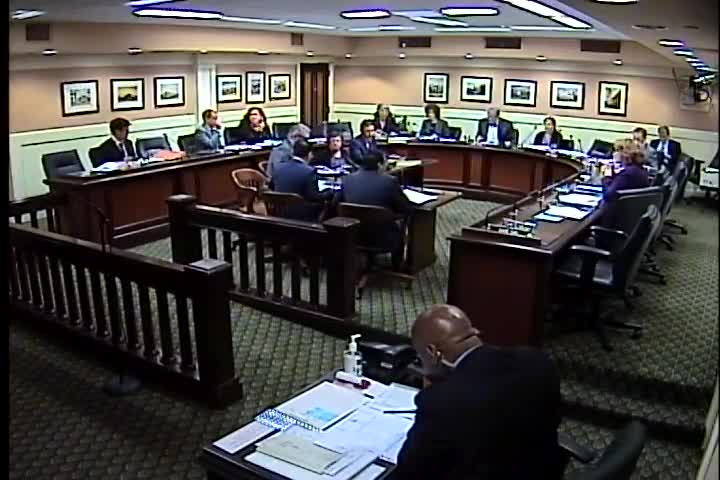
Bill Author
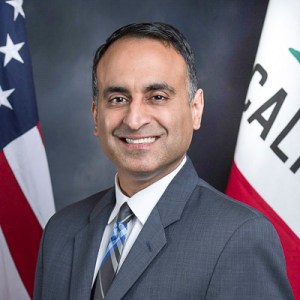
Bill Co-Author(s):