AB 326: State Board of Barbering and Cosmetology: physical and sexual abuse awareness training.
- Session Year: 2017-2018
- House: Assembly
- Latest Version Date: 2017-09-27
Existing law, the Barbering and Cosmetology Act, establishes the State Board of Barbering and Cosmetology for the licensure and regulation of barbers, cosmetologists, estheticians, manicurists, electrologists, and apprentices. Existing law requires the board to carry out a list of duties, including making rules and regulations, conducting and administering license examinations, issuing licenses to qualified applicants, and disciplining persons who violate the act. Existing law requires the board to admit to a licensing examination an applicant who meets certain qualifications, including having completed one or more approved courses, as specified. Existing law requires the board to determine by regulation the required subjects of instruction to be completed in all approved courses.
Existing law requires the board to develop or adopt a health and safety course on hazardous substances which is required to be taught in schools approved by the board. Existing law, commencing July 1, 2017, requires the health and safety course to additionally cover basic labor laws.
This bill, commencing July 1, 2019, would require the health and safety course to additionally cover physical and sexual abuse awareness.
This bill would authorize the board to promote physical and sexual abuse awareness, as specified, by means of mail, television, radio, motion picture, newspaper, book, Internet, or other electronic communication.
Existing law requires the board to establish a Health and Safety Advisory Committee to provide the board with advice and recommendations on health and safety issues before the board. Existing law, commencing July 1, 2017, requires the committees advice and recommendation to be on health and safety issues before the board that impact licensees, including how to ensure licensees are aware of basic labor laws, as specified.
This bill, commencing July 1, 2019, would require the committees advice and recommendation to additionally include how to ensure licensees have awareness about physical and sexual abuse, as specified, their clients may be experiencing.
Existing law imposes criminal and civil liability on certain professionals, including child care providers, clergy, educators, law enforcement, and medical professionals, for the failure to report child abuse. Existing law requires any person who reasonably believes that he or she has observed the commission of specified violent crimes against a victim under 14 years of age to notify a peace officer, as defined.
This bill, commencing July 1, 2019, would specify that licensed barbers, cosmetologists, estheticians, manicurists, electrologists, and applicants for licensure who complete the physical and sexual abuse awareness training covered by the health and safety course, and their employers, are not required to act on information obtained during the course of employment concerning potential physical and sexual abuse unless otherwise required by law.
Existing law, the Barbering and Cosmetology Act, establishes the State Board of Barbering and Cosmetology for the licensure and regulation of barbers, cosmetologists, estheticians, manicurists, electrologists, and apprentices. Existing law requires the board to carry out a list of duties, including making rules and regulations, conducting and administering license examinations, issuing licenses to qualified applicants, and disciplining persons who violate the act. Existing law requires the board to admit to a licensing examination an applicant who meets certain qualifications, including having completed one or more approved courses, as specified. Existing law requires the board to determine by regulation the required subjects of instruction to be completed in all approved courses.
Existing law requires the board to develop or adopt a health and safety course on hazardous substances which is required to be taught in schools approved by the board. Existing law, commencing July 1, 2017, requires the health and safety course to additionally cover basic labor laws.
This bill, commencing July 1, 2019, would require the health and safety course to additionally cover physical and sexual abuse awareness.
This bill would authorize the board to promote physical and sexual abuse awareness, as specified, by means of mail, television, radio, motion picture, newspaper, book, Internet, or other electronic communication.
Existing law requires the board to establish a Health and Safety Advisory Committee to provide the board with advice and recommendations on health and safety issues before the board. Existing law, commencing July 1, 2017, requires the committees advice and recommendation to be on health and safety issues before the board that impact licensees, including how to ensure licensees are aware of basic labor laws, as specified.
This bill, commencing July 1, 2019, would require the committees advice and recommendation to additionally include how to ensure licensees have awareness about physical and sexual abuse, as specified, their clients may be experiencing.
Existing law imposes criminal and civil liability on certain professionals, including child care providers, clergy, educators, law enforcement, and medical professionals, for the failure to report child abuse. Existing law requires any person who reasonably believes that he or she has observed the commission of specified violent crimes against a victim under 14 years of age to notify a peace officer, as defined.
This bill bill, commencing July 1, 2019, would specify that licensed barbers, cosmetologists, estheticians, manicurists, electrologists, and applicants for licensure, licensure who complete the physical and sexual abuse awareness training covered by the health and safety course, and their employers, are not required to act on information obtained during the course of employment concerning potential physical and sexual abuse unless otherwise required by law.
Existing law, the Barbering and Cosmetology Act, establishes the State Board of Barbering and Cosmetology for the licensure and regulation of barbers, cosmetologists, estheticians, manicurists, electrologists, and apprentices. Existing law requires the board to carry out a list of duties, including making rules and regulations, conducting and administering license examinations, issuing licenses to qualified applicants, and disciplining persons who violate the act. Existing law requires the board to admit to a licensing examination an applicant who meets certain qualifications, including having completed one or more approved courses, as specified. Existing law requires the board to determine by regulation the required subjects of instruction to be completed in all approved courses.
Existing law requires the board to develop or adopt a health and safety course on hazardous substances which is required to be taught in schools approved by the board. Existing law, commencing July 1, 2017, requires the health and safety course to additionally cover basic labor laws.
This bill, commencing July 1, 2019, would require the health and safety course to additionally cover physical and sexual abuse awareness.
This bill would authorize the board to promote physical and sexual abuse awareness, as specified, by means of mail, television, radio, motion picture, newspaper, book, Internet, or other electronic communication.
Existing law requires the board to establish a Health and Safety Advisory Committee to provide the board with advice and recommendations on health and safety issues before the board. Existing law, commencing July 1, 2017, requires the committees advice and recommendation to be on health and safety issues before the board that impact licensees, including how to ensure licensees are aware of basic labor laws, as specified.
This bill, commencing July 1, 2019, would require the committees advice and recommendation to additionally include how to ensure licensees have awareness about physical and sexual abuse, as specified, their clients may be experiencing.
Existing law imposes criminal and civil liability on certain professionals, including child care providers, clergy, educators, law enforcement, and medical professionals, for the failure to report child abuse. Existing law requires any person who reasonably believes that he or she has observed the commission of specified violent crimes against a victim under 14 years of age to notify a peace officer, as defined.
This bill would specify that licensed barbers, cosmetologists, estheticians, manicurists, electrologists, and applicants for licensure, and their employers, are not required to act on information obtained during the course of employment concerning potential physical and sexual abuse unless otherwise required by law.
Existing law, the Barbering and Cosmetology Act, establishes the State Board of Barbering and Cosmetology for the licensure and regulation of barbers, cosmetologists, estheticians, manicurists, electrologists, and apprentices. Existing law requires the board to carry out a list of duties, including making rules and regulations, conducting and administering license examinations, issuing licenses to qualified applicants, and disciplining persons who violate the act. Existing law requires the board to admit to a licensing examination an applicant who meets certain qualifications, including having completed one or more approved courses, as specified. Existing law requires the board to determine by regulation the required subjects of instruction to be completed in all approved courses.
Existing law requires the board to develop or adopt a health and safety course on hazardous substances which is required to be taught in schools approved by the board. Existing law, commencing July 1, 2017, requires the health and safety course to additionally cover basic labor laws.
This bill, commencing July 1, 2019, would require the health and safety course to additionally cover physical and sexual abuse awareness.
This bill would require the board to require an applicant to take a one-hour training on physical and sexual abuse awareness, as specified, as part of an approved course. The bill would require the board to prescribe by regulation the requirements of the training. The bill would authorize the board to promote physical and sexual abuse awareness, as specified, by means of mail, television, radio, motion picture, newspaper, book, Internet, or other electronic communication.
Existing law requires the board to establish a Health and Safety Advisory Committee to provide the board with advice and recommendations on health and safety issues before the board. Existing law, commencing July 1, 2017, requires the committees advice and recommendation to be on health and safety issues before the board that impact licensees, including how to ensure licensees are aware of basic labor laws, as specified.
This bill, commencing July 1, 2019, would require the committees advice and recommendation to additionally include how to ensure licensees have awareness about physical and sexual abuse, as specified, their clients may be experiencing.
Existing law imposes criminal and civil liability on certain professionals, including child care providers, clergy, educators, law enforcement, and medical professionals, for the failure to report child abuse. Existing law requires any person who reasonably believes that he or she has observed the commission of specified violent crimes against a victim under 14 years of age to notify a peace officer, as defined.
This bill would specify that licensed barbers, cosmetologists, estheticians, manicurists, electrologists, and applicants for licensure, and their employers, are not required to act on information obtained during the course of employment concerning potential physical and sexual abuse unless otherwise required by law.
Existing law, the Barbering and Cosmetology Act, establishes the State Board of Barbering and Cosmetology for the licensure and regulation of barbers, cosmetologists, estheticians, manicurists, electrologists, and apprentices. Existing law requires the board to carry out a list of duties, including making rules and regulations, conducting and administering license examinations, issuing licenses to qualified applicants, and disciplining persons who violate the act. Existing law requires the board to admit to a licensing examination an applicant who meets certain qualifications, including having completed one or more approved courses, as specified. Existing law requires the board to determine by regulation the required subjects of instruction to be completed in all approved courses.
This bill would require the board to require an applicant to take a one-hour training on physical and sexual abuse awareness, as specified, as part of an approved course. The bill would require the board to prescribe by regulation the requirements of the training. The bill would authorize the board to promote physical and sexual abuse awareness, as specified, by means of mail, television, radio, motion picture, newspaper, book, Internet, or other electronic communication.
Existing law imposes criminal and civil liability on certain professionals, including child care providers, clergy, educators, law enforcement, and medical professionals, for the failure to report child abuse. Existing law requires any person who reasonably believes that he or she has observed the commission of specified violent crimes against a victim under 14 years of age to notify a peace officer, as defined.
This bill would provide civil and criminal immunity for specify that licensed barbers, cosmetologists, estheticians, manicurists, electrologists, and applicants for licensure, and their employers, for acting in good faith or failing are not required to act on information obtained during the course of employment concerning potential physical and sexual abuse unless otherwise required by law.
Existing law, the Barbering and Cosmetology Act, establishes the State Board of Barbering and Cosmetology for the licensure and regulation of barbers, cosmetologists, estheticians, manicurists, electrologists, and apprentices. Existing law requires the board to carry out a list of duties, including making rules and regulations, conducting and administering license examinations, issuing licenses to qualified applicants, and disciplining persons who violate the act. Existing law requires the board to admit to a licensing examination an applicant who meets certain qualifications, including having completed one or more approved courses, as specified. Existing law requires the board to determine by regulation the required subjects of instruction to be completed in all approved courses.
This bill would require the board to require an applicant to take a one-hour training on domestic violence and sexual assault awareness physical and sexual abuse awareness, as specified, as part of an approved course. The bill would require the board to prescribe by regulation the requirements of the training. The bill would authorize the board to promote physical and sexual abuse awareness, as specified, by means of mail, television, radio, motion picture, newspaper, book, Internet, or other electronic communication.
Existing law imposes criminal and civil liability on certain professionals, including child care providers, clergy, educators, law enforcement, and medical professionals, for the failure to report child abuse. Existing law requires any person who reasonably believes that he or she has observed the commission of specified violent crimes against a victim under 14 years of age to notify a peace officer, as defined.
This bill would provide civil and criminal immunity for licensed barbers, cosmetologists, estheticians, manicurists, and electrologists, and applicants for licensure, and their employers, for acting in good faith or failing to act on information obtained during the course of employment concerning potential domestic violence or sexual assault physical and sexual abuse unless otherwise required by law.
Existing law, the Barbering and Cosmetology Act, establishes the State Board of Barbering and Cosmetology for the licensure and regulation of barbers, cosmetologists, estheticians, manicurists, electrologists, and apprentices. Existing law requires the board to carry out a list of duties, including making rules and regulations, conducting and administering license examinations, issuing licenses to qualified applicants, and disciplining persons who violate the act. Existing law requires the board to admit to a licensing examination an applicant who meets certain qualifications, including having completed one or more approved courses, as specified. Existing law requires the board to determine by regulation the required subjects of instruction to be completed in all approved courses.
This bill would require the board to require an applicant to take a one-hour training on domestic violence and sexual assault awareness as part of an approved course. The bill would require the board to prescribe by regulation the requirements of the training.
Existing law imposes criminal and civil liability on certain professionals, including child care providers, clergy, educators, law enforcement, and medical professionals, for the failure to report child abuse. Existing law requires any person who reasonably believes that he or she has observed the commission of specified violent crimes against a victim under 14 years of age to notify a peace officer, as defined.
This bill would provide civil and criminal immunity for licensed barbers, cosmetologists, estheticians, manicurists, and electrologists, and their employers, for acting in good faith or failing to act on information obtained during the course of employment concerning potential domestic violence or sexual assault unless otherwise required by law.
(a)The board shall establish a Health and Safety Advisory Committee to provide the board with advice and recommendations on health and safety issues before the board that impact licensees, including how to ensure licensees are aware of basic labor laws. Basic labor laws include, but are not limited to, all of the following:
(1)Key differences between the legal rights, benefits, and obligations of an employee and an independent contractor.
(2)Wage and hour rights of an hourly employee.
(3)Antidiscrimination laws relating to the use of a particular language in the workplace.
(4)Antiretaliation laws relating to a workers right to file complaints with the Department of Industrial Relations.
(5)How to obtain more information about state and federal labor laws.
(b)This section shall become inoperative on July 1, 2019, and, as of January 1, 2020, is repealed.
SEC. 2.Section 7314.3 is added to the Business and Professions Code, to read:7314.3.(a)The board shall establish a Health and Safety Advisory Committee to provide the board with advice and recommendations on health and safety issues before the board that impact licensees, including how to ensure licensees are aware of basic labor laws and how to ensure licensees have awareness about physical and sexual abuse their clients may be experiencing.
(b)For purposes of this section, basic labor laws include, but are not limited to, all of the following:
(1)Key differences between the legal rights, benefits, and obligations of an employee and an independent contractor.
(2)Wage and hour rights of an hourly employee.
(3)Antidiscrimination laws relating to the use of a particular language in the workplace.
(4)Antiretaliation laws relating to a workers right to file complaints with the Department of Industrial Relations.
(5)How to obtain more information about state and federal labor laws.
(c)For purposes of this section, physical and sexual abuse includes, but is not limited to, the following:
(1)Domestic violence.
(2)Sexual assault.
(3)Human trafficking.
(4)Elder abuse.
(d)This section shall become operative on July 1, 2019.
SEC. 3.Section 7314.5 is added to the Business and Professions Code, to read:7314.5.(a)The board may promote awareness of physical and sexual abuse by means of mail, television, radio, motion picture, newspaper, book, Internet, or other electronic communication.
(b)For purposes of this section, physical and sexual abuse includes, but is not limited to, the following:
(1)Domestic violence.
(2)Sexual assault.
(3)Human trafficking.
(4)Elder abuse.
SEC. 4.Section 7319.7 is added to the Business and Professions Code, to read:7319.7.(a)A licensee or an applicant for licensure who completes the physical and sexual abuse awareness training covered by the health and safety course required by Section 7389, and his or her employer, shall not be required to act on information obtained during the course of employment concerning potential physical and sexual abuse unless otherwise required by law.
(b)This section shall become operative on July 1, 2019.
SEC. 5.Section 7389 of the Business and Professions Code, as amended by Section 6 of Chapter 409 of the Statutes of 2016, is amended to read:7389.(a)The board shall develop or adopt a health and safety course on hazardous substances and basic labor laws, as specified in Section 7314.3, which shall be taught in schools approved by the board. Course development shall include pilot testing of the course and training classes to prepare instructors to effectively use the course.
(b)This section shall become inoperative on July 1, 2019, and, as of January 1, 2020, is repealed.
SEC. 6.Section 7389 is added to the Business and Professions Code, to read:7389.(a)The board shall develop or adopt a health and safety course on hazardous substances, basic labor laws, as specified in Section 7314.3, and physical and sexual assault awareness, as specified in Section 7314.3, which shall be taught in schools approved by the board. Course development shall include pilot testing of the course and training classes to prepare instructors to effectively use the course.
(b)This section shall become operative on July 1, 2019.
(a)The board shall establish a Health and Safety Advisory Committee to provide the board with advice and recommendations on health and safety issues before the board that impact licensees, including how to ensure licensees are aware of basic labor laws. Basic labor laws include, but are not limited to, all of the following:
(1)Key differences between the legal rights, benefits, and obligations of an employee and an independent contractor.
(2)Wage and hour rights of an hourly employee.
(3)Antidiscrimination laws relating to the use of a particular language in the workplace.
(4)Antiretaliation laws relating to a workers right to file complaints with the Department of Industrial Relations.
(5)How to obtain more information about state and federal labor laws.
(b)This section shall become inoperative on July 1, 2019, and, as of January 1, 2020, is repealed.
SEC. 2.Section 7314.3 is added to the Business and Professions Code, to read:7314.3.(a)The board shall establish a Health and Safety Advisory Committee to provide the board with advice and recommendations on health and safety issues before the board that impact licensees, including how to ensure licensees are aware of basic labor laws and how to ensure licensees have awareness about physical and sexual abuse their clients may be experiencing.
(b)For purposes of this section, basic labor laws include, but are not limited to, all of the following:
(1)Key differences between the legal rights, benefits, and obligations of an employee and an independent contractor.
(2)Wage and hour rights of an hourly employee.
(3)Antidiscrimination laws relating to the use of a particular language in the workplace.
(4)Antiretaliation laws relating to a workers right to file complaints with the Department of Industrial Relations.
(5)How to obtain more information about state and federal labor laws.
(c)For purposes of this section, physical and sexual abuse includes, but is not limited to, the following:
(1)Domestic violence.
(2)Sexual assault.
(3)Human trafficking.
(4)Elder abuse.
(d)This section shall become operative on July 1, 2019.
SEC. 3.Section 7314.5 is added to the Business and Professions Code, to read:7314.5.(a)The board may promote awareness of physical and sexual abuse, as described in Section 7362, abuse by means of mail, television, radio, motion picture, newspaper, book, Internet, or other electronic communication.
(b)For purposes of this section, physical and sexual abuse includes, but is not limited to, the following:
(1)Domestic violence.
(2)Sexual assault.
(3)Human trafficking.
(4)Elder abuse.
SEC. 4.Section 7319.7 is added to the Business and Professions Code, to read:7319.7.(a)A licensee or an applicant for licensure who completes the physical and sexual abuse awareness training covered by the health and safety course required by paragraph (2) of subdivision (b) of Section 7362, 7389, and his or her employer, shall not be required to act on information obtained during the course of employment concerning potential physical and sexual abuse unless otherwise required by law.
(b)This section shall become operative on July 1, 2019.
SEC. 5.Section 7389 of the Business and Professions Code, as amended by Section 6 of Chapter 409 of the Statutes of 2016, is amended to read:7389.(a)The board shall develop or adopt a health and safety course on hazardous substances and basic labor laws, as specified in Section 7314.3, which shall be taught in schools approved by the board. Course development shall include pilot testing of the course and training classes to prepare instructors to effectively use the course.
(b)This section shall become inoperative on July 1, 2019, and, as of January 1, 2020, is repealed.
SEC. 6.Section 7389 is added to the Business and Professions Code, to read:7389.(a)The board shall develop or adopt a health and safety course on hazardous substances, basic labor laws, as specified in Section 7314.3, and physical and sexual assault awareness, as specified in Section 7314.3, which shall be taught in schools approved by the board. Course development shall include pilot testing of the course and training classes to prepare instructors to effectively use the course.
(b)This section shall become operative on July 1, 2019.
(a)The board shall establish a Health and Safety Advisory Committee to provide the board with advice and recommendations on health and safety issues before the board that impact licensees, including how to ensure licensees are aware of basic labor laws. Basic labor laws include, but are not limited to, all of the following:
(1)Key differences between the legal rights, benefits, and obligations of an employee and an independent contractor.
(2)Wage and hour rights for hourly employees. of an hourly employee.
(3)Antidiscrimination laws relating to the use of a particular language in the workplace.
(4)Antiretaliation laws relating to a workers right to file complaints with the Department of Industrial Relations.
(5)How to obtain more information about state and federal labor laws.
(b)This section shall become inoperative on July 1, 2019, and, as of January 1, 2020, is repealed.
SEC. 2.Section 7314.3 is added to the Business and Professions Code, to read:7314.3.(a)The board shall establish a Health and Safety Advisory Committee to provide the board with advice and recommendations on health and safety issues before the board that impact licensees, including how to ensure licensees are aware of basic labor laws and how to ensure licensees have awareness about physical and sexual abuse their clients may be experiencing.
(b)For purposes of this section, basic labor laws include, but are not limited to, all of the following:
(1)Key differences between the legal rights, benefits, and obligations of an employee and an independent contractor.
(2)Wage and hour rights for hourly employees. of an hourly employee.
(3)Antidiscrimination laws relating to the use of a particular language in the workplace.
(4)Antiretaliation laws relating to a workers right to file complaints with the Department of Industrial Relations.
(5)How to obtain more information about state and federal labor laws.
(c)For purposes of this section, physical and sexual abuse includes, but is not limited to, the following:
(1)Domestic violence.
(2)Sexual assault.
(3)Human trafficking.
(4)Elder abuse.
(d)This section shall become operative on July 1, 2019.
SEC. 3.Section 7314.5 is added to the Business and Professions Code, to read:7314.5.The board may promote awareness of physical and sexual abuse, as described in Section 7362, by means of mail, television, radio, motion picture, newspaper, book, Internet, or other electronic communication.
SEC. 4.Section 7319.7 is added to the Business and Professions Code, to read:7319.7.A licensee or an applicant for licensure who completes the physical and sexual abuse awareness training required by paragraph (2) of subdivision (b) of Section 7362, and his or her employer, shall not be required to act on information obtained during the course of employment concerning potential physical and sexual abuse unless otherwise required by law.
SEC. 5.Section 7389 of the Business and Professions Code, as amended by Section 6 of Chapter 409 of the Statutes of 2016, is amended to read:7389.(a)The board shall develop or adopt a health and safety course on hazardous substances and basic labor laws, as specified in Section 7314.3, which shall be taught in schools approved by the board. Course development shall include pilot testing of the course and training classes to prepare instructors to effectively use the course.
(b)This section shall become inoperative on July 1, 2019, and, as of January 1, 2020, is repealed.
SEC. 6.Section 7389 is added to the Business and Professions Code, to read:7389.(a)The board shall develop or adopt a health and safety course on hazardous substances, basic labor laws, as specified in Section 7314.3, and physical and sexual assault awareness, as specified in Section 7314.3, which shall be taught in schools approved by the board. Course development shall include pilot testing of the course and training classes to prepare instructors to effectively use the course.
(b)This section shall become operative on July 1, 2019.
(a)The board shall establish a Health and Safety Advisory Committee to provide the board with advice and recommendations on health and safety issues before the board that impact licensees, including how to ensure licensees are aware of basic labor laws. Basic labor laws include, but are not limited to, all of the following:
(1)Key differences between the legal rights, benefits, and obligations of an employee and an independent contractor.
(2)Wage and hour rights for hourly employees.
(3)Antidiscrimination laws relating to the use of a particular language in the workplace.
(4)Antiretaliation laws relating to a workers right to file complaints with the Department of Industrial Relations.
(5)How to obtain more information about state and federal labor laws.
(b)The amendments made to this section by the act adding this subdivision shall become operative on July 1, 2017.(b)This section shall become inoperative on July 1, 2019, and, as of January 1, 2020, is repealed.
SEC. 2.Section 7314.3 is added to the Business and Professions Code, to read:7314.3.(a)The board shall establish a Health and Safety Advisory Committee to provide the board with advice and recommendations on health and safety issues before the board that impact licensees, including how to ensure licensees are aware of basic labor laws and how to ensure licensees have awareness about physical and sexual abuse their clients may be experiencing.
(b)For purposes of this section, basic labor laws include, but are not limited to, all of the following:
(1)Key differences between the legal rights, benefits, and obligations of an employee and an independent contractor.
(2)Wage and hour rights for hourly employees.
(3)Antidiscrimination laws relating to the use of a particular language in the workplace.
(4)Antiretaliation laws relating to a workers right to file complaints with the Department of Industrial Relations.
(5)How to obtain more information about state and federal labor laws.
(c)For purposes of this section, physical and sexual abuse includes, but is not limited to, the following:
(1)Domestic violence.
(2)Sexual assault.
(3)Human trafficking.
(4)Elder abuse.
(d)This section shall become operative on July 1, 2019.
SECTION 1.SEC. 3.Section 7314.5 is added to the Business and Professions Code, to read:7314.5.The board may promote awareness of physical and sexual abuse, as described in Section 7362, by means of mail, television, radio, motion picture, newspaper, book, Internet, or other electronic communication.
SEC. 2.SEC. 4.Section 7319.7 is added to the Business and Professions Code, to read:7319.7.A licensee or an applicant for licensure who completes the physical and sexual abuse awareness training required by paragraph (2) of subdivision (b) of Section 7362, and his or her employer, shall not be required to act on information obtained during the course of employment concerning potential physical and sexual abuse unless otherwise required by law.
SEC. 3.Section 7362 of the Business and Professions Code is amended to read:7362.(a)A school approved by the board is one that is first approved by the board and subsequently approved by the Bureau for Private Postsecondary Education or is a public school in this state, and provides a course of instruction approved by the board. However, notwithstanding any other law, both the board and the Bureau for Private Postsecondary Education may simultaneously process a schools application for approval.(b)(1)The board shall determine by regulation the required subjects of instruction to be completed in all approved courses, including the minimum hours of technical instruction and minimum number of practical operations for each subject, and shall determine how much training is required before a student may begin performing services on paying patrons.(2)The board shall require an applicant to take a one-hour training on physical and sexual abuse awareness as part of an approved course and shall prescribe by regulation the requirements of the training. Physical and sexual abuse includes, but is not limited to, the following:(A)Domestic violence.(B)Sexual assault.(C)Human trafficking.(D)Elder abuse.(c)Notwithstanding any other law, the board may revoke, suspend, or deny approval of a school, in a proceeding that shall be conducted in accordance with Chapter 5 (commencing with Section 11500) of Part 1 of Division 3 of Title 2 of the Government Code, when an owner or employee of the school has engaged in any of the acts specified in paragraphs (1) to (8), inclusive.(1)Unprofessional conduct which includes, but is not limited to, any of the following:(A)Incompetence or gross negligence, including repeated failure to comply with generally accepted standards for the practice of barbering, cosmetology, or electrology, or disregard for the health and safety of patrons.(B)Repeated similar negligent acts.(C)Conviction of any crime substantially related to the qualifications, functions, or duties of the owner of an approved school, in which case, the records of conviction or a certified copy thereof shall be conclusive evidence of the conviction.(2)Repeated failure to comply with the rules governing health and safety adopted by the board and approved by the State Department of Public Health, for the regulation of board-approved schools.(3)Repeated failure to comply with the rules adopted by the board for the regulation of board-approved schools.(4)Continued practice by a person knowingly having an infectious or contagious disease.(5)Habitual drunkenness, or habitual use of, or addiction to the use of, any controlled substance.(6)Obtaining or attempting to obtain practice in any occupation licensed and regulated under this chapter, or money, or compensation in any form, by fraudulent misrepresentation.(7)Refusal to permit or interference with an inspection authorized under this chapter.(8)Any action or conduct that would have warranted the denial of a school approval.SEC. 5.Section 7389 of the Business and Professions Code, as amended by Section 6 of Chapter 409 of the Statutes of 2016, is amended to read:7389.(a)The board shall develop or adopt a health and safety course on hazardous substances and basic labor laws, as specified in Section 7314.3, which shall be taught in schools approved by the board. Course development shall include pilot testing of the course and training classes to prepare instructors to effectively use the course.
(b)The amendments made to this section by the act adding this subdivision shall become operative on July 1, 2017.(b)This section shall become inoperative on July 1, 2019, and, as of January 1, 2020, is repealed.
SEC. 6.Section 7389 is added to the Business and Professions Code, to read:7389.(a)The board shall develop or adopt a health and safety course on hazardous substances, basic labor laws, as specified in Section 7314.3, and physical and sexual assault awareness, as specified in Section 7314.3, which shall be taught in schools approved by the board. Course development shall include pilot testing of the course and training classes to prepare instructors to effectively use the course.
(b)This section shall become operative on July 1, 2019.
The board may promote awareness of physical and sexual abuse, as described in Section 7362, by means of mail, television, radio, motion picture, newspaper, book, Internet, or other electronic communication.
SEC. 2.Section 7319.7 is added to the Business and Professions Code, to read:7319.7.A licensee or an applicant for licensure who completes the physical and sexual abuse awareness training required by paragraph (2) of subdivision (b) of Section 7362, and his or her employer, shall not incur civil or criminal liability for acting in good faith or failing shall not be required to act on information obtained during the course of employment concerning potential physical and sexual abuse unless otherwise required by law.
SEC. 3.Section 7362 of the Business and Professions Code is amended to read:7362.(a)A school approved by the board is one that is first approved by the board and subsequently approved by the Bureau for Private Postsecondary Education or is a public school in this state, and provides a course of instruction approved by the board. However, notwithstanding any other law, both the board and the Bureau for Private Postsecondary Education may simultaneously process a schools application for approval.
(b)(1)The board shall determine by regulation the required subjects of instruction to be completed in all approved courses, including the minimum hours of technical instruction and minimum number of practical operations for each subject, and shall determine how much training is required before a student may begin performing services on paying patrons.
(2)The board shall require an applicant to take a one-hour training on physical and sexual abuse awareness as part of an approved course and shall prescribe by regulation the requirements of the training. Physical and sexual abuse includes, but is not limited to, the following:
(A)Domestic violence.
(B)Sexual assault.
(C)Human trafficking.
(D)Elder abuse.
(c)Notwithstanding any other law, the board may revoke, suspend, or deny approval of a school, in a proceeding that shall be conducted in accordance with Chapter 5 (commencing with Section 11500) of Part 1 of Division 3 of Title 2 of the Government Code, when an owner or employee of the school has engaged in any of the acts specified in paragraphs (1) to (8), inclusive.
(1)Unprofessional conduct which includes, but is not limited to, any of the following:
(A)Incompetence or gross negligence, including repeated failure to comply with generally accepted standards for the practice of barbering, cosmetology, or electrology, or disregard for the health and safety of patrons.
(B)Repeated similar negligent acts.
(C)Conviction of any crime substantially related to the qualifications, functions, or duties of the owner of an approved school, in which case, the records of conviction or a certified copy thereof shall be conclusive evidence of the conviction.
(2)Repeated failure to comply with the rules governing health and safety adopted by the board and approved by the State Department of Public Health, for the regulation of board-approved schools.
(3)Repeated failure to comply with the rules adopted by the board for the regulation of board-approved schools.
(4)Continued practice by a person knowingly having an infectious or contagious disease.
(5)Habitual drunkenness, or habitual use of, or addiction to the use of, any controlled substance.
(6)Obtaining or attempting to obtain practice in any occupation licensed and regulated under this chapter, or money, or compensation in any form, by fraudulent misrepresentation.
(7)Refusal to permit or interference with an inspection authorized under this chapter.
(8)Any action or conduct that would have warranted the denial of a school approval.
The board may promote awareness of physical and sexual abuse, as described in Section 7362, by means of mail, television, radio, motion picture, newspaper, book, Internet, or other electronic communication.
SECTION 1.SEC. 2.Section 7319.7 is added to the Business and Professions Code, to read:7319.7.A licensee or an applicant for licensure who completes the domestic violence and sexual assault physical and sexual abuse awareness training required by paragraph (2) of subdivision (b) of Section 7362, and his or her employer, shall not incur civil or criminal liability for acting in good faith or failing to act on information obtained during the course of employment concerning potential domestic violence or sexual assault physical and sexual abuse unless otherwise required by law.
SEC. 2.SEC. 3.Section 7362 of the Business and Professions Code is amended to read:7362.(a)A school approved by the board is one that is first approved by the board and subsequently approved by the Bureau for Private Postsecondary Education or is a public school in this state, and provides a course of instruction approved by the board. However, notwithstanding any other law, both the board and the Bureau for Private Postsecondary Education may simultaneously process a schools application for approval.
(b)(1)The board shall determine by regulation the required subjects of instruction to be completed in all approved courses, including the minimum hours of technical instruction and minimum number of practical operations for each subject, and shall determine how much training is required before a student may begin performing services on paying patrons.
(2)The board shall require an applicant to take a one-hour training on domestic violence and sexual assault physical and sexual abuse awareness as part of an approved course and shall prescribe by regulation the requirements of the training. Physical and sexual abuse includes, but is not limited to, the following:
(A)Domestic violence.
(B)Sexual assault.
(C)Human trafficking.
(D)Elder abuse.
(c)Notwithstanding any other law, the board may revoke, suspend, or deny approval of a school, in a proceeding that shall be conducted in accordance with Chapter 5 (commencing with Section 11500) of Part 1 of Division 3 of Title 2 of the Government Code, when an owner or employee of the school has engaged in any of the acts specified in paragraphs (1) to (8), inclusive.
(1)Unprofessional conduct which includes, but is not limited to, any of the following:
(A)Incompetence or gross negligence, including repeated failure to comply with generally accepted standards for the practice of barbering, cosmetology, or electrology, or disregard for the health and safety of patrons.
(B)Repeated similar negligent acts.
(C)Conviction of any crime substantially related to the qualifications, functions, or duties of the owner of an approved school, in which case, the records of conviction or a certified copy thereof shall be conclusive evidence of the conviction.
(2)Repeated failure to comply with the rules governing health and safety adopted by the board and approved by the State Department of Public Health, for the regulation of board-approved schools.
(3)Repeated failure to comply with the rules adopted by the board for the regulation of board-approved schools.
(4)Continued practice by a person knowingly having an infectious or contagious disease.
(5)Habitual drunkenness, or habitual use of, or addiction to the use of, any controlled substance.
(6)Obtaining or attempting to obtain practice in any occupation licensed and regulated under this chapter, or money, or compensation in any form, by fraudulent misrepresentation.
(7)Refusal to permit or interference with an inspection authorized under this chapter.
(8)Any action or conduct that would have warranted the denial of a school approval.
REVISIONS: HeadingLines 2 and 3.A licensee who completes the domestic violence and sexual assault awareness training required by paragraph (2) of subdivision (b) of Section 7362, and his or her employer, shall not incur civil or criminal liability for acting in good faith or failing to act on information obtained during the course of employment concerning potential domestic violence or sexual assault unless otherwise required by law.
SEC. 2.Section 7362 of the Business and Professions Code is amended to read:7362.(a)A school approved by the board is one that is first approved by the board and subsequently approved by the Bureau for Private Postsecondary Education or is a public school in this state, and provides a course of instruction approved by the board. However, notwithstanding any other law, both the board and the Bureau for Private Postsecondary Education may simultaneously process a schools application for approval.
(b)(1)The board shall determine by regulation the required subjects of instruction to be completed in all approved courses, including the minimum hours of technical instruction and minimum number of practical operations for each subject, and shall determine how much training is required before a student may begin performing services on paying patrons.
(2)The board shall require an applicant to take a one-hour training on domestic violence and sexual assault awareness as part of an approved course and shall prescribe by regulation the requirements of the training.
(c)Notwithstanding any other law, the board may revoke, suspend, or deny approval of a school, in a proceeding that shall be conducted in accordance with Chapter 5 (commencing with Section 11500) of Part 1 of Division 3 of Title 2 of the Government Code, when an owner or employee of the school has engaged in any of the acts specified in paragraphs (1) to (8), inclusive.
(1)Unprofessional conduct which includes, but is not limited to, any of the following:
(A)Incompetence or gross negligence, including repeated failure to comply with generally accepted standards for the practice of barbering, cosmetology, or electrology, or disregard for the health and safety of patrons.
(B)Repeated similar negligent acts.
(C)Conviction of any crime substantially related to the qualifications, functions, or duties of the owner of an approved school, in which case, the records of conviction or a certified copy thereof shall be conclusive evidence of the conviction.
(2)Repeated failure to comply with the rules governing health and safety adopted by the board and approved by the State Department of Public Health, for the regulation of board-approved schools.
(3)Repeated failure to comply with the rules adopted by the board for the regulation of board-approved schools.
(4)Continued practice by a person knowingly having an infectious or contagious disease.
(5)Habitual drunkenness, or habitual use of, or addiction to the use of, any controlled substance.
(6)Obtaining or attempting to obtain practice in any occupation licensed and regulated under this chapter, or money, or compensation in any form, by fraudulent misrepresentation.
(7)Refusal to permit or interference with an inspection authorized under this chapter.
(8)Any action or conduct that would have warranted the denial of a school approval.
|
Date
|
Status
|
|---|---|
| Sep 27, 2017 | Chaptered by Secretary of State - Chapter 312, Statutes of 2017. |
| Sep 27, 2017 | Approved by the Governor. |
| Sep 13, 2017 | Enrolled and presented to the Governor at 4 p.m. |
| Sep 7, 2017 | Senate amendments concurred in. To Engrossing and Enrolling. |
| Sep 5, 2017 | In Assembly. Concurrence in Senate amendments pending. May be considered on or after September 7 pursuant to Assembly Rule 77. |
| Sep 5, 2017 | Read third time. Passed. Ordered to the Assembly. |
| Aug 23, 2017 | Read second time. Ordered to third reading. |
| Aug 22, 2017 | Read third time and amended. Ordered to second reading. |
| Jul 11, 2017 | Read second time and amended. Ordered to third reading. |
| Jul 10, 2017 | From committee: Be placed on second reading file pursuant to Senate Rule 28.8 and be amended. |
| Jun 22, 2017 | Read second time and amended. Re-referred to Com. on APPR. |
| Jun 21, 2017 | From committee: Amend, and do pass as amended and re-refer to Com. on APPR. (Ayes 9. Noes 0.) (June 19). |
| Jun 8, 2017 | In committee: Set, first hearing. Hearing canceled at the request of author. |
| May 24, 2017 | Referred to Com. on B., P. & E.D. |
| May 11, 2017 | In Senate. Read first time. To Com. on RLS. for assignment. |
| May 11, 2017 | Read third time. Passed. Ordered to the Senate. (Ayes 77. Noes 0. Page 1486.) |
| May 4, 2017 | Read second time. Ordered to Consent Calendar. |
| May 3, 2017 | From committee: Do pass. To Consent Calendar. (Ayes 16. Noes 0.) (May 3). |
| Apr 17, 2017 | Re-referred to Com. on APPR. |
| Apr 6, 2017 | Read second time and amended. |
| Apr 5, 2017 | From committee: Amend, and do pass as amended and re-refer to Com. on APPR. (Ayes 11. Noes 0.) (April 4). |
| Mar 29, 2017 | From committee: Do pass and re-refer to Com. on JUD. (Ayes 16. Noes 0.) (March 28). Re-referred to Com. on JUD. |
| Mar 28, 2017 | Coauthors revised. |
| Mar 22, 2017 | Re-referred to Com. on B. & P. |
| Mar 21, 2017 | From committee chair, with author's amendments: Amend, and re-refer to Com. on B. & P. Read second time and amended. |
| Feb 21, 2017 | Referred to Coms. on B. & P. and JUD. |
| Feb 8, 2017 | From printer. May be heard in committee March 10. |
| Feb 7, 2017 | Read first time. To print. |
|
Date
|
Description
|
Location
|
Votes
|
|
|---|---|---|---|---|
| Sep 7, 2017 | AB 326 SALAS Concurrence in Senate Amendments | Assembly Floor |
Passed |
|
| Sep 5, 2017 | Assembly 3rd Reading AB326 Salas et al. By Jackson | Senate Floor |
Passed |
|
| Jun 19, 2017 | Do pass as amended, but first amend, and re-refer to the Committee on [Appropriations] | Senate Standing Committee on Business, Professions and Economic Development |
Passed |
|
| May 11, 2017 | AB 326 SALAS Consent Calendar Second Day Regular Session | Assembly Floor |
Passed |
|
| May 3, 2017 | Do pass. To Consent Calendar. | Assembly Standing Committee on Appropriations |
Passed |
|
| Apr 4, 2017 | Do pass as amended and be re-referred to the Committee on [Appropriations] | Assembly Standing Committee on Judiciary |
Passed |
|
| Mar 28, 2017 | Do pass and be re-referred to the Committee on [Judiciary] | Assembly Standing Committee on Business and Professions |
Passed |
This list shows positions taken on this bill by organizations on the date displayed, which is linked to the original source.
Positions by individuals are not included.
|
Organization
|
Position
|
Date
|
|---|---|---|
| Board of Barbering and Cosmetology | ** Support | Jun 15, 2017 |
| California Partnership To End Domestic Violence | ** Support | Aug 23, 2017 |
| City Of Arvin | ** Support | Aug 23, 2017 |
| city of corcoran | ** Support | Aug 23, 2017 |
| City Of Lemoore | ** Support | Aug 23, 2017 |
| Domestic Violence. | ** Support | Jun 15, 2017 |
| Elder Abuse. | ** Support | Jun 15, 2017 |
| Human Trafficking. | ** Support | Jun 15, 2017 |
| On Page 2, In Line 1, Insert: | ** Support | Jun 15, 2017 |
| On Page 3, Strike Lines 1-39 Inclusive | ** Support | Jun 15, 2017 |
| On Page 4, Strike Lines 1-19 Inclusive. | ** Support | Jun 15, 2017 |
| Professional Beauty Association | ** Support | Aug 23, 2017 |
| Wage And Hour Rights For Hourly Employees. | ** Support | Jun 15, 2017 |
CONCURRENCE IN SENATE AMENDMENTS
CSA1 Bill Id:AB 326
Author:(Salas)
As Amended Ver:August 22, 2017
Majority vote
ASSEMBLY: | 77-0 | (May 11, 2017) | SENATE: | 40-0 | (September 5, 2017) |
Original Committee Reference: B. & P.
SUMMARY: Empowers the Board of Barbering and Cosmetology (BBC) to promote awareness of physical and sexual abuse among their clients. Specifically, this bill:
- Authorizes the BBC's Health and Safety Advisory Committee to provide the BBC with advice and recommendations on health and safety issues before the board that impact licensees, including how to ensure licensees are aware of basic labor laws and how to ensure licensees have awareness about physical and sexual abuse their clients may be experiencing.
- Specifies that basic labor laws include, but are not limited to, all of the following:
- Key differences between the legal rights, benefits, and obligations of an employee and an independent contractor.
- Wage and hour rights for hourly employees.
- Antidiscrimination laws relating to the use of a particular language in the workplace.
- Antiretaliation laws relating to a worker's right to file complaints with the Department of Industrial Relations.
- How to obtain more information about state and federal labor laws.
- Specifies that physical and sexual abuse includes, but is not limited to, the following:
- Domestic violence.
- Sexual assault.
- Human trafficking.
- Elder abuse.
- Authorizes the BBC to promote awareness of physical and sexual abuse by means of mail, television, radio, motion picture, newspaper, book, internet, or other electronic communication.
- States that a licensee or applicant who completes the physical and sexual abuse awareness training and his or her employer, is not be required to act on information obtained during the course of employment concerning potential physical and sexual abuse unless otherwise required by law.
The Senate amendments delayed implementation of the bill until July 1, 2019 and implemented changes to ensure congruity with existing work within the BBC's Health and Safety Advisory Committee to adopt curricula relevant to health and safety issues impacting licensees. The amendments incorporate expanded responsibilities for spreading awareness of physical and sexual abuse while enabling the BBC to roll out a comprehensive education strategy on all the issues it will now be undertaking. Further amendments restate the definition of physical and sexual abuse for purposes of the bill and align implementation timelines for the training and the provision stating that trained licensees shall not be required to act on any information obtained.
FISCAL EFFECT: According to the Senate Appropriations Committee, pursuant to Senate Rule 28.8, negligible state costs.
COMMENTS: This bill is author sponsored. According to the author, "many cases of domestic abuse go unreported. The trust that often exists between professional hair stylists and their clients creates an opportunity to connect victims of domestic abuse with local social service agencies and resources. Salon professionals can serve a unique role in spotting signs of abuse and connecting victims that wish to seek out services with the appropriate resources. [This bill] seeks to educate salon professionals about the signs of domestic abuse or sexual assault as well as how to support and connect their clients with the help and assistance they need to move out of an abusive relationship or situation. [This bill] would require the State Board of Barbering and Cosmetology, as part of the licensing process, to include an hour course about domestic violence and sexual assault awareness and instruct licensees on how to connect victims to services."
BBC. The BBC licenses and regulates over 550,000 licensees. Each profession has its own scope of practice, entry-level requirements, and professional settings, with some overlap in areas. The BBC's licensing population includes: barbers; cosmetologists; electrologists; estheticians; manicurists; establishments; and mobile units. As a special fund entity, the BBC receives no General Fund support, relying solely on fees set in statute and collected from licensing and renewal fees. In addition to licensing individuals, the BBC approves schools. A BBC-approved school is one that is first approved by the BBC and subsequently approved by the Bureau for Private Postsecondary Education. Under existing law, a barbering course is required to be 1,500 hours of practical training and technical instruction; a cosmetologist course is required to be 1,600 hours; an esthetician and an electroloysis course are required to be 600 hours; and a nail care course is required to be 350 hours (Business and Professions Code (BPC) Sections, 7362.5, 7364, 7365, 7366). Licensees are not required to complete continuing education.
BPC Section 7362 specifies that the BBC is required to determine, by regulation, the subjects which must be completed in an educational program, the approved courses (what material must be taught), including the minimum hours of technical instruction and practical operations a student must complete for each subject, and how much training is required prior to a student performing work on a paid patron. For example, the curriculum for a cosmetology and barber course requires 200 hours of technical instruction in health and safety (16 California Code of Regulations (CCR) Section 950.1 and 950.2), while the curriculum for a nail care course requires 25 hours of technical instruction in health and safety considerations (16 CCR Section 950.4). As currently drafted, this bill will not increase the number of hours of education that each applicant is required to complete, but instead will authorize the BBC to include the new one-hour training requirement within the existing course hour requirements specified for each licensure category.
This bill only applies to new applicants for licensure, and as a result, this bill permits the BBC to promote the awareness of physical and sexual abuse through mail, television, radio, motion picture, newspaper, book, internet, or other electronic communication.
Physical and Sexual Abuse. According to the National Coalition Against Domestic Violence, domestic violence is "the willful intimidation, physical assault, battery, sexual assault, and/or abusive behavior, as part of a systematic pattern of power and control perpetrated by one intimate partner against another." The range of domestic violence is wide and can include physical violence along with sexual violence, psychological violence, and emotional abuse. As such, this bill specifies that for training purposes, physical and sexual abuse can include domestic violence, sexual assault, human trafficking and elder abuse.
The additional training requirements proposed by this bill are not unique to the beauty industry. Currently, the Professional Beauty Association notes on its website its participation in the national "CUT IT OUT" Program which helps build awareness and training for salon professionals related to domestic abuse "to recognize the warning signs and safely refer clients, colleagues, friends and family to local resources." This bill aims to ensure that all of California's licensed beautification professionals receive BBC-approved education and training in physical and sexual abuse awareness to better identify and connect those victims of violence with the appropriate services available. This bill does not mandate any action by licensees.
Analysis Prepared by: Robert Sumner / B. & P. / (916) 319-3301 FN: 0001346
Office of Senate Floor Analyses (916) 651-1520 Fax: (916) 327-4478 | AB |
THIRD READING
Bill No: AB 326
:
SENATE BUS., PROF. & ECON. DEV. COMMITTEE: 9-0, 6/19/17
AYES: Hill, Fuller, Dodd, Galgiani, Glazer, Hernandez, Newman, Pan, Wilk
SENATE APPROPRIATIONS COMMITTEE: Senate Rule 28.8
ASSEMBLY FLOOR: 77-0, 5/11/17 (Consent) - See last page for vote
DIGEST:
This bill authorizes the Board of Barbering and Cosmetology (BBC) to promote awareness of physical and sexual abuse and authorizes the BBC Health and Safety Advisory Committee (Advisory Committee) to provide advice and recommendations on how to ensure licensees have awareness about physical and sexual abuse their clients may be experiencing.
Senate Floor Amendments of 8/22/17 correct drafting error.
Existing law:
- Provides for the licensure regulation of the practice of barbering, cosmetology and electrolysis under the Barbering and Cosmetology Act by the BBC. (Business and Professions Code (BPC) § 7301 et. seq.)
- Requires BBC to establish the Advisory Committee to provide advice and recommendations on health and safety issues before BBC that impact licensees, including how to ensure licensees are aware of basic labor laws, as defined. (BPC § 7314)
- Requires BBC to determine, by regulation, the required subjects of instruction to be completed in all approved courses, including the minimum hours of technical instruction and minimum number of practical operations for each subject, and requires BBC to determine how much training is required before a student may begin performing services on paying patrons. (BPC § 7362)
- Requires BBC to develop or adopt a health and safety course on hazardous substances and as of July 1, 2017, on basic labor laws, which shall be taught in schools approved by the Board. (BPC § 7389)
This bill:
- Authorizes BBC to promote awareness of physical and sexual abuse by means of mail, television, radio, motion picture, newspaper, book, Internet, or other electronic communication.
- Requires, beginning in 2019, the Advisory Committee to also provide advice and recommendations to BBC that ensures licensees have awareness about physical and sexual abuse their clients may be experiencing.
- States that physical and sexual abuse includes but is not limited to domestic violence, sexual assault, human trafficking and elder abuse.
Background
The BBC plays an important role in ensuring the educational quality of barbering, cosmetology and electrology programs in California, as well as guaranteeing the health and safety of these facilities and the practitioners and students working in them, as well as consumers who may receive services at schools. The BBC approves curriculum, facilities, equipment and textbooks for schools offering training programs for eventual licensees. To receive approval from the BBC, a school must possess certain equipment, have a certain amount of floor space, use BBC-approved text books, receive BBC approval for the school curriculum and provide the BBC with a list of potential bona fide students.
BBC is required to determine, by regulation, the subjects which must be completed in an educational program, the approved courses (what material must be taught), including the minimum hours of technical instruction and practical operations a student must complete for each subject, and how much training is required prior to a student performing work on a paid patron. For example, the curriculum for a cosmetology and barber course requires 200 hours of technical instruction in health and safety (16 California Code of Regulations (CCR) §§ 950.1 and 950.2), while the curriculum for a nail care course requires 25 hours of technical instruction in health and safety considerations (16 CCR § 950.4).
The BBC is also required to design the curriculum of a health and safety course that must be covered by schools as part of the hours of required instruction. BPC Section 7389 specifies that the BBC is to develop or adopt a health and safety course on hazardous substances and basic labor laws, which must be taught in schools approved by the BBC. The Advisory Committee worked with health professionals from the Labor Occupational Health Program based at the School of Public Health at the University of California, Berkeley to adopt specifics for a hazardous substances course, and is in the process of adopting basic labor law specifics to be taught in school, working in consultation with the Department of Industrial Relations.
Comments
According to the author, this bill seeks to educate salon professionals about the signs of domestic abuse or sexual assault as well as how to support and connect their clients with the help and assistance they need to move out of an abusive relationship or situation. The author cites data from the National Domestic Violence Hotline, noting that “1 in 3 women and 1 in 4 men in the United States have experienced rape or physical violence by an intimate partner in their lifetime. This means on average, 24 people per minute are victims of these crimes—totaling 12 million people over the course of one year.” The author adds that “According to the California Partnership to End Domestic Violence, approximately 40 percent of women in California experience physical violence. Many cases of domestic abuse go unreported. The trust that often exists between salon professionals and their clients creates an opportunity to connect victims of abuse with information about local services and resources.”
The Advisory Committee is already tasked with adopting curriculum for certain topics, specifically hazardous substances and basic labor laws, taught in BBC-approved schools; this bill mirrors the work the Advisory Committee is already undertaking to provide recommendations on the additional issues of physical and sexual abuse.
FISCAL EFFECT: Appropriation: Fiscal Com.: Local:
California Partnership to End Domestic Violence
City of Arvin
City of Corcoran
City of Lemoore
Professional Beauty Association
OPPOSITION: (Verified 8/22/17)
None received
ARGUMENTS IN SUPPORT: Supporters believe that this bill, “is an important step in preventing domestic violence and sexual assault” and state that the bill “will provide victims with another avenue to access services and remove themselves from abusive situations.”
ASSEMBLY FLOOR: 77-0, 5/11/17
AYES: Acosta, Aguiar-Curry, Travis Allen, Arambula, Baker, Berman, Bigelow, Bloom, Bocanegra, Bonta, Brough, Burke, Caballero, Calderon, Cervantes, Chau, Chávez, Chen, Chiu, Choi, Chu, Cooley, Cooper, Cunningham, Dababneh, Daly, Eggman, Flora, Fong, Frazier, Friedman, Gallagher, Cristina Garcia, Eduardo Garcia, Gipson, Gloria, Gomez, Gonzalez Fletcher, Gray, Grayson, Harper, Holden, Irwin, Jones-Sawyer, Kalra, Kiley, Lackey, Levine, Limón, Low, Maienschein, Mathis, Mayes, McCarty, Medina, Melendez, Mullin, Muratsuchi, Nazarian, Obernolte, Quirk, Quirk-Silva, Reyes, Ridley-Thomas, Rodriguez, Rubio, Salas, Santiago, Steinorth, Mark Stone, Thurmond, Ting, Voepel, Waldron, Weber, Wood, Rendon
NO VOTE RECORDED: Dahle, O'Donnell, Patterson
8/23/17 10:56:44
**** END ****
Office of Senate Floor Analyses (916) 651-1520 Fax: (916) 327-4478 | AB |
THIRD READING
Bill No: AB 326
Amended: 7/11/17 in Senate
SENATE BUS., PROF. & ECON. DEV. COMMITTEE: 9-0, 6/19/17
AYES: Hill, Fuller, Dodd, Galgiani, Glazer, Hernandez, Newman, Pan, Wilk
SENATE APPROPRIATIONS COMMITTEE: Senate Rule 28.8
ASSEMBLY FLOOR: 77-0, 5/11/17 (Consent) - See last page for vote
DIGEST:
This bill authorizes the Board of Barbering and Cosmetology (BBC) to promote awareness of physical and sexual abuse and authorizes the BBC Health and Safety Advisory Committee to provide advice and recommendations on how to ensure licensees have awareness about physical and sexual abuse their clients may be experiencing.
Existing law:
- Provides for the licensure regulation of the practice of barbering, cosmetology and electrolysis under the Barbering and Cosmetology Act by the BBC. (Business and Professions Code (BPC) § 7301 et. seq.)
- Requires BBC to establish a Health and Safety Advisory Committee (Advisory Committee) to provide advice and recommendations on health and safety issues before BBC that impact licensees, including how to ensure licensees are aware of basic labor laws, as defined. (BPC § 7314)
- Requires BBC to determine, by regulation, the required subjects of instruction to be completed in all approved courses, including the minimum hours of technical instruction and minimum number of practical operations for each subject, and requires BBC to determine how much training is required before a student may begin performing services on paying patrons. (BPC § 7362)
- Requires BBC to develop or adopt a health and safety course on hazardous substances and as of July 1, 2017, on basic labor laws, which shall be taught in schools approved by the Board. (BPC § 7389)
This bill:
- Authorizes BBC to promote awareness of physical and sexual abuse by means of mail, television, radio, motion picture, newspaper, book, Internet, or other electronic communication.
- Requires, beginning in 2019, the Advisory Committee to also provide advice and recommendations to BBC that ensures licensees have awareness about physical and sexual abuse their clients may be experiencing.
- States that physical and sexual abuse includes but is not limited to domestic violence, sexual assault, human trafficking and elder abuse.
Background
The BBC plays an important role in ensuring the educational quality of barbering, cosmetology and electrology programs in California, as well as guaranteeing the health and safety of these facilities and the practitioners and students working in them, as well as consumers who may receive services at schools. The BBC approves curriculum, facilities, equipment and textbooks for schools offering training programs for eventual licensees. To receive approval from the BBC, a school must possess certain equipment, have a certain amount of floor space, use BBC-approved text books, receive BBC approval for the school curriculum and provide the BBC with a list of potential bona fide students.
BBC is required to determine, by regulation, the subjects which must be completed in an educational program, the approved courses (what material must be taught), including the minimum hours of technical instruction and practical operations a student must complete for each subject, and how much training is required prior to a student performing work on a paid patron. For example, the curriculum for a cosmetology and barber course requires 200 hours of technical instruction in health and safety (16 California Code of Regulations (CCR) §§ 950.1 and 950.2), while the curriculum for a nail care course requires 25 hours of technical instruction in health and safety considerations (16 CCR § 950.4).
The BBC is also required to design the curriculum of a health and safety course that must be covered by schools as part of the hours of required instruction. BPC Section 7389 specifies that the BBC is to develop or adopt a health and safety course on hazardous substances and basic labor laws, which must be taught in schools approved by the BBC. The Advisory Committee worked with health professionals from the Labor Occupational Health Program based at the School of Public Health at the University of California, Berkeley to adopt specifics for a hazardous substances course, and is in the process of adopting basic labor law specifics to be taught in school, working in consultation with the Department of Industrial Relations.
Comments
According to the author, this bill seeks to educate salon professionals about the signs of domestic abuse or sexual assault as well as how to support and connect their clients with the help and assistance they need to move out of an abusive relationship or situation. The author cites data from the National Domestic Violence Hotline, noting that “1 in 3 women and 1 in 4 men in the United States have experienced rape or physical violence by an intimate partner in their lifetime. This means on average, 24 people per minute are victims of these crimes—totaling 12 million people over the course of one year.” The author adds that “According to the California Partnership to End Domestic Violence, approximately 40 percent of women in California experience physical violence. Many cases of domestic abuse go unreported. The trust that often exists between salon professionals and their clients creates an opportunity to connect victims of abuse with information about local services and resources.”
The Advisory Committee is already tasked with adopting curriculum for certain topics, specifically hazardous substances and basic labor laws, taught in BBC-approved schools; this bill mirrors the work the Advisory Committee is already undertaking to provide recommendations on the additional issues of physical and sexual abuse.
FISCAL EFFECT: Appropriation: Fiscal Com.: Local:
California Partnership to End Domestic Violence
City of Arvin
City of Corcoran
City of Lemoore
Professional Beauty Association
OPPOSITION: (Verified 7/12/17)
None received
ARGUMENTS IN SUPPORT: Supporters believe that this bill, “is an important step in preventing domestic violence and sexual assault” and state that the bill “will provide victims with another avenue to access services and remove themselves from abusive situations.”
ASSEMBLY FLOOR: 77-0, 5/11/17
AYES: Acosta, Aguiar-Curry, Travis Allen, Arambula, Baker, Berman, Bigelow, Bloom, Bocanegra, Bonta, Brough, Burke, Caballero, Calderon, Cervantes, Chau, Chávez, Chen, Chiu, Choi, Chu, Cooley, Cooper, Cunningham, Dababneh, Daly, Eggman, Flora, Fong, Frazier, Friedman, Gallagher, Cristina Garcia, Eduardo Garcia, Gipson, Gloria, Gomez, Gonzalez Fletcher, Gray, Grayson, Harper, Holden, Irwin, Jones-Sawyer, Kalra, Kiley, Lackey, Levine, Limón, Low, Maienschein, Mathis, Mayes, McCarty, Medina, Melendez, Mullin, Muratsuchi, Nazarian, Obernolte, Quirk, Quirk-Silva, Reyes, Ridley-Thomas, Rodriguez, Rubio, Salas, Santiago, Steinorth, Mark Stone, Thurmond, Ting, Voepel, Waldron, Weber, Wood, Rendon
NO VOTE RECORDED: Dahle, O'Donnell, Patterson
7/12/17 15:33:48
**** END ****
SENATE COMMITTEE ON
BUSINESS, PROFESSIONS AND ECONOMIC DEVELOPMENT
Senator Jerry Hill, Chair
2017 - 2018 Regular
Bill No: Hearing Date: June 19, 2017
Author: | |||
Version: | April 6, 2017 | ||
Urgency: | No | Fiscal: | Yes |
Consultant: | Sarah Mason | ||
Subject:
SUMMARY:
Authorizes the Board of Barbering and Cosmetology (BBC) to promote awareness of physical and sexual abuse, and requires an applicant for licensure by BBC to take a one-hour training in physical and sexual abuse awareness as part of a BBC- approved course developed through regulations.
Existing law:
- Provides for the licensure regulation of the practice of barbering, cosmetology and electrolysis under the Barbering and Cosmetology Act by the BBC. (Business and Professions Code (BPC) § 7301 et. seq.)
- Requires BBC to determine, by regulation, the required subjects of instruction to be completed in all approved courses, including the minimum hours of technical instruction and minimum number of practical operations for each subject, and requires BBC to determine how much training is required before a student may begin performing services on paying patrons. (BPC § 7362)
- Requires BBC to develop or adopt a health and safety course on hazardous substances and as of July 1, 2017, on basic labor laws, which shall be taught in schools approved by the board. (BPC § 7389)
- Requires the Board of Psychology and Board of Behavioral Sciences to establish required one-time training in the area of child abuse assessment and reporting for applicants for licensure or licensure renewal as a psychologist, clinical social worker, professional clinical counselor, or marriage and family therapist. Requires the training to include the study of the assessment and method of reporting. States legislative intent that these licensees have minimal but appropriate training in the areas of child, elder and dependent adult abuse assessment and reporting sexual assault, neglect, severe neglect, general neglect, willful cruelty or unjustifiable punishment, corporal punishment or injury, abuse in out-of-home care, physical and behavioral indicators of abuse, crisis counseling techniques, community resources, rights and responsibilities of reporting, consequences of failure to report, caring for a child’s needs after a report is made, sensitivity to previously abused children and adults, and implications and methods of treatment for children and adults.
(BPC § 28) - Requires the curriculum for applicants for a physician’s and surgeon’s license to include adequate instruction in child abuse detection and spousal or partner abuse detection, among other topics. (BPC § 2089)
- Requires applicants for licensure by the Medical Board of California (MBC) after September 1, 1979 to receive instruction in child abuse detection and treatment. (BPC § 2091)
- Requires MBC, in determining its continuing education (CE) requirements, to consider including the following: (BPC § 2191)
- A course in child abuse detection and treatment to be taken by those licensees whose practices are of a nature that there is a likelihood of contact with abused or neglected children.
- A course in elder abuse detection and treatment to be taken by those licensees whose practices are of a nature that there is a likelihood of contact with abused or neglected persons 65 years of age and older.
- A course providing training and guidelines on how to routinely screen for signs exhibited by abused women, particularly for physicians and surgeons in emergency, surgical, primary care, pediatric, prenatal, and mental health settings. States that in the event MBC establishes a requirement for CE coursework in spousal or partner abuse detection or treatment, that requirement shall be met by each licensee within no more than four years from the date the requirement is imposed.
- Requires MBC to periodically develop and disseminate information and educational material, in consultation with the Office of Child Abuse Prevention, regarding the detection and treatment of child abuse and neglect to each licenses physician and surgeon and each general acute care hospital in California. Requires MBC to periodically develop and disseminate information and educational material, in consultation with the Adult Protective Services Division (APSD) of the Department of Social Services (DSS) regarding the detection and treatment of elder abuse and neglect to each licensed physician and surgeon and to each general acute care hospital in California. (BPC §§ 2196 and 2196.1)
- Requires the curriculum for applicants for a certificate to practice podiatric medicine to include adequate instruction in child abuse detection and spousal or partner abuse detection, among other topics. (BPC § 2483)
- Requires the course of instruction for an applicant for licensure by the BRN who matriculates on or after January 1, 1995, to include training in the detection and treatment of client abuse, including, but not limited to, spousal or partner abuse. (BPC § 2736.1)
- Requires BRN to encourage CE in spousal or partner abuse detection and treatment. (BPC § 2811.5)
- Requires qualifications outlined by the Board of Registered Nursing (BRN) for applicants for employment as a public health nurse and all public health nurses employed on or after January 1, 1981 to acquire training in child abuse and neglect detection. (BPC § 2817)
- Requires the California Board of Optometry (CBO) to periodically develop and disseminate information and educational material to all licensees regarding the detection of child abuse and neglect and the detection of elder abuse and neglect. Requires CBO to consult with the Office of Child Abuse Prevention and APSD in developing the materials. States that CBO shall consider requiring courses in elder abuse detection for licensees whose practice is likely to bring the licensee contact with abused or neglected elder persons. (BPC §§ 3059 and 3060)
- Requires certain applicants for licensure by the Board of Behavioral Sciences (BBS) to complete hours of instruction in course in child abuse, dependent adult abuse and neglect and spousal or partner abuse assessment, detection, and intervention strategies and requires certain BBS licensees to take CE courses in child abuse, dependent adult abuse and neglect and spousal or partner abuse assessment that is applied to existing CE requirements.
This bill:
- Authorizes BBC to promote awareness of physical and sexual abuse by means of mail, television, radio, motion picture, newspaper, book, Internet, or other electronic communication.
- Requires an applicant to have one-hour of training in physical and sexual abuse awareness as part of an approved course and requires BBC to prescribe the requirements of the training by regulation. States that physical and sexual abuse includes, but is not limited to domestic violence, sexual assault, human trafficking and elder abuse.
- Provides that a BBC licensee or an applicant for licensure by BBC who completes the required physical and sexual abuse awareness, and his or her employer, shall not be required to act on information obtained during the course of employment concerning potential physical and sexual abuse unless otherwise required by law.
FISCAL EFFECT: This bill is keyed fiscal by Legislative Counsel. According to the Assembly Committee on Appropriations analysis dated May 3, 2017, this bill will result in minor fiscal impact, likely less than $3,000 to the BBC to create regulatory packages and to promulgate regulations. The analysis notes that information technology costs to create training are minor and absorbable.
COMMENTS:
- Purpose. The Author is the Sponsor of this bill. According to the Author, “AB 326 seeks to educate salon professionals about the signs of domestic abuse or sexual assault as well as how to support and connect their clients with the help and assistance they need to move out of an abusive relationship or situation.” The Author cites data from the National Domestic Violence Hotline, noting that “1 in 3 women and 1 in 4 men in the United States have experienced rape or physical violence by an intimate partner in their lifetime. This means on average, 24 people per minute are victims of these crimes—totaling 12 million people over the course of one year.” The Author adds that “According to the California Partnership to End Domestic Violence, approximately 40 percent of women in California experience physical violence. Many cases of domestic abuse go unreported. The trust that often exists between salon professionals and their clients creates an opportunity to connect victims of abuse with information about local services and resources.”
- Background. The BBC plays an important role in ensuring the educational quality of barbering, cosmetology and electrology programs in California, as well as guaranteeing the health and safety of these facilities and the practitioners and students working in them, as well as consumers who may receive services at schools. The BBC approves curriculum, facilities, equipment and textbooks for schools offering training programs for eventual licensees. To receive approval from the BBC, a school must possess certain equipment, have a certain amount of floor space, use BBC-approved text books, receive BBC approval for the school curriculum and provide the BBC with a list of potential bona fide students.
BPC § 7362 specifies that the BBC is required to determine, by regulation, the subjects which must be completed in an educational program, the approved courses (what material must be taught), including the minimum hours of technical instruction and practical operations a student must complete for each subject, and how much training is required prior to a student performing work on a paid patron. For example, the curriculum for a cosmetology and barber course requires
200 hours of technical instruction in health and safety (16 California Code of Regulations (CCR) §§ 950.1 and 950.2), while the curriculum for a nail care course requires 25 hours of technical instruction in health and safety considerations (16 CCR § 950.4).
The BBC is also required to design the curriculum of a health and safety course that must be covered by schools as part of the hours of required instruction. BPC § 7389 specifies that the BBC is to develop or adopt a health and safety course on hazardous substances and basic labor laws, which must be taught in schools approved by the BBC. BBC’s Health and Safety Advisory Committee worked with health professionals from the Labor Occupational Health Program based at the School of Public Health at the University of California, Berkeley to adopt specifics for a hazardous substances course, and is in the process of adopting basic labor law specifics to be taught in school, working in consultation with the Department of Industrial Relations.
- Related Legislation This Year. SB 296 (Nguyen) authorizes manicurists licensed by BBC to remove superfluous hair and requires the BBC to determine through regulation the number of hours required to be added to the existing manicuring curriculum to allow for sufficient training in this practice. (Status: The measure is currently pending in this Committee.)
AB 89 (Levine) requires an applicant for licensure as a psychologist to complete a minimum of six hours of coursework or applied experience under supervision in suicide risk assessment and intervention. (Status: This bill is currently pending in the Senate Committee on Appropriations.)
AB 1340 (Maienschein) requires MBC, in determining its CE requirements, to consider including a course in integrating mental and physical health care in primary care settings, especially as it pertains to early identification of mental health issues in children and young adults and their appropriate care and treatment. (Status: This bill is currently pending in the Senate.)
- Prior Related Legislation. AB 2025 (Gonzalez, Chapter 409, Statutes of 2016) updated the Act to ensure that BBC offers all written materials provided to licensees and applicants in English, Spanish and Vietnamese; required BBC to provide practitioner and establishment applicants with information about basic labor laws and required BBC to include basic labor law information in health and safety curriculum taught in BBC-approved schools.
AB 181 (Bonilla, Chapter 430, Statutes of 2015) required, among other things, that BBC conduct a review of its current 1,600-hour curriculum requirements for the cosmetologist license.
- Arguments in Support. Supporters believe that this bill, “is an important step in preventing domestic violence and sexual assault” and state that the bill “will provide victims with another avenue to access services and remove themselves from abusive situations.”
BBC has taken a support if amended position on this bill, stating that it sees the issues discussed in AB 326 as important, and noting that BBC would appreciate the authority to be able to promote awareness in these areas. According to BBC, “we do believe that developing and requiring education as part of licensure is out of the intended purpose of the Board. The Board is to protect consumers from harm in relation to barbering, cosmetology and electrology services.”
- Suggested Author’s Amendments. BBC’s Health and Safety Advisory Committee is already tasked with adopting curriculum for certain topics, specifically hazardous substances and basic labor laws, taught in BBC-approved schools. In order to respond to BBC’s position above, to delay implementation of this bill and to ensure the changes proposed by this bill mirror work BBC is already undertaking to adopt issue-specific curriculum, staff suggests the Author amend the bill according to the following:
On page 2, in line 1, insert:
SECTION.1. Section 7314.3 is added to the Business and Professions Code, effective July 1, 2019, according to the following:
7314.3. (a) The board shall establish a Health and Safety Advisory Committee to provide the board with advice and recommendations on health and safety issues before the board that impact licensees, including how to ensure licensees are aware of basic labor laws and how to ensure licensees have awareness about physical and sexual abuse their clients may be experiencing.
(b) For purposes of this section, basic labor laws include, but are not limited to, all of the following:
(1) Key differences between the legal rights, benefits, and obligations of an employee and an independent contractor.
(2) Wage and hour rights for hourly employees.
(3) Antidiscrimination laws relating to the use of a particular language in the workplace.
(4) Antiretaliation laws relating to a worker’s right to file complaints with the Department of Industrial Relations.
(5) How to obtain more information about state and federal labor laws.
(c) For purposes of this section, physical and sexual abuse includes, but is not limited to, the following:
(1) Domestic violence.
(2) Sexual assault.
(3) Human trafficking.
(4) Elder abuse.
(d) The amendments made to this section by the act adding this subdivision shall become operative on July 1, 2019.
On page 3, strike lines 1-39 inclusive
On page 4, strike lines 1-19 inclusive.
On page 3, in line 1, add:
SEC. 4. Section 7389 is added to the Business and Professions Code, effective July 1, 2019, as follows:
7389. (a) The board shall develop or adopt a health and safety course on hazardous substances, basic labor laws, as specified in Section 7314.3, and physical and sexual abuse awareness, as specified in Section 7314.3, which shall be taught in schools approved by the board. Course development shall include pilot testing of the course and training classes to prepare instructors to effectively use the course.
(b) The amendments made to this section by the act adding this subdivision shall become operative on July 1, 2019.
SUPPORT AND OPPOSITION:
Support:
Board of Barbering and Cosmetology
California Partnership to End Domestic Violence
City of Arvin
City of Corcoran
City of Lemoore
Professional Beauty Association
Opposition:
None on file as of June 13, 2017..
-- END --
Date of Hearing: May 3, 2017
ASSEMBLY COMMITTEE ON APPROPRIATIONS
Lorena Gonzalez Fletcher, Chair
ABPCA Bill Id:AB 326
Author:(Salas) – As Amended Ver:April 6, 2017
Policy Committee: | Business and Professions | Vote: | 16 - 0 |
Judiciary | 11 - 0 | ||
|
|
Urgency: No State Mandated Local Program: No Reimbursable: No
SUMMARY: This bill requires an applicant for a cosmetologist, barber, manicurist, esthetician, electrologist, or manicurist license to complete a one-hour training on physical and sexual abuse awareness, as specified, as part of an educational program approved by the Board of Barbering and Cosmetology (BBC), but does not require trained licensees to report suspected physical or sexual abuse. Specifically, this bill:
- Requires an applicant for licensure as a cosmetologist, barber, manicurist, electrologist or esthetician to complete a one-hour training on physical and sexual abuse awareness as part of an approved course.
- Requires the BBC to establish through regulation the requirements for the training.
- Authorizes the BBC to promote the physical and sexual abuse awareness by means of mail, television, radio, motion picture, newspaper, book, internet, or other electronic communication.
- Clarifies that a licensee or an applicant for licensure who completes the physical and sexual abuse awareness training required by this bill is not required to act on information obtained during the course of employment concerning potential physical and sexual abuse unless otherwise required by law.
FISCAL EFFECT:
Minor fiscal impact, likely less than $3,000 to the BBC to create regulatory packages and to promulgate regulations. Information technology costs to create training are minor and absorbable.
COMMENTS:
Purpose. According to the author, " [This bill] seeks to educate salon professionals about the signs of domestic abuse or sexual assault as well as how to support and connect their clients with the help and assistance they need to move out of an abusive relationship or situation. [This bill] would require the State Board of Barbering and Cosmetology, as part of the licensing process, to include an hour course about domestic violence and sexual assault awareness and instruct licensees on how to connect victims to services."
Background. The BBC licenses and regulates over 550,000 licensees. As a special fund entity, the BBC receives no General Fund support, relying solely on fees set in statute and collected from licensing and renewal fees. Under existing law, a barbering course is required to be 1,500 hours of practical training and technical instruction; a cosmetologist course is required to be 1,600 hours; an esthetician and an electrolysis course are required to be 600 hours; and a nail care course is required to be 350 hours. Licensees are not required to complete continuing education.
The BBC is required to determine, by regulation, the subjects which must be completed in an educational program, the approved courses, including the minimum hours of technical instruction and practical operations a student must complete for each subject, and how much training is required prior to a student performing work on a paid patron. This bill does not increase the number of hours of education that each applicant is required to complete, but instead allows the BBC to include the new one-hour training requirement within the existing course hour requirements specified for each licensure category.
Prior Legislation. AB 181 (Bonilla), Chapter 430, Statutes of 2015, required, among other things that the BBC to conduct a review of its current 1,600-hour curriculum requirements for the Cosmetologist license.
Analysis Prepared by: Jennifer Swenson / APPR. / (916) 319-2081
Date of Hearing: April 4, 2017
ASSEMBLY COMMITTEE ON JUDICIARY
Mark Stone, Chair
ABPCA Bill Id:AB 326
Author:(Salas) – As Amended Ver:March 21, 2017
As Proposed to be Amended
SUBJECT: STATE BOARD OF BARBERING AND COSMETOLOGY: PHYSICAL AND SEXUAL ABUSE AWARENESS TRAINING
KEY ISSUE: SHOULD BARBERS, MANICURISTS, AND OTHER LICENSEES OF THE BOARD OF BARBERING AND COSMETOLOGY WHO COMPLETE A ONE-HOUR TRAINING ON PHYSICAL AND SEXUAL ABUSE AWARENESS HAVE THE SAME RESPONSIBILITIES TO REPORT SUSPECTED PHYSICAL AND SEXUAL ABUSE AS MEMBERS OF THE GENERAL PUBLIC AND THE SAME CIVIL AND CRIMINAL LIABILITY FOR DOING OR NOT DOING SO AS THE GENERAL PUBLIC?
SYNOPSIS
This well-intentioned bill seeks to address the serious problems of domestic violence and sexual assault. The author asserts that many cases of domestic abuse go unreported, but might be reported more often if licensed personal grooming service providers, such as barbers and aestheticians, were trained in the subjects of domestic violence and sexual abuse. According to the author, “The trust that often exists between salon professionals and their clients creates an opportunity to connect victims of abuse with information about local services and resources.”
Therefore, the bill requires an applicant for a cosmetologist, barber, manicurist, esthetician, electrologist, or manicurist license to complete a one-hour training on physical and sexual abuse awareness, as specified, as part of an educational program approved by the Board of Barbering and Cosmetology.
Existing law, specifically the Child Abuse and Neglect Reporting Act, provides that professionals who have contact with children in the scope of their employment, including teachers, athletic coaches, and police officers, are required by law to report to specified law enforcement agencies when they “reasonably suspect” that a child is the victim of child abuse or neglect and imposes civil and criminal liability for failure to do so. Unlike the Child Abuse and Neglect Reporting Act, this bill does not create either a duty on the part of a licensee to act on information obtained during the course of employment concerning potential physical or sexual abuse, nor liability for acting or failing to act on such information. Despite the fact that the bill does not impose any new duty to report abuse (or corresponding liability for failure to report abuse) on licensees beyond any duty or liability that is provided by existing law, as currently in print, it nevertheless provides licensees with immunity from liability for either reporting, or not reporting, abuse. In order to clarify that this bill does not create any new reporting duty (or corresponding liability) for licensees beyond the duty and liability imposed upon them and all persons under state law, the author proposes amendments to state that licensees have no duty to report abuse beyond that which is otherwise provided by law.
This bill is supported by the California Partnership to End Domestic Violence and Professional Beauty Association. It has no known opposition.
SUMMARY: Requires an applicant for a cosmetologist, barber, manicurist, esthetician, electrologist, or manicurist license to complete a one-hour training on physical and sexual abuse awareness, as specified, as part of an educational program approved by the Board of Barbering and Cosmetology, but does not require trained licensees to report suspected physical or sexual abuse. Specifically, this bill:
- Requires an applicant for licensure as a cosmetologist, barber, manicurist, electrologist or esthetician to take a one-hour training on physical and sexual abuse awareness as part of an approved course.
- Requires the Board of Barbering and Cosmetology (BBC) to establish through regulation the requirements for the training.
- Specifies that physical and sexual abuse includes but is not limited to:
- Domestic violence;
- Sexual assault;
- Human trafficking; or,
- Elder abuse.
- Authorizes the BBC to promote the physical and sexual abuse awareness by means of mail, television, radio, motion picture, newspaper, book, internet, or other electronic communication.
- Clarifies that a licensee or an applicant for licensure who completes the physical and sexual abuse awareness training required by this bill is not required to act on information obtained during the course of employment concerning potential physical and sexual abuse unless otherwise required by law.
EXISTING LAW:
- Establishes the Board of Barbering and Cosmetology under the jurisdiction of the Department of Consumer Affairs to license and regulate barbers, cosmetologists, electrologists, estheticians, and manicurists. (Business and Professions Code (BPC) Section 7301 et seq.)
- Requires the Board of Barbering and Cosmetology to determine the required subjects of instruction to be completed in all approved courses, including the minimum hours of technical instruction and minimum numbers of practical operations for each subject, and determine how much training is required before a student begins performing services on paying patrons. (BPC Section 7362 (b).)
- Requires that certain professionals who have contact with children in the scope of their employment, including teachers, athletic coaches, and police officers, are required by law to report suspected child abuse or neglect to specified law enforcement agencies. (Penal Code Sections 11165.7, 11165.9. All further statutory references are to this code, unless otherwise indicated.)
- Requires that any health practitioner working in a specified type of health facility or clinic who, in his or her professional capacity or within the scope of his or her employment, provides medical services for a physical condition to a patient (of any age) whom he or she knows or reasonably suspects is the victim of a serious crime, including rape, incest, and sexual battery, to immediately make a report in accordance with that subdivision. (Section 11160.)
- Provides that a health practitioner who makes a report in accordance with 9), above, shall not incur civil or criminal liability as a result of that report. (Section 11161.9 (a).)
- Provides that the failure to report suspected child abuse or neglect by a mandated reporter is a misdemeanor, punishable by imprisonment in a county jail not exceeding six months, or by a fine not exceeding one thousand dollars ($1,000), or by both that fine and imprisonment. (Section 11162.)
- Requires that any person who reasonably believes that he or she has observed the commission of certain crimes, specifically murder, rape, or child molestation, where the victim is a child under 14 years of age shall notify a peace officer. (Section 152.3 (a).)
- Provides that the failure to notify law enforcement, as required by 12), above, is a misdemeanor and is punishable by a fine of not more than one thousand five hundred dollars ($1,500), by imprisonment in a county jail for not more than six months, or by both that fine and imprisonment. (Section 152.3 (d).)
FISCAL EFFECT: As currently in print this bill is keyed fiscal.
COMMENTS: This well-intentioned bill seeks to address the serious problems of domestic violence and sexual assault. As evidence of the severity of the problem, the author sites information from the National Domestic Violence Hotline, showing that one in every three women and one in four men in the United States have experienced rape or physical violence by an intimate partner in their lifetime. According to information provided by the author, this means on average, 24 people per minute are victims of these crimes—totaling 12 million people over the course of one year. In California, according to the California Partnership to End Domestic Violence, approximately 40% of women experience physical violence.
The author asserts that many cases of domestic abuse go unreported, but might be reported more often if licensed personal grooming service providers, such as barbers and aestheticians, were trained in the subjects of domestic violence and sexual abuse. According to the author, “The trust that often exists between salon professionals and their clients creates an opportunity to connect victims of abuse with information about local services and resources.” Therefore, the bill requires an applicant for a cosmetologist, barber, manicurist, esthetician, electrologist, or manicurist license to complete a one-hour training on physical and sexual abuse awareness, as specified, as part of an educational program approved by the Board of Barbering and Cosmetology.
This bill, according to the author, “seeks to educate salon professionals about the signs of domestic abuse or sexual assault as well as how to support and connect their clients with the help and assistance they need to move out of an abusive relationship or situation.” AB 326 would require the State Board of Barbering and Cosmetology, as part of the licensing process, to include a one-hour course about domestic violence and sexual assault awareness that would instruct licensees on how to recognize signs of domestic violence and sexual abuse and to connect potential victims of such abuse to the services they may need.
Unlike mandated reporters, who have a responsibility to report suspected physical and sexual abuse and risk civil and criminal liability for failure to report, licensees are not required to report abuse and do not face any liability for failure to do so. Existing law, specifically the Child Abuse and Neglect Reporting Act, provides that professionals who have contact with children in the scope of their employment, including teachers, athletic coaches, and police officers, are required by law to report to specified law enforcement agencies when they “reasonably suspect” that a child is the victim of child abuse or neglect. (Sections 11165.7, 11166, 11165.9.) Likewise, current law requires that any health practitioner working in a health facility or clinic who, in his or her professional capacity or within the scope of his or her employment, provides medical services for a physical condition to a patient (of any age) whom he or she knows or reasonably suspects is the victim of a serious crime, including rape, incest, and sexual battery, to immediately make a report in accordance with that subdivision. (Section 11160.)
Existing law imposes sanctions and liability on a mandated reporter in order to motivate the reporter to comply with their duties. For example, failure to report suspected child abuse or neglect by a mandated reporter is a misdemeanor, punishable by imprisonment in a county jail not exceeding six months, or by a fine not exceeding one thousand dollars ($1,000), or by both that fine and imprisonment. (Section 11162.)
Conversely, existing law provides legal protection, including immunity from both civil and criminal liability, for mandated reporters who comply with the reporting requirement. For example, current law provides that a health practitioner who makes a report in accordance with the requirement described above, “shall not incur civil or criminal liability as a result of that report.” (Section 11161.9 (a).)
Given that this bill does not impose upon licensees a duty to report suspected physical and sexual abuse, immunity for doing (and not doing) so would be inappropriate. Unlike the Child Abuse and Neglect Reporting Act, this bill does not create either a duty on the part of a licensee to act on information obtained during the course of employment concerning potential physical or sexual abuse, nor liability for acting or failing to act on such information. Nevertheless, like all persons, licensees are now and will continue to be mandated under existing law to report certain crimes involving child victims. Any person who reasonably believes that he or she has observed the commission of murder, rape, or child molestation where the victim is a child under 14 years of age, is required by law to notify a peace officer. (Section 152.3 (a).) Failure to do so by any person is a misdemeanor and punishable by a fine of not more than one thousand five hundred dollars ($1,500), by imprisonment in a county jail for not more than six months, or by both that fine and imprisonment. (Section 152.3 (d).)
Despite the fact that the bill does not impose any new duty to report abuse (or corresponding liability for failure to report abuse) on licensees beyond any duty or liability that is provided by existing law, as currently in print, it nevertheless provides licensees with immunity from liability for either reporting, or not reporting, abuse (which would presumably extend to immunity from liability under Section 152.3, above).
This Committee is cautious about granting immunity in general because liability is an important tool to ensure compliance with the law. But it is not only unnecessary, but also counterproductive to provide immunity in the law when there is no realistic risk of liability. In such a case, immunity ends up weakening the law as a result, implying that liability is a risk and immunity is necessary when it is not.
Minor amendment to clarify that licensees do not have a duty (beyond what is provided under existing law) to report suspected abuse. In order to clarify that this bill does not create any new reporting duty (or corresponding liability) for licensees beyond the duty and liability imposed upon them and all persons under state law, the author proposes the following clarifying amendment:
A licensee or an applicant for licensure who completes the physical and sexual abuse awareness training required by paragraph (2) of subdivision (b) of Section 7362, and his or her employer, shall not incur civil or criminal liability for acting in good faith or failing is not required to act on information obtained during the course of employment concerning potential physical and sexual abuse unless otherwise required by law.
ARGUMENTS IN SUPPORT: The Partnership to End Domestic Violence writes the following in support of AB 326:
AB 326 would require the State Board of Barbering and Cosmetology to include a court about domestic violence and sexual assault awareness as part of the licensing process. AB 326 is a step forward in ending domestic violence and sexual assault. This bill will provide victims with additional information and avenues to access services.
REGISTERED SUPPORT / OPPOSITION:
Support
California Partnership to End Domestic Violence
Professional Beauty Association
Opposition
None on file
Analysis Prepared by: Alison Merrilees / JUD. / (916) 319-2334
Date of Hearing: March 28, 2017
ASSEMBLY COMMITTEE ON BUSINESS AND PROFESSIONS
Rudy Salas, Chair
ABPCA Bill Id:AB 326
Author:(Salas) – As Amended Ver:March 21, 2017
NOTE: This bill is double referred, and if passed by this Committee, will be referred to the Assembly Committee on Judiciary.
SUBJECT: State Board of Barbering and Cosmetology: physical and sexual abuse awareness training.
SUMMARY: Requires an applicant for a cosmetologist, barber, manicurist, esthetician, electrologist, or manicurist license to complete a one-hour training on physical and sexual abuse awareness, as specified, as part of an educational program approved by the Board of Barbering and Cosmetology (BBC); authorizes the BBC to promote the required training to current licensees; and, provides immunity from civil or criminal liability for acting in good faith or failing to act, as specified.
EXISTING LAW:
- Establishes the BBC under the jurisdiction of the Department of Consumer Affairs to license and regulate Barbers, Cosmetologists, Electrologists, Estheticians, and Manicurists. (Business and Professions Code (BPC) Section 7301 et seq.)
- Requires the BBC to determine the required subjects of instruction to be completed in all approved courses, including the minimum hours of technical instruction and minimum numbers of practical operations for each subject, and determine how much training is required before a student begins performing services on paying patrons. (BPC Section 7362(b))
- Specifies, in regulation, the curriculum requirements for Barbers, Cosmetologists, Electrologists, Estheticians, and Manicurists. (California Code of Regulations (CCR) Title 16, Sections 950.1, 950.2, 950.3, 950.4, 950.5)
THIS BILL:
- Requires an applicant for licensure as a cosmetologist, barber, manicurist, electrologist or esthetician to take one-hour training on physical and sexual abuse awareness as part of an approved course.
- Requires the BBC to establish through regulation the requirements for the training.
- Specifies that physical and sexual abuse includes but is not limited to:
- Domestic violence;
- Sexual assault;
- Human trafficking; or,
- Elder abuse.
- Authorizes the BBC to promote the physical and sexual abuse awareness by means of mail, television, radio, motion picture, newspaper, book, internet, or other electronic communication.
- States that a licensee or applicant who completes the physical and sexual abuse awareness training and his or her employer, will not incur civil or criminal liability for acting in good faith or failing to act on information obtained during the course of employment concerning potential physical and sexual abuse unless otherwise required by law.
FISCAL EFFECT: Unknown. This bill is keyed fiscal by the Legislative Counsel.
COMMENTS:
Purpose. This bill is author sponsored. According to the author, "many cases of domestic abuse go unreported. The trust that often exists between professional hair stylists and their clients creates an opportunity to connect victims of domestic abuse with local social service agencies and resources. Salon professionals can serve a unique role in spotting signs of abuse and connecting victims that wish to seek out services with the appropriate resources. [This bill] seeks to educate salon professionals about the signs of domestic abuse or sexual assault as well as how to support and connect their clients with the help and assistance they need to move out of an abusive relationship or situation. [This bill] would require the State Board of Barbering and Cosmetology, as part of the licensing process, to include an hour course about domestic violence and sexual assault awareness and instruct licensees on how to connect victims to services."
Background. BBC. The BBC licenses and regulates over 550,000 licensees. Each profession has its own scope of practice, entry-level requirements, and professional settings, with some overlap in areas. The BBC's licensing population includes: barbers; cosmetologists; electrologists; estheticians; manicurists; establishments; and mobile units. As a special fund entity, the BBC receives no General Fund support, relying solely on fees set in statute and collected from licensing and renewal fees. In addition to licensing individuals, the BBC approves schools. A BBC-approved school is one that is first approved by the BBC and subsequently approved by the Bureau for Private Postsecondary Education. Under existing law, a barbering course is required to be 1,500 hours of practical training and technical instruction; a cosmetologist course is required to be 1,600 hours; an esthetician and an electroloysis course are required to be 600 hours; and a nail care course is required to be 350 hours (BPC Sections, 7362.5, 7364, 7365, 7366). Licensees are not required to complete continuing education.
BPC Section 7362 specifies that the BBC is required to determine, by regulation, the subjects which must be completed in an educational program, the approved courses (what material must be taught), including the minimum hours of technical instruction and practical operations a student must complete for each subject, and how much training is required prior to a student performing work on a paid patron. For example, the curriculum for a cosmetology and barber course requires 200 hours of technical instruction in health and safety (16 CCR Section 950.1 and 950.2), while the curriculum for a nail care course requires 25 hours of technical instruction in health and safety considerations (16 CCR Section 950.4). As currently drafted, this bill will not increase the number of hours of education that each applicant is required to complete, but instead will authorize the BBC to include the new one-hour training requirement within the existing course hour requirements specified for each licensure category.
This bill only applies to new applicants for licensure, and as a result, this bill permits the BBC to promote the awareness of physical and sexual abuse through mail, television, radio, motion picture, newspaper, book, internet, or other electronic communication.
Physical and Sexual Abuse. According to the National Coalition Against Domestic Violence, domestic violence is "the willful intimidation, physical assault, battery, sexual assault, and/or abusive behavior, as part of a systematic pattern of power and control perpetrated by one intimate partner against another." The range of domestic violence is wide and can include physical violence along with sexual violence, psychological violence, and emotional abuse. As such, this bill specifies that for training purposes, physical and sexual abuse can include domestic violence, sexual assault, human trafficking and elder abuse.
The additional training requirements proposed by this bill are not unique to the beauty industry. Currently, the Professional Beauty Association notes on its website its participation in the national "CUT IT OUT" Program which helps build awareness and training for salon professionals related to domestic abuse "to recognize the warning signs and safely refer clients, colleagues, friends and family to local resources." This bill aims to ensure that all of California's licensed beautification professionals receive BBC-approved education and training in physical and sexual abuse awareness to better identify and connect those victims of violence with the appropriate services available. This bill does not mandate any actions by licensees, and provides immunity for both licensees and their employers from civil or criminal liability for acting in good faith or from failing to act based on information obtained during the course of employment.
Current Related Legislation. AB 89 (Levine) of the current legislative session, requires, on January 1, 2020, an applicant for licensure as a psychologist to complete a minimum of six hours of coursework or applied experience under supervision in suicide risk assessment and intervention, as specified, and further requires on January 1, 2020, as a one-time requirement, a licensee prior to his or her first renewal to complete a minimum of six hours of coursework or applied experience under supervision in suicide risk assessment and intervention. Status: This bill is currently pending in the Assembly Committee on Business and Professions.
Prior Related Legislation. AB 181 (Bonilla), Chapter 430, Statutes of 2015, required, among other things that the BBC to conduct a review of its current 1,600-hour curriculum requirements for the Cosmetologist license.
ARGUMENTS IN SUPPORT:
The California Partnership to End Domestic Violence writes in support, "[This bill} would require the [BBC] to include a course about domestic violence and sexual assault awareness as part of the licensing process. [This bill] is a step forward in ending domestic violence and sexual assault. This bill will provide victims with additional information and avenues to access services."
ARGUMENTS IN OPPOSITION:
None on file.
REGISTERED SUPPORT:
California Partnership to End Domestic Violence.
REGISTERED OPPOSITION:
None on file.
Analysis Prepared by: Elissa Silva / B. & P. / 916-319-3301
Discussed in Hearing
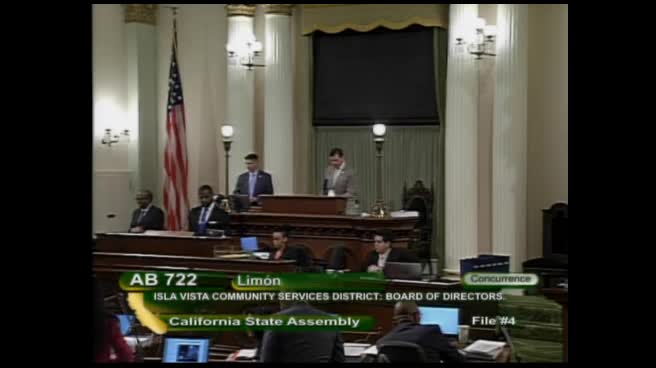 50SEC
Assembly Floor
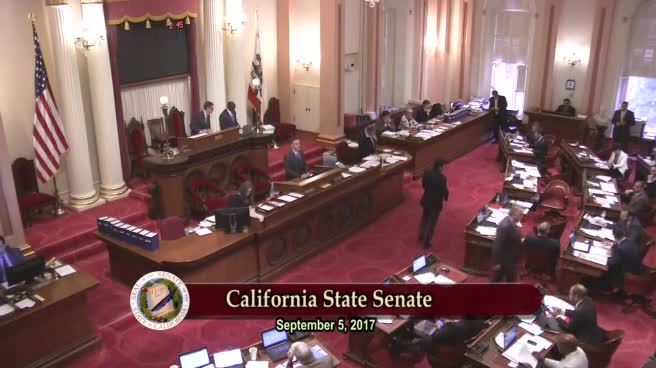 2MIN
Senate Floor
 13MIN
Senate Standing Committee on Business, Professions and Economic Development
 1MIN
Assembly Standing Committee on Judiciary
 6MIN
Assembly Standing Committee on Business and Professions
Bill Author

Bill Co-Author(s):






