AB 532: Drug courts: drug and alcohol assistance.
- Session Year: 2017-2018
- House: Assembly
- Latest Version Date: 2017-09-07
Existing law authorizes counties to provide drug court programs for specified individuals. Existing law authorizes the presiding judge of the superior court, together with the district attorney and the public defender, to establish a preguilty plea drug court program that includes a regimen of graduated sanctions and rewards, individual and group therapy, and educational or vocational counseling, among other things.
This bill, until January 1, 2020, would clarify that a court may collaborate with outside organizations on a program to offer mental health and addiction treatment services, as defined, to women who are charged in a complaint that consists only of misdemeanor offenses or who are on probation for one or more misdemeanor offenses. The bill would exclude from these provisions a woman who is charged with a felony or who is under supervision for a felony conviction.
Existing law authorizes counties to provide drug court programs for specified individuals. Existing law authorizes the presiding judge of the superior court, together with the district attorney and the public defender, to establish a preguilty plea drug court program that includes a regimen of graduated sanctions and rewards, individual and group therapy, and educational or vocational counseling, among other things.
This bill, until January 1, 2020, would authorize clarify that a court to develop may collaborate with outside organizations on a program to offer mental health and addiction treatment services, as defined, to women who are charged in a complaint that consists only of misdemeanor offenses or who are on probation for one or more misdemeanor offenses. The bill would exclude from these provisions a woman who is charged with a felony or who is under supervision for a felony conviction.
Existing law authorizes counties to provide drug court programs for specified individuals. Existing law authorizes the presiding judge of the superior court, together with the district attorney and the public defender, to establish a preguilty plea drug court program that includes a regimen of graduated sanctions and rewards, individual and group therapy, and educational or vocational counseling, among other things.
This bill, until January 1, 2020, would authorize a court to develop a program to offer mental health and addiction treatment services, as defined, to women who are charged in a complaint that consists only of misdemeanor offenses or who are on probation for one or more misdemeanor offenses. The bill would exclude from these provisions a woman who is charged with a felony or who is under supervision for a felony conviction. The bill would require the Judicial Council to, on or before January 1, 2020, send a report to the Legislature on the operation of these programs.
Existing law authorizes counties to provide drug court programs for specified individuals. Existing law authorizes the presiding judge of the superior court, together with the district attorney and the public defender, to establish a preguilty plea drug court program that includes a regimen of graduated sanctions and rewards, individual and group therapy, and educational or vocational counseling, among other things.
This bill, until January 1, 2020, would authorize a court to develop a program to offer mental health and addiction treatment services, as defined, to women who are charged with a misdemeanor offense or have a prior misdemeanor conviction. in a complaint that consists only of misdemeanor offenses or who are on probation for one or more misdemeanor offenses. The bill would exclude from these provisions a woman who is charged with a felony or who is under supervision for a felony conviction. The bill would require the Judicial Council to, on or before January 1, 2020, send a report to the Legislature on the operation of these programs.
Existing law authorizes counties to provide drug court programs for specified individuals. Existing law authorizes the presiding judge of the superior court, together with the District Attorney district attorney and the Public Defender, public defender, to establish a preguilty plea drug court program that includes a regimen of graduated sanctions and rewards, individual and group therapy, and educational or vocational counseling, among other things.
This bill, until January 1, 2020, would authorize a court to develop a program to offer mental health and addiction treatment services, as defined, to women who are charged with a misdemeanor offense or have a prior misdemeanor conviction. The bill would require the Judicial Council to, on or before January 1, 2020, send a report to the Legislature on the operation of these programs.
Existing law authorizes counties to provide drug court programs for specified individuals. Existing law authorizes the presiding judge of the superior court, together with the District Attorney and the Public Defender, to establish a preguilty plea drug court program that includes a regimen of graduated sanctions and rewards, individual and group therapy, and educational or vocational counseling, among other things.
This bill, until January 1, 2020, would authorize a court to develop a program to offer mental health and addiction treatment services, as defined, to women who are charged with a misdemeanor offense or have a prior misdemeanor conviction. The bill would require the Judicial Council to, on or before January 1, 2020, send a report to the Legislature on the operation of these programs.
Existing law establishes the Golden Bear State Pharmacy Assistance Program to provide prescription drug discounts for noninstitutionalized Medicare beneficiaries. The bill authorizes any pharmacy or drug manufacturer to participate in the program.This bill would make a technical, nonsubstantive change to that provision.Existing law establishes the Golden Bear State Pharmacy Assistance Program to provide prescription drug discounts for noninstitutionalized Medicare beneficiaries. The bill authorizes any pharmacy or drug manufacturer to participate in the program.
This bill would make a technical, nonsubstantive change to that provision.
(a)A court may collaborate with outside organizations to develop, implement, and administer a program to offer mental health and addiction treatment services to women who are charged in a complaint that consists only of misdemeanor offenses or who are on probation for one or more misdemeanor offenses. This subdivision does not apply to women who are charged with a felony or are under supervision for any felony conviction.
(b)Mental health and addiction treatment services means evidence-based treatment and recovery wraparound support services, including, but not limited to:
(1)Mental health and substance abuse treatment, including, but not limited to:
(A)Addiction counseling.
(B)Inpatient detoxification.
(C)Case management.
(D)Daily living skills.
(E)Medication-assisted treatment or any other federally approved medication.
(2)Vocational services.
(3)Housing assistance.
(4)Community support services.
(5)Care coordination.
(6)Transportation assistance.
(7)Mental health and substance abuse assessments.
(8)Child care services.
(c)This section shall remain in effect only until January 1, 2020, and as of that date is repealed.
(a)A court may develop collaborate with outside organizations to develop, implement, and administer a program to offer mental health and addiction treatment services to women who are charged in a complaint that consists only of misdemeanor offenses or who are on probation for one or more misdemeanor offenses. This subdivision does not apply to women who are charged with a felony or are under supervision for any felony conviction.
(b)Mental health and addiction treatment services means evidence-based treatment and recovery wraparound support services, including, but not limited to:
(1)Mental health and substance abuse treatment, including, but not limited to:
(A)Addiction counseling.
(B)Inpatient detoxification.
(C)Case management.
(D)Daily living skills.
(E)Medication-assisted treatment or any other federally approved medication.
(2)Vocational services.
(3)Housing assistance.
(4)Community support services.
(5)Care coordination.
(6)Transportation assistance.
(7)Mental health and substance abuse assessments.
(8)Child care services.
(c)This section shall remain in effect only until January 1, 2020, and as of that date is repealed.
(a)A court may develop a program to offer mental health and addiction treatment services to women who are charged in a complaint that consists only of misdemeanor offenses or who are on probation for one or more misdemeanor offenses. This subdivision does not apply to women who are charged with a felony or are under supervision for any felony conviction.
(b)Mental health and addiction treatment services means evidence-based treatment and recovery wraparound support services, including, but not limited to:
(1)Mental health and substance abuse treatment, including, but not limited to:
(A)Addiction counseling.
(B)Inpatient detoxification.
(C)Case management.
(D)Daily living skills.
(E)Medication-assisted treatment or any other federally approved medication.
(2)Vocational services.
(3)Housing assistance.
(4)Community support services.
(5)Care coordination.
(6)Transportation assistance.
(7)Mental health and substance abuse assessments.
(c)(1)On or before January 1, 2020, the Judicial Council shall send a report to the Legislature on the operation of programs pursuant to this section.(2)A report to be submitted pursuant to this subdivision shall be submitted in compliance with Section 9795 of the Government Code.(d)(c)This section shall remain in effect only until January 1, 2020, and as of that date is repealed.
(a)A court may develop a program to offer mental health and addiction treatment services to women who are charged with a misdemeanor offense or have a prior misdemeanor conviction. in a complaint that consists only of misdemeanor offenses or who are on probation for one or more misdemeanor offenses. This subdivision does not apply to women who are charged with a felony or are under supervision for any felony conviction.
(b)Mental health and addiction treatment services means evidence-based treatment and recovery wraparound support services, including, but not limited to:
(1)Mental health and substance abuse treatment, including, but not limited to:
(A)Addiction counseling.
(B)Inpatient detoxification.
(C)Case management.
(D)Daily living skills.
(E)Medication-assisted treatment or any other federally approved medication.
(2)Vocational services.
(3)Housing assistance.
(4)Community support services.
(5)Care coordination.
(6)Transportation assistance.
(7)Mental health and substance abuse assessments.
(c)(1)On or before January 1, 2020, the Judicial Council shall send a report to the Legislature on the operation of programs pursuant to this section.
(2)A report to be submitted pursuant to this subdivision shall be submitted in compliance with Section 9795 of the Government Code.
(d)This section shall remain in effect only until January 1, 2020, and as of that date is repealed.
(a)A court may develop a program to offer mental health and addiction treatment services to women who are charged with a misdemeanor offense or have a prior misdemeanor conviction.
(b)Mental health and addiction treatment services means evidence-based treatment and recovery wraparound support services, including, but not limited to:
(1)Mental health and substance abuse treatment, including, but not limited to:
(A)Addiction counseling.
(B)Inpatient detoxification.
(C)Case management.
(D)Daily living skills.
(E)Medication assisted treatment, including federal Food and Drug Administration-approved long acting, nonaddictive medication for the treatment of opioid or alcohol dependence.(E)Medication-assisted treatment or any other federally approved medication.
(2)Vocational services.
(3)Housing assistance.
(4)Community support services.
(5)Care coordination.
(6)Transportation assistance.
(7)Mental health and substance abuse assessments.
(c)(1)On or before January 1, 2020, the Judicial Council shall send a report to the Legislature on the operation of programs pursuant to this section.
(2)A report to be submitted pursuant to this subdivision shall be submitted in compliance with Section 9795 of the Government Code.
(d)This section shall remain in effect only until January 1, 2020, and as of that date is repealed.
(a)A court may develop a program to offer mental health and addiction treatment services to women who are charged with a misdemeanor offense or have a prior misdemeanor conviction.
(b)Mental health and addiction treatment services means evidence-based treatment and recovery wraparound support services, including, but not limited to:
(1)Mental health and substance abuse treatment, including, but not limited to:
(A)Addiction counseling.
(B)Inpatient detoxification.
(C)Case management.
(D)Daily living skills.
(E)Medication assisted treatment, including federal Food and Drug Administration-approved long acting, nonaddictive medication for the treatment of opioid or alcohol dependence.
(2)Vocational services.
(3)Housing assistance.
(4)Community support services.
(5)Care coordination.
(6)Transportation assistance.
(7)Mental health and substance abuse assessments.
(c)(1)On or before January 1, 2020, the Judicial Council shall send a report to the Legislature on the operation of programs pursuant to this section.
(2)A report to be submitted pursuant to this subdivision shall be submitted in compliance with Section 9795 of the Government Code.
(d)This section shall remain in effect only until January 1, 2020, and as of that date is repealed.
SECTION 1.Section 130402 of the Health and Safety Code is amended to read:130402.(a) Any pharmacy may participate in the program provided for under this division. However, this division applies only to prescriptions dispensed to noninstitutionalized Medicare beneficiaries.(b) Any drug manufacturer may participate in the program provided for under this division.(a) Any pharmacy may participate in the program provided for under this division. However, this division shall apply applies only to prescriptions dispensed to noninstitutionalized Medicare beneficiaries.
(b) Any drug manufacturer may participate in the program provided for under this division.
|
Date
|
Status
|
|---|---|
| Jan 12, 2018 | Stricken from file. |
| Jan 3, 2018 | Consideration of Governor's veto pending. |
| Sep 28, 2017 | Vetoed by Governor. |
| Sep 12, 2017 | Enrolled and presented to the Governor at 2:30 p.m. |
| Sep 5, 2017 | Senate amendments concurred in. To Engrossing and Enrolling. (Ayes 77. Noes 0.). |
| Aug 31, 2017 | In Assembly. Concurrence in Senate amendments pending. May be considered on or after September 2 pursuant to Assembly Rule 77. |
| Aug 31, 2017 | Read third time. Passed. Ordered to the Assembly. |
| Aug 24, 2017 | Read second time. Ordered to third reading. |
| Aug 23, 2017 | From Consent Calendar. |
| Aug 22, 2017 | Read second time. Ordered to Consent Calendar. |
| Aug 21, 2017 | From committee: Be placed on second reading file pursuant to Senate Rule 28.8 and ordered to consent calendar. |
| Jul 12, 2017 | From committee: Do pass and re-refer to Com. on APPR. with recommendation: To Consent Calendar. (Ayes 7. Noes 0.) (July 11). Re-referred to Com. on APPR. |
| Jun 29, 2017 | From committee: Do pass and re-refer to Com. on PUB. S. (Ayes 7. Noes 0.) (June 28). Re-referred to Com. on PUB. S. |
| Jun 14, 2017 | Referred to Coms. on HEALTH and PUB. S. |
| Jun 1, 2017 | In Senate. Read first time. To Com. on RLS. for assignment. |
| May 31, 2017 | Read third time. Passed. Ordered to the Senate. (Ayes 76. Noes 0. Page 1931.) |
| May 30, 2017 | Read second time. Ordered to third reading. |
| May 26, 2017 | Read second time and amended. Ordered returned to second reading. |
| May 10, 2017 | In committee: Set, first hearing. Referred to APPR. suspense file. |
| May 1, 2017 | Re-referred to Com. on APPR. |
| Apr 27, 2017 | Read second time and amended. |
| Apr 26, 2017 | From committee: Amend, and do pass as amended and re-refer to Com. on APPR. with recommendation: To Consent Calendar. (Ayes 7. Noes 0.) (April 25). |
| Apr 19, 2017 | From committee chair, with author's amendments: Amend, and re-refer to Com. on PUB. S. Read second time and amended. |
| Apr 20, 2017 | Re-referred to Com. on PUB. S. |
| Apr 19, 2017 | From committee: Do pass and re-refer to Com. on PUB. S. (Ayes 14. Noes 0.) (April 18). Re-referred to Com. on PUB. S. |
| Mar 27, 2017 | Re-referred to Com. on HEALTH. |
| Mar 23, 2017 | From committee chair, with author's amendments: Amend, and re-refer to Com. on HEALTH. Read second time and amended. |
| Mar 23, 2017 | Referred to Coms. on HEALTH and PUB. S. |
| Feb 14, 2017 | From printer. May be heard in committee March 16. |
| Feb 13, 2017 | Read first time. To print. |
|
Date
|
Description
|
Location
|
Votes
|
|
|---|---|---|---|---|
| Sep 5, 2017 | AB 532 WALDRON Concurrence in Senate Amendments | Assembly Floor |
Passed |
|
| Aug 31, 2017 | Assembly 3rd Reading AB532 Waldron et al. By Beall | Senate Floor |
Passed |
|
| Jul 11, 2017 | Do pass, but first be re-referred to the Committee on [Appropriations] with the recommendation: To Consent Calendar | Senate Standing Committee on Public Safety |
Passed |
|
| Jun 28, 2017 | Do pass, but first be re-referred to the Committee on [Public Safety] | Senate Standing Committee on Health |
Passed |
|
| May 31, 2017 | AB 532 WALDRON Assembly Third Reading | Assembly Floor |
Passed |
|
| May 26, 2017 | Do pass as amended. | Assembly Standing Committee on Appropriations |
Passed |
|
| Apr 25, 2017 | Do pass as amended, and be re-referred to the Committee on [Appropriations] with recommendation: To Consent Calendar | Assembly Standing Committee on Public Safety |
Passed |
|
| Apr 18, 2017 | Do pass and be re-referred to the Committee on [Public Safety] | Assembly Standing Committee on Health |
Passed |
This list shows positions taken on this bill by organizations on the date displayed, which is linked to the original source.
Positions by individuals are not included.
|
Organization
|
Position
|
Date
|
|---|---|---|
| California Consortium of Addiction Programs and Professionals | ** Support | Aug 25, 2017 |
| California Council Of Community Behavioral Health Agencies | ** Support | Aug 25, 2017 |
| California Society Of Addiction Medicine | ** Against | Apr 14, 2017 |
| County Behavioral Health Directors | * Support | Jun 28, 2017 |
| County Of Riverside District Attorney Michael Hestrin | ** Support | Aug 25, 2017 |
| National Association of Social Workers | ** Support | Aug 25, 2017 |
| pacific reentry career services | ** Support | Aug 25, 2017 |
GOVERNOR'S VETO
GV Bill Id:AB 532
Author:(Waldron)
As Enrolled Ver:September 7, 2017
2/3 vote
ASSEMBLY: | 76-0 | (May 31, 2017) | SENATE: | 38-0 | (August 31, 2017) |
ASSEMBLY: | 77-0 | (September 5, 2017) |
Original Committee Reference: HEALTH
SUMMARY: Authorizes a court to develop a program to offer mental health and addiction treatment services, as defined, to women charged with specified non-felony complaints and sunsets the provisions of this bill on January 1, 2020.
The Senate amendments permit a court to collaborate with outside organization ns to develop, implement, and administer a program to offer mental health and addiction treatment services, as defined. Include child care services as mental health and addiction treatment services. Add Senator Beall as a coauthor of this bill.
FISCAL EFFECT: According to the Senate Appropriations Committee, pursuant to Senate Rule 28.8, negligible state costs.
COMMENTS: According to the author, this bill is an attempt to address a massive hole in the services the state provides to those who have been formally incarcerated. The goal of this bill is to help those who have made mistakes by providing wrap around services. Many of these services already exist on a state, federal, or local level, but we need to align the services and make them accessible.
- Mental Illness in Prisons. According to a 2014 Kaiser Health News article, mental illness affects a greater percentage of jailed women than men:
- In state prisons, 73% of women and 55% of men have at least one mental health problem;
- In federal prisons, 61% of women and 44% of men have at least one mental health problem; and,
- In local jails, 75% of women and 63% of men have at least one mental health problem.
The Patient Protection and Affordable Care Act, and its expansion of Medicaid, is expected to connect previously uninsured ex-offenders with medical care and mental health treatment. But in the short term, jails and prisons remain the places where those with severe psychosis are housed. There are now three times more people with serious mental illness incarcerated in the United States than in hospitals, and the types of behavioral and mental health problems among inmates are becoming more severe.
Even psychiatric patients who are actively being treated often get tangled up in the criminal justice system: in 2012, researchers reported that 12% of adult psychiatric patients receiving treatment in the San Diego county health system had been incarcerated; and, in 2013, 28% of Connecticut residents being treated for schizophrenia and bipolar disorder had been arrested or detained.
In trying to explain the rise in mental illness in prisons and jails, public health officials and researchers point to the closure of state psychiatric hospitals in the late 1960s. The closures were meant to allow patients to return to their families and live independently. In the ensuing decades, though, men and women once housed in institutions found themselves arrested, often for minor offenses. In Ohio, among 132 patients discharged from the state hospital, 17% of them were arrested within six months. By 2006, the Department of Justice reported that one in six inmates in state prisons and one in four in local jails were psychotic.
- Women and Substance Use Disorders. According to the National Institute of Drug Abuse, gender-related drug abuse treatment should attend not only to biological differences but also to social and environmental factors, all of which can influence the motivations for drug use, the reasons for seeking treatment, the types of environments where treatment is obtained, the treatments that are most effective, and the consequences of not receiving treatment. Many life circumstances predominate in women as a group, which may require a specialized treatment approach. For example, research has shown that physical and sexual trauma followed by post-traumatic stress disorder is more common in drug-abusing women than in men seeking treatment. Other factors unique to women that can influence the treatment process include issues around how they come into treatment (as women are more likely than men to seek the assistance of a general or mental health practitioner), financial independence, and pregnancy and child care.
Additionally, the Substance Abuse and Mental Health Services Administration of the United States Department of Health and Human Services states that as with the risk for substance abuse and its consequences, optimal processes for treatment and recovery differ by gender, race, ethnicity, sexual orientation, and other factors. Women are as likely as men to stay in treatment once it is initiated. Factors that encourage women to stay in treatment include supportive therapy, a collaborative therapeutic alliance, onsite childcare and children's services, and other integrated and comprehensive treatment services. Diagnoses of post-traumatic stress and other anxiety disorders, postpartum depression and other mood disorders, and eating disorders are more prevalent among women with substance use and co-occurring mental disorders than among men in treatment for substance use disorders. Women have comparable abstinence rates with men and are as likely to complete treatment. Even so, women are more likely to have positive treatment outcomes in terms of less incarceration, higher rates of employment, and more established recovery-oriented social support systems.
This bill authorizes a court to collaborate with outside organizations to develop a program to offer mental health and addiction treatment services to women charged with specified non-felony complaints.
The programs to assist women in jail contemplated by this bill are laudatory, but the judicial branch already has full authority to develop collaborative courts which address these kinds of treatment services.
Analysis Prepared by: Kristene Mapile / HEALTH / (916) 319-2097 FN: 0002430
CONCURRENCE IN SENATE AMENDMENTS
CSA1 Bill Id:AB 532
Author:(Waldron)
As Amended Ver:August 23, 2017
Majority vote
ASSEMBLY: | 76-0 | (May 31, 2017) | SENATE: | 38-0 | (August 31, 2017) |
Original Committee Reference: HEALTH
SUMMARY: Authorizes a court to develop a program to offer mental health and addiction treatment services, as defined, to women charged with specified non-felony complaints and sunsets the provisions of this bill on January 1, 2020.
The Senate amendments permit a court to collaborate with outside organizations to develop, implement, and administer a program to offer mental health and addiction treatment services, as defined. Includes child care services as mental health and addiction treatment services. Adds Senator Beall as a coauthor of this bill.
FISCAL EFFECT: According to the Senate Appropriations Committee, pursuant to Senate Rule 28.8, negligible state costs.
COMMENTS: According to the author, this bill is an attempt to address a massive hole in the services the state provides to those who have been formally incarcerated. The goal of this bill is to help those who have made mistakes by providing wrap around services. Many of these services already exist on a state, federal, or local level, but we need to align the services and make them accessible.
- Mental Illness in Prisons. According to a 2014 Kaiser Health News article, mental illness affects a greater percentage of jailed women than men:
- In state prisons, 73% of women and 55% of men have at least one mental health problem;
- In federal prisons, 61% of women and 44% of men have at least one mental health problem; and,
- In local jails, 75% of women and 63% of men have at least one mental health problem.
The Patient Protection and Affordable Care Act, and its expansion of Medicaid, is expected to connect previously uninsured ex-offenders with medical care and mental health treatment. But in the short term, jails and prisons remain the places where those with severe psychosis are housed. There are now three times more people with serious mental illness incarcerated in the United States than in hospitals, and the types of behavioral and mental health problems among inmates are becoming more severe.
Even psychiatric patients who are actively being treated often get tangled up in the criminal justice system: in 2012, researchers reported that 12% of adult psychiatric patients receiving treatment in the San Diego county health system had been incarcerated; and, in 2013, 28% of Connecticut residents being treated for schizophrenia and bipolar disorder had been arrested or detained.
In trying to explain the rise in mental illness in prisons and jails, public health officials and researchers point to the closure of state psychiatric hospitals in the late 1960s. The closures were meant to allow patients to return to their families and live independently. In the ensuing decades, though, men and women once housed in institutions found themselves arrested, often for minor offenses. In Ohio, among 132 patients discharged from the state hospital, 17% of them were arrested within six months. By 2006, the Department of Justice reported that one in six inmates in state prisons and one in four in local jails were psychotic.
- Women and Substance Use Disorders. According to the National Institute of Drug Abuse, gender-related drug abuse treatment should attend not only to biological differences but also to social and environmental factors, all of which can influence the motivations for drug use, the reasons for seeking treatment, the types of environments where treatment is obtained, the treatments that are most effective, and the consequences of not receiving treatment. Many life circumstances predominate in women as a group, which may require a specialized treatment approach. For example, research has shown that physical and sexual trauma followed by post-traumatic stress disorder is more common in drug-abusing women than in men seeking treatment. Other factors unique to women that can influence the treatment process include issues around how they come into treatment (as women are more likely than men to seek the assistance of a general or mental health practitioner), financial independence, and pregnancy and child care.
Additionally, the Substance Abuse and Mental Health Services Administration of the United States Department of Health and Human Services states that as with the risk for substance abuse and its consequences, optimal processes for treatment and recovery differ by gender, race, ethnicity, sexual orientation, and other factors. Women are as likely as men to stay in treatment once it is initiated. Factors that encourage women to stay in treatment include supportive therapy, a collaborative therapeutic alliance, onsite childcare and children's services, and other integrated and comprehensive treatment services. Diagnoses of post-traumatic stress and other anxiety disorders, postpartum depression and other mood disorders, and eating disorders are more prevalent among women with substance use and co-occurring mental disorders than among men in treatment for substance use disorders. Women have comparable abstinence rates with men and are as likely to complete treatment. Even so, women are more likely to have positive treatment outcomes in terms of less incarceration, higher rates of employment, and more established recovery-oriented social support systems.
Analysis Prepared by: Kristene Mapile / HEALTH / (916) 319-2097 FN: 0001530
Office of Senate Floor Analyses (916) 651-1520 Fax: (916) 327-4478 | AB |
THIRD READING
Bill No: AB 532
:
SENATE HEALTH COMMITTEE: 7-0, 6/28/17
AYES: Hernandez, Nguyen, Atkins, Leyva, Newman, Nielsen, Roth
NO VOTE RECORDED: Mitchell, Monning
SENATE PUBLIC SAFETY COMMITTEE: 7-0, 7/11/17
AYES: Skinner, Anderson, Bradford, Jackson, Mitchell, Stone, Wiener
SENATE APPROPRIATIONS COMMITTEE: Senate Rule 28.8
ASSEMBLY FLOOR: 76-0, 5/31/17 - See last page for vote
DIGEST:
This bill permits a court, until January 1, 2020, to develop a program to offer mental health and addiction treatment services, as specified, to women who are charged in a complaint that consists only of misdemeanor offenses or who are on probation for one or more misdemeanor offenses.
Senate Floor Amendments of 8/23/17 specify that a court is permitted to collaborate with outside organizations to provide mental health and addiction treatment services, as specified. The amendments also add Senator Beall as a coauthor of the bill.
Existing law:
- Permits a county, at its option, pursuant to the Drug Court Programs Act, to provide a drug court program, in coordination with the county alcohol and drug program administrator and the presiding judge in the county, as specified, and to develop a plan for the operation of the program.
- Requires the drug court plan to describe existing programs that serve substance abusing persons, as specified; provide a local action plan for implementing cost-effective drug court systems, as specified; develop information-sharing systems to ensure that county actions are fully coordinated, and to provide data for measuring the success of the local action plan, as specified; and to identify outcome measures that will determine the cost effectiveness of the local action plan.
- Expresses the intent of the Legislature that drug court programs include:
- Integration by drug courts of alcohol and other drug treatment services with justice system case processing;
- Promotion of public safety, while protecting participants’ due process rights, as specified;
- Early identification of eligible participants and prompt placement in the drug court program;
- Access provided by drug courts to a continuum of alcohol, drug, and other related treatment and rehabilitation services;
- Frequent alcohol and other drug testing to monitor abstinence;
- A coordinated strategy to govern drug court responses to participants’ compliance;
- Ongoing judicial interaction with each drug court participant;
- Monitoring and evaluation to measure the achievement of program goals and gauge effectiveness;
- Continuing interdisciplinary education to promote effective drug court planning, implementation, and operations; and,
- Forging partnerships among drug courts, public agencies, and community-based organizations to generate local support and enhance drug court program effectiveness.
- Permits funds contained in each county’s Behavioral Health Subaccount of the Support Services Account of the Local Revenue Fund 2011 to be used to fund the cost of drug court treatment programs, as specified.
- Establishes specially designed court calendars that provide an alternative to traditional criminal justice prosecution for nonviolent drug-related offenses. These courts combine close judicial oversight and monitoring with probation supervision and substance abuse treatment services.
This bill:
- Permits a court, until January 1, 2020, to develop a program to offer mental health and addiction treatment services to women who are charged in a complaint that consists only of misdemeanor offenses or who are on probation for one or more misdemeanor offenses. Prohibits this bill from applying to women who are charged with a felony or are under supervision for any felony conviction.
- Defines “mental health and addiction treatment services” as evidence-based treatment and recovery wraparound support services that include, but are not limited to:
- Mental health and substance abuse treatment, including addiction counseling, inpatient detoxification, case management, daily living skills, and medication-assisted treatment (MAT) or any other federally approved medication;
- Vocational services;
- Housing assistance;
- Community support services;
- Care coordination;
- Transportation assistance; and,
- Mental health and substance abuse assessments.
Background
- According to a 2014 Kaiser Health News article, mental illness affects a greater percentage of jailed women than men. In state prisons, 73% of women and 55% of men have at least one mental health problem. In federal prisons, 61% of women and 44% of men have at least one mental health problem. In local jails, 75% of women and 63% of men have at least one mental health problem. According to the federal Substance Abuse and Mental Health Services Administration (SAMHSA) Web site, more than 2,700 drug courts are in operation today in the United States. About half of these are adult drug treatment courts. Developed to decrease recidivism among substance-involved offenders, adult drug courts oversee substance use disorder (SUD) treatment for criminal offenders accepted into these programs. Many drug court participants need treatment for opioid dependence. Medications can be an important part of effective treatment for offenders dependent on opioids, decreasing craving and withdrawal symptoms, blocking euphoria if relapse occurs, augmenting the effect of counseling, and reducing recidivism and re-incarceration. Many national and international professional bodies consider MAT with methadone, buprenorphine, or extended-release injectable naltrexone an evidence-based best practice for treating opioid dependence. However, many drug courts do not recommend (or even allow) the use of MAT for opioid dependence. For example, a 2010 survey of 103 drug courts found that, whereas 98% reported that at least some of their drug court participants were opioid dependent, only 56% of the courts offered any form of MAT to participants.
- MAT. According to SAMHSA, MAT is treatment for addiction that includes the use of medication along with counseling and other support. Treatment that includes medication is often the best choice for opioid addiction. If a person is addicted, medication allows him or her to regain a normal state of mind, free of drug-induced highs and lows. It can reduce problems of withdrawal and craving. These changes can give the person the chance to focus on the lifestyle changes that lead back to healthy living. Taking medication for opioid addiction is like taking medication to control heart disease or diabetes and is not the same as substituting one addictive drug for another. Used properly, the medication does not create a new addiction. Not all MAT therapies currently used by physicians are controlled substances, such as naltrexone and naloxone (medications that stop opioid overdoses) and disulferam (used in treatment of alcoholism).
- Women and SUDs. According to the National Institute of Drug Abuse, gender-related drug abuse treatment should attend not only to biological differences but also to social and environmental factors, all of which can influence the motivations for drug use, the reasons for seeking treatment, the types of environments where treatment is obtained, the treatments that are most effective, and the consequences of not receiving treatment. Many life circumstances predominate in women as a group, which may require a specialized treatment approach. For example, research has shown that physical and sexual trauma followed by post-traumatic stress disorder is more common in drug-abusing women than in men seeking treatment. Other factors unique to women that can influence the treatment process include issues around how they come into treatment (as women are more likely than men to seek the assistance of a general or mental health practitioner), financial independence, and pregnancy and child care. Additionally, SAMHSA states that as with the risk for SUDs and its consequences, optimal processes for treatment and recovery differ by gender, race, ethnicity, sexual orientation, and other factors. Women are as likely as men to stay in treatment once it is initiated. Factors that encourage women to stay in treatment include supportive therapy, a collaborative therapeutic alliance, onsite childcare and children’s services, and other integrated and comprehensive treatment services. Diagnoses of post-traumatic stress and other anxiety disorders, postpartum depression and other mood disorders, and eating disorders are more prevalent among women with SUDs and co-occurring mental health disorders than among men in treatment for SUDs.
Comments
- Author’s statement. According to the author, women in county jails face unique challenges. More often than not, they have young children whose lives become disrupted. Documentaries have shown that once women enter the system they tend to continue to commit offenses. This bill will help break the vicious cycle of recidivism by authorizing county courts to develop and implement addiction, mental health treatment, and other services for females that have been charged with a misdemeanor. Women who are provided with these services will be able to focus on improving their lives and getting on the straight and narrow. Many of these offenders have hit rock bottom and it is our duty as a state to help rehabilitate them by offering them the services that they need. The goal of AB 532 is to help those who have made mistakes turn their life around by providing them with rehabilitation services at the first point of contact rather than allowing them to simply become another statistic.
FISCAL EFFECT: Appropriation: Fiscal Com.: Local:
California Consortium of Addiction Programs and Professionals
California Council of Community Behavioral Health Agencies
County of Riverside District Attorney Michael Hestrin
National Association of Social Workers
Pacific Reentry Career Services
OPPOSITION: (Verified 8/21/17)
None received
ARGUMENTS IN SUPPORT: The California Consortium of Addiction Programs and Professionals writes in support that this bill will provide important resources to women facing misdemeanors who are often at a lower placement criteria for addiction treatment, and that this critical intervention will save lives, reunite families, and improve communities. Pacific Reentry Career Services states that the formerly incarcerated often struggle to find employment because of the stigma attached to having a criminal record, and that this bill will help women break the cycle of addiction and incarceration by getting the services they need to get their lives back on track.
ASSEMBLY FLOOR: 76-0, 5/31/17
AYES: Acosta, Aguiar-Curry, Travis Allen, Arambula, Baker, Berman, Bigelow, Bloom, Bocanegra, Bonta, Brough, Burke, Caballero, Calderon, Cervantes, Chau, Chávez, Chiu, Chu, Cooley, Cooper, Cunningham, Dababneh, Dahle, Daly, Flora, Fong, Frazier, Friedman, Gallagher, Cristina Garcia, Eduardo Garcia, Gipson, Gloria, Gomez, Gonzalez Fletcher, Gray, Grayson, Harper, Holden, Irwin, Jones-Sawyer, Kalra, Kiley, Lackey, Levine, Limón, Low, Maienschein, Mathis, Mayes, McCarty, Medina, Mullin, Muratsuchi, Nazarian, Obernolte, O'Donnell, Patterson, Quirk, Quirk-Silva, Reyes, Ridley-Thomas, Rodriguez, Rubio, Salas, Santiago, Steinorth, Mark Stone, Thurmond, Ting, Voepel, Waldron, Weber, Wood, Rendon
NO VOTE RECORDED: Chen, Choi, Eggman, Melendez
8/25/17 11:36:29
**** END ****
Office of Senate Floor Analyses (916) 651-1520 Fax: (916) 327-4478 | AB |
CONSENT
Bill No: AB 532
:
SENATE HEALTH COMMITTEE: 7-0, 6/28/17
AYES: Hernandez, Nguyen, Atkins, Leyva, Newman, Nielsen, Roth
NO VOTE RECORDED: Mitchell, Monning
SENATE PUBLIC SAFETY COMMITTEE: 7-0, 7/11/17
AYES: Skinner, Anderson, Bradford, Jackson, Mitchell, Stone, Wiener
SENATE APPROPRIATIONS COMMITTEE: Senate Rule 28.8
ASSEMBLY FLOOR: 76-0, 5/31/17 - See last page for vote
DIGEST:
This bill permits a court, until January 1, 2020, to develop a program to offer mental health and addiction treatment services, as specified, to women who are charged in a complaint that consists only of misdemeanor offenses or who are on probation for one or more misdemeanor offenses.
ANALYSIS:
Existing law:
- Permits a county, at its option, pursuant to the Drug Court Programs Act, to provide a drug court program, in coordination with the county alcohol and drug program administrator and the presiding judge in the county, as specified, and to develop a plan for the operation of the program.
- Requires the drug court plan to describe existing programs that serve substance abusing persons, as specified; provide a local action plan for implementing cost-effective drug court systems, as specified; develop information-sharing systems to ensure that county actions are fully coordinated, and to provide data for measuring the success of the local action plan, as specified; and to identify outcome measures that will determine the cost effectiveness of the local action plan.
- Expresses the intent of the Legislature that drug court programs include:
- Integration by drug courts of alcohol and other drug treatment services with justice system case processing;
- Promotion of public safety, while protecting participants’ due process rights, as specified;
- Early identification of eligible participants and prompt placement in the drug court program;
- Access provided by drug courts to a continuum of alcohol, drug, and other related treatment and rehabilitation services;
- Frequent alcohol and other drug testing to monitor abstinence;
- A coordinated strategy to govern drug court responses to participants’ compliance;
- Ongoing judicial interaction with each drug court participant;
- Monitoring and evaluation to measure the achievement of program goals and gauge effectiveness;
- Continuing interdisciplinary education to promote effective drug court planning, implementation, and operations; and,
- Forging partnerships among drug courts, public agencies, and community-based organizations to generate local support and enhance drug court program effectiveness.
- Permits funds contained in each county’s Behavioral Health Subaccount of the Support Services Account of the Local Revenue Fund 2011 to be used to fund the cost of drug court treatment programs, as specified.
- Establishes specially designed court calendars that provide an alternative to traditional criminal justice prosecution for nonviolent drug-related offenses. These courts combine close judicial oversight and monitoring with probation supervision and substance abuse treatment services.
This bill:
- Permits a court, until January 1, 2020, to develop a program to offer mental health and addiction treatment services to women who are charged in a complaint that consists only of misdemeanor offenses or who are on probation for one or more misdemeanor offenses. Prohibits this bill from applying to women who are charged with a felony or are under supervision for any felony conviction.
- Defines “mental health and addiction treatment services” as evidence-based treatment and recovery wraparound support services that include, but are not limited to:
- Mental health and substance abuse treatment, including addiction counseling, inpatient detoxification, case management, daily living skills, and medication-assisted treatment (MAT) or any other federally approved medication;
- Vocational services;
- Housing assistance;
- Community support services;
- Care coordination;
- Transportation assistance; and,
- Mental health and substance abuse assessments.
Background
- According to a 2014 Kaiser Health News article, mental illness affects a greater percentage of jailed women than men. In state prisons, 73% of women and 55% of men have at least one mental health problem. In federal prisons, 61% of women and 44% of men have at least one mental health problem. In local jails, 75% of women and 63% of men have at least one mental health problem. According to the federal Substance Abuse and Mental Health Services Administration (SAMHSA) Web site, more than 2,700 drug courts are in operation today in the United States. About half of these are adult drug treatment courts. Developed to decrease recidivism among substance-involved offenders, adult drug courts oversee substance use disorder (SUD) treatment for criminal offenders accepted into these programs. Many drug court participants need treatment for opioid dependence. Medications can be an important part of effective treatment for offenders dependent on opioids, decreasing craving and withdrawal symptoms, blocking euphoria if relapse occurs, augmenting the effect of counseling, and reducing recidivism and re-incarceration. Many national and international professional bodies consider MAT with methadone, buprenorphine, or extended-release injectable naltrexone an evidence-based best practice for treating opioid dependence. However, many drug courts do not recommend (or even allow) the use of MAT for opioid dependence. For example, a 2010 survey of 103 drug courts found that, whereas 98% reported that at least some of their drug court participants were opioid dependent, only 56% of the courts offered any form of MAT to participants.
- MAT. According to SAMHSA, MAT is treatment for addiction that includes the use of medication along with counseling and other support. Treatment that includes medication is often the best choice for opioid addiction. If a person is addicted, medication allows him or her to regain a normal state of mind, free of drug-induced highs and lows. It can reduce problems of withdrawal and craving. These changes can give the person the chance to focus on the lifestyle changes that lead back to healthy living. Taking medication for opioid addiction is like taking medication to control heart disease or diabetes and is not the same as substituting one addictive drug for another. Used properly, the medication does not create a new addiction. Not all MAT therapies currently used by physicians are controlled substances, such as naltrexone and naloxone (medications that stop opioid overdoses) and disulferam (used in treatment of alcoholism).
- Women and SUDs. According to the National Institute of Drug Abuse, gender-related drug abuse treatment should attend not only to biological differences but also to social and environmental factors, all of which can influence the motivations for drug use, the reasons for seeking treatment, the types of environments where treatment is obtained, the treatments that are most effective, and the consequences of not receiving treatment. Many life circumstances predominate in women as a group, which may require a specialized treatment approach. For example, research has shown that physical and sexual trauma followed by post-traumatic stress disorder is more common in drug-abusing women than in men seeking treatment. Other factors unique to women that can influence the treatment process include issues around how they come into treatment (as women are more likely than men to seek the assistance of a general or mental health practitioner), financial independence, and pregnancy and child care. Additionally, SAMHSA states that as with the risk for SUDs and its consequences, optimal processes for treatment and recovery differ by gender, race, ethnicity, sexual orientation, and other factors. Women are as likely as men to stay in treatment once it is initiated. Factors that encourage women to stay in treatment include supportive therapy, a collaborative therapeutic alliance, onsite childcare and children’s services, and other integrated and comprehensive treatment services. Diagnoses of post-traumatic stress and other anxiety disorders, postpartum depression and other mood disorders, and eating disorders are more prevalent among women with SUDs and co-occurring mental health disorders than among men in treatment for SUDs.
Comments
- Author’s statement. According to the author, women in county jails face unique challenges. More often than not, they have young children whose lives become disrupted. Documentaries have shown that once women enter the system they tend to continue to commit offenses. This bill will help break the vicious cycle of recidivism by authorizing county courts to develop and implement addiction, mental health treatment, and other services for females that have been charged with a misdemeanor. Women who are provided with these services will be able to focus on improving their lives and getting on the straight and narrow. Many of these offenders have hit rock bottom and it is our duty as a state to help rehabilitate them by offering them the services that they need. The goal of AB 532 is to help those who have made mistakes turn their life around by providing them with rehabilitation services at the first point of contact rather than allowing them to simply become another statistic.
FISCAL EFFECT: Appropriation: Fiscal Com.: Local:
SUPPORT: (Verified 8/21/17)
California Consortium of Addiction Programs and Professionals
California Council of Community Behavioral Health Agencies
County of Riverside District Attorney Michael Hestrin
National Association of Social Workers
Pacific Reentry Career Services
OPPOSITION: (Verified 8/21/17)
None received
ARGUMENTS IN SUPPORT: The California Consortium of Addiction Programs and Professionals writes in support that this bill will provide important resources to women facing misdemeanors who are often at a lower placement criteria for addiction treatment, and that this critical intervention will save lives, reunite families, and improve communities. Pacific Reentry Career Services states that the formerly incarcerated often struggle to find employment because of the stigma attached to having a criminal record, and that this bill will help women break the cycle of addiction and incarceration by getting the services they need to get their lives back on track.
ASSEMBLY FLOOR: 76-0, 5/31/17
AYES: Acosta, Aguiar-Curry, Travis Allen, Arambula, Baker, Berman, Bigelow, Bloom, Bocanegra, Bonta, Brough, Burke, Caballero, Calderon, Cervantes, Chau, Chávez, Chiu, Chu, Cooley, Cooper, Cunningham, Dababneh, Dahle, Daly, Flora, Fong, Frazier, Friedman, Gallagher, Cristina Garcia, Eduardo Garcia, Gipson, Gloria, Gomez, Gonzalez Fletcher, Gray, Grayson, Harper, Holden, Irwin, Jones-Sawyer, Kalra, Kiley, Lackey, Levine, Limón, Low, Maienschein, Mathis, Mayes, McCarty, Medina, Mullin, Muratsuchi, Nazarian, Obernolte, O'Donnell, Patterson, Quirk, Quirk-Silva, Reyes, Ridley-Thomas, Rodriguez, Rubio, Salas, Santiago, Steinorth, Mark Stone, Thurmond, Ting, Voepel, Waldron, Weber, Wood, Rendon
NO VOTE RECORDED: Chen, Choi, Eggman, Melendez
Prepared by:
8/22/17 16:14:21
**** END ****
SENATE COMMITTEE ON PUBLIC SAFETY
Senator Nancy Skinner, Chair
2017 - 2018 Regular
Bill No: AB 532 Hearing Date: July 11, 2017
Author: | Waldron | ||
Version: | May 26, 2017 | ||
Urgency: | No | Fiscal: | Yes |
Consultant: | GC | ||
Subject: Drug Courts: Drug and Alcohol Assistance
HISTORY
Source: Author
Prior Legislation: AB 301 (Butler), 2011, vetoed
AB 1925 (Salas), 2010, vetoed
AB 851 (Steinberg), 2007, vetoed
Support: California Consortium of Addiction Programs and Professionals; County Behavioral Health Directors Association of California; National Association of Social Workers, California Chapter; Pacific Reentry Career Services
Opposition: None known
Assembly Floor Vote: 76 - 0
PURPOSE
The purpose of this bill is to authorize a court to develop a program to offer mental health and addiction treatment services, as defined, to women charged with specified non-felony complaints and sunsets the provisions of this bill on January 1, 2020.
Existing law vests in the superior courts the judicial power of California. (Cal. Const. art. VI, § 1.)
Existing law establishes the Judicial Council and authorizes them to make rules and recommendations regarding the operation of the courts. (Cal. Const. art. VI, § 6(d).)
Existing law allows courts to make rules for the administration of the courts so long as they are not otherwise prohibited by the Constitution, statute or rules adopted by the Judicial Council. (Gov. Code, § 68070.)
Existing law required the Department of Corrections to establish and implement a community treatment program under which women inmates sentenced to state prison, as specified, who have one or more children under the age of six years shall be eligible to participate in the program. (Pen. Code, § 3411.)
Existing law specifies that the community treatment program shall provide for the release of the mother and child or children to a public or private facility in the community suitable to the needs of the mother and child or children, and which will provide the best possible care for the mother and child. (Pen. Code, § 3411.)
Existing law created the Pregnant and Parenting Women’s Alternative Sentencing Program Act, an alternative sentencing program for pregnant women or women with children under six years of age who have a well-established history of substance abuse and meet other specified criteria. (Pen. Code, §§ 1174-1174.9.)
Existing law authorizes a trial court to "defer entry of judgment" for eligible drug offenders, provided the offender pleads guilty and completes an approved drug program, as specified. (Pen. Code § 1000.)
Existing law authorizes a "preguilty plea" diversion for eligible drug offenders. Diversion programs are available in a county where the court, the prosecutor and the public defender to use such a process. In true diversion the underlying charges are dismissed if the defendant completes the diversion program. Should the defendant fail on diversion, the criminal charges will be reinstated. (Pen. Code § 1000.5.)
Existing law requires non-violent drug possession offenders and parolees to receive drug treatment instead of incarceration. Eligible parolees receive community-based treatment for a non-violent drug possession violation of parole. (Pen. Code §§ 1210.1 and 3063.1.)
This bill permits a court, until January 1, 2020, to develop a program to offer mental health and addiction treatment services to women who are charged in a complaint that consists only of misdemeanor offenses or who are on probation for one or more misdemeanor offenses. Prohibits this bill from applying to women who are charged with a felony or are under supervision for any felony conviction.
This bill defines “mental health and addiction treatment services” as evidence-based treatment and recovery wraparound support services that include, but are not limited to:
- Mental health and substance abuse treatment, including addiction counseling, inpatient detoxification, case management, daily living skills, and medication-assisted treatment (MAT) or any other federally approved medication;
- Vocational services;
- Housing assistance;
- Community support services;
- Care coordination;
- Transportation assistance; and,
- Mental health and substance abuse assessments.
This bill provides a sunset date of January 1, 2020.
COMMENTS
1. Need for This Bill
According to the author:
Women in county jails face unique challenges. More often than not, they have young children whose lives become disrupted. Documentaries have shown that once women enter the "system" they tend to continue to commit offenses. AB 532 is my attempt to help break the vicious cycle of recidivism by authorizing county courts to develop and implement addiction, mental health treatment, and other services for females that have been charged with a misdemeanor. Women who are provided with these services will be able to focus on improving their lives and getting on the straight and narrow. Many of these offenders have hit rock bottom and it is our duty as a state to help rehabilitate them by offering them the services that they need. The goal of AB 532 is to help those who have made mistakes turn their life around by providing them with rehabilitation services at the first point of contact, rather than allowing them to simply become another statistic.
2. Mental Health Courts
Mental health courts are a type of problem solving court that combine judicial supervision with community mental health treatment and other support services in order to reduce criminal activity and improve the quality of life of participants. Mental health courts are established to make more effective use of limited criminal justice and mental health resources, to connect individuals to treatment and other social services in the community, to improve outcomes for offenders with mental illness in the criminal justice system, to respond to public safety concerns, and to address jail overcrowding and the disproportionate number of people with mental illness in the criminal justice system. (http://www.courts.ca.gov/5982.htm)
Mental health courts tend to share the following elements:
- Participation in a mental health court is voluntary. The defendant must consent to participation before being placed in the program;
- Each jurisdiction accepts only persons with demonstrable mental illnesses to which their involvement in the criminal justice system can be attributed;
- The key objective of a mental health court is to either prevent the jailing of offenders with mental illness by diverting them to appropriate community services or to significantly reduce time spent incarcerated;
- Public safety is a high priority, and offenders with mental illness are carefully screened for appropriate inclusion in the program;
- Early intervention is essential, with screening and referral occurring as soon as possible after arrest;
- A multidisciplinary team approach is used, with the involvement of justice system representatives, mental health providers, and other support systems;
- Intensive case management includes supervision of participants, with a focus on accountability and monitoring of each participant's performance; and
- The judge oversees the treatment and supervision process and facilitates collaboration among mental health court team members. (http://www.courts.ca.gov/5982.htm)
- Participation in a mental health court is voluntary. The defendant must consent to participation before being placed in the program;
3. Drug Courts
Drug Courts are specially designed court calendars that provide an alternative to traditional criminal justice prosecution for non-violent drug-related offenses. These courts combine close judicial oversight and monitoring with probation supervision and substance abuse treatment services. (www.courts.ca.gov/5979.htm)
The goals of these programs are to:
- Reduce recidivism and substance abuse among substance abusing offenders; and
- Increase the offender's likelihood of successful rehabilitation.
Adult drug courts provide access to treatment for substance-abusing offenders in criminal, dependency, and family courts while minimizing the use of incarceration. They provide a structure for linking supervision and treatment with ongoing judicial oversight and team management. The majority of drug courts include initial intensive treatment services with ongoing monitoring and continuing care for a year or more. (Id.)
4. Equal Protection
This bill allows courts to set up a program that is designed to provide mental health and addiction treatment services to women charged with misdemeanors or with a prior misdemeanor conviction. This bill does not make allowances for the establishment of a similar program for men charged with a misdemeanor or with a prior misdemeanor conviction.
The Equal Protection Clause of the Fourteenth Amendment, Section 1, commands that no state shall "deny to any person within its jurisdiction the equal protection of the laws." The Equal Protection Clause generally requires the government to treat similarly situated people alike. City of Cleburne v. Cleburne Living Ctr., Inc., 473 U.S. 432, 439, 87 L. Ed. 2d 313, 105 S. Ct. 3249 (1985). Dissimilar treatment of dissimilarly situated persons does not violate equal protection. See Barket, Levy & Fine, Inc. v. St. Louis Thermal Energy Corp., 21 F.3d 237, 242 (8th Cir. 1994).
While discrimination on the basis of race or national origin is subject to "strict scrutiny," classifications based on economic factors or non-suspect classifications are subject to the rational basis standard of review. (Faulkner v. Jones, F.3d, No. 93-2030, slip op. at 7 (4th Cir. Nov. 17, 1993.) On the other hand, sex-based classifications, even in the context of unequal prison conditions, are given "intermediate" scrutiny. (Id.; Bukhari v. Hutto, 487 F. Supp. 1162, 1171 (E.D. Va. 1980).) "To withstand intermediate scrutiny, a statutory classification must be substantially related to an important governmental objective." (Id., citing Clark v. Jeter (1988), 486 U.S. 456, 461; Mississippi Univ. for Women v. Hogan (1982), 458 U.S. 718, 724.) "Legislative distinctions based on gender may thus be justified by an important governmental interest in recognizing demonstrated differences between males and females. But intermediate scrutiny will reject regulations based on stereotypical and generalized conceptions about the differences between males and females." (West v. Virginia Dep’t of Corrections (1994) 847 F.Supp.2d 402, 405.)
If a court was to find that men and women dealing with mental health and substance abuse issues in the criminal justice system are “similarly situated” for purposes of evaluating an equal protection claim, the court would apply intermediate scrutiny. Such scrutiny would require a finding that allowing a court to establish a treatment program only for women was “substantially related to an important governmental objective” in order to find that the program satisfies constitutional requirements.
5. Women and Substance Abuse
The analysis of the Assembly Public Health Committee, included information from the National Institute of Drug Abuse which identified differences between men and women dealing with substance abuse. The National Institute of Drug Abuse states that gender-related drug abuse treatment should attend not only to biological differences but also to social and environmental factors, all of which can influence the motivations for drug use, the reasons for seeking treatment, the types of environments where treatment is obtained, the treatments that are most effective, and the consequences of not receiving treatment. Many life circumstances predominate in women as a group, which may require a specialized treatment approach. For example, research has shown that physical and sexual trauma followed by post-traumatic stress disorder is more common in drug-abusing women than in men seeking treatment. Other factors unique to women that can influence the treatment process include issues around how they come into treatment (as women are more likely than men to seek the assistance of a general or mental health practitioner), financial independence, and pregnancy and child care.
Such distinctions between men and women relative to substance abuse could potentially support the establishment of a substance abuse/mental health program which is only available to women, should an equal protection challenge arise.
-- END –
SENATE COMMITTEE ON HEALTH
Senator Ed Hernandez, O.D., Chair
BILL NO: AB 532
AUTHOR: | Waldron | ||
VERSION: | May 26, 2017 | ||
HEARING DATE: | June 28, 2017 | ||
CONSULTANT: | Reyes Diaz | ||
SUBJECT: Drug courts: drug and alcohol assistance
SUMMARY:
Permits a court, until January 1, 2020, to develop a program to offer mental health and addiction treatment services, as specified, to women who are charged in a complaint that consists only of misdemeanor offenses or who are on probation for one or more misdemeanor offenses.
Existing law:
- Permits a county, at its option, pursuant to the Drug Court Programs Act, to provide a drug court program, in coordination with the county alcohol and drug program administrator and the presiding judge in the county, as specified, and to develop a plan for the operation of the program.
- Requires the drug court plan to describe existing programs that serve substance abusing persons, as specified; provide a local action plan for implementing cost-effective drug court systems, as specified; develop information-sharing systems to ensure that county actions are fully coordinated, and to provide data for measuring the success of the local action plan, as specified; and to identify outcome measures that will determine the cost effectiveness of the local action plan.
- Expresses the intent of the Legislature that drug court programs include:
- Integration by drug courts of alcohol and other drug treatment services with justice system case processing;
- Promotion of public safety, while protecting participants’ due process rights, as specified;
- Early identification of eligible participants and prompt placement in the drug court program;
- Access provided by drug courts to a continuum of alcohol, drug, and other related treatment and rehabilitation services;
- Frequent alcohol and other drug testing to monitor abstinence;
- A coordinated strategy to govern drug court responses to participants’ compliance;
- Ongoing judicial interaction with each drug court participant;
- Monitoring and evaluation to measure the achievement of program goals and gauge effectiveness;
- Continuing interdisciplinary education to promote effective drug court planning, implementation, and operations; and,
- Forging partnerships among drug courts, public agencies, and community-based organizations to generate local support and enhance drug court program effectiveness.
- Permits funds contained in each county’s Behavioral Health Subaccount of the Support Services Account of the Local Revenue Fund 2011 to be used to fund the cost of drug court treatment programs, as specified.
- Establishes specially designed court calendars that provide an alternative to traditional criminal justice prosecution for nonviolent drug-related offenses. These courts combine close judicial oversight and monitoring with probation supervision and substance abuse treatment services.
This bill:
- Permits a court, until January 1, 2020, to develop a program to offer mental health and addiction treatment services to women who are charged in a complaint that consists only of misdemeanor offenses or who are on probation for one or more misdemeanor offenses. Prohibits this bill from applying to women who are charged with a felony or are under supervision for any felony conviction.
- Defines “mental health and addiction treatment services” as evidence-based treatment and recovery wraparound support services that include, but are not limited to:
- Mental health and substance abuse treatment, including addiction counseling, inpatient detoxification, case management, daily living skills, and medication-assisted treatment (MAT) or any other federally approved medication;
- Vocational services;
- Housing assistance;
- Community support services;
- Care coordination;
- Transportation assistance; and,
- Mental health and substance abuse assessments.
FISCAL EFFECT:
According to the Assembly Appropriations Committee, this bill would result in negligible state costs.
PRIOR VOTES:
Assembly Floor: | 76 - 0 |
Assembly Appropriations Committee: | 16 - 0 |
Assembly Health Committee: | 14 - 0 |
COMMENTS:
- Author’s statement. According to the author, women in county jails face unique challenges. More often than not, they have young children whose lives become disrupted. Documentaries have shown that once women enter the system they tend to continue to commit offenses. This bill would help break the vicious cycle of recidivism by authorizing county courts to develop and implement addiction, mental health treatment, and other services for females that have been charged with a misdemeanor. Women who are provided with these services will be able to focus on improving their lives and getting on the straight and narrow. Many of these offenders have hit rock bottom and it is our duty as a state to help rehabilitate them by offering them the services that they need. The goal of AB 532 is to help those who have made mistakes turn their life around by providing them with rehabilitation services at the first point of contact rather than allowing them to simply become another statistic.
- Background. According to a 2014 Kaiser Health News article, mental illness affects a greater percentage of jailed women than men. In state prisons, 73% of women and 55% of men have at least one mental health problem. In federal prisons, 61% of women and 44% of men have at least one mental health problem. In local jails, 75% of women and 63% of men have at least one mental health problem. According to the federal Substance Abuse and Mental Health Services Administration (SAMHSA) Web site, more than 2,700 drug courts are in operation today in the United States. About half of these are adult drug treatment courts. Developed to decrease recidivism among substance-involved offenders, adult drug courts oversee substance use disorder (SUD) treatment for criminal offenders accepted into these programs. Many drug court participants need treatment for opioid dependence. Medications can be an important part of effective treatment for offenders dependent on opioids, decreasing craving and withdrawal symptoms, blocking euphoria if relapse occurs, augmenting the effect of counseling, and reducing recidivism and re-incarceration. Many national and international professional bodies consider MAT with methadone, buprenorphine, or extended-release injectable naltrexone an evidence-based best practice for treating opioid dependence. However, many drug courts do not recommend (or even allow) the use of MAT for opioid dependence. For example, a 2010 survey of 103 drug courts found that, whereas 98% reported that at least some of their drug court participants were opioid dependent, only 56% of the courts offered any form of MAT to participants.
- MAT. According to SAMHSA, MAT is treatment for addiction that includes the use of medication along with counseling and other support. Treatment that includes medication is often the best choice for opioid addiction. If a person is addicted, medication allows him or her to regain a normal state of mind, free of drug-induced highs and lows. It can reduce problems of withdrawal and craving. These changes can give the person the chance to focus on the lifestyle changes that lead back to healthy living. Taking medication for opioid addiction is like taking medication to control heart disease or diabetes and is not the same as substituting one addictive drug for another. Used properly, the medication does not create a new addiction. Not all MAT therapies currently used by physicians are controlled substances, such as naltrexone and naloxone (medications that stop opioid overdoses) and disulferam (used in treatment of alcoholism).
- Women and SUDs. According to the National Institute of Drug Abuse, gender-related drug abuse treatment should attend not only to biological differences but also to social and environmental factors, all of which can influence the motivations for drug use, the reasons for seeking treatment, the types of environments where treatment is obtained, the treatments that are most effective, and the consequences of not receiving treatment. Many life circumstances predominate in women as a group, which may require a specialized treatment approach. For example, research has shown that physical and sexual trauma followed by post-traumatic stress disorder is more common in drug-abusing women than in men seeking treatment. Other factors unique to women that can influence the treatment process include issues around how they come into treatment (as women are more likely than men to seek the assistance of a general or mental health practitioner), financial independence, and pregnancy and child care. Additionally, SAMHSA states that as with the risk for SUDs and its consequences, optimal processes for treatment and recovery differ by gender, race, ethnicity, sexual orientation, and other factors. Women are as likely as men to stay in treatment once it is initiated. Factors that encourage women to stay in treatment include supportive therapy, a collaborative therapeutic alliance, onsite childcare and children’s services, and other integrated and comprehensive treatment services. Diagnoses of post-traumatic stress and other anxiety disorders, postpartum depression and other mood disorders, and eating disorders are more prevalent among women with SUDs and co-occurring mental health disorders than among men in treatment for SUDs.
- Double referral. Should this bill pass out of this committee, it will be referred to the Senate Public Safety Committee.
- Related legislation. AB 473 (Waldron) establishes a statewide pilot project in six counties for the purpose of creating programming and treatment for mentally ill adults in county jails who have co-occurring SUDs, utilizing eligible funds from existing programs. AB 473 was held on the Assembly Appropriations Committee suspense file.
AB 395 (Bocanegra) modifies the specific controlled substances authorized for use in narcotic replacement therapy to include MAT and replaces references to controlled substances with references to federally approved medications. AB 395 passed out of this committee on a vote of 9-0 on June 7, 2017.
AB 154 (Levine) allows the court to order a defendant to serve all or part of a state prison or county jail sentence in a residential mental health facility when a defendant establishes that they meet specified criteria regarding mental illness. AB 154 is set for hearing in the Senate Public Safety Committee on July 11, 2017.
- Support. The California Consortium of Addiction Programs and Professionals writes in support that this bill will provide important resources to women facing misdemeanors who are often at a lower placement criteria for addiction treatment, and that this critical intervention will save lives, reunite families, and improve communities. Pacific Reentry Career Services states that the formerly incarcerated often struggle to find employment because of the stigma attached to having a criminal record, and that this bill will help women break the cycle of addiction and incarceration by getting the services they need to get their lives back on track.
- Policy comment. Current state law permits counties to provide drug court programs that, among other things, provide access for individuals to a continuum of alcohol, drug, and other related treatment and rehabilitation services. It is unclear whether drug courts in the state currently create barriers to treatment options for women offenders, and why legislation is needed given the broad authority in existing law for counties to establish drug court programs that offer a continuum of services. In addition, it is unclear if the permissive language in this bill would increase treatment options for women.
SUPPORT AND OPPOSITION:
Support: California Consortium of Addiction Programs and Professionals
Pacific Reentry Career Services
Oppose: None received
-- END --
ASSEMBLY THIRD READING
ATR Bill Id:
Author:(Waldron)
As Amended Ver:May 26, 2017
Majority vote
Committee | Votes | Ayes | Noes |
Health | 14-0 | Wood, Maienschein, Bonta, Burke, Gallagher, Limón, McCarty, Nazarian, Patterson, Quirk-Silva, Rodriguez, Santiago, Thurmond, Waldron | |
Public Safety | 7-0 | Jones-Sawyer, Lackey, Flora, Gonzalez Fletcher, Quirk, Rubio, Santiago | |
Appropriations | 16-0 | Gonzalez Fletcher, Bigelow, Bloom, Bocanegra, Bonta, Brough, Calderon, McCarty, Quirk, Fong, Friedman, Gallagher, Eduardo Garcia, Gray, Muratsuchi, Reyes |
|
SUMMARY: Authorizes a court to develop a program to offer mental health and addiction treatment services, as defined, to women charged with specified non-felony complaints and sunsets the provisions of this bill on January 1, 2020.
FISCAL EFFECT: According to the Assembly Appropriations Committee, negligible state costs.
COMMENTS: According to the author, this bill is an attempt to address a massive hole in the services the state provides to those who have been formally incarcerated. The goal of this bill is to help those who have made mistakes by providing wrap around services. Many of these services already exist on a state, federal, or local level, but we need to align the services and make them accessible.
- Mental Illness in Prisons. According to a 2014 Kaiser Health News article, mental illness affects a greater percentage of jailed women than men:
- In state prisons, 73% of women and 55% of men have at least one mental health problem;
- In federal prisons, 61% of women and 44% of men have at least one mental health problem; and,
- In local jails, 75% of women and 63% of men have at least one mental health problem.
The Patient Protection and Affordable Care Act, and its expansion of Medicaid, is expected to connect previously uninsured ex-offenders with medical care and mental health treatment. But in the short term, jails and prisons remain the places where those with severe psychosis are housed. There are now three times more people with serious mental illness incarcerated in the United States than in hospitals, and the types of behavioral and mental health problems among inmates are becoming more severe.
Even psychiatric patients who are actively being treated often get tangled up in the criminal justice system: in 2012, researchers reported that 12% of adult psychiatric patients receiving treatment in the San Diego county health system had been incarcerated; and, in 2013, 28% of Connecticut residents being treated for schizophrenia and bipolar disorder had been arrested or detained.
In trying to explain the rise in mental illness in prisons and jails, public health officials and researchers point to the closure of state psychiatric hospitals in the late 1960s. The closures were meant to allow patients to return to their families and live independently. In the ensuing decades, though, men and women once housed in institutions found themselves arrested, often for minor offenses. In Ohio, among 132 patients discharged from the state hospital, 17% of them were arrested within six months. By 2006, the Department of Justice reported that one in six inmates in state prisons and one in four in local jails were psychotic.
- Women and Substance Use Disorders. According to the National Institute of Drug Abuse, gender-related drug abuse treatment should attend not only to biological differences but also to social and environmental factors, all of which can influence the motivations for drug use, the reasons for seeking treatment, the types of environments where treatment is obtained, the treatments that are most effective, and the consequences of not receiving treatment. Many life circumstances predominate in women as a group, which may require a specialized treatment approach. For example, research has shown that physical and sexual trauma followed by post-traumatic stress disorder is more common in drug-abusing women than in men seeking treatment. Other factors unique to women that can influence the treatment process include issues around how they come into treatment (as women are more likely than men to seek the assistance of a general or mental health practitioner), financial independence, and pregnancy and child care.
Additionally, the Substance Abuse and Mental Health Services Administration of the U.S. Department of Health and Human Services states that as with the risk for substance abuse and its consequences, optimal processes for treatment and recovery differ by gender, race, ethnicity, sexual orientation, and other factors. Women are as likely as men to stay in treatment once it is initiated. Factors that encourage women to stay in treatment include supportive therapy, a collaborative therapeutic alliance, onsite childcare and children’s services, and other integrated and comprehensive treatment services. Diagnoses of post-traumatic stress and other anxiety disorders, postpartum depression and other mood disorders, and eating disorders are more prevalent among women with substance use and co-occurring mental disorders than among men in treatment for substance use disorders. Women have comparable abstinence rates with men and are as likely to complete treatment. Even so, women are more likely to have positive treatment outcomes in terms of less incarceration, higher rates of employment, and more established recovery-oriented social support systems.
Analysis Prepared by: Kristene Mapile / HEALTH / (916) 319-2097 FN: 0000859
Date of Hearing: May 10, 2017
ASSEMBLY COMMITTEE ON APPROPRIATIONS
Lorena Gonzalez Fletcher, Chair
ABPCA Bill Id:AB 532
Author:(Waldron) – As Amended Ver:April 27, 2017
Policy Committee: | Health | Vote: | 14 - 0 |
Public Safety | 7 - 0 | ||
|
|
Urgency: No State Mandated Local Program: No Reimbursable: No
SUMMARY:
This bill authorizes specified mental health and addiction treatment services to women who are charged in specified, non-felony complaints, and requires the Judicial Council to report to the Legislature on the operation of any such programs.
FISCAL EFFECT:
Costs to the Administrative Office of the Courts to report to the Legislature, in the range of $50,000 (GF).
COMMENTS:
- Purpose. This bill attempts to close a gap in behavioral health services available to women who have been incarcerated. The author states many of these services already exist on a state, federal or local level but there is a need to align the services and make them accessible.
- Background. Many counties have established collaborative justice courts, which include drug courts, domestic violence courts, youth courts, community courts, veterans’ courts and others. Drug courts are specially designed court calendars that provide an alternative to traditional criminal justice prosecution for non-violent drug-related offenses, while mental health courts are a type of problem-solving court that combines judicial supervision with community mental health treatment and other support services.
Existing law does not preclude courts from offering the behavioral health services specified in the bill. This bill, however, would require Judicial Council to collect data from each county and collate the data into a report to the Legislature, with respect to what behavioral health services are offered to women.
Analysis Prepared by: Lisa Murawski / APPR. / (916) 319-2081
Date of Hearing:
Counsel: David Billingsley
ASSEMBLY COMMITTEE ON PUBLIC SAFETY
Reginald Byron Jones-Sawyer, Sr., Chair
ABPCA Bill Id:AB 532
Author:(Waldron) – As Amended Ver:April 19, 2017
SUMMARY:
Allows a court to develop a program to offer mental health and addiction treatment services to women who are charged with a misdemeanor offense or on misdemeanor probation. Provides a sunset of January 1, 2020. Specifically, this bill:
- Specifies that a court may develop a program to offer mental health and addiction treatment services to women who are charged in a complaint that only consists of misdemeanor offenses or on probation for a misdemeanor offense or offenses.
- Excludes women who are charged with a felony or are under supervision for any felony conviction.
- Defines “Mental health and addiction treatment services” as evidence-based treatment and recovery wraparound support services, including, but not limited to:
- Mental health and substance abuse treatment, including, but not limited to:
- Addiction counseling.
- Inpatient detoxification.
- Case management.
- Daily living skills.
- Medication assisted treatment or any other federally approved medication.
- Addiction counseling.
- Vocational services;
- Housing assistance;
- Community support services;
- Care coordination;
- Transportation assistance; and
- Mental health and substance abuse assessments.
- Mental health and substance abuse treatment, including, but not limited to:
- Requires the Judicial Council to send a report to the Legislature on the operation of programs authorized by this bill before January 1, 2020, as specified.
- Provides a sunset date of January 1, 2020.
EXISTING LAW:
- Vests in the superior courts the judicial power of California. (Cal. Const. art. VI, § 1.)
- Establishes the Judicial Council and authorizes them to make rules and recommendations regarding the operation of the courts. (Cal. Const. art. VI, § 6(d).)
- Allows courts to make rules for the administration of the courts so long as they are not otherwise prohibited by the Constitution, statute or rules adopted by the Judicial Council. (Gov. Code, § 68070.)
- Required the Department of Corrections to establish and implement a community treatment program under which women inmates sentenced to state prison, as specified, who have one or more children under the age of six years shall be eligible to participate in the program. (Pen. Code, § 3411.)
- Specifies that the community treatment program shall provide for the release of the mother and child or children to a public or private facility in the community suitable to the needs of the mother and child or children, and which will provide the best possible care for the mother and child. (Pen. Code, § 3411.)
- Created the Pregnant and Parenting Women’s Alternative Sentencing Program Act, an alternative sentencing program for pregnant women or women with children under six years of age who have a well-established history of substance abuse and meet other specified criteria. (Pen. Code, §§ 1174-1174.9.)
- Authorizes a trial court to "defer entry of judgment" for eligible drug offenders, provided the offender pleads guilty and completes an approved drug program, as specified. (Pen. Code § 1000.)
- Authorizes a "preguilty plea" diversion for eligible drug offenders. Diversion programs are available in a county where the court, the prosecutor and the public defender to use such a process. In true diversion the underlying charges are dismissed if the defendant completes the diversion program. Should the defendant fail on diversion, the criminal charges will be reinstated. (Pen. Code § 1000.5.)
- Requires non-violent drug possession offenders and parolees to receive drug treatment instead of incarceration. Eligible parolees receive community-based treatment for a non-violent drug possession violation of parole. (Pen. Code §§ 1210.1 and 3063.1.)
FISCAL EFFECT:
Unknown
COMMENTS:
- Author's Statement: According to the author, "AB 532 is our attempt to address a massive hole in the services the state provides to those who have been formally incarcerated. The goal of AB 532 is to help those who have made mistakes get their lives on the straighten arrow by providing wrap around services for these individuals. Many of these services already exist on a state, federal or local level but we need to align the services and make them accessible.”
- Background: Under California law, every court has the authority to make rules for its own government. This is an inherent power of the courts, but this power has also been codified in the Government Code. This power is limited only by any conflict with the California Constitution, statute or rules adopted by the Judicial Council of California.
The Judicial Council has authority under the California Constitution to make rules governing California courts and to make recommendations to the Legislature and Governor regarding the operation of the courts. Under this authority, the Judicial Council created the Collaborative Justice Court Advisory Committee to make recommendations to the Judicial Council on criteria for identifying and evaluating collaborative justice courts and for improving the processing of cases in these courts, which include drug courts, domestic violence courts, youth courts, community courts, veterans’ courts and other collaborative justice courts. Currently, at least 12 counties in California have established veterans’ courts and two have established community courts.
Collaborative justice courts primary purpose is to connect criminal defendants with mental health, drug treatment and other rehabilitative services to reduce recidivism. In general, community courts have similar aims –in terms of connecting defendants with rehabilitative services- with the additional aims of promoting principles of community involvement, balanced and restorative justice, and accountability. Community courts can channel required community service hours to help meet community needs. In practice, community courts may differ little or not at all from other collaborative justice courts.
- Mental Health Courts: Mental health courts are a type of problem solving court that combine judicial supervision with community mental health treatment and other support services in order to reduce criminal activity and improve the quality of life of participants. Mental health courts are established to make more effective use of limited criminal justice and mental health resources, to connect individuals to treatment and other social services in the community, to improve outcomes for offenders with mental illness in the criminal justice system, to respond to public safety concerns, and to address jail overcrowding and the disproportionate number of people with mental illness in the criminal justice system. (http://www.courts.ca.gov/5982.htm)
Mental health courts tend to share the following elements:- Participation in a mental health court is voluntary. The defendant must consent to participation before being placed in the program;
- Each jurisdiction accepts only persons with demonstrable mental illnesses to which their involvement in the criminal justice system can be attributed;
- The key objective of a mental health court is to either prevent the jailing of offenders with mental illness by diverting them to appropriate community services or to significantly reduce time spent incarcerated;
- Public safety is a high priority, and offenders with mental illness are carefully screened for appropriate inclusion in the program;
- Early intervention is essential, with screening and referral occurring as soon as possible after arrest;
- A multidisciplinary team approach is used, with the involvement of justice system representatives, mental health providers, and other support systems;
- Intensive case management includes supervision of participants, with a focus on accountability and monitoring of each participant's performance; and
- The judge oversees the treatment and supervision process and facilitates collaboration among mental health court team members. (http://www.courts.ca.gov/5982.htm)
- Participation in a mental health court is voluntary. The defendant must consent to participation before being placed in the program;
- Drug Courts: Drug Courts are specially designed court calendars that provide an alternative to traditional criminal justice prosecution for non-violent drug-related offenses. These courts combine close judicial oversight and monitoring with probation supervision and substance abuse treatment services. (www.courts.ca.gov/5979.htm)
The goals of these programs are to:- Reduce recidivism and substance abuse among substance abusing offenders; and
- Increase the offender's likelihood of successful rehabilitation.
- Reduce recidivism and substance abuse among substance abusing offenders; and
Adult drug courts provide access to treatment for substance-abusing offenders in criminal, dependency, and family courts while minimizing the use of incarceration. They provide a structure for linking supervision and treatment with ongoing judicial oversight and team management. The majority of drug courts include initial intensive treatment services with ongoing monitoring and continuing care for a year or more. (Id.)
- Equal Protection: This bill allows courts to set up a program that is designed to provide mental health and addiction treatment services to women charged with misdemeanors or with a prior misdemeanor conviction. This bill does not make allowances for the establishment of a similar program for men charged with a misdemeanor or with a prior misdemeanor conviction.
The Equal Protection Clause of the Fourteenth Amendment, Section 1, commands that no state shall "deny to any person within its jurisdiction the equal protection of the laws." The Equal Protection Clause generally requires the government to treat similarly situated people alike. City of Cleburne v. Cleburne Living Ctr., Inc., 473 U.S. 432, 439, 87 L. Ed. 2d 313, 105 S. Ct. 3249 (1985). Dissimilar treatment of dissimilarly situated persons does not violate equal protection. See Barket, Levy & Fine, Inc. v. St. Louis Thermal Energy Corp., 21 F.3d 237, 242 (8th Cir. 1994).
While discrimination on the basis of race or national origin is subject to "strict scrutiny," classifications based on economic factors or non-suspect classifications are subject to the rational basis standard of review. (Faulkner v. Jones, F.3d, No. 93-2030, slip op. at 7 (4th Cir. Nov. 17, 1993.) On the other hand, sex-based classifications, even in the context of unequal prison conditions, are given "intermediate" scrutiny. (Id.; Bukhari v. Hutto, 487 F. Supp. 1162, 1171 (E.D. Va. 1980).) "To withstand intermediate scrutiny, a statutory classification must be substantially related to an important governmental objective." (Id., citing Clark v. Jeter (1988), 486 U.S. 456, 461; Mississippi Univ. for Women v. Hogan (1982), 458 U.S. 718, 724.) "Legislative distinctions based on gender may thus be justified by an important governmental interest in recognizing demonstrated differences between males and females. But intermediate scrutiny will reject regulations based on stereotypical and generalized conceptions about the differences between males and females." (West v. Virginia Dep’t of Corrections (1994) 847 F.Supp.2d 402, 405.)
If a court was find that men and women dealing with mental health and substance abuse issues in the criminal justice system are “similarly situated” for purposes of evaluating an equal protection claim, the court would apply intermediate scrutiny. Such scrutiny would require a finding that allowing a court to establish a treatment program only for women was “substantially related to an important governmental objective” in order to find that the program satisfies constitutional requirements. - Women and Substance Abuse: The analysis of the Assembly Public Health Committee, included information from the National Institute of Drug Abuse which identified differences between men and women dealing with substance abuse. The National Institute of Drug Abuse states that gender-related drug abuse treatment should attend not only to biological differences but also to social and environmental factors, all of which can influence the motivations for drug use, the reasons for seeking treatment, the types of environments where treatment is obtained, the treatments that are most effective, and the consequences of not receiving treatment. Many life circumstances predominate in women as a group, which may require a specialized treatment approach. For example, research has shown that physical and sexual trauma followed by post-traumatic stress disorder is more common in drug-abusing women than in men seeking treatment. Other factors unique to women that can influence the treatment process include issues around how they come into treatment (as women are more likely than men to seek the assistance of a general or mental health practitioner), financial independence, and pregnancy and child care.
Such distinctions between men and women relative to substance abuse could potentially support the establishment of a substance abuse/mental health program which is only available to women, should an equal protection challenge arise. - Proposed Amendments to be Adopted in Committee:
- Specify that the court program to offer mental health and addiction treatment services is for women who are charged in a complaint that only consists of misdemeanor offenses or on probation for a misdemeanor offense or offenses.
- Exclude women who are charged with a felony or are under supervision for any felony conviction.
- Specify that the court program to offer mental health and addiction treatment services is for women who are charged in a complaint that only consists of misdemeanor offenses or on probation for a misdemeanor offense or offenses.
- Related Legislation:
- AB 473 (Waldron), would establish a statewide pilot project in six counties for the purpose of creating programming and treatment for mentally ill adults in county jails who have co-occurring substance use disorders, utilizing eligible funds from existing programs. AB 473 is awaiting hearing in the Assembly Appropriations Committee.
- AB 154 (Levine), would allow the court to order a defendant to serve all, or part, of their state prison or county jail sentence in a residential mental health facility, when a defendant establishes that they meet specified criteria regarding mental illness. AB 154 is awaiting hearing in the Assembly Appropriations Committee.
- AB 473 (Waldron), would establish a statewide pilot project in six counties for the purpose of creating programming and treatment for mentally ill adults in county jails who have co-occurring substance use disorders, utilizing eligible funds from existing programs. AB 473 is awaiting hearing in the Assembly Appropriations Committee.
- Prior Legislation:
- AB 201 (Butler) of the 2011-12 Legislative Session, would have authorized superior courts to develop and implement veterans’ courts. This bill would have established standards and procedures for veterans’ courts and would have specified that county participation in the veterans’ courts program is voluntary. AB 201 was vetoed.
- AB 1925 (Salas), of the 2009-2010 Legislative Session, would have promoted the development and implementation of veterans courts within superior courts. AB 1925 was vetoed by the Governor.
- SB 851 (Steinberg), of the 2007-2008 Legislative Session, would have authorized superior courts to develop and implement mental health courts, as specified, which may operate as a preguilty plea program and deferred entry of judgment program. SB 851 was vetoed by the Governor.
- AB 201 (Butler) of the 2011-12 Legislative Session, would have authorized superior courts to develop and implement veterans’ courts. This bill would have established standards and procedures for veterans’ courts and would have specified that county participation in the veterans’ courts program is voluntary. AB 201 was vetoed.
REGISTERED SUPPORT / OPPOSITION:
Support
None
Opposition
None
Analysis Prepared by:
David Billingsley / PUB. S. / (916) 319-3744
Date of Hearing: April 18, 2017
ASSEMBLY COMMITTEE ON HEALTH
Jim Wood, Chair
ABPCA Bill Id:AB 532
Author:(Waldron) – As Amended Ver:March 23, 2017
SUBJECT: Drug courts: drug and alcohol assistance.
SUMMARY: Authorizes a court to develop a program to offer mental health and addiction treatment services to women charged with a misdemeanor offense or prior misdemeanor conviction. Specifically, this bill:
- Defines mental health and addiction services as evidence-based treatment and recovery wraparound support services, including, but not limited to:
- Mental health and substance abuse treatment services, including: Addiction counseling; Inpatient detoxification; Case management; Daily living skills; and, medication assisted treatment, including Federal Food and Drug Administration approved long acting, non-addictive medication for the treatment of opioid or alcohol dependence;
- Vocational services;
- Housing assistance;
- Community support services;
- Care coordination;
- Transportation assistance; and,
- Mental health and substance abuse assessments.
- Requires the Judicial Council to report to the Legislature on the program operations by January 1, 2020.
- Sunsets the provisions of this bill on January 1, 2020.
EXISTING LAW:
- Establishes the Comprehensive Drug Court Implementation Act of 1999 in which a county that chooses to provide a drug court program requires a county alcohol and drug program administrator and the presiding judge in the county to develop, as part of the contract for alcohol and other drug abuse services, a plan for the operation of drug court program that includes the information necessary for the state to ensure a county’s compliance with the provisions for receipt of the federal block grant funds for prevention and treatment of substance abuse.
- Establishes specially designed court calendars that provide an alternative to traditional criminal justice prosecution for nonviolent drug-related offenses. These courts combine close judicial oversight and monitoring with probation supervision and substance abuse treatment services.
- Establishes the Alcohol and Drug Affected Mothers and Infants Act of 1990, which provides for the Office of Women’s Perinatal Services, within the Department of Health Care Services, to oversee a statewide network of public-funded perinatal alcohol and other drug treatment programs that serve over 25,000 pregnant and parenting women and their children annually.
FISCAL EFFECT: This bill has not yet been analyzed by a fiscal committee.
COMMENTS:
- PURPOSE OF THIS BILL. According to the author, this bill is an attempt to address a massive hole in the services the state provides to those who have been formally incarcerated. The goal of this bill is to help those who have made mistakes by providing wrap around services. Many of these services already exist on a state, federal, or local level, but we need to align the services and make them accessible.
- BACKGROUND.
- Mental Illness in Prisons. According to a 2014 Kaiser Health News article, mental illness affects a greater percentage of jailed women than men:
- In state prisons, 73% of women and 55% of men have at least one mental health problem;
- In federal prisons, 61% of women and 44% of men have at least one mental health problem; and,
- In local jails, 75% of women and 63% of men have at least one mental health problem.
- Mental Illness in Prisons. According to a 2014 Kaiser Health News article, mental illness affects a greater percentage of jailed women than men:
The Patient Protection and Affordable Care Act, and its expansion of Medicaid, is expected to connect previously uninsured ex-offenders with medical care and mental health treatment. But in the short term, jails and prisons remain the places where those with severe psychosis are housed. There are now three times more people with serious mental illness incarcerated in the United States than in hospitals, and the types of behavioral and mental health problems among inmates are becoming more severe.
Even psychiatric patients who are actively being treated often get tangled up in the criminal justice system: in 2012, researchers reported that 12% of adult psychiatric patients receiving treatment in the San Diego county health system had been incarcerated; and, in 2013, 28% of Connecticut residents being treated for schizophrenia and bipolar disorder had been arrested or detained.
In trying to explain the rise in mental illness in prisons and jails, public health officials and researchers point to the closure of state psychiatric hospitals in the late 1960s. The closures were meant to allow patients to return to their families and live independently. In the ensuing decades, though, men and women once housed in institutions found themselves arrested, often for minor offenses. In Ohio, among 132 patients discharged from the state hospital, 17% of them were arrested within six months. By 2006, the Department of Justice reported that one in six inmates in state prisons and one in four in local jails were psychotic.
- Women and Substance Use Disorders. According to the National Institute of Drug Abuse, gender-related drug abuse treatment should attend not only to biological differences but also to social and environmental factors, all of which can influence the motivations for drug use, the reasons for seeking treatment, the types of environments where treatment is obtained, the treatments that are most effective, and the consequences of not receiving treatment. Many life circumstances predominate in women as a group, which may require a specialized treatment approach. For example, research has shown that physical and sexual trauma followed by post-traumatic stress disorder is more common in drug-abusing women than in men seeking treatment. Other factors unique to women that can influence the treatment process include issues around how they come into treatment (as women are more likely than men to seek the assistance of a general or mental health practitioner), financial independence, and pregnancy and child care.
Additionally, the Substance Abuse and Mental Health Services Administration of the U.S. Department of Health and Human Services states that as with the risk for substance abuse and its consequences, optimal processes for treatment and recovery differ by gender, race, ethnicity, sexual orientation, and other factors. Women are as likely as men to stay in treatment once it is initiated. Factors that encourage women to stay in treatment include supportive therapy, a collaborative therapeutic alliance, onsite childcare and children’s services, and other integrated and comprehensive treatment services. Diagnoses of post-traumatic stress and other anxiety disorders, postpartum depression and other mood disorders, and eating disorders are more prevalent among women with substance use and co-occurring mental disorders than among men in treatment for substance use disorders. Women have comparable abstinence rates with men and are as likely to complete treatment. Even so, women are more likely to have positive treatment outcomes in terms of less incarceration, higher rates of employment, and more established recovery-oriented social support systems.
- Ballot Initiatives. A number of voter initiatives have passed to address drug possession offenses. For example, Prop. 57, enacted in November 2016, makes changes to the State Constitution to increase the number of inmates eligible for parole consideration and authorizes the California Department of Corrections and Rehabilitation to award sentencing credits to inmates. Prop. 57 also makes changes to state law to require that youths have a hearing in juvenile court before they can be transferred to adult court.
Prop. 47, the ballot initiative passed by California voters in November, 2014, reduces certain drug possession felonies to misdemeanors, among other provisions. Prop. 47 implemented three broad changes to felony sentencing laws. First, it reclassified certain theft and drug possession offenses from felonies to misdemeanors. Second, it authorizes defendants currently serving sentences for felony offenses that would have qualified as misdemeanors under the proposition to petition courts for resentencing under the new misdemeanor provisions. Third, it authorizes defendants who have completed their sentences for felony convictions that would have qualified as misdemeanors under the proposition to apply to reclassify those convictions to misdemeanors.
Prop. 36, the Substance Abuse and Crime Prevention Act of 2000, was an initiative statute that permanently changed state law to allow qualifying defendants convicted of non-violent drug possession offenses to receive a probationary sentence in lieu of incarceration. As a condition of probation, defendants are required to participate in and complete a licensed and/or certified community drug treatment program. If the defendant fails to complete this program or violates any other term or condition of their probation, then probation can be revoked and the defendant may be required to serve an additional sentence which may include incarceration. The proposition went into effect on July 1, 2001 with $120 million for treatment services allocated annually for five years with funding terminating in fiscal year 2005-06.
- OPPOSE UNLESS AMENDED. The California Society of Addiction Medicine has taken an oppose unless amended position to delete the following language in this bill, “including federal Food and Drug Administration-approved long acting, nonaddictive medication for the treatment of opioid or alcohol dependence,” because it believes this language limits a patient’s access to all pharmacological therapies for opioid use disorder and would have a profound negative public health effect on the patient, their family, their community, and the nation.
- RELATED LEGISLATION. AB 395 (Bocanegra) modifies the specific controlled substances authorized for use in narcotic replacement therapy to include medication-assisted treatment and replaces references to controlled substances with references to medications. AB 395 is currently pending in the Assembly Appropriations Committee.
- COMMENT. As currently drafted, this bill appears to only apply to women; however, access to mental health and addiction treatment services is a concern for both men and women in lieu of incarceration. The Committee may wish to clarify whether the author intends to broaden the application of this bill.
- AMENDMENTS. The author has agreed to amend this bill to address CSAM’s concerns as follows:
(E) Medication assisted treatment, or any other federally approved medication. including federal Food and Drug Administration-approved long acting, nonaddictive medication for the treatment of opioid or alcohol dependence.
DOUBLE REFERRAL. This bill is double referred; upon passage in this Committee, this bill will be referred to the Assembly Public Safety Committee.
REGISTERED SUPPORT / OPPOSITION:
Support
None on file.
Opposition
California Society of Addiction Medicine (unless amended)
Analysis Prepared by: Kristene Mapile / HEALTH / (916) 319-2097
Discussed in Hearing
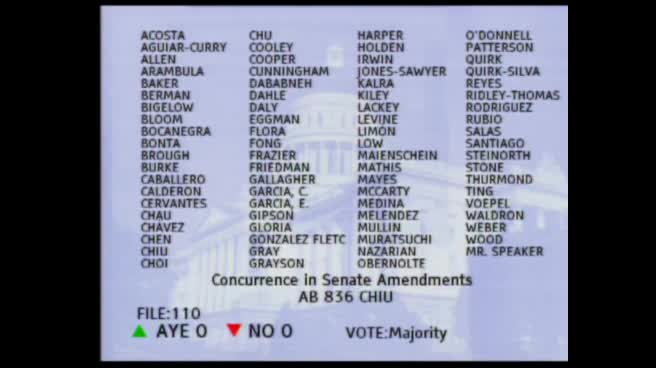 1MIN
Assembly Floor
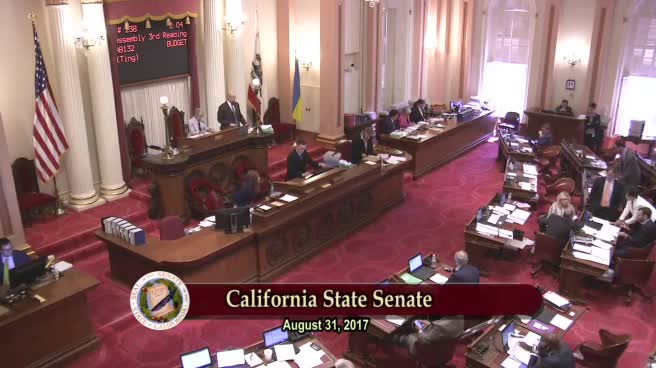 4MIN
Senate Floor
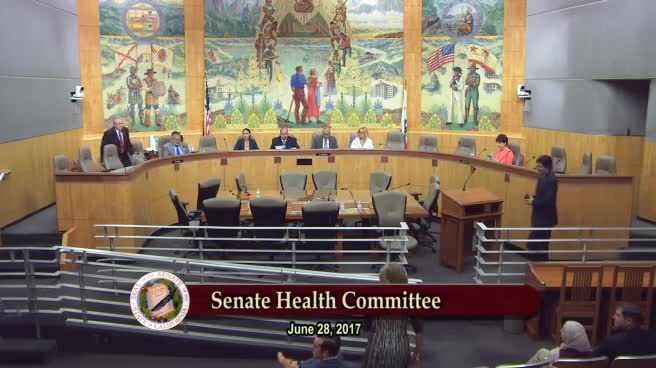 4MIN
Senate Standing Committee on Health
 1MIN
Assembly Floor
 1H
Assembly Standing Committee on Appropriations
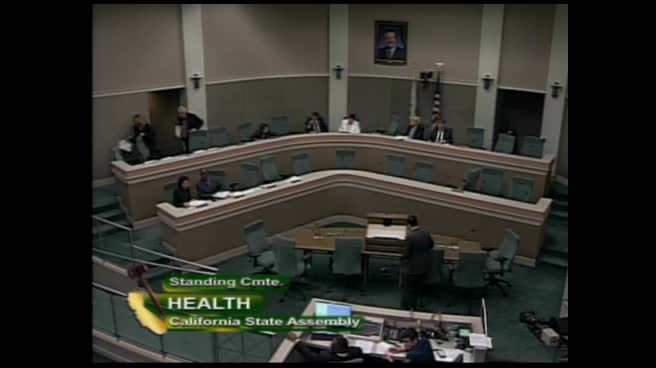 8MIN
Assembly Standing Committee on Health
Bill Author

Bill Co-Author(s):
