AB 591: School property: lease: county boards of education.
- Session Year: 2017-2018
- House: Assembly
- Latest Version Date: 2017-07-24
Existing law authorizes the governing board of a school district to lease real property that belongs to the school district for a minimum rental of $1 per year if the instrument by which the property is leased requires a building to be constructed by the lessee for use by the school district and title to the building vests in the school district at the end of the lease. Existing law also authorizes the governing board of a school district to enter into an agreement with the lowest responsible bidder for the construction of a building to be leased and used by the school district if the instrument provides that title to the building and site shall vest in the school district at the end of the lease. Existing law prohibits the governing board of a school district from entering into an agreement with an entity pursuant to the above-specified provisions unless the entity provides an enforceable commitment that the entity and its subcontractors will use a skilled and trained workforce to perform the work.
This bill would make all of the requirements in the provisions specified above applicable to an agreement entered into by a county board of education, county office of education, or county superintendent of schools to let to a person, firm, or corporation any real property that belongs to the county office of education or a school district that requires the lessee to construct a building on demised premises for use by the county office of education or a school district.
Existing law authorizes the governing board of a school district to lease real property that belongs to the school district for a minimum rental of $1 per year if the instrument by which the property is leased requires a building to be constructed by the lessee for use by the school district and title to the building vests in the school district at the end of the lease. Existing law also authorizes the governing board of a school district to enter into an agreement with the lowest responsible bidder for the construction of a building to be leased and used by the school district if the instrument provides that title to the building and site shall vest in the school district at the end of the lease. Existing law prohibits the governing board of a school district from entering into an agreement with an entity pursuant to the above-specified provisions unless the entity provides an enforceable commitment that the entity and its subcontractors will use a skilled and trained workforce to perform the work.
This bill would make all of the requirements in the provisions specified above applicable to an agreement entered into by a county board of education education, county office of education, or county superintendent of schools to let to a person, firm, or corporation any real property that belongs to the county office of education or a school district that requires the lessee to construct a building on demised premises for use by the county office of education or a school district.
Existing law authorizes the governing board of a school district to lease real property that belongs to the school district for a minimum rental of $1 per year if the instrument by which the property is leased requires a building to be constructed by the lessee for use by the school district and title to the building vests in the school district at the end of the lease. Existing law also authorizes the governing board of a school district to enter into an agreement with the lowest responsible bidder for the construction of a building to be leased and used by the school district if the instrument provides that title to the building and site shall vest in the school district at the end of the lease. Existing law prohibits the governing board of a school district from entering into an agreement with an entity pursuant to the above-specified provisions unless the entity provides an enforceable commitment that the entity and its subcontractors will use a skilled and trained workforce to perform the work.
This bill would make all of the requirements in the provisions specified above applicable to an agreement entered into by a county board of education to let to a person, firm, or corporation any real property that belongs to the county office of education or a school district that requires the lessee to construct a building on demised premises for use by the county office of education or a school district.
If a county board of education, county office of education, or county superintendent of schools enters into an agreement to let to any person, firm, or corporation any real property that belongs to the county office of education or a school district and requires the lessee to construct on the demised premises or provide for the construction of a building for use by the county office of education or a school district, the county board of education, county office of education, or county superintendent of schools shall comply with all requirements applicable to the governing board of a school district pursuant to Sections 17406, 17407, and 17407.5.
SEC. 2.Section 17407.7 is added to the Education Code, to read:17407.7.The requirements of Sections 17406, 17407, and 17407.5 shall apply to any agreement entered into by a county board of education, county office of education, or county superintendent of schools to let to any person, firm, or corporation any real property that belongs to the county office of education or a school district and requires the lessee to construct on the demised premises or provide for the construction of a building thereon for use by the county office of education or a school district.
If a county board of education education, county office of education, or county superintendent of schools enters into an agreement to let to any person, firm, or corporation any real property that belongs to the county office of education or a school district and requires the lessee to construct on the demised premises or provide for the construction of a building for use by the county office of education or a school district, the county board of education education, county office of education, or county superintendent of schools shall comply with all requirements applicable to the governing board of a school district pursuant to Sections 17406, 17407, and 17407.5.
SEC. 2.Section 17407.7 is added to the Education Code, to read:17407.7.The requirements of Sections 17406, 17407, and 17407.5 shall apply to any agreement entered into by a county board of education education, county office of education, or county superintendent of schools to let to any person, firm, or corporation any real property that belongs to the county office of education or a school district and requires the lessee to construct on the demised premises or provide for the construction of a building thereon for use by the county office of education or a school district.
If a county board of education enters into an agreement to let to any person, firm, or corporation any real property that belongs to the county office of education or a school district and requires the lessee to construct on the demised premises or provide for the construction of a building for use by the county office of education or a school district, the county board of education shall comply with all requirements applicable to the governing board of a school district pursuant to Sections 17406, 17407, and 17407.5.
SEC. 2.Section 17407.5 of the Education Code is amended to read:17407.5.(a)The governing board of a school district shall not enter into an agreement pursuant to Section 17406 or 17407 with any entity unless the entity provides to the governing board of the school district an enforceable commitment that the entity and its subcontractors at every tier will use a skilled and trained workforce to perform all work on the project or contract that falls within an apprenticeable occupation in the building and construction trades, in accordance with Chapter 2.9 (commencing with Section 2600) of Part 1 of Division 2 of the Public Contract Code.(b)Subdivision (a) shall not apply if any of the following requirements are met:(1)The governing board of the school district has entered into a project labor agreement that will bind all contractors and subcontractors performing work on the project or contract to use a skilled and trained workforce and the entity agrees to be bound by that project labor agreement.(2)The project or contract is being performed under the extension or renewal of a project labor agreement that was entered into by the school district before January 1, 2017.(3)The entity has entered into a project labor agreement that will bind the entity and all its subcontractors at every tier performing the project or contract to use a skilled and trained workforce.(c)For purposes of this section, project labor agreement has the same meaning as in paragraph (1) of subdivision (b) of Section 2500 of the Public Contract Code.(d)The requirements of this section and Sections 17406 and 17407 shall apply to any agreement entered into by a county board of education to let to any person, firm, or corporation any real property that belongs to the county office of education or a school district and requires the lessee to construct on the demised premises or provide for the construction of a building thereon for use by the county office of education or a school district.SEC. 2.Section 17407.7 is added to the Education Code, to read:17407.7.The requirements of Sections 17406, 17407, and 17407.5 shall apply to any agreement entered into by a county board of education to let to any person, firm, or corporation any real property that belongs to the county office of education or a school district and requires the lessee to construct on the demised premises or provide for the construction of a building thereon for use by the county office of education or a school district.
If a county board of education enters into an agreement to let to any person, firm, or corporation any real property that belongs to the county office of education or a school district and requires the lessee to construct on the demised premises or provide for the construction of a building for use by the county office of education or a school district, the county board of education shall comply with all requirements applicable to the governing board of a school district pursuant to Sections 17406, 17407, and 17407.5.
SEC. 2.Section 17407.5 of the Education Code is amended to read:17407.5.(a)The governing board of a school district shall not enter into an agreement pursuant to Section 17406 or 17407 with any entity unless the entity provides to the governing board of the school district an enforceable commitment that the entity and its subcontractors at every tier will use a skilled and trained workforce to perform all work on the project or contract that falls within an apprenticeable occupation in the building and construction trades, in accordance with Chapter 2.9 (commencing with Section 2600) of Part 1 of Division 2 of the Public Contract Code.
(b)Subdivision (a) shall not apply if any of the following requirements are met:
(1)The governing board of the school district has entered into a project labor agreement that will bind all contractors and subcontractors performing work on the project or contract to use a skilled and trained workforce and the entity agrees to be bound by that project labor agreement.
(2)The project or contract is being performed under the extension or renewal of a project labor agreement that was entered into by the school district prior to before January 1, 2017.
(3)The entity has entered into a project labor agreement that will bind the entity and all its subcontractors at every tier performing the project or contract to use a skilled and trained workforce.
(c)For purposes of this section, project labor agreement has the same meaning as in paragraph (1) of subdivision (b) of Section 2500 of the Public Contract Code.
(d)The requirements of this section and Sections 17406 and 17407 shall apply to any agreement entered into by a county board of education to let to any person, firm, or corporation any real property that belongs to the county office of education or a school district and requires the lessee to construct on the demised premises or provide for the construction of a building thereon for use by the county office of education or a school district.
|
Date
|
Status
|
|---|---|
| Jul 24, 2017 | Chaptered by Secretary of State - Chapter 125, Statutes of 2017. |
| Jul 24, 2017 | Approved by the Governor. |
| Jul 14, 2017 | Enrolled and presented to the Governor at 3 p.m. |
| Jul 11, 2017 | In Assembly. Ordered to Engrossing and Enrolling. |
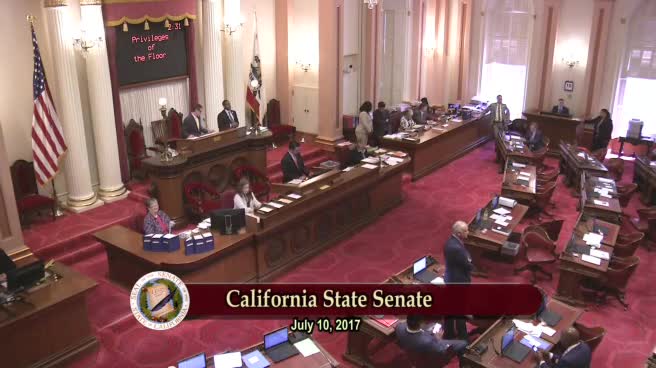
| Jul 10, 2017 | Read third time. Passed. Ordered to the Assembly. (Ayes 29. Noes 11. Page 1935.). |
| Jun 8, 2017 | Read second time. Ordered to third reading. |
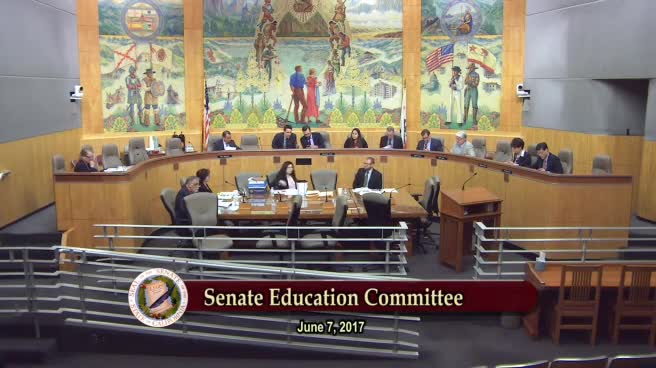
| Jun 7, 2017 | From committee: Do pass. (Ayes 6. Noes 1.) (June 7). |
| May 18, 2017 | Referred to Com. on ED. |
| May 8, 2017 | In Senate. Read first time. To Com. on RLS. for assignment. |
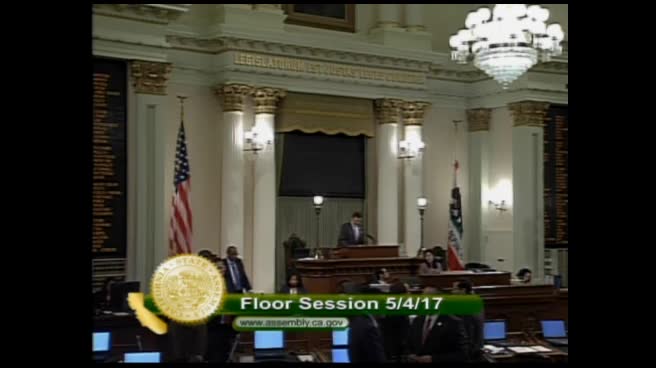
| May 8, 2017 | Read third time. Passed. Ordered to the Senate. (Ayes 59. Noes 18. Page 1417.) |
| May 4, 2017 | Read third time and amended. Ordered to third reading. (Page 1373.) |
| Apr 4, 2017 | Read second time. Ordered to third reading. |
| Apr 3, 2017 | Read second time and amended. Ordered returned to second reading. |
| Mar 30, 2017 | From committee: Amend, and do pass as amended. (Ayes 6. Noes 1.) (March 22). |
| Feb 27, 2017 | Referred to Com. on ED. |
| Feb 15, 2017 | From printer. May be heard in committee March 17. |
| Feb 14, 2017 | Read first time. To print. |
|
Date
|
Description
|
Location
|
Votes
|
|
|---|---|---|---|---|
| Jul 10, 2017 | Assembly 3rd Reading AB591 O'Donnell By Hueso | Senate Floor |
Passed |
|
| Jun 7, 2017 | Do pass | Senate Standing Committee on Education |
Passed |
|
| May 8, 2017 | AB 591 O'DONNELL Assembly Third Reading | Assembly Floor |
Passed |
|
| Mar 22, 2017 | Do pass as amended. | Assembly Standing Committee on Education |
Passed |
This list shows positions taken on this bill by organizations on the date displayed, which is linked to the original source.
Positions by individuals are not included.
|
Organization
|
Position
|
Date
|
|---|---|---|
| american fire sprinkler association - california chapters | ** Against | Jun 9, 2017 |
| american fire sprinkler association--california chapters | ** Against | Jun 6, 2017 |
| Associated Builders & Contractors of California | * Against | Jun 7, 2017 |
| Independent Roofing Contractors of California, Inc. | ** Against | Jun 9, 2017 |
| Los Angeles County Office Of Education | ** Support | Jun 9, 2017 |
| National Electrical Contractors Association | ** Support | Jun 9, 2017 |
| Plumbing-Heating-Cooling Contractors Association of California | ** Against | Jun 9, 2017 |
| State Building and Construction Trades Council | ** Support | Jun 9, 2017 |
| Western Electrical Contractors Association | ** Against | Jun 9, 2017 |
Office of Senate Floor Analyses (916) 651-1520 Fax: (916) 327-4478 | AB |
THIRD READING
Bill No: AB 591
:
SENATE EDUCATION COMMITTEE: 6-1, 6/7/17
AYES: Allen, Wilk, Galgiani, Leyva, Mendoza, Pan
NOES: Vidak
ASSEMBLY FLOOR: 59-18, 5/8/17 - See last page for vote
SOURCE: State Building and Construction Trades Council
DIGEST:
This bill clarifies that county boards of education using lease-leaseback and lease-to-own contracting methods must comply with all of the requirements currently placed on school districts using these methods, including competitive selections, bidder prequalification, and ensuring the entity and its subcontractors have a skilled and trained workforce.
Existing law:
- Requires the governing board of a school district to competitively bid and award to the lowest bidder contracts involving the following:
- An expenditure of $50,000 or more for the purchase of equipment, materials, or supplies, services (except for construction services), and repairs.
- An expenditure of $15,000 or more for a public contract project.
- Authorizes the governing board of a school district to let to any person, firm, or corporation any real property that belongs to the school district if the lease requires the lessee to construct or provide for the construction of a building for use by the school district during the term of the lease, with the title to the building being given to the school district at the end of the lease.
- Requires, until January 1, 2019, a school district with an average daily attendance of more than 2,500 using state school facility bond funds for a public project with an expenditure of $1 million or more to require prospective bidders, and if utilized, all electrical, mechanical, and plumbing subcontractors, to complete and submit a standardized prequalification questionnaire and financial statement.
- Prohibits a school district governing board from entering into a lease-leaseback or lease-to-own contract with any entity unless the entity provides to the governing board of the school district an enforceable commitment that the entity and its subcontractors, at every tier, will use a skilled and trained workforce to perform all work on the project or contract that falls within an apprenticeable occupation in the building and construction trades.
This bill clarifies, within the provisions outlining the responsibilities of county boards of education and school district leasing agreements, that the requirements currently placed on school districts related to lease-leaseback and lease-to-own contracting methods apply to county boards of education, county offices of education, and county superintendents of schools entering into these contracting agreements.
Comments
- Need for the bill. Current law does not provide county boards of education, county offices of education, or county superintendents of schools explicit authority to use lease-leaseback and lease-to-own contracts. According to the author, under their general contracting authority, some county offices of education choose to pursue lease-leaseback agreements selectively. For example, some county offices of education do not comply with the skilled and trained workforce requirement, arguing that the requirement only applies to school district governing boards.
This bill is intended to clarify that education governing boards at the county level electing to use these types of contracting methods must comply with all of the requirements currently required of school districts.
- Public project competitive bidding. Under current law, school districts are required to competitively bid any public works contract over $15,000 and award the contract to the lowest responsible bidder. Alternative methods for awarding contracts include: (a) design-build, with a school district issuing a request for proposal for both the design and construction of projects; (b) best value, allowing school districts to consider factors other than cost; and (c) job order contracting, based on prices for specific construction tasks.
- Lease-leaseback and lease-to-own. Lease-leaseback is a process whereby a governing board of a school district may, through a competitive bidding process, rent district property for a minimum of $1 a year to any person, firm, or corporation. The person, firm, or corporation constructs the school building and rents the facility back to the school district. At the end of the lease, the district resumes title to the building and site.
In a lease-to-own agreement, the governing board of a school district may, through a competitive bidding process, enter into a contract with a person, firm, or corporation to construct the building on a designated site and lease the property to the school district. The school district gets the title at the end of the lease.
- Prequalification process for prospective bidders. School districts using state bond funds must establish a prequalification process requiring prospective bidders for public works contracts of $1 million or more to complete a standardized questionnaire and submit financial statements. This requirement is intended to mitigate the risk of school districts entering into contracts with substandard companies.
The questionnaire is provided by school districts, and may require contractors to provide detailed information regarding (a) the company’s financial status, including whether the company has been in bankruptcy or involved in a civil lawsuit; (b) licensing information; (c) prior public contracting experience; (d) whether the contractor has been involved or been found to have violated any federal, state or local laws; and (e) whether the contractor has violated any labor and health and safety laws.
- Skilled and trained workforce. School districts are required to ensure that their alternative contracting entities provide an enforceable commitment to use a skilled and trained workforce, meaning all workers are skilled journeypersons or apprentices registered in a program approved by the Department of Industrial Relations.
FISCAL EFFECT: Appropriation: Fiscal Com.: Local:
State Building and Construction Trades Council (source)
California Legislative Conference of the Plumbing, Heating, and Piping Industry
Los Angeles County Office of Education
National Electrical Contractors Association
American Fire Sprinkler Association - California Chapters
Associated Builders and Contractors - San Diego, Southern and Central California
Independent Roofing Contractors of California, Inc.
Plumbing-Heating-Cooling Contractors Association of California
Western Electrical Contractors Association
ASSEMBLY FLOOR: 59-18, 5/8/17
AYES: Aguiar-Curry, Arambula, Berman, Bloom, Bocanegra, Bonta, Burke, Caballero, Calderon, Cervantes, Chau, Chávez, Chiu, Chu, Cooley, Cooper, Cunningham, Dababneh, Daly, Eggman, Flora, Frazier, Friedman, Cristina Garcia, Eduardo Garcia, Gipson, Gloria, Gomez, Gonzalez Fletcher, Gray, Grayson, Holden, Irwin, Jones-Sawyer, Kalra, Lackey, Levine, Limón, Low, McCarty, Mullin, Muratsuchi, Nazarian, O'Donnell, Quirk, Quirk-Silva, Reyes, Ridley-Thomas, Rodriguez, Rubio, Salas, Santiago, Mark Stone, Thurmond, Ting, Voepel, Weber, Wood, Rendon
NOES: Acosta, Travis Allen, Baker, Bigelow, Brough, Chen, Choi, Dahle, Fong, Gallagher, Harper, Kiley, Maienschein, Mathis, Mayes, Melendez, Obernolte, Waldron
NO VOTE RECORDED: Medina, Patterson, Steinorth
6/9/17 9:57:25
**** END ****
SENATE COMMITTEE ON EDUCATION
Senator Benjamin Allen, Chair
2017 - 2018 Regular
Bill No: Hearing Date: June 7, 2017
Author: | O'Donnell | ||
Version: |
| ||
Urgency: | Fiscal: | ||
Consultant: | |||
Subject:
SUMMARY
This bill clarifies that county boards of education using lease-leaseback and lease-to-own contracting methods must comply with all of the requirements currently placed on school districts using these methods, including competitive selections, bidder prequalification, and ensuring the entity and its subcontractors have a skilled and trained workforce.
BACKGROUND
Existing law:
- Requires the governing board of a school district to competitively bid and award to the lowest bidder contracts involving the following:
- An expenditure of $50,000 or more for the purchase of equipment, materials, or supplies, services (except for construction services), and repairs.
- An expenditure of $15,000 or more for a public contract project.
- Authorizes the governing board of a school district to let to any person, firm, or corporation any real property that belongs to the school district if the lease requires the lessee to construct or provide for the construction of a building for use by the school district during the term of the lease, with the title to the building being given to the school district at the end of the lease.
- Requires, until January 1, 2019, a school district with an average daily attendance of more than 2,500 using state school facility bond funds for a public project with an expenditure of $1 million or more to require prospective bidders, and if utilized, all electrical, mechanical, and plumbing subcontractors, to complete and submit a standardized prequalification questionnaire and financial statement.
- Prohibits a school district governing board from entering into a lease-leaseback or lease-to-own contract with any entity unless the entity provides to the governing board of the school district an enforceable commitment that the entity and its subcontractors, at every tier, will use a skilled and trained workforce to perform all work on the project or contract that falls within an apprenticeable occupation in the building and construction trades.
ANALYSIS
This bill clarifies, within the provisions outlining the responsibilities of county boards of education and school district leasing agreements, that the requirements currently placed on school districts related to lease-leaseback and lease-to-own contracting methods apply to county boards of education, county offices of education, and county superintendents of schools entering into these contracting agreements.
STAFF COMMENTS
- Need for the bill. Current law does not provide county boards of education, county offices of education, or county superintendents of schools explicit authority to use lease-leaseback and lease-to-own contracts. According to the author, under their general contracting authority, some county offices of education choose to pursue lease-leaseback agreements selectively. For example, some county offices of education do not comply with the skilled and trained workforce requirement, arguing that the requirement only applies to school district governing boards.
This bill is intended to clarify that education governing boards at the county level electing to use these types of contracting methods must comply with all of the requirements currently required of school districts.
- Public project competitive bidding. Under current law, school districts are required to competitively bid any public works contract over $15,000 and award the contract to the lowest responsible bidder. Alternative methods for awarding contracts include: (1) design-build, with a school district issuing a request for proposal for both the design and construction of projects; (2) best value, allowing school districts to consider factors other than cost; and (3) job order contracting, based on prices for specific construction tasks.
- Lease-leaseback and lease-to-own. Lease-leaseback is a process whereby a governing board of a school district may, through a competitive bidding process, rent district property for a minimum of $1 a year to any person, firm, or corporation. The person, firm, or corporation constructs the school building and rents the facility back to the school district. At the end of the lease, the district resumes title to the building and site.
In a lease-to-own agreement, the governing board of a school district may, through a competitive bidding process, enter into a contract with a person, firm, or corporation to construct the building on a designated site and lease the property to the school district. The school district gets the title at the end of the lease.
- Prequalification process for prospective bidders. School districts using state bond funds must establish a prequalification process requiring prospective bidders for public works contracts of $1 million or more to complete a standardized questionnaire and submit financial statements. This requirement is intended to mitigate the risk of school districts entering into contracts with substandard companies.
The questionnaire is provided by school districts, and may require contractors to provide detailed information regarding (1) the company’s financial status, including whether the company has been in bankruptcy or involved in a civil lawsuit; (2) licensing information; (3) prior public contracting experience; (4) whether the contractor has been involved or been found to have violated any federal, state or local laws; and (5) whether the contractor has violated any labor and health and safety laws.
- Skilled and trained workforce. School districts are required to ensure that their alternative contracting entities provide an enforceable commitment to use a skilled and trained workforce, meaning all workers are skilled journeypersons or apprentices registered in a program approved by the Department of Industrial Relations.
SUPPORT
California Legislative Conference of the Plumbing, Heating, and Piping Industry
Los Angeles County Office of Education
National Electrical Contractors Association
State Building and Construction Trades Council (sponsor)
OPPOSITION
American Fire Sprinkler Association—California Chapters
Associated Builders and Contractors—San Diego, Southern and Central CA Chapters
Independent Roofing Contractors of California, Inc.
Plumbing-Heating-Cooling Contractors Association of California
Western Electrical Contractors Association
-- END --
ASSEMBLY THIRD READING
ATR Bill Id:AB 591
Author:(O'Donnell)
As Amended Ver:May 4, 2017
Majority vote
Committee | Votes | Ayes | Noes |
Education | 6-1 | O'Donnell, Chávez, Gloria, McCarty, Thurmond, Weber | Kiley |
SUMMARY: Requires a county board of education, county office of education, or county superintendent of schools that chooses to use the lease-leaseback or lease-to-own contracting methods to comply with specified requirements. Specifically, this bill:
- Specifies, in the provisions of law outlining the authority and responsibilities of county boards of education, that if a county board of education, county office of education, or county superintendent of schools enters into an agreement to let to any person, firm, or corporation any real property that belongs to the county office of education (COE) or a school district and requires the lessee to construct on the demised premises or provide for the construction of a building for use by the COE or a school district, the county board of education, county office of education, or county superintendent of schools shall comply with all requirements applicable to the governing board of a school district pursuant to Education Code (EC) Sections 17406 (lease-leaseback), 17407 (lease-to-own), and 17407.5 (skilled and trained workforce).
- Specifies that the provisions in EC Sections 17406, 17407, and 17407.5 apply to any agreement entered into by a county board of education, county office of education, or county superintendent of schools to let to any person, firm, or corporation any real property that belongs to the COE or a school district and requires the lessee to construct on the demised premises or provide for the construction of a building thereon for use by the county office of education or a school district.
EXISTING LAW:
- Requires the governing board of a school district to competitively bid and award to the lowest bidder contracts involving the following:
- An expenditure of $50,000 or more for the purchase of equipment, materials, or supplies, services (except for construction services), and repairs.
- An expenditure of $15,000 or more for a public contract project defined as construction, reconstruction, erection, alteration, renovation, improvement, demolition, repair, painting or repainting of any publicly owned, leased, or operated facility. (Public Contract Code (PCC) Sections 20111 and 22002)
- Authorizes the governing board of a school district to let, for a minimum rental of $1 a year, to any person, firm, or corporation any real property that belongs to the school district if the instrument by which such property is let requires the lessee therein to construct on the demised premises, or provide for the construction thereon of, a building or buildings for the use of the school district during the term thereof, and provides that the title to that building shall vest in the school district at the expiration of that term. (EC Section 17406)
- Requires, until January 1, 2019, a school district with an average daily attendance (ADA) of more than 2,500 using state school facility bond funds for a public project with an expenditure of $1 million or more to require prospective bidders, and if utilized, all electrical, mechanical, and plumbing subcontractors, to complete and submit a standardized prequalification questionnaire and financial statement. (PCC Section 20111.6(a)(i)(l))
- Prohibits a school district governing board from entering into a lease-leaseback or lease-to-own contract with any entity unless the entity provides to the governing board of the school district an enforceable commitment that the entity and its subcontractors at every tier will use a skilled and trained workforce to perform all work on the project or contract that falls within an apprenticeable occupation in the building and construction trades. (EC Section 17407)
FISCAL EFFECT: None. This bill is keyed non-fiscal by the Legislative Counsel.
COMMENTS: Contracting. Under current law, school districts are required to competitively bid any public works contract over $15,000 and award the contract to the lowest responsible bidder. Alternative methods for awarding contracts include design-build, which enables a school district to issue a request for proposal for both design and construction of projects; best value, which authorizes school districts to consider factors other than cost; and job order contracting, which is based on prices for specific construction tasks.
Lease-leaseback and lease-to-own. Lease-leaseback is a process whereby a governing board of a school district may rent district property for a minimum of $1 a year, to any person, firm or corporation. The person, firm or corporation constructs the school building and rents the facility back to the school district. At the end of the lease, the district resumes title to the building and site. Last year, AB 2316 (O'Donnell), Chapter 521, Statutes of 2016, established a competitive selections process for award of lease-leaseback contracts.
In a lease-to-own agreement, the governing board of a school district, through a bidding process, may enter into a contract with a person, firm, or corporation with the lowest bid, under which that entity that receives the contract will construct the building on a designated site and lease the property to the school district. The school district gets the title at the end of the lease.
Prequalification. School districts over 2,500 ADA using state school facilities bond funds are required to, until January 1, 2019, establish a prequalification process whereby a prospective bidder, and any electrical, mechanical and plumbing subcontractors, of a public works contract with a projected expenditure of $1 million or more, is required to complete a standardized questionnaire provided by the district and submit a financial statement.
The questionnaire may require contractors to provide detailed information regarding the company and its financial status, including whether the company has been in bankruptcy or involved in a civil lawsuit; licensing information; prior contracting experience (whether the contractor has completed other public works projects); whether the contractor has been involved or been found to have violated any federal, state or local laws; and whether the contractor has violated any labor and health and safety laws, including prevailing wage.
The questionnaire is rated and a local agency can exclude bids from companies that do not meet minimum points. While there is no guarantee that a company that meets minimum points may not have financial problems or provide substandard work, prequalification reduces those risks.
Skilled and trained workforce. Under current law, school districts and a number of local and state entities authorized to use alternative contracting methods are required to ensure that the entity with which it enters into a contract provides to the governing board of the school district an enforceable commitment that the entity and its subcontractors at every tier will use a skilled and trained workforce to perform all work on the project or contract that falls within an apprenticeable occupation in the building and construction trades. Skilled and trained workforce means a workforce where all of the workers working on the project are either skilled journeypersons or apprentices registered in an apprenticeship program approved by the Chief of the Division of Apprenticeship Standards within the Department of Industrial Relations. Last year, SB 693 (Hueso), Chapter 774, Statutes of 2016, made consistent all the requirements to have a skilled and trained workforce specified in various code sections.
This bill clarifies that county boards of education, county offices of education, or county superintendents of schools that choose to use lease-leaseback and lease-to-own contracting methods must comply with all the requirements for using these contracting methods, which include competitive selections, prequalification and ensuring the entity and its subcontractors at every tier receiving the contract have a skilled and trained workforce.
County boards of education, county offices of education, or county superintendents of schools are not given explicit authority to use lease-leaseback and lease-to-own contracts. However, according to the author, some county offices of education, under general authority given to counties to conduct contracting, have chosen to use lease-leaseback contracting method, but in a selective manner; for example, by not complying with the skilled and trained workforce requirement. They argue that those requirements only apply to the "governing boards of school districts." The author states that this bill makes it clear that county offices of education who choose to use these contracting methods must comply with all of the requirements.
Analysis Prepared by: Sophia Kwong Kim / ED. / (916) 319-2087 FN: 0000245
ASSEMBLY THIRD READING
ATR Bill Id:AB 591
Author:(O'Donnell)
As Amended Ver:April 3, 2017
Majority vote
Committee | Votes | Ayes | Noes |
Education | 6-1 | O'Donnell, Chávez, Gloria, McCarty, Thurmond, Weber | Kiley |
SUMMARY: Requires a county board of education that uses the lease-leaseback or lease-to-own contracting methods to comply with specified requirements. Specifically, this bill:
- Specifies, in the provisions of law outlining the authority and responsibilities of county boards of education, that if a county board of education enters into an agreement to let to any person, firm, or corporation any real property that belongs to the county office of education (COE) or a school district and requires the lessee to construct on the demised premises or provide for the construction of a building for use by the COE or a school district, the county board of education shall comply with all requirements applicable to the governing board of a school district pursuant to Education Code (EC) Sections 17406 (lease-leaseback), 17407 (lease-to-own), and 17407.5 (skilled and trained workforce).
- Specifies that the provisions in EC Sections 17406, 17407, and 17407.5 apply to any agreement entered into by a county board of education to let to any person, firm, or corporation any real property that belongs to the COE or a school district and requires the lessee to construct on the demised premises or provide for the construction of a building thereon for use by the county office of education or a school district.
EXISTING LAW:
- Requires the governing board of a school district to competitively bid and award to the lowest bidder contracts involving the following:
- An expenditure of $50,000 or more for the purchase of equipment, materials, or supplies, services (except for construction services), and repairs.
- An expenditure of $15,000 or more for a public contract project defined as construction, reconstruction, erection, alteration, renovation, improvement, demolition, repair, painting or repainting of any publicly owned, leased, or operated facility. (Public Contract Code (PCC) Sections 20111 and 22002)
- Authorizes the governing board of a school district to let, for a minimum rental of $1 a year, to any person, firm, or corporation any real property that belongs to the school district if the instrument by which such property is let requires the lessee therein to construct on the demised premises, or provide for the construction thereon of, a building or buildings for the use of the school district during the term thereof, and provides that the title to that building shall vest in the school district at the expiration of that term. (EC Section 17406)
- Requires, until January 1, 2019, a school district with an average daily attendance (ADA) of more than 2,500 using state school facility bond funds for a public project with an expenditure of $1 million or more to require prospective bidders, and if utilized, all electrical, mechanical, and plumbing subcontractors, to complete and submit a standardized prequalification questionnaire and financial statement. (PCC Section 20111.6(a)(i)(l))
- Prohibits a school district governing board from entering into a lease-leaseback or lease-to-own contract with any entity unless the entity provides to the governing board of the school district an enforceable commitment that the entity and its subcontractors at every tier will use a skilled and trained workforce to perform all work on the project or contract that falls within an apprenticeable occupation in the building and construction trades. (EC Section 17407)
FISCAL EFFECT: None. This bill is keyed non-fiscal by the Legislative Counsel.
COMMENTS: Contracting. Under current law, school districts are required to competitively bid any public works contract over $15,000 and award the contract to the lowest responsible bidder. Alternative methods for awarding contracts include design-build, which enables a school district to issue a request for proposal for both design and construction of projects; best value, which authorizes school districts to consider factors other than cost; and job order contracting, which is based on prices for specific construction tasks.
Lease-leaseback and lease-to-own. Lease-leaseback is a process whereby a governing board of a school district may rent district property for a minimum of $1 a year, to any person, firm or corporation. The person, firm or corporation constructs the school building and rents the facility back to the school district. At the end of the lease, the district resumes title to the building and site. Last year, AB 2316 (O'Donnell), Chapter 521, Statutes of 2016, established a competitive selections process for award of lease-leaseback contracts.
In a lease-to-own agreement, the governing board of a school district, through a bidding process, may enter into a contract with a person, firm, or corporation with the lowest bid, under which that entity that receives the contract will construct the building on a designated site and lease the property to the school district. The school district gets the title at the end of the lease.
Prequalification. School districts over 2,500 ADA using state school facilities bond funds are required to, until January 1, 2019, establish a prequalification process whereby a prospective bidder, and any electrical, mechanical and plumbing subcontractors, of a public works contract with a projected expenditure of $1 million or more, is required to complete a standardized questionnaire provided by the district and submit a financial statement.
The questionnaire may require contractors to provide detailed information regarding the company and its financial status, including whether the company has been in bankruptcy or involved in a civil lawsuit; licensing information; prior contracting experience (whether the contractor has completed other public works projects); whether the contractor has been involved or been found to have violated any federal, state or local laws; and whether the contractor has violated any labor and health and safety laws, including prevailing wage.
The questionnaire is rated and a local agency can exclude bids from companies that do not meet minimum points. While there is no guarantee that a company that meets minimum points may not have financial problems or provide substandard work, prequalification reduces those risks.
Skilled and trained workforce. Under current law, school districts and a number of local and state entities authorized to use alternative contracting methods are required to ensure that the entity with which it enters into a contract provides to the governing board of the school district an enforceable commitment that the entity and its subcontractors at every tier will use a skilled and trained workforce to perform all work on the project or contract that falls within an apprenticeable occupation in the building and construction trades. Skilled and trained workforce means a workforce where all of the workers working on the project are either skilled journeypersons or apprentices registered in an apprenticeship program approved by the Chief of the Division of Apprenticeship Standards within the Department of Industrial Relations. Last year, SB 693 (Hueso), Chapter 774, Statutes of 2016, made consistent all the requirements to have a skilled and trained workforce specified in various code sections.
This bill clarifies that county boards of education that choose to use lease-leaseback and lease-to-own contracting methods must comply with all the requirements for using these contracting methods, which include competitive selections, prequalification and ensuring the entity and its subcontractors at every tier receiving the contract have a skilled and trained workforce.
County boards of education are not given explicit authority to use lease-leaseback and lease-to-own contracts. However, according to the author, some county offices of education, under general authority given to county boards of education to conduct contracting, have chosen to use lease-leaseback contracting method, but in a selective manner; for example, by not complying with the skilled and trained workforce requirement. They argue that those requirements only apply to the "governing boards of school districts." The author states that this bill makes it clear that county offices of education who choose to use these contracting methods must comply with all of the requirements.
Analysis Prepared by: Sophia Kwong Kim / ED. / (916) 319-2087 FN: 0000074
Date of Hearing: March 22, 2017
ASSEMBLY COMMITTEE ON EDUCATION
Patrick O'Donnell, Chair
ABPCA Bill Id:AB 591 (
Author:O'Donnell) – As Introduced Ver:February 14, 2017
SUBJECT: School property: lease: county boards of education
SUMMARY: Requires a county board of education that uses the lease-leaseback or lease-to-own contracting methods to comply with specified requirements. Specifically, this bill:
- Specifies, in the provisions of law outlining the authority and responsibilities of county boards of education, that if a county board of education enters into an agreement to let to any person, firm, or corporation any real property that belongs to the county office of education (COE) or a school district and requires the lessee to construct on the demised premises or provide for the construction of a building for use by the COE or a school district, the county board of education shall comply with all requirements applicable to the governing board of a school district pursuant to Education Code (EC) Sections 17406 (lease-leaseback), 17407 (lease-to-own), and 17407.5 (skilled and trained workforce).
- Specifies that the provisions in EC Sections 17406, 17407, and 17407.5 apply to any agreement entered into by a county board of education to let to any person, firm, or corporation any real property that belongs to the COE or a school district and requires the lessee to construct on the demised premises or provide for the construction of a building thereon for use by the county office of education or a school district.
EXISTING LAW:
- Requires the governing board of a school district to competitively bid and award to the lowest bidder contracts involving the following:
- An expenditure of $50,000 or more for the purchase of equipment, materials, or supplies, services (except for construction services), and repairs.
- An expenditure of $15,000 or more for a public contract project defined as construction, reconstruction, erection, alteration, renovation, improvement, demolition, repair, painting or repainting of any publicly owned, leased, or operated facility. (Public Contract Code (PCC) Sections 20111 and 22002)
- Authorizes the governing board of a school district to let, for a minimum rental of $1 a year, to any person, firm, or corporation any real property that belongs to the school district if the instrument by which such property is let requires the lessee therein to construct on the demised premises, or provide for the construction thereon of, a building or buildings for the use of the school district during the term thereof, and provides that the title to that building shall vest in the school district at the expiration of that term. (EC Section 17406)
- Requires, until January 1, 2019, a school district with an average daily attendance (ADA) of more than 2,500 using state school facility bond funds for a public project with an expenditure of $1 million or more to require prospective bidders, and if utilized, all electrical, mechanical, and plumbing subcontractors, to complete and submit a standardized prequalification questionnaire and financial statement. (PCC Section 20111.6(a)(i)(l))
- Prohibits a school district governing board from entering into a lease-leaseback or lease-to-own contract with any entity unless the entity provides to the governing board of the school district an enforceable commitment that the entity and its subcontractors at every tier will use a skilled and trained workforce to perform all work on the project or contract that falls within an apprenticeable occupation in the building and construction trades. (EC Section 17407)
FISCAL EFFECT: None. This bill is keyed non-fiscal by the Legislative Counsel.
COMMENTS: Contracting. Under current law, school districts are required to competitively bid any public works contract over $15,000 and award the contract to the lowest responsible bidder. Alternative methods for awarding contracts include design-build, which enables a school district to issue a request for proposal for both design and construction of projects; best value, which authorizes school districts to consider factors other than cost; and job order contracting, which is based on prices for specific construction tasks.
Lease-leaseback and lease-to-own. Lease-leaseback is a process whereby a governing board of a school district may rent district property for a minimum of $1 a year, to any person, firm or corporation. The person, firm or corporation constructs the school building and rents the facility back to the school district. At the end of the lease, the district resumes title to the building and site. Last year, AB 2316 (O’Donnell), Chapter 521, Statutes of 2016, established a competitive selections process for award of lease-leaseback contracts.
In a lease-to-own agreement, the governing board of a school district, through a bidding process, may enter into a contract with a person, firm, or corporation with the lowest bid, under which that entity that receives the contract will construct the building on a designated site and lease the property to the school district. The school district gets the title at the end of the lease.
Prequalification. School districts over 2,500 average daily attendance using state school facilities bond funds are required, until January 1, 2019, to establish a prequalification process whereby a prospective bidder, and any electrical, mechanical and plumbing subcontractors, of a public works contract with a projected expenditure of $1 million or more, is required to complete a standardized questionnaire provided by the district and submit a financial statement.
The questionnaire may require contractors to provide detailed information regarding the company and its financial status, including whether the company has been in bankruptcy or involved in a civil lawsuit; licensing information; prior contracting experience (whether the contractor has completed other public works projects); whether the contractor has been involved or been found to have violated any federal, state or local laws; and whether the contractor has violated any labor and health and safety laws, including prevailing wage.
The questionnaire is rated and a local agency can exclude bids from companies that do not meet minimum points. While there is no guarantee that a company that meets minimum points may not have financial problems or provide substandard work, prequalification reduces those risks.
Skilled and trained workforce. Under current law, school districts and a number of local and state entities authorized to use alternative contracting methods are required to ensure that the entity with which it enters into a contract provides to the governing board of the school district an enforceable commitment that the entity and its subcontractors at every tier will use a skilled and trained workforce to perform all work on the project or contract that falls within an apprenticeable occupation in the building and construction trades. Skilled and trained workforce means a workforce where all of the workers working on the project are either skilled journeypersons or apprentices registered in an apprenticeship program approved by the Chief of the Division of Apprenticeship Standards within the Department of Industrial Relations. Last year, SB 693 (Hueso), Chapter 774, Statutes of 2016, made consistent all the requirements to have a skilled and trained workforce specified in various code sections.
This bill clarifies that county boards of education that choose to use lease-leaseback and lease-to-own contracting methods must comply with all the requirements for using these contracting methods, which include competitive selections, prequalification and ensuring the entity and its subcontractors at every tier receiving the contract have a skilled and trained workforce.
County boards of education are not given explicit authority to use lease-leaseback and lease-to-own contracts. However, according to the author, some county boards of education, under general authority given to county boards of education to conduct contracting, have chosen to use lease-leaseback contracting method, but in a selective manner; for example, by not complying with the skilled and trained workforce requirement. They argue that those requirements only apply to the “governing boards of school districts”. The author states that this bill makes it clear that county boards of education who choose to use this contracting method must also comply with all of the requirements.
Committee amendment. Staff recommends a technical amendment to establish the language in a separate, stand-alone section.
Prior legislation. AB 2316 (O’Donnell), Chapter 521, Statutes of 2016, establishes, until July 1, 2022, a competitive selections process for awarding lease-leaseback contracts, and allows a contractor to be paid the reasonable cost of labor, equipment, materials, and services furnished by the contractor meeting specified conditions if a lease-leaseback contract entered into prior to July 1, 2015, is found to be invalid by a court.
SB 693 (Hueso), Chapter 774, Statutes of 2016, consolidates the "skilled and trained workforce" requirements of various provisions of law related to alternative construction delivery methods, defines the terms of these requirements, and makes other conforming changes.
AB 566 (O’Donnell), Chapter 214, Statutes of 2015, prohibits a school district governing board from entering into a lease-leaseback or lease-to-own contract with any entity unless the entity provides to the governing board of the school district an enforceable commitment that the entity and its subcontractors at every tier will use a skilled and trained workforce to perform all work on the project or contract that falls within an apprenticeable occupation in the building and construction trades.
AB 1581 (Buchanan), Chapter 408, Statutes of 2014, requires school districts entering into lease-leaseback and lease-to-own contracts to comply with the requirements to prequalify and rate prospective bidders, if the project is funded with state bond funds, the expenditure of the project is $1 million or more, and the average daily attendance of the school district is more than 2,500.
AB 1565 (Fuentes), Chapter 808, Statutes of 2012, requires, until January 1, 2019, school districts using state school facilities bond funds to establish a prequalification process whereby a prospective bidder, and any electrical, mechanical and plumbing subcontractors, of a public works contract with a projected expenditure of $1 million or more, is required to complete a standardized questionnaire provided by the district and submit a financial statement.
SB 600 (Rubio), introduced in 2011, was a similar bill to AB 1565. The bill was held in the Assembly Appropriations Committee suspense file in 2011.
REGISTERED SUPPORT / OPPOSITION:
Support
State Building and Construction Trades Council (sponsor)
Opposition
None on file
Analysis Prepared by: Sophia Kwong Kim / ED. / (916) 319-2087
Discussed in Hearing
 3MIN
Senate Floor
 3MIN
Senate Standing Committee on Education
 1MIN
Assembly Floor
 50SEC
Assembly Floor
Bill Author

Bill Co-Author(s):