AB 765: Local initiative measures: submission to the voters.
- Session Year: 2017-2018
- House: Assembly
- Latest Version Date: 2017-10-13
Existing law permits a proposed county, municipal, or district ordinance to be submitted to the governing body of the county, city, or district by filing an initiative petition signed by a specified number of voters. If a county or municipal initiative measure qualifies for the ballot, existing law requires that the election for the measure be either at a special election or at the next statewide or regular election, depending on the percentage of signatures received on the initiative petition. If a district initiative measure qualifies for the ballot, existing law requires that the election for the measure be either at a special election or at the next regular election, depending on whether the initiative petition contains a specified request.
This bill instead would require that the election for a county, municipal, or district initiative measure that qualifies for the ballot be the next statewide or regular election, as applicable, unless the governing body of the county, city, or district calls a special election. The bill also would make conforming changes.
(a)Except as provided in subdivision (b), the election for a county initiative that qualifies pursuant to Section 9118 shall be held at the next statewide election occurring not less than 88 days after the date of the order of election. The election for a municipal or district initiative that qualifies pursuant to Section 9215 or 9310 shall be held at the jurisdictions next regular election occurring not less than 88 days after the date of the order of election.
(b)The governing body of a county, city, or district may call a special election for the purpose of submitting an initiative measure to the voters before the date on which the initiative measure would appear on the ballot pursuant to subdivision (a). If the governing body calls a special election pursuant to this subdivision, the election shall be held not less than 88 days nor more than 103 days after the order of the election.
SEC. 2.Section 9111 of the Elections Code is amended to read:9111.(a)During the circulation of the petition or before taking either action described in subdivisions (a) and (b) of Section 9118, the board of supervisors may refer the proposed initiative measure to a county agency or agencies for a report on any or all of the following:
(1)Its fiscal impact.
(2)Its effect on the internal consistency of the countys general and specific plans, including the housing element, the consistency between planning and zoning, and the limitations on county actions under Section 65008 of the Government Code and Chapters 4.2 (commencing with Section 65913) and 4.3 (commencing with Section 65915) of Division 1 of Title 7 of the Government Code.
(3)Its effect on the use of land, the impact on the availability and location of housing, and the ability of the county to meet its regional housing needs.
(4)Its impact on funding for infrastructure of all types, including, but not limited to, transportation, schools, parks, and open space. The report may also discuss whether the measure would be likely to result in increased infrastructure costs or savings, including the costs of infrastructure maintenance, to current residents and businesses.
(5)Its impact on the communitys ability to attract and retain business and employment.
(6)Its impact on the uses of vacant parcels of land.
(7)Its impact on agricultural lands, open space, traffic congestion, existing business districts, and developed areas designated for revitalization.
(8)Any other matters the board of supervisors request to be in the report.
(b)The report shall be presented to the board of supervisors within the time prescribed by the board of supervisors, but no later than 30 days after the county elections official certifies to the board of supervisors the sufficiency of the petition.
SEC. 3.Section 9116 of the Elections Code is repealed.SEC. 4.Section 9118 of the Elections Code is amended to read:9118.If the initiative petition is signed by voters not less in number than 10 percent of the entire vote cast in the county for all candidates for Governor at the last gubernatorial election preceding the publication of the notice of intention to circulate an initiative petition, the board of supervisors shall do one of the following:
(a)Adopt the ordinance, without alteration, at the regular meeting at which the certification of the petition is presented, or within 10 days after it is presented.
(b)Submit the ordinance, without alteration, to the voters pursuant to Section 1405.
(c)Order a report pursuant to Section 9111 at the regular meeting at which the certification of the petition is presented. When the report is presented to the board of supervisors, the board shall either adopt the ordinance within 10 days or order an election pursuant to subdivision (b).
SEC. 5.Section 9212 of the Elections Code is amended to read:9212.(a)During the circulation of the petition, or before taking either action described in subdivisions (a) and (b) of Section 9215, the legislative body may refer the proposed initiative measure to a city agency or agencies for a report on any or all of the following:
(1)Its fiscal impact.
(2)Its effect on the internal consistency of the citys general and specific plans, including the housing element, the consistency between planning and zoning, and the limitations on city actions under Section 65008 of the Government Code and Chapters 4.2 (commencing with Section 65913) and 4.3 (commencing with Section 65915) of Division 1 of Title 7 of the Government Code.
(3)Its effect on the use of land, the impact on the availability and location of housing, and the ability of the city to meet its regional housing needs.
(4)Its impact on funding for infrastructure of all types, including, but not limited to, transportation, schools, parks, and open space. The report may also discuss whether the measure would be likely to result in increased infrastructure costs or savings, including the costs of infrastructure maintenance, to current residents and businesses.
(5)Its impact on the communitys ability to attract and retain business and employment.
(6)Its impact on the uses of vacant parcels of land.
(7)Its impact on agricultural lands, open space, traffic congestion, existing business districts, and developed areas designated for revitalization.
(8)Any other matters the legislative body requests to be in the report.
(b)The report shall be presented to the legislative body within the time prescribed by the legislative body, but no later than 30 days after the elections official certifies to the legislative body the sufficiency of the petition.
SEC. 6.Section 9214 of the Elections Code is repealed.SEC. 7.Section 9215 of the Elections Code is amended to read:9215.If the initiative petition is signed by not less than 10 percent of the voters of the city, according to the last report of registration by the county elections official to the Secretary of State pursuant to Section 2187, effective at the time the notice specified in Section 9202 was published, or, in a city with 1,000 or less registered voters, by 25 percent of the voters or 100 voters of the city, whichever is the lesser number, the legislative body shall do one of the following:
(a)Adopt the ordinance, without alteration, at the regular meeting at which the certification of the petition is presented, or within 10 days after it is presented.
(b)Submit the ordinance, without alteration, to the voters pursuant to Section 1405.
(c)Order a report pursuant to Section 9212 at the regular meeting at which the certification of the petition is presented. When the report is presented to the legislative body, the legislative body shall either adopt the ordinance within 10 days or order an election pursuant to subdivision (b).
SEC. 8.Section 9310 of the Elections Code is amended to read:9310.(a)If the initiative petition is signed by voters not less in number than 10 percent of the voters in the district, where the total number of registered voters is less than 500,000, or not less in number than 5 percent of the voters in the district, where the total number of registered voters is 500,000 or more, the district board shall do either of the following:
(1)Adopt the ordinance, without alteration, either at the regular meeting at which the certification of the petition is presented, or within 10 days after it is presented.
(2)Submit the ordinance, without alteration, to the voters pursuant to Section 1405.
(b)The number of registered voters referred to in subdivision (a) shall be calculated as of the time of the last report of registration by the county elections official to the Secretary of State made before publication or posting of the notice of intention to circulate the initiative petition.
SEC. 9.Section 9311 of the Elections Code is repealed.(a)Except as provided in subdivision (b), the election for a county initiative that qualifies pursuant to Section 9118 shall be held at the next statewide election occurring not less than 88 days after the date of the order of election. The election for a municipal or district initiative that qualifies pursuant to Section 9215 or 9310 shall be held at the jurisdictions next regular election occurring not less than 88 days after the date of the order of election.
(b)The governing body of a county, city, or district may call a special election for the purpose of submitting an initiative measure to the voters before the date on which the initiative measure would appear on the ballot pursuant to subdivision (a). If the governing body calls a special election pursuant to this subdivision, the election shall be held not less than 88 days nor more than 103 days after the order of the election.
SEC. 2.Section 9111 of the Elections Code is amended to read:9111.(a)During the circulation of the petition or before taking either action described in subdivisions (a) and (b) of Section 9118, the board of supervisors may refer the proposed initiative measure to a county agency or agencies for a report on any or all of the following:
(1)Its fiscal impact.
(2)Its effect on the internal consistency of the countys general and specific plans, including the housing element, the consistency between planning and zoning, and the limitations on county actions under Section 65008 of the Government Code and Chapters 4.2 (commencing with Section 65913) and 4.3 (commencing with Section 65915) of Division 1 of Title 7 of the Government Code.
(3)Its effect on the use of land, the impact on the availability and location of housing, and the ability of the county to meet its regional housing needs.
(4)Its impact on funding for infrastructure of all types, including, but not limited to, transportation, schools, parks, and open space. The report may also discuss whether the measure would be likely to result in increased infrastructure costs or savings, including the costs of infrastructure maintenance, to current residents and businesses.
(5)Its impact on the communitys ability to attract and retain business and employment.
(6)Its impact on the uses of vacant parcels of land.
(7)Its impact on agricultural lands, open space, traffic congestion, existing business districts, and developed areas designated for revitalization.
(8)Any other matters the board of supervisors request to be in the report.
(b)The report shall be presented to the board of supervisors within the time prescribed by the board of supervisors, but no later than 30 days after the county elections official certifies to the board of supervisors the sufficiency of the petition.
SEC. 3.Section 9116 of the Elections Code is repealed.SEC. 4.Section 9118 of the Elections Code is amended to read:9118.If the initiative petition is signed by voters not less in number than 10 percent of the entire vote cast in the county for all candidates for Governor at the last gubernatorial election preceding the publication of the notice of intention to circulate an initiative petition, the board of supervisors shall do one of the following:
(a)Adopt the ordinance, without alteration, at the regular meeting at which the certification of the petition is presented, or within 10 days after it is presented.
(b)Submit the ordinance, without alteration, to the voters pursuant to Section 1405.
(c)Order a report pursuant to Section 9111 at the regular meeting at which the certification of the petition is presented. When the report is presented to the board of supervisors, the board shall either adopt the ordinance within 10 days or order an election pursuant to subdivision (b).
SEC. 5.Section 9212 of the Elections Code is amended to read:9212.(a)During the circulation of the petition, or before taking either action described in subdivisions (a) and (b) of Section 9215, the legislative body may refer the proposed initiative measure to a city agency or agencies for a report on any or all of the following:
(1)Its fiscal impact.
(2)Its effect on the internal consistency of the citys general and specific plans, including the housing element, the consistency between planning and zoning, and the limitations on city actions under Section 65008 of the Government Code and Chapters 4.2 (commencing with Section 65913) and 4.3 (commencing with Section 65915) of Division 1 of Title 7 of the Government Code.
(3)Its effect on the use of land, the impact on the availability and location of housing, and the ability of the city to meet its regional housing needs.
(4)Its impact on funding for infrastructure of all types, including, but not limited to, transportation, schools, parks, and open space. The report may also discuss whether the measure would be likely to result in increased infrastructure costs or savings, including the costs of infrastructure maintenance, to current residents and businesses.
(5)Its impact on the communitys ability to attract and retain business and employment.
(6)Its impact on the uses of vacant parcels of land.
(7)Its impact on agricultural lands, open space, traffic congestion, existing business districts, and developed areas designated for revitalization.
(8)Any other matters the legislative body requests to be in the report.
(b)The report shall be presented to the legislative body within the time prescribed by the legislative body, but no later than 30 days after the elections official certifies to the legislative body the sufficiency of the petition.
SEC. 6.Section 9214 of the Elections Code is repealed.SEC. 7.Section 9215 of the Elections Code is amended to read:9215.If the initiative petition is signed by not less than 10 percent of the voters of the city, according to the last report of registration by the county elections official to the Secretary of State pursuant to Section 2187, effective at the time the notice specified in Section 9202 was published, or, in a city with 1,000 or less registered voters, by 25 percent of the voters or 100 voters of the city, whichever is the lesser number, the legislative body shall do one of the following:
(a)Adopt the ordinance, without alteration, at the regular meeting at which the certification of the petition is presented, or within 10 days after it is presented.
(b)Submit the ordinance, without alteration, to the voters pursuant to Section 1405.
(c)Order a report pursuant to Section 9212 at the regular meeting at which the certification of the petition is presented. When the report is presented to the legislative body, the legislative body shall either adopt the ordinance within 10 days or order an election pursuant to subdivision (b).
SEC. 8.Section 9310 of the Elections Code is amended to read:9310.(a)If the initiative petition is signed by voters not less in number than 10 percent of the voters in the district, where the total number of registered voters is less than 500,000, or not less in number than 5 percent of the voters in the district, where the total number of registered voters is 500,000 or more, the district board shall do either of the following:
(1)Adopt the ordinance, without alteration, either at the regular meeting at which the certification of the petition is presented, or within 10 days after it is presented.
(2)Submit the ordinance, without alteration, to the voters pursuant to Section 1405.
(b)The number of registered voters referred to in subdivision (a) shall be calculated as of the time of the last report of registration by the county elections official to the Secretary of State made before publication or posting of the notice of intention to circulate the initiative petition.
SEC. 9.Section 9311 of the Elections Code is repealed.(a)Except as provided below, the election for a county, municipal, or district initiative that qualifies pursuant to Section 9116, 9214, or 9310 shall be held not less than 88 nor more than 103 days after the date of the order of election.
(1)When it is legally possible to hold a special election on an initiative measure that has qualified pursuant to Section 9116, 9214, or 9310 within 180 days prior to a regular or special election occurring wholly or partially within the same territory, the election on the initiative measure may be held on the same date as, and be consolidated with, that regular or special election.(2)When it is legally possible to hold a special election on an initiative measure that has qualified pursuant to Section 9116, 9214, or 9310 during the period between a regularly scheduled statewide direct primary election and a regularly scheduled statewide general election in the same year, the election on the initiative measure may be held on the same date as, and be consolidated with, the statewide general election.(3)To avoid holding more than one special election within any 180-day period, the date for holding the special election on an initiative measure that has qualified pursuant to Section 9116, 9214, or 9310, may be fixed later than 103 days but at as early a date as practicable after the expiration of 180 days from the last special election.(4)Not more than one special election for an initiative measure that qualifies pursuant to Section 9116, 9214, or 9310 may be held by a jurisdiction during any period of 180 days.(b)The in subdivision (b), the election for a county initiative that qualifies pursuant to Section 9118 shall be held at the next statewide election occurring not less than 88 days after the date of the order of election. The election for a municipal or district initiative that qualifies pursuant to Section 9215 or 9311 9310 shall be held at the jurisdictions next regular election occurring not less than 88 days after the date of the order of election.
(b)The governing body of a county, city, or district may call a special election for the purpose of submitting an initiative measure to the voters before the date on which the initiative measure would appear on the ballot pursuant to subdivision (a). If the governing body calls a special election pursuant to this subdivision, the election shall be held not less than 88 days after the order of the election.
SEC. 2.Section 9111 of the Elections Code is amended to read:9111.(a)During the circulation of the petition or before taking either action described in subdivisions (a) and (b) of Section 9116, or Section 9118, the board of supervisors may refer the proposed initiative measure to any a county agency or agencies for a report on any or all of the following:
(1)Its fiscal impact.
(2)Its effect on the internal consistency of the countys general and specific plans, including the housing element, the consistency between planning and zoning, and the limitations on county actions under Section 65008 of the Government Code and Chapters 4.2 (commencing with Section 65913) and 4.3 (commencing with Section 65915) of Division 1 of Title 7 of the Government Code.
(3)Its effect on the use of land, the impact on the availability and location of housing, and the ability of the county to meet its regional housing needs.
(4)Its impact on funding for infrastructure of all types, including, but not limited to, transportation, schools, parks, and open space. The report may also discuss whether the measure would be likely to result in increased infrastructure costs or savings, including the costs of infrastructure maintenance, to current residents and businesses.
(5)Its impact on the communitys ability to attract and retain business and employment.
(6)Its impact on the uses of vacant parcels of land.
(7)Its impact on agricultural lands, open space, traffic congestion, existing business districts, and developed areas designated for revitalization.
(8)Any other matters the board of supervisors request to be in the report.
(b)The report shall be presented to the board of supervisors within the time prescribed by the board of supervisors, but no later than 30 days after the county elections official certifies to the board of supervisors the sufficiency of the petition.
SEC. 3.Section 9116 of the Elections Code is repealed.9116.If the initiative petition is signed by voters not less in number than 20 percent of the entire vote cast within the county for all candidates for Governor at the last gubernatorial election preceding the publication of the notice of intention to circulate an initiative petition, and contains a request that the ordinance be submitted immediately to a vote of the people at a special election, the board of supervisors shall do one of the following:(a)Adopt the ordinance without alteration either at the regular meeting at which the certification of the petition is presented, or within 10 days after it is presented.(b)Immediately call a special election pursuant to subdivision (a) of Section 1405, at which the ordinance, without alteration, shall be submitted to a vote of the voters of the county.(c)Order a report pursuant to Section 9111 at the regular meeting at which the certification of the petition is presented. When the report is presented to the board of supervisors, it shall either adopt the ordinance within 10 days or order an election pursuant to subdivision (b).SEC. 4.Section 9118 of the Elections Code is amended to read:9118.If the initiative petition is signed by voters not less in number than 10 percent of the entire vote cast in the county for all candidates for Governor at the last gubernatorial election preceding the publication of the notice of intention to circulate an initiative petition, the board of supervisors shall do one of the following:
(a)Adopt the ordinance ordinance, without alteration alteration, at the regular meeting at which the certification of the petition is presented, or within 10 days after it is presented.
(b)Submit the ordinance, without alteration, to the voters pursuant to subdivision (b) of Section 1405, unless the ordinance petitioned for is required to be, or for some reason is, submitted to the voters at a special election pursuant to subdivision (a) of Section 1405.
(c)Order a report pursuant to Section 9111 at the regular meeting at which the certification of the petition is presented. When the report is presented to the board of supervisors, it the board shall either adopt the ordinance within 10 days or order an election pursuant to subdivision (b).
SEC. 5.Section 9212 of the Elections Code is amended to read:9212.(a)During the circulation of the petition, or before taking either action described in subdivisions (a) and (b) of Section 9214, or Section 9215, the legislative body may refer the proposed initiative measure to any a city agency or agencies for a report on any or all of the following:
(1)Its fiscal impact.
(2)Its effect on the internal consistency of the citys general and specific plans, including the housing element, the consistency between planning and zoning, and the limitations on city actions under Section 65008 of the Government Code and Chapters 4.2 (commencing with Section 65913) and 4.3 (commencing with Section 65915) of Division 1 of Title 7 of the Government Code.
(3)Its effect on the use of land, the impact on the availability and location of housing, and the ability of the city to meet its regional housing needs.
(4)Its impact on funding for infrastructure of all types, including, but not limited to, transportation, schools, parks, and open space. The report may also discuss whether the measure would be likely to result in increased infrastructure costs or savings, including the costs of infrastructure maintenance, to current residents and businesses.
(5)Its impact on the communitys ability to attract and retain business and employment.
(6)Its impact on the uses of vacant parcels of land.
(7)Its impact on agricultural lands, open space, traffic congestion, existing business districts, and developed areas designated for revitalization.
(8)Any other matters the legislative body requests to be in the report.
(b)The report shall be presented to the legislative body within the time prescribed by the legislative body, but no later than 30 days after the elections official certifies to the legislative body the sufficiency of the petition.
SEC. 6.Section 9214 of the Elections Code is repealed.9214.If the initiative petition is signed by not less than 15 percent of the voters of the city according to the last report of registration by the county elections official to the Secretary of State pursuant to Section 2187, effective at the time the notice specified in Section 9202 was published, or, in a city with 1,000 or less registered voters, by 25 percent of the voters or 100 voters of the city, whichever is the lesser number, and contains a request that the ordinance be submitted immediately to a vote of the people at a special election, the legislative body shall do one of the following:(a)Adopt the ordinance, without alteration, at the regular meeting at which the certification of the petition is presented, or within 10 days after it is presented.(b)Immediately order a special election, to be held pursuant to subdivision (a) of Section 1405, at which the ordinance, without alteration, shall be submitted to a vote of the voters of the city.(c)Order a report pursuant to Section 9212 at the regular meeting at which the certification of the petition is presented. When the report is presented to the legislative body, the legislative body shall either adopt the ordinance within 10 days or order an election pursuant to subdivision (b).SEC. 7.Section 9215 of the Elections Code is amended to read:9215.If the initiative petition is signed by not less than 10 percent of the voters of the city, according to the last report of registration by the county elections official to the Secretary of State pursuant to Section 2187, effective at the time the notice specified in Section 9202 was published, or, in a city with 1,000 or less registered voters, by 25 percent of the voters or 100 voters of the city, whichever is the lesser number, the legislative body shall do one of the following:
(a)Adopt the ordinance, without alteration, at the regular meeting at which the certification of the petition is presented, or within 10 days after it is presented.
(b)Submit the ordinance, without alteration, to the voters pursuant to subdivision (b) of Section 1405, unless the ordinance petitioned for is required to be, or for some reason is, submitted to the voters at a special election pursuant to subdivision (a) of Section 1405.
(c)Order a report pursuant to Section 9212 at the regular meeting at which the certification of the petition is presented. When the report is presented to the legislative body, the legislative body shall either adopt the ordinance within 10 days or order an election pursuant to subdivision (b).
SEC. 8.Section 9310 of the Elections Code is amended to read:9310.(a)If the initiative petition is signed by voters not less in number than 10 percent of the voters in the district, where the total number of registered voters is less than 500,000, or not less in number than 5 percent of the voters in the district, where the total number of registered voters is 500,000 or more, and the petition contains a request that the ordinance be submitted immediately to a vote of the people at a special election, the district board shall do either of the following:
(1)Adopt the ordinance, without alteration, either at the regular meeting at which the certification of the petition is presented, or within 10 days after it is presented.
(2)Immediately order that the ordinance be submitted to the voters, Submit the ordinance, without alteration, to the voters pursuant to subdivision (a) of Section 1405.
(b)The number of registered voters referred to in subdivision (a) shall be calculated as of the time of the last report of registration by the county elections official to the Secretary of State made prior to before publication or posting of the notice of intention to circulate the initiative petition.
SEC. 9.Section 9311 of the Elections Code is repealed.9311.If the initiative petition does not request a special election, the district board shall do either of the following:(a)Adopt the ordinance, without alteration, either at the regular meeting at which the certification of the petition is presented, or within 10 days after it is presented.(b)Submit the ordinance to the voters, without alteration, pursuant to subdivision (b) of Section 1405, unless the ordinance petitioned for is required to be, or for some reason is, submitted to the voters at a special election pursuant to subdivision (a) of Section 1405.|
Date
|
Status
|
|---|---|
| Oct 13, 2017 | Chaptered by Secretary of State - Chapter 748, Statutes of 2017. |
| Oct 13, 2017 | Approved by the Governor. |
| Sep 13, 2017 | Enrolled and presented to the Governor at 4 p.m. |
| Sep 5, 2017 | In Assembly. Ordered to Engrossing and Enrolling. |
| Sep 5, 2017 | Read third time. Passed. Ordered to the Assembly. |
| Jun 22, 2017 | Read second time. Ordered to third reading. |
| Jun 21, 2017 | From committee: Do pass. (Ayes 4. Noes 1.) (June 20). |
| Jun 1, 2017 | Referred to Com. on E. & C.A. |
| May 22, 2017 | In Senate. Read first time. To Com. on RLS. for assignment. |
| May 22, 2017 | Read third time. Passed. Ordered to the Senate. (Ayes 49. Noes 28. Page 1653.) |
| May 15, 2017 | Read second time. Ordered to third reading. |
| May 11, 2017 | Read second time and amended. Ordered returned to second reading. |
| May 10, 2017 | From committee: Amend, and do pass as amended. (Ayes 5. Noes 2.) (May 10). |
| Mar 2, 2017 | Referred to Com. on E. & R. |
| Feb 16, 2017 | From printer. May be heard in committee March 18. |
| Feb 15, 2017 | Read first time. To print. |
|
Date
|
Description
|
Location
|
Votes
|
|
|---|---|---|---|---|
| Sep 5, 2017 | Assembly 3rd Reading AB765 Low By Stern | Senate Floor |
Passed |
|
| Jun 20, 2017 | Do pass | Senate Standing Committee on Elections and Constitutional Amendments |
Passed |
|
| May 22, 2017 | AB 765 LOW Assembly Third Reading | Assembly Floor |
Passed |
|
| May 10, 2017 | Do pass as amended. | Assembly Standing Committee on Elections and Redistricting |
Passed |
This list shows positions taken on this bill by organizations on the date displayed, which is linked to the original source.
Positions by individuals are not included.
|
Organization
|
Position
|
Date
|
|---|---|---|
| asian americans advancing justice--california | ** Support | May 8, 2017 |
| Asian Americans Advancing JusticeCalifornia | ** Support | May 8, 2017 |
| California Common Cause | ** Support | Jun 22, 2017 |
| California Special Districts Association | ** Support | Jun 22, 2017 |
| California State Association Of Counties | ** Support | Jun 22, 2017 |
| Campbell City Vice-Mayor Paul Resnikoff | ** Support | May 8, 2017 |
| charles jones, member, san jose city council | ** Support | Jun 22, 2017 |
| City of Campbell | ** Support | Jun 22, 2017 |
| Howard Jarvis Taxpayers Association | ** Against | Jun 22, 2017 |
| San Jose City Councilmember Charles 'Chappie' Jones | ** Support | May 8, 2017 |
Office of Senate Floor Analyses (916) 651-1520 Fax: (916) 327-4478 | AB |
THIRD READING
Bill No: AB 765
:
SENATE ELECTIONS & C.A. COMMITTEE: 4-1, 6/20/17
AYES: Stern, Allen, Hertzberg, Leyva
NOES: Anderson
ASSEMBLY FLOOR: 49-28, 5/22/17 - See last page for vote
DIGEST:
This bill eliminates the requirement that a special election be held to vote on a local initiative measure if certain conditions are met, and instead generally provides for the measure to be submitted to voters at a regularly scheduled election.
Existing law:
- Requires a county or a city, when it receives an initiative petition that is signed by a specified number of voters, to do one of the following:
- Adopt the initiative without alteration;
- Submit the initiative to the voters, as specified; or,
- Order a report on the initiative, to be completed within 30 days, before deciding whether to adopt it or submit it to the voters.
- Adopt the initiative without alteration;
- Requires a special district, when it receives an initiative petition that is signed by a specified number of voters, to do one of the following:
- Adopt the initiative without alteration; or,
- Submit the initiative to the voters, as specified.
- Adopt the initiative without alteration; or,
- Permits a local governing body to submit an initiative measure to the voters, rather than adopting the initiative without alteration, at a special election for the voters to consider that initiative measure, if certain conditions are met.
- Requires a local governing body to submit an initiative measure to the voters, if they choose not to adopt the initiative without alteration, at a special election if the initiative petition was signed by a greater specified number of voters than otherwise required for qualification to necessitate appearance at a regularly scheduled election.
- Requires the election for a county, municipal, or district initiative that is submitted to voters at a special election, as detailed above, to be held not less than 88 nor more than 103 days after the date of the order of the election, except as follows:
- Permits the special election on the initiative measure to be held on the same date as and consolidated with a regular or special election occurring wholly or partially within the same territory, if it was otherwise legally possible to hold the special election within 180 days prior to the regular or special election.
- Permits the special election on the initiative measure to be held on the same date as and consolidated with a regularly scheduled statewide general election if it was otherwise legally possible to hold the special election on the measure during the period between the statewide primary election and the statewide general election.
- Permits the special election to be held more than 103 days after the date of the order of the election if necessary in order to avoid holding more than one special election within any 180-day period, provided that the election is scheduled at as early a date as practicable after the expiration of 180 days from the last special election.
- Provides that not more than one special election for an initiative measure that qualifies as specified may be held by a jurisdiction during any period of 180 days.
- Permits the special election on the initiative measure to be held on the same date as and consolidated with a regular or special election occurring wholly or partially within the same territory, if it was otherwise legally possible to hold the special election within 180 days prior to the regular or special election.
- Requires the election for a county initiative that qualifies for the ballot, but that is not required to be submitted to voters at a special election, to be held at the next statewide election occurring not less than 88 days after the date of the order of the election. Requires the election for a municipal or district initiative that qualifies for the ballot, but that is not required to be submitted to voters at a special election, to be held at the jurisdiction's next regular election occurring not less than 88 days after the date of the order of the election.
- Requires the election for a county or municipal referendum that qualifies pursuant to existing law to be held at the jurisdiction's next regular election occurring not less than 88 days after the date of the order of the election, or at a special election called for that purpose not less than 88 days after the date of the order of the election.
This bill:
- Repeals a requirement that a special election be held to vote on a local initiative measure even if the larger specified number of signatures have been submitted and instead requires the measure to be submitted to the voters at the next statewide election occurring not less than 88 days after the date of the order of the election in the case of a county initiative measure, or at the jurisdiction's next regular election occurring not less than 88 days after the date of the order of the election in the case of a city or district initiative measure.
- Permits the governing body of a county, city, or district to call a special election for the purpose of submitting a local initiative measure to the voters before the date on which the initiative measure would otherwise appear on the ballot. Requires such a special election to be held not less than 88 nor more than 103 days after the date of the order of the election.
- Makes other corresponding and technical changes.
Background
Local Initiative Measures and Special Elections. Under existing law, a state initiative measure that qualifies for the ballot generally appears on the ballot at the next statewide general election that is at least 131 days after the measure qualifies. While existing law gives the Governor the authority to call a statewide special election for the purpose of voting on a state initiative measure, that authority has been used sparingly. It appears that California Governors have called statewide special elections for initiative measures just six times since the initiative process was adopted in California in 1912, and of the 373 statewide ballot initiatives that have qualified for and appeared on the ballot, it appears that only 13 appeared on the ballot at a statewide special election (eight of those 13 measures appeared on the ballot at a single statewide special election in 2005).
The process for local initiative measures to be submitted to voters differs. First, when local initiative proponents have collected a sufficient number of signatures for their measure to qualify for the ballot, existing law permits the governing body of the local jurisdiction to adopt the local initiative measure without alterations. In such a situation, the proposed initiative measure is not submitted to the voters for their consideration.
Furthermore, existing law gives local initiative proponents a tool to require a local jurisdiction to hold a special election to vote on their proposed initiative measure if the governing body chooses not to adopt the measure without alterations. By including a request for a special election in the petition -- and in the case of county and most municipal initiatives, by collecting a larger number of valid signatures than would otherwise be required -- the proponents of a local initiative measure can require the local jurisdiction to schedule a special election to vote on the measure if they choose not to adopt the measure outright.
It can be considerably more expensive for a local jurisdiction to conduct a standalone special election for a local ballot measure than it is for that jurisdiction to add an additional measure to the ballot at an already scheduled election. As a result, the decision of local initiative proponents to request a special election for their initiative can significantly increase the costs to the local government to place that measure before the voters for their consideration.
Trend Toward Consolidation of Elections. In recent legislative sessions, concerns about low and non-representative voter turnout have been the motivation behind a number of bills that moved votes for offices and ballot measures so that they occur at the same time as statewide elections. Specifically, SB 202 (Hancock, Chapter 558, Statutes of 2011) prohibited state initiative and referendum measures that qualified for the ballot on or after July 1, 2011, from appearing on the ballot at statewide primary elections, and instead required such measures to appear on the ballot only at the November statewide general election or at a statewide special election. AB 1344 (Feuer, Chapter 692, Statutes of 2011) required a city charter proposal or amendments to a city charter to be submitted to the voters for approval or rejection only at an established statewide general, statewide primary, or regularly scheduled municipal election date. SB 311 (Padilla, Chapter 184, Statutes of 2013) requires certain city charter proposals and city charter amendments to be submitted to the voters only at a statewide general election, as specified. SB 415 (Hueso, Chapter 235, Statutes of 2015) prohibits a local government, beginning January 1, 2018, from holding an election on any date other than a statewide election date if doing so in the past has resulted in turnout that is at least 25% below the average turnout in that jurisdiction in the last four statewide general elections, as specified.
Collectively, these bills will result in a larger number of offices and ballot measures being voted on at statewide primary, statewide general, and other regularly scheduled elections, which generally have higher turnout than standalone special elections. Similarly, this bill could be expected to reduce the number of local initiative measures that are voted on at special elections, and increase the number of measures that appear on the ballot at regularly scheduled elections.
Comments
- According to the author, under existing law, the proponents of local initiative measures have the ability to force local governments to hold a special election on their initiative. These special elections are costly, and frequently result in lower and less representative voter participation. Earlier this year, the Campbell City Council was forced to schedule a citywide special election -- at an estimated cost of $570,000 -- to vote on a local initiative measure that the proponents failed to qualify in time for last November's ballot.
Allowing the proponents of an initiative to force a local government to adopt the measure outright or schedule a special election gives those proponents excessive leverage over local elected officials. Even when they are faced with a measure that is broadly opposed by their constituents, local elected officials nonetheless have to choose between adopting that measure, or spending limited public funds to hold a special election. Proponents should not be able to use the threat of a costly special election to coerce local elected officials into adopting their proposals.
AB 765 simply applies the same rules to local initiatives that currently apply to state initiatives and local referenda—namely, that measures that qualify for the ballot will be voted on at the next regularly scheduled election for which the measure can feasibly be added to the ballot. For time sensitive matters, the local jurisdiction would have the ability to call a special election to vote on the initiative prior to the next regularly scheduled election.
Related/Prior Legislation
SB 609 (Vidak), which failed passage in the Senate Elections and Constitutional Amendments Committee, would have required an elections official, if a petition for a municipal, county, or district initiative measure, city or city and county charter proposal, or municipal referendum, is found to have sufficient signatures, to immediately place the initiative measure that is the subject of the petition on the election ballot for which it qualifies pursuant to existing law.
FISCAL EFFECT: Appropriation: Fiscal Com.: Local:
California Common Cause
California Special Districts Association
California State Association of Counties
City of Campbell
Charles Jones, Member, San Jose City Council
OPPOSITION: (Verified 6/20/17)
Howard Jarvis Taxpayers Association
ARGUMENTS IN SUPPORT: In support of this bill, California Common Cause writes:
Important questions of local public policy should not be decided at special elections when voter attention and participation are at their lowest. Special elections are notorious for low and unrepresentative turnout. For example, only 14 percent of eligible voters cast ballots in the recent special [primary] election to fill a vacancy in the 34th Congressional district – less than half of the turnout in that district the previous November. Unfortunately, current law enables local initiative proponents to make the cynical choice that their measure would benefit from a less engaged electorate. State initiative proponents do not have a similar ability to choose the electorate that considers their measure, which must be scheduled for the next state general election ballot – when voter turnout is highest.
Allowing local initiative proponents to call a special election enables them to game the system in another way. A standalone special election is generally very expensive, because it cannot be consolidated with other local or state elections to share the costs of election administration. As a result, a local governing board may feel coerced to pass a local proponent's policy by ordinance and cancel the election – even if they disagree with the initiative's substance – just to save their jurisdiction the financial expense of the special election.
ARGUMENTS IN OPPOSITION: In opposition to this bill, the Howard Jarvis Taxpayers Association writes:
Current law, including provisions in Proposition 218 in the California Constitution, allows for taxpayers to qualify their own initiatives for a local ballot. Signature thresholds for such endeavors range from 5 to 15 percent of registered voters living in the municipality and are determined by the number of voters in the last gubernatorial election. Calling a special election is uncommon and, because of the higher signature threshold, difficult to accomplish. However, there may be circumstances when such expedited action is justified. To take the discretion away from the People to meet the much higher signature threshold in order to call a special election runs contrary to principles of direct democracy and the constitutional foundation that all political power resides in the People.
ASSEMBLY FLOOR: 49-28, 5/22/17
AYES: Aguiar-Curry, Arambula, Berman, Bloom, Bocanegra, Burke, Caballero, Calderon, Chau, Chiu, Chu, Cooley, Cooper, Daly, Eggman, Frazier, Friedman, Cristina Garcia, Eduardo Garcia, Gipson, Gloria, Gomez, Gonzalez Fletcher, Gray, Grayson, Holden, Irwin, Jones-Sawyer, Kalra, Levine, Limón, Low, McCarty, Medina, Mullin, Muratsuchi, O'Donnell, Quirk, Reyes, Ridley-Thomas, Rodriguez, Rubio, Santiago, Mark Stone, Thurmond, Ting, Weber, Wood, Rendon
NOES: Acosta, Travis Allen, Baker, Bigelow, Brough, Cervantes, Chávez, Choi, Cunningham, Dababneh, Dahle, Flora, Fong, Gallagher, Harper, Kiley, Lackey, Maienschein, Mathis, Mayes, Melendez, Obernolte, Patterson, Quirk-Silva, Salas, Steinorth, Voepel, Waldron
NO VOTE RECORDED: Bonta, Chen, Nazarian
6/22/17 16:33:02
**** END ****
SENATE COMMITTEE ON
ELECTIONS AND CONSTITUTIONAL AMENDMENTS
Senator Henry Stern, Chair
2017 - 2018 Regular
Bill No: AB Hearing Date: 6/20/17
Author: | |||
Version: | 5/11/17 | ||
Urgency: | No | Fiscal: | No |
Consultant: | Darren Chesin | ||
Subject: Local initiative measures: submission to the voters
DIGEST
This bill eliminates the requirement that a special election be held to vote on a local initiative measure if certain conditions are met, and instead generally provides for the measure to be submitted to voters at a regularly scheduled election.
ANALYSIS
Existing law:
- Requires a county or a city, when it receives an initiative petition that is signed by a specified number of voters, to do one of the following:
- Adopt the initiative without alteration;
- Submit the initiative to the voters, as specified; or,
- Order a report on the initiative, to be completed within 30 days, before deciding whether to adopt it or submit it to the voters.
- Adopt the initiative without alteration;
- Requires a special district, when it receives an initiative petition that is signed by a specified number of voters, to do one of the following:
- Adopt the initiative without alteration; or,
- Submit the initiative to the voters, as specified.
- Adopt the initiative without alteration; or,
- Permits a local governing body to submit an initiative measure to the voters, rather than adopting the initiative without alteration, at a special election for the voters to consider that initiative measure, if certain conditions are met.
- Requires a local governing body to submit an initiative measure to the voters, if they choose not to adopt the initiative without alteration, at a special election if the initiative petition was signed by a greater specified number of voters than otherwise required for qualification to necessitate appearance at a regularly scheduled election.
- Requires the election for a county, municipal, or district initiative that is submitted to voters at a special election, as detailed above, to be held not less than 88 nor more than 103 days after the date of the order of the election, except as follows:
- Permits the special election on the initiative measure to be held on the same date as and consolidated with a regular or special election occurring wholly or partially within the same territory, if it was otherwise legally possible to hold the special election within 180 days prior to the regular or special election.
- Permits the special election on the initiative measure to be held on the same date as and consolidated with a regularly scheduled statewide general election if it was otherwise legally possible to hold the special election on the measure during the period between the statewide primary election and the statewide general election.
- Permits the special election to be held more than 103 days after the date of the order of the election if necessary in order to avoid holding more than one special election within any 180-day period, provided that the election is scheduled at as early a date as practicable after the expiration of 180 days from the last special election.
- Provides that not more than one special election for an initiative measure that qualifies as specified may be held by a jurisdiction during any period of 180 days.
- Permits the special election on the initiative measure to be held on the same date as and consolidated with a regular or special election occurring wholly or partially within the same territory, if it was otherwise legally possible to hold the special election within 180 days prior to the regular or special election.
- Requires the election for a county initiative that qualifies for the ballot, but that is not required to be submitted to voters at a special election, to be held at the next statewide election occurring not less than 88 days after the date of the order of the election. Requires the election for a municipal or district initiative that qualifies for the ballot, but that is not required to be submitted to voters at a special election, to be held at the jurisdiction's next regular election occurring not less than 88 days after the date of the order of the election.
- Requires the election for a county or municipal referendum that qualifies pursuant to existing law to be held at the jurisdiction's next regular election occurring not less than 88 days after the date of the order of the election, or at a special election called for that purpose not less than 88 days after the date of the order of the election.
This bill:
- Repeals a requirement that a special election be held to vote on a local initiative measure even if the larger specified number of signatures have been submitted and instead requires the measure to be submitted to the voters at the next statewide election occurring not less than 88 days after the date of the order of the election in the case of a county initiative measure, or at the jurisdiction's next regular election occurring not less than 88 days after the date of the order of the election in the case of a city or district initiative measure.
- Permits the governing body of a county, city, or district to call a special election for the purpose of submitting a local initiative measure to the voters before the date on which the initiative measure would otherwise appear on the ballot. Requires such a special election to be held not less than 88 nor more than 103 days after the date of the order of the election.
- Makes other corresponding and technical changes.
BACKGROUND
Local Initiative Measures and Special Elections. Under existing law, a state initiative measure that qualifies for the ballot generally appears on the ballot at the next statewide general election that is at least 131 days after the measure qualifies. While existing law gives the Governor the authority to call a statewide special election for the purpose of voting on a state initiative measure, that authority has been used sparingly. It appears that California Governors have called statewide special elections for initiative measures just six times since the initiative process was adopted in California in 1912, and of the 373 statewide ballot initiatives that have qualified for and appeared on the ballot, it appears that only 13 appeared on the ballot at a statewide special election (eight of those 13 measures appeared on the ballot at a single statewide special election in 2005).
The process for local initiative measures to be submitted to voters differs. First, when local initiative proponents have collected a sufficient number of signatures for their measure to qualify for the ballot, existing law permits the governing body of the local jurisdiction to adopt the local initiative measure without alterations. In such a situation, the proposed initiative measure is not submitted to the voters for their consideration.
Furthermore, existing law gives local initiative proponents a tool to require a local jurisdiction to hold a special election to vote on their proposed initiative measure if the governing body chooses not to adopt the measure without alterations. By including a request for a special election in the petition -- and in the case of county and most municipal initiatives, by collecting a larger number of valid signatures than would otherwise be required -- the proponents of a local initiative measure can require the local jurisdiction to schedule a special election to vote on the measure if they choose not to adopt the measure outright.
It can be considerably more expensive for a local jurisdiction to conduct a standalone special election for a local ballot measure than it is for that jurisdiction to add an additional measure to the ballot at an already scheduled election. As a result, the decision of local initiative proponents to request a special election for their initiative can significantly increase the costs to the local government to place that measure before the voters for their consideration.
Trend Toward Consolidation of Elections. In recent legislative sessions, concerns about low and non-representative voter turnout have been the motivation behind a number of bills that moved votes for offices and ballot measures so that they occur at the same time as statewide elections. Specifically, SB 202 (Hancock, Ch. 558, Statutes of 2011), prohibited state initiative and referendum measures that qualified for the ballot on or after July 1, 2011, from appearing on the ballot at statewide primary elections, and instead required such measures to appear on the ballot only at the November statewide general election or at a statewide special election. AB 1344 (Feuer, Ch. 692, Statutes of 2011), required a city charter proposal or amendments to a city charter to be submitted to the voters for approval or rejection only at an established statewide general, statewide primary, or regularly scheduled municipal election date. SB 311 (Padilla, Ch. 184, Statutes of 2013), requires certain city charter proposals and city charter amendments to be submitted to the voters only at a statewide general election, as specified. SB 415 (Hueso, Ch. 235, Statutes of 2015), prohibits a local government, beginning January 1, 2018, from holding an election on any date other than a statewide election date if doing so in the past has resulted in turnout that is at least 25% below the average turnout in that jurisdiction in the last four statewide general elections, as specified.
Collectively, these bills will result in a larger number of offices and ballot measures being voted on at statewide primary, statewide general, and other regularly scheduled elections, which generally have higher turnout than standalone special elections. Similarly, this bill could be expected to reduce the number of local initiative measures that are voted on at special elections, and increase the number of measures that appear on the ballot at regularly scheduled elections.
COMMENTS
- According to the author: Under existing law, the proponents of local initiative measures have the ability to force local governments to hold a special election on their initiative. These special elections are costly, and frequently result in lower and less representative voter participation. Earlier this year, the Campbell City Council was forced to schedule a citywide special election -- at an estimated cost of $570,000 -- to vote on a local initiative measure that the proponents failed to qualify in time for last November's ballot.
Allowing the proponents of an initiative to force a local government to adopt the measure outright or schedule a special election gives those proponents excessive leverage over local elected officials. Even when they are faced with a measure that is broadly opposed by their constituents, local elected officials nonetheless have to choose between adopting that measure, or spending limited public funds to hold a special election. Proponents should not be able to use the threat of a costly special election to coerce local elected officials into adopting their proposals.
AB 765 simply applies the same rules to local initiatives that currently apply to state initiatives and local referenda—namely, that measures that qualify for the ballot will be voted on at the next regularly scheduled election for which the measure can feasibly be added to the ballot. For time sensitive matters, the local jurisdiction would have the ability to call a special election to vote on the initiative prior to the next regularly scheduled election.
- Arguments in Support. In support of this bill, California Common Cause writes:
Important questions of local public policy should not be decided at special elections when voter attention and participation are at their lowest. Special elections are notorious for low and unrepresentative turnout. For example, only 14 percent of eligible voters cast ballots in the recent special [primary] election to fill a vacancy in the 34th Congressional district – less than half of the turnout in that district the previous November. Unfortunately, current law enables local initiative proponents to make the cynical choice that their measure would benefit from a less engaged electorate. State initiative proponents do not have a similar ability to choose the electorate that considers their measure, which must be scheduled for the next state general election ballot – when voter turnout is highest.
Allowing local initiative proponents to call a special election enables them to game the system in another way. A standalone special election is generally very expensive, because it cannot be consolidated with other local or state elections to share the costs of election administration. As a result, a local governing board may feel coerced to pass a local proponent's policy by ordinance and cancel the election – even if they disagree with the initiative's substance – just to save their jurisdiction the financial expense of the special election.
Arguments in Opposition: In opposition to this bill, the Howard Jarvis Taxpayers Association writes:
Current law, including provisions in Proposition 218 in the California Constitution, allows for taxpayers to qualify their own initiatives for a local ballot. Signature thresholds for such endeavors range from 5 to 15 percent of registered voters living in the municipality and are determined by the number of voters in the last gubernatorial election. Calling a special election is uncommon and, because of the higher signature threshold, difficult to accomplish. However, there may be circumstances when such expedited action is justified. To take the discretion away from the People to meet the much higher signature threshold in order to call a special election runs contrary to principles of direct democracy and the constitutional foundation that all political power resides in the People.
RELATED/PRIOR LEGISLATION
SB 609 (Vidak), which failed passage in this committee, would have required an elections official, if a petition for a municipal, county, or district initiative measure, city or city and county charter proposal, or municipal referendum, is found to have sufficient signatures, to immediately place the initiative measure that is the subject of the petition on the election ballot for which it qualifies pursuant to existing law.
PRIOR ACTION
Assembly Floor: | |
Assembly Elections and Redistricting Committee: |
|
POSITIONS
Sponsor: Author
Support: California Common Cause
California Special Districts Association
California State Association of Counties
City of Campbell
Charles Jones, Member, San Jose City Council
Oppose: Howard Jarvis Taxpayers Association
-- END --
ASSEMBLY THIRD READING
ATR Bill Id:AB 765
Author:(Low)
As Amended Ver:May 11, 2017
Majority vote
Committee | Votes | Ayes | Noes |
Elections | 5-2 | Berman, Calderon, Low, Mullin, Weber | Harper, Cunningham |
SUMMARY: Eliminates the requirement that a special election be held to vote on a local initiative measure if certain conditions are met, and instead generally provides for the measure to be submitted to voters at a regularly scheduled election. Specifically, this bill:
- Repeals a requirement that a special election be held to vote on a local initiative measure if certain conditions are met. Requires the measure to be submitted to the voters at the next statewide election occurring not less than 88 days after the date of the order of the election in the case of a county initiative measure, or at the jurisdiction's next regular election occurring not less than 88 days after the date of the order of the election in the case of a city or district initiative measure.
- Permits the governing body of a county, city, or district to call a special election for the purpose of submitting a local initiative measure to the voters before the date on which the initiative measure would otherwise appear on the ballot. Requires such a special election to be held not less than 88 nor more than 103 days after the date of the order of the election.
- Makes corresponding and technical changes.
EXISTING LAW:
- Requires a county, city, or special district, when it receives an initiative petition that is signed by a specified number of voters, to adopt the initiative or submit it to voters, as specified.
- Requires a local governing body that chooses to submit an initiative measure to the voters, rather than adopting the initiative without alteration, to call a special election for the voters to consider that initiative measure, if certain conditions are met.
FISCAL EFFECT: None. This bill is keyed non-fiscal by the Legislative Counsel.
COMMENTS: According to the author, "Under existing law, the proponents of local initiative measures have the ability to force local governments to hold a special election on their initiative. These special elections are costly, and frequently result in lower and less representative voter participation. Earlier this year, the Campbell City Council was forced to schedule a citywide special election – at an estimated cost of $570,000 – to vote on a local initiative measure that the proponents failed to qualify in time for last November's ballot.
"Allowing the proponents of an initiative to force a local government to adopt the measure outright or schedule a special election gives those proponents excessive leverage over local elected officials. Even when they are faced with a measure that is broadly opposed by their constituents, local elected officials nonetheless have to choose between adopting that measure, or spending limited public funds to hold a special election. Proponents should not be able to use the threat of a costly special election to coerce local elected officials into adopting their proposals."
Under existing law, a state initiative measure that qualifies for the ballot generally appears on the ballot at the next statewide general election that is at least 131 days after the measure qualifies. While existing law gives the Governor the authority to call a statewide special election for the purpose of voting on a state initiative measure, that authority has been used sparingly.
The process for local initiative measures to be submitted to voters differs. First, when local initiative proponents have collected a sufficient number of signatures for their measure to qualify for the ballot, existing law permits the governing body of the local jurisdiction to adopt the local initiative measure without alterations. In such a situation, the proposed initiative measure is not submitted to the voters for their consideration.
Furthermore, existing law gives local initiative proponents a tool to require a local jurisdiction to hold a special election to vote on their proposed initiative measure if the governing body chooses not to adopt the measure without alterations. By including a request for a special election in the petition – and in the case of county and most municipal initiatives, by collecting a larger number of valid signatures than would otherwise be required – the proponents of a local initiative measure can require the local jurisdiction to schedule a special election to vote on the measure if they choose not to adopt the measure outright.
It can be considerably more expensive for a local jurisdiction to conduct a standalone special election for a local ballot measure than it is for that jurisdiction to add an additional measure to the ballot at an already scheduled election. As a result, the decision of local initiative proponents to request a special election for their initiative can significantly increase the costs to the local government to place that measure before the voters for their consideration.
Please see the policy committee analysis for a full discussion of this bill.
Analysis Prepared by: Ethan Jones / E. & R. / (916) 319-2094 FN: 0000312
Date of Hearing: May 10, 2017
ASSEMBLY COMMITTEE ON ELECTIONS AND REDISTRICTING
Marc Berman, Chair
ABPCA Bill Id:AB 765 (
Author:Low) – As Introduced Ver:February 15, 2017
SUBJECT: Local initiative measures: submission to the voters.
SUMMARY: Eliminates the requirement that a special election be held to vote on a local initiative measure if certain conditions are met, and instead generally provides for the measure to be submitted to voters at a regularly scheduled election. Specifically, this bill:
- Repeals a requirement that a special election be held to vote on a local initiative measure if certain conditions are met. Requires the measure to be submitted to the voters at the next statewide election occurring not less than 88 days after the date of the order of the election in the case of a county initiative measure, or at the jurisdiction's next regular election occurring not less than 88 days after the date of the order of the election in the case of a city or district initiative measure.
- Permits the governing body of a county, city, or district to call a special election for the purpose of submitting a local initiative measure to the voters before the date on which the initiative measure would otherwise appear on the ballot. Requires such a special election to be held not less than 88 days after the date of the order of the election.
- Makes corresponding and technical changes.
EXISTING LAW:
- Provides that the initiative is the power of electors to propose statutes and amendments to the Constitution and to adopt or reject them.
- Provides that initiative powers may be exercised by the electors of each city or county under procedures that the Legislature shall provide.
- Requires a county or a city, when it receives an initiative petition that is signed by a specified number of voters, to do one of the following:
- Adopt the initiative without alteration;
- Submit the initiative to the voters, as specified; or,
- Order a report on the initiative, to be completed within 30 days, before deciding whether to adopt it or submit it to the voters.
- Requires a special district, when it receives an initiative petition that is signed by a specified number of voters, to do one of the following:
- Adopt the initiative without alteration; or,
- Submit the initiative to the voters, as specified.
- Requires a local governing body that chooses to submit an initiative measure to the voters, rather than adopting the initiative without alteration, to call a special election for the voters to consider that initiative measure, if certain conditions are met.
- Requires the election for a county, municipal, or district initiative that is submitted to voters at a special election, as detailed above, to be held not less than 88 nor more than 103 days after the date of the order of the election, except as follows:
- Permits the special election on the initiative measure to be held on the same date as and consolidated with a regular or special election occurring wholly or partially within the same territory, if it was otherwise legally possible to hold the special election within 180 days prior to the regular or special election.
- Permits the special election on the initiative measure to be held on the same date as and consolidated with a regularly scheduled statewide general election if it was otherwise legally possible to hold the special election on the measure during the period between the statewide primary election and the statewide general election.
- Permits the special election to be held more than 103 days after the date of the order of the election if necessary in order to avoid holding more than one special election within any 180-day period, provided that the election is scheduled at as early a date as practicable after the expiration of 180 days from the last special election.
- Provides that not more than one special election for an initiative measure that qualifies as specified may be held by a jurisdiction during any period of 180 days.
- Requires the election for a county initiative that qualifies for the ballot, but that is not required to be submitted to voters at a special election, to be held at the next statewide election occurring not less than 88 days after the date of the order of the election. Requires the election for a municipal or district initiative that qualifies for the ballot, but that is not required to be submitted to voters at a special election, to be held at the jurisdiction's next regular election occurring not less than 88 days after the date of the order of the election.
- Requires the election for a county or municipal referendum that qualifies pursuant to existing law to be held at the jurisdiction's next regular election occurring not less than 88 days after the date of the order of the election, or at a special election called for that purpose not less than 88 days after the date of the order of the election.
FISCAL EFFECT: None. This bill is keyed non-fiscal by the Legislative Counsel.
COMMENTS:
- Purpose of the Bill: According to the author:
Under existing law, the proponents of local initiative measures have the ability to force local governments to hold a special election on their initiative. These special elections are costly, and frequently result in lower and less representative voter participation. Earlier this year, the Campbell City Council was forced to schedule a citywide special election—at an estimated cost of $570,000—to vote on a local initiative measure that the proponents failed to qualify in time for last November's ballot.
Allowing the proponents of an initiative to force a local government to adopt the measure outright or schedule a special election gives those proponents excessive leverage over local elected officials. Even when they are faced with a measure that is broadly opposed by their constituents, local elected officials nonetheless have to choose between adopting that measure, or spending limited public funds to hold a special election. Proponents should not be able to use the threat of a costly special election to coerce local elected officials into adopting their proposals.
AB 765 simply applies the same rules to local initiatives that currently apply to state initiatives and local referenda—namely, that measures that qualify for the ballot will be voted on at the next regularly scheduled election for which the measure can feasibly be added to the ballot. For time sensitive matters, the local jurisdiction would have the ability to call a special election to vote on the initiative prior to the next regularly scheduled election.
- Local Initiative Measures and Special Elections: Under existing law, a state initiative measure that qualifies for the ballot generally appears on the ballot at the next statewide general election that is at least 131 days after the measure qualifies. While existing law gives the Governor the authority to call a statewide special election for the purpose of voting on a state initiative measure, that authority has been used sparingly. It appears that California Governors have called statewide special elections for initiative measures just six times since the initiative process was adopted in California in 1912, and of the 373 statewide ballot initiatives that have qualified for and appeared on the ballot, it appears that only 13 appeared on the ballot at a statewide special election (eight of those 13 measures appeared on the ballot at a single statewide special election in 2005).
The process for local initiative measures to be submitted to voters differs. First, when local initiative proponents have collected a sufficient number of signatures for their measure to qualify for the ballot, existing law permits the governing body of the local jurisdiction to adopt the local initiative measure without alterations. In such a situation, the proposed initiative measure is not submitted to the voters for their consideration.
Furthermore, existing law gives local initiative proponents a tool to require a local jurisdiction to hold a special election to vote on their proposed initiative measure if the governing body chooses not to adopt the measure without alterations. By including a request for a special election in the petition—and in the case of county and most municipal initiatives, by collecting a larger number of valid signatures than would otherwise be required—the proponents of a local initiative measure can require the local jurisdiction to schedule a special election to vote on the measure if they choose not to adopt the measure outright.
It can be considerably more expensive for a local jurisdiction to conduct a standalone special election for a local ballot measure than it is for that jurisdiction to add an additional measure to the ballot at an already scheduled election. As a result, the decision of local initiative proponents to request a special election for their initiative can significantly increase the costs to the local government to place that measure before the voters for their consideration.
- Trend Toward Consolidation of Elections: In recent legislative sessions, concerns about low and non-representative voter turnout have been the motivation behind a number of bills that moved votes for offices and ballot measures so that they occur at the same time as statewide elections. Specifically, SB 202 (Hancock), Chapter 558, Statutes of 2011, prohibited state initiative and referendum measures that qualified for the ballot on or after July 1, 2011, from appearing on the ballot at statewide primary elections, and instead required such measures to appear on the ballot only at the November statewide general election or at a statewide special election, among other provisions. AB 1344 (Feuer), Chapter 692, Statutes of 2011, required a city charter proposal or amendments to a city charter to be submitted to the voters for approval or rejection only at an established statewide general, statewide primary, or regularly scheduled municipal election date, among other provisions. SB 311 (Padilla), Chapter 184, Statutes of 2013, requires certain city charter proposals and city charter amendments to be submitted to the voters only at a statewide general election, as specified. SB 415 (Hueso), Chapter 235, Statutes of 2015, prohibits a local government, beginning January 1, 2018, from holding an election on any date other than a statewide election date if doing so in the past has resulted in turnout that is at least 25% below the average turnout in that jurisdiction in the last four statewide general elections, as specified.
Collectively, these bills will result in a larger number of offices and ballot measures being voted on at statewide primary, statewide general, and other regularly scheduled elections, which generally have higher turnout than standalone special elections. Similarly, this bill could be expected to reduce the number of local initiative measures that are voted on at special elections, and increase the number of measures that appear on the ballot at regularly scheduled elections. - Scheduling of Special Elections and Suggested Amendment: Under existing law, if a proposed local initiative qualifies for the ballot and a special election is required to be held for voters to consider that measure, the governing body has the ability to consolidate that special election with an upcoming election that is already scheduled in the jurisdiction, if certain conditions are met. This flexibility in scheduling the special election helps encourage election consolidations when possible, which can reduce costs to local government, help avoid voter fatigue, and protect the resources of elections officials who otherwise could be required to prepare for two separate elections in a short period of time.
While this bill eliminates the ability of initiative proponents to force a local jurisdiction to hold a special election to vote on their initiative measure, local jurisdictions will still have the flexibility to call a special election for a local initiative measure if they see fit. Because this bill gives local jurisdictions broad flexibility to set the date of the special election, however, a concern has been raised that it may lessen the degree to which the law encourages consolidations with regularly scheduled elections. Furthermore, under existing law, if a local jurisdiction is required to call a standalone special election to vote on a local initiative measure, that standalone special election must occur no later than 103 days after the date of the order of the election, thereby ensuring that the measure is considered by voters relatively quickly. Under this bill, a local jurisdiction could call a standalone special election to vote on a local initiative measure but still delay on holding that election for a significant period of time.
In order to address these issues, committee staff recommends that this bill be amended to provide that if a local jurisdiction chooses to call a special election to vote on a local initiative measure, that election shall be held not less than 88 nor more than 103 days after the date of the order of the election. This timeline is generally consistent with the timeline for a special election to be held for a local initiative measure under existing law. - Arguments in Support: In support of this bill, California Common Cause writes:
Important questions of local public policy should not be decided at special elections when voter attention and participation are at their lowest. Special elections are notorious for low and unrepresentative turnout. For example, only 14 percent of eligible voters cast ballots in the recent special election to fill a vacancy in the 34th Congressional district – less than half of the turnout in that district the previous November. Unfortunately, current law enables local initiative proponents to make the cynical choice that their measure would benefit from a less engaged electorate. State initiative proponents do not have a similar ability to choose the electorate that considers their measure, which must be scheduled for the next state general election ballot – when voter turnout is highest.
Allowing local initiative proponents to call a special election enables them to game the system in another way. A standalone special election is generally very expensive, because it cannot be consolidated with other local or state elections to share the costs of election administration. As a result, a local governing board may feel coerced to pass a local proponent's policy by ordinance and cancel the election – even if they disagree with the initiative's substance – just to save their jurisdiction the financial expense of the special election.
- Arguments in Opposition: In opposition to this bill, the Howard Jarvis Taxpayers Association writes:
Current law, including provisions in Proposition 218 in the California Constitution, allows for taxpayers to qualify their own initiatives for a local ballot. Signature thresholds for such endeavors range from 5 to 15 percent of registered voters living in the municipality and are determined by the number of voters in the last gubernatorial election. Calling a special election is uncommon and, because of the higher signature threshold, difficult to accomplish. However, there may be circumstances when such expedited action is justified. To take the discretion away from the People to meet the much higher signature threshold in order to call a special election runs contrary to principles of direct democracy and the constitutional foundation that all political power resides in the People.
- Related Legislation: AB 943 (Santiago), which is also being heard in this committee today, requires an ordinance that is submitted to the voters of a county or a city that expressly stops development or construction to be approved by 55% of the votes cast in order to take effect.
AB 890 (Medina), which was approved by this committee on a 5-2 vote and is pending in the Assembly Appropriations Committee, previously included a provision that would have required the proponent of a local initiative measure to fund any special election that was held to vote on the measure. That provision was amended out of AB 890 when it was heard in this committee.
SB 609 (Vidak), which failed passage in the Senate Elections and Constitutional Amendments Committee, would require an elections official, if a petition for a municipal, county, or district initiative measure, city or city and county charter proposal, or municipal referendum, is found to have sufficient signatures, to immediately place the initiative measure that is the subject of the petition on the election ballot for which it qualifies pursuant to existing law.
REGISTERED SUPPORT / OPPOSITION:
Support
Asian Americans Advancing Justice—California
California Common Cause
California Special Districts Association
California State Association of Counties
Campbell City Vice-Mayor Paul Resnikoff
San Jose City Councilmember Charles "Chappie" Jones
Opposition
Howard Jarvis Taxpayers Association
Analysis Prepared by: Ethan Jones / E. & R. / (916) 319-2094
Discussed in Hearing
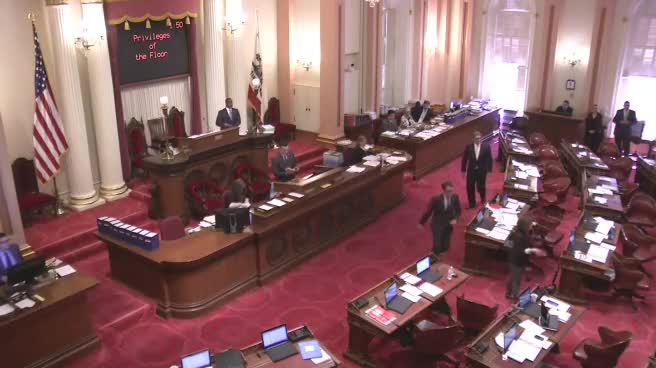 2MIN
Senate Floor
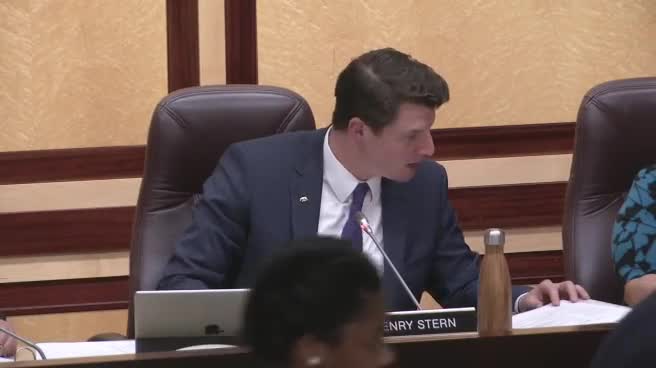 10MIN
Senate Standing Committee on Elections and Constitutional Amendments
 2MIN
Assembly Floor
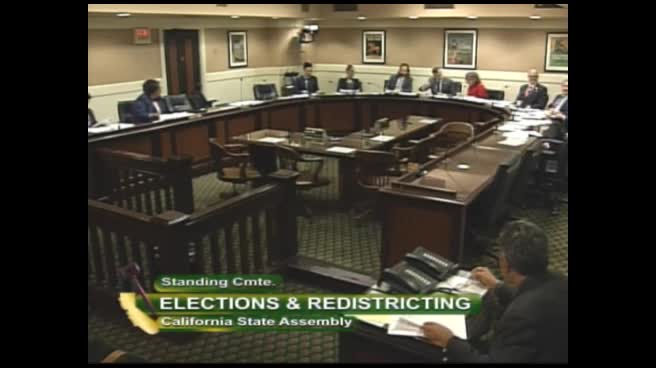 7MIN
Assembly Standing Committee on Elections and Redistricting
Bill Author

Bill Co-Author(s):