AB 804: Controller: internal control guidelines.
- Session Year: 2017-2018
- House: Assembly
- Latest Version Date: 2017-09-27
Existing law requires the Controller, on or before January 1, 2015, to develop internal control guidelines applicable to a local agency, as defined, to prevent and detect financial errors and fraud, based on specified standards and with input from any local agency and organizations representing the interests of local agencies.
This bill would authorize the Controller to audit any local agency for purposes of determining whether the agencys internal controls are adequate to detect and prevent financial errors and fraud.
The bill would declare that these provisions are a matter of statewide concern and not a municipal affair.
Existing law requires the Controller, on or before January 1, 2015, to develop internal control guidelines applicable to a local agency, as defined, to prevent and detect financial errors and fraud, based on specified standards and with input from any local agency and organizations representing the interests of local agencies.
This bill would authorize the Controller to audit any local agency for purposes of determining whether the agencys internal controls are adequate to detect and prevent financial errors and fraud.
The bill would declare that these provisions are a matter of statewide concern and not a municipal affair.
Existing law requires the Controller, on or before January 1, 2015, to develop internal control guidelines applicable to a local agency, as defined, to prevent and detect financial errors and fraud, based on specified standards and with input from any local agency and organizations representing the interests of local agencies.
This bill would authorize the Controller to audit any local agency for purposes of determining whether the agencys internal controls are adequate to detect and prevent financial errors and fraud.
The bill would declare that these provisions are a matter of statewide concern and not a municipal affair.
Existing law requires the Controller, on or before January 1, 2015, to develop internal control guidelines applicable to a local agency, as defined, to prevent and detect financial errors and fraud, based on specified standards and with input from any local agency and organizations representing the interests of local agencies.
This bill would authorize the Controller to audit any local agency for purposes of determining whether the agencys internal controls are adequate to detect and prevent financial errors and fraud.
The bill would declare that these provisions are a matter of statewide concern and not a municipal affair.
Existing law requires the Controller, on or before January 1, 2015, to develop internal control guidelines applicable to a local agency, as defined, to prevent and detect financial errors and fraud, based on specified standards and with input from any local agency and organizations representing the interests of local agencies.
This bill would authorize the Controller to audit any local agency for purposes of determining whether the agencys internal controls are adequate to detect and prevent financial errors and fraud.
The bill would declare that these provisions are a matter of statewide concern and not a municipal affair.
(a)On or before January 1, 2015, the Controller shall develop internal control guidelines applicable to each local agency to prevent and detect financial errors and fraud.
(b)The Controller shall develop the internal control guidelines based on standards adopted by the American Institute of Certified Public Accountants and with input from any local agency and organizations representing the interests of local agencies, including, but not limited to, the League of California Cities, the California State Association of Counties, the California Special Districts Association, and the California State Association of County Auditors.
(c)On or before January 1, 2015, the Controller shall post the completed internal control guidelines on the Controllers Internet Web site to assist a local agency, as defined in subdivision (f), in establishing a system of internal controls to safeguard assets and prevent and detect financial errors and fraud.
(d)The Controller shall, with input from the agencies listed in subdivision (b), update the internal control guidelines, as he or she deems necessary, and maintain a current version on the Internet Web site.
(e)The Controller may audit any local agency for purposes of determining whether the agencys internal controls are adequate to detect and prevent financial errors and fraud.
(f)For purposes of this section, local agency means a city, county, city and county, special district, or any other local governmental entity, except a school district.
SEC. 2.The Legislature finds and declares that internal controls are a matter of vital statewide importance and not a municipal affair as that term is used in Section 5 of Article XI of the California Constitution. Therefore, Section 12422.5 of the Government Code applies to all cities and counties, including charter cities.
(a)On or before January 1, 2015, the Controller shall develop internal control guidelines applicable to each local agency to prevent and detect financial errors and fraud.
(b)The Controller shall develop the internal control guidelines based on standards adopted by the American Institute of Certified Public Accountants and with input from any local agency and organizations representing the interests of local agencies, including, but not limited to, the League of California Cities, the California State Association of Counties, the California Special Districts Association, and the California State Association of County Auditors.
(c)On or before January 1, 2015, the Controller shall post the completed internal control guidelines on the Controllers Internet Web site to assist a local agency, as defined in subdivision (f), in establishing a system of internal controls to safeguard assets and prevent and detect financial errors and fraud.
(d)The Controller shall, with input from the agencies listed in subdivision (b), update the internal control guidelines, as he or she deems necessary, and maintain a current version on the Internet Web site.
(e)The Controller may audit any local agency for purposes of determining whether the agencys internal controls are adequate to detect and prevent financial errors and fraud.
(f)For purposes of this section, local agency means a city, county, city and county, special district, or any other local governmental entity, except a school district.
SEC. 2.The Legislature finds and declares that internal controls are a matter of vital statewide importance and not a municipal affair as that term is used in Section 5 of Article XI of the California Constitution. Therefore, Section 12422.5 of the Government Code applies to all cities and counties, including charter cities.
(a)On or before January 1, 2015, the Controller shall develop internal control guidelines applicable to each local agency to prevent and detect financial errors and fraud.
(b)The Controller shall develop the internal control guidelines based on standards adopted by the American Institute of Certified Public Accountants and with input from any local agency and organizations representing the interests of local agencies, including, but not limited to, the League of California Cities, the California State Association of Counties, the California Special Districts Association, and the California State Association of County Auditors.
(c)On or before January 1, 2015, the Controller shall post the completed internal control guidelines on the Controllers Internet Web site to assist a local agency, as defined in subdivision (f), in establishing a system of internal controls to safeguard assets and prevent and detect financial errors and fraud.
(d)The Controller shall, with input from the agencies listed in subdivision (b), update the internal control guidelines, as he or she deems necessary, and maintain a current version on the Internet Web site.
(e)The Controller may audit any local agency for purposes of determining whether the agencys internal controls are adequate to detect and prevent financial errors and fraud.
(f)For purposes of this section, local agency means a city, county, city and county, special district, or any other local governmental entity, except a school district.
SEC. 2.The Legislature finds and declares that internal audit controls are a matter of vital statewide importance and not a municipal affair as that term is used in Section 5 of Article XI of the California Constitution. Therefore, Section 12422.5 of the Government Code applies to all cities and counties, including charter cities.
(a)On or before January 1, 2015, the Controller shall develop internal control guidelines applicable to each local agency to prevent and detect financial errors and fraud.
(b)The Controller shall develop the internal control guidelines based on standards adopted by the American Institute of Certified Public Accountants and with input from any local agency and organizations representing the interests of local agencies, including, but not limited to, the League of California Cities, the California State Association of Counties, the California Special Districts Association, and the California State Association of County Auditors.
(c)On or before January 1, 2015, the Controller shall post the completed internal control guidelines on the Controllers Internet Web site to assist a local agency, as defined in subdivision (e), (f), in establishing a system of internal controls to safeguard assets and prevent and detect financial errors and fraud.
(d)The Controller shall, with input from the agencies listed in subdivision (b), update the internal control guidelines, as he or she deems necessary, and maintain a current version on the Internet Web site.
(e)The Controller may audit any local agency for purposes of determining whether the agencys internal controls are adequate to detect and prevent financial errors and fraud.
(f)For purposes of this section, local agency means a city, county, city and county, special district, or any other local governmental entity, except a school district.
SEC. 2.The Legislature finds and declares that internal audit controls are a matter of vital statewide importance and not a municipal affair as that term is used in Section 5 of Article XI of the California Constitution. Therefore, Section 12422.5 of the Government Code, Code applies to all cities and counties, including charter cities.
REVISIONS: HeadingLine 2.(a)On or before January 1, 2015, the Controller shall develop internal control guidelines applicable to each local agency to prevent and detect financial errors and fraud.
(b)The Controller shall develop the internal control guidelines based on standards adopted by the American Institute of Certified Public Accountants and with input from any local agency and organizations representing the interests of local agencies, including, but not limited to, the League of California Cities, the California State Association of Counties, the California Special Districts Association, and the California State Association of County Auditors.
(c)On or before January 1, 2015, the Controller shall post the completed internal control guidelines on the Controllers Internet Web site to assist a local agency, as defined in subdivision (e), in establishing a system of internal controls to safeguard assets and prevent and detect financial errors and fraud.
(d)The Controller shall, with input from the agencies listed in subdivision (b), update the internal control guidelines, as he or she deems necessary, and maintain a current version on the Internet Web site.
(e)The Controller may audit any local agency for purposes of determining whether the agencys internal controls are adequate to detect and prevent financial errors and fraud.
(e)(f)For purposes of this section, local agency means a city, county, city and county, special district, or any other local governmental entity, except a school district.
SEC. 2.The Legislature finds and declares that internal audit controls are a matter of vital statewide importance and not a municipal affair as that term is used in Section 5 of Article XI of the California Constitution. Therefore, Section 12422.5 of the Government Code, applies to all cities and counties, including charter cities.
|
Date
|
Status
|
|---|---|
| Sep 27, 2017 | Chaptered by Secretary of State - Chapter 317, Statutes of 2017. |
| Sep 27, 2017 | Approved by the Governor. |
| Sep 13, 2017 | Enrolled and presented to the Governor at 4 p.m. |
| Sep 7, 2017 | Senate amendments concurred in. To Engrossing and Enrolling. |
| Sep 5, 2017 | In Assembly. Concurrence in Senate amendments pending. May be considered on or after September 7 pursuant to Assembly Rule 77. |
| Sep 5, 2017 | Read third time. Passed. Ordered to the Assembly. |
| Jul 11, 2017 | Read second time. Ordered to third reading. |
| Jul 10, 2017 | From committee: Be ordered to second reading pursuant to Senate Rule 28.8. |
| Jun 19, 2017 | Read second time and amended. Re-referred to Com. on APPR. |
| Jun 15, 2017 | From committee: Amend, and do pass as amended and re-refer to Com. on APPR. (Ayes 11. Noes 0.) (June 13). |
| May 18, 2017 | Referred to Com. on G.O. |
| May 4, 2017 | In Senate. Read first time. To Com. on RLS. for assignment. |
| May 4, 2017 | Read third time. Passed. Ordered to the Senate. (Ayes 76. Noes 0. Page 1391.) |
| Apr 27, 2017 | Read second time. Ordered to Consent Calendar. |
| Apr 26, 2017 | From committee: Do pass. To Consent Calendar. (Ayes 16. Noes 0.) (April 26). |
| Apr 18, 2017 | Re-referred to Com. on APPR. |
| Apr 17, 2017 | Read second time and amended. |
| Apr 6, 2017 | From committee: Amend, and do pass as amended and re-refer to Com. on APPR. (Ayes 9. Noes 0.) (April 5). |
| Mar 2, 2017 | Referred to Com. on L. GOV. |
| Feb 16, 2017 | From printer. May be heard in committee March 18. |
| Feb 15, 2017 | Read first time. To print. |
|
Date
|
Description
|
Location
|
Votes
|
|
|---|---|---|---|---|
| Sep 7, 2017 | AB 804 GARCIA, C. Concurrence in Senate Amendments | Assembly Floor |
Passed |
|
| Sep 5, 2017 | Assembly 3rd Reading AB804 Cristina Garcia et al. By Galgiani | Senate Floor |
Passed |
|
| Jun 13, 2017 | Do pass as amended, but first amend, and re-refer to the Committee on [Appropriations] | Senate Standing Committee on Governmental Organization |
Passed |
|
| May 4, 2017 | AB 804 GARCIA, C. Consent Calendar Second Day Regular Session | Assembly Floor |
Passed |
|
| Apr 26, 2017 | Do pass. To Consent Calendar. | Assembly Standing Committee on Appropriations |
Passed |
|
| Apr 5, 2017 | Do pass as amended and be re-referred to the Committee on [Appropriations] | Assembly Standing Committee on Local Government |
Passed |
This list shows positions taken on this bill by organizations on the date displayed, which is linked to the original source.
Positions by individuals are not included.
|
Organization
|
Position
|
Date
|
|---|---|---|
| California Special Districts Association | ** Support | Jul 12, 2017 |
| California State Controller | ** Support | Jul 12, 2017 |
| California State Controller Betty T. Yee [SPONSOR] | ** Support | Apr 4, 2017 |
| California Taxpayers Association | ** Support | Jul 12, 2017 |
CONCURRENCE IN SENATE AMENDMENTS
CSA1 Bill Id:AB 804
Author:(Cristina Garcia)
As Amended Ver:June 19, 2017
Majority vote
ASSEMBLY: | 76-0 | (May 4, 2017) | SENATE: | 40-0 | (September 5, 2017) |
Original Committee Reference: L. GOV.
SUMMARY: Allows the State Controller (Controller) to audit any local agency for purposes of determining whether the agency's internal controls are adequate to detect and prevent financial errors and fraud.
The Senate amendments make a minor, technical correction.
FISCAL EFFECT: According to the Senate Appropriations Committee, pursuant to Senate Rule 28.8, negligible state costs.
COMMENTS:
- Bill Summary. This bill allows the Controller to audit any local agency for purposes of determining whether the agency's internal controls are adequate to detect and prevent financial errors and fraud. This bill is sponsored by the Controller.
- Author's Statement. According to the author, "Proper oversight and documentation by the Controller's Office will provide the public with the accountability they deserve to ensure public assets are not misused or abused. This is good government on behalf of the people we are elected to serve. This bill would enable (the Controller) to proactively assess an agency's preparedness at ensuring public funds will be spent as required. At the end of the day, it's a tool that will enable prevention and accountability in communities throughout the state."
- Background. Longstanding concerns about local government fiscal accountability came to dramatic light in 2011 with the exposure of unethical and illegal financial practices by numerous officials in the City of Bell. Despite serious and pervasive control deficiencies in the city's administrative and internal accounting systems, the city's independent auditor failed to report abuses such as excessive salaries, illegal loans, and questionable special fees.
In a series of follow-up audits of the City of Bell's finances, the Controller found that the independent auditor failed to comply with 13 of 17 fieldwork auditing standards and reported no significant deficiencies in any of the city's funds. The Controller also found subsequent deficiencies in his "Hercules Administrative and Internal Accounting Controls Review Report" issued in September 2012, which states:
We found the City of Hercules' administrative and internal accounting control deficiencies to be serious and pervasive; in effect, non-existent. We noted there was no oversight by the City Council over the city's financial and operational activities. From January 1, 2007, through December 31, 2010, the City Council adopted 40 ordinances, 679 city resolutions, and 360 Redevelopment Agency resolutions. With the exception of one city ordinance, every ordinance, city resolution, and RDA resolution was adopted unanimously. In essence, the City Council approved all requests submitted by the former City Manager. The former City Manager was given broad authority to enter into contracts and authorized disbursements for the city and the RDA. In addition, the city often ignored its competitive bid policy and had inadequate conflict of interest and nepotism policies. As a result, the potential for waste, abuse, and misappropriation of public funds is very high.
As part of our review, we made an assessment of various aspects of the city's internal control components and elements in accordance with standards adopted by the American Institute of Certified Public Accountants. Of the 74 elements evaluated pertaining to internal control components, we found only seven (9%) where controls were considered to be adequate.
The Legislature responded to the scandal in the City of Bell and the Controller's report of financial mismanagement in other jurisdictions with a number of bills to increase oversight of local agency financial practices. Among these measures was AB 1248 (Cooley), Chapter 190, Statutes of 2013, which required the Controller to develop internal control guidelines to prevent and detect financial errors and fraud and to post the guidelines on the Controller's website. When introduced, AB 1248 required local agencies to comply with the Controller's guidelines. However, that provision was removed before the bill was signed into law.
In 2015, the Controller's Office published and posted to its website the internal control guidelines required under AB 1248. This web page registered 424 visits in 2015, 217 hits in 2016, and 12 through February in 2017. Despite these posted guidelines (and numerous additional guides, manuals and reference materials covering a variety of accounting, auditing and other financial management activities of local agencies available on the Controller's website), the Controller continues to uncover deficiencies in local agencies' internal controls. For example, in its January 2017 review report for the Panoche Water District, the Controller found that 76% of the District's internal control components were considered inadequate. A review of the Lamont Public Utility District issued in July 2016 concluded that 82% of the District's internal control components were considered inadequate. A July 2015 review of the City of West Covina found inadequacies in 91% of the city's internal control components.
- Arguments in Support. California State Controller Betty T. Yee, sponsor of this measure, writes, "Since becoming California's Controller, my auditors have discovered many local agencies have either inadequate or no internal controls. These discoveries have often resulted in findings that public money was spent for improper or illegal purposes. Under Government Code Section 12410, (the Controller) has the authority to audit any public entity that receives state funding to ensure that state funding is spent in accordance with state law, but that authority does not permit (the Controller) to audit the spending of local or federal dollars. Under AB 804, (the Controller) would be able to review a local agency's internal controls to determine if they are strong enough to detect and prevent financial errors and fraud. Should such a review of those internal controls determine there are deficiencies, it could lead the agency in question to call for an audit itself or lead other outside groups to ask for an audit. The goal is to ensure local agencies have the internal control infrastructure in place to ensure taxpayer dollars – state, local, and federal – are spent lawfully."
- Arguments in Opposition. None on file.
Analysis Prepared by: Angela Mapp / L. GOV. / (916) 319-3958 FN: 0001119
Office of Senate Floor Analyses (916) 651-1520 Fax: (916) 327-4478 | AB |
THIRD READING
Bill No: AB 804
Author: Cristina Garcia (D), et al.
:
SENATE GOVERNMENTAL ORG. COMMITTEE: 11-0, 6/13/17
AYES: Dodd, Cannella, Gaines, Galgiani, Glazer, Hill, Hueso, Lara, Mendoza, Portantino, Vidak
NO VOTE RECORDED: Berryhill, Bradford
SENATE APPROPRIATIONS COMMITTEE: Senate Rule 28.8
ASSEMBLY FLOOR: 76-0, 5/4/17 (Consent) - See last page for vote
SOURCE: California State Controller
DIGEST: This bill allows the State Controller (Controller) to audit any local agency for purposes of determining whether the agency’s internal controls are adequate to detect and prevent financial errors and fraud.
ANALYSIS:
Existing law:
- Requires the Controller, on or before January 1, 2015, to develop internal control guidelines applicable to each local agency to prevent and detect financial errors and fraud.
- Requires the Controller to develop the internal control guidelines based on specified standards and with input from any local agency and organizations representing the interests of local agencies.
- Requires, on or before January 1, 2015, the Controller to post the completed internal control guidelines on the Controller’s Internet Web site to assist a local agency in establishing a system of internal controls to safeguard assets, prevent and detect financial errors and fraud.
- Requires the Controller, with input from specified organizations, to update the internal control guidelines, as he or she deems necessary, and maintain a current version on the Controller’s Web site.
- Defines “local agency” to mean a city, county, city and county, special district, or any other local governmental entity, except a school district.
- Authorizes the Controller to audit any public entity that receives state funding to ensure that state funding is spent in accordance with state law. However, the authority does not permit the Controller to audit spending of local or federal dollars.
This bill allows the Controller to audit any local agency for purposes of determining whether the agency’s internal controls are adequate to detect and prevent financial errors and fraud.
Background
Purpose of the bill. According to the author’s office, “proper oversight and documentation by the Controller will provide the public with the accountability they deserve to ensure public assets are not misused or abused. This is good government on behalf of the people we are elected to serve. This bill would enable the Controller to proactively assess an agency’s preparedness at ensuring public funds will be spent as required. At the end of the day, it’s a tool that will enable prevention and accountability in communities throughout the state.”
History. After the exposure of unethical and illegal financial practices by numerous officials in the City of Bell in 2011, the Legislature responded with a number of bills to increase oversight of local agency financial practices. Among these measures was AB 1248 (Cooley, Chapter 190, Statutes of 2013) which required the Controller to develop internal control guidelines to prevent and detect financial errors and fraud and to post the guidelines on the Controller's Internet Web site.
In 2015, the Controller's Office published and posted to its Web site the internal control guidelines required under AB 1248. Despite these posted guidelines, the Controller continues to uncover deficiencies in local agencies' internal controls. For example, in its January 2017 review report for the Panoche Water District, the Controller found that 76% of the District's internal control components were considered inadequate.
A review of the Lamont Public Utility District issued in July 2016 concluded that 82% of the District's internal control components were considered inadequate. A July 2015 review of the City of West Covina reported 91% of the city's internal control components to be inadequate.
This bill allows the Controller to review the internal controls adopted by local agencies to determine if those controls are sufficient to detect and prevent financial errors and fraud. If such a review finds that the internal controls are insufficient, it could put pressure on the local entity to improve those internal controls and/or lead the agency in question to call for an audit itself to lead other outside groups to ask for an audit.
Internal controls. According to the American Institute of Certified Public Accountants, internal controls are defined as a “process affected by those charged with governance, management, and other personnel that is designed to provide reasonable assurance about the achievement of the entity’s objectives with regard to the reliability of financial reporting, effectiveness and efficiency of operations, and compliance with applicable laws and regulations. Internal control over safeguarding of assets against unauthorized acquisition, use or disposition may include controls relating to financial reporting and operations objectives.”
Internal controls are comprised of five components that work together in an integrated framework: control environment; risk assessment; control activities; information and communication; and monitoring activities.
Related/Prior Legislation
AB 2676 (Rendon, 2014) would have expanded the Controller's authority to address local government financial or administrative issues through audits and investigations. (Held in the Assembly Appropriations Committee Suspense File)
AB 941 (Rendon, 2013) would have expanded the Controller's authority to address local government financial or administrative issues through audits and investigations. (Held in the Assembly Appropriations Committee Suspense File)
AB 1248 (Cooley, Chapter 190, Statutes of 2013) required the Controller to develop internal control guidelines to prevent and detect financial errors and fraud and to post the guidelines on the Controller's Web site.
FISCAL EFFECT: Appropriation: Fiscal Com.: Local:
California State Controller (source)
California Taxpayers Association
California Special Districts Association
OPPOSITION: (Verified 7/11/17)
None received
ARGUMENTS IN SUPPORT: According to the Controller, “under AB 804, the Controller would be able to review a local agency’s internal controls to determine if they are strong enough to detect and prevent financial errors and fraud. Should such a review of those internal controls determine there are deficiencies, it could lead the agency in question to call for an audit itself or lead other outside groups to ask for an audit. The goal is to ensure local agencies have the internal control infrastructure in place to ensure taxpayer dollars are spent lawfully.”
The California Taxpayers Association states that, “since 2015 alone, the Controller’s Audit Program has successfully identified over $3 billion in waste, abuse and fiscal mismanagement in California, and while the state agency currently has the authority to audit any local public entity that receives state funding, it is not authorized to audit the expenditure of local or federal funds. This leaves a segment of local programs and agencies to operate without the full accountability of state oversight. AB 804 addresses this gap by allowing the state agency to review a local entity’s internal procedures to prevent misuse, regardless of how the entity is funded.”
ASSEMBLY FLOOR: 76-0, 5/4/17
AYES: Acosta, Aguiar-Curry, Arambula, Baker, Berman, Bloom, Bocanegra, Bonta, Brough, Burke, Caballero, Calderon, Cervantes, Chau, Chávez, Chen, Chiu, Choi, Chu, Cooley, Cooper, Cunningham, Dababneh, Dahle, Daly, Eggman, Flora, Fong, Frazier, Friedman, Gallagher, Eduardo Garcia, Gipson, Gloria, Gomez, Gonzalez Fletcher, Gray, Grayson, Harper, Holden, Irwin, Jones-Sawyer, Kalra, Kiley, Lackey, Levine, Limón, Low, Maienschein, Mathis, Mayes, McCarty, Medina, Melendez, Mullin, Muratsuchi, Nazarian, Obernolte, O'Donnell, Quirk, Quirk-Silva, Reyes, Ridley-Thomas, Rodriguez, Rubio, Salas, Santiago, Steinorth, Mark Stone, Thurmond, Ting, Voepel, Waldron, Weber, Wood, Rendon
NO VOTE RECORDED: Travis Allen, Bigelow, Cristina Garcia, Patterson
7/12/17 11:21:45
**** END ****
SENATE COMMITTEE ON GOVERNMENTAL ORGANIZATION
Senator Bill Dodd
Chair
2017 - 2018 Regular
Bill No: 804 Hearing Date: 6/13/2017
Author: | , et al. | ||
Version: | 4/17/2017 Amended | ||
Urgency: | No | Fiscal: | Yes |
Consultant: | Felipe Lopez | ||
SUBJECT: Controller: internal control guidelines
DIGEST: This bill allows the State Controller (Controller) to audit any local agency for purposes of determining whether the agency’s internal controls are adequate to detect and prevent financial errors and fraud.
ANALYSIS:
Existing law:
- Requires the Controller, on or before January 1, 2015, to develop internal control guidelines applicable to each local agency to prevent and detect financial errors and fraud.
- Requires the Controller to develop the internal control guidelines based on specified standards and with input from any local agency and organizations representing the interests of local agencies.
- Requires, on or before January 1, 2015, the Controller to post the completed internal control guidelines on the Controller’s Internet Web site to assist a local agency in establishing a system of internal controls to safeguard assets, prevent and detect financial errors and fraud.
- Requires the Controller, with input from specified organizations, to update the internal control guidelines, as he or she deems necessary, and maintain a current version on the Controller’s Web site.
- Defines “local agency” to mean a city, county, city and county, special district, or any other local governmental entity, except a school district.
- Authorizes the Controller to audit any public entity that receives state funding to ensure that state funding is spent in accordance with state law. However, the authority does not permit the Controller to audit spending of local or federal dollars.
This bill allows the Controller to audit any local agency for purposes of determining whether the agency’s internal controls are adequate to detect and prevent financial errors and fraud.
Background
Purpose of the bill. According to the author’s office, “proper oversight and documentation by the Controller will provide the public with the accountability they deserve to ensure public assets are not misused or abused. This is good government on behalf of the people we are elected to serve. This bill would enable the Controller to proactively assess an agency’s preparedness at ensuring public funds will be spent as required. At the end of the day, it’s a tool that will enable prevention and accountability in communities throughout the state.”
History. After the exposure of unethical and illegal financial practices by numerous officials in the City of Bell in 2011, the Legislature responded with a number of bills to increase oversight of local agency financial practices. Among these measures was AB 1248 (Cooley, Chapter 190, Statutes of 2013) which required the Controller to develop internal control guidelines to prevent and detect financial errors and fraud and to post the guidelines on the Controller's Internet Web site.
In 2015, the Controller's Office published and posted to its website the internal control guidelines required under AB 1248. Despite these posted guidelines, the Controller continues to uncover deficiencies in local agencies' internal controls. For example, in its January 2017 review report for the Panoche Water District, the Controller found that 76% of the District's internal control components were considered inadequate.
A review of the Lamont Public Utility District issued in July 2016 concluded that 82% of the District's internal control components were considered inadequate. A July 2015 review of the City of West Covina reported 91% of the city's internal control components to be inadequate.
This bill would allow the Controller to review the internal controls adopted by local agencies to determine if those controls are sufficient to detect and prevent financial errors and fraud. If such a review finds that the internal controls are insufficient, it could put pressure on the local entity to improve those internal controls and/or lead the agency in question to call for an audit itself to lead other outside groups to ask for an audit.
Internal controls. According to the American Institute of Certified Public Accountants, internal controls are defined as a “process affected by those charged with governance, management, and other personnel that is designed to provide reasonable assurance about the achievement of the entity’s objectives with regard to the reliability of financial reporting, effectiveness and efficiency of operations, and compliance with applicable laws and regulations. Internal control over safeguarding of assets against unauthorized acquisition, use or disposition may include controls relating to financial reporting and operations objectives.”
Internal control is comprised of five components that work together in an integrated framework: control environment; risk assessment; control activities; information and communication; and monitoring activities.
Suggested amendment. The author may wish to remove the word “audit” on page 2, line 27 to fix a drafting error.
Prior/Related Legislation
AB 2676 (Rendon, 2014) would have expanded the Controller's authority to address local government financial or administrative issues through audits and investigations. (Held in the Assembly Appropriations Committee Suspense File)
AB 941 (Rendon, 2013) would have expanded the Controller's authority to address local government financial or administrative issues through audits and investigations. (Held in the Assembly Appropriations Committee Suspense File)
AB 1248 (Cooley, Chapter 190, Statutes of 2013) required the Controller to develop internal control guidelines to prevent and detect financial errors and fraud and to post the guidelines on the Controller's website.
AB 1345 (Lara, Chapter 231, Statutes of 2012) expanded the Controller's oversight over local government auditing practices.
SB 186 (Kehoe, 2012) would have expanded, until January 1, 2017, the Controller’s authority to perform audits or investigations of counties, cities, special districts and joint powers authorities if the Controller has reason to believe that a local government is violating specified financial requirements. (Held in Assembly Appropriations Committee Suspense File)
AB 187 (Lara, Chapter 451, Statutes of 2011) authorized the State Auditor to establish a high-risk local government agency audit program to identify, audit, and issue reports on any local government agency or any publicly-created entity that the State Auditor identifies as being at high-risk for the potential of waste, fraud, abuse, or mismanagement or that has major challenges associated with its economy, efficiency, or effectiveness.
AB 162 (Smyth, 2011) would have required an audit of a local agency that revealed possible deficiencies in internal control, fraud, illegal acts, violations of provisions of contracts or grant agreements or other abuses to be sent separately to the Controller immediately after the audit was concluded. (Held in the Assembly Local Government Committee)
AB 253 (Smyth, 2011) would have established the Committee on City Accounting Procedures, specified the membership of the Committee, and required the Controller, in consultation with the Committee, to prescribe uniform accounting and reporting procedures for cities. (Held in the Senate Governance and Finance Committee)
SB 449 (Pavley, 2011) would have authorized the Controller to review the finances of cities, counties, special districts, and redevelopment agencies, and allowed the Controller to convene a local agency financial review committee to provide assistance to local agencies that seek help in averting or managing a financial problem. (Held in the Assembly Local Government Committee)
FISCAL EFFECT: Appropriation: Fiscal Com.: Local:
SUPPORT:
California State Controller (Source)
California Taxpayers Association
California Special Districts Association
OPPOSITION:
None received
ARGUMENTS IN SUPPORT: According to the Controller, “under AB 804, the Controller would be able to review a local agency’s internal controls to determine if they are strong enough to detect and prevent financial errors and fraud. Should such a review of those internal controls determine there are deficiencies, it could lead the agency in question to call for an audit itself or lead other outside groups to ask for an audit. The goal is to ensure local agencies have the internal control infrastructure in place to ensure taxpayer dollars are spent lawfully.”
The California Taxpayers Association states that, “since 2015 alone, the Controller’s Audit Program has successfully identified over $3 billion in waste, abuse and fiscal mismanagement in California, and while the state agency currently has the authority to audit any local public entity that receives state funding, it is not authorized to audit the expenditure of local or federal funds. This leaves a segment of local programs and agencies to operate without the full accountability of state oversight. AB 804 addresses this gap by allowing the state agency to review a local entity’s internal procedures to prevent misuse, regardless of how the entity is funded.”
Date of Hearing: April 26, 2017
ASSEMBLY COMMITTEE ON APPROPRIATIONS
Lorena Gonzalez Fletcher, Chair
ABPCA Bill Id:AB 804
Author:(Cristina Garcia) – As Amended Ver:April 17, 2017
Policy Committee: | Local Government | Vote: | 9 - 0 |
Urgency: No State Mandated Local Program: No Reimbursable: No
SUMMARY:
This bill allows the State Controller (Controller) to audit any local agency (including charter cities, but not school districts) for purposes of determining whether the agency’s internal controls are adequate to detect and prevent financial errors and fraud.
FISCAL EFFECT:
The State Controller's Office indicates these audits are absorbable within existing resources.
COMMENTS:
- Purpose. According to the author, "Proper oversight and documentation by the Controller’s Office will provide the public with the accountability they deserve to ensure public assets are not misused or abused. This is good government on behalf of the people we are elected to serve. This bill would enable (the Controller) to proactively assess an agency’s preparedness at ensuring public funds will be spent as required. At the end of the day, it’s a tool that will enable prevention and accountability in communities throughout the state."
- Background. Longstanding concerns about local government fiscal accountability came to dramatic light in 2011 with the exposure of unethical and illegal financial practices by numerous officials in the City of Bell. In a series of follow-up audits of the City of Bell's finances, the Controller found that the independent auditor failed to comply with 13 of 17 fieldwork auditing standards and reported no significant deficiencies in any of the city's funds.
The Legislature responded to the situation in the City of Bell, and to the Controller's report of financial mismanagement in other jurisdictions, with a number of bills to increase oversight of local agency financial practices. Among these measures was AB 1248 (Cooley), Chapter 190, Statutes of 2013, which required the Controller to develop internal control guidelines to prevent and detect financial errors and fraud and to post the guidelines on the Controller's website. However, language to require local agencies to comply with the Controller's guidelines was removed before the bill was signed into law.
In 2015, the Controller's Office published and posted to its website the internal control guidelines required under AB 1248. This web page registered 424 visits in 2015, 217 hits in 2016, and 12 through February in 2017. Despite these posted guidelines (and numerous additional guides, manuals and reference materials covering a variety of accounting, auditing and other financial management activities of local agencies available on the Controller's website), the Controller continues to uncover severe deficiencies in local agencies' internal controls.
This bill will allow the State Controller to audit any local agency to determine the adequacy of the agency's internal controls.
- Previous Legislation. During the 2011-12 and 2013-14 Legislative Sessions, at least 12 bills were introduced in response to reports of financial mismanagement in local jurisdictions. About half failed the first time, but most were ultimately successful upon reintroduction. Among the most recent, in addition to AB 1248:
AB 2676 (Rendon), of the 2013-14 Legislative Session, would have expanded the Controller's authority to perform audits or investigations of counties, cities, and special districts if the Controller made specified findings that any of these local government entities violated financial requirements in state law, state grant agreements, local charters, or local ordinances. That bill was held on this Committee's Suspense File.
AB 941 (Rendon), of the 2013-14 Legislative Session, and SB 186 (Kehoe and DeSaulnier), of 2011-12 Legislative Session, were substantially similar to AB 2676. Both bills were held on this Committee's Suspense File.
AB 1345 (Lara), Chapter 231, Statutes of 2012, expanded the Controller's oversight over local government auditing practices.
Analysis Prepared by: Jennifer Swenson / APPR. / (916) 319-2081
Date of Hearing: April 5, 2017
ASSEMBLY COMMITTEE ON LOCAL GOVERNMENT
Cecilia Aguiar-Curry, Chair
ABPCA Bill Id:AB 804 (
Author:Cristina Garcia) – As Introduced Ver:February 15, 2017
SUBJECT: Controller: internal control guidelines.
SUMMARY: Allows the State Controller (Controller) to audit any local agency for purposes of determining whether the agency’s internal controls are adequate to detect and prevent financial errors and fraud.
EXISTING LAW:
- Requires the Controller to superintend the fiscal concerns of the state and to audit all claims against the state.
- Allows the Controller to audit the disbursement of any state money, for correctness, legality, and for sufficient provisions of law for payment.
- Allows the Controller to make such field or other audit of any claim or disbursement of state money as may be appropriate, whenever the Controller determines that an audit conducted to approve or disapprove a claim against the state is not adequate.
- Requires the officer of each local agency who has charge of the financial records to furnish to the Controller a report of all the financial transactions of the local agency during the next preceding fiscal year.
- Requires the Controller, by January 1, 2015, to develop internal control guidelines applicable to each local agency to prevent and detect financial errors and fraud.
- Requires the Controller to develop the internal control guidelines based on standards adopted by the American Institute of Certified Public Accountants and with input from any local agency and organizations representing the interests of local agencies, including, but not limited to, the League of California Cities, the California State Association of Counties, the California Special Districts Association, and the California State Association of County Auditors.
- Requires the Controller, by January 1, 2015, to post the completed internal control guidelines on the Controller’s Internet Web site (website) to assist a local agency in establishing a system of internal controls to safeguard assets and prevent and detect financial errors and fraud.
- Requires the Controller, with input from the agencies listed in 6), above, to update the internal control guidelines, as he or she deems necessary, and maintain a current version on the Controller's website.
- Defines, for purposes of the provisions above, “local agency” to mean a city, county, city and county, special district, or any other local governmental entity, except a school district.
FISCAL EFFECT: This bill is keyed fiscal.
COMMENTS:
- Bill Summary. This bill allows the Controller to audit any local agency for purposes of determining whether the agency’s internal controls are adequate to detect and prevent financial errors and fraud. This bill is sponsored by the Controller.
- Author's Statement. According to the author, "Proper oversight and documentation by the Controller’s Office will provide the public with the accountability they deserve to ensure public assets are not misused or abused. This is good government on behalf of the people we are elected to serve. This bill would enable (the Controller) to proactively assess an agency’s preparedness at ensuring public funds will be spent as required. At the end of the day, it’s a tool that will enable prevention and accountability in communities throughout the state."
- Background. Longstanding concerns about local government fiscal accountability came to dramatic light in 2011 with the exposure of unethical and illegal financial practices by numerous officials in the City of Bell. Despite serious and pervasive control deficiencies in the city's administrative and internal accounting systems, the city's independent auditor failed to report abuses such as excessive salaries, illegal loans, and questionable special fees.
In a series of follow-up audits of the City of Bell's finances, the Controller found that the independent auditor failed to comply with 13 of 17 fieldwork auditing standards and reported no significant deficiencies in any of the city's funds. The Controller also found subsequent deficiencies in his "Hercules Administrative and Internal Accounting Controls Review Report" issued in September 2012, which states:
We found the City of Hercules’ administrative and internal accounting control deficiencies to be serious and pervasive; in effect, non-existent. We noted there was no oversight by the City Council over the city’s financial and operational activities. From January 1, 2007, through December 31, 2010, the City Council adopted 40 ordinances, 679 city resolutions, and 360 Redevelopment Agency resolutions. With the exception of one city ordinance, every ordinance, city resolution, and RDA resolution was adopted unanimously. In essence, the City Council approved all requests submitted by the former City Manager. The former City Manager was given broad authority to enter into contracts and authorized disbursements for the city and the RDA. In addition, the city often ignored its competitive bid policy and had inadequate conflict of interest and nepotism policies. As a result, the potential for waste, abuse, and misappropriation of public funds is very high.
As part of our review, we made an assessment of various aspects of the city’s internal control components and elements in accordance with standards adopted by the American Institute of Certified Public Accountants. Of the 74 elements evaluated pertaining to internal control components, we found only seven (9%) where controls were considered to be adequate.
The Legislature responded to the scandal in the City of Bell and the Controller's report of financial mismanagement in other jurisdictions with a number of bills to increase oversight of local agency financial practices. Among these measures was AB 1248 (Cooley), Chapter 190, Statutes of 2013, which required the Controller to develop internal control guidelines to prevent and detect financial errors and fraud and to post the guidelines on the Controller's website. When introduced, AB 1248 required local agencies to comply with the Controller's guidelines. However, that provision was removed before the bill was signed into law.
The American Institute of Certified Public Accountants defines internal control as follows:
A process affected by those charged with governance, management, and other personnel that is designed to provide reasonable assurance about the achievement of the entity’s objectives with regard to the reliability of financial reporting, effectiveness and efficiency of operations, and compliance with applicable laws and regulations. Internal control over safeguarding of assets against unauthorized acquisition, use or disposition may include controls relating to financial reporting and operations objectives. Internal control is comprised of five components that work together in an integrated framework: Control Environment; Risk Assessment; Control Activities; Information and Communication; and, Monitoring Activities.
In 2015, the Controller's Office published and posted to its website the internal control guidelines required under AB 1248. This web page registered 424 visits in 2015, 217 hits in 2016, and 12 through February in 2017. Despite these posted guidelines (and numerous additional guides, manuals and reference materials covering a variety of accounting, auditing and other financial management activities of local agencies available on the Controller's website), the Controller continues to uncover deficiencies in local agencies' internal controls. For example, in its January 2017 review report for the Panoche Water District, the Controller found that 76% of the District's internal control components were considered inadequate.
A review of the Lamont Public Utility District issued in July 2016 concluded that 82% of the District's internal control components were considered inadequate. A July 2015 review of the City of West Covina reported 91% of the city's internal control components to be inadequate.
- Technical Amendment. The Committee may wish to amend the bill to correct an erroneous cross-reference to the definition for "local agency."
- Previous Legislation. AB 2676 (Rendon) of 2014 would have expanded the Controller's authority to perform audits or investigations of counties, cities, and special districts if the Controller made specified findings that any of these local government entities violated financial requirements in state law, state grant agreements, local charters, or local ordinances. AB 2676 was held in the Assembly Appropriations Committee.
AB 941 (Rendon) of 2013 was substantially similar to AB 2676. AB 941 was held in the Assembly Appropriations Committee.
AB 1035 (Muratsuchi) of 2013 would have increased forfeiture amounts for local agencies that fail to file their annual financial transaction reports with the Controller's Office in a timely manner, and would have required the Controller to conduct an independent financial audit report for an agency that fails to file for three consecutive years. AB 1035 was amended to address an unrelated subject.
AB 1248 (Cooley), Chapter 190, Statutes of 2013, required the Controller to develop internal control guidelines to prevent and detect financial errors and fraud and to post the guidelines on the Controller's website.
AB 1345 (Lara), Chapter 231, Statutes of 2012, expanded the Controller's oversight over local government auditing practices.
SB 186 (Kehoe and DeSaulnier) of 2012 was substantially similar to AB 941. SB 186 was held in the Assembly Appropriations Committee.
AB 162 (Smyth) of 2011 would have required an audit of a local agency that revealed possible deficiencies in internal control, fraud, illegal acts, violations of provisions of contracts or grant agreements or other abuses to be sent separately to the Controller immediately after the audit was concluded. AB 162 was held in the Assembly Local Government Committee.
AB 187 (Lara), Chapter 451, Statutes of 2011, authorized the State Auditor to establish a high-risk local government agency audit program to identify, audit, and issue reports on any local government agency or any publicly-created entity that the State Auditor identifies as being at high-risk for the potential of waste, fraud, abuse, or mismanagement or that has major challenges associated with its economy, efficiency, or effectiveness.
AB 229 (Lara) of 2011 was similar to AB 1345. AB 229 was amended to address an unrelated subject.
AB 253 (Smyth) of 2011 would have established the Committee on City Accounting Procedures, specified the membership of the Committee, and required the Controller, in consultation with the Committee, to prescribe uniform accounting and reporting procedures for cities. AB 253 was held in the Senate Governance and Finance Committee.
AB 276 (Alejo) of 2011 was substantially similar to AB 1035. AB 276 was subsequently amended to address an unrelated subject.
SB 449 (Pavley) of 2011 would have authorized the Controller to review the finances of cities, counties, special districts, and redevelopment agencies, and allowed the Controller to convene a local agency financial review committee to provide assistance to local agencies that seek help in averting or managing a financial problem. SB 449 was held in the Assembly Local Government Committee.
- Arguments in Support. California State Controller Betty T. Yee, sponsor of this measure, writes, "Since becoming California's Controller, my auditors have discovered many local agencies have either inadequate or no internal controls. These discoveries have often resulted in findings that public money was spent for improper or illegal purposes.
"Under Government Code section 12410, (the Controller) has the authority to audit any public entity that receives state funding to ensure that state funding is spent in accordance with state law, but that authority does not permit (the Controller) to audit the spending of local or federal dollars.
"Under AB 804, (the Controller) would be able to review a local agency's internal controls to determine if they are strong enough to detect and prevent financial errors and fraud. Should such a review of those internal controls determine there are deficiencies, it could lead the agency in question to call for an audit itself or lead other outside groups to ask for an audit. The goal is to ensure local agencies have the internal control infrastructure in place to ensure taxpayer dollars – state, local, and federal – are spent lawfully."
- Arguments in Opposition. None on file.
REGISTERED SUPPORT / OPPOSITION:
Support
California State Controller Betty T. Yee [SPONSOR]
California Taxpayers Association
Opposition
None on file
Analysis Prepared by: Angela Mapp / L. GOV. / (916) 319-3958
Discussed in Hearing
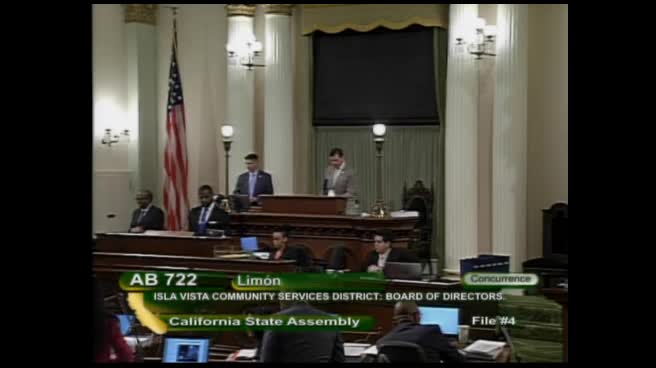 49SEC
Assembly Floor
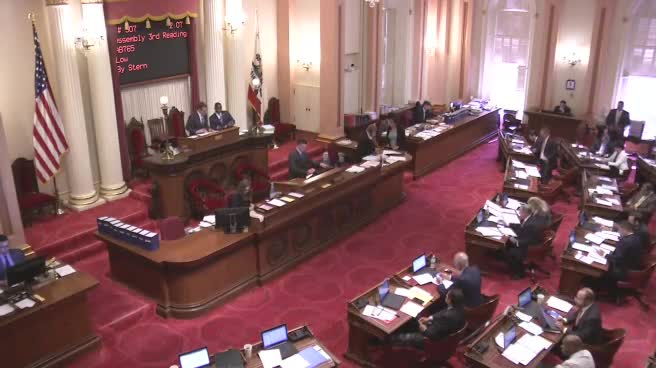 5MIN
Senate Floor
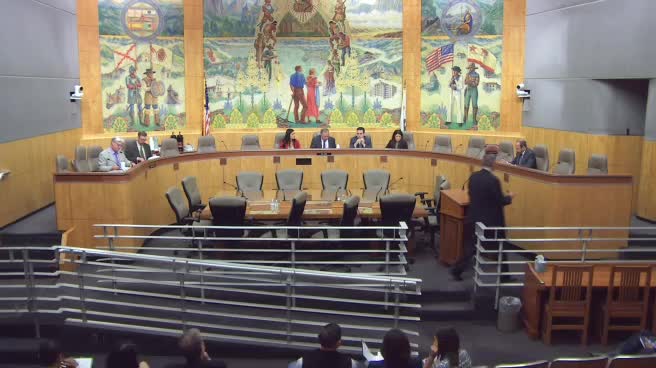 3MIN
Senate Standing Committee on Governmental Organization
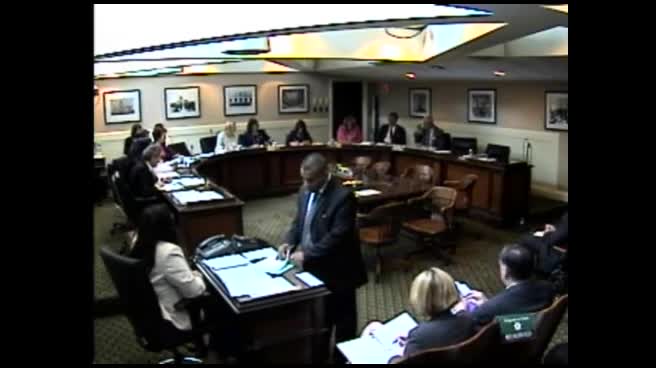 4MIN
Assembly Standing Committee on Local Government
Bill Author

Bill Co-Author(s):