AB 994: Health care districts: design-build.
- Session Year: 2017-2018
- House: Assembly
- Latest Version Date: 2017-09-27
Existing law authorizes certain health care districts to use the design-build process when contracting for the construction of a building or improvements directly related to construction of a hospital or health facility building in those districts, as specified. Existing law sets forth the procurement process for design-build projects, as specified, and requires specified information submitted by design-build entities to be certified under penalty of perjury.
This bill would authorize, until January 1, 2023, the Beach Cities Health District to use the design-build process for the construction of facilities or other buildings in that district, as specified. Because the bill would expand the application of the procurement process to additional design-build entities, the bill would expand the crime of perjury, thereby imposing a state-mandated local program.
This bill would make legislative findings and declarations as to the necessity of a special statute for the Beach Cities Health District.
The California Constitution requires the state to reimburse local agencies and school districts for certain costs mandated by the state. Statutory provisions establish procedures for making that reimbursement.
This bill would provide that no reimbursement is required by this act for a specified reason.
Existing law authorizes certain health care districts to use the design-build process when contracting for the construction of a building or improvements directly related to construction of a hospital or health facility building in those districts, as specified. Existing law sets forth the procurement process for design-build projects, as specified, and requires specified information submitted by design-build entities to be certified under penalty of perjury.
This bill would authorize, until January 1, 2023, the Beach Cities Health District to use the design-build process for the construction of facilities or other buildings in that district, as specified. Because the bill would expand the application of the procurement process to additional design-build entities, the bill would expand the crime of perjury, thereby imposing a state-mandated local program.
This bill would make legislative findings and declarations as to the necessity of a special statute for the Beach Cities Health District.
The California Constitution requires the state to reimburse local agencies and school districts for certain costs mandated by the state. Statutory provisions establish procedures for making that reimbursement.
This bill would provide that no reimbursement is required by this act for a specified reason.
Existing law authorizes certain health care districts to use the design-build process when contracting for the construction of a building or improvements directly related to construction of a hospital or health facility building in those districts, as specified. Existing law sets forth the procurement process for design-build projects, as specified, and requires specified information submitted by design-build entities to be certified under penalty of perjury.
This bill would authorize, until January 1, 2023, the Beach Cities Health District to use the design-build process for the construction of facilities or other buildings in that district, as specified. Because the bill would expand the application of the procurement process to additional design-build entities, the bill would expand the crime of perjury, thereby imposing a state-mandated local program.
This bill would make legislative findings and declarations as to the necessity of a special statute for the Beach Cities Health District.
The California Constitution requires the state to reimburse local agencies and school districts for certain costs mandated by the state. Statutory provisions establish procedures for making that reimbursement.
This bill would provide that no reimbursement is required by this act for a specified reason.
Existing law provides for the licensure and regulation by the State Department of Public Health of health facilities, defined to mean a facility, place, or building that is organized, maintained, and operated for the diagnosis, care, prevention, and treatment of human illness, as specified, and includes, among others, a general acute care hospital, an acute psychiatric hospital, and a skilled nursing facility.This bill would make technical, nonsubstantive changes to that provision.Existing law provides for the licensure and regulation by the State Department of Public Health of health facilities, defined to mean a facility, place, or building that is organized, maintained, and operated for the diagnosis, care, prevention, and treatment of human illness, as specified, and includes, among others, a general acute care hospital, an acute psychiatric hospital, and a skilled nursing facility.
This bill would make technical, nonsubstantive changes to that provision.
(a)Notwithstanding Section 32132 or any other law, upon approval by the board of directors of the Beach Cities Health District, the design-build process described in Chapter 4 (commencing with Section 22160) of Part 3 of Division 2 of the Public Contract Code may be used to assign contracts for the construction of facilities or other buildings in that district.
(b)For purposes of this section, all references in Chapter 4 (commencing with Section 22160) of Part 3 of Division 2 of the Public Contract Code to local agency shall mean the Beach Cities Health District and its board of directors.
(c)To the extent that any project utilizing the design-build process authorized by subdivision (a) is otherwise required to comply with the standards and requirements of the Alfred E. Alquist Hospital Facilities Seismic Safety Act of 1983 (Chapter 1 (commencing with Section 129675) of Part 7 of Division 107), this section shall not be construed as an exemption from that act.
(d)This section shall remain in effect only until January 1, 2023, and as of that date is repealed, unless a later enacted statute that is enacted before January 1, 2023, deletes or extends that date.
SEC. 2.The Legislature finds and declares that a special statute is necessary and that a general statute cannot be made applicable within the meaning of Section 16 of Article IV of the California Constitution because of the unique circumstances relating to the Beach Cities Health District.
SEC. 3.No reimbursement is required by this act pursuant to Section 6 of Article XIIIB of the California Constitution because the only costs that may be incurred by a local agency or school district will be incurred because this act creates a new crime or infraction, eliminates a crime or infraction, or changes the penalty for a crime or infraction, within the meaning of Section 17556 of the Government Code, or changes the definition of a crime within the meaning of Section 6 of Article XIIIB of the California Constitution.
(a)Notwithstanding Section 32132 or any other law, upon approval by the board of directors of the Beach Cities Health District, the design-build process described in Chapter 4 (commencing with Section 22160) of Part 3 of Division 2 of the Public Contract Code may be used to assign contracts for the construction of facilities or other buildings in that district.
(b)For purposes of this section, all references in Chapter 4 (commencing with Section 22160) of Part 3 of Division 2 of the Public Contract Code to local agency shall mean the Beach Cities Health District and its board of directors.
(c)To the extent that any project utilizing the design-build process authorized by subdivision (a) is otherwise required to comply with the standards and requirements of the Alfred E. Alquist Hospital Facilities Seismic Safety Act of 1983 (Chapter 1 (commencing with Section 129675) of Part 7 of Division 107), this section shall not be construed as an exemption from that act.
(d)This section shall remain in effect only until January 1, 2023, and as of that date is repealed, unless a later enacted statute that is enacted before January 1, 2023, deletes or extends that date.
SEC. 2.The Legislature finds and declares that a special statute is necessary and that a general statute cannot be made applicable within the meaning of Section 16 of Article IV of the California Constitution because of the unique circumstances relating to the Beach Cities Health District.
SEC. 3.No reimbursement is required by this act pursuant to Section 6 of Article XIIIB of the California Constitution because the only costs that may be incurred by a local agency or school district will be incurred because this act creates a new crime or infraction, eliminates a crime or infraction, or changes the penalty for a crime or infraction, within the meaning of Section 17556 of the Government Code, or changes the definition of a crime within the meaning of Section 6 of Article XIIIB of the California Constitution.
(a)Notwithstanding Section 32132 or any other law, upon approval by the board of directors of the Beach Cities Health District, the design-build process described in Chapter 4 (commencing with Section 22160) of Part 3 of Division 2 of the Public Contract Code may be used to assign contracts for the construction of facilities or other buildings in that district.
(b)For purposes of this section, all references in Chapter 4 (commencing with Section 22160) of Part 3 of Division 2 of the Public Contract Code to local agency shall mean the Beach Cities Health District and its board of directors.
(c)To the extent that any project utilizing the design-build process authorized by subdivision (a) is otherwise required to comply with the standards and requirements of the Alfred E. Alquist Hospital Facilities Seismic Safety Act of 1983 (Chapter 1 (commencing with Section 129675) of Part 7 of Division 107), this section shall not be construed as an exemption from that act.
(d)This section shall remain in effect only until January 1, 2023, and as of that date is repealed, unless a later enacted statute that is enacted before January 1, 2023, deletes or extends that date.
SEC. 2.The Legislature finds and declares that a special statute is necessary and that a general statute cannot be made applicable within the meaning of Section 16 of Article IV of the California Constitution because of the unique circumstances relating to the Beach Cities Health District.
SEC. 3.No reimbursement is required by this act pursuant to Section 6 of Article XIIIB of the California Constitution because the only costs that may be incurred by a local agency or school district will be incurred because this act creates a new crime or infraction, eliminates a crime or infraction, or changes the penalty for a crime or infraction, within the meaning of Section 17556 of the Government Code, or changes the definition of a crime within the meaning of Section 6 of Article XIIIB of the California Constitution.
SECTION 1.Section 1250 of the Health and Safety Code is amended to read:1250.As used in this chapter, health facility means a facility, place, or building that is organized, maintained, and operated for the diagnosis, care, prevention, and treatment of human illness, physical or mental, including convalescence and rehabilitation and including care during and after pregnancy, or for any one or more of these purposes, for one or more persons, to which the persons are admitted for a 24-hour stay or longer, and includes all of the following types:(a)General acute care hospital means a health facility having a duly constituted governing body with overall administrative and professional responsibility and an organized medical staff that provides 24-hour inpatient care, including all of the following basic services: medical, nursing, surgical, anesthesia, laboratory, radiology, pharmacy, and dietary services. A general acute care hospital may include more than one physical plant maintained and operated on separate premises as provided in Section 1250.8. A general acute care hospital that exclusively provides acute medical rehabilitation center services, including at least physical therapy, occupational therapy, and speech therapy, may provide for the required surgical and anesthesia services through a contract with another acute care hospital. A general acute care hospital that, on July 1, 1983, provided required surgical and anesthesia services through a contract or agreement with another acute care hospital may continue to provide these surgical and anesthesia services through a contract or agreement with an acute care hospital. Notwithstanding the requirements of this subdivision, a general acute care hospital operated by the Department of Corrections and Rehabilitation or the Department of Veterans Affairs may provide surgery and anesthesia services during normal weekday working hours, and not provide these services during other hours of the weekday or on weekends or holidays, if the general acute care hospital otherwise meets the requirements of this section.A general acute care hospital includes a rural general acute care hospital. However, a rural general acute care hospital shall not be required by the department to provide surgery and anesthesia services. A rural general acute care hospital shall meet either of the following conditions:(1)The hospital meets criteria for designation within peer group six or eight, as defined in the report entitled Hospital Peer Grouping for Efficiency Comparison, dated December 20, 1982.(2)The hospital meets the criteria for designation within peer group five or seven, as defined in the report entitled Hospital Peer Grouping for Efficiency Comparison, dated December 20, 1982, and has no more than 76 acute care beds and is located in a census dwelling place of 15,000 or less population according to the 1980 federal census.(b)Acute psychiatric hospital means a health facility having a duly constituted governing body with overall administrative and professional responsibility and an organized medical staff that provides 24-hour inpatient care for persons with mental health disorders or other patients referred to in Division 5 (commencing with Section 5000) or Division 6 (commencing with Section 6000) of the Welfare and Institutions Code, including all of the following basic services: medical, nursing, rehabilitative, pharmacy, and dietary services.(c)(1)Skilled nursing facility means a health facility that provides skilled nursing care and supportive care to patients whose primary need is for availability of skilled nursing care on an extended basis.(2)Skilled nursing facility includes a small house skilled nursing facility (SHSNF), as defined in Section 1323.5.(d)Intermediate care facility means a health facility that provides inpatient care to ambulatory or nonambulatory patients who have recurring need for skilled nursing supervision and need supportive care, but who do not require availability of continuous skilled nursing care.(e)Intermediate care facility/developmentally disabled habilitative means a facility with a capacity of 4 to 15 beds that provides 24-hour personal care, habilitation, developmental, and supportive health services to 15 or fewer persons with developmental disabilities who have intermittent recurring needs for nursing services, but have been certified by a physician and surgeon as not requiring availability of continuous skilled nursing care.(f)Special hospital means a health facility having a duly constituted governing body with overall administrative and professional responsibility and an organized medical or dental staff that provides inpatient or outpatient care in dentistry or maternity.(g)Intermediate care facility/developmentally disabled means a facility that provides 24-hour personal care, habilitation, developmental, and supportive health services to persons with developmental disabilities whose primary need is for developmental services and who have a recurring but intermittent need for skilled nursing services.(h)Intermediate care facility/developmentally disabled-nursing means a facility with a capacity of 4 to 15 beds that provides 24-hour personal care, developmental services, and nursing supervision for persons with developmental disabilities who have intermittent recurring needs for skilled nursing care but have been certified by a physician and surgeon as not requiring continuous skilled nursing care. The facility shall serve medically fragile persons with developmental disabilities or who demonstrate significant developmental delay that may lead to a developmental disability if not treated.(i)(1)Congregate living health facility means a residential home with a capacity, except as provided in paragraph (4), of no more than 18 beds, that provides inpatient care, including all of the following basic services: medical supervision, 24-hour skilled nursing and supportive care, pharmacy, dietary, social, recreational, and at least one type of service specified in paragraph (2). The primary need of congregate living health facility residents shall be for availability of skilled nursing care on a recurring, intermittent, extended, or continuous basis. This care is generally less intense than that provided in general acute care hospitals but more intense than that provided in skilled nursing facilities.(2)Congregate living health facilities shall provide one or more of the following services:(A)Services for persons who are mentally alert, persons with physical disabilities, who may be ventilator dependent.(B)Services for persons who have a diagnosis of terminal illness, a diagnosis of a life-threatening illness, or both. Terminal illness means the individual has a life expectancy of six months or less as stated in writing by his or her attending physician and surgeon. A life-threatening illness means the individual has an illness that can lead to a possibility of a termination of life within five years or less as stated in writing by his or her attending physician and surgeon.(C)Services for persons who are catastrophically and severely disabled. A person who is catastrophically and severely disabled means a person whose origin of disability was acquired through trauma or nondegenerative neurologic illness, for whom it has been determined that active rehabilitation would be beneficial and to whom these services are being provided. Services offered by a congregate living health facility to a person who is catastrophically disabled shall include, but not be limited to, speech, physical, and occupational therapy.(3)A congregate living health facility license shall specify which of the types of persons described in paragraph (2) to whom a facility is licensed to provide services.(4)(A)A facility operated by a city and county for the purposes of delivering services under this section may have a capacity of 59 beds.(B)A congregate living health facility not operated by a city and county servicing persons who are terminally ill, persons who have been diagnosed with a life-threatening illness, or both, that is located in a county with a population of 500,000 or more persons, or located in a county of the 16th class pursuant to Section 28020 of the Government Code, may have not more than 25 beds for the purpose of serving persons who are terminally ill.(5)A congregate living health facility shall have a noninstitutional, homelike environment.(j)(1)Correctional treatment center means a health facility operated by the Department of Corrections and Rehabilitation, the Department of Corrections and Rehabilitation, Division of Juvenile Facilities, or a county, city, or city and county law enforcement agency that, as determined by the department, provides inpatient health services to that portion of the inmate population who do not require a general acute care level of basic services. This definition shall not apply to those areas of a law enforcement facility that houses inmates or wards who may be receiving outpatient services and are housed separately for reasons of improved access to health care, security, and protection. The health services provided by a correctional treatment center shall include, but are not limited to, all of the following basic services: physician and surgeon, psychiatrist, psychologist, nursing, pharmacy, and dietary. A correctional treatment center may provide any of the following services: laboratory, radiology, perinatal, and any other services approved by the department.(2)Outpatient surgical care with anesthesia may be provided, if the correctional treatment center meets the same requirements as a surgical clinic licensed pursuant to Section 1204, with the exception of the requirement that patients remain less than 24 hours.(3)Correctional treatment centers shall maintain written service agreements with general acute care hospitals to provide for those inmate physical health needs that cannot be met by the correctional treatment center.(4)Physician and surgeon services shall be readily available in a correctional treatment center on a 24-hour basis.(5)It is not the intent of the Legislature to have a correctional treatment center supplant the general acute care hospitals at the California Medical Facility, the California Mens Colony, and the California Institution for Men. This subdivision shall not be construed to prohibit the Department of Corrections and Rehabilitation from obtaining a correctional treatment center license at these sites.(k)Nursing facility means a health facility licensed pursuant to this chapter that is certified to participate as a provider of care either as a skilled nursing facility in the federal Medicare Program under Title XVIII of the federal Social Security Act (42 U.S.C. Sec. 1395 et seq.) or as a nursing facility in the federal Medicaid Program under Title XIX of the federal Social Security Act (42 U.S.C. Sec. 1396 et seq.), or as both.(l)Regulations defining a correctional treatment center described in subdivision (j) that is operated by a county, city, or city and county, the Department of Corrections and Rehabilitation, or the Department of Corrections and Rehabilitation, Division of Juvenile Facilities, shall not become effective prior to, or, if effective, shall be inoperative until January 1, 1996, and until that time these correctional facilities are exempt from any licensing requirements.(m)Intermediate care facility/developmentally disabled-continuous nursing (ICF/DD-CN) means a homelike facility with a capacity of four to eight, inclusive, beds that provides 24-hour personal care, developmental services, and nursing supervision for persons with developmental disabilities who have continuous needs for skilled nursing care and have been certified by a physician and surgeon as warranting continuous skilled nursing care. The facility shall serve medically fragile persons who have developmental disabilities or demonstrate significant developmental delay that may lead to a developmental disability if not treated. ICF/DD-CN facilities shall be subject to licensure under this chapter upon adoption of licensing regulations in accordance with Section 1275.3. A facility providing continuous skilled nursing services to persons with developmental disabilities pursuant to Section 14132.20 or 14495.10 of the Welfare and Institutions Code shall apply for licensure under this subdivision within 90 days after the regulations become effective, and may continue to operate pursuant to those sections until its licensure application is either approved or denied.(n)Hospice facility means a health facility licensed pursuant to this chapter with a capacity of no more than 24 beds that provides hospice services. Hospice services include, but are not limited to, routine care, continuous care, inpatient respite care, and inpatient hospice care as defined in subdivision (d) of Section 1339.40, and is operated by a provider of hospice services that is licensed pursuant to Section 1751 and certified as a hospice pursuant to Part 418 of Title 42 of the Code of Federal Regulations.As used in this chapter, health facility means a facility, place, or building that is organized, maintained, and operated for the diagnosis, care, prevention, and treatment of human illness, physical or mental, including convalescence and rehabilitation and including care during and after pregnancy, or for any one or more of these purposes, for one or more persons, to which the persons are admitted for a 24-hour stay or longer, and includes all of the following types:
(a)General acute care hospital means a health facility having a duly constituted governing body with overall administrative and professional responsibility and an organized medical staff that provides 24-hour inpatient care, including all of the following basic services: medical, nursing, surgical, anesthesia, laboratory, radiology, pharmacy, and dietary services. A general acute care hospital may include more than one physical plant maintained and operated on separate premises as provided in Section 1250.8. A general acute care hospital that exclusively provides acute medical rehabilitation center services, including at least physical therapy, occupational therapy, and speech therapy, may provide for the required surgical and anesthesia services through a contract with another acute care hospital. In addition, a A general acute care hospital that, on July 1, 1983, provided required surgical and anesthesia services through a contract or agreement with another acute care hospital may continue to provide these surgical and anesthesia services through a contract or agreement with an acute care hospital. The general acute care hospital operated by the State Department of Developmental Services at Agnews Developmental Center may, until June 30, 2007, provide surgery and anesthesia services through a contract or agreement with another acute care hospital. Notwithstanding the requirements of this subdivision, a general acute care hospital operated by the Department of Corrections and Rehabilitation or the Department of Veterans Affairs may provide surgery and anesthesia services during normal weekday working hours, and not provide these services during other hours of the weekday or on weekends or holidays, if the general acute care hospital otherwise meets the requirements of this section.
A general acute care hospital includes a rural general acute care hospital. However, a rural general acute care hospital shall not be required by the department to provide surgery and anesthesia services. A rural general acute care hospital shall meet either of the following conditions:
(1)The hospital meets criteria for designation within peer group six or eight, as defined in the report entitled Hospital Peer Grouping for Efficiency Comparison, dated December 20, 1982.
(2)The hospital meets the criteria for designation within peer group five or seven, as defined in the report entitled Hospital Peer Grouping for Efficiency Comparison, dated December 20, 1982, and has no more than 76 acute care beds and is located in a census dwelling place of 15,000 or less population according to the 1980 federal census.
(b)Acute psychiatric hospital means a health facility having a duly constituted governing body with overall administrative and professional responsibility and an organized medical staff that provides 24-hour inpatient care for persons with mental health disorders or other patients referred to in Division 5 (commencing with Section 5000) or Division 6 (commencing with Section 6000) of the Welfare and Institutions Code, including all of the following basic services: medical, nursing, rehabilitative, pharmacy, and dietary services.
(c)(1)Skilled nursing facility means a health facility that provides skilled nursing care and supportive care to patients whose primary need is for availability of skilled nursing care on an extended basis.
(2)Skilled nursing facility includes a small house skilled nursing facility (SHSNF), as defined in Section 1323.5.
(d)Intermediate care facility means a health facility that provides inpatient care to ambulatory or nonambulatory patients who have recurring need for skilled nursing supervision and need supportive care, but who do not require availability of continuous skilled nursing care.
(e)Intermediate care facility/developmentally disabled habilitative means a facility with a capacity of 4 to 15 beds that provides 24-hour personal care, habilitation, developmental, and supportive health services to 15 or fewer persons with developmental disabilities who have intermittent recurring needs for nursing services, but have been certified by a physician and surgeon as not requiring availability of continuous skilled nursing care.
(f)Special hospital means a health facility having a duly constituted governing body with overall administrative and professional responsibility and an organized medical or dental staff that provides inpatient or outpatient care in dentistry or maternity.
(g)Intermediate care facility/developmentally disabled means a facility that provides 24-hour personal care, habilitation, developmental, and supportive health services to persons with developmental disabilities whose primary need is for developmental services and who have a recurring but intermittent need for skilled nursing services.
(h)Intermediate care facility/developmentally disabled-nursing means a facility with a capacity of 4 to 15 beds that provides 24-hour personal care, developmental services, and nursing supervision for persons with developmental disabilities who have intermittent recurring needs for skilled nursing care but have been certified by a physician and surgeon as not requiring continuous skilled nursing care. The facility shall serve medically fragile persons with developmental disabilities or who demonstrate significant developmental delay that may lead to a developmental disability if not treated.
(i)(1)Congregate living health facility means a residential home with a capacity, except as provided in paragraph (4), of no more than 18 beds, that provides inpatient care, including all of the following basic services: medical supervision, 24-hour skilled nursing and supportive care, pharmacy, dietary, social, recreational, and at least one type of service specified in paragraph (2). The primary need of congregate living health facility residents shall be for availability of skilled nursing care on a recurring, intermittent, extended, or continuous basis. This care is generally less intense than that provided in general acute care hospitals but more intense than that provided in skilled nursing facilities.
(2)Congregate living health facilities shall provide one or more of the following services:
(A)Services for persons who are mentally alert, persons with physical disabilities, who may be ventilator dependent.
(B)Services for persons who have a diagnosis of terminal illness, a diagnosis of a life-threatening illness, or both. Terminal illness means the individual has a life expectancy of six months or less as stated in writing by his or her attending physician and surgeon. A life-threatening illness means the individual has an illness that can lead to a possibility of a termination of life within five years or less as stated in writing by his or her attending physician and surgeon.
(C)Services for persons who are catastrophically and severely disabled. A person who is catastrophically and severely disabled means a person whose origin of disability was acquired through trauma or nondegenerative neurologic illness, for whom it has been determined that active rehabilitation would be beneficial and to whom these services are being provided. Services offered by a congregate living health facility to a person who is catastrophically disabled shall include, but not be limited to, speech, physical, and occupational therapy.
(3)A congregate living health facility license shall specify which of the types of persons described in paragraph (2) to whom a facility is licensed to provide services.
(4)(A)A facility operated by a city and county for the purposes of delivering services under this section may have a capacity of 59 beds.
(B)A congregate living health facility not operated by a city and county servicing persons who are terminally ill, persons who have been diagnosed with a life-threatening illness, or both, that is located in a county with a population of 500,000 or more persons, or located in a county of the 16th class pursuant to Section 28020 of the Government Code, may have not more than 25 beds for the purpose of serving persons who are terminally ill.
(5)A congregate living health facility shall have a noninstitutional, homelike environment.
(j)(1)Correctional treatment center means a health facility operated by the Department of Corrections and Rehabilitation, the Department of Corrections and Rehabilitation, Division of Juvenile Facilities, or a county, city, or city and county law enforcement agency that, as determined by the department, provides inpatient health services to that portion of the inmate population who do not require a general acute care level of basic services. This definition shall not apply to those areas of a law enforcement facility that houses inmates or wards who may be receiving outpatient services and are housed separately for reasons of improved access to health care, security, and protection. The health services provided by a correctional treatment center shall include, but are not limited to, all of the following basic services: physician and surgeon, psychiatrist, psychologist, nursing, pharmacy, and dietary. A correctional treatment center may provide any of the following services: laboratory, radiology, perinatal, and any other services approved by the department.
(2)Outpatient surgical care with anesthesia may be provided, if the correctional treatment center meets the same requirements as a surgical clinic licensed pursuant to Section 1204, with the exception of the requirement that patients remain less than 24 hours.
(3)Correctional treatment centers shall maintain written service agreements with general acute care hospitals to provide for those inmate physical health needs that cannot be met by the correctional treatment center.
(4)Physician and surgeon services shall be readily available in a correctional treatment center on a 24-hour basis.
(5)It is not the intent of the Legislature to have a correctional treatment center supplant the general acute care hospitals at the California Medical Facility, the California Mens Colony, and the California Institution for Men. This subdivision shall not be construed to prohibit the Department of Corrections and Rehabilitation from obtaining a correctional treatment center license at these sites.
(k)Nursing facility means a health facility licensed pursuant to this chapter that is certified to participate as a provider of care either as a skilled nursing facility in the federal Medicare Program under Title XVIII of the federal Social Security Act (42 U.S.C. Sec. 1395 et seq.) or as a nursing facility in the federal Medicaid Program under Title XIX of the federal Social Security Act (42 U.S.C. Sec. 1396 et seq.), or as both.
(l)Regulations defining a correctional treatment center described in subdivision (j) that is operated by a county, city, or city and county, the Department of Corrections and Rehabilitation, or the Department of Corrections and Rehabilitation, Division of Juvenile Facilities, shall not become effective prior to, or, if effective, shall be inoperative until January 1, 1996, and until that time these correctional facilities are exempt from any licensing requirements.
(m)Intermediate care facility/developmentally disabled-continuous nursing (ICF/DD-CN) means a homelike facility with a capacity of four to eight, inclusive, beds that provides 24-hour personal care, developmental services, and nursing supervision for persons with developmental disabilities who have continuous needs for skilled nursing care and have been certified by a physician and surgeon as warranting continuous skilled nursing care. The facility shall serve medically fragile persons who have developmental disabilities or demonstrate significant developmental delay that may lead to a developmental disability if not treated. ICF/DD-CN facilities shall be subject to licensure under this chapter upon adoption of licensing regulations in accordance with Section 1275.3. A facility providing continuous skilled nursing services to persons with developmental disabilities pursuant to Section 14132.20 or 14495.10 of the Welfare and Institutions Code shall apply for licensure under this subdivision within 90 days after the regulations become effective, and may continue to operate pursuant to those sections until its licensure application is either approved or denied.
(n)Hospice facility means a health facility licensed pursuant to this chapter with a capacity of no more than 24 beds that provides hospice services. Hospice services include, but are not limited to, routine care, continuous care, inpatient respite care, and inpatient hospice care as defined in subdivision (d) of Section 1339.40, and is operated by a provider of hospice services that is licensed pursuant to Section 1751 and certified as a hospice pursuant to Part 418 of Title 42 of the Code of Federal Regulations.
|
Date
|
Status
|
|---|---|
| Sep 27, 2017 | Chaptered by Secretary of State - Chapter 321, Statutes of 2017. |
| Sep 27, 2017 | Approved by the Governor. |
| Sep 7, 2017 | Enrolled and presented to the Governor at 3 p.m. |
| Aug 31, 2017 | In Assembly. Ordered to Engrossing and Enrolling. |
| Aug 31, 2017 | Read third time. Passed. Ordered to the Assembly. |
| Jul 11, 2017 | Read second time. Ordered to third reading. |
| Jul 10, 2017 | From committee: Be ordered to second reading pursuant to Senate Rule 28.8. |
| Jun 21, 2017 | From committee: Do pass and re-refer to Com. on APPR. (Ayes 7. Noes 0.) (June 21). Re-referred to Com. on APPR. |
| Jun 8, 2017 | Referred to Com. on GOV. & F. |
| May 26, 2017 | In Senate. Read first time. To Com. on RLS. for assignment. |
| May 26, 2017 | Read third time. Passed. Ordered to the Senate. (Ayes 73. Noes 2. Page 1717.) |
| May 25, 2017 | Read second time. Ordered to third reading. |
| May 24, 2017 | From committee: Do pass. (Ayes 17. Noes 0.) (May 24). |
| May 10, 2017 | In committee: Hearing postponed by committee. |
| Apr 27, 2017 | From committee: Do pass and re-refer to Com. on APPR. (Ayes 5. Noes 1.) (April 26). Re-referred to Com. on APPR. |
| Mar 22, 2017 | Re-referred to Com. on L. GOV. |
| Mar 21, 2017 | From committee chair, with author's amendments: Amend, and re-refer to Com. on L. GOV. Read second time and amended. |
| Mar 20, 2017 | Referred to Com. on L. GOV. |
| Feb 17, 2017 | From printer. May be heard in committee March 19. |
| Feb 16, 2017 | Read first time. To print. |
|
Date
|
Description
|
Location
|
Votes
|
|
|---|---|---|---|---|
| Aug 31, 2017 | Assembly 3rd Reading AB994 Muratsuchi et al. By Allen | Senate Floor |
Passed |
|
| Jun 21, 2017 | Do pass, but first be re-referred to the Committee on [Appropriations] | Senate Standing Committee on Governance and Finance |
Passed |
|
| May 26, 2017 | AB 994 MURATSUCHI Assembly Third Reading | Assembly Floor |
Passed |
|
| May 24, 2017 | Do pass. | Assembly Standing Committee on Appropriations |
Passed |
|
| Apr 26, 2017 | Do pass and be re-referred to the Committee on [Appropriations] | Assembly Standing Committee on Local Government |
Passed |
This list shows positions taken on this bill by organizations on the date displayed, which is linked to the original source.
Positions by individuals are not included.
|
Organization
|
Position
|
Date
|
|---|---|---|
| Association of California Health Care Districts | ** Support | Jul 12, 2017 |
| Beach Cities Health District | ** Support | Jul 12, 2017 |
| Beach Cities Health District [SPONSOR] | ** Support | Apr 25, 2017 |
| california conference of plumbing, heating, and piping industry | ** Support | Jul 12, 2017 |
| California Special Districts Association | ** Support | Jul 12, 2017 |
| California State Association Of Counties | * Indeterminate | Apr 26, 2017 |
| City of Hermosa Beach | ** Support | Jul 12, 2017 |
| City of Manhattan Beach | ** Support | Jul 12, 2017 |
| City of Redondo Beach | ** Support | Jul 12, 2017 |
| National Electrical Contractors Association | ** Support | Jul 12, 2017 |
| State Building and Construction Trades Council | ** Support | Jul 12, 2017 |
| Three individuals | ** Support | Jul 12, 2017 |
| Unknown. | ** Against | Jun 21, 2017 |
Office of Senate Floor Analyses (916) 651-1520 Fax: (916) 327-4478 | AB |
THIRD READING
Bill No: AB 994
:
SENATE GOVERNANCE & FIN. COMMITTEE: 7-0, 6/21/17
AYES: McGuire, Nguyen, Beall, Hernandez, Hertzberg, Lara, Moorlach
SENATE APPROPRIATIONS COMMITTEE: Senate Rule 28.8
ASSEMBLY FLOOR: 73-2, 5/26/17 - See last page for vote
SOURCE: Beach Cities Health District
DIGEST:
This bill allows the board of directors of the Beach Cities Health District (BCHD) to use design-build contracting for construction of buildings.
Existing law:
- Requires, pursuant to the Local Agency Public Construction Act (LAPC Act), local officials to invite bids for construction projects and then award contracts to the lowest responsible bidder under the traditional design-bid-build project delivery system.
- Authorizes, until January 1, 2025, cities, counties, and specified special districts and transit agencies to use design-build for specified public works contracts in excess of $1 million using either a low bid or best value process.
- Provides the following parameters for cities and counties that use design-build pursuant to 2), above:
- Allows design-build for the construction of a building or buildings and improvements directly related to the construction of a building or buildings, county sanitation wastewater treatment facilities, and park and recreational facilities;
- Allow cities and counties that operate wastewater facilities, solid waste management facilities, or water recycling facilities to use design-build for the construction of such facilities, both local and regional; and,
- Prohibits cities and counties from using design-build for the construction of other infrastructure, including, but not limited to, streets and highways, public rail transit, or water resources facilities and infrastructure [with the exception of b), above].
- Limits, generally, the types of special districts that may use design-build pursuant to 2), above, to transit districts, and special districts that operate wastewater facilities, solid waste management facilities, water recycling facilities, or fire protection facilities.
- Limits the types of projects that special districts can construct using design-build pursuant to 2), above, to the following:
- Transit capital projects that begin project solicitation on or after January 1, 2015, excluding state highway construction or local street and road projects (for transit districts); and,
- Regional and local wastewater treatment facilities, regional and local solid waste facilities, regional and local water recycling facilities, or fire protection facilities (for special districts that operate those types of facilities).
- Requires, generally, health care districts (HCDs) to let any contract involving an expenditure of more than $25,000 for materials and supplies to be furnished, sold, or leased to the HCD, or any contract involving an expenditure of more than $25,000 for work to be done, to the lowest responsible bidder.
- Provides limited exceptions by authorizing the Sonoma Valley Health Care District, the Marin Health Care District, the Last Frontier Health Care District, the Mayers Memorial Hospital District, and any HCD that owns or operates a hospital or clinic to use design-build exclusively for the construction of a building or improvements directly related to construction of a hospital or health facility building.
- Establishes, pursuant to the Hospital Seismic Safety Act, timelines for hospital compliance with seismic safety standards.
This bill:
- Allows the BCHD, upon approval by its boards of directors, to use the design-build procurement process that existing law authorizes for local agencies to assign contracts for the construction of facilities or other buildings in the district.
- Provides that all references to "local agency" in existing law authorizing local agencies to use design-build shall mean BCHD and its board.
- Provides, to the extent that any project utilizing design-build authorized by this bill is otherwise required to comply with the standards and requirements of the Alfred E. Alquist Hospital Facilities Seismic Safety Act of 1983 (Hospital Seismic Safety Act), this bill shall not be construed as an exemption from that Act.
- Contains findings and declarations to support its purposes.
- Contains a sunset date of January 1, 2023.
Background
The Local Agency Public Construction Act requires local officials to invite bids for construction projects and then award contracts to the lowest responsible bidder. This design-bid-build method is the traditional, and most widely-used, approach to public works construction. This approach splits construction projects into two distinct phases: design and construction. During the design phase, the local agency prepares detailed project plans and specifications using its own employees or by hiring outside architects and engineers. Once project designs are complete, local officials invite bids from the construction community and award the contract to the lowest responsible bidder.
State law also allows some state and local agencies to use the design-build method to procure both design and construction services from a single company before the development of complete plans and specifications. Under design-build, a public agency contracts with a single entity – which can be a single firm, a consortium, or a joint venture – to design and construct a project. Before inviting bids, the agency prepares documents that describe the basic concept of the project, as opposed to a complete set of drawings and specifications of what will be constructed. In the bidding phase, the agency typically evaluates bids on a best-value basis, incorporating technical factors, such as qualifications and design quality, in addition to price.
Until January 1, 2025, all counties and cities can use the design-build method to construct buildings and related improvements and other specified types of public works that cost more than $1 million (SB 785, Wolk, Chapter 931, Statute of 2014). Most special districts do not have design-build authority, but last year, the Legislature adopted SB 957 (Hueso, Chapter 212, Statutes of 2016), which extended the authority to use the design-build contracting method to any local HCD that owns or operates either a hospital or medical clinic. Prior to adopting SB 957, the Legislature authorized some HCDs to construct projects using the design-build method:
- The Sonoma Valley Health Care District can use the design-build process when contracting for the construction of a building and improvements directly related to a hospital or health facility building at the Sonoma Valley Hospital (SB 1699, Wiggins, Chapter 415, Statutes of 2008). Following SB 1699’s enactment, the Sonoma Valley Health Care District’s voters approved a $35 million bond to finance earthquake safety improvements to bring the hospital’s emergency room into compliance with the state’s seismic safety standards for hospitals. The District’s upgraded facility, which was constructed using design-build contracts, opened in 2013.
- The Last Frontier Healthcare District can use the design-build process when contracting for the construction of a building and improvements directly related to a hospital or health facility building at the Modoc Medical Center (SB 268, Gaines, Chapter 18, Statutes of 2014).
- The Marin Healthcare District can use the design-build process when contracting for the construction of a building and improvements directly related to a hospital or health facility building at the Marin General Hospital (SB 785, Wolk, Chapter 931, Statutes of 2014).
- The Mayers Memorial Hospital District can use the design-build process when contracting for the construction of a building and improvements directly related to a hospital or health facility building at the Mayers Memorial Hospital District (AB 1290, Dahle, Chapter 34, Statutes of 2015).
The BCHD was established in 1955 to serve residents in the Los Angeles County communities of Hermosa Beach, Manhattan Beach, and Redondo Beach. The district is governed by a five-member board of directors elected by voters within the district’s boundaries to serve four-year terms. Subsequent to the closure of the district’s South Bay Hospital in 1998, the district has focused on providing its more than 120,000 residents with a variety of health and wellness programs promoting healthy lifestyles, physical fitness, and emotional health. Specifically, BCHD is seeking design-build authority for a project that consists of major infrastructure and safety improvements to the district's original 1955 hospital, and new structures for a Healthy Living Community for older adults. The Healthy Living Community will consist of independent living and assisted living facilities for older adults. BCHD wants design-build authority to design and build facilities in a streamlined, cost-controlled and expedient manner when appropriate.
Comments
Purpose of the bill. According to the author, “AB 994 would allow, until 2023, the BCHD Board of Directors to utilize the design-build procedure to construct medical facilities in their district. This bill would allow BCHD to design and build facilities in a streamlined, cost-controlled and expedient manner, in contrast to the traditional design-bid-build project delivery method that is too often rife with costly delays and disputes. Additionally, design-build authority will allow BCHD to cut the costs of construction by as much as 20 percent, saving the district up to $20 million on future projects.”
Design-build. BCHD is seeking design-build authority for a project that consists of major infrastructure and safety improvements to the district's original 1955 hospital, and new structures for a Healthy Living Community for older adults. The Healthy Living Community will consist of independent living and assisted living facilities for older adults. Advocates for the design-build method of contracting for public works contend that project savings can be realized because only a single request for proposals is needed to select the project's designer and builder. The more traditional design-bid-build project approach requires the separate selection of the design consultant or contractor, completion of design, and then advertising for bids and selection of the construction contractor. Proponents add that design-build allows the overlap of design and construction activities, resulting in additional time savings and lower project costs. By avoiding the delays and change orders that result from the traditional design-bid-build method of contracting, proponents argue that design-build can deliver public works faster and cheaper. Detractors argue that design-build makes the procurement process for agencies’ construction projects more subjective. More subjectivity increases the chances that inappropriate factors could influence which bidders are awarded some contracts. For some local governments, this additional subjectivity may be justified by the time and cost savings associated with integrating the design and construction process for complex infrastructure, like hospitals or medical clinics.
Mandate. The design-build procedures that AB 994 authorizes the BCHD to use require that specified information provided by bidders in response to a request for qualifications must be certified under penalty of perjury. By creating a new crime, AB 994 also creates a new state-mandated program. But the bill disclaims the state's responsibility for reimbursing local governments for enforcing these new crimes. That's consistent with the California Constitution, which says that the state does not have to reimburse local governments for the costs of new crimes (Article XIIIB, 6[a][2]).
Special legislation. The California Constitution prohibits special legislation when a general law can apply (Article IV, §16). AB 994 contains findings and declarations explaining the need for legislation that applies only to the BCHD.
Related/Prior Legislation
This year, SB 793 (Hill) allows the BCHD, Peninsula Health Care District, and Midpeninsula Regional Open Space District to use design-build contracting for the construction of buildings in those districts. SB 793 is pending in the Assembly Local Government Committee. The Senate Governance and Finance Committee approved SB 793 on a 7-0 vote at its hearing on April 19, 2017.
SB 994 (Hill, 2015) and SB 468 (Allen, 2015) were similar to AB 994 but would have given design-build authority to both the BCHD and the Peninsula Health Care District. The Senate Governance and Finance Committee approved SB 994 on a 7-0 vote at its hearing on June 29, 2016. SB 468 was never heard by the Senate Governance and Finance Committee.
FISCAL EFFECT: Appropriation: Fiscal Com.: Local:
Beach Cities Health District (source)
Association of California Health Care Districts
California Conference of Plumbing, Heating, and Piping Industry
California Special Districts Association
City of Hermosa Beach
City of Manhattan Beach
City of Redondo Beach
National Electrical Contractors Association
State Building and Construction Trades Council
Three individuals
OPPOSITION: (Verified 7/11/17)
None received
ASSEMBLY FLOOR: 73-2, 5/26/17
AYES: Acosta, Travis Allen, Arambula, Baker, Berman, Bigelow, Bloom, Bocanegra, Bonta, Brough, Burke, Caballero, Calderon, Cervantes, Chávez, Chen, Chiu, Choi, Chu, Cooley, Cooper, Cunningham, Dababneh, Dahle, Daly, Flora, Fong, Frazier, Friedman, Gallagher, Cristina Garcia, Eduardo Garcia, Gipson, Gloria, Gomez, Gonzalez Fletcher, Grayson, Holden, Irwin, Jones-Sawyer, Kalra, Kiley, Lackey, Levine, Limón, Low, Maienschein, Mathis, Mayes, McCarty, Medina, Melendez, Mullin, Muratsuchi, Nazarian, Obernolte, O'Donnell, Patterson, Quirk, Quirk-Silva, Reyes, Ridley-Thomas, Rodriguez, Rubio, Salas, Santiago, Mark Stone, Thurmond, Ting, Voepel, Weber, Wood, Rendon
NOES: Aguiar-Curry, Gray
NO VOTE RECORDED: Chau, Eggman, Harper, Steinorth, Waldron
7/12/17 9:03:07
**** END ****
SENATE COMMITTEE ON GOVERNANCE AND FINANCE
Senator Mike McGuire, Chair
2017 - 2018 Regular
Bill No: | AB 994 | Hearing Date: | 6/21/17 |
Author: | Muratsuchi | Tax Levy: | No |
Version: | 3/21/17 | Fiscal: | Yes |
Consultant: | MacDonald | ||
Health care districts: design-build
Allows the board of directors of the Beach Cities Health District to use design-build contracting for the construction of buildings.
Background
The Local Agency Public Construction Act requires local officials to invite bids for construction projects and then award contracts to the lowest responsible bidder. This design-bid-build method is the traditional, and most widely-used, approach to public works construction. This approach splits construction projects into two distinct phases: design and construction. During the design phase, the local agency prepares detailed project plans and specifications using its own employees or by hiring outside architects and engineers. Once project designs are complete, local officials invite bids from the construction community and award the contract to the lowest responsible bidder.
State law also allows some state and local agencies to use the design-build method to procure both design and construction services from a single company before the development of complete plans and specifications. Under design-build, a public agency contracts with a single entity – which can be a single firm, a consortium, or a joint venture – to design and construct a project. Before inviting bids, the agency prepares documents that describe the basic concept of the project, as opposed to a complete set of drawings and specifications of what will be constructed. In the bidding phase, the agency typically evaluates bids on a best-value basis, incorporating technical factors, such as qualifications and design quality, in addition to price.
Until January 1, 2025, all counties and cities can use the design-build method to construct buildings and related improvements and other specified types of public works that cost more than $1 million (SB 785, Wolk, 2014). Most special districts do not have design-build authority, but last year, the Legislature adopted SB 957 (Hueso, 2016), which extended the authority to use the design-build contracting method to any local healthcare district that owns or operates either a hospital or medical clinic. Prior to adopting SB 957, the Legislature authorized some healthcare districts to construct projects using the design-build method:
- The Sonoma Valley Health Care District can use the design-build process when contracting for the construction of a building and improvements directly related to a hospital or health facility building at the Sonoma Valley Hospital (SB 1699, Wiggins, 2008). Following SB 1699’s enactment, the Sonoma Valley Health Care District’s voters approved a $35 million bond to finance earthquake safety improvements to bring the hospital’s emergency room into compliance with the state’s seismic safety standards for hospitals. The District’s upgraded facility, which was constructed using design-build contracts, opened in 2013.
- The Last Frontier Healthcare District can use the design-build process when contracting for the construction of a building and improvements directly related to a hospital or health facility building at the Modoc Medical Center (SB 268, Gaines, 2014).
- The Marin Healthcare District can use the design-build process when contracting for the construction of a building and improvements directly related to a hospital or health facility building at the Marin General Hospital (SB 785, Wolk, 2014).
- The Mayers Memorial Hospital District can use the design-build process when contracting for the construction of a building and improvements directly related to a hospital or health facility building at the Mayers Memorial Hospital District (AB 1290, Dahle, 2015).
The Beach Cities Health District (BCHD) was established in 1955 to serve residents in the Los Angeles County communities of Hermosa Beach, Manhattan Beach, and Redondo Beach. The district is governed by a five-member board of directors elected by voters within the district’s boundaries to serve four-year terms. Subsequent to the closure of the District’s South Bay Hospital in 1998, the District has focused on providing its more than 120,000 residents with a variety of health and wellness programs promoting healthy lifestyles, physical fitness, and emotional health. Specifically, BCHD is seeking design-build authority for a project that consists of major infrastructure and safety improvements to the district's original 1955 hospital, and new structures for a Healthy Living Community for older adults. The Healthy Living Community will consist of independent living and assisted living facilities for older adults. BCHD wants design-build authority to design and build facilities in a streamlined, cost-controlled and expedient manner when appropriate.
Proposed Law
Assembly Bill 994 allows the Beach Cities Health District (BCHD), upon approval by its boards of directors, to use the design-build procurement process that existing law authorizes for local agencies to assign contracts for the construction of facilities or other buildings in the district.
This bill provides that all references to "local agency" in existing law authorizing local agencies to use design-build shall mean BCHD and its board.
AB 994 provides, to the extent that any project utilizing design-build authorized by this bill is otherwise required to comply with the standards and requirements of the Alfred E. Alquist Hospital Facilities Seismic Safety Act of 1983 (Hospital Seismic Safety Act), this bill shall not be construed as an exemption from that Act.
This bill contains findings and declarations to support its purposes.
AB 994 contains a sunset date of January 1, 2023.
State Revenue Impact
No estimate.
Comments
- Purpose of the bill. According to the author, “AB 994 would allow, until 2023, the BCHD Board of Directors to utilize the design-build procedure to construct medical facilities in their district. This bill would allow BCHD to design and build facilities in a streamlined, cost-controlled and expedient manner, in contrast to the traditional design-bid-build project delivery method that is too often rife with costly delays and disputes. Additionally, design-build authority will allow BCHD to cut the costs of construction by as much as 20 percent, saving the district up to $20 million on future projects.”
2. Design-build. BCHD is seeking design-build authority for a project that consists of major infrastructure and safety improvements to the district's original 1955 hospital, and new structures for a Healthy Living Community for older adults. The Healthy Living Community will consist of independent living and assisted living facilities for older adults. Advocates for the design-build method of contracting for public works contend that project savings can be realized because only a single request for proposals is needed to select the project's designer and builder. The more traditional design-bid-build project approach requires the separate selection of the design consultant or contractor, completion of design, and then advertising for bids and selection of the construction contractor. Proponents add that design-build allows the overlap of design and construction activities, resulting in additional time savings and lower project costs. By avoiding the delays and change orders that result from the traditional design-bid-build method of contracting, proponents argue that design-build can deliver public works faster and cheaper. Detractors argue that design-build makes the procurement process for agencies’ construction projects more subjective. More subjectivity increases the chances that inappropriate factors could influence which bidders are awarded some contracts. For some local governments, this additional subjectivity may be justified by the time and cost savings associated with integrating the design and construction process for complex infrastructure, like hospitals or medical clinics.
3. Mandate. The design-build procedures that AB 994 authorizes the BCHD to use require that specified information provided by bidders in response to a request for qualifications must be certified under penalty of perjury. By creating a new crime, AB 994 also creates a new state-mandated program. But the bill disclaims the state's responsibility for reimbursing local governments for enforcing these new crimes. That's consistent with the California Constitution, which says that the state does not have to reimburse local governments for the costs of new crimes (Article XIIIB, 6[a][2]).
4. Special legislation. The California Constitution prohibits special legislation when a general law can apply (Article IV, §16). AB 994 contains findings and declarations explaining the need for legislation that applies only to the BCHD.
5. Related legislation. SB 994 (Hill, 2015) and SB 468 (Allen, 2015) were similar to AB 994 but would have given design-build authority to both the BCHD and the Peninsula Health Care District. The Senate Governance and Finance Committee approved SB 994 on a 7-0 vote at its hearing on June 29, 2016. SB 468 was never heard by the Senate Governance and Finance Committee.
This year, SB 793 (Hill) allows the BCHD, Peninsula Health Care District, and Midpeninsula Regional Open Space District to use design-build contracting for the construction of buildings in those districts. SB 793 is pending in the Assembly Local Government Committee. The Senate Governance and Finance Committee approved SB 793 on a 7-0 vote at its hearing on April 19, 2017.
Assembly Actions
Assembly Local Government 5-1
Assembly Appropriations 17-0
Assembly Floor 73-2
Support and Opposition
(6/16/17)
Support: Beach Cities Health District (Sponsor); Association of California Health Care Districts; California Conference of Plumbing, Heating, and piping Industry; City of Hermosa Beach; California Special Districts Association; City of Manhattan Beach; City of Redondo Beach; National Electrical Contractors Association; State Building and Construction Trades Council; 3 individuals.
Opposition: Unknown.
-- END --
ASSEMBLY THIRD READING
ATR Bill Id:
Author:(Muratsuchi)
As Amended Ver:March 21, 2017
Majority vote
Committee | Votes | Ayes | Noes |
Local Government | 5-1 | Waldron, Caballero, Lackey, Ridley-Thomas, Voepel | Aguiar-Curry |
Appropriations | 17-0 | Gonzalez Fletcher, Bigelow, Bloom, Bocanegra, Bonta, Brough, Gloria, Chau, Quirk, Fong, Friedman, Gallagher, Eduardo Garcia, Jones-Sawyer, Muratsuchi, Obernolte, Reyes |
|
SUMMARY: Allows the Beach Cities Health District to use the design-build procurement method to assign contracts for the construction of facilities or other buildings in the district. Specifically, this bill:
- Allows the Beach Cities Health District (BCHD), upon approval by its boards of directors, to use the design-build procurement process that existing law authorizes for local agencies to assign contracts for the construction of facilities or other buildings in the district.
- Provides, for the purposes of this bill, that all references to "local agency" in existing law authorizing local agencies to use design-build shall mean the BCHD and its board.
- Provides, to the extent that any project utilizing design-build authorized by this bill is otherwise required to comply with the standards and requirements of the Alfred E. Alquist Hospital Facilities Seismic Safety Act of 1983 (Hospital Seismic Safety Act), this bill shall not be construed as an exemption from that Act.
- Finds and declares that a special law is necessary and that a general law cannot be made applicable within the meaning of California Constitution Article IV Section 16 because the unique circumstances relating to the BCHD.
- Provides that no reimbursement is required by this bill because the only costs that may be incurred by a local agency or school district will be incurred because this bill creates a new crime or infraction, eliminates a crime or infraction, changes the penalty for a crime or infraction, or changes the definition of a crime, as specified.
- Contains a sunset date of January 1, 2023.
FISCAL EFFECT: According to the Assembly Appropriations Committee, negligible state fiscal impact.
COMMENTS:
- Bill Summary. This bill allows the BCHD, upon approval by its board, to use the design-build procurement process that existing law authorizes for local agencies for the construction of facilities or other buildings in the district.
The bill provides that all references to "local agency" in existing law authorizing local agencies to use design-build shall mean the BCHD and its board, and provides that it shall not be construed as an exemption from the Hospital Seismic Safety Act, to the extent that any project utilizing design-build authorized by this bill is otherwise required to comply with the standards and requirements of the Act.
This bill contains findings and declarations regarding the necessity of a special law, citing the unique circumstances relating to the BCHD. The bill sunsets on January 1, 2023.
This bill is sponsored by the BCHD.
- Author's Statement. According to the author, "The Beach Cities Health District (BCHD) is one of the largest preventive health agencies in the nation. In the past 60 years, the BCHD's campus has evolved into an integrated hub of vital community health services and providers – ranging from medical offices and exercise facilities to cancer treatment facilities, pharmacies and many more. BCHD's medical facilities are especially integral to the ever-expanding older adult population, however, the 60-year old campus is in urgent need of facility upgrades and renovations.
"AB 994 would allow, until 2023, the BCHD Board of Directors to utilize the design-build procedure to construct medical facilities in their district. This bill would allow BCHD to design and build facilities in a streamlined, cost-controlled and expedient manner, in contrast to the traditional design-bid-build project delivery method that is too often rife with costly delays and disputes. Additionally, design-build authority will allow BCHD to cut the costs of construction by as much as 20%, saving the district up to $20 million on future projects."
- Background on Healthcare Districts. Near the end of World War II, California faced a severe shortage of hospital beds. To respond to the inadequacy of acute care services in the non-urban areas of the state, the Legislature enacted the Local Hospital District Law, with the intent to give rural, low-income areas without ready access to hospital facilities a source of tax dollars that could be used to construct and operate community hospitals and health care institutions in medically underserved areas, to recruit physicians and support their practices.
The Local Hospital District Law allowed communities to create a new governmental entity – independent of local and county jurisdictions – that had the power to impose property taxes, enter into contracts, purchase property, issue debt, and hire staff. In general, the process of creating a hospital district started with citizens in a community identifying the need for improved access to medical care. The hospital district's boundaries were usually based on the distance between communities and the closest available acute care hospital services. A petition for formation was then filed by the community to the county board of supervisors, and then residents of the proposed district voted in favor of the measure to create the hospital district. In 1963, the Knox Nisbet Act was passed, which created Local Agency Formation Commissions (LAFCOs) and clarified and formalized the process for establishing a hospital district.
SB 1169 (Maddy), Chapter 696, Statutes of 1994, changed the name of the principal act from 'The Local Hospital District Law' to 'The Local Healthcare District Law.' Senate Local Government and Assembly Health Committee's analyses of SB 1169 noted that "renaming hospital districts to healthcare districts better reflected the focus of healthcare provision outside of hospital settings." The powers and duties granted to healthcare districts have remained largely unchanged while the demographics of areas being served by the districts, access and provision of healthcare services, and the districts themselves have vastly changed. For example, over one-third of the healthcare districts in California have either closed or sold their hospital thus moving away from the original intent of 'hospital districts.'
There are currently 79 healthcare districts in California. According to the Association of Healthcare Districts, 54 healthcare districts are in rural areas of the state. Of the total 79 healthcare districts, 38 healthcare districts (48%) own and operate a hospital, five districts own, but do not operate the hospital (6%), and 36 healthcare districts do not own or operate a hospital. Of the 36 districts that do not own or operate a hospital, 19 (24%) districts provide direct services (seven provide ambulance services, three have clinics, one provides ambulance services and has a clinic, four have skilled nursing facilities, and four provide community based services). Seventeen districts (22%) do not provide direct services and instead administer grant funding as their sole purpose.
- Funding for Healthcare Districts. The issue of funding for healthcare districts has been scrutinized in recent years. Funding for healthcare districts varies, but can include the following:
- Property Taxes – Most districts receive a share of local property taxes. The share of local property tax going to districts varies among districts;
- Special Taxes – Some healthcare districts have received two-thirds voter approval to levy parcel taxes;
- Service Charges – Healthcare districts may run hospitals, clinics, skilled nursing facilities, and ambulance services. These activities earn revenue and are entirely or predominately self-supporting through service charges. These are sometimes referred to as "enterprise activities;"
- Debt Financing – Healthcare districts can issue debt to borrow money needed for capital projects such as hospital construction. General obligation bonds require two-thirds voter approval to raise property tax rates for district residents to serve as the mechanism to repay the bonds. Revenue bonds are backed by user fees. Districts may also issue promissory notes and receive loans from the state and the federal government; and,
- Other Revenue – Some healthcare districts generate revenues from district resources, such as property lease income and interest earnings from investments. They may also receive grants from public and private sources.
- Recent Controversy Surrounding Healthcare Districts. Recent controversies have brought greater statewide attention to healthcare districts in the following areas: overall fiscal management, compliance with the Ralph M. Brown Act and conflict of interest laws, executive compensation policies, lack of provision of direct healthcare services, and overall accountability and transparency issues for healthcare districts.
The Assembly Accountability and Administrative Review Committee conducted several hearings in 2012 regarding healthcare districts, and focused specifically on healthcare districts that do not operate hospitals, but were maintaining reserve balances in the tens of millions of dollars. Additionally, the Legislative Analyst's Office (LAO) produced a report entitled, "Overview of Health Care Districts" in April 2012 in response to several healthcare districts that had declared bankruptcy since 2000. At least 14 healthcare districts have filed for bankruptcy.
Additionally, according to the LAO report, several LAFCOs have considered dissolving districts. Five districts have been dissolved or otherwise reorganized since 2000. Since that time, the Contra Costa County LAFCO consolidated Mount Diablo Healthcare District into the City of Concord. The Mount Diablo Healthcare District did not operate a hospital and concerns were expressed about the amount of revenue spent on administrative costs, instead of on grant funding for community health needs.
A 2012 Bureau of State Audits' (BSA) report on Salinas Valley Memorial Health Care System found that the District's Board violated open meeting laws to grant overly generous compensation, retirement, and benefits to the chief executive officer. This Committee has considered several bills addressing the employment contract between a healthcare district and hospital administrator. Most recently, the discussion in the Legislature has focused on healthcare districts that no longer operate hospitals, and no longer provide any direct healthcare services to the community.
- Oversight Hearing and Legislation. The Local Government Committee held an oversight hearing on healthcare districts on March 8, 2017. In response to several issues raised during the hearing, the Committee introduced AB 1728 (Local Government Committee) of the current legislative session, which will require healthcare districts to do the following:
- Establish and maintain an internet Web site, which must include contact information for the district;
- Adopt an annual budget; and,
- Adopt annual policies for providing assistance or grant funding to ensure funding is spent on healthcare services consistent with the mission and purpose of the district.
- Design-Build. The Local Agency Public Construction Act generally requires local officials to invite bids for construction projects and then award contracts to the lowest responsible bidder. This design-bid-build method is the traditional approach to public works construction. The design-bid-build process was developed to protect taxpayers from extravagance, corruption, and other improper practices by public officials as well as to secure a fair and reasonable price for public works construction by injecting competition amongst bidders into the process.
In the early 1990s, public works agencies grew frustrated with some of the disadvantages of design-bid-build and began experimenting with other project delivery methods, including design-build. Under the design-build method, a single contract covers the design and construction of a project with a single company or consortium that acts as both the project designer and builder. The design-build entity arranges all architectural, engineering, and construction services, and is responsible for delivering the project at a guaranteed price and schedule based upon performance criteria established by the public agency.
Since the Legislature began granting design-build authority in the early 1990's, it has typically done so with specified parameters, such as the duration of the authority, the types of agencies allowed to use it, the types of projects for which it can be used, cost thresholds, and specified procedures that must be followed in preparing and awarding contracts.
- Design-Build and Health Care Districts. Prior to last year, the Legislature had authorized four healthcare districts to use design-build (Sonoma Valley Health Care District, the Last Frontier Health Care District, the Marin Healthcare District, and the Mayers Memorial Hospital District) and had restricted that authority to the construction of a building and improvements directly related to a hospital or health facility building. This authority had been granted incrementally and had been limited to hospitals for these four healthcare districts because healthcare districts were required to retrofit existing hospitals or build new facilities under certain timelines in order to comply with the Hospital Seismic Safety Act. Design-build was allowed for these purposes because it offered efficiencies in project delivery schedules.
Last year, the Legislature approved SB 957 (Hueso), Chapter 212, Statutes of 2016. When introduced, SB 957 would have allowed any healthcare district to use design-build to construct a building or improvements directly related to the construction of a hospital or health facility building. When SB 957 was heard in the Senate Governance and Finance Committee, the analysis noted the following:
"…many health care districts throughout the state do not own or operate a hospital, clinic, or other medical facility. These districts collect property tax revenues and, in many cases, receive rental income from district properties that are leased to third-party medical care providers. It is unclear why a health care district that is only responsible for managing property should be allowed to use design-build contracting to construct medical office buildings or other infrastructure that will serve only to generate rental income for the district. One protection against the potential misuse of design-build contracting authority is the requirement in current law that it can only be used for projects that cost at least $1 million, but this cost threshold may not prevent some districts from using design-build to construct large developments that will be rented to third parties. The Committee may wish to consider amending SB 957 to provide greater certainty that design-build contracting will only be used for the construction of hospitals and medical clinics that are owned or operated by health care districts."
SB 957 was subsequently amended to limit the design-build authority to healthcare districts that own or operate hospitals or clinics. SB 957 also contained language stating the intent of the Legislature that the design-build process be used by healthcare districts solely for buildings associated with hospitals and health care facilities, including clinics and skilled nursing facilities, and not for other infrastructure, including, but not limited to, streets, highways, public rail transit, roads, bridges, other water resources facilities, and related infrastructure.
- Beach Cities Health District. The Beach Cities Health District was established in 1955 to serve residents in the Los Angeles County communities of Hermosa Beach, Manhattan Beach, and Redondo Beach. The district's South Bay Hospital closed in 1998, and the district now provides its more than 120,000 residents with a variety of health and wellness programs promoting healthy lifestyles, physical fitness, emotional health, and other preventive care.
As noted above, the Assembly Accountability and Administrative Review Committee held a hearing in 2012 entitled "Healthcare Districts: An Evolving Role in Public Health," which focused on healthcare districts that no longer operate hospitals. BCHD was one of three such districts asked to participate. An overview of healthcare districts provide for the hearing by the LAO noted that BCHD reported over $45 million in unrestricted net assets (reserves) at the end of June 2011. The background paper for the hearing reported that the district held $72 million in total net assets in 2010-11, while in 2010 more than 28% of Los Angeles County residents were uninsured part or all of the year. BCHD reports that, as of June 30, 2016, its net assets are $61 million dollars, with a fund balance of $26 million that the district intends to spend on capital programs on its campus.
In its 2015 annual report, BCHD highlighted its LiveWell Kids program, which it has operated since 2004 in partnership with the Redondo Beach Unified School District. Over the life of the program, the childhood obesity rate among Redondo Beach elementary school children has dropped by 55%. The report also featured the district's Blue Zones Project, which prompted 25% of residents to pledge to adopt healthier behaviors, 94 restaurants to serve healthier foods, and city governments to champion healthy "Living Streets" and smoke-free policies. A decrease in the fall rate among isolated and disabled seniors to a six-year low of 5.3% was also noted in the report.
- Design-Build for BCHD. BCHD is seeking design-build authority for a project that consists of major infrastructure and safety improvements to the district's original 1955 hospital, and new structures for a Healthy Living Community for older adults. The Healthy Living Community will consist of independent living and assisted living facilities for older adults.
According to BCHD, "Combined with the already existing 120 bed dementia care facility on the campus, this will allow older adults to age in place and remain in the Beach Cities community, which 94% of older adults have said they want (Gallup poll). In addition, by living directly adjacent to a hub of medical resources that include primary medical care, preventative care, a pharmacy, and social support services, older adults will have an improved quality of life and be healthier…Building older adult independent living and assisted living meets that need, and design/build is a more effective way to do it.
"Residents will need to pay market rates for the residences and our Board may consider some below market rate residences. This would be analogous to a hospital charging market rates for the provision of emergency room services. (This) model has been successful in leveraging tax dollars ($3.50 to $1) for the provision of preventative health services. If we don't get design/build authority the units will be more expensive and there will be less funds to go towards community health needs."
The district's original hospital building, which is approximately 160,000 square feet, is over 90% leased out to tenants on long-term leases. The facility houses primary care, a surgery center, a cancer clinic, dialysis, case management, residential memory care, community health education and support groups, and Covered California enrollment services. The electrical, heating, cooling and plumbing systems are over 60 years old and are failing. Renovations will also include some additional space for health care services, such as physical therapy and medical exercise, and case management offices that need to be constructed and or renovated. BCHD claims that it needs design-build authority in order to economically replace the electrical and mechanical systems during off hours and on weekends while keeping the existing services operating for the tenants.
The new construction includes two buildings with 200 units each that support independent and assisted living for older adults, as well as two parking structures, one for each new building. BCHD's feasibility study identified a total of 400 assisted living and independent living units for older adults, and the district plans to complete the project in phases with roughly half of the units completed in each phase. The district explains that "each phase will consist of potentially the same amount of assisted living and independent living units. The independent living units are part of the overall campus with shared services, dining and amenities and should not be considered as 'market-rate housing'…
"Unlike condominiums and other market-rate housing, access to social services will be embedded in our independent living units, in addition to the integrated resources that already exist on our campus. Our units will be a part of an integrated continuum of care enabling the residents to select services that allow them the least restrictive environment for their need. It is possible for two units side-by-side to have varying levels of service based on individual need. Because of this, our building and all of the units will be licensed under (California's Residential Care Facilities for the Elderly) standards for assisted living. This will enable someone who came into the building with a high level of independence to stay in their unit as their needs increase."
- Policy Considerations. The Legislature may wish to consider the following:
- Legislative History and Precedent. The Legislature historically has granted design-build authority to healthcare districts in a very limited manner and primarily to allow healthcare districts to comply with time-sensitive seismic safety requirements. It has also specified its intent that the design-build process is to be used by healthcare districts solely for buildings associated with hospitals and health care facilities, including clinics and skilled nursing facilities, and not for other infrastructure. This bill reaches beyond these parameters, and grants BCHD a greater authority to use design-build than any other healthcare district. The Committee may wish to consider this bill's conflict with legislative intent, the precedent this bill establishes, and potential unintended consequences of such a precedent.
- Committee Oversight Hearing and Legislation. The Local Government Committee in March held an oversight hearing examining the evolution of healthcare districts, recent controversies surrounding healthcare districts, and the appropriate role and activities of healthcare districts today. The Committee's subsequent bill, AB 1728, calls for greater transparency and accountability for healthcare districts. The Legislature may wish to consider the contradiction this bill poses in light of the Committee's recent actions and policy directions regarding healthcare districts.
- Related Legislation. AB 1728 (Local Government Committee), pending in the Senate, requires healthcare districts to establish and maintain an internet Web site, which must include contact information for the district; adopt an annual budget; and, adopt annual policies for providing assistance or grant funding to ensure funding is spent on healthcare services consistent with the mission and purpose of the district.
SB 793 (Hill) of the current legislative session, pending in the Assembly, allows the Beach Cities Health District, Peninsula Health Care District and Midpeninsula Regional Open Space District to use design-build contracting for the construction of buildings in those districts.
- Previous Legislation. SB 957 (Hueso), Chapter 212, Statutes of 2016, allowed, until January 1, 2025, a health care district that owns or operates a hospital or clinic to use the design-build procedure to construct a building or improvements directly related to the construction of a hospital or health facility building.
SB 994 (Hill) of 2016 would have allowed BCHD and the Peninsula Health Care District to use the design-build procurement method to assign contracts for the construction of facilities or other buildings in their respective districts. SB 994 was held at the Assembly Desk.
AB 1290 (Dahle), Chapter 34, Statutes of 2015, allowed the Mayers Memorial Hospital District to use the design-build contracting method for the construction of a building or improvements directly related to construction of a hospital or health facility building at the district.
SB 268 (Gaines), Chapter 18, Statutes of 2014, allowed the Last Frontier Health Care District to use the design-build process when contracting for the construction of a building and improvements directly related to a hospital or health facility building at the Modoc Medical Center.
SB 785 (Wolk), Chapter 931, Statutes of 2014, repealed existing law authorizing the Department of General Services (DGS), the Department of Corrections and Rehabilitation (CDCR), and local agencies to use the design-build procurement process, and enacted uniform provisions authorizing DGS, CDCR, and most local agencies to utilize the design-build procurement process for specified public works projects. SB 785 did not allow the use of design-build for healthcare districts generally, but did include a provision allowing the Marin Healthcare District to use the design-build method established for local agencies under SB 785 and required the Sonoma Valley Health Care District to use the design-build procedure outlined in SB 785, instead of its prior design-build authority.
SB 1005 (Cox) of 2010 would have authorized the Tahoe Forest Health Care District and a healthcare district authorized by the Office of Statewide Health Planning and Development to use a design-build procedure when assigning contracts for the construction of a hospital or health facility building. SB 1005 was held in the Assembly Appropriations Committee.
SB 1699 (Wiggins), Chapter 415, Statutes of 2008, authorized the use of design-build for the Sonoma Valley Health Care District.
- Arguments in Support. The Beach Cities Health District, sponsor of this bill, writes, "Design-build authority will allow us to better address the emerging health needs of our community. In addition to much-needed upgrades and renovations to our 60-year-old campus, the Beach Cities' rapidly-growing older adult population is in need of an accessible 'Healthy Living Community,' which would allow them to age independently and safely without being uprooted from their community. Design-build authority would allow us to complete these necessary projects in an expedient, efficient and financially responsible manner, saving as much as $20 million in taxpayer dollars."
- Arguments in Opposition. None on file.
Analysis Prepared by: Angela Mapp / L. GOV. / (916) 319-3958 FN: 0000489
Date of Hearing: May 24, 2017
ASSEMBLY COMMITTEE ON APPROPRIATIONS
Lorena Gonzalez Fletcher, Chair
ABPCA Bill Id:AB 994
Author:(Muratsuchi) – As Amended Ver:March 21, 2017
Policy Committee: | Local Government | Vote: | 5 - 1 |
|
| ||
|
|
Urgency: No State Mandated Local Program: Yes Reimbursable: No
SUMMARY:
This bill allows, until January 1, 2023, the Beach Cities Health District to use the design-build procurement method to assign contracts for the construction of facilities or other buildings in the district.
FISCAL EFFECT:
Negligible state fiscal impact.
COMMENTS:
- Purpose. The Beach Cities Health District, the sponsor of this bill, writes, "Design-build authority will allow us to better address the emerging health needs of our community. In addition to much-needed upgrades and renovations to our 60-year-old campus, the Beach Cities' rapidly-growing older adult population is in need of an accessible 'Healthy Living Community,' which would allow them to age independently and safely without being uprooted from their community. Design-build authority would allow us to complete these necessary projects in an expedient, efficient and financially responsible manner, saving as much as $20 million in taxpayer dollars."
- Background. There are currently 79 healthcare districts in California. Of this total, 38 healthcare districts (48%) own and operate a hospital, five districts own, but do not operate the hospital (6%), and 36 healthcare districts do not own or operate a hospital.
The Beach Cities Health District was established in 1955 to serve residents in the Los Angeles County communities of Hermosa Beach, Manhattan Beach, and Redondo Beach. The district’s South Bay Hospital closed in 1998, and the district now provides its more than 120,000 residents with a variety of health and wellness programs promoting healthy lifestyles, physical fitness, emotional health, and other preventive care.
- Design-Build and Health Care Districts. Prior to last year, the Legislature had authorized four healthcare districts to use design-build (Sonoma Valley Health Care District, the Last Frontier Health Care District, the Marin Healthcare District, and the Mayers Memorial Hospital District) and had restricted that authority to the construction of a building and improvements directly related to a hospital or health facility building. This authority had been granted incrementally and had been limited to hospitals for these four healthcare districts because healthcare districts were required to retrofit existing hospitals or build new facilities under certain timelines in order to comply with the Hospital Seismic Safety Act. Design-build was allowed for these purposes because it offered efficiencies in project delivery schedules.
Last year, the Legislature approved SB 957 (Hueso), Chapter 212, Statutes of 2016. When introduced, SB 957 would have allowed any healthcare district to use design-build to construct a building or improvements directly related to the construction of a hospital or health facility building. SB 957 was subsequently amended to limit the design-build authority to healthcare districts that own or operate hospitals or clinics. SB 957 also contained language stating the intent of the Legislature that the design-build process be used by healthcare districts solely for buildings associated with hospitals and health care facilities, including clinics and skilled nursing facilities, and not for other infrastructure, including, but not limited to, streets, highways, public rail transit, roads, bridges, other water resources facilities, and related infrastructure.
- Related Legislation.
AB 1728 (Committee on Local Government) requires healthcare districts to establish and maintain an internet website, which must include contact information for the district; adopt an annual budget; and, adopt annual policies for providing assistance or grant funding to ensure funding is spent on healthcare services consistent with the mission and purpose of the district. AB 1728 is also before this Committee today.
SB 793 (Hill) allows the Beach Cities Health District, Peninsula Health Care District and Midpeninsula Regional Open Space District to use design-build contracting for the construction of buildings in those districts. SB 793 is pending on the Senate Floor.
- Previous Legislation. In addition to SB 957 above:
SB 994 (Hill and Allen), of the 2015-16 Legislative Session, would have allowed BCHD and the Peninsula Health Care District to use the design-build procurement method to assign contracts for the construction of facilities or other buildings in their respective districts. SB 994 was held at the Assembly Desk.
AB 1290 (Dahle), Chapter 34, Statutes of 2015, allowed the Mayers Memorial Hospital District to use the design-build contracting method for the construction of a building or improvements directly related to construction of a hospital or health facility building at the district.
SB 268 (Gaines), Chapter 18, Statutes of 2014, allowed the Last Frontier Health Care District to use the design-build process when contracting for the construction of a building and improvements directly related to a hospital or health facility building at the Modoc Medical Center.
Analysis Prepared by: Jennifer Swenson / APPR. / (916) 319-2081
Date of Hearing: April 26, 2017
ASSEMBLY COMMITTEE ON LOCAL GOVERNMENT
Cecilia Aguiar-Curry, Chair
ABPCA Bill Id:AB 994 (
Author:Muratsuchi) – As Amended Ver:March 21, 2017
SUBJECT: Health care districts: design-build.
SUMMARY: Allows the Beach Cities Health District to use the design-build procurement method to assign contracts for the construction of facilities or other buildings in the district. Specifically, this bill:
- Allows the Beach Cities Health District (BCHD), upon approval by its boards of directors, to use the design-build procurement process that existing law authorizes for local agencies to assign contracts for the construction of facilities or other buildings in the district.
- Provides, for the purposes of this bill, that all references to "local agency" in existing law authorizing local agencies to use design-build shall mean the BCHD and its board.
- Provides, to the extent that any project utilizing design-build authorized by this bill is otherwise required to comply with the standards and requirements of the Alfred E. Alquist Hospital Facilities Seismic Safety Act of 1983 (Hospital Seismic Safety Act), this bill shall not be construed as an exemption from that Act.
- Finds and declares that a special law is necessary and that a general law cannot be made applicable within the meaning of Section 16 of Article IV of the California Constitution because of the unique circumstances relating to the BCHD.
- Provides that no reimbursement is required by this bill because the only costs that may be incurred by a local agency or school district will be incurred because this bill creates a new crime or infraction, eliminates a crime or infraction, changes the penalty for a crime or infraction, or changes the definition of a crime, as specified.
- Contains a sunset date of January 1, 2023.
EXISTING LAW:
- Requires, pursuant to the Local Agency Public Construction Act (LAPC Act), local officials to invite bids for construction projects and then award contracts to the lowest responsible bidder under the traditional design-bid-build project delivery system.
- Authorizes, until January 1, 2025, cities, counties, and specified special districts and transit agencies to use design-build for specified public works contracts in excess of $1 million using either a low bid or best value process.
- Provides the following parameters for cities and counties that use design-build pursuant to 2), above:
- Allows design-build for the construction of a building or buildings and improvements directly related to the construction of a building or buildings, county sanitation wastewater treatment facilities, and park and recreational facilities;
- Allow cities and counties that operate wastewater facilities, solid waste management facilities, or water recycling facilities to use design-build for the construction of such facilities, both local and regional; and,
- Prohibits cities and counties from using design-build for the construction of other infrastructure, including, but not limited to, streets and highways, public rail transit, or water resources facilities and infrastructure [with the exception of b), above].
- Generally limits the types of special districts that may use design-build pursuant to 2), above, to transit districts, and special districts that operate wastewater facilities, solid waste management facilities, water recycling facilities, or fire protection facilities.
- Limits the types of projects that special districts can construct using design-build pursuant to 2), above, to the following:
- Transit capital projects that begin project solicitation on or after January 1, 2015, excluding state highway construction or local street and road projects (for transit districts); and,
- Regional and local wastewater treatment facilities, regional and local solid waste facilities, regional and local water recycling facilities, or fire protection facilities (for special districts that operate those types of facilities).
- Provides for local health care districts (HCDs), which govern certain health care facilities and services. Each HCD has specific duties and powers respecting the creation, administration, and maintenance of the HCD, including the authority to purchase, receive, take, hold, lease, use, and enjoy property of every kind and description within and without the boundaries of the HCD.
- Generally requires HCDs to let any contract involving an expenditure of more than $25,000 for materials and supplies to be furnished, sold, or leased to the HCD, or any contract involving an expenditure of more than $25,000 for work to be done, to the lowest responsible bidder.
- Provides limited exceptions to 7), above, by authorizing the Sonoma Valley Health Care District, the Marin Health Care District, the Last Frontier Health Care District, the Mayers Memorial Hospital District, and any HCD that owns or operates a hospital or clinic to use design-build exclusively for the construction of a building or improvements directly related to construction of a hospital or health facility building.
- Establishes, pursuant to the Hospital Seismic Safety Act, timelines for hospital compliance with seismic safety standards.
FISCAL EFFECT: This bill is keyed fiscal and contains a state-mandated local program.
COMMENTS:
- Bill Summary. This bill allows the BCHD, upon approval by its board, to use the design-build procurement process that existing law authorizes for local agencies for the construction of facilities or other buildings in the district.
The bill provides that all references to "local agency" in existing law authorizing local agencies to use design-build shall mean the BCHD and its board, and provides that it shall not be construed as an exemption from the Hospital Seismic Safety Act, to the extent that any project utilizing design-build authorized by this bill is otherwise required to comply with the standards and requirements of the Act.
This bill contains findings and declarations regarding the necessity of a special law, citing the unique circumstances relating to the BCHD. The bill sunsets on January 1, 2023.
This bill is sponsored by the BCHD.
- Author's Statement. According to the author, "The Beach Cities Health District (BCHD) is one of the largest preventive health agencies in the nation. In the past 60 years, the BCHD’s campus has evolved into an integrated hub of vital community health services and providers – ranging from medical offices and exercise facilities to cancer treatment facilities, pharmacies and many more. BCHD’s medical facilities are especially integral to the ever-expanding older adult population, however, the 60-year old campus is in urgent need of facility upgrades and renovations.
"AB 994 would allow, until 2023, the BCHD Board of Directors to utilize the design-build procedure to construct medical facilities in their district. This bill would allow BCHD to design and build facilities in a streamlined, cost-controlled and expedient manner, in contrast to the traditional design-bid-build project delivery method that is too often rife with costly delays and disputes. Additionally, design-build authority will allow BCHD to cut the costs of construction by as much as 20 percent, saving the district up to $20 million on future projects."
- Background on Healthcare Districts. Near the end of World War II, California faced a severe shortage of hospital beds. To respond to the inadequacy of acute care services in the non-urban areas of the state, the Legislature enacted the Local Hospital District Law, with the intent to give rural, low-income areas without ready access to hospital facilities a source of tax dollars that could be used to construct and operate community hospitals and health care institutions in medically underserved areas, to recruit physicians and support their practices.
The Local Hospital District Law allowed communities to create a new governmental entity – independent of local and county jurisdictions – that had the power to impose property taxes, enter into contracts, purchase property, issue debt, and hire staff. In general, the process of creating a hospital district started with citizens in a community identifying the need for improved access to medical care. The hospital district's boundaries were usually based on the distance between communities and the closest available acute care hospital services. A petition for formation was then filed by the community to the county board of supervisors, and then residents of the proposed district voted in favor of the measure to create the hospital district. In 1963, the Knox Nisbet Act was passed, which created LAFCOs and clarified and formalized the process for establishing a hospital district.
SB 1169 (Maddy), Chapter 696, Statutes of 1994, changed the name of the principal act from 'The Local Hospital District Law' to 'The Local Healthcare District Law.' Senate Local Government and Assembly Health Committee's analyses of SB 1169 noted that "renaming hospital districts to healthcare districts better reflected the focus of healthcare provision outside of hospital settings." The powers and duties granted to healthcare districts have remained largely unchanged while the demographics of areas being served by the districts, access and provision of healthcare services, and the districts themselves have vastly changed. For example, over one-third of the healthcare districts in California have either closed or sold their hospital thus moving away from the original intent of 'hospital districts.'
There are currently 79 healthcare districts in California. According to the Association of Healthcare Districts, 54 healthcare districts are in rural areas of the state. Of the total 79 healthcare districts, 38 healthcare districts (48%) own and operate a hospital, five districts own, but do not operate the hospital (6%), and 36 healthcare districts do not own or operate a hospital. Of the 36 districts that do not own or operate a hospital, 19 (24%) districts provide direct services (seven provide ambulance services, three have clinics, one provides ambulance services and has a clinic, four have skilled nursing facilities, and four provide community based services). Seventeen districts (22%) do not provide direct services and instead administer grant funding as their sole purpose.
- Funding for Healthcare Districts. The issue of funding for healthcare districts has come under fire in recent years. The funding for healthcare districts varies, but can include the following:
- Property Taxes – Most districts receive a share of local property taxes. The share of local property tax going to districts varies among districts;
- Special Taxes – Some healthcare districts have received two-thirds voter approval to levy parcel taxes;
- Service Charges – Healthcare districts may run hospitals, clinics, skilled nursing facilities, and ambulance services. These activities earn revenue and are entirely or predominately self-supporting through service charges. These are sometimes referred to as "enterprise activities;"
- Debt Financing – Healthcare districts can issue debt to borrow money needed for capital projects such as hospital construction. General obligation bonds require two-thirds voter approval to raise property tax rates for district residents to serve as the mechanism to repay the bonds. Revenue bonds are backed by user fees. Districts may also issue promissory notes and receive loans from the state and the federal government; and,
- Other Revenue – Some healthcare districts generate revenues from district resources, such as property lease income and interest earnings from investments. They may also receive grants from public and private sources.
- Recent Controversy Surrounding Healthcare Districts. Recent controversies have brought greater statewide attention to healthcare districts in the following areas: overall fiscal management, compliance with the Ralph M. Brown Act and conflict of interest laws, executive compensation policies, lack of provision of direct healthcare services, and overall accountability and transparency issues for healthcare districts.
The Assembly Committee on Accountability and Administrative Review conducted several hearings in 2012 regarding healthcare districts, and focused specifically on healthcare districts that do not operate hospitals, but were maintaining reserve balances in the tens of millions of dollars. Additionally, the Legislative Analyst's Office (LAO) produced a report entitled, "Overview of Health Care Districts" in April 2012 in response to several healthcare districts that had declared bankruptcy since 2000. At least 14 healthcare districts have filed for bankruptcy.
Additionally, according to the LAO report, several LAFCOs have considered dissolving districts. Five districts have been dissolved or otherwise reorganized since 2000. Since that time, the Contra Costa County LAFCO consolidated Mount Diablo Healthcare District into the City of Concord. The Mount Diablo Healthcare District did not operate a hospital and concerns were expressed about the amount of revenue spent on administrative costs, instead of on grant funding for community health needs.
A 2012 Bureau of State Audits' (BSA) report on Salinas Valley Memorial Health Care System found that the District's Board violated open meeting laws to grant overly generous compensation, retirement, and benefits to the chief executive officer. This Committee has considered several bills addressing the employment contract between a healthcare district and hospital administrator. Most recently, the discussion in the Legislature has focused on healthcare districts that no longer operate hospitals, and no longer provide any direct healthcare services to the community.
- Oversight Hearing and Legislation. This Committee held an oversight hearing on healthcare districts on March 8, 2017. In response to several issues raised during the hearing, this Committee introduced AB 1728, which will require healthcare districts to do the following:
- Establish and maintain an internet website, which must include contact information for the district;
- Adopt an annual budget; and,
- Adopt annual policies for providing assistance or grant funding to ensure funding is spent on healthcare services consistent with the mission and purpose of the district.
- Design-Build. The LAPC Act generally requires local officials to invite bids for construction projects and then award contracts to the lowest responsible bidder. This design-bid-build method is the traditional approach to public works construction. The design-bid-build process was developed to protect taxpayers from extravagance, corruption, and other improper practices by public officials as well as to secure a fair and reasonable price for public works construction by injecting competition amongst bidders into the process.
Although design-bid-build generally results in the lowest cost construction contract, it is not without its drawbacks, including:
- Projects generally take longer to complete because designs must be entirely completed, permits obtained, and right-of-way acquired before the construction contract can be bid and awarded;
- Designs prepared for a competitive low-bid procurement are developed to allow for a broad range of construction approaches. As a result, low-bid designs do not always equate to the most efficient design possible, depending on a particular contractor's particular strengths or capabilities;
- Because the project designer does not have the benefit of consulting with the entity that will ultimately be responsible for construction of the project, there may be significant issues that the designer does not anticipate, particularly constructability issues. This can result in change orders that ultimately drive up the price of the contract; and,
- Low-bid is not always the least expensive option, once change orders and contractor claims are factored into the overall project costs.
In the early 1990s, public works agencies grew frustrated with design-bid-build and began experimenting with other project delivery methods, including design-build. Under the design-build method, a single contract covers the design and construction of a project with a single company or consortium that acts as both the project designer and builder. The design-build entity arranges all architectural, engineering, and construction services, and is responsible for delivering the project at a guaranteed price and schedule based upon performance criteria set by the public agency.
Design-build differs from design-bid-build in some key areas, including:
- Shorter overall elapsed project delivery time because construction can begin before final design is complete;
- Project costs and schedule risks are more heavily borne by the design-build contractor;
- Construction claims and change orders are minimized;
- Designs can be developed to take advantage of particular contractor's strengths and abilities, thereby reducing the need to "over-design" for generic use as in design-bid-build;
- Project specifications are typically based on definitive performance criteria (which may or may not be well established by the project owner) rather than established specifications; and,
- Contracts are awarded based on best value analyses rather than low-bid.
Design-build contracts are not without their drawbacks as well. For example, with a design-build project, the project owner must give up a good deal of control over the details of the project design. Additionally, design-build contractors are typically selected using qualifications-based selection criteria or best value analysis. These approaches are more subjective than a low-bid approach, potentially subjecting the public works owner to greater contract challenges and higher costs.
- Design-Build and Health Care Districts. Prior to last year, the Legislature had authorized four healthcare districts to use design-build (Sonoma Valley Health Care District, the Last Frontier Health Care District, the Marin Healthcare District, and the Mayers Memorial Hospital District) and had restricted that authority to the construction of a building and improvements directly related to a hospital or health facility building. This authority had been granted incrementally and had been limited to hospitals for these four healthcare districts because healthcare districts were required to retrofit existing hospitals or build new facilities under certain timelines in order to comply with the Hospital Seismic Safety Act. Design-build was allowed for these purposes because it offered efficiencies in project delivery schedules.
Last year, the Legislature approved SB 957 (Hueso), Chapter 212, Statutes of 2016. When introduced, SB 957 would have allowed any healthcare district to use design-build to construct a building or improvements directly related to the construction of a hospital or health facility building. When SB 957 was heard in the Senate Governance and Finance Committee, the analysis noted the following:
"…many health care districts throughout the state do not own or operate a hospital, clinic, or other medical facility. These districts collect property tax revenues and, in many cases, receive rental income from district properties that are leased to third-party medical care providers. It is unclear why a health care district that is only responsible for managing property should be allowed to use design-build contracting to construct medical office buildings or other infrastructure that will serve only to generate rental income for the district. One protection against the potential misuse of design-build contracting authority is the requirement in current law that it can only be used for projects that cost at least $1 million, but this cost threshold may not prevent some districts from using design-build to construct large developments that will be rented to third parties. The Committee may wish to consider amending SB 957 to provide greater certainty that design-build contracting will only be used for the construction of hospitals and medical clinics that are owned or operated by health care districts."
SB 957 was subsequently amended to limit the design-build authority to healthcare districts that own or operate hospitals or clinics. SB 957 also contained language stating the intent of the Legislature that the design-build process be used by healthcare districts solely for buildings associated with hospitals and health care facilities, including clinics and skilled nursing facilities, and not for other infrastructure, including, but not limited to, streets, highways, public rail transit, roads, bridges, other water resources facilities, and related infrastructure.
- Beach Cities Health District. The Beach Cities Health District was established in 1955 to serve residents in the Los Angeles County communities of Hermosa Beach, Manhattan Beach, and Redondo Beach. The district’s South Bay Hospital closed in 1998, and the district now provides its more than 120,000 residents with a variety of health and wellness programs promoting healthy lifestyles, physical fitness, emotional health, and other preventive care.
As noted above, the Assembly Accountability and Administrative Review Committee held a hearing in 2012 entitled "Healthcare Districts: An Evolving Role in Public Health," which focused on healthcare districts that no longer operate hospitals. BCHD was one of three such districts asked to participate. An overview of healthcare districts provide for the hearing by the LAO noted that BCHD reported over $45 million in unrestricted net assets (reserves) at the end of June 2011. The background paper for the hearing reported that the district held $72 million in total net assets in 2010-11, while in 2010 more than 28% of Los Angeles County residents were uninsured part or all of the year. BCHD reports that, as of June 30, 2016, its net assets are $61 million dollars, with a fund balance of $26 million that the district intends to spend on capital programs on its campus.
In its 2015 annual report, BCHD highlighted its LiveWell Kids program, which it has operated since 2004 in partnership with the Redondo Beach Unified School District. Over the life of the program, the childhood obesity rate among Redondo Beach elementary school children has dropped by 55%. The report also featured the district's Blue Zones Project, which prompted 25% of residents to pledge to adopt healthier behaviors, 94 restaurants to serve healthier foods, and city governments to champion healthy "Living Streets" and smoke-free policies. A decrease in the fall rate among isolated and disabled seniors to a six-year low of 5.3% was also noted in the report.
- Design-Build for BCHD. BCHD is seeking design-build authority for a project that consists of major infrastructure and safety improvements to the district's original 1955 hospital, and new structures for a Healthy Living Community for older adults. The Healthy Living Community will consist of independent living and assisted living facilities for older adults. According to BCHD, "Combined with the already existing 120 bed dementia care facility on the campus, this will allow older adults to age in place and remain in the Beach Cities community, which 94% of older adults have said they want (Gallup poll). In addition, by living directly adjacent to a hub of medical resources that include primary medical care, preventative care, a pharmacy, and social support services, older adults will have an improved quality of life and be healthier…Building older adult independent living and assisted living meets that need, and design/build is a more effective way to do it.
"Residents will need to pay market rates for the residences and our Board may consider some below market rate residences. This would be analogous to a hospital charging market rates for the provision of emergency room services. (This) model has been successful in leveraging tax dollars ($3.50 to $1) for the provision of preventative health services. If we don’t get design/build authority the units will be more expensive and there will be less funds to go towards community health needs."
The district's original hospital building, which is approximately 160,000 square feet, is over 90% leased out to tenants on long-term leases. The facility houses primary care, a surgery center, a cancer clinic, dialysis, case management, residential memory care, community health education and support groups, and Covered California enrollment services. The electrical, heating, cooling and plumbing systems are over 60 years old and are failing. Renovations will also include some additional space for health care services, such as physical therapy and medical exercise, and case management offices that need to be constructed and or renovated. BCHD claims that it needs design-build authority in order to economically replace the electrical and mechanical systems during off hours and on weekends while keeping the existing services operating for the tenants.
The new construction includes two buildings with 200 units each that support independent and assisted living for older adults, as well as two parking structures, one for each new building. BCHD's feasibility study identified a total of 400 assisted living and independent living units for older adults, and the district plans to complete the project in phases with roughly half of the units completed in each phase. The district explains that "each phase will consist of potentially the same amount of assisted living and independent living units. The independent living units are part of the overall campus with shared services, dining and amenities and should not be considered as 'market-rate housing'…
"Unlike condominiums and other market-rate housing, access to social services will be embedded in our independent living units, in addition to the integrated resources that already exist on our campus. Our units will be a part of an integrated continuum of care enabling the residents to select services that allow them the least restrictive environment for their need. It is possible for two units side-by-side to have varying levels of service based on individual need. Because of this, our building and all of the units will be licensed under (California's Residential Care Facilities for the Elderly) standards for assisted living. This will enable someone who came into the building with a high level of independence to stay in their unit as their needs increase."
- Policy Considerations. The Committee may wish to consider the following:
- Legislative History and Precedent. The Legislature historically has granted design-build authority to healthcare districts in a very limited manner and primarily to allow healthcare districts to comply with time-sensitive seismic safety requirements. It has also specified its intent that the design-build process is to be used by healthcare districts solely for buildings associated with hospitals and health care facilities, including clinics and skilled nursing facilities, and not for other infrastructure. This bill reaches beyond these parameters, and grants BCHD a greater authority to use design-build than any other healthcare district. The Committee may wish to consider this bill's conflict with legislative intent, the precedent this bill establishes, and potential unintended consequences of such a precedent.
- Committee Oversight Hearing and Legislation. This Committee in March held an oversight hearing examining the evolution of healthcare districts, recent controversies surrounding healthcare districts, and the appropriate role and activities of healthcare districts today. The Committee's subsequent bill, AB 1728, calls for greater transparency and accountability for healthcare districts. The Committee may wish to consider the contradiction this bill poses in light of the Committee's recent actions and policy directions regarding healthcare districts.
- Related Legislation. AB 1728 (Committee on Local Government) requires healthcare districts to establish and maintain an internet website, which must include contact information for the district; adopt an annual budget; and, adopt annual policies for providing assistance or grant funding to ensure funding is spent on healthcare services consistent with the mission and purpose of the district. AB 1728 is pending in this Committee.
SB 793 (Hill) allows the Beach Cities Health District, Peninsula Health Care District and Midpeninsula Regional Open Space District to use design-build contracting for the construction of buildings in those districts. SB 793 is pending in the Senate Appropriations Committee.
- Previous Legislation. SB 957 (Hueso), Chapter 212, Statutes of 2016, allowed, until January 1, 2025, a health care district that owns or operates a hospital or clinic to use the design-build procedure to construct a building or improvements directly related to the construction of a hospital or health facility building.
SB 994 (Hill and Allen) of 2016 would have allowed BCHD and the Peninsula Health Care District to use the design-build procurement method to assign contracts for the construction of facilities or other buildings in their respective districts. SB 994 was held at the Assembly Desk.
AB 1290 (Dahle), Chapter 34, Statutes of 2015, allowed the Mayers Memorial Hospital District to use the design-build contracting method for the construction of a building or improvements directly related to construction of a hospital or health facility building at the district.
SB 268 (Gaines), Chapter 18, Statutes of 2014, allowed the Last Frontier Health Care District to use the design-build process when contracting for the construction of a building and improvements directly related to a hospital or health facility building at the Modoc Medical Center.
SB 785 (Wolk), Chapter 931, Statutes of 2014, repealed existing law authorizing the Department of General Services (DGS), the Department of Corrections and Rehabilitation (CDCR), and local agencies to use the design-build procurement process, and enacted uniform provisions authorizing DGS, CDCR, and most local agencies to utilize the design-build procurement process for specified public works projects. SB 785 did not allow the use of design-build for healthcare districts generally, but did include a provision allowing the Marin Healthcare District to use the design-build method established for local agencies under SB 785 and required the Sonoma Valley Health Care District to use the design-build procedure outlined in SB 785, instead of its prior design-build authority.
SB 1005 (Cox) of 2010 would have authorized the Tahoe Forest Health Care District and a healthcare district authorized by the Office of Statewide Health Planning and Development to use a design-build procedure when assigning contracts for the construction of a hospital or health facility building. SB 1005 was held in the Assembly Appropriations Committee.
SB 1699 (Wiggins), Chapter 415, Statutes of 2008, authorized the use of design-build for the Sonoma Valley Health Care District.
- Arguments in Support. The Beach Cities Health District, sponsor of this bill, writes, "Design-build authority will allow us to better address the emerging health needs of our community. In addition to much-needed upgrades and renovations to our 60-year-old campus, the Beach Cities' rapidly-growing older adult population is in need of an accessible 'Healthy Living Community,' which would allow them to age independently and safely without being uprooted from their community. Design-build authority would allow us to complete these necessary projects in an expedient, efficient and financially responsible manner, saving as much as $20 million in taxpayer dollars."
- Arguments in Opposition. None on file.
REGISTERED SUPPORT / OPPOSITION:
Support
Beach Cities Health District [SPONSOR]
Association of California Health Care Districts
City of Manhattan Beach
State Building and Construction Trades Council
Three individuals
Opposition
None on file
Analysis Prepared by: Angela Mapp / L. GOV. / (916) 319-3958
Discussed in Hearing
 4MIN
Senate Floor
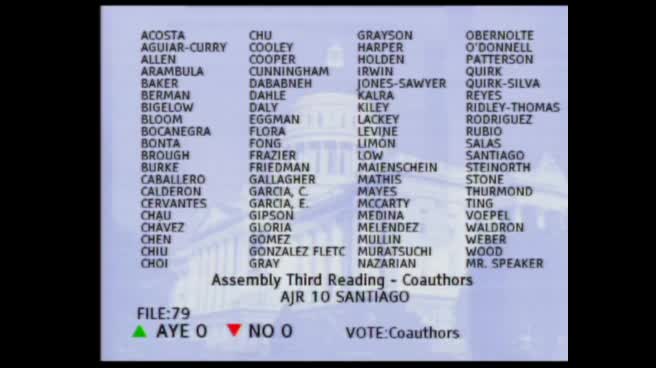 1MIN
Assembly Floor
 1MIN
Assembly Standing Committee on Appropriations
 10MIN
Assembly Standing Committee on Local Government
Bill Author
Bill Co-Author(s):
