ACR 11: Cervical Cancer Screening and Awareness Month.
- Session Year: 2017-2018
- House: Assembly
- Latest Version Date: 2017-03-07
This measure would designate the month of January every year as Cervical Cancer Screening and Awareness Month in the State of California. The measure would encourage all Californians, including the State Department of Public Health and the State Department of Health Care Services, to observe the month and observe appropriate activities, promote screening and educational outreach to women and the medical community, and develop programs to raise awareness about the causes of, symptoms of, and screening for, cervical cancer.
This measure would designate the month of January every year as Cervical Cancer Screening and Awareness Month in the State of California. The measure would encourage all Californians, including the State Department of Public Health and the State Department of Health Care Services, to observe the month and observe appropriate activities, promote screening and educational outreach to women and the medical community, and develop programs to raise awareness about the causes of, symptoms of, and screening for, cervical cancer.
This measure would designate the month of January every year as Cervical Cancer Screening and Awareness Month in the State of California. The measure would encourage all Californians, including the State Department of Public Health and the State Department of Health Care Services, to observe the month and observe appropriate activities, promote screening and educational outreach to women and the medical community, and develop programs to raise awareness about the causes of, symptoms of, and screening for, cervical cancer.
This measure would designate the month of January every year as Cervical Cancer Screening and Awareness Month in the State of California. The measure would encourage all Californians, including the State Department of Public Health and the State Department of Health Care Services, to observe the month and observe appropriate activities, promote screening and educational outreach to women and the medical community, and develop programs to raise awareness about the causes of, symptoms of, and screening for, cervical cancer.
WHEREAS, Cervical cancer is the third most common cancer in women and fifth most common cause of cancer deaths worldwide; and
WHEREAS, The State Department of Public Health and the American Cancer Societys 2015 California Cancer Facts & Figures report shows a total of 1,461 new cases of cervical cancer diagnosed in 2012. A total of 422 deaths from cervical cancer occurred during that same year. If there had been adequate screening for these patients, 99 percent of these deaths could have been prevented; and
WHEREAS, Hispanic women have the highest risk of developing cervical cancer about one and one-half times higher than non-Hispanic white and Asian/Pacific Islander women. African American women have the second highest risk of developing cervical cancer and are more likely to die of cervical cancer than any other group. These statistics underscore the importance of increased education within these communities; and
WHEREAS, Infection with Human Papillomavirus (HPV), a form of sexually transmitted disease (STD), is the number one risk factor for cervical cancer. The American Cancer Society recommends starting routine HPV vaccinations for females at 11 or 12 years of age and finishing the series of vaccinations between 13 and 18, inclusive, years of age; and
WHEREAS, The American Cancer Society recommends that all people with cervixes begin cervical cancer screening at 21 years of age. Cervical cancer screening tests offer the best chance to detect precancerous changes; and
WHEREAS, If precancerous changes are detected, survival is virtually 100 percent. Current cervical cancer screening tests include the Papanicolaou (Pap) Test and the HPV test; and
WHEREAS, The United States Preventive Services Task Force (USPSTF) recommends screening for cervical cancer in women from 21 to 65, inclusive, years of age with a Pap test every three years or, for women from 30 to 65, inclusive, years of age who want to lengthen the screening interval, cotesting with a combination of a Pap test plus the HPV test every five years; and
WHEREAS, Coverage of cervical cancer screening tests is mandated by the federal Affordable Care Act. Californias Medi-Cal program provides coverage for cervical cancer screening for eligible patients; and
WHEREAS, In addition, the National Breast and Cervical Cancer Early Detection Program, also known as the Every Woman Counts program within the State Department of Health Care Services, provides eligible women with free cervical cancer screening and has also adopted the screening recommendations of the USPSTF; and
WHEREAS, Californias cervical cancer screening rates remain below the United States average. The 2013 Medi-Cal Managed Care Healthcare Effectiveness Data and Information Set (HEDIS) showed the cervical cancer weighted average screening rate was 65.1 percent, which is below the Healthy People 2020 objective of 93 percent; and
WHEREAS, Even with coverage available for most women, California still has low cervical cancer screening rates. It is imperative that the state continue to enhance its efforts to reach out to low-income, minority, and uninsured women to ensure they seek access to the cervical screening options available to them; now, therefore, be it
Resolved by the Assembly of the State of California, the Senate thereof concurring, That the Legislature designates the month of January of each year as Cervical Cancer Screening and Awareness Month in the State of California. The Legislature encourages all Californians, the State Department of Public Health, and the State Department of Health Care Services to observe the month and observe appropriate activities, promote screening and educational outreach to women and the medical community, and develop programs to raise awareness about the causes of, symptoms of, and screening for, cervical cancer; and be it further
Resolved, That the Chief Clerk of the Assembly transmit copies of this resolution to the author for appropriate distribution.
WHEREAS, Cervical cancer is the third most common cancer in women and fifth most common cause of cancer deaths worldwide; and
WHEREAS, The State Department of Public Health and the American Cancer Societys 2015 California Cancer Facts & Figures report shows a total of 1,461 new cases of cervical cancer diagnosed in 2012. A total of 422 deaths from cervical cancer occurred during that same year. If there had been adequate screening for these patients, 99 percent of these deaths could have been prevented; and
WHEREAS, Hispanic women have the highest risk of developing cervical cancer about one and one-half times higher than non-Hispanic white and Asian/Pacific Islander women; women. African American women have the second highest risk of developing cervical cancer and are more likely to die of cervical cancer than any other group. These statistics underscore the importance of increased education within these communities; and
WHEREAS, Infection with Human Papillomavirus (HPV), a form of sexually transmitted disease (STD), is the number one risk factor for cervical cancer. The American Cancer Society recommends starting routine HPV vaccinations for females at 11 or 12 years of age and finishing the series of vaccinations between 13 and 18, inclusive, years of age; and
WHEREAS, The American Cancer Society recommends that all people with cervixes begin cervical cancer screening at 21 years of age. Cervical cancer screening tests offer the best chance to detect precancerous changes; and
WHEREAS, If precancerous changes are detected, survival is virtually 100 percent. Current cervical cancer screening tests include the Papanicolaou (Pap) Test and the HPV test; and
WHEREAS, The United States Preventive Services Task Force (USPSTF) recommends screening for cervical cancer in women from 21 to 65, inclusive, years of age with a Pap test every three years or, for women from 30 to 65, inclusive, years of age who want to lengthen the screening interval, cotesting with a combination of a Pap test plus the HPV test every five years; and
WHEREAS, Coverage of cervical cancer screening tests is mandated by the federal Affordable Care Act. Californias Medi-Cal program provides coverage for cervical cancer screening for eligible patients; and
WHEREAS, In addition, the National Breast and Cervical Cancer Early Detection Program, also known as the Every Woman Counts program within the State Department of Health Care Services, provides eligible women with free cervical cancer screening and has also adopted the screening recommendations of the USPSTF; and
WHEREAS, Californias cervical cancer screening rates remain below the United States average. The 2013 Medi-Cal Managed Care Healthcare Effectiveness Data and Information Set (HEDIS) showed the cervical cancer weighted average screening rate was 65.1 percent, which is below the Healthy People 2020 objective of 93 percent; and
WHEREAS, Even with coverage available for most women, California still has low cervical cancer screening rates. It is imperative that the state continue to enhance its efforts to reach out to low-income, minority, and uninsured women to ensure they seek access to the cervical screening options available to them; now, therefore, be it
Resolved by the Assembly of the State of California, the Senate thereof concurring, That the Legislature designates the month of January of each year as Cervical Cancer Screening and Awareness Month in the State of California. The Legislature encourages all Californians, the State Department of Public Health, and the State Department of Health Care Services to observe the month and observe appropriate activities, promote screening and educational outreach to women and the medical community, and develop programs to raise awareness about the causes of, symptoms of, and screening for, cervical cancer; and be it further
Resolved, That the Chief Clerk of the Assembly transmit copies of this resolution to the author for appropriate distribution.
WHEREAS, Cervical cancer is the third most common cancer in women and fifth most common cause of cancer deaths worldwide; and
WHEREAS, The State Department of Public Health and the American Cancer Societys 2015 California Cancer Facts & Figures report shows a total of 1,461 new cases of cervical cancer diagnosed in 2012. A total of 422 deaths from cervical cancer occurred during that same year. If there had been adequate screening for these patients, 99 percent of these deaths could have been prevented; and
WHEREAS, Hispanic women have the highest risk of developing cervical cancer about one and one-half times higher than non-Hispanic white and Asian/Pacific Islander women; and
WHEREAS, Infection with Human Papillomavirus (HPV), a form of sexually transmitted disease (STD), is the number one risk factor for cervical cancer. The American Cancer Society recommends starting routine HPV vaccinations for females at 11 or 12 years of age and finishing the series of vaccinations between 13 and 18, inclusive, years of age; and
WHEREAS, The American Cancer Society recommends that all people with cervixes begin cervical cancer screening at 21 years of age. Cervical cancer screening tests offer the best chance to detect precancerous changes; and
WHEREAS, If precancerous changes are detected, survival is virtually 100 percent. Current cervical cancer screening tests include the Papanicolaou (Pap) Test and the HPV test; and
WHEREAS, The United States Preventive Services Task Force (USPSTF) recommends screening for cervical cancer in women from 21 to 65, inclusive, years of age with a Pap test every three years or, for women from 30 to 65, inclusive, years of age who want to lengthen the screening interval, cotesting with a combination of a Pap test plus the HPV test every five years; and
WHEREAS, Coverage of cervical cancer screening tests is mandated by the federal Affordable Care Act. Californias Medi-Cal program provides coverage for cervical cancer screening for eligible patients; and
WHEREAS, In addition, the National Breast and Cervical Cancer Early Detection Program, also known as the Every Woman Counts program within the State Department of Health Care Services, provides eligible women with free cervical cancer screening and has also adopted the screening recommendations of the USPSTF; and
WHEREAS, Californias cervical cancer screening rates remain below the United States average. The 2013 Medi-Cal Managed Care Healthcare Effectiveness Data and Information Set (HEDIS) showed the cervical cancer weighted average screening rate was 65.1 percent, which is below the Healthy People 2020 objective of 93 percent; and
WHEREAS, Even with coverage available for most women, California still has low cervical cancer screening rates. It is imperative that the state continue to enhance its efforts to reach out to low-income, minority, and uninsured women to ensure they seek access to the cervical screening options available to them; now, therefore, be it
Resolved by the Assembly of the State of California, the Senate thereof concurring, That the Legislature designates the month of January of each year as Cervical Cancer Screening and Awareness Month in the State of California. The Legislature encourages all Californians, the State Department of Public Health, and the State Department of Health Care Services to observe the month and observe appropriate activities, promote screening and educational outreach to women and the medical community, and develop programs to raise awareness about the causes of, symptoms of, and screening for, cervical cancer; and be it further
Resolved, That the Chief Clerk of the Assembly transmit copies of this resolution to the author for appropriate distribution.
|
Date
|
Status
|
|---|---|
| Mar 7, 2017 | Chaptered by Secretary of State - Res. Chapter 12, Statutes of 2017. |
| Mar 7, 2017 | Enrolled and filed with the Secretary of State at 10:30 a.m. |
| Mar 2, 2017 | Senate amendments concurred in. To Engrossing and Enrolling. (Ayes 74. Noes 0. Page 508.). |
| Feb 28, 2017 | In Assembly. Concurrence in Senate amendments pending. |
| Feb 27, 2017 | Adopted and to Assembly. (Ayes 38. Noes 0. Page 268.) |
| Feb 22, 2017 | Read second time. Ordered to third reading. |
| Feb 21, 2017 | Read third time and amended. Ordered to second reading. |
| Feb 9, 2017 | From committee: Ordered to third reading. |
| Jan 31, 2017 | In Senate. To Com. on RLS. |
| Jan 30, 2017 | Coauthors revised. |
| Jan 26, 2017 | From committee: Be adopted. Ordered to Third Reading. (Ayes 11. Noes 0.) (January 26). |
| Jan 23, 2017 | Referred to Com. on RLS. |
| Jan 18, 2017 | From printer. |
| Jan 17, 2017 | Introduced. To print. |
|
Date
|
Description
|
Location
|
Votes
|
|
|---|---|---|---|---|
| Mar 2, 2017 | ACR 11 BAKER Concurrence in Senate Amendments | Assembly Floor |
Passed |
|
| Feb 27, 2017 | Assembly 3rd Reading ACR11 Baker et al. By Leyva | Senate Floor |
Passed |
|
| Jan 26, 2017 | Be adopted. To third reading. | Assembly Standing Committee on Rules |
Passed |
This list shows positions taken on this bill by organizations on the date displayed, which is linked to the original source.
Positions by individuals are not included.
|
Organization
|
Position
|
Date
|
|---|---|---|
| American Academy of Pediatrics | ** Support | Feb 22, 2017 |
| American Cancer Society Cancer Action Network | ** Support | Jan 25, 2017 |
| American Federation of State, County and Municipal Employees | ** Support | Feb 22, 2017 |
| California Life Sciences Association | ** Support | Jan 25, 2017 |
| Planned Parenthood Affiliates Of California | ** Support | Feb 22, 2017 |
| Roche Diagnostics Corporation | ** Support | Feb 22, 2017 |
CONCURRENCE IN SENATE AMENDMENTS
CSA1 Bill Id:ACR 11
Author:(Baker and Cristina Garcia)
As Amended Ver:February 21, 2017
Majority vote
ASSEMBLY: |
| (January 26, 2017) | SENATE: | 38-0 | (February 27, 2017) |
(adopted by unanimous vote)
Original Committee Reference: RLS.
SUMMARY: Designates the month of January every year as Cervical Cancer Screening and Awareness Month in the State of California. Specifically, this resolution makes the following legislative findings:
- Cervical cancer is the third most common cancer in women and fifth most common cause of cancer deaths worldwide.
- The American Cancer Society recommends that all people with cervixes begin cervical cancer screening at 21 years of age. These screenings are the best chance to detect precancerous changes; which if detected, survival is virtually 100 %.
- The State Department of Public Health and the American Cancer Society's 2015 California Cancer Facts and Figures report shows a total of 1,461 new cases of cervical cancer diagnosed in 2012. A total of 422 deaths from cervical cancer occurred during that same year. If there had been adequate screening for these patients, 99% of these deaths could have been prevented.
- Infection with Human Papillomavirus (HPV), a form of sexually transmitted disease, is the number one risk factor for cervical cancer. The American Cancer Society recommends starting routine HPV vaccinations for females at 11 or 12 years of age and finishing the series of vaccinations between 13 and 18, inclusive, years of age.
- Coverage of cervical cancer screening testes is mandated by the federal Affordable Care Act and California's Medi-Cal program provides coverage for cervical cancer screening for eligible patients. In addition, the National Breast and Cervical Cancer Early Detection Program, also known as the "Every Woman Counts" program within the State Department of Health Care Services, provides eligible women with free cervical cancer screenings.
- Even with coverage available for most women, California still has low cervical cancer screening rates. It is imperative that the state continue to enhance its efforts to reach out to low-income, minority, and uninsured women to ensure they seek access to the cervical screening options available to them.
The Senate amendments add the following statistics to the third whereas clause – African American women have the second highest risk of developing cervical cancer and are more likely to die of cervical cancer than any other group. These statistics underscore the importance of increased education within these communities.
FISCAL EFFECT: None
Analysis Prepared by: Nicole Willis / RLS. / (916) 319-2800 FN: 0000018
Office of Senate Floor Analyses (916) 651-1520 Fax: (916) 327-4478 | ACR 11 |
THIRD READING
Bill No: ACR 11
Author: Baker (R) and Garcia (D), et al.
Amended: 2/21/17
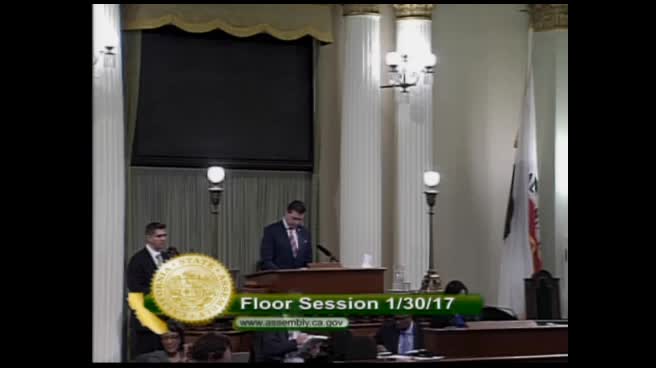
ASSEMBLY FLOOR: Read and adopted, 1/30/17
SUBJECT: Cervical Cancer Screening and Awareness Month
DIGEST:
This resolution designates the month of January every year as Cervical Cancer Screening and Awareness Month in the State of California.
Senate Floor Amendments of 2/21/17 add additional findings stating African American women have the second highest risk of developing cervical cancer and are more likely to die of cervical cancer than any other group.
ANALYSIS: This resolution makes the following legislative findings:
- Cervical cancer is the third most common cancer in women and fifth most common cause of cancer deaths worldwide.
- The American Cancer Society recommends that all people with cervixes begin cervical cancer screening at 21 years of age. These screenings are the best chance to detect precancerous changes; which if detected, survival is virtually 100%.
- The State Department of Public Health and the American Cancer Society's 2015 California Cancer Facts and Figures report shows a total of 1,461 new cases of cervical cancer diagnosed in 2012. A total of 422 deaths from cervical cancer occurred during that same year. If there had been adequate screening for these patients, 99% of these deaths could have been prevented.
- Infection with Human Papillomavirus (HPV), a form of sexually transmitted disease, is the number one risk factor for cervical cancer. The American Cancer Society recommends starting routine HPV vaccinations for females at 11 or 12 years of age and finishing the series of vaccinations between 13 and 18, inclusive, years of age.
- Coverage of cervical cancer screening testes is mandated by the federal Affordable Care Act and California's Medi-Cal program provides coverage for cervical cancer screening for eligible patients. In addition, the National Breast and Cervical Cancer Early Detection Program, also known as the "Every Woman Counts" program within the State Department of Health Care Services, provides eligible women with free cervical cancer screenings.
- Even with coverage available for most women, California still has low cervical cancer screening rates. It is imperative that the state continue to enhance its efforts to reach out to low-income, minority, and uninsured women to ensure they seek access to the cervical screening options available to them.
- California’s cervical cancer screening rates remain below the United States average. The 2013 Medi-Cal Managed Care Healthcare Effectiveness Data and Information Set (HEDIS) showed the cervical cancer weighted average screening rate was 65.1 percent, which is below the Healthy People 2020 objective of 93 percent.
This resolution:
- Designates the month of January every year as Cervical Cancer Screening and Awareness Month in the State of California.
- Encourages all Californians, the State Department of Public Health, and the State Department of Health Care Services to observe the month and observe appropriate activities, promote screening and educational outreach to women and the medical community, and develop programs to raise awareness about the causes of, symptoms of, and screening for, cervical cancer.
Comments
According to the Author:
The United States Congress, the American Social Health Association (ASHA), and the National Cervical Cancer Coalition have named January, Cervical Health Awareness Month, to encourage women across the country to get screened for cervical cancer and receive the human papilloma virus (HPV) vaccine if they're eligible. Cervical cancer is the third most common cancer in women and fifth cause of cancer deaths worldwide. The California Department of Public Health and American Cancer society’s 2015 California Facts and Figures report shows a total of 1,461 new cases of cervical cancer diagnosed in 2012, and 422 deaths reported from cervical cancer that same year.
With California’s diverse population, it is important to note that communities of color are disproportionally affected by cervical cancer. Data from the Centers for Disease Control and Prevention show that in 2013, Hispanic women had the highest rate of getting cervical cancer and black women had the highest rate of dying from cervical cancer. The mortality rate for black women was 10.1 per 100,000 and for white women it is 4.7 per 100,000.
The American Cancer Society recommends all women begin cervical cancer screening at 21 years of age. Cervical cancer screening tests offer the best chance to detect precancerous changes, and if precancerous changes are detected, survival is virtually 100 percent.
Infection with HPV is the number one risk factor for cervical cancer. The American Cancer Society recommends routine HPV vaccinations for females ages 11-18 years. The United States Preventive Services Task Force (USPSTF) recommends screening for cervical cancer in women ages 21 to 65 with a Pap test every three years or, for women ages 30 to 65 who want to lengthen the screening interval, co-testing with a combination of the Pap test and HPV testing every five years.
FISCAL EFFECT: Appropriation: No Fiscal Com.: No Local: No
American Academy of Pediatrics
American Federation of State, County and Municipal Employees
Planned Parenthood Affiliates of California
Roche Diagnostics Corporation
None received
ARGUMENTS IN SUPPORT: Planned Parenthood Affiliates of California (PPAC) states in support, “PPAC supports policies and resolutions that support the maintenance and growth of women’s health programs. Planned Parenthood health centers provide a variety of services that address health issues that only affect women, such as breast cancer and cervical cancer screenings. Further, Planned Parenthood supports policies that seek to address or reduce health disparities and studies show that the overwhelming majority of women survive cervical cancer when detected early enough.”
Prepared by: Jonas Austin / SFA / (916) 651-1520
2/22/17 15:44:07
**** END ****
Office of Senate Floor Analyses (916) 651-1520 Fax: (916) 327-4478 | ACR 11 |
THIRD READING
Bill No: ACR 11
Author: Baker (R) and Garcia (D), et al.
Introduced: 1/17/17
ASSEMBLY FLOOR: Read and adopted, 1/30/17
SUBJECT: Cervical Cancer Screening and Awareness Month
DIGEST:
This resolution designates the month of January every year as Cervical Cancer Screening and Awareness Month in the State of California.
ANALYSIS: This resolution makes the following legislative findings:
- Cervical cancer is the third most common cancer in women and fifth most common cause of cancer deaths worldwide.
- The American Cancer Society recommends that all people with cervixes begin cervical cancer screening at 21 years of age. These screenings are the best chance to detect precancerous changes; which if detected, survival is virtually 100%.
- The State Department of Public Health and the American Cancer Society's 2015 California Cancer Facts and Figures report shows a total of 1,461 new cases of cervical cancer diagnosed in 2012. A total of 422 deaths from cervical cancer occurred during that same year. If there had been adequate screening for these patients, 99% of these deaths could have been prevented.
- Infection with Human Papillomavirus (HPV), a form of sexually transmitted disease, is the number one risk factor for cervical cancer. The American Cancer Society recommends starting routine HPV vaccinations for females at 11 or 12 years of age and finishing the series of vaccinations between 13 and 18, inclusive, years of age.
- Coverage of cervical cancer screening testes is mandated by the federal Affordable Care Act and California's Medi-Cal program provides coverage for cervical cancer screening for eligible patients. In addition, the National Breast and Cervical Cancer Early Detection Program, also known as the "Every Woman Counts" program within the State Department of Health Care Services, provides eligible women with free cervical cancer screenings.
- Even with coverage available for most women, California still has low cervical cancer screening rates. It is imperative that the state continue to enhance its efforts to reach out to low-income, minority, and uninsured women to ensure they seek access to the cervical screening options available to them.
- California’s cervical cancer screening rates remain below the United States average. The 2013 Medi-Cal Managed Care Healthcare Effectiveness Data and Information Set (HEDIS) showed the cervical cancer weighted average screening rate was 65.1 percent, which is below the Healthy People 2020 objective of 93 percent.
This resolution:
- Designates the month of January every year as Cervical Cancer Screening and Awareness Month in the State of California.
- Encourages all Californians, the State Department of Public Health, and the State Department of Health Care Services to observe the month and observe appropriate activities, promote screening and educational outreach to women and the medical community, and develop programs to raise awareness about the causes of, symptoms of, and screening for, cervical cancer.
Comments
According to the Author:
The United States Congress, the American Social Health Association (ASHA), and the National Cervical Cancer Coalition have named January, Cervical Health Awareness Month, to encourage women across the country to get screened for cervical cancer and receive the human papilloma virus (HPV) vaccine if they're eligible. Cervical cancer is the third most common cancer in women and fifth cause of cancer deaths worldwide. The California Department of Public Health and American Cancer society’s 2015 California Facts and Figures report shows a total of 1,461 new cases of cervical cancer diagnosed in 2012, and 422 deaths reported from cervical cancer that same year.
With California’s diverse population, it is important to note that communities of color are disproportionally affected by cervical cancer. Data from the Centers for Disease Control and Prevention show that in 2013, Hispanic women had the highest rate of getting cervical cancer and black women had the highest rate of dying from cervical cancer. The mortality rate for black women was 10.1 per 100,000 and for white women it is 4.7 per 100,000.
The American Cancer Society recommends all women begin cervical cancer screening at 21 years of age. Cervical cancer screening tests offer the best chance to detect precancerous changes, and if precancerous changes are detected, survival is virtually 100 percent.
Infection with HPV is the number one risk factor for cervical cancer. The American Cancer Society recommends routine HPV vaccinations for females ages 11-18 years. The United States Preventive Services Task Force (USPSTF) recommends screening for cervical cancer in women ages 21 to 65 with a Pap test every three years or, for women ages 30 to 65 who want to lengthen the screening interval, co-testing with a combination of the Pap test and HPV testing every five years.
FISCAL EFFECT: Appropriation: No Fiscal Com.: No Local: No
American Academy of Pediatrics
American Federation of State, County and Municipal Employees
Planned Parenthood Affiliates of California
Roche Diagnostics Corporation
None received
ARGUMENTS IN SUPPORT: Planned Parenthood Affiliates of California (PPAC) states in support, “PPAC supports policies and resolutions that support the maintenance and growth of women’s health programs. Planned Parenthood health centers provide a variety of services that address health issues that only affect women, such as breast cancer and cervical cancer screenings. Further, Planned Parenthood supports policies that seek to address or reduce health disparities and studies show that the overwhelming majority of women survive cervical cancer when detected early enough.”
Prepared by: Jonas Austin / SFA / (916) 651-1520
2/10/17 10:46:50
**** END ****
ASSEMBLY THIRD READING
ATR Bill Id:ACR 11
Author:(Baker and Cristina Garcia)
As Introduced Ver:January 17, 2017
Majority vote
Committee | Votes | Ayes | Noes |
Rules | 11-0 | Cooley, Cunningham, Berman, Brough, Cervantes, Chen, Friedman, Grayson, Levine, Nazarian, Fong |
SUMMARY: Designates the month of January every year as Cervical Cancer Screening and Awareness Month in the State of California. Specifically, this resolution makes the following legislative findings:
- Cervical cancer is the third most common cancer in women and fifth most common cause of cancer deaths worldwide.
- The American Cancer Society recommends that all people with cervixes begin cervical cancer screening at 21 years of age. These screenings are the best chance to detect precancerous changes; which if detected, survival is virtually 100%.
- The State Department of Public Health and the American Cancer Society's 2015 California Cancer Facts and Figures report shows a total of 1,461 new cases of cervical cancer diagnosed in 2012. A total of 422 deaths from cervical cancer occurred during that same year. If there had been adequate screening for these patients, 99% of these deaths could have been prevented.
- Infection with Human Papillomavirus (HPV), a form of sexually transmitted disease, is the number one risk factor for cervical cancer. The American Cancer Society recommends starting routine HPV vaccinations for females at 11 or 12 years of age and finishing the series of vaccinations between 13 and 18, inclusive, years of age.
- Coverage of cervical cancer screening testes is mandated by the federal Affordable Care Act and California's Medi-Cal program provides coverage for cervical cancer screening for eligible patients. In addition, the National Breast and Cervical Cancer Early Detection Program, also known as the "Every Woman Counts" program within the State Department of Health Care Services, provides eligible women with free cervical cancer screenings.
- Even with coverage available for most women, California still has low cervical cancer screening rates. It is imperative that the state continue to enhance its efforts to reach out to low-income, minority, and uninsured women to ensure they seek access to the cervical screening options available to them.
FISCAL EFFECT: None
Analysis Prepared by: Nicole Willis / RLS. / (916) 319-2806 FN: 0000008
Date of Hearing: January 26, 2017
ASSEMBLY COMMITTEE ON
, Chair
ABPCA Bill Id:
Author:() – As Ver:
SUBJECT:
SUMMARY: Designates the month of January every year as Cervical Cancer Screening and Awareness Month in the State of California. Specifically, this resolution makes the following legislative findings:
- Cervical cancer is the third most common cancer in women and fifth most common cause of cancer deaths worldwide.
- The American Cancer Society recommends that all people with cervixes begin cervical cancer screening at 21 years of age. These screenings are the best chance to detect precancerous changes; which if detected, survival is virtually 100 percent.
- The State Department of Public Health and the American Cancer Society’s 2015 California Cancer Facts and Figures report shows a total of 1,461 new cases of cervical cancer diagnosed in 2012. A total of 422 deaths from cervical cancer occurred during that same year. If there had been adequate screening for these patients, 99 percent of these deaths could have been prevented.
- Infection with Human Papillomavirus (HPV), a form of sexually transmitted disease, is the number one risk factor for cervical cancer. The American Cancer Society recommends starting routine HPV vaccinations for females at 11 or 12 years of age and finishing the series of vaccinations between 13 and 18, inclusive, years of age.
- Coverage of cervical cancer screening testes is mandated by the federal Affordable Care Act and California’s Medi-Cal program provides coverage for cervical cancer screening for eligible patients. In addition, the National Breast and Cervical Cancer Early Detection Program, also known as the “Every Woman Counts” program within the State Department of Health Care Services, provides eligible women with free cervical cancer screenings.
- Even with coverage available for most women, California still has low cervical cancer screening rates. It is imperative that the state continue to enhance its efforts to reach out to low-income, minority, and uninsured women to ensure they seek access to the cervical screening options available to them.
FISCAL EFFECT: None
REGISTERED SUPPORT / OPPOSITION:
Support
American Cancer Society Cancer Action Network (ACS CAN)
American Federation of State, County and Municipal Employees (AFSCME)
California Life Sciences Association
Planned Parenthood Affiliates of California (PPAC)
Opposition
None on file
Analysis Prepared by: (916) 319-2806
Discussed in Hearing
View Older Hearings


Bill Co-Author(s):