ACR 176: Domestic Violence Awareness Month.
- Session Year: 2017-2018
- House: Assembly
- Latest Version Date: 2018-09-05
This measure would proclaim the month of October 2018, and each following October, as Domestic Violence Awareness Month.
This measure would proclaim the month of October 2018, and each following October, as Domestic Violence Awareness Month.
This measure would proclaim the month of October 2018, and each following October, as Domestic Violence Awareness Month.
WHEREAS, The United States Senate declared October 2017 as National Domestic Violence Awareness Month; and
WHEREAS, The United States Senate resolution declared that Congress should continue to raise awareness of domestic violence in the United States and the corresponding devastating effects of domestic violence on survivors, families, and communities; and
WHEREAS, Although progress has been made toward breaking the cycle of violence and providing support to victims of domestic violence and their families, much work remains to be done; and
WHEREAS, Domestic violence programs in California provide essential, lifesaving services to victims and their children who are fleeing violence; and
WHEREAS, Advocates and organizations work on behalf of victims of domestic violence every day. Domestic violence shelters and services, law enforcement officials, health care providers, court systems and legal aid providers, tribal organizations, and others are all an integral part of the effort to end domestic violence and must be recognized and applauded for their work; and
WHEREAS, Victims of domestic violence embody incredible strength and resilience; and
WHEREAS, There is a need to increase public awareness and understanding of domestic violence and the needs of victims; and
WHEREAS, Domestic violence affects women, men, and children of all racial, ethnic, cultural, social, religious, and economic groups in the United States and here in California; and
WHEREAS, The marginalization of certain groups in society, including undocumented individuals, LGBTQ individuals, and people living with disabilities, increases their vulnerability to intimate partner violence; and
WHEREAS, According to the American Psychological Association, women with disabilities have a 40 percent greater risk of intimate partner violence than women without disabilities; and
WHEREAS, American Indian women residing on reservations suffer domestic violence and physical assault at rates 50 percent higher than women of other races and at least 70 percent of this violence is committed by persons of another race; and
WHEREAS, It is necessary to understand the complexity of domestic violence as perpetuated within communities and against communities, and the fear of many victims to report domestic violence to law enforcement; and
WHEREAS, Domestic violence has a significant economic impact on women throughout the country; an estimated 8,000,000 days of paid work are lost as the result of intimate partner violence and domestic violence costs $8.3 billion in expenses annually$5.8 billion in medical costs and $2.5 billion in lost productivity; and
WHEREAS, Among families, domestic violence is the third leading cause of homelessness; and
WHEREAS, All victims of domestic violence deserve access to culturally appropriate programs and services to increase their safety and improve their life situations; and
WHEREAS, Approximately 40 percent of women in California experience physical intimate partner violence in their lifetimes; and
WHEREAS, Women between 18 and 24 years of age are significantly more likely to be victims of physical intimate partner violence than women in other age groups; and
WHEREAS, California law enforcement agencies received 164,569 domestic violence-related calls in 2016; and
WHEREAS, In 2016, ninety-six domestic violence related homicides occurred in California, of which 80 of the fatalities were female and 16 were male; and
WHEREAS, In 2016, 8 percent of all homicides were related to domestic violence and 48.9 percent of female homicide victims in 2016 were killed in their residence; and
WHEREAS, Children exposed to domestic violence can experience long-term consequences including difficulty at school, substance abuse, trauma, and serious adult health problems; and
WHEREAS, The Legislature recognizes the vital role that all Californians can play in preventing, and one day ending, domestic violence; now, therefore, be it
Resolved by the Assembly of the State of California, the Senate thereof concurring, That the Legislature recognizes October 2018, and each following October, as Domestic Violence Awareness Month; and be it further
Resolved, That the Chief Clerk of the Assembly transmit copies of this resolution to the author for appropriate distribution.
|
Date
|
Status
|
|---|---|
| Sep 5, 2018 | Chaptered by Secretary of State - Res. Chapter 187, Statutes of 2018. |
| Sep 5, 2018 | Enrolled and filed with the Secretary of State at 11:30 a.m. |
| Aug 28, 2018 | In Assembly. Ordered to Engrossing and Enrolling. |
| Aug 28, 2018 | Adopted and to Assembly. |
| Aug 24, 2018 | From committee: Ordered to third reading. |
| Aug 21, 2018 | In Senate. To Com. on RLS. |
| Aug 20, 2018 | Coauthors revised. |
| Aug 13, 2018 | From committee: Be adopted. Ordered to Third Reading. (Ayes 10. Noes 0.) (August 13). |
| Feb 26, 2018 | Referred to Com. on RLS. |
| Feb 17, 2018 | From printer. |
| Feb 16, 2018 | Introduced. To print. |
|
Date
|
Description
|
Location
|
Votes
|
|
|---|---|---|---|---|
| Aug 28, 2018 | Assembly 3rd Reading ACR176 Rubio et al. By Monning | Senate Floor |
Passed |
|
| Aug 13, 2018 | Be adopted. To third reading. | Assembly Standing Committee on Rules |
Passed |
This list shows positions taken on this bill by organizations on the date displayed, which is linked to the original source.
Positions by individuals are not included.
|
Organization
|
Position
|
Date
|
|---|---|---|
| California Partnership To End Domestic Violence | ** Support | Aug 24, 2018 |
| Golden State Bail Agents Association | ** Support | Aug 24, 2018 |
Office of Senate Floor Analyses (916) 651-1520 Fax: (916) 327-4478 | ACR 176 |
THIRD READING
Bill No: ACR 176
Introduced: 2/16/18
ASSEMBLY FLOOR: Read and adopted, 8/20/18
SUBJECT: Domestic Violence Awareness Month
SOURCE: California Partnership to End Domestic Violence
DIGEST:
This resolution proclaims the month of October 2018, and each following October, as Domestic Violence Awareness Month.
ANALYSIS: This resolution makes the following legislative findings:
- The United States Senate declared October 2017 as National Domestic Violence Awareness Month.
- Advocates and organizations work on behalf of victims of domestic violence every day. Domestic violence shelters and services, law enforcement officials, health care providers, court systems and legal aid providers, tribal organizations, and others are all an integral part of the effort to end domestic violence and must be recognized and applauded for their work.
- There is a need to increase public awareness and understanding of domestic violence and the needs of victims.
- Domestic violence affects women, men, and children of all racial, ethnic, cultural, social, religious, and economic groups in the United States and here in California.
- It is necessary to understand the complexity of domestic violence as perpetuated within communities and against communities, and the fear of many victims to report domestic violence to law enforcement.
- Among families, domestic violence is the third leading cause of homelessness.
- All victims of domestic violence deserve access to culturally appropriate programs and services to increase their safety and improve their life situations.
- Women between 18 and 24 years of age are significantly more likely to be victims of physical intimate partner violence than women in other age groups.
- Children exposed to domestic violence can experience long-term consequences including difficulty at school, substance abuse, trauma, and serious adult health problems.
This resolution recognizes October 2018, and each following October, as Domestic Violence Awareness Month.
Related/Prior Legislation
ACR 59 (Rubio, Resolution Chapter 199, Statutes of 2017) proclaimed the month of October 2017, and each following October, as Domestic Violence Awareness Month.
FISCAL EFFECT: Appropriation: No Fiscal Com.: No Local: No
California Partnership to End Domestic Violence (source)
Golden State Bail Agents Association
OPPOSITION: (Verified 8/23/18)
None received
Prepared by: Karen Chow / SFA / (916) 651-1520
8/24/18 15:25:25
**** END ****
ASSEMBLY THIRD READING
ATR Bill Id:ACR 176
Author:(Rubio)
As Introduced Ver:February 16, 2018
Majority vote
Committee | Votes | Ayes | Noes |
Rules | 10-0 | Cooley, Cunningham, Carrillo, Cervantes, Gallagher, Grayson, Kamlager-Dove, Mayes, Salas, Waldron |
|
SUMMARY: Proclaims the month of October 2018, and each following October, as Domestic Violence Awareness Month. Specifically, this resolution makes the following legislative findings:
- Domestic violence programs in California provide essential, lifesaving services to victims and their children who are fleeing violence.
- Advocates and organizations work on behalf of victims of domestic violence every day. Domestic violence shelters and services, law enforcement officials, health care providers, court systems and legal aid providers, tribal organizations, and others are all an integral part of the effort to end domestic violence and must be recognized and applauded for their work.
- There is a need to increase public awareness and understanding of domestic violence and the needs of victims. Domestic violence affects women, men, and children of all racial, ethnic, cultural, social, religious, and economic groups in the United States and here in California.
- The marginalization of certain groups in society, including undocumented individuals, LGBTQ individuals, and people living with disabilities, increases their vulnerability to intimate partner violence.
- According to the American Psychological Association, women with disabilities have a 40% greater risk of intimate partner violence than women without disabilities.
- American Indian women residing on reservations suffer domestic violence and physical assault at rates 50% higher than women of other races and at least 70% of this violence is committed by persons of another race.
- It is necessary to understand the complexity of domestic violence as perpetuated within communities and against communities, and the fear of many victims to report domestic violence to law enforcement.
- Domestic violence has a significant economic impact on women throughout the country; an estimated 8 million days of paid work are lost as the result of intimate partner violence and domestic violence costs $8.3 billion in expenses annually – $5.8 billion in medical costs and $2.5 billion in lost productivity.
- All victims of domestic violence deserve access to culturally appropriate programs and services to increase their safety and improve their life situations.
- California law enforcement agencies received 164,569 domestic violence-related calls in 2016; and, ninety-six domestic violence related homicides occurred in California, of which 80 of the fatalities were female and 16 were male.
- In 2016, 8% of all homicides were related to domestic violence and 48.9% of female homicide victims in 2016 were killed in their residence.
- Children exposed to domestic violence can experience long-term consequences including difficulty at school, substance abuse, trauma, and serious adult health problems.
Analysis Prepared by: Nicole Willis / RLS. / (916) 319-2800 FN: 0003966
Date of Hearing: August 13, 2018
ASSEMBLY COMMITTEE ON RULES
Ken Cooley, Chair
ABPCA Bill Id:ACR 176 (
Author:Rubio) – As Introduced Ver:February 16, 2018
SUBJECT: Domestic Violence Awareness Month.
SUMMARY: Proclaims the month of October 2018, and each following October, as Domestic Violence Awareness Month. Specifically, this resolution makes the following legislative findings:
- Domestic violence programs in California provide essential, lifesaving services to victims and their children who are fleeing violence.
- Advocates and organizations work on behalf of victims of domestic violence every day. Domestic violence shelters and services, law enforcement officials, health care providers, court systems and legal aid providers, tribal organizations, and others are all an integral part of the effort to end domestic violence and must be recognized and applauded for their work.
- There is a need to increase public awareness and understanding of domestic violence and the needs of victims. Domestic violence affects women, men, and children of all racial, ethnic, cultural, social, religious, and economic groups in the United States and here in California.
- The marginalization of certain groups in society, including undocumented individuals, LGBTQ individuals, and people living with disabilities, increases their vulnerability to intimate partner violence.
- According to the American Psychological Association, women with disabilities have a 40 percent greater risk of intimate partner violence than women without disabilities.
- American Indian women residing on reservations suffer domestic violence and physical assault at rates 50 percent higher than women of other races and at least 70 percent of this violence is committed by persons of another race.
- It is necessary to understand the complexity of domestic violence as perpetuated within communities and against communities, and the fear of many victims to report domestic violence to law enforcement.
- Domestic violence has a significant economic impact on women throughout the country; an estimated 8,000,000 days of paid work are lost as the result of intimate partner violence and domestic violence costs $8.3 billion in expenses annually—$5.8 billion in medical costs and $2.5 billion in lost productivity.
- All victims of domestic violence deserve access to culturally appropriate programs and services to increase their safety and improve their life situations.
- California law enforcement agencies received 164,569 domestic violence-related calls in 2016; and, ninety-six domestic violence related homicides occurred in California, of which 80 of the fatalities were female and 16 were male.
- In 2016, 8 percent of all homicides were related to domestic violence and 48.9 percent of female homicide victims in 2016 were killed in their residence.
- Children exposed to domestic violence can experience long-term consequences including difficulty at school, substance abuse, trauma, and serious adult health problems.
FISCAL EFFECT: None
REGISTERED SUPPORT / OPPOSITION:
Support
California Partnership to End Domestic Violence (the Partnership)
Golden State Bail Agents Association (GSBAA)
Opposition
None on file
Analysis Prepared by: Nicole Willis / RLS. / (916) 319-2800
Discussed in Hearing
View Older Hearings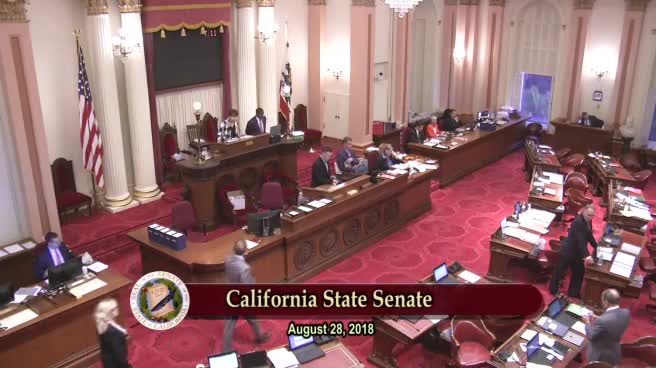
Bill Author

Bill Co-Author(s):