ACR 262: Recognizing the contributions of Chinese Americans to Yosemite National Park and the Sierra Nevada.
- Session Year: 2017-2018
- House: Assembly
- Latest Version Date: 2018-08-30
This measure would recognize the legacy of Californias pioneer Chinese Americans and honor their contributions and the important role they played in the history of Yosemite National Park and the Sierra Nevada.
This measure would recognize the legacy of Californias pioneer Chinese Americans and honor their contributions and the important role they played in the history of Yosemite National Park and the Sierra Nevada.
This measure would recognize the legacy of Californias pioneer Chinese Americans and honor their contributions and the important role they played in the history of Yosemite National Park and the Sierra Nevada.
WHEREAS, In the mid-1800s, thousands of Chinese immigrants came to the West Coast of America in search of gold and economic opportunities; and
WHEREAS, Despite anti-immigrant sentiments and racism, Chinese immigrants became an indispensable workforce by taking on jobs that were not desired by others and performing tasks so well that today their accomplishments illustrate the highest levels of human achievement; and
WHEREAS, During the winter of 1874 to 1875, Chinese road builders constructed 23 miles of the Wawona Road in four and one-half months, making the magnificent natural environment of Yosemite Valley accessible from the southern part of the park; and
WHEREAS, From 1882 to 1883, Chinese road builders completed 56 miles of the Great Sierra Wagon Road, most of which is now known as Tioga Road, using blasting powder to break rocks while working close to 10,000 feet above sea level; and
WHEREAS, The Great Sierra Wagon Road, one of the few passages over the Great Western Divide, enabled access to Tuolumne Meadows; and
WHEREAS, In Yosemites early years, hundreds of Chinese Americans worked in the many hotels providing guest services and growing fresh vegetables for thousands of park visitors; and
WHEREAS, For decades, numerous noted Chinese American chefs enhanced park visitors experiences with extraordinary meals, providing another reason for people to come to Yosemites hotels; and
WHEREAS, Tie Sing, a backcountry chef for the United States Geological Survey, served as the chef for the 1915 Mather Mountain Party, which was influential in forming the National Park Service, was a noted asset to the groups experience in the Sierra Nevada, and has a mountain peak named after him on the southeastern border of Yosemite National Park; now, therefore, be it
Resolved by the Assembly of the State of California, the Senate thereof concurring, That the Legislature recognizes the legacy of Californias pioneer Chinese Americans and honors their contributions and the important role they played in the history of Yosemite National Park and the Sierra Nevada; and be it further
Resolved, That the Chief Clerk of the Assembly transmit copies of this resolution to the author for appropriate distribution.
|
Date
|
Status
|
|---|---|
| Aug 30, 2018 | Chaptered by Secretary of State - Res. Chapter 178, Statutes of 2018. |
| Aug 30, 2018 | Enrolled and filed with the Secretary of State at 4:30 p.m. |
| Aug 24, 2018 | In Assembly. Ordered to Engrossing and Enrolling. |
| Aug 24, 2018 | Adopted and to Assembly. |
| Aug 21, 2018 | Ordered to special consent calendar. |
| Aug 15, 2018 | From committee: Ordered to third reading. |
| Aug 13, 2018 | In Senate. To Com. on RLS. |
| Aug 9, 2018 | Coauthors revised. |
| Jul 2, 2018 | From committee: Be adopted. Ordered to Third Reading. (Ayes 9. Noes 0.) (July 2). |
| Jun 28, 2018 | Referred to Com. on RLS. |
| Jun 26, 2018 | From printer. |
| Jun 25, 2018 | Introduced. To print. |
|
Date
|
Description
|
Location
|
Votes
|
|
|---|---|---|---|---|
| Aug 24, 2018 | Special Consent ACR262 | Senate Floor |
Passed |
|
| Jul 2, 2018 | Be adopted. To third reading. | Assembly Standing Committee on Rules |
Passed |
This list shows positions taken on this bill by organizations on the date displayed, which is linked to the original source.
Positions by individuals are not included.
|
Organization
|
Position
|
Date
|
|---|---|---|
| National Parks Conservation Association | ** Support | Aug 15, 2018 |
| The Chinese Historical Society Of Southern California | ** Support | Aug 15, 2018 |
Office of Senate Floor Analyses (916) 651-1520 Fax: (916) 327-4478 | ACR 262 |
THIRD READING
Bill No: ACR 262
Introduced: 6/25/18
ASSEMBLY FLOOR: Read and adopted, 8/9/18
SUBJECT: Recognizing the contributions of Chinese Americans to Yosemite National Park and the Sierra Nevada
DIGEST:
This resolution recognizes the legacy of California’s pioneer Chinese Americans and honors their contributions and the important role they played in the history of Yosemite National Park and the Sierra Nevada.
ANALYSIS: This resolution makes the following legislative findings:
- In the mid-1800s, thousands of Chinese immigrants came to the West Coast of America in search of gold and economic opportunities.
- During the winter of 1874 to 1875, Chinese road builders constructed 23 miles of the Wawona Road in four and one-half months, making the magnificent natural environment of Yosemite Valley accessible from the southern part of the park.
- From 1882 to 1883, Chinese road builders completed 56 miles of the Great Sierra Wagon Road, most of which is now known as Tioga Road, using blasting powder to break rocks while working close to 10,000 feet above sea level.
- In Yosemite’s early years, hundreds of Chinese Americans worked in the many hotels providing guest services and growing fresh vegetables for thousands of park visitors.
- For decades, numerous noted Chinese American chefs enhanced park visitors’ experiences with extraordinary meals, providing another reason for people to come to Yosemite’s hotels.
This resolution recognizes the legacy of California’s pioneer Chinese Americans and honors their contributions and the important role they played in the history of Yosemite National Park and the Sierra Nevada.
FISCAL EFFECT: Appropriation: No Fiscal Com.: No Local: No
National Parks Conservation Association
The Chinese Historical Society of Southern California
OPPOSITION: (Verified 8/13/18)
None received
ARGUMENTS IN SUPPORT: According to the author:
From the extraordinary cooks and the dedication of those who constructed the Wawona and The Great Sierra Wagon Road, Chinese immigrants were faced with numerous hardships, yet they made incredible contributions to Yosemite National Park. Because of their contribution, they helped make Yosemite National Park the place it is today.
This resolution seeks to shine a light on the tremendous impact they had in shaping California, Yosemite National Park and the Sierra Nevada into the beautiful and treasured place that we all know and love.
Prepared by: Karen Chow / SFA / (916) 651-1520
8/15/18 14:21:27
**** END ****
ASSEMBLY THIRD READING
ATR Bill Id:ACR 262
Author:(Bigelow)
As Introduced Ver:June 25, 2018
Majority vote
Committee | Votes | Ayes | Noes |
Rules | 9-0 | Cooley, Cunningham, Carrillo, Cervantes, Grayson, Mayes, Nazarian, Salas, Waldron |
SUMMARY: Recognizes the legacy of California's pioneer Chinese Americans and honors their contributions and the important role they played in the history of Yosemite National Park and the Sierra Nevada. Specifically, this resolution makes the following legislative findings:
- In the mid-1800s, thousands of Chinese immigrants came to the West Coast of America in search of gold and economic opportunities; and, became an indispensable workforce by taking on jobs that were not desired by others.
- During the winter of 1874 to 1875, Chinese road builders constructed 23 miles of the Wawona Road in four and one-half months, making the magnificent natural environment of Yosemite Valley accessible from the southern part of the park.
- From 1882 to 1883, Chinese road builders completed 56 miles of the Great Sierra Wagon Road, most of which is known as Tioga Road, using blasting powder to break rocks while working close to 10,000 feet above sea level. The Great Sierra Wagon Road enabled access to Tuolumne Meadows.
- In Yosemite's early years, hundreds of Chinese Americans worked in the many hotels providing guest services and growing fresh vegetables for thousands of park visitors.
- For decades, numerous noted Chinese American chefs enhanced park visitors' experiences with extraordinary meals, providing another reason for people to come to Yosemite's hotels.
- Chinese Americans performed tasks so well that today their accomplishments illustrate the highest levels of human achievement.
FISCAL EFFECT: None
Analysis Prepared by: Michael Erke / RLS. / (916) 319-2800 FN: 0003687
Date of Hearing: July 2, 2018
ASSEMBLY COMMITTEE ON RULES
Ken Cooley, Chair
ABPCA Bill Id:ACR 262 (
Author:Bigelow) – As Introduced Ver:June 25, 2018
SUBJECT: Recognizing the contributions of Chinese Americans to Yosemite National Park and the Sierra Nevada
SUMMARY: Recognizes the legacy of California’s pioneer Chinese Americans and honors their contributions and the important role they played in the history of Yosemite National Park and the Sierra Nevada. Specifically, this resolution makes the following legislative findings:
- In the mid-1800s, thousands of Chinese immigrants came to the West Coast of America in search of gold and economic opportunities; and, became an indispensable workforce by taking on jobs that were not desired by others.
- During the winter of 1874 to 1875, Chinese road builders constructed 23 miles of the Wawona Road in four and one-half months, making the magnificent natural environment of Yosemite Valley accessible from the southern part of the park.
- From 1882 to 1883, Chinese road builders completed 56 miles of the Great Sierra Wagon Road, most of which is known as Tioga Road, using blasting powder to break rocks while working close to 10,000 feet above sea level. The Great Sierra Wagon Road enabled access to Tuolumne Meadows.
- In Yosemite’s early years, hundreds of Chinese Americans worked in the many hotels providing guest services and growing fresh vegetables for thousands of park visitors.
- For decades, numerous noted Chinese American chefs enhanced park visitors’ experiences with extraordinary meals, providing another reason for people to come to Yosemite’s hotels.
- Chinese Americans performed tasks so well that today their accomplishments illustrate the highest levels of human achievement.
FISCAL EFFECT: None
REGISTERED SUPPORT / OPPOSITION:
Support
None on file
Opposition
None on file
Analysis Prepared by: Michael Erke / RLS. / (916) 319-2800
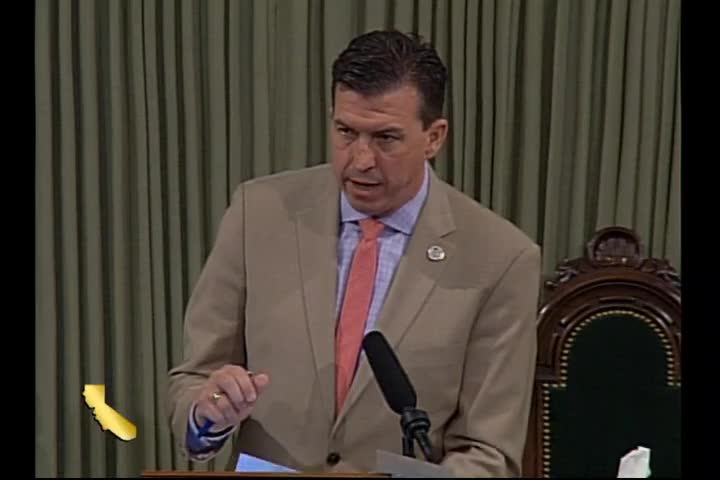
Bill Author

Bill Co-Author(s):










































































