ACR 30: International Women's Day.
- Session Year: 2017-2018
- House: Assembly
- Latest Version Date: 2017-03-20
This measure designates March 8, 2017, as International Womens Day.
This measure designates March 8, 2017, as International Womens Day.
This measure designates March 8, 2017, as International Womens Day.
WHEREAS, International Womens Day first emerged from the activities of labor movements at the turn of the 20th century in North America and across Europe; and
WHEREAS, The first National Womans Day was observed in the United States in 1909 in honor of the 1908 garment workers strike in New York, where women protested against working conditions; and
WHEREAS, International Womens Day was marked for the first time in 1911 by Austria, Denmark, Germany, and Switzerland, where more than one million women and men attended rallies demanding the rights for women to vote and to hold public office, womens rights to work, to vocational training, and to an end to discrimination on the job; and
WHEREAS, In 191314, International Womens Day also became a mechanism for protesting World War I. As part of the peace movement, Russian women observed their first International Womens Day on the last Sunday in February, and elsewhere in Europe, on or around March 8 of the following year, women held rallies either to protest the war or to express solidarity with other activists; and
WHEREAS, In 1917, against the backdrop of the war, women in Russia again chose to protest and strike for Bread and Peace on the last Sunday in February, which fell on March 8 on the Gregorian calendar. Four days later, the Czar abdicated and the provisional government granted women the right to vote; and
WHEREAS, In 1975, during International Womens Year, the United Nations began celebrating International Womens Day on March 8; and
WHEREAS, International Womens Day has assumed a new global dimension for women in developed and developing countries alike. The growing international womens movement has helped make the commemoration a rallying point to build support for womens rights and participation in the political and economic arenas; and
WHEREAS, International Womens Day is a time to reflect on progress made, to call for change, and to celebrate acts of courage and determination by ordinary women who have played an extraordinary role in the history of their countries and communities; and
WHEREAS, The United Nations has designated the theme for the 2017 International Womens Day as Women in the Changing World of Work: Planet 50-50 by 2030 because the world of work is changing and these changes have significant implications for women, including globalization, technological, and digital advances, which provide great opportunities, yet the growing informality of labor, unstable livelihoods and incomes, new fiscal and trade policies and environmental impacts must be addressed in the context of womens economic empowerment; and
WHEREAS, Measures ensuring womens economic empowerment in the changing world of work must include bridging the gender pay gap, especially for women of color; recognizing womens unpaid care and domestic work, and addressing the gender deficit in care work, addressing the gender gaps in leadership, entrepreneurship, and access to social protection; and ensuring gender-responsive economic policies for job creation, poverty reduction and sustainable, inclusive growth; and
WHEREAS, International Womens Day stands as a reminder of the long history of womens social activism and organizing; fighting for equal wages, better working conditions, and the right to vote and that while women make up more than one-half of our population, they are disproportionately represented in our state; too few in leadership positions and too many who live in poverty; now, therefore, be it
Resolved by the Assembly of the State of California, the Senate thereof concurring, That the Legislature designates March 8, 2017, as International Womens Day; and be it further
Resolved, That the Chief Clerk of the Assembly transmit copies of this resolution to the author for appropriate distribution.
|
Date
|
Status
|
|---|---|
| Mar 20, 2017 | Chaptered by Secretary of State - Res. Chapter 18, Statutes of 2017. |
| Mar 20, 2017 | Enrolled and filed with the Secretary of State at 2 p.m. |
| Mar 16, 2017 | In Assembly. Ordered to Engrossing and Enrolling. |
| Mar 16, 2017 | Adopted and to Assembly. (Ayes 39. Noes 0. Page 379.) |
| Mar 15, 2017 | From committee: Ordered to third reading. |
| Mar 13, 2017 | In Senate. To Com. on RLS. |
| Mar 9, 2017 | Coauthors revised. |
| Mar 6, 2017 | From committee: Be adopted. Ordered to Third Reading. (Ayes 11. Noes 0.) (March 6). |
| Mar 2, 2017 | Referred to Com. on RLS. |
| Mar 1, 2017 | From printer. |
| Feb 28, 2017 | Introduced. To print. |
|
Date
|
Description
|
Location
|
Votes
|
|
|---|---|---|---|---|
| Mar 16, 2017 | Assembly 3rd Reading ACR30 Limón et al. By Atkins | Senate Floor |
Passed |
|
| Mar 6, 2017 | Be adopted. To third reading. | Assembly Standing Committee on Rules |
Passed |
This list shows positions taken on this bill by organizations on the date displayed, which is linked to the original source.
Positions by individuals are not included.
Office of Senate Floor Analyses (916) 651-1520 Fax: (916) 327-4478 | ACR 30 |
THIRD READING
Bill No: ACR 30
Introduced: 2/28/17
ASSEMBLY FLOOR: Read and adopted, 3/9/17
SUBJECT: International Women’s Day
DIGEST:
This resolution designates March 8, 2017, as International Women's Day.
ANALYSIS: This resolution makes the following legislative findings:
- The first National Woman's Day was observed in the United States in 1909 in honor of the 1908 garment workers' strike in New York, where women protested against working conditions.
- International Women's Day was marked for the first time in 1911 by Austria, Denmark, Germany, and Switzerland, where more than one million women and men attended rallies demanding the rights for women to vote and to hold public office, women's rights to work, to vocational training, and to an end to discrimination on the job.
- In 1913-14, International Women's Day also became a mechanism for protesting World War I. As part of the peace movement, Russian women observed their first International Women's Day on the last Sunday in February, and elsewhere in Europe, on or around March 8 of the following year, women held rallies either to protest the war or to express solidarity with other activists.
- In 1975, during International Women's Year, the United Nations began celebrating International Women's Day on March 8 and this day has assumed a new global dimension for women in developed and developing countries alike. The growing international women's movement has helped make the commemoration a rallying point to build support for women's rights and participation in the political and economic arenas.
- The United Nations has designated the theme for the 2017 International Women's Day as "Women in the Changing World of Work: Planet 50-50 by 2030" because the world of work is changing and these changes have significant implications for women, including globalization, technological, and digital advances, which provide great opportunities, yet the growing informality of labor, unstable livelihoods and incomes, new fiscal and trade policies and environmental impacts must be addressed in the context of women's economic empowerment.
- Measures ensuring women's economic empowerment in the changing world of work must include bridging the gender pay gap, especially for women of color; recognizing women's unpaid care and domestic work, and addressing the gender deficit in care work, the gender gaps in leadership, entrepreneurship, and access to social protection; and ensuring gender-responsive economic policies for job creation, poverty reduction and sustainable, inclusive growth.
- International Women's Day stands as a reminder of the long history of women's social activism and organizing; fighting for equal wages, better working conditions, and the right to vote and that while women make up more than one-half of our population, they are disproportionately represented in our state; too few in leadership positions and too many who live in poverty.
This resolution designates March 8, 2017, as International Women's Day.
Comments
According to the author, this resolution seeks seek to bring attention to International Women's Day which is celebrated in many countries around the world. It is a day when women are recognized for their achievements without regard to divisions, whether national, ethnic, linguistic, cultural, economic or political.
Related/Prior Legislation
SCR 84 (Jackson, Resolution Chapter 164, Statutes of 2015) recognized August 26, 2015, as Women’s Equality Day and its historic importance to women’s rights, including the battle to attain those rights in the past, present, and future.
FISCAL EFFECT: Appropriation: No Fiscal Com.: No Local: No
None received
OPPOSITION: (Verified 3/15/17)
None received
Prepared by: Jonas Austin / SFA / (916) 651-1520
3/15/17 14:46:06
**** END ****
ASSEMBLY THIRD READING
ATR Bill Id:ACR 30
Author:(Limón)
As Introduced Ver:
Majority vote
Committee | Votes | Ayes | Noes |
Rules | 11-0 | Cooley, Cunningham, Berman, Brough, Cervantes, Chen, Friedman, Grayson, Levine, Nazarian, Waldron |
SUMMARY: Designates March 8, 2017, as International Women's Day. Specifically, this resolution makes the following legislative findings:
- The first National Woman's Day was observed in the United States in 1909 in honor of the 1908 garment workers' strike in New York, where women protested against working conditions.
- International Women's Day was marked for the first time in 1911 by Austria, Denmark, Germany, and Switzerland, where more than one million women and men attended rallies demanding the rights for women to vote and to hold public office, women's rights to work, to vocational training, and to an end to discrimination on the job.
- In 1913-14, International Women's Day also became a mechanism for protesting World War I. As part of the peace movement, Russian women observed their first International Women's Day on the last Sunday in February, and elsewhere in Europe, on or around March 8 of the following year, women held rallies either to protest the war or to express solidarity with other activists.
- In 1975, during International Women's Year, the United Nations began celebrating International Women's Day on March 8 and this day has assumed a new global dimension for women in developed and developing countries alike. The growing international women's movement has helped make the commemoration a rallying point to build support for women's rights and participation in the political and economic arenas.
- The United Nations has designated the theme for the 2017 International Women's Day as "Women in the Changing World of Work: Planet 50-50 by 2030" because the world of work is changing and these changes have significant implications for women, including globalization, technological, and digital advances, which provide great opportunities, yet the growing informality of labor, unstable livelihoods and incomes, new fiscal and trade policies and environmental impacts must be addressed in the context of women's economic empowerment.
- Measures ensuring women's economic empowerment in the changing world of work must include bridging the gender pay gap, especially for women of color; recognizing women's unpaid care and domestic work, and addressing the gender deficit in care work, the gender gaps in leadership, entrepreneurship, and access to social protection; and ensuring gender-responsive economic policies for job creation, poverty reduction and sustainable, inclusive growth.
- International Women's Day stands as a reminder of the long history of women's social activism and organizing; fighting for equal wages, better working conditions, and the right to vote and that while women make up more than one-half of our population, they are disproportionately represented in our state; too few in leadership positions and too many who live in poverty.
FISCAL EFFECT: None
Analysis Prepared by: Nicole Willis / RLS. / (916) 319-2800 FN: 0000024
Date of Hearing: March 6, 2017
ASSEMBLY COMMITTEE ON RULES
Ken Cooley, Chair
ABPCA Bill Id:ACR 30
Author:(Limón) – As Introduced Ver:February 28, 2017
SUBJECT: International Women’s Day
SUMMARY: Designates March 8, 2017, as International Women’s Day. Specifically, this resolution makes the following legislative findings:
- The first National Woman’s Day was observed in the United States in 1909 in honor of the 1908 garment workers’ strike in New York, where women protested against working conditions.
- International Women’s Day was marked for the first time in 1911 by Austria, Denmark, Germany, and Switzerland, where more than one million women and men attended rallies demanding the rights for women to vote and to hold public office, women’s rights to work, to vocational training, and to an end to discrimination on the job.
- In 1913-14, International Women’s Day also became a mechanism for protesting World War I. As part of the peace movement, Russian women observed their first International Women’s Day on the last Sunday in February, and elsewhere in Europe, on or around March 8 of the following year, women held rallies either to protest the war or to express solidarity with other activists.
- In 1975, during International Women’s Year, the United Nations began celebrating International Women’s Day on March 8 and this day has assumed a new global dimension for women in developed and developing countries alike. The growing international women’s movement has helped make the commemoration a rallying point to build support for women’s rights and participation in the political and economic arenas.
- The United Nations has designated the theme for the 2017 International Women’s Day as “Women in the Changing World of Work: Planet 50-50 by 2030” because the world of work is changing and these changes have significant implications for women, including globalization, technological, and digital advances, which provide great opportunities, yet the growing informality of labor, unstable livelihoods and incomes, new fiscal and trade policies and environmental impacts must be addressed in the context of women’s economic empowerment.
- Measures ensuring women’s economic empowerment in the changing world of work must include bridging the gender pay gap, especially for women of color; recognizing women’s unpaid care and domestic work, and addressing the gender deficit in care work, the gender gaps in leadership, entrepreneurship, and access to social protection; and ensuring gender-responsive economic policies for job creation, poverty reduction and sustainable, inclusive growth.
- International Women’s Day stands as a reminder of the long history of women’s social activism and organizing; fighting for equal wages, better working conditions, and the right to vote and that while women make up more than one-half of our population, they are disproportionately represented in our state; too few in leadership positions and too many who live in poverty.
FISCAL EFFECT: None
REGISTERED SUPPORT / OPPOSITION:
Support
None on file
Opposition
None on file
Analysis Prepared by: Nicole Willis / RLS. / (916) 319-2800
Discussed in Hearing
View Older Hearings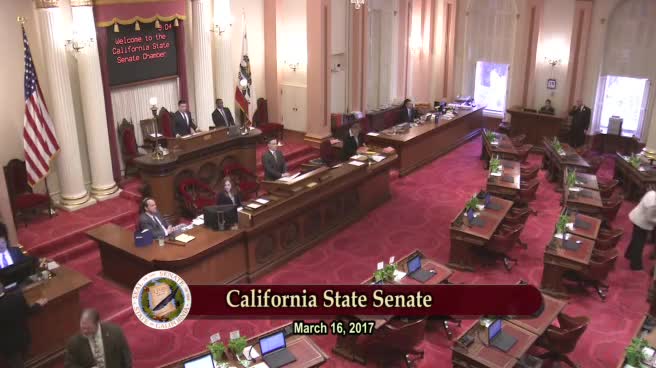
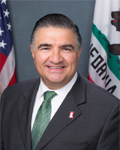
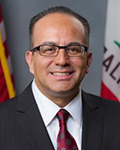
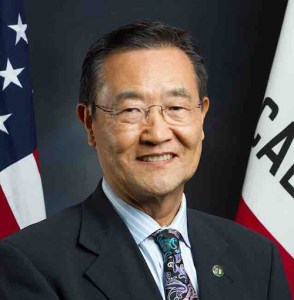
Bill Author

Bill Co-Author(s):