AJR 20: Climate change.
- Session Year: 2017-2018
- House: Assembly
- Latest Version Date: 2017-09-19
This measure would declare that California will continue to lead in its efforts to reduce emissions of greenhouse gases and fight global climate change and would encourage other state legislatures and cities in the nation to continue to support and follow the United Nations Framework Convention on Climate Change Paris Agreement. This measure would request that the United Nations create a category for the recognition and participation of subnational jurisdictions whose parent countries are not part of or have withdrawn from the Paris Climate Agreement.
This measure would declare that California will continue to lead in its efforts to reduce emissions of greenhouse gases and fight global climate change and would encourage other state legislatures and cities in the nation to continue to support and follow the United Nations Framework Convention on Climate Change Paris Agreement. This measure would request that the United Nations create a category for the recognition and participation of subnational jurisdictions whose parent countries are not part of or have withdrawn from the Paris Climate Agreement.
This measure would declare that California will continue to lead in its efforts to reduce emissions of greenhouse gases and fight global climate change and would encourage other state legislatures and cities in the nation to continue to support and follow the United Nations Framework Convention on Climate Change Paris Agreement. This measure would request that the United Nations create a category for the recognition and participation of subnational jurisdictions whose parent countries are not part of or have withdrawn from the Paris Climate Agreement.
WHEREAS, Global climate change already has had observable effects on the environment; and
WHEREAS, According to the National Aeronautics and Space Administration, the potential future effects of global climate change include more frequent wildfires, longer periods of drought in some regions, and an increase in the number, duration, and intensity of tropical storms; and
WHEREAS, The Third National Climate Assessment Report indicates temperatures will continue to rise, there will be more droughts and heatwaves, the sea level will rise one to four feet by 2100, and the Arctic is likely to become ice free; and
WHEREAS, California is already experiencing unpredictable shifts in weather patterns, prolonged fire seasons, and measurable sea-level rise associated with climate change; and
WHEREAS, California has been a leader on climate change for more than a decade through the enactment of landmark legislation, such as the California Global Warming Solutions Act of 2006 (Division 25.5 (commencing with Section 38500) of the Health and Safety Code), also known as AB 32, and the Clean Energy and Pollution Reduction Act of 2015 (Chapter 547 of the Statutes of 2015), also known as SB 350, and through policies and practices that allow for California residents to be innovators and early adapters for new technologies, like those related to renewable energy and clean fuels; and
WHEREAS, California is currently taking action to reduce emissions of greenhouse gases by 40 percent below 1990 levels by 2030; and
WHEREAS, At the United Nations Framework Convention on Climate Change Paris Agreement, or COP 21 in Paris, on December 12, 2015 (Paris Agreement), parties reached a landmark agreement to combat climate change and to accelerate and intensify the actions and investments needed for a sustainable low-carbon future; and
WHEREAS, The Paris Agreement builds upon the Convention and, for the first time, brings all nations into a common cause to undertake ambitious efforts to combat climate change and adapt to its effects, with enhanced support to assist developing countries to do so, and, thus, charts a new course in the global climate effort; and
WHEREAS, The Paris Agreement calls for policies that endeavor to limit the temperature rise to well below a rise of 2.0 Celsius above preindustrial times, with a target of 1.5 Celsius; and
WHEREAS, The accord calls for the eventual limiting of greenhouse gas emissions from human activity to a level that trees, soil, and oceans can absorb naturally between the middle and end of the century; and
WHEREAS, Additionally, nations agreed to review their carbon reduction policies every five years, and wealthier nations agreed to help finance renewable energy and other climate change policies in developing nations; and
WHEREAS, President of the United States Donald J. Trump unilaterally announced on June 1, 2017, the United States withdrawal from the Paris Agreement, thereby creating uncertainty around any future efforts and policies by the United States government to limit greenhouse gas emissions to combat climate change; and
WHEREAS, Governor Jerry Brown has called upon the governors of other states to commit to the goals of the Paris Agreement; now, therefore, be it
Resolved by the Assembly and the Senate of the State of California, jointly, That the Legislature declares that California will continue to lead in its efforts to reduce emissions of greenhouse gases and fight global climate change and encourages other state legislatures and cities in the nation to continue to support and follow the Paris Agreement; and be it further
Resolved, That the Legislature requests that as the United Nations processes the request of the United States to withdraw from the Paris Agreement, the United Nations create a category for the recognition and participation of subnational jurisdictions whose parent countries are not part of or have withdrawn from the Paris Climate Agreement; and be it further
Resolved, That the Chief Clerk of the Assembly transmit copies of this resolution to the Governor of California, to the Secretary General of the United Nations, and to the author for appropriate distribution.
|
Date
|
Status
|
|---|---|
| Sep 19, 2017 | Chaptered by Secretary of State - Res. Chapter 164, Statutes of 2017. |
| Sep 19, 2017 | Enrolled and filed with the Secretary of State at 11:30 a.m. |
| Sep 7, 2017 | In Assembly. Ordered to Engrossing and Enrolling. |
| Sep 7, 2017 | Adopted and to Assembly. |
| Aug 30, 2017 | From committee: Be adopted. Ordered to Third Reading. (Ayes 5. Noes 1.) (August 30). |
| Aug 23, 2017 | Re-referred to Com. on EQ. |
| Aug 22, 2017 | In Senate. To Com. on RLS. |
| Aug 21, 2017 | Coauthors revised. |
| Jul 11, 2017 | From committee: Be adopted. Ordered to Third Reading. (Ayes 7. Noes 1.) (July 10). |
| Jun 22, 2017 | Referred to Com. on NAT. RES. |
| Jun 9, 2017 | From printer. |
| Jun 8, 2017 | Introduced. To print. |
|
Date
|
Description
|
Location
|
Votes
|
|
|---|---|---|---|---|
| Sep 7, 2017 | Assembly 3rd Reading AJR20 Gonzalez Fletcher By Lara | Senate Floor |
Passed |
|
| Aug 30, 2017 | Be adopted. Ordered to third reading | Senate Standing Committee on Environmental Quality |
Passed |
|
| Aug 21, 2017 | AJR 20 GONZALEZ FLETCHER Assembly Third Reading | Assembly Floor |
Passed |
|
| Jul 10, 2017 | Be adopted. To third reading. | Assembly Standing Committee on Natural Resources |
Passed |
This list shows positions taken on this bill by organizations on the date displayed, which is linked to the original source.
Positions by individuals are not included.
|
Organization
|
Position
|
Date
|
|---|---|---|
| American Lung Association | * Support | Jul 10, 2017 |
| Audubon California | * Support | Jul 10, 2017 |
| California Catholic Conference | ** Support | Aug 30, 2017 |
| California League Of Conservation Voters | * Support | Jul 10, 2017 |
| Californians Against Waste | ** Support | Aug 30, 2017 |
| Catholic Church of California | * Support | Jul 10, 2017 |
| Environment California | * Support | Jul 10, 2017 |
| Environmental Defense Center | * Support | Jul 10, 2017 |
| Environmental Defense Fund | * Support | Jul 10, 2017 |
| Sierra Club | * Support | Aug 30, 2017 |
| Union Of Concerned Scientists | ** Support | Aug 30, 2017 |
Office of Senate Floor Analyses (916) 651-1520 Fax: (916) 327-4478 | AJR |
THIRD READING
Bill No: AJR 20
:
SENATE ENVIRONMENTAL QUALITY COMMITTEE: 5-1, 8/30/17
AYES: Wieckowski, Hill, Lara, Skinner, Stern
NOES: Stone
NO VOTE RECORDED: Gaines
ASSEMBLY FLOOR: 57-14, 8/21/17 - See last page for vote
DIGEST:
This resolution declares that California will continue to lead in its efforts to reduce emissions of greenhouse gases and fight global climate change and encourages other state legislatures and cities in the nation to continue to support and follow the United Nations Framework Convention on Climate Change Paris Agreement. This resolution requests that the United Nations create a category for the recognition and participation of subnational jurisdictions whose parent countries are not part of or have withdrawn from the Paris Climate Agreement.
ANALYSIS: Existing federal law, under the Federal Clean Air Act (FCAA), regulates air emissions from stationary and mobile sources.
Existing state law:
- Establishes the Air Resources Board (ARB) as the air pollution control agency in California and requires the ARB, among other things, to control emissions from a wide array of mobile sources and coordinate with local Air Quality Management Districts (AQMDs) to control emissions from stationary sources in order to implement the FCAA.
- Establishes local AQMDs as the air pollution control agencies to control emissions from stationary sources.
- Enacts the California Global Warming Solutions Act of 2006, which:
- Establishes the ARB as the state agency responsible for monitoring and regulating sources emitting greenhouse gases (GHGs).
- Requires ARB to approve a statewide GHG emissions limit equivalent to the statewide GHG emissions level in 1990 to be achieved by 2020 (AB 32 cap) and to ensure that statewide GHG emissions are reduced to at least 40% below the 1990 level by 2030 (SB 32 cap).
- Requires ARB to prepare and approve a scoping plan for achieving the maximum technologically feasible and cost-effective reductions in GHG emissions and to update the scoping plan at least once every five years.
- Authorizes ARB to adopt regulations that establish a system of market-based declining annual aggregate emission limits for sources or categories of sources that emit GHG emissions to comply with GHG reduction regulations. ARB has adopted a cap-and-trade mechanism which applies to large industrial facilities and electricity generators emitting more than 25,000 metric tons of CO2 equivalent per year, as well as distributors of fuels, including gasoline, diesel, and natural gas.
This resolution:
- Makes various findings on climate change and the Paris Climate Agreement.
- Resolves that:
- The Legislature declares that California will continue to lead in its efforts to reduce GHG emissions and flight global climate change and encourages other states and cities to continue to support and follow the Paris Agreement.
- The Legislature requests that as the United Nation processes the request of the United States to withdraw from the Paris Agreement, it create a category for the recognition and participation of subnational jurisdictions whose parent countries are not part of, or have withdrawn from, the Paris Agreement.
Background
- Climate change. Climate change is a defining environmental challenge of our time. Caused primarily by the collective activities of carbon-intensive economies in the developed world, climate change now requires solutions that range from international treaties, structural changes in how nations and subnational states transition to new energy supplies, how the public and private sectors do business, and how individuals live their lives.
California already is and will continue to be impacted by the widespread effects of climate change in multiple ways, including, decreased snowpack in the Sierra Nevada during the recent and future droughts, expected sea level rise between 17 and 66 inches by 2100, worsening heat islands, and more frequent extreme fires, droughts, and floods that will affect California’s infrastructure, like the recent Oroville Dam incident.
- The Paris Agreement. The United Nations Framework Convention on Climate Change (COP 21) held a climate change conference in Paris, France in December 2015. The outcome was a voluntary agreement for nations to work to limit the emissions of GHGs to levels that would allow an average global increase of no more than 2 degrees Celsius (°C), and with a hope to limit warming to a smaller 1.5 °C target.
Two degrees Celsius is the maximum warming threshold at which many scientists predict there will likely be major climate disruptions such as super droughts and catastrophically rising sea levels. Moreover, as articulated during the Paris meetings, many scientists estimate that a 1.5 °C warming would be far safer, albeit still risky, for the resilience of global coasts, food, water, and other environmental systems on which humans rely. Even if humans can manage to limit both short- and long-term warming to this lesser level, some ecosystems, such as coral reefs and many alpine and higher latitude polar zones, already appear to be highly stressed and are likely to be largely lost with future incremental climate changes.
Although the current international emission reduction pledges fall short of what is needed for a 2 °C warming limit, let alone 1.5 °C, the Paris Agreement includes an expectation and mechanism for countries to increase their commitments every five years, and the agreement was largely viewed as a critical first step in bringing the vast majority of countries together to agree to act to combat climate change.
- The U.S. withdraws. The Paris Agreement went into effect on November 4, 2016, 30 days after the “double threshold” (ratification by 55 countries that account for at least 55% of global emissions) had been met. Since then, more countries have ratified and continue to ratify the Agreement, reaching a total of 152 as of June 20, 2017.
However, on June 1, 2017, President Trump announced that the U.S. would withdraw from the Paris Agreement, stating that the Agreement imposes “draconian financial and economic burdens… on our country.” The President’s statement indicated that he intends to renegotiate the Paris Agreement; however, leaders of other member countries have stated that the Agreement is “irreversible” and cannot be renegotiated. The U.S. had agreed to cut GHG emissions by 26-28% below 2005 levels by 2025. Leaving the Agreement also stops aid payments the U.S. had pledged for less developed countries by 2020. The U.S. committed to $3 billion in aid and made two payments of $500 million prior to the June 1st announcement.
FISCAL EFFECT: Appropriation: No Fiscal Com.: No Local: No
California Catholic Conference
Californians Against Waste
Union of Concerned Scientists
OPPOSITION: (Verified 8/30/17)
None received
ASSEMBLY FLOOR: 57-14, 8/21/17
AYES: Aguiar-Curry, Baker, Berman, Bloom, Bocanegra, Bonta, Burke, Caballero, Calderon, Cervantes, Chau, Chávez, Chiu, Chu, Cooley, Cooper, Dababneh, Daly, Eggman, Frazier, Friedman, Cristina Garcia, Eduardo Garcia, Gipson, Gloria, Gonzalez Fletcher, Gray, Grayson, Holden, Irwin, Jones-Sawyer, Kalra, Levine, Limón, Low, Maienschein, Mayes, McCarty, Medina, Mullin, Muratsuchi, Nazarian, O'Donnell, Quirk, Quirk-Silva, Reyes, Ridley-Thomas, Rodriguez, Rubio, Salas, Santiago, Mark Stone, Thurmond, Ting, Weber, Wood, Rendon
NOES: Travis Allen, Bigelow, Brough, Chen, Choi, Dahle, Gallagher, Harper, Kiley, Mathis, Melendez, Patterson, Voepel, Waldron
NO VOTE RECORDED: Acosta, Arambula, Cunningham, Flora, Fong, Lackey, Obernolte, Steinorth
8/30/17 14:24:00
**** END ****
SENATE COMMITTEE ON ENVIRONMENTAL QUALITY
Senator Wieckowski, Chair
2017 - 2018 Regular
Bill No: AJR 20
Author: | Gonzalez Fletcher, et al. | ||
Version: | 6/8/2017 | Hearing Date: | 8/30/2017 |
Urgency: |
| Fiscal: | No |
Consultant: | Anna Reade | ||
SUBJECT: Climate change
ANALYSIS:
Existing federal law:
- Under the Federal Clean Air Act (FCAA) regulates air emissions from stationary and mobile sources.
Existing state law:
- Establishes the Air Resources Board (ARB) as the air pollution control agency in California and requires the ARB, among other things, to control emissions from a wide array of mobile sources and coordinate with local Air Quality Management Districts (AQMDs) to control emissions from stationary sources in order to implement the FCAA.
- Establishes local AQMDs as the air pollution control agencies to control emissions from stationary sources.
- Under the California Global Warming Solutions Act of 2006,
- Establishes the ARB as the state agency responsible for monitoring and regulating sources emitting greenhouse gases (GHGs).
- Requires ARB to approve a statewide GHG emissions limit equivalent to the statewide GHG emissions level in 1990 to be achieved by 2020 (AB 32 cap) and to ensure that statewide GHG emissions are reduced to at least 40% below the 1990 level by 2030 (SB 32 cap).
- Requires ARB to prepare and approve a scoping plan for achieving the maximum technologically feasible and cost-effective reductions in GHG emissions and to update the scoping plan at least once every 5 years.
- Authorizes ARB to adopt regulations that establish a system of market-based declining annual aggregate emission limits for sources or categories of sources that emit GHG emissions to comply with GHG reduction regulations. ARB has adopted a cap-and-trade mechanism which applies to large industrial facilities and electricity generators emitting more than 25,000 metric tons of CO2 equivalent per year, as well as distributors of fuels, including gasoline, diesel, and natural gas.
This resolution:
- Makes various findings, including:
- Global climate change already has had observable effects on the environment.
- According to the National Aeronautics and Space Administration, the potential future effects of global climate change include more frequent wildfires, longer periods of drought, and an increase in number, duration and intensity of tropical storms.
- The Third National Climate Assessment Report indicates temperatures will continue to rise, there will be more droughts and heatwaves, the sea level will rise one to four feet by 2100, and the arctic is likely to become ice-free.
- California is already experiencing unpredictable shifts in weather patterns, prolonged fire seasons, and measurable sea-level rise associated with climate change.
- California has been a leader on climate change for more than a decade and is currently taking action to reduce emissions of GHGs by 40% below 1990 levels by 2030.
- At the United Nations Framework Convention on Climate Change (COP 21) on December 1, 2015, parties reached a landmark agreement to combat climate change and to accelerate and intensify actions and investments needed for a sustainable low-carbon future (Paris Agreement). The Paris Agreement, among other things:
- Brings all nations into a common cause to undertake ambitious efforts to combat climate change and adapt to its effects, with enhanced support to assist developing countries.
- Calls for policies that endeavor to limit the temperature rise to “well below” a rise of 2.0 Celsius above preindustrial times, with a target of 1.5 Celsius.
- Calls for the eventual limiting of GHG emissions from human activity to a level that can be absorbed naturally between the middle and end of the century.
- Participating nations agreed to review their carbon reduction policies every five years, and wealthier nations to help finance renewable energy and other climate change policies in developing nations.
- On June 1, 2017, President Trump unilaterally announced the United States’ withdrawal from the Paris Agreement, creating uncertainty around any future efforts and policies by the United States to limit GHG emissions.
- Governor Brown has called upon the governors of other states to commit to the goals of the Paris Agreement.
- Resolves that:
- The Legislature declares that California will continue to lead in its efforts to reduce GHG emissions and flight global climate change and encourages other states and cities to continue to support and follow the Paris Agreement.
- The Legislature requests that as the United Nation processes the request of the United States to withdraw from the Paris Agreement, it create a category for the recognition and participation of subnational jurisdictions whose parent countries are not part of, or have withdrawn from, the Paris Agreement.
Background
- Environmental quality and public health impacts of climate change in California. Climate change is a defining environmental challenge of our time. Caused primarily by the collective activities of carbon-intensive economies in the developed world, climate change now requires solutions that range from international treaties, structural changes in how nations and subnational states transition to new energy supplies, how the public and private sectors do business, and how individuals live their lives.
California already is and will continue to be impacted by the widespread effects of climate change in multiple ways, including, but not limited to:
- Higher Temperatures and Air Quality. Climate change is already causing higher temperatures state-wide, and more frequent and hotter days will lead to worse air quality through increased amounts of ground-level pollutants such as ozone. An analysis of power plants in California showed a 3% increase in NOx emissions per degree Fahrenheit increase in daily temperature (Drechsler et al., 2006). This is due to a variety of factors, including increased energy use for things like running indoor air conditioning systems.
Higher temperatures and heat waves also increase heat-related illness and death, including 650 deaths in California during the heat wave in 2006. Heat waves also directly lead to immediate public health concerns, particularly for those people without either access to air conditioning or enough money to pay for running an air conditioner even if they have access to one.
Extreme events, such as wildfires, can affect air quality by leading to increased concentrations of Particulate Matter (PM), which has been linked to premature death in people with heart and lung disease, as well as aggravating asthma and respiratory symptoms. Scientific modeling has predicted 12-53% increase in large California wildfires by 2100 (Westerling and Bryant, 2006).
- Water Quality. In many regions, hydrological systems are being altered by changes in precipitation and snow pack. Reductions in the Sierra Nevada snowpack are expected from higher temperatures, leading to diminished water reserves. Because of these dwindling water reserves, groundwater pumping may continue to increase and result in an increased concentration of pollutants in drinking water.
For example, nitrate contamination of drinking water, already an acute problem in many areas in the Central Valley, may be further exacerbated, resulting in a much higher fraction of residents who are not able to drink water safely from their tap.
Though overall rain amounts will be reduced, rainfall events are expected to be more extreme, which can overwhelm sewage and water treatment facilities, resulting in decreased water quality.
In coastal areas, rising sea levels can lead to increased salinity in coastal aquifers. Higher salinity of water has reduced usability for both drinking water and agricultural purposes, and desalination procedures are energy-intensive and costly.
- Infectious and Vector-borne Diseases and Public Health Impacts. Climate change can further lead to public health impacts by facilitating disease spread and exacerbating chronic health conditions. Already, California has seen an increase in the length of the growing season and pollen production amounts of ragweed, a common cause of severe seasonal allergies.
Increased temperatures can promote bacterial contamination in foods and lead to increases in harmful algal blooms that have been tied to skin, gastrointestinal, respiratory, and neurological signs and symptoms.
Reductions in the number and sizes of recreational bodies of water due to decreased rainfall can further lead to increased concentration of pollutants and bacterial contaminants from more users in fewer and smaller areas.
There is concern about the spread of vector-borne diseases, as the distribution of vectors (e.g. ticks, mosquitoes) carrying pathogens spread into new habitats as regional climates change. Droughts, which will increase with climate change, can also favor mosquito breeding because streams that would normally be flowing become a series of stagnant pools in which mosquitoes breed. For example, previous research has shown that human outbreaks of the mosquito-transmitted Saint Louis encephalitis are correlated with periods of several days when the temperature exceeds 30°C (95°F), as has been the case in previous California epidemics (Githeko et al. 2000).
In addition to expanding habitats, hot temperatures also facilitate the spread of West Nile Virus (WNV) by speeding up both the replication of the virus and the development of the mosquito that carries it. Mosquitoes digest blood meals more rapidly at higher temperatures, leading them to feed more often.
- Impacts on Agriculture. In addition to the effects of drought and severe weather events, climate change can further threaten food production and quality by facilitating diseases spreading to crops from vectors and pests. Combating these threats to food security will likely require increased use of pesticides and fertilizers, which leads to increased GHG emissions and concerns about human health and water quality from runoff and drift. In times of food insecurity and rising prices, people turn to nutrient-poor, calorie-rich foods with health impacts including malnutrition and obesity.
- The Paris Agreement. At the international level, the United Nations Framework Convention on Climate Change (COP 21) held a climate change conference in Paris, France in December 2015. The outcome was a voluntary agreement for nations to work to limit the emissions of GHGs to levels that would allow an average global increase of no more than 2 degrees Celsius (°C), and with a hope to limit warming to a smaller 1.5 °C target.
Two degrees Celsius is the maximum warming threshold at which many scientists predict there will likely be major climate disruptions such as super droughts and catastrophically rising sea levels. Moreover, as articulated during the Paris meetings, many scientists estimate that a 1.5 °C warming would be far safer, albeit still risky, for the resilience of global coasts, food, water, and other environmental systems on which humans rely. Even if humans can manage to limit both short- and long-term warming to this lesser level, some ecosystems, such as coral reefs and many alpine and higher latitude polar zones, already appear to be highly stressed and are likely to be largely lost with future incremental climate changes.
Although the current international emission reduction pledges fall short of what is needed for a 2 °C warming limit, let alone 1.5 °C, the Paris Agreement includes an expectation and mechanism for countries to increase their commitments every five years, and the agreement was largely viewed as a critical first step in bringing the vast majority of countries together to agree to act to combat climate change.
- The US withdraws. The Paris Agreement went into effect on November 4, 2016, 30 days after the “double threshold” (ratification by 55 countries that account for at least 55% of global emissions) had been met. Since then, more countries have ratified and continue to ratify the Agreement, reaching a total of 152 as of June 20, 2017.
However, on June 1, 2017, President Trump announced that the United States would withdraw from the Paris Agreement, stating that the Agreement imposes “draconian financial and economic burdens… on our country.” The President’s statement indicated that he intends to renegotiate the Paris Agreement; however, leaders of other member countries have stated that the Agreement is “irreversible” and cannot be renegotiated. The US had agreed to cut GHG emissions by 26-28% below 2005 levels by 2025. Leaving the Agreement also stops aid payments the US had pledged for less developed countries by 2020. The US committed to $3 billion in aid and made two payments of $500 million prior to the June 1st announcement.
SUPPORT:
Californians Against Waste
California Catholic Conference
Union of Concerned Scientists
OPPOSITION:
None received
-- END --
ASSEMBLY THIRD READING
ATR Bill Id:AJR 20
Author:(Gonzalez Fletcher, et al.)
As Introduced Ver:June 8, 2017
Majority vote
Committee | Votes | Ayes | Noes |
Natural Resources | 7-1 | Cristina Garcia, Chau, Eggman, Limón, McCarty, Muratsuchi, Mark Stone | Travis Allen |
SUMMARY: Declares that California will continue to lead in its efforts to reduce greenhouse gases (GHGs) emissions and fight global climate change and encourages other states and cities to continue to support and follow the Paris Agreement. Specifically, this resolution:
- States a number of findings, including:
- The Third National Climate Assessment Report indicates temperatures will continue to rise, there will be more droughts and heatwaves, the sea level will rise one to four feet by 2100, and the arctic is likely to become ice-free;
- California is already experiencing unpredictable shifts in weather patterns, prolonged fire seasons, and measurable sea-level rise associated with climate change and has been a leader on climate change for more than a decade;
- At the United Nations Framework Convention on Climate Change (UNFCCC) on December 1, 2015, parties reached a landmark agreement to combat climate change and to accelerate and intensify actions and investments needed for a sustainable low-carbon future (Paris Agreement);
- The Paris Agreement brings all nations into a common cause to undertake ambitious efforts to combat climate change and adapt to its effects, with enhanced support to assist developing countries;
- The Paris Agreement calls for policies that endeavor to limit the temperature rise to "well below" a rise of 2.0 Celsius above preindustrial times, with a target of 1.5 Celsius;
- The nations that signed the Paris Agreement agreed to review their carbon reduction policies every five years, and wealthier nations agreed to help finance renewable energy and other climate change policies in developing nations;
- On June 1, 2017, President Trump unilaterally announced the United States' withdrawal from the Paris Agreement, creating uncertainty around any future efforts and policies by the United States to limit GHG emissions; and,
- Governor Brown has called upon the governors of other states to commit to the goals of the Paris Agreement.
- Resolves that:
- The Legislature declares that California will continue to lead in its efforts to reduce GHG emissions and flight global climate change and encourages other states and cities to continue to support and follow the Paris Agreement; and,
- The Legislature requests that as the United Nation processes the request of the United States to withdraw from the Paris Agreement, it create a category for the recognition and participation of subnational jurisdictions whose parent countries are not part of, or have withdrawn from, the Paris Agreement.
FISCAL EFFECT: Nonfiscal
COMMENTS: At the 21st Conference of the Parties in Paris, on December 12, 2015, parties to the UNFCCC reached a landmark agreement to combat climate change and to accelerate and intensify the actions and investments needed for a sustainable low carbon future. The Paris Agreement brings nations together to undertake take ambitious efforts to combat climate change and adapt to its effects, with enhanced support for developing countries. As of last month, 195 countries had signed the Agreement.
The Paris Agreement's central aim is to strengthen the global response to the threat of climate change by keeping a global temperature rise this century "well below" 2 degrees Celsius above pre-industrial levels and to pursue efforts to limit the temperature increase to 1.5 degrees Celsius. Additionally, it aims to increase the ability of countries to adapt to the impacts of climate change.
The Paris Agreement requires all parties to develop "nationally determined contributions" (NDCs) and to strengthen these efforts in the years ahead. This includes requirements that all parties report regularly on their GHG emissions and implementation efforts. There will also be a global "stocktake" every five years to assess progress and to inform future actions by parties.
The Paris Agreement went into effect on November 4, 2016, 30 days after the "double threshold" (ratification by 55 countries that account for at least 55% of global emissions) had been met. Since then, more countries have ratified and continue to ratify the Agreement, reaching a total of 152 as of June 20, 2017.
A work program was launched in Paris to develop modalities, procedures, and guidelines on a broad array of issues to implement the Agreement. The work program is expected to be completed by 2018.
On June 1, 2017, President Trump announced that the United States would withdraw from the Paris Agreement, stating that the Agreement imposes "draconian financial and economic burdens… on our country." The President's statement indicated that he intends to renegotiate the Paris Agreement to "make a deal that's fair;" however, leaders of other member countries have stated that the Agreement is "irreversible" and cannot be renegotiated. The United States had agreed to cut GHG emissions by 26-28% below 2005 levels by 2025. Leaving the Agreement also stops aid payments the US had pledged for less developed countries by 2020. The United States committed to $3 billion in aid and made two payments of $500 million prior to the June 1st announcement.
Analysis Prepared by: Elizabeth MacMillan / NAT. RES. / (916) 319-2092 FN: 0001145
Date of Hearing: July 10, 2017
ASSEMBLY COMMITTEE ON NATURAL RESOURCES
Cristina Garcia, Chair
ABPCA Bill Id:AJR 20 (
Author:Gonzalez Fletcher) – As Introduced Ver:June 8, 2017
SUBJECT: Climate change
SUMMARY: Declares that California will continue to lead in its efforts to reduce greenhouse gases (GHGs) emissions and fight global climate change and encourages other states and cities to continue to support and follow the Paris Agreement. Specifically, this resolution:
- States a number of findings, including:
- The Third National Climate Assessment Report indicates temperatures will continue to rise, there will be more droughts and heatwaves, the sea level will rise one to four feet by 2100, and the arctic is likely to become ice-free;
- California is already experiencing unpredictable shifts in weather patterns, prolonged fire seasons, and measurable sea-level rise associated with climate change and has been a leader on climate change for more than a decade;
- At the United Nations Framework Convention on Climate Change (UNFCCC) on December 1, 2015, parties reached a landmark agreement to combat climate change and to accelerate and intensify actions and investments needed for a sustainable low-carbon future (Paris Agreement);
- The Paris Agreement brings all nations into a common cause to undertake ambitious efforts to combat climate change and adapt to its effects, with enhanced support to assist developing countries;
- The Paris Agreement calls for policies that endeavor to limit the temperature rise to "well below" a rise of 2.0 Celsius above preindustrial times, with a target of 1.5 Celsius;
- The nations that signed the Paris Agreement agreed to review their carbon reduction policies every five years, and wealthier nations agreed to help finance renewable energy and other climate change policies in developing nations;
- On June 1, 2017, President Trump unilaterally announced the United States' withdrawal from the Paris Agreement, creating uncertainty around any future efforts and policies by the United States to limit GHG emissions; and,
- Governor Brown has called upon the governors of other states to commit to the goals of the Paris Agreement.
- Resolves that:
- The Legislature declares that California will continue to lead in its efforts to reduce GHG emissions and flight global climate change and encourages other states and cities to continue to support and follow the Paris Agreement; and,
- The Legislature requests that as the United Nation processes the request of the United States to withdraw from the Paris Agreement, it create a category for the recognition and participation of subnational jurisdictions whose parent countries are not part of, or have withdrawn from, the Paris Agreement.
EXISTING LAW:
- Requires the Air Resources Board (ARB) to adopt a statewide GHG emissions limit equivalent to 1990 levels by 2020 and to adopt rules and regulations to achieve maximum technologically feasible and cost-effective GHG emission reductions.
- Requires ARB, in adopting rules and regulations to achieve the maximum technologically feasible and cost-effective GHG emissions reductions, to ensure that statewide GHG emissions are reduced to at least 40% below the 2020 statewide limit no later than December 31, 2030.
- Require ARB, when it adopts regulations to achieve GHG emission reductions beyond the 2020 statewide limit, to consider social costs and prioritize direct emission reductions at large stationary, mobile, and other sources.
- Authorizes ARB, in furtherance of achieving the 2020 statewide limit, to adopt a regulation that establishes a system of market-based declining annual aggregate emission limits for sources or categories of sources that emit greenhouse gas emissions, applicable from January 1, 2012 to December 31, 2020, to comply with GHG reduction regulations, once specified conditions are met. ARB has adopted a cap-and-trade regulation which applies to large industrial facilities and electricity generators emitting more than 25,000 metric tons of CO2 equivalent per year, as well as distributors of fuels, including gasoline, diesel, and natural gas.
FISCAL EFFECT: Nonfiscal
COMMENTS:
- Author's statement:
AJR 20 will help protect California from the dangers of global warming by requiring California to continue to work toward the goals of the Paris Agreement, and to review its carbon reduction policies every five years.
This joint resolution will also request the United Nations to create a category for the recognition and participation of sub-national jurisdictions whose parent country is not a part of the Paris Climate Accords.
Despite President Trump's decision to withdraw the United States from the Paris Agreement, several states, including California, Connecticut, Delaware, Hawaii, Massachusetts, Minnesota, New York, Oregon, Rhode Island, Vermont, Virginia, Washington, and the territory of Puerto Rico have banded together to continue to work toward meeting the targets of the global climate accord. AJR 20 would ensure those targets are met.
- Background. At the 21st Conference of the Parties in Paris, on December 12, 2015, parties to the UNFCCC reached a landmark agreement to combat climate change and to accelerate and intensify the actions and investments needed for a sustainable low carbon future. The Paris Agreement brings nations together to undertake take ambitious efforts to combat climate change and adapt to its effects, with enhanced support for developing countries. As of last month, 195 countries had signed the Agreement.
The Paris Agreement’s central aim is to strengthen the global response to the threat of climate change by keeping a global temperature rise this century "well below" 2 degrees Celsius above pre-industrial levels and to pursue efforts to limit the temperature increase to 1.5 degrees Celsius. Additionally, it aims to increase the ability of countries to adapt to the impacts of climate change.
The Paris Agreement requires all parties to develop “nationally determined contributions” (NDCs) and to strengthen these efforts in the years ahead. This includes requirements that all parties report regularly on their GHG emissions and implementation efforts. There will also be a global "stocktake" every five years to assess progress and to inform future actions by parties.
The Paris Agreement went into effect on November 4, 2016, 30 days after the “double threshold” (ratification by 55 countries that account for at least 55% of global emissions) had been met. Since then, more countries have ratified and continue to ratify the Agreement, reaching a total of 152 as of June 20, 2017.
A work program was launched in Paris to develop modalities, procedures, and guidelines on a broad array of issues to implement the Agreement. The work program is expected to be completed by 2018.
On June 1, 2017, President Trump announced that the United States would withdraw from the Paris Agreement, stating that the Agreement imposes "draconian financial and economic burdens… on our country." The President's statement indicated that he intends to renegotiate the Paris Agreement to "make a deal that's fair;" however, leaders of other member countries have stated that the Agreement is "irreversible" and cannot be renegotiated. The US had agreed to cut GHG emissions by 26-28% below 2005 levels by 2025. Leaving the Agreement also stops aid payments the US had pledged for less developed countries by 2020. The US committed to $3 billion in aid and made two payments of $500 million prior to the June 1st announcement.
REGISTERED SUPPORT / OPPOSITION:
Support
Californians Against Waste
Union of Concerned Scientists
Opposition
None on file
Analysis Prepared by: Elizabeth MacMillan / NAT. RES. /
Discussed in Hearing
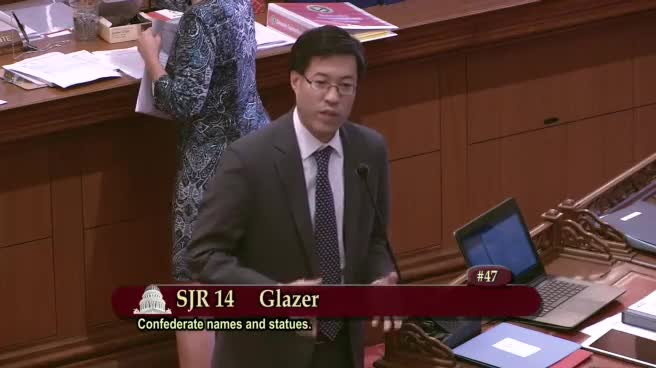 5MIN
Senate Floor
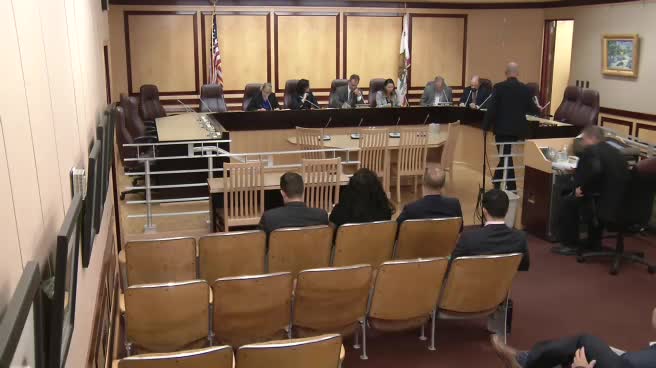 15MIN
Senate Standing Committee on Environmental Quality
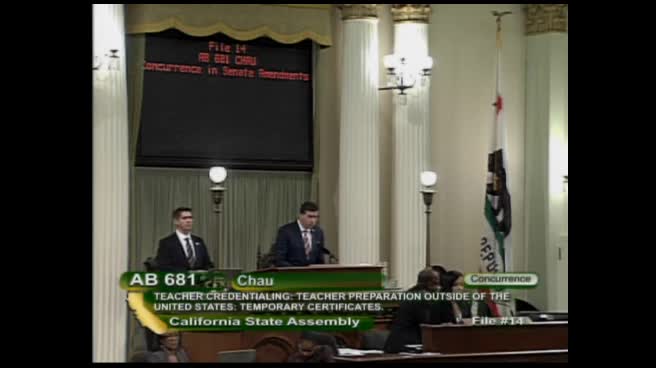 12MIN
Assembly Floor
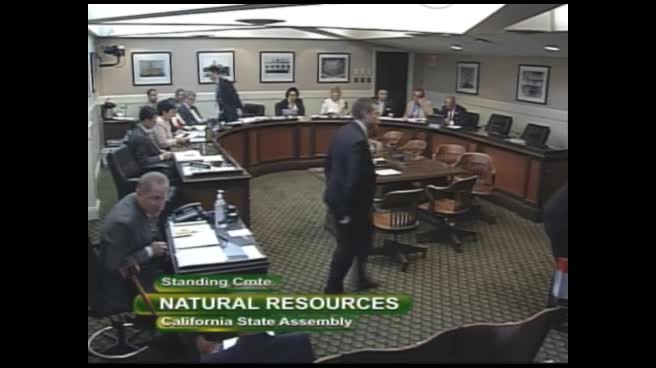 5MIN
Assembly Standing Committee on Natural Resources
Bill Author
















Bill Co-Author(s):