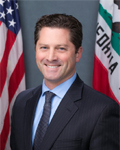
AJR 41: Social Security.
- Session Year: 2017-2018
- House: Assembly
- Latest Version Date: 2018-09-05
This measure would request the Congress of the United States to enact, and the President to sign, legislation that would repeal the Government Pension Offset and the Windfall Elimination Provision from the Social Security Act.
This measure would request the Congress of the United States to enact, and the President to sign, legislation that would repeal the Government Pension Offset and the Windfall Elimination Provision from the Social Security Act.
This measure would request the Congress of the United States to enact, and the President to sign, legislation that would repeal the Government Pension Offset and the Windfall Elimination Provision from the Social Security Act.
WHEREAS, Two Federal Social Security Administration laws, the Windfall Elimination Provision and the Government Pension Offset, passed by Congress more than 30 years ago without statistical analysis, diminish or eliminate the fully earned Social Security benefits of large numbers of public service employees in California; and
WHEREAS, These provisions affect workers who have been employed in a government position which is not coordinated with the Social Security program, such as California public school teachers who have not been able to receive Social Security credits since 1965; and
WHEREAS, Most peace officers, including the California Highway Patrol, firefighters, and many other public servants working for cities and special districts are not covered by Social Security, making them subject to these provisions; and
WHEREAS, In California, more than 300,000 retirees have had their Social Security benefits diminished or completely eliminated by these laws; and
WHEREAS, Effective government requires highly qualified and motivated personnel, and California government agencies need to compete to recruit and retain outstanding employees, including hiring 16,000 new public school teachers each year; and
WHEREAS, The recruitment and retention of qualified individuals reentering the workforce is impeded by these two provisions which reduce or eliminate the Social Security retirement benefits either earned by workers, themselves, or received through dependent status; and
WHEREAS, The Government Pension Offset severely cuts, and usually eliminates, all spousal and survivor benefits that were earned from what is deemed by the State of California to be community property income; and
WHEREAS, The Government Pension Offset requires that a recipient of benefits report any yearly cost-of-living increase in his or her public pension, so that his or her Social Security benefits may be reduced by two-thirds of that amount; and
WHEREAS, The Windfall Elimination Provision cuts earned Social Security benefits from work that is separate from the work for which the individual earned a pension from a governmental entity; and
WHEREAS, The Windfall Elimination Provision subverts the purpose of Social Security retirement benefits by eliminating the formula that reimburses low-income workers at a higher rate than high-income workers, causing severe hardships for those who have not had high-paying public service; and
WHEREAS, Until 2005, there were no requirements that a public employer advise new workers that they would be subject to these penalties; now, therefore, be it
Resolved by the Assembly and the Senate of the State of California, jointly, That the Legislature requests that the Congress of the United States enact legislation to repeal the Government Pension Offset and the Windfall Elimination Provision from the Social Security Act, and further requests that President Donald Trump sign that legislation; and be it further
Resolved, That the Chief Clerk of the Assembly transmit copies of this resolution to the President and the Vice President of the United States, to the Speaker of the House of Representatives, to the Majority Leader of the Senate, to each Senator and Representative from California in the Congress of the United States, and to the author for appropriate distribution.
|
Date
|
Status
|
|---|---|
| Sep 5, 2018 | Chaptered by Secretary of State - Res. Chapter 197, Statutes of 2018. |
| Sep 5, 2018 | Enrolled and filed with the Secretary of State at 11:30 a.m. |
| Aug 28, 2018 | In Assembly. Ordered to Engrossing and Enrolling. |
| Aug 28, 2018 | Adopted and to Assembly. |
| Aug 14, 2018 | From committee: Be adopted. Ordered to Third Reading. (Ayes 4. Noes 0.) (August 13). |
| Jul 3, 2018 | Re-referred to Com. on P.E. & R. |
| Jun 25, 2018 | In Senate. To Com. on RLS. |
| Jun 21, 2018 | Coauthors revised. |
| Jun 20, 2018 | From committee: Be adopted. Ordered to Third Reading. (Ayes 5. Noes 1.) (June 20). |
| Jun 4, 2018 | Referred to Com. on P.E., R., & S.S. |
| May 30, 2018 | From printer. |
| May 29, 2018 | Introduced. To print. |
|
Date
|
Description
|
Location
|
Votes
|
|
|---|---|---|---|---|
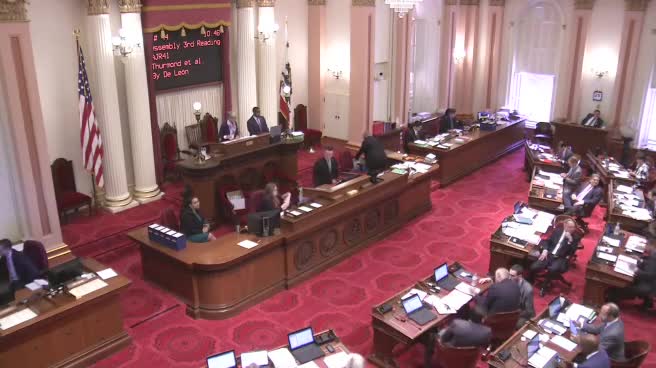
| Aug 28, 2018 | Assembly 3rd Reading AJR41 Thurmond et al. By De León | Senate Floor |
Passed |
|
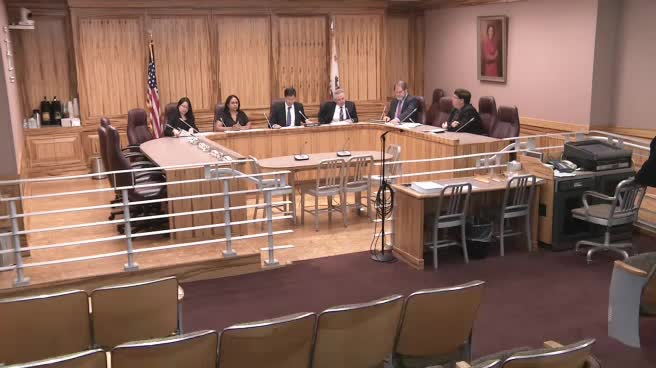
| Aug 13, 2018 | Be adopted. Ordered to third reading | Senate Standing Committee on Public Employment and Retirement |
Passed |
|
| Jun 21, 2018 | AJR 41 THURMOND Assembly Third Reading | Assembly Floor |
Passed |
|
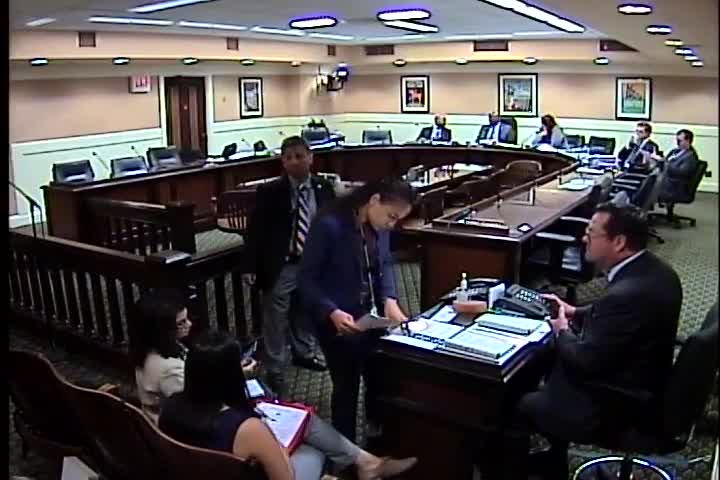
| Jun 20, 2018 | Be adopted. To third reading. | Assembly Standing Committee on Public Employees, Retirement, and Social Security |
Passed |
This list shows positions taken on this bill by organizations on the date displayed, which is linked to the original source.
Positions by individuals are not included.
|
Organization
|
Position
|
Date
|
|---|---|---|
| Aaron Read & Associates | * Support | Jun 20, 2018 |
| Association Of California School Administrators | ** Support | Aug 14, 2018 |
| California Alliance For Retired Americans | ** Support | Aug 14, 2018 |
| California Federation of Teachers, AFT, AFL-CIO | ** Support | Aug 14, 2018 |
| California Retired Teachers Association | ** Support | Aug 14, 2018 |
| California State Retirees | ** Support | Aug 14, 2018 |
| california state teachers' retirement system | ** Support | Aug 14, 2018 |
| California Teachers Association | ** Support | Aug 14, 2018 |
| CalRTA | * Support | Aug 13, 2018 |
| Faculty Association Of California Community Colleges | ** Support | Aug 14, 2018 |
| Los Angeles Unified School District | ** Support | Aug 14, 2018 |
| Social Security Fairness Committee | * Support | Aug 13, 2018 |
Office of Senate Floor Analyses (916) 651-1520 Fax: (916) 327-4478 | AJR |
THIRD READING
Bill No: AJR 41
:
SENATE PUBLIC EMP. & RET. COMMITTEE: 4-0, 8/13/18
AYES: Pan, Leyva, Moorlach, Portantino
NO VOTE RECORDED: Morrell
ASSEMBLY FLOOR: 62-0, 6/21/18 - See last page for vote
DIGEST:
This bill requests the United States Congress to enact, and the President of the United States to sign, legislation repealing the Government Pension Offset and the Windfall Elimination Provision from the Social Security Act and instructs the Chief Clerk of the Assembly to transmit copies of this resolution.
ANALYSIS:
Existing federal law:
- Requires that a beneficiary’s Social Security allowance be offset if the beneficiary also receives a government pension and was employed by an employer not coordinated with Social Security.
- Requires that a beneficiary’s spouse, widow, or widower, may receive a reduced Social Security benefit if the beneficiary also receives a government pension and was employed by an employer not coordinated with Social Security.
This bill:
- Requests the United States Congress to enact, and the President of the United States to sign, legislation repealing the Government Pension Offset (GPO) and the Windfall Elimination Provision (WEP) from the Social Security Act.
- Directs the Chief Clerk of the Assembly to transmit copies of this resolution to the President and Vice President of the United States, the Speaker of the House of Representatives, the Majority Leader of the Senate, and to each Senator and Representative from California in the United States Congress, and to the author for appropriate distribution.
- Makes various declarations:
- The WEP and GPO, passed by Congress over 30 years ago without statistical analyses, diminish or eliminate the fully earned Social Security benefits of large numbers of California public employees;
- WEP and GPO affect workers who have been employed in a government position which is not coordinated with Social Security, such as public school teachers who have been unable to receive Social Security credits since 1965;
- Most peace officers, including the California Highway Patrol, firefighters, and public servants working for cities and special districts, are not covered by Social Security and subject to the WEP and GPO;
- More than 300,000 California retirees have had their Social Security benefits diminished or eliminated by the WEP and GPO;
- Effective government requires highly qualified and motivated personnel, and California government agencies need to compete to recruit and retain employees, including hiring 16,000 new public school teachers each year;
- The recruitment and retention of qualified individuals reentering the workforce is impeded by the WEP and GPO which reduce or eliminate the benefits earned by workers or received through dependent status;
- The GPO severely cuts, and usually eliminates, all spousal and survivor benefits earned from what is deemed by the State of California as community property income;
- The GPO requires a beneficiary report any yearly cost-of-living increases in their public pension, so that their Social Security benefits may be reduced by two-thirds of that amount;
- The WEP reduces earned Social Security benefits from work that is separate from the work for which the individual earned a government pension;
- The WEP cuts earned Social Security retirement benefits by eliminating the formula that reimburses low-income workers at a higher rate than high-income workers, causing severe hardships for those who have not been employed in a high-paying public job; and
- Until 2005, there were no requirements that a public employer advise new employees they would be subject to these penalties.
Background
The WEP and the GPO
Under federal law, state and local public employees who work for an employer in a position not coordinated with Social Security and who receive a government pension upon retirement may be affected by two federal offsets to their Social Security benefits.
The WEP affects individuals who earn a pension in any job where the person did not pay into Social Security and who also worked in other jobs covered by Social Security and qualifies for a Social Security retirement or disability benefit from those jobs. Depending on how many years of qualifying earnings the individual has in Social Security, the WEP results in a pro rata reduction of 40 to 90 percent of one of the three factors used in determining the average monthly earnings upon which the Social Security benefit is based.
The GPO affects individuals who earn a government pension based on work where the employee did not pay into Social Security but who are also eligible for a Social Security dependent’s benefit (i.e., benefits based on a spouse’s Social Security benefit or as the widow or widower of an eligible Social Security benefit recipient). The GPO reduces the dependent’s Social Security benefit by two-thirds of the amount of the individual’s government pension.
In California, the WEP and GPO primarily impact teachers and public safety officers who begin their careers in the private sector and earn enough qualifying quarters to receive a Social Security benefit but then switch careers. Examples could include choosing employment as a teacher in a public school or as a safety officer in a job with a state or local government employer that does not coordinate with Social Security. Many of these employees do not learn of the consequences to their Social Security benefits until they apply to begin receiving Social Security.
Related/Prior Legislation
SJR 1 (Beall, Chapter 92, Statutes of 2015) - substantially similar to AJR 41.
SJR 30 (Hancock, Chapter 126, Statutes of 2011) - substantially similar to SJR 1.
AJR 10 (Torlakson, Chapter 103, Statutes of 2009) - substantially similar to SJR 30.
AJR 5 (Hernandez, Chapter 116, Statutes of 2007) - substantially similar to AJR 10.
FISCAL EFFECT: Appropriation: No Fiscal Com.: No Local: No
Association of California School Administrators
California Alliance for Retired Americans
California Federation of Teachers, AFT, AFL-CIO
California Retired Teachers Association
California State Retirees
California State Teachers’ Retirement System
California Teachers Association
Faculty Association of California Community Colleges
Los Angeles Unified School District
One individual
OPPOSITION: (Verified 8/14/18)
None received
ARGUMENTS IN SUPPORT: According to the author’s office, “AJR 41 urges Congress to pass and the President to sign a repeal of these provisions to address the teacher recruiting shortages and restore fairness for families depending on social security benefits upon retirement.”
A coalition of supporters, including the California Teachers Association and the Association of California School Administrators, state “Public school educators are affected by both the Windfall Elimination Provision and the Government Pension Offset. In addition to being inequitable and draconian, they reduce public schools’ ability to recruit individuals from the private sector to teach in our classrooms. Many prospective educators decide to not become teachers once they hear how taking a teaching job not only reduces their annual pay but also puts their Social Security at risk. This situation exacerbates the difficulty in ending the teacher shortage.”
The California State Teachers’ Retirement System adds, “Assembly Joint Resolution 41 addresses concerns about the impact that these Social Security benefit offsets often have on educators who begin their careers at a later age.”
The California Retired Teachers Association writes, “The Government Pension Offset and the Windfall Elimination Provision are two penalties applied to earned Social Security Benefits. These penalties harm California’s public school educators, firefighters, police, and many other dedicated public servants. CalRTA believes there should be Social Security fairness by repealing these penalties.”
ASSEMBLY FLOOR: 62-0, 6/21/18
AYES: Acosta, Aguiar-Curry, Arambula, Baker, Berman, Bigelow, Bloom, Bonta, Burke, Caballero, Calderon, Carrillo, Cervantes, Chau, Chiu, Chu, Cooley, Cunningham, Daly, Eggman, Frazier, Friedman, Gabriel, Cristina Garcia, Eduardo Garcia, Gipson, Gloria, Gonzalez Fletcher, Gray, Grayson, Holden, Irwin, Jones-Sawyer, Kalra, Kamlager-Dove, Lackey, Levine, Limón, Low, Maienschein, Mayes, McCarty, Medina, Muratsuchi, Nazarian, Obernolte, O'Donnell, Quirk, Quirk-Silva, Reyes, Rivas, Rodriguez, Rubio, Salas, Santiago, Mark Stone, Thurmond, Ting, Waldron, Weber, Wood, Rendon
NO VOTE RECORDED: Travis Allen, Brough, Chávez, Chen, Choi, Cooper, Dahle, Flora, Fong, Gallagher, Harper, Kiley, Mathis, Melendez, Mullin, Patterson, Steinorth, Voepel
8/14/18 15:24:41
**** END ****
SENATE COMMITTEE ON
PUBLIC EMPLOYMENT AND RETIREMENT
Dr. Richard Pan, Chair
2017 - 2018 Regular
Bill No: AJR 41 Hearing Date: 8/13/18
Author: | Thurmond | ||
Version: | 5/29/18 As introduced | ||
Urgency: | No | Fiscal: | No |
Consultant: | Korinne Sugasawara | ||
Subject: Social Security.
SOURCE: Author
ASSEMBLY VOTES:
Assembly Floor: | 62 - 0 |
Assembly Public Employees, Retirement, and Social Security Committee: | 5 - 1 |
DIGEST: This bill requests the United States Congress to enact, and the President of the United States to sign, legislation repealing the Government Pension Offset and the Windfall Elimination Provision from the Social Security Act and instructs the Chief Clerk of the Assembly to transmit copies of this resolution.
ANALYSIS:
Existing federal law:
- Requires that a beneficiary’s Social Security allowance be offset if the beneficiary also receives a government pension and was employed by an employer not coordinated with Social Security.
- Requires that a beneficiary’s spouse, widow, or widower, may receive a reduced Social Security benefit if the beneficiary also receives a government pension and was employed by an employer not coordinated with Social Security.
This bill:
- Requests the United States Congress to enact, and the President of the United States to sign, legislation repealing the Government Pension Offset (GPO) and the Windfall Elimination Provision (WEP) from the Social Security Act.
- Directs the Chief Clerk of the Assembly to transmit copies of this resolution to the President and Vice President of the United States, the Speaker of the House of Representatives, the Majority Leader of the Senate, and to each Senator and Representative from California in the United States Congress, and to the author for appropriate distribution.
- Makes various declarations:
- The WEP and GPO, passed by Congress over thirty years ago without statistical analyses, diminish or eliminate the fully earned Social Security benefits of large numbers of California public employees;
- WEP and GPO affect workers who have been employed in a government position which is not coordinated with Social Security, such as public school teachers who have been unable to receive Social Security credits since 1965;
- Most peace officers, including the California Highway Patrol, firefighters, and public servants working for cities and special districts, are not covered by Social Security and subject to the WEP and GPO;
- More than 300,000 California retirees have had their Social Security benefits diminished or eliminated by the WEP and GPO;
- Effective government requires highly qualified and motivated personnel, and California government agencies need to compete to recruit and retain employees, including hiring 16,000 new public school teachers each year;
- The recruitment and retention of qualified individuals reentering the workforce is impeded by the WEP and GPO which reduce or eliminate the benefits earned by workers or received through dependent status;
- The GPO severely cuts, and usually eliminates, all spousal and survivor benefits earned from what is deemed by the State of California as community property income;
- The GPO requires a beneficiary report any yearly cost-of-living increases in their public pension, so that their Social Security benefits may be reduced by two-thirds of that amount;
- The WEP reduces earned Social Security benefits from work that is separate from the work for which the individual earned a government pension;
- The WEP cuts earned Social Security retirement benefits by eliminating the formula that reimburses low-income workers at a higher rate than high-income workers, causing severe hardships for those who have not been employed in a high-paying public job;
- Until 2005, there were no requirements that a public employer advise new employees they would be subject to these penalties.
Background
The Windfall Elimination Provision and the Government Pension Offset
Under federal law, state and local public employees who work for an employer in a position not coordinated with Social Security and who receive a government pension upon retirement may be affected by two federal offsets to their Social Security benefits.
The WEP affects individuals who earn a pension in any job where the person did not pay into Social Security and who also worked in other jobs covered by Social Security and qualifies for a Social Security retirement or disability benefit from those jobs. Depending on how many years of qualifying earnings the individual has in Social Security, the WEP results in a pro rata reduction of 40 to 90 percent of one of the three factors used in determining the average monthly earnings upon which the Social Security benefit is based.
The GPO affects individuals who earn a government pension based on work where the employee did not pay into Social Security but who are also eligible for a Social Security dependent’s benefit (i.e., benefits based on a spouse’s Social Security benefit or as the widow or widower of an eligible Social Security benefit recipient). The GPO reduces the dependent’s Social Security benefit by two-thirds of the amount of the individual’s government pension.
In California, the WEP and GPO primarily impact teachers and public safety officers who begin their careers in the private sector and earn enough qualifying quarters to receive a Social Security benefit but then switch careers. Examples could include choosing employment as a teacher in a public school or as a safety officer in a job with a state or local government employer that does not coordinate with Social Security. Many of these employees do not learn of the consequences to their Social Security benefits until they apply to begin receiving Social Security.
Related/Prior Legislation
SJR 1 (Beall, Chapter 92, Statutes of 2015) substantially similar to AJR 41.
SJR 30 (Hancock, Chapter 126, Statutes of 2011) substantially similar to SJR 1.
AJR 10 (Torlakson, Chapter 103, Statutes of 2009) substantially similar to SJR 30.
AJR 5 (Hernandez, Chapter 116, Statutes of 2007) substantially similar to AJR 10.
FISCAL EFFECT: Appropriation: Fiscal Com.: No Local:
SUPPORT:
Association of California School Administrators
California Alliance for Retired Americans
California Federation of Teachers, AFT, AFL-CIO
California Retired Teachers Association
California State Retirees
California State Teachers’ Retirement System
California Teachers Association
Faculty Association of California Community Colleges
Los Angeles Unified School District
OPPOSITION:
None received.
ARGUMENTS IN SUPPORT:
According to the author’s office, “AJR 41 urges Congress to pass and the President to sign a repeal of these provisions to address the teacher recruiting shortages and restore fairness for families depending on social security benefits upon retirement.”
A coalition of supporters, including the California Teachers Association and the Association of California School Administrators, state “Public school educators are affected by both the Windfall Elimination Provision and the Government Pension Offset. In addition to being inequitable and draconian, they reduce public schools’ ability to recruit individuals from the private sector to teach in our classrooms. Many prospective educators decide to not become teachers once they hear how taking a teaching job not only reduces their annual pay but also puts their Social Security at risk. This situation exacerbates the difficulty in ending the teacher shortage.”
The California State Teachers’ Retirement System adds, “Assembly Joint Resolution 41 addresses concerns about the impact that these Social Security benefit offsets often have on educators who begin their careers at a later age.”
The California Retired Teachers Association writes, “The Government Pension Offset and the Windfall Elimination Provision are two penalties applied to earned Social Security Benefits. These penalties harm California’s public school educators, firefighters, police, and many other dedicated public servants. CalRTA believes there should be Social Security fairness by repealing these penalties.”
ASSEMBLY THIRD READING
ATR Bill Id:AJR 41
Author:(Thurmond)
As Introduced Ver:May 29, 2018
Majority vote
Committee | Votes | Ayes | Noes |
Public Employees | 5-1 | Rodriguez, Cervantes, Cooley, Cooper, O'Donnell | Brough |
SUMMARY: Requests the United States Congress to enact, and the President to sign, legislation that would repeal the Government Pension Offset (GPO) and Windfall Elimination Provision (WEP) from the federal Social Security Act (SSA), and instructs the Chief Clerk of the Assembly to transmit copies of this resolution.
EXISTING LAW: Federal law contains the SSA which includes two offsets, the GPO and the WEP that reduce Social Security benefits payable to persons who are entitled to benefits under other public retirement systems. Under certain circumstances:
- An employee who receives a retirement or disability pension from a federal, state or local government employer (i.e., noncovered employment) based on work for which Social Security taxes were not paid, the GPO may reduce two-thirds of benefits to the employee, spouse, widow, or widower.
- The WEP could reduce the Social Security benefits of an employee who receives a retirement or disability pension and worked for an employer that did not withhold SSA taxes from the employee's salary, such as a government agency. The retired or disabled worker and the benefits of the worker's family also could be affected.
FISCAL EFFECT: None. This bill is keyed non-fiscal by Legislative Counsel.
COMMENTS: According to the author, "[t]he Government Pension Offset and the Windfall Elimination Provision collectively present a large deterrent to recruiting new public school educators upon leaving the private sector and peace officers and firefighters from other states. These provisions should be repealed in order to address recruiting shortages in both fields and restore fairness for families depending on social security benefits upon retirement."
Social Security provides benefits to retired workers and, under certain circumstances, their spouses, former spouses, surviving spouses, and surviving former spouses. When Social Security was originally established in 1935, state and local governments and their employees were prohibited from participating. Over the years, federal laws were passed allowing these employees the opportunity to elect to join the program and many California jurisdictions joined, including the State of California, except for peace officers, firefighters, correctional officers, teachers, and others.
Nationwide, more than a third of all teachers are not covered under Social Security. A majority of these teachers will be subject to either the GPO or WEP, or, in some cases, both. The application of these provisions can have a severe impact on the financial security of these retirees. Under federal law, state and local public employees who work for an employer in a position not coordinated with Social Security and who receive a government pension upon retirement may be affected by two federal offsets to their Social Security benefits.
The WEP affects individuals who earn a pension in any job where the person did not pay into Social Security and also worked in other jobs long enough to qualify for a Social Security retirement or disability benefit for those jobs. Depending on how many years of qualifying substantial earnings the individual has in Social Security, the WEP results in a significant pro rata reduction of one of the three factors used in determining the average monthly earnings upon which the Social Security benefit is based.
The GPO affects individuals who earn a government pension based on work where the employee did not pay into Social Security but who are also eligible for Social Security dependent's benefits (i.e., benefits based on a spouse's Social Security benefit or as the widow or widower of an eligible Social Security benefit recipient). The GPO reduces the dependent's Social Security spouse/widow/widower benefit by a significant amount of the individual's government pension.
In California, the WEP and the GPO primarily impact teachers and public safety officers who begin their careers in the private sector and earn enough qualifying quarters to receive a Social Security benefit but then switch mid-career to become, for example, a teacher in a public school or a safety officer in a job with a state or local government employer not coordinated with Social Security. Many do not learn of the consequences to their Social Security benefits until they apply to begin receiving Social Security benefits.
Numerous other resolutions have been adopted by the Legislature in the past to encourage Congress and the President to eliminate, or limit the application of, the Social Security offsets. These include: SJR 1 (Beall); Resolution Chapter 92, Statues of 2015 (SJR 1, Beall); SJR 30 (Hancock) Resolution Chapter 126, Statutes of 2012; AJR 10 (Torlakson) Resolution Chapter 103, Statutes of 2009; AJR 5 (Hernandez) Resolution Chapter 116, Statutes of 2007; SJR 15 (Dutton) Resolution Chapter 62, Statutes of 2006; AJR 29 (Pavley) Resolution Chapter 65, Statutes of 2003; AJR 3 (Leonard) Resolution Chapter 66, Statutes of 2001; and SJR 4 (Soto). Resolution Chapter 94, Statutes of 2001.
Analysis Prepared by: Michael Bolden / P.E.,R., & S.S. / (916) 319-3957 FN: 0003558
Date of Hearing: June 20, 2018
ASSEMBLY COMMITTEE ON PUBLIC EMPLOYEES, RETIREMENT, AND SOCIAL SECURITY
Freddie Rodriguez, Chair
ABPCA Bill Id:AJR 41 (
Author:Thurmond) – As Introduced Ver:May 29, 2018
SUBJECT: Social Security
SUMMARY: Requests the United States Congress to enact, and the President to sign, legislation that would repeal the Government Pension Offset (GPO) and Windfall Elimination Provision (WEP) from the federal Social Security Act (SSA), and instructs the Chief Clerk of the Assembly to transmit copies of this resolution, as specified.
EXISTING LAW: Federal law contains the SSA which includes two offsets, the GPO and the WEP that reduce Social Security benefits payable to persons who are entitled to benefits under other public retirement systems. Under certain circumstances:
1) An employee who receives a retirement or disability pension from a federal, state, or local government employer (i.e., noncovered employment) based on work for which Social Security taxes were not paid, the GPO may reduce two-thirds of benefits to the employee, spouse, widow, or widower.
2) The WEP could reduce the Social Security benefits of an employee who receives a retirement or disability pension and worked for an employer that did not withhold SSA taxes from the employee’s salary, such as a government agency. The retired or disabled worker and the benefits of the worker's family also could be affected.
FISCAL EFFECT: None. This bill is keyed nonfiscal by Legislative Counsel.
COMMENTS: According to the author, “[t]he Government Pension Offset and the Windfall Elimination Provision collectively present a large deterrent to recruiting new public school educators upon leaving the private sector and peace officers and firefighters from other states. These provisions should be repealed in order to address recruiting shortages in both fields and restore fairness for families depending on social security benefits upon retirement.”
1) Background
Social Security provides benefits to retired workers and, under certain circumstances, their spouses, former spouses, surviving spouses and surviving former spouses. When Social Security was originally established in 1935, state and local governments and their employees were prohibited from participating. Over the years, federal laws were passed allowing these employees the opportunity to elect to join the program and many California jurisdictions joined, including the State of California, except for peace officers, firefighters, correctional officers, teachers, and others.
Nationwide, more than a third of all teachers are not covered under Social Security. A majority of these teachers will be subject to either the GPO or WEP, or, in some cases, both. The application of these provisions can have a severe impact on the financial security of these retirees. Under federal law, state and local public employees who work for an employer in a position not coordinated with Social Security and who receive a government pension upon retirement may be affected by two federal offsets to their Social Security benefits.
The WEP affects individuals who earn a pension in any job where the person did not pay into Social Security and also worked in other jobs long enough to qualify for a Social Security retirement or disability benefit for those jobs. Depending on how many years of qualifying substantial earnings the individual has in Social Security, the WEP results in a significant pro rata reduction of one of the three factors used in determining the average monthly earnings upon which the Social Security benefit is based.
The GPO affects individuals who earn a government pension based on work where the employee did not pay into Social Security but who are also eligible for Social Security dependent's benefits (i.e., benefits based on a spouse's Social Security benefit or as the widow or widower of an eligible Social Security benefit recipient). The GPO reduces the dependent's Social Security spouse/widow/widower benefit by a significant amount of the individual's government pension.
In California, the WEP and the GPO primarily impact teachers and public safety officers who begin their careers in the private sector and earn enough qualifying quarters to receive a Social Security benefit but then switch mid-career to become, for example, a teacher in a public school or a safety officer in a job with a state or local government employer not coordinated with Social Security. Many do not learn of the consequences to their Social Security benefits until they apply to begin receiving Social Security benefits.
Numerous other resolutions have been adopted by the Legislature in the past to encourage Congress and the President to eliminate, or limit the application of, the Social Security offsets. These include: Resolution Chapter 92, Statues of 2015 (SJR 1, Beall); Resolution Chapter 126, Statutes of 2012 (SJR 30, Hancock); Resolution Chapter 103, Statutes of 2009 (AJR 10, Torlakson); Resolution Chapter 116, Statutes of 2007 (AJR 5, Hernandez); Resolution Chapter 62, Statutes of 2006 (SJR 15, Dutton); Resolution Chapter 65, Statutes of 2003 (AJR 29, Pavley); Resolution Chapter 66, Statutes of 2001 (AJR 3, Leonard); and, Resolution Chapter 94, Statutes of 2001 (SJR 4, Soto).
2) Comments by Supporters
Generally, supporters discuss the effects of the GPO and WEP, and that these “draconian and inequitable” provisions “…reduce public schools’ ability to recruit individuals from the private sector to teach in our classrooms,” among other harmful effects.
REGISTERED SUPPORT / OPPOSITION:
Support
Association of California School Administrators
California Federation of Teachers, AFT, AFL-CIO
California Retired Teachers Association
California Teachers Association
Faculty Association of California Community Colleges
Los Angeles Unified School District
Opposition
None one file.
Analysis Prepared by: Michael Bolden / P.E.,R., & S.S. / (916) 319-3957
Discussed in Hearing
 3MIN
Senate Floor
 14MIN
Senate Standing Committee on Public Employment and Retirement
 5MIN
Assembly Standing Committee on Public Employees, Retirement, and Social Security
Bill Author

Bill Co-Author(s):