SB 1022: Public Employees’ Retirement System: administration.
- Session Year: 2017-2018
- House: Senate
- Latest Version Date: 2018-09-23
(1)Existing law, the Public Employees Retirement Law (PERL), vests the Board of Administration of the Public Employees Retirement System with the responsibility of administering the Public Employees Retirement System. PERL provides that data filed by a member or beneficiary with the board is confidential, subject to certain exceptions, and is to be used only for carrying PERL into effect.
This bill would specify that the confidentiality provisions, described above, apply to the Public Employees Medical and Hospital Care Act, which the board also administers, and would make conforming changes to account for this and to account for school district and university employer categories currently in effect. The bill would authorize the confidentiality of provisions of records connected to the beneficiary of a member or retired member who is or was employed by the entity. The bill also would authorize data to be used in connection with related reporting and notice obligations.
(2)PERL prescribes a process by which an agency that is a contracting member of the system may terminate its contract, including requiring the adoption by the relevant governing body of a resolution giving notice of intention to terminate and adopting an ordinance or resolution not less than one year thereafter terminating the contract. PERL prescribes analogous processes for joint contracts with counties and trial courts and for contracts that were made pursuant to an ordinance adopted by a vote of the electorate.
This bill would require terminating entities, as described above, to notify past and present employees who are members, former members, or retired members of the system, within 30 days of the adoption of the resolution giving notice of intention to terminate and, with regard to contracts that were approved by the electorate, to make notification of a pending vote to terminate at least 90 days before the date of the vote. The bill would require that the ordinance or resolution terminating the contract be adopted not less than 90 days and not more than one year after the systems receipt of the resolution giving notice of intention to terminate. The bill would prohibit the termination effective date from being earlier than the date of adoption of the ordinance or resolution terminating the contract. The bill would require the board to provide contact information in a specified format to contracting agencies for the purpose of providing notice to past employee members, former members, and retired members and would prescribe a process in this regard. The bill would immunize contracting agencies for failure to provide notice if the contact information is incomplete or incorrect.
(1)Existing law, the Public Employees Retirement Law (PERL), vests the Board of Administration of the Public Employees Retirement System with the responsibility of administering the Public Employees Retirement System. PERL provides that data filed by a member or beneficiary with the board is confidential, subject to certain exceptions, and is to be used only for carrying PERL into effect.
This bill would specify that the confidentiality provisions, described above, apply to the Public Employees Medical and Hospital Care Act, which the board also administers, and would make conforming changes to account for this and to account for school district and university employer categories currently in effect. The bill would authorize the confidentiality of provisions of records connected to the beneficiary of a member or retired member who is or was employed by the entity. The bill also would authorize data to be used in connection with related reporting and notice obligations.
(2)PERL prescribes a process by which an agency that is a contracting member of the system may terminate its contract, including requiring the adoption by the relevant governing body of a resolution giving notice of intention to terminate and adopting an ordinance or resolution not less than one year thereafter terminating the contract. PERL prescribes analogous processes for joint contracts with counties and trial courts and for contracts that were made pursuant to an ordinance adopted by a vote of electorate.
This bill would require terminating entities, as described above, to notify past and present employees who are members, former members, or retired members of the system, within 7 30 days of the adoption of the resolution giving notice of intention to terminate and, with regard to contracts that were approved by the electorate, to make notification of a pending vote to terminate at least 90 days before the date of vote. The bill would require that the ordinance or resolution terminating the contract be adopted not less than 90 days and not more than one year after the systems receipt of the resolution giving notice of intention to terminate. The bill would prohibit the termination effective date from being earlier than the date of adoption of the ordinance or resolution terminating the contract. The bill would require the board to provide contact information in a specified format to contracting agencies for the purpose of providing notice to past employee members, former members, and retired members and would prescribe a process in this regard. The bill would immunize contracting agencies for failure to provide notice if the contact information is incomplete or incorrect.
(1)Existing law, the Public Employees Retirement Law (PERL), vests the Board of Administration of the Public Employees Retirement System with the responsibility of administering the Public Employees Retirement System. PERL provides that data filed by a member or beneficiary with the board is confidential, subject to certain exceptions, and is to be used only for carrying PERL into effect.
This bill would specify that the confidentiality provisions, described above, apply to the Public Employees Medical and Hospital Care Act, which the board also administers, and would make conforming changes to account for this and to account for school district and university employer categories currently in effect. The bill would authorize the confidentiality of provisions of records connected to the beneficiary of a member or retired member who is or was employed by the entity. The bill also would authorize data to be used in connection with related reporting and notice obligations.
(2)PERL prescribes a process by which an agency that is a contracting member of the system may terminate its contract, including requiring the adoption by the relevant governing body of a resolution giving notice of intention to terminate and adopting an ordinance or resolution not less than one year thereafter terminating the contract. PERL prescribes analogous processes for joint contracts with counties and trial courts and for contracts that were made pursuant to an ordinance adopted by a vote of electorate.
This bill would require terminating entities, as described above, to notify past and present employees who are members, former members, or retired members of the system, within 7 days of the adoption of the resolution giving notice of intention to terminate and, with regard to contracts that were approved by the electorate, to make notification of a pending vote to terminate at least 90 days before the date of vote. The bill would require that the ordinance or resolution terminating the contract be adopted not less than 90 days and not more than one year after the systems receipt of the resolution giving notice of intention to terminate. The bill would prohibit the termination effective date from being earlier than the date of adoption of the ordinance or resolution terminating the contract.
(3)Existing law authorizes the board to elect not to impose a benefit reduction, or to impose a lesser reduction, on a plan that has been terminated, as described above, if the board has made all reasonable efforts to collect the amount necessary to fully fund the liabilities of the plan and the board finds that not reducing the benefits, or imposing a lesser reduction, will not impact the actuarial soundness of the terminated agency pool. This bill would repeal those provisions.(1)Existing law, the Public Employees Retirement Law (PERL), vests the Board of Administration of the Public Employees Retirement System with the responsibility of administering the Public Employees Retirement System. PERL provides that data filed by a member or beneficiary with the board is confidential, subject to certain exceptions, and is to be used only for carrying PERL into effect.
This bill would specify that the confidentiality provisions, described above, apply to the Public Employees Medical and Hospital Care Act, which the board also administers, and would make conforming changes to account for this and to account for school district and university employer categories currently in effect. The bill would authorize the confidentiality of provisions of records connected to the beneficiary of a member or retired member who is or was employed by the entity. The bill also would authorize data to be used in connection with related reporting and notice obligations.
(2)PERL prescribes a process by which an agency that is a contracting member of the system may terminate its contract, including requiring the adoption by the relevant governing body of a resolution giving notice of intention to terminate and adopting an ordinance or resolution not less than one year thereafter terminating the contract. PERL prescribes analogous processes for joint contracts with counties and trial courts and for contracts that were made pursuant to an ordinance adopted by a vote of electorate.
This bill would require terminating entities, as described above, to notify past and present employees who are members, former members, or retired members of the system, within 7 days of the adoption of the resolution giving notice of intention to terminate and, with regard to contracts that were approved by the electorate, to make notification of a pending vote to terminate at least 90 days before the date of vote. The bill would require that the ordinance or resolution terminating the contract be adopted not less than 90 days and not more than one year after the systems receipt of the resolution giving notice of intention to terminate. The bill would prohibit the termination effective date from being earlier than the date of adoption of the ordinance or resolution terminating the contract.
(3)Existing law authorizes the board to elect not to impose a benefit reduction, or to impose a lesser reduction, on a plan that has been terminated, as described above, if the board has made all reasonable efforts to collect the amount necessary to fully fund the liabilities of the plan and the board finds that not reducing the benefits, or imposing a lesser reduction, will not impact the actuarial soundness of the terminated agency pool.
This bill would repeal those provisions.
(a)Data filed with the board by any member, retired member, beneficiary, or annuitant is confidential, and an individual record shall not be divulged by any official or employee having access to it to any person other than the following:
(1)The member, retired member, beneficiary, or annuitant to whom the information relates, or his or her authorized representative.
(2)A contracting agency, school district, or the university, if the member, retired member, beneficiary, or annuitant is or was employed by that entity. A contracting agency, school district, or the university may also be provided with records that relate to the beneficiary of a member or retired member who is or was employed by the entity.
(3)Any state department or agency, or the university.
(b)The information shall be used by the board for the sole purpose of carrying into effect the provisions of this part and Part 5 (commencing with Section 22750). Any information that is requested to which this section applies shall be treated as confidential and shall be used solely for retirement purposes, including, but not limited to, the administration and funding of retirement and health benefits, and related reporting and notice obligations.
(c)The gross amount of any benefit or any refund of a PERS contribution due to a member, retired member, or beneficiary under this part is not confidential and may be released upon request to the board.
(d)The board may seek reimbursement for reasonable administrative expenses incurred when providing information. Except as provided by this section, a members, retired members, beneficiarys, or annuitants address, home telephone number, or other personal information shall not be released.
(e)For purposes of this section:
(1)Annuitant has the meaning provided in Section 22760.
(2)Authorized representative includes a spouse or a beneficiary if a contrary appointment has not been made and when, in the opinion of the board, the member, retired member, beneficiary, or annuitant is prevented from appointing an authorized representative because of mental or physical incapacity or death.
SEC. 2.Section 20570 of the Government Code is amended to read:20570.(a)(1)If the contract has been in effect for at least five years and was approved by an ordinance or resolution adopted by the governing body of the contracting agency, the governing body may terminate it by completing all of the following:
(A)Adopting a resolution giving notice of intention to terminate.
(B)Notifying, in writing, the contracting agencys past and present employees, who are members, former members, or retired members of the system, within 30 days of the adoption of the resolution giving notice of intention to terminate.
(i)Within seven days of receipt of the resolution noticing the contracting agencys intention to terminate, the board shall provide the contracting agency with contact information data in its possession for the purpose of providing past employee members, former members, and retired members the notice required by this subparagraph. The contact information data shall be provided to the contracting agency in an open format that is platform independent, machine readable, retrievable, downloadable, indexable, and electronically searchable by commonly used Internet search applications.
(ii)Within 14 days of receipt of the contact information data described in clause (i), the contracting agency shall provide written notice to past employee members, former members, and retired members of the adoption of the resolution giving notice of intention to terminate.
(iii)The contracting agency shall not be liable for failure to provide the notice required pursuant to this subparagraph to a member if the contact information data received for that member is incomplete or incorrect.
(C)Adopting an ordinance or resolution terminating the contract, not less than 90 days and not more than one year after the systems receipt of the resolution giving notice of intention to terminate, by the affirmative vote of at least two-thirds of the members of the governing body.
(2)Termination shall be effective with board approval on the date designated in the ordinance or resolution terminating the contract, provided that the effective date of termination shall not be earlier than the date the governing body adopts the ordinance or resolution terminating the contract.
(b)(1)If the contract is a joint contract and the joint contract has been in effect for at least five years, the contract may be terminated by completing all of the following:
(A)Adopting trial court and county resolutions giving notice of intention to terminate.
(B)Notifying, in writing, the trial courts and countys past and present employees, who are members, former members, or retired members of the system, within seven days of the adoption of the resolutions giving notice of intention to terminate.
(i)Within seven days of receipt of the trial court and county resolutions noticing their intention to terminate, the board shall provide each contracting agency with contact information data in its possession for the purpose of providing its past employee members, former members, and retired members the notice required by this subparagraph. The contact information data shall be provided to the contracting agency in an open format that is platform independent, machine readable, retrievable, downloadable, indexable, and electronically searchable by commonly used Internet search applications.
(ii)Within 14 days of receipt of the contact information data described in clause (i), each contracting agency shall provide written notice to its past employee members, former members, and retired members of the adoption of the resolution giving notice of intention to terminate.
(iii)A contracting agency shall not be liable for failure to provide the notice required pursuant to this subparagraph to a member if the contact information data received for that member is incomplete or incorrect.
(C)Adopting ordinances or resolutions terminating the joint contract, not less than 90 days and not more than one year after the systems receipt of the resolution giving notice of intention to terminate, by the affirmative vote of at least two-thirds of the members of the governing body of the county, and by the presiding officer of the trial court.
(2)Termination shall be effective with board approval on the date designated in the ordinance terminating the contract, provided that the effective date of termination shall not be earlier than the date the governing body of the county and the presiding officer of the trial court adopts or approves the ordinance or resolution terminating the contract, whichever is later.
SEC. 3.Section 20571 of the Government Code is amended to read:20571.(a)If the contract has been in effect for at least five years and was approved by an ordinance adopted by a majority vote of the electorate, termination by the contracting agency may be effected not less than 90 days and not more than one year after authority has been granted by ordinance adopted by a majority vote of the electorate of the contracting agency voting thereon.
(b)Termination shall be effective with board approval on the date designated in the ordinance terminating the contract, provided that the termination effective date shall not be earlier than the date of the vote of the electorate.
(c)The contracting agency shall notify in writing its past and present employees and retirees, who are members, former members, or retired members of the system, of the pending vote of the electorate on the proposed termination of the contract at least 90 days before the date of the vote.
(1)Within seven days of receipt of a request from the contracting agency to fulfill its duties under this subdivision, the board shall provide the contracting agency with contact information data in its possession for the purpose of providing past employee members, former members, and retired members the notice required by this subparagraph. The contact information data shall be provided to the contracting agency in an open format that is platform independent, machine readable, retrievable, downloadable, indexable, and electronically searchable by commonly used Internet search applications.
(2)The contracting agency shall not be liable for failure to provide the notice required pursuant to this subparagraph to a past employee member, former member, or retired member if the contact information data received for that member is incomplete or incorrect.
(a)Data filed with the board by any member, retired member, beneficiary, or annuitant is confidential, and an individual record shall not be divulged by any official or employee having access to it to any person other than the following:
(1)The member, retired member, beneficiary, or annuitant to whom the information relates, or his or her authorized representative.
(2)A contracting agency, school district, or the university, if the member, retired member, beneficiary, or annuitant is or was employed by that entity. A contracting agency, school district, or the university may also be provided with records that relate to the beneficiary of a member or retired member who is or was employed by the entity.
(3)Any state department or agency, or the university.
(b)The information shall be used by the board for the sole purpose of carrying into effect the provisions of this part and Part 5 (commencing with Section 22750). Any information that is requested to which this section applies shall be treated as confidential and shall be used solely for retirement purposes, including, but not limited to, the administration and funding of retirement and health benefits, and related reporting and notice obligations.
(c)The gross amount of any benefit or any refund of a PERS contribution due to a member, retired member, or beneficiary under this part is not confidential and may be released upon request to the board.
(d)The board may seek reimbursement for reasonable administrative expenses incurred when providing information. Except as provided by this section, a members, retired members, beneficiarys, or annuitants address, home telephone number, or other personal information shall not be released.
(e)For purposes of this section:
(1)Annuitant has the meaning provided in Section 22760.
(2)Authorized representative includes a spouse or a beneficiary if a contrary appointment has not been made and when, in the opinion of the board, the member, retired member, beneficiary, or annuitant is prevented from appointing an authorized representative because of mental or physical incapacity or death.
SEC. 2.Section 20570 of the Government Code is amended to read:20570.(a)(1)If the contract has been in effect for at least five years and was approved by an ordinance or resolution adopted by the governing body of the contracting agency, the governing body may terminate it by completing all of the following:
(A)Adopting a resolution giving notice of intention to terminate.
(B)Notifying, in writing, the contracting agencys past and present employees, who are members, former members, or retired members of the system, within seven 30 days of the adoption of the resolution giving notice of intention to terminate.
(i)Within seven days of receipt of the resolution noticing the contracting agencys intention to terminate, the board shall provide the contracting agency with contact information data in its possession for the purpose of providing past employee members, former members, and retired members the notice required by this subparagraph. The contact information data shall be provided to the contracting agency in an open format that is platform independent, machine readable, retrievable, downloadable, indexable, and electronically searchable by commonly used Internet search applications.
(ii)Within 14 days of receipt of the contact information data described in clause (i), the contracting agency shall provide written notice to past employee members, former members, and retired members of the adoption of the resolution giving notice of intention to terminate.
(iii)The contracting agency shall not be liable for failure to provide the notice required pursuant to this subparagraph to a member if the contact information data received for that member is incomplete or incorrect.
(C)Adopting an ordinance or resolution terminating the contract, not less than 90 days and not more than one year after the systems receipt of the resolution giving notice of intention to terminate, by the affirmative vote of at least two-thirds of the members of the governing body.
(2)Termination shall be effective with board approval on the date designated in the ordinance or resolution terminating the contract, provided that the effective date of termination shall not be earlier than the date the governing body adopts the ordinance or resolution terminating the contract.
(b)(1)If the contract is a joint contract and the joint contract has been in effect for at least five years, the contract may be terminated by completing all of the following:
(A)Adopting trial court and county resolutions giving notice of intention to terminate.
(B)Notifying, in writing, the trial courts and countys past and present employees, who are members, former members, or retired members of the system, within seven days of the adoption of the resolutions giving notice of intention to terminate.
(i)Within seven days of receipt of the trial court and county resolutions noticing their intention to terminate, the board shall provide each contracting agency with contact information data in its possession for the purpose of providing its past employee members, former members, and retired members the notice required by this subparagraph. The contact information data shall be provided to the contracting agency in an open format that is platform independent, machine readable, retrievable, downloadable, indexable, and electronically searchable by commonly used Internet search applications.
(ii)Within 14 days of receipt of the contact information data described in clause (i), each contracting agency shall provide written notice to its past employee members, former members, and retired members of the adoption of the resolution giving notice of intention to terminate.
(iii)A contracting agency shall not be liable for failure to provide the notice required pursuant to this subparagraph to a member if the contact information data received for that member is incomplete or incorrect.
(C)Adopting ordinances or resolutions terminating the joint contract, not less than 90 days and not more than one year after the systems receipt of the resolution giving notice of intention to terminate, by the affirmative vote of at least two-thirds of the members of the governing body of the county, and by the presiding officer of the trial court.
(2)Termination shall be effective with board approval on the date designated in the ordinance terminating the contract, provided that the effective date of termination shall not be earlier than the date the governing body of the county and the presiding officer of the trial court adopts or approves the ordinance or resolution terminating the contract, whichever is later.
SEC. 3.Section 20571 of the Government Code is amended to read:20571.(a)If the contract has been in effect for at least five years and was approved by an ordinance adopted by a majority vote of the electorate, termination by the contracting agency may be effected not less than 90 days and not more than one year after authority has been granted by ordinance adopted by a majority vote of the electorate of the contracting agency voting thereon. Termination
(b)Termination shall be effective with board approval on the date designated in the ordinance terminating the contract, provided that the termination effective date shall not be earlier than the date of the vote of the electorate. The
(c)The contracting agency shall notify in writing its past and present employees and retirees, who are members, former members, or retired members of the system, of the pending vote of the electorate on the proposed termination of the contract at least 90 days before the date of the vote.
(1)Within seven days of receipt of a request from the contracting agency to fulfill its duties under this subdivision, the board shall provide the contracting agency with contact information data in its possession for the purpose of providing past employee members, former members, and retired members the notice required by this subparagraph. The contact information data shall be provided to the contracting agency in an open format that is platform independent, machine readable, retrievable, downloadable, indexable, and electronically searchable by commonly used Internet search applications.
(2)The contracting agency shall not be liable for failure to provide the notice required pursuant to this subparagraph to a past employee member, former member, or retired member if the contact information data received for that member is incomplete or incorrect.
(a)Data filed with the board by any member, retired member, beneficiary, or annuitant is confidential, and an individual record shall not be divulged by any official or employee having access to it to any person other than the following:
(1)The member, retired member, beneficiary, or annuitant to whom the information relates, or his or her authorized representative.
(2)A contracting agency, school district, or the university, if the member, retired member, beneficiary, or annuitant is or was employed by that entity. A contracting agency, school district, or the university may also be provided with records that relate to the beneficiary of a member or retired member who is or was employed by the entity.
(3)Any state department or agency, or the university.
(b)The information shall be used by the board for the sole purpose of carrying into effect the provisions of this part and Part 5 (commencing with Section 22750). Any information that is requested to which this section applies shall be treated as confidential and shall be used solely for retirement purposes, including, but not limited to, the administration and funding of retirement and health benefits, and related reporting and notice obligations.
(c)The gross amount of any benefit or any refund of a PERS contribution due to a member, retired member, or beneficiary under this part is not confidential and may be released upon request to the board.
(d)The board may seek reimbursement for reasonable administrative expenses incurred when providing information. Except as provided by this section, a members, retired members, beneficiarys, or annuitants address, home telephone number, or other personal information shall not be released.
(e)For purposes of this section:
(1)Annuitant has the meaning provided in Section 22760.
(2)Authorized representative includes a spouse or a beneficiary if a contrary appointment has not been made and when, in the opinion of the board, the member, retired member, beneficiary, or annuitant is prevented from appointing an authorized representative because of mental or physical incapacity or death.
SEC. 2.Section 20570 of the Government Code is amended to read:20570.(a)(1)If the contract has been in effect for at least five years and was approved by an ordinance or resolution adopted by the governing body of the contracting agency, the governing body may terminate it by completing all of the following:
(A)Adopting a resolution giving notice of intention to terminate.
(B)Notifying, in writing, the contracting agencys past and present employees, who are members, former members, or retired members of the system, within seven days of the adoption of the resolution giving notice of intention to terminate.
(C)Adopting an ordinance or resolution terminating the contract, not less than 90 days and not more than one year after the systems receipt of the resolution giving notice of intention to terminate, by the affirmative vote of at least two-thirds of the members of the governing body.
(2)Termination shall be effective with board approval on the date designated in the ordinance or resolution terminating the contract, provided that the effective date of termination shall not be earlier than the date the governing body adopts the ordinance or resolution terminating the contract.
(b)(1)If the contract is a joint contract and the joint contract has been in effect for at least five years, the contract may be terminated by completing all of the following:
(A)Adopting trial court and county resolutions giving notice of intention to terminate.
(B)Notifying, in writing, the trial courts and countys past and present employees, who are members, former members, or retired members of the system, within seven days of the adoption of the resolutions giving notice of intention to terminate.
(C)Adopting ordinances or resolutions terminating the joint contract, not less than 90 days and not more than one year after the systems receipt of the resolution giving notice of intention to terminate, by the affirmative vote of at least two-thirds of the members of the governing body of the county, and by the presiding officer of the trial court.
(2)Termination shall be effective with board approval on the date designated in the ordinance terminating the contract, provided that the effective date of termination shall not be earlier than the date the governing body of the county and the presiding officer of the trial court adopts or approves the ordinance or resolution terminating the contract, whichever is later.
SEC. 3.Section 20571 of the Government Code is amended to read:20571.If the contract has been in effect for at least five years and was approved by an ordinance adopted by a majority vote of the electorate, termination by the contracting agency may be effected not less than 90 days and not more than one year after authority has been granted by ordinance adopted by a majority vote of the electorate of the contracting agency voting thereon. Termination shall be effective with board approval on the date designated in the ordinance terminating the contract, provided that the termination effective date shall not be earlier than the date of the vote of the electorate. The contracting agency shall notify in writing its past and present employees and retirees, who are members, former members, or retired members of the system, of the pending vote of the electorate on the proposed termination of the contract at least 90 days before the date of the vote.
SEC. 4.Section 20577.5 of the Government Code is repealed.(a)Data filed with the board by any member or beneficiary with the board member, retired member, beneficiary, or annuitant is confidential, and no an individual record shall not be divulged by any official or employee having access to it to any person other than the member following:
(1)The member, retired member, beneficiary, or annuitant to whom the information relates relates, or his or her authorized representative, the contracting agency or school district by which he or she is employed, any representative.
(2)A contracting agency, school district, or the university, if the member, retired member, beneficiary, or annuitant is or was employed by that entity. A contracting agency, school district, or the university may also be provided with records that relate to the beneficiary of a member or retired member who is or was employed by the entity.
(3)Any state department or agency, or the university. The
(b)The information shall be used by the board for the sole purpose of carrying into effect the provisions of this part. part and Part 5 (commencing with Section 22750). Any information that is requested for retirement purposes by any public agency shall be treated as confidential by the agency. to which this section applies shall be treated as confidential and shall be used solely for retirement purposes, including, but not limited to, the administration and funding of retirement and health benefits, and related reporting and notice obligations.
The(c)The gross amount of any benefit or any refund of a PERS contribution due to a member member, retired member, or beneficiary under this part is not confidential and may be released upon request to the board.
The(d)The board may seek reimbursement for reasonable administrative expenses incurred when providing that information. Except as provided by this section, no a members, beneficiarys retired members, beneficiarys, or annuitants address, home telephone number, or other personal information shall not be released.
(e)For purposes of this section, authorized section:
(1)Annuitant has the meaning provided in Section 22760.
(2)Authorized representative includes the a spouse or a beneficiary of a member when no if a contrary appointment has not been made and when, in the opinion of the board, the member member, retired member, beneficiary, or annuitant is prevented from appointing an authorized representative because of mental or physical incapacity or death.
SEC. 2.Section 20570 of the Government Code is amended to read:20570.(a)(1)If the contract has been in effect for at least five years and was approved by an ordinance or resolution adopted by the governing body of the contracting agency, the governing body may terminate it by the adoption of completing all of the following:
(A)Adopting a resolution giving notice of intention to terminate, and by the adoption, not less than one year thereafter terminate.
(B)Notifying, in writing, the contracting agencys past and present employees, who are members, former members, or retired members of the system, within seven days of the adoption of the resolution giving notice of intention to terminate.
(C)Adopting an ordinance or resolution terminating the contract, not less than 90 days and not more than one year after the systems receipt of the resolution giving notice of intention to terminate, by the affirmative vote of at least two-thirds of the members of the governing body, of an ordinance or resolution terminating the contract. Termination body.
(2)Termination shall be effective with board approval on the date designated in the ordinance or resolution terminating the contract. contract, provided that the effective date of termination shall not be earlier than the date the governing body adopts the ordinance or resolution terminating the contract.
(b)(1)If the contract is a joint contract and the joint contract has been in effect for at least five years, the contract may be terminated by the adoption of completing all of the following:
(A)Adopting trial court and county resolutions giving notice of intention to terminate, and by the adoption, not less than one year thereafter terminate.
(B)Notifying, in writing, the trial courts and countys past and present employees, who are members, former members, or retired members of the system, within seven days of the adoption of the resolutions giving notice of intention to terminate.
(C)Adopting ordinances or resolutions terminating the joint contract, not less than 90 days and not more than one year after the systems receipt of the resolution giving notice of intention to terminate, by the affirmative vote of at least two-thirds of the members of the governing body of the county, and by the presiding officer of the trial court, of an ordinance or resolution terminating the contract. Termination court.
(2)Termination shall be effective with board approval on the date designated in the ordinance terminating the contract. contract, provided that the effective date of termination shall not be earlier than the date the governing body of the county and the presiding officer of the trial court adopts or approves the ordinance or resolution terminating the contract, whichever is later.
SEC. 3.Section 20571 of the Government Code is amended to read:20571.If the contract has been in effect for at least five years and was approved by an ordinance adopted by a majority vote of the electorate, termination by the contracting agency may be effected not less than 90 days and not more than one year after authority has been granted by ordinance adopted by a majority vote of the electorate of the contracting agency voting thereon. Termination shall be effective with board approval on the date designated in the ordinance or resolution terminating the contract. contract, provided that the termination effective date shall not be earlier than the date of the vote of the electorate. The contracting agency shall notify in writing its past and present employees and retirees, who are members, former members, or retired members of the system, of the pending vote of the electorate on the proposed termination of the contract at least 90 days before the date of the vote.
SEC. 4.Section 20577.5 of the Government Code is repealed.20577.5.Notwithstanding Section 20577, the board may elect not to impose a reduction, or to impose a lesser reduction, on a plan that has been terminated pursuant to Section 20572 if (a) the board has made all reasonable efforts to collect the amount necessary to fully fund the liabilities of the plan and (b) the board finds that not reducing the benefits, or imposing a lesser reduction, will not impact the actuarial soundness of the terminated agency pool.|
Date
|
Status
|
|---|---|
| Sep 23, 2018 | Chaptered by Secretary of State. Chapter 732, Statutes of 2018. |
| Sep 23, 2018 | Approved by the Governor. |
| Aug 22, 2018 | Enrolled and presented to the Governor at 3:30 p.m. |
| Aug 16, 2018 | In Senate. Ordered to engrossing and enrolling. |
| Aug 16, 2018 | Read third time. Passed. Ordered to the Senate. |
| Aug 9, 2018 | Read second time. Ordered to consent calendar. |
| Aug 8, 2018 | From committee: Do pass. Ordered to consent calendar. (Ayes 17. Noes 0.) (August 8). |
| Jun 20, 2018 | From committee: Do pass and re-refer to Com. on APPR. (Ayes 6. Noes 0.) (June 20). Re-referred to Com. on APPR. |
| May 17, 2018 | Referred to Com. on P.E., R., & S.S. |
| May 10, 2018 | In Assembly. Read first time. Held at Desk. |
| May 10, 2018 | Read third time. Passed. (Ayes 37. Noes 0.) Ordered to the Assembly. |
| May 8, 2018 | Read second time. Ordered to consent calendar. |
| May 7, 2018 | From committee: Be ordered to second reading pursuant to Senate Rule 28.8 and ordered to consent calendar. |
| Apr 27, 2018 | Set for hearing May 7. |
| Apr 24, 2018 | From committee: Do pass and re-refer to Com. on APPR. with recommendation: To consent calendar. (Ayes 4. Noes 0. Page 4788.) (April 23). Re-referred to Com. on APPR. |
| Apr 23, 2018 | From committee: Do pass and re-refer to Com. on APPR. with recommendation: To consent calendar. (Ayes 4. Noes 0.) (April 23). Re-referred to Com. on APPR. |
| Apr 12, 2018 | From committee with author's amendments. Read second time and amended. Re-referred to Com. on P.E. & R. |
| Apr 4, 2018 | Set for hearing April 23. |
| Apr 3, 2018 | April 9 hearing postponed by committee. |
| Mar 15, 2018 | Set for hearing April 9. |
| Mar 14, 2018 | From committee with author's amendments. Read second time and amended. Re-referred to Com. on P.E. & R. |
| Feb 14, 2018 | Referred to Com. on P.E. & R. |
| Feb 8, 2018 | From printer. May be acted upon on or after March 10. |
| Feb 7, 2018 | Introduced. Read first time. To Com. on RLS. for assignment. To print. |
|
Date
|
Description
|
Location
|
Votes
|
|
|---|---|---|---|---|
| Aug 16, 2018 | SB 1022 Pan Consent Calendar Second Day Regular Session | Assembly Floor |
Passed |
|
| Aug 8, 2018 | Do pass. To Consent Calendar. | Assembly Standing Committee on Appropriations |
Passed |
|
| Jun 20, 2018 | Do pass and be re-referred to the Committee on [Appropriations] | Assembly Standing Committee on Public Employees, Retirement, and Social Security |
Passed |
|
| May 10, 2018 | Consent Calendar SB1022 | Senate Floor |
Passed |
|
| Apr 23, 2018 | Do pass, but first be re-referred to the Committee on [Appropriations] with the recommendation: To Consent Calendar | Senate Standing Committee on Public Employment and Retirement |
Passed |
This list shows positions taken on this bill by organizations on the date displayed, which is linked to the original source.
Positions by individuals are not included.
|
Organization
|
Position
|
Date
|
|---|---|---|
| California Public Employees' Retirement System | ** Support | Jun 19, 2018 |
| CalPERS | * Support | Jun 20, 2018 |
| Peace Officers Research Association Of California | ** Support | Jun 19, 2018 |
Date of Hearing: August 8, 2018
ASSEMBLY COMMITTEE ON APPROPRIATIONS
Lorena Gonzalez Fletcher, Chair
SBPCA Bill Id:SB 1022
Author:(Pan) – As Amended Ver:April 12, 2018
Policy Committee: | Public Employees, Retirement, and Social Security | Vote: | 6 - 0 |
|
| ||
|
|
Urgency: No State Mandated Local Program: No Reimbursable: No
SUMMARY:
This bill allows an agency contracting with the California Public Employees’ Retirement System (CalPERS) to more rapidly terminate a contract with CalPERS. Specifically, this bill:
- Revises the timeline for the voluntary termination of a contract that has been in effect for at least five years. Under this revised timeline, the agency’s governing body must adopt a resolution of intent and then notify, in writing, past and present employees within 30 days of the adoption of the resolution of intent. The agency must then adopt an ordinance or resolution terminating the contract not less than 90 days after and not more than one year after CalPERS’ receipt of the resolution of intent.
- Makes similar revisions for terminating a joint contract between a trial court or a county and CalPERS, and for a contract adopted by a majority of the contracting agency’s electorate.
- Clarifies the confidentiality provisions governing data filed with CalPERS also include data filed by retired members and annuitants and that the data may be provided to contracting agencies for purpose of notifying members, retired members, annuitants, and beneficiaries that the contracting agency is terminating its contract with CalPERS.
FISCAL EFFECT:
Minor and absorbable costs.
COMMENTS:
- Background. Currently there is a two-part process for a contracting agency to voluntarily terminate its contract with CalPERS. First, the contracting agency must adopt a resolution of its intent to terminate the contract. Then, the agency must wait at least one year before it can adopt the final termination resolution. However, this yearlong delay creates complications and uncertainty for contracting agencies, CalPERS, and employees and retirees. For example, changing market conditions during the year between the initial resolution and the final resolution may adversely affect the amount the contracting agency owes in termination fees, meaning that it may be more costly for the contracting agency to end its contract than initially planned.
- Purpose. According to the author, SB 1022 will shorten the timeframe in which an agency can terminate its contract while ensuring that employees and retirees receive adequate notice of the pending plan termination.
Analysis Prepared by: Luke Reidenbach / APPR. / (916) 319-2081
Date of Hearing: June 20, 2018
ASSEMBLY COMMITTEE ON PUBLIC EMPLOYEES, RETIREMENT, AND SOCIAL SECURITY
Freddie Rodriguez, Chair
SBPCA Bill Id:SB 1022
Author:(Pan) – As Amended Ver:April 12, 2018
SENATE VOTE: 38-0
SUBJECT: Public Employees’ Retirement System: administration
SUMMARY: Permits California Public Employees’ Retirement System (CalPERS) contracting agencies to more rapidly terminate a contract with CalPERS and pay associated termination fees to limit ongoing pension liability; requires terminating agencies to notify past and present employees and retirees in writing of the intent to terminate the contract; and, authorizes CalPERS to share member and annuitant data with the contracting agencies to fulfill the agencies’ obligation to notify their past and present employees and retirees. Specifically, this bill:
- Clarifies the confidentiality provisions governing data filed with CalPERS to also include data filed by retired members and annuitants and that the data may be provided to contracting agencies for purpose of notifying members, retired members, annuitants, and beneficiaries that the contracting agency is terminating its contract with CalPERS. Clarifies that the data covered includes data provided through Public Employees’ Medical and Hospital Care Act (PEMHCA).
- Clarifies the term “authorized representative.”
- Revises the timeline and requirements whereby a contracting agency can terminate its contract with CalPERS and instead requires that if a contract has been in effect for at least five years and was approved by an ordinance or resolution adopted by the governing body of the contracting agency, the governing body may terminate it by completing all of the following:
- Adoption of a resolution giving notice of intention to terminate.
- Notifying, in writing, to the contracting agency’s past and present employees, who are members, former members, or retired members of CalPERS, within 30 days of the adoption of the resolution giving notice of intention to terminate.
- Within seven days of receipt of the resolution noticing the contracting agency’s intention to terminate, delivery by CalPERS to the contracting agency contact information data in CalPERS’ possession for the purpose of providing the agency’s past employee members, former members, and retired members, the specified notice. The contact information data must be provided to the contracting agency in an open format that is platform independent, machine readable, retrievable, downloadable, indexable, and electronically searchable by commonly used Internet search applications.
- Within 14 days of receipt of the specified contact information data from CalPERS, written notice by the contracting agency to past employee members, former members, and retired members of the adoption of the resolution giving notice of intention to terminate.
- Nonliability for the contracting agency for failure to provide the specified notice to a member, if the contact information data received for that member from CalPERS is in any way incomplete or incorrect.
- Adoption of an ordinance or resolution terminating the contract, not less than 90 days and not more than one year after CalPERS’s receipt of the resolution giving notice of intention to terminate, by the affirmative vote of at least two-thirds of the members of the governing body.
- An effective termination date designated in the ordinance or resolution terminating the contract, provided that the effective date of termination shall not be earlier than the date the governing body adopts the ordinance or resolution terminating the contract.
- Makes similar revisions for terminating a joint contract between a trial court and a county with CalPERS, and for a contract adopted by a majority of the contracting agency’s electorate.
EXISTING LAW:
- Authorizes a local public contracting agency whose contract with CalPERS has been in effect for five or more years to voluntarily terminate the contract by adopting a resolution giving notice of its intention to terminate the contract and, not less than one year thereafter, adopting an ordinance or resolution terminating the contract by a two-thirds vote.
- Provides that the date designated in the contracting agency’s ordinance or resolution terminating the contract shall be the effective date of the contract termination.
- Provides a similar process for a joint contract between a trial court and a county with CalPERS, and for a contract adopted by ordinance by a majority of the contracting agency’s electorate.
- States that data filed by any CalPERS member or beneficiary with CalPERS is confidential, and that an individual record must not be divulged by any official or employee having access to it, to any person other than the member to whom the information relates or his or her authorized representative, the contracting agency or school district by which he or she is employed, any state department or agency, or the university. The information must be used by the board for the sole purpose of carrying into effect the provisions of Public Employees’ Retirement Law, and any information that is requested for retirement purposes by any public agency must be treated as confidential by the agency.
- Provides that all laws governing the organization, procedures, and administrative duties and responsibilities of CalPERS must be applicable to CalPERS in its administration of PEMHCA to the extent that they are not in conflict, or inconsistent with PEMHCA’s provisions.
FISCAL EFFECT: Unknown. This bill was passed by the Senate Appropriations Committee pursuant to Senate Rule 28.8.
COMMENTS: According to the author, “[t]his bill seeks to shorten the time frame in which an agency can terminate its contract while ensuring that its past and current employees and retirees receive adequate notice of the pending plan termination.”
According to CalPERS, the impact of plan termination on CalPERS members’ retirement benefits are directly related to whether the contracting agency pays its termination liabilities in full at the time it adopts the final resolution or ordinance. CalPERS believes these procedural changes will allow future voluntary contract terminations to occur in a timelier and more transparent manner, as well as help minimize procedural mistakes and potential additional employer liability costs. These changes will also minimize confusion among members currently or formerly employed by terminating agencies, by ensuing they receive timely notice from the employer and an opportunity to engage in the decision-making process.
1) The Termination Process
Existing law provides a two part process for a contracting agency whose retirement plan contract with CalPERS has been in effect for five or more years to voluntarily terminate the contract. First, the contracting agency must adopt a resolution of its intent to terminate the contract. Second, it must wait at least one year before it can adopt the final termination resolution or ordinance. This delay prevents a contracting agency with sufficient resources from quickly paying the plan termination costs and can result in increased pension liability costs for the agency as employees continue to accrue service credit. Additionally, changing market conditions could adversely affect the amount the agency owes or the assets the agency intends to use to pay the plan termination costs.
Current law also allows contracting agencies to potentially manipulate the termination process by delaying the adoption of the final termination resolution or ordinance; ceasing to report their employees’ service and contributions to CalPERS before the termination effective date; and later backdating the termination resolution to whenever the agency stopped reporting service and contributions to CalPERS. These tactics create conflict and problems as the agency incurs penalty and interest fees over the period but later argues that it owes no such fees and penalties since it retroactively terminated the contract.
This bill seeks to shorten the time frame in which an agency can terminate its contract while ensuring that its past and current employees and retirees receive adequate notice of the pending plan termination.
REGISTERED SUPPORT / OPPOSITION:
Support
California Public Employees’ Retirement System (Sponsor)
Peace Officers Research Association of California
Opposition
None on file.
Analysis Prepared by: Michael Bolden / P.E.,R., & S.S. / (916) 319-3957
Office of Senate Floor Analyses (916) 651-1520 Fax: (916) 327-4478 | SB |
CONSENT
Bill No: SB 1022
: in Senate
SENATE PUBLIC EMP. & RET. COMMITTEE: 4-0, 4/23/18
AYES: Pan, Leyva, Moorlach, Portantino
NO VOTE RECORDED: Morrell
SENATE APPROPRIATIONS COMMITTEE: Senate Rule 28.8
SOURCE: California Public Employees’ Retirement System
DIGEST:
This bill permits California Public Employees’ Retirement System (CalPERS) contracting agencies to more rapidly terminate a contract with CalPERS and pay associated termination fees in order to limit ongoing pension liability; requires terminating agencies to notify past and present employees and retirees in writing of the intent to terminate the contract; and authorizes CalPERS to share member and annuitant data with the contracting agencies to fulfill the agencies’ obligation to notify their past and present employees and retirees.
ANALYSIS:
Existing law:
- Authorizes a local public contracting agency whose contract with CalPERS has been in effect for five or more years to voluntarily terminate the contract by adopting a resolution giving notice of its intention to terminate the contract and, not less than one year thereafter, adopting an ordinance or resolution terminating the contract by a two-thirds vote.
- Provides that the date designated in the contracting agency’s ordinance or resolution terminating the contract shall be the effective date of the contract termination.
- Provides a similar process for a joint contract between a trial court and a county with CalPERS.
- Provides a similar process for a contract adopted by ordinance by a majority of the contracting agency’s electorate.
- States that data filed by any CalPERS member or beneficiary with CalPERS is confidential, and no individual record shall be divulged by any official or employee having access to it to any person other than the member to whom the information relates or his or her authorized representative, the contracting agency or school district by which he or she is employed, any state department or agency, or the university. The information shall be used by the board for the sole purpose of carrying into effect the provisions of the Public Employees’ Retirement Law. Any information that is requested for retirement purposes by any public agency shall be treated as confidential by the agency.
- Provides that all laws governing the organization, procedures, and administrative duties and responsibilities of CalPERS shall be applicable to CalPERS in its administration of the Public Employees’ Medical and Hospital Care Act (PEMHCA) to the extent that they are not in conflict with or inconsistent with PEMHCA’s provisions.
This bill:
- Clarifies that confidentiality provisions governing data filed with CalPERS also include data filed by retired members and annuitants and that specified data may be provided to contracting agencies for purpose of notifying members, retired members, annuitants, and beneficiaries that the contracting agency is terminating its contract with CalPERS. Clarifies that the data covered includes data provided through PEMHCA.
- Revises the timeline and requirements whereby a contracting agency can terminate its contract with CalPERS and instead requires the following:
- Adoption of a resolution giving notice of intention to terminate.
- Notification, in writing, to the contracting agency’s past and present employees, who are members, former members, or retired members of CalPERS, within 30 days of the adoption of the resolution giving notice of intention to terminate.
- Within seven days of receipt of the resolution noticing the contracting agency’s intention to terminate, delivery by CalPERS to the contracting agency contact information data in CalPERS’ possession for the purpose of providing the agency’s past employee members, former members, and retired members the specified notice. The contact information data shall be provided to the contracting agency in an open format that is platform independent, machine readable, retrievable, downloadable, indexable, and electronically searchable by commonly used Internet search applications.
- Within 14 days of receipt of the specified contact information data from CalPERS, written notice by the contracting agency to past employee members, former members, and retired members of the adoption of the resolution giving notice of intention to terminate.
- No liability for the contracting agency for failure to provide the specified notice to a member, if the contact information data received for that member from CalPERS is in any way incomplete or incorrect.
- Adoption of an ordinance or resolution terminating the contract, not less than 90 days and not more than one year after CalPERS’s receipt of the resolution giving notice of intention to terminate, by the affirmative vote of at least two-thirds of the members of the governing body.
- An effective termination date designated in the ordinance or resolution terminating the contract, provided that the effective date of termination shall not be earlier than the date the governing body adopts the ordinance or resolution terminating the contract.
- Makes similar revisions for terminating a joint contract between a trial court and a county with CalPERS.
- Makes similar revisions for a contract adopted by a majority of the contracting agency’s electorate.
Background
Existing law provides a two-part process for a contracting agency whose retirement plan contract with CalPERS has been in effect for five or more years to voluntarily terminate the contract. First, the contracting agency must adopt a resolution of its intent to terminate the contract. Then it must wait at least one year before it can adopt the final termination resolution or ordinance. This delay prevents a contracting agency with sufficient resources from quickly paying the plan termination costs and can result in increased pension liability costs for the agency as employees continue to accrue service credit. Additionally, changing market conditions could adversely affect the amount the agency owes or the assets the agency intends to use to pay the plan termination costs.
Current law also allows contracting agencies to potentially manipulate the termination process by delaying the adoption of the final termination resolution or ordinance; ceasing to report their employees’ service and contributions to CalPERS before the termination effective date; and later backdating the termination resolution to whenever the agency stopped reporting service and contributions to CalPERS. These tactics create conflict and problems as the agency incurs penalty and interest fees over the period but later argues that it owes no such fees and penalties since it retroactively terminated the contract.
This bill seeks to shorten the time frame in which an agency can terminate its contract while ensuring that its past and current employees and retirees receive adequate notice of the pending plan termination.
Related/Prior Legislation
SB 1166 (Pan, 2018) requires a contracting agency that fails to make the employer’s contribution required by this chapter within the applicable time limitations to notify a member or retired member of the agency’s delinquency by mail, to the member’s latest address, within 30 days of the payment having become delinquent.
FISCAL EFFECT: Appropriation: Fiscal Com.: Local:
California Public Employees’ Retirement System (source)
Peace Officers Research Association of California
None received
ARGUMENTS IN SUPPORT: According to CalPERS, “The impact of plan termination on CalPERS members’ retirement benefits are directly related to whether the contracting agency pays its termination liabilities in full at the time it adopts the final resolution or ordinance. The Board believes these procedural changes will allow future voluntary contract terminations to occur in a timelier and more transparent manner, as well as help minimize procedural mistakes and potential additional employer liability costs. These changes will also minimize confusion among members currently or formerly employed by terminating agencies, by ensuing they receive timely notice from the employer and an opportunity to engage in the decision-making process.”
5/9/18 13:23:50
**** END ****
SENATE COMMITTEE ON
PUBLIC EMPLOYMENT AND RETIREMENT
Dr. Richard Pan, Chair
2017 - 2018 Regular
Bill No: SB 1022 Hearing Date: 4/23/18
Author: | Pan | ||
Version: | 4/12/18 As amended | ||
Urgency: | No | Fiscal: | Yes |
Consultant: | Glenn Miles | ||
Subject: Public Employees’ Retirement System: administration
SOURCE: California Public Employees’ Retirement System
DIGEST: This bill permits California Public Employees’ Retirement System (CalPERS) contracting agencies to more rapidly terminate a contract with CalPERS and pay associated termination fees in order to limit ongoing pension liability; requires terminating agencies to notify past and present employees and retirees in writing of the intent to terminate the contract; and authorizes CalPERS to share member and annuitant data with the contracting agencies to fulfill the agencies’ obligation to notify their past and present employees and retirees.
ANALYSIS:
Existing law:
- Authorizes a local public contracting agency whose contract with the CalPERS has been in effect for 5 or more years to voluntarily terminate the contract by adopting a resolution giving notice of its intention to terminate the contract and, not less than one year thereafter, adopting an ordinance or resolution terminating the contract by a two-thirds vote.
- Provides that the date designated in the contracting agency’s ordinance or resolution terminating the contract shall be the effective date of the contract termination.
- Provides a similar process for a joint contract between a trial court and a county with CalPERS.
- Provides a similar process for a contract adopted by ordinance by a majority of the contracting agency’s electorate.
- States that data filed by any CalPERS member or beneficiary with CalPERS is confidential, and no individual record shall be divulged by any official or employee having access to it to any person other than the member to whom the information relates or his or her authorized representative, the contracting agency or school district by which he or she is employed, any state department or agency, or the university. The information shall be used by the board for the sole purpose of carrying into effect the provisions of the Public Employees’ Retirement Law. Any information that is requested for retirement purposes by any public agency shall be treated as confidential by the agency.
- Provides that all laws governing the organization, procedures, and administrative duties and responsibilities of CalPERS shall be applicable to CalPERS in its administration of the Public Employees’ Medical and Hospital Care Act (PEMHCA) to the extent that they are not in conflict with or inconsistent with PEMHCA’s provisions.
This bill:
- Clarifies that confidentiality provisions governing data filed with CalPERS also include data filed by retired members and annuitants and that specified data may be provided to contracting agencies for purpose of notifying members, retired members, annuitants, and beneficiaries that the contracting agency is terminating its contract with CalPERS. Clarifies that the data covered includes data provided through PEMHCA.
- Revises the timeline and requirements whereby a contracting agency can terminate its contract with CalPERS and instead requires the following:
- Adoption of a resolution giving notice of intention to terminate.
- Notification, in writing, to the contracting agency’s past and present employees, who are members, former members, or retired members of CalPERS, within thirty days of the adoption of the resolution giving notice of intention to terminate.
- Within seven days of receipt of the resolution noticing the contracting agency’s intention to terminate, delivery by CalPERS to the contracting agency contact information data in CalPERS’ possession for the purpose of providing the agency’s past employee members, former members, and retired members the specified notice. The contact information data shall be provided to the contracting agency in an open format that is platform independent, machine readable, retrievable, downloadable, indexable, and electronically searchable by commonly used Internet search applications.
- Within 14 days of receipt of the specified contact information data from CalPERS, written notice by the contracting agency to past employee members, former members, and retired members of the adoption of the resolution giving notice of intention to terminate.
- Non-liability for the contracting agency for failure to provide the specified notice to a member, if the contact information data received for that member from CalPERS is in any way incomplete or incorrect.
- Adoption of an ordinance or resolution terminating the contract, not less than 90 days and not more than one year after CalPERS’s receipt of the resolution giving notice of intention to terminate, by the affirmative vote of at least two-thirds of the members of the governing body.
- An effective termination date designated in the ordinance or resolution terminating the contract, provided that the effective date of termination shall not be earlier than the date the governing body adopts the ordinance or resolution terminating the contract.
- Makes similar revisions for terminating a joint contract between a trial court and a county with CalPERS.
- Makes similar revision for a contract adopted by a majority of the contracting agency’s electorate.
Background
Existing law provides a two part process for a contracting agency whose retirement plan contact with CalPERS has been in effect for 5 or more years to voluntarily terminate the contract. First, the contracting agency must adopt a resolution of its intent to terminate the contract. Then it must wait at least one year before it can adopt the final termination resolution or ordinance. This delay prevents a contracting agency with sufficient resources from quickly paying the plan termination costs and can result in increased pension liability costs for the agency as employees continue to accrue service credit. Additionally, changing market conditions could adversely affect the amount the agency owes or the assets the agency intends to use to pay the plan termination costs.
Current law also allows contracting agencies to potentially manipulate the termination process by delaying the adoption of the final termination resolution or ordinance; ceasing to report their employees’ service and contributions to CalPERS before the termination effective date; and later backdating the termination resolution to whenever the agency stopped reporting service and contributions to CalPERS. These tactics create conflict and problems as the agency incurs penalty and interest fees over the period but later argues that it owes no such fees and penalties since it retroactively terminated the contract.
This bill seeks to shorten the time frame in which an agency can terminate its contract while ensuring that its past and current employees and retirees receive adequate notice of the pending plan termination.
Related/Prior Legislation
SB 1166 (Pan, 2018), Currently in Senate Public Employment and Retirement Committee, would require a contracting agency that fails to make the employer’s contribution required by this chapter within the applicable time limitations to notify a member or retired member of the agency’s delinquency by mail, to the member’s latest address, within 30 days of the payment having become delinquent.
FISCAL EFFECT: Appropriation: No Fiscal Com.: Yes Local: No
SUPPORT:
California Public Employees’ Retirement System (source)
Peace Officers Research Association of California
OPPOSITION:
None received.
ARGUMENTS IN SUPPORT: According to CalPERS,
The impact of plan termination on CalPERS members’ retirement benefits are directly related to whether the contracting agency pays its termination liabilities in full at the time it adopts the final resolution or ordinance. The Board believes these procedural changes will allow future voluntary contract terminations to occur in a timelier and more transparent manner, as well as help minimize procedural mistakes and potential additional employer liability costs. These changes will also minimize confusion among members currently or formerly employed by terminating agencies, by ensuing they receive timely notice from the employer and an opportunity to engage in the decision-making process.
Discussed in Hearing
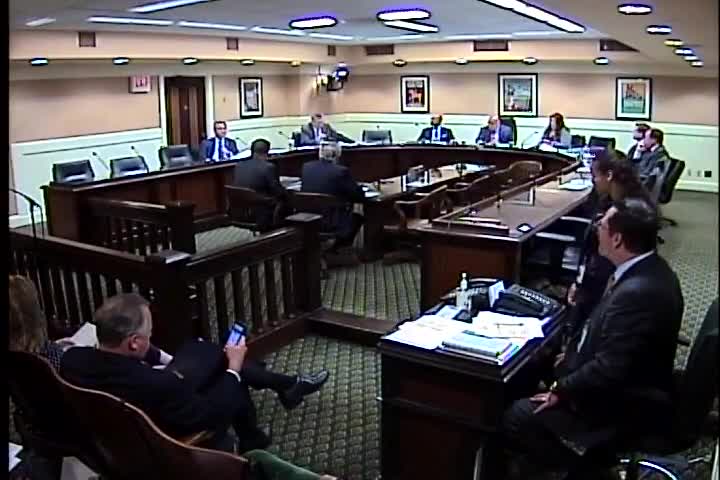 2MIN
Assembly Standing Committee on Public Employees, Retirement, and Social Security
Bill Author

Bill Co-Author(s):