SB 1034: Health care: mammograms.
- Session Year: 2017-2018
- House: Senate
- Latest Version Date: 2018-09-10
Existing law requires, until January 1, 2019, a health facility at which a mammography examination is performed to include a prescribed notice on breast density in the summary of the written report that is sent to a patient, if specified circumstances apply.
This bill would extend the operation of that provision until January 1, 2025. The bill would also make technical and conforming changes.
Existing law requires, until January 1, 2019, a health facility at which a mammography examination is performed to include a prescribed notice on breast density in the summary of the written report that is sent to a patient, if specified circumstances apply.
This bill would extend the operation of that provision indefinitely. until January 1, 2025. The bill would also make technical and conforming changes.
Existing law requires, until January 1, 2019, a health facility at which a mammography examination is performed to include a prescribed notice on breast density in the summary of the written report that is sent to a patient, if specified circumstances apply.
This bill would extend the operation of that provision indefinitely. The bill would also make technical and conforming changes.
(a)A health facility at which a mammography examination is performed shall, if a patient is categorized by the facility as having heterogeneously dense breasts or extremely dense breasts, based on the Breast Imaging Reporting and Data System established by the American College of Radiology, include in the summary of the written report that is sent to the patient, as required by federal law, the following notice:
Your mammogram shows that your breast tissue is dense. Dense breast tissue is common and is not abnormal. However, dense breast tissue can make it harder to evaluate the results of your mammogram and may also be associated with an increased risk of breast cancer.
This information about the results of your mammogram is given to you to raise your awareness and to inform your conversations with your doctor. Together, you can decide which screening options are right for you. A report of your results was sent to your physician.
(b)(1)This section shall not be deemed to create a duty of care or other legal obligation beyond the duty to provide notice as set forth in this section.
(2)This section shall not be deemed to require a notice that is inconsistent with the provisions of the federal Mammography Quality Standards Act (42 U.S.C. Sec. 263b) or any regulations promulgated pursuant to that act.
(c)This section shall remain in effect only until January 1, 2025, and as of that date is repealed.
(a)A health facility at which a mammography examination is performed shall, if a patient is categorized by the facility as having heterogeneously dense breasts or extremely dense breasts, based on the Breast Imaging Reporting and Data System established by the American College of Radiology, include in the summary of the written report that is sent to the patient, as required by federal law, the following notice:
Your mammogram shows that your breast tissue is dense. Dense breast tissue is common and is not abnormal. However, dense breast tissue can make it harder to evaluate the results of your mammogram and may also be associated with an increased risk of breast cancer.
This information about the results of your mammogram is given to you to raise your awareness and to inform your conversations with your doctor. Together, you can decide which screening options are right for you. A report of your results was sent to your physician.
(b)(1)Nothing in this This section shall not be deemed to create a duty of care or other legal obligation beyond the duty to provide notice as set forth in this section.
(2)Nothing in this This section shall not be deemed to require a notice that is inconsistent with the provisions of the federal Mammography Quality Standards Act (42 U.S.C. Sec. 263b) or any regulations promulgated pursuant to that act.
(a)A health facility at which a mammography examination is performed shall, if a patient is categorized by the facility as having heterogeneously dense breasts or extremely dense breasts, based on the Breast Imaging Reporting and Data System established by the American College of Radiology, include in the summary of the written report that is sent to the patient, as required by federal law, the following notice:
Your mammogram shows that your breast tissue is dense. Dense breast tissue is common and is not abnormal. However, dense breast tissue can make it harder to evaluate the results of your mammogram and may also be associated with an increased risk of breast cancer.
This information about the results of your mammogram is given to you to raise your awareness and to inform your conversations with your doctor. Together, you can decide which screening options are right for you. A report of your results was sent to your physician.
(b)This section shall become operative on April 1, 2013.(c)(1)Nothing in this section shall be construed to create or impose liability on a health care facility for failing to comply with the requirements of this section prior to April 1, 2013.(2)
(b)(1)Nothing in this section shall be deemed to create a duty of care or other legal obligation beyond the duty to provide notice as set forth in this section.
(3)(2)Nothing in this section shall be deemed to require a notice that is inconsistent with the provisions of the federal Mammography Quality Standards Act (42 U.S.C. Sec. 263b) or any regulations promulgated pursuant to that act.
(d)This section shall remain in effect only until January 1, 2019, and as of that date is repealed, unless a later enacted statute, that is enacted before January 1, 2019, deletes or extends that date.|
Date
|
Status
|
|---|---|
| Sep 10, 2018 | Chaptered by Secretary of State. Chapter 332, Statutes of 2018. |
| Sep 10, 2018 | Approved by the Governor. |
| Aug 30, 2018 | Enrolled and presented to the Governor at 5 p.m. |
| Aug 24, 2018 | Assembly amendments concurred in. (Ayes 39. Noes 0.) Ordered to engrossing and enrolling. |
| Aug 23, 2018 | In Senate. Concurrence in Assembly amendments pending. |
| Aug 23, 2018 | Read third time. Passed. Ordered to the Senate. |
| Aug 16, 2018 | Read second time. Ordered to consent calendar. |
| Aug 15, 2018 | From committee: Do pass. Ordered to consent calendar. (Ayes 17. Noes 0.) (August 15). |
| Jun 21, 2018 | Read second time and amended. Re-referred to Com. on APPR. |
| Jun 20, 2018 | From committee: Do pass as amended and re-refer to Com. on APPR. (Ayes 15. Noes 0.) (June 19). |
| Jun 4, 2018 | Referred to Com. on HEALTH. |
| May 29, 2018 | In Assembly. Read first time. Held at Desk. |
| May 29, 2018 | Read third time. Passed. (Ayes 37. Noes 0.) Ordered to the Assembly. |
| May 22, 2018 | Read second time. Ordered to third reading. |
| May 21, 2018 | Read third time and amended. |
| May 15, 2018 | Read second time. Ordered to third reading. |
| May 14, 2018 | From committee: Be ordered to second reading pursuant to Senate Rule 28.8. |
| May 4, 2018 | Set for hearing May 14. |
| Apr 26, 2018 | From committee: Do pass and re-refer to Com. on APPR. (Ayes 7. Noes 0.) (April 25). Re-referred to Com. on APPR. |
| Mar 12, 2018 | Set for hearing April 25. |
| Feb 22, 2018 | Referred to Com. on HEALTH. |
| Feb 9, 2018 | From printer. May be acted upon on or after March 11. |
| Feb 8, 2018 | Introduced. Read first time. To Com. on RLS. for assignment. To print. |
|
Date
|
Description
|
Location
|
Votes
|
|
|---|---|---|---|---|
| Aug 24, 2018 | Unfinished Business SB1034 Mitchell et al. Concurrence | Senate Floor |
Passed |
|
| Aug 23, 2018 | SB 1034 Mitchell Consent Calendar Second Day Regular Session | Assembly Floor |
Passed |
|
| Aug 15, 2018 | Do pass. To Consent Calendar. | Assembly Standing Committee on Appropriations |
Passed |
|
| Jun 19, 2018 | Do pass as amended and be re-referred to the Committee on [Appropriations] | Assembly Standing Committee on Health |
Passed |
|
| May 29, 2018 | Senate 3rd Reading SB1034 Mitchell et al. | Senate Floor |
Passed |
|
| Apr 25, 2018 | Do pass, but first be re-referred to the Committee on [Appropriations] | Senate Standing Committee on Health |
Passed |
This list shows positions taken on this bill by organizations on the date displayed, which is linked to the original source.
Positions by individuals are not included.
|
Organization
|
Position
|
Date
|
|---|---|---|
| Breast Cancer Prevention Partners | ** Support | Aug 23, 2018 |
| California Academy Of Family Physicians | ** Against | Jun 15, 2018 |
| California Medical Association | ** Against | Jun 15, 2018 |
| California Nurses Association | * Support | Apr 25, 2018 |
| California Radiological Society | * Neutral | Jun 19, 2018 |
| County of Santa Clara | ** Support | Aug 23, 2018 |
| Densebreast-Info.Org | ** Support | Aug 23, 2018 |
| Herself | * Support | Apr 25, 2018 |
| Medical Imaging & Technology Alliance | ** Support | Jun 15, 2018 |
| Medical Imaging And Technology Alliance | ** Support | Aug 23, 2018 |
| Mills Peninsula Medical Center | * Support | Jun 19, 2018 |
Office of Senate Floor Analyses (916) 651-1520 Fax: (916) 327-4478 | SB 1034 |
UNFINISHED BUSINESS
Bill No: SB 1034
Amended: 6/21/18
SENATE HEALTH COMMITTEE: 7-0, 4/25/18
AYES: Hernandez, Nguyen, Leyva, Mitchell, Monning, Newman, Roth
NO VOTE RECORDED: Nielsen, Pan
SENATE APPROPRIATIONS COMMITTEE: Senate Rule 28.8
SENATE FLOOR: 37-0, 5/29/18
AYES: Allen, Anderson, Atkins, Bates, Beall, Bradford, Cannella, De León, Dodd, Fuller, Gaines, Galgiani, Glazer, Hernandez, Hertzberg, Hill, Hueso, Jackson, Lara, Leyva, McGuire, Mitchell, Monning, Moorlach, Morrell, Newman, Nguyen, Nielsen, Portantino, Roth, Skinner, Stern, Stone, Vidak, Wieckowski, Wiener, Wilk
NO VOTE RECORDED: Berryhill, Pan
ASSEMBLY FLOOR: 75-0, 8/23/18 (Consent) - See last page for vote
SUBJECT: Health care: mammograms
DIGEST:
This bill extends the sunset date, until January 1, 2025, on existing law that requires health facilities where mammography is performed, if a patient is categorized by the facility as having dense breasts, as specified, to provide be a notice informing the patient that she has dense breasts.
Assembly Amendments sunset this bill on January 1, 2025.
Existing law:
- Requires a health facility at which a mammography examination is performed, if a patient is categorized by the facility as having heterogeneously dense breasts or extremely dense breasts, based on the Breast Imaging Reporting and Data System established by the American College of Radiology, to include in the summary of the written report that is sent to the patient, as required by federal law, the following notice:
Your mammogram shows that your breast tissue is dense. Dense breast tissue is common and is not abnormal. However, dense breast tissue can make it harder to evaluate the results of your mammogram and may also be associated with an increased risk of breast cancer.
This information about the results of your mammogram is given to you to raise your awareness and to inform your conversations with your doctor. Together, you can decide which screening options are right for you. A report of your results was sent to your physician. [HSC §123222.3]
- Sunsets this requirement on January 1, 2019. [HSC §123222.3]
This bill extends the sunset date to January 1, 2025 and makes other technical changes.
Comments
- Author’s statement. According to the author, SB 1034 removes the January 1, 2019 sunset in Health and Safety Code section 123222.3 (SB 1538, Simitian; Chapter 458, Statutes of 2012) thereby making the referred law permanent. This code section requires that a patient receive information about breast tissue density on their federally required mammography report if they have dense breast tissue.
- Breast cancer facts. According to the American Cancer Society (ACS)’s Cancer Facts & Figures 2017, breast cancer incidence in California has been fairly stable since 1988. There were 25,801 new cases of breast cancer diagnosed in 2014 (the most recent year for which data is available). A total of 4,460 breast cancer deaths occurred in California in 2014. Breast cancer mortality in the state has declined by 37% due to the combined effects of better treatment and earlier diagnosis. Roughly 170 men are diagnosed with breast cancer each year in California, and about 40 die of the disease annually. According to the National Cancer Institute (2015), the average cost of care for breast cancer in women aged 65 or older is $23,078 for initial treatment (the first year of treatment) and $2,207 for continuing treatment (almost half (42.8%) of all breast cancer diagnoses are in women age 65 or older). According to the CDC studies have shown that risk for breast cancer is due to a combination of factors. The main factors that influence risk include being a woman and getting older. Most breast cancers are found in women who are 50 years old or older.
- Breast cancer screening. Breast cancer screening refers to the medical screening of asymptomatic, apparently healthy women for breast cancer in an attempt to achieve an earlier diagnosis, under the assumption that early detection will improve outcomes. Methods of breast cancer screening include genetic screening, clinical and breast self-exams, mammography, ultrasound, magnetic resonance imaging (MRI), and digital breast tomosynthesis (DBT, also known as 3D mammography). For women with dense breasts, the U.S. Preventive Services Task Force (USPSTF) has concluded that the current evidence is insufficient to assess the balance of benefits and harms of adjunctive screening for breast cancer using breast ultrasonography, MRI, DBT, or other methods in women identified to have dense breasts on an otherwise negative screening mammogram.
- Breast density. According to NCI, breast density affects the ability of mammography to detect breast cancer. Breasts contain both dense tissue (glandular tissue and connective tissue) and fatty tissue. Fatty tissue appears dark on a mammogram, whereas dense tissue appears white. Since cancer also appears white on a mammogram, it is therefore harder to detect in women with denser breasts. NCI states, for example, that the main cause of false-negative mammography results is high breast density. According to NCI, doctors use the Breast Imaging Reporting and Data System (BI-RADS), which classifies breast density into four categories, as follows:
- Almost entirely fatty breast tissue, found in about 10% of women;
- Scattered areas of dense glandular tissue and fibrous connective tissue (scattered fibroglandular breast tissue) found in about 40% of women;
- Heterogeneously dense breast tissue, with many areas of glandular tissue and fibrous connective tissue, found in about 40% of women; and,
- Extremely dense breast tissue, found in about 10% of women.
As shown in the chart above, according to the USPSTF, the value of supplemental, or additional, screening tests such as ultrasound or MRI for women with dense breasts is not yet clear. Ongoing clinical trials are evaluating the role of supplemental imaging tests in women with dense breasts. According to NCI, recent research has suggested that for women with dense breasts, a screening strategy that also takes into account a woman’s risk factors and protective factors may be the best predictor of whether a woman will develop breast cancer after a normal mammogram and before her next scheduled mammogram.
- California Health Benefits Review Program (CHBRP) analysis. AB 1996 (Thomson, Chapter 795, Statutes of 2002) requested the University of California to assess legislation proposing a mandated benefit or service and prepare a written analysis with relevant data on the medical, economic, and public health impacts of proposed health plan and health insurance benefit mandate legislation. CHBRP was created in response to AB 1996 and reviewed this bill. Key findings of the review are:
- Key findings for supplemental screening in women with dense breasts: CHBRP relied on a systematic review from the USPSTF to answer this question. Overall, the USPSTF review concluded that supplemental screening among women with dense breasts identifies additional breast cancer cases but also increases false-positive results. Studies included in the review found high levels of false-positive results for supplemental screening with hand-held ultrasonography (HHUS), automated whole-breast sonography (ABUS), and MRI generally (not limited to women with dense breasts). Studies on supplemental screening with HHUS and ABUS reported that over 90% of positive results were false-positives. For MRI, studies reported that of all positive test results, 66% to 97% were false-positives. The review also concluded that the effects of supplemental screening on breast cancer health outcomes is unclear at this time.
- Key findings for provider categorization of dense breasts: CHBRP concludes that, based on one systematic review and four identified studies, there is a preponderance of evidence that there is variability among interpreting providers’ designations of dense breast tissue. As a result, women may receive inconsistent information from year to year about whether they are considered to have dense breasts or not, depending on the provider who interprets their mammogram result.
- Key findings for dense breast notification laws’ impact on provider categorization, utilization and cancer detection:
- Provider categorization: CHBRP concludes that, based on three studies, there is limited evidence that breast density legislation impacts provider breast density categorization. Three studies found changes in breast density categorization by providers before and after legislation, and all note a decrease in dense breast categorization directly following legislation. However, it is unclear what, if any, impact exists over the longer term.
- Utilization of supplemental screening: Based on two studies, there is limited evidence that dense breast notification laws increase the utilization of breast ultrasounds. Based on four studies, there is limited evidence that dense breast notification laws are associated with increased use of supplemental MRI.
- Cancer detection: Based on four studies, CHBRP concludes there is inconclusive evidence to determine whether dense breast notifications impact breast cancer detection. One study with the largest sample size (~1.3 million) found no significant differences in breast cancer detection between the month prior to enactment, the month after enactment or ten months after enactment. Three studies of smaller sample sizes reported an increase in cancer detection. However, two studies indicated a low positive predictive value (test’s ability to accurately determine actual cancer cases) for follow-up breast ultrasound.
- Key findings for patient understanding: Based on the two studies of awareness of personal breast density in states following implementation of dense breast notification laws, CHBRP concludes that there is insufficient evidence regarding the effect of the notification laws on awareness of personal breast density. Insufficient evidence is not “evidence of no effect.” It is possible that an impact could result from these laws, but current evidence is insufficient to inform an estimate.
- Key findings for patient anxiety: Based on five studies, CHBRP determines there is inconclusive evidence regarding the impact of dense breast notifications on patient anxiety.
Related/Prior Legislation
SB 1538 (Simitian, Chapter 458, Statutes of 2012) required the dense breast notice that is the subject of this bill.
SB 173 (Simitian of 2011) and SB 791 (Simitian of 2011) were substantially similar to SB 1538, but required the notice to contain a statement suggesting that women with dense breasts might benefit from supplementary screening tests. SB 173 was held under submission in the Assembly Appropriations Committee. SB 791 was vetoed by Governor Brown, who stated in part, “every patient needs health information they can use. For women, that likely includes information about breast density. But the notice contained in this bill goes beyond information about breast density. It advises that additional screening may be beneficial. If the state must mandate a notice about breast density -- and I am not certain it should -- such a notice must be more carefully crafted, with words that educate more than they prescribe.”
FISCAL EFFECT: Appropriation: No Fiscal Com.: Yes Local: No
According to the Assembly Appropriations Committee, unknown, likely negligible. According to the Department of Health Care Services, the introduction of this notice has had no noticeable impact on rates of physician visits, additional medical screenings, or diagnostic procedures.
County of Santa Clara (source)
Breast Cancer Prevention Partners
DenseBreast-info.org
Medical Imaging and Technology Alliance
OPPOSITION: (Verified 8/23/18)
None received
ASSEMBLY FLOOR: 75-0, 8/23/18
AYES: Acosta, Aguiar-Curry, Arambula, Baker, Berman, Bigelow, Bloom, Bonta, Brough, Burke, Caballero, Calderon, Carrillo, Cervantes, Chau, Chávez, Chen, Chiu, Choi, Chu, Cooley, Cooper, Dahle, Daly, Eggman, Flora, Fong, Frazier, Friedman, Gabriel, Gallagher, Cristina Garcia, Eduardo Garcia, Gipson, Gloria, Gonzalez Fletcher, Gray, Grayson, Harper, Holden, Irwin, Jones-Sawyer, Kalra, Kamlager-Dove, Kiley, Lackey, Levine, Limón, Maienschein, Mathis, Mayes, Medina, Melendez, Mullin, Muratsuchi, Nazarian, Obernolte, O'Donnell, Patterson, Quirk, Quirk-Silva, Reyes, Rivas, Rodriguez, Rubio, Salas, Santiago, Steinorth, Mark Stone, Ting, Voepel, Waldron, Weber, Wood, Rendon
NO VOTE RECORDED: Travis Allen, Cunningham, Low, McCarty, Thurmond
Prepared by: Melanie Moreno / HEALTH / (916) 651-4111
8/23/18 17:08:40
**** END ****
Date of Hearing: August 15, 2018
ASSEMBLY COMMITTEE ON APPROPRIATIONS
Lorena Gonzalez Fletcher, Chair
SBPCA Bill Id:SB 1034
Author:(Mitchell) – As Amended Ver:June 21, 2018
Policy Committee: | Health | Vote: | 15 - 0 |
Urgency: No State Mandated Local Program: No Reimbursable: No
SUMMARY:
This bill deletes the sunset on a law requiring a health facility at which a mammography examination is performed, if a patient is categorized by the facility as having certain levels of breast density, as specified, to include the following notice in the written report sent to the patient:
Your mammogram shows that your breast tissue is dense. Dense breast tissue is common and is not abnormal. However, dense breast tissue can make it harder to evaluate the results of your mammogram and may also be associated with an increased risk of breast cancer.
This information about the results of your mammogram is given to you to raise your awareness and to inform your conversations with your doctor. Together, you can decide which screening options are right for you. A report of your results was sent to your physician.
FISCAL EFFECT:
Unknown, likely negligible. According to the Department of Health Care Services, the introduction of this notice has had no noticeable impact on rates of physician visits, additional medical screenings, or diagnostic procedures.
COMMENTS
- Rationale. This bill is intended to maintain awareness that high breast density reduces the ability of screening mammography to detect cancer.
- Breast Density. According to the National Institutes of Health, density of a patient’s breast tissue affects the sensitivity of mammography. Breast cancers appear white on mammograms and can be detected when viewed against fatty tissue, which appears dark gray-to-black. Since dense breast tissue also appears white, it can obscure overlapping or small cancers. Current federal law requires the standardized mammography report sent to a physician from a mammography facility to include a statement about the patient's breast density. This bill would mandate information related to the patient's breast density in the notice provided to the patient.
Breast composition can be characterized as one of four types: (1) the breast is almost entirely fat; (2) there are scattered islands of fibroglandular tissue; (3) the breast tissue is heterogeneously dense (which may lower the sensitivity of mammography); and (4) the breast tissue is extremely dense (which will always lower the sensitivity of mammography). Although computer algorithms exist to categorize a mammogram into one of the above categories, currently most categorizations are performed by the interpreting radiologists using their subjective judgment. This bill would continue the requirement to send a notice to women with dense breasts (category 3 or 4), nearly 50% of women receiving mammograms.
Breast density is not static, but generally decreases and changes over time. Most pre-menopausal women, and some post-menopausal women have breasts that can be characterized as dense (category (3) or (4)). Radiologists indicate that many of the level 2 densities (which represent about 44% of women) could be called as a level 3.
In addition to masking cancers on a mammogram, high breast density has been shown to be an independent risk factor for breast cancer, with women with the highest levels of breast density having several times the likelihood of being diagnosed with breast cancer as women with the lowest levels. Even so, high breast density by itself is not currently considered a sufficient risk factor in medical guidelines or risk models to suggest additional screening. The issue of how density is linked to increased risk is unresolved, and how this should inform screening protocols, is an area of active research.
- State of the Science of Breast Cancer Screening. There are four primary screening methods for breast cancer: clinical examinations, mammography, breast MRI, and breast ultrasound. Mammography is the only screening method that has been shown to reduce mortality. Mammography combined with clinical breast exams has been shown to be the most effective tool. However, the other imaging methods for screening are sometimes used to supplement mammography, particularly in cases where women are at high risk for breast cancer. Supplemental imaging may be recommended for diagnostic purposes by a physician based on the results of a screening mammogram, or based on an assessment of a woman’s risk factors and preferences.
- Benefits and Harms of Screening. Routine screening is intended to catch the development of disease early enough for treatment to be beneficial. However, screening can also lead to harms such as incorrect diagnosis; unnecessary diagnostic tests and treatment; anxiety, psychological harm, and lost productivity; radiation exposure; and complications from follow-up procedures. On balance, routine screening is usually recommended for a population if the benefits outweigh the harms. Translation of the harms and benefits of different screening methods into clinical guidelines is an area of active debate, and the several national organizations that create guidelines sometimes differ from one another as to which screening methods are best and when to initiate screening.
No national guidelines recommend screening based on breast density alone without the presence of additional risk factors.
Studies indicate that MRI is more sensitive (more likely to detect a cancer) than mammography in high-risk women. This increase in positive findings leads to an increase in the need for repeat testing and an increase in unnecessary biopsies, as well as an increase in detection of cancers. In asymptomatic women with dense breasts, breast ultrasound has been shown to detect additional cancers that are not detected by mammography. However, the rate of false positive findings is high relative to mammography.
- California Health Benefits Review Program (CHBRP) Analysis. CHBRP provided a literature review of this bill, finding:
- Studies on supplemental screening with hand-held ultrasonography and automated whole-breast sonography reported that over 90% of positive results were false-positives. For MRI, studies reported that of all positive test results, 66% to 97% were false-positives. The review also concluded that the effects of supplemental screening on breast cancer health outcomes is unclear at this time.
- Women may receive inconsistent information from year to year about whether they are considered to have dense breasts or not, depending on the provider who interprets their mammogram result.
- There is limited evidence that dense breast notification laws increase the utilization of breast ultrasounds.
- Support. The County of Santa Clara, the sponsor of this bill, points to a 2017 University of San Francisco study that found that dense breast tissue is the leading risk factor associate with breast cancer, and notes communicating breast density to the patient allows women to be informed participants in their own health care decision-making. Breast Cancer Prevention Partners, DenseBreast-info.org, and the Medical Imaging & Technology Alliance also support this bill.
- Opposition. The American College of Obstetricians and Gynecologists, District IX California (ACOG) opposes this bill, noting the determination of dense breasts is often subjective. ACOG points to the CHBRP analysis, which notes that without additional study of the impact of the notification, the effectiveness remain unclear. The California Academy of Family Physicians concurs with ACOG and adds that eliminating the sunset date is premature and, at the very least, more time should be given to allow additional data to be collected prior to permanently requiring notifications be provided to women with dense breasts. The California Medical Association also opposes this bill, noting there is insufficient evidence to support the premise that the notifications and subsequent increased supplemental testing leads to improved patient outcomes.
- Previous Legislation. SB 1532 (Simitian), Chapter 458, Statutes of 2012, put the notice into effect.
SB 173 (Simitian) and SB 791 (Simitian), both in 2011, were both substantially similar to SB 1532. SB 173 was held on the Suspense File of this committee, and SB 791 was vetoed by the governor.
Analysis Prepared by: Lisa Murawski / APPR. / (916) 319-2081
Date of Hearing: June 19, 2018
ASSEMBLY COMMITTEE ON HEALTH
Jim Wood, Chair
SBPCA Bill Id:SB 1034
Author:(Mitchell) – As Amended Ver:May 21, 2018
SENATE VOTE: 37-0
SUBJECT: Health care: mammograms.
SUMMARY: Deletes the sunset date and makes permanent the requirement for health facilities that perform mammography, if a patient is categorized as having dense breasts, to provide a notice informing the patient that they have dense breasts.
EXISTING LAW:
- Requires a health facility at which a mammography is performed, if a patient is categorized by the facility as having heterogeneously dense breasts or extremely dense breasts, based on the Breast Imaging Reporting and Data System established by the American College of Radiology, to include in the summary of the written report sent to the patient, as required by federal law, the following notice:
“Your mammogram shows that your breast tissue is dense. Dense breast tissue is common and is not abnormal. However, dense breast tissue can make it harder to evaluate the results of your mammogram and may also be associated with an increased risk of breast cancer.
This information about the results of your mammogram is given to you to raise your awareness and to inform your conversations with your doctor. Together, you can decide which screening options are right for you. A report of your results was sent to your physician.”
- Specifies that 1) above does not create a duty of care or other legal obligation beyond the duty to provide the notice.
- Repeals 1) above as of January 1, 2019.
FISCAL EFFECT: According to the Senate Appropriations Committee, pursuant to Senate Rule 28.8, negligible state costs.
COMMENTS:
- PURPOSE OF THIS BILL. According to the author, this bill makes permanent the requirement that patients receive information about breast tissue density on their federally required mammography report if they have dense breast tissue. The author points out that the enabling statute is scheduled to sunset on January 1, 2019.
- BACKGROUND. Breast cancer is a malignant tumor that starts in the cells of the breast. The disease occurs primarily in women, but it can also occur in men. Breast cancer is the most common cancer among women in California, regardless of race or ethnicity. According to the Centers for Disease Control and Prevention, in 2015 (the latest year for which incidence data are available) 242,476 new cases of female breast cancer were reported, and 41,523 women died of female breast cancer in the United States. For every 100,000 women, 125 new female breast cancer cases were reported and 20 died of cancer. According to the American Cancer Society's California Cancer Facts & Figures 2017, there were 25,801 new cases of breast cancer diagnosed in 2014 (the most recent year for which data is available). A total of 4,460 breast cancer deaths occurred in California in 2014. Breast cancer mortality in the state has declined by 37% due to the combined effects of better treatment and earlier diagnosis. Approximately 170 men are diagnosed with breast cancer each year in California, and about 40 die of the disease annually.
- United States Preventative Services Talk Force (USPSTF) breast cancer screening recommendations. Created in 1984, the USPSTF is an independent group of national experts in prevention and evidence-based medicine that works to improve the health of all Americans by making evidence-based recommendations about clinical preventive services such as screenings, counseling services, or preventive medications. The USPSTF is made up of 16 volunteer members who come from the fields of preventive medicine and primary care, including internal medicine, family medicine, pediatrics, behavioral health, obstetrics/gynecology, and nursing. All members volunteer their time to serve on the USPSTF, and most are practicing clinicians.
Breast cancer screening refers to the medical screening of asymptomatic, apparently healthy women for breast cancer in an attempt to achieve an earlier diagnosis, under the assumption that early detection will improve outcomes. Methods of breast cancer screening include genetic screening, clinical and breast self-exams, mammography, ultrasound, magnetic resonance imaging (MRI), and digital breast tomosynthesis (DBT, also known as 3D mammography).
The USPSTF Final Recommendation Statement on Breast Cancer Screening is as follows:
- United States Preventative Services Talk Force (USPSTF) breast cancer screening recommendations. Created in 1984, the USPSTF is an independent group of national experts in prevention and evidence-based medicine that works to improve the health of all Americans by making evidence-based recommendations about clinical preventive services such as screenings, counseling services, or preventive medications. The USPSTF is made up of 16 volunteer members who come from the fields of preventive medicine and primary care, including internal medicine, family medicine, pediatrics, behavioral health, obstetrics/gynecology, and nursing. All members volunteer their time to serve on the USPSTF, and most are practicing clinicians.
Population | Recommendation |
|---|---|
Aged 50 to 74 years | The USPSTF recommends biennial screening mammography for women aged 50 to 74 years. |
Aged 40 to 49 years |
|
Aged 75 years or older | The USPSTF concludes that the current evidence is insufficient to assess the balance of benefits and harms of screening mammography in women aged 75 years or older. |
All women | The USPSTF concludes that the current evidence is insufficient to assess the benefits and harms of DBT as a primary screening method for breast cancer. |
Women with dense breasts | The USPSTF concludes that the current evidence is insufficient to assess the balance of benefits and harms of adjunctive screening for breast cancer using breast ultrasonography, MRI, DBT, or other methods in women identified to have dense breasts on an otherwise negative screening mammogram. |
- Breast density. Breast density refers to the measure of glandular or fibrous tissue (dense tissue) relative to fatty tissue (nondense tissue) in the breast. Breast density is most commonly determined by visual interpretation of a mammography exam, often by a radiologist or other trained provider. Women with "dense breasts" appear to have more dense tissue than fatty tissue based on a mammogram. According to the National Cancer Institute, breast density affects the ability of mammography to detect breast cancer. Fatty tissue appears dark on a mammogram, whereas dense tissue appears white. Since cancer also appears white on a mammogram, it is therefore harder to detect in women with denser breasts. The American College of Radiology has established the Breast Imaging Reporting and Data System, which classifies breast density into four categories, as follows:
- Almost entirely fatty breast tissue, found in about 10% of women;
- Scattered areas of dense glandular tissue and fibrous connective tissue (scattered fibroglandular breast tissue) found in about 40% of women;
- Heterogeneously dense breast tissue, with many areas of glandular tissue and fibrous connective tissue, found in about 40% of women; and,
- Extremely dense breast tissue, found in about 10% of women.
- Breast density. Breast density refers to the measure of glandular or fibrous tissue (dense tissue) relative to fatty tissue (nondense tissue) in the breast. Breast density is most commonly determined by visual interpretation of a mammography exam, often by a radiologist or other trained provider. Women with "dense breasts" appear to have more dense tissue than fatty tissue based on a mammogram. According to the National Cancer Institute, breast density affects the ability of mammography to detect breast cancer. Fatty tissue appears dark on a mammogram, whereas dense tissue appears white. Since cancer also appears white on a mammogram, it is therefore harder to detect in women with denser breasts. The American College of Radiology has established the Breast Imaging Reporting and Data System, which classifies breast density into four categories, as follows:
As shown in the chart above, according to the USPSTF, the value of supplemental or additional, screening tests such as ultrasound or MRI for women with dense breasts is not yet clear. Ongoing clinical trials are evaluating the role of supplemental imaging tests in women with dense breasts. According to the National Cancer Institute, recent research has suggested that for women with dense breasts, a screening strategy that also takes into account a woman’s risk factors and protective factors may be the best predictor of whether a woman will develop breast cancer after a normal mammogram and before her next scheduled mammogram.
- California Health Benefits Review Program (CHBRP) analysis. AB 1996 (Thomson), Chapter 795, Statutes of 2002, requests the University of California to assess legislation proposing a mandated benefit or service and prepare a written analysis with relevant data on the medical, economic, and public health impacts of proposed health plan and health insurance benefit mandate legislation. CHBRP was created in response to AB 1996 and reviewed this bill. Key findings of CHBRP on this bill are as follows:
- Key findings for supplemental screening in women with dense breasts. CHBRP relied on a systematic review from the USPSTF to answer this question. Overall, the USPSTF review concluded that supplemental screening among women with dense breasts identifies additional breast cancer cases but also increases false-positive results. Studies included in the review found high levels of false-positive results for supplemental screening with hand-held ultrasonography (HHUS), automated whole-breast sonography (ABUS), and MRI generally (not limited to women with dense breasts). Studies on supplemental screening with HHUS and ABUS reported that over 90% of positive results were false-positives. For MRI, studies reported that of all positive test results, 66% to 97% were false-positives. The review also concluded that the effects of supplemental screening on breast cancer health outcomes is unclear at this time.
- Key findings for provider categorization of dense breasts. CHBRP concludes that, based on one systematic review and four identified studies, there is a preponderance of evidence that there is variability among interpreting providers’ designations of dense breast tissue. As a result, women may receive inconsistent information from year to year about whether they are considered to have dense breasts or not, depending on the provider who interprets their mammogram result.
- Key findings for dense breast notification laws’ impact on provider categorization, utilization and cancer detection.
- Provider categorization. CHBRP concludes that, based on three studies, there is limited evidence that breast density legislation impacts provider breast density categorization. Three studies found changes in breast density categorization by providers before and after legislation, and all note a decrease in dense breast categorization directly following legislation. However, it is unclear what, if any, impact exists over the longer term.
- Utilization of supplemental screening. Based on two studies, there is limited evidence that dense breast notification laws increase the utilization of breast ultrasounds. Based on four studies, there is limited evidence that dense breast notification laws are associated with increased use of supplemental MRI.
- Cancer detection. Based on four studies, CHBRP concludes there is inconclusive evidence to determine whether dense breast notifications impact breast cancer detection. One study with the largest sample size (~1.3 million) found no significant differences in breast cancer detection between the month prior to enactment, the month after enactment or ten months after enactment. Three studies of smaller sample sizes reported an increase in cancer detection. However, two studies indicated a low positive predictive value (test’s ability to accurately determine actual cancer cases) for follow-up breast ultrasound.
- Key findings for patient understanding. Based on the two studies of awareness of personal breast density in states following implementation of dense breast notification laws, CHBRP concludes that there is insufficient evidence regarding the effect of the notification laws on awareness of personal breast density. Insufficient evidence is not “evidence of no effect.” It is possible that an impact could result from these laws, but current evidence is insufficient to inform an estimate.
- Key findings for patient anxiety. Based on five studies, CHBRP determines there is inconclusive evidence regarding the impact of dense breast notifications on patient anxiety.
- Key findings for supplemental screening in women with dense breasts. CHBRP relied on a systematic review from the USPSTF to answer this question. Overall, the USPSTF review concluded that supplemental screening among women with dense breasts identifies additional breast cancer cases but also increases false-positive results. Studies included in the review found high levels of false-positive results for supplemental screening with hand-held ultrasonography (HHUS), automated whole-breast sonography (ABUS), and MRI generally (not limited to women with dense breasts). Studies on supplemental screening with HHUS and ABUS reported that over 90% of positive results were false-positives. For MRI, studies reported that of all positive test results, 66% to 97% were false-positives. The review also concluded that the effects of supplemental screening on breast cancer health outcomes is unclear at this time.
- California Health Benefits Review Program (CHBRP) analysis. AB 1996 (Thomson), Chapter 795, Statutes of 2002, requests the University of California to assess legislation proposing a mandated benefit or service and prepare a written analysis with relevant data on the medical, economic, and public health impacts of proposed health plan and health insurance benefit mandate legislation. CHBRP was created in response to AB 1996 and reviewed this bill. Key findings of CHBRP on this bill are as follows:
- SUPPORT. The County of Santa Clara, the sponsor of this bill, points to a 2017 University of San Francisco study that found that dense breast tissue is the leading risk factor associate with breast cancer. The sponsor also notes that there are 30 states with dense breast tissue notification laws, and this, combined with increase scientific understanding of the cancer risk, has led to significant changes in the practice of breast health. The sponsor concludes that communicating breast density to the patient allows women to be informed participants in their own health care decision-making.
Breast Cancer Prevention Partners (BCPP) states that one in eight women will be diagnosed with breast cancer in her lifetime and in California more than 4,200 women die of breast cancer every year, more than 11 women every day. BCPP concludes that only by combining different approaches: primary prevention through eliminating cancer-causing toxic chemical exposures, early detection and risk education, and treatment can we make progress in reducing the burden of breast cancer. - OPPOSITION. The American College of Obstetricians and Gynecologists, District IX California (ACOG) opposed to this bill and states that the determination of dense breasts is often subjective and varying interpretations are common among providers. ACOG points to the CHBRP analysis which notes that without additional study of the impact of the notification, questions regarding effectiveness remain unanswered. The California Academy of Family Physicians concurs with ACOG and adds that eliminating the sunset date is premature and at the very least, more time should be given to allow additional data to be collected prior to permanently requiring notifications be provided to women with dense breasts. The California Medical Association (CMA) is opposed to this bill, noting that there is insufficient evidence to support the premise that the notifications and subsequent increased supplemental testing leads to improve patient outcomes.
- RELATED LEGISLATION. SB 945 (Atkins) deletes time limits for breast and cervical cancer treatment under the state’s Breast and Cervical Cancer Treatment Program, as specified, and instead requires treatment services to continue for the duration of the period of treatment, as long as the individual continues to meet all other eligibility requirements. SB 945 is scheduled to be heard in Assembly Health Committee on June 26, 2018.
- PREVIOUS LEGISLATION.
- SB 1538 (Simitian) Chapter 458, Statutes of 2012, established the requirement for health facilities to provide the dense breast notice.
- SB 173 (Simitian) and SB 791 (Simitian) both of 2011, were substantially similar to SB 1538, but required the notice to contain a statement suggesting that women with dense breasts might benefit from supplementary screening tests. SB 173 died in the Assembly Appropriations Committee. SB 791 was vetoed by Governor Brown, who stated in part, “every patient needs health information they can use. For women, that likely includes information about breast density. But the notice contained in this bill goes beyond information about breast density. It advises that additional screening may be beneficial. If the state must mandate a notice about breast density -- and I am not certain it should -- such a notice must be more carefully crafted, with words that educate more than they prescribe.”
- SUGGESTED AMENDMENT. As noted in the CHBRP review, there is little evidence that the dense breast notification has had a positive impact on California women, and given the USPSTF statement that the value of supplemental screening tests for women with dense breasts is not clear, the Committee may wish to instead extend the sunset for the notification by an additional six years to allow for more research on the benefits of notification to patients.
REGISTERED SUPPORT / OPPOSITION:
Support
County of Santa Clara (sponsor)
Breast Cancer Prevention Partners
DenseBreast-info.org
Medical Imaging & Technology Alliance
Opposition
American College of Obstetricians and Gynecologists – District IX – California
California Academy of Family Physicians
California Medical Association
Analysis Prepared by: Lara Flynn / HEALTH / (916) 319-2097
Office of Senate Floor Analyses (916) 651-1520 Fax: (916) 327-4478 | SB |
THIRD READING
Bill No: SB 1034
Amended: 5/21/18
SENATE HEALTH COMMITTEE: 7-0, 4/25/18
AYES: Hernandez, Nguyen, Leyva, Mitchell, Monning, Newman, Roth
NO VOTE RECORDED: Nielsen, Pan
SENATE APPROPRIATIONS COMMITTEE: Senate Rule 28.8
SUBJECT: Health care: mammograms
DIGEST:
This bill deletes the sunset date on existing law that requires health facilities where mammography is performed, if a patient is categorized by the facility as having dense breasts, as specified, to provide be a notice informing the patient that she has dense breasts.
Senate Floor Amendments of 5/21/18 make technical changes.
Existing law:
- Requires a health facility at which a mammography examination is performed, if a patient is categorized by the facility as having heterogeneously dense breasts or extremely dense breasts, based on the Breast Imaging Reporting and Data System established by the American College of Radiology, to include in the summary of the written report that is sent to the patient, as required by federal law, the following notice:
Your mammogram shows that your breast tissue is dense. Dense breast tissue is common and is not abnormal. However, dense breast tissue can make it harder to evaluate the results of your mammogram and may also be associated with an increased risk of breast cancer.
This information about the results of your mammogram is given to you to raise your awareness and to inform your conversations with your doctor. Together, you can decide which screening options are right for you. A report of your results was sent to your physician. [HSC §123222.3]
- Sunsets this requirement on January 1, 2019. [HSC §123222.3]
This bill deletes the sunset date in 2) above and makes other technical changes.
Comments
- Author’s statement. According to the author, SB 1034 removes the January 1, 2019 sunset in Health and Safety Code section 123222.3 (SB 1538, Simitian; Chapter 458, Statutes of 2012) thereby making the referred law permanent. This code section requires that a patient receive information about breast tissue density on their federally required mammography report if they have dense breast tissue.
- Breast cancer facts. According to the American Cancer Society (ACS)’s Cancer Facts & Figures 2017, breast cancer incidence in California has been fairly stable since 1988. There were 25,801 new cases of breast cancer diagnosed in 2014 (the most recent year for which data is available). A total of 4,460 breast cancer deaths occurred in California in 2014. Breast cancer mortality in the state has declined by 37% due to the combined effects of better treatment and earlier diagnosis. Roughly 170 men are diagnosed with breast cancer each year in California, and about 40 die of the disease annually. According to the National Cancer Institute (2015), the average cost of care for breast cancer in women aged 65 or older is $23,078 for initial treatment (the first year of treatment) and $2,207 for continuing treatment (almost half (42.8%) of all breast cancer diagnoses are in women age 65 or older). According to the CDC studies have shown that risk for breast cancer is due to a combination of factors. The main factors that influence risk include being a woman and getting older. Most breast cancers are found in women who are 50 years old or older.
- Breast cancer screening. Breast cancer screening refers to the medical screening of asymptomatic, apparently healthy women for breast cancer in an attempt to achieve an earlier diagnosis, under the assumption that early detection will improve outcomes. Methods of breast cancer screening include genetic screening, clinical and breast self-exams, mammography, ultrasound, magnetic resonance imaging (MRI), and digital breast tomosynthesis (DBT, also known as 3D mammography). The U.S. Preventive Services Task Force’s (USPSTF) Final Recommendation Statement on Breast Cancer Screening is as follows:
Population | Recommendation |
|---|---|
Aged 50 to 74 years | The USPSTF recommends biennial screening mammography for women aged 50 to 74 years. |
Aged 40 to 49 years |
|
Aged 75 years or older | The USPSTF concludes that the current evidence is insufficient to assess the balance of benefits and harms of screening mammography in women aged 75 years or older. |
All women | The USPSTF concludes that the current evidence is insufficient to assess the benefits and harms of DBT as a primary screening method for breast cancer. |
Women with dense breasts | The USPSTF concludes that the current evidence is insufficient to assess the balance of benefits and harms of adjunctive screening for breast cancer using breast ultrasonography, MRI, DBT, or other methods in women identified to have dense breasts on an otherwise negative screening mammogram. |
- Breast density. According to NCI, breast density affects the ability of mammography to detect breast cancer. Breasts contain both dense tissue (glandular tissue and connective tissue) and fatty tissue. Fatty tissue appears dark on a mammogram, whereas dense tissue appears white. Since cancer also appears white on a mammogram, it is therefore harder to detect in women with denser breasts. NCI states, for example, that the main cause of false-negative mammography results is high breast density. According to NCI, doctors use the Breast Imaging Reporting and Data System (BI-RADS), which classifies breast density into four categories, as follows:
- Almost entirely fatty breast tissue, found in about 10% of women;
- Scattered areas of dense glandular tissue and fibrous connective tissue (scattered fibroglandular breast tissue) found in about 40% of women;
- Heterogeneously dense breast tissue, with many areas of glandular tissue and fibrous connective tissue, found in about 40% of women; and,
- Extremely dense breast tissue, found in about 10% of women.
As shown in the chart above, according to the USPSTF, the value of supplemental, or additional, screening tests such as ultrasound or MRI for women with dense breasts is not yet clear. Ongoing clinical trials are evaluating the role of supplemental imaging tests in women with dense breasts. According to NCI, recent research has suggested that for women with dense breasts, a screening strategy that also takes into account a woman’s risk factors and protective factors may be the best predictor of whether a woman will develop breast cancer after a normal mammogram and before her next scheduled mammogram.
- California Health Benefits Review Program (CHBRP) analysis. AB 1996 (Thomson, Chapter 795, Statutes of 2002) requested the University of California to assess legislation proposing a mandated benefit or service and prepare a written analysis with relevant data on the medical, economic, and public health impacts of proposed health plan and health insurance benefit mandate legislation. CHBRP was created in response to AB 1996 and reviewed this bill. Key findings of the review are:
- Key findings for supplemental screening in women with dense breasts: CHBRP relied on a systematic review from the USPSTF to answer this question. Overall, the USPSTF review concluded that supplemental screening among women with dense breasts identifies additional breast cancer cases but also increases false-positive results. Studies included in the review found high levels of false-positive results for supplemental screening with hand-held ultrasonography (HHUS), automated whole-breast sonography (ABUS), and MRI generally (not limited to women with dense breasts). Studies on supplemental screening with HHUS and ABUS reported that over 90% of positive results were false-positives. For MRI, studies reported that of all positive test results, 66% to 97% were false-positives. The review also concluded that the effects of supplemental screening on breast cancer health outcomes is unclear at this time.
- Key findings for provider categorization of dense breasts: CHBRP concludes that, based on one systematic review and four identified studies, there is a preponderance of evidence that there is variability among interpreting providers’ designations of dense breast tissue. As a result, women may receive inconsistent information from year to year about whether they are considered to have dense breasts or not, depending on the provider who interprets their mammogram result.
- Key findings for dense breast notification laws’ impact on provider categorization, utilization and cancer detection:
- Provider categorization: CHBRP concludes that, based on three studies, there is limited evidence that breast density legislation impacts provider breast density categorization. Three studies found changes in breast density categorization by providers before and after legislation, and all note a decrease in dense breast categorization directly following legislation. However, it is unclear what, if any, impact exists over the longer term.
- Utilization of supplemental screening: Based on two studies, there is limited evidence that dense breast notification laws increase the utilization of breast ultrasounds. Based on four studies, there is limited evidence that dense breast notification laws are associated with increased use of supplemental MRI.
- Cancer detection: Based on four studies, CHBRP concludes there is inconclusive evidence to determine whether dense breast notifications impact breast cancer detection. One study with the largest sample size (~1.3 million) found no significant differences in breast cancer detection between the month prior to enactment, the month after enactment or ten months after enactment. Three studies of smaller sample sizes reported an increase in cancer detection. However, two studies indicated a low positive predictive value (test’s ability to accurately determine actual cancer cases) for follow-up breast ultrasound.
- Key findings for patient understanding: Based on the two studies of awareness of personal breast density in states following implementation of dense breast notification laws, CHBRP concludes that there is insufficient evidence regarding the effect of the notification laws on awareness of personal breast density. Insufficient evidence is not “evidence of no effect.” It is possible that an impact could result from these laws, but current evidence is insufficient to inform an estimate.
- Key findings for patient anxiety: Based on five studies, CHBRP determines there is inconclusive evidence regarding the impact of dense breast notifications on patient anxiety.
Related/Prior Legislation
SB 1538 (Simitian, Chapter 458, Statutes of 2012) required the dense breast notice that is the subject of this bill.
SB 173 (Simitian of 2011) and SB 791 (Simitian of 2011) were substantially similar to SB 1538, but required the notice to contain a statement suggesting that women with dense breasts might benefit from supplementary screening tests. SB 173 was held under submission in the Assembly Appropriations Committee. SB 791 was vetoed by Governor Brown, who stated in part, “every patient needs health information they can use. For women, that likely includes information about breast density. But the notice contained in this bill goes beyond information about breast density. It advises that additional screening may be beneficial. If the state must mandate a notice about breast density -- and I am not certain it should -- such a notice must be more carefully crafted, with words that educate more than they prescribe.”
FISCAL EFFECT: Appropriation: No Fiscal Com.: Yes Local: No
County of Santa Clara (source)
Breast Cancer Prevention Partners
DenseBreast-info.org
Medical Imaging and Technology Alliance
OPPOSITION: (Verified 5/15/18)
None received
Prepared by: Melanie Moreno / HEALTH / (916) 651-4111
5/24/18 11:10:12
**** END ****
Office of Senate Floor Analyses (916) 651-1520 Fax: (916) 327-4478 | SB |
THIRD READING
Bill No: SB 1034
Introduced: 2/8/18
SENATE HEALTH COMMITTEE: 7-0, 4/25/18
AYES: Hernandez, Nguyen, Leyva, Mitchell, Monning, Newman, Roth
NO VOTE RECORDED: Nielsen, Pan
SENATE APPROPRIATIONS COMMITTEE: Senate Rule 28.8
SUBJECT: Health care: mammograms
DIGEST:
This bill deletes the sunset date on existing law that requires health facilities where mammography is performed, if a patient is categorized by the facility as having dense breasts, as specified, to provide be a notice informing the patient that she has dense breasts.
Existing law:
- Requires a health facility at which a mammography examination is performed, if a patient is categorized by the facility as having heterogeneously dense breasts or extremely dense breasts, based on the Breast Imaging Reporting and Data System established by the American College of Radiology, to include in the summary of the written report that is sent to the patient, as required by federal law, the following notice:
Your mammogram shows that your breast tissue is dense. Dense breast tissue is common and is not abnormal. However, dense breast tissue can make it harder to evaluate the results of your mammogram and may also be associated with an increased risk of breast cancer.
This information about the results of your mammogram is given to you to raise your awareness and to inform your conversations with your doctor. Together, you can decide which screening options are right for you. A report of your results was sent to your physician. [HSC §123222.3]
- Sunsets this requirement on January 1, 2019. [HSC §123222.3]
This bill deletes the sunset date in 2) above and makes other technical changes.
Comments
- Author’s statement. According to the author, SB 1034 removes the January 1, 2019 sunset in Health and Safety Code section 123222.3 (SB 1538, Simitian; Chapter 458, Statutes of 2012) thereby making the referred law permanent. This code section requires that a patient receive information about breast tissue density on their federally required mammography report if they have dense breast tissue.
- Breast cancer facts. According to the American Cancer Society (ACS)’s Cancer Facts & Figures 2017, breast cancer incidence in California has been fairly stable since 1988. There were 25,801 new cases of breast cancer diagnosed in 2014 (the most recent year for which data is available). A total of 4,460 breast cancer deaths occurred in California in 2014. Breast cancer mortality in the state has declined by 37% due to the combined effects of better treatment and earlier diagnosis. Roughly 170 men are diagnosed with breast cancer each year in California, and about 40 die of the disease annually. According to the National Cancer Institute (2015), the average cost of care for breast cancer in women aged 65 or older is $23,078 for initial treatment (the first year of treatment) and $2,207 for continuing treatment (almost half (42.8%) of all breast cancer diagnoses are in women age 65 or older). According to the CDC studies have shown that risk for breast cancer is due to a combination of factors. The main factors that influence risk include being a woman and getting older. Most breast cancers are found in women who are 50 years old or older.
- Breast cancer screening. Breast cancer screening refers to the medical screening of asymptomatic, apparently healthy women for breast cancer in an attempt to achieve an earlier diagnosis, under the assumption that early detection will improve outcomes. Methods of breast cancer screening include genetic screening, clinical and breast self-exams, mammography, ultrasound, magnetic resonance imaging (MRI), and digital breast tomosynthesis (DBT, also known as 3D mammography). The U.S. Preventive Services Task Force’s (USPSTF) Final Recommendation Statement on Breast Cancer Screening is as follows:
Population | Recommendation |
|---|---|
Aged 50 to 74 years | The USPSTF recommends biennial screening mammography for women aged 50 to 74 years. |
Aged 40 to 49 years |
|
Aged 75 years or older | The USPSTF concludes that the current evidence is insufficient to assess the balance of benefits and harms of screening mammography in women aged 75 years or older. |
All women | The USPSTF concludes that the current evidence is insufficient to assess the benefits and harms of DBT as a primary screening method for breast cancer. |
Women with dense breasts | The USPSTF concludes that the current evidence is insufficient to assess the balance of benefits and harms of adjunctive screening for breast cancer using breast ultrasonography, MRI, DBT, or other methods in women identified to have dense breasts on an otherwise negative screening mammogram. |
- Breast density. According to NCI, breast density affects the ability of mammography to detect breast cancer. Breasts contain both dense tissue (glandular tissue and connective tissue) and fatty tissue. Fatty tissue appears dark on a mammogram, whereas dense tissue appears white. Since cancer also appears white on a mammogram, it is therefore harder to detect in women with denser breasts. NCI states, for example, that the main cause of false-negative mammography results is high breast density. According to NCI, doctors use the Breast Imaging Reporting and Data System (BI-RADS), which classifies breast density into four categories, as follows:
- Almost entirely fatty breast tissue, found in about 10% of women;
- Scattered areas of dense glandular tissue and fibrous connective tissue (scattered fibroglandular breast tissue) found in about 40% of women;
- Heterogeneously dense breast tissue, with many areas of glandular tissue and fibrous connective tissue, found in about 40% of women; and,
- Extremely dense breast tissue, found in about 10% of women.
As shown in the chart above, according to the USPSTF, the value of supplemental, or additional, screening tests such as ultrasound or MRI for women with dense breasts is not yet clear. Ongoing clinical trials are evaluating the role of supplemental imaging tests in women with dense breasts. According to NCI, recent research has suggested that for women with dense breasts, a screening strategy that also takes into account a woman’s risk factors and protective factors may be the best predictor of whether a woman will develop breast cancer after a normal mammogram and before her next scheduled mammogram.
- California Health Benefits Review Program (CHBRP) analysis. AB 1996 (Thomson, Chapter 795, Statutes of 2002) requested the University of California to assess legislation proposing a mandated benefit or service and prepare a written analysis with relevant data on the medical, economic, and public health impacts of proposed health plan and health insurance benefit mandate legislation. CHBRP was created in response to AB 1996 and reviewed this bill. Key findings of the review are:
- Key findings for supplemental screening in women with dense breasts: CHBRP relied on a systematic review from the USPSTF to answer this question. Overall, the USPSTF review concluded that supplemental screening among women with dense breasts identifies additional breast cancer cases but also increases false-positive results. Studies included in the review found high levels of false-positive results for supplemental screening with hand-held ultrasonography (HHUS), automated whole-breast sonography (ABUS), and MRI generally (not limited to women with dense breasts). Studies on supplemental screening with HHUS and ABUS reported that over 90% of positive results were false-positives. For MRI, studies reported that of all positive test results, 66% to 97% were false-positives. The review also concluded that the effects of supplemental screening on breast cancer health outcomes is unclear at this time.
- Key findings for provider categorization of dense breasts: CHBRP concludes that, based on one systematic review and four identified studies, there is a preponderance of evidence that there is variability among interpreting providers’ designations of dense breast tissue. As a result, women may receive inconsistent information from year to year about whether they are considered to have dense breasts or not, depending on the provider who interprets their mammogram result.
- Key findings for dense breast notification laws’ impact on provider categorization, utilization and cancer detection:
- Provider categorization: CHBRP concludes that, based on three studies, there is limited evidence that breast density legislation impacts provider breast density categorization. Three studies found changes in breast density categorization by providers before and after legislation, and all note a decrease in dense breast categorization directly following legislation. However, it is unclear what, if any, impact exists over the longer term.
- Utilization of supplemental screening: Based on two studies, there is limited evidence that dense breast notification laws increase the utilization of breast ultrasounds. Based on four studies, there is limited evidence that dense breast notification laws are associated with increased use of supplemental MRI.
- Cancer detection: Based on four studies, CHBRP concludes there is inconclusive evidence to determine whether dense breast notifications impact breast cancer detection. One study with the largest sample size (~1.3 million) found no significant differences in breast cancer detection between the month prior to enactment, the month after enactment or ten months after enactment. Three studies of smaller sample sizes reported an increase in cancer detection. However, two studies indicated a low positive predictive value (test’s ability to accurately determine actual cancer cases) for follow-up breast ultrasound.
- Key findings for patient understanding: Based on the two studies of awareness of personal breast density in states following implementation of dense breast notification laws, CHBRP concludes that there is insufficient evidence regarding the effect of the notification laws on awareness of personal breast density. Insufficient evidence is not “evidence of no effect.” It is possible that an impact could result from these laws, but current evidence is insufficient to inform an estimate.
- Key findings for patient anxiety: Based on five studies, CHBRP determines there is inconclusive evidence regarding the impact of dense breast notifications on patient anxiety.
Related/Prior Legislation
SB 1538 (Simitian, Chapter 458, Statutes of 2012) required the dense breast notice that is the subject of this bill.
SB 173 (Simitian of 2011) and SB 791 (Simitian of 2011) were substantially similar to SB 1538, but required the notice to contain a statement suggesting that women with dense breasts might benefit from supplementary screening tests. SB 173 was held under submission in the Assembly Appropriations Committee. SB 791 was vetoed by Governor Brown, who stated in part, “every patient needs health information they can use. For women, that likely includes information about breast density. But the notice contained in this bill goes beyond information about breast density. It advises that additional screening may be beneficial. If the state must mandate a notice about breast density -- and I am not certain it should -- such a notice must be more carefully crafted, with words that educate more than they prescribe.”
FISCAL EFFECT: Appropriation: No Fiscal Com.: Yes Local: No
County of Santa Clara (source)
Breast Cancer Prevention Partners
DenseBreast-info.org
Medical Imaging and Technology Alliance
OPPOSITION: (Verified 5/15/18)
None received
Prepared by: Melanie Moreno / HEALTH / (916) 651-4111
5/16/18 16:57:57
**** END ****
SENATE COMMITTEE ON HEALTH
Senator Ed Hernandez, O.D., Chair
BILL NO: SB 1034
AUTHOR: | Mitchell | ||
VERSION: | February 8, 2018 | ||
HEARING DATE: | April 25, 2018 | ||
CONSULTANT: | Melanie Moreno | ||
SUBJECT: Health care: mammograms
SUMMARY:
Deletes the sunset date on existing law that requires health facilities where mammography is performed, if a patient is categorized by the facility as having dense breasts, as specified, to provide be a notice informing the patient that she has dense breasts.
Existing law:
- Requires a health facility at which a mammography examination is performed, if a patient is categorized by the facility as having heterogeneously dense breasts or extremely dense breasts, based on the Breast Imaging Reporting and Data System established by the American College of Radiology, to include in the summary of the written report that is sent to the patient, as required by federal law, the following notice:
Your mammogram shows that your breast tissue is dense. Dense breast tissue is common and is not abnormal. However, dense breast tissue can make it harder to evaluate the results of your mammogram and may also be associated with an increased risk of breast cancer.
This information about the results of your mammogram is given to you to raise your awareness and to inform your conversations with your doctor. Together, you can decide which screening options are right for you. A report of your results was sent to your physician. [HSC §123222.3]
- Sunsets this requirement on January 1, 2019. [HSC §123222.3]
This bill: Deletes the sunset date in 2) above and makes other technical changes.
FISCAL EFFECT:
This bill has not been analyzed by a fiscal committee.
COMMENTS:
- Author’s statement. According to the author, SB 1034 removes the January 1, 2019 sunset in Health and Safety Code section 123222.3 (SB 1538, Simitian; Chapter 458, Statutes of 2012) thereby making the referred law permanent. This code section requires that a patient receive information about breast tissue density on their federally required mammography report if they have dense breast tissue.
- Background. According to the American Cancer Society (ACS)’s Cancer Facts & Figures 2017, breast cancer incidence in California has been fairly stable since 1988. There were 25,801 new cases of breast cancer diagnosed in 2014 (the most recent year for which data is available). A total of 4,460 breast cancer deaths occurred in California in 2014. Breast cancer mortality in the state has declined by 37% due to the combined effects of better treatment and earlier diagnosis. Roughly 170 men are diagnosed with breast cancer each year in California, and about 40 die of the disease annually. According to the National Cancer Institute (2015), the average cost of care for breast cancer in women aged 65 or older is $23,078 for initial treatment (the first year of treatment) and $2,207 for continuing treatment (almost half (42.8%) of all breast cancer diagnoses are in women age 65 or older). According to the CDC studies have shown that risk for breast cancer is due to a combination of factors. The main factors that influence risk include being a woman and getting older. Most breast cancers are found in women who are 50 years old or older.
- Breast cancer screening. Breast cancer screening refers to the medical screening of asymptomatic, apparently healthy women for breast cancer in an attempt to achieve an earlier diagnosis, under the assumption that early detection will improve outcomes. Methods of breast cancer screening include genetic screening, clinical and breast self-exams, mammography, ultrasound, magnetic resonance imaging (MRI), and digital breast tomosynthesis (DBT, also known as 3D mammography). The U.S. Preventive Services Task Force’s (USPSTF) Final Recommendation Statement on Breast Cancer Screening is as follows:
Population | Recommendation |
|---|---|
Aged 50 to 74 years | The USPSTF recommends biennial screening mammography for women aged 50 to 74 years. |
Aged 40 to 49 years |
|
Aged 75 years or older | The USPSTF concludes that the current evidence is insufficient to assess the balance of benefits and harms of screening mammography in women aged 75 years or older. |
All women | The USPSTF concludes that the current evidence is insufficient to assess the benefits and harms of DBT as a primary screening method for breast cancer. |
Women with dense breasts | The USPSTF concludes that the current evidence is insufficient to assess the balance of benefits and harms of adjunctive screening for breast cancer using breast ultrasonography, MRI, DBT, or other methods in women identified to have dense breasts on an otherwise negative screening mammogram. |
- Breast density. According to NCI, breast density affects the ability of mammography to detect breast cancer. Breasts contain both dense tissue (glandular tissue and connective tissue) and fatty tissue. Fatty tissue appears dark on a mammogram, whereas dense tissue appears white. Since cancer also appears white on a mammogram, it is therefore harder to detect in women with denser breasts. NCI states, for example, that the main cause of false-negative mammography results is high breast density. According to NCI, doctors use the Breast Imaging Reporting and Data System (BI-RADS), which classifies breast density into four categories, as follows:
- Almost entirely fatty breast tissue, found in about 10% of women;
- Scattered areas of dense glandular tissue and fibrous connective tissue (scattered fibroglandular breast tissue) found in about 40% of women;
- Heterogeneously dense breast tissue, with many areas of glandular tissue and fibrous connective tissue, found in about 40% of women; and,
- Extremely dense breast tissue, found in about 10% of women.
As shown in the chart above, according to the USPSTF, the value of supplemental, or additional, screening tests such as ultrasound or MRI for women with dense breasts is not yet clear. Ongoing clinical trials are evaluating the role of supplemental imaging tests in women with dense breasts. According to NCI, recent research has suggested that for women with dense breasts, a screening strategy that also takes into account a woman’s risk factors and protective factors may be the best predictor of whether a woman will develop breast cancer after a normal mammogram and before her next scheduled mammogram.
- California Health Benefits Review Program (CHBRP) analysis. AB 1996 (Thomson, Chapter 795, Statutes of 2002) requests the University of California to assess legislation proposing a mandated benefit or service and prepare a written analysis with relevant data on the medical, economic, and public health impacts of proposed health plan and health insurance benefit mandate legislation. CHBRP was created in response to AB 1996 and reviewed this bill. Key findings of the review are:
- Key findings for supplemental screening in women with dense breasts: CHBRP relied on a systematic review from the USPSTF to answer this question. Overall, the USPSTF review concluded that supplemental screening among women with dense breasts identifies additional breast cancer cases but also increases false-positive results. Studies included in the review found high levels of false-positive results for supplemental screening with hand-held ultrasonography (HHUS), automated whole-breast sonography (ABUS), and MRI generally (not limited to women with dense breasts). Studies on supplemental screening with HHUS and ABUS reported that over 90% of positive results were false-positives. For MRI, studies reported that of all positive test results, 66% to 97% were false-positives. The review also concluded that the effects of supplemental screening on breast cancer health outcomes is unclear at this time.
- Key findings for provider categorization of dense breasts: CHBRP concludes that, based on one systematic review and four identified studies, there is a preponderance of evidence that there is variability among interpreting providers’ designations of dense breast tissue. As a result, women may receive inconsistent information from year to year about whether they are considered to have dense breasts or not, depending on the provider who interprets their mammogram result.
- Key findings for dense breast notification laws’ impact on provider categorization, utilization and cancer detection:
- Provider categorization: CHBRP concludes that, based on three studies, there is limited evidence that breast density legislation impacts provider breast density categorization. Three studies found changes in breast density categorization by providers before and after legislation, and all note a decrease in dense breast categorization directly following legislation. However, it is unclear what, if any, impact exists over the longer term.
- Utilization of supplemental screening: Based on two studies, there is limited evidence that dense breast notification laws increase the utilization of breast ultrasounds. Based on four studies, there is limited evidence that dense breast notification laws are associated with increased use of supplemental MRI.
- Cancer detection: Based on four studies, CHBRP concludes there is inconclusive evidence to determine whether dense breast notifications impact breast cancer detection. One study with the largest sample size (~1.3 million) found no significant differences in breast cancer detection between the month prior to enactment, the month after enactment or ten months after enactment. Three studies of smaller sample sizes reported an increase in cancer detection. However, two studies indicated a low positive predictive value (test’s ability to accurately determine actual cancer cases) for follow-up breast ultrasound.
- Key findings for patient understanding: Based on the two studies of awareness of personal breast density in states following implementation of dense breast notification laws, CHBRP concludes that there is insufficient evidence regarding the effect of the notification laws on awareness of personal breast density. Insufficient evidence is not “evidence of no effect.” It is possible that an impact could result from these laws, but current evidence is insufficient to inform an estimate.
- Key findings for patient anxiety: Based on five studies, CHBRP determines there is inconclusive evidence regarding the impact of dense breast notifications on patient anxiety.
- Prior legislation. SB 1538 (Simitian, Chapter 458, Statutes of 2012) requires the dense breast notice that is the subject of this bill.
SB 173 (Simitian of 2011) and SB 791 (Simitian of 2011) were substantially similar to SB 1538, but required the notice to contain a statement suggesting that women with dense breasts might benefit from supplementary screening tests . SB 173 was held under submission in the Assembly Appropriations Committee. SB 791 was vetoed by Governor Brown, who stated in part, “every patient needs health information they can use. For women, that likely includes information about breast density. But the notice contained in this bill goes beyond information about breast density. It advises that additional screening may be beneficial. If the state must mandate a notice about breast density -- and I am not certain it should -- such a notice must be more carefully crafted, with words that educate more than they prescribe.”
- Support. The County of Santa Clara writes that notification laws, combined with increased scientific understanding of the cancer risk, has led to significant changes in the practice of breast health. Many health systems, including the County-operated Santa Clara Valley Health and Hospital System, have implemented new protocols, trained staff, and invested in advanced screening technology. DenseBreast-info.org writes that 34 states have enacted laws which provide for some level of notification about breast density to a patient after her mammogram. Breast Cancer Prevention Partners states that women who have been notified may wish to make consumer choices to reduce their exposures to chemicals linked with breast cancer, and may also wish to engage (or engage more actively) in the political process on California policies affecting people’s exposure to cancer-causing chemicals.
- Policy comment. In the five years that this law has been in place, there is little evidence that it had a positive impact on California women, and as such, it seems premature to eliminate this sunset. Given the results of the CHBRP review and the USPSTF statement that the value of supplemental screening tests for women with dense breasts is not clear, should this bill be amended to extend the sunset for the notification and require a study to determine the effect of the notice in California?
SUPPORT AND OPPOSITION:
Support: County of Santa Clara (sponsor)
Breast Cancer Prevention Partners
DenseBreast-info.org
Oppose: None received
-- END --
Discussed in Hearing
 44SEC
Senate Floor
 12MIN
Assembly Standing Committee on Health
 3MIN
Senate Floor
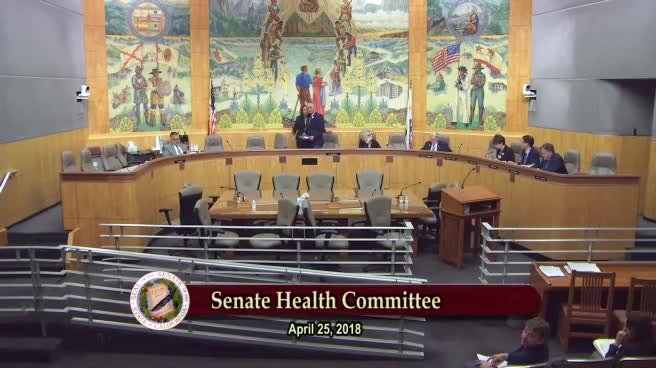 12MIN
Senate Standing Committee on Health
Bill Author

Bill Co-Author(s):





