SB 1126: Upper Los Angeles River and Tributaries Working Group: river ranger program.
- Session Year: 2017-2018
- House: Senate
- Latest Version Date: 2018-09-28
Existing law provides for the protection, enhancement, and restoration of rivers in this state. Existing law establishes the Santa Monica Mountains Conservancy and prescribes the membership, functions, and duties of the conservancy with regard to the acquisition, preservation, and improvement of real property within the Santa Monica Mountains zone, as defined. Existing law establishes within the conservancy the Upper Los Angeles River and Tributaries Working Group and requires, by March 1, 2019, the working group to develop, through watershed-based planning methods and community engagement, a revitalization plan for the Upper Los Angeles River, the tributaries of the Pacoima Wash, Tujunga Wash, and Verdugo Wash, and any additional tributary waterway that the working group determines to be necessary. Existing law requires the revitalization plan to address the unique and diverse needs of the Upper Los Angeles River, Pacoima Wash, Tujunga Wash, and Verdugo Wash, and the communities through which they pass, and to include watershed education programs.
This bill would specify the Arroyo Seco as a waterway for the working group to include in the revitalization plan and watershed education programs. The bill would authorize the working group to include representatives from the Cities of La Canada Flintridge, Pasadena, and South Pasadena. The bill would authorize a representative appointed to the working group to designate an alternate in his or her place. The bill would instead require the revitalization plan to be developed on or before June 30, 2020, and the conservancy to provide a copy of the plan to certain legislative committees by that date.
Existing law requires the San Gabriel and Lower Los Angeles Rivers and Mountains Conservancy and the Santa Monica Mountains Conservancy to collaborate with the Department of Parks and Recreation, the California Conservation Corps, and the State Lands Commission to develop a river ranger program, as prescribed. Existing law requires the conservancies, no later than June 30, 2018, to develop a plan for the design and implementation of the program and to provide a copy of the plan to certain legislative committees by that date.
This bill would instead require the plan to be developed and a copy to be provided to the legislative committees by March 30, 2019.
This bill would declare that it is to take effect immediately as an urgency statute.
Existing law provides for the protection, enhancement, and restoration of rivers in this state. Existing law establishes the Santa Monica Mountains Conservancy and prescribes the membership, functions, and duties of the conservancy with regard to the acquisition, preservation, and improvement of real property within the Santa Monica Mountains zone, as defined. Existing law establishes within the conservancy the Upper Los Angeles River and Tributaries Working Group and requires, by March 1, 2019, the working group to develop, through watershed-based planning methods and community engagement, a revitalization plan for the Upper Los Angeles River, the tributaries of the Pacoima Wash, Tujunga Wash, and Verdugo Wash, and any additional tributary waterway that the working group determines to be necessary. Existing law requires the revitalization plan to address the unique and diverse needs of the Upper Los Angeles River, Pacoima Wash, Tujunga Wash, and Verdugo Wash, and the communities through which they pass, and to include watershed education programs.
This bill would specify the Arroyo Seco Tributary as a waterway for the working group to include in the revitalization plan and watershed education programs. The bill would authorize the working group to include 3 members, one each representatives from the Cities of La Canada Flintridge, Pasadena, and South Pasadena, unless their inclusion results in a geographical imbalance of representation. Pasadena. The bill would authorize a representative appointed to the working group to designate an alternate in his or her place. The bill would instead require the revitalization plan to be developed on or before June 30, 2020, and the conservancy to provide a copy of the plan to certain legislative committees by that date.
Existing law requires the San Gabriel and Lower Los Angeles Rivers and Mountains Conservancy and the Santa Monica Mountains Conservancy to collaborate with the Department of Parks and Recreation, the California Conservation Corps, and the State Lands Commission to develop a river ranger program, as prescribed. Existing law requires the conservancies, no later than June 30, 2018, to develop a plan for the design and implementation of the program and to provide a copy of the plan to certain legislative committees by that date.
This bill would instead require the plan to be developed and a copy to be provided to the legislative committees by March 30, 2019.
This bill would declare that it is to take effect immediately as an urgency statute.
Existing law provides for the protection, enhancement, and restoration of rivers in this state. Existing law establishes the Santa Monica Mountains Conservancy and prescribes the membership, functions, and duties of the conservancy with regard to the acquisition, preservation, and improvement of real property within the Santa Monica Mountains zone, as defined. Existing law establishes within the conservancy the Upper Los Angeles River and Tributaries Working Group and requires, by March 1, 2019, the working group to develop, through watershed-based planning methods and community engagement, a revitalization plan for the Upper Los Angeles River, the tributaries of the Pacoima Wash, Tujunga Wash, and Verdugo Wash, and any additional tributary waterway that the working group determines to be necessary. Existing law requires the revitalization plan to address the unique and diverse needs of the Upper Los Angeles River, Pacoima Wash, Tujunga Wash, and Verdugo Wash, and the communities through which they pass, and to include watershed education programs.
This bill would specify the Flint Wash and the Arroyo Seco Tributary as waterways a waterway for the working group to include in the revitalization plan and watershed education programs. The bill would authorize the working group to include 3 members, one each from the Cities of La Canada Flintridge, Pasadena, and South Pasadena, unless their inclusion results in a geographical imbalance of representation.
This bill would declare that it is to take effect immediately as an urgency statute.
Existing law provides for the protection, enhancement, and restoration of rivers in this state. Existing law establishes the Santa Monica Mountains Conservancy and prescribes the membership, functions, and duties of the conservancy with regard to the acquisition, preservation, and improvement of real property within the Santa Monica Mountains zone, as defined. Existing law establishes within the conservancy the Upper Los Angeles River and Tributaries Working Group and requires, by March 1, 2019, the working group to develop, through watershed-based planning methods and community engagement, a revitalization plan for the Upper Los Angeles River, the tributaries of the Pacoima Wash, Tujunga Wash, and Verdugo Wash, and any additional tributary waterway that the working group determines to be necessary. Existing law requires the revitalization plan to address the unique and diverse needs of the Upper Los Angeles River, Pacoima Wash, Tujunga Wash, and Verdugo Wash, and the communities through which they pass, and to include watershed education programs.
This bill would specify the Flint Wash and the Arroyo Seco Tributary as a waterway waterways for the working group to include in the revitalization plan and watershed education programs. The bill would authorize the working group to include 3 members, one each from the Cities of La Canada Flintridge, Pasadena, and South Pasadena, unless their inclusion results in a geographical imbalance of representation.
This bill would declare that it is to take effect immediately as an urgency statute.
Existing law provides for the protection, enhancement, and restoration of rivers in this state. Existing law establishes the Santa Monica Mountains Conservancy and prescribes the membership, functions, and duties of the conservancy with regard to the acquisition, preservation, and improvement of real property within the Santa Monica Mountains zone, as defined. Existing law establishes within the conservancy the Upper Los Angeles River and Tributaries Working Group and requires, by March 1, 2019, the working group to develop, through watershed-based planning methods and community engagement, a revitalization plan for the Upper Los Angeles River, the tributaries of the Pacoima Wash, Tujunga Wash, and Verdugo Wash, and any additional tributary waterway that the working group determines to be necessary. Existing law requires the revitalization plan to address the unique and diverse needs of the Upper Los Angeles River, Pacoima Wash, Tujunga Wash, and Verdugo Wash, and the communities through which they pass, and to include watershed education programs.
This bill would specify the Arroyo Seco Tributary as a waterway for the working group to include in the revitalization plan and watershed education programs.
(a)There shall be within the Santa Monica Mountains Conservancy an Upper Los Angeles River and Tributaries Working Group. The Secretary of the Natural Resources Agency, in consultation with the conservancy, and, to the extent that they wish to consult, the Los Angeles County Board of Supervisors and the City of Los Angeles, shall consider requests from local agency representatives to participate in the working group and may appoint no more than 23 representatives to the working group. A representative appointed to the working group may designate an alternate in his or her place. The working group may include, but need not be limited to, representatives from the conservancy, the County of Los Angeles, the Cities of Burbank, Glendale, La Canada Flintridge, Los Angeles, Pasadena, San Fernando, and South Pasadena, elected officials of the cities riparian to the Pacoima Wash and Tujunga Wash, and nonprofit organizations serving the Upper Los Angeles River, San Fernando Valley, Pacoima Wash, Tujunga Wash, and Verdugo Wash.
(b)On or before June 30, 2020, the working group shall develop, through watershed-based planning methods and community engagement, a revitalization plan for the Upper Los Angeles River, the tributaries of the Pacoima Wash, Tujunga Wash, and Verdugo Wash, the Arroyo Seco, and any additional tributary waterway that the working group determines to be necessary. The revitalization plan shall address the unique and diverse needs of the Upper Los Angeles River, Pacoima Wash, Tujunga Wash, Verdugo Wash, and Arroyo Seco, and the communities through which they pass. The plan shall be consistent with and enhance, and may be incorporated into plans that include, but are not limited to, the County of Los Angeles Master Plan. The plan shall include watershed education programs that help the Upper Los Angeles River, Pacoima Wash, Tujunga Wash, Verdugo Wash, and Arroyo Seco communities recognize the value of the waterways and the importance of protecting the rivers watershed resources and its vitality to their communities. The revitalization plan shall require a master planning process that includes community engagement and a prioritization of disadvantaged communities, identified pursuant to Section 39711 of the Health and Safety Code.
(c)The conservancy shall provide any necessary staffing to the working group to assist in the development of the plan.
(d)The development and implementation of the revitalization plan may be eligible for funding from any public or private source, including, but not limited to, funding available pursuant to Section 79735 of the Water Code. Entities that are eligible to implement the revitalization plan include, but are not limited to, state agencies, local agencies, and nonprofit organizations, and may be eligible for state funding. An entity receiving funding to implement the revitalization plan shall submit progress reports to the conservancy that include the status of funding.
(e)The working group shall submit the revitalization plan to the conservancy for approval. Upon adoption by the conservancy, the revitalization plan shall be considered an amendment to the Watershed and Open Space Plan for the San Gabriel and Los Angeles Rivers. To the extent that the city or county wishes to consider the revitalization plan, the conservancy shall submit the plan for adoption to the Los Angeles County Board of Supervisors for inclusion in the Master Plan of the County of Los Angeles and to the Los Angeles City Council for inclusion into the Los Angeles River Revitalization Master Plan.
(f)No later than June 30, 2020, the conservancy shall submit a copy of the plan to the Assembly Committee on Water, Parks, and Wildlife and the Senate Committee on Natural Resources and Water.
SEC. 2.Section 2 of Chapter 452 of the Statutes of 2017 is amended to read:Sec. 2.(a)For purposes of this section, conservancies means the San Gabriel and Lower Los Angeles Rivers and Mountains Conservancy and the Santa Monica Mountains Conservancy.
(b)The conservancies shall collaborate with the Department of Parks and Recreation, the California Conservation Corps, and the State Lands Commission to develop a river ranger program to provide a network of river rangers who provide assistance to the public at sites along the Los Angeles River and its tributaries. The conservancies shall solicit the participation of representatives of local governments that have jurisdiction over segments of the river, including the City of Los Angeles and the County of Los Angeles. The conservancies, in cooperation with the Lower Los Angeles River Working Group, no later than March 30, 2019, shall prepare a plan for the design and implementation of the program, including recommendations regarding ways to finance the establishment and ongoing implementation of the program, and shall ensure that the plan is developed to accomplish all of the following objectives:
(1)Establish an identity for the Los Angeles River as a place for its communities to enjoy recreational opportunities and learn about the rivers history and environmental resources.
(2)Improve public safety for visitors to the Los Angeles River.
(3)Foster collaboration among state and local government entities and other public agencies with jurisdiction over the Los Angeles River, and coordinate the work of these entities and public agencies with regard to the development, maintenance, and enhancement of the river and its resources.
(4)Protect the parks, open space, and other public places adjacent to the Los Angeles River.
(5)Engage communities along the Los Angeles River in the protection and preservation of the Los Angeles River and its resources.
(6)Promote equal access and equity among all communities along the Los Angeles River with regard to the development and placement of improvements along the river.
(7)Monitor the physical conditions, environmental health, and development of green space along the Los Angeles River.
(8)Provide a system for coordinating the work of river rangers with programs and services offered by local governments and conservation corps.
(9)Incorporate the findings and principles expressed in the Presidential Memorandum--Promoting Diversity and Inclusion in Our National Parks, National Forests, and Other Public Lands and Waters, dated January 12, 2017.
(c)No later than March 30, 2019, the conservancies shall submit a copy of the plan required to be prepared pursuant to subdivision (b) to the Assembly Committee on Water, Parks, and Wildlife and the Senate Committee on Natural Resources and Water, in compliance with Section 9795 of the Government Code.
(d)This section shall remain in effect only until January 1, 2020, and as of that date is repealed.
SEC. 3.This act is an urgency statute necessary for the immediate preservation of the public peace, health, or safety within the meaning of Article IV of the California Constitution and shall go into immediate effect. The facts constituting the necessity are:
In order to protect the Los Angeles River watersheds resources and its vitality to the community, it is necessary that this act take effect immediately.
(a)There shall be within the Santa Monica Mountains Conservancy an Upper Los Angeles River and Tributaries Working Group. The Secretary of the Natural Resources Agency, in consultation with the conservancy, and, to the extent that they wish to consult, the Los Angeles County Board of Supervisors and the City of Los Angeles, shall consider requests from local agency representatives to participate in the working group and may appoint no more than 23 representatives to the working group. A representative appointed to the working group may designate an alternate in his or her place. The working group may include, but need not be limited to, representatives from the conservancy, the County of Los Angeles, the Cities of Burbank, Glendale, Los Angeles, and San Fernando, La Canada Flintridge, Los Angeles, Pasadena, San Fernando, and South Pasadena, elected officials of the cities riparian to the Pacoima Wash and Tujunga Wash, and nonprofit organizations serving the Upper Los Angeles River, San Fernando Valley, Pacoima Wash, Tujunga Wash, and Verdugo Wash. The working group may include three members, one each from the Cities of La Canada Flintridge, Pasadena, and South Pasadena, unless their inclusion results in a geographical imbalance of representation.
(b)On or before March 1, 2019, June 30, 2020, the working group shall develop, through watershed-based planning methods and community engagement, a revitalization plan for the Upper Los Angeles River, the tributaries of the Pacoima Wash, Tujunga Wash, and Verdugo Wash, the Arroyo Seco Tributary, Seco, and any additional tributary waterway that the working group determines to be necessary. The revitalization plan shall address the unique and diverse needs of the Upper Los Angeles River, Pacoima Wash, Tujunga Wash, Verdugo Wash, and Arroyo Seco Tributary, Seco, and the communities through which they pass. The plan shall be consistent with and enhance, and may be incorporated into plans that include, but are not limited to, the County of Los Angeles Master Plan. The plan shall include watershed education programs that help the Upper Los Angeles River, Pacoima Wash, Tujunga Wash, Verdugo Wash, and Arroyo Seco Tributary communities recognize the value of the waterways and the importance of protecting the rivers watershed resources and its vitality to their communities. The revitalization plan shall require a master planning process that includes community engagement and a prioritization of disadvantaged communities, identified pursuant to Section 39711 of the Health and Safety Code.
(c)The conservancy shall provide any necessary staffing to the working group to assist in the development of the plan.
(d)The development and implementation of the revitalization plan may be eligible for funding from any public or private source, including, but not limited to, funding available pursuant to Section 79735 of the Water Code. Entities that are eligible to implement the revitalization plan include, but are not limited to, state agencies, local agencies, and nonprofit organizations, and may be eligible for state funding. An entity receiving funding to implement the revitalization plan shall submit progress reports to the conservancy that include the status of funding.
(e)The working group shall submit the revitalization plan to the conservancy for approval. Upon adoption by the conservancy, the revitalization plan shall be considered an amendment to the Watershed and Open Space Plan for the San Gabriel and Los Angeles Rivers. To the extent that the city or county wishes to consider the revitalization plan, the conservancy shall submit the plan for adoption to the Los Angeles County Board of Supervisors for inclusion in the Master Plan of the County of Los Angeles and to the Los Angeles City Council for inclusion into the Los Angeles River Revitalization Master Plan.
(f)No later than June 30, 2020, the conservancy shall submit a copy of the plan to the Assembly Committee on Water, Parks, and Wildlife and the Senate Committee on Natural Resources and Water.
SEC. 2.Section 2 of Chapter 452 of the Statutes of 2017 is amended to read:Sec. 2.(a)For purposes of this section, conservancies means the San Gabriel and Lower Los Angeles Rivers and Mountains Conservancy and the Santa Monica Mountains Conservancy.
(b)The conservancies shall collaborate with the Department of Parks and Recreation, the California Conservation Corps, and the State Lands Commission to develop a river ranger program to provide a network of river rangers who provide assistance to the public at sites along the Los Angeles River and its tributaries. The conservancies shall solicit the participation of representatives of local governments that have jurisdiction over segments of the river, including the City of Los Angeles and the County of Los Angeles. The conservancies, in cooperation with the Lower Los Angeles River Working Group, no later than June 30, 2018, March 30, 2019, shall prepare a plan for the design and implementation of the program, including recommendations regarding ways to finance the establishment and ongoing implementation of the program, and shall ensure that the plan is developed to accomplish all of the following objectives:
(1)Establish an identity for the Los Angeles River as a place for its communities to enjoy recreational opportunities and learn about the rivers history and environmental resources.
(2)Improve public safety for visitors to the Los Angeles River.
(3)Foster collaboration among state and local government entities and other public agencies with jurisdiction over the Los Angeles River, and coordinate the work of these entities and public agencies with regard to the development, maintenance, and enhancement of the river and its resources.
(4)Protect the parks, open space, and other public places adjacent to the Los Angeles River.
(5)Engage communities along the Los Angeles River in the protection and preservation of the Los Angeles River and its resources.
(6)Promote equal access and equity among all communities along the Los Angeles River with regard to the development and placement of improvements along the river.
(7)Monitor the physical conditions, environmental health, and development of green space along the Los Angeles River.
(8)Provide a system for coordinating the work of river rangers with programs and services offered by local governments and conservation corps.
(9)Incorporate the findings and principles expressed in the Presidential Memorandum--Promoting Diversity and Inclusion in Our National Parks, National Forests, and Other Public Lands and Waters, dated January 12, 2017.
(c)No later than June 30, 2018, March 30, 2019, the conservancies shall submit a copy of the plan required to be prepared pursuant to subdivision (b) to the Assembly Committee on Water, Parks, and Wildlife and the Senate Committee on Natural Resources and Water, in compliance with Section 9795 of the Government Code.
(d)This section shall remain in effect only until January 1, 2019, 2020, and as of that date is repealed.
SEC. 2.SEC. 3.This act is an urgency statute necessary for the immediate preservation of the public peace, health, or safety within the meaning of Article IV of the California Constitution and shall go into immediate effect. The facts constituting the necessity are:
Due to low precipitation amounts this year and the expectation that California may be back in a drought, it is necessary to ensure the Upper Los Angeles River and Tributaries Working Group has ample time to include the Arroyo Seco Tributary in its revitalization plan in In order to protect the Los Angeles River watersheds resources and its vitality to their communities. Therefore, the community, it is necessary that this act take effect immediately.
REVISIONS: HeadingLine 2.(a)There shall be within the Santa Monica Mountains Conservancy an Upper Los Angeles River and Tributaries Working Group. The Secretary of the Natural Resources Agency, in consultation with the conservancy, and, to the extent that they wish to consult, the Los Angeles County Board of Supervisors and the City of Los Angeles, shall consider requests from local agency representatives to participate in the working group and may appoint no more than 23 representatives to the working group. The working group may include, but need not be limited to, representatives from the conservancy, the County of Los Angeles, the Cities of Burbank, Glendale, Los Angeles, and San Fernando, elected officials of the cities riparian to the Pacoima Wash and Tujunga Wash, and nonprofit organizations serving the Upper Los Angeles River, San Fernando Valley, Pacoima Wash, Tujunga Wash, and Verdugo Wash. The working group may include three members, one each from the Cities of La Canada Flintridge, Pasadena, and South Pasadena, unless their inclusion results in a geographical imbalance of representation.
(b)On or before March 1, 2019, the working group shall develop, through watershed-based planning methods and community engagement, a revitalization plan for the Upper Los Angeles River, the tributaries of the Pacoima Wash, Tujunga Wash, and Verdugo Wash, the Flint Wash, the Arroyo Seco Tributary, and any additional tributary waterway that the working group determines to be necessary. The revitalization plan shall address the unique and diverse needs of the Upper Los Angeles River, Pacoima Wash, Tujunga Wash, Verdugo Wash, Flint Wash, and Arroyo Seco Tributary, and the communities through which they pass. The plan shall be consistent with and enhance, and may be incorporated into plans that include, but are not limited to, the County of Los Angeles Master Plan. The plan shall include watershed education programs that help the Upper Los Angeles River, Pacoima Wash, Tujunga Wash, Verdugo Wash, Flint Wash, and Arroyo Seco Tributary communities recognize the value of the waterways and the importance of protecting the rivers watershed resources and its vitality to their communities. The revitalization plan shall require a master planning process that includes community engagement and a prioritization of disadvantaged communities, identified pursuant to Section 39711 of the Health and Safety Code.
(c)The conservancy shall provide any necessary staffing to the working group to assist in the development of the plan.
(d)The development and implementation of the revitalization plan may be eligible for funding from any public or private source, including, but not limited to, funding available pursuant to Section 79735 of the Water Code. Entities that are eligible to implement the revitalization plan include, but are not limited to, state agencies, local agencies, and nonprofit organizations, and may be eligible for state funding. An entity receiving funding to implement the revitalization plan shall submit progress reports to the conservancy that include the status of funding.
(e)The working group shall submit the revitalization plan to the conservancy for approval. Upon adoption by the conservancy, the revitalization plan shall be considered an amendment to the Watershed and Open Space Plan for the San Gabriel and Los Angeles Rivers. To the extent that the city or county wishes to consider the revitalization plan, the conservancy shall submit the plan for adoption to the Los Angeles County Board of Supervisors for inclusion in the Master Plan of the County of Los Angeles and to the Los Angeles City Council for inclusion into the Los Angeles River Revitalization Master Plan.
SEC. 2.This act is an urgency statute necessary for the immediate preservation of the public peace, health, or safety within the meaning of Article IV of the California Constitution and shall go into immediate effect. The facts constituting the necessity are:
Due to low precipitation amounts this year and the expectation that California may be back in a drought, it is necessary to ensure the Upper Los Angeles River and Tributaries Working Group has ample time to include the Arroyo Seco Tributary and the Flint Wash in its revitalization plan in order to protect the watersheds resources and its vitality to their communities. Therefore, it is necessary that this act take effect immediately.
(a)There shall be within the Santa Monica Mountains Conservancy an Upper Los Angeles River and Tributaries Working Group. The Secretary of the Natural Resources Agency, in consultation with the conservancy, and, to the extent that they wish to consult, the Los Angeles County Board of Supervisors and the City of Los Angeles, shall consider requests from local agency representatives to participate in the working group and may appoint no more than 23 representatives to the working group. The working group may include, but need not be limited to, representatives from the conservancy, the County of Los Angeles, the Cities of Burbank, Glendale, Los Angeles, and San Fernando, elected officials of the cities riparian to the Pacoima Wash and Tujunga Wash, and nonprofit organizations serving the Upper Los Angeles River, San Fernando Valley, Pacoima Wash, Tujunga Wash, and Verdugo Wash. The working group may include three members, one each from the Cities of La Canada Flintridge, Pasadena, and South Pasadena, unless their inclusion results in a geographical imbalance of representation.
(b)On or before March 1, 2019, the working group shall develop, through watershed-based planning methods and community engagement, a revitalization plan for the Upper Los Angeles River, the tributaries of the Pacoima Wash, Tujunga Wash, and Verdugo Wash, the Flint Wash, the Arroyo Seco Tributary, and any additional tributary waterway that the working group determines to be necessary. The revitalization plan shall address the unique and diverse needs of the Upper Los Angeles River, Pacoima Wash, Tujunga Wash, Verdugo Wash, Flint Wash, and Arroyo Seco Tributary, and the communities through which they pass. The plan shall be consistent with and enhance, and may be incorporated into plans that include, but are not limited to, the County of Los Angeles Master Plan. The plan shall include watershed education programs that help the Upper Los Angeles River, Pacoima Wash, Tujunga Wash, Verdugo Wash, Flint Wash, and Arroyo Seco Tributary communities recognize the value of the waterways and the importance of protecting the rivers watershed resources and its vitality to their communities. The revitalization plan shall require a master planning process that includes community engagement and a prioritization of disadvantaged communities, identified pursuant to Section 39711 of the Health and Safety Code.
(c)The conservancy shall provide any necessary staffing to the working group to assist in the development of the plan.
(d)The development and implementation of the revitalization plan may be eligible for funding from any public or private source, including, but not limited to, funding available pursuant to Section 79735 of the Water Code. Entities that are eligible to implement the revitalization plan include, but are not limited to, state agencies, local agencies, and nonprofit organizations, and may be eligible for state funding. An entity receiving funding to implement the revitalization plan shall submit progress reports to the conservancy that include the status of funding.
(e)The working group shall submit the revitalization plan to the conservancy for approval. Upon adoption by the conservancy, the revitalization plan shall be considered an amendment to the Watershed and Open Space Plan for the San Gabriel and Los Angeles Rivers. To the extent that the city or county wishes to consider the revitalization plan, the conservancy shall submit the plan for adoption to the Los Angeles County Board of Supervisors for inclusion in the Master Plan of the County of Los Angeles and to the Los Angeles City Council for inclusion into the Los Angeles River Revitalization Master Plan.
SEC. 2.This act is an urgency statute necessary for the immediate preservation of the public peace, health, or safety within the meaning of Article IV of the California Constitution and shall go into immediate effect. The facts constituting the necessity are:
Due to low precipitation amounts this year and the expectation that California may be back in a drought, it is necessary to ensure the Upper Los Angles River and Tributaries Working Group has ample time to include the Arroyo Seco Tributary and the Flint Wash in its revitalization plan in order to protect the watersheds resources and its vitality to their communities. Therefore, it is necessary that this act take effect immediately.
(a)There shall be within the Santa Monica Mountains Conservancy an Upper Los Angeles River and Tributaries Working Group. The Secretary of the Natural Resources Agency, in consultation with the conservancy, and, to the extent that they wish to consult, the Los Angeles County Board of Supervisors and the City of Los Angeles, shall consider requests from local agency representatives to participate in the working group and may appoint no more than 23 representatives to the working group. The working group may include, but need not be limited to, representatives from the conservancy, the County of Los Angeles, the Cities of Burbank, Glendale, Los Angeles, and San Fernando, elected officials of the cities riparian to the Pacoima Wash and Tujunga Wash, and nonprofit organizations serving the Upper Los Angeles River, San Fernando Valley, Pacoima Wash, Tujunga Wash, and Verdugo Wash.
(b)On or before March 1, 2019, the working group shall develop, through watershed-based planning methods and community engagement, a revitalization plan for the Upper Los Angeles River, the tributaries of the Pacoima Wash, Tujunga Wash, and Verdugo Wash, the Arroyo Seco Tributary, and any additional tributary waterway that the working group determines to be necessary. The revitalization plan shall address the unique and diverse needs of the Upper Los Angeles River, Pacoima Wash, Tujunga Wash, and Verdugo Wash Wash, and Arroyo Seco Tributary, and the communities through which they pass. The plan shall be consistent with and enhance, and may be incorporated into plans that include, but are not limited to, the County of Los Angeles Master Plan. The plan shall include watershed education programs that help the Upper Los Angeles River, Pacoima Wash, Tujunga Wash, and Verdugo Wash Wash, and Arroyo Seco Tributary communities recognize the value of the waterways and the importance of protecting the rivers watershed resources and its vitality to their communities. The revitalization plan shall require a master planning process that includes community engagement and a prioritization of disadvantaged communities, identified pursuant to Section 39711 of the Health and Safety Code.
(c)The conservancy shall provide any necessary staffing to the working group to assist in the development of the plan.
(d)The development and implementation of the revitalization plan may be eligible for funding from any public or private source, including, but not limited to, funding available pursuant to Section 79735 of the Water Code. Entities that are eligible to implement the revitalization plan include, but are not limited to, state agencies, local agencies, and nonprofit organizations, and may be eligible for state funding. An entity receiving funding to implement the revitalization plan shall submit progress reports to the conservancy that include the status of funding.
(e)The working group shall submit the revitalization plan to the conservancy for approval. Upon adoption by the conservancy, the revitalization plan shall be considered an amendment to the Watershed and Open Space Plan for the San Gabriel and Los Angeles Rivers. To the extent that the city or county wishes to consider the revitalization plan, the conservancy shall submit the plan for adoption to the Los Angeles County Board of Supervisors for inclusion in the Master Plan of the County of Los Angeles and to the Los Angeles City Council for inclusion into the Los Angeles River Revitalization Master Plan.
|
Date
|
Status
|
|---|---|
| Sep 28, 2018 | Chaptered by Secretary of State. Chapter 895, Statutes of 2018. |
| Sep 28, 2018 | Approved by the Governor. |
| Sep 5, 2018 | Enrolled and presented to the Governor at 3:30 p.m. |
| Aug 28, 2018 | Assembly amendments concurred in. (Ayes 39. Noes 0.) Ordered to engrossing and enrolling. |
| Aug 28, 2018 | In Senate. Concurrence in Assembly amendments pending. |
| Aug 27, 2018 | Read third time. Urgency clause adopted. Passed. Ordered to the Senate. |
| Aug 20, 2018 | Read second time. Ordered to third reading. |
| Aug 16, 2018 | From committee: Do pass. (Ayes 16. Noes 0.) (August 16). |
| Aug 8, 2018 | August 8 set for first hearing. Placed on suspense file. |
| Jun 26, 2018 | From committee: Do pass and re-refer to Com. on APPR. (Ayes 15. Noes 0.) (June 26). Re-referred to Com. on APPR. |
| Jun 13, 2018 | From committee with author's amendments. Read second time and amended. Re-referred to Com. on W.,P., & W. |
| Jun 7, 2018 | Referred to Com. on W.,P., & W. |
| May 31, 2018 | In Assembly. Read first time. Held at Desk. |
| May 31, 2018 | Read third time. Urgency clause adopted. Passed. (Ayes 39. Noes 0.) Ordered to the Assembly. |
| May 29, 2018 | Ordered to special consent calendar. |
| May 25, 2018 | Read second time. Ordered to third reading. |
| May 18, 2018 | Set for hearing May 25. |
| May 7, 2018 | May 7 hearing: Placed on APPR. suspense file. |
| Apr 27, 2018 | Set for hearing May 7. |
| Apr 26, 2018 | April 30 hearing postponed by committee. |
| Apr 24, 2018 | Set for hearing April 30. |
| Apr 18, 2018 | Read second time and amended. Re-referred to Com. on APPR. |
| Apr 17, 2018 | From committee: Do pass as amended and re-refer to Com. on APPR. with recommendation: To consent calendar. (Ayes 9. Noes 0.) (April 16). |
| Mar 20, 2018 | From committee with author's amendments. Read second time and amended. Re-referred to Com. on N.R. & W. |
| Mar 14, 2018 | Set for hearing April 16. |
| Feb 22, 2018 | Referred to Com. on N.R. & W. |
| Feb 14, 2018 | From printer. May be acted upon on or after March 16. |
| Feb 13, 2018 | Introduced. Read first time. To Com. on RLS. for assignment. To print. |
|
Date
|
Description
|
Location
|
Votes
|
|
|---|---|---|---|---|
| Aug 28, 2018 | Unfinished Business SB1126 Portantino et al. Urgency Clause Concurrence | Senate Floor |
Passed |
|
| Aug 27, 2018 | SB 1126 Portantino Third Reading Urgency By RIVAS | Assembly Floor |
Passed |
|
| Aug 16, 2018 | Do pass. | Assembly Standing Committee on Appropriations |
Passed |
|
| Jun 26, 2018 | Do pass and be re-referred to the Committee on [Appropriations] | Assembly Standing Committee on Water, Parks, and Wildlife |
Passed |
|
| May 31, 2018 | Special Consent SB1126 Portantino Urgency Clause | Senate Floor |
Passed |
|
| May 25, 2018 | Do pass | Senate Standing Committee on Appropriations |
Passed |
|
| May 7, 2018 | Placed on suspense file | Senate Standing Committee on Appropriations |
Passed |
|
| Apr 16, 2018 | Do pass as amended, but first amend, and re-refer to the Committee on [Appropriations] with the recommendation: To Consent Calendar | Senate Standing Committee on Natural Resources and Water |
Passed |
This list shows positions taken on this bill by organizations on the date displayed, which is linked to the original source.
Positions by individuals are not included.
|
Organization
|
Position
|
Date
|
|---|---|---|
| Altadena Heritage | ** Support | Aug 28, 2018 |
| Arroyo Advisory Group | ** Support | Aug 28, 2018 |
| Arroyo Seco Foundation | ** Support | Aug 28, 2018 |
| City of Pasadena | ** Support | Aug 28, 2018 |
| Individual | ** Support | Jun 22, 2018 |
| San Gabriel Valley Economic Partnership | ** Support | Aug 28, 2018 |
| Upper San Gabriel Valley Municipal Water District | ** Support | Aug 28, 2018 |
Office of Senate Floor Analyses (916) 651-1520 Fax: (916) 327-4478 | SB |
UNFINISHED BUSINESS
Bill No: SB 1126
:
SENATE NATURAL RES. & WATER COMMITTEE: 9-0, 4/16/18
AYES: Hertzberg, Stone, Allen, Hueso, Jackson, McGuire, Monning, Stern, Vidak
SENATE APPROPRIATIONS COMMITTEE: 7-0, 5/25/18
AYES: Lara, Bates, Beall, Bradford, Hill, Nielsen, Wiener
SENATE FLOOR: 39-0, 5/31/18
AYES: Allen, Anderson, Atkins, Bates, Beall, Berryhill, Bradford, Cannella, De León, Dodd, Fuller, Gaines, Galgiani, Glazer, Hernandez, Hertzberg, Hill, Hueso, Jackson, Lara, Leyva, McGuire, Mitchell, Monning, Moorlach, Morrell, Newman, Nguyen, Nielsen, Pan, Portantino, Roth, Skinner, Stern, Stone, Vidak, Wieckowski, Wiener, Wilk
ASSEMBLY FLOOR: 79-0, 8/27/18 - See last page for vote
SUBJECT: Upper Los Angeles River and Tributaries Working Group: river ranger program
DIGEST:
This bill, an urgency measure, adds the Arroyo Seco Tributary to the list of waterways that must be included in a revitalization plan for the Upper Los Angeles River.
Assembly Amendments
change the date for the working group to complete the revitalization plan for the Upper Los Angeles River, make conforming changes to the due date for related river rangers program, and make other technical changes.
Existing law:
- Establishes within the Santa Monica Mountains Conservancy the Upper Los Angeles River and Tributaries Working Group.
- The Secretary of the Natural Resources Agency, in consultation with the conservancy, and, to the extent that they wish to consult, the Los Angeles County Board of Supervisors and the City of Los Angeles, are required to consider requests from local agency representatives to participate in the working group and may appoint no more than 23 representatives to the working group.
- The working group may include, but is not limited to, representatives from the conservancy, the County of Los Angeles, the Cities of Burbank, Glendale, Los Angeles, and San Fernando, elected officials of the cities riparian to the Pacoima Wash and Tujunga Wash, and nonprofit organizations serving the Upper Los Angeles River, San Fernando Valley, Pacoima Wash, Tujunga Wash, and Verdugo Wash.
- Provides that by March 1, 2019, the working group is to develop a revitalization plan for the Upper Los Angeles River, the tributaries of the Pacoima Wash, Tujunga Wash, and Verdugo Wash, and any additional tributary waterway that the working group determines to be necessary.
- Requires the San Gabriel and Lower Los Angeles Rivers and Mountains Conservancy and the Santa Monica Mountains Conservancy to collaborate with the Department of Parks and Recreation, the California Conservation Corps, and the State Lands Commission to develop a river ranger program.
- The conservancies are required to develop a plan for the design and implementation of the program by June 30, 2018.
- The conservancies are also required to provide a copy of the plan to the Assembly Committee on Water, Parks, and Wildlife and the Senate Committee on Natural Resources and Water.
This bill:
- Adds the Arroyo Seco Tributary to the list of waterways that must be included in the revitalization plan.
- Adds to the list of potential representatives on the working group developing the plan representatives from the Cities of La Cañada Flintridge and South Pasadena.
- Changes the due date for the revitalization plan to June 30, 2020.
- Changes the due date for the river ranger program to March 30, 2019.
The Arroyo Seco is a major tributary to the Los Angeles River. It is nearly 25 miles long, drains an area of over 46 square miles, and contributes over 17,000 acre feet of water to the total outflow of the Los Angeles River to the Pacific Ocean. This represents about 4.8 percent of the total flow of the Los Angeles River. This compares to the contributions of the Verdugo wash of 3.1 percent and the 5.1 percent provided by the combined flows of the Tujunga and Pacoima Washes.
FISCAL EFFECT: Appropriation: Fiscal Com.: Local:
According to the Assembly Appropriations Committee:
- Unknown, potentially significant increased cost pressures related to the implementation of the revitalization plan, to the extent state funding is dedicated to projects within the Arroyo Seco area (General Fund, bond, and special funds).
- Absorbable state administrative costs.
Altadena Heritage
Arroyo Advisory Group
Arroyo Seco Foundation
City of Pasadena
San Gabriel Valley Economic Partnership
Upper San Gabriel Valley Municipal Water District
OPPOSITION: (Verified 8/27/18)
None received
ARGUMENTS IN SUPPORT: According to the author, the Arroyo Seco is of significant importance to the Los Angeles area as it attracts many locals, tourists, and families year-round. It is imperative to include the Arroyo Seco in the Upper Los Angeles River and Tributaries Working Group revitalization plan, and to do so urgently so as to ensure the area is revitalized immediately given that we are likely facing a drought in the state.
ASSEMBLY FLOOR: 79-0, 8/27/18
AYES: Acosta, Travis Allen, Arambula, Baker, Berman, Bigelow, Bloom, Bonta, Brough, Burke, Caballero, Calderon, Carrillo, Cervantes, Chau, Chávez, Chen, Chiu, Choi, Chu, Cooley, Cooper, Cunningham, Dahle, Daly, Eggman, Flora, Fong, Frazier, Friedman, Gabriel, Gallagher, Cristina Garcia, Eduardo Garcia, Gipson, Gloria, Gonzalez Fletcher, Gray, Grayson, Harper, Holden, Irwin, Jones-Sawyer, Kalra, Kamlager-Dove, Kiley, Lackey, Levine, Limón, Low, Maienschein, Mathis, Mayes, McCarty, Medina, Melendez, Mullin, Muratsuchi, Nazarian, Obernolte, O'Donnell, Patterson, Quirk, Quirk-Silva, Reyes, Rivas, Rodriguez, Rubio, Salas, Santiago, Steinorth, Mark Stone, Thurmond, Ting, Voepel, Waldron, Weber, Wood, Rendon
NO VOTE RECORDED: Aguiar-Curry
8/28/18 12:36:30
**** END ****
SENATE THIRD READING
STR Bill Id:SB 1126
Author:(Portantino)
As Amended Ver:June 13, 2018
2/3 vote. Urgency
SENATE VOTE: 39-0
Committee | Votes | Ayes | Noes |
Water | 15-0 | Eduardo Garcia, Gallagher, Bigelow, Carrillo, Choi, Chu, Friedman, Gloria, Harper, Kalra, Levine, Mathis, Rubio, Salas, Wood | |
Appropriations | 16-0 | Gonzalez Fletcher, Bigelow, Bloom, Bonta, Calderon, Carrillo, Chau, Eggman, Fong, Friedman, Gallagher, Eduardo Garcia, Nazarian, Obernolte, Quirk, Reyes |
|
SUMMARY: Adds the Arroyo Seco waterway to the list of waterways included in the Upper Los Angeles River revitalization plan. Specifically, this bill:
- Adds the Arroyo Seco Tributary to the list of waterways that must be included in the revitalization plan.
- Authorizes, but does not require, the working group to include representatives, from the Cities of La Cañada-Flintridge, Pasadena, and South Pasadena, unless their inclusion results in a geographical imbalance of representation.
- Requires the revitalization plan to be developed on, or before, June 30, 2020.
- Requires a specified report on a river rangers program to be provided to the Legislature by March 30, 2019, rather than June 30, 2018.
- Includes an urgency clause for immediate effect.
EXISTING LAW:
- Establishes the Santa Monica Mountains Conservancy (SMMC) and the San Gabriel and Lower Los Angeles Rivers and Mountains Conservancy (RMC), with certain functions and duties, as defined, in the California Natural Resources Agency (CNRA).
- Establishes the Lower Los Angeles River Working Group to develop revitalization plans for the lower Los Angeles River. The Lower Los Angeles River Working Group continues to meet regularly to achieve its goals.
- Establishes within the Santa Monica Mountains Conservancy the Upper Los Angeles River and Tributaries Working Group.
- The working group is required to develop, through watershed-based planning and community engagement, a revitalization plan for the Upper Los Angeles River. This includes the major tributaries of Pacoima Wash, Tujunga Wash, and Verdugo Wash. Other tributaries may be considered by the working group.
- The working group may include, but is not limited to, representatives from the conservancy, the County of Los Angeles, the Cities of Burbank, Glendale, Los Angeles, and San Fernando, elected officials of the cities adjacent to the Pacoima Wash and Tujunga Wash, and nonprofit organizations serving the Upper Los Angeles River, San Fernando Valley, Pacoima Wash, Tujunga Wash, and Verdugo Wash.
- Requires specified agencies to develop a plan for design and implementation of a river rangers program by June 30, 2018.
FISCAL EFFECT: According to the Assembly Appropriations Committee:
- Unknown, potentially significant increased cost pressures related to the implementation of the revitalization plan, to the extent state funding is dedicated to projects within the Arroyo Seco area (General Fund, bond, and special funds).
- Absorbable state administrative costs.
COMMENTS: This bill would include the Arroyo Seco waterway as part of the Upper Los Angeles River and Tributaries Working Group revitalization plan. This bill also authorizes the working group to include members within the Arroyo Seco waterway, from the cities of La Cañada Flintridge, Pasadena, and South Pasadena, and delays a required report on river rangers to allow for more development time.
Background and Purpose: AB 466 (Bocanegra), Chapter 341, Statutes of 2017, established the Upper LA River and Tributaries Working Group within the Santa Monica Mountains Conservancy. The purpose of the working group is to develop a revitalization plan for the Upper Los Angeles (LA) River and main tributaries. Included within the original legislation are the main tributaries of Pacoima Wash, Tujunga Wash, and Verdugo Wash. These tributaries reach from the City of Los Angeles north and east into the Santa Monica and San Gabriel Mountain ranges.
LA River. The River begins in Canoga Park at the confluence of Bell Creek and the Arroyo Calabasas. It flows mostly east through the San Fernando Valley, where numerous tributaries join, to Burbank and Griffith Park. The River flows through 13 cities and is contained within the County of Los Angeles. It is now almost entirely lined in concrete, although there are three "soft-bottomed" sections in the Sepulveda Basin (San Fernando Valley), Griffith Park, and in Long Beach. Particularly along the lower portion of the River, industrial activity and railyards are immediately adjacent to the River and can effectively isolate it from the surrounding communities.
Although planners had envisioned greenbelts interconnecting parklands along the River as early as the 1930s, the more recent interest in the revitalization and promotion of the re-integration of the River and its tributaries into the adjacent neighborhoods began in the mid-to-late 1980s. There was growing recognition that compared to other large American cities, Los Angeles has relatively fewer parks, particularly in under-represented communities. In the early 1990s, community activism resulted in the County's Los Angeles River Master Plan (County Master Plan) in 1996.
The County Master Plan described how economic growth could be spurred along the River in the county through zoning changes and the development of open space, recreational, cultural, artistic, educational, and other opportunities. This River revitalization aimed to "achieve a better River environment for future generations in the Los Angeles basin." The Los Angeles City Council established its own ad hoc committee on the River in 2002, and the City's Master Plan was released in 2007. Continuing the long-term goals of the County Master Plan, the City Master Plan also promoted the revitalization of the River as a solution with many benefits including water quality and flood control while enabling safe access to the River and restoring a functional river ecosystem.
AB 466 created a workgroup to focus revitalization efforts from the headwaters of the Los Angeles River at the confluence of Bell and Calabasas Creeks to Griffith Park. This bill adds the major tributary of the Arroyo Seco to the tributaries listed within the working group's revitalization plan, and authorizes representation from the major cities along the tributary corridor.
Prior and Related Legislation:
AB 466 (Bocanegra), Chapter 341, Statutes of 2017, established the Upper Los Angeles River and Tributaries Working group within the Santa Monica Conservancy.
AB 530 (Rendon), Chapter 684, Statutes of 2015, requires the Secretary of the CNRA to appoint the Lower Los Angeles Working Group to develop a revitalization plan for the Lower Los Angeles River watershed.
Analysis Prepared by: Catherine Freeman / W., P., & W. / (916) 319-2096 FN: 0004143
Date of Hearing: August 8, 2018
ASSEMBLY COMMITTEE ON APPROPRIATIONS
Lorena Gonzalez Fletcher, Chair
SBPCA Bill Id:SB 1126
Author:(Portantino) – As Amended Ver:June 13, 2018
Policy Committee: | Water, Parks and Wildlife | Vote: | 15 - 0 |
|
| ||
|
|
Urgency: Yes State Mandated Local Program: No Reimbursable: No
SUMMARY:
This urgency bill adds the Arroyo Seco to the list of waterways required to be included in the Upper Los Angeles River revitalization plan (revitalization plan) to be developed by the Upper Los Angeles River and Tributaries Working Group (working group). Specifically, this bill:
- Adds representatives from the Cities of La Cañada-Flintridge, Pasadena, and South Pasadena, to the non-exhaustive list of members the working group may include. Allows members of the working group to designate alternates to serve in their places.
- Extends the deadline on the revitalization plan from March 1, 2019, to June 30, 2020. Requires the plan to be submitted to the Senate Natural Resources and Water Committee and the Assembly Water, Parks, and Wildlife Committee.
- Extends the deadline on a specified report to the Legislature on a river rangers program from June 30, 2018 to March 30, 2019.
- Extends the sunset date on the working group and revitalization plan from January 1, 2019 to January 1, 2020.
FISCAL EFFECT:
- Unknown, potentially significant increased cost pressures related to the implementation of the revitalization plan, to the extent state funding is dedicated to projects within the Arroyo Seco area (GF, bond, and special funds).
- Absorbable state administrative costs.
COMMENTS:
- Purpose. According to the author:
The Arroyo Seco Tributary is of significant importance to the Los Angeles area as they attract many locals, tourists, and families year-round. It is imperative to include the Arroyo Seco Tributary in the Upper Los Angeles River and Tributaries Working Group revitalization plan, and to do so urgently so as to ensure the area is revitalized immediately given that we are likely facing a drought in the state.
- Background. Current law establishes the working group within the Santa Monica Mountains Conservancy (SMMC). By March 1, 2019, the working group is required to develop a revitalization plan for the Upper Los Angeles River, the tributaries of the Pacoima Wash, Tujunga Wash, and Verdugo Wash, and any additional tributary waterway that the working group determines to be necessary. The revitalization plan is required to address the unique and diverse needs of the Upper Los Angeles River, Pacoima Wash, Tujunga Wash, and Verdugo Wash, and the communities through which they pass, and to include watershed education programs.
Existing law also requires the San Gabriel and Lower Los Angeles Rivers and Mountains Conservancy (RMC) and the SMMC to collaborate with the Department of Parks and Recreation (DPR), the California Conservation Corps (CCC), the State Lands Commission (SLC), and local agencies that have jurisdiction over segments of the Los Angeles River to develop a river ranger program for the purpose of preserving and protecting the river, and those who access the river.
Specifically, this bill requires the conservancies, in cooperation with the working group, to prepare a plan for the design and implementation of the river ranger program including financing and implementation by June 30, 2018.
In 2014, California voters approved the Water Quality, Supply, and Infrastructure Improvement Act of 2014 (Proposition 1) which includes $60 million for the river split equally between the SMMC and the RMC. These funds are for the purpose of multi-benefit water quality, water supply, and watershed protection and restoration projects. In addition, river projects are eligible for certain other Proposition 1-funded purposes, such as the $100 million for urban rivers and streams and $20 million for multi-benefit watershed and urban rivers enhancement projects, of which 10% may be used for project planning.
Analysis Prepared by: Jennifer Galehouse / APPR. / (916) 319-2081
Date of Hearing: June 26, 2018
ASSEMBLY COMMITTEE ON WATER, PARKS, AND WILDLIFE
Eduardo Garcia, Chair
SBPCA Bill Id:SB 1126
Author:(Portantino) – As Amended Ver:June 13, 2018
SENATE VOTE: 39-0
SUBJECT: Upper Los Angeles River and Tributaries Working Group: river ranger program
SUMMARY: Adds the Arroyo Seco waterway to the list of waterways included in the Upper Los Angeles River revitalization plan. Specifically, this bill:
- Adds the Arroyo Seco Tributary to the list of waterways that must be included in the revitalization plan.
- Authorizes, but does not require, the working group to include representatives, from the Cities of La Cañada-Flintridge, Pasadena, and South Pasadena, unless their inclusion results in a geographical imbalance of representation.
- Requires the revitalization plan to be developed on, or before, June 30, 2020.
- Requires a specified report on a river rangers program to be provided to the Legislature by March 30, 2019, rather than June 30, 2018.
- Includes an urgency clause for immediate effect.
EXISTING LAW:
- Establishes the Santa Monica Mountains Conservancy (SMMC) and the San Gabriel and Lower Los Angeles Rivers and Mountains Conservancy (RMC), with certain functions and duties, as defined, in the California Natural Resources Agency.
- Establishes the Lower Los Angeles River Working Group to develop revitalization plans for the lower Los Angeles River. The Lower Los Angeles River Working Group continues to meet regularly to achieve its goals.
- Establishes within the Santa Monica Mountains Conservancy the Upper Los Angeles River and Tributaries Working Group.
- The working group is required to develop, through watershed-based planning and community engagement, a revitalization plan for the Upper Los Angeles River. This includes the major tributaries of Pacoima Wash, Tujunga Wash, and Verdugo Wash. Other tributaries may be considered by the working group.
- The working group may include, but is not limited to, representatives from the conservancy, the County of Los Angeles, the Cities of Burbank, Glendale, Los Angeles, and San Fernando, elected officials of the cities adjacent to the Pacoima Wash and Tujunga Wash, and nonprofit organizations serving the Upper Los Angeles River, San Fernando Valley, Pacoima Wash, Tujunga Wash, and Verdugo Wash.
- Requires specified agencies to develop a plan for design and implementation of a river rangers program by June 30, 2018.
FISCAL EFFECT: Unknown
COMMENTS: This bill would include the Arroyo Seco waterway as part of the Upper Los Angeles River and Tributaries Working Group revitalization plan. This bill also authorizes the working group to include members within the Arroyo Seco waterway, from the cities of La Cañada Flintridge, Pasadena, and South Pasadena, and delays a required report on river rangers to allow for more development time.
Author’s Statement:
The Arroyo Seco Tributary is of significant importance to the Los Angeles area as they attract many locals, tourists, and families year-round. It is imperative to include the Arroyo Seco Tributary in the Upper Los Angeles River and Tributaries Working Group revitalization plan, and to do so urgently so as to ensure the area is revitalized immediately given that we are likely facing a drought in the state.
Background and Purpose: AB 466 (Bocanegra), Chapter 341, Statutes of 2017, established the Upper LA River and Tributaries Working Group within the Santa Monica Mountains Conservancy. The purpose of the working group is to develop a revitalization plan for the Upper Los Angeles (LA) River and main tributaries. Included within the original legislation are the main tributaries of Pacoima Wash, Tujunga Wash, and Verdugo Wash. These tributaries reach from the City of Los Angeles north and east into the Santa Monica and San Gabriel Mountain ranges.
LA River. The River begins in Canoga Park at the confluence of Bell Creek and the Arroyo Calabasas. It flows mostly east through the San Fernando Valley, where numerous tributaries join, to Burbank and Griffith Park. The River flows through 13 cities and is contained within the County of Los Angeles. It is now almost entirely lined in concrete, although there are three “soft-bottomed” sections in the Sepulveda Basin (San Fernando Valley), Griffith Park, and in Long Beach. Particularly along the lower portion of the River, industrial activity and railyards are immediately adjacent to the River and can effectively isolate it from the surrounding communities.
Although planners had envisioned greenbelts interconnecting parklands along the River as early as the 1930s, the more recent interest in the revitalization and promotion of the re-integration of the River and its tributaries into the adjacent neighborhoods began in the mid-to-late 1980s. There was growing recognition that compared to other large American cities, Los Angeles has relatively fewer parks, particularly in under-represented communities. In the early 1990s, community activism resulted in the County’s Los Angeles River Master Plan (County Master Plan) in 1996.
The County Master Plan described how economic growth could be spurred along the River in the county through zoning changes and the development of open space, recreational, cultural, artistic, educational, and other opportunities. This River revitalization aimed to “achieve a better River environment for future generations in the Los Angeles basin.” The Los Angeles City Council established its own ad hoc committee on the River in 2002, and the City’s Master Plan was released in 2007. Continuing the long-term goals of the County Master Plan, the City Master Plan also promoted the revitalization of the River as a solution with many benefits including water quality and flood control while enabling safe access to the River and restoring a functional river ecosystem.
AB 466 created a workgroup to focus revitalization efforts from the headwaters of the Los Angeles River at the confluence of Bell and Calabasas Creeks to Griffith Park. This bill adds the major tributary of the Arroyo Seco to the tributaries listed within the working group’s revitalization plan, and authorizes representation from the major cities along the tributary corridor.
Prior and Related Legislation:
AB 466 (Bocanegra), Chapter 341, Statutes of 2017, established the Upper Los Angeles River and Tributaries Working group within the Santa Monica Conservancy.
AB 530 (Rendon), Chapter 684, Statutes of 2015, requires the Secretary of the CNRA to appoint the Lower Los Angeles Working Group to develop a revitalization plan for the Lower Los Angeles River watershed.
Arguments in Support: Supporters argue that this bill will ensure that cities along the Arroyo Seco Tributary are understood and addressed from a regional perspective. They argue that the legislation requirement of a master planning process is in line with the values of strong and active civic engagement. Others argue that this fills an unintended gap within the original legislation.
Arguments in Opposition: None on file.
Urgency Measure: This bill contains an urgency measure. The author reasons that, “due to low precipitation amounts this year and the expectation that California may be back in a drought, it is necessary to ensure the Upper Los Angeles River and Tributaries Working Group has ample time to include the Arroyo Seco Tributary in its revitalization plan in order to protect the watershed’s resources and its vitality to their communities.”
REGISTERED SUPPORT / OPPOSITION:
Support
Altadena Heritage
Arroyo Advisory Group
Arroyo Seco Foundation
City of Pasadena
San Gabriel Valley Economic Partnership
Upper San Gabriel Valley Municipal Water District
Individual (1)
Opposition
None on file
Analysis Prepared by: Catherine Freeman / W., P., & W. / (916) 319-2096
Office of Senate Floor Analyses (916) 651-1520 Fax: (916) 327-4478 | SB |
THIRD READING
Bill No: SB 1126
:
SENATE NATURAL RES. & WATER COMMITTEE: 9-0, 4/16/18
AYES: Hertzberg, Stone, Allen, Hueso, Jackson, McGuire, Monning, Stern, Vidak
SENATE APPROPRIATIONS COMMITTEE: 7-0, 5/25/18
AYES: Lara, Bates, Beall, Bradford, Hill, Nielsen, Wiener
DIGEST:
This bill, an urgency measure, adds the Arroyo Seco Tributary to the list of waterways that must be included in a revitalization plan for the Upper Los Angeles River.
Existing law:
- Establishes within the Santa Monica Mountains Conservancy the Upper Los Angeles River and Tributaries Working Group.
- The Secretary of the Natural Resources Agency, in consultation with the conservancy, and, to the extent that they wish to consult, the Los Angeles County Board of Supervisors and the City of Los Angeles, are required to consider requests from local agency representatives to participate in the working group and may appoint no more than 23 representatives to the working group.
- The working group may include, but is not limited to, representatives from the conservancy, the County of Los Angeles, the Cities of Burbank, Glendale, Los Angeles, and San Fernando, elected officials of the cities riparian to the Pacoima Wash and Tujunga Wash, and nonprofit organizations serving the Upper Los Angeles River, San Fernando Valley, Pacoima Wash, Tujunga Wash, and Verdugo Wash.
- Provides that by March 1, 2019, the working group is to develop a revitalization plan for the Upper Los Angeles River, the tributaries of the Pacoima Wash, Tujunga Wash, and Verdugo Wash, and any additional tributary waterway that the working group determines to be necessary.
This bill:
- Adds the Arroyo Seco Tributary to the list of waterways that must be included in the revitalization plan.
- Authorizes, but does not require, the working group to include three members, one each from the Cities of La Cañada-Flintridge, Pasadena, and South Pasadena, unless their inclusion results in a geographical imbalance of representation.
The Arroyo Seco is a major tributary to the Los Angeles River. It is nearly 25 miles long, drains an area of over 46 square miles, and contributes over 17,000 acre feet of water to the total outflow of the Los Angeles River to the Pacific Ocean. This represents about 4.8 percent of the total flow of the Los Angeles River. This compares to the contributions of the Verdugo wash of 3.1 percent and the 5.1 percent provided by the combined flows of the Tujunga and Pacoima Washes.
FISCAL EFFECT: Appropriation: Fiscal Com.: Local:
According to the Senate Appropriations Committee:
- Likely minor administrative costs to the Santa Monica Mountains Conservancy to include an additional tributary in the revitalization plan. (General Fund, Environmental License Plate Fund)
- Unknown, potentially significant cost pressures related to the implementation of the revitalization plan, to the extent state funding is dedicated to projects within the Arroyo Seco Tributary. (General Fund, bond funds, various special funds).
Arroyo Advisory Group
City of Pasadena
OPPOSITION: (Verified 5/25/18)
None received
ARGUMENTS IN SUPPORT: According to the author, the Arroyo Seco is of significant importance to the Los Angeles area as it attracts many locals, tourists, and families year-round. It is imperative to include the Arroyo Seco in the Upper Los Angeles River and Tributaries Working Group revitalization plan, and to do so urgently so as to ensure the area is revitalized immediately given that we are likely facing a drought in the state.
5/26/18 15:26:20
**** END ****
SENATE COMMITTEE ON
Senator Ricardo Lara, Chair
2017 - 2018 Regular Session
SB 1126 (Portantino) - Upper Los Angeles River and Tributaries Working Group
Version: | Policy Vote: |
Urgency: | Mandate: |
Hearing Date: | Consultant: |
This bill meets the criteria for referral to the Suspense File.
Bill Summary:
SB 1126, an urgency measure, adds the Arroyo Seco Tributary to the list of waterways that must be included in a revitalization plan for the Upper Los Angeles River.
Fiscal Impact:
- Likely minor administrative costs to the Santa Monica Mountains Conservancy to include an additional tributary in the revitalization plan. (General Fund, Environmental License Plate Fund)
- Unknown, potentially significant cost pressures related to the implementation of the revitalization plan, to the extent state funding is dedicated to projects within the Arroyo Seco Tributary. (General Fund, bond funds, various special funds).
Background:
Current law establishes within the Santa Monica Mountains Conservancy the Upper Los Angeles River and Tributaries Working Group. The Secretary of the Natural Resources Agency, in consultation with the conservancy, and, to the extent that they wish to consult, the Los Angeles County Board of Supervisors and the City of Los Angeles, shall consider requests from local agency representatives to participate in the working group and may appoint no more than 23 representatives to the working group. The working group may include, but is not limited to, representatives from the conservancy, the County of Los Angeles, the Cities of Burbank, Glendale, Los Angeles, and San Fernando, elected officials of the cities riparian to the Pacoima Wash and Tujunga Wash, and nonprofit organizations serving the Upper Los Angeles River, San Fernando Valley, Pacoima Wash, Tujunga Wash, and Verdugo Wash.
By March 1, 2019, the working group is to develop a revitalization plan for the Upper Los Angeles River, the tributaries of the Pacoima Wash, Tujunga Wash, and Verdugo Wash, and any additional tributary waterway that the working group determines to be necessary. The revitalization plan is required to address the unique and diverse needs of the Upper Los Angeles River, Pacoima Wash, Tujunga Wash, and Verdugo Wash, and the communities through which they pass, and to include watershed education programs.
Existing law authorizes funding from any public or private source, including funding made available by Proposition 1 to be used for the development and implementation of the revitalization plan. In 2014, California voters approved the Water Quality, Supply, and infrastructure Improvement Act of 2014 (Proposition 1) which includes $60 million for the river split equally between the Santa Monica Mountains Conservancy and the San Gabriel and Lower Los Angeles Rivers and Mountains Conservancy. These funds are for the purpose of multi-benefit water quality, water supply, watershed protection and restoration projects for the watersheds. In addition, river projects are eligible for certain other Proposition 1-funded purposes, such as the $100 million for urban rivers and streams and $20 million for multi-benefit watershed and urban rivers enhancement projects, of which 10% may be used for project planning.
Proposed Law:
SB 1126, an urgency measure, would add the Arroyo Seco Tributary to the waterways that must be explicitly included in the Upper Los Angeles River revitalization plan. The bill would also authorize the working group to include three members, one each from the Cities of La Cañada-Flintridge, Pasadena, and South Pasadena, unless their inclusion results in a geographical imbalance of representation.
The bill’s urgency clause specifies that there has been low precipitation this year and it is expected that California may be back in a drought, so it is necessary to ensure the working group has ample time to include the Arroyo Seco Tributary in its revitalization plan in order to protect the watershed’s resources and its vitality to their communities.
Staff Comments:
This bill would add the Arroyo Seco Tributary to the working group’s revitalization plan. The working group will be making recommendations related to areas of the revitalization of the LA River within its jurisdiction, and once the plan is developed, there would be costs associated with implementation. Explicit inclusion of this tributary would increase the number of projects that would require funding, thereby creating cost pressures. The magnitude of those cost pressures will depend upon the details of the plan as it pertains to the Arroyo Seco Tributary, but implementation costs are likely to be significant. These costs could come from various state funds, including Proposition 1 dollars, which are ultimately paid by the General Fund.
-- END --
SENATE COMMITTEE ON NATURAL RESOURCES AND WATER
Senator Robert Hertzberg, Chair
2017 - 2018 Regular
Bill No: SB Hearing Date: April 16, 2018
Author: | Portantino | ||
Version: | March 20, 2018 | ||
Urgency: | Yes | Fiscal: | Yes |
Consultant: | Dennis O'Connor | ||
Subject: Upper Los Angeles River and Tributaries Working Group
BACKGROUND AND EXISTING LAW
Current law establishes within the Santa Monica Mountains Conservancy the Upper Los Angeles River and Tributaries Working Group. The Secretary of the Natural Resources Agency, in consultation with the conservancy, and, to the extent that they wish to consult, the Los Angeles County Board of Supervisors and the City of Los Angeles, shall consider requests from local agency representatives to participate in the working group and may appoint no more than 23 representatives to the working group. The working group may include, but is not limited to, representatives from the conservancy, the County of Los Angeles, the Cities of Burbank, Glendale, Los Angeles, and San Fernando, elected officials of the cities riparian to the Pacoima Wash and Tujunga Wash, and nonprofit organizations serving the Upper Los Angeles River, San Fernando Valley, Pacoima Wash, Tujunga Wash, and Verdugo Wash.
By March 1, 2019, the working group is to develop a revitalization plan for the Upper Los Angeles River, the tributaries of the Pacoima Wash, Tujunga Wash, and Verdugo Wash, and any additional tributary waterway that the working group determines to be necessary. The revitalization plan is required to address the unique and diverse needs of the Upper Los Angeles River, Pacoima Wash, Tujunga Wash, and Verdugo Wash, and the communities through which they pass, and to include watershed education programs.
PROPOSED LAW
This bill would:
- Add the Flint Wash and Arroyo Seco Tributary to the list of waterways that must be included in the revitalization plan.
- Authorize, but not require the working group to include three members, one each from the Cities of La Cañada-Flintridge, Pasadena, and South Pasadena, unless their inclusion results in a geographical imbalance of representation.
- Be an urgency measure, the urgency being the necessity to ensure the Upper Los Angeles River and Tributaries Working Group has ample time to include the Arroyo Seco Tributary and the Flint Wash in its revitalization plan in order to protect the watershed’s resources and its vitality to their communities.
ARGUMENTS IN SUPPORT
According to the author, “Both the Arroyo Seco and the Flint Wash are of significant importance to the Los Angeles area as they attract many locals, tourists, and families year-round. It is imperative to include the Arroyo Seco and Flint Wash in the Upper LA River and Tributaries Working Group revitalization plan, and to do so urgently so as to ensure the area is revitalized immediately given that we are likely facing a drought in the state.”
ARGUMENTS IN OPPOSITION: None received
COMMENTS
The Arroyo Seco is a major tributary to the Los Angeles River. It is nearly 25 miles long, drains an area of over 46 square miles, and contributes over 17,000 acre feet of water to the total outflow of the Los Angeles River to the Pacific Ocean. This represents about 4.8 percent of the total flow of the Los Angeles River. This compares to the contributions of the Verdugo wash of 3.1 percent and the 5.1 percent provided by the combined flows of the Tujunga and Pacoima Washs.

Los Angeles River and its major tributaries
(Source: https://en.wikipedia.org/wiki/File:LARmap.jpg, last accessed 04/06/18)
The Flint Wash is not. Flint Wash is a tributary of the Arroyo Seco. It drains most of the City of La Cañada Flintridge, approximately 6.7 square miles, or about 14% of the Arroyo Seco watershed.
Major Tributaries Only? The named waterways in the section creating the working group are all major tributaries to the Los Angeles River. For consistency, it might make sense to continue that with this bill. It will also remove the temptation to add additional sub-tributaries to the bill. Further, the working group can already consider any other water way that working group determines necessary, such as the Flint Wash.
SUGGESTED AMENDMENT:
On page 2, lines 25 & 29, and on page 3, line 6, delete “Flint Wash,”
On page 4, beginning on line 2, delete “and the Flint Wash”
SUPPORT
Arroyo Advisory Group
City of Pasadena
OPPOSITION
None Received
-- END --
Discussed in Hearing
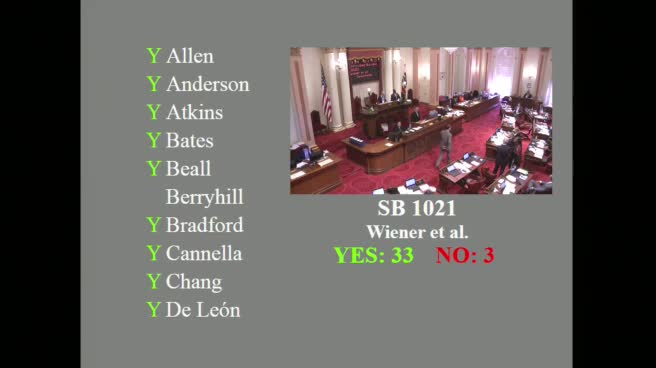 59SEC
Senate Floor
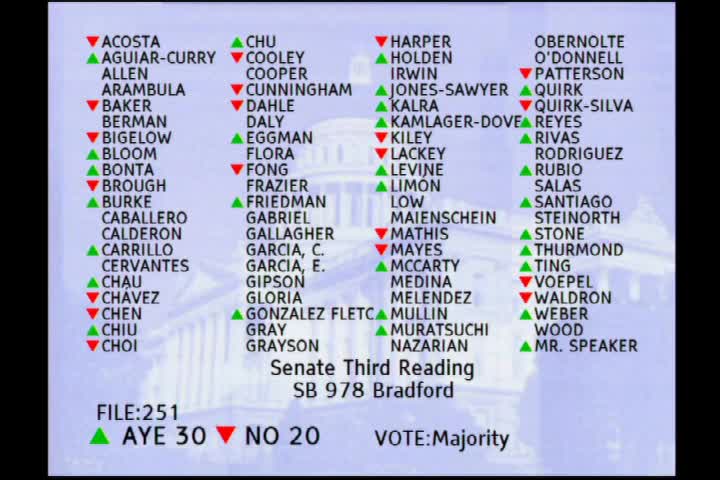 1MIN
Assembly Floor
 1H
Assembly Standing Committee on Appropriations
Bill Author

Bill Co-Author(s):

