SB 1153: Local initiatives: review.
- Session Year: 2017-2018
- House: Senate
- Latest Version Date: 2018-07-20
(1)Existing law authorizes a proposed ordinance to be submitted to a county board of supervisors, a legislative body of a city, or the governing board of a district by filing an initiative petition with the appropriate elections official, signed by not less than a specified number of voters. Existing law requires the election for the initiative, if it qualifies, to be held at the next election occurring not less than 88 days after the date of the order of election.
This bill would authorize the proponent of a county, municipal, or district initiative to withdraw the initiative at any time before the 88th day before the election, whether or not the petition has already been found sufficient by the elections official. Because the exercise of this authority would impose associated duties on local elections officials, this bill would impose a state-mandated local program.
(2)The California Constitution requires the state to reimburse local agencies and school districts for certain costs mandated by the state. Statutory provisions establish procedures for making that reimbursement.
This bill would provide that, if the Commission on State Mandates determines that the bill contains costs mandated by the state, reimbursement for those costs shall be made pursuant to the statutory provisions noted above.
(1)Existing law authorizes a proposed ordinance to be submitted to a county board of supervisors or supervisors, a legislative body of a city, or the governing board of a district by filing an initiative petition with the appropriate elections official, signed by not less than a specified number of voters. Existing law requires the county counsel for a county ordinance and the city attorney for a municipal ordinance to prepare a ballot title and summary for the proposed measure. Existing law requires the election for the initiative, if it qualifies, to be held at the next election occurring not less than 88 days after the date of the order of election.
This bill would require the county counsel for county initiative measures and the city attorney for municipal initiative measures to initiate a public review process for a period of 30 days by (1) posting the text of the proposed initiative measure on its Internet Web site and (2) inviting, and providing for the submission of, written public comments on the proposed initiative measure. By imposing new duties on local county counsels and city attorneys, the bill would impose a state-mandated local program. The bill would authorize during the public review period the proponents of the proposed initiative measure to submit amendments to the measure that are reasonably germane to the theme, purpose, or subject of the initiative measure as originally proposed. authorize the proponent of a county, municipal, or district initiative to withdraw the initiative at any time before the 88th day before the election, whether or not the petition has already been found sufficient by the elections official. Because the exercise of this authority would impose associated duties on local elections officials, this bill would impose a state-mandated local program.
(2)The California Constitution requires the state to reimburse local agencies and school districts for certain costs mandated by the state. Statutory provisions establish procedures for making that reimbursement.
This bill would provide that, if the Commission on State Mandates determines that the bill contains costs mandated by the state, reimbursement for those costs shall be made pursuant to the statutory provisions noted above.
(1)Existing law authorizes a proposed ordinance to be submitted to a county board of supervisors or a legislative body of a city by filing an initiative petition with the appropriate elections official, signed by not less than a specified number of voters. Existing law requires the county counsel for a county ordinance and the city attorney for a municipal ordinance to prepare a ballot title and summary for the proposed measure.
This bill would require the county counsel for county initiative measures and the city attorney for municipal initiative measures to initiate a public review process for a period of 30 days by (1) posting the text of the proposed initiative measure on its Internet Web site and (2) inviting, and providing for the submission of, written public comments on the proposed initiative measure. By imposing new duties on local county counsels and city attorneys, the bill would impose a state-mandated local program. The bill would authorize during the public review period the proponents of the proposed initiative measure to submit amendments to the measure that are reasonably germane to the theme, purpose, or subject of the initiative measure as originally proposed.
(2)The California Constitution requires the state to reimburse local agencies and school districts for certain costs mandated by the state. Statutory provisions establish procedures for making that reimbursement.
This bill would provide that, if the Commission on State Mandates determines that the bill contains costs mandated by the state, reimbursement for those costs shall be made pursuant to the statutory provisions noted above.
The proponent of an initiative may withdraw the initiative at any time before the 88th day before the election, whether or not the petition has already been found sufficient by the elections official.
SEC. 2.Section 9215.5 is added to the Elections Code, to read:9215.5.The proponent of an initiative may withdraw the initiative at any time before the 88th day before the election, whether or not the petition has already been found sufficient by the elections official.
SEC. 3.Section 9311 is added to the Elections Code, to read:9311.The proponent of an initiative may withdraw the initiative at any time before the 88th day before the election, whether or not the petition has already been found sufficient by the elections official.
SEC. 4.If the Commission on State Mandates determines that this act contains costs mandated by the state, reimbursement to local agencies and school districts for those costs shall be made pursuant to Part 7 (commencing with Section 17500) of Division 4 of Title 2 of the Government Code.
The proponent of an initiative may withdraw the initiative at any time before the 88th day before the election, whether or not the petition has already been found sufficient by the elections official.
SEC. 2.Section 9215.5 is added to the Elections Code, to read:9215.5.The proponent of an initiative may withdraw the initiative at any time before the 88th day before the election, whether or not the petition has already been found sufficient by the elections official.
SEC. 3.Section 9311 is added to the Elections Code, to read:9311.The proponent of an initiative may withdraw the initiative at any time before the 88th day before the election, whether or not the petition has already been found sufficient by the elections official.
SECTION 1.Section 9108.5 is added to the Elections Code, to read:9108.5.(a)Upon receipt of a request from the proponents of a proposed initiative measure for a circulating title and summary, the county counsel shall initiate a public review process for a period of 30 days by doing all of the following:(1)Posting the text of the proposed initiative measure on the county counsels Internet Web site.(2)Inviting, and providing for the submission of, written public comments on the proposed initiative measure on the county counsels Internet Web site. The site shall accept written public comments for the duration of the public review period. The written public comments shall be public records, available for inspection upon request pursuant to Chapter 3.5 (commencing with Section 6250) of Division 7 of Title 1 of the Government Code, but shall not be displayed to the public on the county counsels Internet Web site during the public review period. The county counsel shall transmit any written public comments received during the public review period to the proponents of the proposed initiative measure.(b)(1)During the public review period, the proponents of the proposed initiative measure may submit amendments to the measure that are reasonably germane to the theme, purpose, or subject of the initiative measure as originally proposed. However, amendments shall not be submitted if the initiative measure as originally proposed would not effect a substantive change in law.(2)An amendment shall be submitted with a signed request by all the proponents to prepare a circulating title and summary using the amended language.(3)An amendment shall be submitted to the county counsel via United States Postal Service, alternative mail service, or personal delivery. Only printed documents shall be accepted; facsimile or email delivery shall not be accepted.(4)An amendment shall not be accepted more than five days after the public review period is concluded. However, a proponent shall not be prohibited from proposing a new initiative measure and requesting that a circulating title and summary be prepared for that measure.(5)A proponent of an initiative may withdraw the initiative at any time prior to qualification. SEC. 2.Section 9201.5 is added to the Elections Code, to read:9201.5.(a)Upon receipt of a request from the proponents of a proposed initiative measure for a circulating title and summary, the city attorney shall initiate a public review process for a period of 30 days by doing all of the following:(1)Posting the text of the proposed initiative measure on the city attorneys Internet Web site.(2)Inviting, and providing for the submission of, written public comments on the proposed initiative measure on the city attorneys Internet Web site. The site shall accept written public comments for the duration of the public review period. The written public comments shall be public records, available for inspection upon request pursuant to Chapter 3.5 (commencing with Section 6250) of Division 7 of Title 1 of the Government Code, but shall not be displayed to the public on the city attorneys Internet Web site during the public review period. The city attorney shall transmit any written public comments received during the public review period to the proponents of the proposed initiative measure(b)(1)During the public review period, the proponents of the proposed initiative measure may submit amendments to the measure that are reasonably germane to the theme, purpose, or subject of the initiative measure as originally proposed. However, amendments shall not be submitted if the initiative measure as originally proposed would not effect a substantive change in law.(2)An amendment shall be submitted with a signed request by all the proponents to prepare a circulating title and summary using the amended language.(3)An amendment shall be submitted to the city attorney via United States Postal Service, alternative mail service, or personal delivery. Only printed documents shall be accepted; facsimile or email delivery shall not be accepted.(4)An amendment shall not be accepted more than five days after the public review period is concluded. However, a proponent shall not be prohibited from proposing a new initiative measure and requesting that a circulating title and summary be prepared for that measure.(5)A proponent of an initiative may withdraw the initiative at any time prior to qualification.SEC. 3.SEC. 4.If the Commission on State Mandates determines that this act contains costs mandated by the state, reimbursement to local agencies and school districts for those costs shall be made pursuant to Part 7 (commencing with Section 17500) of Division 4 of Title 2 of the Government Code.
(a)Upon receipt of a request from the proponents of a proposed initiative measure for a circulating title and summary, the county counsel shall initiate a public review process for a period of 30 days by doing all of the following:
(1)Posting the text of the proposed initiative measure on the county counsels Internet Web site.
(2)Inviting, and providing for the submission of, written public comments on the proposed initiative measure on the county counsels Internet Web site. The site shall accept written public comments for the duration of the public review period. The written public comments shall be public records, available for inspection upon request pursuant to Chapter 3.5 (commencing with Section 6250) of Division 7 of Title 1 of the Government Code, but shall not be displayed to the public on the county counsels Internet Web site during the public review period. The county counsel shall transmit any written public comments received during the public review period to the proponents of the proposed initiative measure.
(b)(1)During the public review period, the proponents of the proposed initiative measure may submit amendments to the measure that are reasonably germane to the theme, purpose, or subject of the initiative measure as originally proposed. However, amendments shall not be submitted if the initiative measure as originally proposed would not effect a substantive change in law.
(2)An amendment shall be submitted with a signed request by all the proponents to prepare a circulating title and summary using the amended language.
(3)An amendment shall be submitted to the county counsel via United States Postal Service, alternative mail service, or personal delivery. Only printed documents shall be accepted; facsimile or email delivery shall not be accepted.
(4)An amendment shall not be accepted more than five days after the public review period is concluded. However, a proponent shall not be prohibited from proposing a new initiative measure and requesting that a circulating title and summary be prepared for that measure.
(5)A proponent of an initiative may withdraw the initiative at any time prior to qualification.
SEC. 2.Section 9201.5 is added to the Elections Code, to read:9201.5.(a)Upon receipt of a request from the proponents of a proposed initiative measure for a circulating title and summary, the city attorney shall initiate a public review process for a period of 30 days by doing all of the following:
(1)Posting the text of the proposed initiative measure on the city attorneys Internet Web site.
(2)Inviting, and providing for the submission of, written public comments on the proposed initiative measure on the city attorneys Internet Web site. The site shall accept written public comments for the duration of the public review period. The written public comments shall be public records, available for inspection upon request pursuant to Chapter 3.5 (commencing with Section 6250) of Division 7 of Title 1 of the Government Code, but shall not be displayed to the public on the city attorneys Internet Web site during the public review period. The city attorney shall transmit any written public comments received during the public review period to the proponents of the proposed initiative measure
(b)(1)During the public review period, the proponents of the proposed initiative measure may submit amendments to the measure that are reasonably germane to the theme, purpose, or subject of the initiative measure as originally proposed. However, amendments shall not be submitted if the initiative measure as originally proposed would not effect a substantive change in law.
(2)An amendment shall be submitted with a signed request by all the proponents to prepare a circulating title and summary using the amended language.
(3)An amendment shall be submitted to the city attorney via United States Postal Service, alternative mail service, or personal delivery. Only printed documents shall be accepted; facsimile or email delivery shall not be accepted.
(4)An amendment shall not be accepted more than five days after the public review period is concluded. However, a proponent shall not be prohibited from proposing a new initiative measure and requesting that a circulating title and summary be prepared for that measure.
(5)A proponent of an initiative may withdraw the initiative at any time prior to qualification.
SEC. 3.If the Commission on State Mandates determines that this act contains costs mandated by the state, reimbursement to local agencies and school districts for those costs shall be made pursuant to Part 7 (commencing with Section 17500) of Division 4 of Title 2 of the Government Code.
|
Date
|
Status
|
|---|---|
| Jul 20, 2018 | Chaptered by Secretary of State. Chapter 155, Statutes of 2018. |
| Jul 20, 2018 | Approved by the Governor. |
| Jul 11, 2018 | Enrolled and presented to the Governor at 4 p.m. |
| Jul 5, 2018 | In Senate. Ordered to engrossing and enrolling. |
| Jul 5, 2018 | Read third time. Passed. Ordered to the Senate. |
| Jun 28, 2018 | Read second time. Ordered to consent calendar. |
| Jun 27, 2018 | From committee: Do pass. Ordered to consent calendar. (Ayes 16. Noes 0.) (June 27). |
| Jun 13, 2018 | From committee: Do pass and re-refer to Com. on APPR. (Ayes 7. Noes 0.) (June 13). Re-referred to Com. on APPR. |
| May 3, 2018 | Referred to Com. on E. & R. |
| Apr 26, 2018 | In Assembly. Read first time. Held at Desk. |
| Apr 26, 2018 | Read third time. Passed. (Ayes 36. Noes 0.) Ordered to the Assembly. |
| Apr 17, 2018 | Read second time. Ordered to third reading. |
| Apr 16, 2018 | From committee: Be ordered to second reading pursuant to Senate Rule 28.8. |
| Apr 9, 2018 | Set for hearing April 16. |
| Apr 3, 2018 | From committee: Do pass and re-refer to Com. on APPR. (Ayes 4. Noes 0.) (April 3). Re-referred to Com. on APPR. |
| Mar 20, 2018 | From committee with author's amendments. Read second time and amended. Re-referred to Com. on E. & C.A. |
| Mar 12, 2018 | Set for hearing April 3. |
| Feb 22, 2018 | Referred to Com. on E. & C.A. |
| Feb 15, 2018 | From printer. May be acted upon on or after March 17. |
| Feb 14, 2018 | Introduced. Read first time. To Com. on RLS. for assignment. To print. |
|
Date
|
Description
|
Location
|
Votes
|
|
|---|---|---|---|---|
| Jul 5, 2018 | SB 1153 Stern Consent Calendar Second Day Regular Session | Assembly Floor |
Passed |
|
| Jun 27, 2018 | Do pass. To Consent Calendar. | Assembly Standing Committee on Appropriations |
Passed |
|
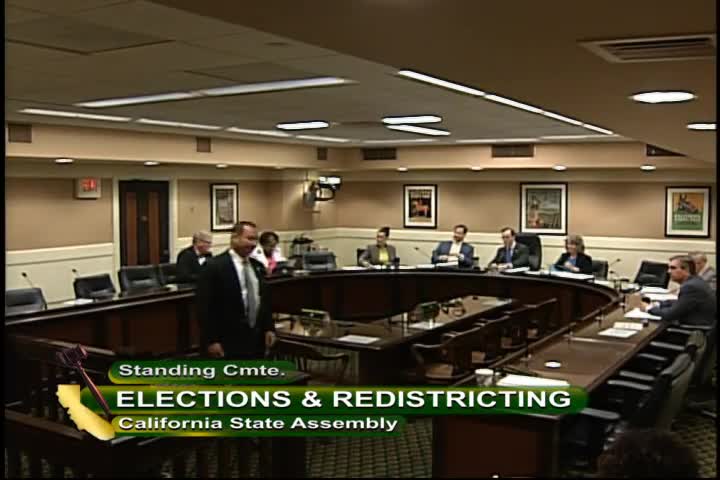
| Jun 13, 2018 | Do pass and be re-referred to the Committee on [Appropriations] | Assembly Standing Committee on Elections and Redistricting |
Passed |
|
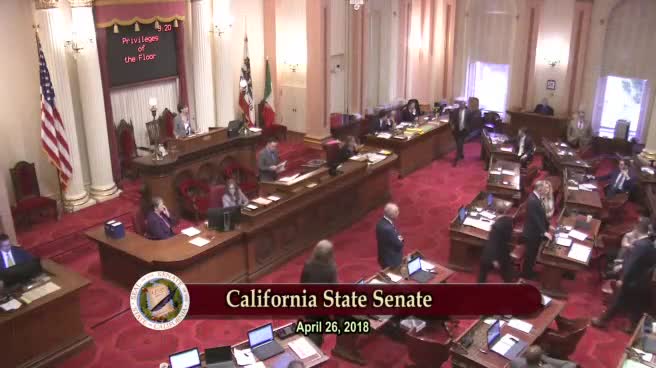
| Apr 26, 2018 | Senate 3rd Reading SB1153 Stern | Senate Floor |
Passed |
|
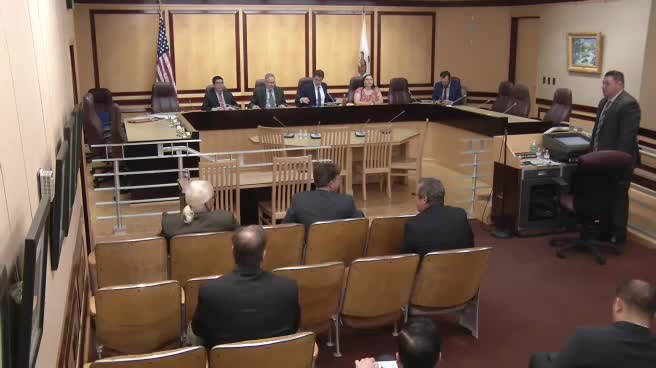
| Apr 3, 2018 | Do pass, but first be re-referred to the Committee on [Appropriations] | Senate Standing Committee on Elections and Constitutional Amendments |
Passed |
This list shows positions taken on this bill by organizations on the date displayed, which is linked to the original source.
Positions by individuals are not included.
|
Organization
|
Position
|
Date
|
|---|---|---|
| City Of Sacramento | * Support | Jun 13, 2018 |
| Common Cause | * Support | Jun 13, 2018 |
| League Of California Cities | ** Support | Jun 11, 2018 |
| League of Women Voters California | * Support | Jun 13, 2018 |
| SEIU California | * Support | Jun 13, 2018 |
Date of Hearing: June 27, 2018
ASSEMBLY COMMITTEE ON APPROPRIATIONS
Lorena Gonzalez Fletcher, Chair
SBPCA Bill Id:SB 1153
Author:(Stern) – As Amended Ver:March 20, 2018
Policy Committee: | Elections and Redistricting | Vote: | 7 - 0 |
|
| ||
|
|
Urgency: No State Mandated Local Program: Yes Reimbursable: No
SUMMARY:
This bill allows the proponent of a county, municipal, or special district initiative to withdraw the initiative at any time prior to the 88th day before the election, regardless of whether the petition has been found sufficient by the elections official.
FISCAL EFFECT:
Negligible fiscal impact.
COMMENTS:
Background and Purpose. SB 1253 (Steinberg), Chapter 679, Statutes of 2014, permits the proponents of statewide initiatives to withdraw an initiative up until the qualification deadline, even if the initiative has enough valid signatures to qualify for the ballot. The rationale behind providing the option to withdraw is that it gives the official initiative proponents an extended opportunity to work within the legislative process to find a solution to the issues addressed in the initiative.
According to the Secretary of State, since the enactment of SB 1253, one initiative became eligible and was later withdrawn before the qualification deadline (#1695 “Minimum Wage. Increase and Future Adjustments. Initiative Statute”) and another was on its way to becoming qualified but was withdrawn before the final county certificates were submitted (#1770 “Hospitals. Executive Compensation. Initiative Statute”).
The option to withdraw does not exist for initiative proponents at the local level. In 2017, there were two competing cannabis regulations on the ballot in the city of Los Angeles. The initial measure, Proposition N, was drafted and put on the ballot by the cannabis industry. After the measure qualified, the Los Angeles City Council and the cannabis industry came to an agreement and drafted a separate initiative, Proposition M. The cannabis industry was unable to remove Proposition N from the ballot, which lead to a costly and confusing campaign.
According to the author, “SB 1153 would address this by expanding the SB 1253 regulations to local jurisdictions. As a result local jurisdictions would have more flexibility in their ballot measure process and in some instances prevent costly special elections.”
Analysis Prepared by: Jennifer Galehouse / APPR. / (916) 319-2081
Date of Hearing: June 13, 2018
ASSEMBLY COMMITTEE ON ELECTIONS AND REDISTRICTING
Marc Berman, Chair
SBPCA Bill Id:SB 1153
Author:(Stern) – As Amended Ver:March 20, 2018
SENATE VOTE: 36-0
SUBJECT: Local initiatives: review.
SUMMARY: Permits the proponent of a county, municipal, or special district initiative to withdraw the initiative at any time before the 88th day before the election, whether or not the petition has already been found sufficient by the elections official.
EXISTING LAW:
- Requires a county or a city, when it receives an initiative petition that is signed by a specified number of voters, to do one of the following:
- Adopt the initiative without alteration;
- Submit the initiative to the voters at a regular or special election, as specified; or,
- Order a specified report on the initiative, to be completed within 30 days, before deciding whether to adopt it or submit it to the voters. The report is prepared by one or more county or city agencies.
- Adopt the initiative without alteration;
- Requires a special district, when it receives an initiative petition that is signed by a specified number of voters, to do one of the following:
- Adopt the initiative without alteration; or,
- Submit the initiative to the voters at a regular or special election, as specified.
- Adopt the initiative without alteration; or,
- Requires the election for a county, municipal, or district initiative to be held not less than 88 days after the date of the order of the election.
- Provides that any person may engage in good faith bargaining between competing interests to secure legislative approval of matters embraced in a statewide or local initiative or referendum measure, and the proponents may, as a result of these negotiations, withdraw the measure at any time before filing the petition with the appropriate elections official(s).
- Permits proponents of a statewide initiative or referendum measure to withdraw the measure after filing the petition with the appropriate elections official at any time before the 131st day before the election at which the measure will appear on the ballot, as specified.
FISCAL EFFECT: According to the Senate Appropriations Committee, pursuant to Senate Rule 28.8, negligible state costs.
COMMENTS:
- Purpose of the Bill: According to the author:
Unlike proponents of statewide initiative measures, proponents of local initiatives are not currently permitted to withdraw their measures once they have submitted their petitions to elections officials for signature verification.
Pursuant to SB 1253, proponents of statewide initiatives can withdraw an initiative up to the qualification deadline even if it has enough valid signatures to qualify for the ballot. The option to withdraw gives the official initiative proponents an extended opportunity to work with the legislature to forge a mutually beneficial solution to the problem addressed by the initiative.
SB 1153 extends a similar option to the official proponents of city, county and special district initiative measures. Proponents would be able to withdraw their measures any time prior to the 88th day before the election whether or not the elections official has determined they have sufficient valid signatures to qualify for the ballot.
Extending the option to withdraw initiatives to local jurisdictions will give proponents and local government leaders more flexibility toward solving important local issues and in some instances, avoiding often expensive election related costs.
SB 1153 could have prevented voter confusion and saved taxpayer dollars occurred in 2017 when two competing plans to regulate cannabis appeared simultaneously on the ballot in the City of Los Angeles.
- Arguments in Support: The Service Employees International Union writes in support of the bill:
Currently, there is no process at the local level for proponents to withdraw ballot measures once they have qualified. At the state level, due to Senate Bill 1253 (2014) proponents are allowed to withdraw an initiative 131 days before election day if the proponents of an initiative feel the legislature has addressed the issue. SB 1253 also requires that the legislature hears every initiative that qualifies for the ballot and that a period of public comment is held.
In 2017 there were two competing cannabis regulations on the ballot in the city of Los Angeles. The initial measure, Proposition N, was drafted and put on the ballot by the Cannabis industry. After the measure qualified, the Los Angeles City Council and the Cannabis industry came to an agreement and drafted a separate initiative, Proposition M. Since the city of Los Angeles did not have a process in place to withdraw an initiative once it had qualified, both measures were on the ballot, which forced the original proponents of measure N to abandon it and jointly campaign with the city council for measure M. Voter turnout in California, especially in off cycle elections, tends to be drastically low, which means that it doesn't take many votes for a ballot measure to pass at the local level. SB 1153 would address this by expanding the SB 1253 regulations to local jurisdictions. As a result local jurisdictions would have more flexibility in their ballot measure process and in some instances prevent costly special elections.
- Previous Legislation: SB 1253 (Steinberg), Chapter 679, Statutes of 2014, permits proponents of statewide initiatives to withdraw an initiative up to the qualification deadline even if it has enough valid signatures to qualify for the ballot, among other provisions.
REGISTERED SUPPORT / OPPOSITION:
Support
Service Employees International Union (sponsor)
California Common Cause
City of Sacramento
League of California Cities
League of Women Voters
Opposition
None on file.
Analysis Prepared by: Lori Barber / E. & R. / (916) 319-2094
Office of Senate Floor Analyses (916) 651-1520 Fax: (916) 327-4478 | SB |
THIRD READING
Bill No: SB 1153
:
SENATE ELECTIONS & C.A. COMMITTEE: 4-0, 4/3/18
AYES: Stern, Allen, Hertzberg, Leyva
NO VOTE RECORDED: Anderson
SENATE APPROPRIATIONS COMMITTEE: Senate Rule 28.8
SOURCE: Service Employees International Union, California
DIGEST:
This bill permits the proponent of a county, municipal, or special district initiative to withdraw the initiative at any time before the 88th day before the election, whether or not the petition has already been found sufficient by the elections official.
Existing law:
- Requires a county or a city, when it receives an initiative petition that is signed by a specified number of voters, to do one of the following:
- Adopt the initiative without alteration;
- Submit the initiative to the voters at a regular or special election, as specified; or,
- Order a specified report on the initiative, to be completed within 30 days, before deciding whether to adopt it or submit it to the voters. The report is prepared by the one or more county or city agencies.
- Requires a special district, when it receives an initiative petition that is signed by a specified number of voters, to do one of the following:
- Adopt the initiative without alteration; or,
- Submit the initiative to the voters at a regular or special election, as specified.
- Permits a local governing body to submit an initiative measure to the voters, rather than adopting the initiative without alteration, at a regular or special election occurring not less than 88 days after the date of the order of election, as specified.
- Requires the election for a county, municipal, or district initiative to be held not less than 88 days after the date of the order of the election.
- Provides that any person may engage in good faith bargaining between competing interests to secure legislative approval of matters embraced in a statewide or local initiative measure, and the proponents may, as a result of these negotiations, withdraw the measure at any time before filing the petition with the appropriate elections official(s).
- Permits the proponents of a statewide initiative measure to withdraw the measure after filing the petition with the appropriate elections officials at any time prior to the 131st day before the election whether or not the petition has already been filed with the elections officials or whether the elections officials have already found it sufficient.
- Does not permit proponents to withdraw a local initiative measure once the petitions containing voter signatures have been filed with the appropriate elections official.
This bill authorizes the proponent of a county, municipal, or special district initiative to withdraw the initiative at any time before the 88th day before the election, whether or not the petition has already been found sufficient by the elections official.
Background
Competing Los Angeles ballot measures. One example of how permitting local initiative proponents to withdraw their measures after filing their petitions could have affected an election occurred in 2017 when two competing plans to regulate cannabis appeared simultaneously on the ballot in the City of Los Angeles.
The initial measure, Proposition N, was placed on the ballot through the initiative process by representatives of the cannabis industry. After Measure N qualified, the Los Angeles City Council and the cannabis industry representatives came to an agreement and the Council placed the alternative, Measure M, on the same ballot. The law did not permit the proponents of Measure N to withdraw their initiative after submitting their petitions so they jointly campaigned with the Council for passage of Measure M.
Because there was no option for withdrawal, voters may have been confused and the City had to incur the expenses associated with the measure appearing on the ballot and in the local voter information guide.
Withdrawal of statewide initiatives. SB 1253 (Steinberg, Chapter 697, Statutes of 2014), among other things, permitted proponents of statewide initiatives to withdraw an initiative up to the qualification deadline (the 131st day prior to the election) even if it has enough valid signatures to qualify for the ballot. Since then, two statewide initiatives have been withdrawn per enactment of SB 1253 -- both of them happened prior to the November 2016 election. One was withdrawn after it had become eligible for the ballot while the other was withdrawn during the signature verification process.
Comments
According to the author, unlike proponents of statewide initiative measures, proponents of local initiatives are not currently permitted to withdraw their measures once they have submitted their petitions to elections officials for signature verification.
Pursuant to SB 1253, proponents of statewide initiatives can withdraw an initiative up to the qualification deadline even if it has enough valid signatures to qualify for the ballot. The option to withdraw gives the official initiative proponents an extended opportunity to work with the legislature to forge a mutually beneficial solution to the problem addressed by the initiative.
SB 1153 extends a similar option to the official proponents of city, county and special district initiative measures. Proponents would be able to withdraw their measures any time prior to the 88th day before the election whether or not the elections official has determined they have sufficient valid signatures to qualify for the ballot.
Extending the option to withdraw initiatives to local jurisdictions will give proponents and local government leaders more flexibility toward solving important local issues and in some instances, avoiding often expensive election related costs.
SB 1153 could have prevented voter confusion and saved taxpayer dollars occurred in 2017 when two competing plans to regulate cannabis appeared simultaneously on the ballot in the City of Los Angeles.
Related/Prior Legislation
SB 1253 (Steinberg, Chapter 697, Statutes of 2014), among other things, permitted proponents of statewide initiatives to withdraw an initiative up to the qualification deadline even if it has enough valid signatures to qualify for the ballot.
FISCAL EFFECT: Appropriation: Fiscal Com.: Local:
Service Employees International Union, California (source)
California Common Cause
League of California Cities
League of Women Voters of California
OPPOSITION: (Verified 4/16/18)
None received
4/18/18 12:01:42
**** END ****
SENATE COMMITTEE ON
ELECTIONS AND CONSTITUTIONAL AMENDMENTS
Senator Henry Stern, Chair
2017 - 2018 Regular
Bill No: SB Hearing Date: 4/3/18
Author: | |||
Version: | 3/20/18 | ||
Urgency: | No | Fiscal: | Yes |
Consultant: | Darren Chesin | ||
Subject: Local initiatives: withdrawal
DIGEST
This bill permits the proponent of a county, municipal, or special district initiative to withdraw the initiative at any time before the 88th day before the election, whether or not the petition has already been found sufficient by the elections official.
ANALYSIS
Existing law:
- Requires a county or a city, when it receives an initiative petition that is signed by a specified number of voters, to do one of the following:
- Adopt the initiative without alteration;
- Submit the initiative to the voters at a regular or special election, as specified; or,
- Order a specified report on the initiative, to be completed within 30 days, before deciding whether to adopt it or submit it to the voters. The report is prepared by the one or more county or city agencies.
- Adopt the initiative without alteration;
- Requires a special district, when it receives an initiative petition that is signed by a specified number of voters, to do one of the following:
- Adopt the initiative without alteration; or,
- Submit the initiative to the voters at a regular or special election, as specified,
- Adopt the initiative without alteration; or,
- Permits a local governing body to submit an initiative measure to the voters, rather than adopting the initiative without alteration, at a regular or special election occurring not less than 88 days after the date of the order of election, as specified.
- Requires the election for a county, municipal, or district initiative to be held not less than 88 days after the date of the order of the election.
- Provides that any person may engage in good faith bargaining between competing interests to secure legislative approval of matters embraced in a statewide or local initiative measure, and the proponents may, as a result of these negotiations, withdraw the measure at any time before filing the petition with the appropriate elections official(s).
- Permits the proponents of a statewide initiative measure to withdraw the measure after filing the petition with the appropriate elections officials at any time prior to the 131st day before the election whether or not the petition has already been filed with the elections officials or whether the elections officials have already found it sufficient.
- Does not permit proponents to withdraw a local initiative measure once the petitions containing voter signatures have been filed with the appropriate elections official.
This bill:
- Authorizes the proponent of a county, municipal, or special district initiative to withdraw the initiative at any time before the 88th day before the election, whether or not the petition has already been found sufficient by the elections official.
BACKGROUND
Competing Los Angeles Ballot Measures. One example of how permitting local initiative proponents to withdraw their measures after filing their petitions could have affected an election occurred in 2017 when two competing plans to regulate cannabis appeared simultaneously on the ballot in the City of Los Angeles.
The initial measure, Proposition N, was placed on the ballot through the initiative process by representatives of the cannabis industry. After Measure N qualified, the Los Angeles City Council and the cannabis industry representatives came to an agreement and the Council placed the alternative, Measure M, on the same ballot. The law did not permit the proponents of Measure N to withdraw their initiative after submitting their petitions so they jointly campaigned with the city council for passage of Measure M.
Because there was no option for withdrawal, voters may have been confused and the city had to incur the expenses associated with the measure appearing on the ballot and in the local voter information guide.
Withdrawal of Statewide Initiatives. SB 1253 (Steinberg), Chapter 697, Statutes of 2014, among other things, permitted proponents of statewide initiatives to withdraw an initiative up to the qualification deadline (the 131st day prior to the election) even if it has enough valid signatures to qualify for the ballot. Since then, two statewide initiatives have been withdrawn per enactment of SB 1253 -- both of them happened prior to the November 2016 election. One was withdrawn after it had become eligible for the ballot while the other was withdrawn during the signature verification process.
COMMENTS
- According to the author: Unlike proponents of statewide initiative measures, proponents of local initiatives are not currently permitted to withdraw their measures once they have submitted their petitions to elections officials for signature verification.
Pursuant to SB 1253 (Steinberg) of 2014, proponents of statewide initiatives can withdraw an initiative up to the qualification deadline even if it has enough valid signatures to qualify for the ballot. The option to withdraw gives the official initiative proponents an extended opportunity to work with the legislature to forge a mutually beneficial solution to the problem addressed by the initiative.
SB 1153 would extend a similar option to the official proponents of city, county and special district initiative measures. Proponents would be able to withdraw their measures any time prior to the 88th day before the election whether or not the elections official has determined they have sufficient valid signatures to qualify for the ballot.
Extending the option to withdraw initiatives to local jurisdictions will give proponents and local government leaders more flexibility toward solving important local issues and in some instances, avoiding often expensive election related costs.
SB 1153 could have prevented voter confusion and saved taxpayer dollars occurred in 2017 when two competing plans to regulate cannabis appeared simultaneously on the ballot in the City of Los Angeles.
RELATED/PRIOR LEGISLATION
SB 1253 (Steinberg), Chapter 697, Statutes of 2014, among other things, permitted proponents of statewide initiatives to withdraw an initiative up to the qualification deadline even if it has enough valid signatures to qualify for the ballot.
POSITIONS
Sponsor: Service Employees International Union, California
Support: California Common Cause
League of California Cities
Oppose: None received
-- END --
Discussed in Hearing
 3MIN
Assembly Standing Committee on Elections and Redistricting
 2MIN
Senate Floor
 4MIN
Senate Standing Committee on Elections and Constitutional Amendments
Bill Author

Bill Co-Author(s):