SB 1195: Public Employees’ Medical and Hospital Care Act: health benefit plans.
- Session Year: 2017-2018
- House: Senate
- Latest Version Date: 2018-09-30
The Public Employees Medical and Hospital Care Act, which is administered by the Board of Administration of the Public Employees Retirement System, governs the funding and provision of postemployment health care benefits for eligible retired public employees and their beneficiaries. Existing law requires the board to approve an employee association health benefit plan previously approved by the board in the 198788 contract year or prior, if the plan continues to meet the minimum standards prescribed by the board. Existing law authorizes the California Correctional Peace Officer Association Health Benefits Trust to offer different health benefit plan designs with varying premiums in different areas of the state.
This bill would also authorize the Peace Officers Research Association of California Insurance and Benefits Trust to offer different health benefit plan designs with varying premiums in different areas of the state. The bill would prohibit the trustees of these health benefit plan trusts from using geographic regions that are different from the geographic regions established by the board for the regional premiums authorized for contracting agencies, except as specified.
The Public Employees Medical and Hospital Care Act, which is administered by the Board of Administration of the Public Employees Retirement System, governs the funding and provision of postemployment health care benefits for eligible retired public employees and their beneficiaries. Existing law requires the board to approve an employee association health benefit plan previously approved by the board in the 198788 contract year or prior, if the plan continues to meet the minimum standards prescribed by the board. Existing law authorizes the California Correctional Peace Officer Association Health Benefits Trust to offer different health benefit plan designs with varying premiums in different areas of the state.
This bill would also authorize the Peace Officers Research Association of California Insurance and Benefits Trust to offer different health benefit plan designs with varying premiums in different areas of the state.
(a)The board may, without compliance with any provision of law relating to competitive bidding, enter into contracts with carriers offering health benefit plans or with entities offering services relating to the administration of health benefit plans.
(b)The board may contract with carriers for health benefit plans or approve health benefit plans offered by employee organizations, provided that the carriers have operated successfully in the hospital and medical care fields prior to the contracting for or approval thereof. The plans may include hospital benefits, surgical benefits, inpatient medical benefits, outpatient benefits, obstetrical benefits, and benefits offered by a bona fide church, sect, denomination, or organization whose principles include healing entirely by prayer or spiritual means.
(c)Notwithstanding any other provision of this part, the board may contract with health benefit plans offering unique or specialized health services.
(d)The board may administer self-funded or minimum premium health benefit plans.
(e)The board may contract for or implement employee cost containment and cost reduction incentive programs that involve the employee, the annuitant, and family members as active participants, along with the carrier and the provider, in a joint effort toward containing and reducing the cost of providing medical and hospital health care services to public employees. In developing these plans, the board, in cooperation with the Department of Human Resources, may request proposals from carriers and certified public employee representatives.
(f)Notwithstanding any other provision of this part, the board may do any of the following:
(1)Contract for, or approve, health benefit plans that charge a contracting agency and its employees and annuitants rates based on regional variations in the costs of health care services.
(2)Contract for, or approve, health benefit plans exclusively for the employees and annuitants of contracting agencies. State employees and annuitants may not enroll in these plans. The board may provide health benefit plans exclusively for employees and annuitants of contracting agencies in addition to or in lieu of other health benefit plans offered under this part pursuant to Section 22922.
(3)Implement and administer risk adjustment procedures consistent with Section 22864 that require health benefit plans to adjust premiums and authorize the system to redistribute premiums based on rules and regulations established by the board for this purpose.
(g)(1)The board shall approve any employee association health benefit plan that was approved by the board in the 198788 contract year or prior, provided the plan continues to meet the minimum standards prescribed by the board. The trustees of an employee association health benefit plan are responsible for providing health benefit plan administration and services to its enrollees.
(2)Notwithstanding any other provision of this part, the California Correctional Peace Officer Association Health Benefits Trust and the Peace Officers Research Association of California Insurance and Benefits Trust may offer different health benefit plan designs with varying premiums in different areas of the state. The trustees of these health benefit plan trusts shall not use geographic regions that are different from the geographic regions established by the board for the regional premiums of contracting agencies, as authorized in paragraph (1) of subdivision (f), except that these trusts may use a north or south geographic region of the state that is different from the regions established by the board.
(h)Irrespective of any other provision of law, the sponsors of a health benefit plan approved under this section may reinsure the operation of the plan with an admitted insurer authorized to write disability insurance, if the premium includes the entire prepayment fee.
(a)The board may, without compliance with any provision of law relating to competitive bidding, enter into contracts with carriers offering health benefit plans or with entities offering services relating to the administration of health benefit plans.
(b)The board may contract with carriers for health benefit plans or approve health benefit plans offered by employee organizations, provided that the carriers have operated successfully in the hospital and medical care fields prior to the contracting for or approval thereof. The plans may include hospital benefits, surgical benefits, inpatient medical benefits, outpatient benefits, obstetrical benefits, and benefits offered by a bona fide church, sect, denomination, or organization whose principles include healing entirely by prayer or spiritual means.
(c)Notwithstanding any other provision of this part, the board may contract with health benefit plans offering unique or specialized health services.
(d)The board may administer self-funded or minimum premium health benefit plans.
(e)The board may contract for or implement employee cost containment and cost reduction incentive programs that involve the employee, the annuitant, and family members as active participants, along with the carrier and the provider, in a joint effort toward containing and reducing the cost of providing medical and hospital health care services to public employees. In developing these plans, the board, in cooperation with the Department of Human Resources, may request proposals from carriers and certified public employee representatives.
(f)Notwithstanding any other provision of this part, the board may do any of the following:
(1)Contract for, or approve, health benefit plans that charge a contracting agency and its employees and annuitants rates based on regional variations in the costs of health care services.
(2)Contract for, or approve, health benefit plans exclusively for the employees and annuitants of contracting agencies. State employees and annuitants may not enroll in these plans. The board may provide health benefit plans exclusively for employees and annuitants of contracting agencies in addition to or in lieu of other health benefit plans offered under this part pursuant to Section 22922.
(3)Implement and administer risk adjustment procedures consistent with Section 22864 that require health benefit plans to adjust premiums and authorize the system to redistribute premiums based on rules and regulations established by the board for this purpose.
(g)(1)The board shall approve any employee association health benefit plan that was approved by the board in the 198788 contract year or prior, provided the plan continues to meet the minimum standards prescribed by the board. The trustees of an employee association health benefit plan are responsible for providing health benefit plan administration and services to its enrollees. Notwithstanding
(2)Notwithstanding any other provision of this part, the California Correctional Peace Officer Association Health Benefits Trust and the Peace Officers Research Association of California Insurance and Benefits Trust may offer different health benefit plan designs with varying premiums in different areas of the state. The trustees of these health benefit plan trusts shall not use geographic regions that are different from the geographic regions established by the board for the regional premiums of contracting agencies, as authorized in paragraph (1) of subdivision (f), except that these trusts may use a north or south geographic region of the state that is different from the regions established by the board.
(h)Irrespective of any other provision of law, the sponsors of a health benefit plan approved under this section may reinsure the operation of the plan with an admitted insurer authorized to write disability insurance, if the premium includes the entire prepayment fee.
(a)The board may, without compliance with any provision of law relating to competitive bidding, enter into contracts with carriers offering health benefit plans or with entities offering services relating to the administration of health benefit plans.
(b)The board may contract with carriers for health benefit plans or approve health benefit plans offered by employee organizations, provided that the carriers have operated successfully in the hospital and medical care fields prior to the contracting for or approval thereof. The plans may include hospital benefits, surgical benefits, inpatient medical benefits, outpatient benefits, obstetrical benefits, and benefits offered by a bona fide church, sect, denomination, or organization whose principles include healing entirely by prayer or spiritual means.
(c)Notwithstanding any other provision of this part, the board may contract with health benefit plans offering unique or specialized health services.
(d)The board may administer self-funded or minimum premium health benefit plans.
(e)The board may contract for or implement employee cost containment and cost reduction incentive programs that involve the employee, the annuitant, and family members as active participants, along with the carrier and the provider, in a joint effort toward containing and reducing the cost of providing medical and hospital health care services to public employees. In developing these plans, the board, in cooperation with the Department of Human Resources, may request proposals from carriers and certified public employee representatives.
(f)Notwithstanding any other provision of this part, the board may do any of the following:
(1)Contract for, or approve, health benefit plans that charge a contracting agency and its employees and annuitants rates based on regional variations in the costs of health care services.
(2)Contract for, or approve, health benefit plans exclusively for the employees and annuitants of contracting agencies. State employees and annuitants may not enroll in these plans. The board may provide health benefit plans exclusively for employees and annuitants of contracting agencies in addition to or in lieu of other health benefit plans offered under this part pursuant to Section 22922.
(3)Implement and administer risk adjustment procedures consistent with Section 22864 that require health benefit plans to adjust premiums and authorize the system to redistribute premiums based on rules and regulations established by the board for this purpose.
(g)The board shall approve any employee association health benefit plan that was approved by the board in the 198788 contract year or prior, provided the plan continues to meet the minimum standards prescribed by the board. The trustees of an employee association health benefit plan are responsible for providing health benefit plan administration and services to its enrollees. Notwithstanding any other provision of this part, the California Correctional Peace Officer Association Health Benefits Trust and the Peace Officers Research Association of California Insurance and Benefits Trust may offer different health benefit plan designs with varying premiums in different areas of the state.
(h)Irrespective of any other provision of law, the sponsors of a health benefit plan approved under this section may reinsure the operation of the plan with an admitted insurer authorized to write disability insurance, if the premium includes the entire prepayment fee.
|
Date
|
Status
|
|---|---|
| Sep 30, 2018 | Chaptered by Secretary of State. Chapter 1009, Statutes of 2018. |
| Sep 30, 2018 | Approved by the Governor. |
| Aug 22, 2018 | Enrolled and presented to the Governor at 3:30 p.m. |
| Aug 16, 2018 | In Senate. Ordered to engrossing and enrolling. |
| Aug 16, 2018 | Read third time. Passed. Ordered to the Senate. |
| Aug 9, 2018 | Read second time. Ordered to consent calendar. |
| Aug 8, 2018 | From committee: Do pass. Ordered to consent calendar. (Ayes 17. Noes 0.) (August 8). |
| Jun 20, 2018 | From committee: Do pass and re-refer to Com. on APPR. (Ayes 6. Noes 0.) (June 20). Re-referred to Com. on APPR. |
| May 3, 2018 | Referred to Com. on P.E., R., & S.S. |
| Apr 23, 2018 | In Assembly. Read first time. Held at Desk. |
| Apr 23, 2018 | Read third time. Passed. (Ayes 38. Noes 0.) Ordered to the Assembly. |
| Apr 17, 2018 | Read second time. Ordered to consent calendar. |
| Apr 16, 2018 | From committee: Be ordered to second reading pursuant to Senate Rule 28.8 and ordered to consent calendar. |
| Apr 11, 2018 | Set for hearing April 16. |
| Apr 10, 2018 | From committee: Do pass and re-refer to Com. on APPR. with recommendation: To consent calendar. (Ayes 5. Noes 0.) (April 9). Re-referred to Com. on APPR. |
| Apr 2, 2018 | From committee with author's amendments. Read second time and amended. Re-referred to Com. on P.E. & R. |
| Mar 15, 2018 | Set for hearing April 9. |
| Mar 1, 2018 | Referred to Com. on P.E. & R. |
| Feb 16, 2018 | From printer. May be acted upon on or after March 18. |
| Feb 15, 2018 | Introduced. Read first time. To Com. on RLS. for assignment. To print. |
|
Date
|
Description
|
Location
|
Votes
|
|
|---|---|---|---|---|
| Aug 16, 2018 | SB 1195 Portantino Consent Calendar Second Day Regular Session | Assembly Floor |
Passed |
|
| Aug 8, 2018 | Do pass. To Consent Calendar. | Assembly Standing Committee on Appropriations |
Passed |
|
| Jun 20, 2018 | Do pass and be re-referred to the Committee on [Appropriations] | Assembly Standing Committee on Public Employees, Retirement, and Social Security |
Passed |
|
| Apr 23, 2018 | Consent Calendar SB1195 | Senate Floor |
Passed |
|
| Apr 9, 2018 | Do pass, but first be re-referred to the Committee on [Appropriations] with the recommendation: To Consent Calendar | Senate Standing Committee on Public Employment and Retirement |
Passed |
This list shows positions taken on this bill by organizations on the date displayed, which is linked to the original source.
Positions by individuals are not included.
|
Organization
|
Position
|
Date
|
|---|---|---|
| PORAC | * Support | Jun 20, 2018 |
Date of Hearing: August 8, 2018
ASSEMBLY COMMITTEE ON APPROPRIATIONS
Lorena Gonzalez Fletcher, Chair
SBPCA Bill Id:SB 1195
Author:(Portantino) – As Amended Ver:April 2, 2018
Policy Committee: | Public Employees, Retirement, and Social Security | Vote: | 6 - 0 |
|
| ||
|
|
Urgency: No State Mandated Local Program: No Reimbursable: No
SUMMARY:
This bill authorizes the trust of the Peace Officers Research Association of California (PORAC) to implement regional premium pricing, as specified.
FISCAL EFFECT:
Negligible state costs. Any costs to expand association plans for members would be borne by the respective benefit trust and contracting entity offering the association plan, if it chooses to offer such a plan.
COMMENTS:
- Background. Three state employee associations – the CAHP, CCPOA, and PORAC – offer their members association-designed health benefit plans managed by each organization’s trustees. These plans are authorized by the Public Employees’ Medical and Hospital Care Act (PEMHCA), which also requires the California Public Employees Retirement System (CalPERS) to annually review the rates and benefits of these plans. These plans are generally only available to dues-paying members of that organization and their families. Unlike other CalPERS-tied health plans, the employee associations negotiate directly with the carrier regarding health plan benefit designs and rates.
- Regional rates. While the health plans offered to members of these three employee associations are meant to be better tailored to members’ needs, existing law allows limited flexibility in their design. For example, while CalPERS incorporates regional rates in establishing rates for CalPERS-designed plans offered to contracting agencies, this option is not available to PORAC. Therefore, despite significant regional cost differences for provider services, PORAC may offer only a plan structure that utilizes a statewide rate. One result is that members in lower-cost areas likely are paying a higher premium for an association plan than they would on non-association plans.
- Veto. SB 599 (Portantino), of the 2017-18 Legislative Session, was similar to this bill. SB 599 was vetoed by the governor, whose veto messages stated:
Existing association health benefit plans are currently afforded very little oversight by the California Public Employees' Retirement System. By allowing these employee associations to offer additional health plans to their members, CalPERS would be left with major unanticipated costs should any of the plans fail.
Analysis Prepared by: Luke Reidenbach / APPR. / (916) 319-2081
Date of Hearing: June 20, 2018
ASSEMBLY COMMITTEE ON PUBLIC EMPLOYEES, RETIREMENT, AND SOCIAL SECURITY
Freddie Rodriguez, Chair
SBPCA Bill Id:SB 1195
Author:(Portantino) – As Amended Ver:April 2, 2018
SENATE VOTE: 38-0
SUBJECT: Public Employees’ Medical and Hospital Care Act: health benefit plans
SUMMARY: Permits the Peace Office Research Association of California (PORAC) Insurance and Benefits Trust to offer regional health benefit plans with varying premiums in different areas of the state.
The trustees of these health benefit plan trusts must not use geographic regions that are different from those established by the California Public Employees’ Retirement System (CalPERS) for contracting agency regional premiums, but are permitted to use north or south geographic regions different from those established by CalPERS.
EXISTING LAW:
- Establishes the Public Employees’ Hospital and Medical Care Act (PEMHCA) that charges CalPERS with responsibility to administer health benefits for state employees and annuitants.
- Authorizes CalPERS to contract for, or approve, health benefit plans exclusively for the employees and annuitants of contracting agencies. State employees and annuitants may not enroll in these plans.
- Authorizes CalPERS to enter into contracts with health insurances carriers offering health benefit plans or with entities offering services relating to the administration of health benefit plans.
- Provides that CalPERS may contract with carriers for health benefit plans or approve health benefit plans offered by employee organizations, as specified.
- Allows CalPERS to contract for, or approve, health benefit plans that charge a contracting agency and its employees and annuitants rates based on regional variations in the costs of health care services.
- Requires CalPERS to approve any employee association health benefit plan that was approved by the board in the 1987–88 contract year or prior, provided the plan continues to meet the minimum standards prescribed by the board. The trustees of an employee association health benefit plan are responsible for providing health benefit plan administration and services to its enrollees.
- Permits the California Correctional Peace Officer Association (CCPOA) to offer different health benefit plan designs with varying premiums in different areas of the state.
FISCAL EFFECT: None. This bill is keyed nonfiscal by Legislative Counsel.
COMMENTS: According to the author and PORAC, “[a]ccording to CalPERS, PORAC cannot offer alternative rates without amending Government Code Section 22850(g), which is the section allowing CalPERS Health Benefits Trust, to offer to their members’ regional rates. Again, this change only affects PORAC’s Trust and PORAC’s own members, and only if they choose in the future to offer regional rates.”
1) Background
CalPERS provides health benefit coverage to local contracting agency employees through contracted Health Maintenance Organizations (HMOs) and self-funded plans. Additionally, three employee associations – the California Association of Highway Patrolmen (CAHP), PORAC, and the CCPOA – offer association designed health benefit plans through PEMHCA exclusively to their respective members.
As required by PEMHCA, CalPERS annually reviews the rate and benefits proposals for the three association plans, as well as CalPERS-contracted HMOs and self-funded plans.
CalPERS incorporates regional rates in establishing rates for the CalPERS designed plans offered to contracting agencies. Under existing statutory construction, some of the association plans can only offer a plan structure that utilizes a statewide rate when determining what costs they can charge to the member. Since there are regional cost differences in the state for provider services, association plans in lower-cost regions may be not be competitive with other plans that use regional costs.
A possible consequence of permitting the association plans to use regional rates may be that members in higher-cost regions could see their premiums rise to reflect those higher costs. However, this impact should be relatively minor since under the current plan design members in lower cost regions likely already opt for less expensive, nonassociation plans that use regional rating and thus, probably are not in the association pool of covered lives used by carriers when determining the premium structure.
By expanding authority for these association health plans to also offer multiple health plan options and multi-regional rates, it would provide their respective members options regarding health coverage.
2) Related/Prior Legislation
Assembly Bill 2696 (Rodriguez), prior to being substantially amended, authorized the respective trusts of PORAC and CCPOA to implement regional ratings (i.e., regional premium pricing) for their respective association basic health plans, which are offered through the PEMHCA.
Senate Bill 599 (Portantino, 2017) would have authorized PORAC to implement regional health plan rates, and would have required CalPERS to approve an employee association health benefit plan, provided the plan met minimum standards prescribed by the board. This bill was vetoed by the Governor who stated in part that, “[e]xisting association health benefit plans are currently afforded very little oversight by CalPERS. By allowing these employee associations to offer additional health plans to their members, CalPERS would be left with major unanticipated costs should any of the plans fail.”
REGISTERED SUPPORT / OPPOSITION:
Support
Peace Officers Research Association of California (Sponsor)
Opposition
None on file.
Analysis Prepared by: Michael Bolden / P.E.,R., & S.S. / (916) 319-3957
Office of Senate Floor Analyses (916) 651-1520 Fax: (916) 327-4478 | SB |
CONSENT
Bill No: SB 1195
:
SENATE PUBLIC EMP. & RET. COMMITTEE: 5-0, 4/9/18
AYES: Pan, Morrell, Leyva, Moorlach, Portantino
SENATE APPROPRIATIONS COMMITTEE: Senate Rule 28.8
SOURCE: Peace Officers Research Association of California
DIGEST:
This bill permits the Peace Officers Research Association of California (PORAC) Insurance and Benefits Trust to offer regional health benefit plans with varying premiums, as specified.
ANALYSIS:
Existing law:
- Establishes the Public Employees’ Medical and Hospital Care Act (PEMHCA), which charges the California Public Employees’ Retirement System (CalPERS) with the responsibility to administer health benefits for state employees and retirees.
- Authorizes CalPERS to enter into contracts with health insurance carriers offering health benefit plans or with entities offering services relating to the administration of health benefit plans.
- Provides that CalPERS may contract with carriers for health benefit plans or approve health benefit plans offered by employee associations, as specified.
- Allows CalPERS to contract for, or approve, health benefit plans that charge a contracting agency and its employees and retirees rates based on regional variations in the cost of health care services.
- Requires CalPERS to approve any employee association health benefit plan that was approved by CalPERS in the 1987–88 contract year or prior, provided the plan continues to meet the minimum standards prescribed by the board. The trustees of an employee association health benefit plan are responsible for providing health benefit plan administration and services to its enrollees.
- Permits the California Correctional Peace Officer Association Health Benefits Trust to offer different health benefit plan designs with varying premiums in different areas of the state.
This bill:
- Permits PORAC to offer health benefit plan designs with varying premiums in different areas of the state.
- Stipulates that employee association health benefit plan trusts shall not use geographic regions that are different from the geographic regions established by CalPERS for contracting agency regional premiums, as specified, except that they may use a north or south geographic region of the state different from the regions established by the board.
Background
CalPERS provides health benefit coverage to local contracting agency employees through contracted Health Maintenance Organizations (HMOs) and self-funded plans. Additionally, three employee associations - the California Association of Highway Patrolmen (CAHP), the California Correctional Peace Officers Association (CCPOA), and PORAC - offer association designed health benefit plans exclusively to their membership through PEMHCA.
As required by PEMHCA, CalPERS annually reviews the rate and benefits proposals for the three association plans, as well as CalPERS-contracted HMOs and self-funded plans.
CalPERS incorporates regional rates in establishing rates for the CalPERS designed plans offered to contracting agencies. Under existing statutory construction, PORAC can only offer a plan structure that utilizes a statewide rate when determining what cost PORAC can charge to the member. Since there are regional cost differences in the state for provider services, PORAC plans in lower cost regions may be not be competitive with other plans that use regional rates. This bill allows PORAC, like CCPOA and CalPERS, to incorporate regional rates in their plan design and offer lower premiums to their members in lower cost regions.
A possible consequence of permitting PORAC to use regional rates may be that members in higher cost regions could see their premiums rise. However, this impact should be relatively minor since under the current plan design members in lower cost regions are likely to opt for less expensive, non-PORAC plans and thus, would probably not remain in the PORAC pool of covered lives used by carriers when determining the premium structure.
Related/Prior Legislation
SB 599 (Portantino, 2017), vetoed by the Governor, would have authorized PORAC to implement regional health plan rates, and would have required CalPERS to approve an employee association health benefit plan, provided the plan met minimum standards prescribed by the board.
According to the Governor’s veto message, “by allowing these employee associations to offer additional health plans to their members, CalPERS would be left with major unanticipated costs should any of the plans fail.”
FISCAL EFFECT: Appropriation: Fiscal Com.: Local:
Peace Officers Research Association of California (source)
OPPOSITION: (Verified 4/17/18)
None received
ARGUMENTS IN SUPPORT: The author’s office states, “this change only affects PORAC’s Trust and PORAC’s own members, and only if they choose to offer regional rates in the future.”
4/18/18 11:59:36
**** END ****
SENATE COMMITTEE ON
PUBLIC EMPLOYMENT AND RETIREMENT
Dr. Richard Pan, Chair
2017 - 2018 Regular
Bill No: SB 1195 Hearing Date: 4/9/18
Author: | Portantino | ||
Version: | 4/2/18 As amended | ||
Urgency: | No | Fiscal: | Yes |
Consultant: | Korinne Sugasawara | ||
Subject: Public Employees’ Medical and Hospital Care Act
SOURCE: Peace Officers Research Association of California
DIGEST: This bill permits the Peace Officers Research Association of California (PORAC) Insurance and Benefits Trust to offer regional health benefit plans with varying premiums, as specified.
ANALYSIS:
Existing law:
- Establishes the Public Employees’ Medical and Hospital Care Act (PEMHCA), which charges the California Public Employees’ Retirement System (CalPERS) with the responsibility to administer health benefits for state employees and retirees.
- Authorizes CalPERS to enter into contracts with health insurance carriers offering health benefit plans or with entities offering services relating to the administration of health benefit plans.
- Provides that CalPERS may contract with carriers for health benefit plans or approve health benefit plans offered by employee associations, as specified.
- Allows CalPERS to contract for, or approve, health benefit plans that charge a contracting agency and its employees and retirees rates based on regional variations in the cost of health care services.
- Requires CalPERS to approve any employee association health benefit plan that was approved by CalPERS in the 1987–88 contract year or prior, provided the plan continues to meet the minimum standards prescribed by the board. The trustees of an employee association health benefit plan are responsible for providing health benefit plan administration and services to its enrollees.
- Permits the California Correctional Peace Officer Association Health Benefits Trust to offer different health benefit plan designs with varying premiums in different areas of the state.
This bill:
- Permits the Peace Officers Research Association of California (PORAC) to offer health benefit plan designs with varying premiums in different areas of the state.
- Stipulates that employee association health benefit plan trusts shall not use geographic regions that are different from the geographic regions established by CalPERS for contracting agency regional premiums, as specified, except that they may use a north or south geographic region of the state different from the regions established by the board.
Background
CalPERS provides health benefit coverage to local contracting agency employees through contracted Health Maintenance Organizations (HMOs) and self-funded plans. Additionally, three employee associations - the California Association of Highway Patrolmen (CAHP), the California Correctional Peace Officers Association (CCPOA), and PORAC - offer association designed health benefit plans exclusively to their membership through PEMHCA.
As required by PEMHCA, CalPERS annually reviews the rate and benefits proposals for the three association plans, as well as CalPERS-contracted HMOs and self-funded plans.
CalPERS incorporates regional rates in establishing rates for the CalPERS designed plans offered to contracting agencies. Under existing statutory construction, PORAC can only offer a plan structure that utilizes a statewide rate when determining what cost PORAC can charge to the member. Since there are regional cost differences in the state for provider services, PORAC plans in lower cost regions may be not be competitive with other plans that use regional rates. This bill would allow PORAC, like CCPOA and CalPERS, to incorporate regional rates in their plan design and offer lower premiums to their members in lower cost regions.
A possible consequence of permitting PORAC to use regional rates may be that members in higher cost regions could see their premiums rise. However, this impact should be relatively minor since under the current plan design members in lower cost regions are likely to opt for less expensive, non-PORAC plans and thus, would probably not remain in the PORAC pool of covered lives used by carriers when determining the premium structure.
Related/Prior Legislation
SB 599 (Portantino, 2017) would have authorized PORAC to implement regional health plan rates, and required CalPERS to approve an employee association health benefit plan, provided the plan met minimum standards prescribed by the board.
According to the Governor’s veto message, “by allowing these employee associations to offer additional health plans to their members, CalPERS would be left with major unanticipated costs should any of the plans fail.”
FISCAL EFFECT: Appropriation: No Fiscal Com.: Yes Local: No
SUPPORT:
Peace Officers Research Association of California (source)
OPPOSITION:
None received.
ARGUMENTS IN SUPPORT:
The author’s office states, “this change only affects PORAC’s Trust and PORAC’s own members, and only if they choose to offer regional rates in the future.”
Discussed in Hearing
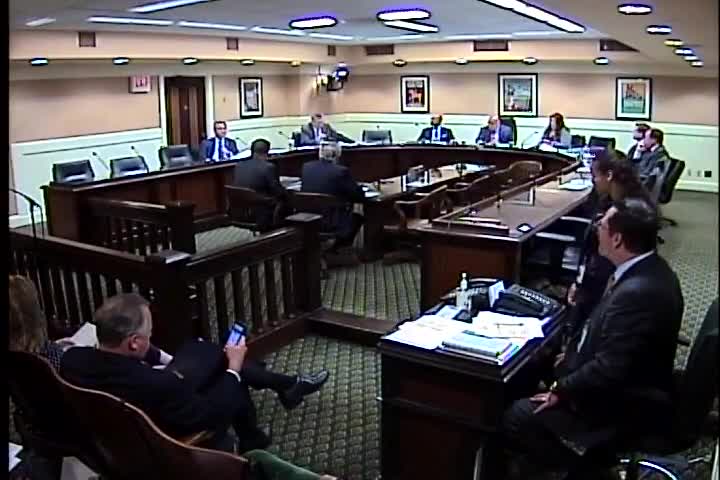 6MIN
Assembly Standing Committee on Public Employees, Retirement, and Social Security
Bill Author

Bill Co-Author(s):