SB 161: Fish and Game Commission: tribal committee.
- Session Year: 2017-2018
- House: Senate
- Latest Version Date: 2017-10-03
Existing law requires the Fish and Game Commission to form a marine resources committee and a wildlife resources committee from its membership. Existing law requires each committee to consist of at least one commissioner and requires each committee to report to the commission from time to time on its activities and to make recommendations on the applicable resource matters considered by the commission.
This bill would also require the commission to form a tribal committee from its membership consisting of at least one commissioner and would require the committee to report to the commission from time to time on its activities and to make recommendations on all tribal matters considered by the commission.
The commission shall form a tribal committee from its membership consisting of at least one commissioner. The committee shall report to the commission from time to time on its activities and shall make recommendations on all tribal matters considered by the commission. The committee or its designee shall, to the extent practicable, attend meetings of the department staff, including meetings of the department staff with interested parties, in which significant tribal management documents are being developed.
The commission shall form a tribal committee from its membership consisting of at least one commissioner. The committee shall report to the commission from time to time on its activities and shall make recommendations on all tribal matters considered by the commission. The committee or its designee shall, to the extent practicable, attend meetings of the department staff, including meetings of the department staff with interested parties, in which significant tribal management documents are being developed.
The commission shall form a tribal committee from its membership consisting of at least one commissioner. The committee shall report to the commission from time to time on its activities and shall make recommendations on all tribal matters considered by the commission. The committee or its designee shall, to the extent practicable, attend meetings of the department staff, including meetings of the department staff with interested parties, in which significant tribal management documents are being developed.
|
Date
|
Status
|
|---|---|
| Oct 3, 2017 | Chaptered by Secretary of State. Chapter 457, Statutes of 2017. |
| Oct 3, 2017 | Approved by the Governor. |
| Sep 14, 2017 | Enrolled and presented to the Governor at 4 p.m. |
| Sep 8, 2017 | In Senate. Ordered to engrossing and enrolling. |
| Sep 7, 2017 | Read third time. Passed. Ordered to the Senate. |
| Sep 5, 2017 | Read second time. Ordered to third reading. |
| Sep 1, 2017 | From committee: Do pass. (Ayes 16. Noes 0.) (September 1). |
| Jul 19, 2017 | July 19 set for first hearing. Placed on APPR. suspense file. |
| Jun 27, 2017 | From committee: Do pass and re-refer to Com. on APPR. (Ayes 15. Noes 0.) (June 27). Re-referred to Com. on APPR. |
| Jun 12, 2017 | Referred to Com. on W.,P., & W. |
| Jun 1, 2017 | In Assembly. Read first time. Held at Desk. |
| May 31, 2017 | Read third time. Passed. (Ayes 40. Noes 0. Page 1354.) Ordered to the Assembly. |
| May 26, 2017 | Ordered to special consent calendar. |
| May 26, 2017 | Read second time. Ordered to third reading. |
| May 25, 2017 | From committee: Do pass. (Ayes 7. Noes 0. Page 1178.) (May 25). |
| May 19, 2017 | Set for hearing May 25. |
| Apr 3, 2017 | April 3 hearing: Placed on APPR. suspense file. |
| Mar 24, 2017 | Set for hearing April 3. |
| Mar 14, 2017 | From committee: Do pass and re-refer to Com. on APPR. (Ayes 9. Noes 0. Page 363.) (March 14). Re-referred to Com. on APPR. |
| Feb 13, 2017 | Set for hearing March 14. |
| Feb 2, 2017 | Referred to Com. on N.R. & W. |
| Jan 20, 2017 | From printer. May be acted upon on or after February 19. |
| Jan 19, 2017 | Introduced. Read first time. To Com. on RLS. for assignment. To print. |
|
Date
|
Description
|
Location
|
Votes
|
|
|---|---|---|---|---|
| Sep 7, 2017 | SB 161 McGuire Senate Third Reading By GARCIA, C. | Assembly Floor |
Passed |
|
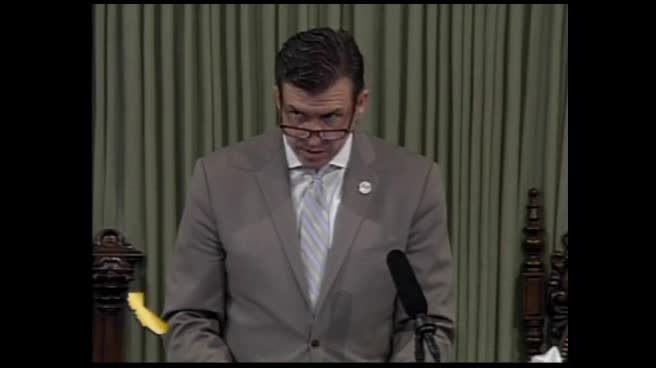
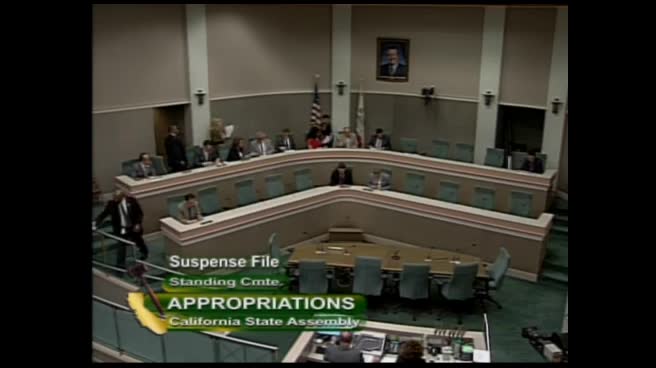
| Sep 1, 2017 | Do pass. | Assembly Standing Committee on Appropriations |
Passed |
|
| Jun 27, 2017 | Do pass and be re-referred to the Committee on [Appropriations] | Assembly Standing Committee on Water, Parks, and Wildlife |
Passed |
|
| May 31, 2017 | Special Consent Calendar # SB161 | Senate Floor |
Passed |
|
| May 25, 2017 | Do pass | Senate Standing Committee on Appropriations |
Passed |
|
| Apr 3, 2017 | Placed on suspense file | Senate Standing Committee on Appropriations |
Passed |
|
| Mar 14, 2017 | Do pass, but first be re-referred to the Committee on [Appropriations] | Senate Standing Committee on Natural Resources and Water |
Passed |
This list shows positions taken on this bill by organizations on the date displayed, which is linked to the original source.
Positions by individuals are not included.
|
Organization
|
Position
|
Date
|
|---|---|---|
| Bear River Band of Rohnerville Rancheria | ** Support | Jun 23, 2017 |
| California Fish and Game Commission | ** Support | May 27, 2017 |
| California Sportfishing League | ** Support | Jun 23, 2017 |
| california sportman's lobby | ** Support | Jun 23, 2017 |
| california sportsmen's lobby | ** Support | May 27, 2017 |
| cher-ae heights indian community of the trinidad rancheria | ** Support | Jun 23, 2017 |
| Coastside Fishing Club | ** Support | Jun 23, 2017 |
| Dry Creek Band of Pomo Indians | * Support | Mar 14, 2017 |
| dry creek rancheria, band of pomo indians | ** Support | Jun 23, 2017 |
| fish and game commission | ** Support | Jun 23, 2017 |
| Karuk Tribe | ** Support | Jun 23, 2017 |
| Marine Life Proection Act, Regional Stakeholder Group | * Support | Mar 14, 2017 |
| Outdoor Sportsmen'S Coalition Of California | ** Support | Jun 23, 2017 |
| Pacific Coast Federation of Fisherman's Association | * Support | Mar 14, 2017 |
| Resighini Rancheria | ** Support | Jun 23, 2017 |
| Sacred Places Institute for Indigenous Peoples | * Support | Mar 14, 2017 |
| Safari Club International | ** Support | Jun 23, 2017 |
| Safari Club International Foundation | ** Support | Jun 23, 2017 |
| southern california tribal chairmen's association, inc. | ** Support | Jun 23, 2017 |
| Tolowa Dee-ni' Nation | ** Support | Jun 23, 2017 |
| Viejas Band of Kumeyaay Indians | ** Support | Jun 23, 2017 |
| Yurok Tribe | ** Support | Jun 23, 2017 |
SENATE THIRD READING
STR Bill Id:SB 161
Author:(McGuire)
As Introduced Ver:January 19, 2017
Majority vote
SENATE VOTE: 40-0
Committee | Votes | Ayes | Noes |
Water | 15-0 | Eduardo Garcia, Gallagher, Bigelow, Choi, Chu, Friedman, Gloria, Bocanegra, Harper, Levine, Mathis, Rubio, Salas, Thurmond, Wood | |
Appropriations | 16-0 | Gonzalez Fletcher, Bigelow, Bloom, Bocanegra, Bonta, Brough, Calderon, Chau, Eggman, Fong, Friedman, Gallagher, Eduardo Garcia, Jones-Sawyer, Obernolte, Reyes |
|
SUBJECT: Fish and Game Commission: tribal committee
SUMMARY: Would require the California Fish and Game Commission (FGC) to form a tribal committee from its membership, consistent with the practices used in the formation of marine and wildlife resources committees. Specifically, this bill:
- Requires the FGC to form a Tribal Committee from its membership, consistent with existing committees;
- Requires the committee to report to the FGC from time to time on its activities and to make recommendations on all tribal matters considered by the FGC.
EXISTING LAW:
- Establishes the FGC as a state entity with a wide variety of responsibilities including formulation of general policies for the conduct of the Department of Fish and Wildlife (DFW); establishment of hunting and fishing seasons; regulation of protected areas; listing and de-listing of species under the California Endangered Species Act; prescribing terms and conditions for licenses and permits related to species take (including hunting and fishing); and other, related issues.
- Requires the FGC to form a marine resources committee and a wildlife resources committee from its membership.
- Requires each committee to consist of at least one commissioner and report to the FGC from time to time on its activities and recommendations.
FISCAL EFFECT: According to the Assembly Appropriations Committee: Increased DFW costs of up to $150,000 annually (Fish and Game Preservation Fund, Environmental License Fund or GF) for one Senior Environmental Scientist position and the associated overhead expenses to staff the FGC and, as practicable, the DFW.
COMMENTS:
Background: The California Fish and Game Commission (FGC) was the first wildlife conservation agency in the United States, predating the U.S. Commission of Fish and Fisheries. In 1870, the Board of Fish Commissioners, the forerunner of the modern day Fish and Game Commission, was established to provide for the restoration and preservation of fish in California waters. In 1909 the Board of Fish Commissioners' name was changed to the Fish and Game Commission, which reflected the growing importance of game conservation. The complex fish and game regulations and administration of today date from these years when the FGC was given more authority to undertake new responsibilities in the areas of conservation.
The FGC conducts its business at twelve meetings a year, alternating decision meetings with its Marine Resources Committee and Wildlife Resources Committee meetings. These meetings span from one to two days, and are strategically located throughout the state to encourage public outreach and participation. The annual meeting schedule must be announced sixty days prior to the first meeting of the calendar year, though it remains subject to change.
Currently the FGC has three committees: the Marine Resources Committee (MRC) and Wildlife Resources Committee (WRC), which were created in statute (Sections 105 and 106 of the Fish and Game Code), and the Tribal Committee. Each is chaired or co-chaired by no more than two Commissioners. These assignments are generally made annually by a majority vote of the FGC at the time of election of the President.
The goal of these committees is to allow presentations and discussions on regulatory proposals that allow greater time and detail than what is possible at full FGC meetings. The committee meetings are less formal in nature and provide for additional access to the commission. The committees follow the requirements of Bagley-Keene and the committee chairs cannot take action independent of the full FGC. Instead, the chairs make recommendations to the full FGC at regularly scheduled meetings.
The FGC is allowed to form ad hoc committees to temporarily deal with short term issues that may arise. The Tribal Committee, while not created in statute, meets at a similar frequency to other FGC committees.
According to the Senate Floor Analysis, "The FGC currently has a policy of collaboration with California Native American Tribes to promote sustainable management of natural resources of mutual interest. Many tribes have also entered into treaties with the federal government that reserve the tribes' hunting and fishing rights for salmon. Therefore, the FGC and tribal groups may have concurrent or overlapping jurisdictions related to sport fish and game wildlife. This scenario presents opportunities for consultation and potential for policy collaboration between Native American Tribes and the FGC. In 2011, Governor Brown issued Executive Order B-10-11, which stated, in part, that it is the policy of the administration that every state agency and department shall implement effective government-to-government consultation with California Native American Tribes. The specific nature of the collaborations can range from informal information sharing, to a memorandum of understanding, to co-management with specific responsibilities and authorities."
Arguments in Support: Supporters contend that the FGC and several Native American Tribes have expressed a desire to formalize the current ad-hoc Tribal Committee in statute and requested legislative assistance to do so. This bill would formalize a tribal committee from its membership which shall report to the FGC and make recommendations on all tribal matters considered by the FGC.
Arguments in Opposition: None
Prior and Related Legislation:
AB 1792 (Wood), of 2016, proposed to require the FGC to meet with individual federally recognized Native American tribes in California, on request, to discuss elk management issues. The bill died in the Senate Appropriations Committee.
AB 497 (Chesbro), Chapter 233, Statutes of 2013, established the Wildlife Resources Committee.
SB 685 (Evans), of 2011, proposed to authorize Native American tribes to submit proposals for co-management of marine species within Marine Protected Areas designated under the Marine Life Protection Act. The bill died in the Senate Natural Resources and Water Committee.
AB 76 (Keeley), Chapter 483, Statutes of 1999, established the Marine Resources Committee.
Analysis Prepared by: Catherine Freeman / W., P., & W. / (916) 319-2096 FN: 0001709
Date of Hearing: July 19, 2017
ASSEMBLY COMMITTEE ON APPROPRIATIONS
Lorena Gonzalez Fletcher, Chair
SBPCA Bill Id:SB 161
Author:(McGuire) – As Introduced Ver:January 19, 2017
Policy Committee: | Water, Parks and Wildlife | Vote: | 15 - 0 |
|
| ||
|
|
Urgency: No State Mandated Local Program: No Reimbursable: No
SUMMARY:
This bill requires the Fish and Game Commission (Commission) to form a Tribal Committee comprised of at least one Commissioner from its current membership. Additionally, this bill:
- Requires the Tribal Committee to report to the Commission on its activities and make recommendations on all tribal matters before the Commission.
- Requires the Tribal Committee or its designee, to the extent practicable, to attend meetings of the Department of Fish and Wildlife (DFW) staff and interested parties in which significant tribal management documents are developed.
FISCAL EFFECT:
Increased DFW costs of up to $150,000 annually (Fish and Game Preservation Fund, Environmental License Fund or GF) for one Senior Environmental Scientist position and the associated overhead expenses to staff the Commission and, as practicable, DFW.
COMMENTS:
- Purpose. According to the author, the Tribal Committee currently exists as a standing ad hoc committee but is not in statute. The number of Tribal agenda items and the level of complexity have significantly increased over time. Additionally, the workload with each agenda item varies as some require multiple conversations with various tribes to figure out a path forward. The tribes need formal access to the FGC process. This bill provides the formal venue for tribes to engage with the Commission.
- Background. The Commission has regulatory authority over hunting and fishing in the State. Each year, it sets license fees and take restrictions, as well as other regulations, including in the area of conservation, that DFW implements and enforces. The Commission is also the quasi-judicial body who considers appeals for revocation or suspension of licenses and permits.
Currently the Commission has three committees: the Marine Resources Committee and Wildlife Resources Committee, which were created in statute, and the ad hoc Tribal Committee, which remains uncodified.
The Commission is funded through the Fish and Game Preservation Fund (FGPF), the General Fund, and, for the past two years, the Environmental License Plate Fund (ELPF). As such, funding for implementation of this bill could appropriately come from any of those sources. However, both the FGPF and ELPF are in structural deficit, making the General Fund the most likely funding source. Use of FGPF or ELPF would further exacerbate their respective structural deficits.
This bill codifies an existing committee. Workload associated with the committee has to-date been absorbed within existing resources. However, the Department indicates that the Commission will need a Senior Environmental Scientist position to act as a tribal liaison. Staff contends that the redirection of staff resources necessary in the absence of the liaison has resulted in significant delays in meeting other obligations. They further assert that the number of agenda items and communications with Tribes has dramatically increased, and is expected to continue to increase, making it impossible to continue to absorb related workload. Any staff increases would have to be approved through the Budget change proposal (BCP) process. Staff notes that the other two committees are staffed.
While this bill codifies an existing committee, codifying this committee will prevent the Commission from discontinuing or suspending the committee without Legislation. As such, this bill creates an annual cost.
Analysis Prepared by: Jennifer Galehouse / APPR. / (916) 319-2081
Date of Hearing: June 27, 2017
ASSEMBLY COMMITTEE ON WATER, PARKS, AND WILDLIFE
Eduardo Garcia, Chair
SBPCA Bill Id:SB 161
Author:(McGuire) – As Introduced Ver:January 19, 2017
SENATE VOTE: 40-0
SUBJECT: Fish and Game Commission: tribal committee
SUMMARY: Would require the California Fish and Game Commission (FGC) to form a tribal committee from its membership, consistent with the practices used in the formation of marine and wildlife resources committees. Specifically, this bill:
- Requires the FGCto form a Tribal Committee from its membership, consistent with existing committees;
- Requires the committee to report to the FGC from time to time on its activities and to make recommendations on all tribal matters considered by the FGC.
EXISTING LAW:
- Establishes the FGC as a state entity with a wide variety of responsibilities including formulation of general policies for the conduct of the Department of Fish and Wildlife (DFW); establishment of hunting and fishing seasons; regulation of protected areas; listing and de-listing of species under the California Endangered Species Act; prescribing terms and conditions for licenses and permits related to species take (including hunting and fishing); and other, related issues.
- Requires the FGC to form a marine resources committee and a wildlife resources committee from its membership.
- Requires each committee to consist of at least one commissioner and report to the FGC from time to time on its activities and recommendations.
FISCAL EFFECT: Unknown
COMMENTS:
Author’s Statement:
Currently, there is no formal venue for tribes to engage with the Fish & Game Commission (FGC). The Tribal Committee currently exists as a standing ad hoc committee but is not in statute. The number of Tribal agenda items and the level of complexity have significantly increased over time. For example, tribes have recently requested for authorization for take in marine protected areas. This is a complex matter requiring legal and executive leadership from multiple organizations to figure out. Additionally, the workload with each agenda item varies as some require multiple conversations with various tribes to figure out a path forward. The tribes need formal access to the FGC process.
This bill would create statute allowing the FGC to formalize a Tribal Committee from its membership which shall report to the FGC and make recommendations on all tribal matters considered by the FGC and to have the committee or its designee, to the extent practicable, attend meetings of the department staff, including meetings of the department staff with interested parties, in which significant tribal resource management documents are being developed.
Background: The California Fish and Game Commission (FGC) was the first wildlife conservation agency in the United States, predating the U.S. Commission of Fish and Fisheries. In 1870, the Board of Fish Commissioners, the forerunner of the modern day Fish and Game Commission, was established to provide for the restoration and preservation of fish in California waters. In 1909 the Board of Fish Commissioners' name was changed to the Fish and Game Commission, which reflected the growing importance of game conservation. The complex fish and game regulations and administration of today date from these years when the FGC was given more authority to undertake new responsibilities in the areas of conservation.
The FGC conducts its business at twelve meetings a year, alternating decision meetings with its Marine Resources Committee and Wildlife Resources Committee meetings. These meetings span from one to two days, and are strategically located throughout the State to encourage public outreach and participation. The annual meeting schedule must be announced sixty days prior to the first meeting of the calendar year, though it remains subject to change.
Currently the FGC has three committees: the Marine Resources Committee (MRC) and Wildlife Resources Committee (WRC), which were created in statute (Sections 105 and 106 of the Fish and Game Code), and the Tribal Committee. Each is chaired or co-chaired by no more than two Commissioners. These assignments are generally made annually by a majority vote of the FGC at the time of election of the President.
The goal of these committees is to allow presentations and discussions on regulatory proposals that allow greater time and detail than what is possible at full FGC meetings. The committee meetings are less formal in nature and provide for additional access to the Commission. The committees follow the requirements of Bagley-Keene and the committee chairs cannot take action independent of the full FGC. Instead, the chairs make recommendations to the full FGC at regularly scheduled meetings.
The FGC is allowed to form ad hoc committees to temporarily deal with short term issues that may arise. The Tribal Committee, while not created in statute, meets at a similar frequency to other FGC committees.
According to the Senate Floor Analysis, “The FGC currently has a policy of collaboration with California Native American Tribes to promote sustainable management of natural resources of mutual interest. Many tribes have also entered into treaties with the federal government that reserve the tribes’ hunting and fishing rights for salmon. Therefore, the FGC and tribal groups may have concurrent or overlapping jurisdictions related to sport fish and game wildlife. This scenario presents opportunities for consultation and potential for policy collaboration between Native American Tribes and the FGC. In 2011, Governor Brown issued Executive Order B-10-11, which stated, in part, that it is the policy of the administration that every state agency and department shall implement effective government-to-government consultation with California Native American Tribes. The specific nature of the collaborations can range from informal information sharing, to a memorandum of understanding, to co-management with specific responsibilities and authorities.”
Arguments in Support: Supporters contend that the FGC and several Native American Tribes have expressed a desire to formalize the current ad-hoc Tribal Committee in statute and requested legislative assistance to do so. This bill would formalize a tribal committee from its membership which shall report to the FGC and make recommendations on all tribal matters considered by the FGC.
Arguments in Opposition: None
Prior and Related Legislation:
AB 1792 (Wood), 2016, proposed to require the FGC to meet with individual federally recognized Native American tribes in California, on request, to discuss elk management issues. The bill died in the Senate Appropriations Committee.
AB 497 (Chesbro), Chapter 233, Statutes of 2013, established the Wildlife Resources Committee.
SB 685 (Evans), 2011, proposed to authorize Native American tribes to submit proposals for co-management of marine species within Marine Protected Areass designated under the Marine Life Protection Act. The bill died in the Senate Natural Resources and Water Committee.
AB 76 (Keeley), Chapter 483, Statutes of 1999, established the Marine Resources Committee.
REGISTERED SUPPORT / OPPOSITION:
Support
Bear River Band of Rohnerville Rancheria
California Sportfishing League
California Sportman’s Lobby
Cher-Ae Heights Indian Community of the Trinidad Rancheria
Coastside Fishing Club
Dry Creek Rancheria, Band of Pomo Indians
Fish and Game Commission
Karuk Tribe
Outdoor Sportsmen’s Coalition of California
Resighini Rancheria
Safari Club International
Safari Club International Foundation
Southern California Tribal Chairmen’s Association, Inc.
Tolowa Dee-ni’ Nation
Viejas Band of Kumeyaay Indians
Yurok Tribe
Opposition
None on file
Analysis Prepared by: Catherine Freeman / W., P., & W. /
Office of Senate Floor Analyses (916) 651-1520 Fax: (916) 327-4478 | SB |
THIRD READING
Bill No: SB 161
:
SENATE NATURAL RES. & WATER COMMITTEE: 9-0, 3/14/17
AYES: Hertzberg, Stone, Allen, Atkins, Hueso, Jackson, Monning, Stern, Vidak
SENATE APPROPRIATIONS COMMITTEE: 7-0, 5/25/17
AYES: Lara, Bates, Beall, Bradford, Hill, Nielsen, Wiener
DIGEST:
This bill requires the California Fish and Game Commission to form a tribal committee from its membership, consistent with the practices used in the formation of marine and wildlife resources committees. This committee will provide recommendations related to tribal matters under consideration.
Existing law:
- Requires the California Fish and Game Commission (Commission) to form a marine resources committee and a wildlife resources committee from its membership.
- Requires each committee to consist of at least one commissioner and report to the Commission from time to time on its activities and recommendations.
This bill requires the Commission to form a Tribal Committee from its membership, consistent with existing committees, and requires the committee to report to the Commission from time to time on its activities and to make recommendations on all tribal matters considered by the Commission.
Background
The Commission was the first wildlife conservation agency in the United States and has been in existence since 1870. In 1945, a California constitutional amendment delegated to the Commission the power to regulate the taking or possession of birds, mammals, fish, amphibians, and reptiles. This includes the regulatory power to determine the limits on the number of animals taken and restrictions on methods of capture for game animals and sport fish. The Commission is made up of five appointed commissioners and exists within the California Natural Resources Agency.
The Commission holds multiple open public meetings each year to receive and consider input from individuals and groups on new or amendments to regulations. These meetings occur in various parts of California and enable the public to have input prior to the adoption of new or changed hunting or fishing regulations.
Currently, the Commission has three active committees. Previous legislation established the Marine Resources Committee (AB 76 Keeley, Chapter 483, Statutes of 1999) and Wildlife Resources Committee (AB 497 Chesbro, Chapter 233, Statutes of 2013). In addition, the Tribal Committee meets at a similar frequency to other Commission committees, which amounts to about three meetings a year, although the Tribal Committee is not created in statute.
Comments
The Commission currently has a policy of collaboration with California Native American Tribes to promote sustainable management of natural resources of mutual interest. Many tribes have also entered into treaties with the federal government that reserve the tribes’ hunting and fishing rights for salmon. Therefore, the Commission and tribal groups may have concurrent or overlapping jurisdictions related to sport fish and game wildlife. This scenario presents opportunities for consultation and potential for policy collaboration between Native American Tribes and the Commission.
In 2011, Governor Brown issued Executive Order B-10-11, which stated, in part, that it is the policy of the administration that every state agency and department shall implement effective government-to-government consultation with California Native American Tribes. The specific nature of the collaborations can range from informal information sharing, to a memorandum of understanding, to co-management with specific responsibilities and authorities.
Topics discussed at recent Tribal Committee meetings included both inland and marine issues. For example, in June 2016, the Tribal Committee meeting agenda included a review of draft text related to traditional ecological knowledge for the proposed final master plan for marine protected areas (MPAs). In February 2017, the agenda included the Santa Ynez Band of Chumash Indians request for tribal take exemptions in Santa Barbara MPAs. Statewide elk management plans and tribal priorities related to climate change policies have also been recent topics.
Materials supplied by the author indicate that the number of agenda items before the Tribal Committee and correspondence related to those items has increased in recent years. If the increased complexity and number of policy items are sustained, the staff of the Commission (10 staff positions) may not be able to respond or consult in a timely manner. For example, the requested authorization for take in MPAs (throughout the state) and consultations regarding co-management of other species are policy items that likely require repeated discussion and coordination.
Related/Prior Legislation
AB 1792 (Wood, 2016) proposed to require the Commission to meet with individual federally recognized Native American tribes in California, on request, to discuss elk management issues. The bill died in the Senate Appropriations Committee.
SB 685 (Evans, 2011) proposed to authorize Native American tribes to submit proposals for co-management of marine species within MPAs designated under the Marine Life Protection Act. The bill died in the Senate Natural Resources and Water Committee.
FISCAL EFFECT: Appropriation: Fiscal Com.: Local:
According to the Senate Appropriations Committee, total costs are estimated to be up to $150,000 annually (General Fund) to the Department of Fish and Wildlife for one staff position and associated overhead expenses. The other two active committees (Marine and Wildlife Resources) are staffed, and any staff increases would have to be approved through the Budget Change Proposal process.
Bear River Band of Rohnerville Rancheria
California Fish and Game Commission
California Sportsmen’s Lobby
Che-Ae Heights Indian Community of the Trinidad Rancheria
Coastside Fishing Club
Dry Creek Rancheria
Karuk Tribe
Outdoor Sportsmen’s Coalition of California
Resighini Rancheria
Safari Club International California Coalition
Southern California Tribal Chairmen’s Association
Tolowa Dee-ni’ Nation
Yurok Tribe
OPPOSITION: (Verified 5/25/17)
None received
ARGUMENTS IN SUPPORT: According to materials provided by the author, “the number of Tribal agenda items and the level of complexity have significantly increased over time. Additionally, the workload with each agenda item varies, as some require multiple conversations with various tribes. This bill would create statute allowing the [Commission] to formalize a Tribal Committee from its membership which shall report to the [Commission] and make recommendations on all tribal matters considered by the [Commission] and to have the committee or its designee, to the extent practicable, attend meetings of the department staff, including meetings of the department staff with interested parties, in which significant tribal resource management documents are being developed.”
5/27/17 18:43:50
**** END ****
SENATE COMMITTEE ON APPROPRIATIONS
Senator Ricardo Lara, Chair
2017 - 2018 Regular Session
SB 161 (McGuire) - Fish and Game Commission: tribal committee
Version: January 19, 2017 | Policy Vote: N.R. & W. 9 - 0 |
Urgency: No | Mandate: No |
Hearing Date: April 3, 2017 | Consultant: Narisha Bonakdar |
This bill meets the criteria for referral to the Suspense File.
Bill Summary:
SB 161 requires the Fish and Game Commission (Commission) to form a tribal committee comprised of at least one commissioner from its current membership. The bill also requires the committee to report to the Commission on its activities and make recommendations on all tribal matters before the Commission.
Fiscal Impact:
Up to $150,000 annually (General Fund) to the Department of Fish and Wildlife (Department) for one Senior Environmental Scientist (Specialist) position and associated overhead expenses. (See staff notes)
Background:
The Commission has regulatory authority over hunting and fishing in the State. Each year, it sets license fees and take restrictions, as well as other regulations that the Department implements and enforces. The Commission is also the quasi-judicial body that considers appeals for revocation or suspension of licenses and permits.
The Commission conducts its business at twelve meetings per year held throughout the State. It currently has three committees: the Marine Resources Committee, the Wildlife Resources Committee, and the Tribal Committee. The Marine and Wildlife Resources Committees were created in statute (Sections 105 and 106 of the Fish and Game Code); however, the Tribal Committee remains uncodified. These committees allow for more in-depth discussions on regulatory proposals and generate policy recommendations for the full Commission.
The Commission has 10 staff, and relies on the Department’s biological data and expertise to inform its decision-making process. The Commission currently collaborates with California Native American Tribes (Tribes) to promote sustainable management of natural resources of mutual interest. Many Tribes have also entered into treaties with the federal government that reserve the Tribes’ hunting and fishing rights for salmon. In these cases, the Commission and Tribes may have concurrent or overlapping jurisdictions related to sport fish and game.
In 2011, Governor Brown issued Executive Order B-10-11 requiring every state agency and Department to encourage consultation with Tribes and to permit tribal governments to provide meaningful input into the development of policies that may affect tribal communities. As a result, the Department received position authority and funding for a tribal liaison.
Proposed Law:
This bill requires:
- The Commission to form a tribal committee from its membership consisting of at least one commissioner.
- The committee to report to the Commission from time to time on its activities and make recommendations on all tribal matters considered by the Commission.
- The committee or its designee, to the extent practicable, to attend meetings with Department staff and meetings with interested parties, in which significant tribal management documents are being developed.
Related Legislation:
AB 1792 (Wood, 2016) would have required the Department, upon request, to meet with individual federally recognized Indian Tribes in California to discuss elk-related issues for elk located within the territory of the individual Tribe. This bill died in Senate Appropriations.
AB 52 (Gatto, Chapter Statutes of 2014) provided a process for Tribes to engage in the California Environmental Quality Act review process to avoid significant effects on tribal cultural resources.
Staff Comments:
The Commission is funded through the Fish and Game Preservation Fund (FGPF), the General Fund, and, for the past two years, the Environmental License Plate Fund (ELPF). As such, funding for implementation of this bill could appropriately come from any of those sources. However, both the FGPF and ELPF are in structural deficit, making the General Fund the most likely funding source. Use of FGPF or ELPF would further exacerbate their respective structure deficits.
This bill codifies an existing committee. Workload associated with the committee has to-date been absorbed within existing resources. However, the Department indicates that the Commission will need a Senior Environmental Scientist position to act as a tribal liaison. Staff contends that the redirection of staff resources necessary in the absence of the liaison has resulted in significant delays in meeting other obligations. They further assert that the number of agenda items and communications with Tribes has dramatically increased, and is expected to continue to increase, making it impossible to continue to absorb related workload. Any staff increases would have to be approved through the Budget Change Proposal process. Staff notes that the other two committees are staffed.
While this bill codifies an existing committee, codifying this committee will prevent the Commission from discontinuing or suspending the committee without Legislation. As such, this bill creates an annual cost.
-- END --
SENATE COMMITTEE ON NATURAL RESOURCES AND WATER
Senator Robert Hertzberg, Chair
2017 - 2018 Regular
Bill No: SB 161 Hearing Date: March 14, 2017
Author: | |||
Version: |
| ||
Urgency: | Fiscal: | ||
Consultant: | |||
Subject: Fish and Game Commission: tribal committee
BACKGROUND AND EXISTING LAW
1. The California Fish and Game Commission (Commission) was the first wildlife conservation agency in the United States and has been in existence since 1870. In 1945, a California constitutional amendment delegated to the Commission the power to regulate the taking or possession of birds, mammals, fish, amphibians, and reptiles. This includes the regulatory power to determine the limits on the number of animals taken and restrictions on methods of capture for game animals and sport fish. The Commission is made up of five appointed commissioners and exists within the California Natural Resources Agency.
2. The Commission holds multiple open public meetings each year to receive and consider input from individuals and groups on new or amendments to regulations. These meetings occur in various parts of California and enable the public to have input prior to the adoption of new or changed hunting or fishing regulations.
3. Currently, the Commission has three committees. Previous legislation established the Marine Resources Committee (AB 76 Keeley, 1999; Chapter 483, Stats. 1999) and Wildlife Resources Committee (AB 497 Chesbro, 2013; Chapter 233, Stats. 2013). In addition, the Tribal Committee meets at a similar frequency to other Commission committees, which amounts to about three meetings a year, although the Tribal Committee is not created in statute.
PROPOSED LAW
SB 161 would require the Commission to form a Tribal Committee from its membership consisting of at least one commissioner and would require the committee to report to the Commission from time to time on its activities and to make recommendations on all tribal matters considered by the Commission. This proposed committee’s composition is identical to the composition of the Marine Resources committee and the Wildlife Resources Committee.
ARGUMENTS IN SUPPORT
According to materials provided by the author, “the number of Tribal agenda items and the level of complexity have significantly increased over time. Additionally, the workload with each agenda item varies, as some require multiple conversations with various tribes. This bill would create statute allowing the [Commission] to formalize a Tribal Committee from its membership which shall report to the [Commission] and make recommendations on all tribal matters considered by the [Commission] and to have the committee or its designee, to the extent practicable, attend meetings of the department staff, including meetings of the department staff with interested parties, in which significant tribal resource management documents are being developed.”
ARGUMENTS IN OPPOSITION
None received
COMMENTS
- The Commission currently has a policy of collaboration with California Native American Tribes to promote sustainable management of natural resources of mutual interest. Many tribes have also entered into treaties with the federal government that reserve the tribes’ hunting and fishing rights for salmon. Therefore, the Commission and tribal groups may have concurrent or overlapping jurisdictions related to sport fish and game wildlife. This scenario presents opportunities for consultation and potential for policy collaboration between Native American Tribes and the Commission.
- In 2011, Governor Brown issued Executive Order B-10-11, which stated, in part, that it is the policy of the administration that every state agency and department shall implement effective government-to-government consultation with California Native American Tribes. The specific nature of the collaborations can range from informal information sharing, to a memorandum of understanding, to co-management with specific responsibilities and authorities.
3. Topics discussed at recent Tribal Committee meetings included both inland and marine issues. For example, in June 2016, the Tribal Committee meeting agenda included a review of draft text related to traditional ecological knowledge for the proposed final master plan for marine protected areas (MPAs). In February 2017, the agenda included the Santa Ynez Band of Chumash Indians request for tribal take exemptions in Santa Barbara MPAs. Statewide elk management plans and tribal priorities related to climate change policies have also been recent topics.
4. In the last several years, legislation has been proposed, but not passed, related to the roles of tribal groups and the Commission. AB 1792 (Wood) of 2016 proposed to require the Commission to meet with individual federally recognized Native American tribes in California, on request, to discuss elk management issues. In addition, SB 685 (Evans) of 2011 proposed to authorize Native American tribes to submit proposals for co-management of marine species within MPAs designated under the Marine Life Protection Act. This bill died in the Senate Natural Resources and Water Committee.
5. Materials supplied by the author indicate that the number of agenda items before the Tribal Committee and correspondence related to those items has increased in recent years. If the increased complexity and number of policy items are sustained, the staff of the Commission (10 staff positions) may not be able to respond or consult in a timely manner. For example, the requested authorization for take in MPAs (throughout the state) and consultations regarding co-management of other species are policy items that likely require repeated discussion and coordination.
SUPPORT
Bear River Band of Rohnerville Rancheria
California Fish and Game Commission
Che-Ae Heights Indian Community of the Trinidad Rancheria
Coastside Fishing Club
Dry Creek Rancheria
Resighini Rancheria
Southern California Tribal Chairmen’s Association
Tolowa Dee-ni’ Nation
Yurok Tribe
OPPOSITION
None Received
-- END --
Discussed in Hearing
 2MIN
Assembly Floor
 1H
Assembly Standing Committee on Appropriations
 48MIN
Senate Standing Committee on Appropriations
 30SEC
Senate Standing Committee on Appropriations
 17MIN
Senate Standing Committee on Natural Resources and Water
Bill Author

Bill Co-Author(s):