SB 228: Alcoholic beverage control: public schoolhouses.
- Session Year: 2017-2018
- House: Senate
- Latest Version Date: 2017-07-24
Existing law generally prohibits the sale or consumption of alcoholic beverages at a public schoolhouse or any grounds thereof. Existing law provides for various exceptions to this prohibition, including wine that is produced by a bonded winery owned or operated as part of an instructional program in viticulture and enology.
This bill would provide that the prohibition against the sale or consumption of alcoholic beverages on the grounds of a public schoolhouse does not apply to beer produced by a bonded brewery owned or operated as part of an instructional program in brewing.
Existing law generally prohibits the sale or consumption of alcoholic beverages at a public schoolhouse or any grounds thereof. Existing law provides for various exceptions to this prohibition, including wine that is produced by a bonded winery owned or operated as part of an instructional program in viticulture and enology.
This bill would provide that the prohibition against the sale or consumption of alcoholic beverages on the grounds of a public schoolhouse does not apply to beer produced by a bonded craft brewery owned or operated as part of an instructional program in craft brewing.
(a)Every person who possesses, consumes, sells, gives, or delivers to another person an alcoholic beverage in or on a public schoolhouse or the grounds of the schoolhouse, is guilty of a misdemeanor. This section does not, however, make it unlawful for a person to acquire, possess, or use an alcoholic beverage in or on a public schoolhouse, or on the grounds of the schoolhouse, if any of the following applies:
(1)The alcoholic beverage possessed, consumed, or sold, pursuant to a license obtained under this division, is wine or beer that is produced by a bonded winery or brewery owned or operated as part of an instructional program in viticulture and enology or brewing.
(2)The alcoholic beverage is acquired, possessed, or used in connection with a course of instruction given at the school and the person has been authorized to acquire, possess, or use it by the governing body or other administrative head of the school.
(3)The public schoolhouse is surplus school property and the grounds of the schoolhouse are leased to a lessee that is a general law city with a population of less than 50,000, or the public schoolhouse is surplus school property and the grounds of the schoolhouse are located in an unincorporated area and are leased to a lessee that is a civic organization, and the property is to be used for community center purposes and no public school education is to be conducted on the property by either the lessor or the lessee and the property is not being used by persons under the age of 21 years for recreational purposes at any time during which alcoholic beverages are being sold or consumed on the premises.
(4)The alcoholic beverages are acquired, possessed, or used during events at a college-owned or college-operated veterans stadium with a capacity of over 12,000 people, located in a county with a population of over 6,000,000 people. As used in this paragraph, events mean football games sponsored by a college, other than a public community college, or other events sponsored by noncollege groups.
(5)The alcoholic beverages are acquired, possessed, or used during an event not sponsored by any college at a performing arts facility built on property owned by a community college district and leased to a nonprofit organization that is a public benefit corporation formed under Part 2 (commencing with Section 5110) of Division 2 of Title 1 of the Corporations Code. As used in this paragraph, performing arts facility means an auditorium with more than 300 permanent seats.
(6)The alcoholic beverage is wine for sacramental or other religious purposes and is used only during authorized religious services held on or before January 1, 1995.
(7)The alcoholic beverages are acquired, possessed, or used during an event at a community center owned by a community services district or a city and the event is not held at a time when students are attending a public school-sponsored activity at the center.
(8)The alcoholic beverage is wine that is acquired, possessed, or used during an event sponsored by a community college district or an organization operated for the benefit of the community college district where the college district maintains both an instructional program in viticulture on no less than five acres of land owned by the district and an instructional program in enology, which includes sales and marketing.
(9)The alcoholic beverage is acquired, possessed, or used at a professional minor league baseball game conducted at the stadium of a community college located in a county with a population of less than 250,000 inhabitants, and the baseball game is conducted pursuant to a contract between the community college district and a professional sports organization.
(10)The alcoholic beverages are acquired, possessed, or used during events at a college-owned or college-operated stadium or other facility. As used in this paragraph, events means fundraisers held to benefit a nonprofit corporation that has obtained a license pursuant to this division for the event. Events does not include football games or other athletic contests sponsored by any college or public community college. This paragraph does not apply to any public education facility in which any grade from kindergarten to grade 12, inclusive, is schooled.
(11)The alcoholic beverages are possessed, consumed, or sold, pursuant to a license, permit, or authorization obtained under this division, for an event held at an overnight retreat facility owned and operated by a county office of education or a school district at times when pupils are not on the grounds.
(12)The grounds of the public schoolhouse on which the alcoholic beverage is acquired, possessed, used, or consumed is property that has been developed and is used for residential facilities or housing that is offered for rent, lease, or sale exclusively to faculty or staff of a public school or community college.
(13)The grounds of a public schoolhouse on which the alcoholic beverage is acquired, possessed, used, or consumed is property of a community college that is leased, licensed, or otherwise provided for use as a water conservation demonstration garden and community passive recreation resource by a joint powers agency comprised of public agencies, including the community college, and the event at which the alcoholic beverage is acquired, possessed, used, or consumed is conducted pursuant to a written policy adopted by the governing body of the joint powers agency and no public funds are used for the purchase or provision of the alcoholic beverage.
(14)The alcoholic beverage is beer or wine acquired, possessed, used, sold, or consumed only in connection with a course of instruction, sponsored dinner, or meal demonstration given as part of a culinary arts program at a campus of a California community college and the person has been authorized to acquire, possess, use, sell, or consume the beer or wine by the governing body or other administrative head of the school.
(15)The alcoholic beverages are possessed, consumed, or sold, pursuant to a license or permit obtained under this division for special events held at the facilities of a public community college during the special event. As used in this paragraph, special event means events that are held with the permission of the governing board of the community college district that are festivals, shows, private parties, concerts, theatrical productions, and other events held on the premises of the public community college and for which the principal attendees are members of the general public or invited guests and not students of the public community college.
(16)The alcoholic beverages are acquired, possessed, or used during an event at a community college-owned facility in which any grade from kindergarten to grade 12, inclusive, is schooled, if the event is held at a time when students in any grades from kindergarten to grade 12, inclusive, are not present at the facility. As used in this paragraph, events include fundraisers held to benefit a nonprofit corporation that has obtained a license pursuant to this division for the event.
(17)The alcoholic beverages are acquired, possessed, used, or consumed pursuant to a license or permit obtained under this division for special events held at facilities owned and operated by an educational agency, a county office of education, superintendent of schools, school district, or community college district at a time when pupils are not on the grounds. As used in this paragraph, facilities include, but are not limited to, office complexes, conference centers, or retreat facilities.
(b)Any person convicted of a violation of this section shall, in addition to the penalty imposed for the misdemeanor, be barred from having or receiving any privilege of the use of public school property that is accorded by Article 2 (commencing with Section 82537) of Chapter 8 of Part 49 of Division 7 of Title 3 the Education Code.
(a)Every person who possesses, consumes, sells, gives, or delivers to another person an alcoholic beverage in or on a public schoolhouse or the grounds of the schoolhouse, is guilty of a misdemeanor. This section does not, however, make it unlawful for a person to acquire, possess, or use an alcoholic beverage in or on a public schoolhouse, or on the grounds of the schoolhouse, if any of the following applies:
(1)The alcoholic beverage possessed, consumed, or sold, pursuant to a license obtained under this division, is wine or beer that is produced by a bonded winery or craft brewery owned or operated as part of an instructional program in viticulture, enology, viticulture and enology or craft brewing.
(2)The alcoholic beverage is acquired, possessed, or used in connection with a course of instruction given at the school and the person has been authorized to acquire, possess, or use it by the governing body or other administrative head of the school.
(3)The public schoolhouse is surplus school property and the grounds of the schoolhouse are leased to a lessee that is a general law city with a population of less than 50,000, or the public schoolhouse is surplus school property and the grounds of the schoolhouse are located in an unincorporated area and are leased to a lessee that is a civic organization, and the property is to be used for community center purposes and no public school education is to be conducted on the property by either the lessor or the lessee and the property is not being used by persons under the age of 21 years for recreational purposes at any time during which alcoholic beverages are being sold or consumed on the premises.
(4)The alcoholic beverages are acquired, possessed, or used during events at a college-owned or college-operated veterans stadium with a capacity of over 12,000 people, located in a county with a population of over 6,000,000 people. As used in this paragraph, events mean football games sponsored by a college, other than a public community college, or other events sponsored by noncollege groups.
(5)The alcoholic beverages are acquired, possessed, or used during an event not sponsored by any college at a performing arts facility built on property owned by a community college district and leased to a nonprofit organization that is a public benefit corporation formed under Part 2 (commencing with Section 5110) of Division 2 of Title 1 of the Corporations Code. As used in this paragraph, performing arts facility means an auditorium with more than 300 permanent seats.
(6)The alcoholic beverage is wine for sacramental or other religious purposes and is used only during authorized religious services held on or before January 1, 1995.
(7)The alcoholic beverages are acquired, possessed, or used during an event at a community center owned by a community services district or a city and the event is not held at a time when students are attending a public school-sponsored activity at the center.
(8)The alcoholic beverage is wine that is acquired, possessed, or used during an event sponsored by a community college district or an organization operated for the benefit of the community college district where the college district maintains both an instructional program in viticulture on no less than five acres of land owned by the district and an instructional program in enology, which includes sales and marketing.
(9)The alcoholic beverage is acquired, possessed, or used at a professional minor league baseball game conducted at the stadium of a community college located in a county with a population of less than 250,000 inhabitants, and the baseball game is conducted pursuant to a contract between the community college district and a professional sports organization.
(10)The alcoholic beverages are acquired, possessed, or used during events at a college-owned or college-operated stadium or other facility. As used in this paragraph, events means fundraisers held to benefit a nonprofit corporation that has obtained a license pursuant to this division for the event. Events does not include football games or other athletic contests sponsored by any college or public community college. This paragraph does not apply to any public education facility in which any grade from kindergarten to grade 12, inclusive, is schooled.
(11)The alcoholic beverages are possessed, consumed, or sold, pursuant to a license, permit, or authorization obtained under this division, for an event held at an overnight retreat facility owned and operated by a county office of education or a school district at times when pupils are not on the grounds.
(12)The grounds of the public schoolhouse on which the alcoholic beverage is acquired, possessed, used, or consumed is property that has been developed and is used for residential facilities or housing that is offered for rent, lease, or sale exclusively to faculty or staff of a public school or community college.
(13)The grounds of a public schoolhouse on which the alcoholic beverage is acquired, possessed, used, or consumed is property of a community college that is leased, licensed, or otherwise provided for use as a water conservation demonstration garden and community passive recreation resource by a joint powers agency comprised of public agencies, including the community college, and the event at which the alcoholic beverage is acquired, possessed, used, or consumed is conducted pursuant to a written policy adopted by the governing body of the joint powers agency and no public funds are used for the purchase or provision of the alcoholic beverage.
(14)The alcoholic beverage is beer or wine acquired, possessed, used, sold, or consumed only in connection with a course of instruction, sponsored dinner, or meal demonstration given as part of a culinary arts program at a campus of a California community college and the person has been authorized to acquire, possess, use, sell, or consume the beer or wine by the governing body or other administrative head of the school.
(15)The alcoholic beverages are possessed, consumed, or sold, pursuant to a license or permit obtained under this division for special events held at the facilities of a public community college during the special event. As used in this paragraph, special event means events that are held with the permission of the governing board of the community college district that are festivals, shows, private parties, concerts, theatrical productions, and other events held on the premises of the public community college and for which the principal attendees are members of the general public or invited guests and not students of the public community college.
(16)The alcoholic beverages are acquired, possessed, or used during an event at a community college-owned facility in which any grade from kindergarten to grade 12, inclusive, is schooled, if the event is held at a time when students in any grades from kindergarten to grade 12, inclusive, are not present at the facility. As used in this paragraph, events include fundraisers held to benefit a nonprofit corporation that has obtained a license pursuant to this division for the event.
(17)The alcoholic beverages are acquired, possessed, used, or consumed pursuant to a license or permit obtained under this division for special events held at facilities owned and operated by an educational agency, a county office of education, superintendent of schools, school district, or community college district at a time when pupils are not on the grounds. As used in this paragraph, facilities include, but are not limited to, office complexes, conference centers, or retreat facilities.
(b)Any person convicted of a violation of this section shall, in addition to the penalty imposed for the misdemeanor, be barred from having or receiving any privilege of the use of public school property that is accorded by Article 2 (commencing with Section 82537) of Chapter 8 of Part 49 of Division 7 of Title 3 the Education Code.
(a)Every person who possesses, consumes, sells, gives, or delivers to another person an alcoholic beverage in or on a public schoolhouse or the grounds of the schoolhouse, is guilty of a misdemeanor. This section does not, however, make it unlawful for a person to acquire, possess, or use an alcoholic beverage in or on a public schoolhouse, or on the grounds of the schoolhouse, if any of the following applies:
(1)The alcoholic beverage possessed, consumed, or sold, pursuant to a license obtained under this division, is wine or beer that is produced by a bonded winery or craft brewery owned or operated as part of an instructional program in viticulture and enology. viticulture, enology, or craft brewing.
(2)The alcoholic beverage is acquired, possessed, or used in connection with a course of instruction given at the school and the person has been authorized to acquire, possess, or use it by the governing body or other administrative head of the school.
(3)The public schoolhouse is surplus school property and the grounds of the schoolhouse are leased to a lessee that is a general law city with a population of less than 50,000, or the public schoolhouse is surplus school property and the grounds of the schoolhouse are located in an unincorporated area and are leased to a lessee that is a civic organization, and the property is to be used for community center purposes and no public school education is to be conducted on the property by either the lessor or the lessee and the property is not being used by persons under the age of 21 years for recreational purposes at any time during which alcoholic beverages are being sold or consumed on the premises.
(4)The alcoholic beverages are acquired, possessed, or used during events at a college-owned or college-operated veterans stadium with a capacity of over 12,000 people, located in a county with a population of over 6,000,000 people. As used in this paragraph, events mean football games sponsored by a college, other than a public community college, or other events sponsored by noncollege groups.
(5)The alcoholic beverages are acquired, possessed, or used during an event not sponsored by any college at a performing arts facility built on property owned by a community college district and leased to a nonprofit organization that is a public benefit corporation formed under Part 2 (commencing with Section 5110) of Division 2 of Title 1 of the Corporations Code. As used in this paragraph, performing arts facility means an auditorium with more than 300 permanent seats.
(6)The alcoholic beverage is wine for sacramental or other religious purposes and is used only during authorized religious services held on or before January 1, 1995.
(7)The alcoholic beverages are acquired, possessed, or used during an event at a community center owned by a community services district or a city and the event is not held at a time when students are attending a public school-sponsored activity at the center.
(8)The alcoholic beverage is wine that is acquired, possessed, or used during an event sponsored by a community college district or an organization operated for the benefit of the community college district where the college district maintains both an instructional program in viticulture on no less than five acres of land owned by the district and an instructional program in enology, which includes sales and marketing.
(9)The alcoholic beverage is acquired, possessed, or used at a professional minor league baseball game conducted at the stadium of a community college located in a county with a population of less than 250,000 inhabitants, and the baseball game is conducted pursuant to a contract between the community college district and a professional sports organization.
(10)The alcoholic beverages are acquired, possessed, or used during events at a college-owned or college-operated stadium or other facility. As used in this paragraph, events means fundraisers held to benefit a nonprofit corporation that has obtained a license pursuant to this division for the event. Events does not include football games or other athletic contests sponsored by any college or public community college. This paragraph does not apply to any public education facility in which any grade from kindergarten to grade 12, inclusive, is schooled.
(11)The alcoholic beverages are possessed, consumed, or sold, pursuant to a license, permit, or authorization obtained under this division, for an event held at an overnight retreat facility owned and operated by a county office of education or a school district at times when pupils are not on the grounds.
(12)The grounds of the public schoolhouse on which the alcoholic beverage is acquired, possessed, used, or consumed is property that has been developed and is used for residential facilities or housing that is offered for rent, lease, or sale exclusively to faculty or staff of a public school or community college.
(13)The grounds of a public schoolhouse on which the alcoholic beverage is acquired, possessed, used, or consumed is property of a community college that is leased, licensed, or otherwise provided for use as a water conservation demonstration garden and community passive recreation resource by a joint powers agency comprised of public agencies, including the community college, and the event at which the alcoholic beverage is acquired, possessed, used, or consumed is conducted pursuant to a written policy adopted by the governing body of the joint powers agency and no public funds are used for the purchase or provision of the alcoholic beverage.
(14)The alcoholic beverage is beer or wine acquired, possessed, used, sold, or consumed only in connection with a course of instruction, sponsored dinner, or meal demonstration given as part of a culinary arts program at a campus of a California community college and the person has been authorized to acquire, possess, use, sell, or consume the beer or wine by the governing body or other administrative head of the school.
(15)The alcoholic beverages are possessed, consumed, or sold, pursuant to a license or permit obtained under this division for special events held at the facilities of a public community college during the special event. As used in this paragraph, special event means events that are held with the permission of the governing board of the community college district that are festivals, shows, private parties, concerts, theatrical productions, and other events held on the premises of the public community college and for which the principal attendees are members of the general public or invited guests and not students of the public community college.
(16)The alcoholic beverages are acquired, possessed, or used during an event at a community college-owned facility in which any grade from kindergarten to grade 12, inclusive, is schooled, if the event is held at a time when students in any grades from kindergarten to grade 12, inclusive, are not present at the facility. As used in this paragraph, events include fundraisers held to benefit a nonprofit corporation that has obtained a license pursuant to this division for the event.
(17)The alcoholic beverages are acquired, possessed, used, or consumed pursuant to a license or permit obtained under this division for special events held at facilities owned and operated by an educational agency, a county office of education, superintendent of schools, school district, or community college district at a time when pupils are not on the grounds. As used in this paragraph, facilities include, but are not limited to, office complexes, conference centers, or retreat facilities.
(b)Any person convicted of a violation of this section shall, in addition to the penalty imposed for the misdemeanor, be barred from having or receiving any privilege of the use of public school property that is accorded by Article 2 (commencing with Section 82537) of Chapter 8 of Part 49 of Division 7 of Title 3 the Education Code.
|
Date
|
Status
|
|---|---|
| Jul 24, 2017 | Chaptered by Secretary of State. Chapter 119, Statutes of 2017. |
| Jul 24, 2017 | Approved by the Governor. |
| Jul 11, 2017 | Enrolled and presented to the Governor at 2:30 p.m. |
| Jul 3, 2017 | In Senate. Ordered to engrossing and enrolling. |
| Jul 3, 2017 | Read third time. Passed. Ordered to the Senate. |
| Jun 29, 2017 | Read second time. Ordered to third reading. |
| Jun 28, 2017 | From committee: Do pass. (Ayes 14. Noes 0.) (June 28). |
| Jun 22, 2017 | From committee: Do pass and re-refer to Com. on APPR. (Ayes 16. Noes 1.) (June 21). Re-referred to Com. on APPR. |
| May 26, 2017 | Referred to Com. on G.O. |
| May 16, 2017 | In Assembly. Read first time. Held at Desk. |
| May 15, 2017 | Read third time. Passed. (Ayes 38. Noes 1. Page 1065.) Ordered to the Assembly. |
| May 9, 2017 | Read second time. Ordered to third reading. |
| May 8, 2017 | From committee: Be ordered to second reading pursuant to Senate Rule 28.8. |
| May 4, 2017 | Set for hearing May 15. |
| May 3, 2017 | May 8 hearing postponed by committee. |
| May 1, 2017 | Set for hearing May 8. |
| Apr 25, 2017 | From committee: Do pass and re-refer to Com. on APPR. (Ayes 13. Noes 0. Page 826.) (April 25). Re-referred to Com. on APPR. |
| Apr 17, 2017 | From committee with author's amendments. Read second time and amended. Re-referred to Com. on G.O. |
| Mar 30, 2017 | Set for hearing April 25. |
| Feb 16, 2017 | Referred to Com. on G.O. |
| Feb 3, 2017 | From printer. May be acted upon on or after March 5. |
| Feb 2, 2017 | Introduced. Read first time. To Com. on RLS. for assignment. To print. |
|
Date
|
Description
|
Location
|
Votes
|
|
|---|---|---|---|---|
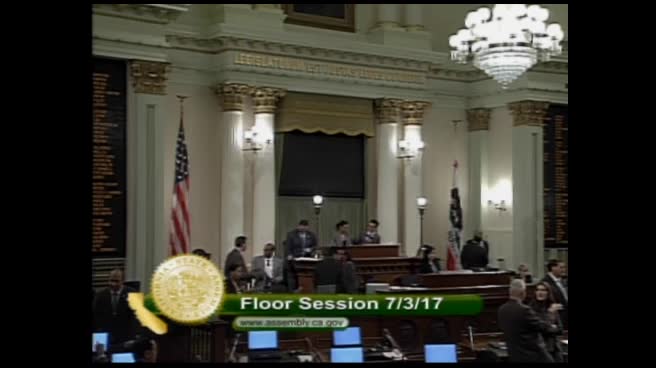
| Jul 3, 2017 | SB 228 Dodd Senate Third Reading By AGUIAR-CURRY | Assembly Floor |
Passed |
|
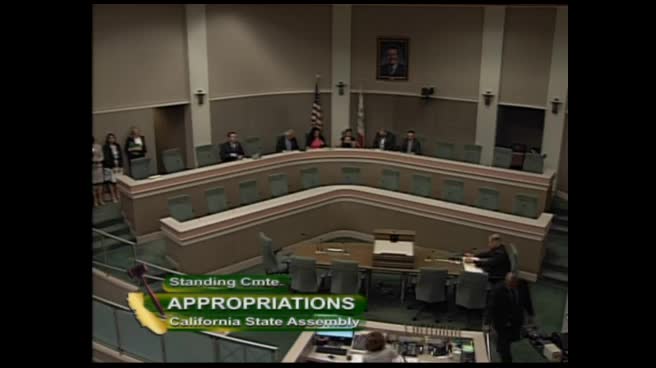
| Jun 28, 2017 | Do pass. | Assembly Standing Committee on Appropriations |
Passed |
|
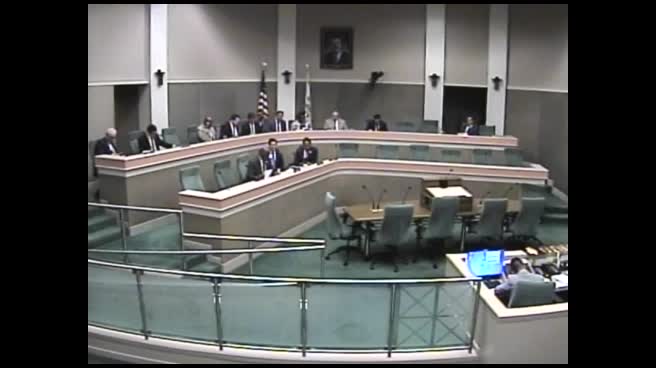
| Jun 21, 2017 | Do pass and be re-referred to the Committee on [Appropriations] | Assembly Standing Committee on Governmental Organization |
Passed |
|
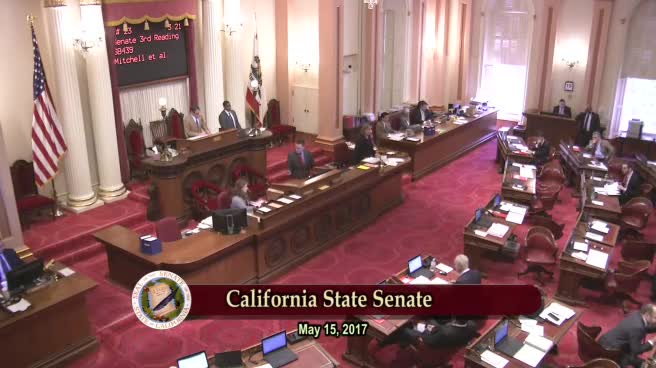
| May 15, 2017 | Senate 3rd Reading SB228 Dodd et al. | Senate Floor |
Passed |
|
| Apr 25, 2017 | Do pass, but first be re-referred to the Committee on [Appropriations] | Senate Standing Committee on Governmental Organization |
Passed |
This list shows positions taken on this bill by organizations on the date displayed, which is linked to the original source.
Positions by individuals are not included.
|
Organization
|
Position
|
Date
|
|---|---|---|
| Alcohol Justice | ** Against | Jun 21, 2017 |
| City of Napa | ** Support | Jun 21, 2017 |
| Napa County Board of Supervisors | ** Support | Jun 21, 2017 |
| Napa Valley College | * Support | Jun 21, 2017 |
| Napa Valley Community College District Board of Trustees | ** Support | May 9, 2017 |
| Santa Rosa Junior College | ** Support | Jun 21, 2017 |
| Sonoma County Board of Supervisors | ** Support | Jun 21, 2017 |
SENATE THIRD READING
STR Bill Id:SB 228
Author:(Dodd)
As Amended Ver:April 17, 2017
Majority vote
SENATE VOTE: 38-1
Committee | Votes | Ayes | Noes |
Governmental Organization | 16-1 | Gray, Bigelow, Aguiar-Curry, Bocanegra, Brough, Cooley, Cooper, Daly, Gallagher, Gipson, Gloria, Kiley, Levine, Low, Rubio, Waldron | Salas |
Appropriations | 14-0 | Gonzalez Fletcher, Bigelow, Bloom, Bocanegra, Bonta, Limón, Chau, Eggman, Fong, Friedman, Gallagher, Muratsuchi, Obernolte, Reyes |
SUMMARY: Would permit the sale, possession, or consumption of beer on the grounds of a public schoolhouse for beer that is produced by a brewery owned or operated as part of an instructional program in brewing, if a license has been issued by the Department of Alcoholic Beverage Control (ABC).
EXISTING LAW:
- The enactment of the 21st Amendment to the United States (U.S.) Constitution in 1933 repealed the 18th Amendment and ended the era of Prohibition. Accordingly, states were granted the authority to establish alcoholic beverage laws and administrative structures to regulate the sale and distribution of alcoholic beverages.
- Establishes ABC and grants it exclusive authority to administer the provisions of the Alcoholic Beverage Control Act (Act) in accordance with laws enacted by the Legislature. This involves licensing individuals and businesses associated with the manufacture, importation and sale of alcoholic beverages in this state and the collection of license fees for this purpose.
- Existing law, known as the "Tied-house" law, separates the alcoholic beverage industry into three component parts of manufacturer, wholesaler, and retailer. The original policy rationale for this body of law was to prohibit the vertical integration of the alcohol industry and to protect the public from predatory marketing practices. Generally, other than exemptions granted by the Legislature, the holder of one type of license is not permitted to do business as another type of licensee within the "three-tier" system.
- Prohibits, generally, the sale, possession, or consumption of alcoholic beverages at a public schoolhouse (K-14) or any grounds thereof. Existing law provides for various exceptions to this prohibition, including, among others, wine that is produced by a bonded winery owned or operated as part of an instructional program in viticulture and enology.
- Allows students who are at least 18 years of age and enrolled in degree granting programs in enology or brewing at accredited public postsecondary educational institutions to taste an alcoholic beverage for educational purposes as part of the instruction in a course required for a degree.
- Grants ABC the authority to issue a special nonprofit sales license to a nonprofit mutual benefit corporation associated with the Department of Viticulture and Enology at the University of California, Davis, and permits the licensee to, among other things, accept up to 20,000 gallons of wine produced by University of California, Davis, and sell the wine to consumers or to other licensees authorized to sell wine.
FISCAL EFFECT: According to the Assembly Appropriations Committee, minor and absorbable costs to ABC for additional oversight and enforcement.
COMMENTS:
Background: California is an internationally recognized leader in the production of wine and beer. Many of these products are made by, or with the help of, California college and university graduates who completed the bulk of their career training in wine or beer production.
The viticulture program at the University of California dates back to 1880. At the time, it was realized that California had the potential to become one of the world's foremost wine and grape producing regions. On April 15, 1880, the Legislature mandated the Regents of the University of California to establish a program providing for instruction and research in viticulture and enology. The current Department of Viticulture and Enology was established on the Davis campus in 1935 following the repeal of Prohibition. Since then several of California's public institutions of higher learning have developed and currently offer a variety of academic programs that teach students the science and art of making wine and brewing beer.
As previously noted, existing law generally prohibits the sale, possession, or consumption of alcoholic beverages on the grounds of a public school. Over the years, numerous legislative exceptions have been granted to allow for the possession and use of alcoholic beverages on school grounds. The emergence of instructional programs in viticulture and enology has provided a rationale for some of these exceptions. Further, several of the exceptions were intended to generate additional revenue for community colleges.
The existing exception that allows wine produced as part of an instructional program to be sold on the grounds of a public schoolhouse was enacted in 2005 with the notion that the resulting revenue would be used to support the program and provide scholarships for students. This bill would similarly extend this exception to beer produced by a brewery owned or operated as part of an instructional program in brewing.
In 2016, the Governor signed SB 683 (Wolk), Chapter 584, Statutes of 2016 that granted ABC the authority to issue a special nonprofit sales license to a nonprofit associated with the Department of Viticulture and Enology at the University of California, Davis. The license allows the university to transfer a specified amount of wine made by the students to the nonprofit for marketing and sale. Again, the idea being that proceeds from the wine would be remitted to the Department of Viticulture and Enology for further research and education.
Purpose of the bill: According to the author's office, "California's colleges are increasingly offering instructional brewing programs. Such programs offer hands-on brewing science instruction including malting, mashing, brewing, fermentation, and finishing of the product. Currently, students enrolled in brewing educational courses must discard any product produced through the program. Extending current law to include brewing programs will similarly provide a more comprehensive educational experience and prevent additional unnecessary waste by allowing the beer produced to be sold."
Prior Legislation: SB 683 (Wolk), Chapter 584, Statutes of 2016. Allowed ABC to issue a special nonprofit sales license to a nonprofit mutual benefit corporation associated with the Department of Viticulture and Enology at the University of California Davis and permits the licensee to, among other things, accept up to 20,000 gallons of wine produced by University of California, Davis, and sell the wine to consumers or to other licensees authorized to sell wine.
AB 2073 (Bigelow), Chapter 235, Statutes of 2014. Provided that the prohibition against the sale, possession, or consumption of alcoholic beverages on the grounds of a public schoolhouse does not apply if the alcoholic beverages are acquired, possessed, used, sold, or consumed pursuant to a license or permit obtained for special events held at facilities owned and operated by an educational agency, a county office of education, superintendent of schools, school district, or community college district at a time when pupils are generally not on the grounds.
AB 1989 (Chesbro), Chapter 162, Statutes of 2014. Created an exception relating to consumption or possession of alcoholic beverages by underage persons by allowing students who are at least 18 years of age and enrolled in degree granting programs in enology or brewing at accredited public postsecondary educational institutions to taste, but not consume, an alcoholic beverage for educational purposes as part of the instruction in a course required for a degree.
AB 319 (Norby), Chapter 672, Statutes of 2011. Allowed the sale and consumption of alcohol on community college campuses statewide, during special events, when the proper license or permit has been issued by ABC and authority has been granted by the community college district.
AB 1643 (Smyth), Chapter 79, Statutes of 2010. Allowed alcoholic beverages to be acquired, possessed, or used during events held at a community college-owned facility used to school K-12 students, if the event is held at a time when students in any grades from K-12 are not present at the facility, and defined "events" to include fundraisers held to benefit a nonprofit that has obtained an appropriate license for the event.
AB 1448 (Berryhill), Chapter 399, Statutes of 2009. Provided the prohibition relating to the possession, consumption, and sale of alcoholic beverages in any public schoolhouse or any grounds thereof shall not apply to an event during the weekend or at other times when pupils are not on the grounds of an overnight retreat facility owned and operated by a county office of education in Stanislaus County.
AB 1598 (Price), Chapter 149, Statutes of 2007. Created a new exception to the existing prohibition against the sale or consumption of alcoholic beverages on the grounds of a public school to enable culinary arts programs at a campus of a California Community College to buy, use, sell or consume wine or beer only in connection with a sponsored dinner, course of instruction, or meal demonstration.
Analysis Prepared by: Eric Johnson / G.O. / (916) 319-2531 FN: 0001090
Date of Hearing: June 28, 2017
ASSEMBLY COMMITTEE ON APPROPRIATIONS
Lorena Gonzalez Fletcher, Chair
SBPCA Bill Id:SB 228
Author:(Dodd) – As Amended Ver:April 17, 2017
Policy Committee: | Governmental Organization | Vote: | 16 - 1 |
Urgency: No State Mandated Local Program: No Reimbursable: No
SUMMARY:
This bill permits the sale, possession, or consumption of beer on the grounds of a public schoolhouse for beer that is produced by a brewery owned or operated as part of an instructional program in brewing.
FISCAL EFFECT:
Minor and absorbable costs to the California Department of Alcoholic Beverage Control (ABC) for additional oversight and enforcement.
COMMENTS:
Background and Purpose. Existing law generally prohibits the sale, possession, or consumption of alcoholic beverages on the grounds of a public school. However, SB 220 (Chesbro), Chapter 203, Statutes of 2005, authorized the sale of wine on the grounds of a public schoolhouse for wine that is produced as part of an instructional program. The sale of produced wine was intended in part to generate additional revenue for community colleges.
According to the author, SB 228 will help generate revenue for California colleges that are increasingly offering instructional brewing programs. This bill would align policy regarding beer produced on school grounds with existing state policy regarding wine production.
Analysis Prepared by: Luke Reidenbach / APPR. / (916) 319-2081
Date of Hearing: June 21, 2017
ASSEMBLY COMMITTEE ON GOVERNMENTAL ORGANIZATION
Adam Gray, Chair
SBPCA Bill Id:SB 228
Author:(Dodd) – As Amended Ver:April 17, 2017
SENATE VOTE: 38-1
SUBJECT: Alcoholic beverage control: public schoolhouses
SUMMARY: Existing law generally prohibits the sale or consumption of alcoholic beverages at a public schoolhouse or any grounds thereof. Various exceptions to this prohibition have been granted, including wine that is produced by a bonded winery owned or operated as part of an instructional program in viticulture and enology.
SB 228 would permit the sale, possession, or consumption of beer that is produced by a brewery owned or operated as part of an instructional program in brewing on the grounds of a public schoolhouse, provided a license has been issued by the Department of Alcoholic Beverage Control (ABC).
EXISTING LAW:
- The enactment of the 21st Amendment to the United States (U.S.) Constitution in 1933 repealed the 18th Amendment and ended the era of Prohibition. Accordingly, states were granted the authority to establish alcoholic beverage laws and administrative structures to regulate the sale and distribution of alcoholic beverages.
- Establishes ABC and grants it exclusive authority to administer the provisions of the Alcoholic Beverage Control Act (Act) in accordance with laws enacted by the Legislature. This involves licensing individuals and businesses associated with the manufacture, importation and sale of alcoholic beverages in this state and the collection of license fees for this purpose.
- Existing law, known as the "Tied-house" law, separates the alcoholic beverage industry into three component parts of manufacturer, wholesaler, and retailer. The original policy rationale for this body of law was to prohibit the vertical integration of the alcohol industry and to protect the public from predatory marketing practices. Generally, other than exemptions granted by the Legislature, the holder of one type of license is not permitted to do business as another type of licensee within the "three-tier" system.
- Prohibits, generally, the sale, possession, or consumption of alcoholic beverages at a public schoolhouse (K-14) or any grounds thereof. Existing law provides for various exceptions to this prohibition, including, among others, wine that is produced by a bonded winery owned or operated as part of an instructional program in viticulture and enology.
- Allows students who are at least 18 years of age and enrolled in degree granting programs in enology or brewing at accredited public postsecondary educational institutions to taste an alcoholic beverage for educational purposes as part of the instruction in a course required for a degree.
- Grants ABC the authority to issue a special nonprofit sales license to a nonprofit mutual benefit corporation associated with the Department of Viticulture and Enology at the University of California, Davis, and permits the licensee to, among other things, accept up to 20,000 gallons of wine produced by University of California, Davis, and sell the wine to consumers or to other licensees authorized to sell wine.
FISCAL EFFECT: Unknown
COMMENTS:
Background: California is an internationally recognized leader in the production of wine and beer. Many of these products are made by, or with the help of, California college and university graduates who completed the bulk of their career training in wine or beer production.
The viticulture program at the University of California dates back to 1880. At the time, it was realized that California had the potential to become one of the world's foremost wine and grape producing regions. On April 15, 1880, the Legislature mandated the Regents of the University of California to establish a program providing for instruction and research in viticulture and enology. The current Department of Viticulture and Enology was established on the Davis campus in 1935 following the repeal of Prohibition. Since then several of California’s public institutions of higher learning have developed and currently offer a variety of academic programs that teach students the science and art of making wine and brewing beer.
As previously noted, existing law generally prohibits the sale, possession, or consumption of alcoholic beverages on the grounds of a public school. Over the years, numerous legislative exceptions have been granted to allow for the possession and use of alcoholic beverages on school grounds. The emergence of instructional programs in viticulture and enology has provided a rationale for some of these exceptions. Further, several of the exceptions were intended to generate additional revenue for community colleges.
The existing exception that allows wine produced as part of an instructional program to be sold on the grounds of a public schoolhouse was enacted in 2005 with the notion that the resulting revenue would be used to support the program and provide scholarships for students. SB 228 would similarly extend this exception to beer produced by a brewery owned or operated as part of an instructional program in brewing.
In 2016, the Governor signed SB 683 (Wolk, Chapter 584, Statutes of 2016) that granted ABC the authority to issue a special nonprofit sales license to a nonprofit associated with the Department of Viticulture and Enology at the University of California, Davis. The license allows the university to transfer a specified amount of wine made by the students to the nonprofit for marketing and sale. Again, the idea being that proceeds from the wine would be remitted to the Department of Viticulture and Enology for further research and education.
Purpose of the bill: According to the author’s office, “California’s colleges are increasingly offering instructional brewing programs. Such programs offer hands-on brewing science instruction including malting, mashing, brewing, fermentation, and finishing of the product. Currently, students enrolled in brewing educational courses must discard any product produced through the program. Extending current law to include brewing programs will similarly provide a more comprehensive educational experience and prevent additional unnecessary waste by allowing the beer produced to be sold.”
Prior Legislation: SB 683 (Wolk), Chapter 584, Statutes of 2016. Allowed ABC to issue a special nonprofit sales license to a nonprofit mutual benefit corporation associated with the Department of Viticulture and Enology at the University of California Davis and permits the licensee to, among other things, accept up to 20,000 gallons of wine produced by University of California, Davis, and sell the wine to consumers or to other licensees authorized to sell wine.
AB 2073 (Bigelow), Chapter 235, Statutes of 2014. Provided that the prohibition against the sale, possession, or consumption of alcoholic beverages on the grounds of a public schoolhouse does not apply if the alcoholic beverages are acquired, possessed, used, sold, or consumed pursuant to a license or permit obtained for special events held at facilities owned and operated by an educational agency, a county office of education, superintendent of schools, school district, or community college district at a time when pupils are generally not on the grounds.
AB 1989 (Chesbro), Chapter 162, Statutes of 2014. Created an exception relating to consumption or possession of alcoholic beverages by underage persons by allowing students who are at least 18 years of age and enrolled in degree granting programs in enology or brewing at accredited public postsecondary educational institutions to taste, but not consume, an alcoholic beverage for educational purposes as part of the instruction in a course required for a degree.
AB 319 (Norby), Chapter 672, Statutes of 2011. Allowed the sale and consumption of alcohol on community college campuses statewide, during special events, when the proper license or permit has been issued by ABC and authority has been granted by the community college district.
AB 1643 (Smyth), Chapter 79, Statutes of 2010. Allowed alcoholic beverages to be acquired, possessed, or used during events held at a community college-owned facility used to school K-12 students, if the event is held at a time when students in any grades from K-12 are not present at the facility, and defined "events" to include fundraisers held to benefit a nonprofit that has obtained an appropriate license for the event.
AB 1448 (Berryhill), Chapter 399, Statutes of 2009. Provided the prohibition relating to the possession, consumption, and sale of alcoholic beverages in any public schoolhouse or any grounds thereof shall not apply to an event during the weekend or at other times when pupils are not on the grounds of an overnight retreat facility owned and operated by a county office of education in Stanislaus County.
AB 1598 (Price), Chapter 149, Statutes of 2007. Created a new exception to the existing prohibition against the sale or consumption of alcoholic beverages on the grounds of a public school to enable culinary arts programs at a campus of a California Community College to buy, use, sell or consume wine or beer only in connection with a sponsored dinner, course of instruction, or meal demonstration.
REGISTERED SUPPORT / OPPOSITION:
Support
City of Napa
Napa County Board of Supervisors
Santa Rosa Junior College
Sonoma County Board of Supervisors
Opposition
Alcohol Justice
Analysis Prepared by: Eric Johnson / G.O. / (916) 319-2531
Office of Senate Floor Analyses (916) 651-1520 Fax: (916) 327-4478 | SB |
THIRD READING
Bill No: SB 228
:
SENATE GOVERNMENTAL ORG. COMMITTEE: 13-0, 4/25/17
AYES: Glazer, Berryhill, Bradford, Cannella, Dodd, Gaines, Galgiani, Hill, Hueso, Lara, Mendoza, Portantino, Vidak
SENATE APPROPRIATIONS COMMITTEE: Senate Rule 28.8
DIGEST: This bill permits the sale, possession, or consumption of beer that is produced by a brewery owned or operated as part of an instructional program in brewing on the grounds of a public schoolhouse.
ANALYSIS:
Existing law:
- Establishes the Department of Alcoholic Beverage Control (ABC) and grants it the exclusive authority to administer the provisions of the ABC Act in accordance with laws enacted by the Legislature. This involves licensing individuals and businesses associated with the manufacture, importation, and sale of alcoholic beverages in this state and the collection of license fees for this purpose.
- Prohibits, generally, the sale, possession, or consumption of alcoholic beverages at a public schoolhouse (K-14) or any grounds thereof. Existing law provides for various exceptions to this prohibition, including, among others, wine that is produced by a bonded winery owned or operated as part of an instructional program in viticulture and enology.
- Allows students who are at least 18 years of age and enrolled in degree granting programs in enology or brewing at accredited public postsecondary educational institutions to taste an alcoholic beverage for educational purposes as part of the instruction in a course required for a degree.
- Grants the Department of ABC the authority to issue a special nonprofit sales license to a nonprofit mutual benefit corporation associated with the Department of Viticulture and Enology at the University of California, Davis, and permits the licensee to, among other things, accept up to 20,000 gallons of wine produced by University of California, Davis, and sell the wine to consumers or to other licensees authorized to sell wine.
This bill permits the sale, possession, or consumption of beer that is produced by a brewery owned or operated as part of an instructional program in brewing on the grounds of a public schoolhouse, provided a license has been issued by the Department of ABC.
Background
Purpose of the bill. According to the author’s office, “California’s colleges are increasingly offering instructional brewing programs. Such programs offer hands-on brewing science instruction including malting, mashing, brewing, fermentation, and finishing of the product. Currently, students enrolled in brewing educational courses must discard any product produced through the program. Extending current law to include brewing programs will similarly provide a more comprehensive educational experience and prevent additional unnecessary waste by allowing the beer produced to be sold.”
Academic winemaking and brewing programs. California is an internationally recognized leader in the production of wine and beer. Many of these products are made by, or with the help of, California college and university graduates who completed the bulk of their career training in wine or beer production.
The viticulture program at the University of California dates back to 1880. At the time, it was realized that California had the potential to become one of the world's foremost wine and grape producing regions. On April 15, 1880, the Legislature mandated the Regents of the University of California to establish a program providing for instruction and research in viticulture and enology. The current Department of Viticulture and Enology was established on the Davis campus in 1935 following the repeal of Prohibition. Since then several of California’s public institutions of higher learning have developed and currently offer a variety of academic programs that teach students the science and art of making wine and brewing beer.
As previously noted, existing law generally prohibits the sale, possession, or consumption of alcoholic beverages on the grounds of a public school. Over the years, numerous legislative exceptions have been granted to allow for the possession and use of alcoholic beverages on school grounds. The emergence of instructional programs in viticulture and enology has provided a rationale for some of these exceptions. Further, several of the exceptions were intended to generate additional revenue for community colleges.
The existing exception that allows wine produced as part of an instructional program to be sold on the grounds of a public schoolhouse was enacted in 2005 with the notion that the resulting revenue would be used to support the program and provide scholarships for students. SB 228 would similarly extend this exception to beer produced by a brewery owned or operated as part of an instructional program in brewing.
Additionally, last year, the Governor signed SB 683 (Wolk, Chapter 584, Statutes of 2016) that granted the Department of ABC the authority to issue a special nonprofit sales license to a nonprofit associated with the Department of Viticulture and Enology at the University of California, Davis. The license allows the university to transfer a specified amount of wine made by the students to the nonprofit for marketing and sale. Again, the idea being that proceeds from the wine would be remitted to the Department of Viticulture and Enology for further research and education.
Related/Prior Legislation
SB 683 (Wolk, Chapter 584, Statutes of 2016) granted the Department of ABC the authority to issue a special nonprofit sales license to a nonprofit mutual benefit corporation associated with the Department of Viticulture and Enology at the University of California Davis and permits the licensee to, among other things, accept up to 20,000 gallons of wine produced by University of California, Davis, and sell the wine to consumers or to other licensees authorized to sell wine.
AB 2073 (Bigelow, Chapter 235, Statutes of 2014) provided that the prohibition against the sale, possession, or consumption of alcoholic beverages on the grounds of a public schoolhouse does not apply if the alcoholic beverages are acquired, possessed, used, sold, or consumed pursuant to a license or permit obtained for special events held at facilities owned and operated by an educational agency, a county office of education, superintendent of schools, school district, or community college district at a time when pupils are generally not on the grounds.
AB 1989 (Chesbro, Chapter 162, Statutes of 2014) created an exception relating to consumption or possession of alcoholic beverages by underage persons by allowing students who are at least 18 years of age and enrolled in degree granting programs in enology or brewing at accredited public postsecondary educational institutions to taste, but not consume, an alcoholic beverage for educational purposes as part of the instruction in a course required for a degree.
AB 319 (Norby, Chapter 672, Statutes of 2011) permitted the sale and consumption of alcohol on community college campuses statewide, during special events, when the proper license or permit has been issued by the Department of ABC and authority has been granted by the community college district.
AB 1643 (Smyth, Chapter 79, Statutes of 2010) permitted alcoholic beverages to be acquired, possessed, or used during events held at a community college-owned facility used to school K-12 students, if the event is held at a time when students in any grades from K-12 are not present at the facility, and defined "events" to include fundraisers held to benefit a nonprofit that has obtained an appropriate license for the event.
AB 1448 (Berryhill, Chapter 399, Statutes of 2009) provided the prohibition relating to the possession, consumption, and sale of alcoholic beverages in any public schoolhouse or any grounds thereof shall not apply to an event during the weekend or at other times when pupils are not on the grounds of an overnight retreat facility owned and operated by a county office of education in Stanislaus County.
AB 1598 (Price, Chapter 149, Statutes of 2007) provided that the prohibition against the sale, possession, or consumption of alcoholic beverages on the grounds of a public schoolhouse does not apply if the alcoholic beverage is beer or wine acquired, possessed, used, sold, or consumed only in connection with a course of instruction, sponsored dinner, or meal demonstration given as part of a culinary arts program at a campus of a California Community College and the person has been authorized to acquire, possess, use, sell, or consume the beer or wine by the governing body or other administrative head of the school.
AB 767 (Mullin, Chapter 204, Statutes of 2005) provided that the prohibition against the sale, possession, or consumption of alcoholic beverages on the grounds of a public schoolhouse does not apply if the grounds on which the alcoholic beverage is acquired, possessed, used, or consumed is property that has been developed and is used for residential facilities or housing that is offered for rent, lease, or sale exclusively to faculty or staff of a public school or community college district.
SB 220 (Chesbro, Chapter 203, Statutes of 2005) provided that the prohibition against the sale, possession, or consumption of alcoholic beverages on the grounds of a public schoolhouse does not apply to wine produced by a bonded winery owned or operated as part of an instructional program in viticulture and enology.
FISCAL EFFECT: Appropriation: Fiscal Com.: Local:
City of Napa
Napa County Board of Supervisors
Napa Valley Community College District Board of Trustees
Santa Rosa Junior College
Sonoma County Board of Supervisors
ARGUMENTS IN SUPPORT: Supporters contend that, “with the rapid growth of the brewing industry worldwide, brewery owners and managers are increasingly seeking to hire trained professionals who have been educated in the science and engineering of running a brewery operation, as well as those who know and understand the demands of the brewing industry.”
Additionally, supporters note that current law prevents unnecessary and avoidable waste by allowing wine produced through educational programs to be sold instead of discarded. Supporters state that this bill would similarly allow community colleges with brewing courses to sell beer produced through their programs and dedicate the proceeds back to supporting the program and its students.
ARGUMENTS IN OPPOSITION: Alcohol Justice states that, “it is absurd for educational facilities to train students on how to brew and/or taste alcohol with no requirements for training them in responsible beverage service, or educating them on the public health and safety harms of alcohol.”
5/9/17 16:30:27
**** END ****
SENATE COMMITTEE ON GOVERNMENTAL ORGANIZATION
Senator Steven Glazer
Chair
2017 - 2018 Regular
Bill No: 228 Hearing Date: 4/25/2017
Author: | , et. al | ||
Version: | 4/17/2017 Amended | ||
Urgency: | No | Fiscal: | Yes |
Consultant: | Naomi Padron | ||
SUBJECT: Alcoholic beverage control: public schoolhouses
DIGEST: This bill permits the sale, possession, or consumption of beer that is produced by a brewery owned or operated as part of an instructional program in brewing on the grounds of a public schoolhouse.
ANALYSIS:
Existing law:
- Establishes the Department of Alcoholic Beverage Control (ABC) and grants it the exclusive authority to administer the provisions of the ABC Act in accordance with laws enacted by the Legislature. This involves licensing individuals and businesses associated with the manufacture, importation, and sale of alcoholic beverages in this state and the collection of license fees for this purpose.
- Generally prohibits the sale, possession, or consumption of alcoholic beverages at a public schoolhouse (K-14) or any grounds thereof. Existing law provides for various exceptions to this prohibition, including, among others, wine that is produced by a bonded winery owned or operated as part of an instructional program in viticulture and enology.
- Allows students who are at least 18 years of age and enrolled in degree granting programs in enology or brewing at accredited public postsecondary educational institutions to taste an alcoholic beverage for educational purposes as part of the instruction in a course required for a degree.
- Grants the Department of ABC the authority to issue a special nonprofit sales license to a nonprofit mutual benefit corporation associated with the Department of Viticulture and Enology at the University of California, Davis, and permits the licensee to, among other things, accept up to 20,000 gallons of wine produced by University of California, Davis, and sell the wine to consumers or to other licensees authorized to sell wine.
This bill permits the sale, possession, or consumption of beer that is produced by a brewery owned or operated as part of an instructional program in brewing on the grounds of a public schoolhouse, provided a license has been issued by the Department of ABC.
Background
Purpose of the bill. According to the author’s office, “California’s colleges are increasingly offering instructional brewing programs. Such programs offer hands-on brewing science instruction including malting, mashing, brewing, fermentation, and finishing of the product. Currently, students enrolled in brewing educational courses must discard any product produced through the program. Extending current law to include brewing programs will similarly provide a more comprehensive educational experience and prevent additional unnecessary waste by allowing the beer produced to be sold.”
Academic winemaking and brewing programs. California is an internationally recognized leader in the production of wine and beer. Many of these products are made by, or with the help of, California college and university graduates who completed the bulk of their career training in wine or beer production.
The viticulture program at the University of California dates back to 1880. At the time, it was realized that California had the potential to become one of the world's foremost wine and grape producing regions. On April 15, 1880, the Legislature mandated the Regents of the University of California to establish a program providing for instruction and research in viticulture and enology. The current Department of Viticulture and Enology was established on the Davis campus in 1935 following the repeal of Prohibition.
Since then several of California’s public institutions of higher learning have developed and currently offer a variety of academic programs that teach students the science and art of making wine and brewing beer.
As previously noted, existing law generally prohibits the sale, possession, or consumption of alcoholic beverages on the grounds of a public school. Over the years, numerous legislative exceptions have been granted to allow for the possession and use of alcoholic beverages on school grounds. The emergence of instructional programs in viticulture and enology has provided a rationale for some of these exceptions. Further, several of the exceptions were intended to generate additional revenue for community colleges.
The existing exception that allows wine produced as part of an instructional program to be sold on the grounds of a public schoolhouse was enacted in 2005 with the notion that the resulting revenue would be used to support the program and provide scholarships for students. SB 228 would similarly extend this exception to beer produced by a brewery owned or operated as part of an instructional program in brewing.
Additionally, last year, the Governor signed SB 683 (Wolk, Chapter 584, Statutes of 2016) that granted the Department of ABC the authority to issue a special nonprofit sales license to a nonprofit associated with the Department of Viticulture and Enology at the University of California, Davis. The license allows the university to transfer a specified amount of wine made by the students to the nonprofit for marketing and sale. Again, the idea being that proceeds from the wine would be remitted to the Department of Viticulture and Enology for further research and education.
Prior/Related Legislation
SB 683 (Wolk, Chapter 584, Statutes of 2016) granted the Department of ABC the authority to issue a special nonprofit sales license to a nonprofit mutual benefit corporation associated with the Department of Viticulture and Enology at the University of California Davis and permits the licensee to, among other things, accept up to 20,000 gallons of wine produced by University of California, Davis, and sell the wine to consumers or to other licensees authorized to sell wine.
AB 2073 (Bigelow, Chapter 235, Statutes of 2014) provided that the prohibition against the sale, possession, or consumption of alcoholic beverages on the grounds of a public schoolhouse does not apply if the alcoholic beverages are acquired, possessed, used, sold, or consumed pursuant to a license or permit obtained for special events held at facilities owned and operated by an educational agency, a county office of education, superintendent of schools, school district, or community college district at a time when pupils are generally not on the grounds.
AB 1989 (Chesbro, Chapter 162, Statutes of 2014) created an exception relating to consumption or possession of alcoholic beverages by underage persons by allowing students who are at least 18 years of age and enrolled in degree granting programs in enology or brewing at accredited public postsecondary educational institutions to taste, but not consume, an alcoholic beverage for educational purposes as part of the instruction in a course required for a degree.
AB 319 (Norby, Chapter 672, Statutes of 2011) permitted the sale and consumption of alcohol on community college campuses statewide, during special events, when the proper license or permit has been issued by the Department of ABC and authority has been granted by the community college district.
AB 1643 (Smyth, Chapter 79, Statutes of 2010) permitted alcoholic beverages to be acquired, possessed, or used during events held at a community college-owned facility used to school K-12 students, if the event is held at a time when students in any grades from K-12 are not present at the facility, and defined "events" to include fundraisers held to benefit a nonprofit that has obtained an appropriate license for the event.
AB 1448 (Berryhill, Chapter 399, Statutes of 2009) provided the prohibition relating to the possession, consumption, and sale of alcoholic beverages in any public schoolhouse or any grounds thereof shall not apply to an event during the weekend or at other times when pupils are not on the grounds of an overnight retreat facility owned and operated by a county office of education in Stanislaus County.
AB 1598 (Price, Chapter 149, Statutes of 2007) provided that the prohibition against the sale, possession, or consumption of alcoholic beverages on the grounds of a public schoolhouse does not apply if the alcoholic beverage is beer or wine acquired, possessed, used, sold, or consumed only in connection with a course of instruction, sponsored dinner, or meal demonstration given as part of a culinary arts program at a campus of a California Community College and the person has been authorized to acquire, possess, use, sell, or consume the beer or wine by the governing body or other administrative head of the school.
AB 767 (Mullin, Chapter 204, Statutes of 2005) provided that the prohibition against the sale, possession, or consumption of alcoholic beverages on the grounds of a public schoolhouse does not apply if the grounds on which the alcoholic beverage is acquired, possessed, used, or consumed is property that has been developed and is used for residential facilities or housing that is offered for rent, lease, or sale exclusively to faculty or staff of a public school or community college district.
SB 220 (Chesbro, Chapter 203, Statutes of 2005) provided that the prohibition against the sale, possession, or consumption of alcoholic beverages on the grounds of a public schoolhouse does not apply to wine produced by a bonded winery owned or operated as part of an instructional program in viticulture and enology.
FISCAL EFFECT: Appropriation: Fiscal Com.: Local:
SUPPORT:
City of Napa
Napa County Board of Supervisors
Napa Valley Community College District Board of Trustees
Santa Rosa Junior College
Sonoma County Board of Supervisors
OPPOSITION:
Alcohol Justice
ARGUMENTS IN SUPPORT: Supporters contend that, “with the rapid growth of the brewing industry worldwide, brewery owners and managers are increasingly seeking to hire trained professionals who have been educated in the science and engineering of running a brewery operation, as well as those who know and understand the demands of the brewing industry.”
Additionally, supporters note that current law prevents unnecessary and avoidable waste by allowing wine produced through educational programs to be sold instead of discarded. Supporters state that this bill would similarly allow community colleges with brewing courses to sell beer produced through their programs and dedicate the proceeds back to supporting the program and its students.
ARGUMENTS IN OPPOSITION: Alcohol Justice states that, “it is absurd for educational facilities to train students on how to brew and/or taste alcohol with no requirements for training them in responsible beverage service, or educating them on the public health and safety harms of alcohol.”
Discussed in Hearing
 1MIN
Assembly Floor
 1MIN
Assembly Standing Committee on Appropriations
 6MIN
Assembly Standing Committee on Governmental Organization
 2MIN
Senate Floor
Bill Author

Bill Co-Author(s):
