SB 332: Voter registration: foster youth.
- Session Year: 2017-2018
- House: Senate
- Latest Version Date: 2017-07-31
Existing law establishes the Aid to Families with Dependent Children-Foster Care (AFDC-FC) program, under which counties provide payments to foster care providers on behalf of qualified children in foster care and to nonminor dependents up to 21 years of age. Existing law requires, in order to be provided AFDC-FC benefits, one of several conditions to be satisfied, including, for a nonminor dependent, that he or she has been placed pursuant to a mutual agreement or is reentering foster care placement pursuant to a voluntary agreement.
Existing law requires a county social worker to create a case plan for foster youth within a specified timeframe after the child is introduced into the foster care system. Existing law requires the case plan to include prescribed components, including, among other things, when appropriate, for a child who is 16 years of age or older and for a nonminor dependent, a transitional independent living plan (TILP).
This bill would require the State Department of Social Services to include specified information relating to voter registration, including the voter registration page on the Secretary of States Internet Web site, on a flyer for the Independent Living Program, on the form used for a nonminor dependent to enter into a mutual agreement or a voluntary reentry agreement, on the form used to create a TILP, on the departments Internet Web site for the Independent Living Program, and on the Office of the Foster Care Ombudsmans Internet Web site. The bill would authorize a county social worker to provide a voter registration form to a child 16 years of age or older or a nonminor dependent concurrent with the provision of any of those forms. The bill would authorize the department to implement, interpret, or make specific these provisions by means of an all-county letter or similar instructions, without taking any regulatory action.
Existing law establishes the Aid to Families with Dependent Children-Foster Care (AFDC-FC) program, under which counties provide payments to foster care providers on behalf of qualified children in foster care and to nonminor dependents up to 21 years of age. Existing law requires, in order to be provided AFDC-FC benefits, one of several conditions to be satisfied, including, for a nonminor dependent, that he or she has been placed pursuant to a mutual agreement or is reentering foster care placement pursuant to a voluntary agreement.
Existing law requires a county social worker to create a case plan for foster youth within a specified timeframe after the child is introduced into the foster care system. Existing law requires the case plan to include prescribed components, including, among other things, when appropriate, for a child who is 16 years of age or older and for a nonminor dependent, a transitional independent living plan (TILP).
This bill would require the State Department of Social Services to include specified information relating to voter registration, including the voter registration page on the Secretary of States Internet Web site, on a flyer for the Independent Living Program, on the forms form used for a nonminor dependent to enter into a mutual agreement or a voluntary reentry agreement and agreement, on the form used to create a TILP. TILP, on the departments Internet Web site for the Independent Living Program, and on the Office of the Foster Care Ombudsmans Internet Web site. The bill would authorize a county social worker to provide a voter registration form to a child 16 years of age or older or a nonminor dependent concurrent with the provision of any of those forms. The bill would authorize the department to implement, interpret, or make specific these provisions by means of an all-county letter or similar instructions, without taking any regulatory action.
Existing law establishes the Aid to Families with Dependent Children-Foster Care (AFDC-FC) program, under which counties provide payments to foster care providers on behalf of qualified children in foster care and to nonminor dependents up to 21 years of age. Existing law requires, in order to be provided AFDC-FC benefits, one of several conditions to be satisfied, including, for a nonminor dependent, that he or she has been placed pursuant to a mutual agreement or is reentering foster care placement pursuant to a voluntary agreement.
Existing law requires a county social worker to create a case plan for foster youth within a specified timeframe after the child is introduced into the foster care system. Existing law requires the case plan to include prescribed components, including, among other things, when appropriate, for a child who is 16 years of age or older and for a nonminor dependent, a transitional independent living plan (TILP).
This bill would require the State Department of Social Services to include specified information relating to voter registration, including the voter registration page on the Secretary of States Internet Web site, on the forms used for a nonminor dependent to enter into a mutual agreement or a voluntary reentry agreement and on the forms form used to create a TILP. The bill would authorize the department to implement, interpret, or make specific these provisions by means of an all-county letter or similar instructions, without taking any regulatory action.
Existing law establishes the Aid to Families with Dependent Children-Foster Care (AFDC-FC) program, under which counties provide payments to foster care providers on behalf of qualified children in foster care and to nonminor dependents up to 21 years of age. Existing law requires, in order to be provided AFDC-FC benefits, one of several conditions to be satisfied, including, for a nonminor dependent, that he or she has been placed pursuant to a mutual agreement or is reentering foster care placement pursuant to a voluntary agreement.
Existing law requires a county social worker to create a case plan for foster youth within a specified timeframe after the child is introduced into the foster care system. Existing law requires the case plan to include prescribed components, including, among other things, when appropriate, for a child who is 16 years of age or older and for a nonminor dependent, a transitional independent living plan (TILP).
This bill would require the State Department of Social Services to include specified information relating to voter registration, including the voter registration page on the Secretary of States Internet Web site, on the forms used for a nonminor dependent to enter into a mutual agreement or a voluntary reentry agreement and on the forms used to create a TILP.
Existing law provides for the promotion and encouragement of voter registration.This bill would state the intent of the Legislature to enact legislation relating to voter registration opportunities for foster youth.Existing law provides for the promotion and encouragement of voter registration.
This bill would state the intent of the Legislature to enact legislation relating to voter registration opportunities for foster youth.
(a)The department shall include all of the following on a flyer for the Independent Living Program created by the department, the form used for a nonminor dependent to enter into a mutual agreement described in subdivision (u) of Section 11400, the form used for a nonminor dependent to enter into a voluntary reentry agreement described in subdivision (z) of Section 11400, the form used to create a transitional independent living plan described in paragraph (16) of subdivision (g) of Section16501.1, the departments Internet Web site for the Independent Living Program, and the Office of the Foster Care Ombudsmans Internet Web site:
(1)The voter registration page on the Secretary of States Internet Web site.
(2)The toll-free telephone number maintained by the Secretary of State that contains election-related information.
(3)The email address of the Secretary of State.
(b)A county social worker may provide a voter registration form to a child 16 years of age or older or a nonminor dependent concurrent with the provision of a form identified in subdivision (a).
(c)Notwithstanding the rulemaking provisions of the Administrative Procedure Act (Chapter 3.5 (commencing with Section 11340) of Part 1 of Division 3 of Title 2 of the Government Code), the department may implement, interpret, or make specific this section by means of an all-county letter or similar instructions, without taking any regulatory action.
(a)The department shall include all of the following in on a flyer for the Independent Living Program created by the department, the form used for a nonminor dependent to enter into a mutual agreement described in subdivision (u) of Section 11400, the form used for a nonminor dependent to enter into a voluntary reentry agreement described in subdivision (z) of Section 11400, and the form used to create a transitional independent living plan described in paragraph (16) of subdivision (g) of Section 16501.1:16501.1, the departments Internet Web site for the Independent Living Program, and the Office of the Foster Care Ombudsmans Internet Web site:
(1)The voter registration page on the Secretary of States Internet Web site.
(2)The toll-free telephone number maintained by the Secretary of State that contains election-related information.
(3)The email address of the Secretary of State.
(b)A county social worker may provide a voter registration form to a child 16 years of age or older or a nonminor dependent concurrent with the provision of a form identified in subdivision (a).
(b)(c)Notwithstanding the rulemaking provisions of the Administrative Procedure Act (Chapter 3.5 (commencing with Section 11340) of Part 1 of Division 3 of Title 2 of the Government Code), the department may implement, interpret, or make specific this section by means of an all-county letter or similar instructions, without taking any regulatory action.
REVISIONS: HeadingLine 2.(a)The department shall include all of the following in the form used for a nonminor dependent to enter into a mutual agreement described in subdivision (u) of Section 11400, the form used for a nonminor dependent to enter into a voluntary reentry agreement described in subdivision (z) of Section 11400, and the form used to create a transitional independent living plan described in paragraph (16) of subdivision (g) of Section 16501.1:
(a)(1)The voter registration page on the Secretary of States Internet Web site.
(b)(2)The toll-free telephone number maintained by the Secretary of State that contains election-related information.
(c)(3)The email address of the Secretary of State.
(b)Notwithstanding the rulemaking provisions of the Administrative Procedure Act (Chapter 3.5 (commencing with Section 11340) of Part 1 of Division 3 of Title 2 of the Government Code), the department may implement, interpret, or make specific this section by means of an all-county letter or similar instructions, without taking any regulatory action.
The department shall include all of the following in the form used for a nonminor dependent to enter into a mutual agreement described in subdivision (u) of Section 11400, the form used for a nonminor dependent to enter into a voluntary reentry agreement described in subdivision (z) of Section 11400, and the form used to create a transitional independent living plan described in paragraph (16) of subdivision (g) of Section 16501.1:
(a)The voter registration page on the Secretary of States Internet Web site.
(b)The toll-free telephone number maintained by the Secretary of State that contains election-related information.
(c)The email address of the Secretary of State.
SECTION 1.It is the intent of the Legislature to enact legislation relating to voter registration opportunities for foster youth.It is the intent of the Legislature to enact legislation relating to voter registration opportunities for foster youth.
|
Date
|
Status
|
|---|---|
| Jul 31, 2017 | Chaptered by Secretary of State. Chapter 161, Statutes of 2017. |
| Jul 31, 2017 | Approved by the Governor. |
| Jul 21, 2017 | Enrolled and presented to the Governor at 3 p.m. |
| Jul 18, 2017 | In Senate. Ordered to engrossing and enrolling. |
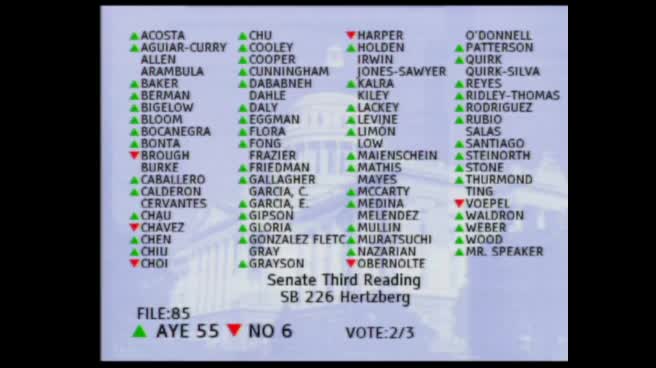
| Jul 17, 2017 | Read third time. Passed. Ordered to the Senate. |
| Jun 29, 2017 | Read second time. Ordered to third reading. |
| Jun 28, 2017 | Coauthors revised. |
| Jun 14, 2017 | From committee: Do pass and re-refer to Com. on APPR. (Ayes 6. Noes 0.) (June 13). Re-referred to Com. on APPR. |
| Jun 1, 2017 | Referred to Com. on HUM. S. |
| May 23, 2017 | In Assembly. Read first time. Held at Desk. |
| May 22, 2017 | Read third time. Passed. (Ayes 37. Noes 0. Page 1149.) Ordered to the Assembly. |
| May 16, 2017 | Read second time. Ordered to consent calendar. |
| May 15, 2017 | From committee: Be ordered to second reading pursuant to Senate Rule 28.8 and ordered to consent calendar. |
| May 4, 2017 | Set for hearing May 15. |
| Apr 27, 2017 | Read second time and amended. Re-referred to Com. on APPR. |
| Apr 26, 2017 | From committee: Do pass as amended and re-refer to Com. on APPR. with recommendation: To consent calendar. (Ayes 5. Noes 0. Page 849.) (April 25). |
| Apr 4, 2017 | From committee with author's amendments. Read second time and amended. Re-referred to Com. on HUMAN S. |
| Mar 31, 2017 | Set for hearing April 25. |
| Mar 29, 2017 | Re-referred to Com. on HUMAN S. |
| Mar 20, 2017 | From committee with author's amendments. Read second time and amended. Re-referred to Com. on RLS. |
| Feb 23, 2017 | Referred to Com. on RLS. |
| Feb 14, 2017 | From printer. May be acted upon on or after March 16. |
| Feb 13, 2017 | Introduced. Read first time. To Com. on RLS. for assignment. To print. |
|
Date
|
Description
|
Location
|
Votes
|
|
|---|---|---|---|---|
| Jul 17, 2017 | SB 332 Stern Senate Third Reading By STONE | Assembly Floor |
Passed |
|
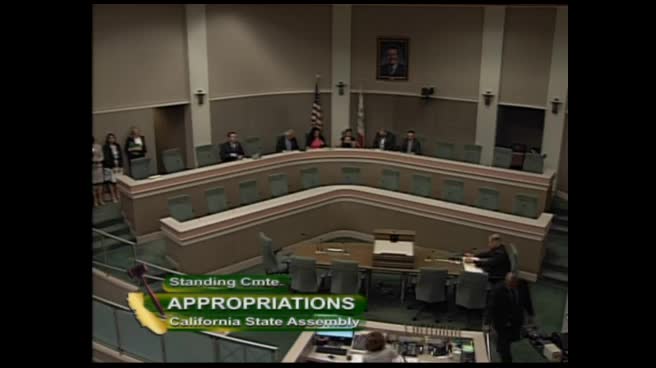
| Jun 28, 2017 | Do pass. | Assembly Standing Committee on Appropriations |
Passed |
|
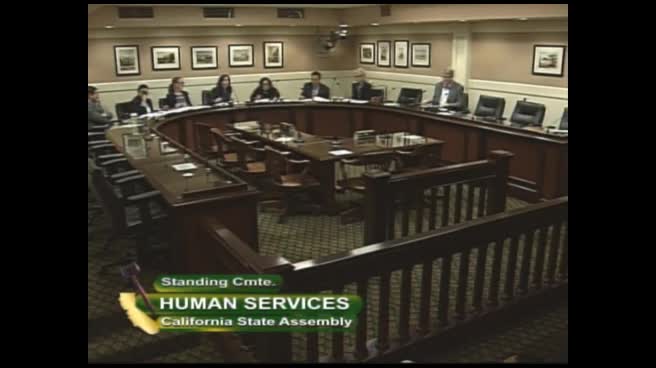
| Jun 13, 2017 | Do pass and be re-referred to the Committee on [Appropriations] | Assembly Standing Committee on Human Services |
Passed |
|
| May 22, 2017 | Consent Calendar 2nd SB332 | Senate Floor |
Passed |
|
| Apr 25, 2017 | Do pass as amended, but first amend, and re-refer to the Committee on [Appropriations] with the recommendation: To Consent Calendar | Senate Standing Committee on Human Services |
Passed |
This list shows positions taken on this bill by organizations on the date displayed, which is linked to the original source.
Positions by individuals are not included.
|
Organization
|
Position
|
Date
|
|---|---|---|
| AdvoKids | ** Support | Jun 8, 2017 |
| All Saints Church Foster Care Project | ** Support | Jun 8, 2017 |
| California Alliance Of Child And Family Services | ** Support | Jun 8, 2017 |
| Children Now | ** Support | Jun 8, 2017 |
| County Welfare Directors Association Of California (Cwda) | * Support | Jun 13, 2017 |
| Foster Care Counts | ** Support | Jun 8, 2017 |
| John Burton Advocates for Youth | ** Support | Jun 8, 2017 |
| National Center for Youth Law | ** Support | Jun 8, 2017 |
SENATE THIRD READING
STR Bill Id:SB 332
Author:(Stern)
As Amended Ver:April 27, 2017
Majority vote
SENATE VOTE: 37-0
Committee | Votes | Ayes | Noes |
Human Services | 6-0 | Rubio, Choi, Arambula, Reyes, Mark Stone, Thurmond | |
Appropriations | 14-0 | Gonzalez Fletcher, Bigelow, Bloom, Bocanegra, Bonta, Limón, Chau, Eggman, Fong, Friedman, Gallagher, Muratsuchi, Obernolte, Reyes |
SUMMARY: Requires the Department of Social Services (DSS) to provide voter registration information on certain documents and Internet Web sites used by foster youth and nonminor dependents and allows a county social worker to provide a voter registration form to a child 16 years of age or older or a nonminor dependent, as specified.
Specifically, this bill:
- Requires DSS to include certain voter registration information on, as specified: a flyer for the Independent Living Program; the form used for a nonminor dependent to enter into a mutual agreement or voluntary reentry agreement; the form used to create a transitional independent living plan; the department's Internet Web site for the Independent Living Program; and the Office of the Foster Care Ombudsman's Internet Web site. Further, specifies that this voter registration information must include the following:
- The voter registration page on the Secretary of State's Internet Web site;
- The toll-free telephone number maintained by the Secretary of State that contains election-related information; and
- The email address of the Secretary of State.
- Allows a county social worker, when providing the youth with a form specified by the provisions of this bill, to provide a voter registration form to a child 16 years of age or older or to a nonminor dependent..
- Allows DSS to implement, interpret, or make specific the provisions of this bill by means of an all-county letter or similar instructions without taking regulatory action, as specified.
EXISTING LAW:
- Establishes a state and local system of child welfare services, including foster care, for children who have been adjudged by the court to be at risk of abuse or neglect or to have been abused or neglected, as specified. (Welfare and Institutions Code (WIC) Section 202)
- States that the purpose of foster care law is to provide maximum safety and protection for children who are currently being physically, sexually, or emotionally abused, neglected, or exploited, and to ensure the safety, protection, and physical and emotional well-being of children who are at risk of harm. (WIC Section 300.2)
- States the intent of the Legislature to preserve and strengthen a child's family ties whenever possible and to reunify a foster youth with his or her biological family whenever possible, or to provide a permanent placement alternative, such as adoption or guardianship. (WIC Section 16000)
- Provides for extended foster care funding for youth until age 21, as well as adopts other changes to conform to the federal Fostering Connections to Success Act. (WIC Section 241.1, 303, 366.3, 388, 391, 450, 11400, 11402, 11403)
- Defines "nonminor dependent" as a current foster youth or a nonminor under the transition jurisdiction of the court who: is between18 and 21 years old, turned 18 years old while under an order of foster care placement, is in foster care under the responsibility of the county welfare department, county probation department, or Indian Tribe, and is participating in a transitional independent living plan, as specified. (WIC Section 11400 (v))
- Defines "mutual agreement" as a voluntary, written agreement for continuing placement in foster care including between a nonminor dependent and the county welfare services or probation department or tribal agency, as specified, which documents the nonminor's continued willingness to remain in out-of-home care, as specified, or an agreement between a nonminor former dependent or ward who is receiving Kinship Guardianship Assistance Payment (Kin-GAP) or Aid to Families with Dependent Children-Foster Care (AFDC-FC) payments, as specified, and the agency charged with providing those payments that includes a description of the circumstances under which those aid payments will continue. (WIC Section 11400(u))
- Defines "voluntary reentry agreement" as a written, voluntary agreement between a former dependent child or ward or a former nonminor dependent, as specified, and the county welfare or probation department or tribal placing entity that documents the nonminor's desire and willingness to reenter foster care, to be placed in a supervised setting, and to comply with certain requirements, as specified, and to report any changes of circumstances relevant to continued eligibility for foster care payments, as specified. (WIC Section 11400 (z))
- Specifies that for a child who is 14 or 15 years of age, the case plan shall include a written description of the programs and services that will help the child, consistent with the child's best interests, to prepare for the transition from foster care to successful adulthood. (WIC Section 16501.1 (g)(16))
FISCAL EFFECT: According to the Assembly Appropriations Committee on June 28, 2017, this bill may result in minor and absorbable costs to DSS.
COMMENTS:
Child Welfare Services: The purpose of California's Child Welfare Services (CWS) system is to protect children from abuse and neglect and provide for their health and safety. When children are identified as being at risk of abuse, neglect or abandonment, county juvenile courts hold legal jurisdiction and children are served by the CWS system through the appointment of a social worker. Through this system, there are multiple opportunities for the custody of the child, or his or her placement outside of the home, to be evaluated, reviewed and determined by the judicial system, in consultation with the child's social worker, to help provide the best possible services to the child. There are currently close to 61,000 children and youth in California's child welfare system, 13,789 of whom are between the ages of 16 and 21.
Extended foster care: In September 2010, Governor Brown signed AB 12 (Beall), Chapter 559, Statutes of 2010, which extended foster care benefits for eligible youth aging out of the foster care system. Rather than leave youth without support on their 18th birthday, AB 12 provides transitional youth, referred to as nonminor dependents, with access to resources and mentorship until they turn 21. AB 12 provides these youth with the opportunity to experience independent living in supervised living environments and the opportunity to obtain educational and employment training in order to better prepare them for a successful transition into adulthood and self-sufficiency. Youth must meet specific criteria in order to be eligible for AB 12 benefits and nonminor dependents must also sign an agreement within six months of turning 18 to remain in foster care, reside in an eligible placement, and agree to work with their social worker to meet goals of the youth's Transitional Living Plan.
Voter registration in California: According to the Secretary of State's Internet Web site, as of February 2017, California had 24.9 million eligible voters; of those eligible, only 19.4 million, or 77.9%, were registered to vote. According to a May 2016 Public Policy Institute of California report entitled "California's Likely Voters," young adults (18 to 34) make up 33% of the state's adult population but only 18% of likely voters, compared to individuals 55 and older who comprise 31% of the state's adult population but 47% of likely voters.
In California, youth may pre-register to vote if they are 16 or 17 years old and meet all other conditions to vote, including citizenship, age, and criminal record requirements. Youth who pre-register to vote are automatically registered to vote on their 18th birthday.
Need for this bill: According to the author's office, "Dependents that will be transitioning into adulthood are not being provided with voter registration information opportunities. Current law allows 16- and 17-year-olds to pre-register to vote, but there is no systematic requirement for foster youth to be provided with that information, or with voter registration information upon turning 18-years-old. Nonminor dependents may not have an adult in their lives to provide them with voter registration information, something easily overlooked during this transitional stage. [This bill] is a common-sense step which guarantees that these often marginalized youth are provided voter registration resources. By adding this information to existing forms already used in extended foster care, nonminor dependents are encouraged to become civically engaged participants in society which is a right of all citizens."
RELATED LEGISLATION:
SB 113 (Jackson), Chapter 619, Statutes of 2014, authorized a 16-year-old to pre-register to vote provided he or she meets all other eligibility requirements, as specified.
AB 12 (Beall), Chapter 559, Statutes of 2010, the "California Fostering Connections to Success Act," conformed state law to federal requirements to revise and expand programs and funding for certain foster and adopted children, including extending transitional foster care services to eligible youth between 18 and 21 years of age
Analysis Prepared by: Kelsy Castillo / HUM. S. / (916) 319-2089 FN: 0001079
Date of Hearing: June 28, 2017
ASSEMBLY COMMITTEE ON APPROPRIATIONS
Lorena Gonzalez Fletcher, Chair
SBPCA Bill Id:SB 332
Author:(Stern) – As Amended Ver:April 27, 2017
Policy Committee: | Human Services | Vote: | 6 - 0 |
Urgency: No State Mandated Local Program: No Reimbursable: No
SUMMARY:
This bill requires the Department of Social Services (DSS) to provide voter registration information on certain documents and Internet Web sites used by foster youth and nonminor dependents, and allows a county social worker to provide a voter registration form to a child 16 years of age or older or a nonminor dependent, as specified. Specifically, this bill:
- Requires DSS to include certain voter registration information on the following: 1) a flyer for the Independent Living Program; 2) the form used for a nonminor dependent to enter into a mutual agreement or voluntary reentry agreement; 3) the form used to create a transitional independent living plan; 4) the department’s Internet Web site for the Independent Living Program; and 5) the Office of the Foster Care Ombudsman’s Internet Web site. The bill specifies that this voter registration information must include the following:
- The voter registration page on the Secretary of State’s (SOS) Internet Web site;
- The toll-free telephone number maintained by the SOS that contains election-related information; and
- The email address of the SOS.
- Allows a county social worker, when providing the youth with a form specified by the provisions of this bill, to provide a voter registration form to a child 16 years of age or older or to a nonminor dependent.
- Allows DSS to implement, interpret, or make specific the provisions of this bill through an all-county letter or similar instructions without taking regulatory action, as specified.
FISCAL EFFECT:
Minor and absorbable costs to DSS.
COMMENTS:
- Purpose. According to the author’s office, “Dependents that will be transitioning into adulthood are not being provided with voter registration information opportunities. Current law allows 16- and 17-year-olds to pre-register to vote, but there is no systematic requirement for foster youth to be provided with that information, or with voter registration information upon turning 18-years-old. Nonminor dependents may not have an adult in their lives to provide them with voter registration information, something easily overlooked during this transitional stage. [This bill] is a common-sense step which guarantees that these often marginalized youth are provided voter registration resources. By adding this information to existing forms already used in extended foster care, nonminor dependents are encouraged to become civically engaged participants in society which is a right of all citizens.”
- Background. According to the Secretary of State’s Internet Web site, as of February 2017, California had 24.9 million eligible voters; of those eligible, only 19.4 million, or 77.9%, were registered to vote. According to a May 2016 Public Policy Institute of California report entitled “California’s Likely Voters,” young adults (18 to 34) make up 33% of the state’s adult population but only 18% of likely voters, compared to individuals 55 and older who comprise 31% of the state’s adult population but 47% of likely voters.
In California, youth may pre-register to vote if they are 16 or 17 years old and meet all other conditions to vote, including citizenship, age, and criminal record requirements. Youth who pre-register to vote are automatically registered to vote on their 18th birthday.
- Prior Legislation. SB 113 (Jackson), Chapter 619, Statutes of 2014, authorizes a 16-year-old to pre-register to vote provided he or she meets all other eligibility requirements, as specified.
AB 12 (Beall), Chapter 559, Statutes of 2010, the “California Fostering Connections to Success Act,” conformed state law to federal requirements to revise and expand programs and funding for certain foster and adopted children, including extending transitional foster care services to eligible youth between 18 and 21 years of age.
Analysis Prepared by: Jennifer Swenson / APPR. / (916) 319-2081
Date of Hearing: June 13, 2017
ASSEMBLY COMMITTEE ON HUMAN SERVICES
Blanca Rubio, Chair
SBPCA Bill Id:SB 332
Author:(Stern) – As Amended Ver:April 27, 2017
SENATE VOTE: 37-0
SUBJECT: Voter registration: foster youth
SUMMARY: Requires the Department of Social Services (DSS) to provide voter registration information on certain documents and Internet Web sites used by foster youth and nonminor dependents and allows a county social worker to provide a voter registration form to a child 16 years of age or older or a nonminor dependent, as specified.
Specifically, this bill:
- Requires DSS to include certain voter registration information on, as specified: a flyer for the Independent Living Program; the form used for a nonminor dependent to enter into a mutual agreement or voluntary reentry agreement; the form used to create a transitional independent living plan; the department’s Internet Web site for the Independent Living Program; and the Office of the Foster Care Ombudsman’s Internet Web site. Further, specifies that this voter registration information must include the following:
- The voter registration page on the Secretary of State’s Internet Web site;
- The toll-free telephone number maintained by the Secretary of State that contains election-related information; and
- The email address of the Secretary of State.
- Allows a county social worker, when providing the youth with a form specified by the provisions of this bill, to provide a voter registration form to a child 16 years of age or older or to a nonminor dependent..
- Allows DSS to implement, interpret, or make specific the provisions of this bill by means of an all-county letter or similar instructions without taking regulatory action, as specified.
EXISTING LAW:
- Establishes a state and local system of child welfare services, including foster care, for children who have been adjudged by the court to be at risk of abuse or neglect or to have been abused or neglected, as specified. (WIC 202)
- States that the purpose of foster care law is to provide maximum safety and protection for children who are currently being physically, sexually, or emotionally abused, neglected, or exploited, and to ensure the safety, protection, and physical and emotional well-being of children who are at risk of harm. (WIC 300.2)
- States the intent of the Legislature to preserve and strengthen a child’s family ties whenever possible and to reunify a foster youth with his or her biological family whenever possible, or to provide a permanent placement alternative, such as adoption or guardianship. (WIC 16000)
- Provides for extended foster care funding for youth until age 21, as well as adopts other changes to conform to the federal Fostering Connections to Success Act. (WIC 241.1, 303, 366.3, 388, 391, 450, 11400, 11402, 11403)
- Defines “nonminor dependent” as a current foster youth or a nonminor under the transition jurisdiction of the court who: is between18 and 21 years old, turned 18 years old while under an order of foster care placement, is in foster care under the responsibility of the county welfare department, county probation department, or Indian Tribe, and is participating in a transitional independent living plan, as specified. (WIC 11400 (v))
- Defines “mutual agreement” as a voluntary, written agreement for continuing placement in foster care including between a nonminor dependent and the county welfare services or probation department or tribal agency, as specified, which documents the nonminor’s continued willingness to remain in out-of-home care, as specified, or an agreement between a nonminor former dependent or ward who is receiving Kin-GAP or AFDC-FC payments, as specified, and the agency charged with providing those payments that includes a description of the circumstances under which those aid payments will continue. (WIC 11400(u))
- Defines “voluntary reentry agreement” as a written, voluntary agreement between a former dependent child or ward or a former nonminor dependent, as specified, and the county welfare or probation department or tribal placing entity that documents the nonminor’s desire and willingness to reenter foster care, to be placed in a supervised setting, and to comply with certain requirements, as specified, and to report any changes of circumstances relevant to continued eligibility for foster care payments, as specified. (WIC 11400 (z))
- Specifies that for a child who is 14 or 15 years of age, the case plan shall include a written description of the programs and services that will help the child, consistent with the child’s best interests, to prepare for the transition from foster care to successful adulthood. (WIC 16501.1 (g)(16))
FISCAL EFFECT: Unknown.
COMMENTS:
Child Welfare Services: The purpose of California’s Child Welfare Services (CWS) system is to protect children from abuse and neglect and provide for their health and safety. When children are identified as being at risk of abuse, neglect or abandonment, county juvenile courts hold legal jurisdiction and children are served by the CWS system through the appointment of a social worker. Through this system, there are multiple opportunities for the custody of the child, or his or her placement outside of the home, to be evaluated, reviewed and determined by the judicial system, in consultation with the child's social worker, to help provide the best possible services to the child. There are currently close to 61,000 children and youth in California’s child welfare system, 13,789 of whom are between the ages of 16 and 21.
Extended foster care: In September 2010, Governor Brown signed AB 12 (Beall), Chapter 559, Statutes of 2010, which extended foster care benefits for eligible youth aging out of the foster care system. Rather than leave youth without support on their 18th birthday, AB 12 provides transitional youth, referred to as nonminor dependents, with access to resources and mentorship until they turn 21. AB 12 provided these youth with the opportunity to experience independent living in supervised living environments and the opportunity to obtain educational and employment training in order to better prepare them for a successful transition into adulthood and self-sufficiency.
In order to qualify for extended foster care, youth must meet at least one of the five defined program criteria, including:
- Being enrolled in a high school or equivalent program;
- Being enrolled in a college, community college, or vocational program;
- Being employed at least 80 hours a month;
- Participating in a program or activity designed to remove barriers to employment; or
- Being unable to do one of the above requirements due to a medical condition.
Nonminor dependents must also sign an agreement to remain in foster care within six months of turning 18, reside in an eligible placement, and agree to work with their social worker to meet goals of the youth’s Transitional Living Plan, which is developed for a youth by a social worker or probation officer with active participation by the youth and other supporting adults.
Voter registration in California: According to the Secretary of State’s Internet Web site, as of February 2017, California had 24.9 million eligible voters; of those eligible, only 19.4 million, or 77.9%, were registered to vote. According to a May 2016 Public Policy Institute of California report entitled “California’s Likely Voters,” young adults (18 to 34) make up 33% of the state’s adult population but only 18% of likely voters, compared to individuals 55 and older who comprise 31% of the state’s adult population but 47% of likely voters.
In California, youth may pre-register to vote if they are 16 or 17 years old and meet all other conditions to vote, including citizenship, age, and criminal record requirements. Youth who pre-register to vote are automatically registered to vote on their 18th birthday.
Need for this bill: According to the author’s office, “Dependents that will be transitioning into adulthood are not being provided with voter registration information opportunities. Current law allows 16- and 17-year-olds to pre-register to vote, but there is no systematic requirement for foster youth to be provided with that information, or with voter registration information upon turning 18-years-old. Nonminor dependents may not have an adult in their lives to provide them with voter registration information, something easily overlooked during this transitional stage. [This bill] is a common-sense step which guarantees that these often marginalized youth are provided voter registration resources. By adding this information to existing forms already used in extended foster care, nonminor dependents are encouraged to become civically engaged participants in society which is a right of all citizens.”
RELATED LEGISLATION:
AB 12 (Beall), Chapter 559, Statutes of 2010, the “California Fostering Connections to Success Act,” conformed state law to federal requirements to revise and expand programs and funding for certain foster and adopted children, including extending transitional foster care services to eligible youth between 18 and 21 years of age
SB 113 (Jackson), Chapter 619, Statutes of 2014, authorized a 16-year-old to pre-register to vote provided he or she meets all other eligibility requirements, as specified.
REGISTERED SUPPORT / OPPOSITION:
Support
Advokids
All Saints Church Foster Care Project
California Alliance of Child and Family Services
Children Now
Foster Care Counts
John Burton Advocates for Youth
National Center for Youth Law
State Public Affairs Committee of the Junior Leagues of CA
Opposition
None on file.
Analysis Prepared by: Kelsy Castillo / HUM. S. / (916) 319-2089
Office of Senate Floor Analyses (916) 651-1520 Fax: (916) 327-4478 | SB |
CONSENT
Bill No: SB 332
:
SENATE HUMAN SERVICES COMMITTEE: 5-0, 4/25/17
AYES: Wiener, Berryhill, Glazer, Newman, Nguyen
SENATE APPROPRIATIONS COMMITTEE: Senate Rule 28.8
DIGEST: This bill requires the California Department of Social Services (CDSS) to include information relating to voter registration, including identifying the voter registration page on the Secretary of State’s Internet Web site, on specific forms used for a dependent or nonminor dependent, as specified.
Existing law:
- Establishes the jurisdiction of the dependency court over children who have suffered or are at substantial risk of suffering serious physical harm inflicted nonaccidentally upon the child by the child’s parent or guardian or as a the result of the failure or inability of his or her parent or guardian to provide adequate supervision. (WIC 300, et seq.)
- Establishes the responsibility of the county social worker to investigate circumstances of the case, provide the child with a safe out-of-home placement, if appropriate and as specified, and provide the court information at a series of hearings to determine whether the child can be safely returned home. (WIC 309; WIC 319, et seq).
- Establishes in federal and state law eligibility requirements for aid paid on behalf of children in foster care under the Aid to Families with Dependent Children-Foster Care (AFDC-FC) program. (WIC 11401)
- Defines a nonminor dependent as a foster child on and after January 1, 2012, who has attained 18 years of age while under an order of foster care placement and is not more than 21 years of age, and who has a transitional independent living case plan, as specified. (WIC 11400 (v))
- Defines “mutual agreement” to mean one of three forms of voluntary written agreement for continuing placement in foster care between a minor or nonminor dependent, and the county welfare services or probation department or tribal agency responsible for the foster care placement. The agreement must document the nonminor’s continued willingness to remain in supervised out-of-home placement, as specified, and to report any change of circumstances relevant to continued eligibility for foster care payments, and must document the agreement of the nonminors and social workers or probation officers to work together to facilitate implementation of the mutually developed supervised placement agreement and transitional independent living case plan. Other mutual agreements include those between a nonminor former dependent or ward in receipt of the Kinship Guardianship Assistance Payment or AFDC-FC payments, as specified, and the agency responsible for those payments and the specified circumstances under which those payments will continue. (WIC 11400 (u))
- Defines a “voluntary reentry agreement” to mean a written agreement between a former dependent child or ward, or a former nonminor dependent, who has had juvenile court jurisdiction terminated, as specified, and the county welfare or probation department or tribal placing entity that documents the nonminor’s desire and willingness to reenter foster care, as specified, and to work collaboratively with the placing agency to develop a transitional independent living case plan within 60 days of reentry, among other specified requirements. (WIC 11400 (z))
- Establishes a requirement for the social worker to create a case plan for a child in the child welfare system, and to update the plan as specified, including a requirement for a child who is 14 or 15 years of age, to include a written description of the programs and services that will help the child, consistent with the child’s best interests, to prepare for the transition from foster care to successful adulthood. (WIC 16501.1)
This bill:
- Adds a new section to the Welfare and Institutions Code requiring CDSS to include all of the following information on specified forms:
- The voter registration page on the Secretary of State’s Internet Web site.
- The toll-free telephone number maintained by the Secretary of State that contains election-related information.
- The email address of the Secretary of State.
- Requires the above information be listed on the following forms or locations, as specified:
- A flyer for the Independent Living Program created by CDSS.
- The form used for a nonminor dependent to enter into a mutual agreement or a voluntary reentry agreement.
- The form used to create a transitional independent living plan.
- The CDSS Internet Web site for the Independent Living Program.
- The Office of the Foster Care Ombudsman’s Internet Web site.
- Permits a county social worker to provide a voter registration form to a child 16 years of age or older or a nonminor dependent concurrent with the provision of the identified forms.
- Permits CDSS to implement, interpret or make specific this section by means of an all-county letter or similar instructions, without taking any regulatory action.
Background
California’s county-based child welfare system protects children at risk of abuse and neglect or exploitation by providing intensive services to families to allow children to remain in their homes, or by arranging temporary or permanent placement of the child in the safest and least restrictive environment possible. It is the legal “parent” for children in the foster care system. Approximately 61,400 children were in out-of-home foster care placement through the child welfare system as of October 1, 2016, according to data produced by UC Berkeley’s Child Welfare Indicators Web site.
A series of national studies have documented the poor outcomes of children and youth who are removed from their homes and placed into the child welfare system. These children have increased rates of chronic health problems, developmental delays and disabilities, mental health needs, and substance abuse problems. Many youth have experienced traumatic events that lead to symptoms such as depression, behavior problems, and emotional difficulties. Twenty-five percent of youth who age-out of care experience Post-Traumatic Stress Disorder—double the rate of U.S. war veterans, according to the report. Nationally, the birth rate for teen girls in foster care is more than double that for those outside the foster care system.
Extended foster care. In 2010, following changes in federal statute, California enacted AB 12 (Beall, Chapter 559, Statutes of 2010) which permits foster youth to remain in “extended foster care” between ages 18 and 21. The intent of extended foster care is to bridge the gap between intensively supervised foster care and unsupervised adulthood by maintaining a safety net of support while providing the youth independence and additional educational or work opportunities. It was prompted by the recognition that many youth were unable to successfully transition from foster care or group care to adulthood without additional guidance and assistance.
Extended foster care is strictly voluntary. To qualify, a youth must be in foster care on his or her 18th birthday, and agree upon a plan with the county social worker or probation office to meet one of the following criteria:
- Working toward completion of high school or an equivalent program.
- Enrolled in college, community college or a vocational education program.
- Employed at least 80 hours a month.
- Participating in a program designed to assist in gaining employment.
- Unable to do one of the above requirements because of a medical condition.
Housing options for nonminor dependents include remaining with the existing foster parent or legal guardian, as specified, or moving into a transitional or independent living arrangement. Transitional living can include living with a host adult, living in an apartment but with program staff on site or living remotely with regular supervision from program staff. Supervised independent living allows youth to live independently in an apartment, house or board and care arrangement, or with a roommate while receiving supervision of a social worker or probation officer.
In order to remain in extended foster care, a youth must sign one of three forms of agreement – a voluntary re-entry agreement form, a transitional independent living plan and agreement, or a mutual agreement for extended foster care.
Voter registration. Registration to vote in California requires that a person be a resident of the state, a U.S. Citizen, and not currently in state or federal prison or on parole for a felony conviction. Eligible voters must be 18 years or older on Election Day. State law also allows 16- and 17-year-old qualifying residents to pre-register to vote. Pre-registration means that a teen will automatically become registered to vote upon his or her 18th birthday.
People may either fill out a voter registration form and submit it to the Secretary of State, or may register or pre-register to vote by going online at the Secretary of State’s Web site, at http://registertovote.ca.gov/
As of February 10, 2017, there were 19.4 million registered voters in California – or about 78 percent of 24.9 million residents who are eligible to vote. According to a Public Policy Institute of California brief, younger voters are less likely to participate in an election than voters who are older.
Related/Prior Legislation
AB 12 (Beall, Chapter 559, Statutes of 2010), the California Fostering Connections to Success Act, enacted the federal Fostering Connections to Success and Increasing Adoptions Act (Public Law 110-351), which permits states to opt-in to new federal funding streams if they choose to provide kinship-guardianship benefits to relative guardians or if they provide foster care to 18- to 21-year-old youth.
SB 113 (Jackson, Chapter 619, Statutes of 2014) authorizes a 16-year-old to pre-register to vote provided he or she meets all other eligibility requirements, as specified.
FISCAL EFFECT: Appropriation: Fiscal Com.: Local:
California Alliance of Child and Family Services
Children Now
John Burton Advocates for Youth
The National Center for Youth Law
OPPOSITION: (Verified 5/16/17)
None received
ARGUMENTS IN SUPPORT: According to the author, dependents that will be transitioning into adulthood are not being provided with voter registration information opportunities. Current law allows 16- and 17-year olds to pre-register to vote, but in the author states there is no systematic requirement for foster youth to be provided with that information, or with voter registration information upon turning 18.
The author states that non-minor dependents may not have an adult in their lives to provide them with voter registration information, something easily overlooked during this transitional stage. “SB 332 is a common-sense step, which guarantees that these often marginalized youth are provided voter registration resources. By adding this information to existing forms already used in extended foster care, non minor dependents are encouraged to become civically engaged participants in society which is a right of all citizens,” the author states.
5/16/17 16:22:04
**** END ****
SENATE COMMITTEE ON HUMAN SERVICES
Senator Wiener, Chair
2017 - 2018 Regular
Bill No: SB 332
Author: | Stern | ||
Version: | April 4, 2017 | Hearing Date: | April 25, 2017 |
Urgency: | No | Fiscal: | Yes |
Consultant: | Mareva Brown | ||
Subject: Voter registration: foster youth
SUMMARY
This bill requires the California Department of Social Services (CDSS) to include information relating to voter registration, including identifying the voter registration page on the Secretary of State’s Internet Web site, on specific forms used for a dependent or nonminor dependents, as specified.
ABSTRACT
Existing law:
- Establishes the jurisdiction of the dependency court over children who have suffered or are at substantial risk of suffering serious physical harm inflicted nonaccidentally upon the child by the child’s parent or guardian or as a the result of the failure or inability of his or her parent or guardian to provide adequate supervision. (WIC 300, et seq.)
- Establishes the responsibility of the county social worker to investigate circumstances of the case, provide the child with a safe out-of-home placement, if appropriate and as specified, and provide the court information at a series of hearings to determine whether the child can be safely returned home. (WIC 309; WIC 319, et seq).
- Establishes in federal and state law eligibility requirements for aid paid on behalf of children in foster care under the Aid to Families with Dependent Children-Foster Care (AFDC-FC) program. (WIC 11401)
- Defines a nonminor dependent as a foster child on and after January 1, 2012, who has attained 18 years of age while under an order of foster care placement and is not more than 21 years of age, and who has a transitional independent living case plan, as specified. (WIC 11400 (v))
- Defines “mutual agreement” to mean one of three forms of voluntary written agreement for continuing placement in foster care between a minor or nonminor dependent, and the county welfare services or probation department or tribal agency responsible for the foster care placement. The agreement must document the nonminor’s continued willingness to remain in supervised out-of-home placement, as specified, and to report any change of circumstances relevant to continued eligibility for foster care payments, and must document the agreement of the nonminors and social workers or probation officers to work together to facilitate implementation of the mutually developed supervised placement agreement and transitional independent living case plan. Other mutual agreements include those between a nonminor former dependent or ward in receipt of Kin-GAP or AFDC-FC payments, as specified, and the agency responsible for those payments and the specified circumstances under which those payments will continue. (WIC 11400 (u))
- Defines a “voluntary reentry agreement” to mean a written agreement between a former dependent child or ward, or a former nonminor dependent, who has had juvenile court jurisdiction terminated, as specified, and the county welfare or probation department or tribal placing entity that documents the nonminor’s desire and willingness to reenter foster care, as specified, and to work collaboratively with the placing agency to develop a transitional independent living case plan within 60 days of reentry, among other specified requirements. (WIC 11400 (z))
- Establishes a requirement for the social worker to create a case plan for a child in the child welfare system, and to update the plan as specified, including a requirement for a child who is 14 or 15 years of age, to include a written description of the programs and services that will help the child, consistent with the child’s best interests, to prepare for the transition from foster care to successful adulthood. (WIC 16501.1)
This bill:
- Adds a new section to the Welfare and Institutions Code requiring CDSS to include all of the following information on the forms used for a nonminor dependent to enter into a mutual agreement or a voluntary reentry agreement, and the form used to create a transitional independent living plan, as specified:
- The voter registration page on the Secretary of State’s Internet Web site.
- The toll-free telephone number maintained by the Secretary of State that contains election-related information.
- The email address of the Secretary of State.
- Permits CDSS to implement, interpret or make specific this section by means of an all-county letter or similar instructions, without taking any regulatory action.
FISCAL IMPACT
This bill has not been analyzed by a fiscal committee.
BACKGROUND AND DISCUSSION
Purpose of the bill:
According to the author, dependents that will be transitioning into adulthood are not being provided with voter registration information opportunities. Current law allows 16- and 17-year olds to pre-register to vote, but in the author states there is no systematic requirement for foster youth to be provided with that information, or with voter registration information upon turning 18.
The author states that non-minor dependents may not have an adult in their lives to provide them with voter registration information, something easily overlooked during this transitional stage. “SB 332 is a common-sense step, which guarantees that these often marginalized youth are provided voter registration resources. By adding this information to existing forms already used in extended foster care, non minor dependents are encouraged to become civically engaged participants in society which is a right of all citizens,” the author states.
Background
California’s county-based child welfare system protects children at risk of abuse and neglect or exploitation by providing intensive services to families to allow children to remain in their homes, or by arranging temporary or permanent placement of the child in the safest and least restrictive environment possible. It is the legal “parent” for children in the foster care system. Approximately 61,400 children were in out-of-home foster care placement through the child welfare system as of October 1, 2016, according to data produced by UC Berkeley’s Child Welfare Indicators website.[1]
A series of national studies have documented the poor outcomes of children and youth who are removed from their homes and placed into the child welfare system. These children have increased rates of chronic health problems, developmental delays and disabilities, mental health needs, and substance abuse problems.[2] Many youth have experienced traumatic events that lead to symptoms such as depression, behavior problems, and emotional difficulties. Twenty-five percent of youth who age-out of care experience Post-Traumatic Stress Disorder—double the rate of U.S. war veterans, according to the report. Nationally, the birth rate for teen girls in foster care is more than double that for those outside the foster care system.
Extended foster care
In 2010, following changes in federal statute, California enacted AB 12 (Beall, Chapter 559, Statutes of 2010) which permits foster youth to remain in “extended foster care” between ages 18 and 21. The intent of extended foster care is to bridge the gap between intensively supervised foster care and unsupervised adulthood by maintaining a safety net of support while providing the youth independence and additional educational or work opportunities. It was prompted by the recognition that many youth were unable to successfully transition from foster care or group care to adulthood without additional guidance and assistance.
Extended foster care is strictly voluntary. To qualify, a youth must be in foster care on his or her 18th birthday, and agree upon a plan with the county social worker or probation office to meet one of the following criteria:
1) Working toward completion of high school or an equivalent program
2) Enrolled in college, community college or a vocational education program
3) Employed at least 80 hours a month
4) Participating in a program designed to assist in gaining employment
5) Unable to do one of the above requirements because of a medical condition.
Housing options for nonminor dependents include remaining with the existing foster parent or legal guardian, as specified, or moving into a transitional or independent living arrangement. Transitional living can include living with a host adult, living in an apartment but with program staff on site or living remotely with regular supervision from program staff. Supervised independent living allows youth to live independently in an apartment, house or board and care arrangement, or with a roommate while receiving supervision of a social worker or probation officer.
In order to remain in extended foster care, a youth must sign one of three forms of agreement – a voluntary re-entry agreement form, a transitional independent living plan and agreement, or a mutual agreement for extended foster care.
Voter registration
Registration to vote in California requires that a person be a resident of the state, a U.S. Citizen, and not currently in state or federal prison or on parole for a felony conviction. Eligible voters must be 18 years or older on Election Day. State law also allows 16- and 17-year-old qualifying residents to pre-register to vote. Pre-registration means that a teen will automatically become registered to vote upon his or her 18th birthday.
People may either fill out a voter registration form and submit it to the Secretary of State, or may register or pre-register to vote by going online at the Secretary of State’s website, at http://registertovote.ca.gov/
As of February 10, 2017, there were 19.4 million registered voters in California – or about 78 percent of 24.9 million residents who are eligible to vote. According to a Public Policy Institute of California brief, younger voters are less likely to participate in an election than voters who are older.[3]
Related legislation:
AB 12 (Beall, Chapter 559, Statutes of 2010), the California Fostering Connections to Success Act, enacted the federal Fostering Connections to Success and Increasing Adoptions Act (Public Law 110-351), which permits states to opt-in to new federal funding streams if they choose to provide kinship-guardianship benefits to relative guardians or if they provide foster care to 18 to 21-year-old youth.
SB 113 (Jackson, Chapter 619, Statutes of 2014) authorizes a 16-year-old to pre-register to vote provided he or she meets all other eligibility requirements, as specified.
COMMENTS
- The author may wish to consider amending the bill to move the provision of the voter registration form to the statute requiring provision of other information during a youth’s 90-day transition planning meeting prior to the youth turning 18 years of age or older, as specified in WIC 16501.1 (g)(16). This planning process requires the social worker to provide foster youth with options for housing, health insurance, education, local opportunities for mentors and continuing support services, and workforce supports and employment services, a power of attorney for health care, and information regarding the advance health care directive form. Social workers also are required to provide the eligible youth or nonminor with verification of their enrollment into Medi-Cal. Adding the voter registration information to this planning process would encompass a larger group of youth than those identified in this bill, and would place the voter registration information in the context of a broader coming-of-age conversation.
- SB 332 would ensure that nonminor dependents in extended foster care receive voter registration resources to include the California Secretary of State’s online voter registration link, phone number and email address. The bill requires these voter registration resources will be provided is by adding this information to three existing forms currently used in extended foster care, the Transitional Independent Living Plan (TILP), the Mutual Agreement for Extended Foster Care (SOC 162), and the Voluntary Re-Entry Agreement for Extended Foster Care (SOC 163). However, these forms may remain in the foster youth’s case file and not be retained by the youth. The author may want to consider permitting social workers to simply provide the voter registration form to foster youth during these discussions. Staff recommends the following amendment:
WIC 11403.05.
(a) The department shall include all of the following in the Independent Living Program flyer, the form used for a nonminor dependent to enter into a mutual agreement described in subdivision (u) of Section 11400, the form used for a nonminor dependent to enter into a voluntary reentry agreement described in subdivision (z) of Section 11400, and the form used to create a transitional independent living plan described in paragraph (16) of subdivision (g) of Section 16501.1, and the Web Sites of the department’s Independent Living Program and California Foster Care Ombudsperson:
(1) The voter registration page on the Secretary of State’s Internet Web site.
(2) The toll-free telephone number maintained by the Secretary of State that contains election-related information.
(3) The email address of the Secretary of State.
(b) A county social worker may provide a nonminor dependent with a voter registration form concurrent with the provision of the forms identified in subsection (a).
POSITIONS
Support:
California Alliance of Child and Family Services
Children Now
John Burton Advocates for Youth
The National Center for Youth Law
Oppose:
None. -- END --
Discussed in Hearing
 1MIN
Assembly Floor
 1MIN
Assembly Standing Committee on Appropriations
 5MIN
Assembly Standing Committee on Human Services
Bill Author

Bill Co-Author(s):
