SB 557: Food donations and pupil meals: schools.
- Session Year: 2017-2018
- House: Senate
- Latest Version Date: 2017-09-25
The California Retail Food Code establishes uniform health and sanitation standards for, and provides for regulation by the State Department of Public Health of, retail food facilities and various types of food. Under existing law, local health agencies are primarily responsible for enforcing the California Retail Food Code. A violation of any of these provisions is a crime. Existing law generally prohibits food that is unused or returned by the consumer, after being served or sold and in the possession of a consumer, from being offered as food for human consumption. Existing law authorizes a container of food that is not potentially hazardous to be transferred from one consumer to another if the food is dispensed so that it is protected from contamination and the container is closed between uses or if the food is in an unopened original package and is maintained in sound condition, and if the food is checked periodically on a regular basis.
This bill would exempt from this prohibition specified food that food service staff, pupils, and faculty return to a sharing table at a local educational agency, as defined, and that is made available to pupils during the course of a regular school meal time or then donated to a food bank or any other nonprofit charitable organization, as specified.
This bill would require the State Department of Education to update specified guidelines on the donation of leftover food.
The California Retail Food Code establishes uniform health and sanitation standards for, and provides for regulation by the State Department of Public Health of, retail food facilities and various types of food. Under existing law, local health agencies are primarily responsible for enforcing the California Retail Food Code. A violation of any of these provisions is a crime. Existing law generally prohibits food that is unused or returned by the consumer, after being served or sold and in the possession of a consumer, from being offered as food for human consumption. Existing law authorizes a container of food that is not potentially hazardous to be transferred from one consumer to another if the food is dispensed so that it is protected from contamination and the container is closed between uses or if the food is in an unopened original package and is maintained in sound condition, and if the food is checked periodically on a regular basis.
This bill would exempt from this prohibition specified food that food service staff, pupils, and faculty place on return to a sharing table at a local educational agency, as defined, and that is made available to pupils during the course of a regular school meal time or then donated to a food bank or any other nonprofit charitable organization, as specified.
This bill would require the State Department of Education to update specified guidelines on the donation of leftover food.
The California Retail Food Code establishes uniform health and sanitation standards for, and provides for regulation by the State Department of Public Health of, retail food facilities and various types of food. Under existing law, local health agencies are primarily responsible for enforcing the California Retail Food Code. A violation of any of these provisions is a crime. Existing law generally prohibits food that is unused or returned by the consumer, after being served or sold and in the possession of a consumer, from being offered as food for human consumption. Existing law authorizes a container of food that is not potentially hazardous to be transferred from one consumer to another if the food is dispensed so that it is protected from contamination and the container is closed between uses or if the food is in an unopened original package and is maintained in sound condition, and if the food is checked periodically on a regular basis.
This bill would exempt from this prohibition specified food that food service staff, pupils, and faculty place on a sharing table at a local educational agency, as defined, and that is then donated to a food bank or any other nonprofit charitable organization, as specified.
This bill would require the State Department of Education to update specified guidelines on the donation of leftover food.
The California Retail Food Code establishes uniform health and sanitation standards for, and provides for regulation by the State Department of Public Health of, retail food facilities and various types of food. Under existing law, local health agencies are primarily responsible for enforcing the California Retail Food Code. A violation of any of these provisions is a crime. Existing law generally prohibits food that is unused or returned by the consumer, after being served or sold and in the possession of a consumer, from being offered as food for human consumption. Existing law authorizes a container of food that is not potentially hazardous to be transferred from one consumer to another if the food is dispensed so that it is protected from contamination and the container is closed between uses or if the food is in an unopened original package and is maintained in sound condition, and if the food is checked periodically on a regular basis.
This bill would exempt from this prohibition specified food that a public school cafeteria donates to a food bank or to any other nonprofit charitable organization, as defined, for distribution to persons free of charge that fits specified criteria. food service staff, pupils, and faculty place on a sharing table at a local educational agency, as defined, and that is then donated to a food bank or any other nonprofit charitable organization, as specified.
This bill would require the State Department of Education to update specified guidelines on the donation of leftover food.
The California Retail Food Code establishes uniform health and sanitation standards for, and provides for regulation by the State Department of Public Health of, retail food facilities and various types of food. Under existing law, local health agencies are primarily responsible for enforcing the California Retail Food Code. A violation of any of these provisions is a crime. Existing law generally prohibits food that is unused or returned by the consumer, after being served or sold and in the possession of a consumer, from being offered as food for human consumption. Existing law authorizes a container of food that is not potentially hazardous to be transferred from one consumer to another if the food is dispensed so that it is protected from contamination and the container is closed between uses or if the food is in an unopened original package and is maintained in sound condition, and if the food is checked periodically on a regular basis.
This bill would exempt from this prohibition food that a public school cafeteria donates to a food bank or to any other nonprofit charitable organization, as defined, for distribution to persons free of charge that fits specified criteria.
This bill would require the State Department of Education to update specified guidelines on the donation of leftover food.
For purposes of this article, the following terms have the following meanings:
(a)Food has the same meaning as in Section 113781 of the Health and Safety Code.
(b)Food bank has the same meaning as in Section 113783 of the Health and Safety Code.
(c)Nonprofit charitable organization has the same meaning as in Section 113841 of the Health and Safety Code.
49581.The department shall update its guidance on the donation of leftover food to allow a public school cafeteria to donate food to a food bank or to any other nonprofit charitable organization for distribution to persons free of charge or to make leftover food available to pupils during the course of a regular school meal time that is consistent with Section 114079 of the Health and Safety Code.
SEC. 2.Section 114079 of the Health and Safety Code is amended to read:114079.(a)Except as specified in subdivisions (b) and (c), after being served or sold and in the possession of a consumer, food that is unused or returned by the consumer shall not be offered as food for human consumption.
(b)A container of food that is not potentially hazardous may be transferred from one consumer to another if the food is dispensed so that it is protected from contamination and the container is closed between uses, such as a narrow-neck bottle containing catsup, steak sauce, or wine, or if the food, such as crackers, salt, or pepper, is in an unopened original package and is maintained in sound condition, and if the food is checked periodically on a regular basis.
(c)(1)A local educational agency may do both of the following to minimize waste and to reduce food insecurity:
(A)Provide sharing tables where food service staff, pupils, and faculty may return appropriate food items consistent with subparagraph (B) and make those food items available to pupils during the course of a regular school meal time.
(B)Allow the food placed on the sharing tables that is not taken by a pupil during the course of a regular school meal time in accordance with subparagraph (A) to be donated to a food bank or any other nonprofit charitable organization.
(2)Donations of food or food made available to pupils during the course of a regular school meal time pursuant to paragraph (1) may include prepackaged, nonpotentially hazardous food with the packaging still intact and in good condition, whole uncut produce that complies with Section 113992 before donation, unopened bags of sliced fruit, unopened containers of milk that are immediately stored in a cooling bin maintained at 41 degrees Fahrenheit or below, and perishable prepackaged food if it is placed in a proper temperature-controlled environment.
(3)When a local educational agency, pursuant to paragraph (1), makes food available to pupils during the course of a regular school meal time or donates food to a food bank or any other nonprofit charitable organization for distribution, the preparation, safety, and donation of food shall be consistent with Section 113980.
(4)For purposes of this subdivision, local educational agency means a county office of education, school district, or charter school.
For purposes of this article, the following terms have the following meanings:
(a)Food has the same meaning as in Section 113781 of the Health and Safety Code.
(b)Food bank has the same meaning as in Section 113783 of the Health and Safety Code.
(c)Nonprofit charitable organization has the same meaning as in Section 113841 of the Health and Safety Code.
49581.The department shall update its guidance on the donation of leftover food to allow a public school cafeteria to donate food to a food bank or to any other nonprofit charitable organization for distribution to persons free of charge or to make leftover food available to pupils during the course of a regular school meal time that is consistent with Section 114079 of the Health and Safety Code.
SEC. 2.Section 114079 of the Health and Safety Code is amended to read:114079.(a)Except as specified in subdivisions (b) and (c), after being served or sold and in the possession of a consumer, food that is unused or returned by the consumer shall not be offered as food for human consumption.
(b)A container of food that is not potentially hazardous may be transferred from one consumer to another if the food is dispensed so that it is protected from contamination and the container is closed between uses, such as a narrow-neck bottle containing catsup, steak sauce, or wine, or if the food, such as crackers, salt, or pepper, is in an unopened original package and is maintained in sound condition, and if the food is checked periodically on a regular basis.
(c)(1)A local educational agency may do both of the following: following to minimize waste and to reduce food insecurity:
(A)Provide sharing tables where food service staff, pupils, and faculty may place return appropriate food items consistent with subparagraph (B) to minimize waste. (B) and make those food items available to pupils during the course of a regular school meal time.
(B)Allow the food placed on the sharing tables that is not taken by a pupil during the course of a regular school meal time in accordance with subparagraph (A) to be donated to a food bank or any other nonprofit charitable organization. Donations
(2)Donations of food or food made available to pupils during the course of a regular school meal time pursuant to paragraph (1) may include prepackaged, nonpotentially hazardous food with the packaging still intact and in good condition, whole uncut produce, and produce that complies with Section 113992 before donation, unopened bags of sliced fruit and fruit, unopened containers of milk that are immediately stored in a cooling bin maintained at 41 degrees Fahrenheit or below. below, and perishable prepackaged food if it is placed in a proper temperature-controlled environment.
(2)(3)When a local educational agency agency, pursuant to paragraph (1), makes food available to pupils during the course of a regular school meal time or donates food to a food bank or any other nonprofit charitable organization for distribution, the preparation, safety, and donation of food shall be consistent with Section 113947.1. 113980.
(3)(4)For purposes of this subdivision, local educational agency means a county office of education, school district, or charter school.
REVISIONS: HeadingLine 2.For purposes of this article, the following terms have the following meanings:
(a)Food has the same meaning as in Section 113781 of the Health and Safety Code.
(b)Food bank has the same meaning as in Section 113783 of the Health and Safety Code.
(c)Nonprofit charitable organization has the same meaning as in Section 113841 of the Health and Safety Code.
49581.The department shall update its guidance on the donation of leftover food to allow a public school cafeteria to donate food to a food bank or to any other nonprofit charitable organization for distribution to persons free of charge that is consistent with Section 114079 of the Health and Safety Code.
SEC. 2.Section 114079 of the Health and Safety Code is amended to read:114079.(a)Except as specified in subdivisions (b) and (c), after being served or sold and in the possession of a consumer, food that is unused or returned by the consumer shall not be offered as food for human consumption.
(b)A container of food that is not potentially hazardous may be transferred from one consumer to another if the food is dispensed so that it is protected from contamination and the container is closed between uses, such as a narrow-neck bottle containing catsup, steak sauce, or wine, or if the food, such as crackers, salt, or pepper, is in an unopened original package and is maintained in sound condition, and if the food is checked periodically on a regular basis.
(c)(1)A local educational agency may do both of the following:
(A)Provide sharing tables where food service staff, pupils, and faculty may place appropriate food items consistent with subdivision (b) subparagraph (B) to minimize waste.
(B)Allow the food placed on the sharing tables to be donated to a food bank or any other nonprofit charitable organization. Donations of food may include prepackaged, nonpotentially hazardous food with the packaging still in good condition, whole uncut produce and fruit that will be peeled, and potentially hazardous food consistent with the food safety requirements of Section 113996. produce, and unopened bags of sliced fruit and unopened containers of milk that are immediately stored in a cooling bin maintained at 41 degrees Fahrenheit or below.
(2)When a local educational agency donates food to a food bank or any other nonprofit charitable organization for distribution, the preparation, safety, and donation of food shall be consistent with Section 113947.1.
(3)For purposes of this subdivision, local educational agency means a county office of education, school district, or charter school.
For purposes of this article, the following terms have the following meanings:
(a)Food has the same meaning as in Section 113781 of the Health and Safety Code.
(b)Food bank has the same meaning as in Section 113783 of the Health and Safety Code.
(c)Nonprofit charitable organization has the same meaning as in Section 113841 of the Health and Safety Code.
49581.The department shall update its guidance on the donation of leftover food to allow a public school cafeteria to donate food to a food bank or to any other nonprofit charitable organization for distribution to persons free of charge that is consistent with Section 114079 of the Health and Safety Code.
SEC. 2.Section 114079 of the Health and Safety Code is amended to read:114079.(a)Except as specified in subdivision (b), subdivisions (b) and (c), after being served or sold and in the possession of a consumer, food that is unused or returned by the consumer shall not be offered as food for human consumption.
(b)(1)A container of food that is not potentially hazardous may be transferred from one consumer to another if the food is dispensed so that it is protected from contamination and the container is closed between uses, such as a narrow-neck bottle containing catsup, steak sauce, or wine, or if the food, such as crackers, salt, or pepper, is in an unopened original package and is maintained in sound condition, and if the food is checked periodically on a regular basis.
(2)Food that a public school cafeteria donates to a food bank or to any other nonprofit charitable organization for distribution to persons free of charge that is any of the following:(A)Prepackaged, nonpotentially hazardous food, including, but not limited, food with the packaging still in good condition.(B)Whole uncut produce.(C)Fruit that will be peeled.(c)(1)A local educational agency may do both of the following:
(A)Provide sharing tables where food service staff, pupils, and faculty may place appropriate food items consistent with subdivision (b) to minimize waste.
(B)Allow the food placed on the sharing tables to be donated to a food bank or any other nonprofit charitable organization. Donations of food may include prepackaged, nonpotentially hazardous food with the packaging still in good condition, whole uncut produce and fruit that will be peeled, and potentially hazardous food consistent with the food safety requirements of Section 113996.
(2)When a local educational agency donates food to a food bank or any other nonprofit charitable organization for distribution, the preparation, safety, and donation of food shall be consistent with Section 113947.1.
(3)For purposes of this subdivision, local educational agency means a county office of education, school district, or charter school.
For purposes of this article, the following terms have the following meanings:
(a)Food has the same meaning as in Section 113781 of the Health and Safety Code.
(b)Food bank has the same meaning as in Section 113783 of the Health and Safety Code.
(c)Nonprofit charitable organization has the same meaning as in Section 113841 of the Health and Safety Code.
49581.The department shall update its guidance on the donation of leftover food to allow a public school cafeteria to donate food to a food bank or to any other nonprofit charitable organization for distribution to persons free of charge that is consistent with Section 114079 of the Health and Safety Code.
SEC. 2.Section 114079 of the Health and Safety Code is amended to read:114079.(a)Except as specified in subdivision (b), after being served or sold and in the possession of a consumer, food that is unused or returned by the consumer shall not be offered as food for human consumption.
(b)(1)A container of food that is not potentially hazardous may be transferred from one consumer to another if the food is dispensed so that it is protected from contamination and the container is closed between uses, such as a narrow-neck bottle containing catsup, steak sauce, or wine, or if the food, such as crackers, salt, or pepper, is in an unopened original package and is maintained in sound condition, and if the food is checked periodically on a regular basis.
(2)Food that a public school cafeteria donates to a food bank or to any other nonprofit charitable organization for distribution to persons free of charge that is any of the following:
(A)Prepackaged, nonpotentially hazardous food, including, but not limited, food with the packaging still in good condition.
(B)Whole uncut produce.
(C)Fruit that will be peeled.
|
Date
|
Status
|
|---|---|
| Sep 25, 2017 | Chaptered by Secretary of State. Chapter 285, Statutes of 2017. |
| Sep 25, 2017 | Approved by the Governor. |
| Sep 11, 2017 | Enrolled and presented to the Governor at 4 p.m. |
| Sep 5, 2017 | Assembly amendments concurred in. (Ayes 40. Noes 0.) Ordered to engrossing and enrolling. |
| Sep 1, 2017 | Ordered to special consent calendar. |
| Aug 31, 2017 | In Senate. Concurrence in Assembly amendments pending. |
| Aug 31, 2017 | Read third time. Passed. Ordered to the Senate. |
| Aug 24, 2017 | Read second time. Ordered to consent calendar. |
| Aug 23, 2017 | Coauthors revised. |
| Jul 13, 2017 | From committee: Do pass and re-refer to Com. on APPR. with recommendation: To consent calendar. (Ayes 7. Noes 0.) (July 12). Re-referred to Com. on APPR. |
| Jun 22, 2017 | Read second time and amended. Re-referred to Com. on ED. |
| Jun 21, 2017 | From committee: Do pass as amended and re-refer to Com. on ED. (Ayes 15. Noes 0.) (June 20). |
| Jun 13, 2017 | June 13 set for second hearing canceled at the request of author. |
| Jun 1, 2017 | Referred to Coms. on HEALTH and ED. |
| May 16, 2017 | In Assembly. Read first time. Held at Desk. |
| May 15, 2017 | Read third time. Passed. (Ayes 39. Noes 0. Page 1073.) Ordered to the Assembly. |
| May 9, 2017 | Read second time. Ordered to consent calendar. |
| May 8, 2017 | From committee: Be ordered to second reading pursuant to Senate Rule 28.8 and ordered to consent calendar. |
| May 4, 2017 | Set for hearing May 15. |
| May 3, 2017 | May 8 hearing postponed by committee. |
| May 1, 2017 | Set for hearing May 8. |
| Apr 26, 2017 | From committee: Do pass and re-refer to Com. on APPR. with recommendation: To consent calendar. (Ayes 7. Noes 0. Page 848.) (April 26). Re-referred to Com. on APPR. |
| Apr 17, 2017 | Read second time and amended. Re-referred to Com. on ED. |
| Apr 13, 2017 | Set for hearing April 26. |
| Apr 6, 2017 | From committee: Do pass as amended and re-refer to Com. on ED. with recommendation: To consent calendar. (Ayes 9. Noes 0. Page 624.) (April 5). |
| Mar 29, 2017 | Set for hearing April 5. |
| Mar 28, 2017 | From committee with author's amendments. Read second time and amended. Re-referred to Com. on HEALTH. |
| Mar 2, 2017 | Referred to Coms. on HEALTH and ED. |
| Feb 17, 2017 | From printer. May be acted upon on or after March 19. |
| Feb 16, 2017 | Introduced. Read first time. To Com. on RLS. for assignment. To print. |
|
Date
|
Description
|
Location
|
Votes
|
|
|---|---|---|---|---|
| Sep 5, 2017 | Special Consent SB557 | Senate Floor |
Passed |
|
| Aug 31, 2017 | SB 557 Hernandez Consent Calendar Second Day Regular Session | Assembly Floor |
Passed |
|
| Aug 23, 2017 | Do pass. To Consent Calendar. | Assembly Standing Committee on Appropriations |
Passed |
|
| Jul 12, 2017 | Do pass and be re-referred to the Committee on [Appropriations] with recommendation: To Consent Calendar | Assembly Standing Committee on Education |
Passed |
|
| Jun 20, 2017 | Do pass as amended and be re-referred to the Committee on [Education] | Assembly Standing Committee on Health |
Passed |
|
| May 15, 2017 | Consent Calendar 2nd SB557 | Senate Floor |
Passed |
|
| Apr 26, 2017 | Do pass, but first be re-referred to the Committee on [Appropriations] with the recommendation: To Consent Calendar | Senate Standing Committee on Education |
Passed |
|
| Apr 5, 2017 | Do pass as amended, but first amend, and re-refer to the Committee on [Education] with the recommendation: To Consent Calendar | Senate Standing Committee on Health |
Passed |
This list shows positions taken on this bill by organizations on the date displayed, which is linked to the original source.
Positions by individuals are not included.
|
Organization
|
Position
|
Date
|
|---|---|---|
| Association Of California School Administrators | ** Support | Aug 31, 2017 |
| California Association of Environmental Health Administrators | ** Support | Aug 31, 2017 |
| California Association Of Nonprofits | ** Support | Aug 31, 2017 |
| California Food Policy Advocates | ** Support | Aug 31, 2017 |
| California School Nutrition Association | ** Support | Aug 31, 2017 |
| Californians Against Waste | ** Support | Aug 31, 2017 |
| Compton Unified School District | ** Support | Aug 31, 2017 |
| Environmental Working Group | ** Support | Aug 31, 2017 |
| Los Angeles Unified School District | ** Support | Aug 31, 2017 |
| National Association of Social Workers | ** Support | Jun 15, 2017 |
| National Association of Social Workers - California Chapter | ** Support | Aug 31, 2017 |
| Oakland Unified School District | ** Support | Aug 31, 2017 |
| StopWaste | ** Support | Aug 31, 2017 |
Office of Senate Floor Analyses (916) 651-1520 Fax: (916) 327-4478 | SB |
UNFINISHED BUSINESS
Bill No: SB 557
:
SENATE HEALTH COMMITTEE: 9-0, 4/5/17
AYES: Hernandez, Nguyen, Atkins, Leyva, Mitchell, Monning, Newman, Nielsen, Roth
SENATE EDUCATION COMMITTEE: 7-0, 4/26/17
AYES: Allen, Wilk, Galgiani, Leyva, Mendoza, Pan, Vidak
SENATE APPROPRIATIONS COMMITTEE: Senate Rule 28.8
SENATE FLOOR: 39-0, 5/15/17 (Consent)
AYES: Allen, Anderson, Atkins, Bates, Beall, Berryhill, Bradford, Cannella, De León, Dodd, Fuller, Gaines, Galgiani, Glazer, Hernandez, Hertzberg, Hill, Hueso, Jackson, Lara, Leyva, McGuire, Mendoza, Mitchell, Monning, Moorlach, Morrell, Newman, Nguyen, Nielsen, Pan, Portantino, Roth, Skinner, Stern, Stone, Wieckowski, Wiener, Wilk
NO VOTE RECORDED: Vidak
ASSEMBLY FLOOR: 73-0, 8/31/17 (Consent) - See last page for vote
SOURCE: Los Angeles Unified School District
DIGEST:
This bill permits a local educational agency to provide sharing tables where faculty, staff and students can place prepackaged, non-potentially hazardous food items, uncut produce, unopened bags of sliced fruit, and unopened containers of milk that are maintained at 41 degrees Fahrenheit or below, that can be donated to a food bank or other nonprofit charitable organization.
Assembly Amendments specify that food items placed on a sharing table by a local educational agency are to be made available to pupils during the course of a regular school meal time, and specifies that food that can only be donated to a food bank or other nonprofit charitable organization if it is not taken by a pupil during the course of a regular school meal time.
Existing law:
- Establishes the California Retail Food Code (CRFC), which governs all aspects of retail food safety and sanitation in California under the CRFC. Specifies that primary responsibility for enforcement of the CRFC is with local enforcement agencies.
- Defines “food facility,” for purposes of the requirements of the CRFC, as an operation that stores, prepares, packages, serves, vends, or otherwise provides food for human consumption at the retail level, and specifically includes public and private school cafeterias.
- Permits any food facility to donate food to a food bank or to any other nonprofit charitable organization for distribution to persons free of charge.
- Provides immunity to food facilities that donate food from civil or criminal liability or penalty for violation of any laws regulating the labeling or packaging of the donated product, or with respect to any other law, for a violation occurring after the time of donation.
- Prohibits food that is unused or returned by the consumer, after it has been served or sold and is in the possession of a consumer, from being offered as food for human consumption, with the exception of a container of food that may be transferred from one consumer to another if the food is not potentially hazardous and is dispensed so that it is protected from contamination and the container is closed between uses, such as bottles of catsup or steak sauce.
- Defines “potentially hazardous food” as a food that requires time or temperature control to limit pathogenic micro-organism growth or toxin formation, as specified, and exempts certain foods, including food in an unopened, hermetically sealed container that is processed to achieve and maintain sterility under conditions of nonrefrigerated storage.
- Defines “produce” as any whole edible portion of a plant in its raw and natural state.
This bill:
- Requires the Department of Education (CDE) to update its guidance on the donation of leftover food to allow a public school cafeteria to donate food to a food bank or to any other nonprofit charitable organization for distribution to persons free of charge or to make leftover food available to pupils during the course of a regular school meal time, consistent with this bill.
- Revises the prohibition on food that has been sold or served to consumer and is unused or returned by the consumer from being offered as food for human consumption by permitting a local education agency to do both of the following to minimize waste and reduce food insecurity:
- Provide sharing tables where food service staff, pupils, and faculty may return appropriate food items and make those food items available to pupils during the course of a regular school meal time; and,
- Permit food placed on sharing tables that is not taken by a pupil during the course of a regular school meal time to be donated to a food bank or any other nonprofit charitable organization.
- Permits the donations of food or food made available to pupils during the course of a regular school meal time to include prepackaged, nonpotentially hazardous food with the packaging still intact and in good condition, whole uncut produce that complies with specified food washing requirements before donation, unopened bags of sliced fruit and unopened containers of milk that are immediately stored in a cooling bin maintained at 41 degrees Fahrenheit or below, and perishable prepackaged food if it is placed in a proper temperature-controlled environment.
- Requires food that is made available to pupils during the course of a regular school meal time or is donated by a local educational agency to be consistent with provisions of law requiring food facilities to have an employee who has successfully passed an approved and accredited food safety examination.
Comments
- Author’s statement. According to the author, a 2014 Los Angeles Times article highlighted a growing problem in schools – Los Angeles Unified School District (LAUSD) serves nearly 650,000 meals per day, and nearly $100,000 worth of food is thrown in the trash per day. A 2015 study by LAUSD’s Office of Environmental Health and Safety determined that, in any given week, LAUSD is throwing out approximately 600 tons of organic waste, including liquid. This issue of food waste is not specific to LAUSD. A number of school districts, recognizing this food waste issue, have taken steps to reduce waste – donating excess unserved cafeteria food to needy families in the community, and hosting cafeteria share tables where students can place excess unadulterated foods. The California Retail Food code provides liability protection for donation of unserved food. However, current law discourages donation of food left on cafeteria share tables because it has been served. This bill will help reduce the food waste generated in our schools. According to Let’s Get Healthy California, approximately 5.4 million Californians suffer from food insecurity, including 2.3 million children. By stemming the flow of perfectly good food to landfills and redirecting it to nonprofit food banks where it can be distributed to those who need it most, this bill will help alleviate food insecurity for many in California.
- Share tables, and federal and state guidelines. “Share tables” are tables or stations where children may return whole food or beverage items they choose not to eat, which are then available to other children who may want additional servings. According to the Food and Nutrition Service of the United States Department of Agriculture (USDA), using share tables is an innovative strategy to encourage the consumption of nutritious foods and reduce food waste in the National School Lunch Program, School Breakfast Program, Child and Adult Care Food Program, and Summer Food Service Program (collectively, Child Nutrition Programs, or CNP). CNP operators are required to plan, prepare, and order food with the goal of providing one meal per child at each meal service, but if a CNP has leftover or unusable foods on a frequent basis, menu planning and production practices should be adjusted to reduce leftovers or unusable foods. In addition to food on share tables being available for children to take additional helpings at no cost, USDA guidelines permit food or beverage items to be donated to a nonprofit organization, such as a community food bank or homeless shelter. The USDA requires CNP operators to comply with all local and state health and food safety codes, and recommends sharing unopened pre-packaged items, such as a bag of baby carrots or sliced apples stored in a cooling bin, whole pieces of fruit, and unopened milk, if immediately stored in a cooling bin maintained at 41 degrees Fahrenheit or below.
The CDE issued a bulletin in September of 2016 providing guidance regarding the use of share tables in CNPs, and extending the use of share tables to the At-risk Afterschool Meals Program. According to CDE, in many instances, food and beverage items remaining on a share table can be reused by food service operations, and can also be donated to a nonprofit organization. However, CDE notes that state food safety laws are more restrictive than federal guidelines, and that the use of share tables is permitted only if certain conditions are met, including that no food or beverage may ever be returned to the food preparation, food service, or food storage areas for any human consumption, except those items permitted in a specified provision of the CRFC law, which is basically limited to bottles of condiments such as catsup. This is the primary problem being remedied by this bill: revising this provision in the CRFC law to allow more food items to be placed on a share table, and to be donated to a food bank.
Related/Prior Legislation
AB 234 (Gordon, Chapter 616, Statutes of 2015) revises provisions of law governing community food producers and gleaners by allowing community food producers to sell whole uncut fruits or vegetables, or unrefrigerated shell eggs, directly to a permitted food facility, not just a restaurant, and by limiting the ability of a local environmental health officer to require community food producers or gleaners to register with the local enforcement under specified conditions.
SB 144 (Runner, Chapter 23, Statutes of 2006) established the CRFC in order to create uniformity between California's retail food safety laws and those of other states, as well as to enhance food safety laws based on the best available science.
FISCAL EFFECT: Appropriation: Fiscal Com.: Local:
According to the Assembly Appropriations Committee, minor costs to CDE, in the range of $10,000 GF/Proposition 98, to update guidance.
Los Angeles Unified School District (source)
Association of California School Administrators
California Association of Environmental Health Administrators
California Association of Nonprofits
California Food Policy Advocates
California School Nutrition Association
Californians Against Waste
Compton Unified School District
Environmental Working Group
National Association of Social Workers – California Chapter
Oakland Unified School District
StopWaste
OPPOSITION: (Verified 8/31/17)
None received
ARGUMENTS IN SUPPORT: This bill is sponsored by LAUSD, which states that this bill is consistent with similar efforts across the nation to allow unopened food items that have been served and placed on a share table to be donated to an organization and thus, into the hands of hungry families. Additionally, LAUSD states that this bill will provide schools with an opportunity for fiscal savings as a result of reducing the cost of eliminating organic waste from school sites by reducing the amount of food thrown in the trash. California Food Policy Advocates (CFPA) state in support that school meals are very effective at fighting the devastating effects of child hunger. However, food waste has always been a problem for large institutions like schools, and that creative solutions are needed to reduce waste. CFPA states that schools should be encouraged to use share tables in cafeterias, and to donate any items left over for community consumption. The California Association of Environmental Health Administrators (CAEHA) states that it is fully supportive of and engaged in promoting food diversion to the needy, and have been working for the past six months with the Public Health Institute under a grant from the California Endowment to identify current regulatory food diversion obstacles. CAEHA states that it recognizes that the donation of safe and wholesome school food has been hampered by some of the regulatory restrictions that this bill seeks to address. This bill is also supported by Californians Against Waste, which states that food waste is a problem across the nation and in public schools, despite efforts and strategies to encourage students to eat more school lunches. Californians Against Waste state that share tables represent one more
opportunity to minimize waste and to help reduce food insecurity in the community.
ASSEMBLY FLOOR: 73-0, 8/31/17
AYES: Acosta, Aguiar-Curry, Travis Allen, Arambula, Baker, Berman, Bigelow, Bocanegra, Bonta, Brough, Caballero, Calderon, Cervantes, Chau, Chávez, Chen, Chiu, Choi, Chu, Cooley, Cooper, Cunningham, Dababneh, Dahle, Daly, Eggman, Flora, Fong, Frazier, Friedman, Gallagher, Gipson, Gloria, Gonzalez Fletcher, Gray, Grayson, Harper, Holden, Irwin, Jones-Sawyer, Kalra, Kiley, Lackey, Levine, Limón, Low, Maienschein, Mathis, Mayes, McCarty, Medina, Melendez, Mullin, Muratsuchi, Nazarian, Obernolte, O'Donnell, Patterson, Quirk, Reyes, Rodriguez, Rubio, Salas, Santiago, Steinorth, Mark Stone, Thurmond, Ting, Voepel, Waldron, Weber, Wood, Rendon
NO VOTE RECORDED: Bloom, Burke, Cristina Garcia, Eduardo Garcia, Quirk-Silva, Ridley-Thomas
8/31/17 19:02:19
**** END ****
Date of Hearing: August 23, 2017
ASSEMBLY COMMITTEE ON APPROPRIATIONS
Lorena Gonzalez Fletcher, Chair
SBPCA Bill Id:SB 557
Author:(Hernandez) – As Amended Ver:June 22, 2017
Policy Committee: | Health | Vote: | 15 - 0 |
Education | 7 - 0 | ||
|
|
Urgency: No State Mandated Local Program: No Reimbursable: No
SUMMARY:
This bill requires the California Department of Education (CDE) to update its guidance on donation of leftover food, to allow a public school cafeteria to donate food to a food bank or other charitable organization, or to make leftover food available to pupils, consistent with existing food safety laws.
It also clarifies how local educational agencies (LEAs) may operate "sharing tables" whereby leftover unopened or non-hazardous food may be made available to students.
FISCAL EFFECT:
Minor costs to CDE, in the range of $10,000 GF/Proposition 98, to update guidance.
COMMENTS:
- Purpose. According to the author, Los Angeles Unified School District reports throwing nearly $100,000 worth of food in the trash per day. This bill intends to alleviate hunger and reduce food waste by clarifying processes whereby leftover school cafeteria food may be safely shared with students or donated to food banks. Updating state guidelines will remove restrictions on the ability of LEAs to reuse leftover food. This bill is supported by school administrators and Californians Against Waste, as well as other organizations, and has no opposition.
- Background. According to the U.S. Department of Agriculture (USDA), the use of share tables is an innovative strategy to encourage the consumption of nutritious foods and reduce food waste. USDA defines share tables as “tables or stations where children may return whole food or beverage items they choose not to eat, if it is in compliance with local and state health and food safety codes." USDA notes these food and beverage items are then made available to other children who may want additional helpings or donated to non-profit agencies.
- Related legislation. AB 1219 (Eggman) expands civil immunity for entities that donate food to charitable organizations and food banks. AB 1219 is pending in the Senate Appropriations Committee.
Analysis Prepared by: Lisa Murawski / APPR. / (916) 319-2081
Date of Hearing: July 12, 2017
ASSEMBLY COMMITTEE ON EDUCATION
Patrick O'Donnell, Chair
SBPCA Bill Id:SB 557
Author:(Hernandez) – As Amended Ver:June 22, 2017
[This bill was double referred to the Assembly Health Committee and was heard on June 20, 2017 as it relates to issues in its jurisdiction].
SENATE VOTE: 39-0
SUBJECT: Food donations and pupil meals: schools
SUMMARY: Authorizes a local education agency (LEA) to minimize food waste and reduce food insecurity by providing sharing tables where specified foods that are not consumed during school meal times can be placed to provide additional helpings to students, and also authorizes the LEA to donate such items to a food bank or other nonprofit charitable organization. Specifically, this bill:
- Authorizes LEAs to provide sharing tables where food service staff, pupils, and faculty may return appropriate food items and make those food items available to pupils during the regular school meal time.
- Specifies that food placed on the sharing table may include prepackaged, nonpotentially hazardous food with the packaging still intact and in good condition, whole uncut produce, and unopened bags of sliced fruit and unopened containers of milk that are immediately stored in a cooling bin maintained at 41 degrees Fahrenheit or below and perishable prepackaged food if it is placed in a proper temperature-controlled environment.
- Authorizes LEAs to donate the food items placed on the sharing table, that is not taken by a pupil during the regular school meal time, to a food bank or other nonprofit charitable organization, provided that the preparation, safety, and donation of food is consistent with Health and Safety Code guidelines.
- Requires the California Department of Education (CDE) to update its guidance on the donation of leftover food to allow a public school cafeteria to donate food to a food bank or other nonprofit charitable organization for distribution to persons free of charge or to make leftover food available to pupils during the regular school meal time.
- Specifies that LEA means a county office of education, school district, or charter school for purposes of this section.
EXISTING LAW:
- After being served or sold and in the possession of a consumer, food that is unused or returned by the consumer shall not be offered as food for human consumption. However, a container of food that is not potentially hazardous may be transferred from one consumer to another if the food is dispensed so that it is protected from contamination and the container is closed between uses, is in an unopened original package and is maintained in sound condition, and if the food is checked periodically. (HSC 114079)
- “Potentially hazardous food” means a food that requires time or temperature control to limit pathogenic micro-organism growth or toxin formation. (HSC 113871)
- “Food bank” means a surplus food collection and distribution system operated and established to assist in bringing donated food to nonprofit charitable organizations and individuals for the purposes of reducing hunger and supplying nutritional needs. (HSC 113783)
- Food facilities that prepare, handle, or serve nonprepackaged potentially hazardous food must have an owner or employee who has successfully passed an approved and accredited food safety certification examination. There shall be at least one food safety certified owner or employee at each food facility. (HSC 113947.1)
FISCAL EFFECT: According to the Senate Appropriations Committee, pursuant to Senate Rule 28.8, negligible state costs.
COMMENTS:
Need for the bill. According to the author, “Los Angeles Unified School District (LAUSD) serves nearly 650,000 meals per day, and nearly $100,000 worth of food is thrown in the trash per day. In many instances, food and beverage items remaining on a share table can be reused by food service operations, and can also be donated to a nonprofit organization. However, state food safety laws are more restrictive than federal guidelines, and the use of share tables is permitted only if certain conditions are met, including that no food or beverage may ever be returned to the food preparation, food service, or food storage areas for any human consumption, except those items permitted in a specified provision of the California Retail Food Code, which is basically limited to bottles of condiments such as catsup.”
Share tables reduce food waste. According to the U.S. Department of Agriculture (USDA), the use of share tables is an innovative strategy to encourage the consumption of nutritious foods and reduce food waste. USDA defines share tables as “tables or stations where children may return whole food or beverage items they choose not to eat, if it is in compliance with local and state health and food safety codes. These food and beverage items are then available to other children who may want additional helpings. Food or beverage items may also be donated to a non-profit organization, such as a community food bank or a homeless shelter.”
Related and prior legislation. AB 1219 (Eggman) expands existing provisions of the Civil Code, Food and Agricultural Code, and Health and Safety Code, relating to civil immunities and liabilities of entities that donate food fit for human consumption, to charitable organizations and food banks. This bill is pending in the Senate Judiciary Committee.
AB 234 (Gordon), Chapter 616, Statutes of 2015 revises provisions of law governing community food producers or gleaners by allowing them to sell whole uncut fruits or vegetables, or unrefrigerated shell eggs, directly to a permitted food facility, not just a restaurant, and limits the ability of a local environmental health officer to require community food producers or gleaners to register with the local enforcement entity only if the food producers or gleaners do not meet certain conditions.
REGISTERED SUPPORT / OPPOSITION:
Support
Association of California School Administrators
Californians Against Waste
California School Nutrition Association
Compton Unified School District
National Association of Social Workers – California Chapter
Opposition
None on file
Analysis Prepared by: Debbie Look / ED. / (916) 319-2087
Date of Hearing: June 20, 2017
ASSEMBLY COMMITTEE ON HEALTH
Jim Wood, Chair
SBPCA Bill Id:SB 557
Author:(Hernandez) – As Amended Ver:April 17, 2017
SENATE VOTE: 39-0
SUBJECT: Food donations: schools.
SUMMARY: Requires the California Department of Education (CDE) to update guidance on the donation of leftover food to allow a public school cafeteria to donate food to a food bank or other nonprofit charitable organization for distribution to persons free of charge and permits local education agencies (LEAs) to include whole uncut produce, unopened bags of sliced fruit, and unopened containers of milk, as specified, to be made available to food service staff, pupils, and faculty to minimize waste.
EXISTING LAW:
- Establishes the California Retail Food Code (CRFC), under the Department of Public Health, which includes uniform health and sanitation standards for retail food facilities, and requires local health agencies to enforce these provisions.
- Permits, pursuant to the CRFC, any food facility to donate food to a food bank or to any other nonprofit charitable organization for distribution to persons free of charge, as specified.
- Prohibits food that is unused or returned by a consumer from being offered as food for human consumption after being served or sold and placed in the possession of a consumer, with the exception of a container of food that is not potentially hazardous and if the food is dispensed so that it is protected from contamination and the container is closed between uses, and if the food is checked periodically on a regular basis.
- Defines “potentially hazardous food” as any food capable of supporting growth of infectious or toxigenic micro-organisms when held at temperatures above 45 degrees Fahrenheit.
- Defines “Food facility” to mean an operation that stores, prepares, packages, serves, vends, or otherwise provides food for human consumption at the retail level, including, but not limited to, public and private school cafeterias, restricted food service facilities, licensed health care facilities, commissaries, mobile food facilities, mobile support units, temporary food facilities, and vending machines.
FISCAL EFFECT: According to the Senate Appropriations Committee, pursuant to Senate Rule 28.8, negligible state costs.
COMMENTS:
- PURPOSE OF THIS BILL. According to the author, a 2014 Los Angeles Times article highlighted a growing problem in schools. Los Angeles Unified School District (LAUSD) serves nearly 650,000 meals per day, but nearly $100,000 worth of food is thrown in the trash every day. A 2015 study by LAUSD’s Office of Environmental Health and Safety determined that, in any given week, LAUSD is throwing out approximately 600 tons of organic waste, including liquid. This issue of food waste is not specific to LAUSD. A number of school districts, recognizing this food waste issue, have taken steps to reduce waste by donating excess unserved cafeteria food to needy families in the community, and hosting cafeteria share tables where students can place excess unadulterated foods. The CRFC provides liability protection for donation of unserved food. However, current law discourages donation of food left on cafeteria share tables because it has been served. The author states that this bill will help reduce the food waste generated in our schools. According to Let’s Get Healthy California, approximately 5.4 million Californians suffer from food insecurity, including 2.3 million children. (The Let’s Get Healthy California Task Force, under the California Health and Human Services Agency, was started in 2012 with the purpose of developing a 10 year plan to make California the healthiest state in the nation.) The author concludes that by stemming the flow of perfectly good food to landfills and redirecting it to nonprofit food banks where it can be distributed to those who need it most, this bill will help alleviate food insecurity for many in California.
- BACKGROUND.
- Share tables. Share tables are tables or stations where children may return whole food or beverage items they choose not to eat, if it is in compliance with local and State health and food safety codes. These food and beverage items are then available to other children who may want additional servings. The use of share tables is an innovative strategy to encourage the consumption of nutritious foods and reduce food waste in the National School Lunch Program, School Breakfast Program, Child and Adult Care Food Program (CACFP), and Summer Food Service Program (SFSP). Federal guidelines note that share tables allow food or beverage items to be reused in a number of ways, depending on the program’s preference, such as:
- Children may take an additional helping of a food or beverage item from the share table at no cost;
- Food or beverage items left on the share table may be served and claimed for reimbursement during another meal service (i.e., during an afterschool program when leftover from a school lunch); and/or
- Food or beverage items may be donated to a non-profit organization, such as a community food bank, homeless shelter, or other non-profit charitable organization.
- Share tables. Share tables are tables or stations where children may return whole food or beverage items they choose not to eat, if it is in compliance with local and State health and food safety codes. These food and beverage items are then available to other children who may want additional servings. The use of share tables is an innovative strategy to encourage the consumption of nutritious foods and reduce food waste in the National School Lunch Program, School Breakfast Program, Child and Adult Care Food Program (CACFP), and Summer Food Service Program (SFSP). Federal guidelines note that share tables allow food or beverage items to be reused in a number of ways, depending on the program’s preference, such as:
Federal guidelines also indicate that all child nutrition program operators must plan, prepare, and order food with the goal of providing one meal per child at each meal service. If a school, CACFP institution, or SFSP sponsor has leftover or unusable foods on a frequent basis, menu planning and production practices should be adjusted to reduce leftovers or unusable foods.
- Food waste. According to the United States Department of Agriculture (USDA), about 30% of food is never eaten in the United States. Producing that uneaten food accounts for an estimated 25% of the water and 4% of oil consumed in the United States and putting it in the garbage makes food the number one product filling up landfills, where it produces the powerful greenhouse gas methane. Nearly 80% of food waste come from perishable foods, which includes prepared fresh deli items, meats, fruits, and vegetables, seafood, milk and dairy, and some grain products such as bread and bakery items. Non-perishable foods (pastas, canned goods, and highly-processed, shelf-stable products), are generally wasted less because they don’t spoil as easily.
- State food donation guidelines. The CRCF permits prepared foods and meals to be donated only by permitted restaurants, hotels, food processing facilities, food distributors, or catered events. Donated foods are limited to uncooked, pre-packaged food products that can be prepared on site by approved food handlers and food portions which have not been previously served to a consumer. Food must be protected from potential contamination at all times through the use of sanitary, food-grade containers, and by ensuring that transport vehicles are clean and free of vermin. The CRCF does not currently address, and therefore does not permit, the donation of food served by a LEA.
- SUPPORT. The LAUSD, sponsor of the bill, states in support that food waste is a problem across the nation and in public schools, despite efforts and strategies to encourage students to eat more school lunches. In June 2016, the USDA developed share table guidelines for K-12 schools that encourage the use of share tables and the reduction of food waste. These guidelines state that food or beverage items on a share table may be donated to a nonprofit organization such as a community food bank. While federal guidelines encourage the use of share tables, California and local policies are more restrictive. State regulations establish that food or beverage items placed on share tables may not be returned for human consumption. This bill clarifies the conditions under which schools may donate food placed on a share table to a charitable organization and thus, into the hands of hungry families.
The National Association of Social Workers, California Chapter, states in support that while federal guidelines encourage the use of share tables and the reduction of waste, CDE, in issuing policies on share tables, use state and local health codes which are often more restrictive. This includes only allowing food to be donated if it is offered but not served, as well as disallowing share tables altogether. This bill will help to reduce hunger in our communities and promote donations to food banks and non-profits.
- RELATED LEGISLATION. SB 250 (Hertzberg) requires a LEA with a school that is required to serve a free or reduced-price meal during the school day and that is not eligible for a universal meal service plan to ensure that any student whose parent or guardian has unpaid school meal fees is not shamed or treated differently, or delayed or denied a nutritiously adequate meal, regardless of whether the student is eligible for free or reduced-price meals. AB 250 is pending in the Assembly Education Committee.
- SUGGESTED AMENDMENTS.
- Currently, this bill only addresses requirements for food that is to be donated to a nonprofit or charitable organization. The author may wish to consider an amendment clarifying that leftover food may also be made available to students as second servings during the course of a regular school meal time.
- The Committee recommends technical and clarifying amendments regarding the condition of returned food, and additional food maintenance requirements for perishable items.
- DOUBLE REFERRAL. This bill has been double referred; should it pass out of this committee, it will be referred to the Assembly Education Committee.
REGISTERED SUPPORT / OPPOSITION:
Support
Association of California School Administrators
California Association of Environmental Health Administrators
California School Nutrition Association
Californians Against Waste
Cal Nonprofits
Compton Unified School District
Los Angeles Unified School District
National Association of Social Workers
StopWaste
Opposition
None on file.
Analysis Prepared by: Paula Villescaz / HEALTH / (916) 319-2097
Office of Senate Floor Analyses (916) 651-1520 Fax: (916) 327-4478 | SB |
CONSENT
Bill No: SB 557
:
SENATE HEALTH COMMITTEE: 9-0, 4/5/17
AYES: Hernandez, Nguyen, Atkins, Leyva, Mitchell, Monning, Newman, Nielsen, Roth
SENATE EDUCATION COMMITTEE: 7-0, 4/26/17
AYES: Allen, Wilk, Galgiani, Leyva, Mendoza, Pan, Vidak
SENATE APPROPRIATIONS COMMITTEE: Senate Rule 28.8
SOURCE: Los Angeles Unified School District
DIGEST:
This bill permits a local educational agency to provide sharing tables where faculty, staff and students can place prepackaged, non-potentially hazardous food items, uncut produce, unopened bags of sliced fruit, and unopened containers of milk that are maintained at 41 degrees Fahrenheit or below, that can be donated to a food bank or other nonprofit charitable organization.
Existing law:
- Establishes the California Retail Food Code (CRFC), which governs all aspects of retail food safety and sanitation in California under the CRFC. Specifies that primary responsibility for enforcement of the CRFC is with local enforcement agencies.
- Defines “food facility,” for purposes of the requirements of the CRFC, as an operation that stores, prepares, packages, serves, vends, or otherwise provides food for human consumption at the retail level, and specifically includes public and private school cafeterias.
- Permits any food facility to donate food to a food bank or to any other nonprofit charitable organization for distribution to persons free of charge.
- Provides immunity to food facilities that donate food from civil or criminal liability or penalty for violation of any laws regulating the labeling or packaging of the donated product, or with respect to any other law, for a violation occurring after the time of donation.
- Prohibits food that is unused or returned by the consumer, after it has been served or sold and is in the possession of a consumer, from being offered as food for human consumption, with the exception of a container of food that may be transferred from one consumer to another if the food is not potentially hazardous and is dispensed so that it is protected from contamination and the container is closed between uses, such as bottles of catsup or steak sauce.
- Defines “potentially hazardous food” as a food that requires time or temperature control to limit pathogenic micro-organism growth or toxin formation, as specified, and exempts certain foods, including food in an unopened, hermetically sealed container that is processed to achieve and maintain sterility under conditions of nonrefrigerated storage.
- Defines “produce” as any whole edible portion of a plant in its raw and natural state.
This bill:
- Requires the Department of Education (CDE) to update its guidance on the donation of leftover food to allow a public school cafeteria to donate food to a food bank or to any other nonprofit charitable organization for distribution to persons free of charge, consistent with this bill.
- Revises the prohibition on food that has been sold or served to consumer and is unused or returned by the consumer from being offered as food for human consumption by permitting a local education agency to do both of the following:
- Provide sharing tables where food service staff, pupils, and faculty may place appropriate food items to minimize waste; and,
- Permit food placed on the sharing tables to be donated to a food bank or any other nonprofit charitable organization.
- Permits the donations of food from a sharing table to include prepackaged, nonpotentially hazardous food with the packaging still in good condition, whole uncut produce, and unopened bags of sliced fruit and unopened containers of milk that are immediately stored in a cooling bin maintained at 41 degrees Fahrenheit or below.
- Requires the donation of food by a local educational agency to be consistent with provisions of law requiring food facilities to have an employee who has successfully passed an approved and accredited food safety examination.
Comments
- Author’s statement. According to the author, a 2014 Los Angeles Times article highlighted a growing problem in schools – Los Angeles Unified School District (LAUSD) serves nearly 650,000 meals per day, and nearly $100,000 worth of food is thrown in the trash per day. A 2015 study by LAUSD’s Office of Environmental Health and Safety determined that, in any given week, LAUSD is throwing out approximately 600 tons of organic waste, including liquid. This issue of food waste is not specific to LAUSD. A number of school districts, recognizing this food waste issue, have taken steps to reduce waste – donating excess unserved cafeteria food to needy families in the community, and hosting cafeteria share tables where students can place excess unadulterated foods. The California Retail Food code provides liability protection for donation of unserved food. However, current law discourages donation of food left on cafeteria share tables because it has been served. This bill will help reduce the food waste generated in our schools. According to Let’s Get Healthy California, approximately 5.4 million Californians suffer from food insecurity, including 2.3 million children. By stemming the flow of perfectly good food to landfills and redirecting it to nonprofit food banks where it can be distributed to those who need it most, this bill will help alleviate food insecurity for many in California.
- Share tables, and federal and state guidelines. “Share tables” are tables or stations where children may return whole food or beverage items they choose not to eat, which are then available to other children who may want additional servings. According to the Food and Nutrition Service of the United States Department of Agriculture (USDA), using share tables is an innovative strategy to encourage the consumption of nutritious foods and reduce food waste in the National School Lunch Program, School Breakfast Program, Child and Adult Care Food Program, and Summer Food Service Program (collectively, Child Nutrition Programs, or CNP). CNP operators are required to plan, prepare, and order food with the goal of providing one meal per child at each meal service, but if a CNP has leftover or unusable foods on a frequent basis, menu planning and production practices should be adjusted to reduce leftovers or unusable foods. In addition to food on share tables being available for children to take additional helpings at no cost, USDA guidelines permit food or beverage items to be donated to a nonprofit organization, such as a community food bank or homeless shelter. The USDA requires CNP operators to comply with all local and state health and food safety codes, and recommends sharing unopened pre-packaged items, such as a bag of baby carrots or sliced apples stored in a cooling bin, whole pieces of fruit, and unopened milk, if immediately stored in a cooling bin maintained at 41 degrees Fahrenheit or below.
The CDE issued a bulletin in September of 2016 providing guidance regarding the use of share tables in CNPs, and extending the use of share tables to the At-risk Afterschool Meals Program. According to CDE, in many instances, food and beverage items remaining on a share table can be reused by food service operations, and can also be donated to a nonprofit organization. However, CDE notes that state food safety laws are more restrictive than federal guidelines, and that the use of share tables is permitted only if certain conditions are met, including that no food or beverage may ever be returned to the food preparation, food service, or food storage areas for any human consumption, except those items permitted in a specified provision of the CRFC law, which is basically limited to bottles of condiments such as catsup. This is the primary problem being remedied by this bill: revising this provision in the CRFC law to allow more food items to be placed on a share table, and to be donated to a food bank.
Related/Prior Legislation
AB 234 (Gordon, Chapter 616, Statutes of 2015) revises provisions of law governing community food producers and gleaners by allowing community food producers to sell whole uncut fruits or vegetables, or unrefrigerated shell eggs, directly to a permitted food facility, not just a restaurant, and by limiting the ability of a local environmental health officer to require community food producers or gleaners to register with the local enforcement under specified conditions.
SB 144 (Runner, Chapter 23, Statutes of 2006) established the CRFC in order to create uniformity between California's retail food safety laws and those of other states, as well as to enhance food safety laws based on the best available science.
FISCAL EFFECT: Appropriation: Fiscal Com.: Local:
Los Angeles Unified School District (source)
California Association of Environmental Health Administrators
California Association of Nonprofits
California Food Policy Advocates
California School Nutrition Association
Californians Against Waste
Compton Unified School District
National Association of Social Workers – California Chapter
Oakland Unified School District
None received
ARGUMENTS IN SUPPORT: This bill is sponsored by LAUSD, which states that this bill is consistent with similar efforts across the nation to allow unopened food items that have been served and placed on a share table to be donated to an organization and thus, into the hands of hungry families. Additionally, LAUSD states that this bill will provide schools with an opportunity for fiscal savings as a result of reducing the cost of eliminating organic waste from school sites by reducing the amount of food thrown in the trash. California Food Policy Advocates (CFPA) state in support that school meals are very effective at fighting the devastating effects of child hunger. However, food waste has always been a problem for large institutions like schools, and that creative solutions are needed to reduce waste. CFPA states that schools should be encouraged to use share tables in cafeterias, and to donate any items left over for community consumption. The California Association of Environmental Health Administrators (CAEHA) states that it is fully supportive of and engaged in promoting food diversion to the needy, and have been working for the past six months with the Public Health Institute under a grant from the California Endowment to identify current regulatory food diversion obstacles. CAEHA states that it recognizes that the donation of safe and wholesome school food has been hampered by some of the regulatory restrictions that this bill seeks to address. This bill is also supported by Californians Against Waste, which states that food waste is a problem across the nation and in public schools, despite efforts and strategies to encourage students to eat more school lunches. Californians Against Waste state that share tables represent one more
opportunity to minimize waste and to help reduce food insecurity in the community.
5/10/17 14:29:26
**** END ****
SENATE COMMITTEE ON EDUCATION
Senator Benjamin Allen, Chair
2017 - 2018 Regular
Bill No: Hearing Date: April 26, 2017
Author: | |||
Version: |
| ||
Urgency: | Fiscal: | ||
Consultant: | |||
Subject:
SUMMARY
This bill authorizes local educational agencies to provide sharing tables where food service staff, pupils, and faculty may place appropriate food items to be donated to a food bank or any other nonprofit charitable organization.
BACKGROUND
Existing law:
- Requires each school district or county superintendent of schools maintaining any kindergarten or any of grades 1 to 12, inclusive, to provide for each needy pupil one nutritionally adequate free or reduced-price meal during each schoolday. (Education Code § 49550)
- Establishes the California Retail Food Code (CRFC), which governs all aspects of retail food safety and sanitation in California under the CRFC, and specifies that primary responsibility for enforcement of the CRFC is with local enforcement agencies. (Health and Safety Code § 113700 et seq.; § 113713)
- Defines “food facility,” for purposes of the requirements of the CRFC, as an operation that stores, prepares, packages, serves, vends, or otherwise provides food for human consumption at the retail level, and specifically includes public and private school cafeterias. (HSC § 113789)
- Permits any food facility to donate food to a food bank or to any other nonprofit charitable organization for distribution to persons free of charge. (HSC § 114432)
- Provides immunity to food facilities that donate food from civil or criminal liability or penalty for violation of any laws regulating the labeling or packaging of the donated product, or with respect to any other law, for a violation occurring after the time of donation. (HSC § 114433)
- Prohibits food that is unused or returned by the consumer, after it has been served or sold and is in the possession of a consumer, from being offered as food for human consumption, with the exception of a container of food that may be transferred from one consumer to another if the food is not potentially hazardous and is dispensed so that it is protected from contamination and the container is closed between uses, such as bottles of catsup or steak sauce. (HSC § 114079)
- Defines “produce” as any whole edible portion of a plant in its raw and natural state. (HSC § 113877)
- Requires food facilities that prepare, handle, or serve nonprepackaged potentially hazardous food, except temporary food facilities, to have an owner or employee who has successfully passed an approved and accredited food safety certification examination, as specified. (HSC § 113947.1)
ANALYSIS
This bill authorizes local educational agencies to provide sharing tables where food service staff, pupils, and faculty may place appropriate food items to be donated to a food bank or any other nonprofit charitable organization. Specifically, this bill:
1) Requires the California Department of Education to update its guidance on the donation of leftover food to allow a public school cafeteria to donate food to a food bank or to any other nonprofit charitable organization for distribution to persons free of charge, consistent with this bill.
2) Revises the prohibition on food that has been sold or served to consumer and is unused or returned by the consumer from being offered as food for human consumption by permitting a local education agency to do both of the following:
a) Provide sharing tables where food service staff, pupils, and faculty may place appropriate food items to minimize waste.
b) Permit food placed on the sharing tables to be donated to a food bank or any other nonprofit charitable organization.
3) Permits the donations of food from a sharing table to include prepackaged, nonpotentially hazardous food with the packaging still in good condition, whole uncut produce and fruit that will be peeled, and unopened bags of sliced fruit and unopened containers of milk that are immediately stored in a cooling bin maintained at 41 degrees Fahrenheit or below.
4) Requires the donation of food by a local educational agency to be consistent with provisions of law requiring food facilities to have an employee who has successfully passed an approved and accredited food safety examination.
5) Defines “local educational agency” to mean a county office of education, school district, or charter school.
STAFF COMMENTS
- Need for the bill. According to the author, “Los Angeles Unified School District (LAUSD) serves nearly 650,000 meals per day, and nearly $100,000 worth of food is thrown in the trash per day. A 2015 study by LAUSD’s Office of Environmental Health and Safety determined that, in any given week, LAUSD is throwing out approximately 600 tons of organic waste, including liquid. This issue of food waste is not specific to LAUSD. The California Retail Food code provides liability protection for donation of unserved food. However, current law discourages donation of food left on cafeteria share tables because it has been served. In addition, according to the California Department of Education, in many instances, food and beverage items remaining on a share table can be reused by food service operations, and can also be donated to a nonprofit organization. However, CDE notes that state food safety laws are more restrictive than federal guidelines, and that the use of share tables is permitted only if certain conditions are met, including that no food or beverage may ever be returned to the food preparation, food service, or food storage areas for any human consumption, except those items permitted in a specified provision of the California Retail Food Code, which is basically limited to bottles of condiments such as catsup. This bill would require the [California] Department of Education to update its guidelines to encourage schools districts to donate food left on share tables.”
- Share tables and federal guidance. According to federal guidance from the United States Department of Agriculture (USDA) issued in June of 2016, (https://www.fns.usda.gov/sites/default/files/cn/SP41_CACFP13_SFSP15_2016os.pdf) “share tables are tables or stations where children may return whole food or beverage items they choose not to eat, if it is in compliance with local and state health and food safety codes. These food and beverage items are then available to other children who may want additional servings.” Items that remain on the share table may also be served and claimed for reimbursement during another meal service or donated to a nonprofit organization. According to USDA, “using share tables is an innovative strategy to encourage the consumption of nutritious foods and reduce food waste in the National School Lunch Program, School Breakfast Program, Child and Adult Care Food Program, and Summer Food Service Program (collectively, Child Nutrition Programs, or CNP).” CNP operators are required to plan, prepare, and order food with the goal of providing one meal per child at each meal service, but if a CNP has leftover or unusable foods on a frequent basis, menu planning and production practices should be adjusted to reduce leftovers or unusable foods. In addition to food on share tables being available for children to take additional helpings at no cost, USDA guidelines permit food or beverage items to be donated to a nonprofit organization, such as a community food bank or homeless shelter. The USDA requires CNP operators to comply with all local and state health and food safety codes, and recommends sharing unopened pre-packaged items, such as a bag of baby carrots or sliced apples stored in a cooling bin, whole pieces of fruit, and unopened milk, if immediately stored in a cooling bin maintained at 41 degrees Fahrenheit or below.
- Share tables and state guidance. The California Department of Education (CDE) issued a bulletin in September of 2016 (http://www.cde.ca.gov/ls/nu/cc/
mbcnp042016.asp) providing guidance regarding the use of share tables in CNPs, and extending the use of share tables to the At-risk Afterschool Meals Program. According to CDE, in many instances, food and beverage items remaining on a share table can be reused by food service operations, and can also be donated to a nonprofit organization. However, CDE notes that state food safety laws are more restrictive than federal guidelines, and that the use of share tables is permitted only if certain conditions are met, including that no food or beverage may ever be returned to the food preparation, food service, or food storage areas for any human consumption, except those items permitted in a specified provision of the California Retail Food Code (CRFC) law, which is basically limited to bottles of condiments such as catsup. This is the primary problem being remedied by this bill: revising this provision in the CRFC law to allow more food items to be placed on a share table, and to be donated to a food bank.
5) Double referred. This bill was heard in the Senate Committee on Health on April 5, 2017, where it was amended and passed with a unanimous vote, 13-0.
- Related and previous legislation.
RELATED LEGISLATION
AB 1219 (Stone, 2017) would expand existing provisions of the Civil Code, Food and Agricultural Code, and Health and Safety Code, relating to civil immunities and liabilities of entities that donate food fit for human consumption, to charitable organizations and food banks. AB 1219 is pending in the Assembly Appropriations Committee.
PREVIOUS LEGISLATION
AB 234 (Gordon, Chapter 616, Statutes of 2015) revised provisions of law governing community food producers and gleaners by allowing community food producers to sell whole uncut fruits or vegetables, or unrefrigerated shell eggs, directly to a permitted food facility, not just a restaurant, and by limiting the ability of a local environmental health officer to require community food producers or gleaners to register with the local enforcement under specified conditions.
SB 144 (Runner, Chapter 23, Statutes of 2006) established the CRFC in order to create uniformity between California's retail food safety laws and those of other states, as well as to enhance food safety laws based on the best available science.
SUPPORT
California Association of Environmental Health Administrators
California Association of Nonprofits (CalNonprofits)
California Food Policy Advocates
Californians Against Waste
California School Nutrition Association
Los Angeles Unified School District
National Association of Social Workers – California Chapter
Oakland Unified School District
OPPOSITION
None Received.
-- END --
SENATE COMMITTEE ON HEALTH
Senator Ed Hernandez, O.D., Chair
BILL NO: SB 557
AUTHOR: | Hernandez | ||
VERSION: | March 28, 2017 | ||
HEARING DATE: | April 5, 2017 | ||
CONSULTANT: | Vince Marchand | ||
SUBJECT: Food donations: schools
SUMMARY:
Permits a local educational agency to provide sharing tables where faculty, staff and students can place prepackaged, non-potentially hazardous food items, or unpeeled fruit, that can be donated to a food bank or other nonprofit charitable organization.
Existing law:
- Establishes the California Retail Food Code (CRFC), which governs all aspects of retail food safety and sanitation in California under the CRFC. Specifies that primary responsibility for enforcement of the CRFC is with local enforcement agencies.
- Defines “food facility,” for purposes of the requirements of the CRFC, as an operation that stores, prepares, packages, serves, vends, or otherwise provides food for human consumption at the retail level, and specifically includes public and private school cafeterias.
- Permits any food facility to donate food to a food bank or to any other nonprofit charitable organization for distribution to persons free of charge.
- Provides immunity to food facilities that donate food from civil or criminal liability or penalty for violation of any laws regulating the labeling or packaging of the donated product, or with respect to any other law, for a violation occurring after the time of donation.
- Prohibits food that is unused or returned by the consumer, after it has been served or sold and is in the possession of a consumer, from being offered as food for human consumption, with the exception of a container of food that may be transferred from one consumer to another if the food is not potentially hazardous and is dispensed so that it is protected from contamination and the container is closed between uses, such as bottles of catsup or steak sauce.
- Defines “potentially hazardous food” as a food that requires time or temperature control to limit pathogenic micro-organism growth or toxin formation, as specified, and exempts certain foods, including food in an unopened, hermetically sealed container that is processed to achieve and maintain sterility under conditions of nonrefrigerated storage.
- Defines “produce” as any whole edible portion of a plant in its raw and natural state.
This bill:
- Requires the Department of Education to update its guidance on the donation of leftover food to allow a public school cafeteria to donate food to a food bank or to any other nonprofit charitable organization for distribution to persons free of charge, consistent with this bill.
- Revises the prohibition on food that has been sold or served to consumer and is unused or returned by the consumer from being offered as food for human consumption by permitting a local education agency to do both of the following:
- Provide sharing tables where food service staff, pupils, and faculty may place appropriate food items to minimize waste; and,
- Permit food placed on the sharing tables to be donated to a food bank or any other nonprofit charitable organization.
- Permits the donations of food from a sharing table to include prepackaged, nonpotentially hazardous food with the packaging still in good condition, whole uncut produce and fruit that will be peeled, and potentially hazardous food that is consistent with provisions of law requiring specified foods to be kept at specified required temperatures.
- Requires the donation of food by a local educational agency to be consistent with provisions of law requiring food facilities to have an employee who has successfully passed an approved and accredited food safety examination.
FISCAL EFFECT:
This bill has not been analyzed by a fiscal committee.
COMMENTS:
- Author’s statement. According to the author, a 2014 Los Angeles Times article highlighted a growing problem in schools – Los Angeles Unified School District (LAUSD) serves nearly 650,000 meals per day, and nearly $100,000 worth of food is thrown in the trash per day. A 2015 study by LAUSD’s Office of Environmental Health and Safety determined that, in any given week, LAUSD is throwing out approximately 600 tons of organic waste, including liquid. This issue of food waste is not specific to LAUSD. A number of school districts, recognizing this food waste issue, have taken steps to reduce waste – donating excess unserved cafeteria food to needy families in the community, and hosting cafeteria share tables where students can place excess unadulterated foods. The California Retail Food code provides liability protection for donation of unserved food. However, current law discourages donation of food left on cafeteria share tables because it has been served. This bill will help reduce the food waste generated in our schools. According to Let’s Get Healthy California, approximately 5.4 million Californians suffer from food insecurity, including 2.3 million children. By stemming the flow of perfectly good food to landfills and redirecting it to nonprofit food banks where it can be distributed to those who need it most, this bill will help alleviate food insecurity for many in California.
- Share tables, and federal and state guidelines. “Share tables” are tables or stations where children may return whole food or beverage items they choose not to eat, which are then available to other children who may want additional servings. According to the Food and Nutrition Service of the United States Department of Agriculture (USDA), using share tables is an innovative strategy to encourage the consumption of nutritious foods and reduce food waste in the National School Lunch Program, School Breakfast Program, Child and Adult Care Food Program, and Summer Food Service Program (collectively, Child Nutrition Programs, or CNP). CNP operators are required to plan, prepare, and order food with the goal of providing one meal per child at each meal service, but if a CNP has leftover or unusable foods on a frequent basis, menu planning and production practices should be adjusted to reduce leftovers or unusable foods. In addition to food on share tables being available for children to take additional helpings at no cost, USDA guidelines permit food or beverage items to be donated to a nonprofit organization, such as a community food bank or homeless shelter. The USDA requires CNP operators to comply with all local and state health and food safety codes, and recommends sharing unopened pre-packaged items, such as a bag of baby carrots or sliced apples stored in a cooling bin, whole pieces of fruit, and unopened milk, if immediately stored in a cooling bin maintained at 41 degrees Fahrenheit or below.
The California Department of Education (CDE) issued a bulletin in September of 2016 providing guidance regarding the use of share tables in CNPs, and extending the use of share tables to the At-risk Afterschool Meals Program. According to CDE, in many instances, food and beverage items remaining on a share table can be reused by food service operations, and can also be donated to a nonprofit organization. However, CDE notes that state food safety laws are more restrictive than federal guidelines, and that the use of share tables is permitted only if certain conditions are met, including that no food or beverage may ever be returned to the food preparation, food service, or food storage areas for any human consumption, except those items permitted in a specified provision of the CRFC law, which is basically limited to bottles of condiments such as catsup. This is the primary problem being remedied by this bill: revising this provision in the CRFC law to allow more food items to be placed on a share table, and to be donated to a food bank. - Double referral. This bill has been double referred. Should it pass out of this committee, it will be referred to the Senate Education Committee.
- Related legislation. AB 1219 (Stone) expands existing provisions of the Civil Code, Food and Agricultural Code, and Health and Safety Code, relating to civil immunities and liabilities of entities that donate food fit for human consumption, to charitable organizations and food banks. AB 1219 is pending in the Assembly Appropriations Committee.
- Prior legislation. AB 234 (Gordon, Chapter 616, Statutes of 2015) revises provisions of law governing community food producers and gleaners by allowing community food producers to sell whole uncut fruits or vegetables, or unrefrigerated shell eggs, directly to a permitted food facility, not just a restaurant, and by limiting the ability of a local environmental health officer to require community food producers or gleaners to register with the local enforcement under specified conditions.
SB 144 (Runner, Chapter 23, Statutes of 2006) established the CRFC in order to create uniformity between California's retail food safety laws and those of other states, as well as to enhance food safety laws based on the best available science. - Support. This bill is sponsored by LAUSD, which states that this bill is consistent with similar efforts across the nation to allow unopened food items that have been served and placed on a share table to be donated to an organization and thus, into the hands of hungry families. Additionally, LAUSD states that this bill will provide schools with an opportunity for fiscal savings as a result of reducing the cost of eliminating organic waste from school sites by reducing the amount of food thrown in the trash. California Food Policy Advocates (CFPA) state in support that school meals are very effective at fighting the devastating effects of child hunger. However, food waste has always been a problem for large institutions like schools, and that creative solutions are needed to reduce waste. CFPA states that schools should be encouraged to use share tables in cafeterias, and to donate any items left over for community consumption. The California Association of Environmental Health Administrators (CAEHA) states that it is fully supportive of and engaged in promoting food diversion to the needy, and have been working for the past six months with the Public Health Institute under a grant from the California Endowment to identify current regulatory food diversion obstacles. CAEHA states that it recognizes that the donation of safe and wholesome school food has been hampered by some of the regulatory restrictions that this bill seeks to address. This bill is also supported by Californians Against Waste, which states that food waste is a problem across the nation and in public schools, despite efforts and strategies to encourage students to eat more school lunches. Californians Against Waste state that share tables represent one more opportunity to minimize waste and to help reduce food insecurity in the community.
- Suggested drafting amendments.
- Technical amendment. On Page 3, line 13, the cross reference should be to subparagraph (B), not subdivision (b)
- Uncut produce vs. fruit that will be peeled. This bill permits the donation of “whole uncut produce” and “fruit that will be peeled.” However, the definition of “produce” in existing law includes all edible plants in their raw, natural state, regardless of whether it has a peel. The author may wish to consider simply allowing the donation of whole, uncut produce, because local educational agencies would still have the discretion to limit the produce to just fruit that can be peeled.
- Potentially hazardous food. In addition to prepackaged, nonpotentially hazardous food and whole produce, this bill also includes the ability to donate potentially hazardous food that is “consistent with the food safety requirements” of a provision of law governing time and temperature requirements for meat, dairy and other potentially hazardous foods. According to the author and sponsor, the intent behind this provision is to allow the donation of unopened cartons of milk, which is permitted under USDA guidelines if the milk is immediately returned to cold storage. This provision should be narrowed so that the entire category of potentially hazardous foods, which includes raw meat, is not unintentionally included.
SUPPORT AND OPPOSITION:
Support: Los Angeles Unified School District (sponsor)
California Association of Environmental Health Administrators
Californians Against Waste
California Food Policy Advocates
Oppose: None received.
-- END --
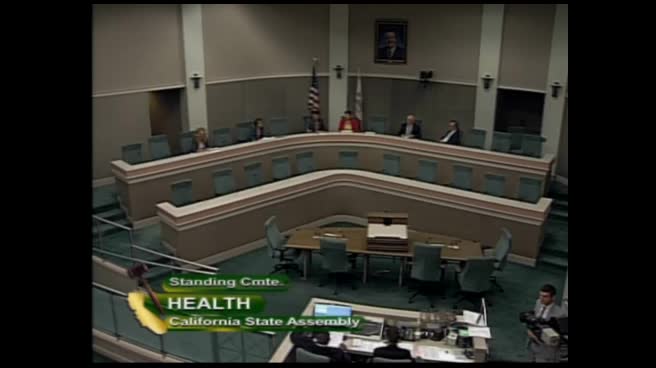
Bill Author
Bill Co-Author(s):
