SB 563: Residential wood smoke.
- Session Year: 2017-2018
- House: Senate
- Latest Version Date: 2017-10-11
(1)Existing law requires the State Air Resources Board to approve and begin implementing a comprehensive strategy to reduce emissions of short-lived climate pollutants to achieve a reduction in methane by 40%, hydrofluorocarbon gases by 40%, and anthropogenic black carbon by 50% below 2013 levels by 2030, as specified.
The California Global Warming Solutions Act of 2006 establishes the state board as the state agency responsible for monitoring and regulating sources emitting greenhouse gases. The act authorizes the state board to include the use of market-based compliance mechanisms. Existing law requires all moneys, except for fines and penalties, collected by the state board from a market-based compliance mechanism to be deposited in the Greenhouse Gas Reduction Fund and to be available upon appropriation by the Legislature.
This bill would establish the Woodsmoke Reduction Program to be administered by the state board, in coordination with air districts, to promote the voluntary replacement of old wood-burning stoves with cleaner and more efficient alternatives in order to achieve short- and long-term climate benefits and localized public health benefits, as specified. The bill would authorize moneys from the Greenhouse Gas Reduction Fund to be allocated for incentives offered as part of the program. By adding to the duties of air districts, this bill would impose a state-mandated local program.
(2)The California Constitution requires the state to reimburse local agencies and school districts for certain costs mandated by the state. Statutory provisions establish procedures for making that reimbursement.
This bill would provide that, if the Commission on State Mandates determines that the bill contains costs mandated by the state, reimbursement for those costs shall be made pursuant to the statutory provisions noted above.
(1)Existing law requires the State Air Resources Board to approve and begin implementing a comprehensive strategy to reduce emissions of short-lived climate pollutants to achieve a reduction in methane by 40%, hydrofluorocarbon gases by 40%, and anthropogenic black carbon by 50% below 2013 levels by 2030, as specified.
The California Global Warming Solutions Act of 2006 establishes the state board as the state agency responsible for monitoring and regulating sources emitting greenhouse gases. The act authorizes the state board to include the use of market-based compliance mechanisms. Existing law requires all moneys, except for fines and penalties, collected by the state board from a market-based compliance mechanism to be deposited in the Greenhouse Gas Reduction Fund and to be available upon appropriation by the Legislature.
This bill would establish the Woodsmoke Reduction Program to be administered by the state board, in coordination with air districts, to replace promote the voluntary replacement of old wood-burning stoves with cleaner and more efficient alternatives in order to achieve short- and long-term climate benefits and localized public health benefits, as specified. The bill would authorize moneys from the Greenhouse Gas Reduction Fund to be allocated for incentives offered as part of the program. By adding to the duties of air districts, this bill would impose a state-mandated local program.
(2)The California Constitution requires the state to reimburse local agencies and school districts for certain costs mandated by the state. Statutory provisions establish procedures for making that reimbursement.
This bill would provide that, if the Commission on State Mandates determines that the bill contains costs mandated by the state, reimbursement for those costs shall be made pursuant to the statutory provisions noted above.
(1)Existing law requires the State Air Resources Board to approve and begin implementing a comprehensive strategy to reduce emissions of short-lived climate pollutants to achieve a reduction in methane by 40%, hydrofluorocarbon gases by 40%, and anthropogenic black carbon by 50% below 2013 levels by 2030, as specified.
The California Global Warming Solutions Act of 2006 establishes the state board as the state agency responsible for monitoring and regulating sources emitting greenhouse gases. The act authorizes the state board to include the use of market-based compliance mechanisms. Existing law requires all moneys, except for fines and penalties, collected by the state board from a market-based compliance mechanism to be deposited in the Greenhouse Gas Reduction Fund and to be available upon appropriation by the Legislature.
This bill would establish the Woodsmoke Reduction Program to be administered by the state board, in coordination with air districts, to replace old wood-burning stoves with cleaner and more efficient alternatives in order to achieve short- and long-term climate benefits and localized public health benefits, as specified. The bill would authorize moneys from the Greenhouse Gas Reduction Fund to be allocated for incentives offered as part of the program. By adding to the duties of air districts, this bill would impose a state-mandated local program.
(2)The California Constitution requires the state to reimburse local agencies and school districts for certain costs mandated by the state. Statutory provisions establish procedures for making that reimbursement.
This bill would provide that, if the Commission on State Mandates determines that the bill contains costs mandated by the state, reimbursement for those costs shall be made pursuant to the statutory provisions noted above.
Existing law prohibits a person from knowingly setting or permitting agricultural burning unless he or she has a valid permit, as specified.This bill would make technical, nonsubstantive changes to that provision.Existing law prohibits a person from knowingly setting or permitting agricultural burning unless he or she has a valid permit, as specified.
This bill would make technical, nonsubstantive changes to that provision.
The Legislature finds and declares all of the following:
(a)Residential wood combustion is forecast to be the largest individual source of anthropogenic black carbon in 2030 if no new programs are implemented.
(b)Residential wood combustion produces greenhouse gases, fine particulate matter, black carbon, carbon monoxide, volatile organic compounds, and hazardous air pollutants, such as benzene and formaldehyde.
(c)These emissions have serious health and quality of life impacts. These include increased risk of asthma attacks, respiratory diseases, heart attacks, premature death, and lung cancer as well as slowed lung growth and development in children. At the greatest risk of exposure from particulate matter 2.5 microns and smaller in size are people with existing heart or lung conditions, such as older adults, children, pregnant women, people of color, and people living in lower socioeconomic conditions.
(d)The federal Environmental Protection Agency estimates that, if all of the old woodstoves in the United States were replaced with cleaner-burning hearth appliances, an estimated $56 to $126 billion in health benefits per year would be realized.
(e)Reductions from woodstoves and fireplaces are necessary to meet the states target of reducing black carbon emissions by 50 percent and methane by 40 percent below 2013 levels, pursuant to Section 39730.5 of the Health and Safety Code, as well as to meet federal ambient air quality standards for fine particulate matter.
(f)While a number of air pollution control and air quality management districts have residential wood combustion rules and strategies to reduce exposure to wood smoke pollution, it is important for the state to both ensure the strongest possible performance and efficiency standards for new residential wood-burning devices and to continue to advance the cleanest home heating options, such as electric heat pumps.
(g)It is crucial for the state to make adequate monetary incentives available that allow residents in all regions of the state to replace old devices with cleaner burning, more energy-efficient heating alternatives to achieve substantial emissions reductions with a priority on funding the cleanest available home heating devices, including electric heat pumps.
SEC. 2.Section 39733 is added to the Health and Safety Code, to read:39733.(a)The Woodsmoke Reduction Program is hereby established to be developed and administered by the state board, in coordination with districts, to promote the voluntary replacement of old, uncertified wood-burning stoves with cleaner burning and more energy-efficient alternatives in order to achieve short- and long-term climate benefits and localized public health benefits. The program shall include all of the following:
(1)Replacement of older, less efficient, uncertified wood-burning devices, including, but not limited to, woodstoves and wood inserts, with cleaner burning, more efficient home heating alternatives.
(2)Prioritizing using incentive moneys on the most efficient, nonwood-burning devices, including, but not limited to, heat pumps and solar, electric, and natural gas heaters.
(3)Prioritizing the cleanest and best available technologies if nonwood alternatives are infeasible or cost prohibitive, including education on proper burn practices to reduce emissions when wood is used.
(4)Opportunities for demonstrating and providing information about the cleanest residential heating technologies as part of outreach efforts.
(5)Requirements for the professional installation of new devices being changed out in order to maximize energy efficiency and minimize emissions.
(b)Moneys for the program shall be available to the state board, upon appropriation by the Legislature, including, but not limited to, moneys from the Greenhouse Gas Reduction Fund, created pursuant to Section 16428.8 of the Government Code.
SEC. 3.If the Commission on State Mandates determines that this act contains costs mandated by the state, reimbursement to local agencies and school districts for those costs shall be made pursuant to Part 7 (commencing with Section 17500) of Division 4 of Title 2 of the Government Code.
The Legislature finds and declares all of the following:
(a)Residential wood combustion is forecast to be the largest individual source of anthropogenic black carbon in 2030 if no new programs are implemented.
(b)Residential wood combustion produces greenhouse gases, fine particulate matter, black carbon, carbon monoxide, volatile organic compounds, and hazardous air pollutants, such as benzene and formaldehyde.
(c)These emissions have serious health and quality of life impacts. These include increased risk of asthma attacks, respiratory diseases, heart attacks, premature death, and lung cancer as well as slowed lung growth and development in children. At the greatest risk of exposure from particulate matter 2.5 microns and smaller in size are people with existing heart or lung conditions, such as older adults, children, pregnant women, people of color, and people living in lower socioeconomic conditions.
(d)The federal Environmental Protection Agency estimates that, if all of the old woodstoves in the United States were replaced with cleaner-burning hearth appliances, an estimated $56 to $126 billion in health benefits per year would be realized.
(e)Reductions from woodstoves and fireplaces are necessary to meet the states target of reducing black carbon emissions by 50 percent and methane by 40 percent below 2013 levels, pursuant to Section 39730.5 of the Health and Safety Code, as well as to meet federal ambient air quality standards for fine particulate matter.
(f)While a number of air pollution control and air quality management districts have residential wood combustion rules and strategies to reduce exposure to wood smoke pollution, it is important for the state to both ensure the strongest possible performance and efficiency standards for new residential wood-burning devices and to continue to advance the cleanest home heating options, such as electric heat pumps.
(g)It is crucial for the state to make adequate monetary incentives available that allow residents in all regions of the state to replace old devices with cleaner burning, more energy-efficient heating alternatives to achieve substantial emissions reductions with a priority on funding the cleanest available home heating devices, including electric heat pumps.
SEC. 2.Section 39733 is added to the Health and Safety Code, to read:39733.(a)The Woodsmoke Reduction Program is hereby established to be developed and administered by the state board, in coordination with districts, to replace promote the voluntary replacement of old, uncertified wood-burning stoves with cleaner burning and more energy-efficient alternatives in order to achieve short- and long-term climate benefits and localized public health benefits. The program shall include all of the following:
(1)Replacement of older, less efficient, uncertified wood-burning devices, including, but not limited to, woodstoves and wood inserts, with cleaner burning, more efficient home heating alternatives.
(2)Prioritizing using incentive moneys on the most efficient, nonwood-burning devices, including, but not limited to, heat pumps and solar, electric, and natural gas heaters.
(3)Prioritizing the cleanest and best available technologies if nonwood alternatives are infeasible or cost-prohibitive, cost prohibitive, including education on proper burn practices to reduce emissions when wood is used.
(4)Opportunities for demonstrating and providing information about the cleanest residential heating technologies as part of outreach efforts.
(5)Requirements for the professional installation of new devices being changed out in order to maximize energy efficiency and minimize emissions.
(b)Moneys for the program shall be available to the state board, upon appropriation by the Legislature, including, but not limited to, moneys from the Greenhouse Gas Reduction Fund, created pursuant to Section 16428.8 of the Government Code.
SEC. 3.If the Commission on State Mandates determines that this act contains costs mandated by the state, reimbursement to local agencies and school districts for those costs shall be made pursuant to Part 7 (commencing with Section 17500) of Division 4 of Title 2 of the Government Code.
The Legislature finds and declares all of the following:
(a)Residential wood combustion is forecast to be the largest individual source of anthropogenic black carbon in 2030 if no new programs are implemented.
(b)Residential wood combustion produces greenhouse gases, fine particulate matter, black carbon, carbon monoxide, volatile organic compounds, and hazardous air pollutants, such as benzene and formaldehyde.
(c)These emissions have serious health and quality of life impacts. These include increased risk of asthma attacks, respiratory diseases, heart attacks, premature death, and lung cancer as well as slowed lung growth and development in children. At the greatest risk of exposure from particulate matter 2.5 microns and smaller in size are people with existing heart or lung conditions, such as older adults, children, pregnant women, people of color, and people living in lower socioeconomic conditions.
(d)The federal Environmental Protection Agency estimates that, if all of the old woodstoves in the United States were replaced with cleaner-burning hearth appliances, an estimated $56 to $126 billion in health benefits per year would be realized.
(e)Reductions from woodstoves and fireplaces are necessary to meet the states target of reducing black carbon emissions by 50 percent and methane by 40 percent below 2013 levels, pursuant to Section 39730.5 of the Health and Safety Code, as well as to meet federal ambient air quality standards for fine particulate matter.
(f)While a number of air pollution control and air quality management districts have residential wood combustion rules and strategies to reduce exposure to wood smoke pollution, it is important for the state to both ensure the strongest possible performance and efficiency standards for new residential wood-burning devices and to continue to advance the cleanest home heating options, such as electric heat pumps.
(g)It is crucial for the state to make adequate monetary incentives available that allow residents in all regions of the state to replace old devices with cleaner burning, more energy-efficient heating alternatives to achieve substantial emissions reductions with a priority on funding the cleanest available home heating devices, including electric heat pumps.
SEC. 2.Section 39733 is added to the Health and Safety Code, to read:39733.(a)The Woodsmoke Reduction Program is hereby established to be developed and administered by the state board, in coordination with districts, to replace old, uncertified wood-burning stoves with cleaner burning and more energy-efficient alternatives in order to achieve short- and long-term climate benefits and localized public health benefits. The program shall include all of the following:
(1)Replacement of older, less efficient, uncertified wood-burning devices, including, but not limited to, woodstoves and wood inserts, with cleaner burning, more efficient home heating alternatives.
(2)Prioritizing using incentive moneys on the most efficient, nonwood-burning devices, including, but not limited to, heat pumps and solar, electric, and natural gas heaters.
(3)Prioritizing the cleanest and best available technologies if nonwood alternatives are infeasible or cost-prohibitive, including education on proper burn practices to reduce emissions when wood is used.
(4)Opportunities for demonstrating and providing information about the cleanest residential heating technologies as part of outreach efforts.
(5)Requirements for the professional installation of new devices being changed out in order to maximize energy efficiency and minimize emissions.
(b)Moneys for the program shall be available to the state board, upon appropriation by the Legislature, including, but not limited to, moneys from the Greenhouse Gas Reduction Fund, created pursuant to Section 16428.8 of the Government Code.
SEC. 3.If the Commission on State Mandates determines that this act contains costs mandated by the state, reimbursement to local agencies and school districts for those costs shall be made pursuant to Part 7 (commencing with Section 17500) of Division 4 of Title 2 of the Government Code.
SECTION 1.Section 41852 of the Health and Safety Code is amended to read:41852.A person shall not knowingly set or permit agricultural burning unless he or she has a valid permit from the agency designated by the state board to issue those permits in the area where the agricultural burning is to take place.No A person knowingly shall not knowingly set or permit agricultural burning unless he or she has a valid permit from the agency designated by the state board to issue such those permits in the area where the agricultural burning is to take place.
|
Date
|
Status
|
|---|---|
| Oct 11, 2017 | Chaptered by Secretary of State. Chapter 671, Statutes of 2017. |
| Oct 11, 2017 | Approved by the Governor. |
| Sep 15, 2017 | Enrolled and presented to the Governor at 3:30 p.m. |
| Sep 11, 2017 | Assembly amendments concurred in. (Ayes 28. Noes 11.) Ordered to engrossing and enrolling. |
| Sep 8, 2017 | In Senate. Concurrence in Assembly amendments pending. |
| Sep 7, 2017 | Read third time. Passed. Ordered to the Senate. |
| Sep 5, 2017 | Read second time. Ordered to third reading. |
| Sep 1, 2017 | From committee: Do pass. (Ayes 15. Noes 0.) (September 1). |
| Jul 19, 2017 | July 19 set for first hearing. Placed on APPR. suspense file. |
| Jul 6, 2017 | Read second time and amended. Re-referred to Com. on APPR. |
| Jul 5, 2017 | From committee: Do pass as amended and re-refer to Com. on APPR. (Ayes 10. Noes 0.) (June 26). |
| Jun 12, 2017 | Referred to Com. on NAT. RES. |
| Jun 1, 2017 | In Assembly. Read first time. Held at Desk. |
| May 31, 2017 | Read third time. Passed. (Ayes 27. Noes 12. Page 1349.) Ordered to the Assembly. |
| May 26, 2017 | Read second time. Ordered to third reading. |
| May 25, 2017 | From committee: Do pass. (Ayes 5. Noes 2. Page 1187.) (May 25). |
| May 19, 2017 | Set for hearing May 25. |
| May 1, 2017 | May 1 hearing: Placed on APPR. suspense file. |
| Apr 21, 2017 | Set for hearing May 1. |
| Apr 20, 2017 | From committee: Do pass and re-refer to Com. on APPR. (Ayes 5. Noes 2. Page 784.) (April 19). Re-referred to Com. on APPR. |
| Apr 7, 2017 | Set for hearing April 19. |
| Apr 5, 2017 | Re-referred to Com. on EQ. |
| Mar 28, 2017 | From committee with author's amendments. Read second time and amended. Re-referred to Com. on RLS. |
| Mar 2, 2017 | Referred to Com. on RLS. |
| Feb 21, 2017 | From printer. May be acted upon on or after March 23. |
| Feb 17, 2017 | Introduced. Read first time. To Com. on RLS. for assignment. To print. |
|
Date
|
Description
|
Location
|
Votes
|
|
|---|---|---|---|---|
| Sep 11, 2017 | Unfinished Business SB563 Lara et al. Concurrence | Senate Floor |
Passed |
|
| Sep 7, 2017 | SB 563 Lara Senate Third Reading By MCCARTY | Assembly Floor |
Passed |
|
| Sep 1, 2017 | Do pass. | Assembly Standing Committee on Appropriations |
Passed |
|
| Jun 26, 2017 | Do pass as amended and be re-referred to the Committee on [Appropriations] | Assembly Standing Committee on Natural Resources |
Passed |
|
| May 31, 2017 | Senate 3rd Reading SB563 Lara | Senate Floor |
Passed |
|
| May 25, 2017 | Do pass | Senate Standing Committee on Appropriations |
Passed |
|
| May 1, 2017 | Placed on suspense file | Senate Standing Committee on Appropriations |
Passed |
|
| Apr 19, 2017 | Do pass, but first be re-referred to the Committee on [Appropriations] | Senate Standing Committee on Environmental Quality |
Passed |
This list shows positions taken on this bill by organizations on the date displayed, which is linked to the original source.
Positions by individuals are not included.
|
Organization
|
Position
|
Date
|
|---|---|---|
| Alliance of Nurses for Healthy Environment | ** Support | Jun 23, 2017 |
| American Academy of Pediatrics | ** Support | Sep 8, 2017 |
| American Cancer Society Cancer Action Network, California | ** Support | Jun 23, 2017 |
| American Lung Association in California | ** Support | Sep 8, 2017 |
| Bay Area Air Quality Management District | ** Support | Sep 8, 2017 |
| California Air Pollution Control Officers Association | ** Support | Sep 8, 2017 |
| California Black Health Network | ** Support | Jun 23, 2017 |
| California Nurses Association | ** Support | Sep 8, 2017 |
| California Public Health Association - North | ** Support | Jun 23, 2017 |
| California Thoracic Society | ** Support | Jun 23, 2017 |
| Coalition For Clean Air | ** Support | Sep 8, 2017 |
| County of Santa Cruz | ** Support | Sep 8, 2017 |
| Hearth, Patio, ad Barbecue Association | * Support | Apr 19, 2017 |
| National Nurses United | ** Support | Sep 8, 2017 |
| Placer County Air Pollution Control District | ** Support | Sep 8, 2017 |
| Public Health Institute | ** Support | Jun 23, 2017 |
| Regional Asthma Management and Prevention | ** Support | Jun 23, 2017 |
| Rural County Representatives of California | ** Support | Sep 8, 2017 |
| Sacramento Air Quality Management District | ** Support | Sep 8, 2017 |
| Sacramento Metropolitan Air Quality Management District | * Support | Jun 26, 2017 |
Office of Senate Floor Analyses (916) 651-1520 Fax: (916) 327-4478 | SB |
UNFINISHED BUSINESS
Bill No: SB 563
:
SENATE ENVIRONMENTAL QUALITY COMMITTEE: 5-2, 4/19/17
AYES: Wieckowski, Hill, Lara, Skinner, Stern
NOES: Stone, Bates
SENATE APPROPRIATIONS COMMITTEE: 5-2, 5/25/17
AYES: Lara, Beall, Bradford, Hill, Wiener
NOES: Bates, Nielsen
SENATE FLOOR: 27-12, 5/31/17
AYES: Allen, Atkins, Beall, Bradford, Cannella, De León, Dodd, Glazer, Hernandez, Hertzberg, Hill, Hueso, Jackson, Lara, Leyva, McGuire, Mendoza, Mitchell, Monning, Newman, Pan, Portantino, Roth, Skinner, Stern, Wieckowski, Wiener
NOES: Anderson, Bates, Berryhill, Fuller, Gaines, Moorlach, Morrell, Nguyen, Nielsen, Stone, Vidak, Wilk
NO VOTE RECORDED: Galgiani
ASSEMBLY FLOOR: 67-4, 9/7/17 - See last page for vote
DIGEST:
This bill establishes the Woodsmoke Reduction Program (program) and authorizes moneys from the Greenhouse Gas Reduction Fund (GGRF) to be allocated for incentives offered as part of the program.
Assembly Amendments
clarify that the program is voluntary.
Existing law:
- Designates the California Air Resources Board (ARB) as the state agency responsible for the coordination of activities of all local air quality control districts necessary to meet federal and state air quality standards.
- Provides air quality management districts (AQMDs) have primary responsibility for controlling air pollution from all sources, other than emissions from mobile sources, and establishes certain powers, duties, and requirements for those districts.
- Requires, under the California Global Warming Solutions Act of 2006 (also known as AB 32), ARB to determine the 1990 statewide greenhouse gas (GHG) emissions level and approve a statewide GHG emissions limit that is equivalent to that level to be achieved by 2020, and designates ARB as the lead agency for monitoring and regulating GHG emissions.
- Requires ARB to ensure that statewide GHG emissions are reduced to at least 40% below the 1990 level by December 31, 2030.
- Requires, no later than January 1, 2016, ARB to complete a comprehensive strategy to reduce emissions of short-lived climate pollutants in the state,
- Requires, no later than January 1, 2018, ARB to approve and begin implementing the comprehensive short-lived climate pollutant strategy to achieve a reduction in the statewide emissions of methane by 40%, hydrofluorocarbon gases by 40%, and anthropogenic black carbon by 50% below 2013 levels by 2030.
- Establishes the GGRF in the State Treasury, requires all moneys, except for fines and penalties, collected pursuant to a market-based mechanism be deposited in the fund.
- Prohibits the state from approving allocations for a measure or program using GGRF moneys except after determining that the use of those moneys furthers the regulatory purposes of AB 32, and requires moneys from the GGRF be used to facilitate the achievement of reductions of GHG emissions in California.
- Appropriates $5,000,000 for local assistance, via AB 1613 (Assembly Committee on Budget and Fiscal Review, Chapter 370, Statutes of 2016), from GGRF for black carbon wood smoke programs.
This bill:
- Establishes the Program to be administered by ARB, in coordination with AQMDs, to replace old wood-burning stoves with cleaner and more efficient alternatives in order to achieve short- and long-term climate benefits and localized public health benefits, as specified.
- Authorizes moneys from the GGRF to be allocated for incentives offered as part of the program. By adding to the duties of air districts, this bill imposes a state-mandated local program.
Background
- Wood Stoves and Wood Stove Replacement Programs. Residential wood smoke contains PM 2.5, carbon monoxide, toxic air pollutants (e.g., benzene and formaldehyde), and climate gases (e.g. methane and black carbon). According to United States Environmental Protection Agency (US EPA) estimates, wood stoves, hydronic heaters, and fireplaces emit more than 345,000 tons of PM 2.5 into the air throughout the country each year – mostly during the winter months. Nationally, residential wood combustion accounts for 44% of total stationary and mobile polycyclic organic matter (POM) emissions, nearly 25% of all area source air toxic cancer risks and 15% of non-cancer respiratory effects. Residential wood smoke can increase particle pollution to levels that cause significant health concerns (e.g., asthma attacks, heart attacks, premature death). Wood smoke causes many counties throughout the U.S. to either exceed the national health-based standards for fine particles, or places them on the cusp of exceeding the standards. Because wood stoves, hydronic heaters, and other similar appliances can be used around the clock in residential areas, they can cause significant and varying health and quality of life issues.
As an example, according to the Sacramento AQMD Web site, wood burning during the winter causes almost 50% of the air pollution in Sacramento County, as opposed to vehicle emissions that cause summer pollution.
Wood stove replacement programs address both indoor and outdoor air quality, reduce fine particle and toxic air pollution, improve energy efficiency, and reduce the risk of chimney fires. The US EPA estimates that more than 24,000 wood stoves and fireplaces have been replaced or retrofitted in 50 communities across the nation; resulting in approximately 3,700 tons of fine particle emissions reduced each year, and an estimated $135-329 million per year of health benefits.
Based on 2013 census data, there are approximately 217,000 residences in California that use wood heating as their primary source of heat, and an estimated additional 3.6 million residences that use wood heating to supplement other sources of heat.
Across the state, California AQMDs have programs to subsidize the replacement of wood burning stoves with cleaner technologies. These programs implemented by AQMDs are typically oversubscribed and demand has thus far exceeded the available funds. A well-funded voluntary incentive state program to replace inefficient and uncertified wood heating devices with cleaner, certified heating devices would likely greatly increase the number of wood-burning stove conversions.
- Health effects from exposure to smoke. According to the Centers for Disease Control and Prevention (CDC), smoke is made up of a complex mixture of gases and particles produced when wood and other organic matter burn. A major health threat from smoke comes from fine particles (also called particle pollution, particulate matter, or PM 2.5). In addition to particle pollution, wood smoke contains several toxic harmful air pollutants including: benzene, formaldehyde, acrolein and methane.
According to the US EPA, particle pollution exposure can lead to a variety of health effects.
Short-term exposures to PM 2.5 can lead to burning eyes and runny noses, due to penetration of the particles into the eyes and respiratory system. Short-term exposures to particles (hours or days) can also aggravate lung disease, causing asthma attacks and acute bronchitis, and may also increase susceptibility to respiratory infections.
Long-term exposures have been associated with reduced lung function and the development of chronic bronchitis, increased hospital admissions and emergency room visits —and even premature death.
Some studies also suggest that long-term PM 2.5 exposures may be linked to cancer and to harmful developmental and reproductive effects, such as infant mortality and low birth weight.
On October 17, 2013, the specialized cancer agency of the World Health Organization, the International Agency for Research on Cancer, classified outdoor air pollution, and particulate matter as a major component of outdoor air pollution, as carcinogenic to humans.
According to the US EPA, wood smoke can affect everyone, but children, teenagers, pregnant women, older adults, people with lung disease, including asthma and chronic obstructive pulmonary disease (COPD) or people with heart diseases are the most vulnerable.
The US EPA Web site states that it is important to limit exposure to wood smoke—especially for the following susceptible populations:
- Persons with heart or lung disease, such as congestive heart failure, angina, chronic obstructive pulmonary disease, emphysema or asthma may experience health effects earlier and at lower smoke levels than healthy people.
- Older adults are more likely to be affected by smoke, possibly because they are more likely to have chronic heart or lung diseases than younger people.
- Children are more susceptible to smoke for several reasons: their respiratory systems are still developing; they breathe more air (and air pollution) per pound of body weight than adults; and they’re more likely to be active outdoors.
Vulnerable populations like those persons that suffer from chronic respiratory illnesses like asthma, COPD, and emphysema would have extreme difficulty breathing while on the beach with fire rings burning wood, putting off large plumes of smoke. Those suffering from chronic illness would be at higher risk to an acute episode requiring immediate medical attention if they were to be on the beach while the fire rings are burning.
Additionally, children, because of their smaller lung capacity, take in more breaths and therefore more air contaminants.
- Greenhouse Gas Emissions from Wood Burning. The International Panel on Climate Change (IPCC) has proven that particles created by burning wood and other biomass—so called “black carbon”—are a major contributor to global warming.
Just like coal, oil, and natural gas, the GHGs sequestered in wood are released to the atmosphere when we burn it for fuel and heat. But while there is agreement that burning wood releases GHGs and creates black carbon, some argue that wood burning is “carbon neutral” because it releases about the same amount of GHGs that is released when a tree decays naturally.
Technically this is true; however, it’s important to consider the factor of time as it relates to burning vs. decaying. It takes over 15 years for a typical tree used for wood burning to mature before it is harvested. During that time, the tree is storing CO2 that it collects from the atmosphere. Given the opportunity, that tree could live for another hundred years or more, continuing to collect and store GHGs. After it dies naturally, it will take many more years for it to decay and gradually release the GHGs it collected over its lifespan. However, if the tree is burned in a fireplace or woodstove, all those GHGs are released in just a few hours and in higher concentrations.
This difference in timescale is critical. The IPCC has developed a set of projections for the dire effects of climate change. Their report presents a range of scenarios based on how quickly we can reduce our GHG production and how fast we can lower the concentrations of GHGs already in our atmosphere. Many scientists believe that reducing or eliminating wood and other biomass burning to be one of the easiest and most effective ways for us to curb global warming.
Comments
Purpose of Bill. According to the author, “Residential wood burning produces greenhouse gases and toxic air pollutants, and is forecast to be the largest source of human-caused black carbon emissions in 2030 if no new programs are implemented. These emissions also have serious health and quality of life impacts, including increased risk of asthma attacks, respiratory diseases, heart attacks, premature death, and lung cancer as well as slowed lung growth and development in children. This is especially true for people with existing heart or lung conditions, such as older adults, children, pregnant women, people of color, and people living in lower socioeconomic conditions.
“SB 563 establishes the Woodsmoke Reduction Program to provide Californians with incentives to replace old, uncertified wood-burning stoves and home heating with cleaner and more energy-efficient alternatives. Changing out one old, dirty, inefficient wood stove is equivalent to the PM 2.5 pollution reduction of taking five old diesel buses off the road. This program will reduce greenhouse gas emissions from wood smoke, with significant co-benefits in the reduction of black carbon emissions. SB 563 will help the state achieve short- and long-term climate benefits as well as localized public health benefits.”
Related/Prior Legislation
AB 1613 (Assembly Committee on Budget and Fiscal Review, Chapter 370, Statutes of 2016) appropriated $5,000,000 for local assistance from GGRF for black carbon wood smoke programs.
SB 1383 (Lara, Chapter 395, Statutes of 2016) required, no later than January 1, 2018, ARB to approve and begin implementing the comprehensive short-lived climate pollutant strategy to achieve a reduction in the statewide emissions of methane by 40%, hydrofluorocarbon gases by 40%, and anthropogenic black carbon by 50% below 2013 levels by 2030.
SB 605 (Lara, Pavley, Chapter 523, Statutes of 2014) required ARB to develop a plan to reduce emissions of short-lived climate pollutants.
FISCAL EFFECT: Appropriation: Fiscal Com.: Local:
According to the Assembly Appropriations Committee:
- Creates cost pressures in the low- to mid- millions (GGRF) for incentives offered as part of the program.
- Increases ARB costs of approximately $400,000 (Cost of Implementation Fund or GGRF) for staff to administer the program.
- Creates unknown, potentially reimbursable, costs for the AQMDs to coordinate with ARB in the administration of the program.
American Academy of Pediatrics
American Lung Association in California
Bay Area Air Quality Management District
California Air Pollution Control Officers Association
California Nurses Association/ National Nurses United
Coalition for Clean Air
County of Santa Cruz
Placer County Air Pollution Control District
Rural County Representatives of California
Sacramento Air Quality Management District
None received
ASSEMBLY FLOOR: 67-4, 9/7/17
AYES: Acosta, Aguiar-Curry, Travis Allen, Arambula, Baker, Berman, Bigelow, Bloom, Bocanegra, Bonta, Burke, Caballero, Calderon, Cervantes, Chau, Chávez, Chen, Chiu, Chu, Cooper, Cunningham, Dababneh, Daly, Eggman, Friedman, Gallagher, Cristina Garcia, Eduardo Garcia, Gipson, Gloria, Gonzalez Fletcher, Gray, Grayson, Holden, Irwin, Jones-Sawyer, Kalra, Lackey, Levine, Limón, Low, Maienschein, Mathis, Mayes, McCarty, Medina, Mullin, Muratsuchi, Nazarian, Obernolte, O'Donnell, Quirk, Quirk-Silva, Reyes, Ridley-Thomas, Rodriguez, Rubio, Salas, Santiago, Steinorth, Mark Stone, Thurmond, Ting, Voepel, Weber, Wood, Rendon
NOES: Brough, Harper, Melendez, Waldron
NO VOTE RECORDED: Choi, Cooley, Dahle, Flora, Fong, Frazier, Kiley, Patterson
9/8/17 16:31:18
**** END ****
SENATE THIRD READING
STR Bill Id:SB 563
Author:(Lara)
As Amended Ver:July 6, 2017
Majority vote
SENATE VOTE: 27-12
Committee | Votes | Ayes | Noes |
Natural Resources | 10-0 | Cristina Garcia, Acosta, Travis Allen, Chau, Eggman, Flora, Limón, McCarty, Muratsuchi, Mark Stone | |
Appropriations | 15-0 | Gonzalez Fletcher, Bigelow, Bloom, Bocanegra, Bonta, Brough, Calderon, Chau, Eggman, Friedman, Gallagher, Eduardo Garcia, Jones-Sawyer, Obernolte, Reyes |
|
SUMMARY: Establishes the Woodsmoke Reduction Program (program) and authorizes moneys from the Greenhouse Gas Reduction Fund (GGRF) to be allocated for incentives offered as part of the program. Specifically, this bill:
- Establishes the program, to be administered by the Air Resources Board (ARB), in coordination with air quality management districts (AQMDs), to replace old wood-burning stoves with cleaner and more efficient alternatives to achieve short- and long-term climate benefits and localized public health benefits, as specified.
- Authorizes moneys from the GGRF to be allocated for incentives offered as part of the program.
- By adding to the duties of AQMDs, this bill would impose a state-mandated local program.
FISCAL EFFECT: According to the Assembly Appropriations Committee, this bill:
- Creates cost pressures in the low- to mid- millions (GGRF) for incentives offered as part of the program.
- Increases ARB costs of approximately $400,000 (Cost of Implementation Fund or GGRF) for staff to administer the program.
- Creates unknown, potentially reimbursable, costs for the AQMDs to coordinate with ARB in the administration of the program.
COMMENTS: The 5th assessment report from the Intergovernmental Panel on Climate Change (IPCC) notes that atmospheric concentrations of global warming pollutants have risen to levels unseen in the past 800,000 years. Carbon dioxide (CO2)concentrations have increased by 40% since pre-industrial times. There is broad scientific consensus that these global GHG emission increases are leading to higher air and water temperatures, as well as rising sea levels. Sea level is expected to rise 17 to 66 inches by 2100, and the frequency of extreme events such as heat waves, wildfires, floods, and droughts is expected to increase.
CO2 remains in the atmosphere for centuries, which makes it the most critical GHG to reduce in order to limit long-term climate change. However, climate pollutants, including methane, hydrofluorocarbons (HFCs), and soot (black carbon), are relatively short-lived (anywhere from a few weeks to 15 years), but have much higher global warming potentials than CO2. New research suggests that aggressively reducing these Short-lived climate pollutants (SLCPs) in the short-term, compared to only cutting CO2 emissions, can do more to slow sea level rise and other climate change impacts in the near-term.
Black carbon, a component of soot, also known as PM 2.5, comes from diesel engines and incomplete burning of carbon sources, including smoke produced by residential fireplaces and woodstoves. Wildfires contribute two-thirds of the total black carbon emissions in the state. In addition to being a powerful global warming pollutant, black carbon is associated with numerous negative health impacts and is designated a potential human carcinogen. Black carbon is not listed under AB 32 (Nuñez), Chapter 488, Statutes of 2006 as a GHG subject to AB 32 regulations. However, due to known health and air quality impacts, ARB has several programs to reduce PM emissions from heavy-duty vehicles. Black carbon has a global warming potential 3200 times that of CO2 on a 20-year time scale.
Methane emissions are generated by fossil fuels production, livestock farming, landfilling, and biomass burning. Many emissions sources of methane are unregulated (e.g., fugitive methane emissions from landfills and natural gas distribution). Methane is about 80 times more powerful as a global warming pollutant than CO2 on a 20-year time scale.
Residential wood smoke contains PM 2.5, carbon monoxide, toxic air pollutants (e.g., benzene and formaldehyde), and climate gases (methane and black carbon). According to the US Environmental Protection Agency (EPA) estimates, wood stoves, hydronic heaters, and fireplaces emit more than 345,000 tons of PM 2.5 into the air throughout the country each year. Nationally, residential wood combustion accounts for 44% of total stationary and mobile polycyclic organic matter emissions, nearly 25% of all area source air toxic cancer risks and 15% of non-cancer respiratory effects. Residential wood smoke can increase particle pollution to levels that cause significant health concerns (e.g., asthma attacks, heart attacks, and premature death).
Wood stove replacement programs improve indoor and outdoor air quality, reduce fine particle and toxic air pollution, improve energy efficiency, and reduce the risk of chimney fires. EPA estimates that more than 24,000 wood stoves and fireplaces have been replaced or retrofitted in 50 communities across the nation; resulting in approximately 3,700 tons of PM reduced each year, and an estimated $135-329 million per year of health benefits. There are approximately 217,000 residences in California that use wood heating as their primary source of heat, and an estimated additional 3.6 million residences that use wood heating to supplement other sources of heat. California AQMDs have programs throughout the state to subsidize the replacement of wood burning stoves with cleaner technologies. These programs are typically oversubscribed and demand exceeds available funds. A well-funded voluntary incentive state program to replace inefficient and uncertified wood heating devices with cleaner, certified heating devices would likely greatly increase the number of wood-burning stove conversions.
Analysis Prepared by: Elizabeth MacMillan / NAT. RES. / (916) 319-2092 FN: 0001700
Date of Hearing: July 19, 2017
ASSEMBLY COMMITTEE ON APPROPRIATIONS
Lorena Gonzalez Fletcher, Chair
SBPCA Bill Id:SB 563
Author:(Lara) – As Amended Ver:July 6, 2017
Policy Committee: | Natural Resources | Vote: | 10 - 0 |
|
| ||
|
|
Urgency: No State Mandated Local Program: Yes Reimbursable: Yes
SUMMARY:
This bill establishes the Woodsmoke Reduction Program (Program) and authorizes moneys from the Greenhouse Gas Reduction Fund (GGRF) to be allocated for incentives offered as part of the program. Specifically, this bill:
- Establishes the Program, to be administered by the California Air Resources Board (ARB), in coordination with local air quality management districts (AQMDs), to promote the voluntary replacement of old wood-burning stoves with cleaner and more efficient alternatives to achieve short- and long-term climate benefits and localized public health benefits, as specified.
- Authorizes moneys from the GGRF to be allocated for incentives offered as part of the program.
FISCAL EFFECT:
- Cost pressures in the low- to mid- millions (GGRF) for incentives offered as part of the program.
- Increased ARB costs of approximately $400,000 (Cost of Implementation Fund or GGRF) for staff to administer the program.
- Unknown, potential reimbursable costs for the AQMDs to coordinate with ARB in the administration of the Program.
COMMENTS:
- Purpose. According to the author, “Changing out one old, dirty, inefficient wood stove is equivalent to the particulate matter (PM) 2.5 pollution reduction of taking five old diesel buses off the road. This program will reduce greenhouse gas emissions from wood smoke, with significant co-benefits in the reduction of black carbon emissions. SB 563 will help the state achieve short- and long-term climate benefits as well as localized public health benefits.”
- Background. Black carbon, a component of soot, also known as PM 2.5, comes from diesel engines and incomplete burning of carbon sources, including smoke produced by residential fireplaces and woodstoves. Residential wood smoke contains PM 2.5, carbon monoxide, toxic air pollutants (e.g., benzene and formaldehyde), and climate gases (methane and black carbon). According to the US Environmental Protection Agency estimates, wood stoves, hydronic heaters, and fireplaces emit more than 345,000 tons of PM 2.5 into the air throughout the country each year.
California AQMDs have programs to subsidize the replacement of wood burning stoves with cleaner technologies. These programs are typically oversubscribed and demand exceeds available funds. A well-funded voluntary incentive state program to replace inefficient and uncertified wood heating devices with cleaner, certified heating devices would likely greatly increase the number of wood-burning stove conversions.
Analysis Prepared by: Jennifer Galehouse / APPR. / (916) 319-2081
Date of Hearing: June 26, 2017
ASSEMBLY COMMITTEE ON NATURAL RESOURCES
Cristina Garcia, Chair
SBPCA Bill Id:SB 563
Author:(Lara) – As Amended Ver:March 28, 2017
SENATE VOTE: 27-12
SUBJECT: Residential wood smoke
SUMMARY: Establishes the Woodsmoke Reduction Program (program) and authorizes moneys from the Greenhouse Gas Reduction Fund (GGRF) to be allocated for incentives offered as part of the program.
EXISTING LAW:
- Requires the Air Resources Board (ARB), pursuant to California Global Warming Solutions Act of 2006 [AB 32 (Nunez), Chapter 488, Statutes of 2006], to adopt a statewide greenhouse gas (GHG) emissions limit equivalent to the 1990 level by 2020, and adopt regulations to achieve maximum technologically feasible and cost-effective GHG emission reductions. Requires ARB to ensure that statewide GHG emissions are reduced to at least 40% below the 1990 level by December 31, 2030.
- Requires ARB, pursuant to SB 605 (Lara), Chapter 523, Statutes of 2014, to complete, by January 1, 2016, a comprehensive strategy to reduce emissions of short-lived climate pollutants (SLCPs), defined as an agent that has a relatively short lifetime in the atmosphere and a climate-warming influence that is more potent than carbon dioxide.
- Requires, no later than January 1, 2018, ARB to approve and begin implementing the comprehensive SLCP strategy to achieve a reduction in the statewide emissions of methane by 40%, hydrofluorocarbon gases by 40%, and anthropogenic black carbon by 50% below 2013 levels by 2030.
- Gives air quality management districts (AQMDs) primary responsibility for controlling air pollution from all sources, other than emissions from mobile sources, and establishes powers, duties, and requirements for those districts.
- Establishes the GGRF in the State Treasury and requires all moneys, except for fines and penalties, collected pursuant to a market-based mechanism be deposited in the fund.
- Appropriates, pursuant to AB 1613 (Budget Committee), Chapter 370, Statutes of 2016, $5 million for local assistance from GGRF for black carbon wood smoke programs.
THIS BILL:
- Establishes the program, to be administered by ARB, in coordination with AQMDs, to replace old wood-burning stoves with cleaner and more efficient alternatives to achieve short- and long-term climate benefits and localized public health benefits, as specified.
- Authorizes moneys from the GGRF to be allocated for incentives offered as part of the program.
- By adding to the duties of AQMDs, this bill would impose a state-mandated local program.
FISCAL EFFECT: According to the Senate Appropriations Committee, this bill has costs of approximately $400,000 (Cost of Implementation Fund) to ARB for staff to administer the program and pressures in the low- to mid- millions (GGRF) for incentives offered as part of the program.
COMMENTS:
- Author statement:
Residential wood burning produces GHGs and toxic air pollutants, and is forecast to be the largest source of human-caused black carbon emissions in 2030 if no new programs are implemented. These emissions also have serious health and quality of life impacts, including increased risk of asthma attacks, respiratory diseases, heart attacks, premature death, and lung cancer as well as slowed lung growth and development in children. This is especially true for people with existing heart or lung conditions, such as older adults, children, pregnant women, people of color, and people living in lower socioeconomic conditions.
Senate Bill 563 establishes the Woodsmoke Reduction Program to provide Californians with incentives to replace old, uncertified wood-burning stoves and home heating with cleaner and more energy-efficient alternatives. Changing out one old, dirty, inefficient wood stove is equivalent to the particulate matter (PM) 2.5 pollution reduction of taking five old diesel buses off the road. This program will reduce greenhouse gas emissions from wood smoke, with significant co-benefits in the reduction of black carbon emissions. SB 563 will help the state achieve short- and long-term climate benefits as well as localized public health benefits
- Background. The 5th assessment report from the Intergovernmental Panel on Climate Change (IPCC) notes that atmospheric concentrations of global warming pollutants have risen to levels unseen in the past 800,000 years. Carbon dioxide concentrations have increased by 40% since pre-industrial times. There is broad scientific consensus that these global GHG emission increases are leading to higher air and water temperatures, as well as rising sea levels. Sea level is expected to rise 17 to 66 inches by 2100, and the frequency of extreme events such as heat waves, wildfires, floods, and droughts is expected to increase.
CO2 remains in the atmosphere for centuries, which makes it the most critical GHG to reduce in order to limit long-term climate change. However, climate pollutants, including methane, HFCs, and soot (black carbon), are relatively short-lived (anywhere from a few weeks to 15 years), but have much higher global warming potentials than CO2. New research suggests that aggressively reducing these SLCPs in the short-term, compared to only cutting CO2 emissions, can do more to slow sea level rise and other climate change impacts in the near-term.
Black carbon, a component of soot, also known as PM 2.5, comes from diesel engines and incomplete burning of carbon sources, including smoke produced by residential fireplaces and woodstoves. Wildfires contribute two-thirds of the total black carbon emissions in the state. In addition to being a powerful global warming pollutant, black carbon is associated with numerous negative health impacts and is designated a potential human carcinogen. Black carbon is not listed under AB 32 as a GHG subject to AB 32 regulations. However, due to known health and air quality impacts, ARB has several programs to reduce PM emissions from heavy-duty vehicles. Black carbon has a global warming potential 3200 times that of CO2 on a 20-year time scale.
Methane emissions are generated by fossil fuels production, livestock farming, landfilling, and biomass burning. Many emissions sources of methane are unregulated (e.g., fugitive methane emissions from landfills and natural gas distribution). Methane is about 80 times more powerful as a global warming pollutant than CO2 on a 20-year time scale.
Residential wood smoke contains PM 2.5, carbon monoxide, toxic air pollutants (e.g., benzene and formaldehyde), and climate gases (methane and black carbon). According to the US Environmental Protection Agency (EPA) estimates, wood stoves, hydronic heaters, and fireplaces emit more than 345,000 tons of PM 2.5 into the air throughout the country each year. Nationally, residential wood combustion accounts for 44% of total stationary and mobile polycyclic organic matter emissions, nearly 25% of all area source air toxic cancer risks and 15% of non-cancer respiratory effects. Residential wood smoke can increase particle pollution to levels that cause significant health concerns (e.g., asthma attacks, heart attacks, and premature death).
Wood stove replacement programs improve indoor and outdoor air quality, reduce fine particle and toxic air pollution, improve energy efficiency, and reduce the risk of chimney fires. EPA estimates that more than 24,000 wood stoves and fireplaces have been replaced or retrofitted in 50 communities across the nation; resulting in approximately 3,700 tons of PM reduced each year, and an estimated $135-329 million per year of health benefits. There are approximately 217,000 residences in California that use wood heating as their primary source of heat, and an estimated additional 3.6 million residences that use wood heating to supplement other sources of heat.
Across the state, California AQMDs have programs to subsidize the replacement of wood burning stoves with cleaner technologies. These programs are typically oversubscribed and demand exceeds available funds. A well-funded voluntary incentive state program to replace inefficient and uncertified wood heating devices with cleaner, certified heating devices would likely greatly increase the number of wood-burning stove conversions.
- Suggested amendment. The intent of this bill is to establish a program for the voluntary replacement of wood stoves. The committee may wish to amend the bill to clarify that the program is voluntary.
REGISTERED SUPPORT / OPPOSITION:
Support
Alliance of Nurses for Healthy Environment
American Academy of Pediatrics
American Cancer Society Cancer Action Network, California
American Lung Association, California
Bay Area Air Quality Management District
California Air Pollution Control Officers Association
California Black Health Network
California Nurses Association
California Public Health Association – North
California Thoracic Society
Cancer Action Network
Center for Climate Change and Health, Public Health Institute
Coalition for Clean Air
Physicians for Social Responsibility, Sacramento and San Francisco Bay Area Chapters
Placer County Air Pollution Control District
Public Health Institute
Regional Asthma Management and Prevention
Rural County Representatives of California
Sacramento Air Quality Management District
Santa Cruz County
Opposition
None on file
Analysis Prepared by: Elizabeth MacMillan / NAT. RES. /
Office of Senate Floor Analyses (916) 651-1520 Fax: (916) 327-4478 | SB |
THIRD READING
Bill No: SB 563
:
SENATE ENVIRONMENTAL QUALITY COMMITTEE: 5-2, 4/19/17
AYES: Wieckowski, Hill, Lara, Skinner, Stern
NOES: Stone, Bates
SENATE APPROPRIATIONS COMMITTEE: 5-2, 5/25/17
AYES: Lara, Beall, Bradford, Hill, Wiener
NOES: Bates, Nielsen
DIGEST:
This bill establishes the Woodsmoke Reduction Program (program) and authorizes moneys from the Greenhouse Gas Reduction Fund (GGRF) to be allocated for incentives offered as part of the program.
ANALYSIS:
Existing law:
- Designates the California Air Resources Board (ARB) as the state agency responsible for the coordination of activities of all local air quality control districts necessary to meet federal and state air quality standards.
- Provides air quality management districts (AQMDs) have primary responsibility for controlling air pollution from all sources, other than emissions from mobile sources, and establishes certain powers, duties, and requirements for those districts.
- Requires, under the California Global Warming Solutions Act of 2006 (also known as AB 32), ARB to determine the 1990 statewide greenhouse gas (GHG) emissions level and approve a statewide GHG emissions limit that is equivalent to that level to be achieved by 2020, and designates ARB as the lead agency for monitoring and regulating GHG emissions.
- Requires ARB to ensure that statewide GHG emissions are reduced to at least 40% below the 1990 level by December 31, 2030.
- Requires, no later than January 1, 2016, ARB to complete a comprehensive strategy to reduce emissions of short-lived climate pollutants in the state,
- Requires, no later than January 1, 2018, ARB to approve and begin implementing the comprehensive short-lived climate pollutant strategy to achieve a reduction in the statewide emissions of methane by 40%, hydrofluorocarbon gases by 40%, and anthropogenic black carbon by 50% below 2013 levels by 2030.
- Establishes the Greenhouse Gas Reduction Fund (GGRF) in the State Treasury, requires all moneys, except for fines and penalties, collected pursuant to a market-based mechanism be deposited in the fund.
- Prohibits the state from approving allocations for a measure or program using GGRF moneys except after determining that the use of those moneys furthers the regulatory purposes of AB 32, and requires moneys from the GGRF be used to facilitate the achievement of reductions of GHG emissions in California.
- Appropriates $5,000,000 for local assistance, via AB 1613 (Assembly Committee on Budget and Fiscal Review, Chapter 370, Statutes of 2016), from GGRF for black carbon wood smoke programs.
This bill:
- Establishes the Woodsmoke Reduction Program to be administered by ARB, in coordination with air quality management districts (AQMDs), to replace old wood-burning stoves with cleaner and more efficient alternatives in order to achieve short- and long-term climate benefits and localized public health benefits, as specified.
- Authorizes moneys from the Greenhouse Gas Reduction Fund to be allocated for incentives offered as part of the program. By adding to the duties of air districts, this bill would impose a state-mandated local program.
Background
- Wood Stoves and Wood Stove Replacement Programs. Residential wood smoke contains PM 2.5, carbon monoxide, toxic air pollutants (e.g., benzene and formaldehyde), and climate gases (e.g. methane and black carbon). According to US EPA estimates, wood stoves, hydronic heaters, and fireplaces emit more than 345,000 tons of PM 2.5 into the air throughout the country each year – mostly during the winter months. Nationally, residential wood combustion accounts for 44% of total stationary and mobile polycyclic organic matter (POM) emissions, nearly 25% of all area source air toxic cancer risks and 15% of non-cancer respiratory effects. Residential wood smoke can increase particle pollution to levels that cause significant health concerns (e.g., asthma attacks, heart attacks, premature death). Wood smoke causes many counties throughout the U.S. to either exceed the national health-based standards for fine particles, or places them on the cusp of exceeding the standards. Because wood stoves, hydronic heaters, and other similar appliances can be used around the clock in residential areas, they can cause significant and varying health and quality of life issues.
As an example, according to the Sacramento AQMD website, wood burning during the winter causes almost 50% of the air pollution in Sacramento County, as opposed to vehicle emissions that cause summer pollution.
Wood stove replacement programs address both indoor and outdoor air quality, reduce fine particle and toxic air pollution, improve energy efficiency, and reduce the risk of chimney fires. The United States Environmental Protection Agency (US EPA) estimates that more than 24,000 wood stoves and fireplaces have been replaced or retrofitted in 50 communities across the nation; resulting in approximately 3,700 tons of fine particle emissions reduced each year, and an estimated $135-329 million per year of health benefits.
Based on 2013 census data, there are approximately 217,000 residences in California that use wood heating as their primary source of heat, and an estimated additional 3.6 million residences that use wood heating to supplement other sources of heat.
Across the state, California AQMDs have programs to subsidize the replacement of wood burning stoves with cleaner technologies. These programs implemented by AQMDs are typically oversubscribed and demand has thus far exceeded the available funds. A well-funded voluntary incentive state program to replace inefficient and uncertified wood heating devices with cleaner, certified heating devices would likely greatly increase the number of wood-burning stove conversions.
- Health effects from exposure to smoke. According to the Centers for Disease Control and Prevention (CDC), smoke is made up of a complex mixture of gases and particles produced when wood and other organic matter burn. A major health threat from smoke comes from fine particles (also called particle pollution, particulate matter, or PM 2.5). In addition to particle pollution, wood smoke contains several toxic harmful air pollutants including: benzene, formaldehyde, acrolein and methane.
According to the US EPA, particle pollution exposure can lead to a variety of health effects.
Short-term exposures to PM 2.5 can lead to burning eyes and runny noses, due to penetration of the particles into the eyes and respiratory system. Short-term exposures to particles (hours or days) can also aggravate lung disease, causing asthma attacks and acute bronchitis, and may also increase susceptibility to respiratory infections.
Long-term exposures have been associated with reduced lung function and the development of chronic bronchitis, increased hospital admissions and emergency room visits —and even premature death.
Some studies also suggest that long-term PM 2.5 exposures may be linked to cancer and to harmful developmental and reproductive effects, such as infant mortality and low birth weight.
On October 17, 2013, the specialized cancer agency of the World Health Organization, the International Agency for Research on Cancer, classified outdoor air pollution, and particulate matter as a major component of outdoor air pollution, as carcinogenic to humans.
According to the US EPA, wood smoke can affect everyone, but children, teenagers, pregnant women, older adults, people with lung disease, including asthma and chronic obstructive pulmonary disease (COPD) or people with heart diseases are the most vulnerable.
The US EPA website states that it is important to limit exposure to wood smoke—especially for the following susceptible populations:
- Persons with heart or lung disease, such as congestive heart failure, angina, chronic obstructive pulmonary disease, emphysema or asthma may experience health effects earlier and at lower smoke levels than healthy people.
- Older adults are more likely to be affected by smoke, possibly because they are more likely to have chronic heart or lung diseases than younger people.
- Children are more susceptible to smoke for several reasons: their respiratory systems are still developing; they breathe more air (and air pollution) per pound of body weight than adults; and they’re more likely to be active outdoors.
Vulnerable populations like those persons that suffer from chronic respiratory illnesses like asthma, COPD, and emphysema would have extreme difficulty breathing while on the beach with fire rings burning wood, putting off large plumes of smoke. Those suffering from chronic illness would be at higher risk to an acute episode requiring immediate medical attention if they were to be on the beach while the fire rings are burning.
Additionally, children, because of their smaller lung capacity, take in more breaths and therefore more air contaminants.
- Greenhouse Gas Emissions from Wood Burning. The International Panel on Climate Change (IPCC) has proven that particles created by burning wood and other biomass—so called “black carbon”—are a major contributor to global warming.
Just like coal, oil, and natural gas, the greenhouse gases (GHGs) sequestered in wood are released to the atmosphere when we burn it for fuel and heat. But while there is agreement that burning wood releases GHGs and creates black carbon, some argue that wood burning is “carbon neutral” because it releases about the same amount of GHGs that is released when a tree decays naturally.
Technically this is true; however, it’s important to consider the factor of time as it relates to burning vs. decaying. It takes over 15 years for a typical tree used for wood burning to mature before it is harvested. During that time, the tree is storing CO2 that it collects from the atmosphere. Given the opportunity, that tree could live for another hundred years or more, continuing to collect and store GHGs. After it dies naturally, it will take many more years for it to decay and gradually release the GHGs it collected over its lifespan. However, if the tree is burned in a fireplace or woodstove, all those GHGs are released in just a few hours and in higher concentrations.
This difference in timescale is critical. The IPCC has developed a set of projections for the dire effects of climate change. Their report presents a range of scenarios based on how quickly we can reduce our GHG production and how fast we can lower the concentrations of GHGs already in our atmosphere. Many scientists believe that reducing or eliminating wood and other biomass burning to be one of the easiest and most effective ways for us to curb global warming.
Comments
Purpose of Bill. According to the author, “Residential wood burning produces greenhouse gases and toxic air pollutants, and is forecast to be the largest source of human-caused black carbon emissions in 2030 if no new programs are implemented. These emissions also have serious health and quality of life impacts, including increased risk of asthma attacks, respiratory diseases, heart attacks, premature death, and lung cancer as well as slowed lung growth and development in children. This is especially true for people with existing heart or lung conditions, such as older adults, children, pregnant women, people of color, and people living in lower socioeconomic conditions.
“SB 563 establishes the Woodsmoke Reduction Program to provide Californians with incentives to replace old, uncertified wood-burning stoves and home heating with cleaner and more energy-efficient alternatives. Changing out one old, dirty, inefficient wood stove is equivalent to the PM 2.5 pollution reduction of taking five old diesel buses off the road. This program will reduce greenhouse gas emissions from wood smoke, with significant co-benefits in the reduction of black carbon emissions. SB 563 will help the state achieve short- and long-term climate benefits as well as localized public health benefits.”
Related/Prior Legislation
AB 1613 (Assembly Committee on Budget and Fiscal Review, Chapter 370, Statutes of 2016) appropriated $5,000,000 for local assistance from GGRF for black carbon wood smoke programs.
SB 605 (Lara, Pavley, Chapter 523, Statutes of 2014) requires ARB to develop a plan to reduce emissions of short-lived climate pollutants.
SB 1383 (Lara, Chapter 395, Statutes of 2016) requires, no later than January 1, 2018, ARB to approve and begin implementing the comprehensive short-lived climate pollutant strategy to achieve a reduction in the statewide emissions of methane by 40%, hydrofluorocarbon gases by 40%, and anthropogenic black carbon by 50% below 2013 levels by 2030.
FISCAL EFFECT: Appropriation: Fiscal Com.: Local:
According to the Senate Appropriations Committee:
- Approximately $400,000 (Cost of Implementation Fund) to the Air Resources Board (ARB) for staff to administer the program.
- Cost pressures in the low- to mid- millions (GGRF) for incentives offered as part of the program.
American Academy of Pediatrics
American Lung Association in California
Bay Area Air Quality Management District
California Air Pollution Control Officers Association
California Nurses Association
Coalition for Clean Air
County of Santa Cruz
Placer County Air Pollution Control District
Sacramento Air Quality Management District
OPPOSITION: (Verified 5/24/17)
5/27/17 16:39:14
**** END ****
SENATE COMMITTEE ON APPROPRIATIONS
Senator Ricardo Lara, Chair
2017 - 2018 Regular Session
SB 563 (Lara) - Residential wood smoke
Version: March 28, 2017 | Policy Vote: E.Q. 5 - 2 |
Urgency: No | Mandate: Yes |
Hearing Date: May 1, 2017 | Consultant: Narisha Bonakdar |
This bill meets the criteria for referral to the Suspense File.
Bill Summary:
SB 563 establishes the Woodsmoke Reduction Program (program) and authorizes moneys from the Greenhouse Gas Reduction Fund (GGRF) to be allocated for incentives offered as part of the program.
Fiscal Impact:
- Approximately $400,000 (Cost of Implementation Fund) to the Air Resources Board (ARB) for staff to administer the program. (See staff comments)
- Cost pressures in the low- to mid- millions (GGRF) for incentives offered as part of the program.
Background:
Air Quality Regulators. Existing law designates the ARB as the state agency responsible for the coordinating all local air quality control district activities necessary to meet federal and state air quality standards. ARB is also required to, no later than January 1, 2018, approve and begin implementing the comprehensive short-lived climate pollutant strategy to reduce statewide emissions of methane by 40%, hydrofluorocarbon gases by 40%, and anthropogenic black carbon by 50% below 2013 levels by 2030.
Air quality management districts (AQMD) are responsible for controlling air pollution from all sources, other than emissions from mobile sources, and are vested with certain statutory powers, duties, and requirements to achieve this mandate.
Wood Stoves and Wood Stove Replacement Programs. Residential wood smoke contains fine particulate matter, carbon monoxide, toxic air pollutants (e.g., benzene and formaldehyde), and climate gases (e.g. methane and black carbon) that pose risks to public health and the environment. Residential wood smoke can result in health impacts such as heart attacks, respiratory diseases, and premature death. Black carbon, which is created by burning wood and other biomass, is also major contributor to global warming. Many scientists believe that reducing or eliminating wood and other biomass burning is one of the easiest and most effective ways to curb global warming.
Based on 2013 census data, approximately 217,000 residences in California use wood heating as their primary source of heat, and an estimated additional 3.6 million residences use wood heating to supplement other sources of heat.
Wood stove replacement programs address both indoor and outdoor air quality, reduce fine particle and toxic air pollution, improve energy efficiency, and reduce the risk of chimney fires. The United States Environmental Protection Agency estimates that more than 24,000 wood stoves and fireplaces have been replaced or retrofitted resulting in an annual reduction of approximately 3,700 tons of fine particle emissions and an estimated $135 – $329 million of health benefits per year. California AQMDs have programs to subsidize the replacement of wood burning stoves with cleaner technologies. These programs are typically oversubscribed.
Recent funding. AB 1613 (Assembly Committee on Budget and Fiscal Review, Chapter 370, Statutes of 2016) appropriated $5,000,000 for local assistance from GGRF for black carbon wood smoke programs. ARB is in the process of drafting guidelines, but has not allocated any funds under the program to date.
Proposed Law:
This bill:
- Establishes the Woodsmoke Reduction Program to be administered by ARB, in coordination with AQMDs, to replace old wood-burning stoves with cleaner and more efficient alternatives in order to achieve short- and long-term climate benefits and localized public health benefits, as specified.
- Authorizes moneys from the GGRF to be allocated for incentives offered as part of the program.
- Provides that, by adding to the duties of air districts, this bill would impose a state-mandated local program.
Related Legislation:
Assembly Bill 1613 (Committee on Budget, Chapter 370, Statutes of 2016) and Senate Bill 859 (Committee on Budget and Fiscal Review, Chapter 368, Statutes of 2016) outline a spending plan for Cap-and-Trade revenues which specifically targets Short-Lived Climate Pollutant emission reductions. The plan allocates $5 million for black carbon wood smoke reductions, $40 million for waste reduction and management, $7.5 million for Healthy Soils, and $50 million for methane emission reductions from dairy and livestock operations.
SB 1383 (Lara, Chapter 395, Statutes of 2016) required, no later than January 1, 2018, ARB to approve and begin implementing the comprehensive short-lived climate pollutant strategy to achieve a reduction in the statewide emissions of methane by 40%, hydrofluorocarbon gases by 40%, and anthropogenic black carbon by 50% below 2013 levels by 2030.
SB 605 (Lara, Pavley, Chapter 523, Statutes of 2014) required ARB to develop a plan to reduce emissions of short-lived climate pollutants.
Staff Comments:
Costs. ARB indicates that guidelines to allocate the $5 million appropriated in AB 1613 are being finalized and no funds have been allocated. Existing staff developed these guidelines and will administer the funds unless ARB is authorized to hire additional staff through the Budget process. A Budget Change Proposal was submitted for Budget Year 2017-18. The BCP requested “5 positions and $826,000 from the Cost of Implementation Account to investigate, research, develop, enforce, and implement a strategy consisting of several measures that will reduce emissions of short-lived climate pollutants in the State to levels set forth in Chapter 395, Statutes of 2016.”
Specific to this bill, the ARB indicates the need for the following three positions:
- One Air Pollution Specialist to coordinate with the California Air Pollution Control Officers Association (CAPCOA) and local air districts to administer the program; to update program guidelines annually; to develop and distribute education and outreach materials; and to verify and track the GHG, criteria pollutant, and black carbon benefits achieved in a consolidated database reporting system.
- One Senior Accounting Officer Specialist to analyze Health and Safety Code, rules, regulations, and legislation; to develop and maintain a process that complies with state laws and effectively implements the program; to audit, prepare, and process a high volume of expedited claim schedules; and to analyze grant agreements and disbursement requests with CAPCOA on behalf of the local air districts to ensure compliance with the terms of the grant agreements.
- One Associate Budget Analyst to provide administrative support to process funding disbursements; to track/account for all funding allocated to projects under the new program; and to provide grant support for solicitation development, grant fiscal reviews and validation, and disbursement processing.
According to ARB, “staff has been working with local air districts to implement procedures for an initial five million dollar allocation to replace older wood stoves. This bill would expand this program through an ongoing authorization and would therefore require additional resources for ongoing support of an effective program. This will require CARB staff to work with air districts to update funding guidelines annually to determine how the funding can best be deployed throughout the state to maximize reductions and provide localized public health benefits. CARB staff will also need to track projects funded through the program, estimate benefits, and make that information publically available.”
State mandate. This bill could constitute a state mandate. If the Commission on State Mandates determines that this bill contains costs mandated by the state, the state will be required to reimburse local agencies or school districts for those costs.
-- END --
SENATE COMMITTEE ON ENVIRONMENTAL QUALITY
Senator Wieckowski, Chair
2017 - 2018 Regular
Bill No: SB 563
Author: | Lara | ||
Version: | 3/28/2017 | Hearing Date: | 4/19/2017 |
Urgency: | No | Fiscal: | Yes |
Consultant: | Rachel Machi Wagoner | ||
SUBJECT: Residential wood smoke
ANALYSIS:
Existing law:
- Designates the California Air Resources Board (ARB) as the state agency responsible for the coordination of activities of all local air quality control districts necessary to meet federal and state air quality standards.
- Provides air quality management districts (AQMDs) have primary responsibility for controlling air pollution from all sources, other than emissions from mobile sources, and establishes certain powers, duties, and requirements for those districts.
- Requires, under the California Global Warming Solutions Act of 2006 (also known as AB 32), ARB to determine the 1990 statewide greenhouse gas (GHG) emissions level and approve a statewide GHG emissions limit that is equivalent to that level to be achieved by 2020, and designates ARB as the lead agency for monitoring and regulating GHG emissions.
- Requires ARB to ensure that statewide GHG emissions are reduced to at least 40% below the 1990 level by December 31, 2030.
- Requires, no later than January 1, 2016, ARB to complete a comprehensive strategy to reduce emissions of short-lived climate pollutants in the state,
- Requires, no later than January 1, 2018, ARB to approve and begin implementing the comprehensive short-lived climate pollutant strategy to achieve a reduction in the statewide emissions of methane by 40%, hydrofluorocarbon gases by 40%, and anthropogenic black carbon by 50% below 2013 levels by 2030.
- Establishes the Greenhouse Gas Reduction Fund (GGRF) in the State Treasury, requires all moneys, except for fines and penalties, collected pursuant to a market-based mechanism be deposited in the fund.
- Prohibits the state from approving allocations for a measure or program using GGRF moneys except after determining that the use of those moneys furthers the regulatory purposes of AB 32, and requires moneys from the GGRF be used to facilitate the achievement of reductions of GHG emissions in California.
- Appropriates $5,000,000 for local assistance, via AB 1613 (Assembly Committee on Budget and Fiscal Review, Chapter 370, Statutes of 2016), from GGRF for black carbon wood smoke programs.
This bill:
- Establishes the Woodsmoke Reduction Program to be administered by ARB, in coordination with air quality management districts (AQMDs), to replace old wood-burning stoves with cleaner and more efficient alternatives in order to achieve short- and long-term climate benefits and localized public health benefits, as specified.
- Authorizes moneys from the Greenhouse Gas Reduction Fund to be allocated for incentives offered as part of the program. By adding to the duties of air districts, this bill would impose a state-mandated local program.
Background
- Wood Stoves and Wood Stove Replacement Programs. Residential wood smoke contains PM 2.5, carbon monoxide, toxic air pollutants (e.g., benzene and formaldehyde), and climate gases (e.g. methane and black carbon). According to US EPA estimates, wood stoves, hydronic heaters, and fireplaces emit more than 345,000 tons of PM 2.5 into the air throughout the country each year – mostly during the winter months. Nationally, residential wood combustion accounts for 44% of total stationary and mobile polycyclic organic matter (POM) emissions, nearly 25% of all area source air toxic cancer risks and 15% of non-cancer respiratory effects. Residential wood smoke can increase particle pollution to levels that cause significant health concerns (e.g., asthma attacks, heart attacks, premature death). Wood smoke causes many counties throughout the U.S. to either exceed the national health-based standards for fine particles, or places them on the cusp of exceeding the standards. Because wood stoves, hydronic heaters, and other similar appliances can be used around the clock in residential areas, they can cause significant and varying health and quality of life issues.
As an example, according to the Sacramento AQMD website, wood burning during the winter causes almost 50% of the air pollution in Sacramento County, as opposed to vehicle emissions that cause summer pollution.
Wood stove replacement programs address both indoor and outdoor air quality, reduce fine particle and toxic air pollution, improve energy efficiency, and reduce the risk of chimney fires. The United States Environmental Protection Agency (US EPA) estimates that more than 24,000 wood stoves and fireplaces have been replaced or retrofitted in 50 communities across the nation; resulting in approximately 3,700 tons of fine particle emissions reduced each year, and an estimated $135-329 million per year of health benefits.
Based on 2013 census data, there are approximately 217,000 residences in California that use wood heating as their primary source of heat, and an estimated additional 3.6 million residences that use wood heating to supplement other sources of heat.
Across the state, California AQMDs have programs to subsidize the replacement of wood burning stoves with cleaner technologies. These programs implemented by AQMDs are typically oversubscribed and demand has thus far exceeded the available funds. A well-funded voluntary incentive state program to replace inefficient and uncertified wood heating devices with cleaner, certified heating devices would likely greatly increase the number of wood-burning stove conversions.
- Health effects from exposure to smoke. According to the Centers for Disease Control and Prevention (CDC), smoke is made up of a complex mixture of gases and particles produced when wood and other organic matter burn. A major health threat from smoke comes from fine particles (also called particle pollution, particulate matter, or PM 2.5). In addition to particle pollution, wood smoke contains several toxic harmful air pollutants including: benzene, formaldehyde, acrolein and methane.
According to the US EPA, particle pollution exposure can lead to a variety of health effects.
Short-term exposures to PM 2.5 can lead to burning eyes and runny noses, due to penetration of the particles into the eyes and respiratory system. Short-term exposures to particles (hours or days) can also aggravate lung disease, causing asthma attacks and acute bronchitis, and may also increase susceptibility to respiratory infections.
Long-term exposures have been associated with reduced lung function and the development of chronic bronchitis, increased hospital admissions and emergency room visits —and even premature death.
Some studies also suggest that long-term PM 2.5 exposures may be linked to cancer and to harmful developmental and reproductive effects, such as infant mortality and low birth weight.
On October 17, 2013, the specialized cancer agency of the World Health Organization, the International Agency for Research on Cancer, classified outdoor air pollution, and particulate matter as a major component of outdoor air pollution, as carcinogenic to humans.
According to the US EPA, wood smoke can affect everyone, but children, teenagers, pregnant women, older adults, people with lung disease, including asthma and chronic obstructive pulmonary disease (COPD) or people with heart diseases are the most vulnerable.
The US EPA website states that it is important to limit exposure to wood smoke—especially for the following susceptible populations:
- Persons with heart or lung disease, such as congestive heart failure, angina, chronic obstructive pulmonary disease, emphysema or asthma may experience health effects earlier and at lower smoke levels than healthy people.
- Older adults are more likely to be affected by smoke, possibly because they are more likely to have chronic heart or lung diseases than younger people.
- Children are more susceptible to smoke for several reasons: their respiratory systems are still developing; they breathe more air (and air pollution) per pound of body weight than adults; and they’re more likely to be active outdoors.
Vulnerable populations like those persons that suffer from chronic respiratory illnesses like asthma, COPD, and emphysema would have extreme difficulty breathing while on the beach with fire rings burning wood, putting off large plumes of smoke. Those suffering from chronic illness would be at higher risk to an acute episode requiring immediate medical attention if they were to be on the beach while the fire rings are burning.
Additionally, children, because of their smaller lung capacity, take in more breaths and therefore more air contaminants.
- Greenhouse Gas Emissions from Wood Burning. The International Panel on Climate Change (IPCC) has proven that particles created by burning wood and other biomass—so called “black carbon”—are a major contributor to global warming.
Just like coal, oil, and natural gas, the greenhouse gases (GHGs) sequestered in wood are released to the atmosphere when we burn it for fuel and heat. But while there is agreement that burning wood releases GHGs and creates black carbon, some argue that wood burning is “carbon neutral” because it releases about the same amount of GHGs that is released when a tree decays naturally.
Technically this is true; however, it’s important to consider the factor of time as it relates to burning vs. decaying. It takes over 15 years for a typical tree used for wood burning to mature before it is harvested. During that time, the tree is storing CO2 that it collects from the atmosphere. Given the opportunity, that tree could live for another hundred years or more, continuing to collect and store GHGs. After it dies naturally, it will take many more years for it to decay and gradually release the GHGs it collected over its lifespan. However, if the tree is burned in a fireplace or woodstove, all those GHGs are released in just a few hours and in higher concentrations.
This difference in timescale is critical. The IPCC has developed a set of projections for the dire effects of climate change. Their report presents a range of scenarios based on how quickly we can reduce our GHG production and how fast we can lower the concentrations of GHGs already in our atmosphere. Many scientists believe that reducing or eliminating wood and other biomass burning to be one of the easiest and most effective ways for us to curb global warming.
Comments
Purpose of Bill. According to the author, “Residential wood burning produces greenhouse gases and toxic air pollutants, and is forecast to be the largest source of human-caused black carbon emissions in 2030 if no new programs are implemented. These emissions also have serious health and quality of life impacts, including increased risk of asthma attacks, respiratory diseases, heart attacks, premature death, and lung cancer as well as slowed lung growth and development in children. This is especially true for people with existing heart or lung conditions, such as older adults, children, pregnant women, people of color, and people living in lower socioeconomic conditions.
“SB 563 establishes the Woodsmoke Reduction Program to provide Californians with incentives to replace old, uncertified wood-burning stoves and home heating with cleaner and more energy-efficient alternatives. Changing out one old, dirty, inefficient wood stove is equivalent to the PM 2.5 pollution reduction of taking five old diesel buses off the road. This program will reduce greenhouse gas emissions from wood smoke, with significant co-benefits in the reduction of black carbon emissions. SB 563 will help the state achieve short- and long-term climate benefits as well as localized public health benefits.”
Related/Prior Legislation
AB 1613 (Assembly Committee on Budget and Fiscal Review, Chapter 370, Statutes of 2016) appropriated $5,000,000 for local assistance from GGRF for black carbon wood smoke programs.
SB 605 (Lara, Pavley, Chapter 523, Statutes of 2014) requires ARB to develop a plan to reduce emissions of short-lived climate pollutants.
SB 1383 (Lara, Chapter 395, Statutes of 2016) requires, no later than January 1, 2018, ARB to approve and begin implementing the comprehensive short-lived climate pollutant strategy to achieve a reduction in the statewide emissions of methane by 40%, hydrofluorocarbon gases by 40%, and anthropogenic black carbon by 50% below 2013 levels by 2030.
SOURCE:
Author
SUPPORT:
American Lung Association in California
Bay Area Air Quality Management District
California Air Pollution Control Officers Association
Coalition for Clean Air
Rural County Representatives of California
Sacramento Metropolitan Air Quality Management District
OPPOSITION:
None received
-- END --
Discussed in Hearing
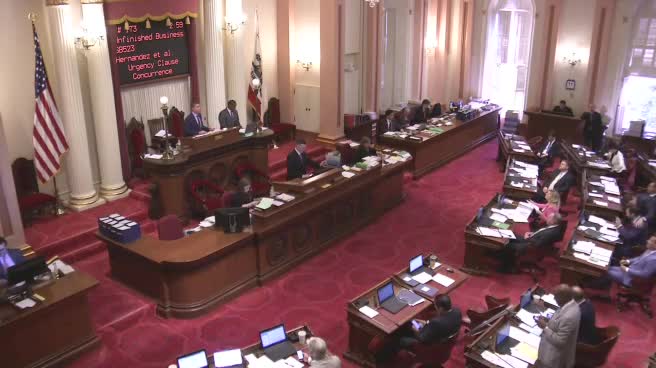 1MIN
Senate Floor
 2MIN
Assembly Floor
3MIN
Assembly Floor
 1H
Assembly Standing Committee on Appropriations
 13MIN
Assembly Standing Committee on Natural Resources
 2MIN
Senate Floor
 48MIN
Senate Standing Committee on Appropriations
 10MIN
Senate Standing Committee on Environmental Quality
Bill Author

Bill Co-Author(s):
