SB 728: State public employees: sick leave: veterans with service-related disabilities.
- Session Year: 2017-2018
- House: Senate
- Latest Version Date: 2017-10-08
Existing law prescribes the general workweek policy for state employees, subject to specified exceptions, and the terms and conditions for accrual of vacation and sick leave. Existing law generally provides that a state officer or employee who is employed full time accrues one day of credit for sick leave for each calendar month of service. Existing law requires that if these provisions conflict with an adopted memorandum of understanding, the memorandum of understanding controls, as specified.
Existing law, the California Wounded Warriors Transitional Leave Act, grants a state officer or employee who is a military veteran hired on or after January 1, 2016, with a military service-connected disability rated at 30% or more by the United States Department of Veterans Affairs an additional credit for sick leave with pay of up to 96 hours for the purpose of undergoing medical treatment for his or her military service-related disability. Existing law requires that the sick leave be credited to a qualifying officer or employee on the first day of employment and remain available for use for the following 12 months of employment.
This bill would grant a state officer or employee who serves as a member of the National Guard or federal military reserve force who is called up to active service and as a result sustains a service-connected disability rated at 30% or more by the United States Department of Veterans Affairs an additional credit for sick leave with pay of up to 96 hours for the purpose of undergoing medical treatment, including mental health treatment, for his or her service-connected disability. The bill would require that the sick leave be credited to a qualifying officer or employee on the effective date of the employees disability rating decision from the United States Department of Veterans Affairs or on the first day that the qualifying employee begins, or returns to, employment after active duty, whichever is later, and remain available for use for the following 12 months of employment.
Existing law prescribes the general workweek policy for state employees, subject to specified exceptions, and the terms and conditions for accrual of vacation and sick leave. Existing law generally provides that a state officer or employee who is employed full time accrues one day of credit for sick leave for each calendar month of service. Existing law requires that if these provisions conflict with an adopted memorandum of understanding, the memorandum of understanding controls, as specified.
Existing law, the California Wounded Warriors Transitional Leave Act, grants a state officer or employee who is a military veteran hired on or after January 1, 2016, with a military service-connected disability rated at 30% or more by the United States Department of Veterans Affairs an additional credit for sick leave with pay of up to 96 hours for the purpose of undergoing medical treatment for his or her military service-related disability. Existing law requires that the sick leave be credited to a qualifying officer or employee on the first day of employment and remain available for use for the following 12 months of employment.
This bill would grant a state officer or employee who serves as a member of the National Guard or federal military reserve force who is called up to active military service and as a result sustains a military service-connected disability rated at 30% or more by the United States Department of Veterans Affairs an additional credit for sick leave with pay of up to 96 hours for the purpose of undergoing medical treatment treatment, including mental health treatment, for his or her military service-connected disability. The bill would require that the sick leave be credited to a qualifying officer or employee on the first day of his or her return to state employment effective date of the employees disability rating decision from the United States Department of Veterans Affairs or on the first day that the qualifying employee begins, or returns to, employment after active duty, whichever is later, and remain available for use for the following 12 months of employment.
Existing law prescribes the general workweek policy for state employees, subject to specified exceptions, and the terms and conditions for accrual of vacation and sick leave. Existing law generally provides that a state officer or employee who is employed full time accrues one day of credit for sick leave for each calendar month of service. Existing law requires that if these provisions conflict with an adopted memorandum of understanding, the memorandum of understanding controls, as specified.
Existing law, the California Wounded Warriors Transitional Leave Act, grants a state officer or employee who is a military veteran hired on or after January 1, 2016, with a military service-connected disability rated at 30% or more by the United States Department of Veterans Affairs an additional credit for sick leave with pay of up to 96 hours for the purpose of undergoing medical treatment for his or her military service-related disability. Existing law requires that the sick leave be credited to a qualifying officer or employee on the first day of employment and remain available for use for the following 12 months of employment.
This bill would grant a state officer or employee who serves as a member of the National Guard or federal military reserve force who is called up to active military service and as a result sustains a military service-connected disability rated at 30% or more by the United States Department of Veterans Affairs an additional credit for sick leave with pay of up to 96 hours for the purpose of undergoing medical treatment for his or her military service-connected disability. The bill would require that the sick leave be credited to a qualifying officer or employee on the first day of his or her return to state employment and remain available for use for the following 12 months of employment.
(a)Following completion of one month of continuous service, except as otherwise provided in Section 19863.1, each state officer and employee who is employed full time shall be allowed one day of credit for sick leave with pay. Thereafter, for each additional calendar month of service, except as provided in Section 19861, one day of credit for sick leave with pay shall be allowed. Each state officer or employee is entitled to this leave with pay, on the submission of satisfactory proof of the necessity for sick leave as provided by rule of the department. For purposes of computing sick leave, each employee shall be considered to work not more than five days each week. The department shall provide by rule for the regulation and method of accumulation of sick leave for civil service employees, and may provide sick leave for those who work less than full time. Subject to department rule, sick leave may be granted to employees for the purpose of physical examinations.
(b)(1)In addition to any other entitlement for sick leave with pay, a state officer or employee hired on or after January 1, 2016, who is a veteran with a service-connected disability rated at 30 percent or more by the United States Department of Veterans Affairs shall be entitled to additional credit for sick leave with pay of up to 96 hours for the purpose of undergoing medical treatment, including mental health treatment, for his or her service-connected disability. Credit for sick leave granted under this paragraph shall be credited to a qualifying officer or employee on the first day of employment and shall remain available for use for the following 12 months of employment. Sick leave credited pursuant to this subdivision that is not used during the 12-month period shall not be carried over and shall be forfeited. Submission of satisfactory proof that sick leave granted under this paragraph is used for treatment of a service-connected disability may be required pursuant to rules adopted by the department.
(2)In addition to any other entitlement for sick leave with pay, a state officer or employee who serves as a member of the National Guard or federal military reserve force who is called up to active service and as a result sustains a service-connected disability rated at 30 percent or more by the United States Department of Veterans Affairs shall be entitled to additional credit for sick leave with pay of up to 96 hours for the purpose of undergoing medical treatment, including mental health treatment, for his or her service-connected disability. Credit for sick leave granted under this paragraph shall be credited to a qualifying officer or employee on the effective date of the employees disability rating decision from the United States Department of Veterans Affairs or on the first day that the qualifying employee begins, or returns to, employment after active duty, whichever is later, and shall remain available for use for the following 12 months of employment. Sick leave credited pursuant to this paragraph that is not used during the 12-month period shall not be carried over and shall be forfeited. Submission of satisfactory proof that sick leave granted under this paragraph is used for treatment of a service-connected disability may be required pursuant to rules adopted by the department.
(c)If the provisions of this section are in conflict with the provisions of a memorandum of understanding reached pursuant to Section 3517.5, the memorandum of understanding shall be controlling without further legislative action, except that if the provisions of a memorandum of understanding require the expenditure of funds, the provisions shall not become effective unless approved by the Legislature in the annual Budget Act.
(a)Following completion of one month of continuous service, except as otherwise provided in Section 19863.1, each state officer and employee who is employed full time shall be allowed one day of credit for sick leave with pay. Thereafter, for each additional calendar month of service, except as provided in Section 19861, one day of credit for sick leave with pay shall be allowed. Each state officer or employee is entitled to this leave with pay, on the submission of satisfactory proof of the necessity for sick leave as provided by rule of the department. For purposes of computing sick leave, each employee shall be considered to work not more than five days each week. The department shall provide by rule for the regulation and method of accumulation of sick leave for civil service employees, and may provide sick leave for those who work less than full time. Subject to department rule, sick leave may be granted to employees for the purpose of physical examinations.
(b)(1)In addition to any other entitlement for sick leave with pay, a state officer or employee hired on or after January 1, 2016, who is a military veteran with a military service-connected disability rated at 30 percent or more by the United States Department of Veterans Affairs shall be entitled to additional credit for sick leave with pay of up to 96 hours for the purpose of undergoing medical treatment treatment, including mental health treatment, for his or her military service-connected disability. Credit for sick leave granted under this paragraph shall be credited to a qualifying officer or employee on the first day of employment and shall remain available for use for the following 12 months of employment. Sick leave credited pursuant to this subdivision that is not used during the 12-month period shall not be carried over and shall be forfeited. Submission of satisfactory proof that sick leave granted under this paragraph is used for treatment of a military service-connected disability may be required pursuant to rules adopted by the department.
(2)In addition to any other entitlement for sick leave with pay, a state officer or employee who serves as a member of the National Guard or federal military reserve force who is called up to active military service and as a result sustains a military service-connected disability rated at 30 percent or more by the United States Department of Veterans Affairs shall be entitled to additional credit for sick leave with pay of up to 96 hours for the purpose of undergoing medical treatment treatment, including mental health treatment, for his or her military service-connected disability. Credit for sick leave granted under this paragraph shall be credited to a qualifying officer or employee on the first day after returning to state employment effective date of the employees disability rating decision from the United States Department of Veterans Affairs or on the first day that the qualifying employee begins, or returns to, employment after active duty, whichever is later, and shall remain available for use for the following 12 months of employment. Sick leave credited pursuant to this paragraph that is not used during the 12-month period shall not be carried over and shall be forfeited. Submission of satisfactory proof that sick leave granted under this paragraph is used for treatment of a military service-connected disability may be required pursuant to rules adopted by the department.
(c)If the provisions of this section are in conflict with the provisions of a memorandum of understanding reached pursuant to Section 3517.5, the memorandum of understanding shall be controlling without further legislative action, except that if the provisions of a memorandum of understanding require the expenditure of funds, the provisions shall not become effective unless approved by the Legislature in the annual Budget Act.
(a)Following completion of one month of continuous service, except as otherwise provided in Section 19863.1, each state officer and employee who is employed full time shall be allowed one day of credit for sick leave with pay. Thereafter, for each additional calendar month of service, except as provided in Section 19861, one day of credit for sick leave with pay shall be allowed. Each state officer or employee is entitled to this leave with pay, on the submission of satisfactory proof of the necessity for sick leave as provided by rule of the department. For purposes of computing sick leave, each employee shall be considered to work not more than five days each week. The department shall provide by rule for the regulation and method of accumulation of sick leave for civil service employees, and may provide sick leave for those who work less than full time. Subject to department rule, sick leave may be granted to employees for the purpose of physical examinations.
(b)(1)In addition to any other entitlement for sick leave with pay, a state officer or employee hired on or after January 1, 2016, who is a military veteran with a military service-connected disability rated at 30 percent or more by the United States Department of Veterans Affairs shall be entitled to additional credit for sick leave with pay of up to 96 hours for the purpose of undergoing medical treatment for his or her military service-connected disability. Credit for sick leave granted under this subdivision paragraph shall be credited to a qualifying officer or employee on the first day of employment and shall remain available for use for the following 12 months of employment. Sick leave credited pursuant to this subdivision that is not used during the 12-month period shall not be carried over and shall be forfeited. Submission of satisfactory proof that sick leave granted under this subdivision paragraph is used for treatment of a military service-connected disability may be required pursuant to rules adopted by the department.
(2)In addition to any other entitlement for sick leave with pay, a state officer or employee who serves as a member of the National Guard or federal military reserve force who is called up to active military service and as a result sustains a military service-connected disability rated at 30 percent or more by the United States Department of Veterans Affairs shall be entitled to additional credit for sick leave with pay of up to 96 hours for the purpose of undergoing medical treatment for his or her military service-connected disability. Credit for sick leave granted under this paragraph shall be credited to a qualifying officer or employee on the first day after returning to state employment and shall remain available for use for the following 12 months of employment. Sick leave credited pursuant to this paragraph that is not used during the 12-month period shall not be carried over and shall be forfeited. Submission of satisfactory proof that sick leave granted under this paragraph is used for treatment of a military service-connected disability may be required pursuant to rules adopted by the department.
(c)If the provisions of this section are in conflict with the provisions of a memorandum of understanding reached pursuant to Section 3517.5, the memorandum of understanding shall be controlling without further legislative action, except that if the provisions of a memorandum of understanding require the expenditure of funds, the provisions shall not become effective unless approved by the Legislature in the annual Budget Act.
|
Date
|
Status
|
|---|---|
| Oct 8, 2017 | Chaptered by Secretary of State. Chapter 596, Statutes of 2017. |
| Oct 8, 2017 | Approved by the Governor. |
| Sep 21, 2017 | Enrolled and presented to the Governor at 5:30 p.m. |
| Sep 14, 2017 | Assembly amendments concurred in. (Ayes 39. Noes 0.) Ordered to engrossing and enrolling. |
| Sep 12, 2017 | Ordered to special consent calendar. |
| Sep 8, 2017 | In Senate. Concurrence in Assembly amendments pending. |
| Sep 7, 2017 | Read third time. Passed. Ordered to the Senate. |
| Sep 5, 2017 | Read second time. Ordered to third reading. |
| Sep 1, 2017 | From committee: Do pass. (Ayes 16. Noes 0.) (September 1). |
| Aug 23, 2017 | August 23 set for first hearing. Placed on suspense file. |
| Jul 12, 2017 | From committee: Do pass and re-refer to Com. on APPR. (Ayes 9. Noes 0.) (July 11). Re-referred to Com. on APPR. |
| Jul 6, 2017 | From committee with author's amendments. Read second time and amended. Re-referred to Com. on V.A. |
| Jul 6, 2017 | From committee: Do pass and re-refer to Com. on V.A. (Ayes 7. Noes 0.) (July 6). Re-referred to Com. on V.A. |
| Jun 15, 2017 | Referred to Coms. on P.E., R., & S.S. and V.A. |
| Jun 1, 2017 | In Assembly. Read first time. Held at Desk. |
| May 31, 2017 | Read third time. Passed. (Ayes 40. Noes 0. Page 1358.) Ordered to the Assembly. |
| May 26, 2017 | Ordered to special consent calendar. |
| May 26, 2017 | Read second time. Ordered to third reading. |
| May 25, 2017 | From committee: Do pass. (Ayes 7. Noes 0. Page 1189.) (May 25). |
| May 19, 2017 | Set for hearing May 25. |
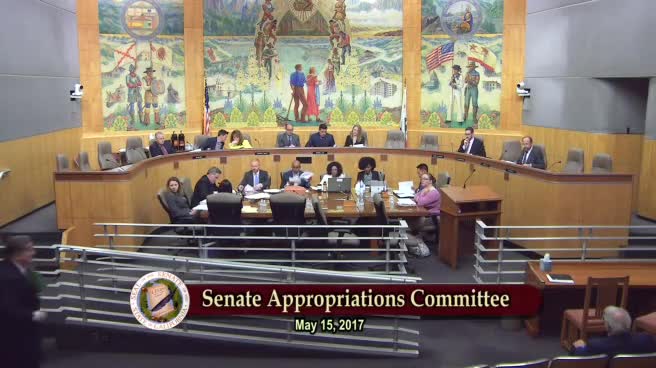
| May 15, 2017 | May 15 hearing: Placed on APPR. suspense file. |
| May 4, 2017 | Set for hearing May 15. |
| May 3, 2017 | May 8 hearing postponed by committee. |
| May 1, 2017 | Set for hearing May 8. |
| Apr 25, 2017 | From committee: Do pass and re-refer to Com. on APPR. with recommendation: To consent calendar. (Ayes 5. Noes 0. Page 830.) (April 24). Re-referred to Com. on APPR. |
| Mar 31, 2017 | Set for hearing April 24. |
| Mar 29, 2017 | From committee: Do pass and re-refer to Com. on P.E. & R. (Ayes 7. Noes 0. Page 540.) (March 28). Re-referred to Com. on P.E. & R. |
| Mar 10, 2017 | Set for hearing March 28. |
| Mar 9, 2017 | Referred to Coms. on V.A. and P.E. & R. |
| Feb 21, 2017 | From printer. May be acted upon on or after March 23. |
| Feb 17, 2017 | Introduced. Read first time. To Com. on RLS. for assignment. To print. |
|
Date
|
Description
|
Location
|
Votes
|
|
|---|---|---|---|---|
| Sep 14, 2017 | Special Consent Calendar SB728 | Senate Floor |
Passed |
|
| Sep 7, 2017 | SB 728 Newman Senate Third Reading By IRWIN | Assembly Floor |
Passed |
|
| Sep 1, 2017 | Do pass. | Assembly Standing Committee on Appropriations |
Passed |
|
| Jul 11, 2017 | Do pass and be re-referred to the Committee on [Appropriations] | Assembly Standing Committee on Veterans Affairs |
Passed |
|
| Jul 6, 2017 | Do pass and be re-referred to the Committee on [Veterans Affairs] | Assembly Standing Committee on Public Employees, Retirement, and Social Security |
Passed |
|
| May 31, 2017 | Special Consent Calendar # SB728 | Senate Floor |
Passed |
|
| May 25, 2017 | Do pass | Senate Standing Committee on Appropriations |
Passed |
|
| May 15, 2017 | Placed on suspense file | Senate Standing Committee on Appropriations |
Passed |
|
| Apr 24, 2017 | Do pass, but first be re-referred to the Committee on [Appropriations] with the recommendation: To Consent Calendar | Senate Standing Committee on Public Employment and Retirement |
Passed |
|
| Mar 28, 2017 | Do pass, but first be re-referred to the Committee on [Public Employment and Retirement] | Senate Standing Committee on Veterans Affairs |
Passed |
This list shows positions taken on this bill by organizations on the date displayed, which is linked to the original source.
Positions by individuals are not included.
|
Organization
|
Position
|
Date
|
|---|---|---|
| AFSCME, AFL-CIO | ** Support | May 27, 2017 |
| American G.I. Forum of California | ** Support | Sep 8, 2017 |
| American GI Forum | * Support | Jul 11, 2017 |
| AMVETS-Department of California | ** Support | Sep 8, 2017 |
| California Association Of County Veterans Service Officers | ** Support | Sep 8, 2017 |
| California School Employees Association | ** Support | Sep 8, 2017 |
| Military Officers Association of America | ** Support | Sep 8, 2017 |
| National Association of Social Workers | ** Support | Sep 8, 2017 |
| National Association Of Social Workers, California Chapter | ** Support | Jul 5, 2017 |
Office of Senate Floor Analyses (916) 651-1520 Fax: (916) 327-4478 | SB |
UNFINISHED BUSINESS
Bill No: SB 728
:
SENATE VETERANS AFFAIRS COMMITTEE: 7-0, 3/28/17
AYES: Newman, Nielsen, Dodd, Hueso, Nguyen, Roth, Wilk
SENATE PUBLIC EMP. & RET. COMMITTEE: 5-0, 4/24/17
AYES: Pan, Morrell, Leyva, Moorlach, Portantino
SENATE APPROPRIATIONS COMMITTEE: 7-0, 5/25/17
AYES: Lara, Bates, Beall, Bradford, Hill, Nielsen, Wiener
SENATE FLOOR: 40-0, 5/31/17 (Consent)
AYES: Allen, Anderson, Atkins, Bates, Beall, Berryhill, Bradford, Cannella, De León, Dodd, Fuller, Gaines, Galgiani, Glazer, Hernandez, Hertzberg, Hill, Hueso, Jackson, Lara, Leyva, McGuire, Mendoza, Mitchell, Monning, Moorlach, Morrell, Newman, Nguyen, Nielsen, Pan, Portantino, Roth, Skinner, Stern, Stone, Vidak, Wieckowski, Wiener, Wilk
ASSEMBLY FLOOR: 79-0, 9/7/17 - See last page for vote
DIGEST:
This bill permits state employees – who are members of the National Guard or federal military reserves – who return to state service from active military mobilization with service-connected disabilities, to receive 96 hours of additional, pre-banked sick leave dedicated to treatment of those conditions.
Assembly Amendments
adjust the benefit timeline in cases where award of the qualifying disability rating occurs after the reservist has returned to state employment. This protects the sick leave balance from being eroded away before the full benefit can be used by the employee.
Existing law:
- Provides that state agency employees may accrue and apply sick leave, and establishes procedures for agency administration of those sick leave benefits.
- Includes the California Wounded Warriors Transitional Leave Act, which:
- Grants a state officer or employee, who is a military veteran with a service-connected disability rated at 30% or more by the United States Department of Veterans Affairs (USDVA), and is hired on or after January 1, 2016, an additional credit for sick leave with pay of up to 96 hours.
- Limits use of this sick leave to medical treatment of the employee’s service-connected disability.
- Requires that this sick leave be credited on the first day of employment and remain available for use for the following 12 months of employment.
- Prohibits this sick leave from being carried over after 12 months.
- Permits employing agencies to require “submission of satisfactory proof” that the sick leave is being used for treatment of a service-connected disability, pursuant to rules adopted by the Department of Human Resources (CalHR).
This bill:
- Expands personnel eligibility for existing sick leave benefits – which are authorized under the California Wounded Warriors Transitional Leave Act – to include an existing state employee or officer, who is a member of the National Guard or federal military reserves, and who returns to state service after an active military mobilization during which the individual incurred a service-connected disability.
- Applies existing eligibility and accountability measures – contained within the California Wounded Warriors Transitional Leave Act for new hires – and which include a minimum USDVA rating of 30%, limiting use of the sick leave to treatment of the service-connected disability, availability only for a 12-month window, and rules for satisfactory proof.
Background
Sick leave for state employees. Employees of California state government agencies are eligible to accrue sick leave credits, which they may use to take time off from work at full pay. Provided that employees have sufficiently accrued credits, sick leave compensates them during periods of absence due to:
- Being physically or mentally unable to work due to illness or injury.
- Obtaining professional diagnosis of treatment for a medical condition.
- Other medical reasons, such as pregnancy or obtaining a physical examination.
- Attending to illness of a child, parent, spouse, or domestic partner.
Federal veterans benefits. USDVA provides health care treatment and monetary compensation to veterans with recognized service-connected disabilities.
- Health care: USDVA’s Veterans Health Administration operates the nation’s largest integrated health care system, serving 8.76 million veterans each year at over 1,700 sites of care, many located in California.
- Disability compensation: USDVA’s Veterans Benefits Administration provides disability compensation as a tax-free monetary benefit to veterans rated with disabilities incurred or aggravated during active military service.
The USDVA rates disabilities to facilitate health care and compensation claims for injuries or diseases that happened during active duty, or were made worse by active service. The amount of disability compensation benefit paid and the level of health care eligibility vary depend on the rated severity of the conditions.
USDVA rates each service-connected condition along a continuum of 0% to 100% in 10% increments depending upon the level of disability determined. For veterans who have more than once service-connected condition, the overall disability percentage is derived through a proprietary formula that combines the ratings assigned to individual conditions.
The 10% rating is the lowest for which compensable income is awarded. A veteran with a 100% rating will have one or more disabilities that significantly interfere with normal life functions. A veteran with a 0% rating may have a service-connected condition, but the condition does not interfere with normal life functions. The majority of disabled veterans are rated between 10% - 30%.
As time passes, a veteran may be re-rated. Re-ratings can be triggered by changes in law, advances in medical knowledge, or fluctuations in the veteran’s physical or mental health. A re-rating can cause an individual’s percentage to go up or down.
Related/Prior Legislation
SB 221 (Jackson, Chapter 794, Statutes of 2015), the “California Wounded Warriors Transitional Leave Act,” provided to new state hires, who are veterans, 96 hours of sick leave to be used to treat service-connected conditions.
FISCAL EFFECT: Appropriation: Fiscal Com.: Local:
According to the Assembly Appropriations Committee:
- In most scenarios, including in the short term, the costs associated with this bill are expected to be minimal. However, in cases of a mass deployment of reserve forces, state costs will be higher. While there are no reliable data on the number of active Guard/reserve members currently employed by state departments, there are approximately 57,000 such members serving in California. If their employment choices reflect broader sector and industry employment trends, then approximately 1,800 of these individuals work for the state government. If 10% return to state employment with eligible service-connected disability following a mass deployment event and they earn the average state employee wage ($6,163 a month), then costs would be approximately $614,000 across state departments in paid leave time. (General Fund and Special Fund).
American Federation of State, County and Municipal Employees, AFL-CIO
American G.I. Forum of California
AMVETS-Department of California
California Association of County Veterans Service Officers
California School Employees Association
Military Officers Association of America
National Association of Social Workers
None received
ASSEMBLY FLOOR: 79-0, 9/7/17
AYES: Acosta, Aguiar-Curry, Travis Allen, Arambula, Baker, Berman, Bigelow, Bloom, Bocanegra, Bonta, Brough, Burke, Caballero, Calderon, Cervantes, Chau, Chávez, Chen, Chiu, Choi, Chu, Cooley, Cooper, Cunningham, Dababneh, Dahle, Daly, Eggman, Flora, Fong, Frazier, Friedman, Gallagher, Cristina Garcia, Eduardo Garcia, Gipson, Gloria, Gonzalez Fletcher, Gray, Grayson, Harper, Holden, Irwin, Jones-Sawyer, Kalra, Kiley, Lackey, Levine, Limón, Low, Maienschein, Mathis, Mayes, McCarty, Medina, Melendez, Mullin, Muratsuchi, Nazarian, Obernolte, O'Donnell, Patterson, Quirk, Quirk-Silva, Reyes, Ridley-Thomas, Rodriguez, Rubio, Salas, Santiago, Steinorth, Mark Stone, Thurmond, Ting, Voepel, Waldron, Weber, Wood, Rendon
9/8/17 11:09:28
**** END ****
SENATE THIRD READING
STR Bill Id:SB 728
Author:(Newman and Jackson)
As Amended Ver:July 6, 2017
Majority vote
SENATE VOTE: 40-0
Committee | Votes | Ayes | Noes |
Public Employees | 7-0 | Rodriguez, Travis Allen, Brough, Cervantes, Cooley, Cooper, O'Donnell | |
Veterans Affairs | 9-0 | Irwin, Chávez, Daly, Frazier, Gloria, Mathis, Muratsuchi, Quirk-Silva, Salas | |
Appropriations | 16-0 | Gonzalez Fletcher, Bigelow, Bloom, Bocanegra, Bonta, Brough, Calderon, Chau, Eggman, Fong, Friedman, Gallagher, Eduardo Garcia, Jones-Sawyer, Obernolte, Reyes |
|
SUMMARY: Grants state employees and officers who are members of the National Guard or federal military reserve force called to active military service, and who return to state service with a service-connected disability rated at 30% or more by the United States Department of Veterans Affairs (USDVA), 96 hours of additional sick leave dedicated to medical treatment, including mental health treatment, of those disabilities, among other provisions. Specifically, this bill:
- Expands personnel eligibility for the existing sick leave benefits – authorized under the California Wounded Warriors Transitional Leave Act – to include an existing state employee or officer who is a member of the National Guard or federal military reserve force, and who returns to state service after an active military mobilization during which the individual sustains a service-connected disability.
- Requires that credit for leave is to be credited on the effective date of the employee's disability rating decision from the USDVA or on the first day that the qualifying employee begins, or returns, to active employment active duty, whichever is later, and remain available for use for the following 12 months of employment.
- Prohibits carrying over, and requires forfeiture of sick leave that is not used during the 12-month period.
- Permits employing agencies to require "submission of satisfactory proof" that the sick leave is used for treatment of a military service-connected disability pursuant to rules adopted by the California Department of Human Resources.
EXISTING LAW:
- Provides each state officer and employee who is employed full time with one day of credit for sick leave with pay following the completion of one month of continuous service. For employees who work less than full time, sick leave may be provided.
Each state officer or employee is entitled to this leave with pay, on the submission of satisfactory proof of the necessity for sick leave as provided by rule of the department. Unused sick leave accumulates throughout the individual's employment.
- Includes the California Wounded Warriors Transitional Leave Act, which:
- Grants a state officer or employee, who is a military veteran with a service-connected disability rated at 30% or more by the USDVA, and is hired on or after January 1, 2016, an additional credit for sick leave with pay of up to 96 hours.
- Limits use of this sick leave to medical treatment of the employee's military service-connected disability.
- Requires that this sick leave be credited on the first day of employment and remain available for use for the following 12 months of employment.
- Prohibits this sick leave from being carried over after 12 months.
- Permits employing agencies to require "submission of satisfactory proof" that the sick leave is being used for treatment of a service-connected disability, pursuant to rules adopted by the Department of Human Resources (CalHR).
- Provides that if these provisions are in conflict with provisions contained in a memorandum of understanding (MOU), as specified, the MOU is controlling, except if the MOU requires the expenditure of funds, these provisions unless the MOU requires the expenditure of funds and legislative approval in the annual Budget Act to be effective.
FISCAL EFFECT: According to the Assembly Appropriations Committee, this bill would result in "[h]ighly uncertain state costs associated with the additional leave granted to existing employees. These costs depend on the number of employees called to active duty that would be injured and eligible for the expanded leave and their utilization of these additional days.
"In most scenarios, including in the short term, the costs associated with this bill are expected to be minimal. However, in cases of a mass deployment of reserve forces, state costs will be higher. While there is no reliable data on the number of active reserve members currently employed by state departments, there are approximately 57,000 reserve military members in California. If their employment choices reflect broader sector and industry employment trends, then approximately 1,800 of these individuals work for the state government. If 10% return to state employment with eligible service-connected disability following a mass deployment event and they earn the average state employee wage ($6,163 a month), then costs would be approximately $614,000 (General Fund and Special Fund) across state departments in paid leave time."
COMMENTS: Please see the policy committee analyses for a full discussion of this bill.
Analysis Prepared by: Michael Bolden / P.E.,R., & S.S. / (916) 319-3957 FN: 0001687
Date of Hearing: August 23, 2017
ASSEMBLY COMMITTEE ON APPROPRIATIONS
Lorena Gonzalez Fletcher, Chair
SBPCA Bill Id:SB 728
Author:(Newman) – As Amended Ver:July 6, 2017
Policy Committee: | Public Employees, Retirement/Soc Sec | Vote: | 7 - 0 |
Veterans Affairs | 9 - 0 |
Urgency: No State Mandated Local Program: No Reimbursable: No
SUMMARY:
This bill provides a qualifying state officer or employee who serves as a member of the National Guard or federal military reserve force additional credit for sick leave with pay of up to 96 hours. This additional sick leave is granted to those who are called up to active military service and as a result sustains a military service-connected disability of 30% or more; these leave hours are available for the purpose of undergoing medical treatment for his or her disability.
FISCAL EFFECT:
Highly uncertain state costs associated with the additional leave granted to existing employees. These costs depend on the number of employees called to active duty that would be injured and eligible for the expanded leave and their utilization of these additional days.
In most scenarios, including in the short term, the costs associated with this bill are expected to be minimal. However, in cases of a mass deployment of reserve forces, state costs will be higher. While there is no reliable data on the number of active reserve members currently employed by state departments, there are approximately 57,000 reserve military members in California. If their employment choices reflect broader sector and industry employment trends, then approximately 1,800 of these individuals work for the state government. If 10% return to state employment with eligible service-connected disability following a mass deployment event and they earn the average state employee wage ($6,163 a month), then costs would be approximately $614,000 across state departments in paid leave time. (General Fund and Special Fund).
COMMENTS:
- Background. SB 221 (Jackson), Chapter 794, Statutes of 2015, provides new state employees who have served in the military and have a service connected disability of 30% or more additional sick leave time to continue treatment for their injuries. As new employees, these individuals have not yet built up a bank of sick leave but are often receiving such treatment. Prior to SB 221, these individuals would have had to choose to take time off without pay or forego their health treatment. Under SB 221, these employees receive 96 hours of sick leave upfront to be used as needed during their first year of employment.
- Purpose. According to the author, SB 728 expands the sick leave benefit granted to new employees under SB 221 to existing state employees who serve in the reserve components of the military. The author notes that currently, existing state employees who incur new service-connected disability while called up for active duty do not receive the additional leave granted to new employees with service-connected disability despite the same need to take time for treatment.
- Related Legislation. SB 731 (Newman) expands leaves of absence to classified school employees who are military veterans of the California National Guard or reserve component of the federal military and who have a military service-connected disability rated at 30% or more by the USDVA, among other provisions. SB 731 is also being heard today in this committee.
Analysis Prepared by: Luke Reidenbach / APPR. / (916) 319-2081
Date of Hearing: July 11, 2017
ASSEMBLY COMMITTEE ON VETERANS AFFAIRS
Jacqui Irwin, Chair
SBPCA Bill Id:SB 728
Author:(Newman) – As Amended Ver:July 6, 2017
SENATE VOTE: 40-0
SUBJECT: State public employees: sick leave: veterans with service-related disabilities
SUMMARY: Grants state employees and officers who are members of the National Guard or federal military reserve force called to active military service, and who return to state service with a military service-connected disability rated at 30% or more by the United States Department of Veterans Affairs, 96 hours of additional sick leave dedicated to medical treatment of those disabilities for the first 12 months upon their return to state employment, among other provisions. Specifically, this bill:
- Expands personnel eligibility for the existing sick leave benefits – authorized under the California Wounded Warriors Transitional Leave Act – to include an existing state employee or officer, who is a member of the National Guard or federal military reserve force, and who returns to state service after an active military mobilization during which the individual sustains a military service-connected disability, as specified.
- Requires that credit for leave is to be credited on the first day after returning to state employment and remains available for use following 12 months of employment.
- Prohibits carrying over, and requires forfeiture of sick leave that is not used during the 12- month period.
- Permits employing agencies to require “submission of satisfactory proof” that the sick leave is used for treatment of a military service-connected disability pursuant to rules adopted by the California Department of Human Resources.
EXISTING LAW:
- Provides each state officer and employee who is employed full time with one day of credit for sick leave with pay following the completion of one month of continuous service. For employees who work less than full time, sick leave may be provided. Each state officer or employee is entitled to this leave with pay, on the submission of satisfactory proof of the necessity for sick leave as provided by rule of the department. Unused sick leave accumulates throughout the individual's employment.
- Includes the California Wounded Warriors Transitional Leave Act, which:
- Grants a state officer or employee, who is a military veteran with a service-connected disability rated at 30% or more by the USDVA, and is hired on or after January 1, 2016, an additional credit for sick leave with pay of up to 96 hours.
- Limits use of this sick leave to medical treatment of the employee’s military service-connected disability.
- Requires that this sick leave be credited on the first day of employment and remain available for use for the following 12 months of employment. d) Prohibits this sick leave from being carried over after 12 months.
- Permits employing agencies to require “submission of satisfactory proof” that the sick leave is being used for treatment of a service-connected disability, pursuant to rules adopted by the Department of Human Resources (CalHR).
- Provides that if these provisions are in conflict with provisions contained in a memorandum of understanding (MOU), as specified, the MOU is controlling, except if the MOU requires the expenditure of funds, these provisions unless the MOU requires the expenditure of funds and legislative approval in the annual Budget Act to be effective.
FISCAL EFFECT: According to the Senate Appropriations Committee, this bill would result in unknown costs, potentially over $50,000 (General Fund/Special Funds) in a given year for sick leave credit, and unknown, but likely minor administrative costs (General Fund).
COMMENTS: According to the author, “[c]urrent law provides newly hired, first-time state employees, who are veterans with pre-existing service-connected disabilities with 96 hours of additional, dedicated sick leave to be used solely to treat the military-related conditions. This does not take into account the needs of current state employees currently serving as members of federally recognized military reserve components, such as the Army and Air National Guards or federal military reserves (U.S. Army Reserve, U.S. Navy Reserve, etc.). Consequently, existing state employees, who may have incurred a new service-connected disability while called up for active duty under their ongoing military service obligation, do not enjoy a similar right for taking leave to seek treatment. Senate Bill 728 would correct that oversight.”
Potential Amendments in Appropriations:
This Committee heard SB 731, a parallel bill applicable to school employees that is now with the Education Committee. SB 731 is pending author’s amendments in the Education Committee that were unable to be drafted in time for this Committee hearing. However, the members may wish to consider whether the author might take agree to take in Appropriations Committee parallel amendments so that both SB 728 and 731 will once again be in alignment. The potential amendments are summarized below :
- To clarify which types of military personnel are included in the bill, amend the bill to include all current and former members of the US Armed Forces, California National Guard or federal reserve components.
- To give an employee access to this medical leave while they are undergoing treatment at the beginning of their return to work, but before they receive their disability rating, amend the bill to authorize disabled service members to receive this medical leave upon the submission of their disability application to the Department of Veterans Affairs. If the employee later receives their disability rating and they do not qualify for this medical leave, the employer would be authorized to move the used leave credits to alternative leave balances.
Prior/Related Legislation:
2017: SB 731 (Newman and Jackson), expands leaves of absence to classified school employees who are military veterans of the California National Guard or reserve component of the federal military and who have a military service-connected disability rated at 30% or more by the USDVA, among other provisions. This bill is currently pending in the Assembly Education Committee.
2015: Chapter 794 (SB 221, Jackson), the “California Wounded Warriors Transitional Leave Act,” provided to new state hires who are veterans, 96 hours (12 days) of sick leave to be used to treat service-connected conditions. The leave is available only during the 12 months following the first day of employment.
2014: Chapter 317 (AB 1522, Gonzalez), the “Healthy Workplaces, Healthy Families Act of 2014,” among other things, provided specified employees who work in California for seven or more days in a calendar year, paid sick days, as specified, on and after July 1, 2015.
Chapter 645 (AB 1397, Committee on Veterans Affairs) added veterans preference to the list of selection devices that CalHR must review and examine the validity of, and adds veterans status to the list of specified data collected in order to determine utilization of certain groups.Prior Legislation.
SB 1180 (Jackson, Chapter 728, Statutes of 2016) provides school employees who are military veterans with service-connected disabilities with additional paid leave of absence for illness or injury, for the purpose of undergoing medical treatment for those disabilities, during their first year of employment. This measure was passed by the Legislature and signed by the Governor.
REGISTERED SUPPORT / OPPOSITION:
Support
American G.I. Forum of California
AMVETS- Department of California
California Asssociation of County Veterans Service Officers
California School Employees Association
Military Officers Association of America, California Council of Chapters
Opposition
None on File.
Analysis Prepared by: John Spangler / V.A. / (916) 319-3550
Office of Senate Floor Analyses (916) 651-1520 Fax: (916) 327-4478 | SB |
THIRD READING
Bill No: SB 728
:
SENATE VETERANS AFFAIRS COMMITTEE: 7-0, 3/28/17
AYES: Newman, Nielsen, Dodd, Hueso, Nguyen, Roth, Wilk
SENATE PUBLIC EMP. & RET. COMMITTEE: 5-0, 4/24/17
AYES: Pan, Morrell, Leyva, Moorlach, Portantino
SENATE APPROPRIATIONS COMMITTEE: 7-0, 5/25/17
AYES: Lara, Bates, Beall, Bradford, Hill, Nielsen, Wiener
DIGEST:
This bill permits state employees – who are members of the National Guard or federal military reserve forces – who return to state service from active military mobilization with service-connected disabilities, to receive 96 hours of additional sick leave dedicated to medical treatment of those disabilities.
Existing law:
- Provides that state agency employees may accrue and apply sick leave, and establishes procedures for agency administration of those sick leave benefits.
- Includes the California Wounded Warriors Transitional Leave Act, which:
- Grants a state officer or employee, who is a military veteran with a service-connected disability rated at 30% or more by the United States Department of Veterans Affairs (USDVA), and is hired on or after January 1, 2016, an additional credit for sick leave with pay of up to 96 hours.
- Limits use of this sick leave to medical treatment of the employee’s military service-connected disability.
- Requires that this sick leave be credited on the first day of employment and remain available for use for the following 12 months of employment.
- Prohibits this sick leave from being carried over after 12 months.
- Permits employing agencies to require “submission of satisfactory proof” that the sick leave is being used for treatment of a service-connected disability, pursuant to rules adopted by the Department of Human Resources (CalHR).
This bill:
- Expands personnel eligibility for the existing sick leave benefits – authorized under the California Wounded Warriors Transitional Leave Act – to include an existing state employee or officer, who is a member of the National Guard or federal military reserve force, and who returns to state service after an active military mobilization during which the individual incurred a service-connected disability, as specified.
- Applies existing eligibility and accountability measures – contained within the California Wounded Warriors Transitional Leave Act for new hires – and which include a minimum USDVA rating of 30%, limiting use of the sick leave to treatment of the service-connected disability, availability only for a 12-month window, and rules for satisfactory proof.
Background
Sick leave for state employees. Employees of California state government agencies are eligible to accrue sick leave credits, which they may use to take time off from work at full pay. Provided that employees have sufficiently accrued credits, sick leave compensates them during periods of absence due to:
- Being physically or mentally unable to work due to illness or injury.
- Obtaining professional diagnosis of treatment for a medical condition.
- Other medical reasons, such as pregnancy or obtaining a physical examination.
- Attending to illness of a child, parent, spouse, or domestic partner.
The Government and Labor codes contain provisions for sick leave with actual benefits for represented employees further specified by collective bargaining agreements or memorandums of understanding. Benefits for non-represented employees – those designated as managerial, supervisory, and confidential – are further specified in CalHR regulations.
Federal veterans benefits. USDVA provides health care treatment and monetary compensation to veterans with service-connected disabilities.
- Health care: USDVA’s Veterans Health Administration (VHA) operates the nation’s largest integrated health care system with over 1,700 sites of care, serving 8.76 million veterans each year. California veterans are served by the numerous hospitals and clinics owned, operated, and administered by the VHA.
- Disability compensation: USDVA’s Veterans Benefits Administration provides disability compensation as a tax-free monetary benefit to veterans rated with disabilities incurred or aggravated during active military service.
The USDVA rates disabilities to facilitate health care and compensation claims for injuries or diseases that happened during active duty, or were made worse by active service. The amount of disability compensation benefit paid and the level of health care eligibility vary depending on the rated severity of the condition(s).
A veteran need not be totally disabled in order to be eligible for compensation. USDVA rates a single disability along a continuum of 0% to 100% in 10% increments, depending upon the level of disability determined. The disability percentage also can be derived by analyzing the composite condition of an individual veteran with multiple disabilities.
The 10% rating is the lowest for which compensable income is awarded. A veteran with a 100% rating will have one or more disabilities that significantly interfere with normal life functions. A veteran with a 0% rating may have a service-connected condition, but the condition does not interfere with normal life functions. The majority of disabled veterans are rated between 10% - 30%.
As time passes, a veteran’s disability claim may require re-rating. Re-ratings can be triggered by changes in law, advances in medical knowledge, or fluctuations in the veteran’s physical or mental condition. A re-rating can cause an individual’s percentage to go up or down.
Related/Prior Legislation
SB 221 (Jackson, Chapter 794, Statutes of 2015), the “California Wounded Warriors Transitional Leave Act,” provided to new state hires, who are veterans, 96 hours of sick leave to be used to treat service-connected conditions. The leave is available only during the 12 months following the first day of employment.
AB 1522 (Gonzalez, Chapter 317, Statutes of 2014), the “Healthy Workplaces, Healthy Families Act of 2014,” among other things, provided the following:
- For the purposes of the Act, that “employer” includes the state, political subdivisions of the state, and municipalities.
- That an employee, who works in California for seven or more days in a calendar year, to paid sick days, as specified, on and after July 1, 2015.
- That an employee shall accrue paid sick days at the rate of not less than one hour per every 30 hours worked, beginning at the commencement of employment or the operative date of the bill, whichever is later.
- That an employee shall be entitled to use accrued paid sick days beginning on the 90th calendar day of employment, after which the employee may use paid sick days as they are accrued.
- That an “employee” does not include those covered by a collective bargaining agreement that provides for paid sick days or similar policy, as specified.
AB 1397 (Committee on Veterans Affairs, Chapter 645, Statutes of 2014) added veterans preference to the list of selection devices that CalHR must review and examine the validity of, and adds veterans status to the list of specified data collected in order to determine utilization of certain groups.
FISCAL EFFECT: Appropriation: Fiscal Com.: Local:
According to the Senate Appropriations Committee:
- Unknown, potentially over $50,000 in a given year for sick leave credit (General Fund/special funds).
- Unknown, likely minor, administrative costs (General Fund).
AFSCME, AFL-CIO
American G.I. Forum of California
AMVETS-Department of California
California Association of County Veterans Service Officers
California School Employees Association
Military Officers Association of America
National Association of Social Workers
OPPOSITION: (Verified 5/26/17)
None received
5/27/17 18:23:00
**** END ****
SENATE COMMITTEE ON
Senator Ricardo Lara, Chair
2017 - 2018 Regular Session
SB 728 (Newman) - State public employees: sick leave: veterans with service-related disabilities
Version: | Policy Vote: |
Urgency: | Mandate: |
Hearing Date: | Consultant: |
This bill meets the criteria for referral to the Suspense File.
Bill Summary:
SB 728 would provide that state employees who (1) are members of the National Guard or federal military reserve forces, and (2) return to state service from active military mobilization with service-connected disabilities shall be entitled to 96 hours of additional sick leave dedicated to medical treatment of those disabilities for the first 12 months upon their return to state employment.
Fiscal Impact:
- Unknown, potentially over $50,000 in a given year for sick leave credit (General Fund/special funds).
- Unknown, likely minor, administrative costs (General Fund).
As is discussed below, there is already an existing program that provides additional leave to disabled veterans with service-connected disabilities who are new to state service. This bill would extend the benefit to current employees who are called to active duty and become disabled during deployment. In most instances, employees would have existing leave credits upon return to use for purposes of obtaining treatment of their service-connected disabilities. However, it is possible that such employees might not have existing leave credits.
Exact costs resulting from the bill would depend on the number of state employees, their salaries, and the amount of leave used for purposes of obtaining treatment. Additionally, the source of funding (General or special) would depend on the department that hires the veteran. Assuming an employee has the average monthly salary in state service ($6,163) and depleted sick leave balances, the cost of an additional 96 hours in sick leave would be approximately $3,410 per employee. There would be additional (unknown but likely minor) costs for administering and tracking this new benefit.
Background:
Current law provides each state officer and employee who is employed full time with one day of credit for sick leave with pay following the completion of one month of continuous service. Each state officer or employee is entitled to this leave with pay, on the submission of satisfactory proof of the necessity for sick leave as provided by rule of the department. Unused sick leave accumulates throughout the individual’s employment.
SB 221 (Jackson, Chapter 794, Statutes of 2015), the “California Wounded Warriors Transitional Leave Act,” intended to assist new state employees who have served in the military and have a service connected disability of 30 percent or more. As new employees, these individuals have not yet built up a bank of sick leave but are often receiving continuing treatment for their injuries and would otherwise have to choose either (1) to take time off without pay (which would cause an economic hardship), or (2) forego their health care treatment. SB 221 addressed this issue by providing these individuals with 96 hours (12 days) upfront to be used as needed during their first year of employment.
Proposed Law: This bill would expand the California Wounded Warriors Transitional Leave Act to cover an existing state employee or officer, who is a member of the National Guard or federal military reserve force, as specified, by doing the following:
- Provide that a state officer or employee who serves as a member of the National Guard or federal military reserve force who is called up to active military service and as a result sustains a military service-connected disability rated at 30 percent or more by the United States Department of Veterans Affairs shall be entitled to additional credit for sick leave with pay of up to 96 hours for the purpose of undergoing medical treatment for his or her military service-connected disability.
- Require that credit for sick leave this sick leave shall be credited on the first day after returning to state employment and shall remain available for use for the following 12 months of employment.
- Require that if this sick leave is not used during the 12-month period it shall not be carried over and shall be forfeited.
- Permit employing agencies to require “submission of satisfactory proof” that the sick leave is being used for treatment of a service-connected disability, pursuant to rules adopted by the California Department of Human Resources.
Staff Comments:
The cost of providing the additional sick leave credits would be borne by the individual state departments where the veterans with service-connected disabilities work and therefore could be either a General Fund cost or come from a variety of special funds. Several cost-driving factors of this bill are unknown, including (1) the number of current employees eligible to be called to active duty, (2) the number that would actually be called to active duty in a given year, (3) the number of those employees called to active duty that would be injured and thus be eligible to use the expanded leave provided by the bill to seek treatment, (4) the number of the additional 12 day of sick leave offered that is actually utilized, and (5) these employee’s salaries. Because the state employees targeted by this bill are more likely to have accumulated sick leave balances, the fiscal impact of the bill would be most sensitive to a large-scale deployment, whose likelihood is also unknown.
-- END --
SENATE COMMITTEE ON
PUBLIC EMPLOYMENT AND RETIREMENT
Dr. Richard Pan, Chair
2017 - 2018 Regular
Bill No: SB 728 Hearing Date: 4/24/17
Author: | Newman | ||
Version: | 2/17/17 As introduced | ||
Urgency: | No | Fiscal: | Yes |
Consultant: | Glenn Miles | ||
Subject: State public employees: sick leave: veterans with service-related disabilities
SOURCE: Author
DIGEST: This bill provides that state employees who are members of the National Guard or federal military reserve forces and who return to state service from active military mobilization with service-connected disabilities shall be entitled to 96 hours of additional sick leave dedicated to medical treatment of those disabilities for the first 12 months upon their return to state employment.
ANALYSIS:
Existing law:
- Provides each state officer and employee who is employed full time with one day of credit for sick leave with pay following the completion of one month of continuous service. Each state officer or employee is entitled to this leave with pay, on the submission of satisfactory proof of the necessity for sick leave as provided by rule of the department. Unused sick leave accumulates throughout the individual's employment.
- Includes the California Wounded Warriors Transitional Leave Act, which:
- Grants a state officer or employee, who is a military veteran with a service-connected disability rated at 30 percent or more by the United States Department of Veterans Affairs (USDVA), and is hired on or after January 1, 2016, an additional credit for sick leave with pay of up to 96 hours.
- Limits use of this sick leave to medical treatment of the employee’s military service-connected disability.
- Requires that this sick leave be credited on the first day of employment and remain available for use for the following 12 months of employment.
- Prohibits this sick leave from being carried over after 12 months.
- Permits employing agencies to require “submission of satisfactory proof” that the sick leave is being used for treatment of a service-connected disability, pursuant to rules adopted by the Department of Human Resources (CalHR).
This bill:
Expands the California Wounded Warriors Transitional Leave Act to cover an existing state employee or officer, who is a member of the National Guard or federal military reserve force, as specified, by doing the following:
- Provides that a state officer or employee who serves as a member of the National Guard or federal military reserve force who is called up to active military service and as a result sustains a military service-connected disability rated at 30 percent or more by the USDVA shall be entitled to additional credit for sick leave with pay of up to 96 hours for the purpose of undergoing medical treatment for his or her military service-connected disability.
- Requires that credit for sick leave this sick leave shall be credited on the first day after returning to state employment and shall remain available for use for the following 12 months of employment.
- Requires that if this sick leave is not used during the 12-month period it shall not be carried over and shall be forfeited.
- Permits employing agencies to require “submission of satisfactory proof” that the sick leave is being used for treatment of a service-connected disability, pursuant to rules adopted by CalHR.
Background
SB 221 (Jackson, Chapter 794, Statutes of 2015), the “California Wounded Warriors Transitional Leave Act,” intended to assist new state employees who have served in the military and have a service connected disability of 30 percent or more. As new employees, these individuals have not yet built up a bank of sick leave but are often receiving continuing treatment for their injuries and would otherwise have to choose either to take time off without pay, which would cause an economic hardship, or forego their health care treatment. SB 221 addressed this issue by providing these individuals with 96 hours (12 days) upfront to be used as needed during their first year of employment.
This bill on the other hand, would provide the additional 96 hours of sick leave to current employees who may already have a sizable bank of sick leave prior to their deployment and who return to employment from active duty in the National Guard or military reserves.
Related/Prior Legislation
SB 221 (Jackson, Chapter 794, Statutes of 2015), the “California Wounded Warriors Transitional Leave Act,” provides to new state hires, who are veterans, 96 hours of front-loaded additional sick leave to be used to treat service-connected conditions, as defined. The leave is available only during the 12 months following the first day of employment.
FISCAL EFFECT: Appropriation: No Fiscal Com.: Yes Local: No
SUPPORT:
American Federation of State, County and Municipal Employees, AFL-CIO
California School Employees Association
National Association of Social Workers, California Chapter
OPPOSITION:
None received.
ARGUMENTS IN SUPPORT: According to California School Employees Association, “SB 728 is an important bill that helps take care of State employee reservists and gives them the dignity they deserve while they heal. They put their lives on the line for our country; we need to take care of them when they come home.”
SENATE COMMITTEE ON VETERANS AFFAIRS
Senator Josh Newman, Chair
2017 - 2018 Regular
Bill No: SB 728 Hearing Date: 3/28/17
Author: | |||
Version: | 2/17/17 | ||
Urgency: | No | Fiscal: | Yes |
Consultant: | Wade Cooper Teasdale | ||
Subject: State public employees: sick leave: veterans with service-related disabilities
DESCRIPTION
Summary:
This bill permits state employees – who are members of the National Guard or federal military reserve forces – who return to state service from active military mobilization with service-connected disabilities, to receive 96 hours of additional sick leave dedicated to medical treatment of those disabilities.
Existing law:
- Provides that state agency employees may accrue and apply sick leave, and establishes procedures for agency administration of those sick leave benefits.
- Includes the California Wounded Warriors Transitional Leave Act, which:
- Grants a state officer or employee, who is a military veteran with a service-connected disability rated at 30% or more by the United States Department of Veterans Affairs (USDVA), and is hired on or after January 1, 2016, an additional credit for sick leave with pay of up to 96 hours.
- Limits use of this sick leave to medical treatment of the employee’s military service-connected disability.
- Requires that this sick leave be credited on the first day of employment and remain available for use for the following 12 months of employment.
- Prohibits this sick leave from being carried over after 12 months.
- Permits employing agencies to require “submission of satisfactory proof” that the sick leave is being used for treatment of a service-connected disability, pursuant to rules adopted by the Department of Human Resources (CalHR).
This bill:
Applies the sick leave benefits of the California Wounded Warriors Transitional Leave Act to include an existing state employee or officer, who is a member of the National Guard or federal military reserve force, and who returns to state service after an active military mobilization during which the individual incurred a service-connected disability, as specified.
This bill applies existing eligibility and accountability measures, which used in the California Wounded Warriors Transitional Leave Act for new hires, including a minimum USDVA rating of 30%, limiting use of the leave to treating the service-connected disability, availability only for 12-month window, and rules for satisfactory proof.
BACKGROUND
Sick leave for state employees. Employees of California state government agencies are eligible to accrue sick leave credits, which they may use to take time off from work at full pay. Provided that employees have sufficiently accrued credits, sick leave compensates them during periods of absence due to:
- Being physically or mentally unable to work due to illness or injury.
- Obtaining professional diagnosis of treatment for a medical condition.
- Other medical reasons, such as pregnancy or obtaining a physical examination.
- Attending to illness of a child, parent, spouse, or domestic partner.
The Government and Labor codes contain provisions for sick leave with actual benefits for represented employees further specified by collective bargaining agreements or memorandums of understanding. Benefits for non-represented employees – those designated as managerial, supervisory, and confidential – are further specified in CalHR regulations.
Federal benefits for service-connected disabilities. USDVA provides health care treatment and monetary compensation to veterans with service-connected disabilities.
- Health care: USDVA’s Veterans Health Administration (VHA) operates the nation’s largest integrated health care system with over 1,700 sites of care, serving 8.76 million veterans each year. California veterans are served by the numerous hospitals and clinics owned, operated, and administered by the VHA.
- Disability compensation: USDVA’s Veterans Benefits Administration provides disability compensation as a tax-free monetary benefit to veterans rated with disabilities incurred or aggravated during active military service. Compensation may also be paid for post-service disabilities that are considered related or secondary to disabilities occurring in service and for disabilities presumed to be related to circumstances of military service, even though they may arise after service. The degrees of disability specified are also designed to compensate for considerable loss of working time from exacerbations or illnesses.
USDVA disability ratings. The USDVA rates disabilities to facilitate health care and compensation claims for injuries or diseases that happened during active duty, or were made worse by active military service. The amount of disability compensation benefit paid and the level of health care eligibility vary depending on the rated severity of the service-connected condition(s).
A veteran need not be totally disabled in order to be eligible for compensation. USDVA rates a single disability along a continuum of 0% to 100% in 10% increments, depending upon the level of disability determined. The disability percentage also can be derived by analyzing the composite condition of an individual veteran with multiple disabilities.
The 10% rating is the lowest for which compensable income is awarded. A veteran with a 100% rating will have one or more disabilities that significantly interfere with normal life functions. A veteran with a 0% rating may have a service-connected condition, but the condition does not interfere with normal life functions. The majority of disabled veterans are rated between 10% to 30%.
As time passes, a veteran’s disability claim may require re-rating. Re-ratings can be triggered by changes in law, advances in medical knowledge, or fluctuations in the veteran’s physical or mental condition. A re-rating can cause an individual’s percentage to go up or down.
COMMENT
Committee Comments:
- The joint author of SB 728 is Senator Jackson, who authored SB 221.
- SB 221 covers veterans whose military service pre-dates their initial entry into state employment and who bring pre-existing military service-connected conditions into their state service.
On the other hand, SB 728 would cover persons who already are state employees, but who later acquire service-connected disabilities during active service mobilization as National Guard members or military reservists. SB 728 incorporates all the same control and accountability measures included in SB 221.
Prior/Related Legislation:
SB 221 (Jackson, Chapter 794, Statutes of 2015), the “California Wounded Warriors Transitional Leave Act,” provides to new state hires, who are veterans, 96 hours of front-loaded additional sick leave to be used to treat service-connected conditions, as defined. The leave is available only during the 12 months following the first day of employment.
AB 1522 (Gonzalez, Chapter 317, Statutes of 2014), the “Healthy Workplaces, Healthy Families Act of 2014,” among other things, does the following:
- Provides, for the purposes of the Act, that “employer” includes the state, political subdivisions of the state, and municipalities.
- Entitles an employee, who works in California for seven or more days in a calendar year, to paid sick days, as specified, on and after July 1, 2015.
- Provides that an employee shall accrue paid sick days at the rate of not less than one hour per every 30 hours worked, beginning at the commencement of employment or the operative date of the bill, whichever is later.
- Provides that an employee shall be entitled to use accrued paid sick days beginning on the 90th calendar day of employment, after which the employee may use paid sick days as they are accrued.
- Provides that an “employee” does not include an employee covered by a valid collective bargaining agreement that expressly provides for paid sick days or similar policy, as specified.
AB 1397 (Committee on Veterans Affairs, Chapter 645, Statutes of 2014) adds veterans preference to the list of selection devices that CalHR must review and examine the validity of, and adds veterans status to the list of specified data collected in order to determine utilization of certain groups.
POSITIONS
Sponsor: Author.
Support: California School Employees Association (CSEA)
Oppose: None on file.
-- END --
Discussed in Hearing
 1MIN
Assembly Floor
 1H
Assembly Standing Committee on Appropriations
 5MIN
Assembly Standing Committee on Veterans Affairs
 6MIN
Assembly Standing Committee on Public Employees, Retirement, and Social Security
 48MIN
Senate Standing Committee on Appropriations
 2MIN
Senate Standing Committee on Appropriations


Bill Co-Author(s):