SB 929: Special districts: Internet Web sites.
- Session Year: 2017-2018
- House: Senate
- Latest Version Date: 2018-09-14
The Cortese-Knox-Hertzberg Local Government Reorganization Act of 2000 provides the exclusive authority and procedure for the initiation, conduct, and completion of changes of organization and reorganization for special districts, as specified. The California Public Records Act requires a local agency to make public records available for inspection and allows a local agency to comply by posting the record on its Internet Web site and directing a member of the public to the Internet Web site, as specified.
This bill would, beginning on January 1, 2020, require every independent special district to maintain an Internet Web site that clearly lists contact information for the special district, except as provided. Because this bill would require local agencies to provide a new service, the bill would impose a state-mandated local program.
The California Constitution requires local agencies, for the purpose of ensuring public access to the meetings of public bodies and the writings of public officials and agencies, to comply with a statutory enactment that amends or enacts laws relating to public records or open meetings and contains findings demonstrating that the enactment furthers the constitutional requirements relating to this purpose.
This bill would make legislative findings to that effect.
The California Constitution requires the state to reimburse local agencies and school districts for certain costs mandated by the state. Statutory provisions establish procedures for making that reimbursement.
This bill would provide that with regard to certain mandates no reimbursement is required by this act for a specified reason.
With regard to any other mandates, this bill would provide that, if the Commission on State Mandates determines that the bill contains costs so mandated by the state, reimbursement for those costs shall be made pursuant to the statutory provisions noted above.
The Cortese-Knox-Hertzberg Local Government Reorganization Act of 2000 provides the exclusive authority and procedure for the initiation, conduct, and completion of changes of organization and reorganization for special districts, as specified. The California Public Records Act requires a local agency to make public records available for inspection and allows a local agency to comply by posting the record on its Internet Web site and directing a member of the public to the Web site, as specified.
This bill would, beginning on January 1, 2020, require every independent special district to maintain an Internet Web site that clearly lists contact information for the special district, except as provided. Because this bill would require local agencies to provide a new service, the bill would impose a state-mandated local program.
The California Constitution requires local agencies, for the purpose of ensuring public access to the meetings of public bodies and the writings of public officials and agencies, to comply with a statutory enactment that amends or enacts laws relating to public records or open meetings and contains findings demonstrating that the enactment furthers the constitutional requirements relating to this purpose.
This bill would make legislative findings to that effect.
The California Constitution requires the state to reimburse local agencies and school districts for certain costs mandated by the state. Statutory provisions establish procedures for making that reimbursement.
This bill would provide that with regard to certain mandates no reimbursement is required by this act for a specified reason.
With regard to any other mandates, this bill would provide that, if the Commission on State Mandates determines that the bill contains costs so mandated by the state, reimbursement for those costs shall be made pursuant to the statutory provisions noted above.
Existing law authorizes a local agency to require an applicant for economic development loans, grants, or similar financial assistance to sign a statement under penalty of perjury that he or she has not been convicted of a felony.This bill would make a nonsubstantive change to that provision.Existing law authorizes a local agency to require an applicant for economic development loans, grants, or similar financial assistance to sign a statement under penalty of perjury that he or she has not been convicted of a felony.
This bill would make a nonsubstantive change to that provision.
The Legislature finds and declares all of the following:
(a)Special districts are local government agencies that provide essential services to millions of Californians.
(b)As of January 2018, there are 2,085 independent special districts in California.
(c)Each special district focuses on a specific set of services, including, but not limited to, water, utilities, and parks.
(d)Throughout Californias history, special districts have empowered residents to find local solutions to fit the unique needs of their communities.
(e)It is this local approach that continues to make special districts a popular method for delivering essential public services and infrastructure in communities throughout the state.
(f)In order to further public access to information related to these essential services, it is the intent of the Legislature that each independent special district provide easily accessible and accurate information on an Internet Web site.
SEC. 2.Section 6270.6 is added to the Government Code, to read:6270.6.In implementing this chapter, each independent special district shall maintain an Internet Web site in accordance with Section 53087.8.
SEC. 3.Section 53087.8 is added to the Government Code, to read:53087.8.(a)(1)Except as provided in subdivision (b), beginning on January 1, 2020, every independent special district, as defined in Section 56044, shall maintain an Internet Web site.
(2)The Internet Web site required by paragraph (1) shall conform to any other provisions of law applicable to the Internet Web site of the district, including, but not limited to, Sections 6270.5, 53893, 53908, and 54954.2 of this code, and Section 32139 of the Health and Safety Code.
(3)The Internet Web site required by paragraph (1) shall clearly list contact information for the independent special district.
(b)(1)An independent special district shall be exempt from subdivision (a) if, pursuant to a majority vote of its governing body at a regular meeting, the district adopts a resolution declaring its determination that a hardship exists that prevents the district from establishing or maintaining an Internet Web site.
(2)A resolution adopted pursuant to this subdivision shall include detailed findings, based upon evidence set forth in the minutes of the meeting, supporting the boards determination that a hardship prevents the district from establishing or maintaining an Internet Web site. The findings may include, but shall not be limited to, inadequate access to broadband communications network facilities that enable high-speed Internet access, significantly limited financial resources, or insufficient staff resources.
(3)A resolution adopted pursuant to this subdivision shall be valid for one year. In order to continue to be exempt from subdivision (a), the governing body of an independent special district shall adopt a resolution pursuant to this subdivision annually so long as the hardship exists.
SEC. 4.The Legislature finds and declares that Section 2 of this act, which adds Section 6270.6 to the Government Code, and Section 3 of this act, which adds Section 53087.8 to the Government Code, further, within the meaning of paragraph (7) of subdivision (b) of Section 3 of Article I of the California Constitution, the purposes of that constitutional section as it relates to the right of public access to the meetings of local public bodies or the writings of local public officials and local agencies. Pursuant to paragraph (7) of subdivision (b) of Section 3 of Article I of the California Constitution, the Legislature makes the following findings:
By requiring independent special districts to maintain an Internet Web site, this act increases public access to public records and thereby furthers the purposes of paragraph (7) of subdivision (b) of Section 3 of Article I of the California Constitution.
SEC. 5.No reimbursement is required by this act pursuant to Section 6 of Article XIIIB of the California Constitution because the only costs that may be incurred by a local agency or school district under this act would result from a legislative mandate that is within the scope of paragraph (7) of subdivision (b) of Section 3 of Article I of the California Constitution.
However, if the Commission on State Mandates determines that the act contains other costs mandated by the state, reimbursement to local agencies and school districts for those costs shall be made pursuant to Part 7 (commencing with Section 17500) of Division 4 of Title 2 of the Government Code.
The Legislature finds and declares all of the following:
(a)Special districts are local government agencies that provide essential services to millions of Californians.
(b)As of January 2018, there are 2,085 independent special districts in California.
(c)Each special district focuses on a specific set of services, including, but not limited to, water, utilities, and parks.
(d)Throughout Californias history, special districts have empowered residents to find local solutions to fit the unique needs of their communities.
(e)It is this local approach that continues to make special districts a popular method for delivering essential public services and infrastructure in communities throughout the state.
(f)In order to further public access to information related to these essential services, it is the intent of the Legislature that each independent special district provide easily accessible and accurate information on an Internet Web site.
SEC. 2.Section 6270.6 is added to the Government Code, to read:6270.6.In implementing this chapter, each independent special district shall maintain an Internet Web site in accordance with Section 53087.8.
SEC. 2.SEC. 3.Section 53087.8 is added to the Government Code, to read:53087.8.(a)(1)Except as provided in subdivision (b), beginning on January 1, 2020, every independent special district, as defined in Section 56044, shall maintain an Internet Web site.
(2)The Internet Web site required by paragraph (1) shall conform to any other provisions of law applicable to the Internet Web site of the district, including, but not limited to, Sections 6270.5, 53893, 53908, and 54954.2 of this code, and Section 32139 of the Health and Safety Code.
(3)The Internet Web site required by paragraph (1) shall clearly list contact information for the independent special district.
(b)(1)An independent special district shall be exempt from subdivision (a) if, pursuant to a majority vote of its governing body at a regular meeting, the district adopts a resolution declaring its determination that a hardship exists that prevents the district from establishing or maintaining an Internet Web site.
(2)A resolution adopted pursuant to this subdivision shall include detailed findings, based upon evidence set forth in the minutes of the meeting, supporting the boards determination that a hardship prevents the district from establishing or maintaining an Internet Web site. The findings may include, but shall not be limited to, inadequate access to broadband communications network facilities that enable high-speed Internet access, significantly limited financial resources, or insufficient staff resources.
(3)A resolution adopted pursuant to this subdivision shall be valid for one year. In order to continue to be exempt from subdivision (a), the governing body of an independent special district shall adopt a resolution pursuant to this subdivision annually so long as the hardship exists.
SEC. 3.SEC. 4.The Legislature finds and declares that Section 2 of this act, which adds Section 53087.8 6270.6 to the Government Code, furthers, and Section 3 of this act, which adds Section 53087.8 to the Government Code, further, within the meaning of paragraph (7) of subdivision (b) of Section 3 of Article I of the California Constitution, the purposes of that constitutional section as it relates to the right of public access to the meetings of local public bodies or the writings of local public officials and local agencies. Pursuant to paragraph (7) of subdivision (b) of Section 3 of Article I of the California Constitution, the Legislature makes the following findings:
By requiring independent special districts to maintain an Internet Web site, this act increases public access to public records and thereby furthers the purposes of paragraph (7) of subdivision (b) of Section 3 of Article I of the California Constitution.
SEC. 4.SEC. 5.No reimbursement is required by this act pursuant to Section 6 of Article XIIIB of the California Constitution because the only costs that may be incurred by a local agency or school district under this act would result from a legislative mandate that is within the scope of paragraph (7) of subdivision (b) of Section 3 of Article I of the California Constitution.
However, if the Commission on State Mandates determines that the act contains other costs mandated by the state, reimbursement to local agencies and school districts for those costs shall be made pursuant to Part 7 (commencing with Section 17500) of Division 4 of Title 2 of the Government Code.
The Legislature finds and declares all of the following:
(a)Special districts are local government agencies that provide essential services to millions of Californians.
(b)As of January 2018, there are 2,085 independent special districts in California.
(c)Each special district focuses on a specific set of services, including, but not limited to, water, utilities, and parks.
(d)Throughout Californias history, special districts have empowered residents to find local solutions to fit the unique needs of their communities.
(e)It is this local approach that continues to make special districts a popular method for delivering essential public services and infrastructure in communities throughout the state.
(f)In order to further public access to information related to these essential services, it is the intent of the Legislature that each independent special district provide easily accessible and accurate information on an Internet Web site.
SEC. 2.Section 53087.8 is added to the Government Code, to read:53087.8.(a)(1)Except as provided in subdivision (b), beginning on January 1, 2020, every independent special district, as defined in Section 56044, shall maintain an Internet Web site.
(2)The Internet Web site required by paragraph (1) shall conform to any other provisions of law applicable to the Internet Web site of the district, including, but not limited to, Sections 6270.5, 53893, 53908, and 54954.2 of this code, and Section 32139 of the Health and Safety Code.
(3)The Internet Web site required by paragraph (1) shall clearly list contact information for the independent special district.
(b)(1)An independent special district shall be exempt from subdivision (a) if, pursuant to a majority vote of its governing body at a regular meeting, the district adopts a resolution declaring its determination that a hardship exists that prevents the district from establishing or maintaining an Internet Web site.
(2)A resolution adopted pursuant to this subdivision shall include detailed findings, based upon evidence set forth in the minutes of the meeting, supporting the boards determination that a hardship prevents the district from establishing or maintaining an Internet Web site. The findings may include, but shall not be limited to, inadequate access to broadband communications network facilities that enable high-speed Internet access, significantly limited financial resources, or insufficient staff resources.
(3)A resolution adopted pursuant to this subdivision shall be valid for one year. In order to continue to be exempt from subdivision (a), the governing body of an independent special district shall adopt a resolution pursuant to this subdivision annually so long as the hardship exists.
SEC. 3.The Legislature finds and declares that Section 2 of this act, which adds Section 53087.8 to the Government Code, furthers, within the meaning of paragraph (7) of subdivision (b) of Section 3 of Article I of the California Constitution, the purposes of that constitutional section as it relates to the right of public access to the meetings of local public bodies or the writings of local public officials and local agencies. Pursuant to paragraph (7) of subdivision (b) of Section 3 of Article I of the California Constitution, the Legislature makes the following findings:
By requiring independent special districts to maintain an Internet Web site, this act increases public access to public records and thereby furthers the purposes of paragraph (7) of subdivision (b) of Section 3 of Article I of the California Constitution.
SEC. 4.No reimbursement is required by this act pursuant to Section 6 of Article XIIIB of the California Constitution because the only costs that may be incurred by a local agency or school district under this act would result from a legislative mandate that is within the scope of paragraph (7) of subdivision (b) of Section 3 of Article I of the California Constitution.
However, if the Commission on State Mandates determines that the act contains other costs mandated by the state, reimbursement to local agencies and school districts for those costs shall be made pursuant to Part 7 (commencing with Section 17500) of Division 4 of Title 2 of the Government Code.
SECTION 1.Section 53085 of the Government Code is amended to read:53085.A local agency, as defined by Section 54951, may require an applicant for economic development loans, grants, or similar financial assistance to sign a statement under penalty of perjury that he or she has not been convicted of a felony.A local agency, as defined in by Section 54951, may require an applicant for economic development loans, grants, or similar financial assistance to sign a statement under penalty of perjury that he or she has not been convicted of a felony.
|
Date
|
Status
|
|---|---|
| Sep 14, 2018 | Chaptered by Secretary of State. Chapter 408, Statutes of 2018. |
| Sep 14, 2018 | Approved by the Governor. |
| Aug 28, 2018 | Enrolled and presented to the Governor at 3:30 p.m. |
| Aug 22, 2018 | Assembly amendments concurred in. (Ayes 39. Noes 0.) Ordered to engrossing and enrolling. |
| Aug 21, 2018 | In Senate. Concurrence in Assembly amendments pending. |
| Aug 20, 2018 | Read third time. Passed. Ordered to the Senate. |
| Aug 16, 2018 | Read third time and amended. |
| Jul 2, 2018 | From consent calendar on motion of Assembly Member Calderon. |
| Jun 28, 2018 | Read second time. Ordered to consent calendar. |
| Jun 27, 2018 | From committee: Do pass. Ordered to consent calendar. (Ayes 16. Noes 0.) (June 27). |
| Jun 13, 2018 | From committee: Do pass and re-refer to Com. on APPR. (Ayes 7. Noes 0.) (June 13). Re-referred to Com. on APPR. |
| Apr 30, 2018 | Referred to Com. on L. GOV. |
| Apr 23, 2018 | In Assembly. Read first time. Held at Desk. |
| Apr 23, 2018 | Read third time. Passed. (Ayes 38. Noes 0.) Ordered to the Assembly. |
| Apr 17, 2018 | Read second time. Ordered to third reading. |
| Apr 16, 2018 | From committee: Do pass. (Ayes 7. Noes 0.) (April 16). |
| Apr 9, 2018 | Set for hearing April 16. |
| Apr 4, 2018 | From committee: Do pass and re-refer to Com. on APPR. (Ayes 6. Noes 0.) (April 4). Re-referred to Com. on APPR. |
| Mar 21, 2018 | Set for hearing April 4. |
| Mar 15, 2018 | Re-referred to Com. on GOV. & F. |
| Mar 6, 2018 | From committee with author's amendments. Read second time and amended. Re-referred to Com. on RLS. |
| Feb 8, 2018 | Referred to Com. on RLS. |
| Jan 26, 2018 | From printer. May be acted upon on or after February 25. |
| Jan 25, 2018 | Introduced. Read first time. To Com. on RLS. for assignment. To print. |
|
Date
|
Description
|
Location
|
Votes
|
|
|---|---|---|---|---|
| Aug 22, 2018 | Unfinished Business SB929 McGuire Concurrence | Senate Floor |
Passed |
|
| Aug 20, 2018 | SB 929 McGuire Senate Third Reading By BLOOM | Assembly Floor |
Passed |
|
| Jun 27, 2018 | Do pass. To Consent Calendar. | Assembly Standing Committee on Appropriations |
Passed |
|
| Jun 13, 2018 | Do pass and be re-referred to the Committee on [Appropriations] | Assembly Standing Committee on Local Government |
Passed |
|
| Apr 23, 2018 | Senate 3rd Reading SB929 McGuire | Senate Floor |
Passed |
|
| Apr 16, 2018 | Do pass | Senate Standing Committee on Appropriations |
Passed |
|
| Apr 4, 2018 | Do pass, but first be re-referred to the Committee on [Appropriations] | Senate Standing Committee on Governance and Finance |
Passed |
This list shows positions taken on this bill by organizations on the date displayed, which is linked to the original source.
Positions by individuals are not included.
|
Organization
|
Position
|
Date
|
|---|---|---|
| Alameda County Mosquito Abatement District | ** Support | Aug 21, 2018 |
| Association of California Healthcare Districts | ** Support | Aug 21, 2018 |
| Association Of California Water Agencies | ** Support | Aug 21, 2018 |
| Auburn Area Recreation And Park District | ** Support | Aug 21, 2018 |
| Beach Cities Health District | ** Support | Aug 21, 2018 |
| California Association of Local Agency Formation Commissions | ** Support | Aug 21, 2018 |
| California Municipal Utilities Association | ** Support | Aug 21, 2018 |
| California Special Districts Association | ** Support | Aug 21, 2018 |
| Castro Valley Sanitary District | ** Support | Aug 21, 2018 |
| Central Contra Costa Sanitary District | ** Support | Aug 21, 2018 |
| Chino Valley Independent Fire District | ** Support | Aug 21, 2018 |
| Contra Costa Local Agency Formation Commission | ** Support | Aug 21, 2018 |
| East Bay Municipal Utility District | ** Support | Aug 21, 2018 |
| East Orange County Water District | ** Support | Aug 21, 2018 |
| East Valley Water District | ** Support | Aug 21, 2018 |
| Eastern Municipal Water District | ** Support | Aug 21, 2018 |
| El Dorado Hills Community Services District | ** Support | Aug 21, 2018 |
| El Dorado Local Agency Formation Commission | ** Support | Aug 21, 2018 |
| Fortuna Fire Protection District | ** Support | Aug 21, 2018 |
| Fresno Metropolitan Flood Control District | ** Support | Aug 21, 2018 |
| Fresno Mosquito And Vector Control District | ** Support | Aug 21, 2018 |
| Georgetown Divide Public Utilities District | ** Support | Jun 12, 2018 |
| Georgetown Divide Public Utility District | ** Support | Aug 21, 2018 |
| Gold Mountain Community Services District | ** Support | Aug 21, 2018 |
| Goleta West Sanitary District | ** Support | Aug 21, 2018 |
| Humboldt Bay Municipal Water District | ** Support | Aug 21, 2018 |
| Imperial Local Agency Formation Commission | ** Support | Aug 21, 2018 |
| Indian Valley Community Services District | ** Support | Aug 21, 2018 |
| Kensington Fire Protection District | ** Support | Aug 21, 2018 |
| Kern County Cemetery District No. 1 | ** Support | Aug 21, 2018 |
| Lakeport Unified School District | ** Support | Apr 18, 2018 |
| McKinleyville Community Services District | ** Support | Aug 21, 2018 |
| Midpeninsula Regional Open Space District | ** Support | Aug 21, 2018 |
| Novato Sanitary District | ** Support | Aug 21, 2018 |
| Orange County LAFCO | ** Support | Aug 21, 2018 |
| Placer County Water Agency | ** Support | Aug 21, 2018 |
| River Pines Public Utilities District | ** Support | Aug 21, 2018 |
| River Pines Public Utility District | ** Support | Jun 12, 2018 |
| Sacramento Municipal Utility District | ** Support | Aug 21, 2018 |
| San Joaquin County Mosquito and Vector Control District | ** Support | Aug 21, 2018 |
| Santa Clara Local Agency Formation Commission | ** Support | Aug 21, 2018 |
| Santa Clara Valley Open Space Authority | ** Support | Aug 21, 2018 |
| Santa Clara Valley Water District | ** Support | Aug 21, 2018 |
| Santa Clarita Valley Water Agency | ** Support | Aug 21, 2018 |
| Santa Margarita Water District | ** Support | Aug 21, 2018 |
| Santa Ynez Community Services District | ** Support | Aug 21, 2018 |
| Solano Irrigation District | ** Support | Aug 21, 2018 |
| Stockton East Water District | ** Support | Aug 21, 2018 |
| Tahoe City Public Utility District | ** Support | Aug 21, 2018 |
| Three Valleys Municipal Water District | ** Support | Aug 21, 2018 |
| Town Of Discovery Bay Community Services District | ** Support | Aug 21, 2018 |
| Trinity Public Utilities District | ** Support | Aug 21, 2018 |
| Tulare Mosquito Abatement District | ** Support | Aug 21, 2018 |
| United Water Conservation District | ** Support | Aug 21, 2018 |
| Unknown. | ** Against | Apr 2, 2018 |
| West Valley Sanitation District Of Santa Clara County | ** Support | Aug 21, 2018 |
| Western Municipal Water District | ** Support | Aug 21, 2018 |
| Westhaven Community Services District | ** Support | Aug 21, 2018 |
| Yolo Local Agency Formation Commission | ** Support | Aug 21, 2018 |
Office of Senate Floor Analyses (916) 651-1520 Fax: (916) 327-4478 | SB |
UNFINISHED BUSINESS
Bill No: SB 929
:
SENATE GOVERNANCE & FIN. COMMITTEE: 6-0, 4/4/18
AYES: McGuire, Nguyen, Beall, Hernandez, Lara, Moorlach
NO VOTE RECORDED: Hertzberg
SENATE APPROPRIATIONS COMMITTEE: 7-0, 4/16/18
AYES: Lara, Bates, Beall, Bradford, Hill, Nielsen, Wiener
SENATE FLOOR: 38-0, 4/23/18
AYES: Allen, Anderson, Atkins, Bates, Beall, Berryhill, Bradford, Cannella, De León, Dodd, Fuller, Gaines, Galgiani, Glazer, Hernandez, Hertzberg, Hill, Hueso, Jackson, Lara, Leyva, McGuire, Mitchell, Monning, Moorlach, Newman, Nguyen, Nielsen, Pan, Portantino, Roth, Skinner, Stern, Stone, Vidak, Wieckowski, Wiener, Wilk
NO VOTE RECORDED: Morrell
ASSEMBLY FLOOR: 80-0, 8/20/18 - See last page for vote
SOURCE: California Special Districts Association
DIGEST:
This bill requires all independent special districts, with certain exceptions, to maintain a Web site by January 1, 2020.
Assembly Amendments
add a cross reference to the bill’s requirement to establish a Web site in the Public Records Act.
Existing law:
- Authorizes the creation of 36 types of special districts and creates approximately 140 special act special districts, totaling over 2,000 entities.
- Requires local agencies, including special districts, that have a Web site to include specified information on their Web sites.
- Establishes the right of the public to inspect the records of government agencies, under the “Public Records Act.”
This bill:
- Requires all independent special districts to maintain an Internet Web site by January 1, 2020.
- Requires the Web site to conform to all existing requirements that local agency Web sites are obligated to follow, and it must clearly list the contact information of the independent special district.
- Exempts special districts that, with a majority vote of its governing body, adopt a resolution that contains the following information:
- A determination that a hardship exists that prevents the district from establishing and maintaining a Web site.
- Detailed findings noted in the official meeting minutes supporting the related hardship. Such hardships can included, but are not limited to, inadequate access to broadband communications, significantly limited financial resources, or insufficient staff resources.
- Specifies that the adopted resolution is valid for one year and the district must adopt a resolution annually for the exemption to apply.
- Adds a cross reference to the bill’s Web site requirements to the Public Records Act.
- Includes findings and declarations to support its purposes.
Background
Web sites. As technology advances, the Legislature often amends statutes to capture these advancements and take advantage of any potential public benefits. For example, the Brown Act requires all local agencies to post the agenda for any regular meeting 72 hours in advance in a location that is freely accessible to the public. The agenda must clearly specify the meeting’s time, location, and the topics that will be deliberated. Despite this requirement, a local agency’s constituents still have to know when the agency plans to meet, where the agenda is posted, and physically travel to the location where the agenda is posted or contact the agency directly to discover what topics the agency is planning to discuss. With the proliferation of Internet access and local agencies utilizing this tool to communicate with its constituents, AB 1344 (Feuer, Chapter 692, Statutes of 2011) required all local agencies that have a Web site to post its meeting agendas on the Web site 72 hours in advance, effectively making the agenda more accessible to the public by taking advantage of advancements in technology. Additionally, SB 272 (Hertzberg, Chapter 795, Statutes of 2015) and AB 2040 (Garcia, Chapter 894, Statutes of 2014) required local agencies to post on their Web sites a list of the agency’s enterprise systems and the agency’s employee compensation report, respectively.
Little Hoover Commission report. The Little Hoover Commission serves as California’s independent oversight agency by investigating government operations. Through reports and legislative proposals, it makes recommendations to the Governor and Legislature to promote economy, efficiency, and improved service in state operations. The Commission released the report “Special Districts: Improving Oversight and Transparency” in August 2017, making 20 different recommendations to improve the accountability and operation of special districts. One recommendation from the report is for the Legislature to mandate every special district, with certain exceptions, establish and maintain a Web site that contains key information regarding its obligations and operations. The California Special Districts Association wants the Legislature to implement the Commission’s proposal that every special district have a Web site with certain exceptions.
Comments
- Purpose of the bill. According to the author, “SB 929 is a transparency bill. California has over 2,000 independent special districts that operate a range of local services for millions of Californians, such as utilities, fire protection, parks, and transit. However, less than half of all special districts have websites. While special districts provide a number of essential services to residents all across this great state, consumers may be unaware of what their local special district does or even how to contact them. There is currently no requirement that special districts must create and maintain a website, leaving many Californians without easily accessible information for these essential services. Residents are essentially in the dark. It’s time to shine a light on the mission of these districts and provide the residents of California with transparency. SB 929 is an important first step that will require every independent special district to create and maintain a website with specific information by January 1, 2020.”
- Hardship. California’s special districts come in many shapes and sizes. For example, special district budgets range from over a $1 billion to a little at $15,000. SB 929 recognizes that some districts do not have sufficient resources or broadband connectivity, making it exceedingly difficult or even impossible to establish and maintain a Web site. This bill allows such a district to adopt a resolution declaring a specific hardship to obtain an exemption. Also, understanding that circumstances change, this bill requires a district to renew the hardship resolution annually in order to qualify for the exemption. However, without strict thresholds for a district to qualify for the exemption, this bill leaves open for interpretation by every district board what a hardship actually is, opening a window for potential abuses. Does this bill strike the correct balance when ensuring that only districts with true hardships receive such an exemption?
Related/Prior Legislation
Last year, AB 1728 (Committee on Local Government, Chapter 265, Statutes of 2017) required all health care special districts to adopt an annual budget, adopt a grant funding policy, and establish and maintain an Internet Web site that includes the district’s contact information, among other requirements.
FISCAL EFFECT: Appropriation: Fiscal Com.: Local:
According to the Assembly Appropriations Committee:
- Potentially reimbursable, but likely minor, state-mandated local costs (GF) for independent special districts to maintain an Internet Web site by January 1, 2020. Actual state costs will depend upon a determination by the Commission on State Mandates, should a district submit a reimbursement claim.
- Regarding other requirements involving website content, although the bill contains findings that Proposition 42 disclaims state reimbursement for legislative mandates related to the California Public Records Act (PRA) and the Ralph M. Brown Act (Brown Act), it is unclear that this disclaimer applies because the bill does not specifically amend the PRA or the Brown Act.
California Special Districts Association (source)
Alameda County Mosquito Abatement District
Association of California Healthcare Districts
Association of California Water Agencies
Auburn Area Recreation and Park District
Beach Cities Health District
California Association of Local Agency Formation Commissions
California Municipal Utilities Association
Castro Valley Sanitary District
Central Contra Costa Sanitary District
Chino Valley Independent Fire District
Contra Costa Local Agency Formation Commission
East Bay Municipal Utility District
East Orange County Water District
East Valley Water District
Eastern Municipal Water District
El Dorado Hills Community Services District
El Dorado Local Agency Formation Commission
Fortuna Fire Protection District
Fresno Metropolitan Flood Control District
Fresno Mosquito and Vector Control District
Georgetown Divide Public Utility District
Gold Mountain Community Services District
Goleta West Sanitary District
Humboldt Bay Municipal Water District
Imperial Local Agency Formation Commission
Indian Valley Community Services District
Kensington Fire Protection District
Kern County Cemetery District No. 1
McKinleyville Community Services District
Midpeninsula Regional Open Space District
Novato Sanitary District
Orange County LAFCO
Placer County Water Agency
River Pines Public Utilities District
Sacramento Municipal Utility District
San Joaquin County Mosquito and Vector Control District
Santa Clara Local Agency Formation Commission
Santa Clara Valley Open Space Authority
Santa Clara Valley Water District
Santa Clarita Valley Water Agency
Santa Margarita Water District
Santa Ynez Community Services District
Solano Irrigation District
Stockton East Water District
Tahoe City Public Utility District
Three Valleys Municipal Water District
Town of Discovery Bay Community Services District
Trinity Public Utilities District
Tulare Mosquito Abatement District
United Water Conservation District
West Valley Sanitation District of Santa Clara County
Western Municipal Water District
Westhaven Community Services District
Yolo Local Agency Formation Commission
OPPOSITION: (Verified 8/21/18)
None received
ASSEMBLY FLOOR: 80-0, 8/20/18
AYES: Acosta, Aguiar-Curry, Travis Allen, Arambula, Baker, Berman, Bigelow, Bloom, Bonta, Brough, Burke, Caballero, Calderon, Carrillo, Cervantes, Chau, Chávez, Chen, Chiu, Choi, Chu, Cooley, Cooper, Cunningham, Dahle, Daly, Eggman, Flora, Fong, Frazier, Friedman, Gabriel, Gallagher, Cristina Garcia, Eduardo Garcia, Gipson, Gloria, Gonzalez Fletcher, Gray, Grayson, Harper, Holden, Irwin, Jones-Sawyer, Kalra, Kamlager-Dove, Kiley, Lackey, Levine, Limón, Low, Maienschein, Mathis, Mayes, McCarty, Medina, Melendez, Mullin, Muratsuchi, Nazarian, Obernolte, O'Donnell, Patterson, Quirk, Quirk-Silva, Reyes, Rivas, Rodriguez, Rubio, Salas, Santiago, Steinorth, Mark Stone, Thurmond, Ting, Voepel, Waldron, Weber, Wood, Rendon
8/21/18 13:33:04
**** END ****
SENATE THIRD READING
STR Bill Id:SB 929
Author:(McGuire)
As Amended Ver:August 16, 2018
Majority vote
SENATE VOTE: 38-0
Committee | Votes | Ayes | Noes |
Local Government | 7-0 | Aguiar-Curry, Bloom, Gabriel, Grayson, Lackey, Rivas, Voepel |
|
Appropriations | 16-0 | Gonzalez Fletcher, Bigelow, Bloom, Bonta, Calderon, Carrillo, Chau, Eggman, Fong, Friedman, Gallagher, Eduardo Garcia, Nazarian, Obernolte, Quirk, Reyes |
|
SUMMARY: Requires all independent special districts, with certain exceptions, to have a website by January 1, 2020. Specifically, this bill:
- Requires all independent special districts to establish and maintain a website by January 1, 2020, and the website to conform to all existing requirements that local agency websites are obligated to follow, and it must clearly list the contact information of the independent special district.
- Exempts a special district that, with a majority vote of its governing body, adopts a resolution that contains a determination that a hardship exists preventing the district from establishing and maintaining a website; and, detailed findings noted in the official meeting minutes supporting the related hardship. Such hardships can be included, but not limited to, inadequate access to broadband communications, significantly limited financial resources, or insufficient staff resources.
- Specifies that the adopted resolution is valid for one year and the district must adopt a resolution annually for the exemption to apply.
- Clarifies that, subject to the California Public Records Act, each independent special district shall maintain an Internet Web site, as specified.
- Includes findings and declarations to support its purposes.
EXISTING LAW:
- Authorizes the creation of 36 types of special districts and creates approximately 140 special act special districts, totaling over 2,000 entities.
- Requires local agencies, including special districts, which have a website, to include specified information on their websites.
- Requires all health care districts to adopt an annual budget, adopt a grant funding policy, and establish and maintain a website that includes the district's contact information.
FISCAL EFFECT: According to the Assembly Appropriations Committee, there are potentially reimbursable, but likely minor, state-mandated local costs (General Fund) for independent special districts to maintain an internet website by January 1, 2020. Actual state costs will depend upon a determination by the Commission on State Mandates, should a district submit a reimbursement claim.
Regarding other requirements involving website content, although the bill contains findings that Proposition 42 disclaims state reimbursement for legislative mandates related to the California Public Records Act (PRA) and the Ralph M. Brown Act (Brown Act), it is unclear that this disclaimer applies because the bill does not specifically amend the PRA or the Brown Act.
COMMENTS:
- Websites. As technology advances, the Legislature often amends statutes to capture these advancements and take advantage of any potential public benefits. For example, the Brown Act requires all local agencies to post the agenda for any regular meeting 72 hours in advance in a location that is freely accessible to the public. The agenda must clearly specify the meeting's time, location, and the topics that will be deliberated. Despite this requirement, a local agency's constituents still have to know when the agency plans to meet, where the agenda is posted, and physically travel to the location where the agenda is posted or contact the agency directly to discover what topics the agency is planning to discuss. With the proliferation of Internet access and local agencies utilizing this tool to communicate with its constituents, AB 1344 (Feuer), Chapter 692, Statutes of 2011, required all local agencies that have a website to post its meeting agendas on the website 72 hours in advance, effectively making the agenda more accessible to the public by taking advantage of advancements in technology. Additionally, SB 272 (Hertzberg), Chapter 795, Statutes of 2015, and AB 2040 (Garcia), Chapter 894, Statutes of 2014, required local agencies to post on their websites a list of the agency's enterprise systems and the agency's employee compensation report, respectively.
- Little Hoover Commission Report. The Little Hoover Commission serves as California's independent oversight agency by investigating government operations. Through reports and legislative proposals, it makes recommendations to the Governor and Legislature to promote economy, efficiency, and improved service in state operations. The Commission released the report "Special Districts: Improving Oversight and Transparency" in August 2017, making 20 different recommendations to improve the accountability and operation of special districts. One recommendation from the report is for the Legislature to mandate every special district, with certain exceptions, establish and maintain a website that contains key information regarding its obligations and operations. The California Special Districts Association wants the Legislature to implement the Commission's proposal that every special district have a website, with certain exceptions.
- Bill Summary. This bill requires all independent special districts to establish and maintain a website by January 1, 2020. If a particular special district declares a hardship due to lack of financial or staff resources or an absence of broadband connectivity, among other reasons, the special district can grant itself an exemption from the requirement by adopting a resolution. The board of the independent special district must adopt a resolution, in a public meeting, every year for the exemption to continue. This bill is sponsored by the California Special Districts Association.
- Author's Statement. According to the author, "SB 929 is a transparency bill. California has over 2,000 independent special districts that operate a range of local services for millions of Californians, such as utilities, fire protection, parks, and transit. However, less than half of all special districts have websites. While special districts provide a number of essential services to residents all across this great state, consumers may be unaware of what their local special district does or even how to contact them. There is currently no requirement that special districts must create and maintain a website, leaving many Californians without easily accessible information for these essential services. Residents are essentially in the dark. It's time to shine a light on the mission of these districts and provide the residents of California with transparency. SB 929 is an important first step that will require every independent special district to create and maintain a website with specific information by January 1, 2020."
- Hardship. California's special districts come in many shapes and sizes. For example, special district budgets range from over $1 billion to as little as $15,000. This bill recognizes that some districts do not have sufficient resources or broadband connectivity, making it exceedingly difficult or even impossible to establish and maintain a website. This bill allows such a district to adopt a resolution declaring a specific hardship to obtain an exemption. Also, understanding that circumstances change, this bill requires a district to renew the hardship resolution annually in order to qualify for the exemption. However, without strict thresholds for a district to qualify for the exemption, this bill leaves open for interpretation by every district board what a hardship actually is, allowing a window for potential abuses.
- Related and Prior Legislation. Last year, AB 1728 (Committee on Local Government), Chapter 265, Statutes of 2017, required all health care special districts to adopt an annual budget, adopt a grant funding policy, and establish and maintain a website that includes the district's contact information, among other requirements.
AB 2019 (Aguiar-Curry) of the current legislative session, requires, rather than allows, a healthcare district's board to post the additional information on the district's website, including the district's adopted budget, a list of the district's current board members, and information regarding public meetings required by the Local Health Care District Law or the Brown Act, among other pieces of information.
- Augments in Support. Supporters argue that by requiring independent special districts to have and maintain a website that contain specific documents and other pieces of information, this bill will help provide greater access to special district services and greater transparency and accountability of the governing bodies who oversee them.
- Arguments in Opposition. None on file.
Analysis Prepared by: Jimmy MacDonald / L. GOV. / (916) 319-3958 FN: 0003994
SENATE THIRD READING
STR Bill Id:SB 929
Author:(McGuire)
As Amended Ver:March 6, 2018
Majority vote
SENATE VOTE: 38-0
Committee | Votes | Ayes | Noes |
Local Government | 7-0 | Aguiar-Curry, Bloom, Gabriel, Grayson, Lackey, Rivas, Voepel | |
Appropriations | 16-0 | Gonzalez Fletcher, Bigelow, Bloom, Bonta, Calderon, Carrillo, Chau, Eggman, Fong, Friedman, Gallagher, Eduardo Garcia, Nazarian, Obernolte, Quirk, Reyes |
SUMMARY: Requires all independent special districts, with certain exceptions, to have a website by January 1, 2020. Specifically, this bill:
- Requires all independent special districts to establish and maintain a website by January 1, 2020, and the website to conform to all existing requirements that local agency websites are obligated to follow, and it must clearly list the contact information of the independent special district.
- Exempts a special district that, with a majority vote of its governing body, adopts a resolution that contains the following information:
- A determination that a hardship exists that prevents the district from establishing and maintaining a website; and,
- Detailed findings noted in the official meeting minutes supporting the related hardship. Such hardships can be included, but not limited to, inadequate access to broadband communications, significantly limited financial resources, or insufficient staff resources.
- Specifies that the adopted resolution is valid for one year and the district must adopt a resolution annually for the exemption to apply.
- Includes findings and declarations to support its purposes.
EXISTING LAW:
- Authorizes the creation of 36 types of special districts and creates approximately 140 special act special districts, totaling over 2,000 entities.
- Requires local agencies, including special districts, which have a website, to include specified information on their websites.
- Requires all health care districts to adopt an annual budget, adopt a grant funding policy, and establish and maintain a website that includes the district's contact information.
FISCAL EFFECT: According to the Assembly Appropriations Committee, there are potentially reimbursable, but likely minor, state-mandated local costs (General Fund) for independent special districts to maintain an internet website by January 1, 2020. Actual state costs will depend upon a determination by the Commission on State Mandates, should a district submit a reimbursement claim.
Regarding other requirements involving website content, although the bill contains findings that Proposition 42 disclaims state reimbursement for legislative mandates related to the California Public Records Act (PRA) and the Ralph M. Brown Act (Brown Act), it is unclear that this disclaimer applies because the bill does not specifically amend the PRA or the Brown Act.
COMMENTS:
- Websites. As technology advances, the Legislature often amends statutes to capture these advancements and take advantage of any potential public benefits. For example, the Brown Act requires all local agencies to post the agenda for any regular meeting 72 hours in advance in a location that is freely accessible to the public. The agenda must clearly specify the meeting's time, location, and the topics that will be deliberated. Despite this requirement, a local agency's constituents still have to know when the agency plans to meet, where the agenda is posted, and physically travel to the location where the agenda is posted or contact the agency directly to discover what topics the agency is planning to discuss. With the proliferation of Internet access and local agencies utilizing this tool to communicate with its constituents, AB 1344 (Feuer), Chapter 692, Statutes of 2011, required all local agencies that have a website to post its meeting agendas on the website 72 hours in advance, effectively making the agenda more accessible to the public by taking advantage of advancements in technology. Additionally, SB 272 (Hertzberg), Chapter 795, Statutes of 2015, and AB 2040 (Garcia), Chapter 894, Statutes of 2014, required local agencies to post on their websites a list of the agency's enterprise systems and the agency's employee compensation report, respectively.
- Little Hoover Commission Report. The Little Hoover Commission serves as California's independent oversight agency by investigating government operations. Through reports and legislative proposals, it makes recommendations to the Governor and Legislature to promote economy, efficiency, and improved service in state operations. The Commission released the report "Special Districts: Improving Oversight and Transparency" in August 2017, making 20 different recommendations to improve the accountability and operation of special districts. One recommendation from the report is for the Legislature to mandate every special district, with certain exceptions, establish and maintain a website that contains key information regarding its obligations and operations. The California Special Districts Association wants the Legislature to implement the Commission's proposal that every special district have a website, with certain exceptions.
- Bill Summary. This bill requires all independent special districts to establish and maintain a website by January 1, 2020. If a particular special district declares a hardship due to lack of financial or staff resources or an absence of broadband connectivity, among other reasons, the special district can grant itself an exemption from the requirement by adopting a resolution. The board of the independent special district must adopt a resolution, in a public meeting, every year for the exemption to continue. This bill is sponsored by the California Special Districts Association.
- Author's Statement. According to the author, "SB 929 is a transparency bill. California has over 2,000 independent special districts that operate a range of local services for millions of Californians, such as utilities, fire protection, parks, and transit. However, less than half of all special districts have websites. While special districts provide a number of essential services to residents all across this great state, consumers may be unaware of what their local special district does or even how to contact them. There is currently no requirement that special districts must create and maintain a website, leaving many Californians without easily accessible information for these essential services. Residents are essentially in the dark. It's time to shine a light on the mission of these districts and provide the residents of California with transparency. SB 929 is an important first step that will require every independent special district to create and maintain a website with specific information by January 1, 2020."
- Hardship. California's special districts come in many shapes and sizes. For example, special district budgets range from over $1 billion to as little as $15,000. This bill recognizes that some districts do not have sufficient resources or broadband connectivity, making it exceedingly difficult or even impossible to establish and maintain a website. This bill allows such a district to adopt a resolution declaring a specific hardship to obtain an exemption. Also, understanding that circumstances change, this bill requires a district to renew the hardship resolution annually in order to qualify for the exemption. However, without strict thresholds for a district to qualify for the exemption, this bill leaves open for interpretation by every district board what a hardship actually is, allowing a window for potential abuses.
- Related and Prior Legislation. Last year, AB 1728 (Committee on Local Government), Chapter 265, Statutes of 2017, required all health care special districts to adopt an annual budget, adopt a grant funding policy, and establish and maintain a website that includes the district's contact information, among other requirements.
AB 2019 (Aguiar-Curry) of the current legislative session, requires, rather than allows, a healthcare district's board to post the additional information on the district's website, including the district's adopted budget, a list of the district's current board members, and information regarding public meetings required by the Local Health Care District Law or the Brown Act, among other pieces of information.
- Augments in Support. Supporters argue that by requiring independent special districts to have and maintain a website that contain specific documents and other pieces of information, this bill will help provide greater access to special district services and greater transparency and accountability of the governing bodies who oversee them.
- Arguments in Opposition. None on file.
Analysis Prepared by: Jimmy MacDonald / L. GOV. / (916) 319-3958 FN: 0003689
Date of Hearing: June 27, 2018
ASSEMBLY COMMITTEE ON APPROPRIATIONS
Lorena Gonzalez Fletcher, Chair
SBPCA Bill Id:SB 929
Author:(McGuire) – As Amended Ver:March 6, 2018
Policy Committee: | Local Government | Vote: | 7 - 0 |
|
| ||
|
|
Urgency: No State Mandated Local Program: Yes Reimbursable: Yes
SUMMARY:
This bill requires each independent special district to maintain an internet website by January 1, 2020. The website must conform to all existing requirements applicable to local agency websites, as specified, and it must clearly list the contact information of the independent special district. This bill provides for an exemption if the governing body of a district annually adopts a resolution containing specified information declaring that a hardship exists that prevents the district from establishing or maintaining a website.
FISCAL EFFECT:
Potentially reimbursable, but likely minor, state-mandated local costs (GF) for independent special districts to maintain an internet website by January 1, 2020. Actual state costs will depend upon a determination by the Commission on State Mandates, should a district submit a reimbursement claim.
Regarding other requirements involving website content, although the bill contains findings that Proposition 42 disclaims state reimbursement for legislative mandates related to the California Public Records Act (PRA) and the Ralph M. Brown Act (Brown Act), it is unclear that this disclaimer applies because the bill does not specifically amend the PRA or the Brown Act.
COMMENTS:
- Purpose. This bill seeks to provide increased information to the public regarding special districts. According to the author:
California has over 2,000 independent special districts that operate a range of local services for millions of Californians, such as utilities, fire protection, parks, and transit. However, less than half of all special districts have websites. While special districts provide a number of essential services to residents all across this great state, consumers may be unaware of what their local special district does or even how to contact them. There is currently no requirement that special districts must create and maintain a website, leaving many Californians without easily accessible information for these essential services. SB 929 is an important first step that will require every independent special district to create and maintain a website with specific information by January 1, 2020.
- Background. A special district is a separate local government that delivers a limited number of public services, and sometimes infrastructure, to a geographically limited area. Special districts governed by existing legislative bodies, such as a city council or board of supervisors, are known as dependent special districts. Independent special districts, on the other hand, are governed by a board of directors, either elected by a district’s voters or appointed by a local jurisdiction to fixed terms. California has over 2,000 independent special districts that operate a range of local services, including utilities, fire protection, parks and recreation, mosquito and pest abatement, sanitation, resource conservation, transit, among many others.
The Little Hoover Commission released a report last year, “Special Districts: Improving Oversight and Transparency.” The report made 20 recommendations to improve the accountability and operation of special districts, including a recommendation that the Legislature require every special district to have a website with specified basic information, while considering exceptions for districts that fall under a determined size and for those with limited resources or located in geographic locations without stable Internet access.
- Related and Prior Legislation.
AB 2019 (Aguiar-Curry), of this legislative session, requires, rather than allows, a healthcare district's board to post specified additional information on the district's website, including the district's adopted budget, a list of the district's current board members, and information regarding public meetings required by the Local Health Care District Law or the Brown Act, among other pieces of information.
Last year, AB 1728 (Committee on Local Government), Chapter 265, Statutes of 2017, required all health care special districts to adopt an annual budget, adopt a grant funding policy, and establish and maintain a website that includes the district’s contact information, among other requirements.
Analysis Prepared by: Jennifer Swenson / APPR. / (916) 319-2081
Date of Hearing: June 13, 2018
ASSEMBLY COMMITTEE ON LOCAL GOVERNMENT
Cecilia Aguiar-Curry, Chair
SBPCA Bill Id:SB 929
Author:(McGuire) – As Amended Ver:March 6, 2018
SENATE VOTE: 38-0
SUBJECT: Special districts: Internet Web sites.
SUMMARY: Requires all independent special districts, with certain exceptions, to have a website by January 1, 2020. Specifically, this bill:
- Requires all independent special districts to establish and maintain a website by January 1, 2020, and the website to conform to all existing requirements that local agency websites are obligated to follow, and it must clearly list the contact information of the independent special district.
- Exempts a special district that, with a majority vote of its governing body, adopts a resolution that contains the following information:
- A determination that a hardship exists that prevents the district from establishing and maintaining a website; and,
- Detailed findings noted in the official meeting minutes supporting the related hardship. Such hardships can be included, but not limited to, inadequate access to broadband communications, significantly limited financial resources, or insufficient staff resources.
- Specifies that the adopted resolution is valid for one year and the district must adopt a resolution annually for the exemption to apply.
- Includes findings and declarations to support its purposes.
EXISTING LAW:
- Authorizes the creation of 36 types of special districts and creates approximately 140 special act special districts, totaling over 2,000 entities.
- Requires local agencies, including special districts, which have a website, to include specified information on their websites.
- Requires all health care districts to adopt an annual budget, adopt a grant funding policy, and establish and maintain a website that includes the district’s contact information.
FISCAL EFFECT: According to the Senate Appropriations Committee, this bill contains potentially reimbursable, but likely minor, state-mandated local costs for independent special districts to comply with the requirements of this bill.
COMMENTS:
- Websites. As technology advances, the Legislature often amends statutes to capture these advancements and take advantage of any potential public benefits. For example, the Brown Act requires all local agencies to post the agenda for any regular meeting 72 hours in advance in a location that is freely accessible to the public. The agenda must clearly specify the meeting’s time, location, and the topics that will be deliberated. Despite this requirement,
a local agency’s constituents still have to know when the agency plans to meet, where the agenda is posted, and physically travel to the location where the agenda is posted or contact the agency directly to discover what topics the agency is planning to discuss. With the proliferation of Internet access and local agencies utilizing this tool to communicate with its constituents, AB 1344 (Feuer), Chapter 692, Statutes of 2011, required all local agencies that have a website to post its meeting agendas on the website 72 hours in advance, effectively making the agenda more accessible to the public by taking advantage of advancements in technology. Additionally, SB 272 (Hertzberg), Chapter 795, Statutes of 2015, and AB 2040 (Garcia), Chapter 894, Statutes of 2014, required local agencies to post on their websites a list of the agency’s enterprise systems and the agency’s employee compensation report, respectively. - Little Hoover Commission Report. The Little Hoover Commission serves as California’s independent oversight agency by investigating government operations. Through reports and legislative proposals, it makes recommendations to the Governor and Legislature to promote economy, efficiency, and improved service in state operations. The Commission released the report “Special Districts: Improving Oversight and Transparency” in August 2017, making 20 different recommendations to improve the accountability and operation of special districts. One recommendation from the report is for the Legislature to mandate every special district, with certain exceptions, establish and maintain a website that contains key information regarding its obligations and operations. The California Special Districts Association wants the Legislature to implement the Commission’s proposal that every special district have a website, with certain exceptions.
- Bill Summary. This bill requires all independent special districts to establish and maintain a website by January 1, 2020. If a particular special district declares a hardship due to lack of financial or staff resources or an absence of broadband connectivity, among other reasons, the special district can grant itself an exemption from the requirement by adopting a resolution. The board of the independent special district must adopt a resolution, in a public meeting, every year for the exemption to continue. This bill is sponsored by the California Special Districts Association.
- Author’s Statement. According to the author, “SB 929 is a transparency bill. California has over 2,000 independent special districts that operate a range of local services for millions of Californians, such as utilities, fire protection, parks, and transit. However, less than half of all special districts have websites. While special districts provide a number of essential services to residents all across this great state, consumers may be unaware of what their local special district does or even how to contact them. There is currently no requirement that special districts must create and maintain a website, leaving many Californians without easily
accessible information for these essential services. Residents are essentially in the dark. It’s time to shine a light on the mission of these districts and provide the residents of California with transparency. SB 929 is an important first step that will require every independent special district to create and maintain a website with specific information by January 1, 2020.”
- Hardship. California’s special districts come in many shapes and sizes. For example, special district budgets range from over $1 billion to as little as $15,000. SB 929 recognizes that some districts do not have sufficient resources or broadband connectivity, making it exceedingly difficult or even impossible to establish and maintain a website. This bill allows such a district to adopt a resolution declaring a specific hardship to obtain an exemption. Also, understanding that circumstances change, this bill requires a district to renew the hardship resolution annually in order to qualify for the exemption. However, without strict thresholds for a district to qualify for the exemption, this bill leaves open for interpretation by every district board what a hardship actually is, allowing a window for potential abuses.
- Related and Prior Legislation. Last year, AB 1728 (Committee on Local Government), Chapter 265, Statutes of 2017, required all health care special districts to adopt an annual budget, adopt a grant funding policy, and establish and maintain a website that includes the district’s contact information, among other requirements.
AB 2019 (Aguiar-Curry) of this year, requires, rather than allows, a healthcare district's board to post the additional information on the district's website, including the district's adopted budget, a list of the district's current board members, and information regarding public meetings required by the Local Health Care District Law or the Ralph M. Brown Act, among other pieces of information.
- Augments in Support. Supporters argue that by requiring independent special districts to have and maintain a website that contain specific documents and other pieces of information, SB 929 will help provide greater access to special district services and greater transparency and accountability of the governing bodies who oversee them.
- Arguments in Opposition. None on file.
REGISTERED SUPPORT / OPPOSITION:
Support
California Special Districts Association [SPONSOR]
Alameda County Mosquito Abatement District
Association of California Healthcare Districts
Association of California Water Agencies
Auburn Area Recreation and Park District
Beach Cities Health District
California Association of Local Agency Formation Commissions
California Municipal Utilities Association
Castro Valley Sanitary District
Support (continued)
Central Contra Costa Sanitary District
Contra Costa Local Agency Formation Commission
East Bay Municipal Utility District
East Orange County Water District
East Valley Water District
Eastern Municipal Water District
El Dorado Hills Community Services District
El Dorado Local Agency Formation Commission
Fresno Metropolitan Flood Control District
Fresno Mosquito and Vector Control District
Georgetown Divide Public Utilities District
Gold Mountain Community Services District
Goleta West Sanitary District
Humboldt Bay Municipal Water District
Imperial Local Agency Formation Commission
Indian Valley Community Services District
Kern County Cemetery District No. 1
McKinleyville Community Services District
Midpeninsula Regional Open Space District
Novato Sanitary District
Placer County Water Agency
River Pines Public Utility District
Sacramento Municipal Utility District
San Joaquin County Mosquito and Vector Control District
Santa Clara Local Agency Formation Commission
Santa Clara Valley Water District
Santa Clarita Valley Water Agency
Santa Margarita Water District
Santa Ynez Community Services District
Stockton East Water District
Tahoe City Public Utility District
Three Valleys Municipal Water District
Town of Discovery Bay Community Services District
Trinity Public Utilities District
Tulare Mosquito Abatement District
United Water Conservation District
Western Municipal Water District
Yolo Local Agency Formation Commission
Opposition
None on file
Analysis Prepared by: Jimmy MacDonald / L. GOV. / (916) 319-3958
Office of Senate Floor Analyses (916) 651-1520 Fax: (916) 327-4478 | SB |
THIRD READING
Bill No: SB 929
:
SENATE GOVERNANCE & FIN. COMMITTEE: 6-0, 4/4/18
AYES: McGuire, Nguyen, Beall, Hernandez, Lara, Moorlach
NO VOTE RECORDED: Hertzberg
SENATE APPROPRIATIONS COMMITTEE: 7-0, 4/16/18
AYES: Lara, Bates, Beall, Bradford, Hill, Nielsen, Wiener
SOURCE: California Special Districts Association
DIGEST:
This bill requires all independent special districts, with certain exceptions, to maintain a Web site by January 1, 2020.
Existing law:
- Authorizes the creation of 36 types of special districts and creates approximately 140 special act special districts, totaling over 2,000 entities.
- Requires local agencies, including special districts, that have a Web site to include specified information on their Web sites.
This bill:
- Requires all independent special districts to maintain an Internet Web site by January 1, 2020.
- Requires the Web site to conform to all existing requirements that local agency Web sites are obligated to follow, and it must clearly list the contact information of the independent special district.
- Exempts special districts that, with a majority vote of its governing body, adopt a resolution that contains the following information:
- A determination that a hardship exists that prevents the district from establishing and maintaining a Web site.
- Detailed findings noted in the official meeting minutes supporting the related hardship. Such hardships can included, but are not limited to, inadequate access to broadband communications, significantly limited financial resources, or insufficient staff resources.
- Specifies that the adopted resolution is valid for one year and the district must adopt a resolution annually for the exemption to apply.
- Includes findings and declarations to support its purposes.
Background
Web sites. As technology advances, the Legislature often amends statutes to capture these advancements and take advantage of any potential public benefits. For example, the Brown Act requires all local agencies to post the agenda for any regular meeting 72 hours in advance in a location that is freely accessible to the public. The agenda must clearly specify the meeting’s time, location, and the topics that will be deliberated. Despite this requirement, a local agency’s constituents still have to know when the agency plans to meet, where the agenda is posted, and physically travel to the location where the agenda is posted or contact the agency directly to discover what topics the agency is planning to discuss. With the proliferation of Internet access and local agencies utilizing this tool to communicate with its constituents, AB 1344 (Feuer, Chapter 692, Statutes of 2011) required all local agencies that have a Web site to post its meeting agendas on the Web site 72 hours in advance, effectively making the agenda more accessible to the public by taking advantage of advancements in technology. Additionally, SB 272 (Hertzberg, Chapter 795, Statutes of 2015) and AB 2040 (Garcia, Chapter 894, Statutes of 2014) required local agencies to post on their Web sites a list of the agency’s enterprise systems and the agency’s employee compensation report, respectively.
Little Hoover Commission report. The Little Hoover Commission serves as California’s independent oversight agency by investigating government operations. Through reports and legislative proposals, it makes recommendations to the Governor and Legislature to promote economy, efficiency, and improved service in state operations. The Commission released the report “Special Districts: Improving Oversight and Transparency” in August 2017, making 20 different recommendations to improve the accountability and operation of special districts. One recommendation from the report is for the Legislature to mandate every special district, with certain exceptions, establish and maintain a Web site that contains key information regarding its obligations and operations. The California Special Districts Association wants the Legislature to implement the Commission’s proposal that every special district have a Web site with certain exceptions.
Comments
- Purpose of the bill. According to the author, “SB 929 is a transparency bill. California has over 2,000 independent special districts that operate a range of local services for millions of Californians, such as utilities, fire protection, parks, and transit. However, less than half of all special districts have websites. While special districts provide a number of essential services to residents all across this great state, consumers may be unaware of what their local special district does or even how to contact them. There is currently no requirement that special districts must create and maintain a website, leaving many Californians without easily accessible information for these essential services. Residents are essentially in the dark. It’s time to shine a light on the mission of these districts and provide the residents of California with transparency. SB 929 is an important first step that will require every independent special district to create and maintain a website with specific information by January 1, 2020.”
- Hardship. California’s special districts come in many shapes and sizes. For example, special district budgets range from over a $1 billion to a little at $15,000. SB 929 recognizes that some districts do not have sufficient resources or broadband connectivity, making it exceedingly difficult or even impossible to establish and maintain a Web site. This bill allows such a district to adopt a resolution declaring a specific hardship to obtain an exemption. Also, understanding that circumstances change, this bill requires a district to renew the hardship resolution annually in order to qualify for the exemption. However, without strict thresholds for a district to qualify for the exemption, this bill leaves open for interpretation by every district board what a hardship actually is, opening a window for potential abuses. Does this bill strike the correct balance when ensuring that only districts with true hardships receive such an exemption?
Related/Prior Legislation
Last year, AB 1728 (Committee on Local Government, Chapter 265, Statutes of 2017) required all health care special districts to adopt an annual budget, adopt a grant funding policy, and establish and maintain an Internet Web site that includes the district’s contact information, among other requirements.
FISCAL EFFECT: Appropriation: Fiscal Com.: Local:
According to the Senate Appropriations Committee, potentially reimbursable, but likely minor, state-mandated local costs for independent special districts to comply with the requirements of this bill. (General Fund)
California Special Districts Association (source)
Alameda County Mosquito Abatement District
Association of California Health Care Districts
Association of California Water Agencies
Auburn Area Recreation and Park District
Beach Cities Health District
California Municipal Utilities Association
Castro Valley Sanitary District
Central Contra Costa Sanitary District
East Bay Municipal Utility District
East Orange County Water District
East Valley Water District
Eastern Municipal Water District
Fresno Metropolitan Flood Control District
Fresno Mosquito and Vector Control District
Georgetown Divide Public Utilities District
Gold Mountain Community Services District
Goleta West Sanitary District
Humboldt Bay Water District
Indian Valley Community Services District
Kern County Cemetery District No. 1
Lakeport Unified School District
McKinleyville Community Services District
Midpeninsula Regional Open Space District
Novato Sanitary District
River Pines Public Utility District
San Joaquin County Mosquito and Vector Control District
Santa Clarita Valley Water Agency
Santa Margarita Water District
Santa Ynez Community Services District
Stockton East Water District Board of Directors
Tahoe City Public Utility District
Three Valleys Municipal Water District
Town of Discovery Bay Community Services District
Tulare Mosquito Abatement District
Trinity Public Utilities District
United Water Conservation District
OPPOSITION: (Verified 4/18/18)
None received
4/18/18 14:37:04
**** END ****
SENATE COMMITTEE ON
Senator Ricardo Lara, Chair
2017 - 2018 Regular Session
SB 929 (McGuire) - Special districts: Internet Web sites
Version: | Policy Vote: |
Urgency: | Mandate: |
Hearing Date: | Consultant: |
This bill does not meet the criteria for referral to the Suspense File.
Bill Summary:
SB 929 would require independent special districts to maintain an internet website by January 1, 2020, as specified. The measure would provide for an exemption if the governing body of a district annually adopts a resolution declaring that a hardship exists that prevents the district from establishing or maintaining a website.
Fiscal Impact:
- Potentially reimbursable, but likely minor, state-mandated local costs for independent special districts to comply with the requirements of the bill. (General Fund) -----See Staff Comments-----
Background:
Existing law defines a special district as “any agency of the state for the local performance of governmental or proprietary functions within limited boundaries.” A special district is a separate local government that delivers a limited number of public services, and sometimes infrastructure, to a geographically limited area. Special districts governed by existing legislative bodies, such as a city council or board of supervisor, are known as dependent special districts. Independent special districts, on the other hand, are governed by a board of directors, either elected by a district’s voters or appointed by a local jurisdiction to fixed terms. California has over 2,000 independent special districts that operate a range of local services, including utilities, fire protection, parks and recreation, mosquito and pest abatement, sanitation, resource conservation, transit, among many others.
Existing law requires special districts with a website to post on that website all of its meeting agendas and a list of enterprise systems, and to post or provide links to compensation reports and financial transaction reports that are required to be submitted to the State Controller’s Office.
The Little Hoover Commission released a report last year, “Special Districts: Improving Oversight and Transparency.” The report made 20 recommendations to improve accountability and operation of special districts, including a recommendation that the Legislature should require every special district to have a website with specified basic information, while considering exceptions for districts that fall under a determined size and for those with limited resources or located in geographic locations without stable Internet access.
Proposed Law:
SB 929 would require every independent special district to maintain an internet website by January 1, 2020. The website must conform to all existing requirements applicable to local agency websites, as specified, and it must clearly list the contact information of the independent special district.
This measure exempts special districts from the requirement to maintain a website if a district’s governing body adopts a resolution making a determination that a hardship exists that prevents the district from establishing and maintaining a website. The resolution must include detailed findings noted in the official meeting minutes supporting the related hardship that may include inadequate access to broadband communications, significantly limited financial resources, or insufficient staff resources. This bill specifies that the adopted resolution is valid for one year and the district must adopt a resolution annually for the exemption to apply.
Related Legislation:
AB 1728 (Committee on Local Government), Chapter 265/2017, required all health care special districts to adopt an annual budget, adopt a grant funding policy, and establish and maintain an Internet website that includes the district’s contact information, among other requirements.
Staff Comments:
The bill includes a legislative finding that it furthers the purposes of the California Constitution as it relates to the rights of public access to meetings of local public bodies or the writings of local public officials, by requiring independent special districts to maintain an internet website. Proposition 42, approved by the voters on June 3, 2014, amended the Constitution to require local agencies to comply with the California Public Records Act (PRA) and the Ralph M. Brown Act (Brown Act), and with any subsequent statutory enactment amending those Acts that contain specified findings demonstrating that the statutory enactment furthers the purposes of those Acts. Proposition 42 also disclaims state reimbursement for legislative mandates related to those provisions and any amendments to those provisions, as specified. Since this bill adds a new section within a miscellaneous chapter of the Government Code pertaining to local agencies, and does not specifically amend the PRA or Brown Act, it is unclear whether the Proposition 42 reimbursement disclaimer would be applicable, regardless of the findings in the bill.
The bill imposes a state-mandated local program by requiring independent special districts to maintain an internet website by January 1, 2020. The author indicates that less than half of all special districts have websites. To the extent a district files a reimbursement claim in the future and the Commission determines that the requirement to maintain a website is a reimbursable mandate, the bill could result in a General Fund impact. Staff notes, however, that the bill also includes a broad exemption from that requirement that provides an option for the governing body to simply adopt a resolution declaring that a hardship exists that prevents the district from establishing or maintaining a website. Any local costs to annually adopt a resolution providing for the hardship exemption would be minor.
Staff notes that the aforementioned special district report by the Little Hoover Commission states that the California Special Districts Association (CSDA), which represents over 1,000 special districts, has partnered with a web development company to develop a website builder. With no startup fees and no commitment, CSDA members can create and launch a website that meets all legal requirements for as little as $10 per month. As such, many affected districts would only incur minor costs to comply with the bill’s requirements. In addition, costs for other special districts to establish a website meeting the bill’s minimum requirements would likely be relatively minor, which may dissuade a district from filing a reimbursement claim with the Commission.
-- END --
SENATE COMMITTEE ON GOVERNANCE AND FINANCE
Senator Mike McGuire, Chair
2017 - 2018 Regular
Bill No: | SB 929 | Hearing Date: | 4/4/18 |
Author: | McGuire | Tax Levy: | No |
Version: | 3/6/18 | Fiscal: | Yes |
Consultant: | Favorini-Csorba | ||
Special districts: Internet Web sites
Requires all independent special districts, with certain exceptions, to maintain a website by January 1, 2020.
Background
Independent Special Districts. California has over 2,000 independent special districts that operate a range of local services, such as utilities, fire protection, parks, and transit, among many others. Special districts come in two forms: dependent and independent. Dependent special districts are governed by existing legislative bodies, such as a city council or board of supervisors and act more comparable to a county or city department. Independent special districts are governed by a board of directors, either elected by voters or appointed by a local jurisdiction to fixed terms.
Today, California statute authorizes 36 types of special districts, and the Legislature has adopted approximately 140 special acts that created special districts to meet unique circumstances. Like cities and counties, special districts must adhere to California’s accountability and transparency laws such as the Public Records Act, the Brown Act’s open meeting requirements, and the Political Reform Act’s ethics laws, among others.
Websites. As technology advances, the Legislature often amends statutes to capture these advancements and take advantage of any potential public benefits. For example, the Brown Act requires all local agencies to post the agenda for any regular meeting 72 hours in advance in a location that is freely accessible to the public. The agenda must clearly specify the meeting’s time, location, and the topics that will be deliberated. Despite this requirement, a local agency’s constituents still have to know when the agency plans to meet, where the agenda is posted, and physically travel to the location where the agenda is posted or contact the agency directly to discover what topics the agency is planning to discuss. With the proliferation of internet access and local agencies utilizing this tool to communicate with its constituents, AB 1344 (Feuer, 2011) required all local agencies that have a website to post its meeting agendas on the website 72 hours in advance, effectively making the agenda more accessible to the public by taking advantage of advancements in technology. Additionally, SB 272 (Hertzberg, 2015) and AB 2040 (Garcia, 2014) required local agencies to post on their websites a list of the agency’s enterprise systems and the agency’s employee compensation report, respectively.
Little Hoover Commission Report. The Little Hoover Commission serves as California’s independent oversight agency by investigating government operations. Through reports and legislative proposals, it makes recommendations to the Governor and Legislature to promote economy, efficiency, and improved service in state operations. The Commission released the report “Special Districts: Improving Oversight and Transparency” in August 2017, making 20 different recommendations to improve the accountability and operation of special districts. One recommendation from the report is for the Legislature to mandate every special district, with certain exceptions, establish and maintain a website that contains key information regarding its obligations and operations. The California Special Districts Association wants the Legislature to implement the Commission’s proposal that every special district have a website with certain exceptions.
Proposed Law
Senate Bill 929 requires all independent special districts to maintain an Internet website by January 1, 2020. The website must conform to all existing requirements that local agency websites are obligated to follow, and it must clearly list the contact information of the independent special district.
This measure exempts special districts that, with a majority vote of its governing body, adopt a resolution declaring its determination that a hardship exists that prevents the district from establishing and maintaining a website. The resolution must include detailed findings noted in the official meeting minutes supporting the related hardship. Such hardships can included, but are not limited to, inadequate access to broadband communications, significantly limited financial resources, or insufficient staff resources. This bill specifies that the adopted resolution is valid for one year and the district must adopt a resolution annually for the exemption to apply.
This bill includes findings and declarations to support its purposes.
State Revenue Impact
No estimate.
Comments
- Purpose of the bill. According to the author, “SB 929 is a transparency bill. California has over 2,000 independent special districts that operate a range of local services for millions of Californians, such as utilities, fire protection, parks, and transit. However, less than half of all special districts have websites. While special districts provide a number of essential services to residents all across this great state, consumers may be unaware of what their local special district does or even how to contact them. There is currently no requirement that special districts must create and maintain a website, leaving many Californians without easily accessible information for these essential services. Residents are essentially in the dark. It’s time to shine a light on the mission of these districts and provide the residents of California with transparency. SB 929 is an important first step that will require every independent special district to create and maintain a website with specific information by January 1, 2020.”
- Hardship. California’s special districts come in many shapes and sizes. For example, special district budgets range from over a $1,000,000,000 to a little at $15,000. SB 929 recognizes that some districts do not have sufficient resources or broadband connectivity, making it exceedingly difficult or even impossible to establish and maintain a website. This bill allows such a district to adopt a resolution declaring a specific hardship to obtain an exemption. Also, understanding that circumstances change, this bill requires a district to renew the hardship resolution annually in order to qualify for the exemption. However, without strict thresholds for a district to qualify for the exemption, this bill leaves open for interpretation by every district board what a hardship actually is, opening a window for potential abuses. The Committee may wish to consider if this bill strikes the correct balance when ensuring that only districts with true hardships receive such an exemption.
- Related legislation. Last year, Assembly Bill 1728 (Committee on Local Government) was enacted, requiring all health care special districts to adopt an annual budget, adopt a grant funding policy, and establish and maintain an Internet website that includes the district’s contact information, among other requirements.
- Mandate. The Legislative Counsel’s Office says that SB 929 would impose a state-mandated local program because it imposes new duties upon local agencies. The California Constitution generally requires the state government to reimburse the costs of new or expanded state mandated local programs. However, on June 3, 2014, California voters approved Proposition 42, which amended the California Constitution to require local agencies to comply with the California Public Records Act and local open meetings laws, the Brown Act. Proposition 42 also requires local agencies to comply with any subsequent statutory enactment amending either the Brown or Public Records Acts that contain specified findings that the newly enacted statute furthers specified constitutional provisions guaranteeing public access to public agency meetings and records. SB 929 contains legislative findings that the bill furthers the purpose of Section 3 of Article I of the California Constitution. As a result, SB 929 disclaims the state’s responsibility for reimbursing local governments’ costs of complying with the bill’s requirements.
Support and Opposition
(3/28/18)
Support: California Special Districts Association (Sponsor), Alameda County Mosquito Abatement District, Association of California Health Care Districts, Association of California Water Agencies, Beach Cities Health District, California Municipal Utilities Association, Castro Valley Sanitary District, Central Contra Costa Sanitary District, East Orange County Water District, Eastern Municipal Water District, Fresno Metropolitan Flood Control District, Fresno Mosquito and Vector Control District, Gold Mountain Community Services District, Goleta West Sanitary District, Indian Valley Community Services District, Kern County Cemetery District No. 1, Midpeninsula Regional Open Space District, River Pines Public Utility District, San Joaquin County Mosquito and Vector Control District, Santa Margarita Water District, Santa Ynez Community Services District, Stockton East Water District Board of Directors, Tahoe City Public Utility District, Three Valleys Municipal Water District, Tulare Mosquito Abatement District, United Water Conservation District.
Opposition: Unknown.
-- END --
Discussed in Hearing
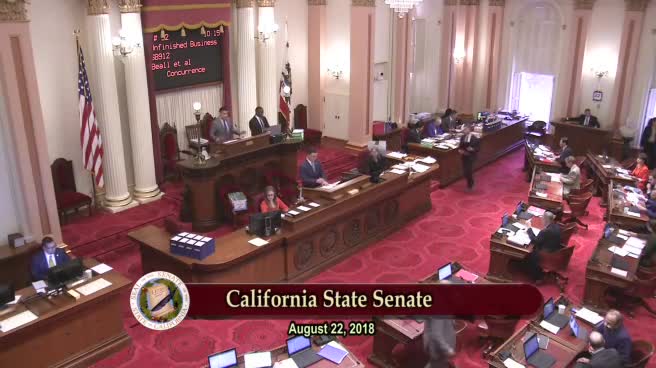 1MIN
Senate Floor
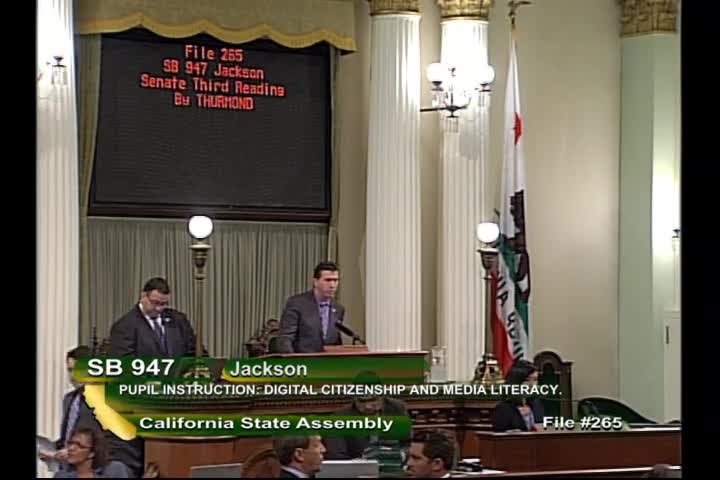 1MIN
Assembly Floor
 53SEC
Assembly Floor
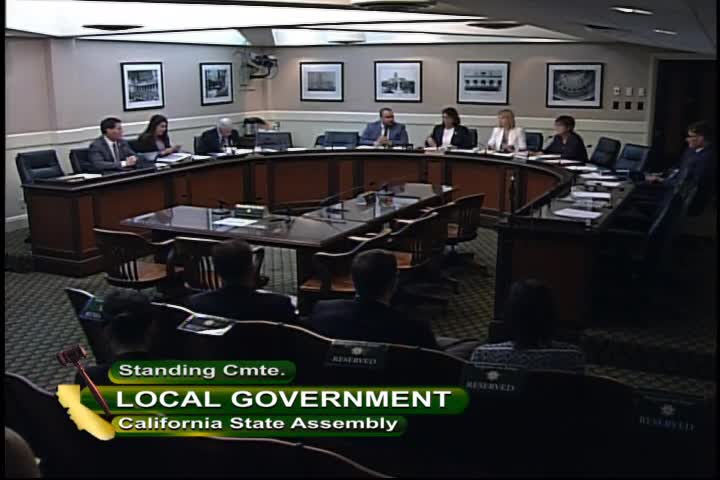 5MIN
Assembly Standing Committee on Local Government
 1MIN
Senate Floor
 1MIN
Senate Standing Committee on Appropriations
 6MIN
Senate Standing Committee on Governance and Finance
Bill Author

Bill Co-Author(s):