SB 931: Conservatorships: custody status.
- Session Year: 2017-2018
- House: Senate
- Latest Version Date: 2018-09-17
Under existing law, a professional person in charge of an agency providing comprehensive evaluation or a facility providing intensive treatment for a gravely disabled person may recommend a conservatorship for that person without that person being an inpatient in a facility providing comprehensive evaluation or intensive treatment, if specified conditions are met.
This bill would expand that authority to a professional person in charge of providing mental health treatment at a county jail or his or her designee.
Existing law also authorizes initiation of conservatorship proceedings for, among others, a person who has been transferred from a county jail to a specified mental health facility for 72-hour evaluation and treatment, upon a recommendation to the conservatorship investigator of the appropriate county, as specified. Under existing law, the initiation of conservatorship proceedings or the existence of a conservatorship does not affect pending criminal proceedings for that person.
This bill would additionally prohibit a conservatorship investigator from failing to schedule an investigation based upon the custody status of a person who is subject to a conservatorship investigation.
Under existing law, a professional person in charge of an agency providing comprehensive evaluation or a facility providing intensive treatment for a gravely disabled person may recommend a conservatorship for that person without that person being an inpatient in a facility providing comprehensive evaluation or intensive treatment, if specified conditions are met.
This bill would expand that authority to a professional person in charge of providing mental health treatment at a county jail or his or her designee.
Existing law also authorizes initiation of conservatorship proceedings for, among others, a person who has been transferred from a county jail to a specified mental health facility for 72-hour evaluation and treatment, upon a recommendation to the conservatorship investigator of the appropriate county, as specified. Under existing law, the initiation of conservatorship proceedings or the existence of a conservatorship does not affect pending criminal proceedings for that person.
This bill would additionally prohibit a conservatorship investigator from considering the custody status of a person who is subject to a conservatorship investigation and who is in the custody of a county jail. The bill would also prohibit a county jail from being considered a suitable or least restrictive alternative placement for a person who is gravely disabled, as defined. failing to schedule an investigation based upon the custody status of a person who is subject to a conservatorship investigation.
Existing law authorizes initiation of conservatorship proceedings for, among others, a person who has been transferred from a county jail to a specified mental health facility for 72-hour evaluation and treatment, upon a recommendation to the conservatorship investigator of the appropriate county, as specified. Under existing law, the initiation of conservatorship proceedings or the existence of a conservatorship does not affect pending criminal proceedings for that person.
This bill would additionally prohibit a conservatorship investigator from considering the custody status of a person who is subject to a conservatorship investigation and who is in the custody of a county jail. The bill would also prohibit a county jail from being considered a suitable or least restrictive alternative placement for a person who is gravely disabled, as defined.
When the professional person in charge of an agency providing comprehensive evaluation or a facility providing intensive treatment determines that a person in his or her care is gravely disabled as a result of mental disorder or impairment by chronic alcoholism and is unwilling to accept, or incapable of accepting, treatment voluntarily, he or she may recommend conservatorship to the officer providing conservatorship investigation of the county of residence of the person prior to his or her admission as a patient in such facility.
The professional person in charge of an agency providing comprehensive evaluation or a facility providing intensive treatment, or the professional person in charge of providing mental health treatment at a county jail, or his or her designee, may recommend conservatorship for a person without the person being an inpatient in a facility providing comprehensive evaluation or intensive treatment, if both of the following conditions are met: (a) the professional person or another professional person designated by him or her has examined and evaluated the person and determined that he or she is gravely disabled; (b) the professional person or another professional person designated by him or her has determined that future examination on an inpatient basis is not necessary for a determination that the person is gravely disabled.
If the officer providing conservatorship investigation concurs with the recommendation, he or she shall petition the superior court in the county of residence of the patient to establish conservatorship.
Where temporary conservatorship is indicated, the fact shall be alternatively pleaded in the petition. The officer providing conservatorship investigation or other county officer or employee designated by the county shall act as the temporary conservator.
SEC. 2.Section 5352.5 of the Welfare and Institutions Code is amended to read:5352.5.(a)Conservatorship proceedings may be initiated for any person committed to a state hospital or local mental health facility or placed on outpatient treatment pursuant to Section 1026 or 1370 of the Penal Code or transferred pursuant to Section 4011.6 of the Penal Code upon recommendation of the medical director of the state hospital, or a designee, or professional person in charge of the local mental health facility, or a designee, or the local mental health director, or a designee, to the conservatorship investigator of the county of residence of the person prior to his or her admission to the hospital or facility or of the county in which the hospital or facility is located. The initiation of conservatorship proceedings or the existence of a conservatorship shall not affect any pending criminal proceedings. The custody status of a person who is subject to the conservatorship investigation shall not be the sole reason for not scheduling an investigation by the conservatorship investigator.
(b)Subject to the provisions of Sections 5150 and 5250, conservatorship proceedings may be initiated for any person convicted of a felony who has been transferred to a state hospital under the jurisdiction of the State Department of State Hospitals pursuant to Section 2684 of the Penal Code by the recommendation of the medical director of the state hospital to the conservatorship investigator of the county of residence of the person or of the county in which the state hospital is located.
(c)Subject to the provisions of Sections 5150 and 5250, conservatorship proceedings may be initiated for any person committed to the Department of Corrections and Rehabilitation, Division of Juvenile Justice, or on parole from a facility of the Department of Corrections and Rehabilitation, Division of Juvenile Justice, by the Chief Deputy Secretary for Juvenile Justice or a designee, to the conservatorship investigator of the county of residence of the person or of the county in which the facility is situated.
(d)The county mental health program providing conservatorship investigation services and conservatorship case management services for any persons except those transferred pursuant to Section 4011.6 of the Penal Code shall be reimbursed for the expenditures made by it for the services pursuant to the Short-Doyle Act (commencing with Section 5600) at 100 percent of the expenditures. Each county Short-Doyle plan shall include provision for the services in the plan.
When the professional person in charge of an agency providing comprehensive evaluation or a facility providing intensive treatment determines that a person in his or her care is gravely disabled as a result of mental disorder or impairment by chronic alcoholism and is unwilling to accept, or incapable of accepting, treatment voluntarily, he or she may recommend conservatorship to the officer providing conservatorship investigation of the county of residence of the person prior to his or her admission as a patient in such facility.
The professional person in charge of an agency providing comprehensive evaluation or a facility providing intensive treatment treatment, or the professional person in charge of providing mental health treatment at a county jail, or his or her designee, may recommend conservatorship for a person without the person being an inpatient in such facility, a facility providing comprehensive evaluation or intensive treatment, if both of the following conditions are met: (a) the professional person or another professional person designated by him or her has examined and evaluated the person and determined that he or she is gravely disabled; (b) the professional person or another professional person designated by him or her has determined that future examination on an inpatient basis is not necessary for a determination that the person is gravely disabled.
If the officer providing conservatorship investigation concurs with the recommendation, he or she shall petition the superior court in the county of residence of the patient to establish conservatorship.
Where temporary conservatorship is indicated, the fact shall be alternatively pleaded in the petition. The officer providing conservatorship investigation or other county officer or employee designated by the county shall act as the temporary conservator.
SECTION 1.SEC. 2.Section 5352.5 of the Welfare and Institutions Code is amended to read:5352.5.(a)Conservatorship proceedings may be initiated for any person committed to a state hospital or local mental health facility or placed on outpatient treatment pursuant to Section 1026 or 1370 of the Penal Code or transferred pursuant to Section 4011.6 of the Penal Code upon recommendation of the medical director of the state hospital, or a designee, or professional person in charge of the local mental health facility, or a designee, or the local mental health director, or a designee, to the conservatorship investigator of the county of residence of the person prior to his or her admission to the hospital or facility or of the county in which the hospital or facility is located. The initiation of conservatorship proceedings or the existence of a conservatorship shall not affect any pending criminal proceedings. The custody status of a person who is subject to the conservatorship investigation and who is in the custody of a county jail shall not be considered by the conservatorship investigator conducting the investigation pursuant to Section 5351. A county jail shall not be considered a suitable or least restrictive alternative placement for a person who is gravely disabled, as defined in subparagraph (A) of paragraph (1) of subdivision (h) of Section 5008. shall not be the sole reason for not scheduling an investigation by the conservatorship investigator.
(b)Subject to the provisions of Sections 5150 and 5250, conservatorship proceedings may be initiated for any person convicted of a felony who has been transferred to a state hospital under the jurisdiction of the State Department of State Hospitals pursuant to Section 2684 of the Penal Code by the recommendation of the medical director of the state hospital to the conservatorship investigator of the county of residence of the person or of the county in which the state hospital is located.
(c)Subject to the provisions of Sections 5150 and 5250, conservatorship proceedings may be initiated for any person committed to the Department of Corrections and Rehabilitation, Division of Juvenile Justice, or on parole from a facility of the Department of Corrections and Rehabilitation, Division of Juvenile Justice, by the Chief Deputy Secretary for Juvenile Justice or a designee, to the conservatorship investigator of the county of residence of the person or of the county in which the facility is situated.
(d)The county mental health program providing conservatorship investigation services and conservatorship case management services for any persons except those transferred pursuant to Section 4011.6 of the Penal Code shall be reimbursed for the expenditures made by it for the services pursuant to the Short-Doyle Act (commencing with Section 5600) at 100 percent of the expenditures. Each county Short-Doyle plan shall include provision for the services in the plan.
(a)Conservatorship proceedings may be initiated for any person committed to a state hospital or local mental health facility or placed on outpatient treatment pursuant to Section 1026 or 1370 of the Penal Code or transferred pursuant to Section 4011.6 of the Penal Code upon recommendation of the medical director of the state hospital, or a designee, or professional person in charge of the local mental health facility, or a designee, or the local mental health director, or a designee, to the conservatorship investigator of the county of residence of the person prior to his or her admission to the hospital or facility or of the county in which the hospital or facility is located. The initiation of conservatorship proceedings or the existence of a conservatorship shall not affect any pending criminal proceedings. The custody status of a person who is subject to the conservatorship investigation and who is in the custody of a county jail shall not be considered by the conservatorship investigator conducting the investigation pursuant to Section 5351. A county jail shall not be considered a suitable or least restrictive alternative placement for a person who is gravely disabled, as defined in subparagraph (A) of paragraph (1) of subdivision (h) of Section 5008.
Subject(b)Subject to the provisions of Sections 5150 and 5250, conservatorship proceedings may be initiated for any person convicted of a felony who has been transferred to a state hospital under the jurisdiction of the State Department of State Hospitals pursuant to Section 2684 of the Penal Code by the recommendation of the medical director of the state hospital to the conservatorship investigator of the county of residence of the person or of the county in which the state hospital is located.
Subject(c)Subject to the provisions of Sections 5150 and 5250, conservatorship proceedings may be initiated for any person committed to the Department of Corrections and Rehabilitation, Division of Juvenile Justice, or on parole from a facility of the Department of Corrections and Rehabilitation, Division of Juvenile Justice, by the Chief Deputy Secretary for Juvenile Justice or a designee, to the conservatorship investigator of the county of residence of the person or of the county in which the facility is situated.
The(d)The county mental health program providing conservatorship investigation services and conservatorship case management services for any persons except those transferred pursuant to Section 4011.6 of the Penal Code shall be reimbursed for the expenditures made by it for the services pursuant to the Short-Doyle Act (commencing with Section 5600) at 100 percent of the expenditures. Each county Short-Doyle plan shall include provision for the services in the plan.
|
Date
|
Status
|
|---|---|
| Sep 17, 2018 | Chaptered by Secretary of State. Chapter 458, Statutes of 2018. |
| Sep 17, 2018 | Approved by the Governor. |
| Aug 28, 2018 | Enrolled and presented to the Governor at 3:30 p.m. |
| Aug 21, 2018 | In Senate. Ordered to engrossing and enrolling. |
| Aug 20, 2018 | Read third time. Passed. Ordered to the Senate. |
| Aug 7, 2018 | Read second time. Ordered to third reading. |
| Aug 6, 2018 | Withdrawn from committee. |
| Jun 27, 2018 | From committee: Do pass and re-refer to Com. on APPR. with recommendation: To consent calendar. (Ayes 15. Noes 0.) (June 26). Re-referred to Com. on APPR. |
| Jun 12, 2018 | From committee: Do pass and re-refer to Com. on HEALTH with recommendation: To consent calendar. (Ayes 9. Noes 0.) (June 12). Re-referred to Com. on HEALTH. |
| May 3, 2018 | Referred to Coms. on JUD. and HEALTH. |
| Apr 12, 2018 | In Assembly. Read first time. Held at Desk. |
| Apr 12, 2018 | Read third time. Passed. (Ayes 37. Noes 0.) Ordered to the Assembly. |
| Apr 4, 2018 | Read second time. Ordered to third reading. |
| Apr 3, 2018 | From committee: Do pass. (Ayes 6. Noes 0.) (April 3). |
| Mar 19, 2018 | From committee with author's amendments. Read second time and amended. Re-referred to Com. on PUB. S. |
| Mar 6, 2018 | Set for hearing April 3. |
| Feb 8, 2018 | Referred to Com. on PUB. S. |
| Jan 26, 2018 | From printer. May be acted upon on or after February 25. |
| Jan 25, 2018 | Introduced. Read first time. To Com. on RLS. for assignment. To print. |
|
Date
|
Description
|
Location
|
Votes
|
|
|---|---|---|---|---|
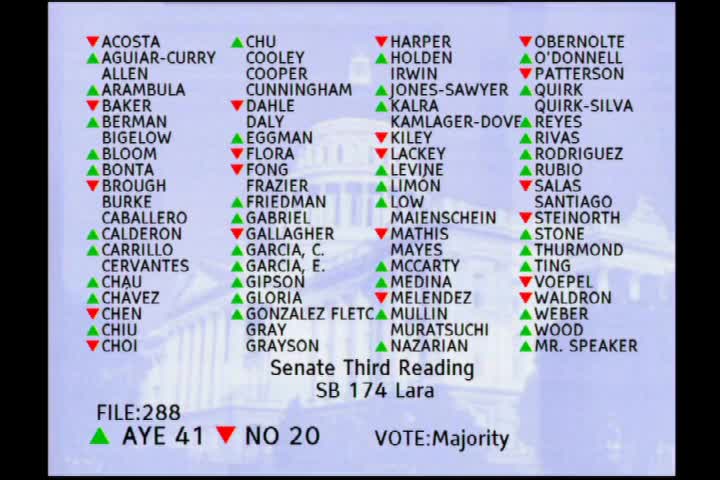
| Aug 20, 2018 | SB 931 Hertzberg Senate Third Reading By JONES-SAWYER | Assembly Floor |
Passed |
|
| Jun 26, 2018 | Do pass and be re-referred to the Committee on [Appropriations] with recommendation: To Consent Calendar | Assembly Standing Committee on Health |
Passed |
|
| Jun 12, 2018 | Do pass and be re-referred to the Committee on [Health] with recommendation: To Consent Calendar | Assembly Standing Committee on Judiciary |
Passed |
|
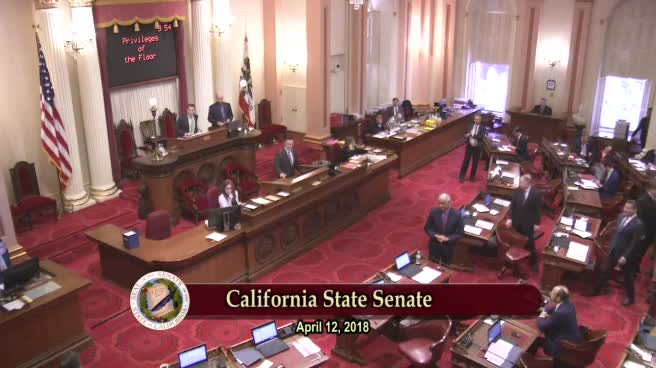
| Apr 12, 2018 | Senate 3rd Reading SB931 Hertzberg | Senate Floor |
Passed |
|
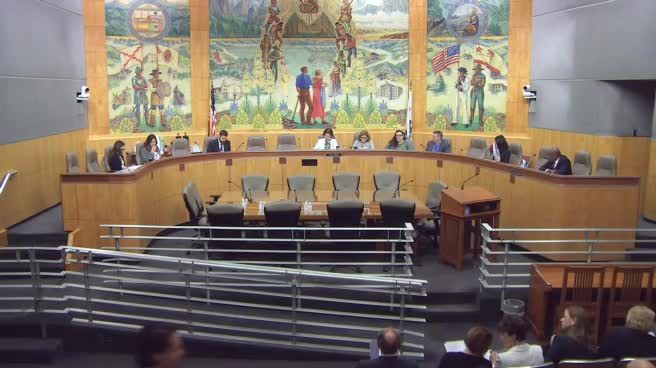
| Apr 3, 2018 | Do pass | Senate Standing Committee on Public Safety |
Passed |
This list shows positions taken on this bill by organizations on the date displayed, which is linked to the original source.
Positions by individuals are not included.
|
Organization
|
Position
|
Date
|
|---|---|---|
| California District Attorneys Association | ** Support | Jun 22, 2018 |
| California Psychiatric Association | ** Support | Jun 22, 2018 |
| California Public Defenders Association | ** Support | Jun 8, 2018 |
| California State Association Of Counties | ** Support | Jun 22, 2018 |
| Los Angeles County District Attorney | ** Support | Jun 22, 2018 |
| los angeles county sheriff jim mcdonnell | ** Support | Jun 22, 2018 |
| Los Angeles County Sheriff'S Department | ** Support | Jun 8, 2018 |
| Riverside Sheriff's Association | * Support | Apr 3, 2018 |
| San Diego County District Attorney's Office | * Support | Apr 3, 2018 |
| Yolo County Board of Supervisors | ** Support | Jun 22, 2018 |
SENATE THIRD READING
STR Bill Id:
Author:(Hertzberg)
As Amended Ver:
Majority vote
SENATE VOTE: 38-0
Committee | Votes | Ayes | Noes |
Judiciary | 9-0 | Mark Stone, Cunningham, Chau, Chiu, Kalra, Kiley, Maienschein, Reyes, Gonzalez Fletcher | |
Health | 15-0 | Wood, Mayes, Aguiar-Curry, Bigelow, Bonta, Burke, Carrillo, Flora, Limón, McCarty, Nazarian, Rodriguez, Santiago, Thurmond, Waldron |
SUMMARY: Makes it easier to establish a Lanterman-Petris-Short conservatorship for an inmate at a county jail. Specifically, this bill:
- Expands who is eligible to conduct an investigation to establish a Lanterman-Petris-Short (LPS) conservatorship to include a professional person in charge of providing mental health treatment at a county jail, or that person's designee.
- Provides that the custody status of a person who is subject to a conservatorship evaluation shall not be the sole reason for not scheduling an investigation by the conservatorship investigator.
EXISTING LAW:
- Allows for the establishment, administration, and termination of an LPS conservatorship when an individual is gravely disabled as a result of mental disorder or impairment by chronic alcoholism, and specifies that the appointment of a conservator shall be based on the protection of the public and the treatment of the conservatee. (Welfare and Institutions Code Section 5350 et seq. All further statutory references are to this code unless otherwise stated.)
- Specifies that a conservatorship shall terminate one year after the appointment of the conservator by the court. (Section 5361.)
- Provides that when a professional person in charge of evaluation or treatment determines that a person in his or her care is gravely disabled, the professional person may recommend a conservatorship to the officer conducting a conservatorship investigation. (Section 5352. )
- Specifies that conservatorship proceedings may be initiated for a person committed to a mental health facility or in an outpatient treatment upon recommendation of specified medical professionals to the individual conducting the conservatorship investigation. (Section 5352.5(a).)
- Permits the local mental health director or a designee to examine the person detained prior to transfer to a facility for treatment and evaluation. Upon transfer, allows the detained individual to be subject to conservatorship proceedings and provides that, unless the treating facility certifies that arraignment or trial would be detrimental to the prisoner's well-being, the statutory timelines for arraignment and trial remain unaffected. (Penal Code Section 4011.6.)
- Allows a peace officer or other specified person to put an individual in custody for a period of up to 72 hours for assessment, evaluation, or crisis evaluation if the individual, due to a mental health disorder, is a danger to himself or herself or others, or is gravely disabled. (Section 5150.)
- Provides for up to 14 days of intensive treatment following detention pusuant to a 5150 hold under 6). (Section 5250.)
FISCAL EFFECT: None
COMMENTS: Existing law provides for the appointment of a conservator to act on behalf of an individual who is gravely disabled as a result of a mental health disorder or impairment by chronic alcoholism. To promote the timely evaluation of individuals in jail and avoid unnecessary delays in treatment or support, this bill would clarify that the custody status of a person cannot be the sole reason for not scheduling an investigation for conservatorship.
Background on 5150 detentions and Lanterman-Petris-Short (LPS) conservatorships. When an individual is gravely disabled or presents a threat to themselves or to others, a 72-hour detention period may be implemented. This three-day detention period is often referred to as a "5150 hold" – a reference to the Welfare and Institutions Code section which outlines the parameters under which such a hold can take place. Following a 5150 hold, an extension of 14 days may be granted to provide intensive treatment, and in certain counties, this period may be extended for an additional 30 days. (Sections 5250 and 5270.15.)
Conservatorships are arrangements in which a person who is gravely disabled (and thus cannot care for himself or herself) is appointed a conservator to supervise treatment and act in the interests of the gravely disabled individual. To start an LPS conservatorship, a professional evaluator must recommend that an individual be investigated as a candidate for conservatorship. Recommendations for conservatorship are then considered by the county-designed agency (sometimes the public guardian office) which conducts the conservatorship investigation. Once an LPS conservatorship is established, a conservatee who is unwilling to accept voluntary treatment may be compelled to accept medical treatment, including forced placement in a locked facility and, under certain circumstances, administration of psychotropic drugs.
The need to avoid unnecessary delays in LPS conservatorship evaluation. Delaying evaluation for an LPS conservatorship due to the fact that an individual is held in custody may lead to individuals being kept in detention longer than they otherwise would be if an evaluation were provided. Due to the fact that some individuals who would be eligible for a conservatorship may be able to start treatment while their criminal case is ongoing, keeping them in custody and postponing evaluation for a conservatorship could prevent a gravely disabled individual from getting the treatment he or she needs in a timely fashion. Moreover, postponing evaluation likely leads to increased costs related to detention in cases where a potential LPS conservatee would be better served by treatment. Additionally, if an individual is released from jail before a conservatorship investigation can take place, they may be more likely to end up homeless or in jail again and may present a danger to themselves or others since they will not have had needed supportive services or treatment.
Analysis Prepared by: Leora Gershenzon / JUD. / (916) 319-2334 FN: 0003778
Date of Hearing: June 26, 2018
ASSEMBLY COMMITTEE ON HEALTH
Jim Wood, Chair
SBPCA Bill Id:SB 931
Author:(Hertzberg) – As Amended Ver:March 19, 2018
SENATE VOTE: 38-0
SUBJECT: Conservatorships: custody status.
SUMMARY: Permits the professional person in charge of providing mental health treatment at a county jail, or their designee, to recommend a conservatorship for a person without that person being an inpatient in a facility providing comprehensive evaluation or intensive treatment, as specified, and prohibits the custody status of a person who is subject to a conservatorship investigation from being the sole reason for not scheduling an investigation by the conservatorship investigator.
EXISTING LAW:
- Defines “gravely disabled” as a person, who as a result of a mental health disorder, is unable to provide for his or her basic personal needs for food, clothing, or shelter.
- States that “gravely disabled” includes persons who are found mentally incompetent to stand trial and all of the following exist:
- The indictment or information pending against the person at the time of commitment charges a felony involving death, great bodily harm, or a serious threat to the physical well-being of another person;
- The indictment or information has not been dismissed; and,
- As a result of a mental health disorder, the person is unable to understand the nature and purpose of the proceedings taken against him or her and to assist counsel in the conduct of his or her defense in a rational manner.
- Permits, if a person is gravely disabled as a result of mental illness, or is determined to be a danger to self or others, a peace officer, the staff of designated treatment facility or crisis team, or other professional person designated by the county, upon probable cause, to take that person into custody for a period of up to 72 hours for assessment, evaluation, crisis intervention, or placement in a designated treatment facility.
- Provides that the person who has been detained for 72 hours, pursuant to 3) above, may be detained for an additional 14 days of intensive treatment if the person continues to pose a danger to self or others, or to be gravely disabled, and the person has been unwilling or unable to accept voluntary treatment. Permits an additional 30 days of detainment for intensive treatment if the person remains gravely disabled and is unwilling or unable to accept treatment voluntarily.
- Allows a person to be confined for further treatment for an additional period, not to exceed 180 days if one of the following exists:
- The person has attempted, inflicted, or made a serious threat of substantial physical harm to another person after having been taken into custody, and while in custody, for evaluation and treatment, and who, as a result of mental disorder or mental defect, presents a demonstrated danger of inflicting substantial physical harm upon others;
- The person had attempted, or inflicted physical harm upon the person of another, that act having resulted in his or her being taken into custody and who presents, as a result of mental disorder or mental defect, a demonstrated danger of inflicting substantial physical harm upon others; or,
- The person had made a serious threat of substantial physical harm upon the person of another within seven days of being taken into custody, that threat having at least in part resulted in his or her being taken into custody, and the person presents, as a result of mental disorder or mental defect, a demonstrated danger of inflicting substantial physical harm upon others.
- Allows the person in charge of a facility providing 72-hour, 14-day, or 30-day treatment to recommend the Lanterman-Petris-Short (LPS) Act conservatorship to the county conservatorship investigator for a person who is gravely disabled and is unwilling or unable to accept voluntary treatment. Requires the conservatorship investigator, if he or she concurs with the recommendation, to petition the superior court to establish an LPS conservatorship.
- Provides that a conservator of the person, of the estate, or of the person and the estate may be appointed for a person who is gravely disabled as a result of a mental health disorder or impairment by chronic alcoholism.
- Specifies procedures for establishing, administering, and terminating a conservatorship when a person is gravely disabled.
- Requires a conservatorship to automatically terminate one year after the appointment of the conservator by the superior court.
- Permits a conservator, upon the termination of an initial or a succeeding period of conservatorship, to petition the superior court for his reappointment as conservator for a succeeding one-year period.
FISCAL EFFECT: None
COMMENTS:
- PURPOSE OF THIS BILL. According to the author, seriously ill psychiatric patients often find themselves confined in the county jail for substantial periods of time, and are not evaluated for conservatorship status and appropriate treatment options until the conclusion of their criminal case. The author states that because they are considered “safely in custody,” they are considered to be less urgent for evaluation, which can result in a substantial delay in establishing conservatorships for them. Delaying the evaluation investigation until the end of the criminal case is cruel and causes harm to the community and the subject. The author states that this bill will help more defendants with serious mental illnesses avoid unnecessary incarceration and get them the medical and mental health treatment they need and clarifies the existing authority of county jail medical staff to recommend an inmate for an LPS conservatorship evaluation.
- BACKGROUND. The LPS Act, enacted in the 1960s, was intended to balance the goals of maintaining the constitutional right to personal liberty and choice in mental health treatment, with the goal of safety when an individual may be a danger to oneself or others or is gravely disabled. At the time of its enactment, the LPS Act was considered progressive because it afforded the mentally disordered more legal rights than most other states. Since its passage in 1967, the law in the field of mental health has continued to evolve toward greater legal rights for mentally disordered persons. Welfare and Institutions Code (WIC) Section 5150 of the LPS Act allows peace officers, staff-members of county-designated evaluation facilities, or other county-designated professional persons, to take an individual into custody and place that person in a facility for 72-hour treatment and evaluation if they believe that, due to a mental disorder, the individual is a danger to himself, herself, or others, or is gravely disabled (unable to provide for basic personal needs for food, clothing, or shelter due to a mental disability). This three-day detention period is often referred to as a “5150 hold” (a reference to the Welfare and Institutions Code section which outlines the parameters under which such a hold can take place). Following a 5150 hold, an extension of 14 days may be granted to provide intensive treatment, and in certain counties, this period may be extended for an additional 30 days.
Conservatorships are arrangements in which a person who is gravely disabled is appointed a conservator to supervise treatment and act in the interests of the gravely disabled individual. To start an LPS conservatorship, a professional evaluator must recommend that an individual be investigated as a candidate for conservatorship. Recommendations for conservatorship are then considered by the county-designed agency (sometimes the public guardian office) which conducts the conservatorship investigation. Once an LPS conservatorship is established, a conservatee who is unwilling to accept voluntary treatment may be compelled to accept medical treatment, including forced placement in a locked facility and, under certain circumstances, administration of psychotropic drugs. This bill would add the person in charge of providing mental health treatment at a county jail, or their designee, to the list of professional persons allowed to recommend a conservatorship.
- SUPPORT. The Los Angeles County District Attorney, sponsor of the bill, states in support that seriously ill psychiatric patients find themselves confined to the county jail for extended periods of time and are not evaluated for conservatorship status and appropriate treatment options until their criminal case is concluded. The sponsor argues that because these patients are held in custody in county jail, and therefore considered to be safe, they are often incarcerated for longer periods of time. Additionally, they can be released unexpectedly at the conclusion of their criminal case without a conservatorship evaluation, leaving them in a vulnerable situation. The sponsor states that county jails have become the holding facility for mentally ill persons while they await the conclusion of their pending criminal charges, despite needing timely conservatorship evaluation and treatment. The sponsor concludes that this bill would amend the LPS Act to specify that custody status cannot be used as a reason to postpone the psychiatric conservatorship evaluation process.
- RELATED LEGISLATION.
- AB 191 (Wood), Chapter 184, Statutes of 2017, adds licensed marriage and family therapists and licensed professional clinical counselors to those health providers who are authorized to sign a notice of certification, as specified, when a patient is certified as needing intensive treatment.
- SB 565 (Portantino), Chapter 218, of Statutes of 2017, requires mental health facilities, prior to a certification review hearing for an additional up to 30 days of intensive treatment for a patient, to notify family members or any other person designated by a patient at least 36 hours prior to the certification review hearing.
- PREVIOUS LEGISLATION.
- SB 684 (Bates), Chapter 246, of Statutes of 2017, allows the initiation of a conservatorship for involuntary commitment when a criminal defendant is charged with specified felonies and the defendant is incompetent to stand trial.
- AB 110 (Blumenfield), Chapter 20, Statutes of 2013, enacts the 2013-14 Budget Act, which includes, among other provisions, $206 million ($142 million General Fund one-time) for a major investment in mental health services, including additional residential treatment capacity, crisis treatment teams, and triage personnel.
- AB 1424 (Thomson), Chapter 506, Statutes of 2001, makes various changes to the LPS Act to increase the involvement of family members in commitment hearings for the mentally ill; requires more use of a patient's medical and psychiatric records in these hearings; and, prohibits health plans and insurers from using the commitment status of a mentally ill person to determine eligibility for claim reimbursement.
- SB 665 (Petris), Chapter 681, Statutes of 1991, establishes the right, under the LPS Act, to refuse antipsychotic medication and establishes hearing procedures to determine a person's capacity to refuse treatment with antipsychotic medication.
- DOUBLE REFERRAL. This bill is double referred; it was heard in the Assembly Judiciary Committee on June 12, 2018 and passed on a vote of 9-0.
REGISTERED SUPPORT / OPPOSITION:
Support
Los Angeles County District Attorney (sponsor)
California District Attorneys Association
California Psychiatric Association
California State Association of Counties
Los Angeles County Sheriff Jim McDonnell
Yolo County Board of Supervisors
Opposition
None on file.
Analysis Prepared by: Paula Villescaz / HEALTH / (916) 319-2097
Date of Hearing: June 12, 2018
ASSEMBLY COMMITTEE ON JUDICIARY
Mark Stone, Chair
SBPCA Bill Id:SB 931
Author:(Hertzberg) – As Amended Ver:March 19, 2018
PROPOSED CONSENT
SENATE VOTE: 38-0
SUBJECT: CONSERVATORSHIPS: CUSTODY STATUS
KEY ISSUE: SHOULD it be prohibited to solely use the custody status of an individual as a reason for not scheduling an investigation for a potential Lanterman-Petris-Short (LPS) conservatorship?
SYNOPSIS
Existing law provides for the appointment of a conservator to act on behalf of an individual who is gravely disabled as a result of a mental health disorder or impairment by chronic alcoholism. These arrangements are referred to as Lanterman-Petris-Short (LPS) conservatorships. To establish an LPS conservatorship, an individual must be professionally evaluated and recommended for conservatorship by a mental health professional. This measure seeks to address cases in which an individual is held in custody, and as a result, may not be scheduled for an investigation to determine whether an LPS conservatorship would be appropriate. To promote the timely evaluation of individuals and avoid unnecessary delays, this bill would clarify that the custody status of a person — whether or not they are in jail – cannot be the sole reason for not scheduling an investigation for conservatorship. This should help ensure that when an individual is released, there are services and support immediately available. Additionally, this measure allows the professional person providing mental health treatment at a county jail, or that person’s designee, to recommend an LPS conservatorship, which is the first step to establishing a conservatorship. This bill is sponsored by the Los Angeles County District Attorney’s Office. Should this bill pass this Committee, it would be referred to the Assembly Health Committee.
SUMMARY: Makes it easier to establish an Lanterman-Petris-Short conservatorship for an inmate at a county jail. Specifically, this bill:
- Expands who is eligible to conduct an investigation to establish a Lanterman-Petris-Short (LPS) conservatorship to include a professional person in charge of providing mental health treatment at a county jail, or that person’s designee.
- Provides that the custody status of a person who is subject to a conservatorship evaluation shall not be the sole reason for not scheduling an investigation by the conservatorship investigator.
EXISTING LAW:
- Allows for the establishment, administration, and termination of an LPS conservatorship when an individual is gravely disabled as a result of mental disorder or impairment by chronic alcoholism, and specifies that the appointment of a conservator shall be based on the protection of the public and the treatment of the conservatee. (Welfare and Institutions Code Section 5350 et seq. All further statutory references are to this code unless otherwise stated.)
- Specifies that a conservatorship shall terminate one year after the appointment of the conservator by the court. (Section 5361.)
- Provides that when a professional person in charge of evaluation or treatment determines that a person in his or her care is gravely disabled, the professional person may recommend a conservatorship to the officer conducting a conservatorship investigation. (Welfare and Institutions Code Section 5352. )
- Specifies that conservatorship proceedings may be initiated for a person committed to a mental health facility or in an outpatient treatment upon recommendation of specified medical professionals to the individual conducting the conservatorship investigation. (Section 5352.5 (a).)
- Permits the local mental health director or a designee to examine the person detained prior to transfer to a facility for treatment and evaluation. Upon transfer, allows the detained individual to be subject to conservatorship proceedings and provides that, unless the treating facility certifies that arraignment or trial would be detrimental to the prisoner’s well-being, the statutory timelines for arraignment and trial remain unaffected. (Penal Code Section 4011.6.)
- Allows a peace officer or other specified person to put an individual in custody for a period of up to 72 hours for assessment, evaluation, or crisis evaluation if the individual, due to a mental health disorder, is a danger to himself or herself or others, or is gravely disabled. (Welfare and Institutions Code Section 5150.)
- Provides for up to 14 days of intensive treatment following detention pusuant to a 5150 hold under 6). (Section 5250.)
FISCAL EFFECT: As currently in print this bill is keyed non-fiscal.
COMMENTS: Existing law provides for the appointment of a conservator to act on behalf of an individual who is gravely disabled as a result of a mental health disorder or impairment by chronic alcoholism. To promote the timely evaluation of individuals in jail and avoid unnecessary delays in treatment or support, this bill would clarify that the custody status of a person cannot be the sole reason for not scheduling an investigation for conservatorship. According to the author:
Today, seriously ill psychiatric patients often find themselves confined in the county jail for substantial periods of time, and are not evaluated for conservatorship status and appropriate treatment options until the conclusion of their criminal case.
Because they are “safely in custody,” they are considered to be less urgent for evaluation, which may result in a substantial delay in establishing conservatorships for them.
Delaying the evaluation investigation until the end of the criminal case is cruel and causes harm to the community and the subject.
SB 931 will help more defendants with serious mental illnesses avoid unnecessary incarceration and get them the medical and mental health treatment they need. SB 931 also clarifies the existing authority of county jail medical staff to recommend an inmate for an LPS conservatorship evaluation.
Background on 5150 detentions and Lanterman-Petris-Short (LPS) conservatorships. When an individual is gravely disabled or presents a threat to themselves or to others, a 72-hour detention period may be implemented. This three-day detention period is often referred to as a “5150 hold” – a reference to the Welfare and Institutions Code section which outlines the parameters under which such a hold can take place. Following a 5150 hold, an extension of 14 days may be granted to provide intensive treatment, and in certain counties, this period may be extended for an additional 30 days. (Sections 5250 and 5270.15.)
Conservatorships are arrangements in which a person who is gravely disabled (and thus cannot care for himself or herself) is appointed a conservator to supervise treatment and act in the interests of the gravely disabled individual. To start an LPS conservatorship, a professional evaluator must recommend that an individual be investigated as a candidate for conservatorship. Recommendations for conservatorship are then considered by the county-designed agency (sometimes the public guardian office) which conducts the conservatorship investigation. Once an LPS conservatorship is established, a conservatee who is unwilling to accept voluntary treatment may be compelled to accept medical treatment, including forced placement in a locked facility and, under certain circumstances, administration of psychotropic drugs.
The need to avoid unnecessary delays in LPS conservatorship evaluation. Delaying evaluation for an LPS conservatorship due to the fact that an individual is held in custody may lead to individuals being kept in detention longer than they otherwise would be if an evaluation were provided. Due to the fact that some individuals who would be eligible for a conservatorship may be able to start treatment while their criminal case is ongoing, keeping them in custody and postponing evaluation for a conservatorship could prevent a gravely disabled individual from getting the treatment he or she needs in a timely fashion. Moreover, postponing evaluation likely leads to increased costs related to detention in cases where a potential LPS conservatee would be better served by treatment. Additionally, if an individual is released from jail before a conservatorship investigation can take place, they may be more likely to end up homeless or in jail again and may present a danger to themselves or others since they will not have had needed supportive services or treatment.
Writing in support of the bill, the Los Angeles County District Attorney notes that seriously ill psychiatric patients often find themselves confined in county jail for substantial periods of time, and are not evaluated for conservatorship status and appropriate treatment options until the conclusion of their criminal case. Since these individuals are in custody, they are considered to be less urgent for evaluation than others. Moreover, the Los Angeles County District Attorney notes that having a conservatorship in place can affect discretionary decisions made by judges in a criminal case, such as bail status, length of time to disposition of the case, and actual sentence option chosen, such as probation or time in custody.
REGISTERED SUPPORT / OPPOSITION:
Support
Los Angeles County District Attorney (sponsor)
California District Attorneys Association
California Psychiatric Association
California Public Defenders Association
California State Association of Counties
Los Angeles County Sheriff’s Department
Yolo County Board of Supervisors
Opposition
None on file
Analysis Prepared by: Sandra Nakagawa and Leora Gershenzon / JUD. / (916) 319-2334
Office of Senate Floor Analyses (916) 651-1520 Fax: (916) 327-4478 | SB |
THIRD READING
Bill No: SB 931
:
SENATE PUBLIC SAFETY COMMITTEE: 6-0, 4/3/18
AYES: Skinner, Bradford, Jackson, Mitchell, Stone, Wiener
NO VOTE RECORDED: Anderson
SOURCE: Los Angeles County District Attorney’s Office
DIGEST:
This bill specifies that the custody status of a person who is subject to a conservatorship investigation shall not be the sole reason for not scheduling an investigation by the conservatorship investigator.
Existing law:
- Authorizes a person in charge of a jail or juvenile detention facility or a judge who determines that a person in custody is mentally disordered to cause the prisoner to be taken to a facility for 72-hour treatment and evaluation pursuant to Section 5150 of the Welfare and Institutions Code. The local mental health director or his or her designee may examine the prisoner prior to transfer to a facility for treatment and evaluation. Upon transfer, the prisoner may be subject to conservatorship proceedings. (Pen. Code, § 4011.6.)
- Provides that unless the treating facility certifies that arraignment or trial would be detrimental to the prisoner’s well-being, the statutory timelines for arraignment and trial remain unaffected. (Pen. Code, § 4011.6.)
- Specifies procedures for establishing, administering, and terminating a conservatorship when a person is gravely disabled. (Welf. & Inst. Code, § 5350 et seq.)
- States that when the professional person in charge of an agency providing comprehensive evaluation or a facility providing intensive treatment determines that a person in his care is gravely disabled as a result of mental disorder or impairment by chronic alcoholism and is unwilling to accept, or incapable of accepting, treatment voluntarily, he may recommend conservatorship to the officer providing conservatorship investigation of the county of residence of the person prior to his admission as a patient in such facility. (Welf. & Inst. Code, § 5352.)
- Provides that the professional person in charge of an agency providing comprehensive evaluation or a facility providing intensive treatment may recommend conservatorship for a person without the person being an inpatient in such facility, if both of the following conditions are met:
- The professional person or another professional person designated by him has examined and evaluated the person and determined that he is gravely disabled; and,
- The professional person or another professional person designated by him has determined that future examination on an inpatient basis is not necessary for a determination that the person is gravely disabled. (Welf. & Inst. Code, § 5352.)
- States that if the officer providing conservatorship investigation concurs with the recommendation, he shall petition the superior court in the county of residence of the patient to establish conservatorship. (Welf. & Inst. Code, § 5352.)
- Authorizes conservatorship proceedings to be initiated for any person committed to a state hospital or local mental health facility or placed on outpatient treatment or transferred upon recommendation of the medical director of the state hospital, or the local mental health director, to the conservatorship investigator of the county of residence of the person prior to his or her admission to the hospital or facility or of the county in which the hospital or facility is located. (Welf. & Inst. Code, § 5352.5.)
- Provides that the initiation of conservatorship proceedings or the existence of a conservatorship shall not affect any pending criminal proceedings. (Welf. & Inst. Code, § 5352.5.)
- States that upon the termination of an initial or a succeeding period of conservatorship, if the conservator determines that conservatorship is still required, he may petition the superior court for his reappointment as conservator for a succeeding one-year period. (Welf. & Inst. Code, § 5361.)
This bill:
- Specifies that the custody status of a person who is subject to the conservatorship investigation shall not be the sole reason for not scheduling an investigation by the conservatorship investigator.
- Clarifies that the professional person in charge of providing mental health treatment at a county jail has authority to recommend conservatorship for a person without the person being an inpatient of the facility if all of the conditions in existing law related to such recommendations are met.
FISCAL EFFECT: Appropriation: Fiscal Com.: Local:
Los Angeles County District Attorney’s Office (source)
California District Attorneys Association
California Psychiatric Association
California Public Defenders Association
California State Association of Counties
Los Angeles County Sheriff’s Department
Yolo County Board of Supervisors
None received
ARGUMENTS IN SUPPORT: According to the Los Angeles County Sheriff’s Department:
Under existing law, seriously ill psychiatric patients find themselves confined in county jail for extended periods of time, and are not evaluated for conservatorship status and appropriate treatment options until their criminal case has concluded.
Because these patients are held in custody in the county jail, and therefore considered to be safe, they often are incarcerated for longer periods of time. They also can be released unexpectedly at the conclusion of their criminal case without a conservatorship evaluation, leaving them in a vulnerable situation.
There has long been a shortage of psychiatric treatment resources, and mentally ill persons often may be booked into county jails upon criminal offenses simply because there are no immediate alternatives to their placement. Of these, the most acutely ill detainees may be evaluated for conservatorship.
The county jails have become the holding facilities for mentally ill persons while they await the conclusion of their pending criminal charges. These persons need timely conservatorship evaluation and treatment.
4/4/18 14:19:28
**** END ****
SENATE COMMITTEE ON PUBLIC SAFETY
Senator Nancy Skinner, Chair
2017 - 2018 Regular
Bill No: SB 931 Hearing Date: April 3, 2018
Author: | Hertzberg | ||
Version: | March 19, 2018 | ||
Urgency: | No | Fiscal: | No |
Consultant: | SC | ||
Subject: Conservatorships: Custody Status
HISTORY
Source: Los Angeles County District Attorney’s Office
Prior Legislation: SB 684 (Bates), Ch. 246, Stats. 2017
SB 1414 (Nielsen), Ch. 759, Stats. 2014
AB 2190 (Maienschein), Ch. 734, Stats. 2014
AB 1424 (Thomson), Ch. 506, Stats. 2001
Support: California District Attorneys Association; California Psychiatric Association; California Public Defenders Association; California State Association of Counties; Los Angeles County Sheriff’s Department; Yolo County Board of Supervisors
Opposition: None known
PURPOSE
The purpose of this bill is to specify that the custody status of a person who is subject to a conservatorship investigation shall not be the sole reason for not scheduling an investigation by the conservatorship investigator.
Existing law authorizes a person in charge of a jail or juvenile detention facility or a judge who determines that a person in custody is mentally disordered to cause the prisoner to be taken to a facility for 72-hour treatment and evaluation pursuant to Section 5150 of the Welfare and Institutions Code. The local mental health director or his or her designee may examine the prisoner prior to transfer to a facility for treatment and evaluation. Upon transfer, the prisoner may be subject to conservatorship proceedings. (Pen. Code, § 4011.6.)
Existing law provides that unless the treating facility certifies that arraignment or trial would be detrimental to the prisoner’s well-being, the statutory timelines for arraignment and trial remain unaffected. (Id.)
Existing law specifies procedures for establishing, administering, and terminating a conservatorship when a person is gravely disabled. (Welf. & Inst. Code, § 5350 et seq.)
Existing law states that when the professional person in charge of an agency providing comprehensive evaluation or a facility providing intensive treatment determines that a person in his care is gravely disabled as a result of mental disorder or impairment by chronic alcoholism and is unwilling to accept, or incapable of accepting, treatment voluntarily, he may recommend conservatorship to the officer providing conservatorship investigation of the county of residence of the person prior to his admission as a patient in such facility. (Welf. & Inst. Code, § 5352.)
Existing law provides that the professional person in charge of an agency providing comprehensive evaluation or a facility providing intensive treatment may recommend conservatorship for a person without the person being an inpatient in such facility, if both of the following conditions are met:
- The professional person or another professional person designated by him has examined and evaluated the person and determined that he is gravely disabled; and,
- The professional person or another professional person designated by him has determined that future examination on an inpatient basis is not necessary for a determination that the person is gravely disabled. (Id.)
This bill clarifies that the professional person in charge of providing mental health treatment at a county jail has authority to recommend conservatorship for a person without the person being an inpatient of the facility if the conditions specified above are met.
Existing law states that if the officer providing conservatorship investigation concurs with the recommendation, he shall petition the superior court in the county of residence of the patient to establish conservatorship. (Welf. & Inst. Code, § 5352.)
Existing law authorizes conservatorship proceedings to be initiated for any person committed to a state hospital or local mental health facility or placed on outpatient treatment or transferred upon recommendation of the medical director of the state hospital, or the local mental health director, to the conservatorship investigator of the county of residence of the person prior to his or her admission to the hospital or facility or of the county in which the hospital or facility is located. (Welf. & Inst. Code, § 5352.5.)
Existing law provides that the initiation of conservatorship proceedings or the existence of a conservatorship shall not affect any pending criminal proceedings. (Id.)
Existing law states that a conservatorship shall automatically terminate one year after the appointment of the conservator by the superior court. (Welf. & Inst. Code, § 5361.)
Existing law states that upon the termination of an initial or a succeeding period of conservatorship, if the conservator determines that conservatorship is still required, he may petition the superior court for his reappointment as conservator for a succeeding one-year period. (Welf. & Inst. Code, § 5361.)
This bill specifies that the custody status of a person who is subject to the conservatorship investigation shall not be the sole reason for not scheduling an investigation by the conservatorship investigator.
COMMENTS
1. Need for This Bill
According to the author:
SB 931 would amend the Lanterman-Petris-Short (“LPS”) conservatorship law to specify that custody status cannot be used as a reason to postpone the psychiatric conservatorship evaluation process.
Seriously ill psychiatric patients often find themselves confined in the county jail for substantial periods of time, and are not evaluated for conservatorship status and appropriate treatment options until the conclusion of their criminal case.
Because they are “safely in custody,” they are considered to be less urgent for evaluation, which may result in a substantial delay in establishing conservatorships for them. Due to a longstanding and chronic shortage of psychiatric treatment resources, mentally ill persons may be booked into county jail upon criminal offenses simply because there are no immediate alternatives for their placement.
2. Conservatorships under the Lanterman-Petris-Short (LPS) Act
The LPS Act governs mental health conservatorships. Enacted by the Legislature in 1967, the act limits involuntary commitment to successive periods of increasingly longer duration, beginning with a 72-hour detention for evaluation and treatment (Welf. & Inst. Code, § 5150), which may be extended by certification for 14 days of intensive treatment (Welf. & Inst. Code, § 5250); that initial period may be extended for an additional 14 days if the person detained is suicidal. (Welf. & Inst. Code, § 5260.) In those counties that have elected to do so, the 14-day certification may be extended for an additional 30-day period for further intensive treatment. (Welf. & Inst. Code, § 5270.15.) Persons found to be imminently dangerous may be involuntarily committed for up to 180 days beyond the 14-day period. (Welf. & Inst. Code, § 5300.) After the initial 72-hour detention, the 14-day and 30-day commitments each require a certification hearing before an appointed hearing officer to determine probable cause for confinement unless the detainee has filed a petition for the writ of habeas corpus. (Welf. & Inst. Code, §§ 5256, 5256.1, 5262, 5270.15, 5275, 5276.) A 180-day commitment requires a superior court order. (Welf. & Inst. Code, § 5301.)
An LPS conservatorship may be initiated by the treating physician who would request an evaluation of the patient for conservatorship. The recommendation for conservatorship would be sent to either the public guardian or public conservator designated by the county. The designated officer or agency would then conduct a conservatorship investigation.
The appointment of a conservator is limited to one year for a person determined to be gravely disabled as a result of a mental disorder and unable or unwilling to accept voluntary treatment. (Welf. & Inst. Code, § 5350.) The proposed conservatee is entitled to demand a jury trial on the issue of his or her grave disability, and has a right to counsel at trial, appointed by the court if necessary. (Welf. & Inst. Code, §§ 5350, 5365.)
3. Argument in Support
The Los Angeles County Sheriff’s Department writes in support of this bill:
Under existing law, seriously ill psychiatric patients find themselves confined in county jail for extended periods of time, and are not evaluated for conservatorship status and appropriate treatment options until their criminal case has concluded.
Because these patients are held in custody in the county jail, and therefore considered to be safe, they often are incarcerated for longer periods of time. They also can be released unexpectedly at the conclusion of their criminal case without a conservatorship evaluation, leaving them in a vulnerable situation.
There has long been a shortage of psychiatric treatment resources, and mentally ill persons often may be booked into county jails upon criminal offenses simply because there are no immediate alternatives to their placement. Of these, the most acutely ill detainees may be evaluated for conservatorship.
The county jails have become the holding facilities for mentally ill persons while they await the conclusion of their pending criminal charges. These persons need timely conservatorship evaluation and treatment.
-- END –
Discussed in Hearing
 1MIN
Assembly Floor
 2MIN
Senate Floor
 18MIN
Senate Standing Committee on Public Safety
Bill Author

Bill Co-Author(s):