SB 954: Mediation: confidentiality: disclosure.
- Session Year: 2017-2018
- House: Senate
- Latest Version Date: 2018-09-11
Under existing law, if a person consults a mediator or consulting service for the purpose of retaining mediation services, or if persons agree to conduct and participate in a mediation for the purpose of compromising, settling, or resolving a civil dispute, anything said in the course of a mediation consultation or in the course of the mediation is not admissible in evidence nor subject to discovery, and all communications, negotiations, and settlement discussions by and between participants or mediators are confidential, except as specified.
This bill would, except in the case of a class or representative action, require an attorney representing a person participating in a mediation or a mediation consultation to provide his or her client, as soon as reasonably possible before the client agrees to participate in the mediation or mediation consultation, with a printed disclosure, as specified, containing the confidentiality restrictions related to mediation, and to obtain a printed acknowledgment signed by that client stating that he or she has read and understands the confidentiality restrictions. If an attorney is retained after an individual agrees to participate in a mediation or mediation consultation, the bill would require the attorney to comply with the printed disclosure and acknowledgment requirements as soon as reasonably possible after being retained. The bill would specify language that would be deemed compliant with the aforementioned printed disclosure and acknowledgment requirements. The bill would also provide that the failure of an attorney to comply with these disclosure requirements does not invalidate an agreement prepared in the course of, or pursuant to, a mediation. The bill would further provide that a communication, document, or writing related to an attorneys compliance with the disclosure requirements is not confidential and may be used in an attorney disciplinary proceeding if the communication, document, or writing does not disclose anything said or done or any admission made in the course of the mediation.
Under existing law, if a person consults a mediator or consulting service for the purpose of retaining mediation services, or if persons agree to conduct and participate in a mediation for the purpose of compromising, settling, or resolving a civil dispute, anything said in the course of a consultation for mediation services consultation or in the course of the mediation is not admissible in evidence nor subject to discovery, and all communications, negotiations, and settlement discussions by and between participants or mediators are confidential, except as specified.
This bill would, except in the case of a class or representative action, require an attorney representing a person participating in a mediation or a mediation consultation to provide his or her client, as soon as reasonably possible after before the client has agreed agrees to participate in a the mediation or mediation consultation, with a written printed disclosure, as specified, containing the confidentiality restrictions related to mediation, and to obtain a written printed acknowledgment signed by that client stating that he or she has read and understands the confidentiality restrictions. If an attorney is retained after an individual agrees to participate in a mediation or mediation consultation, the bill would require the attorney to comply with the printed disclosure and acknowledgment requirements as soon as reasonably possible after being retained. The bill would specify language that would be deemed compliant with the aforementioned written printed disclosure and acknowledgment requirements. The bill would also provide that the failure of an attorney to comply with these disclosure requirements does not invalidate an agreement prepared in the course of, or pursuant to, a mediation. The bill would further provides provide that a communication, document, or writing related to an attorneys compliance with the disclosure requirements is not confidential and may be used in an attorney disciplinary proceeding if the communication, document, or writing does not disclose anything said or done or any admission made in the course of the mediation.
Under existing law, if a person consults a mediator or consulting service for the purpose of retaining mediation services, or if persons agree to conduct and participate in a mediation for the purpose of compromising, settling, or resolving a civil dispute, anything said in the course of a consultation for mediation services or in the course of the mediation is not admissible in evidence nor subject to discovery, and all communications, negotiations, and settlement discussions by and between participants or mediators are confidential, except as specified.
This bill would, except in the case of a class action, require an attorney representing a person participating in a mediation or a mediation consultation to provide his or her client client, as soon as reasonably possible after the client has agreed to participate in a mediation or mediation consultation, with a written disclosure disclosure, as specified, containing the confidentiality restrictions related to mediation, and to obtain a written acknowledgment signed by the that client stating that he or she has read and understands the confidentiality restrictions before the client participates in the mediation or mediation consultation. restrictions. The bill would specify language that would be deemed compliant with the aforementioned written disclosure and acknowledgment requirements. The bill would also provide that the failure of an attorney to comply with these disclosure requirements does not invalidate an agreement prepared in the course of, or pursuant to, a mediation. The bill further provides that a communication, document, or writing that is used in an attorney disciplinary proceeding to determine whether an attorney has complied related to an attorneys compliance with the disclosure requirements is not confidential and may be used in an attorney disciplinary proceeding if the communication, document, or writing does not disclose anything said or done or any admission made in the course of the mediation.
Under existing law, if a person consults a mediator or consulting service for the purpose of retaining mediation services, or if persons agree to conduct and participate in a mediation for the purpose of compromising, settling, or resolving a civil dispute, anything said in the course of a consultation for mediation services or in the course of the mediation is not admissible in evidence nor subject to discovery, and all communications, negotiations, and settlement discussions by and between participants or mediators are confidential, except as specified.
This bill would, except in the case of a class action, require an attorney representing a person participating in a mediation or a mediation consultation to provide his or her client with a written disclosure containing the confidentiality restrictions related to mediation, and to obtain a written acknowledgment signed by the client stating that he or she has read and understands the confidentiality restrictions before the client participates in the mediation or mediation consultation. The bill would also provide that the failure of an attorney to comply with these disclosure requirements does not invalidate an agreement prepared in the course of, or pursuant to, a mediation. The bill further provides that a communication, document, or writing that is used in an attorney disciplinary proceeding to establish that an attorney did not comply determine whether an attorney has complied with the disclosure requirements is not confidential if the communication, document, or writing does not disclose anything said or done or any admission made in the course of the mediation.
Under existing law, if a person consults a mediator or consulting service for the purpose of retaining mediation services, or if persons agree to conduct and participate in a mediation for the purpose of compromising, settling, or resolving a civil dispute, anything said in the course of a consultation for mediation services or in the course of the mediation is not admissible in evidence nor subject to discovery, and all communications, negotiations, and settlement discussions by and between participants or mediators are confidential, except as specified.
This bill would would, except in the case of a class action, require an attorney representing a person participating in a mediation or a mediation consultation to inform provide his or her client of with a written disclosure containing the confidentiality restrictions related to mediation, as specified, and to obtain informed written consent from the client that he or she understands the restrictions a written acknowledgment signed by the client stating that he or she has read and understands the confidentiality restrictions before the client participates in the mediation or mediation consultation. The bill would also provide that the failure of an attorney to comply with these disclosure requirements does not invalidate an agreement prepared in the course of, or pursuant to, a mediation. The bill further provides that a communication, document, or writing that is used in an attorney disciplinary proceeding to establish that an attorney did not comply with the disclosure requirements is not confidential if the communication, document, or writing does not disclose anything said or done or any admission made in the course of the mediation.
Under existing law, if a person consults a mediator or consulting service for the purpose of retaining mediation services, or if persons agree to conduct and participate in a mediation for the purpose of compromising, settling, or resolving a civil dispute, anything said in the course of a consultation for mediation services or in the course of the mediation is not admissible in evidence nor subject to discovery, and all communications, negotiations, and settlement discussions by and between participants or mediators are confidential, except as specified.
This bill would require an attorney representing a person participating in a mediation or a mediation consultation to inform his or her client of the confidentiality restrictions related to mediation, as specified, and to obtain informed written consent from the client that he or she understands the restrictions before the client participates in the mediation or mediation consultation.
(a)A communication or a writing, as defined in Section 250, that is made or prepared for the purpose of, or in the course of, or pursuant to, a mediation or a mediation consultation, is not made inadmissible, or protected from disclosure, by provisions of this chapter if any of the following conditions are satisfied:
(1)All persons who conduct or otherwise participate in the mediation expressly agree in writing, or orally in accordance with Section 1118, to disclosure of the communication, document, or writing.
(2)The communication, document, or writing was prepared by or on behalf of fewer than all the mediation participants, those participants expressly agree in writing, or orally in accordance with Section 1118, to its disclosure, and the communication, document, or writing does not disclose anything said or done or any admission made in the course of the mediation.
(3)The communication, document, or writing is related to an attorneys compliance with the requirements described in Section 1129 and does not disclose anything said or done or any admission made in the course of the mediation, in which case the communication, document, or writing may be used in an attorney disciplinary proceeding to determine whether the attorney has complied with Section 1129.
(b)For purposes of subdivision (a), if the neutral person who conducts a mediation expressly agrees to disclosure, that agreement also binds any other person described in subdivision (b) of Section 1115.
SEC. 2.Section 1129 is added to the Evidence Code, to read:1129.(a)Except in the case of a class or representative action, an attorney representing a client participating in a mediation or a mediation consultation shall, as soon as reasonably possible before the client agrees to participate in the mediation or mediation consultation, provide that client with a printed disclosure containing the confidentiality restrictions described in Section 1119 and obtain a printed acknowledgment signed by that client stating that he or she has read and understands the confidentiality restrictions.
(b)An attorney who is retained after an individual agrees to participate in the mediation or mediation consultation shall, as soon as reasonably possible after being retained, comply with the printed disclosure and acknowledgment requirements described in subdivision (a).
(c)The printed disclosure required by subdivision (a) shall:
(1)Be printed in the preferred language of the client in at least 12-point font.
(2)Be printed on a single page that is not attached to any other document provided to the client.
(3)Include the names of the attorney and the client and be signed and dated by the attorney and the client.
(d)If the requirements in subdivision (c) are met, the following disclosure shall be deemed to comply with the requirements of subdivision (a):
Mediation Disclosure Notification and Acknowledgment | |
To promote communication in mediation, California law generally makes mediation a confidential process. Californias mediation confidentiality laws are laid out in Sections 703.5 and 1115 to 1129, inclusive, of the Evidence Code. Those laws establish the confidentiality of mediation and limit the disclosure, admissibility, and a courts consideration of communications, writings, and conduct in connection with a mediation. In general, those laws mean the following: | |
All communications, negotiations, or settlement offers in the course of a mediation must remain confidential. | |
Statements made and writings prepared in connection with a mediation are not admissible or subject to discovery or compelled disclosure in noncriminal proceedings. | |
A mediators report, opinion, recommendation, or finding about what occurred in a mediation may not be submitted to or considered by a court or another adjudicative body. | |
A mediator cannot testify in any subsequent civil proceeding about any communication or conduct occurring at, or in connection with, a mediation. | |
This means that all communications between you and your attorney made in preparation for a mediation, or during a mediation, are confidential and cannot be disclosed or used (except in extremely limited circumstances), even if you later decide to sue your attorney for malpractice because of something that happens during the mediation. | |
I, _____________ [Name of Client], understand that, unless all participants agree otherwise, no oral or written communication made during a mediation, or in preparation for a mediation, including communications between me and my attorney, can be used as evidence in any subsequent noncriminal legal action including an action against my attorney for malpractice or an ethical violation. | |
NOTE: This disclosure and signed acknowledgment does not limit your attorneys potential liability to you for professional malpractice, or prevent you from (1) reporting any professional misconduct by your attorney to the State Bar of California or (2) cooperating with any disciplinary investigation or criminal prosecution of your attorney. | |
[Name of Client] [Date signed] | |
[Name of Attorney] [Date signed] |
(e)Failure of an attorney to comply with this section is not a basis to set aside an agreement prepared in the course of, or pursuant to, a mediation.
(a)A communication or a writing, as defined in Section 250, that is made or prepared for the purpose of, or in the course of, or pursuant to, a mediation or a mediation consultation, is not made inadmissible, or protected from disclosure, by provisions of this chapter if any of the following conditions are satisfied:
(1)All persons who conduct or otherwise participate in the mediation expressly agree in writing, or orally in accordance with Section 1118, to disclosure of the communication, document, or writing.
(2)The communication, document, or writing was prepared by or on behalf of fewer than all the mediation participants, those participants expressly agree in writing, or orally in accordance with Section 1118, to its disclosure, and the communication, document, or writing does not disclose anything said or done or any admission made in the course of the mediation.
(3)The communication, document, or writing is related to an attorneys compliance with the requirements described in Section 1129 and does not disclose anything said or done or any admission made in the course of the mediation, in which case the communication, document, or writing may be used in an attorney disciplinary proceeding to determine whether the attorney has complied with Section 1129.
(b)For purposes of subdivision (a), if the neutral person who conducts a mediation expressly agrees to disclosure, that agreement also binds any other person described in subdivision (b) of Section 1115.
SEC. 2.Section 1129 is added to the Evidence Code, to read:1129.(a)Except in the case of a class action, or representative action, an attorney representing a client participating in a mediation or a mediation consultation shall, as soon as reasonably possible after before the client has agreed agrees to participate in the mediation or mediation consultation, provide that client with a written printed disclosure containing the confidentiality restrictions described in Section 1119 and obtain a written printed acknowledgment signed by that client stating that he or she has read and understands the confidentiality restrictions.
(b)An attorney who is retained after an individual agrees to participate in the mediation or mediation consultation shall, as soon as reasonably possible after being retained, comply with the printed disclosure and acknowledgment requirements described in subdivision (a).
(b)(c)The written printed disclosure required by subdivision (a) shall:
(1)Be printed in the preferred language of the client in at least 12-point font.
(2)Be printed on a single page that is not attached to any other document provided to the client.
(3)Include the names of the attorney and the client and be signed and dated by the attorney and the client.
(c)(d)If the requirements in subdivision (b) (c) are met, the following written disclosure shall be deemed to comply with the requirements of subdivision (a):
Mediation Disclosure Notification and Acknowledgment | |
To promote communication in mediation, California law generally makes mediation a confidential process. Californias mediation confidentiality laws are laid out in Sections 703.5 and 1115 to 1128, 1129, inclusive, of the Evidence Code. Those laws establish the confidentiality of mediation and limit the disclosure, admissibility, and a court's consideration of communications, writings, and conduct in connection with a mediation. In general, those laws mean the following: | |
All communications, negotiations, or settlement offers in the course of a mediation must remain confidential. | |
Statements made and writings prepared in connection with a mediation are not admissible or subject to discovery or compelled disclosure in noncriminal proceedings. | |
A mediator's report, opinion, recommendation, or finding about what occurred in a mediation may not be submitted to or considered by a court or another adjudicative body. | |
A mediator cannot testify in any subsequent civil proceeding about any communication or conduct occurring at, or in connection with, a mediation. | |
This means that all communications between you and your attorney made in preparation for a mediation, or during a mediation, are confidential and cannot be disclosed or used (except in extremely limited circumstances), even if you later decide to sue your attorney for malpractice because of something that happens during the mediation. | |
I, _____________ [Name of Client], understand that, unless all participants agree otherwise, no oral or written communication made during a mediation, or in preparation for a mediation, including communications between me and my attorney, can be used as evidence in any subsequent noncriminal legal action including an action against my attorney for malpractice or an ethical violation. | |
NOTE: This disclosure and signed acknowledgment does not limit your attorneys potential liability to you for professional malpractice, or prevent you from (1) reporting any professional misconduct by your attorney to the State Bar of California or (2) cooperating with any disciplinary investigation or criminal prosecution of your attorney. | |
[Name of Client] [Date signed] | |
[Name of Attorney] [Date signed] |
(e)Failure of an attorney to comply with this section is not a basis to set aside an agreement prepared in the course of, or pursuant to, a mediation.
(a)A communication or a writing, as defined in Section 250, that is made or prepared for the purpose of, or in the course of, or pursuant to, a mediation or a mediation consultation, is not made inadmissible, or protected from disclosure, by provisions of this chapter if any of the following conditions are satisfied:
(1)All persons who conduct or otherwise participate in the mediation expressly agree in writing, or orally in accordance with Section 1118, to disclosure of the communication, document, or writing.
(2)The communication, document, or writing was prepared by or on behalf of fewer than all the mediation participants, those participants expressly agree in writing, or orally in accordance with Section 1118, to its disclosure, and the communication, document, or writing does not disclose anything said or done or any admission made in the course of the mediation.
(3)The communication, document, or writing is to be used in an attorney disciplinary proceeding to determine whether an attorney has complied related to an attorneys compliance with the requirements described in Section 1129, and does not disclose anything said or done or any admission made in the course of the mediation. 1129 and does not disclose anything said or done or any admission made in the course of the mediation, in which case the communication, document, or writing may be used in an attorney disciplinary proceeding to determine whether the attorney has complied with Section 1129.
(b)For purposes of subdivision (a), if the neutral person who conducts a mediation expressly agrees to disclosure, that agreement also binds any other person described in subdivision (b) of Section 1115.
SEC. 2.Section 1129 is added to the Evidence Code, to read:1129.Except (a)Except in the case of a class action, before engaging in a mediation or a mediation consultation, an attorney representing a client participating in the a mediation or a mediation consultation shall shall, as soon as reasonably possible after the client has agreed to participate in the mediation or mediation consultation, provide his or her that client with a written disclosure containing the confidentiality restrictions as described in Section 1119, 1119 and obtain a written acknowledgment signed by the that client stating that he or she has read and understands the confidentiality restrictions. Failure to comply with this section is not a basis to set aside an agreement prepared in the course of, or pursuant to, a mediation.
(b)The written disclosure required by subdivision (a) shall:
(1)Be printed in the preferred language of the client in at least 12-point font.
(2)Be printed on a single page that is not attached to any other document provided to the client.
(3)Include the names of the attorney and the client and be signed and dated by the attorney and the client.
(c)If the requirements in subdivision (b) are met, the following written disclosure shall be deemed to comply with the requirements of subdivision (a):
Mediation Disclosure Notification and Acknowledgment | |
To promote communication in mediation, California law generally makes mediation a confidential process. Californias mediation confidentiality laws are laid out in Sections 703.5 and 1115 to 1128, inclusive, of the Evidence Code. Those laws establish the confidentiality of mediation and limit the disclosure, admissibility, and a court's consideration of communications, writings, and conduct in connection with a mediation. In general, those laws mean the following: | |
All communications, negotiations, or settlement offers in the course of a mediation must remain confidential. | |
Statements made and writings prepared in connection with a mediation are not admissible or subject to discovery or compelled disclosure in noncriminal proceedings. | |
A mediator's report, opinion, recommendation, or finding about what occurred in a mediation may not be submitted to or considered by a court or another adjudicative body. | |
A mediator cannot testify in any subsequent civil proceeding about any communication or conduct occurring at, or in connection with, a mediation. | |
This means that all communications between you and your attorney made in preparation for a mediation, or during a mediation, are confidential and cannot be disclosed or used (except in extremely limited circumstances), even if you later decide to sue your attorney for malpractice because of something that happens during the mediation. | |
I, _____________ [Name of Client], understand that, unless all participants agree otherwise, no oral or written communication made during a mediation, or in preparation for a mediation, including communications between me and my attorney, can be used as evidence in any subsequent noncriminal legal action including an action against my attorney for malpractice or an ethical violation. | |
NOTE: This disclosure and signed acknowledgment does not limit your attorneys potential liability to you for professional malpractice, or prevent you from (1) reporting any professional misconduct by your attorney to the State Bar of California or (2) cooperating with any disciplinary investigation or criminal prosecution of your attorney. | |
[Name of Client] [Date signed] | |
[Name of Attorney] [Date signed] |
(d)Failure of an attorney to comply with this section is not a basis to set aside an agreement prepared in the course of, or pursuant to, a mediation.
(a)A communication or a writing, as defined in Section 250, that is made or prepared for the purpose of, or in the course of, or pursuant to, a mediation or a mediation consultation, is not made inadmissible, or protected from disclosure, by provisions of this chapter if any of the following conditions are satisfied:
(1)All persons who conduct or otherwise participate in the mediation expressly agree in writing, or orally in accordance with Section 1118, to disclosure of the communication, document, or writing.
(2)The communication, document, or writing was prepared by or on behalf of fewer than all the mediation participants, those participants expressly agree in writing, or orally in accordance with Section 1118, to its disclosure, and the communication, document, or writing does not disclose anything said or done or any admission made in the course of the mediation.
(3)The communication, document, or writing is to be used in an attorney disciplinary proceeding to establish that an attorney did not comply determine whether an attorney has complied with the requirements described in Section 1129, and does not disclose anything said or done or any admission made in the course of the mediation.
(b)For purposes of subdivision (a), if the neutral person who conducts a mediation expressly agrees to disclosure, that agreement also binds any other person described in subdivision (b) of Section 1115.
SEC. 3.SEC. 2.Section 1129 is added to the Evidence Code, to read:1129.Except in the case of a class action, before engaging in a mediation or a mediation consultation, an attorney representing a client participating in the mediation or a mediation consultation shall provide his or her client with a written disclosure containing the confidentiality restrictions as described in Section 1119, and obtain a written acknowledgment signed by the client stating that he or she has read and understands the confidentiality restrictions. Failure to comply with this section is not a basis to set aside an agreement prepared in the course of, or pursuant to, a mediation.
It is the duty of an attorney to do all of the following:
(a)To support the Constitution and laws of the United States and of this state.
(b)To maintain the respect due to the courts of justice and to judicial officers.
(c)To counsel or maintain those actions, proceedings, or defenses only as appear to him or her legal or just, except the defense of a person charged with a public offense.
(d)To employ, for the purpose of maintaining the causes confided to him or her those means only as are consistent with truth, and never to seek to mislead the judge or any judicial officer by an any artifice or false statement of fact or law.
(e)(1)To maintain inviolate the confidence, and at every peril to himself or herself to preserve the secrets, of his or her client.
(2)Notwithstanding paragraph (1), an attorney may, but is not required to, reveal confidential information relating to the representation of a client to the extent that the attorney reasonably believes the disclosure is necessary to prevent a criminal act that the attorney reasonably believes is likely to result in death of, or substantial bodily harm to, an individual.
(f)To advance no fact prejudicial to the honor or reputation of a party or witness, unless required by the justice of the cause with which he or she is charged.
(g)Not to encourage either the commencement or the continuance of an action or proceeding from any corrupt motive of passion or interest.
(h)Never to reject, for any consideration personal to himself or herself, the cause of the defenseless or the oppressed.
(i)To cooperate and participate in any disciplinary investigation or other regulatory or disciplinary proceeding pending against himself or herself. However, this subdivision shall not be construed to deprive an attorney of any privilege guaranteed by the Fifth Amendment to the Constitution of the United States, or any other constitutional or statutory privileges. This subdivision shall not be construed to require an attorney to cooperate with a request that requires him or her to waive any constitutional or statutory privilege or to comply with a request for information or other matters within an unreasonable period of time in light of the time constraints of the attorneys practice. Any exercise by an attorney of any constitutional or statutory privilege shall not be used against the attorney in a regulatory or disciplinary proceeding against him or her.
(j)To comply with the requirements of Section 6002.1. 6002.1 of the Business and Professions Code and Section 1129 of the Evidence Code.
(k)To comply with all conditions attached to any disciplinary probation, including a probation imposed with the concurrence of the attorney.
(l)To keep all agreements made in lieu of disciplinary prosecution with the agency charged with attorney discipline.
(m)To respond promptly to reasonable status inquiries of clients and to keep clients reasonably informed of significant developments in matters with regard to which the attorney has agreed to provide legal services.
(n)To provide copies to the client of certain documents under time limits and as prescribed in a rule of professional conduct which that the board shall adopt.
(o)To report to the agency charged with attorney discipline, in writing, within 30 days of the time the attorney has knowledge of any of the following:
(1)The filing of three or more lawsuits in a 12-month period against the attorney for malpractice or other wrongful conduct committed in a professional capacity.
(2)The entry of judgment against the attorney in a civil action for fraud, misrepresentation, breach of fiduciary duty, or gross negligence committed in a professional capacity.
(3)The imposition of judicial sanctions against the attorney, except for sanctions for failure to make discovery or monetary sanctions of less than one thousand dollars ($1,000).
(4)The bringing of an indictment or information charging a felony against the attorney.
(5)The conviction of the attorney, including any verdict of guilty, or plea of guilty or no contest, of a felony, or a misdemeanor committed in the course of the practice of law, or in a manner in which a client of the attorney was the victim, or a necessary element of which, as determined by the statutory or common law definition of the misdemeanor, involves improper conduct of an attorney, including dishonesty or other moral turpitude, or an attempt or a conspiracy or solicitation of another to commit a felony or a misdemeanor of that type.
(6)The imposition of discipline against the attorney by a professional or occupational disciplinary agency or licensing board, whether in California or elsewhere.
(7)Reversal of judgment in a proceeding based in whole or in part upon misconduct, grossly incompetent representation, or willful misrepresentation by an attorney.
(8)As used in this subdivision, against the attorney includes claims and proceedings against any firm of attorneys for the practice of law in which the attorney was a partner at the time of the conduct complained of and any law corporation in which the attorney was a shareholder at the time of the conduct complained of unless the matter has to the attorneys knowledge already been reported by the law firm or corporation.
(9)The State Bar may develop a prescribed form for the making of reports required by this section, usage of which it may require by rule or regulation.
(10)This subdivision is only intended to provide that the failure to report as required herein may serve as a basis of discipline.
SEC. 2.Section 1122 of the Evidence Code is amended to read:1122.(a)A communication or a writing, as defined in Section 250, that is made or prepared for the purpose of, or in the course of, or pursuant to, a mediation or a mediation consultation, is not made inadmissible, or protected from disclosure, by provisions of this chapter if either any of the following conditions is are satisfied:
(1)All persons who conduct or otherwise participate in the mediation expressly agree in writing, or orally in accordance with Section 1118, to disclosure of the communication, document, or writing.
(2)The communication, document, or writing was prepared by or on behalf of fewer than all the mediation participants, those participants expressly agree in writing, or orally in accordance with Section 1118, to its disclosure, and the communication, document, or writing does not disclose anything said or done or any admission made in the course of the mediation.
(3)The communication, document, or writing is to be used in an attorney disciplinary proceeding to establish that an attorney did not comply with the requirements described in Section 1129, and does not disclose anything said or done or any admission made in the course of the mediation.
(b)For purposes of subdivision (a), if the neutral person who conducts a mediation expressly agrees to disclosure, that agreement also binds any other person described in subdivision (b) of Section 1115.
SECTION 1.SEC. 3.Section 1129 is added to the Evidence Code, to read:1129.Before Except in the case of a class action, before engaging in a mediation or a mediation consultation, an attorney representing a client participating in the mediation or a mediation consultation shall inform his or her client of provide his or her client with a written disclosure containing the confidentiality restrictions as described in Section 1119, and obtain the clients written consent to the restrictions, in a form acknowledging that the client is informed of the restrictions and understands them. a written acknowledgment signed by the client stating that he or she has read and understands the confidentiality restrictions. Failure to comply with this section is not a basis to set aside an agreement prepared in the course of, or pursuant to, a mediation.
Before engaging in a mediation or a mediation consultation, an attorney representing a client participating in the mediation or a mediation consultation shall inform his or her client of the confidentiality restrictions as described in Section 1119, and obtain the clients written consent to the restrictions, in a form acknowledging that the client is informed of the restrictions and understands them.
|
Date
|
Status
|
|---|---|
| Sep 11, 2018 | Chaptered by Secretary of State. Chapter 350, Statutes of 2018. |
| Sep 11, 2018 | Approved by the Governor. |
| Aug 28, 2018 | Enrolled and presented to the Governor at 3:30 p.m. |
| Aug 21, 2018 | Assembly amendments concurred in. (Ayes 36. Noes 0.) Ordered to engrossing and enrolling. |
| Aug 21, 2018 | In Senate. Concurrence in Assembly amendments pending. |
| Aug 20, 2018 | Read third time. Passed. Ordered to the Senate. |
| Aug 16, 2018 | Read third time and amended. |
| Aug 6, 2018 | Read second time. Ordered to third reading. |
| Jul 5, 2018 | Read second time and amended. Ordered to second reading. |
| Jul 3, 2018 | From committee: Do pass as amended. (Ayes 10. Noes 0.) (July 3). |
| May 25, 2018 | Referred to Com. on JUD. |
| May 17, 2018 | In Assembly. Read first time. Held at Desk. |
| May 17, 2018 | Read third time. Passed. (Ayes 38. Noes 0.) Ordered to the Assembly. |
| May 10, 2018 | Read second time and amended. Ordered to third reading. |
| May 9, 2018 | From committee: Do pass as amended. (Ayes 7. Noes 0.) (May 8). |
| Apr 25, 2018 | Set for hearing May 8. |
| Apr 24, 2018 | May 1 hearing postponed by committee. |
| Apr 23, 2018 | From committee with author's amendments. Read second time and amended. Re-referred to Com. on JUD. |
| Apr 18, 2018 | Set for hearing May 1. |
| Feb 8, 2018 | Referred to Com. on JUD. |
| Jan 31, 2018 | From printer. May be acted upon on or after March 2. |
| Jan 30, 2018 | Introduced. Read first time. To Com. on RLS. for assignment. To print. |
|
Date
|
Description
|
Location
|
Votes
|
|
|---|---|---|---|---|
| Aug 21, 2018 | Unfinished Business SB954 Wieckowski Concurrence | Senate Floor |
Passed |
|
| Aug 20, 2018 | SB 954 Wieckowski Senate Third Reading By CUNNINGHAM | Assembly Floor |
Passed |
|
| Jul 3, 2018 | Do pass as amended. | Assembly Standing Committee on Judiciary |
Passed |
|
| May 17, 2018 | Senate 3rd Reading SB954 Wieckowski | Senate Floor |
Passed |
|
| May 8, 2018 | Do pass as amended | Senate Standing Committee on Judiciary |
Passed |
This list shows positions taken on this bill by organizations on the date displayed, which is linked to the original source.
Positions by individuals are not included.
|
Organization
|
Position
|
Date
|
|---|---|---|
| 319-2334 | ** Against | Jun 29, 2018 |
| Cal ADR | * Support | May 8, 2018 |
| California Dispute Resolution Council | ** Support | Aug 21, 2018 |
| Collaborative Family Law Group Of San Diego | ** Support | Aug 21, 2018 |
| Conference of California Bar Associations | ** Support | Aug 21, 2018 |
| Family Law Attorney Mediators Engaged In Study | ** Support | Jun 29, 2018 |
| Jeff Kichaven Commercial Mediation | ** Against | Aug 21, 2018 |
| JUD. | ** Against | Jun 29, 2018 |
| Judicial Council of California | ** Support | Aug 21, 2018 |
| Mediating Family Law Attorneys | ** Support | Aug 21, 2018 |
| National Association For Community Mediation | ** Support | Aug 21, 2018 |
| Of Bill In Print | ** Support | Jun 29, 2018 |
| Professor Richard Zirtrin, Lecturer In Law | ** Against | Aug 21, 2018 |
| Three individuals | ** Against | Jun 29, 2018 |
Office of Senate Floor Analyses (916) 651-1520 Fax: (916) 327-4478 | SB |
UNFINISHED BUSINESS
Bill No: SB 954
:
SENATE JUDICIARY COMMITTEE: 7-0, 5/8/18
AYES: Jackson, Moorlach, Anderson, Hertzberg, Monning, Stern, Wieckowski
SENATE FLOOR: 38-0, 5/17/18
AYES: Allen, Anderson, Atkins, Bates, Beall, Bradford, Cannella, De León, Dodd, Fuller, Gaines, Galgiani, Glazer, Hernandez, Hertzberg, Hill, Hueso, Jackson, Lara, Leyva, McGuire, Mitchell, Monning, Moorlach, Morrell, Newman, Nguyen, Nielsen, Pan, Portantino, Roth, Skinner, Stern, Stone, Vidak, Wieckowski, Wiener, Wilk
NO VOTE RECORDED: Berryhill
ASSEMBLY FLOOR: 79-0, 8/20/18 - See last page for vote
DIGEST:
This bill requires an attorney representing a client participating in a mediation or a mediation consultation to provide the client with a written disclosure containing the mediation confidentiality restrictions provided in the Evidence Code (EVID). The attorney is required to obtain a printed acknowledgment signed by the client stating that the client has read and understands the confidentiality restrictions.
Assembly Amendments
provide clarifying amendments, adjust the required timing of the disclosure, prescribe the format and details of the disclosure, and provide a safe-harbor disclosure.
Existing law:
- Provides that no evidence of anything said, any admission made, or any writing prepared for the purpose of, in the course of, or pursuant to, a mediation or a mediation consultation is admissible or subject to discovery, and disclosure of the evidence shall not be compelled, in any arbitration, administrative adjudication, civil action, or other noncriminal proceeding in which, pursuant to law, testimony can be compelled to be given. All communications, negotiations, or settlement discussions by and between participants in the course of a mediation or a mediation consultation shall remain confidential. (Evid. Code Sec. 1119.)
- Provides that evidence that is otherwise admissible is not inadmissible solely because it was introduced or used in a mediation or mediation consultation. (Evid. Code Sec. 1120.)
- Provides that a communication or a writing, as defined, that is made or prepared for the purpose of, or in the course of, or pursuant to, a mediation or a mediation consultation, is not made inadmissible, or protected from disclosure, by provisions of this chapter if either of the following conditions is satisfied:
- All persons who conduct or otherwise participate in the mediation expressly agree in writing, or orally in accordance with Section 1118, to disclosure of the communication, document, or writing; or
- The communication, document, or writing was prepared by or on behalf of fewer than all the mediation participants, those participants expressly agree in writing, or orally in accordance with Section 1118, to its disclosure, and the communication, document, or writing does not disclose anything said or done or any admission made in the course of the mediation. (Evid. Code Sec. 1122.)
- Provides that there is no attorney-client privilege as to a communication relevant to an issue of breach, by the lawyer or by the client, of a duty arising out of the lawyer–client relationship. (Evid. Code Sec. 958.)
- Provides a detailed list of the duties of an attorney, including the duty to support the Constitution and laws of the United States and of this state. (Bus. & Prof. Code Sec. 6068.)
This bill:
- Provides that, except in the case of a class or representative action, an attorney representing a client participating in a mediation or a mediation consultation shall, as soon as reasonably possible before the client agrees to participate in the mediation or mediation consultation, provide that client with a printed disclosure containing the confidentiality restrictions described in EVID Section 1119, and obtain a printed acknowledgment signed by that client stating that the client has read and understands the confidentiality restrictions. Failure to comply is not a basis to set aside an agreement prepared in the course of, or pursuant to, a mediation.
- Makes it a duty of an attorney to comply with the requirements laid out above.
- Provides that a communication, or writing, as defined, that is made or prepared for the purpose of, or in the course of, or pursuant to, a mediation or a mediation consultation, is not made inadmissible, or protected from disclosure, if the communication, document, or writing is to be used in an attorney disciplinary proceeding to determine whether an attorney has complied with the requirements described in EVID Section 1129, and does not disclose anything said or done or any admission made in the course of the mediation.
- Provides that an attorney who is retained after an individual agrees to participate in a mediation or mediation consultation shall, as soon as reasonably possible after being retained, comply with the printed disclosure and acknowledgment requirements, as specified.
- Requires the printed disclosure to meet specified requirements.
- Provides a sample disclosure that is deemed to comply with the requirements laid out therein if it also meets the specified requirements, including language and font.
Background
There is a longstanding policy in California to maintain confidentiality in mediation. The purpose of mediation is to foster the early resolution of disputes through candid and informal exchanges between parties. Confidentiality is “essential to effective mediation” as this “frank exchange can be achieved only if the participants know that what is said in the mediation will not be used to their detriment through later proceedings and other adjudicatory processes.” (National Conference of Commissioners on Uniform State Laws, Uniform Mediation Act, Prefatory Notes p. 8 (2003).)
The importance of this is exhibited by the codification of mediation confidentiality in EVID Section 1119, which provides in relevant part: “No writing . . . that is prepared for the purpose of, in the course of, or pursuant to, a mediation . . . is admissible or subject to discovery, and disclosure of the writing shall not be compelled, in any arbitration, administrative adjudication, civil action, or other noncriminal proceeding . . . .” However, evidence that is “otherwise admissible or subject to discovery outside of a mediation” does not become inadmissible solely by reason of its introduction or use in a mediation. (Evid. Code Sec. 1120.)
Although these restrictions serve a critical public policy purpose, one issue that has arisen is that clients lack an awareness of these mediation confidentiality restrictions and their broad scope when they agree to and engage in mediation. This presents problems that are difficult to fix without undermining mediation confidentiality. This bill requires attorneys, prior to engaging in a mediation or mediation consultation, to provide disclosures to their clients, informing them of the strong restrictions on communications, admissions, and writings connected to mediation, even when relevant for a malpractice suit against the attorney by the client.
Comments
The author states:
Mediation is a beneficial process for people to resolve disputes. It is generally more economical and less time consuming than going through the courts. Confidentiality is an important aspect of mediation by providing participants the assurance that they can speak candidly without those discussions being disclosed to others.
However, it is apparent that our strict mediation confidentiality statutes could be inadvertently preventing some clients from suing their lawyers for any alleged malpractice in mediation. With the Cassel decision the California Supreme Court held that mediation confidentiality statutes are absolute and are not subject to judicial exceptions. In Justice Ming Chin’s concurring opinion he expressed his concern that the statute shields “an attorney’s actions during mediation, including advising the client, from a malpractice action even if those actions are incompetent or even deceptive. This is a high price to pay to preserve total confidentiality in the mediation process.”
To address this issue the Legislature directed the CLRC [California Law Revision Commission] to study the relationship between mediation confidentiality and attorney malpractice and to make a recommendation. After a 5 year study the CLRC finalized their recommendation of a statutory change to permit disclosure of otherwise confidential communications in a disciplinary proceeding of the State Bar or a cause of action for damages based upon a claim of malpractice, if the evidence is relevant to prove or disprove an allegation. The recommendation is strongly opposed by a wide range of stakeholders in the mediation process, including professional mediators, attorneys and judges.
Given the lack of consensus on the CLRC’s K-402 study and their recommendation, I believe this approach, without wholly changing the statute, creates a way to improve consumer awareness and understanding mediation confidentiality. SB 954 would require an attorney representing a person participating in mediation provide a disclosure informing them of the restrictions and their options in mediation and obtain their client’s signature.
The objective of SB 954 is to create better consumer awareness of mediation and make informed decisions on whether mediation is the best choice for them to proceed with.
Mediation Confidentiality and Attorney Malpractice: Cassel and the CLRC
In Cassel v. Superior Court (2011) 51 Cal.4th 113, a client agreed in mediation to the settlement of business litigation to which he was a party. He then sued his attorneys for malpractice, breach of fiduciary duty, fraud, and breach of contract, alleging that they had obtained his consent to the settlement through bad advice, deception, and coercion. He further alleged the attorneys had a conflict of interest and led him to settle the matter for less than the case was worth and less than he had agreed to accept. The defendant attorneys moved the court to exclude all evidence of private attorney-client discussions immediately preceding, and during, the mediation concerning mediation settlement strategies and defendants’ efforts to persuade the client to reach a settlement in the mediation. The court granted the motion, but were overruled at the appellate court level. Ultimately, the case was brought before the California Supreme Court for review.
The issue presented to the Supreme Court was “the effect of the mediation confidentiality statutes on private discussions between a mediating client and attorneys who represented him in the mediation.” (Cassel at 118.) The court found that although there are sound policy reasons for not allowing mediation confidentiality to shield an attorney from damaging information in an action brought by the attorney’s own client, the plain language of the relevant statutes indicated the Legislature’s intent to exclude from any civil action all such communications unless expressly waived. (Cassel at 118-119.) The court held:
As noted above, the purpose of these provisions is to encourage the mediation of disputes by eliminating a concern that things said or written in connection with such a proceeding will later be used against a participant. Toward that end, the statutory scheme . . . unqualifiedly bars disclosure of communications made during mediation absent an express statutory exception. Judicial construction, and judicially crafted exceptions, are permitted only where due process is implicated, or where literal construction would produce absurd results, thus clearly violating the Legislature’s presumed intent. Otherwise, the mediation confidentiality statutes must be applied in strict accordance with their plain terms. Where competing policy concerns are present, it is for the Legislature to resolve them.
(Cassel at 124, internal quotations and citations omitted.)
In a “reluctant” concurrence, Justice Ming Chin shares the sentiments of the appellate court, but agrees the statutory language requires the result reached by the majority of the Supreme Court:
The court holds today that private communications between an attorney and a client related to mediation remain confidential even in a lawsuit between the two. This holding will effectively shield an attorney’s actions during mediation, including advising the client, from a malpractice action even if those actions are incompetent or even deceptive. Attorneys participating in mediation will not be held accountable for any incompetent or fraudulent actions during that mediation unless the actions are so extreme as to engender a criminal prosecution against the attorney. This is a high price to pay to preserve total confidentiality in the mediation process. I greatly sympathize with the Court of Appeal majority’s attempt to interpret the statutory language as not mandating confidentiality in this situation. But, for the reasons the present majority gives, I do not believe the attempt quite succeeds.
(Cassel at 138-139.)
The Cassel opinion, and specifically the Chin Concurrence, led, in large part, to the inclusion, in ACR 98 (Wagner, Chapter 108, Statutes of 2012), of a new topic for study by the CLRC. ACR 98 tasked the CLRC with analyzing “the relationship under current law between mediation confidentiality and attorney malpractice and other misconduct, and the purposes for, and impact of, those laws on public protection, professional ethics, attorney discipline, client rights, the willingness of parties to participate in voluntary and mandatory mediation, and the effectiveness of mediation, as well as any other issues that the commission deems relevant.”
The CLRC was required to seek input from various experts and interested parties and, ultimately, to make any recommendations deemed appropriate for the revision of California law to balance the interests between confidentiality and accountability.
As required, CLRC sought feedback throughout its deliberative process on iterations of their proposed recommendation. In December 2017, the CLRC issued its final recommendation. The final recommendation laid out an exception to mediation confidentiality where the “evidence is relevant to prove or disprove an allegation that a lawyer breached a professional obligation when representing a client in the context of a mediation or a mediation consultation.” The final recommendation, as well as multiple preceding versions, were roundly criticized by a wide array of stakeholders, and received very little support from those weighing in with the CLRC. One major issue was the concern that this exception could undermine mediation confidentiality and failed to narrowly target instances of attorney misconduct.
This bill takes a more measured approach to addressing the issues presented by Cassel. Rather than alter the underlying mediation confidentiality scheme, this bill focuses on ensuring that clients are fully informed of the limitations on disclosure when it comes to mediation and related communications, documents, and admissions. It also provides a safe-harbor disclosure that can be used to meet the requirements set by the bill.
FISCAL EFFECT: Appropriation: Fiscal Com.: Local:
California Dispute Resolution Council
Collaborative Family Law Group of San Diego
Conference of California Bar Associations
Judicial Council of California
Los Angeles County Bar Association Family Law Executive Committee
Mediating Family Law Attorneys
National Association for Community Mediation
OPPOSITION: (Verified 8/20/18)
Jeff Kichaven Commercial Mediation
Professor Richard Zirtrin, Lecturer in Law
One Individual
ARGUMENTS IN SUPPORT: The Los Angeles County Bar Association Family Law Executive Committee writes: “We believe that SB 954 is a reasonable and appropriate alternative to the CLRC recommendations (Study K-402), that had proposed exceptions to mediation confidentiality in the context of attorney-client malpractice and fee disputes.”
ARGUMENTS IN OPPOSITION: Professor Richard Zirtrin argues this bill improperly allows attorneys to prospectively limit their liability. He also states that this bill “will not move lawyers closer to accountability and in fact is likely to move lawyers closer to a more permanent immunity than even that provided by Cassel.”
8/21/18 13:33:06
**** END ****
SENATE THIRD READING
STR Bill Id:SB 954
Author:(Wieckowski)
As Amended Ver:August 16, 2018
Majority vote
SENATE VOTE: 38-0
Committee | Votes | Ayes | Noes |
Judiciary | 10-0 | Mark Stone, Cunningham, Chau, Chiu, Holden, Kalra, Kiley, Maienschein, Reyes, Gonzalez Fletcher |
|
SUMMARY: Requires an attorney representing a client in a mediation or mediation consultation to provide their client with a disclosure form, explaining the confidentiality rules governing mediation, and makes the form admissible in certain attorney disciplinary proceedings. Specifically, this bill:
- Except in the case of a class action, requires an attorney who will represent a client in a mediation or a mediation consultation to provide their client, as soon as reasonably possible before the client agrees to participate in the mediation or a mediation consultation, with a printed disclosure containing the confidentiality restrictions in existing law (specifically Evidence Code Section 1119 et seq.), and obtain a printed acknowledgment signed by that client, indicating that the client has read and understands the confidentiality restrictions.
- Clarifies that in the case of an attorney who is retained after an individual agrees to participate in the mediation, that the attorney must, as soon as reasonably possible after being retained, comply with the requirements of the bill, including the requirement to provide a printed disclosure explaining the confidentiality rules governing mediation.
- Provides that an attorney's failure to comply with this section is not a basis to set aside an agreement prepared in the course of, or pursuant to, a mediation.
- Provides, as an exception to the general rule that communications or writings prepared for the purpose of, or in the course of, or pursuant to, a mediation or mediation consultation are not admissible or subject to disclosure, that any communication, document, or writing prepared in order to comply with the requirement in 1), above, may be used in an attorney disciplinary proceeding to determine whether the attorney has complied with that requirement, as long as the form does not disclose anything said or done or any admission made in the course of the mediation.
- Includes, as a safe harbor, the text of a printed disclosure which would comply with the disclosure and acknowledgement requirements of 1), above.
FISCAL EFFECT: None
COMMENTS: California law recognizes both the vital importance of full and honest disclosure of information between parties who engage in mediation, as well as the need to protect the confidentiality of such disclosures. For example, the mediation of dissolution proceedings requires the "full and accurate disclosure of all assets and liabilities" at the "early stages" of a marital dissolution proceeding to ensure fair and sufficient child and spousal support awards and to achieve a proper division of community and quasi-community assets and liabilities. (Family Code Section 2100(c).) In order to effectuate the policy of full disclosure, state law places a "continuing duty" on the part of each spouse to "immediately, fully, and accurately update and augment that disclosure" so both will have "full and complete knowledge of the relevant underlying facts." (Family Code Section 2100(c).)
At the same time, state law encourages mediation and the confidentiality necessary to facilitate mediation. Evidence Code Section 1119 provides that, except as otherwise provided by law, no evidence of statements or admissions made "for the purpose of, in the course of, or pursuant to, a mediation or a mediation consultation is admissible or subject to discovery, and disclosure of the evidence shall not be compelled, in any arbitration, administrative adjudication, civil action, or other noncriminal proceeding in which, pursuant to law, testimony can be compelled to be given." (Emphasis added.) Writings prepared for, or in the course of, mediation are subject to the privilege. (Section 1119(b).) "[C]onfidentiality is essential to effective mediation … and, in some cases required by, the Legislature. . . . [T]he mediation confidentiality provisions of the Evidence Code were enacted to encourage mediation by permitting the parties to frankly exchange views, without fear that disclosures might be used against them in later proceedings." (Lappe v. Superior Court, supra, 232 Cal.App.4th at p. 782 [citations omitted].)
According to the author:
Mediation is a beneficial process for people to resolve disputes. It is generally more economical and less time consuming than going through the courts. Confidentially is an important aspect of mediation by providing participants the assurance that they can speak candidly without those discussions being disclosed to others.
However, it is apparent that our strict mediation confidentiality statutes could be inadvertently preventing some clients from suing their lawyers for any alleged malpractice in mediation. With the Cassel decision the California Supreme Court held that mediation confidentiality statutes are absolute and are not subject to judicial exceptions. In Justice Ming Chin concurring opinion he expressed his concern that the statute shields "an attorney's actions during mediation, including advising the client, from a malpractice action even if those actions are incompetent or even deceptive. This is a high price to pay to preserve total confidentiality in the mediation process." . . . The objective of SB 954 is to create better consumer awareness of mediation and make informed decisions on whether mediation is the best choice for them to proceed with.
This bill proposes to make two relatively minor changes to existing law regarding the confidentiality of statements and disclosures made in preparation for, or during mediation. First, it would require an attorney representing a client in a mediation or mediation consultation to provide the client, as soon as reasonably possible before the client agrees to participate in the mediation process, with a printed disclosure document explaining the laws that make virtually all communications and writings prepared for, or used in, mediation confidential and inadmissible in other legal proceeding and to obtain the client’s signed acknowledgement of receiving and understanding the confidentiality restrictions that govern mediation. The bill also includes a safe harbor by including language for a form that satisfies the bill's disclosure requirements. This statutory safe harbor form ensures that attorneys will not have to guess whether their printed disclosure satisfies the disclosure requirement of the bill. Second, the bill proposes to allow, as an exception to the general rule that communications or writings prepared for the purpose of, or in the course of, or pursuant to, a mediation or mediation consultation are not admissible or subject to disclosure are confidential, any communication, document, or writing prepared in order to comply with the bill's disclosure and acknowledgement requirements to be admitted in an attorney disciplinary proceeding in order to determine whether the attorney complied with the bill's requirements.
Analysis Prepared by: Alison Merrilees / JUD. / (916) 319-2334 FN: 0004005
SENATE THIRD READING
STR Bill Id:SB 954
Author:(Wieckowski)
As Amended Ver:July 5, 2018
Majority vote
SENATE VOTE: 38-0
Committee | Votes | Ayes | Noes |
Judiciary | 10-0 | Mark Stone, Cunningham, Chau, Chiu, Holden, Kalra, Kiley, Maienschein, Reyes, Gonzalez Fletcher |
|
SUMMARY: Requires an attorney representing a client in a mediation or mediation consultation to provide their client with a disclosure form, explaining the confidentiality rules governing mediation, and makes the form admissible in certain attorney disciplinary proceedings. Specifically, this bill:
- Except in the case of a class action, requires an attorney who will represent a client in a mediation or a mediation consultation to provide their client, as soon as reasonably possible after that client's agreement to participate in the mediation or a mediation consultation, with a written disclosure containing the confidentiality restrictions in existing law (specifically Evidence Code Section 1119 et seq.), and obtain a written acknowledgment signed by that client, indicating that the client has read and understands the confidentiality restrictions.
- Provides that an attorney's failure to comply with this section is not a basis to set aside an agreement prepared in the course of, or pursuant to, a mediation.
- Provides, as an exception to the general rule that communications or writings prepared for the purpose of, or in the course of, or pursuant to, a mediation or mediation consultation are not admissible or subject to disclosure, that any communication, document, or writing prepared in order to comply with the requirement in 1), above, may be used in an attorney disciplinary proceeding to determine whether the attorney has complied with that requirement, as long as the form does not disclose anything said or done or any admission made in the course of the mediation.
FISCAL EFFECT: None
COMMENTS: California law recognizes both the vital importance of full and honest disclosure of information between parties who engage in mediation, as well as the need to protect the confidentiality of such disclosures. For example, the mediation of dissolution proceedings requires the "full and accurate disclosure of all assets and liabilities" at the "early stages" of a marital dissolution proceeding to ensure fair and sufficient child and spousal support awards and to achieve a proper division of community and quasi-community assets and liabilities. (Family Code Section 2100(c).) In order to effectuate the policy of full disclosure, state law places a "continuing duty" on the part of each spouse to "immediately, fully, and accurately update and augment that disclosure" so both will have "full and complete knowledge of the relevant underlying facts." (Family Code Section 2100(c).)
At the same time, state law encourages mediation and the confidentiality necessary to facilitate mediation. Evidence Code Section 1119 provides that, except as otherwise provided by law, no evidence of statements or admissions made "for the purpose of, in the course of, or pursuant to, a mediation or a mediation consultation is admissible or subject to discovery, and disclosure of the evidence shall not be compelled, in any arbitration, administrative adjudication, civil action, or other noncriminal proceeding in which, pursuant to law, testimony can be compelled to be given." (Emphasis added.) Writings prepared for, or in the course of, mediation are subject to the privilege. (Section 1119(b).) "[C]onfidentiality is essential to effective mediation … and, in some cases required by, the Legislature. . . . [T]he mediation confidentiality provisions of the Evidence Code were enacted to encourage mediation by permitting the parties to frankly exchange views, without fear that disclosures might be used against them in later proceedings." (Lappe v. Superior Court, supra, 232 Cal.App.4th at p. 782 [citations omitted].)
According to the author:
Mediation is a beneficial process for people to resolve disputes. It is generally more economical and less time consuming than going through the courts. Confidentially is an important aspect of mediation by providing participants the assurance that they can speak candidly without those discussions being disclosed to others.
However, it is apparent that our strict mediation confidentiality statutes could be inadvertently preventing some clients from suing their lawyers for any alleged malpractice in mediation. With the Cassel decision the California Supreme Court held that mediation confidentiality statutes are absolute and are not subject to judicial exceptions. In Justice Ming Chin concurring opinion he expressed his concern that the statute shields "an attorney's actions during mediation, including advising the client, from a malpractice action even if those actions are incompetent or even deceptive. This is a high price to pay to preserve total confidentiality in the mediation process." . . . The objective of SB 954 is to create better consumer awareness of mediation and make informed decisions on whether mediation is the best choice for them to proceed with.
This bill proposes to make two relatively minor changes to existing law regarding the confidentiality of statements and disclosures made in preparation for, or during mediation. First, it would require an attorney representing a client in a mediation or mediation consultation to provide the client, as soon as possible after the client's agreement to participate in the mediation process, with a disclosure document explaining the laws that make virtually all communications and writings prepared for, or used in, mediation confidential and inadmissible in other legal proceeding. The bill also includes a safe harbor by including language for a form that satisfies the bill's disclosure requirements. This statutory form ensures that attorneys will not have to guess whether their written disclosure satisfies the disclosure requirement of the bill. Second, the bill proposes to allow, as an exception to the general rule that communications or writings prepared for the purpose of, or in the course of, or pursuant to, a mediation or mediation consultation are not admissible or subject to disclosure are confidential, any communication, document, or writing prepared in order to comply with the bill's disclosure requirement to be admitted in an attorney disciplinary proceeding in order to determine whether the attorney complied with the bill's disclosure requirement.
Analysis Prepared by: Alison Merrilees / JUD. / (916) 319-2334 FN: 0003759
Date of Hearing: July 3, 2018
ASSEMBLY COMMITTEE ON JUDICIARY
Mark Stone, Chair
SBPCA Bill Id:SB 954
Author:(Wieckowski) – As Amended Ver:May 10, 2018
As Proposed to be Amended
SENATE VOTE: 38-0
SUBJECT: MEDIATION: CONFIDENTIALITY: DISCLOSURE
KEY ISSUES:
- SHOULD STATE LAW REQUIRE THAT AN ATTORNEY REPRESENTING A CLIENT WHO WILL PARTICIPATE IN A MEDIATION OR MEDIATION CONSULTATION PROVIDE to their client, as soon as possible after the client’s agreement to participate, WITH A WRITTEN DISCLOSURE, explaining the confidentiality rules that govern mediation?
- as an exception to the general rule that writings prepared for or used in mediation are confidential and inadmissible in court proceedings, Should state law make the disclosure form admissible in an attorney disciplinary proceeding to determine whether the attorney complied with the requIrements of this bill?
SYNOPSIS
California law recognizes both the vital importance of full and honest disclosure of information between parties who engage in mediation, as well as the need to protect the confidentiality of such disclosures. Courts are unwilling to expand existing exceptions, or create additional exceptions to the mediation confidentiality rules, even when enforcement of those rules has dramatic and potentially unfair consequences. In Cassel v. Superior Court (2011) 51 Cal.4th 113, the California Supreme Court held that the plain language of the mediation confidentiality statute applied to all exchanges of information between an attorney and his or her client during a mediation and therefore prevented the admission of any of those statements into evidence in a subsequent malpractice action by the client against the attorney or in an attorney disciplinary proceeding. Whereas the Legislature has failed to enact major changes to the law in response to the Cassel decision, this bill proposes to make two relatively minor changes to existing law regarding the confidentiality of statements and disclosures made in preparation for, or during mediation. First, it would require an attorney representing a client in a mediation or mediation consultation to provide the client, as soon as possible after the client’s agreement to participate in the process, with a disclosure document, explaining the laws that make virtually all communications and writings prepared for, or used in, mediation confidential and inadmissible in other legal proceedings. The bill also includes a safe harbor (a statutory form that satisfies the bill’s disclosure requirements) so that attorneys will not have to guess whether their written disclosure satisfies the disclosure requirement of the bill. Second, the bill proposes to allow, as an exception to the general rule that communications or writings prepared for the purpose of, or in the course of, or pursuant to, a mediation or mediation consultation are not admissible or subject to disclosure, any communication, document, or writing prepared in order to comply with the bill’s disclosure requirement to be admitted in an attorney disciplinary proceeding in order to determine whether the attorney complied with the bill’s disclosure requirement.
To address ambiguities of the bill in print, the author proposes to make a number of clarifying amendments that are incorporated into the analysis. The amendments would clarify that the written disclosure must be provided by an attorney to their client “as soon as reasonably possible after the client has agreed to participate in the mediation or mediation consultation.” Most significantly, the amendments codify language for a disclosure that satisfies the bill’s requirement to provide their client with a summary of “the confidentiality restrictions as described in Section 1119.” As a result, the bill creates a “safe harbor” so that attorneys will know that if they provide their client with the statutory form in a timely manner, they will meet the bill’s disclosure requirement. This language provides greater certainty to both sides of the attorney-client relationship, giving adequate information to the client, and specific guidance to the attorney. The amendments also specify that the form must be legible in terms of language and font size. By requiring that the disclosure form be on a single page that is not attached to any other document provided to the client, the amendments seek to ensure that the disclosure is not lost in multiple other documents provided to the client. The bill, which passed the Senate by a unanimous vote of 38-0, is supported by many attorneys and mediation organizations. It is opposed by three individuals, who would believe that more significant reform of the law governing the confidentiality of mediation is appropriate and in the public interest.
SUMMARY: Requires an attorney representing a client in a mediation or mediation consultation to provide their client with a disclosure form, explaining the confidentiality rules governing mediation, and makes the form admissible in certain attorney disciplinary proceedings. Specifically, this bill:
- Except in the case of a class action, requires an attorney who will represent a client in a mediation or a mediation consultation to provide their client, as soon as reasonably possible after that client’s agreement to participate in the mediation or a mediation consultation, with a written disclosure containing the confidentiality restrictions in existing law (specifically Evidence Code Section 1119), and obtain a written acknowledgment signed by that client, indicating that the client has read and understands the confidentiality restrictions.
- Provides that an attorney’s failure to comply with this section is not a basis to set aside an agreement prepared in the course of, or pursuant to, a mediation.
- Provides, as an exception to the general rule that communications or writings prepared for the purpose of, or in the course of, or pursuant to, a mediation or mediation consultation are not admissible or subject to disclosure, that any communication, document, or writing prepared in order to comply with the requirement in 1), above, may be used in an attorney disciplinary proceeding to determine whether the attorney has complied that requirement, as long as the form does not disclose anything said or done or any admission made in the course of the mediation.
EXISTING LAW:
- Provides that, except as otherwise provided, no evidence of anything said or any admission made for the purpose of, in the course of, or pursuant to, a mediation is admissible or subject to discovery, and disclosure of the evidence shall not be compelled, in any arbitration, administrative adjudication, civil action, or other noncriminal proceeding in which, pursuant to law, testimony can be compelled to be given. (Evidence Code Section 1119 (a). All further statutory references are to this code, unless otherwise indicated.)
- Provides that no writing that is prepared for the purpose of, in the course of, or pursuant to, a mediation or a mediation consultation, is admissible or subject to discovery, and disclosure of the writing shall not be compelled, in any arbitration, administrative adjudication, civil action, or other noncriminal proceeding in which, pursuant to law, testimony can be compelled to be given. (Section 1119 (b).)
- Requires all communications, negotiations, or settlement discussions by and between participants in the course of a mediation or a mediation consultation to remain confidential. (Section 1119 (c).)
- Provides that evidence that is otherwise admissible or subject to discovery outside of a mediation or a mediation consultation is not made inadmissible or protected from disclosure solely by reason of its introduction or use in a mediation or a mediation consultation. (Section 1120 (a).)
- Provides that the confidentiality provision regarding mediation does not affect the following:
- The admissibility of an agreement to mediate a dispute.
- The effect of an agreement not to take a default or an agreement to extend the time within which to act or refrain from acting in a pending civil action.
- Disclosure of the mere fact that a mediator has served, is serving, will serve, or was contacted about serving as a mediator in a dispute. (Section 1120 (b).)
- Retains the confidential nature of communications and writings produced for purposes of mediation proceedings, even after a mediation ends. (Section 1126.)
- Pursuant to case law, provides that Section 1120’s mediation confidentiality provision does not apply to bar production of the financial disclosure declarations, even if they are exchanged during mediation, because they are necessarily prepared to comply with the Family Code, not because the parties participated in mediation. (Lappe v. Superior Court (2014) 232 Cal.App.4th 774, 784.)
FISCAL EFFECT: As currently in print the bill is keyed non-fiscal.
COMMENTS: California law recognizes both the vital importance of full and honest disclosure of information between parties who engage in mediation, as well as the need to protect the confidentiality of such disclosures. For example, the mediation of dissolution proceedings requires the “full and accurate disclosure of all assets and liabilities” at the “early stages” of a marital dissolution proceeding to ensure fair and sufficient child and spousal support awards and to achieve a proper division of community and quasi-community assets and liabilities. (Family Code Section 2100 (c).) In order to effectuate the policy of full disclosure, state law places a “continuing duty” on the part of each spouse to “immediately, fully, and accurately update and augment that disclosure” so both will have “full and complete knowledge of the relevant underlying facts.” (Family Code Section 2100 (c).)
At the same time, state law encourages mediation and the confidentiality necessary to facilitate mediation. Section 1119 provides that, except as otherwise provided by law, no evidence of statements or admissions made “for the purpose of, in the course of, or pursuant to, a mediation or a mediation consultation is admissible or subject to discovery, and disclosure of the evidence shall not be compelled, in any arbitration, administrative adjudication, civil action, or other noncriminal proceeding in which, pursuant to law, testimony can be compelled to be given.” (Section 1119 (a), emphasis added.) Writings prepared for, or in the course of, mediation are subject to the privilege. (Section 1119 (b).) “[C]onfidentiality is essential to effective mediation … and, in some cases required by, the Legislature. . . . [T]he mediation confidentiality provisions of the Evidence Code were enacted to encourage mediation by permitting the parties to frankly exchange views, without fear that disclosures might be used against them in later proceedings.” (Lappe v. Superior Court, supra, 232 Cal.App.4th at p. 782 [citations omitted].)
The Legislature appears to have attempted to balance these competing interests, at least to some extent, by enacting both Sections 1119 and 1120. Section 1119 protects the confidentiality of statements – both oral and written—made in, or prepared for, mediation proceedings. It provides that except as otherwise provided, no evidence of any oral statement or writing made for the purpose of, in the course of, or pursuant to, a mediation is admissible or subject to discovery in any arbitration, administrative adjudication, civil action, or other noncriminal proceeding. However, Section 1120 sets forth a number of exceptions to this rule to allow some facts about mediation, such as the fact that the parties agreed to mediate their dispute, to be admitted in other legal proceedings.
However, courts are unwilling to expand existing exceptions, or create additional exceptions to the mediation confidentiality rules, even when enforcement of those rules has dramatic and potentially unfair consequences. In Cassel v. Superior Court (2011) 51 Cal.4th 113, the California Supreme Court held that the plain language of the mediation confidentiality statute applied to all exchanges of information between an attorney and his or her client during a mediation and therefore prevented the admission of any of those statements into evidence in a subsequent malpractice action by the client against the attorney or in an attorney disciplinary proceeding. (Cassel v. Superior Court, supra, 51 Cal.4th at p. 138.) The Court hinted that the Legislature may want to amend the Evidence Code to limit the application of the privilege, but also made it clear that the Court would not go beyond the plain meaning of the statute itself:
We express no view about whether the statutory language, thus applied, ideally balances the competing concerns or represents the soundest public policy. Such is not our responsibility or our province. We simply conclude, as a matter of statutory construction, that application of the statutes' plain terms to the circumstances of this case does not produce absurd results that are clearly contrary to the Legislature's intent. Of course, the Legislature is free to reconsider whether the mediation confidentiality statutes should preclude the use of mediation-related attorney-client discussions to support a client's civil claims of malpractice against his or her attorneys. (Cassel v. Superior Court, supra, 51 Cal.4th at p. 136.)
In his concurring opinion, Justice Ming Chin went further, noting that the holding forced on the Court by the current language of the statute “will permit attorneys to commit malpractice without accountability. Interpreting the statute to require confidentiality even when everyone but the attorney has waived it might well result in absurd consequences that the Legislature did not intend.” (Id., at pp. 139-140.)
California Law Revision Commission Study of Mediation Confidentiality Law. In response to the Cassel decision, AB 2025 (Wagner) was introduced in 2012. As introduced, AB 2025 would have addressed the issue of attorney malpractice raised in Cassel by amending Section 1120 to exempt “in an action for legal malpractice, an action for breach of fiduciary duty, or both, or in a State Bar disciplinary action, of communications directly between the client and his or her attorney during mediation if professional negligence or misconduct forms the basis of the client’s allegations against the attorney.” AB 2025 was later amended to require the California Law Revision Commission (CLRC) to study the issue of mediation confidentiality. While AB 2025 eventually died without a hearing in the Senate, the Law Revision Commission was asked to conduct a study of the same issue by ACR 98 (Wagner & Gorell), Res. Chapter 108, Statutes 2012.
Over the course of nearly five years, the CLRC studied the topic, conducted multiple public hearings in which dozens of stakeholders participated, accepted written comments, and ultimately made recommendations for changes to existing law. The CLRC’s recommendation, released in December of 2017, was controversial. In the words of CLRC, “The opposition to the Commission’s tentative recommendation can only be described as overwhelming.” (CLRC Staff Memorandum 2017-52, dated September 27, 2017, at Page 33. Available here: http://www.clrc.ca.gov/pub/2017/MM17-52.pdf). Although members of the CLRC presented the final recommendation to many members of the Legislature, the proposal was not introduced as legislation, likely because stakeholders vocally and repeatedly expressed their opposition to it. Needless to say, the CLRC’s recommended revisions to the law governing confidentiality of mediation have not been made.
This Bill. According to the author:
Mediation is a beneficial process for people to resolve disputes. It is generally more economical and less time consuming than going through the courts. Confidentially is an important aspect of mediation by providing participants the assurance that they can speak candidly without those discussions being disclosed to others.
However, it is apparent that our strict mediation confidentiality statutes could be inadvertently preventing some clients from suing their lawyers for any alleged malpractice in mediation. With the Cassel decision the California Supreme Court held that mediation confidentiality statutes are absolute and are not subject to judicial exceptions. In Justice Ming Chin concurring opinion he expressed his concern that the statute shields “an attorney's actions during mediation, including advising the client, from a malpractice action even if those actions are incompetent or even deceptive. This is a high price to pay to preserve total confidentiality in the mediation process.” . . . The objective of SB 954 is to create better consumer awareness of mediation and make informed decisions on whether mediation is the best choice for them to proceed with.
This author-sponsored bill proposes to make two relatively minor changes to existing law regarding the confidentiality of statements and disclosures made in preparation for, or during mediation. First, it would require an attorney representing a client in a mediation or mediation consultation to provide the client, as soon as possible after the client’s agreement to participate in the process, with a disclosure document, explaining the laws that make virtually all communications and writings prepared for, or used in, mediation confidential and inadmissible in other legal proceedings. The bill also includes a safe harbor (a statutory form that satisfies the bill’s disclosure requirements) so that attorneys will not have to guess whether their written disclosure satisfies the disclosure requirement of the bill. Second, the bill proposes to allow, as an exception to the general rule that communications or writings prepared for the purpose of, or in the course of, or pursuant to, a mediation or mediation consultation are not admissible or subject to disclosure, any communication, document, or writing prepared in order to comply with the bill’s disclosure requirement to be admitted in an attorney disciplinary proceeding in order to determine whether the attorney complied with the bill’s disclosure requirement.
Author’s Amendments. The bill in print is unclear about several issues, such as exactly when the disclosure must be provided to the client (saying just that the form must be provided “before engaging in a mediation or a mediation consultation”) and what exactly the form is required to say (requiring the disclosure to contain “the confidentiality restrictions as described in Section 1119,” implying that perhaps just providing a copy of the code section would suffice). In order to provide more guidance to attorneys, and more useful information to clients, the bill as proposed to be amended, would clarify that the disclosure must be provided by an attorney to their client “as soon as reasonably possible after the client has agreed to participate in the mediation or mediation consultation.” Most significantly, the amendments codify language for a disclosure that satisfies the bill’s requirement to provide their client with a summary of “the confidentiality restrictions as described in Section 1119.” As a result, the bill creates a “safe harbor” so that attorneys will know that if they provide their client with the statutory form in a timely manner, they will meet the bill’s disclosure requirement. This language provides greater certainty to both sides of the attorney-client relationship, giving adequate information to the client, and specific guidance to the attorney. The amendments also specify that the form must be legible in terms of language and font size. By requiring that the disclosure form be on a single page that is not attached to any other document provided to the client, the amendments seek to ensure that the disclosure is not lost in multiple other documents provided to the client.
ARGUMENTS IN SUPPORT: Groups writing in support of the bill generally favor the law’s existing protections of the confidentiality of information related to mediation and the existing limitations on disclosure of anything related to a mediation. They praise the bill more for what it does not do (weaken the “core elements of the confidential nature of mediation,” for example, according to the National Association for Community Mediation) than for what it does. The Collaborative Family Law Group of San Diego likewise writes that, “While allowing discovery and disclosure protections to remain [in] place, SB -954 offers more protection for clients through disclosure about the mediation and Collaboration process.”
ARGUMENTS IN OPPOSITION: The Committee received letters of opposition from three individuals—one attorney, one law professor, and one former client who participated in a mediation of her dissolution --in opposition to the bill. The attorney and law professor argue that the bill would improperly allow attorneys to prospectively limit their liability for malpractice. However, as pointed out by the Senate Judiciary Committee, the client’s receipt of a disclosure explaining confidentiality law and the client’s signature acknowledging that they have received and read such a disclosure does not waive the client’s rights. The signed acknowledgment would simply provide a mechanism to ensure that clients are being informed of applicable law on the topic of mediation confidentiality and would not limit an attorney’s potential liability for anything other than compliance with this bill’s requirements. The former client observed that the confidentiality laws governing mediation sometimes allow attorneys to operate in an unlawful, abusive, and unethical manner without regulatory oversight or consequence.
AMENDMENTS REQUESTED BY GROUPS IN SUPPORT OF THE BILL: The Mediating Family Law Attorneys wrote, in a letter of support to the author dated April 2, 2018, that “we do suggest that it may be helpful to have a sample of standardized, basic language to be included in a notice or acknowledgement to be given to the client to ensure consistency” and suggests codifying that language in the Evidence Code. The author’s amendments appear to satisfy the request of the Mediating Family Law Attorneys.
Prior Related Legislation. SB 217 (Wieckowski, Chap. 60, Stats. 2017) exempted certain disclosures—specifically declarations of disclosure required by Sections 2104 and 2105 of the Family Code—from the privilege, even if the declarations are prepared for the purpose of, in the course of, or pursuant to, a mediation or a mediation consultation. In doing so, the bill codifies the holding of Lappe v. Superior Court (2014) 232 Cal.App.4th 774.
REGISTERED SUPPORT / OPPOSITION:
Support of Bill in Print
California Dispute Resolution Council
Collaborative Family Law Group of San Diego
Conference of California Bar Associations
Los Angeles County Bar Association Family Law Executive Committee
Mediating Family Law Attorneys
National Association for Community Mediation
Support of Bill IF Amended as Proposed to be Amended
Family Law Attorney Mediators Engaged in Study
Opposition
Three individuals
Analysis Prepared by: Alison Merrilees / JUD. / (916) 319-2334
Office of Senate Floor Analyses (916) 651-1520 Fax: (916) 327-4478 | SB |
THIRD READING
Bill No: SB 954
Amended: 5/10/18
SENATE JUDICIARY COMMITTEE: 7-0, 5/8/18
AYES: Jackson, Moorlach, Anderson, Hertzberg, Monning, Stern, Wieckowski
DIGEST:
This bill requires an attorney representing a client participating in a mediation or a mediation consultation to provide the client with a written disclosure containing the mediation confidentiality restrictions provided in the Evidence Code (EVID). The attorney is required to obtain a written acknowledgment signed by the client stating that the client has read and understands the confidentiality restrictions.
Existing law:
- Provides that no evidence of anything said, any admission made, or any writing prepared for the purpose of, in the course of, or pursuant to, a mediation or a mediation consultation is admissible or subject to discovery, and disclosure of the evidence shall not be compelled, in any arbitration, administrative adjudication, civil action, or other noncriminal proceeding in which, pursuant to law, testimony can be compelled to be given. All communications, negotiations, or settlement discussions by and between participants in the course of a mediation or a mediation consultation shall remain confidential. (Evid. Code Sec. 1119.)
- Provides that evidence that is otherwise admissible is not inadmissible solely because it was introduced or used in a mediation or mediation consultation. (Evid. Code Sec. 1120.)
- Provides that a communication or a writing, as defined, that is made or prepared for the purpose of, or in the course of, or pursuant to, a mediation or a mediation consultation, is not made inadmissible, or protected from disclosure, by provisions of this chapter if either of the following conditions is satisfied:
- All persons who conduct or otherwise participate in the mediation expressly agree in writing, or orally in accordance with Section 1118, to disclosure of the communication, document, or writing; or
- The communication, document, or writing was prepared by or on behalf of fewer than all the mediation participants, those participants expressly agree in writing, or orally in accordance with Section 1118, to its disclosure, and the communication, document, or writing does not disclose anything said or done or any admission made in the course of the mediation. (Evid. Code Sec. 1122.)
- Provides that there is no attorney-client privilege as to a communication relevant to an issue of breach, by the lawyer or by the client, of a duty arising out of the lawyer–client relationship. (Evid. Code Sec. 958.)
- Provides a detailed list of the duties of an attorney, including the duty to support the Constitution and laws of the United States and of this state. (Bus. & Prof. Code Sec. 6068.)
This bill:
- Provides that, except in the case of a class action, before engaging in a mediation or a mediation consultation, an attorney representing a client participating in the mediation or a mediation consultation shall provide the client with a written disclosure containing the confidentiality restrictions as described in EVID Section 1119, and obtain a written acknowledgment signed by the client stating that the client has read and understands the confidentiality restrictions. Failure to comply with this section is not a basis to set aside an agreement prepared in the course of, or pursuant to, a mediation.
- Makes it a duty of an attorney to comply with the requirements laid out above.
- Provides that a communication, or writing, as defined, that is made or prepared for the purpose of, or in the course of, or pursuant to, a mediation or a mediation consultation, is not made inadmissible, or protected from disclosure, if the communication, document, or writing is to be used in an attorney disciplinary proceeding to determine whether an attorney has complied with the requirements described in EVID Section 1129, and does not disclose anything said or done or any admission made in the course of the mediation.
Background
There is a longstanding policy in California to maintain confidentiality in mediation. The purpose of mediation is to foster the early resolution of disputes through candid and informal exchanges between parties. Confidentiality is “essential to effective mediation” as this “frank exchange can be achieved only if the participants know that what is said in the mediation will not be used to their detriment through later proceedings and other adjudicatory processes.” (National Conference of Commissioners on Uniform State Laws, Uniform Mediation Act, Prefatory Notes p. 8 (2003).)
The importance of this is exhibited by the codification of mediation confidentiality in EVID Section 1119, which provides in relevant part: “No writing . . . that is prepared for the purpose of, in the course of, or pursuant to, a mediation . . . is admissible or subject to discovery, and disclosure of the writing shall not be compelled, in any arbitration, administrative adjudication, civil action, or other noncriminal proceeding . . . .” However, evidence that is “otherwise admissible or subject to discovery outside of a mediation” does not become inadmissible solely by reason of its introduction or use in a mediation. (Evid. Code Sec. 1120.)
Although these restrictions serve a critical public policy purpose, one issue that has arisen is that clients lack an awareness of these mediation confidentiality restrictions and their broad scope when they agree to and engage in mediation. This presents problems that are difficult to fix without undermining mediation confidentiality. This bill requires attorneys, prior to engaging in a mediation or mediation consultation, to provide written disclosure to their clients, informing them of the strong restrictions on communications, admissions, and writings connected to mediation, even when relevant for a malpractice suit against the attorney by the client.
Comments
The author states:
Mediation is a beneficial process for people to resolve disputes. It is generally more economical and less time consuming than going through the courts. Confidentiality is an important aspect of mediation by providing participants the assurance that they can speak candidly without those discussions being disclosed to others.
However, it is apparent that our strict mediation confidentiality statutes could be inadvertently preventing some clients from suing their lawyers for any alleged malpractice in mediation. With the Cassel decision the California Supreme Court held that mediation confidentiality statutes are absolute and are not subject to judicial exceptions. In Justice Ming Chin’s concurring opinion he expressed his concern that the statute shields “an attorney’s actions during mediation, including advising the client, from a malpractice action even if those actions are incompetent or even deceptive. This is a high price to pay to preserve total confidentiality in the mediation process.”
To address this issue the Legislature directed the CLRC [California Law Revision Commission] to study the relationship between mediation confidentiality and attorney malpractice and to make a recommendation. After a 5 year study the CLRC finalized their recommendation of a statutory change to permit disclosure of otherwise confidential communications in a disciplinary proceeding of the State Bar or a cause of action for damages based upon a claim of malpractice, if the evidence is relevant to prove or disprove an allegation. The recommendation is strongly opposed by a wide range of stakeholders in the mediation process, including professional mediators, attorneys and judges.
Given the lack of consensus on the CLRC’s K-402 study and their recommendation, I believe this approach, without wholly changing the statute, creates a way to improve consumer awareness and understanding mediation confidentiality. SB 954 would require an attorney representing a person participating in mediation provide a disclosure informing them of the restrictions and their options in mediation and obtain their client’s signature.
The objective of SB 954 is to create better consumer awareness of mediation and make informed decisions on whether mediation is the best choice for them to proceed with.
Mediation Confidentiality and Attorney Malpractice: Cassel and the CLRC
In Cassel v. Superior Court (2011) 51 Cal.4th 113, a client agreed in mediation to the settlement of business litigation to which he was a party. He then sued his attorneys for malpractice, breach of fiduciary duty, fraud, and breach of contract, alleging that they had obtained his consent to the settlement through bad advice, deception, and coercion. He further alleged the attorneys had a conflict of interest and led him to settle the matter for less than the case was worth and less than he had agreed to accept. The defendant attorneys moved the court to exclude all evidence of private attorney-client discussions immediately preceding, and during, the mediation concerning mediation settlement strategies and defendants’ efforts to persuade the client to reach a settlement in the mediation. The court granted the motion, but were overruled at the appellate court level. Ultimately, the case was brought before the California Supreme Court for review.
The issue presented to the Supreme Court was “the effect of the mediation confidentiality statutes on private discussions between a mediating client and attorneys who represented him in the mediation.” (Cassel at 118.) The court found that although there are sound policy reasons for not allowing mediation confidentiality to shield an attorney from damaging information in an action brought by the attorney’s own client, the plain language of the relevant statutes indicated the Legislature’s intent to exclude from any civil action all such communications unless expressly waived. (Cassel at 118-119.) The court held:
As noted above, the purpose of these provisions is to encourage the mediation of disputes by eliminating a concern that things said or written in connection with such a proceeding will later be used against a participant. Toward that end, the statutory scheme . . . unqualifiedly bars disclosure of communications made during mediation absent an express statutory exception. Judicial construction, and judicially crafted exceptions, are permitted only where due process is implicated, or where literal construction would produce absurd results, thus clearly violating the Legislature’s presumed intent. Otherwise, the mediation confidentiality statutes must be applied in strict accordance with their plain terms. Where competing policy concerns are present, it is for the Legislature to resolve them.
(Cassel at 124, internal quotations and citations omitted.)
In a “reluctant” concurrence, Justice Ming Chin shares the sentiments of the appellate court, but agrees the statutory language requires the result reached by the majority of the Supreme Court:
The court holds today that private communications between an attorney and a client related to mediation remain confidential even in a lawsuit between the two. This holding will effectively shield an attorney’s actions during mediation, including advising the client, from a malpractice action even if those actions are incompetent or even deceptive. Attorneys participating in mediation will not be held accountable for any incompetent or fraudulent actions during that mediation unless the actions are so extreme as to engender a criminal prosecution against the attorney. This is a high price to pay to preserve total confidentiality in the mediation process. I greatly sympathize with the Court of Appeal majority’s attempt to interpret the statutory language as not mandating confidentiality in this situation. But, for the reasons the present majority gives, I do not believe the attempt quite succeeds.
(Cassel at 138-139.)
The Cassel opinion, and specifically the Chin Concurrence, led, in large part, to the inclusion, in ACR 98 (Wagner, Chapter 108, Statutes of 2012), of a new topic for study by the CLRC. ACR 98 tasked the CLRC with analyzing “the relationship under current law between mediation confidentiality and attorney malpractice and other misconduct, and the purposes for, and impact of, those laws on public protection, professional ethics, attorney discipline, client rights, the willingness of parties to participate in voluntary and mandatory mediation, and the effectiveness of mediation, as well as any other issues that the commission deems relevant.”
The CLRC was required to seek input from various experts and interested parties and, ultimately, to make any recommendations deemed appropriate for the revision of California law to balance the interests between confidentiality and accountability.
As required, CLRC sought feedback throughout its deliberative process on iterations of their proposed recommendation. In December 2017, the CLRC issued its final recommendation. The final recommendation laid out an exception to mediation confidentiality where the “evidence is relevant to prove or disprove an allegation that a lawyer breached a professional obligation when representing a client in the context of a mediation or a mediation consultation.” The final recommendation, as well as multiple preceding versions, were roundly criticized by a wide array of stakeholders, and received very little support from those weighing in with the CLRC. One major issue was the concern that this exception could undermine mediation confidentiality and failed to narrowly target instances of attorney misconduct.
This bill takes a more measured approach to addressing the issues presented by Cassel. Rather than alter the underlying mediation confidentiality scheme, this bill focuses on ensuring that clients are fully informed of the limitations on disclosure when it comes to mediation and related communications, documents, and admissions.
(NOTE: For an extended overview of this bill, please see the Senate Committee on Judiciary analysis.)
FISCAL EFFECT: Appropriation: Fiscal Com.: Local:
Collaborative Family Law Group of San Diego
Conference of California Bar Associations
Los Angeles County Bar Association Family Law Executive Committee
Mediating Family Law Attorneys
National Association for Community Mediation
OPPOSITION: (Verified 5/10/18)
Jeff Kichaven Commercial Mediation
Professor Richard Zirtrin, Lecturer in Law
ARGUMENTS IN SUPPORT: The Los Angeles County Bar Association Family Law Executive Committee writes: “We believe that SB 954 is a reasonable and appropriate alternative to the CLRC recommendations (Study K-402), that had proposed exceptions to mediation confidentiality in the context of attorney-client malpractice and fee disputes.”
ARGUMENTS IN OPPOSITION: Professor Richard Zirtrin argues this bill improperly allows attorneys to prospectively limit their liability. He also states that this bill “will not move lawyers closer to accountability and in fact is likely to move lawyers closer to a more permanent immunity than even that provided by Cassel.”
5/11/18 12:41:48
**** END ****
Senator Hannah-Beth Jackson, Chair
2017-2018 Regular Session
Bill No: SB 954 (Author:Wieckowski)
Version: April 23, 2018
Hearing Date: May 8, 2018
Fiscal: No
Urgency: No
Consultant: CK
SUBJECT
Mediation: confidentiality
DESCRIPTION
This bill would require an attorney representing a client participating in a mediation or a mediation consultation to provide the client with a written disclosure containing the mediation confidentiality restrictions provided in the Evidence Code. The attorney would be required to obtain a written acknowledgment signed by the client stating that the client has read and understands the confidentiality restrictions.
BACKGROUND
There is a longstanding policy in California to maintain confidentiality in mediation. The purpose of mediation is to foster the early resolution of disputes through candid and informal exchanges between parties. Confidentiality is “essential to effective mediation” as this “frank exchange can be achieved only if the participants know that what is said in the mediation will not be used to their detriment through later proceedings and other adjudicatory processes.” (National Conference of Commissioners on Uniform State Laws, Uniform Mediation Act, Prefatory Notes p. 8 (2003).)
The importance of this is exhibited by the codification of mediation confidentiality in Evidence Code Section 1119, which provides in relevant part: “No writing . . . that is prepared for the purpose of, in the course of, or pursuant to, a mediation . . . is admissible or subject to discovery, and disclosure of the writing shall not be compelled, in any arbitration, administrative adjudication, civil action, or other noncriminal proceeding . . . .” However, evidence that is “otherwise admissible or subject to discovery outside of a mediation” does not become inadmissible solely by reason of its introduction or use in a mediation. (Evid. Code Sec. 1120.)
Although these restrictions serve a critical public policy purpose, one issue that has arisen is that clients lack an awareness of these mediation confidentiality restrictions and their broad scope when they agree to and engage in mediation. This presents problems that are difficult to fix without undermining mediation confidentiality. This bill would require attorneys, prior to engaging in a mediation or mediation consultation, to provide written disclosure to their clients, informing them of the strong restrictions on communications, admissions, and writings connected to mediation, even when relevant for a malpractice suit against the attorney by the client.
CHANGES TO EXISTING LAW
Existing law provides that no evidence of anything said, any admission made, or any writing prepared for the purpose of, in the course of, or pursuant to, a mediation or a mediation consultation is admissible or subject to discovery, and disclosure of the evidence shall not be compelled, in any arbitration, administrative adjudication, civil action, or other noncriminal proceeding in which, pursuant to law, testimony can be compelled to be given. All communications, negotiations, or settlement discussions by and between participants in the course of a mediation or a mediation consultation shall remain confidential. (Evid. Code Sec. 1119.)[1]
Existing law provides that evidence that is otherwise admissible is not inadmissible solely because it was introduced or used in a mediation or mediation consultation. (Evid. Code Sec. 1120.)
Existing law provides that a communication or a writing, as defined, that is made or prepared for the purpose of, or in the course of, or pursuant to, a mediation or a mediation consultation, is not made inadmissible, or protected from disclosure, by provisions of this chapter if either of the following conditions is satisfied:
- all persons who conduct or otherwise participate in the mediation expressly agree in writing, or orally in accordance with Section 1118, to disclosure of the communication, document, or writing;
- the communication, document, or writing was prepared by or on behalf of fewer than all the mediation participants, those participants expressly agree in writing, or orally in accordance with Section 1118, to its disclosure, and the communication, document, or writing does not disclose anything said or done or any admission made in the course of the mediation. (Evid. Code Sec. 1122.)
Existing law provides that there is no attorney-client privilege as to a communication relevant to an issue of breach, by the lawyer or by the client, of a duty arising out of the lawyer–client relationship. (Evid. Code Sec. 958.)
Existing law provides a detailed list of the duties of an attorney, including the duty to support the Constitution and laws of the United States and of this state. (Bus. & Prof. Code Sec. 6068.)
This bill would provide that, except in the case of a class action, before engaging in a mediation or a mediation consultation, an attorney representing a client participating in the mediation or a mediation consultation shall provide the client with a written disclosure containing the confidentiality restrictions as described in Section 1119, and obtain a written acknowledgment signed by the client stating that the client has read and understands the confidentiality restrictions. Failure to comply with this section is not a basis to set aside an agreement prepared in the course of, or pursuant to, a mediation.
This bill would make it a duty of an attorney to comply with the requirements laid out above.
This bill would provide that a communication, or writing, as defined, that is made or prepared for the purpose of, or in the course of, or pursuant to, a mediation or a mediation consultation, is not made inadmissible, or protected from disclosure, if the communication, document, or writing is to be used in an attorney disciplinary proceeding to establish that an attorney did not comply with the requirements described in Section 1129, and does not disclose anything said or done or any admission made in the course of the mediation.
COMMENT
1. Stated need for the bill
According to the author:
Mediation is a beneficial process for people to resolve disputes. It is generally more economical and less time consuming than going through the courts. Confidentiality is an important aspect of mediation by providing participants the assurance that they can speak candidly without those discussions being disclosed to others.
However, it is apparent that our strict mediation confidentiality statutes could be inadvertently preventing some clients from suing their lawyers for any alleged malpractice in mediation. With the Cassel decision the California Supreme Court held that mediation confidentiality statutes are absolute and are not subject to judicial exceptions. In Justice Ming Chin’s concurring opinion he expressed his concern that the statute shields “an attorney’s actions during mediation, including advising the client, from a malpractice action even if those actions are incompetent or even deceptive. This is a high price to pay to preserve total confidentiality in the mediation process.”
To address this issue the Legislature directed the CLRC to study the relationship between mediation confidentiality and attorney malpractice and to make a recommendation. After a 5 year study the CLRC finalized their recommendation of a statutory change to permit disclosure of otherwise confidential communications in a disciplinary proceeding of the State Bar or a cause of action for damages based upon a claim of malpractice, if the evidence is relevant to prove or disprove an allegation. The recommendation is strongly opposed by a wide range of stakeholders in the mediation process, including professional mediators, attorneys and judges.
Given the lack of consensus on the CLRC’s K-402 study and their recommendation, I believe this approach, without wholly changing the statute, creates a way to improve consumer awareness and understanding mediation confidentiality. SB 954 would require an attorney representing a person participating in mediation provide a disclosure informing them of the restrictions and their options in mediation and obtain their client’s signature.
The objective of SB 954 is to create better consumer awareness of mediation and make informed decisions on whether mediation is the best choice for them to proceed with.
2. Mediation confidentiality and attorney malpractice: Cassel and the CLRC
In Cassel v. Superior Court (2011) 51 Cal.4th 113, a client agreed in mediation to the settlement of business litigation to which he was a party. He then sued his attorneys for malpractice, breach of fiduciary duty, fraud, and breach of contract, alleging that they had obtained his consent to the settlement through bad advice, deception, and coercion. He further alleged the attorneys had a conflict of interest and led him to settle the matter for less than the case was worth and less than he had agreed to accept. The defendant attorneys moved the court to exclude all evidence of private attorney-client discussions immediately preceding, and during, the mediation concerning mediation settlement strategies and defendants’ efforts to persuade the client to reach a settlement in the mediation. The court granted the motion, but were overruled at the appellate court level. Ultimately, the case was brought before the California Supreme Court for review.
The issue presented to the Supreme Court was “the effect of the mediation confidentiality statutes on private discussions between a mediating client and attorneys who represented him in the mediation.” (Cassel at 118.) The court found that although there are sound policy reasons for not allowing mediation confidentiality to shield an attorney from damaging information in an action brought by the attorney’s own client, the plain language of the relevant statutes indicated the Legislature’s intent to exclude from any civil action all such communications unless expressly waived. (Cassel at 118-119.) The court held:
As noted above, the purpose of these provisions is to encourage the mediation of disputes by eliminating a concern that things said or written in connection with such a proceeding will later be used against a participant. Toward that end, the statutory scheme . . . unqualifiedly bars disclosure of communications made during mediation absent an express statutory exception. Judicial construction, and judicially crafted exceptions, are permitted only where due process is implicated, or where literal construction would produce absurd results, thus clearly violating the Legislature’s presumed intent. Otherwise, the mediation confidentiality statutes must be applied in strict accordance with their plain terms. Where competing policy concerns are present, it is for the Legislature to resolve them.
(Cassel at 124, internal quotations and citations omitted.)
In a “reluctant” concurrence, Justice Ming Chin shares the sentiments of the appellate court, but agrees the statutory language requires the result reached by the majority of the Supreme Court:
The court holds today that private communications between an attorney and a client related to mediation remain confidential even in a lawsuit between the two. This holding will effectively shield an attorney’s actions during mediation, including advising the client, from a malpractice action even if those actions are incompetent or even deceptive. Attorneys participating in mediation will not be held accountable for any incompetent or fraudulent actions during that mediation unless the actions are so extreme as to engender a criminal prosecution against the attorney. This is a high price to pay to preserve total confidentiality in the mediation process. I greatly sympathize with the Court of Appeal majority’s attempt to interpret the statutory language as not mandating confidentiality in this situation. But, for the reasons the present majority gives, I do not believe the attempt quite succeeds.
(Cassel at 138-139.)
The Cassel opinion, and specifically the Chin Concurrence, led, in large part, to the inclusion, in ACR 98 (Wagner, Ch. 108, Stats. 2012), of a new topic for study by the California Law Revision Commission (CLRC). ACR 98 tasked the CLRC with analyzing “the relationship under current law between mediation confidentiality and attorney malpractice and other misconduct, and the purposes for, and impact of, those laws on public protection, professional ethics, attorney discipline, client rights, the willingness of parties to participate in voluntary and mandatory mediation, and the effectiveness of mediation, as well as any other issues that the commission deems relevant.”
The CLRC was required to seek input from various experts and interested parties and, ultimately, to make any recommendations deemed appropriate for the revision of California law to balance the interests between confidentiality and accountability.
As required, CLRC sought feedback throughout its deliberative process on iterations of their proposed recommendation. In December 2017, the CLRC issued its final recommendation. The final recommendation laid out an exception to mediation confidentiality where the “evidence is relevant to prove or disprove an allegation that a lawyer breached a professional obligation when representing a client in the context of a mediation or a mediation consultation.” The final recommendation, as well as multiple preceding versions, were roundly criticized by a wide array of stakeholders, and received very little support from those weighing in with the CLRC. One major issue was the concern that this exception could undermine mediation confidentiality and failed to narrowly target instances of attorney misconduct.
This bill would take a more measured approach to addressing the issues presented by Cassel. Rather than alter the underlying mediation confidentiality scheme, this bill would focus on ensuring that clients are fully informed of the limitations on disclosure when it comes to mediation and related communications, documents, and admissions.
3. Operation of the bill
This bill would provide that before engaging in a mediation or a mediation consultation, an attorney representing a client participating in the mediation or a mediation consultation shall provide the client with a written disclosure containing the confidentiality restrictions as described in Section 1119. The attorney would be required to obtain a written acknowledgment signed by the client stating that the client has read and understands the confidentiality restrictions.
This requirement would ensure that clients are fully informed about mediation confidentiality and the restrictions that are placed on any communications and writings that are connected to mediation. The idea is that, then, clients would be engaging in mediation knowing their rights and would not be blindsided farther down the road, as was the case with the plaintiff in Cassel.
The author has engaged a wide spectrum of stakeholders to craft this legislation and has committed to continuing to refine the details. However, a few of the components under construction should be noted.
Timing
As with every element of this bill, there has been a robust debate about the timing of the disclosure. The bill would require the disclosure and acknowledge to be completed “before engaging in mediation or a mediation consultation.” This ensures that a client is informed before mediation is commenced. One other logical point in time would be the point of retention. Generally, when a client is securing the services of an attorney, a number of documents are being signed to inform the clients of the terms of the relationship. The current language would allow this but also maintain flexibility for attorneys.
Format
The bill does not prescribe a specific format for the disclosure and acknowledgment. However, there is some concern that this might allow the disclosure to be lost among other disclosures to clients, for instance, being included as a provision in the middle of a voluminous retention agreement. Therefore, the author may wish to consider requiring the disclosure and acknowledgment to be its own separate document to be provided to a client.
Class Actions
The bill would not apply to attorneys bringing class actions. While it is understood that an attorney cannot be expected to get a signed acknowledgement from every class member, it is arguably reasonable to require the attorney to make this disclosure to the class representative and receive the representative’s signed acknowledgement.
Safe Harbor
A number of stakeholders have suggested including safe harbor language in the bill. This would involve including a standard disclosure in the text of the bill that could be provided to clients and that would meet the requirements of the law. Such safe harbor language provides attorneys with legal assurance if they choose to utilize it. The author has committed to working with stakeholders to arrive at the right language for just such a safe harbor.
Consequences of a violation
The bill makes clear that if an attorney fails to comply with the requirements of this bill, it shall not provide a basis to void any agreements arrived at in the mediation. Allowing a violation to roll back mediation settlements could greatly disrupt the effectiveness of mediation and erode parties’ trust in the process. However, to provide some enforcement mechanism, attorneys would be subject to discipline for violations. The bill would provide that a communication, document, or writing that is governed by mediation confidentiality is not made inadmissible where it is used in an attorney disciplinary proceeding to establish that an attorney did not comply with the requirements regarding disclosure and written acknowledgement, so long as the relevant material does not disclose anything said or done or any admission made in the course of the mediation. The intent of this language is to ensure that materials, such as the signed acknowledgment itself, are admissible in a disciplinary hearing to either prove or refute charges that the attorney failed to comply. However, the language of this provision may require further clarity. It allows admission only “to establish that an attorney did not comply.” It would seem a strange rule not to also allow such material to establish that an attorney did comply. Therefore, the following Committee amendment is suggested:
Committee Amendment:
On page 5, in lines 14 and 15, strike out “establish that an attorney did not comply” and insert: “determine whether an attorney has complied”
In addition, the author includes compliance with the disclosure and written acknowledgement as a duty of an attorney, in Section 6068 of the Business and Professions Code, to provide a basis for the attorney discipline just discussed. Several stakeholders have commented that this is unnecessary given attorneys are already duty-bound to follow the laws of this state, under Section 6068, and this bill would establish these requirements under law. In response, the author has agreed to remove this provision of the bill. Even without this provision, attorneys would be subject to discipline for failing to comply.
Author’s Amendment:
Remove Section 1 of the bill: On page 2, strike lines 1-25, strike out page 3, and on page 4, strike out lines 1-35
Opposition
The Committee received two letters in opposition. Both argue this bill would improperly allow attorneys to prospectively limit their liability. However, signing an acknowledgment that they have received and read a disclosure about existing law regarding mediation confidentiality does not effectuate any waiver of clients’ rights and does not involve a clients’ consent to anything. The signing of the acknowledgment would simply provide a mechanism to ensure that clients are being informed of applicable law on the topic of mediation confidentiality. It would not limit attorneys’ liability for anything other than their compliance with this bill’s provisions.
Support: Collaborative Family Law Group; Conference of California Bar Associations; Los Angeles County Bar Association Family Law Executive Committee; Mediating Family Law Attorneys; National Association for Community Mediation
Opposition: Jeff Kichaven Commercial Mediation; Professor Richard Zirtrin, Lecturer in Law
HISTORY
Source: Author
Related Pending Legislation: SCR 91 (Roth, 2018) would grant approval to the CLRC to continue its study of designated topics that the Legislature previously authorized or directed the CLRC to study, including mediation confidentiality. This bill is currently in the Senate Appropriations Committee.
Prior Legislation: ACR 98 (Wagner, Ch. 108, Stats. 2012) See Comment #2.
**************
All further statutory references are to the Evidence Code unless otherwise noted. ↑
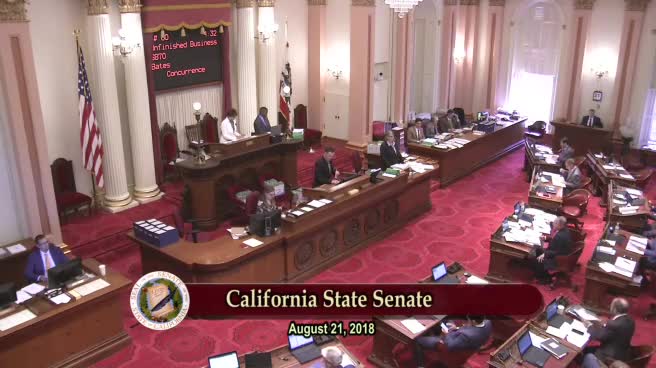
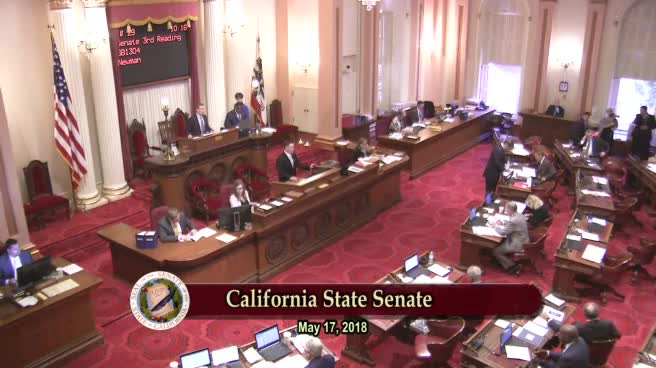
Bill Author
Bill Co-Author(s):