SCR 107: Developmental services: housing.
- Session Year: 2017-2018
- House: Senate
- Latest Version Date: 2018-08-15
This measure would declare the intent of the Legislature to further support the housing needs of individuals with developmental disabilities by exploring models that facilitate the private donation of homes in perpetuity and would recognize the work of organizations that have developed a property donation program.
This measure would declare the intent of the Legislature to further support the housing needs of individuals with developmental disabilities by exploring models that facilitate the private donation of homes in perpetuity and would recognize the work of organizations that have developed a property donation program.
This measure would declare the intent of the Legislature to advance the work of the Senate Select Committee on Autism and Related Disorders by supporting the California Legacy Homes demonstration project leading to successful statewide implementation further support the housing needs of individuals with developmental disabilities by exploring models that facilitate the private donation of homes in perpetuity and would recognize the work of other agencies organizations that have developed a property donation program.
This measure would declare the intent of the Legislature to advance the work of the Senate Select Committee on Autism and Related Disorders by supporting the California Legacy Homes demonstration project leading to successful statewide implementation and would recognize the work of other agencies that have developed a property donation program.
WHEREAS, Parents of children with developmental disabilities face difficult choices when it comes to ensuring housing for their children after they are gone. The housing issue affects aging parents with a child that lives at home, younger parents who want to ensure secure living environments now, and other family members who need or want to ensure the living environment for their family member; and
WHEREAS, The California Legacy Homes program is a program that allows a family to donate a home, condo, or other such dwelling to an experienced nonprofit housing organization whose mission is to serve people with developmental disabilities. The nonprofit housing organization owns and manages the property and guarantees that the person with the disability may live in the home as long as he or she is able. Upon, the persons death, the home is then available for others with developmental disabilities; and
WHEREAS, The California Legacy Homes program counsels individuals and families about future living arrangements, facilitates the donation of homes, forecasts needed maintenance and repairs over a 30-year period, ensures that funds are available for these purposes, establishes contingency plans, works with regional centers, families, and service providers to ensure a healthy and safe living environment, and keeps donated homes accessible and affordable for the long term; and
WHEREAS, Many families are searching for a way to plan for the future of a child with developmental disabilities, which can be costly to the state and to families; and
WHEREAS, The California Legacy Homes program is a way to leave a legacy for the benefit of a loved one and then for others with developmental disabilities well into the future; and
WHEREAS, The California Legacy Homes program is an option for families in areas that do not have such a program that can eventually be replicated by other organizations; and
WHEREAS, The purpose of the demonstration project is to create a mechanism for parents and family members to donate a home, ensuring not only that their family member would have a place to live for the rest of their lives, but to ensure others with developmental disabilities would have access to safe, decent housing. It is a mechanism to acquire and manage a permanent stock of safe, decent, affordable housing that is cost effective for the state; and
WHEREAS, The California Legacy Homes program supports the philosophy of separation of housing and services through community-based housing in small-scale, scattered sites; and
WHEREAS, The important components of the program include outreach to families, regional centers, attorneys, the State Council on Developmental Disabilities, and other community members, development of organizational capacity and structure, development of counseling and educational materials for relevant programs and issues, including the federal Supplemental Security Income (SSI) program, Medi-Cal, and tax issues and benefits, a property cost component through a 30-year preservation plan evaluation, evaluation of issues related to accountability and oversight, and the development of materials and documents; and
WHEREAS, The flexibility of allowing a family to donate a family home with specific uses gives parents the confidence that their children will have a place to live after they are gone and peace of mind knowing that a dedicated housing organization will ensure the maintenance of the property while the partnership with the regional center will ensure appropriate services; and
WHEREAS, The California Legacy Home program is one way to address the housing crisis for Californians with a developmental disability. Another option that could meet the familys goals of securing housing for the individual is leaving the home in a special needs trust. A key component of person-centered planning is individual choice, and individuals with developmental disabilities should be able to choose alternative living options if such options improve the quality of life for the individual; and
WHEREAS, In November 2017, the State Department of Developmental Services reported a total caseload of 327,755 individuals with intellectual or developmental disabilities receiving community-based services coordinated by regional centers. Individuals in this population benefit greatly from increased housing options that are affordable and meet their housing needs; and
WHEREAS, The Lanterman Housing Alliance is a key facilitator of the California Legacy Home program. The shared purpose of the Lanterman Housing Alliance is to network and communicate best practices and strategies to provide housing for people with developmental disabilities. Member organizations vary in size, make-up, and services. Many maintain strong ties to the local regional center in their service area, which empowers the collective mission of the Lanterman Housing Alliance to create affordable housing solutions for the population they serve; and
WHEREAS, The California Legacy Homes program creates a dedicated stock of housing that is cost effective for the state; now, therefore, be it
Resolved by the Senate of the State of California, the Assembly thereof concurring, That the Legislature intends to further support the housing needs of individuals with developmental disabilities by exploring models that facilitate the private donation of homes in perpetuity; and be it further
Resolved, That the Legislature recognizes the work of organizations that have developed a property donation program; and be it further
Resolved, That the Legislature urges regional centers and organizations to bring public awareness to such programs; and be it further
Resolved, That the Secretary of the Senate transmit copies of this resolution to the author for appropriate distribution.
WHEREAS, Parents of children with developmental disabilities face difficult choices when it comes to ensuring housing for their children after they are gone. The housing issue affects aging parents with a child that lives at home, younger parents who want to ensure secure living environments now, and other family members who need or want to ensure the living environment for their family member; and
WHEREAS, The California Legacy Homes program is a program that allows a family to donate a home, condo, or other such dwelling to an experienced nonprofit housing organization whose mission is to serve people with developmental disabilities. The nonprofit housing organization will manage and own the property and guarantee owns and manages the property and guarantees that the person with the disability may live in the home as long as he or she is able. The regional center will ensure provision of services, if appropriate. Upon, the persons death, the home would then be is then available for others with developmental disabilities; and
WHEREAS, The California Legacy Homes program counsels individuals and families about future living arrangements, facilitates the donation of homes, forecasts needed maintenance and repairs over a 30-year period, ensures that funds are available for these purposes, establishes contingency plans, works with regional centers, families, and service providers to ensure a healthy and safe living environment, and keeps donated homes accessible and affordable for the long term; and
WHEREAS, Many families are searching for a way to plan for the future of a child with developmental disabilities, which can be costly to the state and to families; and
WHEREAS, One of the recommendations from the Senate Select Committee on Autism and Related Disorders is to develop programs that would promote the private donation of homes for individuals in perpetuity while allowing for the family member with a disability to live in the house until it is no longer appropriate; andWHEREAS, The California Legacy Homes program is a way to leave a legacy for the benefit of a loved one and then for others with developmental disabilities well into the future; and
WHEREAS, The California Legacy Homes program is an option for families in areas that do not have such a program that can eventually be replicated by other agencies; organizations; and
WHEREAS, To implement the housing recommendation of the Senate Select Committee on Autism and Related Disorders, a demonstration project will be created through North Bay Housing Coalition that will build on the work that has already been created in the development of the California Legacy Homes program; and WHEREAS, The demonstration project will create a model template that can be replicated throughout the state in areas that do not already have such a program; and WHEREAS, The demonstration project has been in the development phase for five years with consultation of tax attorneys, special needs experts, and a wide array of housing experts from across northern California; andWHEREAS, The purpose of the demonstration project is to create a mechanism for parents and family members to donate a home, ensuring not only that their family member would have a place to live for the rest of their lives, but to ensure others with developmental disabilities would have access to safe, decent housing. It is a mechanism to acquire and manage a permanent stock of safe, decent, affordable housing that is cost effective for the state; and
WHEREAS, The demonstration project would work with the Senate Select Committee on Autism and Related Disorders and housing workgroups to create a network of families who are looking to provide their own housing options; and WHEREAS, The demonstration project would identify other property donation programs and link with a network of family members that are in the vicinity; andWHEREAS, The California Legacy Homes program supports the philosophy of separation of housing and services through community-based housing in small-scale, scattered sites; and
WHEREAS, The important components of the program include outreach to families, regional centers, attorneys, the State Council on Developmental Disabilities, and other community members, development of organizational capacity and structure, development of counseling and educational materials for relevant programs and issues, including the federal Supplemental Security Income (SSI) program, Medi-Cal, and tax issues and benefits, a property cost component through a 30-year preservation plan evaluation, evaluation of issues related to accountability and oversight, and the development of materials and documents; and
WHEREAS, The flexibility of allowing a family to donate a family home with specific uses gives parents the confidence that their children will have a place to live after they are gone and peace of mind knowing that a dedicated housing organization will ensure the maintenance of the property while the partnership with the regional center will ensure appropriate services; and
WHEREAS, The California Legacy Home program is an important one way to address the housing crisis for Californians with a developmental disability, and is one of several solutions. disability. Another option that could meet the familys goals of securing housing for the individual is leaving the home in a special needs trust. A key component of person-centered planning is individual choice, and individuals with developmental disabilities should be able to choose alternative living options if such options improve the quality of life for the individual; and
WHEREAS, In November 2017, the State Department of Developmental Services reported a total caseload of 327,755 individuals with intellectual or developmental disabilities receiving community-based services coordinated by regional centers. Individuals in this population benefit greatly from the California Legacy Home program and an expansion of the program would provide more housing options for those in need; increased housing options that are affordable and meet their housing needs; and
WHEREAS, The Lanterman Housing Alliance is a key facilitator of the California Legacy Home program. The shared purpose of the Lanterman Housing Alliance is to network and communicate best practices and strategies to provide housing for people with developmental disabilities. Member organizations vary in size, make-up, and services. Many maintain strong ties to the local regional center in their service area, which empowers the collective mission of the Lanterman Housing Alliance to create affordable housing solutions for the population they serve; and
WHEREAS, The California Legacy Homes program creates a dedicated stock of housing that is cost effective for the state; now, therefore, be it
Resolved by the Senate of the State of California, the Assembly thereof concurring, That the Legislature intends to advance the work of the Senate Select Committee on Autism and Related Disorders by supporting the California Legacy Homes demonstration project leading to successful statewide implementation; further support the housing needs of individuals with developmental disabilities by exploring models that facilitate the private donation of homes in perpetuity; and be it further
Resolved, That the Legislature recognizes the work of other agencies organizations that have developed a property donation program; and be it further
Resolved, That the Legislature urges regional centers and other agencies organizations to bring public awareness to such programs; and be it further
Resolved, That the Secretary of the Senate transmit copies of this resolution to the author for appropriate distribution.
WHEREAS, Parents of children with developmental disabilities face difficult choices when it comes to ensuring housing for their children after they are gone. The housing issue affects aging parents with a child that lives at home, younger parents who want to ensure secure living environments now, and other family members who need or want to ensure the living environment for their family member; and
WHEREAS, The California Legacy Homes program is a program that allows a family to donate a home, condo, or other such dwelling to an experienced nonprofit housing organization whose mission is to serve people with developmental disabilities. The nonprofit housing organization will manage and own the property and guarantee that the person with the disability may live in the home as long as he or she is able. The regional center will ensure provision of services, if appropriate. Upon, the persons death, the home would then be available for others with developmental disabilities; and
WHEREAS, The California Legacy Homes program counsels individuals and families about future living arrangements, facilitates the donation of homes, forecasts needed maintenance and repairs over a 30-year period, ensures that funds are available for these purposes, establishes contingency plans, works with regional centers, families, and service providers to ensure a healthy and safe living environment, and keeps donated homes accessible and affordable for the long term; and
WHEREAS, Many families are searching for a way to plan for the future of a child with developmental disabilities, which can be costly to the state and to families; and
WHEREAS, One of the recommendations from the Senate Select Committee on Autism and Related Disorders is to develop programs that would promote the private donation of homes for individuals in perpetuity while allowing for the family member with a disability to live in the house until it is no longer appropriate; and
WHEREAS, The California Legacy Homes program is a way to leave a legacy for the benefit of a loved one and then for others with developmental disabilities well into the future; and
WHEREAS, The California Legacy Homes program is an option for families in areas that do not have such a program that can eventually be replicated by other agencies; and
WHEREAS, To implement the housing recommendation of the Senate Select Committee on Autism and Related Disorders, a demonstration project will be created through North Bay Housing Coalition that will build on the work that has already been created in the development of the California Legacy Homes program; and
WHEREAS, The demonstration project will create a model template that can be replicated throughout the state in areas that do not already have such a program; and
WHEREAS, The demonstration project has been in the development phase for five years with consultation of tax attorneys, special needs experts, and a wide array of housing experts from across northern California; and
WHEREAS, The purpose of the demonstration project is to create a mechanism for parents and family members to donate a home, ensuring not only that their family member would have a place to live for the rest of their lives, but to ensure others with developmental disabilities would have access to safe, decent housing. It is a mechanism to acquire and manage a permanent stock of safe, decent, affordable housing that is cost effective for the state; and
WHEREAS, The demonstration project would work with the Senate Select Committee on Autism and Related Disorders and housing workgroups to create a network of families who are looking to provide their own housing options; and
WHEREAS, The demonstration project would identify other property donation programs and link with a network of family members that are in the vicinity; and
WHEREAS, The California Legacy Homes program supports the philosophy of separation of housing and services through community-based housing in small-scale, scattered sites; and
WHEREAS, The important components of the program include outreach to families, regional centers, attorneys, the State Council on Developmental Disabilities, and other community members, development of organizational capacity and structure, development of counseling and educational materials for relevant programs and issues, including the federal Supplemental Security Income (SSI) program, Medi-Cal, and tax issues and benefits, a property cost component through a 30-year preservation plan evaluation, evaluation of issues related to accountability and oversight, and the development of materials and documents; and
WHEREAS, The flexibility of allowing a family to donate a family home with specific uses gives parents the confidence that their children will have a place to live after they are gone and peace of mind knowing that a dedicated housing organization will ensure the maintenance of the property while the partnership with the regional center will ensure appropriate services; and
WHEREAS, The California Legacy Home program is an important way to address the housing crisis for Californians with a developmental disability, and is one of several solutions. Another option that could meet the familys goals of securing housing for the individual is leaving the home in a special needs trust. A key component of person-centered planning is individual choice, and individuals with developmental disabilities should be able to choose alternative living options if such options improve the quality of life for the individual; and
WHEREAS, In November 2017, the State Department of Developmental Services reported a total caseload of 327,755 individuals with intellectual or developmental disabilities receiving community-based services coordinated by regional centers. Individuals in this population benefit greatly from the California Legacy Home program and an expansion of the program would provide more housing options for those in need; and
WHEREAS, The Lanterman Housing Alliance is a key facilitator of the California Legacy Home program. The shared purpose of the Lanterman Housing Alliance is to network and communicate best practices and strategies to provide housing for people with developmental disabilities. Member organizations vary in size, make-up, and services. Many maintain strong ties to the local regional center in their service area, which empowers the collective mission of the Lanterman Housing Alliance to create affordable housing solutions for the population they serve; and
WHEREAS, The California Legacy Homes program creates a dedicated stock of housing that is cost effective for the state; now, therefore, be it
Resolved by the Senate of the State of California, the Assembly thereof concurring, That the Legislature intends to advance the work of the Senate Select Committee on Autism and Related Disorders by supporting the California Legacy Homes demonstration project leading to successful statewide implementation; and be it further
Resolved, That the Legislature recognizes the work of other agencies that have developed a property donation program; and be it further
Resolved, That the Legislature urges regional centers and other agencies to bring public awareness to such programs; and be it further
Resolved, That the Secretary of the Senate transmit copies of this resolution to the author for appropriate distribution.
|
Date
|
Status
|
|---|---|
| Aug 15, 2018 | Chaptered by Secretary of State. Res. Chapter 132, Statutes of 2018. |
| Aug 15, 2018 | Enrolled and filed with the Secretary of State at 2 p.m. |
| Aug 9, 2018 | Assembly amendments concurred in. (Ayes 36. Noes 0.) Ordered to engrossing and enrolling. |
| Jul 3, 2018 | In Senate. Concurrence in Assembly amendments pending. |
| Jul 2, 2018 | Coauthors revised. |
| Jun 14, 2018 | Read second time and amended. Ordered to second reading. |
| Jun 13, 2018 | From committee: Be adopted as amended. (Ayes 7. Noes 0.) (June 12). |
| Apr 19, 2018 | Referred to Com. on HUM. S. |
| Apr 12, 2018 | In Assembly. Held at Desk. |
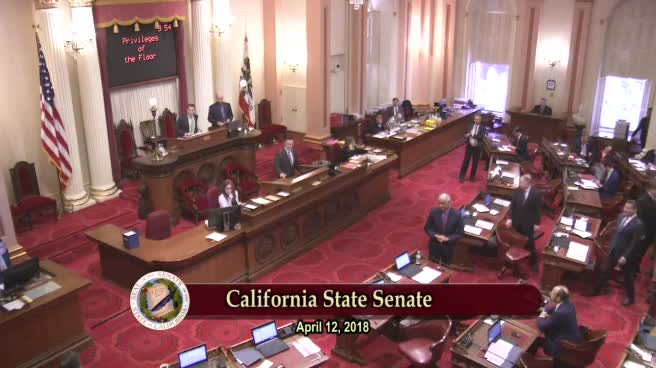
| Apr 12, 2018 | Read. Adopted. (Ayes 36. Noes 0.) Ordered to the Assembly. |
| Mar 8, 2018 | From committee: Ordered to third reading. |
| Feb 26, 2018 | Introduced. Referred to Com. on RLS. |
|
Date
|
Description
|
Location
|
Votes
|
|
|---|---|---|---|---|
| Aug 9, 2018 | Unfinished Business SCR107 Beall et al. Concurrence | Senate Floor |
Passed |
|
| Jun 12, 2018 | Be adopted as amended. | Assembly Standing Committee on Human Services |
Passed |
|
| Apr 12, 2018 | Senate 3rd Reading SCR107 Beall | Senate Floor |
Passed |
This list shows positions taken on this bill by organizations on the date displayed, which is linked to the original source.
Positions by individuals are not included.
|
Organization
|
Position
|
Date
|
|---|---|---|
| Lanterman Housing Alliance | ** Support | Jul 3, 2018 |
| Lanterman Housing Alliance | * Support | Jun 12, 2018 |
Office of Senate Floor Analyses (916) 651-1520 Fax: (916) 327-4478 | SCR 107 |
UNFINISHED BUSINESS
Bill No: SCR 107
Amended: 6/14/18
SENATE FLOOR: 37-0, 4/12/18
AYES: Allen, Anderson, Atkins, Bates, Beall, Berryhill, Bradford, Cannella, Dodd, Gaines, Galgiani, Glazer, Hernandez, Hertzberg, Hill, Hueso, Jackson, Lara, Leyva, McGuire, Mitchell, Monning, Moorlach, Morrell, Newman, Nguyen, Nielsen, Pan, Portantino, Roth, Skinner, Stern, Stone, Vidak, Wieckowski, Wiener, Wilk
NO VOTE RECORDED: De León, Fuller
ASSEMBLY FLOOR: Read and adopted, 7/2/18
SUBJECT: Developmental services: housing
SOURCE: Lanterman Housing Alliance
DIGEST:
This resolution declares Legislative intent to support the housing needs of individuals with developmental disabilities by exploring models that facilitate the private donation of homes in perpetuity.
Assembly Amendments
recognize that the Legacy Homes Program is one of several models worthy of exploration that hold the potential to provide for the housing needs of individuals with developmental disabilities; make various technical changes; and add co-authors.
ANALYSIS: This resolution makes the following legislative findings:
- Parents of children with developmental disabilities face difficult choices related to ensuring housing for their children after they are gone and many families are searching for a way to plan for the future of a child with developmental disabilities;
- The California Legacy Homes (CLH) program is a program that allows a family to donate a home, condo, or other dwelling to an experienced nonprofit housing organization whose mission is to serve people with developmental disabilities;
- The CLH program supports the philosophy of separation of housing and services through community-based housing in small-scale, scattered sites;
- The important components of the program include outreach to families, regional centers, attorneys, the State Council on Developmental Disabilities, and other community members, development of organizational capacity and structure, development of counseling and educational materials for relevant programs and issues;
- The Lanterman Housing Alliance is a key facilitator of the CLH Program and the shared purpose of the Lanterman Housing Alliance is to network and communicate best practices and strategies to provide housing for people with developmental disabilities; and
- The CLH Program creates a dedicated stock of housing that is cost effective for the state.
This resolution:
- Intends to further support the housing needs of individuals with developmental disabilities by exploring models that facilitate the private donation of homes in perpetuity;
- Recognizes the work of organizations that have developed a property donation program; and
- Urges regional centers and organizations to bring public awareness to such programs.
Comments
According to the author:
Affordable housing is critical for individuals with developmental disabilities and limited incomes. Many adults live in family homes for as long as possible, and then (upon death or disability of a surviving parent) are forced to move, often to family members not fully prepared for this new responsibility. This move interferes with established relationships, community integration, access to supports and other valued outcomes.
Non-profit housing coalitions and Regional Center partners throughout California have collaborated on various projects including the California Legacy Homes (CLH) program. CLH provides a vital option for interested families by encouraging the gifting of real property to non-profit housing coalitions – all within the framework of maximum choice, independence, and meeting the needs and aspirations of the adult with developmental disabilities. The primary goals of CLH are to assist individuals & families to identify their future housing needs and plan for successful transition. Housing workshops and training follow a standard curriculum, modified to address the specific housing markets throughout the state.
The CLH program allows a family to donate a home, condo, or other such dwelling to an experienced nonprofit housing organization whose mission is to serve people with developmental disabilities. The nonprofit housing organization will manage and own the property and guarantee that the person with the disability may live in the home as long as he or she is able. The regional center will ensure provision of services, if appropriate. Upon the person’s death, the home would then be available for others with developmental disabilities.
Important components of the CLH program include outreach to families, regional centers, attorneys, the State Council on Developmental Disabilities, and other community members, development of organizational capacity and structure, development of counseling and educational materials for relevant programs and issues, including the federal Supplemental Security Income program, Medi-Cal, and tax issues and benefits, a property cost component through a 30-year preservation plan evaluation, evaluation of issues related to accountability and oversight, and the development of materials and documents.
The CLH program is an important way to address the housing crisis for Californians with a developmental disability, and is one of several solutions. Other options that could meet the family’s goals of securing housing for the individual is leaving the home in a special needs trust. A key component of person-centered planning is individual choice, and individuals with developmental disabilities should be able to choose alternative living options if such options improve the quality of life for the individual.
FISCAL EFFECT: Appropriation: No Fiscal Com.: No Local: No
Lanterman Housing Alliance (source)
None received
Prepared by: Jonas Austin / SFA / (916) 651-1520
7/3/18 17:32:09
**** END ****
SENATE THIRD READING
STR Bill Id:SCR 107
Author:(Beall)
As Amended Ver:June 14, 2018
Majority vote
SENATE VOTE: 37-0
Committee | Votes | Ayes | Noes |
Human Services | 7-0 | Rubio, Choi, Arambula, Maienschein, Reyes, Mark Stone, Thurmond |
SUMMARY: Declares Legislative intent to support the housing needs of individuals with developmental disabilities by exploring models that facilitate the private donation of homes in perpetuity.
Specifically, this resolution:
- Makes a number of findings and declarations related to the housing needs of individuals with developmental disabilities, including the following:
- Parents of children with developmental disabilities face difficult choices related to ensuring housing for their children after they are gone and many families are searching for a way to plan for the future of a child with developmental disabilities;
- The California Legacy Homes (CLH) program is a program that allows a family to donate a home, condo, or other dwelling to an experienced nonprofit housing organization whose mission is to serve people with developmental disabilities;
- The CLH program supports the philosophy of separation of housing and services through community-based housing in small-scale, scattered sites;
- The important components of the program include outreach to families, regional centers, attorneys, the State Council on Developmental Disabilities, and other community members, development of organizational capacity and structure, development of counseling and educational materials for relevant programs and issues;
- The Lanterman Housing Alliance is a key facilitator of the CLH Program and the shared purpose of the Lanterman Housing Alliance is to network and communicate best practices and strategies to provide housing for people with developmental disabilities; and
- The CLH Program creates a dedicated stock of housing that is cost effective for the state.
- Resolves by the Senate, and the Assembly thereof concurring, that the Legislature:
- Intends to further support the housing needs of individuals with developmental disabilities by exploring models that facilitate the private donation of homes in perpetuity;
- Recognizes the work of organizations that have developed a property donation program; and
- Urges regional centers and organizations to bring public awareness to such programs.
- Resolves that the Secretary of the Senate transmit copies of the resolution to the author for appropriate distribution.
EXISTING LAW:
- Establishes the Lanterman Developmental Disabilities Services Act, which declares California's responsibility for providing an array of services and supports to meet the needs of each person with developmental disabilities in the least restrictive environment, regardless of age or degree of disability, and to support their integration into the mainstream life of the community. (Welfare and Institutions Code Section (WIC) 4500, et seq.)
- Establishes a system of nonprofit regional centers to provide fixed points of contact in the community for all persons with developmental disabilities and their families, to coordinate services and supports best suited to them throughout their lifetime. (WIC 4620)
FISCAL EFFECT: This resolution is keyed non-fiscal by the Legislative Counsel.
COMMENTS:
Developmental Services: In 1969, The Lanterman Developmental Disabilities Act established that individuals with developmental disabilities and their families have a right to receive the necessary supports and services required to live independently in the community. The Lanterman Act enumerates the rights of individuals with developmental disabilities, as well as the rights of their families, what services and supports are available to these individuals, and how regional centers and service providers work together to provide these supports and services. The term "developmental disability" is defined as a disability that originates before a person reaches 18 years of age, is expected to continue indefinitely, and is a significant disability for those individuals; such disabilities include, among others: epilepsy, autism spectrum disorder, and cerebral palsy. In addition to establishing the rights of individuals, the Lanterman Act also created California's regional center system comprised of 21 regional centers throughout the state, the primary purpose of which is to connect individuals with services in the community. While regional centers do not directly provide services to individuals and their families, they are charged with providing information and coordinating the delivery of services to consumers.
Housing for individuals with developmental disabilities: In California, one-third of renters pay more than 50% of their income toward rent, and California accounts for 22% of the nation's homeless population, according to the California Department of Housing and Community Development (HCD). While the state has made great strides in recent years to facilitate competitive, integrated employment for individuals with developmental disabilities, many of those individuals do not earn a living wage; in California where the cost of living is high, one's inability to afford increasing housing costs poses a threat to safety and well-being. For individuals with developmental disabilities, the need for specialized housing is exacerbated due to the difficulty in securing affordable, independent living options that also provide for a variety of mobility or medical needs. While state agencies, including the Department of Developmental Services (DDS) and HCD, are working to provide affordable housing to individuals with developmental disabilities, so too are private organizations.
Lanterman Housing Alliance: Legacy Homes Program: Founded in October 2014, the Lanterman Housing Alliance is a coalition of nonprofit organizations that seek to provide housing for individuals with developmental disabilities. In 2016, the Alliance received a $30,000 grant from Union Bank to develop a state-wide program that will enable families and others to ensure appropriate housing options for individuals with developmental disabilities. The grant provided the funding for the Alliance's statewide demonstration project, known as the Legacy Homes Program. According to the Alliance's Internet Web site, "The Legacy Homes Program provides a way for families of a person with developmental disability to provide a home for their loved one well into the future. Each particular situation will be unique to the needs of the person and the resources of the family. Typically, a family with an asset, such as a home, is able to partner with a member organization to develop the right ownership and ongoing property management scenario to meet their needs. The result is a well-planned scenario that provides for the housing needs of the person with a developmental disability."
Need for this resolution: According to the author, "Affordable housing is critical for individuals with developmental disabilities and limited incomes. Many adults live in family homes for as long as possible, and then (upon death or disability of a surviving parent) are forced to move, often to family members not fully prepared for this new responsibility. This move interferes with established relationships, community integration, access to supports and services, and other valued outcomes. The California Legacy Homes Program provides a vital option for interested families by encouraging the gifting of real property to non-profit housing coalitions – all within the framework of maximum choice, independence, and meeting the needs and aspirations of the adult with developmental disabilities. The CLH program is an important way to address the housing crisis for Californians with a developmental disability, and is one of several solutions."
Analysis Prepared by: Kelsy Castillo / HUM. S. / (916) 319-2089 FN: 0003529
Date of Hearing: June 12, 2018
ASSEMBLY COMMITTEE ON HUMAN SERVICES
Blanca Rubio, Chair
SBPCA Bill Id:SCR 107
Author:(Beall) – As Introduced Ver:February 26, 2018
SENATE VOTE: 37-0
SUBJECT: Developmental services: housing
SUMMARY: Declares Legislative intent to support the California Legacy Homes demonstration project in order to further the work of the Senate Select Committee on Autism and Related Disorders.
Specifically, this resolution:
- Makes a number of findings and declarations related to the housing needs of individuals with developmental disabilities, including the following:
- Parents of children with developmental disabilities face difficult choices related to ensuring housing for their children after they are gone and many families are searching for a way to plan for the future of a child with developmental disabilities;
- The California Legacy Homes (CLH) program is a program that allows a family to donate a home, condo, or other dwelling to an experienced nonprofit housing organization whose mission is to serve people with developmental disabilities;
- One of the recommendations from the Senate Select Committee on Autism and Related Disorders is to develop programs that would promote the private donation of homes for individuals in perpetuity while allowing for the family member with a disability to live in the house until it is no longer appropriate;
- In order to implement the recommendation of the Senate Select Committee on Autism and Related Disorders, a demonstration project will be created through North Bay Housing Coalition that will build upon existing work of the CLH program, and create a model template that can be replicated throughout the state, in order to create a mechanism for parents and family members to donate a home in order to ensure that their family members have a place to live for the rest of his or her life;
- The CLH program supports the philosophy of separation of housing and services through community-based housing in small-scale, scattered sites;
- The important components of the program include outreach to families, regional centers, attorneys, the State Council on Developmental Disabilities, and other community members, development of organizational capacity and structure, development of counseling and educational materials for relevant programs and issues;
- The Lanterman Housing Alliance is a key facilitator of the CLH Program and the shared purpose of the Lanterman Housing Alliance is to network and communicate best practices and strategies to provide housing for people with developmental disabilities; and
- The CLH Program creates a dedicated stock of housing that is cost effective for the state.
- Resolves by the Senate, and the Assembly thereof concurring, that the Legislature:
- intends to further the work of the Senate Select Committee on Autism and Related Disorders by supporting the California Legacy Homes demonstration project leading to successful statewide implementation;
- recognizes the work of other agencies that have developed a property donation program; and
- urges regional centers and other agencies to bring public awareness to such programs.
- Resolves that the Secretary of the Senate transmit copies of the resolution to the author for appropriate distribution.
EXISTING LAW:
- Establishes the Lanterman Developmental Disabilities Services Act, which declares California’s responsibility for providing an array of services and supports to meet the needs of each person with developmental disabilities in the least restrictive environment, regardless of age or degree of disability, and to support their integration into the mainstream life of the community. (WIC 4500, et seq.)
- Establishes a system of nonprofit regional centers to provide fixed points of contact in the community for all persons with developmental disabilities and their families, to coordinate services and supports best suited to them throughout their lifetime. (WIC 4620)
FISCAL EFFECT: This resolution is keyed non-fiscal by Legislative Counsel.
COMMENTS:
Developmental Services: In 1969, The Lanterman Developmental Disabilities Act established that individuals with developmental disabilities and their families have a right to receive the necessary supports and services required to live independently in the community. The Lanterman Act enumerates the rights of individuals with developmental disabilities, as well as the rights of their families, what services and supports are available to these individuals, and how regional centers and service providers work together to provide these supports and services. The term “developmental disability” is defined as a disability that originates before a person reaches 18 years of age, is expected to continue indefinitely, and is a significant disability for those individuals; such disabilities include, among others: epilepsy, autism spectrum disorder, and cerebral palsy. In addition to establishing the rights of individuals, the Lanterman Act also created California’s regional center system comprised of 21 regional centers throughout the state, the primary purpose of which is to connect individuals with services in the community. While regional centers do not directly provide services to individuals and their families, they are charged with providing information and coordinating the delivery of services to consumers.
Housing for individuals with developmental disabilities: In California, one-third of renters pay more than 50% of their income toward rent, and California accounts for 22% of the nation’s homeless population, according to the California Department of Housing and Community Development (HCD). While the state has made great strides in recent years to facilitate competitive, integrated employment for individuals with developmental disabilities, many of those individuals do not earn a living wage; in California where the cost of living is high, one’s inability to afford increasing housing costs poses a threat to safety and well-being. For individuals with developmental disabilities, the need for specialized housing is exacerbated due to the difficulty in securing affordable, independent living options that also provide for a variety of mobility or medical needs. While state agencies, including the Department of Developmental Services (DDS) and HCD, are working to provide affordable housing to individuals with developmental disabilities, so too are private organizations.
Lanterman Housing Alliance: Legacy Homes Program: Founded in October 2014, the Lanterman Housing Alliance is a coalition of nonprofit organizations that seek to provide housing for individuals with developmental disabilities. In 2016, the Alliance received a $30,000 grant from Union Bank to develop a state-wide program that will enable families and others to ensure appropriate housing options for individuals with developmental disabilities. The grant provided the funding for the Alliance’s statewide demonstration project, known as the Legacy Homes Program. According to the Alliance’s Internet Web site, “The Legacy Homes Program provides a way for families of a person with developmental disability to provide a home for their loved one well into the future. Each particular situation will be unique to the needs of the person and the resources of the family. Typically, a family with an asset, such as a home, is able to partner with a member organization to develop the right ownership and ongoing property management scenario to meet their needs. The result is a well-planned scenario that provides for the housing needs of the person with a developmental disability.”
Senate Select Committee on Autism and Related Disorders: In April 2009, then-Senate President pro Tempore Darrell Steinberg announced the creation of the Senate Select Committee on Autism and Related Disorders in order to build upon the California Legislative Blue Ribbon Commission on Autism, which ended in November 2008. The goal of the select committee was to focus on issues related to establishing appropriate health insurance coverage, early identification and treatment, and promoting appropriate employment and housing for individuals with autism spectrum disorders. Between 2009 and 2014, the select committee convened 12 Autism Regional Taskforces and an Autism Statewide Coordinating Council in order to facilitate conversations between grass roots organizations and the select committee. The select committee spearheaded 51 pieces of legislation, of which 21 were signed into law; most notably, SB 946 (Steinberg), Chapter 650, Statutes of 2011, required health plans and health insurance policies to provide coverage for behavioral health therapy for autism and established an Autism Advisory Task Force in the Department of Managed Health Care.
Need for this resolution: According to the author, “Affordable housing is critical for individuals with developmental disabilities and limited incomes. Many adults live in family homes for as long as possible, and then (upon death or disability of a surviving parent) are forced to move, often to family members not fully prepared for this new responsibility. This move interferes with established relationships, community integration, access to supports and services, and other valued outcomes. The California Legacy Homes Program provides a vital option for interested families by encouraging the gifting of real property to non-profit housing coalitions – all within the framework of maximum choice, independence, and meeting the needs and aspirations of the adult with developmental disabilities. The CLH program is an important way to address the housing crisis for Californians with a developmental disability, and is one of several solutions.”
Suggested committee amendments: In order to recognize that the Legacy Homes Program is one of several models worthy of exploration that hold the potential to provide for the housing needs of individuals with developmental disabilities, and to make technical changes, committee staff recommends the following amendments:
- Beginning on line 7, on page 1 of the bill, make the following amendments:
P1 1
WHEREAS, Parents of children with developmental disabilities
2
face difficult choices when it comes to ensuring housing for their
3
children after they are gone. The housing issue affects aging parents
4
with a child that lives at home, younger parents who want to ensure
5
secure living environments now, and other family members who
6
need or want to ensure the living environment for their family
7
member; and
8
WHEREAS, The California Legacy Homes program is a
9
program that allows a family to donate a home, condo, or other
10
such dwelling to an experienced nonprofit housing organization
11
whose mission is to serve people with developmental disabilities.
12
The nonprofit housing organization will manage and own the
13
property and guarantee owns and manages the property and guarantees that the person with the disability may live
14
in the home as long as he or she is able. The regional center will
P2 1
ensure provision of services, if appropriate. Upon, the person’s
2
death, the home would is then be available for others with
3
developmental disabilities; and
4
WHEREAS, The California Legacy Homes program counsels
5
individuals and families about future living arrangements,
6
facilitates the donation of homes, forecasts needed maintenance
7
and repairs over a 30-year period, ensures that funds are available
8
for these purposes, establishes contingency plans, works with
9
regional centers, families, and service providers to ensure a healthy
10
and safe living environment, and keeps donated homes accessible
11
and affordable for the long term; and
12
WHEREAS, Many families are searching for a way to plan for
13
the future of a child with developmental disabilities, which can be
14
costly to the state and to families; and
15
WHEREAS, One of the recommendations from the Senate Select
16
Committee on Autism and Related Disorders is to develop
17
programs that would promote the private donation of homes for
18
individuals in perpetuity while allowing for the family member
19
with a disability to live in the house until it is no longer appropriate;
20
and
21
WHEREAS, The California Legacy Homes program is a way
22
to leave a legacy for the benefit of a loved one and then for others
23
with developmental disabilities well into the future; and
24
WHEREAS, The California Legacy Homes program is an option
25
for families in areas that do not have such a program that can
26
eventually be replicated by other agencies organizations; and
27
WHEREAS, To implement the housing recommendation of the
28
Senate Select Committee on Autism and Related Disorders, a
29
demonstration project will be created through North Bay Housing
30
Coalition that will build on the work that has already been created
31
in the development of the California Legacy Homes program; and
32
WHEREAS, The demonstration project will create a model
33
template that can be replicated throughout the state in areas that
34
do not already have such a program; and
35
WHEREAS, The demonstration project has been in the
36
development phase for five years with consultation of tax attorneys,
37
special needs experts, and a wide array of housing experts from
38
across northern California; and
39
WHEREAS, The purpose of the demonstration project is to
40
create a mechanism for parents and family members to donate a
P3 1
home, ensuring not only that their family member would have a
2
place to live for the rest of their lives, but to ensure others with
3
developmental disabilities would have access to safe, decent
4
housing. It is a mechanism to acquire and manage a permanent
5
stock of safe, decent, affordable housing that is cost effective for
6
the state; and
7
WHEREAS, The demonstration project would work with the
8
Senate Select Committee on Autism and Related Disorders and
9
housing workgroups to create a network of families who are
10
looking to provide their own housing options; and
11
WHEREAS, The demonstration project would identify other
12
property donation programs and link with a network of family
13
members that are in the vicinity; and
14
WHEREAS, The California Legacy Homes program supports
15
the philosophy of separation of housing and services through
16
community-based housing in small-scale, scattered sites; and
17
WHEREAS, The important components of the program include
18
outreach to families, regional centers, attorneys, the State Council
19
on Developmental Disabilities, and other community members,
20
development of organizational capacity and structure, development
21
of counseling and educational materials for relevant programs and
22
issues, including the federal Supplemental Security Income (SSI)
23
program, Medi-Cal, and tax issues and benefits, a property cost
24
component through a 30-year preservation plan evaluation,
25
evaluation of issues related to accountability and oversight, and
26
the development of materials and documents; and
27
WHEREAS, The flexibility of allowing a family to donate a
28
family home with specific uses gives parents the confidence that
29
their children will have a place to live after they are gone and peace
30
of mind knowing that a dedicated housing organization will ensure
31
the maintenance of the property while the partnership with the
32
regional center will ensure appropriate services; and
33
WHEREAS, The California Legacy Home program is an
34
important one way to address the housing crisis for Californians with
35
a developmental disability, and is one of several solutions. Another
36
option that could meet the family’s goals of securing housing for
37
the individual is leaving the home in a special needs trust. A key
38
component of person-centered planning is individual choice, and
39
individuals with developmental disabilities should be able to choose
P4 1
alternative living options if such options improve the quality of
2
life for the individual; and
3
WHEREAS, In November 2017, the State Department of
4
Developmental Services reported a total caseload of 327,755
5
individuals with intellectual or developmental disabilities receiving
6
community-based services coordinated by regional centers.
7
Individuals in this population benefit greatly from the California
8
Legacy Home program and an expansion of the program would
9
provide more housing options for those in need increased housing options that are affordable and meet their housing needs; and
10
WHEREAS, The Lanterman Housing Alliance is a key facilitator
11
of the California Legacy Home program. The shared purpose of
12
the Lanterman Housing Alliance is to network and communicate
13
best practices and strategies to provide housing for people with
14
developmental disabilities. Member organizations vary in size,
15
make-up, and services. Many maintain strong ties to the local
16
regional center in their service area, which empowers the collective
17
mission of the Lanterman Housing Alliance to create affordable
18
housing solutions for the population they serve; and
19
WHEREAS, The California Legacy Homes program creates a
20
dedicated stock of housing that is cost effective for the state; now,
21
therefore, be it
22
Resolved by the Senate of the State of California, the Assembly
23
thereof concurring, That the Legislature intends to advance the
24
work of the Senate Select Committee on Autism and Related
25
Disorders by supporting the California Legacy Homes
26
demonstration project leading to successful statewide
27
Implementation further support the housing needs of individuals with developmental disabilities by exploring models that facilitate the private donation of homes in perpetuity; and be it further
28
Resolved, That the Legislature recognizes the work of other
29
agencies organizations that have developed a property donation program; and
30
be it further
31
Resolved, That the Legislature urges regional centers and other
32
agencies organizations to bring public awareness to such programs; and be it
33
further
34
Resolved, That the Secretary of the Senate transmit copies of
35
this resolution to the author for appropriate distribution.
REGISTERED SUPPORT / OPPOSITION:
Support
Lanterman Housing Alliance
Opposition
None on file.
Analysis Prepared by: Kelsy Castillo / HUM. S. / (916) 319-2089
Office of Senate Floor Analyses (916) 651-1520 Fax: (916) 327-4478 | SCR 107 |
THIRD READING
Bill No: SCR 107
Introduced: 2/26/18
SUBJECT: Developmental services: housing
SOURCE: Lanterman Housing Alliance
DIGEST:
This resolution declares the intent of the Legislature to advance the work of the Senate Select Committee on Autism and Related Disorders by supporting the California Legacy Homes demonstration project leading to successful statewide implementation and recognizes the work of other agencies that have developed a property donation program.
ANALYSIS: This resolution makes the following legislative findings:
- Parents of children with developmental disabilities face difficult choices when it comes to ensuring housing for their children after they are gone. The housing issue affects aging parents with a child that lives at home, younger parents who want to ensure secure living environments now, and other family members who need or want to ensure the living environment for their family member.
- The California Legacy Homes program is a program that allows a family to donate a home, condo, or other such dwelling to an experienced nonprofit housing organization whose mission is to serve people with developmental disabilities. The nonprofit housing organization will manage and own the property and guarantee that the person with the disability may live in the home as long as he or she is able. The regional center will ensure provision of services, if appropriate. Upon, the person’s death, the home would then be available for others with developmental disabilities.
- The California Legacy Homes program counsels individuals and families about future living arrangements, facilitates the donation of homes, forecasts needed maintenance and repairs over a 30-year period, ensures that funds are available for these purposes, establishes contingency plans, works with regional centers, families, and service providers to ensure a healthy and safe living environment, and keeps donated homes accessible and affordable for the long term.
- One of the recommendations from the Senate Select Committee on Autism and Related Disorders is to develop programs that would promote the private donation of homes for individuals in perpetuity while allowing for the family member with a disability to live in the house until it is no longer appropriate.
- To implement the housing recommendation of the Senate Select Committee on Autism and Related Disorders, a demonstration project will be created through North Bay Housing Coalition that will build on the work that has already been created in the development of the California Legacy Homes program.
- The demonstration project has been in the development phase for five years with consultation of tax attorneys, special needs experts, and a wide array of housing experts from across northern California.
- The purpose of the demonstration project is to create a mechanism for parents and family members to donate a home, ensuring not only that their family member would have a place to live for the rest of their lives, but to ensure others with developmental disabilities would have access to safe, decent housing. It is a mechanism to acquire and manage a permanent stock of safe, decent, affordable housing that is cost effective for the state.
This resolution:
- Declares the intent of the Legislature to advance the work of the Senate Select Committee on Autism and Related Disorders by supporting the California Legacy Homes demonstration project leading to successful statewide implementation and recognizes the work of other agencies that have developed a property donation program.
- Recognizes the work of other agencies that have developed a property donation program.
- Urges regional centers and other agencies to bring public awareness to such programs.
Comments
According to the author:
Affordable housing is critical for individuals with developmental disabilities and limited incomes. Many adults live in family homes for as long as possible, and then (upon death or disability of a surviving parent) are forced to move, often to family members not fully prepared for this new responsibility. This move interferes with established relationships, community integration, access to supports and other valued outcomes.
Non-profit housing coalitions and Regional Center partners throughout California have collaborated on various projects including the California Legacy Homes (CLH) program. CLH provides a vital option for interested families by encouraging the gifting of real property to non-profit housing coalitions – all within the framework of maximum choice, independence, and meeting the needs and aspirations of the adult with developmental disabilities. The primary goals of CLH are to assist individuals & families to identify their future housing needs and plan for successful transition. Housing workshops and training follow a standard curriculum, modified to address the specific housing markets throughout the state.
The CLH program allows a family to donate a home, condo, or other such dwelling to an experienced nonprofit housing organization whose mission is to serve people with developmental disabilities. The nonprofit housing organization will manage and own the property and guarantee that the person with the disability may live in the home as long as he or she is able. The regional center will ensure provision of services, if appropriate. Upon the person’s death, the home would then be available for others with developmental disabilities.
Important components of the CLH program include outreach to families, regional centers, attorneys, the State Council on Developmental Disabilities, and other community members, development of organizational capacity and structure, development of counseling and educational materials for relevant programs and issues, including the federal Supplemental Security Income program, Medi-Cal, and tax issues and benefits, a property cost component through a 30-year preservation plan evaluation, evaluation of issues related to accountability and oversight, and the development of materials and documents.
The CLH program is an important way to address the housing crisis for Californians with a developmental disability, and is one of several solutions. Other options that could meet the family’s goals of securing housing for the individual is leaving the home in a special needs trust. A key component of person-centered planning is individual choice, and individuals with developmental disabilities should be able to choose alternative living options if such options improve the quality of life for the individual.
FISCAL EFFECT: Appropriation: No Fiscal Com.: No Local: No
Lanterman Housing Alliance (source)
None received
Prepared by: Jonas Austin / SFA / (916) 651-1520
3/9/18 10:28:13
**** END ****
Discussed in Hearing
View Older Hearings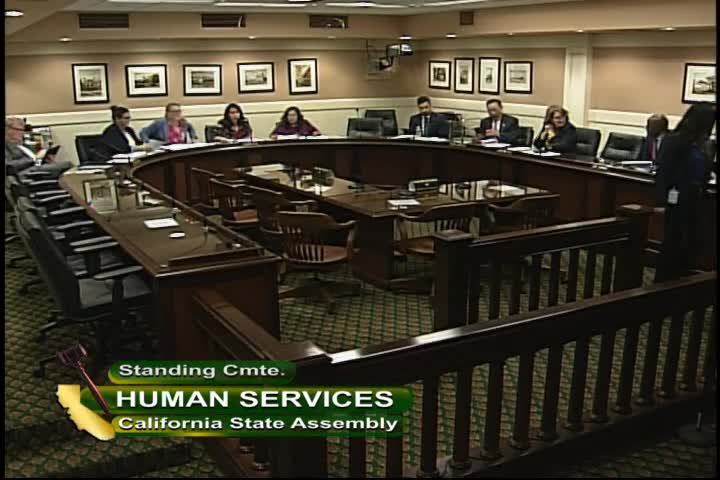
Bill Author

Bill Co-Author(s):