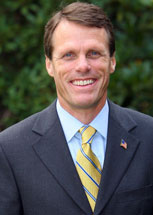
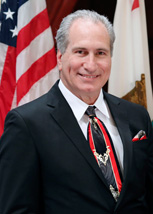
SCR 115: Opioid crisis.
- Session Year: 2017-2018
- House: Senate
- Latest Version Date: 2018-09-12
This measure would recognize the impact opioid-related deaths have had on California communities and would support groups and organizations working in California to combat the epidemic.
This measure would recognize the impact opioid-related deaths have had on California communities and would support groups and organizations working in California to combat the epidemic.
This measure would recognize the impact opioid-related deaths have had on California communities, would encourage the state to increase funding for support and other programs in rural areas facing the epidemic, communities and would support groups and organizations working in California to combat the epidemic.
This measure would recognize the impact opioid-related deaths have had on California communities, would encourage the state to increase funding for support and other programs in rural areas facing the epidemic, and would support groups and organizations working in California to combat the epidemic.
This measure would recognize the impact opioid-related deaths have had on California communities, would encourage the state to increase funding for support and other programs in rural areas facing the epidemic, and would support groups and organizations working in California to combat the epidemic.
WHEREAS, The current opioid epidemic has been declared the worst drug crisis in American history; and
WHEREAS, The opioid crisis has impacted communities big and small across America and right here at home in California, affecting families from all walks of life and backgrounds, as it does not discriminate; and
WHEREAS, California leads the nation in overdoses, as more people die each year from drug overdoses in California than in any other state; and
WHEREAS, Prescription medication misuse, personal use of heroin, and subsequent overdoses are a national epidemic, according to the federal Centers for Disease Control and Prevention; and
WHEREAS, The long-term health consequences of prescription opioid abuse are severe and can lead to daily activity limitations, impaired driving, addiction and other mental health issues, overdose, and death; and
WHEREAS, In 2014, more than 28,000 people died from opioid overdoses, with 14,000 of those deaths involving prescription opioids; and
WHEREAS, In the past, prescription opioids, such as hydrocodone, oxycodone, morphine, and codeine, were prescribed for relieving short-term, acute pain. Today, they are increasingly being used to treat chronic, noncancer pain, such as back pain or osteoarthritis, despite serious risks and a lack of evidence of their long-term effectiveness; and
WHEREAS, Sales of prescription opioids in the United States nearly quadrupled from 1999 to 2014, but there was not an overall change in the amount of pain Americans reported during that same period; and
WHEREAS, Additionally, opioid-related poisoning and overdose emergency department admissions have continued to increase steadily in California, with more than 4,100 admissions in 2014. The majority of admissions from 2006 to 2014, inclusive, involved prescription opioids; and
WHEREAS, While there is a crisis in all corners of California, rural counties that have few services have been hit particularly hard; and
WHEREAS, The County of Humboldts prescription rate for opioids is 90 percent higher than the statewide rate; and
WHEREAS, In 2016, the County of Humboldt had a staggering rate of 1,145 opioid prescriptions per 1,000 residents; and
WHEREAS, The County of Humboldt has the second highest per capita rate of opioid overdoses in the state, with the County of Inyo being number one; and
WHEREAS, In 2016, state statistics show 4.6 people per 100,000 residents overdosed on opiates statewide; and
WHEREAS, The County of Humboldts overdose rate is nearly five times higher than the state overdose rate; and
WHEREAS, In 2016, the County of Shasta had nearly 250,000 opioid prescriptions, with a staggering rate of 1,160 opioid prescriptions per 1,000 residents; and
WHEREAS, In 2016, the County of Shasta experienced 16 opioid overdose deaths; and
WHEREAS, In 2015, the County of Shasta experienced at least 64 opioid overdose emergency department visits, excluding heroin-related visits; and
WHEREAS, The opioid drug crisis is also caused by increased heroin use and overdoses of street heroin; and
WHEREAS, Heroin is the one exception to the statewide leveling trend of opioid-related deaths. Heroin deaths have continued to increase steadily by 67 percent since 2006, with a 2014 death rate of 1.4 per 100,000, and account for a growing share of the states total opioid-related deaths; and
WHEREAS, As the most populous state in the country, with 38.8 million residents as of 2015, Californias raw number of individuals affected by improper opioid prescribing and misuse is substantial, with rates varying significantly across, and even within, counties; and
WHEREAS, Californias highest opioid rates per capita are in several northern California rural counties. For example, prescription opioid-related death rates in the Counties of Humboldt, Lake, Lassen, Plumas, and Shasta are two to three times higher than the national average; and
WHEREAS, The Counties of Orange, San Diego, and San Francisco are large, urban counties with higher-than-state-average death rates, accounting for a greater total number of deaths in California. Additionally, the County of Los Angeles held the highest record for deaths related to opioid overdose in California in 2016; now, therefore, be it
Resolved by the Senate of the State of California, the Assembly thereof concurring, That the Legislature recognizes the dramatic impact opioid-related deaths have had on our families, friends, colleagues, and communities, and how these deaths have strained our health care safety nets and emergency departments; and be it further
Resolved, That the Legislature supports groups and organizations working in California to combat this epidemic and to provide resources, help, and support for individuals facing opioid addiction; and be it further
Resolved, That the Secretary of the Senate transmit copies of this resolution to the author for appropriate distribution.
WHEREAS, The current opioid epidemic has been declared the worst drug crisis in American history; and
WHEREAS, The opioid crisis has impacted communities big and small across America and right here at home in California, affecting families from all walks of life and backgrounds, as it does not discriminate; and
WHEREAS, California leads the nation in overdoses, as more people die each year from drug overdoses in California than in any other state; and
WHEREAS, Prescription medication misuse, personal use of heroin, and subsequent overdoses are a national epidemic, according to the federal Centers for Disease Control and Prevention; and
WHEREAS, The long-term health consequences of prescription opioid abuse are severe and can lead to daily activity limitations, impaired driving, addiction and other mental health issues, overdose, and death; and
WHEREAS, In 2014, more than 28,000 people died from opioid overdoses, with 14,000 of those deaths involving prescription opioids; and
WHEREAS, In the past, prescription opioids, such as hydrocodone, oxycodone, morphine, and codeine, were prescribed for relieving short-term, acute pain. Today, they are increasingly being used to treat chronic, noncancer pain, such as back pain or osteoarthritis, despite serious risks and a lack of evidence of their long-term effectiveness; and
WHEREAS, Sales of prescription opioids in the United States nearly quadrupled from 1999 to 2014, but there was not an overall change in the amount of pain Americans reported during that same period; and
WHEREAS, Additionally, opioid-related poisoning and overdose emergency department admissions have continued to increase steadily in California, with more than 4,100 admissions in 2014. The majority of admissions from 2006 to 2014, inclusive, involved prescription opioids; and
WHEREAS, While there is a crisis in all corners of California, rural counties that have few services have been hit particularly hard; and
WHEREAS, The County of Humboldts prescription rate for opioids is 90 percent higher than the statewide rate; and
WHEREAS, In 2016, the County of Humboldt had a staggering rate of 1,145 opioid prescriptions per 1,000 residents; and
WHEREAS, The County of Humboldt has the second highest per capita rate of opioid overdoses in the state, with the County of Inyo being number one; and
WHEREAS, In 2016, state statistics show 4.6 people per 100,000 residents overdosed on opiates statewide; and
WHEREAS, The County of Humboldts overdose rate is nearly five times higher than the state overdose rate; and
WHEREAS, In 2016, the County of Shasta had nearly 250,000 opioid prescriptions, with a staggering rate of 1,160 opioid prescriptions per 1,000 residents; and
WHEREAS, In 2016, the County of Shasta experienced 16 opioid overdose deaths; and
WHEREAS, In 2015, the County of Shasta experienced at least 64 opioid overdose emergency department visits, excluding heroin-related visits; and
WHEREAS, The opioid drug crisis is also caused by increased heroin use and overdoses of street heroin; and
WHEREAS, Heroin is the one exception to the statewide leveling trend of opioid-related deaths. Heroin deaths have continued to increase steadily by 67 percent since 2006, with a 2014 death rate of 1.4 per 100,000, and account for a growing share of the states total opioid-related deaths; and
WHEREAS, As the most populous state in the country, with 38.8 million residents as of 2015, Californias raw number of individuals affected by improper opioid prescribing and misuse is substantial, with rates varying significantly across, and even within, counties; and
WHEREAS, Californias highest opioid rates per capita are in several northern California rural counties. For example, prescription opioid-related death rates in the Counties of Humboldt, Lake, Lassen, Plumas, and Shasta are two to three times higher than the national average; and
WHEREAS, The Counties of Orange, San Diego, and San Francisco are large, urban counties with higher-than-state-average death rates, accounting for a greater total number of deaths in California. Additionally, the County of Los Angeles held the highest record for deaths related to opioid overdose in California in 2016; now, therefore, be it
Resolved by the Senate of the State of California, the Assembly thereof concurring, That the Legislature recognizes the dramatic impact opioid-related deaths have had on our families, friends, colleagues, and communities, and how these deaths have strained our health care safety nets and emergency departments; and be it further
Resolved, That the Legislature encourages the state to increase funding for support and other programs in rural areas facing this devastating epidemic; and be it furtherResolved, That the Legislature supports groups and organizations working in California to combat this epidemic and to provide resources, help, and support for individuals facing opioid addiction; and be it further
Resolved, That the Secretary of the Senate transmit copies of this resolution to the author for appropriate distribution.
WHEREAS, The current opioid epidemic has been declared the worst drug crisis in American history; and
WHEREAS, The opioid crisis has impacted communities big and small across America and right here at home in California, affecting families from all walks of life and backgrounds, as it does not discriminate; and
WHEREAS, California leads the nation in overdoses, as more people die each year from drug overdoses in California than in any other state; and
WHEREAS, Prescription medication misuse, personal use of heroin, and subsequent overdoses are a national epidemic, according to the federal Centers for Disease Control and Prevention; and
WHEREAS, The long-term health consequences of prescription opioid abuse are severe and can lead to daily activity limitations, impaired driving, addiction and other mental health issues, overdose, and death; and
WHEREAS, In 2014, more than 28,000 people died from opioid overdoses, with 14,000 of those deaths involving prescription opioids; and
WHEREAS, In the past, prescription opioids, such as hydrocodone, oxycodone, morphine, and codeine, were prescribed for relieving short-term, acute pain. Today, they are increasingly being used to treat chronic, noncancer pain, such as back pain or osteoarthritis, despite serious risks and a lack of evidence of their long-term effectiveness; and
WHEREAS, Sales of prescription opioids in the United States nearly quadrupled from 1999 to 2014, but there was not an overall change in the amount of pain Americans reported during that same period; and
WHEREAS, Additionally, opioid-related poisoning and overdose emergency department admissions have continued to increase steadily in California, with more than 4,100 admissions in 2014. The majority of admissions from 2006 to 2014, inclusive, involved prescription opioids; and
WHEREAS, While there is a crisis in all corners of California, rural counties that have few services have been hit particularly hard; and
WHEREAS, The County of Humboldts prescription rate for opioids is 90 percent higher than the statewide rate; and
WHEREAS, In 2016, the County of Humboldt had a staggering rate of 1,145 opioid prescriptions per 1,000 residents; and
WHEREAS, The County of Humboldt has the second highest per capita rate of opioid overdoses in the state, with the County of Inyo being number one; and
WHEREAS, In 2016, state statistics show 4.6 people per 100,000 residents overdosed on opiates statewide; and
WHEREAS, The County of Humboldts overdose rate is nearly five times higher than the state overdose rate; and
WHEREAS, In 2016, the County of Shasta had nearly 250,000 opioid prescriptions, with a staggering rate of 1,160 opioid prescriptions per 1,000 residents; and
WHEREAS, In 2016, the County of Shasta experienced 16 opioid overdose deaths; and
WHEREAS, In 2015, the County of Shasta experienced at least 64 opioid overdose emergency department visits, excluding heroin-related visits; and
WHEREAS, The opioid drug crisis is also caused by increased heroin use and overdoses of street heroin; and
WHEREAS, Heroin is the one exception to the statewide leveling trend of opioid-related deaths. Heroin deaths have continued to increase steadily by 67 percent since 2006, with a 2014 death rate of 1.4 per 100,000, and account for a growing share of the states total opioid-related deaths; and
WHEREAS, As the most populous state in the country, with 38.8 million residents as of 2015, Californias raw number of individuals affected by improper opioid prescribing and misuse is substantial, with rates varying significantly across, and even within, counties; and
WHEREAS, Californias highest opioid rates per capita are in several northern California rural counties. For example, prescription opioid-related death rates in the Counties of Lake, Humboldt, Lake, Lassen, Plumas, and Shasta are two to three times higher than the national average; and
WHEREAS, The Counties of Orange, San Diego, and San Francisco are large, urban counties with higher-than-state-average death rates, accounting for a greater total number of deaths in California. Additionally, the County of Los Angeles held the highest record for deaths related to opioid overdose in California in 2016; now, therefore, be it
Resolved by the Senate of the State of California, the Assembly thereof concurring, That the Legislature recognizes the dramatic impact opioid-related deaths have had on our families, friends, colleagues, and communities, and how these deaths have strained our health care safety nets and emergency departments; and be it further
Resolved, That the Legislature encourages the state to increase funding for support and other programs in rural areas facing this devastating epidemic; and be it further
Resolved, That the Legislature supports groups and organizations working in California to combat this epidemic and to provide resources, help, and support for individuals facing opioid addiction; and be it further
Resolved, That the Secretary of the Senate transmit copies of this resolution to the author for appropriate distribution.
WHEREAS, The current opioid epidemic has been declared the worst drug crisis in American history; and
WHEREAS, The opioid crisis has impacted communities big and small across America and right here at home in California, affecting families from all walks of life and backgrounds, as it does not discriminate; and
WHEREAS, California leads the nation in overdoses, as more people die each year from drug overdoses in California than in any other state; and
WHEREAS, Prescription medication misuse, personal use of heroin, and subsequent overdoses are a national epidemic, according to the federal Centers for Disease Control and Prevention; and
WHEREAS, The long-term health consequences of prescription opioid abuse are severe and can lead to daily activity limitations, impaired driving, addiction and other mental health issues, overdose, and death; and
WHEREAS, In 2014, more than 28,000 people died from opioid overdoses, with 14,000 of those deaths involving prescription opioids; and
WHEREAS, In the past, prescription opioids, such as hydrocodone, oxycodone, morphine, and codeine, were prescribed for relieving short-term, acute pain. Today, they are increasingly being used to treat chronic, noncancer pain, such as back pain or osteoarthritis, despite serious risks and a lack of evidence of their long-term effectiveness; and
WHEREAS, Sales of prescription opioids in the United States nearly quadrupled from 1999 to 2014, but there was not an overall change in the amount of pain Americans reported during that same period; and
WHEREAS, Additionally, opioid-related poisoning and overdose emergency department admissions have continued to increase steadily in California, with more than 4,100 admissions in 2014. The majority of admissions from 2006 to 2014, inclusive, involved prescription opioids; and
WHEREAS, While there is a crisis in all corners of California, rural counties that have few services have been hit particularly hard; and
WHEREAS, The County of Humboldts prescription rate for opioids is 90 percent higher than the statewide rate; and
WHEREAS, In 2016, the County of Humboldt had 1,145 opioid prescriptions per 1,000 residents; and
WHEREAS, The County of Humboldt has the second highest per capita rate of opioid overdoses in the state, with the County of Inyo being number one; and
WHEREAS, In 2016, state statistics show 4.6 people per 100,000 residents overdosed on opiates statewide; and
WHEREAS, The County of Humboldts overdose rate is nearly five times higher than the state overdose rate; and
WHEREAS, The opioid drug crisis is also caused by increased heroin use and overdoses of street heroin; and
WHEREAS, Heroin is the one exception to the statewide leveling trend of opioid-related deaths. Heroin deaths have continued to increase steadily by 67 percent since 2006, with a 2014 death rate of 1.4 per 100,000, and account for a growing share of the states total opioid-related deaths; and
WHEREAS, As the most populous state in the country, with 38.8 million residents as of 2015, Californias raw number of individuals affected by improper opioid prescribing and misuse is substantial, with rates varying significantly across, and even within, counties; and
WHEREAS, Californias highest opioid rates per capita are in several northern California rural counties. For example, prescription opioid-related death rates in the Counties of Lake, Humboldt, and Shasta are two to three times higher than the national average; and
WHEREAS, The Counties of Orange, San Diego, and San Francisco are large, urban counties with higher-than-state-average death rates, accounting for a greater total number of deaths in California. Additionally, the County of Los Angeles held the highest record for deaths related to opioid overdose in California in 2016; now, therefore, be it
Resolved by the Senate of the State of California, the Assembly thereof concurring, That the Legislature recognizes the dramatic impact opioid-related deaths have had on our families, friends, colleagues, and communities, and how these deaths have strained our health care safety nets and emergency departments; and be it further
Resolved, That the Legislature encourages the state to increase funding for support and other programs in rural areas facing this devastating epidemic; and be it further
Resolved, That the Legislature supports groups and organizations working in California to combat this epidemic and to provide resources, help, and support for individuals facing opioid addiction; and be it further
Resolved, That the Secretary of the Senate transmit copies of this resolution to the author for appropriate distribution.
|
Date
|
Status
|
|---|---|
| Sep 12, 2018 | Chaptered by Secretary of State. Res. Chapter 242, Statutes of 2018. |
| Sep 12, 2018 | Enrolled and filed with the Secretary of State at 2 p.m. |
| Aug 31, 2018 | Assembly amendments concurred in. (Ayes 38. Noes 0.) Ordered to engrossing and enrolling. |
| Aug 31, 2018 | Ordered to special consent calendar. |
| Aug 31, 2018 | In Senate. Concurrence in Assembly amendments pending. |
| Aug 31, 2018 | Read. Adopted. Ordered to the Senate. |
| Aug 20, 2018 | Read second time and amended. Ordered to third reading. |
| Aug 16, 2018 | From committee: Be adopted as amended. (Ayes 13. Noes 0.) (August 16). |
| Jun 27, 2018 | June 27 hearing: Placed on APPR. suspense file. |
| Jun 13, 2018 | From committee: Be adopted and re-refer to Com. on APPR. with recommendation: To consent calendar. (Ayes 13. Noes 0.) (June 12). Re-referred to Com. on APPR. |
| May 3, 2018 | Referred to Com. on HEALTH. |
| Apr 26, 2018 | In Assembly. Held at Desk. |
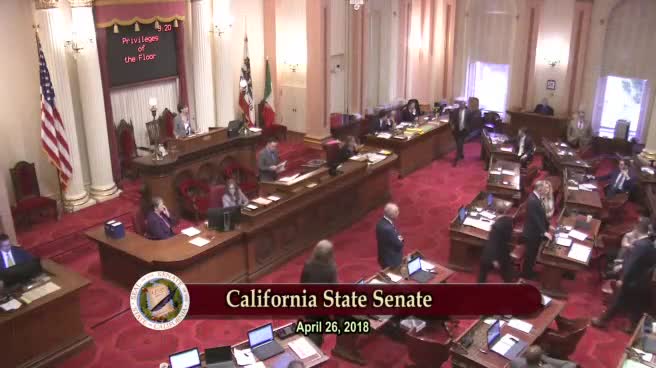
| Apr 26, 2018 | Read. Adopted. (Ayes 34. Noes 0.) Ordered to the Assembly. |
| Apr 17, 2018 | Read second time. Ordered to third reading. |
| Apr 16, 2018 | From committee: Be ordered to second reading pursuant to Senate Rule 28.8. |
| Apr 9, 2018 | Set for hearing April 16. |
| Apr 9, 2018 | From committee with author's amendments. Read second time and amended. Re-referred to Com. on APPR. |
| Apr 3, 2018 | Re-referred to Com. on APPR. |
| Mar 21, 2018 | From committee: Ordered to third reading. |
| Mar 14, 2018 | Introduced. Referred to Com. on RLS. |
|
Date
|
Description
|
Location
|
Votes
|
|
|---|---|---|---|---|
| Aug 31, 2018 | SCR 115 McGuire Senate Third Reading By ARAMBULA | Assembly Floor |
Passed |
|
| Aug 31, 2018 | Unfinished Business SCR115 McGuire et al. Concurrence | Senate Floor |
Passed |
|
| Aug 16, 2018 | Be adopted as amended. | Assembly Standing Committee on Appropriations |
Passed |
|
| Jun 12, 2018 | Be adopted, and re-refer to the Committee on [Appropriations] with recommendation: To Consent Calendar | Assembly Standing Committee on Health |
Passed |
|
| Apr 26, 2018 | Senate 3rd Reading SCR115 McGuire et al. | Senate Floor |
Passed |
This list shows positions taken on this bill by organizations on the date displayed, which is linked to the original source.
Positions by individuals are not included.
|
Organization
|
Position
|
Date
|
|---|---|---|
| California Chiropractic Association | ** Support | Jun 8, 2018 |
| California Dental Association | ** Support | Aug 31, 2018 |
| California State Association Of Counties | ** Support | Aug 31, 2018 |
| Rural County Representatives of California | ** Support | Jun 8, 2018 |
Office of Senate Floor Analyses (916) 651-1520 Fax: (916) 327-4478 | SCR 115 |
UNFINISHED BUSINESS
Bill No: SCR 115
Author: McGuire (D) and Gaines (R), et al.
Amended: 8/20/18
SENATE APPROPRIATIONS COMMITTEE: Senate Rule 28.8
SENATE FLOOR: 34-0, 4/26/18
AYES: Allen, Atkins, Bates, Beall, Cannella, De León, Dodd, Fuller, Gaines, Galgiani, Glazer, Hernandez, Hertzberg, Hill, Hueso, Jackson, Lara, Leyva, McGuire, Mitchell, Monning, Moorlach, Newman, Nguyen, Nielsen, Pan, Portantino, Roth, Skinner, Stern, Stone, Vidak, Wiener, Wilk
NO VOTE RECORDED: Anderson, Berryhill, Bradford, Morrell, Wieckowski
ASSEMBLY FLOOR: Not available
DIGEST:
This resolution recognizes the impact opioid-related deaths have had on California communities and supports groups and organizations working in California to combat the epidemic.
Assembly Amendments delete the provision relating to the increase of “funding for support and other programs in rural areas facing this devastating epidemic.”
ANALYSIS: This resolution makes the following legislative findings:
- The current opioid epidemic has been declared the worst drug crisis in American history.
- The opioid crisis has impacted communities big and small across America and right here at home in California, affecting families from all walks of life and backgrounds, as it does not discriminate.
- California leads the nation in overdoses, as more people die each year from drug overdoses in California than in any other state.
- Prescription medication misuse, personal use of heroin, and subsequent overdoses are a national epidemic, according to the federal Centers for Disease Control and Prevention.
- The long-term health consequences of prescription opioid abuse are severe and can lead to daily activity limitations, impaired driving, addiction and other mental health issues, overdose, and death.
- While there is a crisis in all corners of California, rural counties that have few services have been hit particularly hard.
- The County of Humboldt’s prescription rate for opioids is 90 percent higher than the statewide rate. The County’s overdose rate is nearly five times higher than the state overdose rate.
- The opioid drug crisis is also caused by increased heroin use and overdoses of street heroin.
- California’s highest opioid rates per capita are in several northern California rural counties. For example, prescription opioid-related death rates in the Counties of Humboldt, Lake, Lassen, Plumas, and Shasta are two to three times higher than the national average.
- The Counties of Orange, San Diego, and San Francisco are large, urban counties with higher-than-state-average death rates, accounting for a greater total number of deaths in California. Additionally, the County of Los Angeles held the highest record for deaths related to opioid overdose in California in 2016.
This resolution:
- Recognizes the dramatic impact opioid-related deaths have had on our families, friends, colleagues, and communities, and how these deaths have strained our health care safety nets and emergency departments.
- Supports groups and organizations working in California to combat this epidemic and to provide resources, help, and support for individuals facing opioid addiction.
FISCAL EFFECT: Appropriation: No Fiscal Com.: No Local: No
California Dental Association
California State Association of Counties
OPPOSITION: (Verified 8/31/18)
None received
Prepared by: Karen Chow / SFA / (916) 651-1520
8/31/18 18:27:00
**** END ****
SENATE THIRD READING
STR Bill Id:SCR 115
Author:(McGuire and Gaines)
As Amended Ver:April 9, 2018
Majority vote
SENATE VOTE: 34-0
Committee | Votes | Ayes | Noes |
Health | 13-0 | Wood, Mayes, Aguiar-Curry, Bigelow, Bonta, Carrillo, Flora, Limón, McCarty, Nazarian, Rodriguez, Santiago, Waldron | |
Appropriations | 13-0 | Gonzalez Fletcher, Bloom, Bonta, Calderon, Carrillo, Chau, Eggman, Friedman, Gallagher, Eduardo Garcia, Nazarian, Quirk, Reyes |
|
SUMMARY: Recognizes the dramatic impact the current opioid epidemic and opioid related deaths have had on California communities, families, friends, and colleagues. Declares the legislature's support of groups and organizations working to combat the epidemic and provide resources, help, and support for individuals facing opioid addiction.
FISCAL EFFECT: According to Assembly Appropriations Committee the costs are negligible.
COMMENTS: According to the author, the current opioid epidemic has been declared the worst drug crisis in American history. The opioid crisis has impacted communities big and small across America and right here at home in the Golden State, affecting families from all walks of life and backgrounds, as it does not discriminate. As the most populous state in the nation, California's raw number of residents affected by improper opioid prescribing and misuse is substantial. California is among the states leading the nation in opioid-related overdoses. In 2014, more than 28,000 people died nationwide from opioid overdoses, with 14,000 of those death involving prescription opioids. The author concludes by stating that while there is a crisis in all corners of the Golden State, rural counties that have few services have been hit particularly hard. The highest rates of opioids and heroin overdose and deaths per capita have occurred in several northern rural counties.
Analysis Prepared by: Judith Babcock / HEALTH / (916) 319-2097 FN: 0004179
Date of Hearing: June 27, 2018
ASSEMBLY COMMITTEE ON APPROPRIATIONS
Lorena Gonzalez Fletcher, Chair
SBPCA Bill Id:SCR 115
Author:(McGuire) – As Amended Ver:April 9, 2018
Policy Committee: | Health | Vote: | 13 - 0 |
Urgency: State Mandated Local Program: Reimbursable: No
SUMMARY:
This resolution recognizes the impact opioid-related deaths have had on California communities, encourages the state to increase funding for support and other programs in rural areas facing the epidemic, and expresses support for groups and organizations working in California to combat the epidemic.
FISCAL EFFECT:
Unknown, potentially significant GF cost pressure to increase funding support for rural communities.
COMMENTS:
- Purpose. According to the author, the current opioid epidemic has been declared the worst drug crisis in American history. Rural counties tend to have a higher percentage of their population impacted and fewer services than more populous counties. This resolution is intended to recognize the impact of the opioid epidemic and encourage funding support for rural communities to combat it.
- Background. Rates of opioid abuse – both prescription opiates and heroin – are rising nationally and in California. According to the California Department of Public Health (CDPH) Opioid Overdose Surveillance Dashboard, 2,031 people died due to opioid-related overdoses in 2016. This equals a rate of 5.2 per 100,000 residents, a 3% increase from 2014. CDPH has been convening a multi-departmental and stakeholder workgroup since 2014 to develop collaborative strategies to decrease levels of opioid misuse, overdose, and death. In a July 2016 report, CDPH cites some success in addressing opioid abuse through multi-sector collaboration.
- Funding Landscape. Although state-level funding has been limited, private funders have convened workgroups and several federal funding streams exist for combatting the opioid crisis. The CDHP received funding from the federal Centers for Disease Control and Prevention in 2017 to strengthen prevention efforts and track data. Department of Health Care Services has received federal approval to implement an organized delivery system for drug treatment through Medi-Cal, and has also received federal funds to implement a "hub-and-spoke" drug treatment system, whereby community physicians collaborate with a regional network of drug treatment specialists to improve service delivery.
Most recently, the federal Substance Abuse and Mental Health Services Administration (SAMHSA) announced it is accepting applications for $930 million in State Opioid Response Grants. These grants aim to address the opioid crisis by increasing access to evidence-based medication-assisted treatment (MAT) to reduce unmet treatment needs and opioid-related overdose deaths. Grants will be allocated on a formula basis. Finally, dozens of other opioid-related policy and funding bills are now under consideration in Congress, many of which appear to be moving forward on a bipartisan basis.
- Related Legislation. There are a large number of bills introduced this year addressing various aspects of the opioid epidemic, including improvements to the prescription drug monitoring program, limits on opioid prescribing, higher reimbursement for drug treatment providers, and improved access to naloxone, which can prevent death from overdose.
Analysis Prepared by: Lisa Murawski / APPR. / (916) 319-2081
Date of Hearing: June 12, 2018
ASSEMBLY COMMITTEE ON HEALTH
Jim Wood, Chair
SBPCA Bill Id:SCR 115
Author:(McGuire) – As Amended Ver:April 9, 2018
SENATE VOTE: 34-0
SUBJECT: Opioid crisis.
SUMMARY: Recognizes the current opioid epidemic on California communities, families, friends, and colleagues. Encourages the state to increase funding for support and other programs in rural areas facing the opioid epidemic, and declares the legislature’s support of groups and organizations working to combat the epidemic and provide resources, help, and support for individuals facing opioid addiction.
FISCAL EFFECT: According to Senate Appropriations, pursuant to Senate Rule 28.8, negligible state costs.
COMMENTS:
- PURPOSE OF THIS RESOLUTION. According to the author, the current opioid epidemic has been declared the worst drug crisis in American history. The opioid crisis has impacted communities big and small across America and right here at home in the Golden State, affecting families from all walks of life and backgrounds, as it does not discriminate. As the most populous state in the nation, California’s raw number of residents affected by improper opioid prescribing and misuse is substantial. California is among the states leading the nation in opioid-related overdoses. In 2014, more than 28,000 people died nationwide from opioid overdoses, with 14,000 of those death involving prescription opioids. The author concludes by stating that while there is a crisis in all corners of the Golden State, rural counties that have few services have been hit particularly hard. The highest rates of opioids and heroin overdose and deaths per capita have occurred in several northern rural counties.
- BACKGROUND.
- Opioids. Opioids are a class of narcotic drugs that include medications such as hydrocodone, oxycodone, morphine, codeine, and other related drugs. Most opioid analgesics are classified as Schedule II drugs in the California Uniform Controlled Substances Act, in that they have a recognized medical use, but also have a high potential for abuse that may lead to severe psychological dependence or severe physical dependence. According to the California Department of Public Health (DPH) in the past, prescription opioids were prescribed for relieving short-term (acute) pain. Today, they are increasingly being used for long-term (chronic) pain management. As a result, sales of opioid pain relievers have quadrupled in the past 10 years. Taken as prescribed, opioids can be used to manage pain safely and effectively. However, opioids may also produce other effects including euphoric response since these drugs affect the regions of the brain involving reward response. Prescription opioid misuse can lead to long-term health problems, addiction, trouble breathing, overdose, and death.
DPH’s preliminary 2017 data reflect a total of 1,882 opioid deaths in California with 4,281 emergency department (ED) visits for all opioids (excluding heroin). Deaths as a result of Fentanyl increased to 746 in 2017 compared to 237 in 2016 – a threefold increase in one year. Additionally, more than 21.8 million opioid prescriptions were issued. - Heroin. Heroin, also an opioid, is most commonly used as a recreational drug for its euphoric effects. Heroin is an illegal substance in California and is classified as a Schedule I narcotic. Substances in this schedule do not have a currently accepted medical use in the United States. There is a lack of accepted safety for use under medical supervision and a high potential for abuse.
Overall, ED visits among heroin users of all ages increased, but the sharpest was among the state’s young adults. About 1,500 ED visits by California’s millennials poisoned by heroin were logged in 2015 compared with fewer than 1,000 in 2012.
In the first three months of 2016, 412 adults age 20 to 29 were seen in EDs due to heroin. That is double the number for the same time period in 2012. The increased number of heroin overdoses coupled with the increase in illicit Fentanyl overdoses continues to fuel the opioid related epidemic and as prescriptions opioids become less and less available, individuals turn to heroin and fentanyl. - DPH Efforts. DPH along with several state partners convened the Prescription Opioid Misuse and Overdose Prevention (POMOP) workgroup in the spring of 2014. This workgroup has since expanded and is exploring opportunities to improve collaboration and expand joint efforts among state entities and other partners working to address the overrose epidemic. Initial workgroup discussions focused on information sharing about existing efforts and roles, identification of challenges, and potential opportunities for partnership. Participants in the workgroup include among others, DPH, Department of Education, California HealthCare Foundation, Emergency Medical Services Authority, Department of Justice, the Office of Statewide Health Planning and Development, the Medical Board of California (MBC), and the Boards of Dentistry, Pharmacy, and Nursing.
In June of 2016, DPH released the POMOP’s, “Strategies to Address Prescription Drug (Opioid) Misuse, Abuse and Overdose Epidemic in California.” In March 2017, DPH sent a letter to health care providers/prescribers to offer resources in addressing the issue with patients, including strategies for assisting high-risk patients, local addiction recovery resources, and opioid prescribing guidelines. DPH recommended that providers work with patients who may already be showing signs of addiction.
In the fall of 2015, DPH announced that the Centers for Disease Control and Prevention (CDC) had awarded a four-year $3.7 million grant to DPH to enhance the state’s multi-agency effort to prevent deaths and injuries caused by opioid misuse. - DPH Naloxone Grant Program. Naloxone is a medication that works almost immediately to reverse opiate overdose. Naloxone is currently a prescription drug, but is not a controlled substance. It has few known adverse effects, no potential for abuse, and can be rapidly administered through intramuscular injection or nasal spray. While most professional first responders and EDs are equipped with naloxone, emergency service providers may not arrive in time to revive overdose victims. Trained and equipped bystanders such as friends, family, and other non-health care providers (lay people) and drug users themselves can effectively respond and reverse an opioid overdose. Given the success of bystander naloxone programs, the CDC and the World Health Organization recommended expanding the availability of naloxone to lay people and the US Surgeon General issued an advisory opinion in April of 2018 encouraging the widespread availability, training on, and use of naloxone.
- Opioids. Opioids are a class of narcotic drugs that include medications such as hydrocodone, oxycodone, morphine, codeine, and other related drugs. Most opioid analgesics are classified as Schedule II drugs in the California Uniform Controlled Substances Act, in that they have a recognized medical use, but also have a high potential for abuse that may lead to severe psychological dependence or severe physical dependence. According to the California Department of Public Health (DPH) in the past, prescription opioids were prescribed for relieving short-term (acute) pain. Today, they are increasingly being used for long-term (chronic) pain management. As a result, sales of opioid pain relievers have quadrupled in the past 10 years. Taken as prescribed, opioids can be used to manage pain safely and effectively. However, opioids may also produce other effects including euphoric response since these drugs affect the regions of the brain involving reward response. Prescription opioid misuse can lead to long-term health problems, addiction, trouble breathing, overdose, and death.
SB 833 (Committee on Budget and Fiscal Review), Chapter 30, Statutes of 2016, established a new Naloxone Grant Program within DPH with the goal of reducing the number of fatal overdoses in California from opioid drugs, including prescription opioids and heroin, by increasing access to naloxone. A total of $3 million was allocated on a one-time basis to support this program.
On March 27, 2017, DPH began offering grants of naloxone product (Narcan nasal spray) and funding to all 61 local health departments (LHDs) to conduct Naloxone Distribution Projects. LHDs provide Narcan to local programs, agencies and community-based organizations within their jurisdictions that have naloxone distribution systems and are in the best position to save lives from opioid overdose.
- SUPPORT. The California Dental Association (CDA) states that this resolution recognizes the impact opioid-related deaths have had on California communities and encourages the state to increase funding for support and other programs in rural areas facing the epidemic. As an organization representing providers committed to seriously combatting the urgent opioid crisis, CDA strongly supports this resolution. The California State Association of Counties, states that Californians living with substance use disorders, including opioid addiction may have different options available for substance use disorder (SUD) treatment depending on where in the state they live. Rural areas in California face unique challenges, including lower numbers of SUD providers to help those seeking treatment for opioid addiction. By encouraging increased state funding and support for programs in rural areas, this resolution would help Californians in rural areas with SUDs such as opioid addiction, to receive treatment.
- RELATED LEGISLATION.
- AB 1998 (Rodriquez) requires every health care practitioner authorized to prescribe opioids classified as Schedule II and Schedule III drugs to adopt a safe prescribing policy as specified. AB 1998 is pending referral in Senate Rules Committee.
- AB 2741 (Burke) limits the prescription duration for minors to no more than a five-day supply except in specified circumstances. AB 2741 would also require a prescriber to obtain verbal consent for the prescription from the minor’s parent, guardian, or authorized adult. AB 2741 is pending in the Senate Business, Professions and Economic Development Committee.
- AB 2486 (McCarty) requires a contract entered into by the Department of Health Care Services (DHCS) and a drug manufacturer under the Medi-Cal program, that includes a prescription drug with an active opioid ingredient, to provide for a state rebate to be deposited into a Medi-Cal Opioid Prevention and Rehabilitation Program Fund. These funds would be used by counties for purposes of opioid prevention and rehabilitation programs. AB 2486 is pending referral in Senate Rules Committee.
- AB 2760 (Wood) requires a physician to offer a co-prescription of naloxone when issuing a prescription to a patient that falls into specified risk categories. AB 2760 is pending in the Senate Business, Professions and Economic Development Committee.
- SB 1109 (Bates) requires: i) existing continuing education courses for all prescribers to include the risks of addiction and overdose; ii) a warning label on all Schedule II controlled substances prescription bottles on the associated addiction and overdose risks; iii) a provider to discuss specified information with the minor, the minor’s parent, guardian, or adult authorized to consent to the minor’s medical treatment before dispensing or issuing for a minor the first prescription in a single course of treatment; and, iv) an information sheet on the risks of opioids to be signed by a minor athlete and the minor athlete’s parent or guardian before participation in organized team sports. SB 1109 is pending in the Assembly Committee on Business and Professions and is double referred to the Health Committee.
- PREVIOUS LEGISLATION.
- AB 715 (Wood) of 2017 would have required DPH to convene a workgroup for the purpose of reviewing existing guidelines and developing a recommended statewide guideline regarding the prescribing of opioid pain relievers for acute, short-term pain, as specified. AB 715 was vetoed by Governor Edmund G. Brown, Jr., who stated:
“I am returning Assembly Bill 715 without my signature.
This bill requires the Department of Public Health to convene a workgroup to develop a statewide guideline for prescribing opioids for acute, short term pain.
Opioid misuse addiction is a national epidemic that has been devastating for many California communities. Since 2014, the Department of Public Health has led the Prescription Opioid Misuse and Overdose Prevention Workgroup which is comprised of state and local agencies as well as medical and patient organization committed to reducing opioid overdose rates in California. Furthermore, both the California Medical Board and the federal Centers for Disease Control have published updated guidelines for prescribing controlled substances for pain including opioids. For these reasons, this bill is unnecessary”
- AB 1512 (McCarty) of 2017 would have imposed a tax of one cent ($0.01) per milligram on the distribution of opioids and required the amounts collected to be used for addiction prevention and rehabilitation programs. AB 1512 was held in the Assembly Revenue and Taxation Committee.
- AB 182 (Waldron) of 2017 would have required DHCS, in consultation with the Coalition for a Drug Free California and the federal Drug Enforcement Administration, to develop, coordinate, implement, and oversee a comprehensive multicultural public awareness campaign, known as the Heroin and Opioid Public Education Program, to combat the growing heroin and opioid medication epidemic in the state. AB 182 was held in the Assembly Appropriations Committee
- AB 1977 (Wood) of 2016 would have established the Opioid Abuse Task Force to develop recommendations to the Legislature regarding the abuse and misuse of opioids in California. On August 9, 2016, AB 1977 was substantively amended and language pertaining to the Opioid Abuse Task Force was deleted.
- AB 623 (Wood) of 2015 would have prohibited health care service plans or health insurers from requiring the use of opioids that have no abuse-deterrent properties; would have required pharmacists to provide patients receiving an opioid product information about proper storage and disposal; and, authorized providers to prescribe less than 30-day supplies of opioids. AB 623 was held in the Assembly Appropriations Committee.
- AB 831 (Bloom) of 2013 would have required the California Health and Human Services Agency (CHHSA) to convene a temporary working group to develop a state plan to reduce the rate of fatal drug overdoses and would have appropriated $500,000 from the General Fund to CHHSA to provide grants to local agencies to implement drug overdose prevention and response programs. AB 831 was held in the Assembly Appropriations Committee.
- SB 500 (Lieu) of 2014 would have required the MBC to update prescriber standards for controlled substances once every five years and add the American Cancer Society, specialists in pharmacology, and specialists in addiction medicine to the entities the MBC may consult with in developing the standards. The provisions dealing with pain management were amended out of SB 500.
REGISTERED SUPPORT / OPPOSITION:
Support
California Chiropractic Association
California Dental Association
California State Association of Counties
Rural County Representatives of California
Opposition
None on file.
Analysis Prepared by: Judith Babcock / HEALTH / (916) 319-2097
Office of Senate Floor Analyses (916) 651-1520 Fax: (916) 327-4478 | SCR 115 |
THIRD READING
Bill No: SCR 115
Author: McGuire (D) and Gaines (R), et al.
Amended: 4/9/18
SENATE APPROPRIATIONS COMMITTEE: Senate Rule 28.8
DIGEST:
This resolution recognizes the impact opioid-related deaths have had on California communities, encourages the state to increase funding for support and other programs in rural areas facing the epidemic, and supports groups and organizations working in California to combat the epidemic.
ANALYSIS: This resolution makes the following legislative findings:
- The current opioid epidemic has been declared the worst drug crisis in American history.
- The opioid crisis has impacted communities big and small across America and right here at home in California, affecting families from all walks of life and backgrounds, as it does not discriminate.
- California leads the nation in overdoses, as more people die each year from drug overdoses in California than in any other state.
- Prescription medication misuse, personal use of heroin, and subsequent overdoses are a national epidemic, according to the federal Centers for Disease Control and Prevention.
- The long-term health consequences of prescription opioid abuse are severe and can lead to daily activity limitations, impaired driving, addiction and other mental health issues, overdose, and death.
- While there is a crisis in all corners of California, rural counties that have few services have been hit particularly hard.
- The County of Humboldt’s prescription rate for opioids is 90 percent higher than the statewide rate. The County’s overdose rate is nearly five times higher than the state overdose rate.
- The opioid drug crisis is also caused by increased heroin use and overdoses of street heroin.
- California’s highest opioid rates per capita are in several northern California rural counties. For example, prescription opioid-related death rates in the Counties of Humboldt, Lake, Lassen, Plumas, and Shasta are two to three times higher than the national average.
- The Counties of Orange, San Diego, and San Francisco are large, urban counties with higher-than-state-average death rates, accounting for a greater total number of deaths in California. Additionally, the County of Los Angeles held the highest record for deaths related to opioid overdose in California in 2016.
This resolution:
- Recognizes the dramatic impact opioid-related deaths have had on our families, friends, colleagues, and communities, and how these deaths have strained our health care safety nets and emergency departments.
- Encourages the state to increase funding for support and other programs in rural areas facing this devastating epidemic.
- Supports groups and organizations working in California to combat this epidemic and to provide resources, help, and support for individuals facing opioid addiction.
FISCAL EFFECT: Appropriation: No Fiscal Com.: Yes Local: No
California Dental Association
California State Association of Counties
OPPOSITION: (Verified 4/17/18)
Prepared by: Karen Chow / SFA / (916) 651-1520
4/18/18 14:44:29
Office of Senate Floor Analyses (916) 651-1520 Fax: (916) 327-4478 | SCR 115 |
THIRD READING
Bill No: SCR 115
Author: McGuire (D) and Gaines (R), et al.
Introduced: 3/14/18
DIGEST:
This resolution recognizes the impact opioid-related deaths have had on California communities, encourages the state to increase funding for support and other programs in rural areas facing the epidemic, and supports groups and organizations working in California to combat the epidemic.
ANALYSIS: This resolution makes the following legislative findings:
- The current opioid epidemic has been declared the worst drug crisis in American history.
- The opioid crisis has impacted communities big and small across America and right here at home in California, affecting families from all walks of life and backgrounds, as it does not discriminate.
- California leads the nation in overdoses, as more people die each year from drug overdoses in California than in any other state.
- Prescription medication misuse, personal use of heroin, and subsequent overdoses are a national epidemic, according to the federal Centers for Disease Control and Prevention.
- The long-term health consequences of prescription opioid abuse are severe and can lead to daily activity limitations, impaired driving, addiction and other mental health issues, overdose, and death.
- While there is a crisis in all corners of California, rural counties that have few services have been hit particularly hard.
- The County of Humboldt’s prescription rate for opioids is 90 percent higher than the statewide rate. The County’s overdose rate is nearly five times higher than the state overdose rate.
- The opioid drug crisis is also caused by increased heroin use and overdoses of street heroin.
- California’s highest opioid rates per capita are in several northern California rural counties. For example, prescription opioid-related death rates in the Counties of Lake, Humboldt, and Shasta are two to three times higher than the national average.
- The Counties of Orange, San Diego, and San Francisco are large, urban counties with higher-than-state-average death rates, accounting for a greater total number of deaths in California. Additionally, the County of Los Angeles held the highest record for deaths related to opioid overdose in California in 2016.
This resolution:
- Recognizes the dramatic impact opioid-related deaths have had on our families, friends, colleagues, and communities, and how these deaths have strained our health care safety nets and emergency departments.
- Encourages the state to increase funding for support and other programs in rural areas facing this devastating epidemic.
- Supports groups and organizations working in California to combat this epidemic and to provide resources, help, and support for individuals facing opioid addiction.
FISCAL EFFECT: Appropriation: No Fiscal Com.: Yes Local: No
None received
OPPOSITION: (Verified 3/19/18)
Prepared by: Karen Chow / SFA / (916) 651-1520
3/21/18 15:31:48
Discussed in Hearing
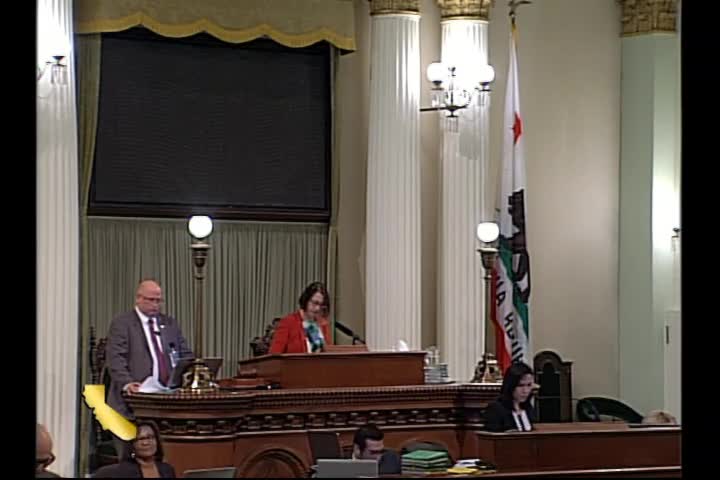 2MIN
Assembly Floor
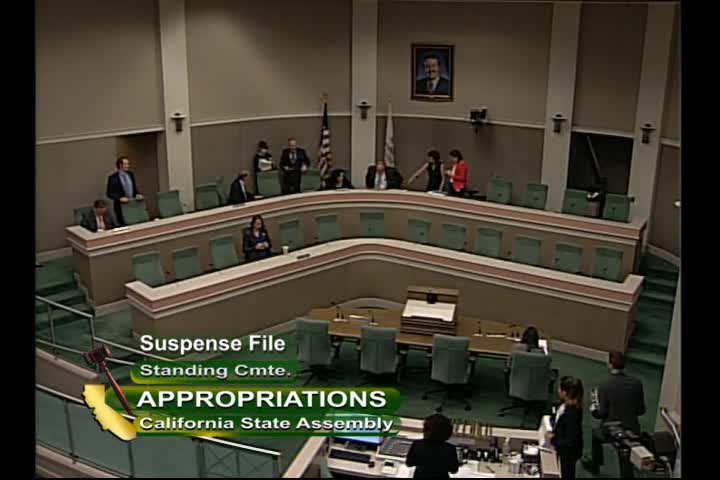 1H
Assembly Standing Committee on Appropriations
 12MIN