SCR 37: Equal Pay Day.
- Session Year: 2017-2018
- House: Senate
- Latest Version Date: 2017-05-10
This measure would proclaim Tuesday, April 4, 2017, as Equal Pay Day in recognition of the need to eliminate the gender gap in earnings by women and to promote policies to ensure equal pay for all.
This measure would proclaim Tuesday, April 4, 2017, as Equal Pay Day in recognition of the need to eliminate the gender gap in earnings by women and to promote policies to ensure equal pay for all.
This measure would proclaim Tuesday, April 4, 2017, as Equal Pay Day in recognition of the need to eliminate the gender gap in earnings by women and to promote policies to ensure equal pay for all.
This measure would proclaim Tuesday, April 4, 2017, as Equal Pay Day in recognition of the need to eliminate the gender gap in earnings by women and to promote policies to ensure equal pay for all.
WHEREAS, More than 50 years after the passage of the federal Equal Pay Act, women, especially minority women, continue to suffer the consequences of unequal pay; and
WHEREAS, According to the 2017 Report on the Status of Women and Girls in California by Mount Saint Marys University, the gender wage gap for full-time, year-round workers in California is $0.86 on the dollar, resulting in California women earning approximately $7,000 a year less than men; both African American women and Latinas earn close to what African American men and Latinos earn. However, full-time working women of color earn less than White women and markedly less than White men. The median salary of full-time working White men is $71,164; African American women earn 63 percent and Latinas earn 43 percent of what White men earn. California women who work full time earn less than men in each of the five broadest occupational categories reported by the United States Census Bureau; and
WHEREAS, According to a report by the National Partnership for Women & Families, women in California earned a median of $0.84 for each dollar earned by men as of October 2014; and
WHEREAS, As reported by the United States Census Bureau, women working full time, year round in 2013, typically earned 78 percent of what men earned, indicating little change or progress in pay equity; and
WHEREAS, According to The Simple Truth about the Gender Pay Gap, a report by the American Association of University Women (AAUW), the gender pay gap is even larger for women of color, where African American women earned 63 percent and Latina women earned 54 percent of what men earned in 2014; and
WHEREAS, According to Graduating to a Pay Gap, a 2012 research report by the AAUW, the gender pay gap is evident one year after college graduation, even after controlling for factors known to affect earnings, such as occupation, hours worked, and college major; and
WHEREAS, In 2011, the Georgetown University Center on Education and the Workforce found that college-educated women working full time earn $650,000 less than their male peers do over the course of a lifetime; and
WHEREAS, In 2009, the federal Lilly Ledbetter Fair Pay Act was signed into law, which gives back to employees their day in court to challenge an unlawful pay gap, now we must pass federal legislation to amend the federal Equal Pay Act to close loopholes and improve the acts effectiveness; and
WHEREAS, In 2015, the California Legislature passed Senate Bill 358, which enacted the California Fair Pay Act, strengthening the states existing Equal Pay Act by eliminating loopholes that prevent effective enforcement of gender-based discrimination and empowering employees to discuss pay without fear of retaliation, providing one more tool to tackle the problem; and
WHEREAS, Almost two-thirds of women in California are employed and nearly four in 10 mothers are primary breadwinners in their households. Two-thirds of mothers are primary or significant earners, making pay equity critical to families economic security; and
WHEREAS, A lifetime of lower pay means women have less income to save for retirement and less income counted in a social security or pension benefit formula; and
WHEREAS, Fair pay equity policies can be implemented simply and without undue costs or hardship in both the public and private sectors as evidenced by the work of the California Commission on the Status of Women and Girls; and
WHEREAS, Fair pay strengthens the security of families today and eases future retirement costs while enhancing the American economy; and
WHEREAS, Tuesday, April 4, symbolizes the time in 2017 when the wages paid to American women catch up to the wages paid to men from the previous year; now, therefore, be it
Resolved by the Senate of the State of California, the Assembly thereof concurring, That the Legislature proclaims Tuesday, April 4, 2017, as Equal Pay Day in recognition of the need to eliminate the gender gap in earnings by women and to promote policies to ensure equal pay for all; and be it further
Resolved, That the Secretary of the Senate transmit copies of this resolution to the author for appropriate distribution.
WHEREAS, More than 50 years after the passage of the federal Equal Pay Act, women, especially minority women, continue to suffer the consequences of unequal pay; and
WHEREAS, According to the 2017 Report on the Status of Women and Girls in California by Mount Saint Marys University, the gender wage gap for full-time, year-round workers in California is $0.86 on the dollar, resulting in California women earning approximately $7,000 a year less than men; both African American women and Latinas earn close to what African American men and Latinos earn. However, full-time working women of color earn less than White women and markedly less than White men. The median salary of full-time working White men is $71,164; African American women earn 63 percent and Latinas earn 43 percent of what White men earn. California women who work full time earn less than men in each of the five broadest occupational categories reported by the United States Census Bureau; and
WHEREAS, According to a report by the National Partnership for Women & Families, women in California earned a median of $0.84 for each dollar earned by men as of October 2014; and
WHEREAS, As reported by the United States Census Bureau, women working full time, year round in 2013, typically earned 78 percent of what men earned, indicating little change or progress in pay equity; and
WHEREAS, According to The Simple Truth about the Gender Pay Gap, a report by the American Association of University Women (AAUW), the gender pay gap is even larger for women of color, where African American women earned 63 percent and Latina women earned 54 percent of what men earned in 2014; and
WHEREAS, According to Graduating to a Pay Gap, a 2012 research report by the AAUW, the gender pay gap is evident one year after college graduation, even after controlling for factors known to affect earnings, such as occupation, hours worked, and college major; and
WHEREAS, In 2011, the Georgetown University Center on Education and the Workforce found that college-educated women working full time earn $650,000 less than their male peers do over the course of a lifetime; and
WHEREAS, In 2009, the federal Lilly Ledbetter Fair Pay Act was signed into law, which gives back to employees their day in court to challenge an unlawful pay gap, now we must pass federal legislation to amend the federal Paycheck Fairness Equal Pay Act to close loopholes and improve the acts effectiveness; and
WHEREAS, In 2015, the California Legislature passed Senate Bill 358, which enacted the California Fair Pay Act, strengthening the states existing Equal Pay Act by eliminating loopholes that prevent effective enforcement of gender-based discrimination and empowering employees to discuss pay without fear of retaliation, providing one more tool to tackle the problem; and
WHEREAS, Almost two-thirds of women in California are employed and nearly four in 10 mothers are primary breadwinners in their households. Two-thirds of mothers are primary or significant earners, making pay equity critical to families economic security; and
WHEREAS, A lifetime of lower pay means women have less income to save for retirement and less income counted in a social security or pension benefit formula; and
WHEREAS, Fair pay equity policies can be implemented simply and without undue costs or hardship in both the public and private sectors as evidenced by the work of the California Commission on the Status of Women and Girls; and
WHEREAS, Fair pay strengthens the security of families today and eases future retirement costs while enhancing the American economy; and
WHEREAS, Tuesday, April 4, symbolizes the time in 2017 when the wages paid to American women catch up to the wages paid to men from the previous year; now, therefore, be it
Resolved by the Senate of the State of California, the Assembly thereof concurring, That the Legislature proclaims Tuesday, April 4, 2017, as Equal Pay Day in recognition of the need to eliminate the gender gap in earnings by women and to promote policies to ensure equal pay for all; and be it further
Resolved, That the Secretary of the Senate transmit copies of this resolution to the author for appropriate distribution.
WHEREAS, More than 50 years after the passage of the federal Equal Pay Act, women, especially minority women, continue to suffer the consequences of unequal pay; and
WHEREAS, According to the 2017 Report on the Status of Women and Girls in California by Mount Saint Marys University, the gender wage gap for full-time, year-round workers in California is $0.86 on the dollar, resulting in California women earning approximately $7,000 a year less than men; both African American women and Latinas earn close to what African American men and Latinos earn. However, full-time working women of color earn less than White women and markedly less than White men. The median salary of full-time working White men is $71,164; African American women earn 63 percent and Latinas earn 43 percent of what White men earn. California women who work full time earn less than men in each of the five broadest occupational categories reported by the United States Census Bureau; and
WHEREAS, According to a report by the National Partnership for Women & Families, women in California earned a median of $0.84 for each dollar earned by men as of October 2014; and
WHEREAS, As reported by the United States Census Bureau, women working full time, year round in 2013, typically earned 78 percent of what men earned, indicating little change or progress in pay equity; and
WHEREAS, According to The Simple Truth about the Gender Pay Gap, a report by the American Association of University Women (AAUW), the gender pay gap is even larger for women of color, where African American women earned 63 percent and Latina women earned 54 percent of what men earned in 2014; and
WHEREAS, According to Graduating to a Pay Gap, a 2012 research report by the AAUW, the gender pay gap is evident one year after college graduation, even after controlling for factors known to affect earnings, such as occupation, hours worked, and college major; and
WHEREAS, In 2011, the Georgetown University Center on Education and the Workforce found that college-educated women working full time earn $650,000 less than their male peers do over the course of a lifetime; and
WHEREAS, In 2009, the federal Lilly Ledbetter Fair Pay Act was signed into law, which gives back to employees their day in court to challenge an unlawful pay gap, now we must pass federal legislation to amend the federal Paycheck Fairness Act to close loopholes and improve the acts effectiveness; and
WHEREAS, In 2015, the California Legislature passed Senate Bill 358, which enacted the California Fair Pay Act, strengthening the states existing Equal Pay Act by eliminating loopholes that prevent effective enforcement of gender-based discrimination and empowering employees to discuss pay without fear of retaliation, providing one more tool to tackle the problem; and
WHEREAS, Almost two-thirds of women in California are employed and nearly four in 10 mothers are primary breadwinners in their households. Two-thirds of mothers are primary or significant earners, making pay equity critical to families economic security; and
WHEREAS, A lifetime of lower pay means women have less income to save for retirement and less income counted in a social security or pension benefit formula; and
WHEREAS, Fair pay equity policies can be implemented simply and without undue costs or hardship in both the public and private sectors as evidenced by the work of the California Commission on the Status of Women and Girls; and
WHEREAS, Fair pay strengthens the security of families today and eases future retirement costs while enhancing the American economy; and
WHEREAS, Tuesday, April 4, symbolizes the time in 2017 when the wages paid to American women catch up to the wages paid to men from the previous year; now, therefore, be it
Resolved by the Senate of the State of California, the Assembly thereof concurring, That the Legislature proclaims Tuesday, April 4, 2017, as Equal Pay Day in recognition of the need to eliminate the gender gap in earnings by women and to promote policies to ensure equal pay for all; and be it further
Resolved, That the Secretary of the Senate transmit copies of this resolution to the author for appropriate distribution.
|
Date
|
Status
|
|---|---|
| May 10, 2017 | Chaptered by Secretary of State. Res. Chapter 45, Statutes of 2017. |
| May 10, 2017 | Enrolled and filed with the Secretary of State at 11 a.m. |
| May 4, 2017 | Assembly amendments concurred in. (Ayes 39. Noes 0. Page 959.) Ordered to engrossing and enrolling. |
| May 2, 2017 | In Senate. Concurrence in Assembly amendments pending. |
| May 1, 2017 | Coauthors revised. |
| Apr 26, 2017 | From consent calendar. |
| Apr 20, 2017 | From committee: Be adopted. Ordered to consent calendar. (Ayes 8. Noes 0.) (April 20). |
| Apr 18, 2017 | From committee with author's amendments. Read second time and amended. Re-referred to Com. on RLS. |
| Apr 17, 2017 | Referred to Com. on RLS. |
| Apr 6, 2017 | In Assembly. Held at Desk. |
| Apr 6, 2017 | Read. Adopted. (Ayes 39. Noes 0. Page 640.) Ordered to the Assembly. |
| Apr 5, 2017 | From committee: Ordered to third reading. |
| Mar 30, 2017 | Introduced. Referred to Com. on RLS. |
|
Date
|
Description
|
Location
|
Votes
|
|
|---|---|---|---|---|
| May 4, 2017 | Unfinished Business SCR37 Jackson et al. Concurrence | Senate Floor |
Passed |
|
| May 1, 2017 | SCR 37 Jackson Senate Third Reading By CERVANTES | Assembly Floor |
Passed |
|
| Apr 20, 2017 | Be adopted. To Consent Calendar. | Assembly Standing Committee on Rules |
Passed |
|
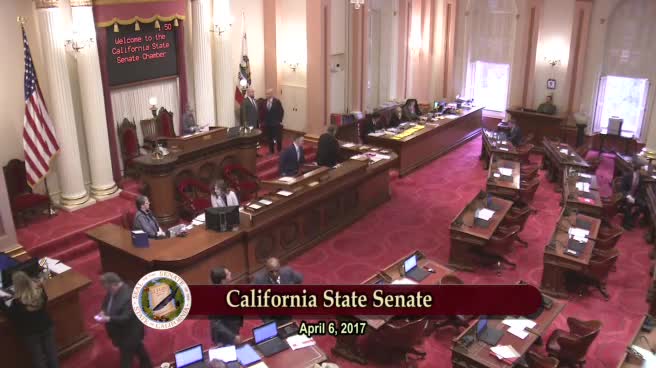
| Apr 6, 2017 | Senate 3rd Reading SCR37 Jackson et al. | Senate Floor |
Passed |
This list shows positions taken on this bill by organizations on the date displayed, which is linked to the original source.
Positions by individuals are not included.
|
Organization
|
Position
|
Date
|
|---|---|---|
| AFSCME, AFL-CIO | ** Support | May 3, 2017 |
Office of Senate Floor Analyses (916) 651-1520 Fax: (916) 327-4478 | SCR 37 |
UNFINISHED BUSINESS
Bill No: SCR 37
Amended: 4/18/17
SENATE FLOOR: 39-0, 4/6/17
AYES: Allen, Anderson, Atkins, Bates, Beall, Bradford, Cannella, De León, Dodd, Fuller, Gaines, Galgiani, Glazer, Hernandez, Hertzberg, Hill, Hueso, Jackson, Lara, Leyva, McGuire, Mendoza, Mitchell, Monning, Moorlach, Morrell, Newman, Nguyen, Nielsen, Pan, Portantino, Roth, Skinner, Stern, Stone, Vidak, Wieckowski, Wiener, Wilk
NO VOTE RECORDED: Berryhill
ASSEMBLY FLOOR: 69-0, 5/1/17 - See last page for vote
DIGEST:
This resolution proclaims Tuesday, April 4, 2017, as Equal Pay Day in recognition of the need to eliminate the gender gap in earnings by women and to promote policies to ensure equal pay for all.
Assembly Amendments
add coauthors and make a technical change.
ANALYSIS: This resolution makes the following legislative findings:
- More than 50 years after the passage of the federal Equal Pay Act, women, especially minority women, continue to suffer the consequences of unequal pay.
- According to the 2017 Report on the Status of Women and Girls in California by Mount Saint Mary’s University, the gender wage gap for full-time, year-round workers in California is $0.86 on the dollar, resulting in California women earning approximately $7,000 a year less than men; both African American women and Latinas earn close to what African American men and Latinos earn. However, full-time working women of color earn less than White women and markedly less than White men. The median salary of full-time working White men is $71,164; African American women earn 63 percent and Latinas earn 43 percent of what White men earn. California women who work full time earn less than men in each of the five broadest occupational categories reported by the United States Census Bureau.
- In 2009, the federal Lilly Ledbetter Fair Pay Act was signed into law, which gives back to employees their day in court to challenge an unlawful pay gap, now we must pass federal legislation to amend the federal Equal Pay Act to close loopholes and improve the act’s effectiveness.
- In 2015, the California Legislature passed SB 358 (Jackson, Chapter 546, Statutes of 2015), which enacted the California Fair Pay Act, strengthening the state’s existing Equal Pay Act by eliminating loopholes that prevent effective enforcement of gender-based discrimination and empowering employees to discuss pay without fear of retaliation, providing one more tool to tackle the problem.
- Almost two-thirds of women in California are employed and nearly four in 10 mothers are primary breadwinners in their households. Two-thirds of mothers are primary or significant earners, making pay equity critical to families’ economic security.
- A lifetime of lower pay means women have less income to save for retirement and less income counted in a social security or pension benefit formula.
- Fair pay equity policies can be implemented simply and without undue costs or hardship in both the public and private sectors as evidenced by the work of the California Commission on the Status of Women and Girls.
This resolution proclaims Tuesday, April 4, 2017, as Equal Pay Day in recognition of the need to eliminate the gender gap in earnings by women and to promote policies to ensure equal pay for all.
Related/Prior Legislation
ACR 155 (Campos, Resolution Chapter 141, Statutes of 2016) proclaimed
April 12, 2016, as Equal Pay Day.
ACR 50 (Gonzalez, Resolution Chapter 133, Statutes of 2015) proclaimed
April 14, 2015, as Equal Pay Day.
FISCAL EFFECT: Appropriation: No Fiscal Com.: No Local: No
AFSCME, AFL-CIO
None received
ASSEMBLY FLOOR: 69-0, 5/1/17
AYES: Acosta, Aguiar-Curry, Travis Allen, Arambula, Baker, Berman, Bigelow, Bloom, Bocanegra, Bonta, Brough, Burke, Caballero, Calderon, Cervantes, Chau, Chávez, Chiu, Choi, Chu, Cooley, Cooper, Cunningham, Dababneh, Daly, Eggman, Frazier, Friedman, Gallagher, Cristina Garcia, Eduardo Garcia, Gipson, Gloria, Gomez, Gonzalez Fletcher, Grayson, Holden, Irwin, Jones-Sawyer, Kalra, Lackey, Levine, Limón, Low, Maienschein, Mathis, Mayes, McCarty, Medina, Mullin, Muratsuchi, Nazarian, O'Donnell, Quirk, Quirk-Silva, Reyes, Rodriguez, Rubio, Salas, Santiago, Steinorth, Mark Stone, Thurmond, Ting, Voepel, Waldron, Weber, Wood, Rendon
NO VOTE RECORDED: Chen, Dahle, Flora, Fong, Gray, Harper, Kiley, Melendez, Obernolte, Patterson, Ridley-Thomas
Prepared by: Karen Chow / SFA / (916) 651-1520
5/3/17 15:02:33
**** END ****
SENATE THIRD READING
STR Bill Id:SCR 37
Author:(Jackson)
As Amended Ver:April 18, 2017
Majority vote
SENATE VOTE: 39-0
Committee | Votes | Ayes | Noes |
Rules | 8-0 | Cooley, Cunningham, Cervantes, Friedman, Grayson, Nazarian, Salas, Waldron |
SUMMARY: Proclaims Tuesday, April 4, 2017, as Equal Pay Day in recognition of the need to eliminate the gender gap in earnings by women and to promote policies to ensure equal pay for all. Specifically, this resolution makes the following legislative findings:
- More than 50 years after the passage of the federal Equal Pay Act, women, especially minority women, continue to suffer the consequences of unequal pay.
- In 2009, the federal Lilly Ledbetter Fair Pay Act was signed into law, which gives back to employees their day in court to challenge an unlawful pay gap, now we must pass federal legislation to amend the federal Equal Pay Act to close loopholes and improve the act's effectiveness.
- In 2015, the California Legislature passed SB 358, which enacted the California Fair Pay Act, strengthening the state's existing Equal Pay Act by eliminating loopholes that prevent effective enforcement of gender-based discrimination and empowering employees to discuss pay without fear of retaliation, providing one more tool to tackle the problem.
- According to the 2017 Report on the Status of Women and Girls in California by Mount Saint Mary's University, the gender wage gap for full-time, year-round workers in California is $0.86 on the dollar, resulting in California women earning approximately $7,000 a year less than men; both African American women and Latinas earn close to what African American men and Latinos earn. However, full-time working women of color earn less than White women and markedly less than White men. The median salary of full-time working White men is $71,164; African American women earn 63% and Latinas earn 43% of what White men earn. California women who work full time earn less than men in each of the five broadest occupational categories reported by the United States Census Bureau.
- Almost two-thirds of women in California are employed and nearly four in 10 mothers are primary breadwinners in their households. Two-thirds of mothers are primary or significant earners, making pay equity critical to families' economic security.
- A lifetime of lower pay means women have less income to save for retirement and less income counted in a social security or pension benefit formula.
- Fair pay equity policies can be implemented simply and without undue costs or hardship in both the public and private sectors as evidenced by the work of the California Commission on the Status of Women and Girls.
FISCAL EFFECT: None
Analysis Prepared by: Nicole Willis / RLS. / (916) 319-2800 FN: 0000173
Date of Hearing: April 20, 2017
ASSEMBLY COMMITTEE ON
, Chair
SBPCA Bill Id:
Author:() – As Ver:April 18, 2017
SENATE VOTE: 39-0
SUBJECT:
SUMMARY: Proclaims Tuesday, April 4, 2017, as Equal Pay Day in recognition of the need to eliminate the gender gap in earnings by women and to promote policies to ensure equal pay for all. Specifically, this resolution makes the following legislative findings:
- More than 50 years after the passage of the federal Equal Pay Act, women, especially minority women, continue to suffer the consequences of unequal pay.
- In 2009, the federal Lilly Ledbetter Fair Pay Act was signed into law, which gives back to employees their day in court to challenge an unlawful pay gap, now we must pass federal legislation to amend the federal Equal Pay Act to close loopholes and improve the act’s effectiveness.
- In 2015, the California Legislature passed SB 358, which enacted the California Fair Pay Act, strengthening the state’s existing Equal Pay Act by eliminating loopholes that prevent effective enforcement of gender-based discrimination and empowering employees to discuss pay without fear of retaliation, providing one more tool to tackle the problem.
- According to the 2017 Report on the Status of Women and Girls in California by Mount Saint Mary’s University, the gender wage gap for full-time, year-round workers in California is $0.86 on the dollar, resulting in California women earning approximately $7,000 a year less than men; both African American women and Latinas earn close to what African American men and Latinos earn. However, full-time working women of color earn less than White women and markedly less than White men. The median salary of full-time working White men is $71,164; African American women earn 63 percent and Latinas earn 43 percent of what White men earn. California women who work full time earn less than men in each of the five broadest occupational categories reported by the United States Census Bureau.
- Almost two-thirds of women in California are employed and nearly four in 10 mothers are primary breadwinners in their households. Two-thirds of mothers are primary or significant earners, making pay equity critical to families’ economic security.
- A lifetime of lower pay means women have less income to save for retirement and less income counted in a social security or pension benefit formula.
- Fair pay equity policies can be implemented simply and without undue costs or hardship in both the public and private sectors as evidenced by the work of the California Commission on the Status of Women and Girls.
FISCAL EFFECT: None
REGISTERED SUPPORT / OPPOSITION:
Support
None on file
Opposition
None on file
Analysis Prepared by:
Office of Senate Floor Analyses (916) 651-1520 Fax: (916) 327-4478 | SCR 37 |
THIRD READING
Bill No: SCR 37
Introduced: 3/30/17
DIGEST:
This resolution proclaims Tuesday, April 4, 2017, as Equal Pay Day in recognition of the need to eliminate the gender gap in earnings by women and to promote policies to ensure equal pay for all.
ANALYSIS: This resolution makes the following legislative findings:
- More than 50 years after the passage of the federal Equal Pay Act, women, especially minority women, continue to suffer the consequences of unequal pay.
- According to the 2017 Report on the Status of Women and Girls in California by Mount Saint Mary’s University, the gender wage gap for full-time, year-round workers in California is $0.86 on the dollar, resulting in California women earning approximately $7,000 a year less than men; both African American women and Latinas earn close to what African American men and Latinos earn. However, full-time working women of color earn less than White women and markedly less than White men. The median salary of full-time working White men is $71,164; African American women earn 63 percent and Latinas earn 43 percent of what White men earn. California women who work full time earn less than men in each of the five broadest occupational categories reported by the United States Census Bureau.
- In 2009, the federal Lilly Ledbetter Fair Pay Act was signed into law, which gives back to employees their day in court to challenge an unlawful pay gap, now we must pass federal legislation to amend the federal Paycheck Fairness Act to close loopholes and improve the act’s effectiveness.
- In 2015, the California Legislature passed SB 358 (Jackson, Chapter 546, Statutes of 2015), which enacted the California Fair Pay Act, strengthening the state’s existing Equal Pay Act by eliminating loopholes that prevent effective enforcement of gender-based discrimination and empowering employees to discuss pay without fear of retaliation, providing one more tool to tackle the problem.
- Almost two-thirds of women in California are employed and nearly four in 10 mothers are primary breadwinners in their households. Two-thirds of mothers are primary or significant earners, making pay equity critical to families’ economic security.
- A lifetime of lower pay means women have less income to save for retirement and less income counted in a social security or pension benefit formula.
- Fair pay equity policies can be implemented simply and without undue costs or hardship in both the public and private sectors as evidenced by the work of the California Commission on the Status of Women and Girls.
This resolution proclaims Tuesday, April 4, 2017, as Equal Pay Day in recognition of the need to eliminate the gender gap in earnings by women and to promote policies to ensure equal pay for all.
Related/Prior Legislation
ACR 155 (Campos, Resolution Chapter 141, Statutes of 2016) proclaimed April 12, 2016, as Equal Pay Day.
ACR 50 (Gonzalez, Resolution Chapter 133, Statutes of 2015) proclaimed April 14, 2015, as Equal Pay Day.
FISCAL EFFECT: Appropriation: No Fiscal Com.: No Local: No
None received
None received
Prepared by: Karen Chow / SFA / (916) 651-1520
4/5/17 14:59:03
**** END ****
Discussed in Hearing
View Older Hearings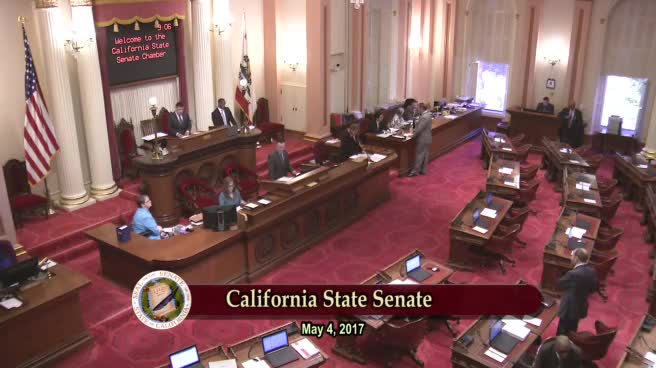
Bill Author

Bill Co-Author(s):