AB 1131: Medi-Cal: comprehensive medication management.
- Session Year: 2019-2020
- House: Assembly
- Latest Version Date: 2019-06-24
|
Date
|
Status
|
|---|---|
| Aug 30, 2019 | In committee: Held under submission. |
| Jul 8, 2019 | In committee: Referred to APPR. suspense file. |
| Jun 24, 2019 | Read second time and amended. Re-referred to Com. on APPR. |
| Jun 20, 2019 | From committee: Amend, and do pass as amended and re-refer to Com. on APPR. (Ayes 9. Noes 0.) (June 19). |
| Jun 6, 2019 | Referred to Com. on HEALTH. |
| May 29, 2019 | In Senate. Read first time. To Com. on RLS. for assignment. |
| May 28, 2019 | Read third time. Passed. Ordered to the Senate. |
| May 20, 2019 | Read second time. Ordered to third reading. |
| May 16, 2019 | From committee: Amend, and do pass as amended. (Ayes 18. Noes 0.) (May 16). |
| May 8, 2019 | In committee: Set, first hearing. Referred to APPR. suspense file. |
| Apr 24, 2019 | From committee: Do pass and re-refer to Com. on APPR. with recommendation: To Consent Calendar. (Ayes 15. Noes 0.) (April 23). Re-referred to Com. on APPR. |
| Apr 22, 2019 | Re-referred to Com. on HEALTH. |
| Apr 11, 2019 | From committee chair, with author's amendments: Amend, and re-refer to Com. on HEALTH. Read second time and amended. |
| Mar 26, 2019 | Re-referred to Com. on HEALTH. |
| Mar 25, 2019 | Referred to Com. on HEALTH. |
| Feb 22, 2019 | From printer. May be heard in committee March 24. |
| Feb 21, 2019 | Read first time. To print. |
|
Date
|
Description
|
Location
|
Votes
|
|
|---|---|---|---|---|
| Jul 8, 2019 | Placed on suspense file | Senate Standing Committee on Appropriations |
Passed |
|
| Jun 19, 2019 | Do pass as amended, but first amend, and re-refer to the Committee on [Appropriations] | Senate Standing Committee on Health |
Passed |
|
| May 28, 2019 | AB 1131 Gloria Assembly Third Reading | Assembly Floor |
Passed |
|
| May 16, 2019 | Do pass as amended. | Assembly Standing Committee on Appropriations |
Passed |
|
| Apr 23, 2019 | Do pass and be re-referred to the Committee on [Appropriations] with recommendation: To Consent Calendar | Assembly Standing Committee on Health |
Passed |
This list shows positions taken on this bill by organizations on the date displayed, which is linked to the original source.
Positions by individuals are not included.
SENATE COMMITTEE ON
Senator Anthony Portantino, Chair
2019 - 2020 Regular Session
AB 1131 (Gloria) - Medi-Cal: comprehensive medication management
Version: | Policy Vote: |
Urgency: | Mandate: |
Hearing Date: | Consultant: |
Bill Summary:
AB 1131 would add Comprehensive Medication Management (CMM) services, as defined, as a covered service under the Medi-Cal program. Would require CMM services be offered to any beneficiary who meets specified criteria. Would require the Department of Health Care Services (DHCS) to establish reimbursement rates and rate billing codes for CMM services provided by a licensed pharmacist.
Fiscal Impact:
According to the Department of Health Care Services:
- Benefits costs for the fee-for-service ($8.0M) and managed care ($37.67 million) populations, approximately $45.68 million ($22.84 General Fund (GF), $22.84 million federal funds).
- Personnel costs of $3.4 million ($1.66 million GF, $1.76 million federal funds) in FY 2020-21; $3.4 million ($1.66 million GF, $1.76 million federal funds) in FY 2021-22; and $714,000 ($309,750 GF, $404,250 federal funds) in FY 2022-23, and ongoing, for 5.0 permanent and 21.0 limited-term positions. Specifically:
- The Pharmacy Benefits Division: 1.0 full-time, permanent Pharmaceutical Consultant II (PC II Specialist) and 1.0 full-time, permanent Associate Governmental Program Analyst (AGPA) to implement and oversee the new benefit. The PC II Specialist would be funded 25 percent GF/75 percent FF. The AGPA would be funded 50 percent GF and 50 percent FF.
- The Managed Care Quality and Monitoring Division: 1.0 full-time, permanent Research Data Specialist II (RDS II) and 1.0 full-time, permanent Health Program Specialist I (HPS I) to review all deliverables, coding that MCPs would need to submit prior to delivering these services, and review relevant quality measures currently collected by DHCS. The RDS II and the HPS I would be funded 50 percent GF and 50 percent FF.
- The Provider Enrollment Division (PED) to respond to the influx in provider enrollment applications, assuming half (22,000) of the 44,000 existing pharmacists would enroll, followed by 1,500 pharmacists on an annual basis: 2.0 two-year, limited-term Office Assistants (typing); 2.0 two-year, limited-term Program Technician II; 14.0 two-year limited-term AGPAs; 2.0 two-year, limited-term Staff Service Manager I (SSM I) positions; and one two-year, limited-term (1.0) Staff Service Manager II (SSM II), 1.0 full-time, permanent AGPA. All PED positions would be funded 50 percent GF and 50 percent FF.
DHCS anticipates the bill’s broad eligibility criteria could make any of Medi-Cal’s 13 million beneficiaries eligible for CMM, and anticipates the fiscal estimate may be higher. Currently, CMM services provided in Medi-Cal’s managed care plans would be duplicative of existing medication management services and would now be separately reimbursable, resulting in indeterminate, potentially significant ongoing costs.
The most complete data set available for this analysis is data regarding the fee-for-service (FFS) population, so DHCS used that information and the quantifiable criteria in the bill to come up with an estimate, and then extrapolated the results to project a total fiscal impact that covers Medi-Cal managed care beneficiaries as well.
Background: According to the California Health Benefits Review Program (CHBRP), CMM is an evidence-based, patient-centered service that aims to ensure that a patient’s medications, whether prescription or over-the-counter, are appropriate and effective for all medical conditions being treated. In 2012, the Patient-Centered Primary Care Collaborative (PCPCC) identifies four broad areas as key CMM services: an assessment of the patient’s medication-related needs; identification of the patient’s medication-related problems; development of a care plan with individualized goals and personalized interventions; and, follow-up evaluations to determine patient outcomes.
Current law requires specified pharmacist services (e.g., furnishing travel medications, self-administered hormonal contraception, naloxone hydrochloride; initiating and administering immunizations, and providing tobacco cessation counseling) to be a covered benefit under the Medi-Cal program, subject to approval by the federal Centers for Medicare and Medicaid Services (CMS) and to DHCS protocols and utilization controls.
Proposed Law:
AB 1131 would require a beneficiary who meets one or more of the following criteria, be provided comprehensive medication management services:
- Is prescribed eight or more prescription drugs or biologics, collectively by multiple prescribers, to treat or prevent two or more chronic medical conditions;
- Has been discharged from a hospital, rehabilitation facility, or long-term health care facility with one or more chronic medical conditions that are being treated with prescription drugs; or,
- Has failed to achieve therapeutic goals and is experiencing adverse effects that are potentially medication related.
The bill would require DHCS to establish reimbursement rates and rate billing codes for CMM services provided by a pharmacist.
Related Legislation:
- SB 446 (Stone, 2019) and similarly, SB 1264 (Stone 2018) would have required hypertension medication management services provided by a pharmacist or an advanced practice pharmacist, as specified, to be a covered benefit under the Medi-Cal program. SB 446 was held on the Senate Appropriations Committee suspense file; SB 1364 was held on the suspense in the Assembly Appropriations Committee.
- SB 1285 (Stone, 2018) and SB 1322 (Stone, 2018) contain substantively similar provisions of this bill, in requiring CMM, provided by an AP, to be a covered service for a health plan, including a Medi-Cal managed care plan, and CMM, as defined, to be a covered benefit under the Medi-Cal program. SB 1285 failed passage in the Senate Health Committee, and SB 1322 failed passage in the Senate Health Committee.
Staff Comments:
To develop the fiscal estimate, the DHCS use the fee-for-service population (2.3 million beneficiaries) and extrapolated that information to quantify the number of unique beneficiaries who would qualify for CMM. The DHCS used North Carolina as a fiscal model due to North Carolina having a comparable definition of CMM services provided by a pharmacist (reimbursed at 100 percent of the Medicaid Physician Services fee schedule). Using the same procedure codes (Current Procedural Terminology (CPT) codes 99211 – 99214) as North Carolina, and the associated reimbursement rate from Medi-Cal’s Physician Fee Schedule, CMM services would reimburse the following amounts:
- CPT code 99211 – $12.00 (Less than 10 minutes face-to-face)
- CPT code 99212 – $18.10 (10 minutes face-to-face)
- CPT code 99213 – $24.00 (15 minutes face-to-face)
- CPT code 99214 – $37.50 (25 minutes face-to-face)
Because AB 1131 has no limit on the amount of CMM services provided to Medi-Cal beneficiaries, the estimated average total is approximately $23 per visit, assuming an average of eight visits per year. The DHCS estimate is detailed further, below:
For FFS population: 43,558 FFS beneficiaries x $23.00 per visit x 8 visits per year = $8,014,672 per year
For Managed Care population:
- Number of managed care beneficiaries (10.7 million) = 4.7 times the number of FFS beneficiaries (2.3 million)
- If the cost of CMM for FFS beneficiaries = $8,014,672; then estimated cost for managed care will be 4.7 times $8,014,672 = $37,668,958.
-- END --
SENATE COMMITTEE ON HEALTH
Senator Dr. Richard Pan, Chair
BILL NO: AB 1131
AUTHOR: | Gloria | ||
VERSION: | May 16, 2019 | ||
HEARING DATE: | June 19, 2019 | ||
CONSULTANT: | Kimberly Chen | ||
SUBJECT: Medi-Cal: comprehensive medication management
SUMMARY:
Requires comprehensive medication management, as defined, to be a covered Medi-Cal benefit and to be offered to a beneficiary who is referred by a physician and meets certain conditions, as specified.
Existing law:
- Establishes the Medi-Cal program, administered by the Department of Health Care Services (DHCS), under which low-income individuals are eligible for medical coverage. [WIC §14000, et seq.]
- Establishes a schedule of benefits covered under the Medi-Cal program, including the purchase of prescription drugs, subject to the Medi-Cal List of Contract Drugs and utilization controls. [WIC§141432]
- Requires pharmacist services to be a covered benefit under the Medi-Cal program, subject to approval by the federal Centers for Medicare and Medicaid Services (CMS). Requires the following to be covered pharmacist services that may be provided to a Medi-Cal beneficiary, subject to DHCS protocols and utilization controls:
- Furnishing travel medications;
- Furnishing naloxone hydrochloride;
- Furnishing self-administered hormonal contraception;
- Initiating and administering immunizations; and,
- Providing tobacco cessation counseling and furnishing nicotine replacement therapy. [WIC §141432.968]
- Requires DHCS to establish a fee schedule for the list of pharmacist services and requires the reimbursement rate for those services to be at 85% of the fee schedule of physician services under Medi-Cal. [WIC §141432.968]
This bill:
- Requires comprehensive medication management (CMM) to be a covered Medi-Cal benefit.
- Defines “CMM” to mean pharmacist-led, evidence based, preventive clinical service that aims to ensure optimal use of medications. Requires CMM services to include all of the following:
- Collecting and analyzing beneficiary information:
- Reviewing the beneficiary’s medical record to gather relevant information, including medication lists, laboratory values, diagnostic tests, and a medical problem list; and,
- In consultation with the beneficiary, comprehensively reviewing the medications along with the beneficiary’s health and social history.
- Assess the information and formulate a medication therapy problem list;
- Develop a care plan in collaboration with the beneficiary and the beneficiary’s health care providers to address the identified medication therapy problems;
- Implement the care plan in collaboration with the beneficiary’s health care providers, the beneficiary, and the beneficiary’s caregivers; and,
- Provide follow up and monitoring to optimize the care plan, and identify and resolve medication therapy problems, with the goal of optimizing medication use and improving care. Follow up and monitoring to be be coordinated with the physician and surgeon and any other health care providers of the beneficiary
- Collecting and analyzing beneficiary information:
- Defines “review of medications,” for purposes of CMM services, to include, but be not limited to, review of a medication’s indications, effectiveness, and safety; medication adverse effects; reconciling a beneficiary’s medication list; beneficiary’s adherence and experience with medication; the beneficiary’s personal goals of therapy; and, how the beneficiary manages their medications at home.
- Defines “medication therapy problems,” for purposes of this bill, to mean the use of unnecessary medication, the need for additional medication, ineffective medication, subtherapeutic dosage, inadequate monitoring, adverse event, medication interaction, excessive dosage, inadequate adherence, availability of more cost-effective medication, or inability of the beneficiary to afford the medication.
- Requires CMM services to be offered to a beneficiary who is referred by a physician as having a medical condition that could benefit from the provision of CMM services and meets at least one of the following criteria:
- Has been prescribed eight or more prescription drugs or biologics, collectively by multiple prescribers, to treat or prevent two or more chronic medical conditions;
- Has been discharged from a hospital, rehabilitation facility, or long-term care health care facility with one or more chronic medical conditions, with a need for a plan to enhance care coordination efforts, including those related to comprehensive transitional care services under the Health Home Program consistent with existing law; or,
- Has failed to achieve therapeutic goals and is experiencing adverse effects that are potentially medication related.
- Requires a pharmacist who initiates, adjusts, or discontinues medication in the course of providing CMM services to do so in accordance with policies, procedures, and protocols established in existing law. Prohibits this bill from expanding or restricting the activities a pharmacist is authorized to perform under their scope of practice, pursuant to existing law.
- Requires DHCS to establish reimbursement rates and billing codes for CMM services provided by a pharmacist licensed.
FISCAL EFFECT:
According to the Assembly Appropriations Committee, unknown net cost pressure to Medi-Cal managed care and costs in fee-for-service Medi-Cal for CMM services, likely in the millions of dollars (General Fund/federal). Costs would depend on utilization and offsetting cost savings, based on program design.
PRIOR VOTES:
Assembly Floor: | 75 - 0 |
Assembly Appropriations Committee: | 18 - 0 |
Assembly Health Committee: | 15 - 0 |
COMMENTS:
- Author’s statement. According to the author, as the state looks to manage the cost, quality of care, and access challenges posed by over 12 million Californians enrolled in Medi-Cal, efforts should be concentrated on high-risk patients with chronic disease. Treatment of a chronic disease consumes significant health care resources, accounting for 76% of all physician visits, 81% of all hospital visits, and 91% of all prescriptions filled. This bill will allow California to continue to deliver health care in innovative ways, like CMM, to some of the state’s most vulnerable populations
- Chronic conditions. Chronic conditions are the leading cause of death and disability in the U.S., and the biggest contributor to health care costs. However, there is wide variation in their incidence, with major differences depending on age, income, race and ethnicity, and insurance status. According to a report from the California Health Care Foundation (CHCF), about 40% of California adults reported having at least one of the following five chronic conditions: asthma, diabetes, heart disease, high blood pressure, and serious psychological distress. Data from the California Health Interview Survey (CHIS) indicates that 46.6% of Medi-Cal enrollees have one or more chronic conditions. A 2017 RAND report found that of those with a chronic condition, 70% have multiple chronic conditions. Individuals with multiple chronic conditions often take multiple medications to manage their conditions.
- CMM. According to the California Health Benefits Review Program (CHBRP), CMM is an evidence-based, patient-centered service that aims to ensure that a patient’s medications, whether prescription or over-the-counter, are appropriate and effective for all medical conditions being treated. A 2015 California Department of Public Health (DPH) white paper on CMM notes that CMM, by definition, utilizes a “whole-patient” approach, looking at all diseases and medications, and ensures that the medications are working toward the therapeutic goals defined by the provider and patient. CMM services may first be initiated to manage a specific disease, such as diabetes or hypertension, but should then extend to look at additional co-morbidities and gaps in care. Moreover, CMM services require the physician to remain the leader of the health care team, with the prescriptive abilities of the pharmacist contingent on a collaborative practice agreement between the pharmacist and the primary care provider. The comprehensive focus of CMM and collaborative practice agreement distinguish CMM from medication therapy management (MTM), a CMS-defined service that is more episodic and disease-specific.
In 2012, the Patient-Centered Primary Care Collaborative (PCPCC) published a resource guide on integrating CMM to improve patient outcomes. PCPCC defines CMM as the standard of care that ensures each patient’s medications (whether prescription, nonprescription, alternative, traditional, vitamins, or nutritional supplements) are individually assessed to determine that each medicate is appropriate for the patient, effective for the medical condition, safe given the comorbidities and other medications being taken, and able to be taken by the patient as intended. PCPCC specifically identifies four broad areas as key CMM services:
- An assessment of the patient’s medication-related needs;
- Identification of the patient’s medication-related problems;
- Development of a care plan with individualized therapy goals and personalized interventions; and,
- Follow-up evaluations to determine actual patient outcomes.
DPH’s 2015 white paper used this definition of CMM to inform its research and analysis. According to the sponsors, the DPH white paper serves as the basis for this bill’s definition CMM services.
- CHBRP. AB 1996 (Thomson, Chapter 795, Statutes of 2002) requests the University of California to assess legislation proposing a mandated benefit or service and prepare a written analysis with relevant data on the medical, economic, and public health impacts of proposed health plan and health insurance benefit mandate legislation. CHBRP provided an analysis of SB 1322 (Stone of 2018) which was similar to this bil. The analysis found the following:
- Benefit coverage. Among Medi-Cal beneficiaries enrolled in managed care plans regulated by the Department of Managed Health Care, coverage for CMM would increase from 21% to 100%.
- Utilization. For those same beneficiaries, utilization of CMM would rise from 0.38% to 1.82%.
- Medical effectiveness. CHBRP found a preponderance of evidence that CMM helps to reduce blood pressure. There limited evidence that CMM reduces hospitalization relative to usual care, improves medication adherence, and improves clinical outcomes for people with diabetes. There is also limited evidence that suggests that clinical outcomes for cholesterol are similar among people who receive CMM and people who receive usual care. There is insufficient evidence to assess the impact of CMM on mortality and on outpatient visits. Evidence regarding effects on emergency department visit rates is inconclusive.
- Related legislation. SB 446 (Stone) requires hypertension medication management services provided by a pharmacist or an advanced practice pharmacist, as specified, to be a covered benefit under the Medi-Cal program. SB 446 was held on suspense in the Senate Appropriations Committee.
- Prior legislation. SB 1264 (Stone of 2018) was similar to SB 446. SB 1364 was held on the suspense in the Assembly Appropriations Committee.
SB 1285 (Stone of 2018) would have required CMM, as defined, provided by an APP to be a covered service for a health plan, including a Medi-Cal managed care plan, to the extent FFP is available. SB 1285 failed passage in the Senate Health Committee.
SB 1322 (Stone of 2018) would have required CMM, as defined, to be a covered benefit under the Medi-Cal program. Required DHCS to evaluate the effectiveness of CMM on quality of care, patient outcomes, and total program costs, as specified. SB 1322 failed passage in the Senate Health Committee.
AB 2084 (Wood of 2016) was substantially similar to SB 1322 and included criteria for beneficiaries who would qualify for CMM services. AB 2084 was held on suspense in the Assembly Appropriations Committee.
- Support. This bill is sponsored by the California Society of Health-System Pharmacists and California Pharmacists Association. The sponsors state that many patients with multiple chronic diseases do not reach clinical goals of therapy due to sub-optimal medication use. They argue that poor management of patients’ prescription drug therapy often times leads to patient harm, wastes precious health care dollars, and represents a lost opportunity to treat patients most effectively. CMM services, they state, have a proven track record of increasing medication adherence, improving patient outcomes, and reducing healthcare expenditures in Medicaid programs. The sponsors believe that by optimizing medication therapy, patients with chronic health conditions will require fewer medical services, avoid costly emergency room visits, and experience fewer hospital readmissions. They conclude that CMM services will help the state manage the cost, quality of care, and access challenges for Medi-Cal beneficiaries.
- Amendment. The author may wish include the following clarifying amendment on page 3, beginning on line 11:
“(2) Has been discharged from a hospital, rehabilitation facility, or long-term care health care facility with one or more chronic medical conditions that is being treated with prescription drugs, with a need for a plan to enhance care coordination efforts, including those related to comprehensive transitional care services under the Health Home Program consistent with paragraph (3) of subdivision (b) of Section 14127.2.”
SUPPORT AND OPPOSITION:
Support: California Pharmacists Association (co-sponsor)
California Society of Health-System Pharmacists (co-sponsor)
America’s Physician Groups
California Academy of Family Physicians
California State Board of Pharmacy
California Chronic Care Coalition
Oppose: None received
-- END --
ASSEMBLY THIRD READING
ATR Bill Id:AB 1131
Author:(Gloria)
As Amended Ver:May 16, 2019
Majority vote
SUMMARY:
Requires comprehensive medication management (CMM) services to be covered under the Medi-Cal program. Defines CMM services to as a review of the beneficiary's medical record to gather relevant information, including medication lists, laboratory values, diagnostic tests, and a medical problem list, a comprehensive review of medications and associated health and social history of the beneficiary, development of a medication therapy problem list, and development and implementation of a care plan, and follow-up and monitoring. Requires the Department of Health Care Services to establish Medi-Cal reimbursement rates and rate billing codes for CMM services provided by a licensed pharmacist.
Major Provisions
COMMENTS:
CMM. In December 2015, the Department of Public Health issued a white paper entitled "Comprehensive Medication Management Programs: Description, Impacts and Status in Southern California, 2015" funded through a Centers for Disease Control and Prevention Preventive Services and Health Services grant. This bill uses the definition of CMM contained in that white paper. The paper stated that CMM is an evidenced-based preventive clinical service demonstrated to decrease health care costs and improve chronic disease treatment outcomes by ensuring optimal pharmacists, and patients. When directed at complex high-risk patients, CMM is proven to improve: quality of life, access to other health care providers, patients' health literacy and decision-making, physician and other non-pharmacist provider satisfaction, and continuity of care. Complex high-risk patients tend to account for the majority of health care costs and require significantly more time, focus, and follow-up than relatively lower-risk patients. The pharmacy profession can contribute to providing high quality, high value, and patient-centered care in an inter-professional collaborative practice in health care. The white paper found that pharmacist-provided medication management, such as CMM pilot programs, have been successfully implemented in six health care systems within Southern California, resulting in improvements in clinical, fiscal, and quality measures. Challenges to implementing CMM include a lack of reimbursement mechanisms, alignment of financial incentives, robust electronic health information exchange, quality and outcomes tracking systems, patient and provider awareness, and adequate staffing and space.
According to the Author:
As the state looks to manage the cost, quality of care, and access challenges posed by over 12 million Californians enrolled in Medi-Cal, efforts should be concentrated on high-risk patients with chronic disease. Treatment of a chronic disease consumes significant health care resources, accounting for 76% of all physician visits, 81% of all hospital visits, and 91% of all prescriptions filled. This bill will allow California to continue to deliver health care in innovative ways, such as CMM services, to some of the state's most vulnerable populations.
Arguments in Support:
This bill is jointly sponsored the California Pharmacists Association and the California Society of Health Systems Pharmacists, which write that the benefits enacted by this bill will help improve health outcomes and reduce costs within the Medi-Cal program by utilizing pharmacists and physicians to better manage prescription drug treatment for chronic disease patients. CMM services provide necessary care to patients with chronic disease to ensure the effective treatment of their health conditions through the use of medication. The sponsors write that chronic disease is expensive, and patients with chronic disease utilize a disproportionate share of health care resources. Poor management of patients' prescription drug therapy often times leads to patient harm, wastes precious health care dollars, and represents a lost opportunity to treat patients most effectively. Patients with chronic disease often visit an array of health care providers and take multiple medications. Insufficient coordination among those treating patients has resulted in an overwhelming need for ongoing assessment of patients' medications. However, there is no specific Medi-Cal benefit for these services, resulting in few Medi-Cal beneficiaries receiving them. This has serious consequences, including worsening patient health status, overutilization of health care services, and increased overall expenditures in the Medi-Cal program. The sponsors conclude that, as the state looks to manage the cost, quality of care, and access challenges posed by the over 12 million Californians enrolled in the Medi-Cal program, California need to concentrate efforts on high-risk patients with chronic disease, and a significant and growing body of research demonstrates the benefits of providing CMM services to meet these very goals.
Arguments in Opposition:
There is no known opposition.
FISCAL COMMENTS:
According to the Assembly Appropriations Committee, unknown net cost pressure to Medi-Cal managed care and costs in fee-for-service Medi-Cal for CMM services, likely in the millions of dollars (General Fund/federal). Costs would depend on utilization and offsetting cost savings, based on program design.
VOTES:
ASM HEALTH: 15-0-0
YES: Wood, Mayes, Aguiar-Curry, Bigelow, Bonta, Burke, Carrillo, Flora, Limón, McCarty, Nazarian, Ramos, Rodriguez, Santiago, Waldron
ASM APPROPRIATIONS: 18-0-0
YES: Gonzalez, Bigelow, Bloom, Bonta, Brough, Calderon, Carrillo, Chau, Diep, Eggman, Fong, Gabriel, Eduardo Garcia, Maienschein, Obernolte, Petrie-Norris, Quirk, Robert Rivas
UPDATED:
VERSION: May 16, 2019
CONSULTANT: Scott Bain / HEALTH / (916) 319-2097 FN: 0000841
Date of Hearing: May 8, 2019
ASSEMBLY COMMITTEE ON APPROPRIATIONS
Lorena Gonzalez, Chair
ABPCA Bill Id:AB 1131
Author:(Gloria) – As Amended Ver:April 11, 2019
Policy Committee: | Health | Vote: | 15 - 0 |
Urgency: No State Mandated Local Program: No Reimbursable: No
SUMMARY:
This bill provides Medi-Cal coverage for comprehensive medication management (CMM), which is defined as a pharmacist-led, evidence-based, preventive clinical service that aims to ensure optimal use of medication. It also defines eligibility criteria for CMM and describes CMM as a comprehensive review of medications and associated health and social history of the beneficiary in consultation with the beneficiary.
FISCAL EFFECT:
Unknown net cost pressure to Medi-Cal managed care and costs in fee-for-service MediCal for CMM services, likely in the millions of dollars (GF/federal). Costs would depend on utilization and offsetting cost savings, based on program design.
COMMENTS:
- Purpose. The California Pharmacists Association, sponsor of this bill, believes this bill will assist patients with chronic conditions who may visit an array of health care providers and take multiple medications. Insufficient coordination among those providers has resulted in an overwhelming need for ongoing assessment of patients’ medications, which this bill would provide to Medi-Cal enrollees.
- CHBRP Analysis. Based on an analysis of a prior, related bill, CHBRP notes overall that related, less comprehensive pharmacist-led interventions, such as Medication Therapy Management (MTM) improve care and decrease utilization, cost and mortality, but these findings may not generalize to CMM. CHBRP notes a potential return on investment for MTM, a similar, more narrowly targeted program, was 0.8:1 (a slight net savings) to 3.5:1 (significant cost savings). The higher ROI figures are for more narrowly targeted interventions with stricter eligibility criteria; the lower figures are for programs with broad eligibility criteria and higher costs to identify beneficiaries. CHBRP did not conclude MTM programs are consistently cost-effective—cost-effectiveness depends on the target populations and administrative costs and burden.
- High-Cost Medi-Cal Enrollees. The Department of Health Care Services' Research and Analytic Studies Division released a study in March 2015 examining high-cost populations in Medi-Cal. The division found a small percentage of individuals accounted for a disproportionately large share of Medi-Cal’s total spending; generally, care for individuals with chronic conditions that impact multiple body systems generated the most cost. In 2011, 5% of enrollees accounted for over 50% of the total program costs.
- Interaction with Medicare. Medicare offers an MTM program, for those enrolled in a Medicare drug plan and who take multiple medications for different medical conditions. In these programs, a pharmacist or other health professional gives patients a comprehensive review of all medications. Patients receive a written summary of discussion, including an action plan that recommends how to make the best use of medications. CMM is different from MTM in that CMM services, as defined in this bill, are more comprehensive than MTM.
- CDPH Paper. A CDPH report on CMM pilot programs in Southern California noted improvements in clinical, fiscal and quality measures among participants, but also notes challenges to implementing CMM related to reimbursement mechanisms, alignment of financial incentives, robust electronic health information exchange, outcomes and quality tracking, patient and provider awareness, and adequate staffing.
- Related Legislation. SB 446 (Stone) would add hypertension medication management services as a covered pharmacist service under the Medi-Cal program. SB 446 is pending in the Senate Appropriations Committee.
- Prior Legislation. SB 1264 (Stone), of the 2017-18 Legislative Session, would have required Medi-Cal to provide coverage for hypertension medication management services provided by a pharmacist or an advance practice pharmacist pursuant to specified provisions of their scope of practice. SB 1264 was held on the Suspense File of this committee.
AB 2084 (Wood), of the 2015-16 Legislative Session, would have provided Medi-Cal coverage for CMM, defined as the process of care that ensures each beneficiary’s medications are appropriate, safe, and effective, and are being used as intended. AB 2084 also defined beneficiaries, goals, and related requirements, and would have required DHCS to study the effectiveness and costs. AB 2084 was held on the Suspense File of this committee.
Analysis Prepared by: Lisa Murawski / APPR. / (916) 319-2081
Date of Hearing: April 23, 2019
ASSEMBLY COMMITTEE ON HEALTH
Jim Wood, Chair
ABPCA Bill Id:AB 1131
Author:(Gloria) – As Amended Ver:April 11, 2019
SUBJECT: Medi-Cal: comprehensive medication management.
SUMMARY: Requires comprehensive medication management (CMM) services to be covered under the Medi-Cal program. Defines CMM services to as a review of the beneficiary’s medical record to gather relevant information, including medication lists, laboratory values, diagnostic tests, and a medical problem list, a comprehensive review of medications and associated health and social history of the beneficiary, development of a medication therapy problem list, and development and implementation of a care plan, and follow-up and monitoring. Requires the Department of Health Care Services (DHCS) to establish Medi-Cal reimbursement rates and rate billing codes for CMM services provided by a licensed pharmacist. Specifically, this bill:
- Requires CMM services to be covered under the Medi-Cal program.
- Defines “CMM” as a pharmacist-led, evidence-based, preventive clinical service that aims to ensure optimal use of medications, defined to include prescription medications, biologics, over-the-counter medications, or nutritional or herbal supplements.
- Requires CMM services to be offered to a beneficiary who meets one or more of the following criteria:
- Is prescribed eight or more prescription drugs or biologics, collectively by multiple prescribers, to treat or prevent two or more chronic medical conditions. Defines “chronic medical condition” to include, but is not limited, arthritis, asthma, cancer, and depression;
- Is referred by a physician as at high risk for medication therapy problems. Defines “medication therapy problems” as the use of unnecessary medication, the need for additional medication, ineffective medication, sub-therapeutic dosage, inadequate monitoring, adverse event, medication interaction, excessive dosage, inadequate adherence, availability of more cost-effective medication, or inability of the beneficiary to afford the medication;
- Is referred by a physician as having a medical condition that could benefit from the provision of CMM services, such as providing CMM services to address poor control of a chronic medical condition; or,
- Has been discharged from a hospital, rehabilitation facility, or long-term care health care facility with one or more chronic medical conditions, with a need for a plan to enhance care coordination efforts, including those related to comprehensive transitional care services under the Health Home Program.
- Permits CMM to be offered to a beneficiary who has a medication therapy problem if a physician refers the beneficiary to CMM services based on medical criteria not described in 3) above.
- Requires CMM services provided pursuant to this bill to do all of the following:
- Collect and analyze information, addressing both of the following:
- Review of the beneficiary’s medical record to gather relevant information, including medication lists, laboratory values, diagnostic tests, and a medical problem list; and,
- Comprehensive review of medications and associated health and social history of the beneficiary in consultation with the beneficiary. Defines “health and social history” to include, but is not limited to, social determinants of health relevant to medications, such as the ability of the beneficiary to afford the medication, the potential impact of education level, housing, or means of transportation on the beneficiary’s ability to use medications as intended, and health literacy level. Defines “review of medications” to include, but is not limited to, review of indication, effectiveness, safety, medication adverse effects, medication list reconciliation, adherence, experience, the beneficiary’s personal goals of therapy, and how the beneficiary manages their medications at home.
- Assess the information and formulate a medication therapy problem list;
- Develop a care plan in collaboration with the beneficiary and the beneficiary’s health care providers to address the identified medication therapy problems;
- Implement the care plan in collaboration with the beneficiary’s health care providers, the beneficiary, and the beneficiary’s caregivers;
- Provide follow-up and monitoring to optimize the care plan, and identify and resolve medication therapy problems, with the goal of optimizing medication use and improving care. Requires follow-up and monitoring to be coordinated with the physician and any other health care providers of the beneficiary.
- Collect and analyze information, addressing both of the following:
- Requires DHCS to establish Medi-Cal reimbursement rates and rate billing codes for CMM services provided pursuant to this bill by a licensed pharmacist.
- Prohibits this bill from being construed to expand or restrict the activities that a pharmacist is authorized to perform. Requires a pharmacist who initiates, adjusts, or discontinues medication in the course of providing CMM services to do so pursuant to established policies, procedures, or protocols, as described in existing law.
EXISTING LAW:
- Establishes the Medi-Cal program, administered by DHCS, under which qualified low-income persons receive health care services.
- Establishes a schedule of benefits under the Medi-Cal program, which includes specified pharmacist services, subject to approval by the federal Centers for Medicare and Medicaid Services (CMS).
- Requires the following services to be Medi-Cal covered pharmacist services that may be provided to a Medi-Cal beneficiary:
- Furnishing travel medications;
- Furnishing naloxone hydrochloride;
- Furnishing self-administered hormonal contraception;
- Initiating and administering immunizations; and,
- Providing tobacco cessation counseling and furnishing nicotine replacement.
- Requires DHCS to establish a fee schedule for the list of pharmacist services, and requires the reimbursement rate for pharmacist services to be 85% of the physician fee schedule under the Medi-Cal program.
- Permits DHCS to implement, interpret, or make specific the pharmacist services Medi-Cal provisions, and any applicable federal waivers and state plan amendments, by means of all-county letters, plan letters, plan or provider bulletins, or similar instructions, without taking regulatory action. Requires DHCS, by July 1, 2021, to adopt regulations to implement these provisions.
- Requires, under the Pharmacy Law, pharmacists to be licensed and regulated by the California State Board of Pharmacy in the Department of Consumer Affairs.
FISCAL EFFECT: This bill has not yet been analyzed by a fiscal committee.
COMMENTS:
- PURPOSE OF THIS BILL. According to the author, as the state looks to manage the cost, quality of care, and access challenges posed by over 12 million Californians enrolled in Medi-Cal, efforts should be concentrated on high-risk patients with chronic disease. Treatment of a chronic disease consumes significant health care resources, accounting for 76% of all physician visits, 81% of all hospital visits, and 91% of all prescriptions filled. This bill will allow California to continue to deliver health care in innovative ways, such as CMM services, to some of the state’s most vulnerable populations.
- CMM. In December 2015, the Department of Public Health issued a white paper entitled “Comprehensive Medication Management Programs: Description, Impacts and Status in Southern California, 2015” funded through a Centers for Disease Control and Prevention Preventive Services and Health Services grant. This bill uses the definition of CMM contained in that white paper. The paper stated that CMM is an evidenced-based preventive clinical service demonstrated to decrease health care costs and improve chronic disease treatment outcomes by ensuring optimal pharmacists, and patients. When directed at complex high-risk patients, CMM is proven to improve: quality of life, access to other health care providers, patients’ health literacy and decision-making, physician and other non-pharmacist provider satisfaction, and continuity of care. Complex high-risk patients tend to account for the majority of health care costs and require significantly more time, focus, and follow-up than relatively lower-risk patients. The pharmacy profession can contribute to providing high quality, high value, and patient-centered care in an inter-professional collaborative practice in health care. The white paper found that pharmacist-provided medication management, such as CMM pilot programs, have been successfully implemented in six health care systems within Southern California, resulting in improvements in clinical, fiscal, and quality measures. Challenges to implementing CMM include a lack of reimbursement mechanisms, alignment of financial incentives, robust electronic health information exchange, quality and outcomes tracking systems, patient and provider awareness, and adequate staffing and space.
- SUPPORT. This bill is jointly sponsored the California Pharmacists Association and the California Society of Health Systems Pharmacists, which write that the benefits enacted by this bill will help improve health outcomes and reduce costs within the Medi-Cal program by utilizing pharmacists and physicians to better manage prescription drug treatment for chronic disease patients. CMM services provide necessary care to patients with chronic disease to ensure the effective treatment of their health conditions through the use of medication.
The sponsors write that chronic disease is expensive, and patients with chronic disease utilize a disproportionate share of health care resources. Chronic disease accounts for 76% of all physician visits, 81% of all hospital visits, and 91% of all prescriptions filled. The California Department of Public Health in 2010 estimated that the six most common chronic diseases (arthritis, asthma, cardiovascular disease, diabetes, cancer and depression) cost California more than $98 billion annually. These trends apply to Medi-Cal as well, and DHCS reports that as many as 48.3% of Medi-Cal’s nonelderly adult population has one or more chronic diseases. Many patients—especially those with multiple chronic diseases—do not reach clinical therapy goals due to sub-optimal medication use. Unprecedented scientific advances have resulted in very effective medications to treat many health conditions. Yet while the number of medications available to patients has increased, the evidence shows that many patients are not in the best position to take full advantage of those medication advances.
Poor management of patients’ prescription drug therapy often times leads to patient harm, wastes precious health care dollars, and represents a lost opportunity to treat patients most effectively. Patients with chronic disease often visit an array of health care providers and take multiple medications. Insufficient coordination among those treating patients has resulted in an overwhelming need for ongoing assessment of patients’ medications. However, there is no specific Medi-Cal benefit for these services, resulting in few Medi-Cal beneficiaries receiving them. This has serious consequences, including worsening patient health status, overutilization of health care services, and increased overall expenditures in the Medi-Cal program.
CMM services are designed to ensure each patient’s medications (prescription, over-the-counter, and nutritional supplements) are assessed to determine appropriateness for the patient, effectiveness for the medical condition, safety, and ability for the patient to take as prescribed. CMM programs have a proven track record of increasing medication adherence, improving patient outcomes, and reducing health care expenditures in Medicaid programs. The sponsors state fifteen state Medicaid programs and the Medicare program currently provide beneficiaries with some form of medication management services. By optimizing medication therapy, patients with chronic health conditions require fewer medical services, avoid costly emergency room visits, and experience fewer hospital readmissions. CMM services improve clinical outcomes for numerous chronic diseases, including hypertension, high cholesterol, diabetes, Chronic obstructive pulmonary disease or COPD, and mental health conditions. The sponsors conclude that, as the state looks to manage the cost, quality of care, and access challenges posed by the over 12 million Californians enrolled in the Medi-Cal program, California need to concentrate efforts on high-risk patients with chronic disease, and a significant and growing body of research demonstrates the benefits of providing CMM services to meet these very goals.
- RELATED LEGISLATION. SB 446 (Stone) would add hypertension medication management services as a covered pharmacist service under the Medi-Cal program. SB 446 is set for hearing in the Senate Health Committee on April 24, 2019.
- PREVIOUS LEGISLATION. SB 1264 (Stone) would have required Medi-Cal to provide coverage for hypertension medication management services provided by a pharmacist or an advance practice pharmacist pursuant to specified provisions of their scope of practice. SB 1264 was held on the Assembly Appropriations Committee suspense file.
SB 1285 (Stone) would have required health plans, health insurers and Medi-Cal managed care plans to provide coverage for services provided by an advanced practice pharmacist performed within the scope of his or her practice, including, but not limited to, comprehensive medication management services, as defined. SB 1285 failed passage in the Senate Health Committee.
SB 1322 (Stone) would have added CMM services as a covered under the Medi-Cal program. CMM was defined as the process of care that ensures each beneficiary’s medications (prescription drugs and biologics, over-the-counter medication, or nutritional supplements), are individually assessed to determine that each medication is appropriate for the beneficiary, effective for the medical condition, and safe given the comorbidities and other medications being taken, and all medications are able to be taken by the patient as intended. SB 1322 failed passage in the Senate Health Committee.
AB 2084 (Wood) of 2016, would have provided Medi-Cal coverage for CMM, defined as the process of care that ensures each beneficiary’s medications are appropriate, safe, and effective, and are being used as intended. AB 2084 also defined beneficiaries, goals, and related requirements, and would have required DHCS to study the effectiveness and costs. AB 2084 was held on the Assembly Appropriations suspense file.
AB 1114 (Eggman), Chapter 602, Statutes of 2016, added to the schedule of Medi-Cal benefits specified pharmacist services including furnishing travel medications, naloxone hydrochloride, self-administered hormonal contraception and immunizations and tobacco cessation counseling and nicotine replacement therapy, subject to CMS approval and DHCS protocols and utilization controls.
SB 493 (Hernandez), Chapter 469, Statutes of 2013, and AB 1535 (Bloom), Chapter 326, Statutes of 2014, expanded the scope of practice of pharmacists. Among other provisions, SB 493, allows pharmacists to furnish certain hormonal contraceptives, nicotine replacement products, and prescription medications for travel. AB 1535 authorized a pharmacist to furnish naloxone hydrochloride in accordance with standardized procedures or protocols developed and approved by both the Board and the Medical Board of California, in consultation with specified entities.
REGISTERED SUPPORT / OPPOSITION:
Support
California Pharmacists Association (cosponsor)
California Society of Health Systems Pharmacists (cosponsor)
Opposition
None on file.
Analysis Prepared by: Scott Bain / HEALTH / (916) 319-2097
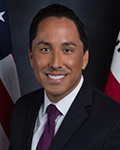
Bill Author
Bill Co-Author(s):
