AB 43: Mental health.
- Session Year: 2019-2020
- House: Assembly
- Latest Version Date: 2019-06-24
Existing law, the Mental Health Services Act (MHSA), an initiative measure enacted by the voters as Proposition 63 at the November 2, 2004, statewide general election, establishes the continuously appropriated Mental Health Services Fund to fund various county mental health programs.
Existing law authorizes the act to be amended by a 2/3 vote of the Legislature if the amendments are consistent with, and further the intent of, the act. Existing law authorizes the Legislature to add provisions to clarify procedures and terms of the act by majority vote.
This bill would state the intent of the Legislature to enact legislation to ensure that Mental Health Services Act funds are used in accordance with the provisions of the act and that there is adequate oversight of excess unspent funds.
It is the intent of the Legislature to enact legislation to ensure that Mental Health Services Act funds are used in accordance with the provisions of the act and that there is adequate oversight of excess unspent funds.
|
Date
|
Status
|
|---|---|
| Aug 30, 2019 | In committee: Held under submission. |
| Jul 8, 2019 | In committee: Referred to APPR. suspense file. |
| Jun 24, 2019 | Read second time and amended. Re-referred to Com. on APPR. |
| Jun 20, 2019 | From committee: Amend, and do pass as amended and re-refer to Com. on APPR. with recommendation: To Consent Calendar. (Ayes 9. Noes 0.) (June 19). |
| Jun 6, 2019 | Referred to Com. on HEALTH. |
| May 24, 2019 | In Senate. Read first time. To Com. on RLS. for assignment. |
| May 23, 2019 | Read third time. Passed. Ordered to the Senate. |
| May 20, 2019 | Read second time. Ordered to third reading. |
| May 16, 2019 | From committee: Amend, and do pass as amended. (Ayes 18. Noes 0.) (May 16). |
| May 8, 2019 | In committee: Set, first hearing. Referred to APPR. suspense file. |
| Apr 24, 2019 | From committee: Do pass and re-refer to Com. on APPR. with recommendation: To Consent Calendar. (Ayes 15. Noes 0.) (April 23). Re-referred to Com. on APPR. |
| Mar 26, 2019 | Re-referred to Com. on HEALTH. |
| Mar 25, 2019 | Referred to Com. on HEALTH. |
| Dec 4, 2018 | From printer. May be heard in committee January 3. |
| Dec 3, 2018 | Read first time. To print. |
|
Date
|
Description
|
Location
|
Votes
|
|
|---|---|---|---|---|
| Jul 8, 2019 | Placed on suspense file | Senate Standing Committee on Appropriations |
Passed |
|
| Jun 19, 2019 | Do pass as amended, but first amend, and re-refer to the Committee on [Appropriations] with the recommendation: To Consent Calendar | Senate Standing Committee on Health |
Passed |
|
| May 23, 2019 | AB 43 Gloria Assembly Third Reading | Assembly Floor |
Passed |
|
| May 16, 2019 | Do pass as amended. | Assembly Standing Committee on Appropriations |
Passed |
|
| Apr 23, 2019 | Do pass and be re-referred to the Committee on [Appropriations] with recommendation: To Consent Calendar | Assembly Standing Committee on Health |
Passed |
This list shows positions taken on this bill by organizations on the date displayed, which is linked to the original source.
Positions by individuals are not included.
SENATE COMMITTEE ON
Senator Anthony Portantino, Chair
2019 - 2020 Regular Session
AB 43 (Gloria) - Mental health
Version: | Policy Vote: |
Urgency: | Mandate: |
Hearing Date: | Consultant: |
Bill Summary:
Assembly Bill 43 would require the Mental Health Services Oversight and Accountability Commission (OAC), in consultation with specified entities, to develop a strategy for the collection, organization, and public reporting of mental health funding and services. Would clarify existing law related to Mental Health Services Act (MHSA) fund expenditure planning processes to ensure meaningful stakeholder involvement. Would require the OAC to submit a report to the Legislature, by January 1, 2021.
Fiscal Impact:
- No impact to the Department of Health Care Services (DHCS) as there is an existing data-sharing agreement between DHCS and OAC.
- $403,000 in FY 2019-20, $644,000 in FY 2020-21, $505,000 in FY 2021-22, and $360,000 in FY 2022-23, and ongoing, for the Department of Justice (DOJ)’s California Justice Information System Division for 1.0 Research Data Specialist (RDS) II, 1.0 permanent Information Technology Specialist (ITS) I, and 2.0 two-year limited-term Associate Governmental Program Analysts (AGPA), beginning January 1, 2020, and additional temporary help to extract and process data from specified data systems. According to the DOJ, the broad use of data is assumed to encompass data from the Automated Criminal History System (ACHS); 2) the Mental Health Reporting System (MHRS); 3) the California Restraining and Protective Order System (CARPOS); and 4) the Controlled Substance Utilization Review and Evaluation System (CURES).
- $840,060 in FY 2019-20 and FY 2020-21, and $820,060 in FY 2021-22 and ongoing, for the OAC to hire 5.0 full-time, ongoing positions, and annual IT license costs. Specifically:
- 1.0 IT Specialist II ($145,264) to build out and incorporate statewide data sets, provide IT maintenance and process documentation, and design and develop statistical reports.
- 2.0 Senior Research Scientist III ($137,892 x 2 = $275,784) to manage the five data use agreements among the California Health and Human Services Agency (CHHS) departments, the Department of Justice (DOJ), the Department of Education (CDE), the Employment Development Department (EDD) and manage data from the Client & Service Information and Data Collection Reporting System, develop a deterministic and/or probabilistic methodology to incorporate each database, develop a unique identifier for each client, and provide consultation to Commissioners, other California departments, the Legislature, and the public on research and evaluation work.
- 1.0 Research Data Specialist I ($113,526) to write and manage data use contracts, and to develop and produce data briefs.
- 1.0 Associate Governmental Program Analyst ($105,486) to provide administrative support, contract management, and data verification.
- $200,000 in FY 2019-20 and FY 2020-21, and $180,000 in FY 2021-22 and ongoing, for the annual Tableau license ($130,000), and phased-in IT support, which will decrease FY 2021-22 and ongoing.
Background:
In 2004, California voters enacted Proposition 63, the Mental Health Services Act, which provides funds to counties to expand services, develop innovative programs, and integrate service plans for specified children, adults, and seniors through a one percent income tax on personal income above $1 million. The MHSA provides funding for programs within five components: Community Services and Supports (CSS), Prevention and Early Intervention, Innovation, Capital Facilities and Technological Needs, and Workforce Education and Training.
Each county mental health program submits a three-year program and expenditure plan, adopted by the Board of Supervisors, to the OAC and the DHCS, which includes a list of all programs for which MHSA funding is being requested and identifies how funds will be spent and which populations will be served. Existing law provides for a community program planning process (CPPP) in the development of these three-year plans. The community planning process involves clients and family members, broad-based constituents, and underserved populations.
Proposed Law:
AB 43 includes the following provisions, among others:
Data-sharing requirements. The bill requires the OAC, in compliance with federal and state privacy and confidentiality laws, to have access to behavioral health service and program data, information, policies, procedures, and practices by CHHS departments, the DOJ, the CDE, the EDD, and other state and local agencies, in electronic format. If an agency cannot provide information to the OAC, the agency must provide a written explanation to the OAC and relevant policy legislative committees explaining why information cannot be provided and what changes are needed.
Open-data requirements. The bill requires the OAC, in consultation with specified entities, to develop a strategy for the collection, organization, and public reporting of information on mental health funding, programs, services, and outcomes. The bill also requires the OAC to make the information available in a trend and annual format, and to the extent available, include specified demographic information. Subject to available funding, the OAC may develop an innovation challenge and utilize one or more hackathons, open coding initiatives, or other approaches to make information available.
Regulations. The bill requires the OAC to consider whether existing regulatory reporting requirements are adequate, revise those requirements, as needed, and make recommendations to the Governor and the Legislature for streamlining and strengthening those strategies, as specified.
On or before January 1, 2021 and periodically thereafter, the OAC must submit to the Legislature a report on its progress in complying with the bill’s provisions, and any funding, personnel, authority, or other resources the commission needs to achieve the bill’s intent.
Community stakeholder process. The bill requires the county behavioral health director to certify the county has undertaken a rigorous community planning process, as defined, with meaningful stakeholder involvement and complied with open meeting laws.
Related Legislation:
- AB 1443 (Maienschein) would require the OAC, subject to available funding, to establish one or more technical assistance centers to support counties in addressing mental health issues. AB 1443 is set to be heard in this committee on July 8, 2019.
- AB 2287 (Kiley, 2018) would have required the OAC to develop a transparency and accountability strategy, as specified. AB 2287 was held on the Assembly Appropriations Committee suspense file.
- SB 1101 (Pan, 2018) would have required the OAC to establish statewide objectives and metrics, as specified, for the prevention, early intervention, and treatment of mental illness. SB 1101 was held on the Senate Appropriations Committee suspense file.
Staff Comments:
The OAC’s existing Transparency Suite includes a dashboard that displays each county’s service need indicators, program outcomes, and MHSA budgets. The Fiscal Reporting Tool is based on Annual Revenue and Expenditure Reports, which counties are required to submit to the OAC and DHCS, and the Program Search Tool is based on program-level information extracted from County 3-Year Plans, Annual Updates, and Annual Revenue and Expenditure Reports. The data and information is readily available to the public, consumers and their families, and policymakers. In addition, the fiscal and program reporting tools already include visualization capabilities, full-service partnership data, and an inventory of all MHSA programs.
-- END --
SENATE COMMITTEE ON HEALTH
Senator Dr. Richard Pan, Chair
BILL NO: AB 43
AUTHOR: | Gloria | ||
VERSION: | May 16, 2019 | ||
HEARING DATE: | June 19, 2019 | ||
CONSULTANT: | Reyes Diaz | ||
SUBJECT: Mental health.
SUMMARY:
Requires the Mental Health Services Oversight and Accountability Commission, in consultation with specified entities, to develop a strategy for the collection, organization, and public reporting of information on mental health funding and services to support public understanding and awareness of the fiscal and mental health resources available and outcomes achieved. Clarifies existing law related to Mental Health Services Act fund expenditure planning processes to ensure meaningful stakeholder involvement.
Existing law:
- Establishes the Mental Health Services Oversight and Accountability Commission (MHSOAC) to oversee the implementation of the Mental Health Services Act (MHSA), enacted by voters in 2004 as Proposition 63 to provide funds to counties to expand services, develop innovative programs, and integrate service plans for mentally ill children, adults, and seniors through a one percent income tax on personal income above $1 million. [WIC §5845]
- Permits the MHSOAC to perform various functions in carrying out its duties and responsibilities, such as:
- Meeting at least once quarterly in locations convenient and open to the public;
- Establishing technical advisory committees, such as a committee of consumers and family members;
- Obtaining data and information from state or local entities that receive MHSA funds, as specified, to allow the MHSOAC to utilize in its oversight, review, training and technical assistance, accountability, and evaluation capacity, as specified;
- Assisting in providing technical assistance to accomplish the purposes of the MHSA; and,
- Working in collaboration with the Department of Health Care Services (DHCS), the California Behavioral Health Planning Council, and the County Behavioral Health Directors Association of California, as specified, to design a joint plan for a coordinated evaluation of client outcomes in the community-based mental health system, as specified. Requires the California Health and Human Services Agency to lead the comprehensive joint plan effort. [WIC §5845]
- Requires each county mental health program to prepare and submit a three-year program and expenditure plan, with annual updates, adopted by the county board of supervisors, to the MHSOAC and the Department of Health Care Services (DHCS) within 30 days after adoption. Requires a county behavioral health director to certify, among other things, that the county has complied with all pertinent laws of the MHSA, including stakeholder participation. [WIC §5847]
- Requires each three-year program and expenditure plan and updates to be developed with specified stakeholders, including consumers, families, and health care organizations. Requires counties to demonstrate a partnership with constituents and stakeholders throughout the process that includes meaningful stakeholder involvement on mental health policy, program planning, and implementation, monitoring, quality improvement, evaluation, and budget allocations. Requires a draft plan and update to be prepared and circulated for review and comment for at least 30 days to representatives of stakeholder interests and any interested party who has requested a copy of the draft plans. [WIC §5848]
- Requires a mental health board, as specified, to conduct a public hearing on the draft plans and updates at the close of the 30-day comment period in 4) above of existing law, and to make recommendations to the county mental health department for revisions. [WIC §5848]
- Requires counties to provide for a community program planning process (CPPP) as the basis for developing the three-year program and expenditure plans and updates, including ensuring participation by consumers and their families and providing training to consumers and family members and county staff who are responsible for coordinating and managing the community program planning process. [9 CCR §3300]
This bill:
- Requires the MHSOAC, in consultation with DHCS, other state agencies, and various stakeholders, to develop a strategy for the collection, organization, and public reporting of information on mental health funding, including the MHSA and other sources of mental health funding; mental health programs, services, and strategies, including publicly supported and nonpublic services; and mental health outcomes, as specified. Requires the MHSOAC to report to the Legislature, as specified, regarding its progress in meeting this requirement, and any resources needed to achieve its duties.
- Requires the MHSOAC to make the information available to the public and policymakers in a manner relevant to supporting public understanding and awareness of the fiscal and mental health resources available and outcomes achieved, as specified, including annual and trend information. Requires the MHSOAC to strive to include detailed demographic information, as specified.
- Requires DHCS, the Department of Finance, the Controller, and any other state agency to provide the MHSOAC with information relative to behavioral health services and programs, as specified. Requires an entity, if it cannot provide the information, to provide a written explanation to the MHSOAC and the relevant policy committees of Legislature explaining why the information cannot be provided, and what authority, resources, or policy and practice changes are needed to meet the requirement.
- Requires the MHSOAC to assess the adequacy of existing data reporting requirements and make recommendations to the Governor and the Legislature for streamlining and strengthening those requirements, as specified.
- Clarifies existing law related to MHSA expenditure planning processes to ensure meaningful stakeholder involvement, defined as stakeholder input at all stages of the CPPP; training opportunities for stakeholders and county employees; and incentives for participation, including transportation, childcare, and other payments, as specified.
FISCAL EFFECT:
According to the Assembly Appropriations Committee:
- Minor and absorbable costs to DHCS to provide assistance to MHSOAC in a consultation role.
- Costs to MHSOAC of $850,000 annually for staff and information technology contracts and licenses to comply with the bill’s requirements (MHSA state administrative funds).
- Unknown, significant potential costs to state agencies, and to reimburse local agencies, for costs of sharing data with MHSOAC, as determined by MHSOAC (General Fund (GF)/federal/special funds). Data-sharing exposes state and local agencies to liability and thus generally requires substantial legal review; it also may require technical effort to format data in a manner that is useful. This bill provides expansive power to MHSOAC to request data from state and local agencies.
- Potentially significant state-mandated reimbursable GF costs to modify the CPPP.
PRIOR VOTES:
Assembly Floor: | 78 - 0 |
Assembly Appropriations Committee: | 18 - 0 |
Assembly Health Committee: | 15 - 0 |
COMMENTS:
- Author’s statement. According to the author, there is a clear nexus between the engagement and active participation of communities in the development of mental health programs and those communities that actually receive mental health services. Through a publicly available transparency tool, created with a complete set of data, this bill will allow advocates and governmental entities to dedicate the appropriate amount of funding to targeted communities through the mandated CPPP.
- MHSA. The MHSA requires each county mental health program to prepare and submit a three-year plan to DHCS that must be updated each year and approved by DHCS after review and comment by the MHSOAC. DHCS is required to provide guidelines to counties related to each component of the MHSA. In the three-year plans, counties are required to include a list of all programs for which MHSA funding is being requested and that identifies how the funds will be spent and which populations will be served. Counties also must submit their plans for approval to the MHSOAC before they can spend innovation program funds. The MHSA provides funding for programs within five components:
- Community Services and Supports (CSS): Provides direct mental health services to the severely and seriously mentally ill, such as mental health treatment, cost of health care treatment, and housing supports. Regulations require counties to direct the majority of its CSS funds to Full-Service Partnerships (FSPs). FSPs are county coordinated plans, in collaboration with the client and the family, to provide the full spectrum of community services. These services consist of mental health services and supports, such as peer support and crisis intervention services; and non-mental health services and supports, such as food, clothing, housing, and the cost of medical treatment. Outside of FSPs, counties do not use CSS funds to assist with housing;
- Prevention and Early Intervention: Provides services to mental health clients in order to help prevent mental illness from becoming severe and disabling;
- Innovation: Provides services and approaches that are creative in an effort to address mental health clients’ persistent issues, such as improving services for underserved or unserved populations within the community;
- Capital Facilities and Technological Needs: Creates additional county infrastructure such as additional clinics and facilities and/or development of a technological infrastructure for the mental health system, such as electronic health records for mental health services; and,
- Workforce Education and Training: Provides training for existing county mental health employees, outreach and recruitment to increase employment in the mental health system, and financial incentives to recruit or retain employees within the public mental health system.
- CPPP. Pursuant to MHSA regulations, the CPPP must include the following participants and processes:
- Clients and family members: involvement of clients with serious mental illness (SMI) and/or serious emotional disorder (SED) and their family members;
- Broad-based constituents: participation of stakeholders, including adults and seniors with SMI, families of children, adults, and seniors with SMI, providers of services, law enforcement agencies, education, social services agencies, veterans, representatives from veterans organizations, providers of alcohol and drug services, health care organizations, and other important interests;
- Underserved populations: participation from representatives of unserved and/or underserved populations and their family members; and,
- Diversity: stakeholders that reflect the diversity of the demographics of the county, including, but not limited to, geographic location, age, gender, and race/ethnicity.
The CPPP must include: training for stakeholders and county employees; outreach to clients with SMI/SED and their family members to ensure the opportunity to participate; and a local review process prior to submitting the MHSA three-year plans and annual updates, which includes a 30-day public comment period.
- MHSOAC Transparency Suite. The MHSOAC launched the Transparency Suite earlier this year on its website, which allows the public, including counties, mental health consumers and their families, policymakers, advocates, lawmakers, and others, to share knowledge that can potentially improve mental health outcomes for California residents in need of services and track MHSA funds. Components of the Transparency Suite include:
- MHSA Transparency Dashboard: is the new home for all online MHSA data transparency tools. The page provides high-level statistics on each county’s service need indicators, as well as MHSA budgets, programs offered, and program outcomes;
- Fiscal Reporting Tool: helps visualize MHSA finances and allows users to explore county-reported revenues, expenditures, unspent funds, and trends;
- Program Reporting Tool: provides an inventory of all MHSA programs, allowing users to search for and compare up to three programs at a time, side-by-side; and,
- FSP Dashboard: includes data on money, clients, and outcomes for MHSA-funded FSP programs. The dashboard provides information on the percentage of expenditures of FSP programs, percent of clients tracked and assessed, percent of FSP service days by client age, and breakdown of disenrollment reasons.
- Related legislation. AB 1443 (Maienschein) requires the MHSOAC, subject to available funding, to establish one or more technical assistance centers to support counties in addressing mental health issues that are of statewide concern and reducing specified negative outcomes of untreated mental illness. AB 1443 is set to be heard in this Committee on June 19, 2019.
- Prior legislation. AB 2287 (Kiley of 2018) would have required the MHSOAC to develop a transparency and accountability strategy that includes fiscal, program, and outcome components, as specified. AB 2287 was held on the Assembly Appropriations Committee suspense file.
SB 1101 (Pan of 2018) would have required the MHSOAC to establish statewide objectives and metrics, as specified, to bring focus on the state’s mental health system and to assist the public in understanding whether progress is being made toward meeting the goals of MHSA, as specified. SB 1101 was held on the Senate Appropriations Committee suspense file.
- Support. Supporters of this bill, largely mental health service agencies and advocates, state that the data reporting required by this bill would provide valuable information to policymakers and the public on demographic disparities and unmet needs in the public mental health system while supporting fiscal transparency. Supporters state that the lack of clarifying language and enforcement related to stakeholder involvement has resulted in wide variations in counties’ CPPP, which often fall short. Supporters argue that the MHSOAC’s transparency suite has revealed more than 74% of counties mental health systems reported spending $0 on the CPPP, and that the 15 counties that did spend money on the CPPP spent less than one percent of their annual MHSA funds on those activities.
- Policy concern. In an effort to clarify meaningful stakeholder involvement, this bill includes various incentives to promote stakeholder involvement in the CPPP, including “other payments.” This provision is overly broad and may result in inappropriate payments to consumers, family members, and other stakeholders. The author may wish to consider whether this provisions is an appropriate use of public funds.
- Amendments.
- To address the policy concern, the author may wish to consider the following amendments in bold, italic, and underline:
SEC. 7. Section 5848 of the Welfare and Institutions Code is amended to read:
(f) For purposes of this section, “meaningful stakeholder involvement” includes stakeholder input at all stages of the planning process, stakeholder training, training of county employees in involving stakeholders in the planning process, and the provision of services and incentives to promote stakeholder involvement, including, but not limited to, payment for transportation, and childcare, and other payments or processes to promote access to direct participation in the planning process.
- The author requests the following amendment to reflect that the state Controller already provides useful information that the MHSOAC can access (in bold, italics, and underline):
SEC. 5. Section 5845.3 is added to the Welfare and Institutions Code, to read:
(a) The State Department of Health Care Services, the Department of Finance, the Controller, and any other state agency, shall provide the commission with the information necessary, information relative to behavioral health services and programs, as determined by the commission, and in their possession, in the electronic format that is currently in use, to support the implementation of this part. If an agency cannot provide information to the commission to meet the goals of this part, the agency shall provide a written explanation to the commission and the relevant policy committees of the Senate and the Assembly explaining why the information cannot be provided and what authority, resources, or policy and practice changes are needed to accomplish the goals of this section.
SUPPORT AND OPPOSITION:
Support: Association of Community Human Service Agencies
California Association of Veteran Service Agencies
California LGBTQ Health and Human Services Network
Mental Health America of Northern California
Peace Officers’ Research Association of California
Peer Recovery Art Project
Oppose: None received
-- END --
ASSEMBLY THIRD READING
ATR Bill Id:AB 43
Author:(Gloria)
As Amended Ver:May 16, 2019
2/3 vote
SUMMARY:
Requires that planning for services under the Mental Health Services Act be client driven and that county mental health programs be developed in collaboration with stakeholders as part of the community program planning (CPP) process and in accordance with open meeting laws. Requires, among other things, the Mental Health Oversight and Accountability Commission (MHSOAC), in consultation with the State Department of Health Care Services (DHCS), other state agencies, the County Behavioral Health Directors Association of California (CBHDA), other local agencies, and other entities as specified to develop a strategy for the collection, organization, and public reporting of information on mental health funding, including information on revenues, expenditures and available unspent funds from the Mental Health Services Act (MHSA) and other sources of mental health funding.
Major Provisions
COMMENTS:
PROPOSITION 63/MSHOAC. The MHSA creates the 16 member MHSOAC charged with overseeing the implementation of MHSA. The Department of Finance projects that MHSA funding will be close to the $2 billion level in 2019-20. The MHSA addresses a broad continuum of prevention, early intervention and service needs, as well as providing funding for infrastructure, technology and training needs for the community mental health system. The MHSA requires each county mental health department to prepare and submit a three-year plan to DHCS that must be updated each year and approved by the DHCS after review and comment by the MHSOAC. Counties must submit their plans to the MHSOAC before the counties may spend certain categories of funding.
CPP. The CPP provides a structured process that counties are to use in partnership with stakeholders in determining how best to utilize funds that become available from the MHSA. The county MSHA CPP process must adhere to specific standards involving among other things, community collaboration, cultural competence, and consideration of client and family driven input. :
CALIFORNIA STATE AUDITOR (CSA) REPORT. In 2018, the CSA released a report entitled, "The State Could Better Ensure the Effective Use of Mental Health Services Act Funding," (Audit Report) at the request of the Joint Legislative Audit Committee. The CSA evaluated the effectiveness of both DHCS and the MHSOAC in providing oversight of MHSA funding. The Audit Report found that DHCS does not enforce annual revenue and expenditure reporting nor has it performed fiscal or program audits to ensure local mental health agencies comply with fiscal and program requirements. The Audit Report concluded that despite having significant responsibility for the MHSA program since 2012, DHCS has not developed a process to recover unspent MHSA funds from local mental health agencies after the statutory time frames for spending the funds have elapsed, known as reversion. The MHSOAC stated in the Audit Report that fiscal transparency tools are a first step in its plan to develop online tools to enhance public accountability for the local mental health agencies' spending of the MHSA funds. The State Auditor recommended, in order to ensure that local mental health agencies spend MHSA funds in a timely manner, that DHCS implement a fiscal reversion process to reallocate to other local mental health agencies any MHSA funds that are unspent within the statutory reversion time frames.
According to the Author:
There is a clear nexus between the engagement and active participation, of communities in the development of mental health programs and those communities that actually receive mental health services. Through a publicly available transparency tool, created with a complete set of data, this bill will allow advocates and governmental entities to dedicate the appropriate amount of funding to targeted communities through the mandated CPP.
Arguments in Support:
The California Association of Veteran Service Agencies (CAVSA) states that this bill directs the MHSOAC to establish and implement a transparency strategy to support system account-ability by making key information related to fiscal transparency, program transparency, and outcomes data publicly available in a searchable online format. The bill also requires each county to comply with open meeting laws to ensure that stakeholders are involved in all aspects mental health program planning, implementation, and evaluation. CAVSA states further that this bill provides a clear definition of "Meaningful Stakeholder Involvement," that ensures counties spend appropriately to include the communities they serve and emphasizes the necessity of client-driven CPP in adult services to ensure that counties are considering the needs and desired services of clients and consumers. CAVSA concludes by stating that client-driven CPP processes allow for local stakeholders to develop plans that are culturally relevant to their own communities to be nimble to the most necessary and timely services affecting their county.
Arguments in Opposition:
There is no known opposition.
FISCAL COMMENTS:
According to the Assembly Appropriations Committee, minor and absorbable costs to DHCS to provide assistance to the MHSOOAC in a consultation role. Costs to MHSOAC of $850,000 annually for staff and information technology contracts and licenses to comply with the bill's requirements (MHSA state administrative funds). Unknown potential costs to state agencies, and to reimburse local agencies, for costs of sharing data with MHSOAC, as determined by MHSOAC (General Fund (GF)/federal/special funds). Data-sharing exposes state and local agencies to liability and thus generally requires substantial legal review; it also may require technical effort to format data in a manner that is useful. This bill provides expansive power to the MHSOAC to request data from state and local agencies. Potentially significant state-mandated reimbursable GF costs to modify community planning processes.
VOTES:
ASM HEALTH: 15-0-0
YES: Wood, Mayes, Aguiar-Curry, Bigelow, Bonta, Burke, Carrillo, Flora, Limón, McCarty, Nazarian, Ramos, Rodriguez, Santiago, Waldron
ASM APPROPRIATIONS: 18-0-0
YES: Gonzalez, Bigelow, Bloom, Bonta, Brough, Calderon, Carrillo, Chau, Diep, Eggman, Fong, Gabriel, Eduardo Garcia, Maienschein, Obernolte, Petrie-Norris, Quirk, Robert Rivas
UPDATED:
VERSION: May 16, 2019
CONSULTANT: Judith Babcock / HEALTH / (916) 319-2097 FN: 0000821
Date of Hearing: May 8, 2019
ASSEMBLY COMMITTEE ON APPROPRIATIONS
Lorena Gonzalez, Chair
ABPCA Bill Id:AB 43
Author:(Gloria) – As Amended Ver:March 25, 2019
Policy Committee: | Health | Vote: | 15-0 |
Urgency: No State Mandated Local Program: Yes Reimbursable: Yes
SUMMARY:
This bill contains a number of provisions to enhance mental health program and funding transparency, public engagement and data collection and dissemination.
Specifically, this bill:
- Requires county Mental Health Services Act (MHSA) innovation plans be developed as part of the community planning process and applies open-meeting laws to this process.
- Specifies the Mental Health Services Oversight and Accountability Commission (commission) shall have access to data as necessary from other state and local agencies, notwithstanding any other law, provided the commission complies with applicable privacy and confidentiality laws.
- Requires state agencies to furnish information necessary to implement its provisions, as determined by the commission.
- Requires the commission to assess and modify, as required, regulations that support implementation of this bill.
- Requires collection and reporting of comprehensive statewide information on mental health funding and programs broadly, including revenues and expenditures, outcomes, annual and trend information, and persons served.
- Specifies other related duties of the commission.
FISCAL EFFECT:
- Minor and absorbable costs to DHCS to provide assistance to the commission in a consultation role.
- Costs to the commission of $850,000 annually for staff and information technology contracts and licenses to comply with the bill’s requirements (MHSA state administrative funds).
- Unknown, significant potential costs to state agencies, and to reimburse local agencies, for costs of sharing data with the commission, as determined by the commission (GF/federal/special funds). Data-sharing exposes state and local agencies to liability and thus generally requires substantial legal review; it also may require technical effort to format data in a manner that is useful. This bill provides expansive power to the commission to request data from state and local agencies.
- Potentially significant state-mandated reimbursable GF costs to modify community planning processes.
COMMENTS:
- Purpose. According to the author, counties must engage communities that actually receive mental health services in the development of mental health programs. The author states this bill creates a publicly available transparency tool, with a complete set of data to allow advocates and governmental entities to ensure appropriate funds are allocated to the required community planning processes.
- Proposition 63 (the MHSA). The MHSA creates the 16-member commission charged with overseeing its implementation. Department of Finance projects MHSA revenues will be close to $2 billion in 2019-20. MHSA revenues are required to be spent locally to addresses a broad continuum of mental health prevention, early intervention and service needs. Each county mental health department must prepare and submit a three-year plan to DHCS that must be updated each year and approved by the DHCS after review and comment by the commission. Counties must submit their plans for approval to the commission before the counties may spend certain categories of funding.
The development of three-year plans requires a community planning process, a structured process counties use to engage with stakeholders in determining how best to allocate MHSA.
In February 2018, the state auditor released a report entitled, “The State Could Better Ensure the Effective Use of Mental Health Services Act Funding,” at the request of the Joint Legislative Audit Committee. The auditor evaluated the effectiveness of both DHCS and the commission in providing oversight of MHSA funding, and found significant lapses in oversight.
On April 10, 2019, MHSOAC launched its online “Transparency Suite,” which includes a fiscal reporting tool, a program reporting tool, and a tool to access information about full service partnerships, a key MHSA-funded program. This bill would expand reporting beyond MHSA to provide similar reporting on all mental health funds and programs.
- Prior Legislation. AB 2287 (Kiley), of the 2017-18 Legislative Session, would have required the commission to develop a transparency and accountability strategy that includes fiscal, program, and outcome components, as specified. AB 2287 was held on the Suspense File of this committee.
AB 2279 (Cooley), of 2015-16 Legislative Session, would have required DHCS to develop and administer instructions for the compilation of revenue and expenditure information related to the MHSA by counties, in consultation with the MHSOAC and CBHDA, as specified. AB 2279 was vetoed by the governor, who noted lack of necessity and stated similar work was ongoing.
- Staff Comment. With respect to the broad authority granted to the commission and the requirement for state and local governments to comply with requests for data, the author should consider whether a less expansive and costly approach could yield sufficient information to meet the intent of this bill. Also, although more comprehensive data about behavioral health services statewide seems useful, given the fragmentation in oversight and delivery of these services, it raises questions about mission creep and whether a coordinating body is appropriate instead. If the commission is the appropriate agency to examine the behavioral health system statewide, the change in scope should be done strategically and with intention.
Analysis Prepared by: Lisa Murawski / APPR. / (916) 319-2081
Date of Hearing: April 23, 2019
ASSEMBLY COMMITTEE ON HEALTH
Jim Wood, Chair
ABPCA Bill Id:AB 43
Author:(Gloria) – As Amended Ver:March 25, 2019
SUBJECT: Mental health.
SUMMARY: Requires, among other things, the Mental Health Oversight and Accountability Commission (MHSOAC), in consultation with the State Department of Health Care Services (DHCS), other state agencies, the County Behavioral Health Directors Association of California (CBHDA), other local agencies, and other entities as specified to develop a strategy for the collection, organization, and public reporting of information on mental health funding, including information on revenues, expenditures and available unspent funds from the Mental Health Services Act (MHSA) and other sources of mental health funding. Specifically, this bill:
- Requires that planning for services under the MHSA to be client driven.
- Requires county mental health programs to be developed in collaboration with stakeholders as part of the community program planning (CPP) process, and in accordance with open meeting laws.
- Requires MHSOAC to have access to data, information, policies, procedures, and practices held or maintained by departments within the California Health and Human Services Agency, the Department of Justice, the California Department of Education (CDE), the Employment Development Department, and other state and local agencies, as necessary to comply with the requirements of the MHSA.
- Requires the MHSOAC, in accessing data specified in 3) above to comply with all applicable federal and state privacy and confidentiality laws.
- Requires MHSOAC, in consultation with DHCS, other state agencies, CHBDA, other local agencies, including schools and cities, mental health consumers, family members, providers, organizations, and subject matter experts focused on reducing disparities, serving veterans, and improving outcomes for persons with mental health needs, and others, to do the following:
- Develop a strategy for the collection, organization, and public reporting of information on mental health funding, including information on revenues, expenditures, and available unspent funds from the MHSA and other sources of mental health funding;
- Develop a strategy for the collection, organization and public reporting of information on mental health programs, services, and strategies, funded by the MHSA or other sources. Requires that in developing that strategy, MHSOAC to strive to make available information on all mental health services that are available to the public, with emphasis on publicly supported programs, but, as determined by MHSOAC, may also include information on nonpublic services to the extent that information supports public understanding of the design, sufficiency, and availability of mental health services in California; and,
- Develop a strategy for the collection organization and public reporting of the information on mental health outcomes, including, but not limited to the outcomes identified in the existing prevention and early intervention programs specifically: suicide; incarcerations; school failure or dropout; unemployment; prolonged suffering; homelessness; and, removal of children from their homes.
- Requires MHSOAC to make the information referenced in 5) above available to the public and policymakers in one or more formats, including internet access, in a manner supportive of public understanding and awareness of the fiscal and mental health resources available and outcomes achieved, statewide for each county, counties acting jointly, and each city mental health agency. Requires information to be made available in a format that allows the public and policymakers to see annual and trend information. Requires MHSOAC, in making the information available to the public, to facilitate public access to valid and reliable information that can be viewed, printed, and downloaded consistent with statewide standards for accessing public information.
- Requires MHSOAC, in making information available, to strive to include information on persons served and outcomes achieved. Requires the information to include, to the extent available, detailed demographic information including, but not limited to age, race, ethnicity, gender, sexual orientation, language spoken, veteran status, and other characteristics intended to improve public understanding of who is being served by mental health programs, the extent to which California’s mental health system creates access to care, is addressing disparities, has unmet needs, and the effectiveness of California’s mental health system.
- Provides for MHSOAC to, as it deems necessary, consult with experts in gathering, displaying and disseminating program information or other topics to support the intent of this bill. Allows MHSOAC, subject to available funding, to develop an innovation challenge and utilize one or more hackathons – a gathering where programmers collaboratively code in an extreme manner over a short period of time - open coding initiatives, or other approaches to an effective strategy to collect, display, and make publicly available relevant information to support the intent of this bill.
- Requires DHCS, the Department of Finance (DOF), the State Controller, and any other state agency to provide MHSOAC with the information necessary, as determined by MHSOAC, and that is in their possession, to support the implementation of this bill. Requires an agency that is unable to provide information to the MHSOAC, to provide a written explanation to MHSOAC and the relevant policy committees of the Senate and the Assembly explaining why information cannot be provided and what authority, resources, or policy and practice changes are needed to accomplish the goals of this bill.
- Requires MHSOAC to consider whether existing regulatory reporting requirements are adequate and to revise those requirements on a basis determined by MHSOAC to support implementation of this bill.
- Requires MHSOAC, in order to support enhanced transparency and outcome accountability, to assess the adequacy of existing statutory and regulatory data reporting requirements, strategies and practices, and make recommendations to the Governor and the Legislature for streamlining and strengthening those strategies to reduce costs and improve the use of information to guide program, fiscal, and related decisions.
- Requires MHSOAC, in developing the strategies required by 5) above, to prepare and report to the relevant policy and fiscal committees of the Legislature on or before January 1, 2021, and periodically thereafter as needed, on its progress in complying with this bill and any funding, personnel, authority, or other resources MHSOAC needs in order to achieve the intent of this bill.
- Requires certification by the county behavioral health director that the county has undertaken a rigorous CPP with meaningful stakeholder involvement in the preparation and submission of the county, mandated three-year program, expenditure plan and updates, and that the county has complied with open meeting laws.
- Requires that every meeting at which planning activities are undertaken for the three-year program, expenditure plan, and updates be conducted in compliance with open meeting laws.
- Defines for purposes of this bill, meaningful stakeholder involvement to include stakeholder input at all stages of the planning process, stakeholder training, training of county employees in involving stakeholders in the planning process, and the provision of services and incentives to promote stakeholder involvement, including but not limited to, payment for transportation, childcare, and other payments or processes to promote access to direct participation in the planning process.
EXISTING LAW:
- Establishes the MHSA, an initiative measure enacted under Proposition 63, to provide increased funding, personnel, and other resources to support county mental health programs and monitor progress toward statewide goals for children, transition age youth, adults, older adults and families through a 1% income tax on personal income above $1 million.
- Establishes the MHSOAC to oversee the implementation of MHSA, made up of 16 individuals appointed by the Governor and the Legislature, as specified.
- Requires MHSOAC to ensure that the perspective and participation of diverse community members is reflective of California’s populations and others suffering from severe mental illness and their family members is a significant factor in all of its decisions and recommendations.
- Allows amendments to the MHSA only be amended by a two-thirds vote of both houses of the Legislature, and only as long as the amendment is consistent with, and furthers the intent of the MHSA. Permits provisions clarifying the procedures and terms of the MHSA to be added by a majority vote.
- Requires all expenditures for county mental health programs to be consistent with currently approved mental health plan or update.
- Establishes the MHSA Fund to be disbursed as follows:
- Twenty percent of funds to counties to be used for prevention and early intervention programs;
- Five percent of the total funding for each county mental health program for innovative programs;
- The balance of funds to be distributed to county mental health programs for services to persons with severe mental illnesses, for the children’s system of care, and for the adult and older adult system of care;
- Permits no more than 20% of the average amount of funds allocated to a county for the previous five years to be used for technological needs and capital facilities, human resource needs, and for counties to establish a prudent reserve to ensure services do not have to be significantly reduced in years in which revenues are below the average of previous years;
- Up to 5% of funds to be used for planning costs including for county mental health programs to pay for the costs of consumers, family members, and other stakeholders to participate in the planning process and for the planning and implementation required for private provider contracts to be significantly expanded to provide additional services; and,
- Prior to making the allocations in a) through d) above, up to 5%t of funds to be reserved for the costs for DHCS, the California Mental Health Planning Council, the Office of Statewide Health Planning and Development (OHSPD), the commission, the State Department of Public Health, and any other state agency to implement all duties pursuant to the MHSA.
- Requires each county to prepare the Annual MHSA Revenue and Expenditure Report and to electronically submit the MHSA Report to DHCS and MHSOAC. Requires DHCS and MSHOAC to post each county’s report in a text-searchable format on its internet website in a timely manner.
- Requires counties to implement a broadly inclusive CPP to identify local-level needs, define MHSA funding priorities, and guide the creation, implementation, oversight, and evaluation of MHSA funded programs.
- Requires the DHCS, pursuant to the MHSA, and in coordination with counties, to establish a program designed to prevent mental illnesses from becoming severe and disabling and requires the program to emphasize strategies to reduce negative outcomes as specified that may result from untreated mental illness.
FISCAL EFFECT: This bill has not yet been analyzed by a fiscal committee.
COMMENTS:
- PURPOSE OF THIS BILL. According to the author, there is a clear nexus between the engagement and active participation, of communities in the development of mental health programs and those communities that actually receive mental health services. Through a publicly available transparency tool, created with a complete set of data, this bill will allow advocates and governmental entities to dedicate the appropriate amount of funding to targeted communities through the mandated CPP.
- BACKGROUND.
- Proposition 63/MSHOAC. The MHSA creates the 16 member MHSOAC charged with overseeing the implementation of MHSA. The DOF projects that MHSA funding will be close to $2 billion level in 2019-20. The MHSA addresses a broad continuum of prevention, early intervention and service needs, as well as, providing funding for infrastructure, technology and training needs for the community mental health system. The MHSA requires each county mental health department to prepare and submit a three-year plan to DHCS that must be updated each year and approved by the DHCS after review and comment by the MHSOAC. Counties must submit their plans for approval to the MHSOAC before the counties may spend certain categories of funding.
- Funding. The MHSA provides funding for programs within five components, discussed below. The public portion of the public-private research initiative that this bill encourages would be allocated from the innovation program.
- Community Services and Supports: Provides direct mental health services to the severely and seriously mentally ill, such as mental health treatment, cost of health care treatment, and housing supports. Regulation requires counties to direct the majority of its Community Services and Supports funds to Full‑Service Partnerships (FSPs). FSPs are county coordinated plans, in collaboration with the client and the family to provide the full spectrum of community services. These services consist of mental health services and supports, such as peer support and crisis intervention services; and non-mental health services and supports, such as food, clothing, housing, and the cost of medical treatment;
- Prevention and Early Intervention: Provides services to mental health clients in order to help prevent mental illness from becoming severe and disabling;
- Innovation: Provides services and approaches that are creative to address mental health clients’ persistent issues, such as improving services for underserved or unserved populations within the community;
- Capital Facilities and Technological Needs: Creates additional county infrastructure such as additional clinics and facilities and/or development of a technological infrastructure for the mental health system, such as electronic health records for mental health services; and,
- Workforce Education and Training: Provides training for existing county mental health employees, outreach and recruitment to increase employment in the mental health system, and financial incentives to recruit or retain employees within the public mental health system.
- CPP. The CPP provides a structured process that counties are to use in partnership with stakeholders in determining how best to utilize funds that become available from the MHSA.
The county MSHA CPP process must adhere to the following general standards:
- Community Collaboration is a process by which clients and/or families receiving services, other community members, agencies, organizations, and businesses work together to share information and resources in order to fulfill a shared vision and goals;
- Cultural Competence means that equal access is provided to equal quality of services to all racial/ethnic, cultural, and linguistic communities. Disparities are identified and strategies developed to eliminate disparities. Cultural competence means that program planning and service delivery takes into account diverse belief systems and the impact of historic forms of racism and discrimination on the mental health of community members. Services and supports utilize strengths and forms of healing that are unique to an individual’s racial/ethnic, cultural, and linguistic community. Service providers are trained to understand and address the needs and values of the particular communities they serve, and strategies are developed and implemented to promote equal opportunities for those involved in service delivery who share the cultural characteristics of individuals with severe mental illness and/ or severe emotional (SMI/SED) in the community;
- Integrated Services Experience means the client, and when appropriate the client's family, accesses a full range of services provided by multiple agencies, programs and funding sources in a comprehensive and coordinated manner;
- Client Driven means that the client has the primary decision-making role in identifying their needs, preferences and strengths and a shared decision-making role in determining the services and supports that are most effective and helpful for them. Client-driven programs/services use clients' input as the main factor for planning, policies, procedures, service delivery, evaluation, and the definition and determination of outcomes;
- Family Driven means that families of children and youth with SED a primary decision-making role in the care of their own children, including the identification of needs, preferences, and strengths, and a shared decision-making role in determining the services and supports that would be most effective and helpful for their children. Family-driven programs/services use the input of families as the main factor for planning, policies, procedures, service delivery, evaluation, and the definition and determination of outcomes; and,
- Wellness, Recovery, and Resilience focused means that planning for services are consistent with the philosophy, principles, and practices of the Recovery Vision for mental health consumers: “To promote concepts key to the recovery for individuals who have mental illness: hope, personal empowerment, respect, social connections, self-responsibility, and self-determination. To promote consumer-operated services as a way to support recovery.”
The MHSA CPP processes, must include the following participants and processes:
- Clients and family members: Involvement of clients with SMI/SED and their family members in all aspects of the Community Program Planning Process;
- Broad-based constituents: Participation of stakeholders defined by Welfare and Institution Code Section 5848a as adults and seniors with severe mental illness, families of children, adults, and seniors with severe mental illness, providers of services, law enforcement agencies, education, social services agencies, veterans, representatives from veterans organizations, providers of alcohol and drug services, health care organizations, and other important interests;
- Underserved populations: Participation from representatives of unserved and/or underserved populations and family members of unserved/underserved populations; and,
- Diversity: Stakeholders that “reflect the diversity of the demographics of the County, including but not limited to, geographic location, age, gender, and race/ethnicity, and have the opportunity to participate in the CPP process.
The MHSA CPP processes must include: training; outreach to clients with SMI/SED, and their family members, to ensure the opportunity to participate; and a local review process prior to submitting the Three-Year Program and Expenditure Plans or Annual Updates that includes a 30-day public comment period;
Counties must submit documentation of Three-Year Program and Expenditure Plans and Annual Updates that includes:
- A description of methods used to circulate copies of the draft Three-Year Program and Expenditure Plan or Annual Update to representatives of stakeholders' interests and any other interested parties who request the draft for the purpose of public comment;
- Documentation that a public hearing was held by the local mental health board/commission, including the date of the hearing;
- A summary and analysis of any substantive recommendations; and,
- A description of any substantive changes made to the proposed Three-Year Program and Expenditure Plan or annual update that was circulated.
- CALIFORNIA STATE AUDITOR (CSA) REPORT. Early in 2018, the CSA released a report entitled, “The State Could Better Ensure the Effective Use of Mental Health Services Act Funding,” (Audit Report) at the request of the Joint Legislative Audit Committee. The CSA evaluated the effectiveness of both DHCS and the MHSOAC in providing oversight of MHSA funding. The Audit Report found that DHCS does not enforce annual revenue and expenditure reporting nor has it performed fiscal or program audits to ensure local mental health agencies comply with fiscal and program requirements. The Audit Report concluded that despite having significant responsibility for the MHSA program since 2012, DHCS has not developed a process to recover unspent MHSA funds from local mental health agencies after the statutory time frames for spending the funds have elapsed, known as reversion. The MHSOAC stated in the Audit Report that the fiscal transparency tool is a first step in its plan to develop online tools to enhance public accountability for the local mental health agencies’ spending of the MHSA funds. The State Auditor recommended, in order to ensure that local mental health agencies spend MHSA funds in a timely manner, that DHCS implement a fiscal reversion process to reallocate to other local mental health agencies any MHSA funds that are unspent within the statutory reversion time frames.
- MHSOAC TRANSPARENCY SUITE. On April 10, 2019, MHSOAC launched its online Transparency Suite. Data from the Transparency Suite will allow California counties, mental health consumers and their families, policymakers, advocates, lawmakers, and others to share knowledge that can potentially improve mental health outcomes for California residents in need of services. The Suite is a valuable resource for stakeholders, advocates, and researchers. It allows programs being implemented statewide to be identified and it helps to ensure that MHSA funds are being effectively leveraged. Components of the Transparency Suite include:
- The MHSA Transparency Dashboard is the new home for all online MHSA data transparency tools. The page provides high-level statistics on each county’s service need indicators as well as MHSA budgets, programs offered and program outcomes;
- The Fiscal Reporting Tool which helps visualize MHSA finances. It allows users to explore county-reported revenues, expenditures, unspent funds and trends;
- The Program Reporting Tool provides an inventory of all MHSA programs. Users can search for, and compare, up to three programs at a time, side-by-side; and,
- The FSP Dashboard includes data on money, clients, and outcomes for MHSA-funded FSP programs. These are integrated, “whatever it takes” approaches to serving individuals with severe mental illnesses. The dashboard provides information on the percentage of expenditures of FSP programs, percent of clients tracked and assessed, percent of FSP service days by client age, and breakdown of disenrollment reasons.
This bill would enable MHSOAC to expand the tools to encompass all mental health funds - not just MHSA funds. MHSA represents about 25% of overall mental health funds. MSHOAC reporting now is limited to programs funded with MHSA. This bill would direct MSHOAC to provide similar reporting on all mental health funds and programs. The Transparency Suite may be viewed at http://mhsoac.ca.gov/new-tools-focus-transparency.
- SUPPORT. The California Association of Veteran Service Agencies (CAVSA) states that this bill directs the MHSOAC to establish and implement a transparency strategy to support system account-ability by making key information related to fiscal transparency, program transparency, and outcomes data publicly available in a searchable online format. The bill also requires each county to comply with open meeting laws to ensure that stakeholders are involved in all aspects mental health program planning, implementation, and evaluation. CAVSA states further that this bill provides a clear definition of “Meaningful Stakeholder Involvement,” that ensures counties spend appropriately to include the communities they serve and emphasizes the necessity of client-driven CPP in adult services to ensure that Counties are considering the needs and desired services of clients and consumers. CAVSA concludes by stating that client-driven CPP processes allow for local stakeholders to develop plans that are culturally relevant to their own communities to be nimble to the most necessary and timely services affecting their county.
- RELATED LEGISLATION. AB 563 (Quirk-Silva) appropriates $16 million dollars from the General Fund to DHCS for distribution to the North Orange County Public Safety Task Force to provide a range of programs, services, and activities designed to assist individuals and families experiencing a mental health crises to include but not be limited to: a crisis line that is available 24/365; mobile crisis response units that are available 24/365; a 211 social services support system that is available 24/365; and, a warm line telephone support program that is also available 24/365. AB 563 is pending in the Assembly Health Committee
- PREVIOUS LEGISLATION.
- AB 2287 (Kiley) of 2018 would have required the MHSOAC to develop a transparency and accountability strategy that includes fiscal, program, and outcome components, as specified. AB 2287 was held in the Assembly Appropriations Committee.
- AB 2843 (Gloria) of 2018 would have added cities, special districts, or other public entities to the list of entities eligible to receive an excess of MHSA funds subject to reversion for the provision of mental health services consistent with the intent of MHSA. AB 2843 failed passage in the Assembly Floor.
- AB 974 (Quirk-Silva), Chapter 411, Statutes of 2017, requires counties to report the amount of MHSA funds spent on mental health services for veterans to DHCS and the MHSOAC.
- AB 2279 (Cooley) of 2015 would have required DHCS to develop and administer instructions for the compilation of revenue and expenditure information related to the MHSA by counties, in consultation with the MHSOAC and CBHDA, as specified. AB 2279 was vetoed, by the Governor, who stated:
“I am returning Assembly Bill 2279 without my signature. This bill requires the DHCS to annually compile and publicly report financial data and program information from counties on their MHSA expenditures. DHCS is already in the process of collecting and posting county revenue and expenditure reports as well as updated three year program expenditure plans, which will provide much of the information outlined in this bill. I encourage the Legislature and interested stakeholders to continue to work with the department to identify useful information that can be integrated into the existing reports to improve transparency and accountability in the use of these funds.” - SB 98 (Committee on Budget and Fiscal Review) of 2017, a budget trailer bill, would have, among other provisions, required DHCS, on or before July 1, 2018, in consultation with counties and other stakeholders, to prepare and submit a report to the Legislature identifying the amounts that were subject to reversion prior to July 1, 2017. SB 98 passed the Senate but was never heard in the Assembly.
- SB 688 (Moorlach), Chapter 403, Statutes of 2018, requires each county to prepare the Annual MHSA Revenue and Expenditure Report in accordance with generally accepted accounting principles, as determined by DHCS and to electronically submit the report to DHCS and the MHSOAC.
- SB 1101 (Pan) of 2018 would have required the MHSOAC to establish statewide objectives and metrics, as specified, to bring focus on the state’s mental health system and to assist the public in understanding whether progress is being made toward meeting the goals of MHSA, as specified. SB 1101 was held in the Senate Appropriations Committee.
- SB 1004 (Weiner and Moorlach), Chapter 843, Statutes of 2018, requires the MHSOAC to establish priorities for the use of MSHA prevention and early intervention (PEI) funds and to develop a statewide strategy for monitoring the implementation of PEI programs, as specified.
- SB 1019 (Beall) of 2018 would have required MHSOAC in consultation with the CDE and DHCS to develop guidelines for the use of funds from the MHSA by a county for innovative programs and PEI programs. SB 1019 was vetoed by the Governor.
REGISTERED SUPPORT / OPPOSITION:
Support
California Association of Veteran Service Agencies
California LBGTQ Health and Human Services Network
Mental Health America of Northern America
Peace Officers Research Association of California
Peer Recovery Art Project
Opposition
None on file.
Analysis Prepared by: Judth Babcock / HEALTH / (916) 319-2097
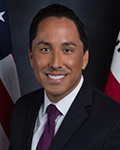
Bill Author
Bill Co-Author(s):