ACR 84: The 80th Anniversary of the Zoot Suit Riots.
- Session Year: 2023-2024
- House: Assembly
- Latest Version Date: 2023-05-22
Current Status:
Failed
(2023-09-14: Ordered to inactive file at the request of Senator Glazer.)
Introduced
In Committee
First Chamber
In Committee
Second Chamber
Enacted
This measure would commemorate June 2023 as the 80th Anniversary of the Zoot Suit Riots.
WHEREAS, June 2023 marks the 80th Anniversary of the Zoot Suit Riots; and
WHEREAS, The Zoot Suit Riots were a series of conflicts that occurred in June 1943 in the City of Los Angeles between United States servicemen and Mexican American youths, the latter of whom wore outfits called zoot suits; and
WHEREAS, The zoot suit consisted of a broad-shouldered drape jacket, balloon-leg trousers, and, sometimes, a flamboyant hat; and
WHEREAS, Mexican and Mexican American youths who wore these outfits were called zoot-suiters; and
WHEREAS, These individuals referred to themselves as pachucos, a name linked to the Mexican American generations rebellion against both the Mexican and American cultures; and
WHEREAS, Pressures related to the United States involvement in World War II contributed to the racial tensions that preceded the riots; and
WHEREAS, Workers were needed in the agricultural and service sectors of the United States to fill the jobs vacated by those who were serving in the military; and
WHEREAS, An agreement was reached with Mexico whereby temporary workers from Mexico were brought into the United States; and
WHEREAS, This influx of Mexican workers was not particularly welcomed by White Americans; and
WHEREAS, As part of the war effort, by March 1942, the United States had begun rationing various resources; and
WHEREAS, Restrictions on wool had a direct effect on the manufacture of wool suits and other clothing; and
WHEREAS, There were regulations prohibiting the manufacturing of zoot suits, but a network of bootleg tailors continued to manufacture them; and
WHEREAS, This exacerbated racial tensions, as Mexican American youths wearing the zoot suits were seen as un-American because they were deliberately ignoring the rationing regulations; and
WHEREAS, The Zoot Suit Riots are commonly associated with the Sleepy Lagoon murder, which occurred in August 1942; and
WHEREAS, The Sleepy Lagoon, as it was nicknamed, was one of the larger reservoirs outside the City of Los Angeles; and
WHEREAS, On the night of August 1, 1942, zoot-suiters were involved in a fight at a party near the Sleepy Lagoon; and
WHEREAS, The next morning, one of the partygoers, Jose Diaz, was dead; and
WHEREAS, There was public outcry against the zoot-suiters, fueled by local tabloids; and
WHEREAS, Citing concerns about juvenile delinquency, California Governor Culbert Olson used Diazs death as the impetus for a roundup by the Los Angeles Police Department of more than 600 young men and women, most of whom were Mexican American; and
WHEREAS, Several of the zoot-suiters who were arrested were tried and, in January 1943, convicted of murder; and
WHEREAS, However, many people denounced the circus atmosphere of the trial and attacked the verdict as a miscarriage of justice; and
WHEREAS, The convictions of the Mexican American youths were later reversed on appeal in October 1944; and
WHEREAS, During the period from 1942 through 1943, the news media continued to portray the zoot-suiters as dangerous gang members who were capable of murder; and
WHEREAS, On the basis of the news reports, more and more people began to believe that the Mexican American youths, particularly the zoot-suiters, were predisposed to committing crime; and
WHEREAS, It was in this racially charged atmosphere that the conflict between predominantly White servicemen stationed in southern California and Mexican American youths in the area began; and
WHEREAS, Incidents initially took the form of minor altercations, but later escalated; and
WHEREAS, Within months of the Sleepy Lagoon convictions, the City of Los Angeles erupted in what are commonly referred to as the Zoot Suit Riots; and
WHEREAS, The riots began on June 3, 1943, after a group of sailors stated that they had been attacked by a group of Mexican American zoot-suiters; and
WHEREAS, As a result, on June 4, a number of uniformed sailors chartered cabs and proceeded to the Mexican American community, seeking out the zoot-suiters; and
WHEREAS, What occurred that evening and in the following days was a series of conflicts primarily between servicemen and zoot-suiters; and
WHEREAS, Many zoot-suiters were beaten by servicemen and stripped of their zoot suits on the spot; and
WHEREAS, The servicemen sometimes urinated on the zoot suits or burned them in the streets; and
WHEREAS, One local paper printed an article describing how to de-zoot a zoot-suiter, including directions that the zoot suits should be burned; and
WHEREAS, The servicemen were also portrayed in local news publications as heroes fighting against what was referred to as a Mexican crime wave; and
WHEREAS, The worst of the rioting occurred on the night of June 7, when thousands of servicemen and citizens prowled the streets of the downtown City of Los Angeles, attacking zoot-suiters as well as members of minority groups who were not wearing zoot suits; and
WHEREAS, In response to these confrontations, police arrested hundreds of Mexican American youths, many of whom had already been attacked by servicemen; and
WHEREAS, There were also reports of Mexican American youths requesting to be arrested and locked up in order to protect themselves from the servicemen in the streets; and
WHEREAS, In contrast, very few sailors and soldiers were arrested during the riots; and
WHEREAS, Shortly after midnight on June 8, military officials declared the City of Los Angeles off-limits to all military personnel; and
WHEREAS, Deciding that the local police were completely unable or unwilling to handle the situation, officials ordered military police to patrol parts of the city and arrest disorderly military personnel; this, coupled with the ban, served to greatly deter the servicemens riotous actions; and
WHEREAS, The next day, the Los Angeles City Council passed a resolution that banned the wearing of zoot suits on the City of Los Angeles streets; and
WHEREAS, The number of attacks dwindled, and the rioting had largely ended by June 10; and
WHEREAS, In the following weeks, however, similar disturbances occurred in other states; and
WHEREAS, Remarkably, no one was killed during the riots, although many people were injured; and
WHEREAS, The fact that considerably more Mexican Americans than servicemen were arrested, upward of 600 of the former, according to some estimates, fueled criticism of the Los Angeles Police Departments response to the riots from some quarters; and
WHEREAS, As the riots died down, California Governor Earl Warren ordered the creation of a citizens committee to investigate and determine the cause of the Zoot Suit Riots; and
WHEREAS, The committees report indicated that there were several factors involved, but that racism was the central cause of the riots and that it was exacerbated by the response of the Los Angeles Police Department, as well as by biased and inflammatory media coverage; and
WHEREAS, The City of Los Angeles Mayor Fletcher Bowron, concerned about the riots negative impact on the citys image, issued his own conclusion, stating that racial prejudice was not a factor and that the riots were caused by juvenile delinquents; and
WHEREAS, The Zoot Suit Riots is an important part of Los Angeles and California history and it is critical that we mark the 80th anniversary of this event appropriately; now, therefore, be it
Resolved by the Assembly of the State of California, the Senate thereof concurring, That the Legislature hereby commemorates June 2023 as the 80th Anniversary of the Zoot Suit Riots; and be it further
Resolved, That the Chief Clerk of the Assembly transmit copies of this resolution to the author for appropriate distribution.
|
Date
|
Status
|
|---|---|
| Sep 14, 2023 | Ordered to inactive file at the request of Senator Glazer. |
| Jun 21, 2023 | From committee: Ordered to third reading. |
| Jun 13, 2023 | In Senate. To Com. on RLS. |
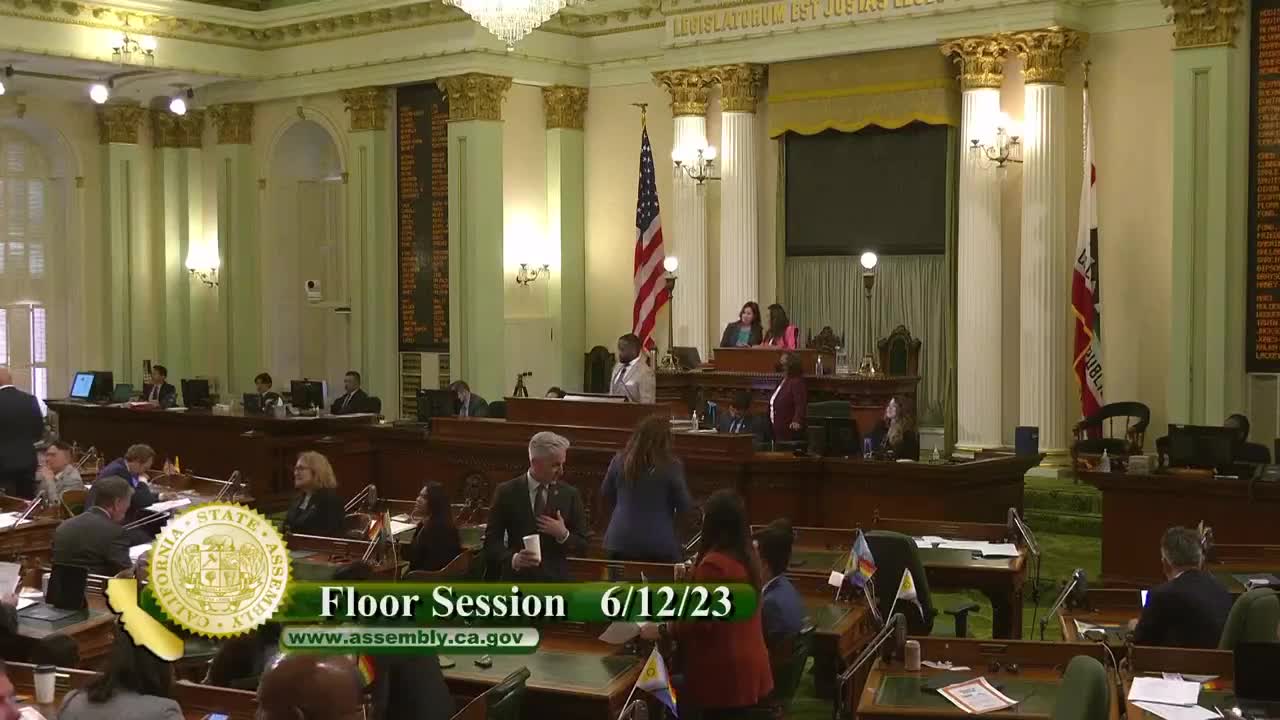
| Jun 12, 2023 | Adopted and to Senate. (Page 2219.) |
| Jun 12, 2023 | Coauthors revised. |
| May 26, 2023 | From committee: Be adopted. Ordered to Third Reading. (Ayes 12. Noes 0.) (May 26). |
| May 26, 2023 | Referred to Com. on RLS. |
| May 23, 2023 | From printer. |
| May 22, 2023 | Introduced. To print. |
|
Date
|
Description
|
Location
|
Votes
|
|
|---|---|---|---|---|
| May 26, 2023 | Be adopted. To third reading. | Assembly Standing Committee on Rules |
Passed |
This list shows positions taken on this bill by organizations on the date displayed, which is linked to the original source.
Positions by individuals are not included.
|
Organization
|
Position
|
Date
|
|---|---|---|
| 50th Chicano Moratorium Committee | ** Support |
SENATE RULES COMMITTEE Office of Senate Floor Analyses (916) 651-1520 Fax: (916) 327-4478 | ACR 84 |
THIRD READING
Bill No: ACR 84
Author: Wendy Carrillo (D), et al.
Introduced: 5/22/23
Vote: 21
ASSEMBLY FLOOR: Read and adopted, 6/12/23
SUBJECT: The 80th Anniversary of the Zoot Suit Riots
SOURCE: Author
DIGEST:
This resolution commemorates June 2023 as the 80th Anniversary of the Zoot Suit Riots.
ANALYSIS: This resolution makes the following legislative findings:
- June 2023 marks the 80th Anniversary of the Zoot Suit Riots.
- The Zoot Suit Riots were a series of conflicts that occurred in June 1943 in the City of Los Angeles between United States servicemen and Mexican American youths, the latter of whom wore outfits called zoot suits.
- The zoot suit consisted of a broad-shouldered drape jacket, balloon-leg trousers, and, sometimes, a flamboyant hat.
- Mexican and Mexican American youths who wore these outfits were called zoot-suiters.
- These individuals referred to themselves as pachucos, a name linked to the Mexican American generation’s rebellion against both the Mexican and American cultures.
- Workers were needed in the agricultural and service sectors of the United States to fill the jobs vacated by those who were serving in the military.
- An agreement was reached with Mexico whereby temporary workers from Mexico were brought into the United States.
- This influx of Mexican workers was not particularly welcomed by White Americans.
- There were regulations prohibiting the manufacturing of zoot suits, but a network of bootleg tailors continued to manufacture them.
- This exacerbated racial tensions, as Mexican American youths wearing the zoot suits were seen as un-American because they were deliberately ignoring the rationing regulations.
- The Zoot Suit Riots are commonly associated with the Sleepy Lagoon murder, which occurred in August 1942.
- On the night of August 1, 1942, zoot-suiters were involved in a fight at a party near the Sleepy Lagoon.
- The next morning, one of the partygoers, José Díaz, was dead.
- Several of the zoot-suiters who were arrested were tried and, in January 1943, convicted of murder.
- However, many people denounced the circus atmosphere of the trial and attacked the verdict as a miscarriage of justice.
- The convictions of the Mexican American youths were later reversed on appeal in October 1944.
- On the basis of the news reports, more and more people began to believe that the Mexican American youths, particularly the zoot-suiters, were predisposed to committing crime.
- It was in this racially charged atmosphere that the conflict between predominantly White servicemen stationed in southern California and Mexican American youths in the area began.
- Within months of the Sleepy Lagoon convictions, the City of Los Angeles erupted in what are commonly referred to as the Zoot Suit Riots.
- The riots began on June 3, 1943, after a group of sailors stated that they had been attacked by a group of Mexican American zoot-suiters.
- As a result, on June 4, a number of uniformed sailors chartered cabs and proceeded to the Mexican American community, seeking out the zoot-suiters.
- Many zoot-suiters were beaten by servicemen and stripped of their zoot suits on the spot.
- The worst of the rioting occurred on the night of June 7, when thousands of servicemen and citizens prowled the streets of the downtown City of Los Angeles, attacking zoot-suiters as well as members of minority groups who were not wearing zoot suits.
- In response to these confrontations, police arrested hundreds of Mexican American youths, many of whom had already been attacked by servicemen.
- There were also reports of Mexican American youths requesting to be arrested and locked up in order to protect themselves from the servicemen in the streets.
- In contrast, very few sailors and soldiers were arrested during the riots.
- Shortly after midnight on June 8, military officials declared the City of Los Angeles off-limits to all military personnel.
- The next day, the Los Angeles City Council passed a resolution that banned the wearing of zoot suits on the City of Los Angeles streets.
- The number of attacks dwindled, and the rioting had largely ended by June 10.
- In the following weeks, however, similar disturbances occurred in other states.
- Remarkably, no one was killed during the riots, although many people were injured.
- The fact that considerably more Mexican Americans than servicemen were arrested, upward of 600 of the former, according to some estimates, fueled criticism of the Los Angeles Police Department’s response to the riots from some quarters.
- As the riots died down, California Governor Earl Warren ordered the creation of a citizens’ committee to investigate and determine the cause of the Zoot Suit Riots.
- The committee’s report indicated that there were several factors involved, but that racism was the central cause of the riots and that it was exacerbated by the response of the Los Angeles Police Department, as well as by biased and inflammatory media coverage.
- The City of Los Angeles Mayor Fletcher Bowron, concerned about the riots’ negative impact on the city’s image, issued his own conclusion, stating that racial prejudice was not a factor and that the riots were caused by juvenile delinquents.
This resolution commemorates June 2023 as the 80th Anniversary of the Zoot Suit Riots.
FISCAL EFFECT: Appropriation: No Fiscal Com.: No Local: No
SUPPORT: (Verified 6/21/23)
50th Chicano Moratorium Committee
OPPOSITION: (Verified 6/21/23)
None received
ARGUMENTS OF SUPPORT: 50th Chicano Moratorium Committee writes, “This resolution speaks to our mission to correct the narrative of the history and treatment of Mexican/Chicano youth, and other cultures throughout the U.S., during a period of segregation, racism, violence, and hate throughout the country. Moreover, to commemorate, educate, and memorialize the events of the Mexican/Chicano civil rights movement, and, the painful and reactionary acts against our working families, serves to set the generational record straight.”
Prepared by: Karen Chow / SFA / (916) 651-1520
6/21/23 14:27:47
**** END ****
ASSEMBLY THIRD READING
ATR Bill Id:ACR 84
Author:(Wendy Carrillo)
As Introduced Ver:May 22, 2023
Majority vote
SUMMARY
Commemorates June 2023 as the 80th Anniversary of the Zoot Suit Riots, which is an important part of Los Angeles and California history.
Major Provisions
- The Zoot Suit Riots were a series of conflicts that occurred in June 1943 in the City of Los Angeles between United States servicemen and Mexican American youths, the latter of whom wore outfits called zoot suits. The zoot suit consisted of a broad-shouldered drape jacket, balloon-leg trousers, and, sometimes, a flamboyant hat.
- Pressures related to the United States involvement in World War II contributed to the racial tensions that preceded the riots. Workers were needed in the agricultural and service sectors of the United States to fill the jobs vacated by those who were serving in the military.
- An agreement was reached with Mexico whereby temporary workers from Mexico were brought into the United States. This influx of Mexican workers was not particularly welcomed by White Americans.
- The Zoot Suit Riots are commonly associated with the Sleepy Lagoon murder, which occurred in August 1942. On the night of August 1, 1942, zoot-suiters were involved in a fight at a party near the Sleepy Lagoon. There was public outcry against the zoot-suiters, fueled by local tabloids.
- Several of the zoot-suiters who were arrested were tried and, in January 1943, convicted of murder. However, many people denounced the circus atmosphere of the trial and attacked the verdict as a miscarriage of justice. The convictions of the Mexican American youths were later reversed on appeal in October 1944.
- During the period from 1942 through 1943, the news media continued to portray the zoot-suiters as dangerous gang members who were capable of murder. It was in this racially charged atmosphere that the conflict between predominantly White servicemen stationed in southern California and Mexican American youths in the area began.
- Within months of the Sleepy Lagoon convictions, the City of Los Angeles erupted in what are commonly referred to as the Zoot Suit Riots. The riots began on June 3, 1943, after a group of sailors stated that they had been attacked by a group of Mexican American zoot-suiters.
- The worst of the rioting occurred on the night of June 7, when thousands of servicemen and citizens prowled the streets of the downtown City of Los Angeles, attacking zoot-suiters as well as members of minority groups who were not wearing zoot suits.
- As the riots died down, California Governor Earl Warren ordered the creation of a citizens' committee to investigate and determine the cause of the Zoot Suit Riots.
- The committee's report indicated that there were several factors involved, but that racism was the central cause of the riots and that it was exacerbated by the response of the Los Angeles Police Department, as well as by biased and inflammatory media coverage.
- The Zoot Suit Riots is an important part of Los Angeles and California history and it is critical that we mark the 80th anniversary of this event appropriately.
COMMENTS
According to the Author
ACA 84 will commemorate June 2023 as the 80th Anniversary of the Zoot Suit Riots. During the riots, hundreds of Mexican American youths, particularly the zoot-suiters, were attacked by servicemen and arrested by police. This resolution encourages California to acknowledge the importance of the riots in Los Angeles and California history and recognize the impact of racial prejudice.
Arguments in Support
The 50th Chicano Moratorium Committee writes in support: "This resolution speaks to our mission to correct the narrative of the history and treatment of Mexican/Chicano youth, and other cultures throughout the U.S., during a period of segregation, racism, violence, and hate throughout the country. The Zoot Suit Riots during the period of world war represented a shameful chapter in history that can only be corrected by recognizing those that persevered hatred and violence."
Arguments in Opposition
None on file.
FISCAL COMMENTS
No fiscal impact. This resolution is keyed non-fiscal by Legislative Counsel.
VOTES
ASM RULES: 12-0-1
YES: Ramos, Waldron, Addis, Juan Carrillo, Essayli, Flora, Low, Ortega, Pacheco, Papan, Pellerin, Blanca Rubio
ABS, ABST OR NV: Valencia
UPDATED
VERSION: May 22, 2023
CONSULTANT: Michael Erke / RLS. / (916) 319-2800 FN: 0001040
Date of Hearing: May 26, 2023
ASSEMBLY COMMITTEE ON RULES
James Ramos, Chair
ABPCA Bill Id:ACR 84 (
Author:Wendy Carrillo) – As Introduced Ver:May 22, 2023
SUBJECT: The 80th Anniversary of the Zoot Suit Riots.
SUMMARY: Commemorates June 2023 as the 80th Anniversary of the Zoot Suit Riots, which is an important part of Los Angeles and California history. Specifically, this resolution makes the following legislative findings:
- The Zoot Suit Riots were a series of conflicts that occurred in June 1943 in the City of Los Angeles between United States servicemen and Mexican American youths, the latter of whom wore outfits called zoot suits. The zoot suit consisted of a broad-shouldered drape jacket, balloon-leg trousers, and, sometimes, a flamboyant hat.
- Pressures related to the United States involvement in World War II contributed to the racial tensions that preceded the riots. Workers were needed in the agricultural and service sectors of the United States to fill the jobs vacated by those who were serving in the military.
- An agreement was reached with Mexico whereby temporary workers from Mexico were brought into the United States. This influx of Mexican workers was not particularly welcomed by White Americans.
- The Zoot Suit Riots are commonly associated with the Sleepy Lagoon murder, which occurred in August 1942. On the night of August 1, 1942, zoot-suiters were involved in a fight at a party near the Sleepy Lagoon. There was public outcry against the zoot-suiters, fueled by local tabloids.
- Several of the zoot-suiters who were arrested were tried and, in January 1943, convicted of murder. However, many people denounced the circus atmosphere of the trial and attacked the verdict as a miscarriage of justice. The convictions of the Mexican American youths were later reversed on appeal in October 1944.
- During the period from 1942 through 1943, the news media continued to portray the zoot-suiters as dangerous gang members who were capable of murder. It was in this racially charged atmosphere that the conflict between predominantly White servicemen stationed in southern California and Mexican American youths in the area began.
- Within months of the Sleepy Lagoon convictions, the City of Los Angeles erupted in what are commonly referred to as the Zoot Suit Riots. The riots began on June 3, 1943, after a group of sailors stated that they had been attacked by a group of Mexican American zoot-suiters.
- The worst of the rioting occurred on the night of June 7, when thousands of servicemen and citizens prowled the streets of the downtown City of Los Angeles, attacking zoot-suiters as well as members of minority groups who were not wearing zoot suits.
- As the riots died down, California Governor Earl Warren ordered the creation of a citizens’ committee to investigate and determine the cause of the Zoot Suit Riots.
- The committee’s report indicated that there were several factors involved, but that racism was the central cause of the riots and that it was exacerbated by the response of the Los Angeles Police Department, as well as by biased and inflammatory media coverage.
- The Zoot Suit Riots is an important part of Los Angeles and California history and it is critical that we mark the 80th anniversary of this event appropriately.
FISCAL EFFECT: None
REGISTERED SUPPORT / OPPOSITION:
Support
None on file
Opposition
None on file
Analysis Prepared by: Michael Erke / RLS. / (916) 319-2800
Bill Author

Bill Co-Author(s):