AB 2663: Youth Acceptance Project.
- Session Year: 2021-2022
- House: Assembly
- Latest Version Date: 2022-08-26
Existing law generally provides for the placement of foster youth in various placement settings, and governs the provision of child welfare services, defined to mean public social services that are directed toward the accomplishment of specified purposes, including protecting and promoting the welfare of all children, preventing the unnecessary separation of children from their families, and restoring to their families children who have been removed. Existing law establishes the California Interagency Council on Homelessness, and requires the council to, among other things, set and measure progress towards goals to prevent and end homelessness among youth in California.
This bill would, on or before July 1, 2023, require the State Department of Social Services to establish a 5-year pilot program, the Youth Acceptance Project (YAP), in order to increase permanency outcomes for lesbian, gay, bisexual, transgender, queer, or plus (LGBTQ+) and gender-expansive youth, as defined, in up to 5 counties, to be selected to participate on a voluntary basis in the pilot program, as specified. The bill would set forth qualifying conditions for YAP services, including the youths receipt of child welfare services or being at risk of entering foster care, or being homeless or at risk of homelessness.
The bill would, subject to an appropriation, require the department to work in consultation with the nonprofit organization Family Builders by Adoption and other relevant stakeholders, as specified, to assist participating counties in providing LGBTQ+ and gender-expansive youth, and their families who are struggling with accepting the youths sexual orientation, gender identity, or gender expression, with advocacy, therapeutic-style support, and other necessary and appropriate intervention services. The bill would require participating counties to provide services that meet certain requirements relating to professional providers, principles, and procedures, including, among other things, any necessary housing and homelessness services, as specified.
The bill would require the department to submit a report to the Legislature with an evaluation of the pilot program.
This bill would make these provisions inoperative on July 1, 2029, and would repeal them as of January 1, 2030.
Existing law generally provides for the placement of foster youth in various placement settings, and governs the provision of child welfare services, defined to mean public social services that are directed toward the accomplishment of specified purposes, including protecting and promoting the welfare of all children, preventing the unnecessary separation of children from their families, and restoring to their families children who have been removed. Existing law establishes the California Interagency Council on Homelessness, and requires the council to, among other things, set and measure progress towards goals to prevent and end homelessness among youth in California.
This bill would, on or before July 1, 2023, require the State Department of Social Services to establish a 5-year pilot program, the Youth Acceptance Project (YAP), in order to increase permanency outcomes for lesbian, gay, bisexual, transgender, queer, or plus (LGBTQ+) and gender-expansive youth, as defined, in up to 5 counties, to be selected to participate on a voluntary basis in the pilot program, as specified. The bill would set forth qualifying conditions for YAP services, including the youths receipt of child welfare services or being at risk of entering foster care, or being homeless or at risk of homelessness.
The bill would, subject to an appropriation, require the department to partner work in consultation with the nonprofit organization Family Builders by Adoption and other relevant stakeholders stakeholders, as specified, to assist participating counties in providing LGBTQ+ and gender-expansive youth, and their families who are struggling with accepting the youths sexual orientation, gender identity, or gender expression, with advocacy, therapeutic-style support, and other necessary and appropriate intervention services. The bill would require participating counties to provide services that meet certain requirements relating to professional providers, principles, and methods. procedures, including, among other things, any necessary housing and homelessness services, as specified.
The bill would require the department to submit a report to the Legislature with an evaluation of the pilot program.
This bill would make these provisions inoperative on July 1, 2029, and would repeal them as of January 1, 2030.
Existing law generally provides for the placement of foster youth in various placement settings, and governs the provision of child welfare services, defined to mean public social services that are directed toward the accomplishment of specified purposes, including protecting and promoting the welfare of all children, preventing the unnecessary separation of children from their families, and restoring to their families children who have been removed. Existing law establishes the California Interagency Council on Homelessness, and requires the council to, among other things, set and measure progress towards goals to prevent and end homelessness among youth in California.
This bill would, on or before July 1, 2023, require the State Department of Social Services to establish a 5-year pilot program, the Youth Acceptance Project (YAP), in order to increase permanency outcomes for lesbian, gay, bisexual, transgender, queer, or plus (LGBTQ+) and gender-expansive youth, as defined, in up to 5 counties, to be selected to participate on a voluntary basis in the pilot program, as specified. The bill would set forth qualifying conditions for YAP services, including the youths receipt of child welfare services or being at risk of entering foster care, or being homeless or at risk of homelessness.
The bill would, subject to an appropriation, require the department to partner with the nonprofit organization Family Builders by Adoption and other relevant stakeholders to assist participating counties in providing LGBTQ+ and gender-expansive youth, and their families who are struggling with accepting the youths sexual orientation, gender identity, or gender expression, with advocacy, therapeutic-style support, and intervention services. The bill would require participating counties to provide services that meet certain requirements relating to professional providers, principles, and methods.
The bill would require the department to submit a report to the Legislature with an evaluation of the pilot program.
This bill would make these provisions inoperative on July 1, 2029, and would repeal them as of January 1, 2030.
Existing law generally provides for the placement of foster youth in various placement settings, and governs the provision of child welfare services, which is defined to mean public social services that are directed toward the accomplishment of specified purposes, including protecting and promoting the welfare of all children, preventing the unnecessary separation of children from their families, and restoring to their families children who have been removed. Existing law establishes the California Interagency Council on Homelessness, and requires the council to, among other things, set and measure progress towards goals to prevent and end homelessness among youth in California.
This bill would require the State Department of Social Services to establish a 5-year pilot project, the Youth Acceptance Project (YAP), in counties that shall be selected to participate on a voluntary basis in the pilot project, as specified. The bill would require the department to contract with the nonprofit organization, Family Builders by Adoption, to provide, in conjunction with participating counties, advocacy, therapeutic-style support, and intervention services to lesbian, gay, bisexual, transgender, queer, and plus (LGBTQ+) youth who receive, or are at risk of receiving, child welfare services and LGBTQ+ youth who are experiencing homelessness or are at risk of homelessness, and their families who are struggling with accepting the youths sexual orientation, gender identity, or expression (SOGIE). The bill would require YAP services provided under the pilot project to meet specified requirements, including, that the services are to be provided by a clinician or social worker and designed to increase acceptance among a LGBTQ+ youths parents, caregivers, foster parents, adoptive parents, extended family members, social workers, and additional staff involved in a youths care. The bill would require the department to submit a report to the Legislature with an evaluation of the pilot project, and would repeal these provisions on January 1, 2030.This bill would, on or before July 1, 2023, require the State Department of Social Services to establish a 5-year pilot program, the Youth Acceptance Project (YAP), in order to increase permanency outcomes for lesbian, gay, bisexual, transgender, queer, or plus (LGBTQ+) and gender-expansive youth, as defined, in up to 5 counties, to be selected to participate on a voluntary basis in the pilot program, as specified. The bill would set forth qualifying conditions for YAP services, including the youths receipt of child welfare services or being at risk of entering foster care, or being homeless or at risk of homelessness.
The bill would, subject to an appropriation, require the department to partner with the nonprofit organization Family Builders by Adoption and other relevant stakeholders to assist participating counties in providing LGBTQ+ and gender-expansive youth, and their families who are struggling with accepting the youths sexual orientation, gender identity, or gender expression, with advocacy, therapeutic-style support, and intervention services. The bill would require participating counties to provide services that meet certain requirements relating to professional providers, principles, and methods.
The bill would require the department to submit a report to the Legislature with an evaluation of the pilot program.
This bill would make these provisions inoperative on July 1, 2029, and would repeal them as of January 1, 2030.
Existing law generally provides for the placement of foster youth in various placement settings, and governs the provision of child welfare services, which is defined to mean public social services that are directed toward the accomplishment of specified purposes, including protecting and promoting the welfare of all children, preventing the unnecessary separation of children from their families, and restoring to their families children who have been removed. Existing law establishes the California Interagency Council on Homelessness, and requires the council to, among other things, set and measure progress towards goals to prevent and end homelessness among youth in California.
This bill would require the State Department of Social Services to establish a 5-year pilot project, the Youth Acceptance Project (YAP), in counties that shall be selected to participate on a voluntary basis in the pilot project, as specified. The bill would require the department to contract with the nonprofit organization, Family Builders by Adoption, to provide, in conjunction with participating counties, advocacy, therapeutic-style support, and intervention services to lesbian, gay, bisexual, transgender, queer, and plus (LGBTQ+) youth who receive, or are at risk of receiving, child welfare services and LGBTQ+ youth who are experiencing homelessness or are at risk of homelessness, and their families who are struggling with accepting the youths sexual orientation, gender identity, or expression (SOGIE). The bill would require YAP services provided under the pilot project to meet specified requirements, including, that the services are to be provided by a clinician or social worker and designed to increase acceptance among a LGBTQ+ youths parents, caregivers, foster parents, adoptive parents, extended family members, social workers, and additional staff involved in a youths care. The bill would require the department to submit a report to the Legislature with an evaluation of the pilot project, and would repeal these provisions on January 1, 2030.
Existing requires the Governor to establish the California Interagency Council on Homelessness, and requires the council to, among other things, set and measure progress towards goals to prevent and end homelessness among youth in California.This bill would state the intent of the Legislature to enact legislation to support young people experiencing homelessness and to prevent and eradicate homelessness among Californias youth, and would make related findings and declarations.Existing requires the Governor to establish the California Interagency Council on Homelessness, and requires the council to, among other things, set and measure progress towards goals to prevent and end homelessness among youth in California.
This bill would state the intent of the Legislature to enact legislation to support young people experiencing homelessness and to prevent and eradicate homelessness among Californias youth, and would make related findings and declarations.
(a)The Legislature finds and declares all of the following:
(1)Research shows that when a family is rejecting of a youths sexual orientation, gender identity, or gender expression (SOGIE), that rejection negatively affects the youth in many ways.
(2)Family rejection is a significant contributing factor to the disproportionate number of lesbian, gay, bisexual, transgender, queer, or plus (LGBTQ+) and gender-expansive youth experiencing homelessness or impacted by the child welfare system.
(3)Family Builders by Adoption, a nonprofit foster family agency, created the Youth Acceptance Project (YAP), an intervention working with the families of LGBTQ+ and gender-expansive youth. The intervention serves as a family preservation and family reunification tool assisting families who are struggling with the SOGIE of their child. Family Builders by Adoption currently provides YAP direct services in several counties in the San Francisco Bay area.
(b)It is the intent of the Legislature in enacting this act to spark additional county and regional collaboration to address the disproportionate number of LGBTQ+ and gender-expansive youth who are experiencing homelessness and separated from their families and to take a harm reductionist approach to establishing permanency outcomes for youth and their family of origin.
SEC. 2.Chapter 4.7 (commencing with Section 18287) is added to Part 6 of Division 9 of the Welfare and Institutions Code, to read:4.7.Youth Acceptance Project18287.(a)On or before July 1, 2023, the State Department of Social Services shall establish a five-year pilot program, known as the Youth Acceptance Project (YAP), for the purpose of increasing permanency outcomes for lesbian, gay, bisexual, transgender, queer, or plus (LGBTQ+) and gender-expansive youth in up to five counties, which shall be selected to participate on a voluntary basis in the pilot program according to criteria developed by the department pursuant to this section, in consultation with the County Welfare Directors Association of California, the nonprofit organization Family Builders by Adoption, and other relevant stakeholders with expertise in issues relating to LGBTQ+ and gender-expansive youth. Counties selected to participate in the pilot shall include, at a minimum, one county in southern California, one county in northern California, and one county in a rural area of the state.
(b)Subject to an appropriation by the Legislature for the purpose of implementing this section, the department shall work in consultation with Family Builders by Adoption and other relevant stakeholders, including, but not limited to, tribal organizations, homeless continuums of care, community-based LGBTQ+ and gender-expansive organizations, and educational institutions, to assist participating counties in providing LGBTQ+ and gender-expansive youth, and their families who are struggling with accepting the youths sexual orientation, gender identity, or gender expression (SOGIE), with advocacy, therapeutic-style support, and other necessary and appropriate intervention services. To receive services through the YAP, the youth shall meet at least one of the following descriptions:
(1)The youth receives child welfare services or is at risk of entering foster care.
(2)The youth is homeless or is at risk of homelessness.
(c)Counties selected to participate in the pilot program shall provide services that meet all of the following requirements:
(1)Be provided by a clinician or social worker using a trauma-informed, psychoeducational model that is intentionally responsive to the families experiences within their own culture, religion, and race to address the misinformation, resistance, fear, and grief with which families often struggle in relation to a youths SOGIE.
(2)Be designed to increase, when possible, acceptance among an LGBTQ+ or gender-expansive youths parents, foster parents, adoptive parents, extended family members, other caregivers, tribal leaders, social workers, and additional staff involved in the youths care, as applicable.
(3)Be designed to provide holistic external supports for LGBTQ+ and gender-expansive youth, including the provision of housing and homelessness services and coordination with the homelessness response system to provide, when necessary and to the extent not in conflict with federal or state law, a safe and comfortable alternative to living with caregivers who are not accepting of the youths SOGIE.
(4)Emphasize all of the following:
(A)Approaching caregivers and important adults in a culturally humble manner as people who need additional information and personalized support to be the affirming advocating caregivers that LGBTQ+ and gender-expansive youth need them to be.
(B)Recognizing that caregivers often experience complex emotions in response to a youths SOGIE journey.
(C)Believing that, with the proper support, caregivers can and do change.
(D)Providing accurate information to refute myths and misinformation about LGBTQ+ and gender-expansive identities.
(E)Supporting caregivers in identifying their core beliefs and feelings about LGBTQ+ and gender-expansive identities and helping them work through related emotions.
(F)Advocating for youth and their families in various settings and communities.
(d)(1)The department shall submit a report to the Legislature with an evaluation of the pilot program.
(2)A report to be submitted pursuant to paragraph (1) shall be submitted in compliance with Section 9795 of the Government Code.
(e)For purposes of this section, the following definitions apply:
(1)At risk of entering foster care has the same meaning as defined in Section 727.4.
(2)At risk of homelessness has the same meaning as defined in Section 11360(1) of Title 42 of the United States Code.
(3)Child welfare services has the same meaning as defined in Section 16501.
(4)Gender expansive means an umbrella term to describe individuals who expand notions of gender expression and identity beyond binary gender norms.
(5)Homeless has the same meaning as defined in Section 16523.
(6)Youth means an individual who is between 3 and 21 years of age, inclusive.
18288.This chapter shall become inoperative on July 1, 2029, and, as of January 1, 2030, is repealed.
(a)The Legislature finds and declares all of the following:
(1)Research shows that when a family is rejecting of a youths sexual orientation, gender identity, or gender expression (SOGIE), that rejection negatively affects the youth in many ways.
(2)Family rejection is a significant contributing factor to the disproportionate number of lesbian, gay, bisexual, transgender, queer, or plus (LGBTQ+) and gender-expansive youth experiencing homelessness or impacted by the child welfare system.
(3)Family Builders by Adoption, a nonprofit foster family agency, created the Youth Acceptance Project (YAP), an intervention working with the families of LGBTQ+ and gender-expansive youth. The intervention serves as a family preservation and family reunification tool assisting families who are struggling with the SOGIE of their child. Family Builders by Adoption currently provides YAP direct services in several counties in the San Francisco Bay area.
(b)It is the intent of the Legislature in enacting this act to spark additional county and regional collaboration to address the disproportionate number of LGBTQ+ and gender-expansive youth who are experiencing homelessness and separated from their families and to take a harm reductionist approach to establishing permanency outcomes for youth and their family of origin.
SEC. 2.Chapter 4.7 (commencing with Section 18287) is added to Part 6 of Division 9 of the Welfare and Institutions Code, to read:4.7.Youth Acceptance Project18287.(a)On or before July 1, 2023, the State Department of Social Services shall establish a five-year pilot program, known as the Youth Acceptance Project (YAP), for the purpose of increasing permanency outcomes for lesbian, gay, bisexual, transgender, queer, or plus (LGBTQ+) and gender-expansive youth in up to five counties, which shall be selected to participate on a voluntary basis in the pilot program according to criteria developed by the department pursuant to this section, in consultation with the County Welfare Directors Association of California, the nonprofit organization Family Builders by Adoption, and other relevant stakeholders with expertise in issues relating to LGBTQ+ and gender-expansive youth. Counties selected to participate in the pilot shall include, at a minimum, one county in southern California, one county in northern California, and one county in a rural area of the state.
(b)Subject to an appropriation by the Legislature for the purpose of implementing this section, the department shall partner work in consultation with Family Builders by Adoption and other relevant stakeholders stakeholders, including, but not limited to, tribal organizations, homeless continuums of care, community-based LGBTQ+ and gender-expansive organizations, and educational institutions, to assist participating counties in providing LGBTQ+ and gender-expansive youth, and their families who are struggling with accepting the youths sexual orientation, gender identity, or gender expression (SOGIE), with advocacy, therapeutic-style support, and other necessary and appropriate intervention services. To receive services through the YAP, the youth shall meet at least one of the following descriptions:
(1)The youth receives child welfare services or is at risk of entering foster care.
(2)The youth is homeless or is at risk of homelessness.
(c)Counties selected to participate in the pilot program shall provide services that meet all of the following requirements:
(1)Be provided by a clinician or social worker using a trauma-informed, psychoeducational model that is intentionally responsive to the families experiences within their own culture, religion, and race to address the misinformation, resistance, fear, and grief with which families often struggle in relation to a youths SOGIE.
(2)Be designed to increase increase, when possible, acceptance among an LGBTQ+ or gender-expansive youths parents, caregivers, foster parents, adoptive parents, extended family members, other caregivers, tribal leaders, social workers, and additional staff involved in the youths care, as applicable.
(3)Be designed to provide holistic external supports for LGBTQ+ and gender-expansive youth, including the provision of housing and homelessness services and coordination with the homelessness response system to provide, when necessary and to the extent not in conflict with federal or state law, a safe and comfortable alternative to living with caregivers who are not accepting of the youths SOGIE.
(3)(4)Emphasize all of the following:
(A)Approaching caregivers and important adults in a culturally humble manner as people who need additional information and personalized support to be the affirming advocating caregivers that LGBTQ+ and gender-expansive youth need them to be.
(B)Recognizing that caregivers often experience complex emotions in response to a youths SOGIE journey.
(C)Believing that, with the proper support, caregivers can and do change.
(D)Providing accurate information to refute myths and misinformation about LGBTQ+ and gender-expansive identities.
(E)Supporting caregivers in identifying their core beliefs and feelings about LGBTQ+ and gender-expansive identities and helping them work through related emotions.
(F)Advocating for youth and their families in various settings and communities.
(d)(1)The department shall submit a report to the Legislature with an evaluation of the pilot program.
(2)A report to be submitted pursuant to paragraph (1) shall be submitted in compliance with Section 9795 of the Government Code.
(e)For purposes of this section, the following definitions apply:
(1)At risk of entering foster care has the same meaning as defined in Section 727.4.
(2)At risk of homelessness has the same meaning as defined in Section 11360(1) of Title 42 of the United States Code.
(3)Child welfare services has the same meaning as defined in Section 16501.
(4)Gender expansive means an umbrella term to describe individuals who expand notions of gender expression and identity beyond binary gender norms.
(5)Homeless has the same meaning as defined in Section 16523.
(6)Youth means an individual who is between 3 and 21 years of age, inclusive.
18288.This chapter shall become inoperative on July 1, 2029, and, as of January 1, 2030, is repealed.
(a)The Legislature finds and declares all of the following:
(1)Research shows that when a family is rejecting of a youths sexual orientation, gender identity, or gender expression (SOGIE), that rejection negatively affects the youth in many ways.
(2)Family rejection is a significant contributing factor to the disproportionate number of lesbian, gay, bisexual, transgender, queer, or plus (LGBTQ+) and gender-expansive youth experiencing homelessness or impacted by the child welfare system.
(3)Family Builders by Adoption, a nonprofit foster family agency, created the Youth Acceptance Project (YAP), an intervention working with the families of LGBTQ+ and gender-expansive youth. The intervention serves as a family preservation and family reunification tool assisting families who are struggling with the SOGIE of their child. Family Builders by Adoption currently provides YAP direct services in several counties in the San Francisco Bay area.
(b)It is the intent of the Legislature in enacting this act to spark additional county and regional collaboration to address the disproportionate number of LGBTQ+ and gender-expansive youth who are experiencing homelessness and separated from their families and to take a harm reductionist approach to establishing permanency outcomes for youth and their family of origin.
SEC. 2.Chapter 4.7 (commencing with Section 18287) is added to Part 6 of Division 9 of the Welfare and Institutions Code, to read:4.7.Youth Acceptance Project18287.(a)On or before July 1, 2023, the State Department of Social Services shall establish a five-year pilot program, known as the Youth Acceptance Project (YAP), for the purpose of increasing permanency outcomes for lesbian, gay, bisexual, transgender, queer, or plus (LGBTQ+) and gender-expansive youth in up to five counties, which shall be selected to participate on a voluntary basis in the pilot program according to criteria developed by the department pursuant to this section, in consultation with the County Welfare Directors Association of California, the nonprofit organization Family Builders by Adoption, and other relevant stakeholders with expertise in issues relating to LGBTQ+ and gender-expansive youth. Counties selected to participate in the pilot shall include, at a minimum, one county in southern California, one county in northern California, and one county in a rural area of the state.
(b)Subject to an appropriation by the Legislature for the purpose of implementing this section, the department shall partner with Family Builders by Adoption and other relevant stakeholders to assist participating counties in providing LGBTQ+ and gender-expansive youth, and their families who are struggling with accepting the youths sexual orientation, gender identity, or gender expression (SOGIE), with advocacy, therapeutic-style support, and intervention services. To receive services through the YAP, the youth shall meet at least one of the following descriptions:
(1)The youth receives child welfare services or is at risk of entering foster care.
(2)The youth is homeless or is at risk of homelessness.
(c)Counties selected to participate in the pilot program shall provide services that meet all of the following requirements:
(1)Be provided by a clinician or social worker using a trauma-informed, psychoeducational model that is intentionally responsive to the families experiences within their own culture, religion, and race to address the misinformation, resistance, fear, and grief with which families often struggle in relation to a youths SOGIE.
(2)Be designed to increase acceptance among an LGBTQ+ or gender-expansive youths parents, caregivers, foster parents, adoptive parents, extended family members, tribal leaders, social workers, and additional staff involved in the youths care, as applicable.
(3)Emphasize all of the following:
(A)Approaching caregivers and important adults in a culturally humble manner as people who need additional information and personalized support to be the affirming advocating caregivers that LGBTQ+ and gender-expansive youth need them to be.
(B)Recognizing that caregivers often experience complex emotions in response to a youths SOGIE journey.
(C)Believing that, with the proper support, caregivers can and do change.
(D)Providing accurate information to refute myths and misinformation about LGBTQ+ and gender-expansive identities.
(E)Supporting caregivers in identifying their core beliefs and feelings about LGBTQ+ and gender-expansive identities and helping them work through related emotions.
(F)Advocating for youth and their families in various settings and communities.
(d)(1)The department shall submit a report to the Legislature with an evaluation of the pilot program.
(2)A report to be submitted pursuant to paragraph (1) shall be submitted in compliance with Section 9795 of the Government Code.
(e)For purposes of this section, the following definitions apply:
(1)At risk of entering foster care has the same meaning as defined in Section 727.4.
(2)At risk of homelessness means experiencing the circumstances described in Section 11302(a)(5) has the same meaning as defined in Section 11360(1) of Title 42 of the United States Code.
(3)Child welfare services has the same meaning as defined in Section 16501.
(4)Gender expansive means an umbrella term to describe individuals who expand notions of gender expression and identity beyond binary gender norms.
(5)Homeless has the same meaning as defined in Section 16523.
(6)Youth means an individual who is between 3 and 21 years of age, inclusive.
18288.This chapter shall become inoperative on July 1, 2029, and, as of January 1, 2030, is repealed.
(a)The Legislature finds and declares all of the following:
(1)Research shows that when a family is rejecting of a youths sexual orientation, gender identity and identity, or gender expression (SOGIE), that rejection negatively affects the youth in many ways.
(2)Family rejection is a significant contributing factor to the disproportionate number of lesbian, gay, bisexual, questioning, and plus (LGBTQ+) transgender, queer, or plus (LGBTQ+) and gender-expansive youth experiencing homelessness or impacted by the child welfare system.
(3)Family Builders by Adoption, a nonprofit foster family agency, created the Youth Acceptance Project (YAP), an intervention working with the families of LGBTQ+ and gender expansive gender-expansive youth. The intervention serves as a family preservation and family reunification tool assisting families who are struggling with the SOGIE of their child. Family Builders by Adoption currently provides YAP direct services in several counties in the San Francisco Bay area.
(b)It is the intent of the Legislature in enacting this act to spark additional county and regional collaboration to address the disproportionate number of LGBTQ+ and gender-expansive youth who are experiencing homelessness and separated from their families and to take a harm reductionist approach to establishing permanency outcomes for youth and their family of origin.
SEC. 2.Chapter 4.7 (commencing with Section 18287) is added to Part 6 of Division 9 of the Welfare and Institutions Code, to read:4.7.Youth Acceptance Project18287.(a)The State Department of Social Services shall establish a five-year pilot project, the Youth Acceptance Project (YAP), in counties that shall be selected to participate on a voluntary basis in the pilot project. The counties shall include, at a minimum, one county in southern California, one county in northern California, and one county in a rural area of the state.(b)Under YAP, the department shall contract with the nonprofit organization, Family Builders by Adoption, to provide, in conjunction with participating counties, advocacy, therapeutic-style support, and intervention services to lesbian, gay, bisexual, transgender, queer, and plus (LGBTQ+) youth who meet one of the following descriptions, and their families who are struggling with accepting their sexual orientation, gender identity, or expression (SOGIE):(1)A youth who receives, or is at risk of receiving, child welfare services.(2)A youth who is experiencing homelessness or is at risk of homelessness.(c)The YAP services provided in participating counties shall meet all of the following requirements:(1)Be provided by a clinician or social worker using a trauma-informed, psychoeducational model that is intentionally responsive to the families experiences within their own culture, religion, and race to address the misinformation, resistance, fear, and grief that families often struggle with related to a youths SOGIE.(2)Be designed to increase acceptance among a LGBTQ+ youths parents, caregivers, foster parents, adoptive parents, extended family members, social workers, and additional staff involved in a youths care.(3)Emphasize all of the following:(A)Approaching caregivers and important adults in a culturally humble manner as people who need additional information and personalized support to be the affirming advocating caregivers that LGBTQ+ youth need them to be.(B)Recognizing that caregivers often experience complex emotions in response to a youths gender or sexual orientation and gender expression journey.(C)Believing that with the proper support caregivers can and do change.(D)Providing accurate information to refute myths and misinformation about gender expansive and LGBTQ+ identities.(E)Supporting caregivers in identifying their core beliefs and feelings about LGBTQ+ identities and helping them work through related emotions.(F)Advocating for youth and their families in various settings and communities.(d)(1)The department shall submit a report to the Legislature with an evaluation of the pilot project.(2)A report to be submitted pursuant to paragraph (1) shall be submitted in compliance with Section 9795 of the Government Code.(e)For purposes of this section, the following definitions apply:(1)Child welfare services has the same meaning as defined in Section 16501.(2)Homelessness has the same meaning as defined in subsection (2) of Section 725 of the federal McKinney-Vento Homeless Assistance Act (42 U.S.C. Sec. 11434a(2)).(3)Youth means an individual who is between 3 to 21 years of age, inclusive.(f)This section shall remain in effect only until January 1, 2030, and as of that date is repealed.18287.(a)On or before July 1, 2023, the State Department of Social Services shall establish a five-year pilot program, known as the Youth Acceptance Project (YAP), for the purpose of increasing permanency outcomes for lesbian, gay, bisexual, transgender, queer, or plus (LGBTQ+) and gender-expansive youth in up to five counties, which shall be selected to participate on a voluntary basis in the pilot program according to criteria developed by the department pursuant to this section, in consultation with the County Welfare Directors Association of California, the nonprofit organization Family Builders by Adoption, and other relevant stakeholders with expertise in issues relating to LGBTQ+ and gender-expansive youth. Counties selected to participate in the pilot shall include, at a minimum, one county in southern California, one county in northern California, and one county in a rural area of the state.
(b)Subject to an appropriation by the Legislature for the purpose of implementing this section, the department shall partner with Family Builders by Adoption and other relevant stakeholders to assist participating counties in providing LGBTQ+ and gender-expansive youth, and their families who are struggling with accepting the youths sexual orientation, gender identity, or gender expression (SOGIE), with advocacy, therapeutic-style support, and intervention services. To receive services through the YAP, the youth shall meet at least one of the following descriptions:
(1)The youth receives child welfare services or is at risk of entering foster care.
(2)The youth is homeless or is at risk of homelessness.
(c)Counties selected to participate in the pilot program shall provide services that meet all of the following requirements:
(1)Be provided by a clinician or social worker using a trauma-informed, psychoeducational model that is intentionally responsive to the families experiences within their own culture, religion, and race to address the misinformation, resistance, fear, and grief with which families often struggle in relation to a youths SOGIE.
(2)Be designed to increase acceptance among an LGBTQ+ or gender-expansive youths parents, caregivers, foster parents, adoptive parents, extended family members, tribal leaders, social workers, and additional staff involved in the youths care, as applicable.
(3)Emphasize all of the following:
(A)Approaching caregivers and important adults in a culturally humble manner as people who need additional information and personalized support to be the affirming advocating caregivers that LGBTQ+ and gender-expansive youth need them to be.
(B)Recognizing that caregivers often experience complex emotions in response to a youths SOGIE journey.
(C)Believing that, with the proper support, caregivers can and do change.
(D)Providing accurate information to refute myths and misinformation about LGBTQ+ and gender-expansive identities.
(E)Supporting caregivers in identifying their core beliefs and feelings about LGBTQ+ and gender-expansive identities and helping them work through related emotions.
(F)Advocating for youth and their families in various settings and communities.
(d)(1)The department shall submit a report to the Legislature with an evaluation of the pilot program.
(2)A report to be submitted pursuant to paragraph (1) shall be submitted in compliance with Section 9795 of the Government Code.
(e)For purposes of this section, the following definitions apply:
(1)At risk of entering foster care has the same meaning as defined in Section 727.4.
(2)At risk of homelessness means experiencing the circumstances described in Section 11302(a)(5) of Title 42 of the United States Code.
(3)Child welfare services has the same meaning as defined in Section 16501.
(4)Gender expansive means an umbrella term to describe individuals who expand notions of gender expression and identity beyond binary gender norms.
(5)Homeless has the same meaning as defined in Section 16523.
(6)Youth means an individual who is between 3 and 21 years of age, inclusive.
18288.This chapter shall become inoperative on July 1, 2029, and, as of January 1, 2030, is repealed.
(a)The Legislature finds and declares all of the following:
(1)Research shows that when a family is rejecting of a youths sexual orientation, gender identity and expression (SOGIE), that rejection negatively affects the youth in many ways.
(2)Family rejection is a significant contributing factor to the disproportionate number of lesbian, gay, bisexual, questioning, and plus (LGBTQ+) youth experiencing homelessness or impacted by the child welfare system.
(3)Family Builders by Adoption, a nonprofit foster family agency, created the Youth Acceptance Project (YAP), an intervention working with the families of LGBTQ+ and gender expansive youth. The intervention serves as a family preservation and family reunification tool assisting families who are struggling with the SOGIE of their child. Family Builders by Adoption currently provides YAP direct services in several counties in the San Francisco Bay area.
(b)It is the intent of the Legislature in enacting this act to spark additional county and regional collaboration to address the disproportionate number of LGBTQ+ youth who are experiencing homelessness and separated from their families and to take a harm reductionist approach to establishing permanency outcomes for youth and their family of origin.
SEC. 2.Chapter 4.7 (commencing with Section 18287) is added to Part 6 of Division 9 of the Welfare and Institutions Code, to read:4.7.Youth Acceptance Project18287.(a)The State Department of Social Services shall establish a five-year pilot project, the Youth Acceptance Project (YAP), in counties that shall be selected to participate on a voluntary basis in the pilot project. The counties shall include, at a minimum, one county in southern California, one county in northern California, and one county in a rural area of the state.
(b)Under YAP, the department shall contract with the nonprofit organization, Family Builders by Adoption, to provide, in conjunction with participating counties, advocacy, therapeutic-style support, and intervention services to lesbian, gay, bisexual, transgender, queer, and plus (LGBTQ+) youth who meet one of the following descriptions, and their families who are struggling with accepting their sexual orientation, gender identity, or expression (SOGIE):
(1)A youth who receives, or is at risk of receiving, child welfare services.
(2)A youth who is experiencing homelessness or is at risk of homelessness.
(c)The YAP services provided in participating counties shall meet all of the following requirements:
(1)Be provided by a clinician or social worker using a trauma-informed, psychoeducational model that is intentionally responsive to the families experiences within their own culture, religion, and race to address the misinformation, resistance, fear, and grief that families often struggle with related to a youths SOGIE.
(2)Be designed to increase acceptance among a LGBTQ+ youths parents, caregivers, foster parents, adoptive parents, extended family members, social workers, and additional staff involved in a youths care.
(3)Emphasize all of the following:
(A)Approaching caregivers and important adults in a culturally humble manner as people who need additional information and personalized support to be the affirming advocating caregivers that LGBTQ+ youth need them to be.
(B)Recognizing that caregivers often experience complex emotions in response to a youths gender or sexual orientation and gender expression journey.
(C)Believing that with the proper support caregivers can and do change.
(D)Providing accurate information to refute myths and misinformation about gender expansive and LGBTQ+ identities.
(E)Supporting caregivers in identifying their core beliefs and feelings about LGBTQ+ identities and helping them work through related emotions.
(F)Advocating for youth and their families in various settings and communities.
(d)(1)The department shall submit a report to the Legislature with an evaluation of the pilot project.
(2)A report to be submitted pursuant to paragraph (1) shall be submitted in compliance with Section 9795 of the Government Code.
(e)For purposes of this section, the following definitions apply:
(1)Child welfare services has the same meaning as defined in Section 16501.
(2)Homelessness has the same meaning as defined in subsection (2) of Section 725 of the federal McKinney-Vento Homeless Assistance Act (42 U.S.C. Sec. 11434a(2)).
(3)Youth means an individual who is between 3 to 21 years of age, inclusive.
(f)This section shall remain in effect only until January 1, 2030, and as of that date is repealed.
SECTION 1.(a)The Legislature finds and declares all of the following:(1)Since the beginning of the COVID-19 pandemic, there has been an increase in lesbian, gay, bisexual, transgender, queer, intersex, asexual, and questioning (LGBTQIA+), youth of color, and former foster youth who have experienced homelessness or housing insecurity.(2)The loneliness, lack of formal support systems, and social isolation they are experiencing have increased depression, anxiety, and substance abuse within these communities.(3)Many youths are struggling to access timely, trauma-informed mental health services.(4)The COVID-19 pandemic has increased the rate of education disruption, family conflicts, and youth under 18 years of age being kicked out of their homes.(5)Extra consideration should be included to address challenges in rural areas, including a lack of resources, limited public transportation, and food insecurity amongst unhoused youth.(b)It is the intent of the Legislature to enact legislation to support young people experiencing homelessness and to prevent and eradicate homelessness among Californias youth.(a)The Legislature finds and declares all of the following:
(1)Since the beginning of the COVID-19 pandemic, there has been an increase in lesbian, gay, bisexual, transgender, queer, intersex, asexual, and questioning (LGBTQIA+), youth of color, and former foster youth who have experienced homelessness or housing insecurity.
(2)The loneliness, lack of formal support systems, and social isolation they are experiencing have increased depression, anxiety, and substance abuse within these communities.
(3)Many youths are struggling to access timely, trauma-informed mental health services.
(4)The COVID-19 pandemic has increased the rate of education disruption, family conflicts, and youth under 18 years of age being kicked out of their homes.
(5)Extra consideration should be included to address challenges in rural areas, including a lack of resources, limited public transportation, and food insecurity amongst unhoused youth.
(b)It is the intent of the Legislature to enact legislation to support young people experiencing homelessness and to prevent and eradicate homelessness among Californias youth.
|
Date
|
Status
|
|---|---|
| Sep 19, 2022 | Vetoed by Governor. |
| Aug 31, 2022 | Enrolled and presented to the Governor at 9:30 p.m. |
| Aug 24, 2022 | Senate amendments concurred in. To Engrossing and Enrolling. (Ayes 65. Noes 0.). |
| Aug 24, 2022 | Assembly Rule 77(a) suspended. |
| Aug 23, 2022 | In Assembly. Concurrence in Senate amendments pending. May be considered on or after August 25 pursuant to Assembly Rule 77. |
| Aug 23, 2022 | Read third time. Passed. Ordered to the Assembly. (Ayes 34. Noes 0. Page 5016.). |
| Aug 11, 2022 | From committee: Do pass. (Ayes 5. Noes 0.) (August 11). |
| Aug 8, 2022 | In committee: Referred to suspense file. |
| Aug 1, 2022 | From committee chair, with author's amendments: Amend, and re-refer to committee. Read second time, amended, and re-referred to Com. on APPR. |
| Jul 20, 2022 | In committee: Hearing postponed by committee. |
| Jun 29, 2022 | Read second time and amended. Re-referred to Com. on APPR. |
| Jun 28, 2022 | From committee: Amend, and do pass as amended and re-refer to Com. on APPR. (Ayes 4. Noes 0.) (June 27). |
| Jun 7, 2022 | In committee: Set, first hearing. Hearing canceled at the request of author. |
| Jun 1, 2022 | Referred to Com. on HUMAN S. |
| May 24, 2022 | In Senate. Read first time. To Com. on RLS. for assignment. |
| May 23, 2022 | Read third time. Passed. Ordered to the Senate. (Ayes 61. Noes 2. Page 4862.) |
| May 19, 2022 | From committee: Do pass. (Ayes 12. Noes 4.) (May 19). |
| May 19, 2022 | Joint Rule 62(a), file notice suspended. (Page 4736.) |
| May 18, 2022 | In committee: Set, first hearing. Referred to suspense file. |
| Apr 27, 2022 | From committee: Do pass and re-refer to Com. on APPR. (Ayes 6. Noes 0.) (April 26). Re-referred to Com. on APPR. |
| Apr 20, 2022 | Re-referred to Com. on HUM. S. |
| Apr 19, 2022 | From committee chair, with author's amendments: Amend, and re-refer to Com. on HUM. S. Read second time and amended. |
| Apr 5, 2022 | In committee: Hearing postponed by committee. |
| Mar 28, 2022 | Re-referred to Com. on HUM. S. |
| Mar 24, 2022 | Referred to Coms. on HUM. S. and JUD. |
| Feb 19, 2022 | From printer. May be heard in committee March 21. |
| Feb 18, 2022 | Introduced. To print. |
|
Date
|
Description
|
Location
|
Votes
|
|
|---|---|---|---|---|
| Aug 24, 2022 | AB 2663 Ramos Concurrence in Senate Amendments | Assembly Floor |
Passed |
|
| Aug 23, 2022 | Assembly 3rd Reading AB2663 Ramos et al. By Wiener | Senate Floor |
Passed |
|
| May 23, 2022 | AB 2663 Ramos Assembly Third Reading | Assembly Floor |
Passed |
This list shows positions taken on this bill by organizations on the date displayed, which is linked to the original source.
Positions by individuals are not included.
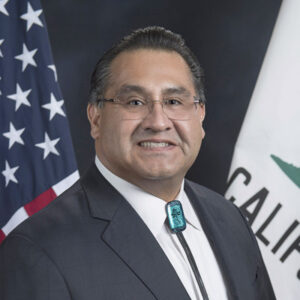
Bill Author
Bill Co-Author(s):
