SB 465: Mental health.
- Session Year: 2021-2022
- House: Senate
- Latest Version Date: 2021-10-05
Existing law contains provisions governing the operation and financing of community mental health services in every county through locally administered and locally controlled community mental health programs.
Existing law, the Mental Health Services Act (MHSA), an initiative measure enacted by the voters as Proposition 63 at the November 2, 2004, statewide general election, establishes the continuously appropriated Mental Health Services Fund to fund various county mental health programs and establishes the Mental Health Services Oversight and Accountability Commission to oversee the administration of various parts of the act.
This bill would require the commission to report to specified legislative committees the outcomes for people receiving community mental health services under a full service partnership model, as specified, including any barriers to receiving the data and recommendations to strengthen Californias use of full service partnerships to reduce incarceration, hospitalization, and homelessness.
Existing law contains provisions governing the operation and financing of community mental health services in every county through locally administered and locally controlled community mental health programs.
Existing law, the Mental Health Services Act (MHSA), an initiative measure enacted by the voters as Proposition 63 at the November 2, 2004, statewide general election, establishes the continuously appropriated Mental Health Services Fund to fund various county mental health programs and establishes the Mental Health Services Oversight and Accountability Commission to oversee the administration of various parts of the act.
This bill would require the commission to report to specified legislative committees the outcomes for people receiving community mental health services under a full service partnership model, as specified, including any barriers to receiving the data and recommendations to strengthen Californias use of full service partnerships to reduce incarceration, hospitalization, and homelessness.
Existing law contains provisions governing the operation and financing of community mental health services in every county through locally administered and locally controlled community mental health programs.
Existing law, the Mental Health Services Act (MHSA), an initiative measure enacted by the voters as Proposition 63 at the November 2, 2004, statewide general election, establishes the continuously appropriated Mental Health Services Fund to fund various county mental health programs and establishes the Mental Health Services Oversight and Accountability Commission to oversee the administration of various parts of the act.
This bill would require the commission to report to specified legislative committees the outcomes for people receiving community mental health services under a full service partnership model, as specified, including any barriers to receiving the data and recommendations to strengthen Californias use of full service partnerships to reduce incarceration, hospitalization, and homelessness.
(1)Existing
Existing law contains provisions governing the operation and financing of community mental health services in every county through locally administered and locally controlled community mental health programs. Existing law further provides that, to the extent resources are available, the primary goal of the use of funds deposited in the mental health account of the local health and welfare trust fund should be to serve specified target populations, including, among others, seriously emotionally disturbed children and adolescents.
Existing law, the Mental Health Services Act (MHSA), an initiative measure enacted by the voters as Proposition 63 at the November 2, 2004, statewide general election, establishes the continuously appropriated Mental Health Services Fund to fund various county mental health programs and requires counties to spend those funds as specified, including on the target population of seriously emotionally disturbed children and adolescents. establishes the Mental Health Services Oversight and Accountability Commission to oversee the administration of various parts of the act.
Existing law defines seriously emotionally disturbed children and adolescents for the above purposes to include minors under 18 years of age who have a mental disorder, other than a primary substance use disorder or developmental disorder, that results in behavior inappropriate to the childs age according to expected developmental norms and who meets one or more of the prescribed criteria. One of those criteria is that, as a result of the mental disorder, the child has substantial impairment in at least 2 specified areas and is either at risk of removal from the home or has been removed from the home or the mental disorder has been present for more than 6 months or is likely to continue for more than a year without treatment.This bill, instead, would make substantial impairment in 2 of the required areas or being at risk of removal from the home or having been removed from the home separate criteria for determining serious emotional disturbance. The bill would prohibit removal from the home, or risk of removal from the home, from being used as the sole determinant of a child being seriously emotionally disturbed. This bill would make an appropriation by expanding the target population for which continuously appropriated MHSA moneys may be spent.(2)The MHSA, in addition to funding a system of community mental health services, also establishes the Mental Health Services Oversight and Accountability Commission to oversee the administration of various parts of the act.This bill would require the commission to report to specified legislative committees the outcomes for people receiving community mental health services under a full service partnership model, as specified, including any barriers to receiving the data and recommendations to strengthen Californias use of full service partnerships to reduce incarceration, hospitalization, and homelessness.
(1)Existing law contains provisions governing the operation and financing of community mental health services in every county through locally administered and locally controlled community mental health programs. Existing law further provides that, to the extent resources are available, the primary goal of the use of funds deposited in the mental health account of the local health and welfare trust fund should be to serve specified target populations, including, among others, seriously emotionally disturbed children and adolescents.
Existing law, the Mental Health Services Act (MHSA), an initiative measure enacted by the voters as Proposition 63 at the November 2, 2004, statewide general election, establishes the continuously appropriated Mental Health Services Fund to fund various county mental health programs and requires counties to spend those funds as specified, including on the target population of seriously emotionally disturbed children and adolescents.
Existing law defines seriously emotionally disturbed children and adolescents for the above purposes to include minors under 18 years of age who have a mental disorder, other than a primary substance use disorder or developmental disorder, that results in behavior inappropriate to the childs age according to expected developmental norms and who meets one or more of the prescribed criteria. One of those criteria is that, as a result of the mental disorder, the child has substantial impairment in at least 2 specified areas and is either at risk of removal from the home or has been removed from the home or the mental disorder has been present for more than 6 months or is likely to continue for more than a year without treatment.
This bill, instead, would make substantial impairment in 2 of the required areas or being at risk of removal from the home or having been removed from the home separate criteria for determining serious emotional disturbance. The bill would prohibit removal from the home, or risk of removal from the home, from being used as the sole determinant of a child being seriously emotionally disturbed. This bill would make an appropriation by expanding the target population for which continuously appropriated MHSA moneys may be spent.
(2)The MHSA, in addition to funding a system of community mental health services, also establishes the Mental Health Services Oversight and Accountability Commission to oversee the administration of various parts of the act.
This bill would require the commission to report to specified legislative committees the outcomes for people receiving community mental health services under a full service partnership model, as specified, including any barriers to receiving the data and recommendations to strengthen Californias use of full service partnerships to reduce incarceration, hospitalization, and homelessness.
(1)Existing law contains provisions governing the operation and financing of community mental health services in every county through locally administered and locally controlled community mental health programs. Existing law further provides that, to the extent resources are available, the primary goal of the use of funds deposited in the mental health account of the local health and welfare trust fund should be to serve specified target populations, including, among others, seriously emotionally disturbed children and adolescents.
Existing law, the Mental Health Services Act (MHSA), an initiative measure enacted by the voters as Proposition 63 at the November 2, 2004, statewide general election, establishes the continuously appropriated Mental Health Services Fund to fund various county mental health programs and requires counties to spend those funds as specified, including on the target population of seriously emotionally disturbed children and adolescents.
Existing law defines seriously emotionally disturbed children and adolescents for the above purposes to include minors under 18 years of age who have a mental disorder, other than a primary substance use disorder or developmental disorder, that results in behavior inappropriate to the childs age according to expected developmental norms and who meets one or more of the prescribed criteria. One of those criteria is that, as a result of the mental disorder, the child has substantial impairment in at least 2 specified areas and is either at risk of removal from the home or has been removed from the home or the mental disorder has been present for more than 6 months or is likely to continue for more than a year without treatment.
This bill, instead, would make substantial impairment in 2 of the required areas or being at risk of removal from the home or having been removed from the home separate criteria for determining serious emotional disturbance. This bill would make an appropriation by expanding the target population for which continuously appropriated MHSA moneys may be spent.
(2)The MHSA, in addition to funding a system of community mental health services, also establishes the Mental Health Services Oversight and Accountability Commission to oversee the administration of various parts of the act.
This bill would require the commission to report to specified legislative committees the outcomes for people receiving community mental health services under a full service partnership model, as specified, including any barriers to receiving the data and recommendations to strengthen Californias use of full service partnerships to reduce incarceration, hospitalization, and homelessness.
Existing law regulates the provision of programs and services relating to mental health and requires the creation of community programs to increase access to, and quality of, community-based mental health services. Existing law requires any program permitting mental health professions to respond to emergency mental health crisis calls in collaboration with law enforcement to ensure the program is supervised by a licensed mental health professional, including, among others, a licensed clinical social worker, except as specified.This bill would make technical, nonsubstantive changes to those provisions.Existing law regulates the provision of programs and services relating to mental health and requires the creation of community programs to increase access to, and quality of, community-based mental health services. Existing law requires any program permitting mental health professions to respond to emergency mental health crisis calls in collaboration with law enforcement to ensure the program is supervised by a licensed mental health professional, including, among others, a licensed clinical social worker, except as specified.
This bill would make technical, nonsubstantive changes to those provisions.
(a)The commission shall biennially report to the Senate and Assembly Committees on Health, Senate Budget Subcommittee on Health and Human Services, and Assembly Budget Subcommittee on Health and Human Services the outcomes for those receiving community mental health services under a full service partnership model. The initial report shall be submitted no later than November 15, 2022. The commission may also issue a progress report in a year when it is not otherwise due if the commission deems the report to be necessary.
(b)The report shall include, but not be limited to, information regarding persons eligible for full service partnerships, including summary information relating to enrollees and nonenrollees with respect to the community mental health services they receive and their experience with all of the following:
(1)Incarceration or criminalization.
(2)Housing status or homelessness.
(3)Hospitalization, emergency room utilization, and crisis service utilization.
(c)The report shall also include information regarding individuals who separate from a full service partnership, including, but not limited to, analysis of the reasons for separation and, to the extent possible, the community mental health services received and the statuses or experiences of these individuals regarding the outcomes identified in subdivision (b) for a period of 12 months following separation.
(d)The report shall also assess the degree to which the individuals most in need are accessing services and maintaining participation in a full service partnership or other programs providing similar services.
(e)The commission shall report any barriers to receiving the data relevant to completing this report and include recommendations to strengthen Californias use of full service partnerships to reduce incarceration, hospitalization, and homelessness.
(f)In doing this work, the commission shall consult with the California mental health community, including, but not limited to, consumers, relatives of consumers, providers, and other subject matter experts.
(a)The commission shall biennially report to the Senate and Assembly Committees on Health, Senate Budget Subcommittee on Health and Human Services, and Assembly Budget Subcommittee on Health and Human Services the outcomes for those receiving community mental health services under a full service partnership model. The initial report shall be submitted no later than November 15, 2022. The commission may also issue a progress report in a year when it is not otherwise due if the commission deems the report to be necessary.
(b)The report shall include, but not be limited to, information regarding persons eligible for full service partnerships, including summary information relating to enrollees and nonenrollees with respect to the community mental health services they receive and their experience with all of the following:
(1)Incarceration or criminalization.
(2)Housing status or homelessness.
(3)Hospitalization, emergency room utilization, and crisis service utilization.
(c)The report shall also include information regarding individuals who separate from a full service partnership, including, but not limited to, analysis of the reasons for separation and, to the extent possible, the community mental health services received and the statuses or experiences of these individuals regarding the outcomes identified in subdivision (b) for a period of 12 months following separation.
(d)The report shall also assess the degree to which the individuals most in need are accessing services and maintaining participation in a full service partnership or other programs providing similar services.
(e)The commission shall report any barriers to receiving the data relevant to completing this report and include recommendations to strengthen Californias use of full service partnerships to reduce incarceration, hospitalization, and homelessness.
(f)In doing this work, the commission shall consult with the California mental health community, including, but not limited to, consumers, relatives of consumers, providers, and other subject matter experts.
(a)The commission shall annually biennially report to the Senate and Assembly Committees on Health, Senate Budget Subcommittee on Health and Human Services, and Assembly Budget Subcommittee on Health and Human Services the outcomes for those receiving community mental health services under a full service partnership model. The initial report shall be submitted no later than November 15, 2022. The commission may also issue a progress report in a year when it is not otherwise due if the commission deems the report to be necessary.
(b)The report shall include, but not be limited to, information regarding persons eligible for full service partnerships, including summary information relating to enrollees and nonenrollees with respect to the community mental health services they receive and their experience with all of the following:
(1)Incarceration or criminalization.
(2)Housing status or homelessness.
(3)Hospitalization, emergency room utilization, and crisis service utilization.
(c)The report shall also include information regarding individuals who separate from a full service partnership, including, but not limited to, analysis of the reasons for separation and, to the extent possible, the community mental health services received and the statuses or experiences of these individuals regarding the outcomes identified in subdivision (b) for a period of 12 months following separation.
(d)The report shall also assess the degree to which the individuals most in need are accessing services and maintaining participation in a full service partnership or other programs providing similar services.
(e)The commission shall report any barriers to receiving the data relevant to completing this report and include recommendations to strengthen Californias use of full service partnerships to reduce incarceration, hospitalization, and homelessness.
(f)In doing this work, the commission shall consult with the California mental health community, including, but not limited to, consumers, relatives of consumers, providers, and other subject matter experts.
The Legislature finds and declares that state regulations require counties to direct the majority of their Mental Health Services Act Community Services and Supports funds to full service partnerships, as defined in Section 3260 of Title 9 of the California Code of Regulations. Programs in this category provide flexible funding, intensive case management, and services such as housing, employment, education, peer support, cooccurring disorder treatment, and outreach. However, the full service partnership category of services could be strengthened to better serve the most needy, at-risk individuals, with an emphasis on serving those at risk of experiencing homelessness, hospitalization, or criminalization. Revisions to the current regulatory definitions and requirements of the full service partnership program will allow counties to better serve children, adults, and older adults with mental illness.
SEC. 2.Section 5600.3 of the Welfare and Institutions Code is amended to read:5600.3.To the extent resources are available, the primary goal of the use of funds deposited in the mental health account of the local health and welfare trust fund should be to serve the target populations identified in the following categories, which shall not be construed as establishing an order of priority:(a)(1)Seriously emotionally disturbed children or adolescents.(2)For the purposes of this part, seriously emotionally disturbed children or adolescents means minors under 18 years of age who have a mental disorder identified in the most recent edition of the Diagnostic and Statistical Manual of Mental Disorders, other than a primary substance use disorder or developmental disorder, that results in behavior inappropriate to the childs age according to expected developmental norms. Members of this target population shall meet one or more of the following criteria:(A)As a result of the mental disorder, the child has substantial impairment in at least two of the following areas: self-care, school functioning, family relationships, or ability to function in the community.(B)The child is at risk of removal from home or has already been removed from the home. Removal or risk of removal from home on its own does not qualify a child as seriously emotionally disturbed.(C)The child displays one of the following: psychotic features, risk of suicide, or risk of violence due to a mental disorder.(D)The child has been assessed pursuant to Article 2 (commencing with Section 56320) of Chapter 4 of Part 30 of Division 4 of Title 2 of the Education Code and determined to have an emotional disturbance, as defined in paragraph (4) of subdivision (c) of Section 300.8 of Title 34 of the Code of Federal Regulations.(b)(1)Adults and older adults who have a serious mental disorder.(2)For the purposes of this part, serious mental disorder means a mental disorder that is severe in degree and persistent in duration, that may cause behavioral functioning which interferes substantially with the primary activities of daily living, and that may result in an inability to maintain stable adjustment and independent functioning without treatment, support, and rehabilitation for a long or indefinite period of time. Serious mental disorders include, but are not limited to, schizophrenia, bipolar disorder, post-traumatic stress disorder, as well as major affective disorders or other severely disabling mental disorders. This section does not exclude persons with a serious mental disorder and a diagnosis of substance abuse, developmental disability, or other physical or mental disorder.(3)Members of this target population shall meet all of the following criteria:(A)The person has a mental disorder as identified in the most recent edition of the Diagnostic and Statistical Manual of Mental Disorders, other than a substance use disorder, developmental disorder, or acquired traumatic brain injury as defined in subdivision (a) of Section 4354, unless that person also has a serious mental disorder as defined in paragraph (2).(B)(i)As a result of the mental disorder, the person has substantial functional impairments or symptoms, or a psychiatric history demonstrating that without treatment there is an imminent risk of decompensation to having substantial impairments or symptoms.(ii)For the purposes of this part, functional impairment means being substantially impaired as the result of a mental disorder in independent living, social relationships, vocational skills, or physical condition.(C)As a result of a mental functional impairment and circumstances, the person is likely to become so disabled as to require public assistance, services, or entitlements.(4)For the purpose of organizing outreach and treatment options, to the extent resources are available, this target population includes, but is not limited to, persons who are any of the following:(A)Homeless persons who are mentally ill.(B)Persons evaluated by appropriately licensed persons as requiring care in acute treatment facilities, including state hospitals, acute inpatient facilities, institutes for mental disease, and crisis residential programs.(C)Persons arrested or convicted of crimes.(D)Persons who require acute treatment as a result of a first episode of mental illness with psychotic features.(5)California veterans in need of mental health services and who meet the existing eligibility requirements of this section, shall be provided services to the extent services are available to other adults pursuant to this section. Veterans who may be eligible for mental health services through the United States Department of Veterans Affairs should be advised of these services by the county and assisted in linking to those services, but the eligible veteran shall not be denied county mental or behavioral health services while waiting for a determination of eligibility for, and availability of, mental or behavioral health services provided by the United States Department of Veterans Affairs.(A)An eligible veteran shall not be denied county mental health services based solely on the persons status as a veteran, including whether or not the person is eligible for services provided by the United States Department of Veterans Affairs.(B)Counties shall refer a veteran to the county veterans service officer, if any, to determine the veterans eligibility for, and the availability of, mental health services provided by the United States Department of Veterans Affairs or other federal health care provider.(C)Counties should consider contracting with community-based veterans services agencies, where possible, to provide high-quality, veteran specific mental health services.(c)Adults or older adults who require, or are at risk of requiring, acute psychiatric inpatient care, residential treatment, or outpatient crisis intervention because of a mental disorder with symptoms of psychosis, suicidality, or violence.(d)Persons who need brief treatment as a result of a natural disaster or severe local emergency.SEC. 3.SEC. 2.Section 5845.8 is added to the Welfare and Institutions Code, to read:5845.8.(a)The commission shall annually report to the Senate and Assembly Committees on Health, Senate Budget Subcommittee on Health and Human Services, and Assembly Budget Subcommittee on Health and Human Services the outcomes for those receiving community mental health services under a full service partnership model.
(b)The report shall include, but not be limited to, information regarding persons eligible for full service partnerships, including summary information relating to enrollees and nonenrollees with respect to the community mental health services they receive and their experience with all of the following:
(1)Incarceration or criminalization.
(2)Housing status or homelessness.
(3)Hospitalization, emergency room utilization, and crisis service utilization.
(c)The report shall also include information regarding individuals who separate from a full service partnership, including, but not limited to, analysis of the reasons for separation and, to the extent possible, the community mental health services received and the statuses or experiences of these individuals regarding the outcomes identified in subdivision (b) for a period of 12 months following separation.
(d)The report shall also assess the degree to which the individuals most in need are accessing services and maintaining participation in a full service partnership or other programs providing similar services.
(e)The commission shall report any barriers to receiving the data relevant to completing this report and include recommendations to strengthen Californias use of full service partnerships to reduce incarceration, hospitalization, and homelessness.
(f)In doing this work, the commission shall consult with the California mental health community, including, but not limited to, consumers, relatives of consumers, providers, and other subject matter experts.
The Legislature finds and declares that state regulations require counties to direct the majority of their Mental Health Services Act Community Services and Supports funds to full service partnerships, as defined in Section 3260 of Title 9 of the California Code of Regulations. Programs in this category provide flexible funding, intensive case management, and services such as housing, employment, education, peer support, cooccurring disorder treatment, and outreach. However, the full service partnership category of services could be strengthened to better serve the most needy, at-risk individuals, with an emphasis on serving those at risk of experiencing homelessness, hospitalization, or criminalization. Revisions to the current regulatory definitions and requirements of the full service partnership program will allow counties to better serve children, adults, and older adults with mental illness.
SEC. 2.Section 5600.3 of the Welfare and Institutions Code is amended to read:5600.3.To the extent resources are available, the primary goal of the use of funds deposited in the mental health account of the local health and welfare trust fund should be to serve the target populations identified in the following categories, which shall not be construed as establishing an order of priority:
(a)(1)Seriously emotionally disturbed children or adolescents.
(2)For the purposes of this part, seriously emotionally disturbed children or adolescents means minors under 18 years of age who have a mental disorder identified in the most recent edition of the Diagnostic and Statistical Manual of Mental Disorders, other than a primary substance use disorder or developmental disorder, that results in behavior inappropriate to the childs age according to expected developmental norms. Members of this target population shall meet one or more of the following criteria:
(A)As a result of the mental disorder, the child has substantial impairment in at least two of the following areas: self-care, school functioning, family relationships, or ability to function in the community.
(B)The child is at risk of removal from home or has already been removed from the home. Removal or risk of removal from home on its own does not qualify a child as seriously emotionally disturbed.
(C)The child displays one of the following: psychotic features, risk of suicide, or risk of violence due to a mental disorder.
(D)The child has been assessed pursuant to Article 2 (commencing with Section 56320) of Chapter 4 of Part 30 of Division 4 of Title 2 of the Education Code and determined to have an emotional disturbance, as defined in paragraph (4) of subdivision (c) of Section 300.8 of Title 34 of the Code of Federal Regulations.
(b)(1)Adults and older adults who have a serious mental disorder.
(2)For the purposes of this part, serious mental disorder means a mental disorder that is severe in degree and persistent in duration, that may cause behavioral functioning which interferes substantially with the primary activities of daily living, and that may result in an inability to maintain stable adjustment and independent functioning without treatment, support, and rehabilitation for a long or indefinite period of time. Serious mental disorders include, but are not limited to, schizophrenia, bipolar disorder, post-traumatic stress disorder, as well as major affective disorders or other severely disabling mental disorders. This section does not exclude persons with a serious mental disorder and a diagnosis of substance abuse, developmental disability, or other physical or mental disorder.
(3)Members of this target population shall meet all of the following criteria:
(A)The person has a mental disorder as identified in the most recent edition of the Diagnostic and Statistical Manual of Mental Disorders, other than a substance use disorder, developmental disorder, or acquired traumatic brain injury as defined in subdivision (a) of Section 4354, unless that person also has a serious mental disorder as defined in paragraph (2).
(B)(i)As a result of the mental disorder, the person has substantial functional impairments or symptoms, or a psychiatric history demonstrating that without treatment there is an imminent risk of decompensation to having substantial impairments or symptoms.
(ii)For the purposes of this part, functional impairment means being substantially impaired as the result of a mental disorder in independent living, social relationships, vocational skills, or physical condition.
(C)As a result of a mental functional impairment and circumstances, the person is likely to become so disabled as to require public assistance, services, or entitlements.
(4)For the purpose of organizing outreach and treatment options, to the extent resources are available, this target population includes, but is not limited to, persons who are any of the following:
(A)Homeless persons who are mentally ill.
(B)Persons evaluated by appropriately licensed persons as requiring care in acute treatment facilities, including state hospitals, acute inpatient facilities, institutes for mental disease, and crisis residential programs.
(C)Persons arrested or convicted of crimes.
(D)Persons who require acute treatment as a result of a first episode of mental illness with psychotic features.
(5)California veterans in need of mental health services and who meet the existing eligibility requirements of this section, shall be provided services to the extent services are available to other adults pursuant to this section. Veterans who may be eligible for mental health services through the United States Department of Veterans Affairs should be advised of these services by the county and assisted in linking to those services, but the eligible veteran shall not be denied county mental or behavioral health services while waiting for a determination of eligibility for, and availability of, mental or behavioral health services provided by the United States Department of Veterans Affairs.
(A)An eligible veteran shall not be denied county mental health services based solely on the persons status as a veteran, including whether or not the person is eligible for services provided by the United States Department of Veterans Affairs.
(B)Counties shall refer a veteran to the county veterans service officer, if any, to determine the veterans eligibility for, and the availability of, mental health services provided by the United States Department of Veterans Affairs or other federal health care provider.
(C)Counties should consider contracting with community-based veterans services agencies, where possible, to provide high-quality, veteran specific mental health services.
(c)Adults or older adults who require, or are at risk of requiring, acute psychiatric inpatient care, residential treatment, or outpatient crisis intervention because of a mental disorder with symptoms of psychosis, suicidality, or violence.
(d)Persons who need brief treatment as a result of a natural disaster or severe local emergency.
SEC. 3.Section 5845.8 is added to the Welfare and Institutions Code, to read:5845.8.(a)The commission shall annually report to the Senate and Assembly Committees on Health, Senate Budget Subcommittee on Health and Human Services, and Assembly Budget Subcommittee on Health and Human Services the outcomes for those receiving community mental health services under a full service partnership model.
(b)The report shall include, but not be limited to, information regarding persons eligible for full service partnerships, including summary information relating to enrollees and nonenrollees with respect to the community mental health services they receive and their experience with all of the following:
(1)Incarceration or criminalization.
(2)Housing status or homelessness.
(3)Hospitalization, emergency room utilization, and crisis service utilization.
(c)The report shall also include information regarding individuals who separate from a full service partnership, including, but not limited to, analysis of the reasons for separation and, to the extent possible, the community mental health services received and the statuses or experiences of these individuals regarding the outcomes identified in subdivision (b) for a period of 12 months following separation.
(d)The report shall also assess the degree to which the individuals most in need are accessing services and maintaining participation in a full service partnership or other programs providing similar services.
(e)The commission shall report any barriers to receiving the data relevant to completing this report and include recommendations to strengthen Californias use of full service partnerships to reduce incarceration, hospitalization, and homelessness.
(f)In doing this work, the commission shall consult with the California mental health community, including, but not limited to, consumers, relatives of consumers, providers, and other subject matter experts.
The Legislature finds and declares that state regulations require counties to direct the majority of their Mental Health Services Act Community Services and Supports funds to full service partnerships, as defined in Section 3260 of Title 9 of the California Code of Regulations. Programs in this category provide flexible funding, intensive case management, and services such as housing, employment, education, peer support, cooccurring disorder treatment, and outreach. However, the full service partnership category of services could be strengthened to better serve the most needy, at-risk individuals, with an emphasis on serving those at risk of experiencing homelessness, hospitalization, or criminalization. Revisions to the current regulatory definitions and requirements of the full service partnership program will allow counties to better serve children, adults, and older adults with mental illness.
SEC. 2.Section 5600.3 of the Welfare and Institutions Code is amended to read:5600.3.To the extent resources are available, the primary goal of the use of funds deposited in the mental health account of the local health and welfare trust fund should be to serve the target populations identified in the following categories, which shall not be construed as establishing an order of priority:
(a)(1)Seriously emotionally disturbed children or adolescents.
(2)For the purposes of this part, seriously emotionally disturbed children or adolescents means minors under the age of 18 years of age who have a mental disorder as identified in the most recent edition of the Diagnostic and Statistical Manual of Mental Disorders, other than a primary substance use disorder or developmental disorder, which that results in behavior inappropriate to the childs age according to expected developmental norms. Members of this target population shall meet one or more of the following criteria:
(A)As a result of the mental disorder, the child has substantial impairment in at least two of the following areas: self-care, school functioning, family relationships, or ability to function in the community; and either of the following occur: community.
(i)(B)The child is at risk of removal from home or has already been removed from the home.
(ii)The mental disorder and impairments have been present for more than six months or are likely to continue for more than one year without treatment.(C)The child displays one of the following: psychotic features, risk of suicide suicide, or risk of violence due to a mental disorder.
(C)(D)The child has been assessed pursuant to Article 2 (commencing with Section 56320) of Chapter 4 of Part 30 of Division 4 of Title 2 of the Education Code and determined to have an emotional disturbance, as defined in paragraph (4) of subdivision (c) of Section 300.8 of Title 34 of the Code of Federal Regulations.
(b)(1)Adults and older adults who have a serious mental disorder.
(2)For the purposes of this part, serious mental disorder means a mental disorder that is severe in degree and persistent in duration, which that may cause behavioral functioning which interferes substantially with the primary activities of daily living, and which that may result in an inability to maintain stable adjustment and independent functioning without treatment, support, and rehabilitation for a long or indefinite period of time. Serious mental disorders include, but are not limited to, schizophrenia, bipolar disorder, post-traumatic stress disorder, as well as major affective disorders or other severely disabling mental disorders. This section shall not be construed to does not exclude persons with a serious mental disorder and a diagnosis of substance abuse, developmental disability, or other physical or mental disorder.
(3)Members of this target population shall meet all of the following criteria:
(A)The person has a mental disorder as identified in the most recent edition of the Diagnostic and Statistical Manual of Mental Disorders, other than a substance use disorder or disorder, developmental disorder disorder, or acquired traumatic brain injury pursuant to as defined in subdivision (a) of Section 4354 4354, unless that person also has a serious mental disorder as defined in paragraph (2).
(B)(i)As a result of the mental disorder, the person has substantial functional impairments or symptoms, or a psychiatric history demonstrating that without treatment there is an imminent risk of decompensation to having substantial impairments or symptoms.
(ii)For the purposes of this part, functional impairment means being substantially impaired as the result of a mental disorder in independent living, social relationships, vocational skills, or physical condition.
(C)As a result of a mental functional impairment and circumstances, the person is likely to become so disabled as to require public assistance, services, or entitlements.
(4)For the purpose of organizing outreach and treatment options, to the extent resources are available, this target population includes, but is not limited to, persons who are any of the following:
(A)Homeless persons who are mentally ill.
(B)Persons evaluated by appropriately licensed persons as requiring care in acute treatment facilities facilities, including state hospitals, acute inpatient facilities, institutes for mental disease, and crisis residential programs.
(C)Persons arrested or convicted of crimes.
(D)Persons who require acute treatment as a result of a first episode of mental illness with psychotic features.
(5)California veterans in need of mental health services and who meet the existing eligibility requirements of this section, shall be provided services to the extent services are available to other adults pursuant to this section. Veterans who may be eligible for mental health services through the United States Department of Veterans Affairs should be advised of these services by the county and assisted in linking to those services, but the eligible veteran shall not be denied county mental or behavioral health services while waiting for a determination of eligibility for, and availability of, mental or behavioral health services provided by the United States Department of Veterans Affairs.
(A)An eligible veteran shall not be denied county mental health services based solely on his or her the persons status as a veteran, including whether or not the person is eligible for services provided by the United States Department of Veterans Affairs.
(B)Counties shall refer a veteran to the county veterans service officer, if any, to determine the veterans eligibility for, and the availability of, mental health services provided by the United States Department of Veterans Affairs or other federal health care provider.
(C)Counties should consider contracting with community-based veterans services agencies, where possible, to provide high-quality, veteran specific mental health services.
(c)Adults or older adults who require require, or are at risk of requiring requiring, acute psychiatric inpatient care, residential treatment, or outpatient crisis intervention because of a mental disorder with symptoms of psychosis, suicidality, or violence.
(d)Persons who need brief treatment as a result of a natural disaster or severe local emergency.
SEC. 3.Section 5845.8 is added to the Welfare and Institutions Code, to read:5845.8.(a)The commission shall annually report to the Senate and Assembly Committees on Health, Senate Budget Subcommittee on Health and Human Services, and Assembly Budget Subcommittee on Health and Human Services the outcomes for those receiving community mental health services under a full service partnership model.
(b)The report shall include, but not be limited to, information regarding persons eligible for full service partnerships, including summary information relating to enrollees and nonenrollees with respect to the community mental health services they receive and their experience with all of the following:
(1)Incarceration or criminalization.
(2)Housing status or homelessness.
(3)Hospitalization, emergency room utilization, and crisis service utilization.
(c)The report shall also include information regarding individuals who separate from a full service partnership, including, but not limited to, analysis of the reasons for separation and, to the extent possible, the community mental health services received and the statuses or experiences of these individuals regarding the outcomes identified in subdivision (b) for a period of 12 months following separation.
(d)The report shall also assess the degree to which the individuals most in need are accessing services and maintaining participation in a full service partnership or other programs providing similar services.
(e)The commission shall report any barriers to receiving the data relevant to completing this report and include recommendations to strengthen Californias use of full service partnerships to reduce incarceration, hospitalization, and homelessness.
(f)In doing this work, the commission shall consult with the California mental health community, including, but not limited to, consumers, relatives of consumers, providers, and other subject matter experts.
SECTION 1.Section 5848.7 of the Welfare and Institutions Code is amended to read:5848.7.(a)(1)Except as described in subdivision (b), a program or pilot program in which mental health professionals respond in collaboration with, or in place of, law enforcement personnel to emergency calls related to mental health crises shall ensure that the program is supervised by a licensed mental health professional.(2)This section does not prohibit the licensed mental health professional supervising the program from also responding to calls and providing care.(b)If law enforcement collaborates with county behavioral health agencies, supervision of mental health professionals shall be consistent with existing county behavioral health agency standards and requirements for supervision.(c)For the purposes of this section, a licensed mental health professional means one of the following:(1)A licensed clinical social worker, pursuant to Chapter 14 (commencing with Section 4991) of Division 2 of the Business and Professions Code.(2)A licensed professional clinical counselor, pursuant to Chapter 16 (commencing with Section 4999.10) of Division 2 of the Business and Professions Code.(3)A licensed marriage and family therapist, pursuant to Chapter 13 (commencing with Section 4980) of Division 2 of the Business and Professions Code.(4)A licensed psychologist, pursuant to Chapter 6.6 (commencing with Section 2900) of Division 2 of the Business and Professions Code.(5)A licensed physician under Chapter 5 (commencing with Section 2000) of Division 2 of the Business and Professions Code who is either a board certified psychiatrist or has completed a residency in psychiatry.(6)A registered nurse licensed pursuant to Chapter 6 (commencing with Section 2700) of Division 2 of the Business and Professions Code who possesses a masters degree in psychiatric-mental health nursing and is listed as a psychiatric-mental health nurse by the Board of Registered Nursing, or an advanced practice registered nurse certified as a clinical nurse specialist pursuant to Article 9 (commencing with Section 2838) of Chapter 6 of Division 2 of the Business and Professions Code who participates in expert clinical practice in the specialty of psychiatric-mental health nursing.(d)This section does not alter the scope of practice for a health care professional or authorize the delivery of health care services in a setting or manner that is not authorized pursuant to the Business and Professions Code or the Health and Safety Code.(a)(1)Except as described in subdivision (b), any a program or pilot program in which mental health professionals respond in collaboration with with, or in place of, law enforcement personnel, or in place of law enforcement personnel, personnel to emergency calls related to mental health crises shall ensure that the program is supervised by a licensed mental health professional.
(2)This section does not prohibit the licensed mental health professional supervising the program from also responding to calls and providing care.
(b)If law enforcement collaborates with county behavioral health agencies, supervision of mental health professionals shall be consistent with existing county behavioral health agency standards and requirements for supervision.
(c)For the purposes of this section, a licensed mental health professional means one of the following:
(1)A licensed clinical social worker, pursuant to Chapter 14 (commencing with Section 4991) of Division 2 of the Business and Professions Code.
(2)A licensed professional clinical counselor, pursuant to Chapter 16 (commencing with Section 4999.10) of Division 2 of the Business and Professions Code.
(3)A licensed marriage and family therapist, pursuant to Chapter 13 (commencing with Section 4980) of Division 2 of the Business and Professions Code.
(4)A licensed psychologist, pursuant to Chapter 6.6 (commencing with Section 2900) of Division 2 of the Business and Professions Code.
(5)A licensed physician under Chapter 5 (commencing with Section 2000) of Division 2 of the Business and Professions Code who is either a board certified psychiatrist or has completed a residency in psychiatry.
(6)A registered nurse licensed pursuant to Chapter 6 (commencing with Section 2700) of Division 2 of the Business and Professions Code who possesses a masters degree in psychiatric-mental health nursing and is listed as a psychiatric-mental health nurse by the Board of Registered Nursing, or any an advanced practice registered nurse certified as a clinical nurse specialist pursuant to Article 9 (commencing with Section 2838) of Chapter 6 of Division 2 of the Business and Professions Code who participates in expert clinical practice in the specialty of psychiatric-mental health nursing.
(d)This section does not alter the scope of practice for a health care professional or authorize the delivery of health care services in a setting or manner that is not authorized pursuant to the Business and Professions Code or the Health and Safety Code.
|
Date
|
Status
|
|---|---|
| Oct 5, 2021 | Chaptered by Secretary of State. Chapter 544, Statutes of 2021. |
| Oct 5, 2021 | Approved by the Governor. |
| Sep 9, 2021 | Enrolled and presented to the Governor at 1 p.m. |
| Sep 3, 2021 | Assembly amendments concurred in. (Ayes 37. Noes 0. Page 2377.) Ordered to engrossing and enrolling. |
| Sep 2, 2021 | In Senate. Concurrence in Assembly amendments pending. |
| Sep 2, 2021 | Read third time. Passed. (Ayes 76. Noes 0. Page 2716.) Ordered to the Senate. |
| Aug 31, 2021 | Read second time. Ordered to third reading. |
| Aug 30, 2021 | Read second time and amended. Ordered to second reading. |
| Aug 26, 2021 | From committee: Do pass as amended. (Ayes 12. Noes 0.) (August 26). |
| Jun 30, 2021 | June 30 set for first hearing. Placed on suspense file. |
| Jun 23, 2021 | From committee: Do pass and re-refer to Com. on APPR. (Ayes 15. Noes 0.) (June 22). Re-referred to Com. on APPR. |
| Jun 10, 2021 | Referred to Com. on HEALTH. |
| Jun 2, 2021 | In Assembly. Read first time. Held at Desk. |
| Jun 1, 2021 | Read third time. Passed. (Ayes 39. Noes 0. Page 1350.) Ordered to the Assembly. |
| May 28, 2021 | Ordered to special consent calendar. |
| May 24, 2021 | Read second time. Ordered to third reading. |
| May 20, 2021 | From committee: Do pass as amended. (Ayes 7. Noes 0. Page 1192.) (May 20). |
| May 14, 2021 | Set for hearing May 20. |
| May 10, 2021 | May 10 hearing: Placed on APPR suspense file. |
| Apr 30, 2021 | Set for hearing May 10. |
| Apr 26, 2021 | Read second time and amended. Re-referred to Com. on APPR. |
| Apr 22, 2021 | From committee: Do pass as amended and re-refer to Com. on APPR. (Ayes 11. Noes 0. Page 876.) (April 21). |
| Apr 7, 2021 | Set for hearing April 21. |
| Mar 18, 2021 | Re-referred to Com. on HEALTH. |
| Mar 8, 2021 | From committee with author's amendments. Read second time and amended. Re-referred to Com. on RLS. |
| Feb 25, 2021 | Referred to Com. on RLS. |
| Feb 22, 2021 | Art. IV. Sec. 8(a) of the Constitution dispensed with. |
| Feb 17, 2021 | From printer. May be acted upon on or after March 19. |
| Feb 16, 2021 | Introduced. Read first time. To Com. on RLS. for assignment. To print. |
|
Date
|
Description
|
Location
|
Votes
|
|
|---|---|---|---|---|
| Sep 3, 2021 | Unfinished Business SB465 Eggman et al. Concurrence | Senate Floor |
Passed |
|
| Sep 2, 2021 | SB 465 Eggman Senate Third Reading By Arambula | Assembly Floor |
Passed |
|
| Jun 1, 2021 | Special Consent SB465 | Senate Floor |
Passed |
This list shows positions taken on this bill by organizations on the date displayed, which is linked to the original source.
Positions by individuals are not included.
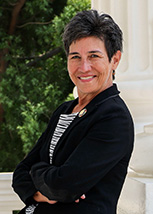
Bill Author
Bill Co-Author(s):