SB 512: Public postsecondary education: support services for foster youth: Cooperating Agencies Foster Youth Educational Support Program.
- Session Year: 2021-2022
- House: Senate
- Latest Version Date: 2021-10-06
(1)Existing law establishes the California State University, the California Community Colleges, and the University of California as the 3 segments of public postsecondary education in this state. Existing law requires the California State University and each community college district, and requests the University of California, with respect to each campus in their respective jurisdictions that administers a priority enrollment system, to grant priority in that system to certain foster youth or former foster youth whose dependency was established or continued by the court on or after the youths 16th birthday and to certain homeless youth and former homeless youth.
This bill would extend this requirement and request for enrollment priority for certain foster youth or former foster youth to those whose dependency was established or continued by a court of competent jurisdiction, including a tribal court, on or after the youths 13th birthday. The bill would authorize a representative of a tribe or tribal organization to verify the homeless status of an American Indian student who is a homeless youth or former homeless youth, as specified. To the extent that the bill would impose duties on community college districts, it would constitute a state-mandated local program.
(2)Existing law, the Cooperating Agencies Foster Youth Educational Support Program, authorizes the Office of the Chancellor of the California Community Colleges to enter into agreements with up to 20 community college districts to provide additional funds for services in support of postsecondary education for foster youth. Existing law provides that these services include, when appropriate, but are not necessarily limited to, outreach and recruitment, consultation and eligibility verification, consultation and referrals for students deemed ineligible, service coordination, counseling, book and supply grants, tutoring, independent living and financial literacy skills support, frequent in-person contact, career guidance, transfer counseling, childcare and transportation assistance, and referrals to health services, mental health services, housing assistance, and other related services.
This bill would authorize the program to provide all of these services, and direct financial support, to enrolled students who meet all eligibility requirements but whose courses have not yet commenced, and who have completed required matriculation activities as described, if those services are deemed necessary to enable the student to be successful upon the commencement of the academic term.
(3)Existing law requires a student participant in the Cooperating Agencies Foster Youth Educational Support Program to be a current or former foster youth in California whose dependency was established or continued by the court on or after the youths 16th birthday.
This bill would instead require a student participant in the program to be a current or former foster youth in California whose dependency was established or continued by a court of competent jurisdiction, including a tribal court, on or after the youths 13th birthday.
(4)Existing law requires the Board of Governors of the California Community Colleges, in consultation with the State Department of Social Services, to adopt regulations for the program and to be responsible for the administration of funds for the program.
This bill would further require regulations adopted by the board of governors to ensure that program application and enrollment processes implemented by community college districts are streamlined, do not impose barriers to entry, and allow programs to exercise professional judgment to waive any income criteria specified in the regulations as a condition of eligibility, as specified.
(5)This bill would incorporate additional changes to Section 66025.9 of the Education Code proposed by AB 1456 to be operative only if this bill and AB 1456 are enacted and this bill is enacted last.
(6)The California Constitution requires the state to reimburse local agencies and school districts for certain costs mandated by the state. Statutory provisions establish procedures for making that reimbursement.
This bill would provide that, if the Commission on State Mandates determines that the bill contains costs mandated by the state, reimbursement for those costs shall be made pursuant to the statutory provisions noted above.
(1)Existing law establishes the California State University, the California Community Colleges, and the University of California as the 3 segments of public postsecondary education in this state. Existing law requires the California State University and each community college district, and requests the University of California, with respect to each campus in their respective jurisdictions that administers a priority enrollment system, to grant priority in that system to certain foster youth or former foster youth whose dependency was established or continued by the court on or after the youths 16th birthday and to certain homeless youth and former homeless youth.
This bill would extend this requirement and request for enrollment priority for certain foster youth or former foster youth to those whose dependency was established or continued by a court of competent jurisdiction, including a tribal court, on or after the youths 13th birthday. The bill would authorize a representative of a tribe or tribal organization to verify the homeless status of an American Indian student who is a homeless youth or former homeless youth, as specified. To the extent that the bill would impose duties on community college districts, it would constitute a state-mandated local program.
(2)Existing law, the Cooperating Agencies Foster Youth Educational Support Program, authorizes the Office of the Chancellor of the California Community Colleges to enter into agreements with up to 20 community college districts to provide additional funds for services in support of postsecondary education for foster youth. Existing law provides that these services include, when appropriate, but are not necessarily limited to, outreach and recruitment, consultation and eligibility verification, consultation and referrals for students deemed ineligible, service coordination, counseling, book and supply grants, tutoring, independent living and financial literacy skills support, frequent in-person contact, career guidance, transfer counseling, childcare and transportation assistance, and referrals to health services, mental health services, housing assistance, and other related services.
This bill would authorize the program to provide all of these services, and direct financial support, to enrolled students who meet all eligibility requirements but whose courses have not yet commenced, and who have completed required matriculation activities as described, if those services are deemed necessary to enable the student to be successful upon the commencement of the academic term.
(3)Existing law requires a student participant in the Cooperating Agencies Foster Youth Educational Support Program to be a current or former foster youth in California whose dependency was established or continued by the court on or after the youths 16th birthday.
This bill would instead require a student participant in the program to be a current or former foster youth in California whose dependency was established or continued by a court of competent jurisdiction, including a tribal court, on or after the youths 13th birthday.
(4)Existing law requires the Board of Governors of the California Community Colleges, in consultation with the State Department of Social Services, to adopt regulations for the program and to be responsible for the administration of funds for the program.
This bill would further require regulations adopted by the board of governors to ensure that program application and enrollment processes implemented by community college districts are streamlined, do not impose barriers to entry, and allow programs to exercise professional judgment to waive any income criteria specified in the regulations as a condition of eligibility, as specified.
(5)This bill would incorporate additional changes to Section 66025.9 of the Education Code proposed by AB 1456 to be operative only if this bill and AB 1456 are enacted and this bill is enacted last.
(5)(6)The California Constitution requires the state to reimburse local agencies and school districts for certain costs mandated by the state. Statutory provisions establish procedures for making that reimbursement.
This bill would provide that, if the Commission on State Mandates determines that the bill contains costs mandated by the state, reimbursement for those costs shall be made pursuant to the statutory provisions noted above.
(1)Existing law establishes the California State University, the California Community Colleges, and the University of California as the 3 segments of public postsecondary education in this state. Existing law requires the California State University and each community college district, and requests the University of California, with respect to each campus in their respective jurisdictions that administers a priority enrollment system, to grant priority in that system to certain foster youth or former foster youth whose dependency was established or continued by the court on or after the youths 16th birthday and to certain homeless youth and former homeless youth.
This bill would extend this requirement and request for enrollment priority for certain foster youth or former foster youth to those whose dependency was established or continued by a court of competent jurisdiction, including a tribal court, on or after the youths 13th birthday. The bill would authorize a representative of a tribe or tribal organization to verify the homeless status of an American Indian student who is a homeless youth or former homeless youth, as specified. To the extent that the bill would impose duties on community college districts, it would constitute a state-mandated local program.
(2)Existing law, the Cooperating Agencies Foster Youth Educational Support Program, authorizes the Office of the Chancellor of the California Community Colleges to enter into agreements with up to 20 community college districts to provide additional funds for services in support of postsecondary education for foster youth. Existing law provides that these services include, when appropriate, but are not necessarily limited to, outreach and recruitment, consultation and eligibility verification, consultation and referrals for students deemed ineligible, service coordination, counseling, book and supply grants, tutoring, independent living and financial literacy skills support, frequent in-person contact, career guidance, transfer counseling, childcare and transportation assistance, and referrals to health services, mental health services, housing assistance, and other related services.
This bill would authorize the program to provide all of these services, and direct financial support, to enrolled students who meet all eligibility requirements but whose courses have not yet commenced, and who have completed required matriculation activities as described, if those services are deemed necessary to enable the student to be successful upon the commencement of the academic term.
(3)Existing law requires a student participant in the Cooperating Agencies Foster Youth Educational Support Program to be a current or former foster youth in California whose dependency was established or continued by the court on or after the youths 16th birthday.
This bill would instead require a student participant in the program to be a current or former foster youth in California whose dependency was established or continued by a court of competent jurisdiction, including a tribal court, on or after the youths 13th birthday.
(4)Existing law requires the Board of Governors of the California Community Colleges, in consultation with the State Department of Social Services, to adopt regulations for the program and to be responsible for the administration of funds for the program.
This bill would further require regulations adopted by the board of governors to ensure that program application and enrollment processes implemented by community college districts are streamlined, do not impose barriers to entry, and allow programs to exercise professional judgment to waive any income criteria specified in the regulations as a condition of eligibility, as specified.
(5)The California Constitution requires the state to reimburse local agencies and school districts for certain costs mandated by the state. Statutory provisions establish procedures for making that reimbursement.
This bill would provide that, if the Commission on State Mandates determines that the bill contains costs mandated by the state, reimbursement for those costs shall be made pursuant to the statutory provisions noted above.
Existing law vests the Department of Transportation with full possession and control of all state highways. Existing law describes the authorized routes in the state highway system and establishes a process for adoption of a highway on an authorized route by the California Transportation Commission. Existing law authorizes the commission to relinquish to local agencies state highway segments that have been deleted from the state highway system by legislative enactment or have been superseded by relocation, and in certain other cases.This bill would authorize the commission to relinquish to the City of Coronado Route 282 and specified portions of Route 75, under certain conditions.Existing law vests the Department of Transportation with full possession and control of all state highways. Existing law describes the authorized routes in the state highway system and establishes a process for adoption of a highway on an authorized route by the California Transportation Commission. Existing law authorizes the commission to relinquish to local agencies state highway segments that have been deleted from the state highway system by legislative enactment or have been superseded by relocation, and in certain other cases.
This bill would authorize the commission to relinquish to the City of Coronado Route 282 and specified portions of Route 75, under certain conditions.
Existing law vests the Department of Transportation with full possession and control of all state highways. Existing law describes the authorized routes in the state highway system and establishes a process for adoption of a highway on an authorized route by the California Transportation Commission. Existing law authorizes the commission to relinquish to local agencies state highway segments that have been deleted from the state highway system by legislative enactment or have been superseded by relocation, and in certain other cases.
This bill would authorize the commission to relinquish to the City of Coronado Route 282 and specified portions of Route 75, under certain conditions.
(a)The California State University and each community college district shall, and the University of California is requested to, with respect to each campus in their respective jurisdictions that administers a priority enrollment system, grant priority in that system for registration for enrollment to a foster youth, former foster youth, homeless youth, or former homeless youth.
(b)For purposes of this section:
(1)Foster youth and former foster youth means a person in California whose dependency was established or continued by a court of competent jurisdiction, including a tribal court, on or after the youths 13th birthday and who is no older than 25 years of age at the commencement of the academic year.
(2)Homeless youth and former homeless youth means a student under 25 years of age, who has been verified, in the case of a former homeless youth, at any time during the 24 months immediately preceding the receipt of the youths application for admission by a postsecondary educational institution that is a qualifying institution pursuant to Section 69432.7, as a homeless child or youth, as defined in subsection (2) of Section 725 of the federal McKinney-Vento Homeless Assistance Act (42 U.S.C. Sec. 11434a(2)), by at least one of the following:
(A)A homeless services provider, as that term is defined in paragraph (3) of subdivision (e) of Section 103577 of the Health and Safety Code.
(B)The director of a federal TRIO program or Gaining Early Awareness and Readiness for Undergraduate Programs program, or a designee of that director.
(C)A financial aid administrator for an institution of higher education.
(D)A homeless and foster student liaison designated pursuant to paragraph (1) of subdivision (a) of Section 67003.5.
(E)For American Indian students, a representative of the students tribe or a representative of a tribal organization that is a homeless services provider.
(c)For purposes of this section, a student who is verified as a homeless youth as defined in paragraph (2) of subdivision (b) shall retain that status for a period of six years from the date of admission to the postsecondary educational institution.
SEC. 1.5.Section 66025.9 of the Education Code is amended to read:66025.9.(a)The California State University and each community college district shall, and the University of California is requested to, with respect to each campus in their respective jurisdictions that administers a priority enrollment system, grant priority in that system for registration for enrollment to a foster youth, former foster youth, homeless youth, or former homeless youth.
(b)For purposes of this section:
(1)Foster youth and former foster youth means a person in California whose dependency was established or continued by a court of competent jurisdiction, including a tribal court, on or after the youths 13th birthday and who is no older than 25 years of age at the commencement of the academic year.
(2)Homeless youth and former homeless youth means a student under 25 years of age, who has been verified, in the case of a former homeless youth, at any time during the 24 months immediately preceding the receipt of the youths application for admission by a postsecondary educational institution that is a qualifying institution pursuant to Section 69406 as a homeless child or youth, as defined in subsection (2) of Section 725 of the federal McKinney-Vento Homeless Assistance Act (42 U.S.C. Sec. 11434a(2)), by at least one of the following:
(A)A homeless services provider, as that term is defined in paragraph (3) of subdivision (e) of Section 103577 of the Health and Safety Code.
(B)The director of a federal TRIO program or Gaining Early Awareness and Readiness for Undergraduate Programs program, or a designee of that director.
(C)A financial aid administrator for an institution of higher education.
(D)A homeless and foster student liaison designated pursuant to paragraph (1) of subdivision (a) of Section 67003.5.
(E)For American Indian students, a representative of the students tribe or a representative of a tribal organization that is a homeless services provider.
(c)For purposes of this section, a student who is verified as a homeless youth as defined in paragraph (2) of subdivision (b) shall retain that status for a period of six years from the date of admission to the postsecondary educational institution.
SEC. 2.Section 79220 of the Education Code is amended to read:79220.(a) The Office of the Chancellor of the California Community Colleges may enter into agreements with up to 20 community college districts to provide additional funds for services in support of postsecondary education for foster youth. This program shall be known as the Cooperating Agencies Foster Youth Educational Support Program, and shall expand the number of students participating in the Community College Extended Opportunity Programs and Services and shall not displace other students. The funding provided under this article shall be separate and apart from the funding provided under existing cooperative agencies resources for education programs pursuant to Article 4 (commencing with Section 79150). In addition to the delivery of Student Success and Support Program services, as described in Section 78212, services shall include, when appropriate, but not necessarily be limited to, outreach and recruitment, consultation and eligibility verification, consultation and referrals for students deemed ineligible, service coordination, counseling, book and supply grants, tutoring, independent living and financial literacy skills support, frequent in-person contact, career guidance, transfer counseling, childcare and transportation assistance, and referrals to health services, mental health services, housing assistance, and other related services.
(b)The program may provide all services specified in subdivision (a), and direct financial support, to enrolled students who meet all eligibility requirements but whose courses have not yet commenced, and who have completed required matriculation activities as described in paragraph (2) of subdivision (a) of Section 78212, if those services are necessary to enable the student to be successful upon the commencement of the academic term.
(c)As used in this article, program means the Cooperating Agencies Foster Youth Educational Support Program as may be established under subdivision (a).
SEC. 3.Section 79222 of the Education Code is amended to read:79222.A student participant in the program shall meet both of the following requirements:
(a)Be a current or former foster youth in California whose dependency was established or continued by a court of competent jurisdiction, including a tribal court, on or after the youths 13th birthday.
(b)Be no older than 25 years of age at the commencement of any academic year in which the student participates in the program.
SEC. 4.Section 79225 of the Education Code is amended to read:79225.(a) The board of governors, in consultation with the State Department of Social Services, shall adopt regulations for the program. The board of governors shall be responsible for the administration of funds for the program. To the extent possible, the State Department of Social Services, in consultation with the County Welfare Directors Association of California, the Chief Probation Officers of California, and other advocates, shall consult with the chancellors office to ensure that services provided under this article to eligible youths are coordinated with, and do not supplant, other services provided by the county and state.
(b)Regulations adopted by the board of governors shall ensure that program application and enrollment processes implemented by community college districts are streamlined and do not impose barriers to entry. These regulations shall allow programs to exercise professional judgment to waive any income criteria specified in the regulations as a condition of eligibility, provided that income-eligible students have first priority.
SEC. 5.Section 1.5 of this bill incorporates amendments to Section 66025.9 of the Education Code proposed by both this bill and Assembly Bill 1456. That section of this bill shall only become operative if (1) both bills are enacted and become effective on or before January 1, 2022, (2) each bill amends Section 66025.9 of the Education Code, and (3) this bill is enacted after Assembly Bill 1456, in which case Section 1 of this bill shall not become operative.
SEC. 6.If the Commission on State Mandates determines that this act contains costs mandated by the state, reimbursement to local agencies and school districts for those costs shall be made pursuant to Part 7 (commencing with Section 17500) of Division 4 of Title 2 of the Government Code.
(a)The California State University and each community college district shall, and the University of California is requested to, with respect to each campus in their respective jurisdictions that administers a priority enrollment system, grant priority in that system for registration for enrollment to a foster youth, former foster youth, homeless youth, or former homeless youth.
(b)For purposes of this section:
(1)Foster youth and former foster youth means a person in California whose dependency was established or continued by a court of competent jurisdiction, including a tribal court, on or after the youths 13th birthday and who is no older than 25 years of age at the commencement of the academic year.
(2)Homeless youth and former homeless youth means a student under 25 years of age, who has been verified, in the case of a former homeless youth, at any time during the 24 months immediately preceding the receipt of the youths application for admission by a postsecondary educational institution that is a qualifying institution pursuant to Section 69432.7, as a homeless child or youth, as defined in subsection (2) of Section 725 of the federal McKinney-Vento Homeless Assistance Act (42 U.S.C. Sec. 11434a(2)), by at least one of the following:
(A)A homeless services provider, as that term is defined in paragraph (3) of subdivision (e) of Section 103577 of the Health and Safety Code.
(B)The director of a federal TRIO program or Gaining Early Awareness and Readiness for Undergraduate Programs program, or a designee of that director.
(C)A financial aid administrator for an institution of higher education.
(D)A homeless and foster student liaison designated pursuant to paragraph (1) of subdivision (a) of Section 67003.5.
(E)For American Indian students, a representative of the students tribe or a representative of a tribal organization that is a homeless services provider.
(c)For purposes of this section, a student who is verified as a homeless youth as defined in paragraph (2) of subdivision (b) shall retain that status for a period of six years from the date of admission to the postsecondary educational institution.
SEC. 1.5.Section 66025.9 of the Education Code is amended to read:66025.9.(a)The California State University and each community college district shall, and the University of California is requested to, with respect to each campus in their respective jurisdictions that administers a priority enrollment system, grant priority in that system for registration for enrollment to a foster youth, former foster youth, homeless youth, or former homeless youth.
(b)For purposes of this section:
(1)Foster youth and former foster youth means a person in California whose dependency was established or continued by the a court of competent jurisdiction, including a tribal court, on or after the youths 16th 13th birthday and who is no older than 25 years of age at the commencement of the academic year.
(2)Homeless youth and former homeless youth means a student under 25 years of age, who has been verified, in the case of a former homeless youth, at any time during the 24 months immediately preceding the receipt of the youths application for admission by a postsecondary educational institution that is a qualifying institution pursuant to Section 69432.7, 69406 as a homeless child or youth, as defined in subsection (2) of Section 725 of the federal McKinney-Vento Homeless Assistance Act (42 U.S.C. Sec. 11434a(2)), by at least one of the following:
(A)A homeless services provider, as that term is defined in paragraph (3) of subdivision (d) (e) of Section 103577 of the Health and Safety Code.
(B)The director of a federal TRIO program or Gaining Early Awareness and Readiness for Undergraduate Programs program, or a designee of that director.
(C)A financial aid administrator for an institution of higher education.
(D)A homeless and foster student liaison designated pursuant to paragraph (1) of subdivision (a) of Section 67003.5.
(E)For American Indian students, a representative of the students tribe or a representative of a tribal organization that is a homeless services provider.
(c)For purposes of this section, a student who is verified as a homeless youth as defined in paragraph (2) of subdivision (b) shall retain that status for a period of six years from the date of admission to the postsecondary educational institution.
SEC. 2.Section 79220 of the Education Code is amended to read:79220.(a) The Office of the Chancellor of the California Community Colleges may enter into agreements with up to 20 community college districts to provide additional funds for services in support of postsecondary education for foster youth. This program shall be known as the Cooperating Agencies Foster Youth Educational Support Program, and shall expand the number of students participating in the Community College Extended Opportunity Programs and Services and shall not displace other students. The funding provided under this article shall be separate and apart from the funding provided under existing cooperative agencies resources for education programs pursuant to Article 4 (commencing with Section 79150). In addition to the delivery of Student Success and Support Program services, as described in Section 78212, services shall include, when appropriate, but not necessarily be limited to, outreach and recruitment, consultation and eligibility verification, consultation and referrals for students deemed ineligible, service coordination, counseling, book and supply grants, tutoring, independent living and financial literacy skills support, frequent in-person contact, career guidance, transfer counseling, childcare and transportation assistance, and referrals to health services, mental health services, housing assistance, and other related services.
(b)The program may provide all services specified in subdivision (a), and direct financial support, to enrolled students who meet all eligibility requirements but whose courses have not yet commenced, and who have completed required matriculation activities as described in paragraph (2) of subdivision (a) of Section 78212, if those services are necessary to enable the student to be successful upon the commencement of the academic term.
(c)As used in this article, program means the Cooperating Agencies Foster Youth Educational Support Program as may be established under subdivision (a).
SEC. 3.Section 79222 of the Education Code is amended to read:79222.A student participant in the program shall meet both of the following requirements:
(a)Be a current or former foster youth in California whose dependency was established or continued by a court of competent jurisdiction, including a tribal court, on or after the youths 13th birthday.
(b)Be no older than 25 years of age at the commencement of any academic year in which the student participates in the program.
SEC. 4.Section 79225 of the Education Code is amended to read:79225.(a) The board of governors, in consultation with the State Department of Social Services, shall adopt regulations for the program. The board of governors shall be responsible for the administration of funds for the program. To the extent possible, the State Department of Social Services, in consultation with the County Welfare Directors Association of California, the Chief Probation Officers of California, and other advocates, shall consult with the chancellors office to ensure that services provided under this article to eligible youths are coordinated with, and do not supplant, other services provided by the county and state.
(b)Regulations adopted by the board of governors shall ensure that program application and enrollment processes implemented by community college districts are streamlined and do not impose barriers to entry. These regulations shall allow programs to exercise professional judgment to waive any income criteria specified in the regulations as a condition of eligibility, provided that income-eligible students have first priority.
SEC. 5.Section 1.5 of this bill incorporates amendments to Section 66025.9 of the Education Code proposed by both this bill and Assembly Bill 1456. That section of this bill shall only become operative if (1) both bills are enacted and become effective on or before January 1, 2022, (2) each bill amends Section 66025.9 of the Education Code, and (3) this bill is enacted after Assembly Bill 1456, in which case Section 1 of this bill shall not become operative.
SEC. 5.SEC. 6.If the Commission on State Mandates determines that this act contains costs mandated by the state, reimbursement to local agencies and school districts for those costs shall be made pursuant to Part 7 (commencing with Section 17500) of Division 4 of Title 2 of the Government Code.
(a)The California State University and each community college district shall, and the University of California is requested to, with respect to each campus in their respective jurisdictions that administers a priority enrollment system, grant priority in that system for registration for enrollment to a foster youth, former foster youth, homeless youth, or former homeless youth.
(b)For purposes of this section:
(1)Foster youth and former foster youth means a person in California whose dependency was established or continued by the a court of competent jurisdiction, including a tribal court, on or after the youths 16th 13th birthday and who is no older than 25 years of age at the commencement of the academic year.
(2)Homeless youth and former homeless youth means a student under 25 years of age, who has been verified, in the case of a former homeless youth, at any time during the 24 months immediately preceding the receipt of the youths application for admission by a postsecondary educational institution that is a qualifying institution pursuant to Section 69432.7, as a homeless child or youth, as defined in subsection (2) of Section 725 of the federal McKinney-Vento Homeless Assistance Act (42 U.S.C. Sec. 11434a(2)), by at least one of the following:
(A)A homeless services provider, as that term is defined in paragraph (3) of subdivision (d) (e) of Section 103577 of the Health and Safety Code.
(B)The director of a federal TRIO program or Gaining Early Awareness and Readiness for Undergraduate Programs program, or a designee of that director.
(C)A financial aid administrator for an institution of higher education.
(D)A homeless and foster student liaison designated pursuant to paragraph (1) of subdivision (a) of Section 67003.5.
(E)For American Indian students, a representative of the students tribe or a representative of a tribal organization that is a homeless services provider.
(c)For purposes of this section, a student who is verified as a homeless youth as defined in paragraph (2) of subdivision (b) shall retain that status for a period of six years from the date of admission to the postsecondary educational institution.
SEC. 2.Section 79220 of the Education Code is amended to read:79220.(a) The Office of the Chancellor of the California Community Colleges Chancellors Office may enter into agreements with up to 20 community college districts to provide additional funds for services in support of postsecondary education for foster youth. This program shall be known as the Cooperating Agencies Foster Youth Educational Support Program, and shall expand the number of students participating in the Community College Extended Opportunity Programs and Services and shall not displace other students. The funding provided pursuant to under this article shall be separate and apart from the funding provided under existing cooperative agencies resources for education programs pursuant to Article 4 (commencing with Section 79150). In addition to the delivery of Student Success and Support Program services, as defined described in Section 78212, services shall include, when appropriate, but not necessarily be limited to, outreach and recruitment, consultation and eligibility verification, consultation and referrals for students deemed ineligible, service coordination, counseling, book and supply grants, tutoring, independent living and financial literacy skills support, frequent in-person contact, career guidance, transfer counseling, child care childcare and transportation assistance, and referrals to health services, mental health services, housing assistance, and other related services.
(b)The program may provide all services specified in subdivision (a), and direct financial support, to enrolled students who meet all eligibility requirements but whose courses have not yet commenced, and who have completed required matriculation activities as described in paragraph (2) of subdivision (a) of Section 78212, if those services are necessary to enable the student to be successful upon the commencement of the academic term.
(c)As used in this article, program means the Cooperating Agencies Foster Youth Educational Support Program as may be established under subdivision (a).
SEC. 3.Section 79222 of the Education Code is amended to read:79222.A student participant in this the program shall meet both of the following requirements:
(a)Be a current or former foster youth in California whose dependency was established or continued by the a court of competent jurisdiction, including a tribal court, on or after the youths 16th 13th birthday.
(b)Be no older than 25 years of age at the commencement of any academic year in which he or she the student participates in the program.
SEC. 4.Section 79225 of the Education Code is amended to read:79225.(a) The board of governors, in consultation with the State Department of Social Services, shall adopt regulations for the program. The board of governors shall be responsible for the administration of funds for the program. To the extent possible, the State Department of Social Services, in consultation with the County Welfare Directors Association of California, the Chief Probation Officers of California, and other advocates, shall consult with the chancellors office to ensure that services provided under this article to eligible youths are coordinated with, and do not supplant, other services provided by the county and state.
(b)Regulations adopted by the board of governors shall ensure that program application and enrollment processes implemented by community college districts are streamlined and do not impose barriers to entry. These regulations shall allow programs to exercise professional judgment to waive any income criteria specified in the regulations as a condition of eligibility, provided that income-eligible students have first priority.
SEC. 5.If the Commission on State Mandates determines that this act contains costs mandated by the state, reimbursement to local agencies and school districts for those costs shall be made pursuant to Part 7 (commencing with Section 17500) of Division 4 of Title 2 of the Government Code.
SECTION 1.Section 375 of the Streets and Highways Code is amended to read:375.(a)Route 75 is from Route 5 to Route 5 via the Silver Strand and the San Diego-Coronado Toll Bridge.(b)Upon a determination by the commission that it is in the best interests of the state to do so, the commission may, upon terms and conditions approved by it, relinquish portions of Route 75, if the department and the applicable local agency enter into an agreement providing for that relinquishment, as follows:(1)(A)To the City of Coronado, the portions of Route 75 within its city limits.(B)The relinquishment agreement between the City of Coronado and the department shall require the City of Coronado to enter into, and renew as necessary to maintain, an agreement with Naval Base Coronado that specifies the procedures for completing the traffic studies and analyses pursuant to subparagraph (B) of paragraph (2) of subdivision (d) and for the concurrence process set forth in subparagraph (C) of paragraph (2) of subdivision (d).(2)To the City of Imperial Beach, the portions of Route 75 within its city limits.(3)To the City of San Diego, the portions of Route 75 within its city limits.(c)The following conditions apply upon relinquishment:(1)The relinquishment shall become effective on the date following the county recorders recordation of the relinquishment resolution containing the commissions approval of the terms and conditions of the relinquishment.(2)On and after the effective date of the relinquishment, the relinquished portions of Route 75 shall cease to be a state highway.(3)The portions of Route 75 relinquished under subdivision (b) and this subdivision shall be ineligible for future adoption under Section 81.(4)The Cities of Coronado, Imperial Beach, and San Diego shall ensure the continuity of traffic flow on the relinquished portions of Route 75, including any traffic signal progression.(5)For the portions of Route 75 relinquished under subdivision (b) and this subdivision, the Cities of Coronado, Imperial Beach, and San Diego shall install and maintain, within their respective jurisdictions, signs directing motorists to the continuation of the remaining portion of Route 75 and Route 5, to the extent deemed necessary by the department.(d)The following additional conditions shall apply upon relinquishment of the portion of Route 75 specified in paragraph (1) of subdivision (b):(1)The City of Coronado shall maintain the continued viability of the portions of Route 75 relinquished pursuant to this section as a Strategic Highway Network Connector, which is part of the Federal Highway System, and shall provide continuous and uninhibited defense access, continuity, and emergency capabilities for the movement of military personnel, material, and equipment in both peace time and war time. The City of Coronado shall not limit the type, weight, or dimensions of vehicles needed for defense purposes that may use the relinquished portion of Route 75.(2)The City of Coronado may only take an action to alter, or affect traffic on, a portion of Route 75 relinquished to the city pursuant to this section if the city does all of the following:(A)Determines the proposed action would meet all of the following requirements:(i)The proposed action supports public safety.(ii)The proposed action is consistent with paragraph (1).(iii)The proposed action is consistent with the relinquishment agreement between the city and the department.(B)Completes appropriate traffic studies and analyses to substantiate decisions to alter, or affect traffic on, any relinquished portion of Route 75 before seeking concurrence with Naval Base Coronado pursuant to subparagraph (C).(C)Seeks and receives concurrence from Naval Base Coronado that the proposed action meets requirements set forth in subparagraph (A) pursuant to the procedures established in the agreement required pursuant to subparagraph (B) of paragraph (1) of subdivision (b).SEC. 2.Section 582 of the Streets and Highways Code is amended to read:582. (a) Route 282 is from Route 75 to the Naval Air Station at North Island in the City of Coronado.(b)(1)Upon a determination by the commission that it is in the best interests of the state to do so, the commission may, upon terms and conditions approved by it, relinquish Route 282 to the City of Coronado, if the department and the City of Coronado enter into an agreement providing for that relinquishment.(2)The relinquishment agreement between the City of Coronado and the department shall require the City of Coronado to enter into, and renew as necessary to maintain, an agreement with Naval Base Coronado that specifies the procedures for completing the traffic studies and analyses pursuant to subparagraph (B) of paragraph (7) of subdivision (c) and for the concurrence process set forth in subparagraph (C) of paragraph (7) of subdivision (c).(c)The following conditions apply upon relinquishment:(1)The relinquishment shall become effective on the date following the county recorders recordation of the relinquishment resolution containing the commissions approval of the terms and conditions of the relinquishment.(2)On and after the effective date of the relinquishment, Route 282 shall cease to be a state highway.(3)Route 282 shall be ineligible for future adoption under Section 81.(4)The City of Coronado shall ensure the continuity of traffic flow on Route 282, including any traffic signal progression.(5)For Route 282, the City of Coronado shall install and maintain signs directing motorists to the continuation of the remaining portion of Route 75 and Route 5, to the extent deemed necessary by the department.(6)The City of Coronado shall maintain the continued viability of the portions of Route 282 relinquished pursuant to this section as a Strategic Highway Network Connector, which is part of the Federal Highway System, and shall provide continuous and uninhibited defense access, continuity, and emergency capabilities for the movement of military personnel, material, and equipment in both peace time and war time. The City of Coronado shall not limit the type, weight, or dimensions of vehicles needed for defense purposes that may use the relinquished portion of Route 282.(7)The City of Coronado may only take an action to alter, or affect traffic on, a portion of Route 282 relinquished to the city pursuant to this section if the city does all of the following:(A)Determines the proposed action would meet all of the following requirements:(i)The proposed action supports public safety.(ii)The proposed action is consistent with paragraph (6).(iii)The proposed action is consistent with the relinquishment agreement between the city and the department.(B)Completes appropriate traffic studies and analyses to substantiate decisions to alter, or affect traffic on, any relinquished portion of Route 282 before seeking concurrence with Naval Base Coronado pursuant to subparagraph (C).(C)Seeks and receives concurrence from Naval Base Coronado that the proposed action meets the requirements set forth in subparagraph (A) pursuant to the procedures established in the agreement required pursuant to paragraph (2) of subdivision (b).(a)Route 75 is from Route 5 to Route 5 via the Silver Strand and the San Diego-Coronado Toll Bridge.
(b)Upon a determination by the commission that it is in the best interests of the state to do so, the commission may, upon terms and conditions approved by it, relinquish portions of Route 75, if the department and the applicable local agency enter into an agreement providing for that relinquishment, as follows:
(1)(A)To the City of Coronado, the portions of Route 75 within its city limits.
(B)The relinquishment agreement between the City of Coronado and the department shall require the City of Coronado to enter into, and renew as necessary to maintain, an agreement with Naval Base Coronado that specifies the procedures for completing the traffic studies and analysis analyses pursuant to subparagraph (B) of paragraph (2) of subdivision (d) and for the concurrence process set forth in subparagraph (C) of paragraph (2) of subdivision (d).
(2)To the City of Imperial Beach, the portions of Route 75 within its city limits.
(3)To the City of San Diego, the portions of Route 75 within its city limits.
(c)The following conditions apply upon relinquishment:
(1)The relinquishment shall become effective on the date following the county recorders recordation of the relinquishment resolution containing the commissions approval of the terms and conditions of the relinquishment.
(2)On and after the effective date of the relinquishment, the relinquished portions of Route 75 shall cease to be a state highway.
(3)The portions of Route 75 relinquished under subdivision (b) and this subdivision shall be ineligible for future adoption under Section 81.
(4)The Cities of Coronado, Imperial Beach, and San Diego shall ensure the continuity of traffic flow on the relinquished portions of Route 75, including any traffic signal progression.
(5)For the portions of Route 75 relinquished under subdivision (b) and this subdivision, the Cities of Coronado, Imperial Beach, and San Diego shall install and maintain, within their respective jurisdictions, signs directing motorists to the continuation of the remaining portion of Route 75 and Route 5, to the extent deemed necessary by the department.
(d)The following additional conditions shall apply upon relinquishment of the portion of Route 75 specified in paragraph (1) of subdivision (b):
(1)The City of Coronado shall maintain the continued viability of the portions of Route 75 relinquished pursuant to this section as a Strategic Highway Network Connector, which is part of the Federal Highway System, and shall provide continuous and uninhibited defense access, continuity, and emergency capabilities for the movement of military personnel, material, and equipment in both peace time and war time. The City of Coronado shall not limit the type, weight, or dimensions of vehicles needed for defense purposes that may use the relinquished portion of Route 75.
(2)The City of Coronado may only take an action to alter, or affect traffic on, a portion of Route 75 relinquished to the city pursuant to this section if the city does all of the following:
(A)Determines the proposed action would meet all of the following requirements:
(i)The proposed action supports public safety.
(ii)The proposed action is consistent with paragraph (1).
(iii)The proposed action is consistent with the relinquishment agreement between the city and the department.
(B)Completes appropriate traffic studies and analyses to substantiate decisions to alter, or affect traffic on, any relinquished portion of Route 75 before seeking concurrence with Naval Base Coronado pursuant to subparagraph (C).
(C)Seeks and receives concurrence from Naval Base Coronado that the proposed action meets requirements set forth in subparagraph (A) pursuant to the procedures established in the agreement required pursuant to subparagraph (B) of paragraph (1) of subdivision (a). (b).
SEC. 2.Section 582 of the Streets and Highways Code is amended to read:582.(a) Route 282 is from Route 75 to the Naval Air Station at North Island in the City of Coronado.
(b)(1)Upon a determination by the commission that it is in the best interests of the state to do so, the commission may, upon terms and conditions approved by it, relinquish Route 282 to the City of Coronado, if the department and the City of Coronado enter into an agreement providing for that relinquishment.
(2)The relinquishment agreement between the City of Coronado and the department shall require the City of Coronado to enter into, and renew as necessary to maintain, an agreement with Naval Base Coronado that specifies the procedures for completing the traffic studies and analysis analyses pursuant to subparagraph (B) of paragraph (7) of subdivision (c) and for the concurrence process set forth in subparagraph (C) of paragraph (7) of subdivision (c).
(c)The following conditions apply upon relinquishment:
(1)The relinquishment shall become effective on the date following the county recorders recordation of the relinquishment resolution containing the commissions approval of the terms and conditions of the relinquishment.
(2)On and after the effective date of the relinquishment, Route 282 shall cease to be a state highway.
(3)Route 282 shall be ineligible for future adoption under Section 81.
(4)The City of Coronado shall ensure the continuity of traffic flow on Route 282, including any traffic signal progression.
(5)For Route 282, the City of Coronado shall install and maintain signs directing motorists to the continuation of the remaining portion of Route 75 and Route 5, to the extent deemed necessary by the department.
(6)The City of Coronado shall maintain the continued viability of the portions of Route 282 relinquished pursuant to this section as a Strategic Highway Network Connector, which is part of the Federal Highway System, and shall provide continuous and uninhibited defense access, continuity, and emergency capabilities for the movement of military personnel, material, and equipment in both peace time and war time. The City of Coronado shall not limit the type, weight, or dimensions of vehicles needed for defense purposes that may use the relinquished portion of Route 282.
(7)The City of Coronado may only take an action to alter, or affect traffic on, a portion of Route 282 relinquished to the city pursuant to this section if the city does all of the following:
(A)Determines the proposed action would meet all of the following requirements:
(i)The proposed action supports public safety.
(ii)The proposed action is consistent with paragraph (6).
(iii)The proposed action is consistent with the relinquishment agreement between the city and the department.
(B)Completes appropriate traffic studies and analyses to substantiate decisions to alter, or affect traffic on, any relinquished portion of Route 282 before seeking concurrence with Naval Base Coronado pursuant to subparagraph (C).
(C)Seeks and receives concurrence from Naval Base Coronado that the proposed action meets the requirements set forth in subparagraph (A) pursuant to the procedures established in the agreement required pursuant to paragraph (2) of subdivision (b).
(a)Route 75 is from Route 5 to Route 5 via the Silver Strand and the San Diego-Coronado Toll Bridge.
(b)Upon a determination by the commission that it is in the best interests of the state to do so, the commission may, upon terms and conditions approved by it, relinquish portions of Route 75, if the department and the applicable local agency enter into an agreement providing for that relinquishment, as follows:
(1)(A)To the City of Coronado, the portions of Route 75 within its city limits.
(B)The relinquishment agreement between the City of Coronado and the department shall require the City of Coronado to enter into, and renew as necessary to maintain, an agreement with Naval Base Coronado that specifies the procedures for completing the traffic studies and analysis pursuant to subparagraph (B) of paragraph (2) of subdivision (d) and for the concurrence process set forth in subparagraph (C) of paragraph (2) of subdivision (d).
(1)(2)To the City of Imperial Beach, the portions of Route 75 within its city limits.
(2)(3)To the City of San Diego, the portions of Route 75 within its city limits.
(c)The following conditions apply upon relinquishment:
(1)The relinquishment shall become effective on the date following the county recorders recordation of the relinquishment resolution containing the commissions approval of the terms and conditions of the relinquishment.
(2)On and after the effective date of the relinquishment, the relinquished portions of Route 75 shall cease to be a state highway.
(3)The portions of Route 75 relinquished under subdivision (b) and this subdivision shall be ineligible for future adoption under Section 81.
(4)The Cities of Coronado, Imperial Beach Beach, and San Diego shall ensure the continuity of traffic flow on the relinquished portions of Route 75, including any traffic signal progression.
(5)For the portions of Route 75 relinquished under subdivision (b) and this subdivision, the Cities of Coronado, Imperial Beach Beach, and San Diego shall install and maintain, within their respective jurisdictions, signs directing motorists to the continuation of the remaining portion of Route 75, 75 and Route 5, to the extent deemed necessary by the department.
(d)The following additional conditions shall apply upon relinquishment of the portion of Route 75 specified in paragraph (1) of subdivision (b):
(1)The City of Coronado shall maintain the continued viability of the portions of Route 75 relinquished pursuant to this section as a Strategic Highway Network Connector, which is part of the Federal Highway System, and shall provide continuous and uninhibited defense access, continuity, and emergency capabilities for the movement of military personnel, material, and equipment in both peace time and war time. The City of Coronado shall not limit the type, weight, or dimensions of vehicles needed for defense purposes that may use the relinquished portion of Route 75.
(2)The City of Coronado may only take an action to alter, or affect traffic on, a portion of Route 75 relinquished to the city pursuant to this section if the city does all of the following:
(A)Determines the proposed action would meet all of the following requirements:
(i)The proposed action supports public safety.
(ii)The proposed action is consistent with paragraph (1).
(iii)The proposed action is consistent with the relinquishment agreement between the city and the department.
(B)Completes appropriate traffic studies and analyses to substantiate decisions to alter, or affect traffic on, any relinquished portion of Route 75 before seeking concurrence with Naval Base Coronado pursuant to subparagraph (C).
(C)Seeks and receives concurrence from Naval Base Coronado that the proposed action meets requirements set forth in subparagraph (A) pursuant to the procedures established in the agreement required pursuant to paragraph (1) of subdivision (a).
SEC. 2.Section 582 of the Streets and Highways Code is amended to read:582.(a) Route 282 is from Route 75 to the Naval Air Station at North Island in the City of Coronado.
(b)(1)Upon a determination by the commission that it is in the best interests of the state to do so, the commission may, upon terms and conditions approved by it, relinquish Route 282 to the City of Coronado, if the department and the City of Coronado enter into an agreement providing for that relinquishment.
(2)The relinquishment agreement between the City of Coronado and the department shall require the City of Coronado to enter into, and renew as necessary to maintain, an agreement with Naval Base Coronado that specifies the procedures for completing the traffic studies and analysis pursuant to subparagraph (B) of paragraph (7) of subdivision (c) and for the concurrence process set forth in subparagraph (C) of paragraph (7) of subdivision (c).
(c)The following conditions apply upon relinquishment:
(1)The relinquishment shall become effective on the date following the county recorders recordation of the relinquishment resolution containing the commissions approval of the terms and conditions of the relinquishment.
(2)On and after the effective date of the relinquishment, Route 282 shall cease to be a state highway.
(3)Route 282 shall be ineligible for future adoption under Section 81.
(4)The City of Coronado shall ensure the continuity of traffic flow on Route 282, including any traffic signal progression.
(5)For Route 282, the City of Coronado shall install and maintain signs directing motorists to the continuation of the remaining portion of Route 75 and Route 5, to the extent deemed necessary by the department.
(6)The City of Coronado shall maintain the continued viability of the portions of Route 282 relinquished pursuant to this section as a Strategic Highway Network Connector, which is part of the Federal Highway System, and shall provide continuous and uninhibited defense access, continuity, and emergency capabilities for the movement of military personnel, material, and equipment in both peace time and war time. The City of Coronado shall not limit the type, weight, or dimensions of vehicles needed for defense purposes that may use the relinquished portion of Route 282.
(7)The City of Coronado may only take an action to alter, or affect traffic on, a portion of Route 282 relinquished to the city pursuant to this section if the city does all of the following:
(A)Determines the proposed action would meet all of the following requirements:
(i)The proposed action supports public safety.
(ii)The proposed action is consistent with paragraph (6).
(iii)The proposed action is consistent with the relinquishment agreement between the city and the department.
(B)Completes appropriate traffic studies and analyses to substantiate decisions to alter, or affect traffic on, any relinquished portion of Route 282 before seeking concurrence with Naval Base Coronado pursuant to subparagraph (C).
(C)Seeks and receives concurrence from Naval Base Coronado that the proposed action meets the requirements set forth in subparagraph (A) pursuant to the procedures established in the agreement required pursuant to paragraph (2) of subdivision (b).
|
Date
|
Status
|
|---|---|
| Oct 6, 2021 | Chaptered by Secretary of State. Chapter 574, Statutes of 2021. |
| Oct 6, 2021 | Approved by the Governor. |
| Sep 17, 2021 | Enrolled and presented to the Governor at 1:30 p.m. |
| Sep 10, 2021 | Assembly amendments concurred in. (Ayes 37. Noes 0. Page 2612.) Ordered to engrossing and enrolling. |
| Sep 9, 2021 | In Senate. Concurrence in Assembly amendments pending. |
| Sep 9, 2021 | Read third time. Passed. (Ayes 79. Noes 0. Page 3017.) Ordered to the Senate. |
| Sep 1, 2021 | Read third time and amended. |
| Aug 30, 2021 | Read second time. Ordered to third reading. |
| Aug 26, 2021 | From committee: Do pass. (Ayes 16. Noes 0.) (August 26). |
| Aug 19, 2021 | August 19 set for first hearing. Placed on suspense file. |
| Jul 1, 2021 | From committee: Do pass and re-refer to Com. on APPR. with recommendation: To consent calendar. (Ayes 8. Noes 0.) (June 30). Re-referred to Com. on APPR. |
| Jun 29, 2021 | From committee: Do pass and re-refer to Com. on HUM. S. (Ayes 12. Noes 0.) (June 29). Re-referred to Com. on HUM. S. |
| Jun 14, 2021 | Assembly Rule 56 suspended. |
| Jun 10, 2021 | From committee with author's amendments. Read second time and amended. Re-referred to Com. on HIGHER ED. |
| Jun 2, 2021 | In Assembly. Read first time. Held at Desk. |
| Jun 1, 2021 | Read third time. Passed. (Ayes 39. Noes 0. Page 1345.) Ordered to the Assembly. |
| May 24, 2021 | Ordered to special consent calendar. |
| May 20, 2021 | From committee: Do pass. (Ayes 7. Noes 0. Page 1194.) (May 20). |
| May 14, 2021 | Set for hearing May 20. |
| May 4, 2021 | May 3 hearing: Placed on APPR suspense file. |
| Apr 21, 2021 | Set for hearing May 3. |
| Apr 13, 2021 | From committee: Do pass and re-refer to Com. on APPR with recommendation: To consent calendar. (Ayes 16. Noes 0. Page 780.) (April 13). Re-referred to Com. on APPR. |
| Apr 5, 2021 | From committee with author's amendments. Read second time and amended. Re-referred to Com. on TRANS. |
| Mar 10, 2021 | Set for hearing April 13. |
| Feb 25, 2021 | Referred to Com. on TRANS. |
| Feb 22, 2021 | Art. IV. Sec. 8(a) of the Constitution dispensed with. |
| Feb 18, 2021 | From printer. May be acted upon on or after March 20. |
| Feb 17, 2021 | Introduced. Read first time. To Com. on RLS. for assignment. To print. |
|
Date
|
Description
|
Location
|
Votes
|
|
|---|---|---|---|---|
| Sep 10, 2021 | Unfinished Business SB512 Min et al. Concurrence | Senate Floor |
Passed |
|
| Sep 9, 2021 | SB 512 Min Senate Third Reading By Berman | Assembly Floor |
Passed |
|
| Jun 1, 2021 | Special Consent SB512 | Senate Floor |
Passed |
This list shows positions taken on this bill by organizations on the date displayed, which is linked to the original source.
Positions by individuals are not included.

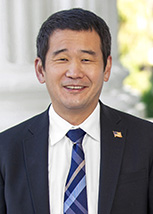
Bill Co-Author(s):
