HR 49
- Session Year: 2023-2024
- House: Assembly
- Latest Version Date: 2023-06-28
Current Status:
Failed
(2023-07-13: Read. Adopted. (Page 2646.).)
Introduced
In Committee
First Chamber
In Committee
Second Chamber
Enacted
WHEREAS, July 1920, 2023, marks the 175th Anniversary of the first Seneca Falls Womens Rights Convention; and
WHEREAS, Originally known as the Womens Rights Convention, the Seneca Falls Convention fought for the social, civil, and religious rights of women; and
WHEREAS, Heralded as the first womens rights convention in the United States, it was held at the Wesleyan Chapel in Seneca Falls, New York, on July 19 and 20, 1848; and
WHEREAS, The five women who organized the Seneca Falls Convention, who were also active in the abolitionist movement that called for an end to slavery and racial discrimination, included Elizabeth Cady Stanton, Lucretia Mott, Mary MClintock, Martha Coffin Wright, and Jane Hunt; and
WHEREAS, At the convention, activist and leader Elizabeth Cady Stanton drafted the Declaration of Sentiments, which called for womens equality in politics, family, education, jobs, religion, and morals. Modeled after the Declaration of Independence and named after the founding document of the American Anti-Slavery Society, the document began with, We hold these truths to be self-evident: that all men and women are created equal . . .; and
WHEREAS, At the convention, a list of 11 resolutions were presented, which demanded women to be regarded as mens equals. The resolutions called on Americans to regard any laws that placed women in an inferior position to men as having no force or authority; and
WHEREAS, The ninth resolution was the most controversial, as it called women to secure themselves their sacred right to the elective franchise, or the right to vote. Although its passage led many womens rights proponents to withdraw their support, the ninth resolution went on to become the cornerstone of the womens suffrage movement; and
WHEREAS, Over 70 years after the convention in Seneca Falls, the nation ratified the 19th Amendment, which granted women the right to vote in 1920. This victory led to the work of prominent feminist leaders in the 1950s and 1960s, ushering in a new age and new hope for womens rights; now, therefore, be it
Resolved by the Assembly of the State of California, That the Assembly hereby recognizes July 1920, 2023, as the 175th Anniversary of the first Seneca Falls Womens Rights Convention and encourages all Californians to join in this observance; and be it further
Resolved, That the Chief Clerk of the Assembly prepare and transmit a copy of the resolution to the Governor.
|
Date
|
Status
|
|---|---|
| Jul 13, 2023 | Coauthors revised. |
| Jul 13, 2023 | Read. Adopted. (Page 2646.). |
| Jul 10, 2023 | Coauthors revised. |
| Jul 10, 2023 | From committee: Be adopted. Ordered to Third Reading. (Ayes 13. Noes 0.) (July 10). |
| Jun 29, 2023 | Referred to Com. on RLS. |
| Jun 28, 2023 | Introduced. |
|
Date
|
Description
|
Location
|
Votes
|
|
|---|---|---|---|---|
| Jul 10, 2023 | Be adopted. To third reading. | Assembly Standing Committee on Rules |
Passed |
This list shows positions taken on this bill by organizations on the date displayed, which is linked to the original source.
Positions by individuals are not included.
Date of Hearing: July 10, 2023
ASSEMBLY COMMITTEE ON RULES
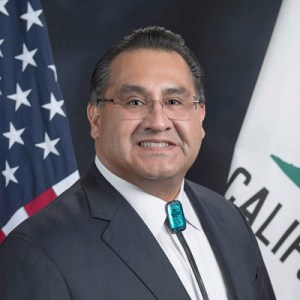
James Ramos, Chair
ABPCA Bill Id:HR 49 (
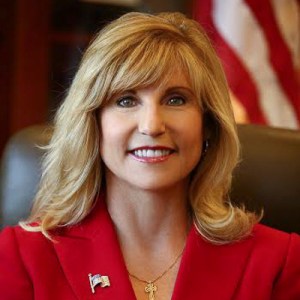
Author:Dixon) – As Introduced Ver:June 28, 2023
SUBJECT: the 175th Anniversary of the Seneca Falls Women’s Rights Convention.
SUMMARY: Recognizes July 19–20, 2023, as the 175th Anniversary of the first Seneca Falls Women’s Rights Convention and encourages all Californians to join in this observance. Specifically, this resolution makes the following legislative findings:
- Originally known as the Women’s Rights Convention, the Seneca Falls Convention fought for the social, civil, and religious rights of women. Heralded as the first women’s rights convention in the United States, it was held at the Wesleyan Chapel in Seneca Falls, New York, on July 19 and 20, 1848.
- The five women who organized the Seneca Falls Convention, who were also active in the abolitionist movement that called for an end to slavery and racial discrimination, included Elizabeth Cady Stanton, Lucretia Mott, Mary M’Clintock, Martha Coffin Wright, and Jane Hunt.
- At the convention, activist and leader Elizabeth Cady Stanton drafted the Declaration of Sentiments, which called for women’s equality in politics, family, education, jobs, religion, and morals. Modeled after the Declaration of Independence and named after the founding document of the American Anti-Slavery Society, the document began with, “We hold these truths to be self-evident: that all men and women are created equal . . .”.
- At the convention, a list of 11 resolutions were presented, which demanded women to be regarded as men’s equals. The resolutions called on Americans to regard any laws that placed women in an inferior position to men as having “no force or authority”.
- The ninth resolution was the most controversial, as it called women “to secure themselves their sacred right to the elective franchise,” or the right to vote. Although its passage led many women’s rights proponents to withdraw their support, the ninth resolution went on to become the cornerstone of the women’s suffrage movement.
- Over 70 years after the convention in Seneca Falls, the nation ratified the 19th Amendment, which granted women the right to vote in 1920. This victory led to the work of prominent feminist leaders in the 1950s and 1960s, ushering in a new age and new hope for women’s rights.
FISCAL EFFECT: None
REGISTERED SUPPORT / OPPOSITION:
Support
None on file
Opposition
None on file
Analysis Prepared by: Michael Erke / RLS. / (916) 319-2800
Bill Author
Bill Co-Author(s):