AB 1550: Renewable hydrogen.
- Session Year: 2023-2024
- House: Assembly
- Latest Version Date: 2024-01-18
Current Status:
Failed
(2024-02-01: Died on third reading file.)
Introduced
In Committee
First Chamber
In Committee
Second Chamber
Enacted
Existing law requires the State Air Resources Board to develop and adopt hydrogen fuel regulations to ensure that state funding for the production and use of hydrogen fuel contributes to the reduction of greenhouse gas emissions, criteria air pollutant emissions, and toxic air contaminant emissions, including by requiring that, on a statewide basis, no less than 33.3% of the hydrogen produced for, or dispensed by, fueling stations that receive state funds be made from eligible renewable energy resources, as specified. Under existing law, a violation of those regulations, and other provisions pertaining to motor vehicle fuels, is a crime.
This bill would require, on and after January 1, 2045, that all hydrogen produced and or used in California for the generation of electricity or fueling of vehicles be green hydrogen, renewable hydrogen of nonbiological origin, as defined, or renewable hydrogen of biological origin, as defined, in furtherance of the states policy to achieve net zero greenhouse gas emissions as soon as possible, but no later than 2045. The bill would require the state board, in consultation with the Public Utilities Commission (PUC) and the State Energy Resources Conservation and Development Commission, Commission (Energy Commission), to develop interim targets to ensure the state achieves that requirement. Because a violation of a state board regulation implementing this requirement would be a crime, the bill would impose a state-mandated local program.
The California Renewables Portfolio Standard Program requires the Public Utilities Commission (PUC) PUC to establish a renewables portfolio standard requiring all retail sellers, as defined, to procure a minimum quantity of electricity products from eligible renewable energy resources, as defined, so that the total kilowatthours of those products sold to their retail end-use customers achieves 25% of retail sales by December 31, 2016, 33% by December 31, 2020, 44% by December 31, 2024, 52% by December 31, 2027, and 60% by December 31, 2030.
This bill would prohibit green hydrogen renewable hydrogen of nonbiological origin or renewable hydrogen of biological origin used by a generating facility from qualifying as an eligible renewable energy resource for purposes of that requirement unless it satisfies all applicable requirements established by the State Energy Resources Conservation and Development Commission (Energy Commission) Energy Commission and meets specified requirements. For all electricity generated using green hydrogen renewable hydrogen of nonbiological origin or renewable hydrogen of biological origin that is credited toward the renewables portfolio standard procurement obligations, the bill would require that sufficient renewable and environmental green attributes, as defined, of green hydrogen renewable hydrogen of nonbiological origin or renewable hydrogen of biological origin production and capture be transferred to the retail seller or local publicly owned electric utility that uses that green hydrogen renewable hydrogen of nonbiological origin or renewable hydrogen of biological origin to ensure that there are zero net emissions associated with the production of electricity from the generating facility using the green hydrogen. renewable hydrogen of nonbiological origin or renewable hydrogen of biological origin. The bill would require all sellers and purchasers of green hydrogen renewable hydrogen of nonbiological origin or renewable hydrogen of biological origin to comply with a system for tracking and verifying the use of green hydrogen renewable hydrogen of nonbiological origin or renewable hydrogen of biological origin established by the Energy Commission, as specified.
Under existing law, a violation of the Public Utilities Act or any order, decision, rule, direction, demand, or requirement of the PUC is a crime.
Because certain of the above provisions would be part of the act and a violation of a PUC action implementing this bills requirements would be a crime, the bill would impose a state-mandated local program.
The California Constitution requires the state to reimburse local agencies and school districts for certain costs mandated by the state. Statutory provisions establish procedures for making that reimbursement.
This bill would provide that no reimbursement is required by this act for a specified reason.
Existing law requires the State Air Resources Board to develop and adopt hydrogen fuel regulations to ensure that state funding for the production and use of hydrogen fuel contributes to the reduction of greenhouse gas emissions, criteria air pollutant emissions, and toxic air contaminant emissions, including by requiring that, on a statewide basis, no less than 33.3% of the hydrogen produced for, or dispensed by, fueling stations that receive state funds be made from eligible renewable energy resources, as specified. Under existing law, a violation of those regulations, and other provisions pertaining to motor vehicle fuels, is a crime.
This bill would require, on and after January 1, 2045, that all hydrogen produced and used in California for the generation of electricity or fueling of vehicles be green hydrogen, as defined, in furtherance of the states policy to achieve net zero greenhouse gas emissions as soon as possible, but no later than 2045. The bill would require the state board, in consultation with the Public Utilities Commission and the State Energy Resources Conservation and Development Commission, to develop interim targets to ensure the state achieves that requirement. Because a violation of a state board regulation implementing this requirement would be a crime, the bill would impose a state-mandated local program.
The California Renewables Portfolio Standard Program requires the Public Utilities Commission (PUC) to establish a renewables portfolio standard requiring all retail sellers, as defined, to procure a minimum quantity of electricity products from eligible renewable energy resources, as defined, so that the total kilowatthours of those products sold to their retail end-use customers achieves 25% of retail sales by December 31, 2016, 33% by December 31, 2020, 44% by December 31, 2024, 52% by December 31, 2027, and 60% by December 31, 2030.
This bill would prohibit green hydrogen used by a generating facility from qualifying as an eligible renewable energy resource for purposes of that requirement unless it satisfies all applicable requirements established by the State Energy Resources Conservation and Development Commission (Energy Commission) and meets specified requirements. For all electricity generated using green hydrogen that is credited toward the renewables portfolio standard procurement obligations, the bill would require that sufficient renewable and environmental green attributes, as defined, of green hydrogen production and capture be transferred to the retail seller or local publicly owned electric utility that uses that green hydrogen to ensure that there are zero net emissions associated with the production of electricity from the generating facility using the green hydrogen. The bill would require all sellers and purchasers of green hydrogen to comply with a system for tracking and verifying the use of green hydrogen established by the Energy Commission, as specified.
Under existing law, a violation of the Public Utilities Act or any order, decision, rule, direction, demand, or requirement of the PUC is a crime.
Because certain of the above provisions would be part of the act and a violation of a PUC action implementing this bills requirements would be a crime, the bill would impose a state-mandated local program.
The California Constitution requires the state to reimburse local agencies and school districts for certain costs mandated by the state. Statutory provisions establish procedures for making that reimbursement.
This bill would provide that no reimbursement is required by this act for a specified reason.
Existing law requires the State Air Resources Board to develop and adopt hydrogen fuel regulations to ensure that state funding for the production and use of hydrogen fuel contributes to the reduction of greenhouse gas emissions, criteria air pollutant emissions, and toxic air contaminant emissions, including by requiring that, on a statewide basis, no less than 33.3% of the hydrogen produced for, or dispensed by, fueling stations that receive state funds be made from eligible renewable energy resources, as specified. Under existing law, a violation of those regulations, and other provisions pertaining to motor vehicle fuels, is a crime.
This bill would require, on and after January 1, 2045, that all hydrogen produced and used in California for the generation of electricity or fueling of vehicles be green hydrogen, as defined, in furtherance of the states policy to achieve net zero greenhouse gas emissions as soon as possible, but no later than 2045. Because a violation of a state board regulation implementing this requirement would be a crime, the bill would impose a state-mandated local program.
The California Renewables Portfolio Standard Program requires the Public Utilities Commission (PUC) to establish a renewables portfolio standard requiring all retail sellers, as defined, to procure a minimum quantity of electricity products from eligible renewable energy resources, as defined, so that the total kilowatthours of those products sold to their retail end-use customers achieves 25% of retail sales by December 31, 2016, 33% by December 31, 2020, 44% by December 31, 2024, 52% by December 31, 2027, and 60% by December 31, 2030.
This bill would prohibit green hydrogen used by a generating facility from qualifying as an eligible renewable energy resource for purposes of that requirement unless it satisfies all applicable requirements established by the State Energy Resources Conservation and Development Commission (Energy Commission) and meets specified requirements. For all electricity generated using green hydrogen that is credited toward the renewables portfolio standard procurement obligations, the bill would require that sufficient renewable and environmental green attributes, as defined, of green hydrogen production and capture be transferred to the retail seller or local publicly owned electric utility that uses that green hydrogen to ensure that there are zero net emissions associated with the production of electricity from the generating facility using the green hydrogen. The bill would require all sellers and purchasers of green hydrogen to comply with a system for tracking and verifying the use of green hydrogen established by the Energy Commission, as specified.
Under existing law, a violation of the Public Utilities Act or any order, decision, rule, direction, demand, or requirement of the PUC is a crime.
Because certain of the above provisions would be part of the act and a violation of a PUC action implementing this bills requirements would be a crime, the bill would impose a state-mandated local program.
The California Constitution requires the state to reimburse local agencies and school districts for certain costs mandated by the state. Statutory provisions establish procedures for making that reimbursement.
This bill would provide that no reimbursement is required by this act for a specified reason.
Existing law requires the State Air Resources Board to develop and adopt hydrogen fuel regulations to ensure that state funding for the production and use of hydrogen fuel contributes to the reduction of greenhouse gas emissions, criteria air pollutant emissions, and toxic air contaminant emissions, including by requiring that, on a statewide basis, no less than 33.3% of the hydrogen produced for, or dispensed by, fueling stations that receive state funds be made from eligible renewable energy resources, as specified. Under existing law, a violation of those regulations, and other provisions pertaining to motor vehicle fuels, is a crime.
This bill would require, on and after January 1, 2045, that all hydrogen produced and used in California for the generation of electricity or fueling of vehicles be green hydrogen. hydrogen, as defined, in furtherance of the states policy to achieve net zero greenhouse gas emissions as soon as possible, but no later than 2045. Because a violation of a state board regulation implementing this requirement would be a crime, the bill would impose a state-mandated local program.
Because a violation of this bills requirement would be a crime, the bill would impose a state-mandated local program.The California Renewables Portfolio Standard Program requires the Public Utilities Commission (PUC) to establish a renewables portfolio standard requiring all retail sellers, as defined, to procure a minimum quantity of electricity products from eligible renewable energy resources, as defined, so that the total kilowatthours of those products sold to their retail end-use customers achieves 25% of retail sales by December 31, 2016, 33% by December 31, 2020, 44% by December 31, 2024, 52% by December 31, 2027, and 60% by December 31, 2030.
This bill would prohibit green hydrogen used by a generating facility from qualifying as an eligible renewable energy resource for purposes of that requirement unless it satisfies all applicable requirements established by the State Energy Resources Conservation and Development Commission and meets specified requirements. For all electricity generated using green hydrogen that is credited toward the renewables portfolio standard procurement obligations, the bill would require that sufficient renewable and environmental green attributes, as defined, of green hydrogen production and capture be transferred to the retail seller or local publicly owned electric utility that uses that green hydrogen to ensure that there are zero net emissions associated with the production of electricity from the generating facility using the green hydrogen. The bill would require all sellers and purchasers of green hydrogen to comply with a system for tracking and verifying the use of green hydrogen established by the Energy Commission, as specified.
Under existing law, a violation of the Public Utilities Act or any order, decision, rule, direction, demand, or requirement of the PUC is a crime.
Because certain of the above provisions would be part of the act and a violation of a PUC action implementing this bills requirements would be a crime, the bill would impose a state-mandated local program.
The California Constitution requires the state to reimburse local agencies and school districts for certain costs mandated by the state. Statutory provisions establish procedures for making that reimbursement.
This bill would provide that no reimbursement is required by this act for a specified reason.
Existing law requires the State Air Resources Board to develop and adopt hydrogen fuel regulations to ensure that state funding for the production and use of hydrogen fuel contributes to the reduction of greenhouse gas emissions, criteria air pollutant emissions, and toxic air contaminant emissions, including by requiring that, on a statewide basis, no less than 33.3% of the hydrogen produced for, or dispensed by, fueling stations that receive state funds be made from eligible renewable energy resources, as specified. Under existing law, a violation of those regulations, and other provisions pertaining to motor vehicle fuels, is a crime.
This bill would require, on and after January 1, 2045, that all hydrogen produced and used in California for the generation of electricity or fueling of vehicles be green hydrogen.
Because a violation of this bills requirement would be a crime, the bill would impose a state-mandated local program.
The California Constitution requires the state to reimburse local agencies and school districts for certain costs mandated by the state. Statutory provisions establish procedures for making that reimbursement.
This bill would provide that no reimbursement is required by this act for a specified reason.
(a)(1)On and after January 1, 2045, all hydrogen produced and or used in California for the generation of electricity or fueling of vehicles shall be green hydrogen renewable hydrogen of nonbiological origin or renewable hydrogen of biological origin in furtherance of the states policy to achieve net zero greenhouse gas emissions as soon as possible, but no later than 2045, pursuant to Section 38562.2.
(2)The state board, in consultation with the Public Utilities Commission and the State Energy Resources Conservation and Development Commission, shall develop interim targets to ensure the state achieves the requirement of paragraph (1).
(b)(1)For purposes of the requirement in subdivision (a) that all hydrogen produced and used in California for the generation of electricity be green hydrogen, green hydrogen (a),renewable hydrogen of nonbiological origin means hydrogen gas produced through electrolysis and consistent with all of the following:
(A)The production process uses both electricity that is eligible under the California Renewables Portfolio Standard Program (Article 16 (commencing with Section 399.11) of Chapter 2.3 of Part 1 of Division 1 of the Public Utilities Code) and a material feedstock that is water.(A)Any electricity used in the production process is generated by a solar thermal, photovoltaic, wind, geothermal, or small hydroelectric generation facility that is an eligible renewable energy resource, as defined in Section 399.12 of the Public Utilities Code, using a material feedstock that is water.
(B)The facility generating the electricity used for the production of the green hydrogen renewable hydrogen of nonbiological origin does not use tradable renewable energy credits to demonstrate reliance on renewable electricity.
(C)The facility generating the electricity used for the production of the green hydrogen renewable hydrogen of nonbiological origin demonstrates that the electricity it uses comes from a new renewable generation resource developed specifically to serve the green hydrogen production process, resource, curtailed energy, or energy from a repowered energy facility, and is consistent with prohibitions of resource shuffling in subdivision (a) of Section 454.53 of the Public Utilities Code, and that the new renewable generation resource resource, curtailed energy, or energy from a repowered energy facility has a first point of interconnection to the California balancing authority in which the electrolytic hydrogen production facility is sited.
(D)Beginning on January 1, 2028, the facility producing the renewable hydrogen of nonbiological origin uses the renewable electricity in the same hour that it is delivered onto the grid.
(2)For purposes of the requirement in subdivision (a), renewable hydrogen of biological origin means hydrogen derived from water using eligible renewable energy resources, as defined in Section 399.12 of the Public Utilities Code, or hydrogen produced directly from eligible renewable energy resources, as defined in that section, consistent with all of the following:
(A)The facility producing the renewable hydrogen of biological origin does not use a biomethane feedstock from a dairy digester facility.
(B)Forest biomass used to produce the renewable hydrogen of biological origin is limited to the byproducts of sustainable forestry, as defined by the Public Utilities Commission pursuant to Section 399.20 of the Public Utilities Code.
(C)Agricultural biomass used for the production of the renewable hydrogen of biological origin is limited to agricultural residues and excludes purpose-grown crops for energy production.
(D)The production of the renewable hydrogen of biological origin does not result in resource shuffling.
(E)The production of the renewable hydrogen of biological origin does not use unbundled renewable energy credits.
(F)For any renewable hydrogen of biological origin the production process of which uses both electricity that is eligible under the California Renewables Portfolio Standard Program (Article 16 (commencing with Section 399.11) of Chapter 2.3 of Part 1 of Division 1 of the Public Utilities Code) and a material feedstock that is water, the facility generating the electricity used for the production of the renewable hydrogen of biological origin demonstrates that the electricity it uses comes from a new renewable generation resource, curtailed energy, or energy from a repowered energy facility, and is consistent with the prohibition against resource shuffling set forth in Section 454.53 of the Public Utilities Code.
(G)Starting January 1, 2028, for any electricity used to power the production of renewable hydrogen of biological origin, the facility uses the renewable electricity in the same hour that it is delivered onto the grid.
(3)If a facility, including a facility that includes a linear generator or a turbine, uses renewable hydrogen of biological origin, all of the following shall apply:
(A)The facility producing the renewable hydrogen of biological origin does not use a biomethane feedstock from a dairy digester facility.
(B)The use of the renewable hydrogen of biological origin results in a net decrease in emissions of oxides of nitrogen or other air pollutants and greenhouse gases from the electrical sector.
(C)The procurement and use of the renewable hydrogen of biological origin aligns with best practices regarding hydrogen production, distribution, storage, and use, including minimizing leakage risk, that are available at the time a facility applies for certification as an eligible renewable energy resource.
(D)Any renewable energy certificates or other environmental attributes associated with the feedstock and energy used to produce the renewable hydrogen of biological origin are not produced, or are retired and not claimed under any program, with the exception of the federal Renewable Fuel Standard program, and the market-based compliance mechanism set forth in Article 5 (commencing with Section 95801) of Subchapter 10 of Chapter 1 of Division 3 of Title 17 of the California Code of Regulations.
(2)(4)For purposes of the requirement in subdivision (a) that all hydrogen produced and used in California for the generation of electricity be green hydrogen, green hydrogen (a), renewable hydrogen of nonbiological origin or renewable hydrogen of biological origin does not include hydrogen gas manufactured using steam reforming or any other conversion technology that produces hydrogen or produced from a fossil fuel feedstock.
SEC. 2.Section 25741 of the Public Resources Code is amended to read:25741.As used in this chapter, the following terms have the following meanings:
(a)Renewable electrical generation facility means a facility that meets all of the following criteria:
(1)The facility uses biomass, solar thermal, photovoltaic, wind, geothermal, fuel cells using renewable fuels, small hydroelectric generation of 30 megawatts or less, digester gas, municipal solid waste conversion, landfill gas, ocean wave, ocean thermal, green hydrogen, as defined in subdivision (b) of Section 43869.5 of the Health and Safety Code, renewable hydrogen of nonbiological origin, as defined in Section 43869.5 of the Health and Safety Code, or renewable hydrogen of biological origin, as defined in Section 43869.5 of the Health and Safety Code, or tidal current, and any additions or enhancements to the facility using that technology.
(2)The facility satisfies one of the following requirements:
(A)The facility is located in the state or near the border of the state with the first point of connection to the transmission network of a balancing authority area primarily located within the state. For purposes of this subparagraph, balancing authority area has the same meaning as defined in Section 399.12 of the Public Utilities Code.
(B)The facility has its first point of interconnection to the transmission network outside the state, within the Western Electricity Coordinating Council (WECC) service area, and satisfies all of the following requirements:
(i)It commences initial commercial operation after January 1, 2005.
(ii)It will not cause or contribute to any violation of a California environmental quality standard or requirement.
(iii)It participates in the accounting system to verify compliance with the renewables portfolio standard once established by the commission pursuant to subdivision (b) of Section 399.25 of the Public Utilities Code.
(C)The facility meets the requirements of clauses (ii) and (iii) of subparagraph (B), but does not meet the requirements of clause (i) of subparagraph (B) because it commenced initial operation before January 1, 2005, if the facility satisfies either of the following requirements:
(i)The electricity is from incremental generation resulting from expansion or repowering of the facility.
(ii)Electricity generated by the facility was procured by a retail seller or local publicly owned electric utility as of January 1, 2010.
(3)If the facility is outside the United States, it is developed and operated in a manner that is as protective of the environment as a similar facility located in the state.
(4)If eligibility of the facility is based on the use of landfill gas, digester gas, or another renewable fuel delivered to the facility through a common carrier pipeline, the transaction for the procurement of that fuel, including the source of the fuel and delivery method, satisfies the requirements of Section 399.12.6 of the Public Utilities Code and is verified pursuant to the accounting system established by the commission pursuant to Section 399.25 of the Public Utilities Code, or a comparable system, as determined by the commission.
(5)If eligibility of the facility is based on the use of green hydrogen renewable hydrogen of nonbiological origin delivered to the facility through a pipeline, the transaction for the procurement of that fuel, including the source of the fuel and delivery method, satisfies the requirements of Section 399.12.3 of the Public Utilities Code and is verified pursuant to the accounting system established by the commission pursuant to Section 399.25 of the Public Utilities Code, or a comparable system, as determined by the commission.
(b)Municipal solid waste conversion, as used in subdivision (a), means a technology that uses a noncombustion thermal process to convert solid waste to a clean-burning fuel for the purpose of generating electricity, and that meets all of the following criteria:
(1)The technology does not use air or oxygen in the conversion process, except ambient air to maintain temperature control.
(2)The technology produces no discharges of air contaminants or emissions, including greenhouse gases gases, as defined in Section 38505 of the Health and Safety Code.
(3)The technology produces no discharges to surface or groundwaters of the state.
(4)The technology produces no hazardous wastes.
(5)To the maximum extent feasible, the technology removes all recyclable materials and marketable green waste compostable materials from the solid waste stream before the conversion process and the owner or operator of the facility certifies that those materials will be recycled or composted.
(6)The facility at which the technology is used is in compliance with all applicable laws, regulations, and ordinances.
(7)The technology meets any other conditions established by the commission.
(8)The facility certifies that any local agency sending solid waste to the facility diverted at least 30 percent of all solid waste it collects through solid waste reduction, recycling, and composting. For purposes of this paragraph, local agency means any city, county, or special district, or subdivision thereof, that is authorized to provide solid waste handling services.
(c)Renewable energy public goods charge means that portion of the nonbypassable system benefits charge required to be collected to fund renewable energy pursuant to the Reliable Electric Service Investments Act (Article 15 (commencing with Section 399) of Chapter 2.3 of Part 1 of Division 1 of the Public Utilities Code).
(d)Report means the report entitled Investing in Renewable Electricity Generation in California (June 2001, Publication Number P500-00-022) submitted to the Governor and the Legislature by the commission.
(e)Retail seller means a retail seller seller, as defined in Section 399.12 of the Public Utilities Code.
SEC. 3.Section 399.12.3 is added to the Public Utilities Code, to read:399.12.3.(a)For purposes of this section, green hydrogen has renewable hydrogen of nonbiological origin and renewable hydrogen of biological origin have the same meaning meanings as defined in subdivision (b) of Section 43869.5 of the Health and Safety Code.
(b)Green hydrogen Renewable hydrogen of nonbiological origin or renewable hydrogen of biological origin used by a generating facility shall not qualify as an eligible renewable energy resource unless it satisfies all applicable requirements established by the Energy Commission and meets any of the following requirements:
(1)The green hydrogen renewable hydrogen of nonbiological origin or renewable hydrogen of biological origin is used by an onsite generating facility within California or that has a first point of interconnection to a California balancing authority.
(2)The green hydrogen renewable hydrogen of nonbiological origin or renewable hydrogen of biological origin is used by an offsite generating facility within California or that has a first point of interconnection to a California balancing authority and is delivered to the generating facility by truck or rail, or through a dedicated pipeline.
(3)The green hydrogen renewable hydrogen of nonbiological origin or renewable hydrogen of biological origin is delivered to a generating facility through a common carrier pipeline and the green hydrogen renewable hydrogen of nonbiological origin or renewable hydrogen of biological origin physically flows within California or toward the generating facility for which the green hydrogen renewable hydrogen of nonbiological origin or renewable hydrogen of biological origin was procured under the original contract.
(c)For all electricity generated using green hydrogen renewable hydrogen of nonbiological origin or renewable hydrogen of biological origin that is credited toward the renewables portfolio standard procurement obligations established pursuant to this article, sufficient renewable and environmental green attributes of green hydrogen renewable hydrogen of nonbiological origin or renewable hydrogen of biological origin production and capture shall be transferred to the retail seller or local publicly owned electric utility that uses that green hydrogen renewable hydrogen of nonbiological origin or renewable hydrogen of biological origin to ensure that there are zero net emissions associated with the production of electricity from the generating facility using the green hydrogen. renewable hydrogen of nonbiological origin or renewable hydrogen of biological origin. This subdivision shall be applied in a manner consistent with the definition of green attributes as specified by the commission in Decision 08-08-028 (August 21, 2008), Decision on Definition and Attributes of Renewable Energy Credits for Compliance with the California Renewables Portfolio Standard, as may be modified by a subsequent decision of the commission.
(d)All sellers and purchasers of green hydrogen renewable hydrogen of nonbiological origin or renewable hydrogen of biological origin shall comply with a system for tracking and verifying the use of green hydrogen, renewable hydrogen of nonbiological origin or renewable hydrogen of biological origin, as established by the Energy Commission, that is equivalent to the system required by subdivision (c) of Section 399.25.
(e)The use of green hydrogen renewable hydrogen of nonbiological origin or renewable hydrogen of biological origin shall be assigned to the appropriate portfolio content category based on the application of the criteria in subdivision (b) of Section 399.16 to the procurement of electricity by the retail seller or local publicly owned electric utility from the generating facility using the green hydrogen. renewable hydrogen of nonbiological origin or renewable hydrogen of biological origin.
SEC. 4.No reimbursement is required by this act pursuant to Section 6 of Article XIIIB of the California Constitution because the only costs that may be incurred by a local agency or school district will be incurred because this act creates a new crime or infraction, eliminates a crime or infraction, or changes the penalty for a crime or infraction, within the meaning of Section 17556 of the Government Code, or changes the definition of a crime within the meaning of Section 6 of Article XIIIB of the California Constitution.
(a)(1)On and after January 1, 2045, all hydrogen produced and used in California for the generation of electricity or fueling of vehicles shall be green hydrogen in furtherance of the states policy to achieve net zero greenhouse gas emissions as soon as possible, but no later than 2045, pursuant to Section 38562.2.
(2)The state board, in consultation with the Public Utilities Commission and the State Energy Resources Conservation and Development Commission, shall develop interim targets to ensure the state achieves the requirement of paragraph (1).
(b)(1)For purposes of the requirement in subdivision (a) that all hydrogen produced and used in California for the generation of electricity be green hydrogen, green hydrogen means hydrogen gas produced through electrolysis and consistent with all of the following:
(A)The production process uses both electricity that is eligible under the California Renewables Portfolio Standard Program (Article 16 (commencing with Section 399.11) of Chapter 2.3 of Part 1 of Division 1 of the Public Utilities Code) and a material feedstock that is water.
(B)The facility generating the electricity used for the production of the green hydrogen does not use tradable renewable energy credits to demonstrate reliance on renewable electricity.
(C)The facility generating the electricity used for the production of the green hydrogen demonstrates that the electricity it uses comes from a new renewable generation resource developed specifically to serve the green hydrogen production process, consistent with prohibitions of resource shuffling in subdivision (a) of Section 454.53 of the Public Utilities Code, and that the new renewable generation resource has a first point of interconnection to the California balancing authority in which the electrolytic hydrogen production facility is sited.
(2)For purposes of the requirement in subdivision (a) that all hydrogen produced and used in California for the generation of electricity be green hydrogen, green hydrogen does not include hydrogen gas manufactured using steam reforming or any other conversion technology that produces hydrogen from a fossil fuel feedstock.
SEC. 2.Section 25741 of the Public Resources Code is amended to read:25741.As used in this chapter, the following terms have the following meaning: meanings:
(a)Renewable electrical generation facility means a facility that meets all of the following criteria:
(1)The facility uses biomass, solar thermal, photovoltaic, wind, geothermal, fuel cells using renewable fuels, small hydroelectric generation of 30 megawatts or less, digester gas, municipal solid waste conversion, landfill gas, ocean wave, ocean thermal, green hydrogen, as defined in subdivision (b) of Section 43869.5 of the Health and Safety Code, or tidal current, and any additions or enhancements to the facility using that technology.
(2)The facility satisfies one of the following requirements:
(A)The facility is located in the state or near the border of the state with the first point of connection to the transmission network of a balancing authority area primarily located within the state. For purposes of this subparagraph, balancing authority area has the same meaning as defined in Section 399.12 of the Public Utilities Code.
(B)The facility has its first point of interconnection to the transmission network outside the state, within the Western Electricity Coordinating Council (WECC) service area, and satisfies all of the following requirements:
(i)It commences initial commercial operation after January 1, 2005.
(ii)It will not cause or contribute to any violation of a California environmental quality standard or requirement.
(iii)It participates in the accounting system to verify compliance with the renewables portfolio standard once established by the commission pursuant to subdivision (b) of Section 399.25 of the Public Utilities Code.
(C)The facility meets the requirements of clauses (ii) and (iii) of subparagraph (B), but does not meet the requirements of clause (i) of subparagraph (B) because it commenced initial operation before January 1, 2005, if the facility satisfies either of the following requirements:
(i)The electricity is from incremental generation resulting from expansion or repowering of the facility.
(ii)Electricity generated by the facility was procured by a retail seller or local publicly owned electric utility as of January 1, 2010.
(3)If the facility is outside the United States, it is developed and operated in a manner that is as protective of the environment as a similar facility located in the state.
(4)If eligibility of the facility is based on the use of landfill gas, digester gas, or another renewable fuel delivered to the facility through a common carrier pipeline, the transaction for the procurement of that fuel, including the source of the fuel and delivery method, satisfies the requirements of Section 399.12.6 of the Public Utilities Code and is verified pursuant to the accounting system established by the commission pursuant to Section 399.25 of the Public Utilities Code, or a comparable system, as determined by the commission.
(5)If eligibility of the facility is based on the use of green hydrogen delivered to the facility through a pipeline, the transaction for the procurement of that fuel, including the source of the fuel and delivery method, satisfies the requirements of Section 399.12.3 of the Public Utilities Code and is verified pursuant to the accounting system established by the commission pursuant to Section 399.25 of the Public Utilities Code, or a comparable system, as determined by the commission.
(b)Municipal solid waste conversion, as used in subdivision (a), means a technology that uses a noncombustion thermal process to convert solid waste to a clean-burning fuel for the purpose of generating electricity, and that meets all of the following criteria:
(1)The technology does not use air or oxygen in the conversion process, except ambient air to maintain temperature control.
(2)The technology produces no discharges of air contaminants or emissions, including greenhouse gases as defined in Section 38505 of the Health and Safety Code.
(3)The technology produces no discharges to surface or groundwaters of the state.
(4)The technology produces no hazardous wastes.
(5)To the maximum extent feasible, the technology removes all recyclable materials and marketable green waste compostable materials from the solid waste stream before the conversion process and the owner or operator of the facility certifies that those materials will be recycled or composted.
(6)The facility at which the technology is used is in compliance with all applicable laws, regulations, and ordinances.
(7)The technology meets any other conditions established by the commission.
(8)The facility certifies that any local agency sending solid waste to the facility diverted at least 30 percent of all solid waste it collects through solid waste reduction, recycling, and composting. For purposes of this paragraph, local agency means any city, county, or special district, or subdivision thereof, that is authorized to provide solid waste handling services.
(c)Renewable energy public goods charge means that portion of the nonbypassable system benefits charge required to be collected to fund renewable energy pursuant to the Reliable Electric Service Investments Act (Article 15 (commencing with Section 399) of Chapter 2.3 of Part 1 of Division 1 of the Public Utilities Code).
(d)Report means the report entitled Investing in Renewable Electricity Generation in California (June 2001, Publication Number P500-00-022) submitted to the Governor and the Legislature by the commission.
(e)Retail seller means a retail seller as defined in Section 399.12 of the Public Utilities Code.
SEC. 3.Section 399.12.3 is added to the Public Utilities Code, to read:399.12.3.(a)For purposes of this section, green hydrogen has the same meaning as defined in subdivision (b) of Section 43869.5 of the Health and Safety Code.
(b)Green hydrogen used by a generating facility shall not qualify as an eligible renewable energy resource unless it satisfies all applicable requirements established by the Energy Commission and meets any of the following requirements:
(1)The green hydrogen is used by an onsite generating facility within California or that has a first point of interconnection to a California balancing authority.
(2)The green hydrogen is used by an offsite generating facility within California or that has a first point of interconnection to a California balancing authority and is delivered to the generating facility through a dedicated pipeline.
(3)The green hydrogen is delivered to a generating facility through a common carrier pipeline and the green hydrogen physically flows within California or toward the generating facility for which the green hydrogen was procured under the original contract.
(c)For all electricity generated using green hydrogen that is credited toward the renewables portfolio standard procurement obligations established pursuant to this article, sufficient renewable and environmental green attributes of green hydrogen production and capture shall be transferred to the retail seller or local publicly owned electric utility that uses that green hydrogen to ensure that there are zero net emissions associated with the production of electricity from the generating facility using the green hydrogen. This subdivision shall be applied in a manner consistent with the definition of green attributes as specified by the commission in Decision 08-08-028 (August 21, 2008), Decision on Definition and Attributes of Renewable Energy Credits for Compliance with the California Renewables Portfolio Standard, as may be modified by a subsequent decision of the commission.
(d)All sellers and purchasers of green hydrogen shall comply with a system for tracking and verifying the use of green hydrogen, as established by the Energy Commission, that is equivalent to the system required by subdivision (c) of Section 399.25.
(e)The use of green hydrogen shall be assigned to the appropriate portfolio content category based on the application of the criteria in subdivision (b) of Section 399.16 to the procurement of electricity by the retail seller or local publicly owned electric utility from the generating facility using the green hydrogen.
SEC. 4.No reimbursement is required by this act pursuant to Section 6 of Article XIIIB of the California Constitution because the only costs that may be incurred by a local agency or school district will be incurred because this act creates a new crime or infraction, eliminates a crime or infraction, or changes the penalty for a crime or infraction, within the meaning of Section 17556 of the Government Code, or changes the definition of a crime within the meaning of Section 6 of Article XIIIB of the California Constitution.
(a)On and after January 1, 2045, all hydrogen produced and used in California for the generation of electricity or fueling of vehicles shall be green hydrogen in furtherance of the states policy to achieve net zero greenhouse gas emissions as soon as possible, but no later than 2045, pursuant to Section 38562.2.
(b)(1)For purposes of this section, the requirement in subdivision (a) that all hydrogen produced and used in California for the generation of electricity be green hydrogen, green hydrogen means hydrogen gas produced through electrolysis and consistent with all of the following:
(A)The production process uses both electricity that is eligible under the California Renewables Portfolio Standard Program (Article 16 (commencing with Section 399.11) of Chapter 2.3 of Part 1 of Division 1 of the Public Utilities Code) and a material feedstock that is water.
(B)The facility generating the electricity used for the production of the green hydrogen does not use tradable renewable energy credits to demonstrate reliance on renewable electricity.
(C)The facility generating the electricity used for the production of the green hydrogen demonstrates that the electricity it uses comes from a new renewable generation resource developed specifically to serve the green hydrogen production process, consistent with prohibitions of resource shuffling in subdivision (a) of Section 454.53 of the Public Utilities Code, and that the new renewable generation resource has a first point of interconnection to the California balancing authority in which the electrolytic hydrogen production facility is sited.
(2)Green For purposes of the requirement in subdivision (a) that all hydrogen produced and used in California for the generation of electricity be green hydrogen, green hydrogen does not include hydrogen gas manufactured using steam reforming or any other conversion technology that produces hydrogen from a fossil fuel feedstock.
SEC. 2.Section 25741 of the Public Resources Code is amended to read:25741.As used in this chapter, the following terms have the following meaning:
(a)Renewable electrical generation facility means a facility that meets all of the following criteria:
(1)The facility uses biomass, solar thermal, photovoltaic, wind, geothermal, fuel cells using renewable fuels, small hydroelectric generation of 30 megawatts or less, digester gas, municipal solid waste conversion, landfill gas, ocean wave, ocean thermal, green hydrogen, as defined in subdivision (b) of Section 43869.5 of the Health and Safety Code, or tidal current, and any additions or enhancements to the facility using that technology.
(2)The facility satisfies one of the following requirements:
(A)The facility is located in the state or near the border of the state with the first point of connection to the transmission network of a balancing authority area primarily located within the state. For purposes of this subparagraph, balancing authority area has the same meaning as defined in Section 399.12 of the Public Utilities Code.
(B)The facility has its first point of interconnection to the transmission network outside the state, within the Western Electricity Coordinating Council (WECC) service area, and satisfies all of the following requirements:
(i)It commences initial commercial operation after January 1, 2005.
(ii)It will not cause or contribute to any violation of a California environmental quality standard or requirement.
(iii)It participates in the accounting system to verify compliance with the renewables portfolio standard once established by the commission pursuant to subdivision (b) of Section 399.25 of the Public Utilities Code.
(C)The facility meets the requirements of clauses (ii) and (iii) in of subparagraph (B), but does not meet the requirements of clause (i) of subparagraph (B) because it commenced initial operation before January 1, 2005, if the facility satisfies either of the following requirements:
(i)The electricity is from incremental generation resulting from expansion or repowering of the facility.
(ii)Electricity generated by the facility was procured by a retail seller or local publicly owned electric utility as of January 1, 2010.
(3)If the facility is outside the United States, it is developed and operated in a manner that is as protective of the environment as a similar facility located in the state.
(4)If eligibility of the facility is based on the use of landfill gas, digester gas, or another renewable fuel delivered to the facility through a common carrier pipeline, the transaction for the procurement of that fuel, including the source of the fuel and delivery method, satisfies the requirements of Section 399.12.6 of the Public Utilities Code and is verified pursuant to the accounting system established by the commission pursuant to Section 399.25 of the Public Utilities Code, or a comparable system, as determined by the commission.
(5)If eligibility of the facility is based on the use of green hydrogen delivered to the facility through a pipeline, the transaction for the procurement of that fuel, including the source of the fuel and delivery method, satisfies the requirements of Section 399.12.3 of the Public Utilities Code and is verified pursuant to the accounting system established by the commission pursuant to Section 399.25 of the Public Utilities Code, or a comparable system, as determined by the commission.
(b)Municipal solid waste conversion, as used in subdivision (a), means a technology that uses a noncombustion thermal process to convert solid waste to a clean-burning fuel for the purpose of generating electricity, and that meets all of the following criteria:
(1)The technology does not use air or oxygen in the conversion process, except ambient air to maintain temperature control.
(2)The technology produces no discharges of air contaminants or emissions, including greenhouse gases as defined in Section 38505 of the Health and Safety Code.
(3)The technology produces no discharges to surface or groundwaters of the state.
(4)The technology produces no hazardous wastes.
(5)To the maximum extent feasible, the technology removes all recyclable materials and marketable green waste compostable materials from the solid waste stream before the conversion process and the owner or operator of the facility certifies that those materials will be recycled or composted.
(6)The facility at which the technology is used is in compliance with all applicable laws, regulations, and ordinances.
(7)The technology meets any other conditions established by the commission.
(8)The facility certifies that any local agency sending solid waste to the facility diverted at least 30 percent of all solid waste it collects through solid waste reduction, recycling, and composting. For purposes of this paragraph, local agency means any city, county, or special district, or subdivision thereof, that is authorized to provide solid waste handling services.
(c)Renewable energy public goods charge means that portion of the nonbypassable system benefits charge required to be collected to fund renewable energy pursuant to the Reliable Electric Service Investments Act (Article 15 (commencing with Section 399) of Chapter 2.3 of Part 1 of Division 1 of the Public Utilities Code).
(d)Report means the report entitled Investing in Renewable Electricity Generation in California (June 2001, Publication Number P500-00-022) submitted to the Governor and the Legislature by the commission.
(e)Retail seller means a retail seller as defined in Section 399.12 of the Public Utilities Code.
SEC. 3.Section 399.12.3 is added to the Public Utilities Code, to read:399.12.3.(a)For purposes of this section, green hydrogen has the same meaning as defined in subdivision (b) of Section 43869.5 of the Health and Safety Code.
(b)Green hydrogen used by a generating facility shall not qualify as an eligible renewable energy resource unless it satisfies all applicable requirements established by the Energy Commission and meets any of the following requirements:
(1)The green hydrogen is used by an onsite generating facility within California or that has a first point of interconnection to a California balancing authority.
(2)The green hydrogen is used by an offsite generating facility within California or that has a first point of interconnection to a California balancing authority and is delivered to the generating facility through a dedicated pipeline.
(3)The green hydrogen is delivered to a generating facility through a common carrier pipeline and the green hydrogen physically flows within California or toward the generating facility for which the green hydrogen was procured under the original contract.
(c)For all electricity generated using green hydrogen that is credited toward the renewables portfolio standard procurement obligations established pursuant to this article, sufficient renewable and environmental green attributes of green hydrogen production and capture shall be transferred to the retail seller or local publicly owned electric utility that uses that green hydrogen to ensure that there are zero net emissions associated with the production of electricity from the generating facility using the green hydrogen. This subdivision shall be applied in a manner consistent with the definition of green attributes as specified by the commission in Decision 08-08-028 (August 21, 2008), Decision on Definition and Attributes of Renewable Energy Credits for Compliance with the California Renewables Portfolio Standard, as may be modified by a subsequent decision of the commission.
(d)All sellers and purchasers of green hydrogen shall comply with a system for tracking and verifying the use of green hydrogen, as established by the Energy Commission, that is equivalent to the system required by subdivision (c) of Section 399.25.
(e)The use of green hydrogen shall be assigned to the appropriate portfolio content category based on the application of the criteria in subdivision (b) of Section 399.16 to the procurement of electricity by the retail seller or local publicly owned electric utility from the generating facility using the green hydrogen.
SEC. 4.No reimbursement is required by this act pursuant to Section 6 of Article XIIIB of the California Constitution because the only costs that may be incurred by a local agency or school district will be incurred because this act creates a new crime or infraction, eliminates a crime or infraction, or changes the penalty for a crime or infraction, within the meaning of Section 17556 of the Government Code, or changes the definition of a crime within the meaning of Section 6 of Article XIIIB of the California Constitution.
(a)On and after January 1, 2045, all hydrogen produced and used in California for the generation of electricity or fueling of vehicles shall be green hydrogen. hydrogen in furtherance of the states policy to achieve net zero greenhouse gas emissions as soon as possible, but no later than 2045, pursuant to Section 38562.2.
(b)(1)For purposes of this section, green hydrogen means hydrogen gas produced through electrolysis and consistent with all of the following:
(A)The production process uses both electricity that is eligible under the California Renewables Portfolio Standard Program (Article 16 (commencing with Section 399.11) of Chapter 2.3 of Part 1 of Division 1 of the Public Utilities Code) and a material feedstock that is water.
(B)The facility generating the electricity used for the production of the green hydrogen does not use tradable renewable energy credits to demonstrate reliance on renewable electricity.
(C)The facility generating the electricity used for the production of the green hydrogen demonstrates that the electricity it uses comes from a new renewable generation resource developed specifically to serve the green hydrogen production process, consistent with prohibitions of resource shuffling in subdivision (a) of Section 454.53 of the Public Utilities Code, and that the new renewable generation resource has a first point of interconnection to the California balancing authority in which the electrolytic hydrogen production facility is sited.
(2)Green hydrogen does not include hydrogen gas manufactured using steam reforming or any other conversion technology that produces hydrogen from a fossil fuel feedstock.
SEC. 2.Section 25741 of the Public Resources Code is amended to read:25741.As used in this chapter, the following terms have the following meaning:
(a)Renewable electrical generation facility means a facility that meets all of the following criteria:
(1)The facility uses biomass, solar thermal, photovoltaic, wind, geothermal, fuel cells using renewable fuels, small hydroelectric generation of 30 megawatts or less, digester gas, municipal solid waste conversion, landfill gas, ocean wave, ocean thermal, green hydrogen, as defined in Section 43869.5 of the Health and Safety Code, or tidal current, and any additions or enhancements to the facility using that technology.
(2)The facility satisfies one of the following requirements:
(A)The facility is located in the state or near the border of the state with the first point of connection to the transmission network of a balancing authority area primarily located within the state. For purposes of this subparagraph, balancing authority area has the same meaning as defined in Section 399.12 of the Public Utilities Code.
(B)The facility has its first point of interconnection to the transmission network outside the state, within the Western Electricity Coordinating Council (WECC) service area, and satisfies all of the following requirements:
(i)It commences initial commercial operation after January 1, 2005.
(ii)It will not cause or contribute to any violation of a California environmental quality standard or requirement.
(iii)It participates in the accounting system to verify compliance with the renewables portfolio standard once established by the commission pursuant to subdivision (b) of Section 399.25 of the Public Utilities Code.
(C)The facility meets the requirements of clauses (ii) and (iii) in subparagraph (B), but does not meet the requirements of clause (i) of subparagraph (B) because it commenced initial operation prior to before January 1, 2005, if the facility satisfies either of the following requirements:
(i)The electricity is from incremental generation resulting from expansion or repowering of the facility.
(ii)Electricity generated by the facility was procured by a retail seller or local publicly owned electric utility as of January 1, 2010.
(3)If the facility is outside the United States, it is developed and operated in a manner that is as protective of the environment as a similar facility located in the state.
(4)If eligibility of the facility is based on the use of landfill gas, digester gas, or another renewable fuel delivered to the facility through a common carrier pipeline, the transaction for the procurement of that fuel, including the source of the fuel and delivery method, satisfies the requirements of Section 399.12.6 of the Public Utilities Code and is verified pursuant to the accounting system established by the commission pursuant to 399.25 of the Public Utilities Code, or a comparable system, as determined by the commission.
(5)If eligibility of the facility is based on the use of green hydrogen delivered to the facility through a pipeline, the transaction for the procurement of that fuel, including the source of the fuel and delivery method, satisfies the requirements of Section 399.12.3 of the Public Utilities Code and is verified pursuant to the accounting system established by the commission pursuant to 399.25 of the Public Utilities Code, or a comparable system, as determined by the commission.
(b)Municipal solid waste conversion, as used in subdivision (a), means a technology that uses a noncombustion thermal process to convert solid waste to a clean-burning fuel for the purpose of generating electricity, and that meets all of the following criteria:
(1)The technology does not use air or oxygen in the conversion process, except ambient air to maintain temperature control.
(2)The technology produces no discharges of air contaminants or emissions, including greenhouse gases as defined in Section 38505 of the Health and Safety Code.
(3)The technology produces no discharges to surface or groundwaters of the state.
(4)The technology produces no hazardous wastes.
(5)To the maximum extent feasible, the technology removes all recyclable materials and marketable green waste compostable materials from the solid waste stream prior to before the conversion process and the owner or operator of the facility certifies that those materials will be recycled or composted.
(6)The facility at which the technology is used is in compliance with all applicable laws, regulations, and ordinances.
(7)The technology meets any other conditions established by the commission.
(8)The facility certifies that any local agency sending solid waste to the facility diverted at least 30 percent of all solid waste it collects through solid waste reduction, recycling, and composting. For purposes of this paragraph, local agency means any city, county, or special district, or subdivision thereof, which that is authorized to provide solid waste handling services.
(c)Renewable energy public goods charge means that portion of the nonbypassable system benefits charge required to be collected to fund renewable energy pursuant to the Reliable Electric Service Investments Act (Article 15 (commencing with Section 399) of Chapter 2.3 of Part 1 of Division 1 of the Public Utilities Code).
(d)Report means the report entitled Investing in Renewable Electricity Generation in California (June 2001, Publication Number P500-00-022) submitted to the Governor and the Legislature by the commission.
(e)Retail seller means a retail seller as defined in Section 399.12 of the Public Utilities Code.
SEC. 3.Section 399.12.3 is added to the Public Utilities Code, to read:399.12.3.(a)For purposes of this section, green hydrogen has the same meaning as defined in Section 43869.5 of the Health and Safety Code.
(b)Green hydrogen used by a generating facility shall not qualify as an eligible renewable energy resource unless it satisfies all applicable requirements established by the Energy Commission and meets any of the following requirements:
(1)The green hydrogen is used by an onsite generating facility within California or that has a first point of interconnection to a California balancing authority.
(2)The green hydrogen is used by an offsite generating facility within California or that has a first point of interconnection to a California balancing authority and is delivered to the generating facility through a dedicated pipeline.
(3)The green hydrogen is delivered to a generating facility through a common carrier pipeline and the green hydrogen physically flows within California or toward the generating facility for which the green hydrogen was procured under the original contract.
(c)For all electricity generated using green hydrogen that is credited toward the renewables portfolio standard procurement obligations established pursuant to this article, sufficient renewable and environmental green attributes of green hydrogen production and capture shall be transferred to the retail seller or local publicly owned electric utility that uses that green hydrogen to ensure that there are zero net emissions associated with the production of electricity from the generating facility using the green hydrogen. This subdivision shall be applied in a manner consistent with the definition of green attributes as specified by the commission in Decision 08-08-028 (August 21, 2008), Decision on Definition and Attributes of Renewable Energy Credits for Compliance with the California Renewables Portfolio Standard, as may be modified by a subsequent decision of the commission.
(d)All sellers and purchasers of green hydrogen shall comply with a system for tracking and verifying the use of green hydrogen, as established by the Energy Commission, that is equivalent to the system required by subdivision (c) of Section 399.25.
(e)The use of green hydrogen shall be assigned to the appropriate portfolio content category based on the application of the criteria in subdivision (b) of Section 399.16 to the procurement of electricity by the retail seller or local publicly owned electric utility from the generating facility using the green hydrogen.
SEC. 2.SEC. 4.No reimbursement is required by this act pursuant to Section 6 of Article XIIIB of the California Constitution because the only costs that may be incurred by a local agency or school district will be incurred because this act creates a new crime or infraction, eliminates a crime or infraction, or changes the penalty for a crime or infraction, within the meaning of Section 17556 of the Government Code, or changes the definition of a crime within the meaning of Section 6 of Article XIIIB of the California Constitution.
On and after January 1, 2045, all hydrogen produced and used in California for the generation of electricity or fueling of vehicles shall be green hydrogen.
SEC. 2.No reimbursement is required by this act pursuant to Section 6 of Article XIIIB of the California Constitution because the only costs that may be incurred by a local agency or school district will be incurred because this act creates a new crime or infraction, eliminates a crime or infraction, or changes the penalty for a crime or infraction, within the meaning of Section 17556 of the Government Code, or changes the definition of a crime within the meaning of Section 6 of Article XIIIB of the California Constitution.
|
Date
|
Status
|
|---|---|
| Feb 1, 2024 | Died on third reading file. |
| Jan 18, 2024 | Read third time and amended. Ordered to third reading. (Ayes 36. Noes 15. Page 3882.) |
| Jan 9, 2024 | Ordered to third reading. |
| Jan 9, 2024 | From inactive file. |
| Jan 8, 2024 | Notice of intention to remove from inactive file given by Assembly Member Bennett. |
| Jun 1, 2023 | Ordered to inactive file at the request of Assembly Member Bennett. |
| May 23, 2023 | Read second time. Ordered to third reading. |
| May 22, 2023 | Read second time and amended. Ordered returned to second reading. |
| May 22, 2023 | From committee: Amend, and do pass as amended. (Ayes 11. Noes 4.) (May 18). |
| May 18, 2023 | Joint Rule 62(a), file notice suspended. (Page 1580.) |
| May 17, 2023 | In committee: Set, first hearing. Referred to APPR. suspense file. |
| Apr 25, 2023 | From committee: Do pass and re-refer to Com. on APPR. (Ayes 8. Noes 3.) (April 24). Re-referred to Com. on APPR. |
| Apr 19, 2023 | Re-referred to Com. on NAT. RES. |
| Apr 18, 2023 | Re-referred to Com. on NAT. RES. |
| Apr 18, 2023 | From committee chair, with author's amendments: Amend, and re-refer to Com. on NAT. RES. Read second time and amended. |
| Apr 17, 2023 | Read second time and amended. |
| Apr 13, 2023 | From committee: Amend, and do pass as amended and re-refer to Com. on NAT. RES. (Ayes 11. Noes 4.) (April 12). |
| Mar 9, 2023 | Referred to Coms. on U. & E. and NAT. RES. |
| Feb 18, 2023 | From printer. May be heard in committee March 20. |
| Feb 17, 2023 | Read first time. To print. |
|
Date
|
Description
|
Location
|
Votes
|
|
|---|---|---|---|---|
| Jan 18, 2024 | AB 1550 Bennett Assembly Third Reading Amendment Set #1 | Assembly Floor |
Passed |
|
| May 18, 2023 | Do pass as amended. | Assembly Standing Committee on Appropriations |
Passed |
|
| Apr 24, 2023 | Do pass and be re-referred to the Committee on [Appropriations] | Assembly Standing Committee on Natural Resources |
Passed |
|
| Apr 12, 2023 | Do pass as amended and be re-referred to the Committee on [Natural Resources] | Assembly Standing Committee on Utilities and Energy |
Passed |
This list shows positions taken on this bill by organizations on the date displayed, which is linked to the original source.
Positions by individuals are not included.
|
Organization
|
Position
|
Date
|
|---|---|---|
| 350 Bay Area Action | ** Support | |
| California Hydrogen Business Council | ** Against | |
| California Hydrogen Coalition | * Against | Apr 24, 2023 |
| California Renewable Transportation Alliance | * Against | Apr 12, 2023 |
| Clean Energy | * Against | Apr 24, 2023 |
| Coalition For Clean Air | * Support | Apr 24, 2023 |
| Coalition For Renewable Natural Gas | ** Against | |
| Northern California Power Agency | * Indeterminate | Apr 12, 2023 |
| Oberon Fuels | ** Against | |
| State Building and Construction Trades Council of California | ** Against | |
| The Utility Reform Network (TURN) | * For If Amend | Apr 12, 2023 |
| Western States Petroleum Association | ** Against |
ASSEMBLY THIRD READING
ATR Bill Id:AB 1550
Author:(Bennett)
As Amended Ver:January 18, 2024
Majority vote
SUMMARY
Requires, on and after January 1, 2045, all hydrogen produced and used in California for either the generation of electricity or the fueling of vehicles be "renewable hydrogen of biological origin" or "renewable hydrogen of nonbiological origin" and also makes a facility that generates electricity using these two specified categories of hydrogen an eligible renewable energy resource.
Major Provisions
- Requires the California Air Resources Board (CARB), in consultation with the California Public Utilities Commission (CPUC) and the California Energy Commission (CEC), to develop interim targets to ensure the state achieves the 100% "renewable hydrogen of biological" or "nonbiological origin" goal for the electricity and transportation sectors by January 1, 2045.
- Defines "renewable hydrogen of biological origin" as hydrogen gas that meets specified requirements, including:
- That it is produced from water using renewable electricity or from specified biomethane and biomass feedstocks.
- That if it is produced from water using renewable electricity, that the electricity must be from a new or repowered facility or a curtailed facility, and, beginning in 2028, that this electricity be generated and consumed to produce hydrogen at the same time.
- Defines "renewable hydrogen of nonbiological origin" as hydrogen gas that meets specified requirements, including:
- That it is produced through electrolysis and that uses electricity from solar photovoltaic, solar thermal, wind, geothermal, or small hydroelectric renewable resources and a material feedstock that is water, among other requirements.
- That electricity used to produce it must be from a new or repowered facility or a curtailed facility, which is located in the same part of the electric grid as the hydrogen production facility, and, beginning in 2028, is generated at the same time it is consumed to produce hydrogen.
- Makes both "renewable hydrogen of biological origin" and "renewable hydrogen of nonbiological origin" eligible renewable energy resources for purposes of the California Renewables Portfolio Standard Program (RPS) if it meets certain specifications regarding the location of a facility that uses this hydrogen, the facility's physical relation to a California balancing authority, and beginning in 2028, the electricity used to produce this hydrogen is generated at the same time it is consumed.
- Makes requirements for the delivery of hydrogen eligible under the RPS and permits it to be moved via dedicated pipeline, truck or rail.
COMMENTS
California has ambitious statutory, regulatory and administrative goals to reduce its emissions of greenhouse gases (GHG). The state has had some success in this effort, though the emissions from some sectors have proven stubbornly sticky and, arguably, the greatest challenges, and costs, lie ahead. The use of hydrogen has the potential to help the state achieve its climate goals. This is because hydrogen can displace other energy sources used in electricity generation, transportation, space heating and other applications, depending on the energy source displaced and how the hydrogen that is displacing it is produced. For example, hydrogen can be used to generate electricity from a fuel cell. Or, hydrogen can store energy generated by electricity produced from renewable energy sources, such as the sun and wind, or from nuclear reactions or from hydropower.
Hydrogen is extremely abundant on earth. However, it is rarely found in isolation; rather, hydrogen is usually bound in a compound, such as water (hydrogen and oxygen) or methane (hydrogen and carbon). The carbon intensity of a hydrogen application depends upon, at least, the source of the hydrogen (water, natural gas, etc.) and the source of the energy used to "split" the hydrogen from its compound. For example, hydrogen sourced from water and split from oxygen molecules using electricity generated by a zero-carbon resource, such as a solar power, may have a very low carbon intensity. Conversely, hydrogen produced from methane using heat, carried by steam generated by burning a fossil fuel, would have a fairly high carbon intensity.
An informal color wheel's worth of labels exists to succinctly characterize the varying carbon intensity of hydrogen. At one end is "black" hydrogen, which generally uses the dirtiest coal as its feedstock and the most carbon-intensive sources of energy to split the hydrogen. At the other extreme is "green" hydrogen, which generally uses excess electricity produced from renewable energy to split hydrogen from water. Between these two extremes are grey, brown, blue and, according to some, pink and turquoise hydrogen, each of which describes a hydrogen with a relatively greater or less carbon intensity. Nearly all hydrogen produced for use in California today is the relatively dirty gray variety. This bill seeks to encourage hydrogen that is much greener and more renewable.
The author intends this bill to ensure California develops an industry to deliver renewable hydrogen by 2045 and sets that year as the date at which all hydrogen used to generate electricity and to fuel vehicles must be renewable, as defined.
According to the Author
"California has set a very ambitious goal to reach a 100% clean grid by 2045. To reach that goal we have focused on wind energy, solar energy, and battery storage. However, CARB's draft 2022 scoping plan identifies a role for hydrogen for the state to reach its climate goals. What is not clear is what type of hydrogen that will be in the long run. AB 1550 seeks to bring greater certainty by making clear that any hydrogen used and produced in this state must be green by the same deadline as the grid, 2045."
Arguments in Support
This bill is supported by California Environmental Voters, the Environmental Defense Fund, Environment California, EarthJustice, the Natural Resources Defense Council, and the Climate Center, among others, who jointly write that "strict standards for hydrogen production are essential because emissions-intensive hydrogen production technologies could worsen the climate crisis and harm public health in California's most vulnerable communities. AB 1550 takes an important step forward by codifying production standards for hydrogen used in certain sectors, adding environmental protections that are necessary to align hydrogen production with California's climate and air quality goals," though these comments are based on the immediately prior but similar version of this bill.
Arguments in Opposition
This bill is opposed by the Western States Petroleum Association, the Bioenergy Association of California, the Coalition for Renewable Natural Gas, the State Building and Construction Trades Council of CA, the California Hydrogen Business Council, the Coalition for Renewable Natural Gas, and a District Supervisor from Tuolumne County, among others. In comments based on the immediately prior but similar version of this bill, the opposition cites concern with the limitations imposed by the bill in restricting hydrogen to only "green hydrogen," argues this bill "poses significant financial risks to major hydrogen production projects," and "the Legislature should prioritize carbon intensity and renewable attributes with consideration for the timelines and post-2030 flexibility for 'clean' resources allowed for the grid."
FISCAL COMMENTS
According to the Assembly Committee on Appropriations, based on the immediately prior but similar version of this bill, this will results in costs to the CEC in the low hundreds of thousands of dollars annually to incorporate hydrogen as defined into regulations governing renewable electrical generation facilities and ensure compliance (Energy Resources Program Account) and costs to the CPUC to plan for and monitor use of hydrogen and ensure compliance with statutory requirements. The CPUC estimates it will need one position at a cost of approximately $200,000 annually (Public Utilities Regulatory Account).
VOTES
ASM UTILITIES AND ENERGY: 11-4-0
YES: Garcia, Calderon, Wendy Carrillo, Connolly, Holden, McKinnor, Muratsuchi, Reyes, Santiago, Schiavo, Ting
NO: Chen, Dixon, Mathis, Wallis
ASM NATURAL RESOURCES: 8-3-0
YES: Luz Rivas, Addis, Friedman, Muratsuchi, Pellerin, Ward, Wood, Zbur
NO: Flora, Hoover, Mathis
ASM APPROPRIATIONS: 11-4-1
YES: Holden, Bryan, Calderon, Wendy Carrillo, Mike Fong, Hart, Lowenthal, Papan, Pellerin, Weber, Ortega
NO: Megan Dahle, Dixon, Mathis, Sanchez
ABS, ABST OR NV: Robert Rivas
UPDATED
VERSION: January 18, 2024
CONSULTANT: Laura Shybut / U. & E. / (916) 319-2083 FN: 0002582
ASSEMBLY THIRD READING
ATR Bill Id:AB 1550
Author:(Bennett)
As Amended Ver:May 22, 2023
Majority vote
SUMMARY
Requires, on and after January 1, 2045, all hydrogen produced and used in California for the generation of electricity or fueling of vehicles be "green hydrogen" and makes a facility that generates electricity using green hydrogen an eligible renewable energy resource.
Major Provisions
- Requires the California Air Resources Board (CARB), in consultation with the California Public Utilities Commission and the California Energy Commission, to develop interim targets to ensure the state achieves the 100% "green hydrogen" goal by January 1, 2045.
- For purposes of hydrogen used to generate electricity, defines "green hydrogen" as hydrogen gas produced through electrolysis and that uses electricity that is eligible under the California Renewables Portfolio Standard Program (RPS) and a material feedstock that is water, among other requirements.
- Makes "green hydrogen" an eligible renewable energy resource for purposes of the RPS if it meets certain specifications regarding the location of a facility that uses green hydrogen and the facility's physical relation to a California balancing authority.
COMMENTS
California has ambitious statutory, regulatory and administrative goals to reduce its emissions of greenhouse gases (GHG). The state has had some success in this effort, though the emissions from some sectors have proven stubbornly sticky and, arguably, the greatest challenges, and costs, lie ahead. The use of hydrogen has the potential to help the state achieve its clean energy goals. This is because hydrogen can displace more carbon-intensive energy sources used in electricity generation, transportation, space heating and other applications. For example, hydrogen can be used to generate electricity from a fuel cell. Or, hydrogen can store energy generated by electricity produced from renewable energy sources, such as the sun and wind, or from nuclear reactions or from hydropower.
Hydrogen is extremely abundant on earth. However, it is rarely found in isolation; rather, hydrogen is usually bound in a compound, such as water (hydrogen and oxygen) or methane (hydrogen and carbon). The carbon intensity of a hydrogen application depends upon, at least, the source of the hydrogen (water, natural gas, etc.) and the source of the energy used to "split" the hydrogen from its compound. For example, hydrogen sourced from water and split from oxygen molecules using electricity generated by a zero-carbon resource, such as a solar power, may have a very low carbon intensity. Conversely, hydrogen produced from methane using heat, carried by steam generated by burning a fossil fuel, would have a fairly high carbon intensity.
An informal color wheel's worth of labels exists to succinctly characterize the varying carbon intensity of hydrogen. At one end is "black" hydrogen, which generally uses the dirtiest coal as its feedstock and the most carbon-intensive sources of energy to split the hydrogen. At the other extreme is "green" hydrogen, which generally uses excess electricity produced from renewable energy to split hydrogen from water. Between these two extremes are grey, brown, blue and, according to some, pink and turquoise hydrogen, each of which describes a hydrogen with a relatively greater or less carbon intensity. Most hydrogen produced today is the relatively dirty gray variety. This bill seeks to encourage hydrogen that is much greener.
The author intends this bill to ensure California develops an industry to deliver green hydrogen by 2045 and sets that year as the effective date for the bill's requirements.
According to the Author
"California has set a very ambitious goal to reach a 100% clean grid by 2045. To reach that goal we have focused on wind energy, solar energy, and battery storage. However, CARB's draft 2022 scoping plan identifies a role for hydrogen for the state to reach its climate goals. What is not clear is what type of hydrogen that will be in the long run. AB 1550 seeks to bring greater certainty by making clear that any hydrogen used and produced in this state must be green by the same deadline as the grid, 2045."
Arguments in Support
This bill is supported by the Coalition for Clean Air who writes that it brings "greater certainty by making clear that any hydrogen used and produced in this state must be green by the same deadline as the grid, 2045." Three organizations (350 Bay Area Action, Sierra Club, and The Utility Reform Network [TURN]) have Support if Amended positions on the bill, although some positions are based on an older version of the bill. Many of the amendments sought by 350 Bay Area Action and TURN have been addressed in the current version of this bill.
Arguments in Opposition
This bill is opposed by the Western States Petroleum Association, the Bioenergy Association of California, the Coalition for Renewable Natural Gas, the State Building and Construction Trades Council of CA, and a District Supervisor from Tuolumne County. The opposition cites concern with the limitations imposed by the bill in restricting hydrogen to only "green." Specifically for the Bioenergy Association, they note that "excluding hydrogen from organic waste," which this bill does only for the electric sector but permits it for other sectors, "contradicts climate science" and "will impair climate progress." The opposition also raises concern that this bill may put into jeopardy the federal hydrogen hub funding currently awaiting approval. Hydrogen and fuels coalitions have Oppose Unless Amended positions, citing many of the same concerns as the opposition.
FISCAL COMMENTS
According to the Assembly Committee on Appropriations, this bill will results in costs to the California Energy Commission (CEC) in the low hundreds of thousands of dollars annually to incorporate "green hydrogen" into regulations governing renewable electrical generation facilities and ensure compliance (Energy Resources Program Account) and costs to the California Public Utilities Commission (CPUC) to plan for and monitor use of "green hydrogen" and ensure compliance with statutory requirements. The CPUC estimates it will need one position at a cost of approximately $200,000 annually (Public Utilities Regulatory Account).
VOTES
ASM UTILITIES AND ENERGY: 11-4-0
YES: Garcia, Calderon, Wendy Carrillo, Connolly, Holden, McKinnor, Muratsuchi, Reyes, Santiago, Schiavo, Ting
NO: Chen, Dixon, Mathis, Wallis
ASM NATURAL RESOURCES: 8-3-0
YES: Luz Rivas, Addis, Friedman, Muratsuchi, Pellerin, Ward, Wood, Zbur
NO: Flora, Hoover, Mathis
ASM APPROPRIATIONS: 11-4-1
YES: Holden, Bryan, Calderon, Wendy Carrillo, Mike Fong, Hart, Lowenthal, Papan, Pellerin, Weber, Ortega
NO: Megan Dahle, Dixon, Mathis, Sanchez
ABS, ABST OR NV: Robert Rivas
UPDATED
VERSION: May 22, 2023
CONSULTANT: Laura Shybut / U. & E. / (916) 319-2083 FN: 0000937
Date of Hearing: May 17, 2023
ASSEMBLY COMMITTEE ON APPROPRIATIONS
Chris Holden, Chair
ABPCA Bill Id:AB 1550
Author:(Bennett) – As Amended Ver:April 18, 2023
Policy Committee: | Utilities and Energy | Vote: | 11 - 4 |
Natural Resources | 8 - 3 | ||
|
|
Urgency: No State Mandated Local Program: Yes Reimbursable: No
SUMMARY:
This bill requires, on and after January 1, 2024, all hydrogen produced and used in California for the generation of electricity or fueling of vehicles be “green hydrogen” and makes a facility that generates electricity using green hydrogen potentially an eligible renewable energy resource.
In addition, this bill, among other things:
- For purposes of hydrogen used to generate electricity, defines “green hydrogen” as hydrogen gas produced through electrolysis and that uses electricity that is eligible under the California Renewables Portfolio Standard Program (RPS) and a material feedstock that is water, among other requirements.
- Makes “green hydrogen” an eligible renewable energy resource for purposes of the RPS if it meets certain specifications regarding the location of a facility that uses green hydrogen and the facility’s physical relation to a California balancing authority.
FISCAL EFFECT:
- Costs to the California Energy Commission (CEC) in the low hundreds of thousands of dollars annually to incorporate “green hydrogen” into regulations governing renewable electrical generation facilities and ensure compliance (Energy Resources Program Account).
- Costs to the California Public Utilities Commission (CPUC) to plan for and monitor use of “green hydrogen” and ensure compliance with statutory requirements. The CPUC estimates it will need one position at a cost of approximately $200,000 annually (Public Utilities Regulatory Account).
COMMENTS:
- Purpose. According to the author:
California has set a very ambitious goal to reach a 100% clean grid by 2045. To reach that goal we have focused on wind energy, solar energy, and battery storage. However, CARB’s draft 2022 scoping plan identifies a role for hydrogen for the state to reach its climate goals. What is not clear is what type of hydrogen that will be in the long run. AB 1550 seeks to bring greater certainty by making clear that any hydrogen used and produced in this state must be green by the same deadline as the grid, 2045.
- Background. California has ambitious statutory, regulatory and administrative goals to reduce its emissions of greenhouse gases (GHG). The state has had some success in this effort, though the emissions from some sectors have proven stubbornly sticky and, arguably, the greatest challenges, and costs, lie ahead. The use of hydrogen has the potential to help the state achieve its clean energy goals. This is because hydrogen can displace more carbon-intensive energy sources used in electricity generation, transportation, space heating and other applications. For example, hydrogen can be used to generate electricity from a fuel cell. Or, hydrogen can store energy generated by electricity produced from renewable energy sources, such as the sun and wind, or from nuclear reactions or from hydropower.
Hydrogen is extremely abundant on earth. However, it is rarely found in isolation; rather, hydrogen is usually bound in a compound, such as water (hydrogen and oxygen) or methane (hydrogen and carbon). The carbon intensity of a hydrogen application depends upon, at least, the source of the hydrogen (water, natural gas, etc.) and the source of the energy used to “split” the hydrogen from its compound. For example, hydrogen sourced from water and split from oxygen molecules using electricity generated by a zero-carbon resource, such as solar power, may have a very low carbon intensity. Conversely, hydrogen produced from methane using heat, carried by steam generated by burning a fossil fuel, would have a fairly high carbon intensity.
An informal color wheel’s worth of labels exists to succinctly characterize the varying carbon intensity of hydrogen. At one end is “black” hydrogen, which generally uses the dirtiest coal as its feedstock and the most carbon-intensive sources of energy to split the hydrogen. At the other extreme is “green” hydrogen, which generally uses excess electricity produced from renewable energy to split hydrogen from water. Between these two extremes are grey, brown, blue and, according to some, pink and turquoise hydrogen, each of which describes a hydrogen with a relatively greater or less carbon intensity. Most hydrogen produced today is the relatively dirty gray variety. This bill seeks to encourage hydrogen that is much greener.
The author intends this bill to ensure California develops an industry to deliver green hydrogen by 2045 and sets that year as the effective date for the bill’s requirements. It may be worth considering interim targets along the way.
- Related Legislation. AB 324 (Pacheco) requires the CPUC to consider establishing procurement goals for “renewable hydrogen” applicable to gas corporations and core transport agents. AB 324 is pending in this committee.
AB 1711 (Juan Carrillo) requires CEC to equitably allocate moneys appropriated by the Legislature for hydrogen-fueling infrastructure to specifically prioritize rural communities and low-income communities and to provide a related report to the Legislature by January 1, 2025. AB 1711 is pending in this committee.
Analysis Prepared by: Jay Dickenson / APPR. / (916) 319-2081
Date of Hearing: April 24, 2023
ASSEMBLY COMMITTEE ON NATURAL RESOURCES
Luz Rivas, Chair
ABPCA Bill Id:AB 1550 (
Author:Bennett) – As Amended Ver:April 18, 2023
SUBJECT: Green hydrogen
SUMMARY: Requires, on and after January 1, 2045, all hydrogen produced and used in California for the generation of electricity or fueling of vehicles to be “green hydrogen.” Defines green hydrogen for purposes of generation of electricity as hydrogen produced through electrolysis using renewable electricity, as specified.
EXISTING LAW:
- Defines “green electrolytic hydrogen” as hydrogen produced through electrolysis, not including hydrogen manufactured using steam reforming or any other conversion technology that produces hydrogen from a fossil fuel feedstock. (Public Utilities Code (PUC) 400.2)
- Requires the Public Utilities Commission (PUC), California Energy Commission (CEC), and Air Resources Board (ARB) to consider green electrolytic hydrogen an eligible form of energy storage and consider its potential uses. (PUC 400.3)
- Requires, pursuant to the Renewables Portfolio Standard (RPS), utilities and other retail sellers of electricity to procure 60% of their retail electricity sales from eligible renewable energy resources by 2030 and thereafter, including interim targets of 33% by 2020, 44% by 2024, and 52% by 2027. (PUC 399.11, et seq.)
- Provides that RPS-eligible generation facilities must use biomass, solar thermal, photovoltaic, wind, geothermal, renewable fuel cells, small hydroelectric, digester gas, limited non-combustion municipal solid waste conversion, landfill gas, ocean wave, ocean thermal, or tidal current. (Public Resources Code 25741)
- Establishes a policy that eligible renewable energy resources and zero-carbon electric generating facilities will supply all electricity procured to serve California customers by December 31, 2045, and directs the PUC, CEC, and ARB to incorporate this policy into all relevant planning and programs. (PUC 454.53)
- Declares the policy of the state to achieve net zero greenhouse gas (GHG) emissions as soon as possible, but no later than 2045, and to achieve and maintain net negative GHG emissions thereafter. (Health and Safety Code 38562.2)
THIS BILL:
- Requires, on and after January 1, 2045, all hydrogen produced and used in California for the generation of electricity or fueling of vehicles to be green hydrogen in furtherance of the state’s policy to achieve net zero GHG emissions as soon as possible, but no later than 2045.
- Defines green hydrogen, for purposes of the requirement that all hydrogen produced and used in California for the generation of electricity be green hydrogen, as hydrogen gas produced through electrolysis and consistent with all of the following:
- The production process uses both renewable electricity that is eligible under the RPS and a material feedstock that is water;
- The facility generating the electricity used for the production of the green hydrogen does not use tradable renewable energy credits to demonstrate reliance on renewable electricity;
- The facility generating the electricity used for the production of the green hydrogen demonstrates that the electricity it uses comes from a new renewable generation resource developed specifically to serve the green hydrogen production process, consistent with specified prohibitions of resource shuffling, and that the new renewable generation resource has a first point of interconnection to the California balancing authority in which the electrolytic hydrogen production facility is sited; and,
- For purposes of generation of electricity, “green hydrogen” does not include hydrogen gas manufactured using steam reforming or any other conversion technology that produces hydrogen from a fossil fuel feedstock.
- Adds eligibility requirements to the RPS for green hydrogen delivered via pipeline.
FISCAL EFFECT: Unknown
COMMENTS:
- Author’s statement:
California has set a very ambitious goal to reach a 100% clean grid by 2045. To reach that goal we have focused on wind energy, solar energy, and battery storage. However, CARB’s draft 2022 scoping plan identifies a role for hydrogen for the state to reach its climate goals, what is not clear is what type of hydrogen that will be in the long run.
AB 1550 seeks to bring greater certainty to everyone by making clear that any hydrogen used and produced in this state must be green by the same deadline as the grid, 2045. Bringing greater certainty about California’s goal regarding hydrogen produces three major benefits. One, investors in hydrogen projects benefit from increased certainty. This bill lets them know in advance that they must achieve a 100% green level by 2045. Two, we will have less uncertainty and concern as to whether hydrogen projects are going to be used to extend the lifecycle of oil and gas, harming local communities with pollutants and emissions. Three, there are serious concerns that if we do not move forward to begin establishing an infrastructure for hydrogen soon, we will not be able to timely decarbonize hard to electrify sectors and industry will not appropriately invest in California.
Hydrogen is not the sole solution to our green energy and fueling needs, but it is an important one, especially for hard to electrify sectors like shipping, long-haul trucking, long-term storage, and aviation. We need to give more clarity and certainty to all stakeholders so that they know that California is committed to the environment, energy reliability, and meeting our green energy goals.
- Background. The environmental impacts of hydrogen, including effects on climate and air quality, can range from very favorable to very unfavorable, depending on production, delivery, end use, and the fuel the hydrogen is replacing. For example, hydrogen produced with fossil fuels and used in a combustion application that replaces a renewable energy source is not a good environmental solution. However, hydrogen produced with zero-carbon energy and used in a zero-emission application that replaces diesel combustion has clear climate and air quality benefits.
The source of the hydrogen and the source of the energy used to split hydrogen plays a significant role in determining the lifecycle emissions associated with hydrogen use. Today, there are several means of hydrogen production and it is likely that these will evolve as technology advances.
Green hydrogen can result in almost no GHG emissions. Produced by electrolyzing water, green hydrogen is made using 100% renewable electricity to split hydrogen from water molecules. Less than 0.1% of hydrogen production globally comes from water electrolysis.
Ninety six percent of the hydrogen today is considered to be gray hydrogen. Gray hydrogen is produced by heating natural gas, or methane, with steam to form syngas (a mixture of hydrogen and carbon monoxide and carbon dioxide). The syngas is separated to produce hydrogen. This process results in a relatively high release of GHGs.
Blue hydrogen attempts to mitigate some of the GHG emission release during the production of gray hydrogen by pairing production with carbon capture and storage. However, not all carbon dioxide emissions can be captured, and some carbon dioxide is emitted during the production of blue hydrogen. Carbon capture increases the cost and inefficiency of the production of blue hydrogen.
Currently hydrogen branded “renewable” is produced mainly by steam methane reformation of biomethane from North American landfills. SB 1505 (Lowenthal), Chapter 877, Statutes of 2006, requires 33% of the hydrogen produced for fueling stations that receive state funds be made from eligible renewable energy resources, including biomass, digester gas, landfill gas, solar, and wind. However, compliance is achieved largely on paper, through the use of credits from out of state renewable energy sources, rather than direct production and use of renewable hydrogen in California.
This bill focuses on green hydrogen, which, if properly defined, promises climate and air quality benefits. The bill’s requirement for 100% green hydrogen production and use doesn’t take effect until January 1, 2045, and the bill provides no interim targets, or otherwise address implementation.
As recently amended, the bill includes a stringent definition of green hydrogen for purposes of electricity generation, requiring production through electrolysis using RPS-eligible energy. This is appropriate if green hydrogen is claimed as “renewable” for purposes of complying with the RPS, as a weaker standard would provide a path to launder ineligible energy sources into the RPS by using them to produce hydrogen. The bill also prohibits the use of tradeable renewable energy credits and requires electricity only from a new renewable generation resource developed specifically to serve the green hydrogen production process, which is stricter than the prevailing RPS requirements for other eligible sources.
The bill leaves the definition of green hydrogen for purposes of vehicle fuel unaddressed. The bill also does not address use of hydrogen outside of electricity generation and vehicle fuel, such as industrial production, buildings, shipping, or aviation.
- No matter how green it is, where hydrogen is used matters. There have been recent evaluations seeking to identify the “least-regrets” end-uses of hydrogen, especially given the costliness of initial hydrogen production and the varied emissions benefits of hydrogen usage in different sectors. For instance, Earthjustice, an environmental law organization, released a report in 2021 identifying promising applications for green hydrogen and ranking hydrogen use by least-regrets uses, sectors to explore with caution, and sectors where hydrogen is not a solution. The report categorizes the least-regrets use for hydrogen as displacing fossil hydrogen in current industrial feedstocks. The usage of hydrogen in maritime shipping, aviation, and long-haul trucks and trains were categorized as “sectors to explore with caution.” While Earthjustice categorized hydrogen usage in combustion in fossil gas power plants, gas-burning appliances in homes and commercial buildings, and cars, buses, and regional trucks as sectors where hydrogen is not a solution.
Following the passage of SB 1075 (Skinner), Chapter 363, Statutes of 2022, ARB, the PUC, and the CEC are evaluating the possible deployment, development, and uses of hydrogen in the state. The evaluation is mandated to be publicly posted by June 1, 2024. ARB must also consult with the California Workforce Development Board and labor and workforce organizations on the evaluation. SB 1075 also requires the CEC to study and model potential growth for hydrogen and its role in decarbonizing the electrical and transportation sectors of the economy as part of the 2023 and 2025 editions of its Integrated Energy Policy Report. Ideally this joint agency work will aide understanding of the appropriate end-uses of hydrogen within the state. It may be worth the Legislature contemplating different definitions of hydrogen corresponding with different end-uses. Sectors identified as yielding less emission benefits for the cost of hydrogen production may be more suited to rigorous, i.e. “cleaner,” definitions of hydrogen than those that would realize enormous emissions benefits from hydrogen usage regardless of the source of the hydrogen.
- Is any of this binding before 2045? The definition of green hydrogen in Section 1 of the bill applies to the production and use requirements that don’t take effect until 2045. Sections 2 and 3 of the bill make green hydrogen, as defined in Section 1, eligible for the RPS. To the extent these RPS provisions apply before 2045 is a bit unclear, considering they rely on a definition that is explicitly tied to the 2045 requirement. Regardless, the definition does not limit the use of hydrogen in electricity generation, or any other use, before 2045. It would only affect a claim that hydrogen is a RPS-eligible fuel. Without this bill, it is not.
- Related legislation. AB 324 (Pacheco) requires the PUC to consider establishing procurement goals for “renewable hydrogen,” as defined, for gas corporations and core transport agents, as specified. The definition of renewable hydrogen for purposes of AB 324 is less stringent than this bill’s definition of green hydrogen for purposes of electricity generation. AB 324 is pending in this committee.
- Double referral. This bill passed the Assembly Utilities and Energy Committee, with amendments, by a vote of 11-4 on April 12.
REGISTERED SUPPORT / OPPOSITION:
Support
Coalition for Clean Air
Opposition
California Hydrogen Business Council
California Hydrogen Coalition
Clean Energy
Coalition for Renewable Natural Gas
Oberon Fuels
State Building and Construction Trades Council of California
Western States Petroleum Association
Analysis Prepared by: Lawrence Lingbloom / NAT. RES. /
Date of Hearing: April 12, 2023
ASSEMBLY COMMITTEE ON UTILITIES AND ENERGY
Eduardo Garcia, Chair
ABPCA Bill Id:AB 1550 (
Author:Bennett) – As Introduced Ver:February 17, 2023
SUBJECT: Green hydrogen
SUMMARY: Mandates that by January 1, 2045, all hydrogen produced and used in California for the generation of electricity or fueling of vehicles shall be green hydrogen (undefined).
EXISTING LAW:
- Defines “green electrolytic hydrogen” as hydrogen gas produced through electrolysis and does not include hydrogen gas manufactured using steam reforming or any other conversion technology that produces hydrogen from a fossil fuel feedstock. The statutory definition does not specify the type of energy input needed to drive the electrolytic reaction; thus any energy input would qualify under this definition. (Public Utilities Code § 400.2)
- Defines “clean hydrogen” as hydrogen produced from eligible renewable energy resources, as defined within the Renewables Portfolio Standard (RPS), and otherwise consistent with the federal standard set for carbon intensity of clean hydrogen production, or as that federal standard is revised or supplemented by the California Air Resources Board (CARB). (Government Code § 12100.161)
- Establish a Hydrogen Program within the California Energy Commission (CEC) to provide financial incentives to in-state hydrogen projects, so long as the projects are “derived from water using eligible renewable energy resources, as defined, or produced from these eligible renewable energy resources.” (Public Resources Code §§ 25664-25664.1)
- Requires the California Public Utilities Commission (CPUC), the CEC, and CARB to consider green electrolytic hydrogen an eligible form of energy storage and consider its potential uses. (Public Utilities Code § 400.3)
- Establishes a RPS Program requiring certain percentages of electricity retail sales be served by renewable resources, most recently increased by SB 100 (De Leon, Chapter 312, Statutes of 2018) to 60% by 2030 and a state goal of procuring 100% of electricity from eligible renewable energy resources and zero-carbon resources by December 31, 2045. Existing law requires state agencies, including the CPUC, CEC, and CARB, to take certain actions to support these clean energy goals. (Public Utilities Code § 399.11)
- Specifies that facilities using biomass, solar thermal, photovoltaic, wind, geothermal, fuel cells using renewable fuels, small hydroelectric generation of 30 megawatts or less, digester gas, municipal solid waste conversion, landfill gas, ocean wave, ocean thermal, or tidal current qualify as RPS eligible facilities, if they meet other qualifying criteria as specified. (Public Resources Code § 25741)
FISCAL EFFECT: Unknown. This bill is keyed fiscal and will be referred to the Assembly Committee on Appropriations for its review.
BACKGROUND:
The Hydrogen Color Wheel – Hydrogen has been considered the “swiss army knife” of decarbonization technologies; praised for its touted zero-green house gas (GHG) emission profile and its potential to replace fossil fuels in most applications relatively easily. However, there are many types of hydrogen with varying levels of climate benefits. The type of feedstock (what material is used to make the hydrogen) and the production method (what is done to break apart the feedstock into hydrogen) plays a significant role in determining the lifecycle emissions associated with hydrogen use.
Some notable feedstocks of hydrogen include biomass, biomass-derived liquids like ethanol and bio-oil, biogas, coal, natural gas, and water. These feedstocks are then broken down through thermochemical processes to generate hydrogen. The thermochemical processes vary and can generate different amounts and types of particulate pollution and GHGs. In every process, energy is needed in order to generate hydrogen. Some processes rely on clean resources exclusively for their power, while others are less discriminating. The combinations of feedstocks and processes result in a multitude of hydrogen products. A simplified color spectrum has been adopted to describe these hydrogen products; however, the definitions of these colors are neither universally agreed upon nor rigorous.
- “Gray (or brown) hydrogen” is produced from a natural gas feedstock and whatever energy is cheapest, via natural gas steam methane reforming. The vast majority of hydrogen currently used in the United States comes from this process. While cheap and efficient, it generates carbon dioxide and other pollutants, depending on the energy source used.
- “Blue hydrogen” employs the same process as gray hydrogen, but the carbon dioxide emitted from steam methane reforming is captured and stored, lessening the GHG impact of this process.
- “Turquoise hydrogen” uses a natural gas feedstock, which is passed through molten metal to split the natural gas into hydrogen and solid carbon.
- “Green hydrogen” is produced using only renewable feedstock – such as biomass, renewable natural gas, or water – and typically (but not always) relies on renewable electricity to generate the hydrogen. Less than 0.1 percent of hydrogen production globally comes from water electrolysis. In the future, policymakers should approach the “green” hydrogen label with caution, as new definitions for green hydrogen are developed, and may not always include electrolytic production with no carbon release.
- “Green electrolytic hydrogen” is a specific type of green hydrogen which uses water as the feedstock and renewable electricity to split the water in order to generate hydrogen. Green electrolytic hydrogen is currently the only type of hydrogen defined in the Public Utilities Code (Public Utilities Code § 400.2). However, its statutory definition does not specify that renewable electricity must be used to split the water, making it only partially “green” in the traditional sense.
- “Pink hydrogen” refers to a specific type of green electrolytic hydrogen where only nuclear energy is used to split the water.
- “Yellow hydrogen” refers to a specific type of green electrolytic hydrogen where only solar energy is used to split the water.
As the Color Wheel indicates, any conversation about hydrogen is heavily dependent upon the color and precise definition of that color being discussed. With so many colors and so many loose definitions, it is easy to misunderstand or misascribe the climate benefits when discussing hydrogen.
What Do We Do With All the H2? Hydrogen has the potential to be used in a multitude of applications – from fuel cells in cars; to replacing natural gas in homes; to fuel replacement in aviation, shipping, and trucking industries; and to generate electricity. One, much discussed, potential application of hydrogen is to firm our renewable energy grid. By using low-cost, abundant electricity from intermittent renewables during the day (i.e. solar and wind) to produce hydrogen, and then using that hydrogen in fuel cells or injecting into a pipeline to provide power at other times, hydrogen can act as a form of storage. However, in practice, many of the technologies used to produce hydrogen from renewables are still expensive and unable to economically cycle on and off in line with the availability of intermittent renewables. This example in the energy sector is characteristic of many other hydrogen applications – where the GHG footprint, cost, and availability of the hydrogen are uncertain or unclear – calling for a more thorough understanding of which hydrogen product is best suited to which application.
COMMENTS:
- Author’s Statement. According to the author, “California has set a very ambitious goal to reach a 100% clean grid by 2045. To reach that goal we have focused on wind energy, solar energy, and battery storage. However, CARB’s draft 2022 scoping plan identifies a role for hydrogen for the state to reach its climate goals. What is not clear is what type of hydrogen that will be in the long run. AB 1550 seeks to bring greater certainty by making clear that any hydrogen used and produced in this state must be green by the same deadline as the grid, 2045. Bringing greater certainty about California’s goal regarding hydrogen produces three major benefits. One, investors in hydrogen projects benefit from increased certainty. This bill lets them know in advance that they must achieve a 100% green level by 2045. Two, we will have less uncertainty and concern as to whether hydrogen projects are going to be used to extend the lifecycle of oil and gas, harming local communities with pollutants and emissions. Three, there are serious concerns that if we do not move forward to begin establishing an infrastructure for hydrogen soon, we will not be able to timely decarbonize hard to electrify sectors and industry will not appropriately invest in California. Hydrogen is not the sole solution to our green energy and fueling needs, but it is an important one, especially for hard to electrify sectors like shipping, long-haul trucking, long-term storage, and aviation. We need to give more clarity and certainty to all stakeholders so that they know that California is committed to the environment, energy reliability, and meeting our green energy goals.”
- Definition Overload. There is currently no definition of “green hydrogen” in this bill nor in existing statute. As such, there is no clarity for the Legislature to know what forms of hydrogen would be deemed “green” by the state agencies to implement the 2045 goal imposed by this measure. A survey of current, and varied, definitions of hydrogen in statute and regulation include:
- “Green electrolytic hydrogen” – defined in California statute[1] as hydrogen gas produced through electrolysis and does not include hydrogen gas manufactured using steam reforming or any other technology using a fossil fuel feedstock. The statutory definition does not specify the type of electricity input needed to drive the electrolytic reaction; thus any electricity input, including grid power or natural gas sources, would qualify under this definition. This definition of green electrolytic hydrogen is used by the CPUC, CARB, and CEC as an eligible form of energy storage.[2]
- “Clean hydrogen” – defined in California statute[3] as hydrogen produced from eligible renewable energy resources [as defined within the RPS] and otherwise consistent with the federal standard set under the Infrastructure Investment and Jobs Act of 2021 (IIJA) for carbon intensity of clean hydrogen production, or as that federal standard is revised or supplemented by CARB.[4] This definition applies to California’s application for federal grants under the IIJA, specific to the Alliance for Renewable Clean Hydrogen Energy Systems (ARCHES) project at the Governor’s Office of Business and Economic Development.[5]
- “Clean hydrogen” – defined federally under the IIJA as hydrogen produced with a carbon intensity equal to or less than 2 kilograms (kg) of carbon dioxide equivalent (CO2e) produced at the site of production per kg of hydrogen produced. However, the IIJA requires the Department of Energy (DOE) to work with the Environmental Protection Agency (EPA) to establish a standard for the carbon intensity of clean hydrogen and enables DOE to revise the definition of clean hydrogen based on the standard developed with the EPA.[6] This definition is used to guide eligibility for $8 billion in DOE funding for regional hydrogen hubs grants. Subsequent action by the DOE has aligned this definition with the “4 kg of CO2e” standard for “clean hydrogen” established under the Inflation Reduction Act of 2022.[7]
- “Clean hydrogen” – defined federally under the Inflation Reduction Act of 2022 (IRA) as a hydrogen production process that does not emit more than 4 kg of CO2e per kg of hydrogen produced on a life-cycle basis.[8] Clean hydrogen meeting this definition would be eligible for a 10-year federal production tax credit or investment tax credit.
- “Hydrogen” as used within the CEC’s Hydrogen Program – defined in California statute[9] as being “derived from water using eligible renewable energy resources [as defined within the RPS], or produced from these eligible renewable energy resources.” This hydrogen would be eligible for $100 million in financial incentives for development of in-state projects.[10]
- “Clean renewable hydrogen” – defined in the CPUC’s recent biomethane proceeding as hydrogen that meets the emission definition under the IRA and does “not use fossil fuel as a feedstock or production energy source.”[11] The additional loosely defined “renewable” standard included in this definition beyond what is in the IRA is ultimately contingent on further deliberation. Currently, the prohibition on the use of fossil fuel in this “clean renewable hydrogen” definition does not apply to an eligible renewable energy resource that uses a de minimis quantity of fossil fuel, as allowed under PUC § 399.12(h)(3).
- “Hydrogen” as used within CARB’s low carbon fuel standard (LCFS) program – is inclusive of any production pathway and based on a carbon intensity (kg of CO2e), with the lower carbon intensity products eligible for more LCFS credits. The LCFS usage of hydrogen is inclusive of steam methane reformation using fossil natural gas as feedstock.[12]
- “Renewable hydrogen” – as currently proposed in AB 324 (Pacheco, 2023), is defined as hydrogen only derived from water or bioenergy feedstocks, and using electricity only derived from resources consistent with the RPS.
Like the color wheel, these varied definitions have led to considerable confusion amongst both stakeholders and policymakers as to the eligibility of various hydrogen products for the variety of state and federal programs seeking to develop hydrogen production. Consensus around a singular definition may ease confusion; however, having one singular definition when hydrogen may have varied end-uses, with varied emission reductions benefits depending on the end-use, seems ineffective.
- Should the End-Uses Justify the Mean(ing)s? This bill contemplates “green hydrogen” as being the only hydrogen produced and used in California for the generation of electricity or fueling of vehicles after January 1, 2045. While “green” is undefined, it is curious the bill identifies only the electricity and transportation sectors as inclusive of this term; seemingly suggesting other sectors, such as industrial production or buildings, would be able to use another category of hydrogen beyond 2045.
There have been recent evaluations seeking to identify the “least-regrets” end-uses of hydrogen, especially given the costliness of initial hydrogen production and the varied emissions benefits of hydrogen usage in different sectors. For instance, Earthjustice, an environmental law organization, released a report in 2021 identifying promising applications for green hydrogen and ranking hydrogen use by least-regrets uses, sectors to explore with caution, and sectors where hydrogen is not a solution.[13] The report categorizes the least-regrets use for hydrogen as displacing fossil hydrogen in current industrial feedstocks. The usage of hydrogen in maritime shipping, aviation, and long-haul trucks and trains were categorized as “sectors to explore with caution.” While Earthjustice categorized hydrogen usage in combustion in fossil gas power plants, gas-burning appliances in homes and commercial buildings, and cars, buses, and regional trucks as sectors where hydrogen is not a solution.
Following the passage of SB 1075 (Skinner, Chapter 363, Statutes of 2022), CARB, the CPUC, and the CEC are evaluating the possible deployment, development, and uses of hydrogen in the state. The evaluation is mandated to be publicly posted by June 1, 2024. CARB must also consult with the California Workforce Development Board and labor and workforce organizations on the evaluation. SB 1075 also requires the CEC to study and model potential growth for hydrogen and its role in decarbonizing the electrical and transportation sectors of the economy as part of the 2023 and 2025 editions of its Integrated Energy Policy Report. Ideally this joint agency work will aide understanding of the appropriate end-uses of hydrogen within the state. It may be worth the Legislature contemplating different definitions of hydrogen corresponding with different end-uses. Sectors identified as yielding less emission benefits for the cost of hydrogen production may be more suited to rigorous, i.e. “cleaner,” definitions of hydrogen than those that would realize enormous emissions benefits from hydrogen usage regardless of the source of the hydrogen.
- How Best to Manage Grid Impacts. Hydrogen can be produced using renewable electricity, electricity from the electric grid, or both. Hydrogen production facilities can be integrated with both on-site renewable energy power plants and the retail or wholesale electricity markets. In any scenario, hydrogen production will demand additional power from the electricity grid. Currently, the CEC is projecting upwards of 6 gigawatts of new solar, wind, and battery storage resources will be needed annually for California to meet its existing clean energy targets by 2045.[14] This is equivalent to three times the average annual build rate of solar and wind, and eight times the average build rate of battery storage.[15]
When hydrogen production is considered, a significant increase in electricity demand is forecasted, with an 87% increase in demand by 2045 relative to 2020 demand.[16] In order to meet this increase in demand from hydrogen production, the CEC forecasts over double the amount of solar energy is needed per year by 2045 than forecast without hydrogen production.[17] The projected additional cost from this hydrogen scenario is approximately $12 billion annually by 2045 relative to the reference scenario; these costs do not include anticipated infrastructure associated with hydrogen production which may increase these costs even more.[18] In other words, having large amounts of hydrogen production in California by 2045 will lead to strain on the electric grid and enormous cost to ratepayers to ensure the grid can provide power to these facilities.
Most of the continued operations costs to developers for producing hydrogen in California will arise from the purchase of electricity, and vary by the utility serving the hydrogen production facility. A recent study by the National Renewable Energy Lab projected the cheapest way to produce hydrogen in California is to have the hydrogen production plant connected directly to the California Independent System Operator (CAISO) transmission system.[19] Such a scenario, under 2019 tariffs and rates, would be approximately $3 per kg,[20] or $24 per million British thermal units (MMBtu).[21] (For comparison, fossil natural gas prices in the state average around $9.40/MMBtu, while biomethane prices average around $17.70/MMBtu.[22] So even these “cheapest” hydrogen prices are very costly.) The statewide cap on direct access currently prevents this pathway from new development in California, but it served as a base case for the study.[23]
The next cheapest pathway found in the study involved hydrogen production directly connected to onsite renewable generation, via an electrolyzer combined with a wind plant operating under a Pacific Gas and Electric time-of-use tariff, at $4.29/kg or $34.3/MMBtu.[24] If colocation of a renewable resources was not considered, the cheapest pathway was a hydrogen production facility taking grid power under Southern California Edison’s real-time pricing tariff, at $4.7/kg or $37.6/MMBtu. (Note these models optimized for the large IOU rates; they did not run the models against the publicly owned utility rates, which are typically lower.) These pathways differ largely in how the electric upgrade costs will be borne by the hydrogen facility. In the colocation scenario, the obligation to install onsite renewable generation would fall on the hydrogen developer, presumably as part of the financing for the hydrogen facility. In the grid-connected scenario, any additional electricity needed to serve the load of the hydrogen production facility would presumably be paid for by utility ratepayers.
These cost studies suggest that colocation of renewable energy with a hydrogen production facility would not only reduce ratepayer expense of managing the extra demand on the grid from the hydrogen facility, but actually lead to lower breakeven costs for the hydrogen facility operators; seemingly a win-win scenario. Moreover, from an emissions standpoint, CARB has determined that electrolytic hydrogen produced using average grid electricity is almost 65% more carbon intensive than diesel fuel. When the electrolytic hydrogen is produced using only zero-emission electricity sources, such as onsite renewable generation, the carbon intensity declines by almost 90% relative to diesel fuel.[25] The Legislature may wish to consider a requirement to colocate renewable resources with hydrogen production facilities, as from both a grid-management and an emissions viewpoint the benefits seemingly outweigh the costs.
- Opening up the RPS. There has been multi-year legislative efforts to include hydrogen—either a colored definition or undefined—as an eligible fuel for the RPS. While hydrogen can be made using feedstocks that are already eligible under the RPS (and actually receive LCFS credit under such a scenario), it is not clear what types of hydrogen could be eligible for the RPS when used to repower electric power plants. This bill, while currently silent on the definition of “green hydrogen,” could provide an opportunity to define the term for purposes of RPS eligibility, so long as all the applicable rules and standards for RPS resources apply. These include:
- All electricity inputs used in the production and delivery of hydrogen are eligible renewable energy resources.
- The procurement of electricity for hydrogen production may not increase GHG emissions elsewhere in the western grid or result in resource shuffling.
- All green hydrogen produced for RPS eligibility must physically flow into a California electrical generating facility in order for that facility to claim RPS credit for the hydrogen usage.
- Need for Amendments. Given the undefined nature of the 2045 goal set by this bill, the author and committee may wish to consider amendments which:
- Provide a definition of "green hydrogen" for purposes of use in the electricity sector.
- Provide appropriate standards on the type of electricity used to generate the green hydrogen, to include: RPS eligibility of input electricity, no resource shuffling, no tradable renewable energy credits, and requiring the colocation of renewable generation with the hydrogen production facility.
- Ensure the hydrogen is only electrolytic, derived from water.
- Allow for hydrogen produced in this manner to be RPS eligible, so long as it is delivered to a California electrical generation facility or an electrical generation facility with a first point of interconnection to a California balancing authority, similar to the requirements for biomethane RPS eligibility.
- Related Legislation.
AB 324 (Pacheco, 2023) establishes a definition of “renewable hydrogen,” and requires the CPUC to consider renewable hydrogen procurement goals for each gas corporation and transporter, as specified, on a proportionate basis. Status: pending hearing in the Assembly Committee on Natural Resources.
SCR 21 (Archuleta, 2023) urges the Alliance for Renewable Clean Hydrogen Energy Systems (ARCHES) to prioritize renewable, clean hydrogen for California, focus its efforts in communities with the largest pollution burden, and prioritize the hardest-to-abate sectors with the largest emissions profiles, among other items. Status: on Senate Floor after passage in the Senate Committee on Environmental Quality on March 15, 2023.
- Prior Legislation.
SB 1075 (Skinner) requires CARB and the CEC to analyze options for using hydrogen as part of decarbonization strategies. Previous versions of the bill included a definition for “renewable hydrogen” that was removed prior to passage, but was similar to the definition provided in this bill. Status: Chapter 363, Statutes of 2022.
AB 157 (Committee on Budget) defines “clean hydrogen” as hydrogen produced from eligible renewable energy resources, as defined within the Renewables Portfolio Standard (RPS) Program, and otherwise consistent with the federal standard set for carbon intensity of clean hydrogen production, or as that federal standard is revised or supplemented by CARB. Status: Chapter 570, Statutes of 2022.
SB 18 (Skinner, 2021) would have required CARB, CPUC and the CEC to incorporate green electrolytic hydrogen into various decarbonization strategies, and would have required CARB to analyze and provide recommendations regarding potential uses of hydrogen to reduce economy-wide emissions. Status: Held in the Assembly Committee on Appropriations.
SB 1369 (Skinner) established a definition of green electrolytic hydrogen, required the CEC and CPUC to incorporate green electrolytic hydrogen as a resource that may be considered for procurement to reach state clean energy goals, and required the CPUC, CEC, and CARB to consider green electrolytic hydrogen an eligible form of energy storage. Status: Chapter 567, Statutes of 2018.
- Double Referral. This bill is double-referred; upon passage in this Committee, this bill will be referred to the Assembly Committee on Natural Resources.
REGISTERED SUPPORT / OPPOSITION:
Support
None on file.
Support If Amended
350 Bay Area Action
The Utility Reform Network (TURN)
Oppose
State Building and Construction Trades Council of CA
Western States Petroleum Association
Oppose Unless Amended
California Hydrogen Business Council
California Hydrogen Coalition
Clean Energy
Coalition for Renewable Natural Gas
Oberon Fuels
Analysis Prepared by: Laura Shybut / U. & E. / (916) 319-2083
Public Utilities Code § 400.2 ↑
Public Utilities Code § 400.3 ↑
Government Code § 12100.161 ↑
Original definition based on the federal definition of 2 kg of CO2e per kg at the production site, as defined in the IIJA. This definition has since been updated to be 4 kg of CO2e per kg on a lifecycle basis. ↑
https://business.ca.gov/california-launches-statewide-alliance-to-establish-federally-co-founded-hydrogen-hub/ ↑
42 U.S. Code § 16166 (b)(1)(B); https://www.law.cornell.edu/uscode/text/42/16166#:~:text=%28B%29%20define%20the%20term%20%E2%80%9C%20clean%20hydrogen%20%E2%80%9D,%28C%29%20take%20into%20consideration%20technological%20and%20economic%20feasibility. ↑
U.S. Department of Energy Clean Hydrogen Production Standard (CHPS) Draft Guidance, November 14, 2022; https://www.hydrogen.energy.gov/pdfs/clean-hydrogen-production-standard.pdf ↑
https://www.energy.gov/eere/fuelcells/articles/clean-hydrogen-production-standard ↑
Public Resources Code §§ 25664-25664.1 ↑
AB 209 (Committee on Budget, Chapter 251, Statutes of 2022) ↑
Order paragraph #4, pg. 67, D. 22-12-057. “Decision Directing Biomethane Reporting and Directing Pilot Projects to Further Evaluate and Establish Pipeline Injection standards for Clean Renewable Hydrogen;” R. 13-02-008; December 19, 2022. ↑
CARB, LCFS Guidance 19-05: Book-and-Claim Accounting for Biomethane, May 2019; https://ww2.arb.ca.gov/sites/default/files/classic/fuels/lcfs/guidance/lcfsguidance_19-05.pdf ↑
Saadat, S. and Gersen, S., Reclaiming Hydrogen for a Renewable Future, Earthjustice’s Right to Zero campaign, August 2021; https://earthjustice.org/wp-content/uploads/hydrogen_earthjustice_2021.pdf ↑
CEC, “2021 SB 100 Joint Agency Report Summary,” March 2021; https://efiling.energy.ca.gov/GetDocument.aspx?tn=239588&DocumentContentId=73021 ↑
Based on 10-year average; CEC, “2021 SB 100 Joint Agency Report Summary,” Ibid. ↑
Pg. 70; CEC, 2021 SB 100 Joint Agency Report: Achieving 100 Percent clean Electricity in California: An Initial Assessment, March 2021; https://efiling.energy.ca.gov/EFiling/GetFile.aspx?tn=237167&DocumentContentId=70349file:///C:/Users/shybutla/Downloads/TN237167_20210315T110256_2021%20SB%20100%20Joint%20Agency%20Report%20(2).pdf ↑
4.1 GW per year, compared to 1.8 GW per year by 2045; pg. 101; CEC, 2021 SB 100 Joint Agency Report; Ibid. ↑
Pg. 86; CEC, 2021 SB 100 Joint Agency Report; Ibid. ↑
The actual cheapest pathway was a scenario of the hydrogen production facility using federal hydropower; however the author’s noted it is institutionally complicated and may be legally infeasible. Nevertheless it produced costs approaching the U.S. DOE’s $1/kg target. Pg. 25, Guerra Fernández, O.J., et al., NREL, Integrating Hydrogen Production and Electricity Markets: Analytical Insights from California, June 2022; https://www.nrel.gov/docs/fy22osti/80902.pdf ↑
Guerra Fernández, O.J., et al., NREL, 2022, Ibid. ↑
Using the conversion of $1/kg = ~$8/MMBtu; Seeking Alpha, ”Hydrogen vs. Natural Gas for Electric Power Generation;” December, 2, 2020; https://seekingalpha.com/article/4392471-hydrogen-vs-natural-gas-for-electric-power-generation https://seekingalpha.com/article/4392471-hydrogen-vs-natural-gas-for-electric-power-generation ↑
D. 22-02-025, Decision Implementing Senate Bill 1440 Biomethane Procurement Program, R. 13-02-008, February 24, 2022; https://docs.cpuc.ca.gov/PublishedDocs/Published/G000/M454/K335/454335009.PDF ↑
PUC § 365.1 ↑
Pg. v, Guerra Fernández, O.J., et al., NREL, 2022. Ibid. ↑
Diesel has a CI of 100.45; H2 from grid power has a CI of 164.46; while H2 from zero-carbon electricity has a CI of 10.51. CARB, Table 7-1. “Lookup Table for Gasoline and diesel and Fuels that Substitute for Gasoline and Diesel,” accessed April 5th, 2023; https://ww2.arb.ca.gov/sites/default/files/classic/fuels/lcfs/ca-greet/lut.pdf?_ga=2.203004886.653322344.1614708040-1879896213.1525667140 ↑
Discussed in Hearing
 1MIN
Assembly Floor
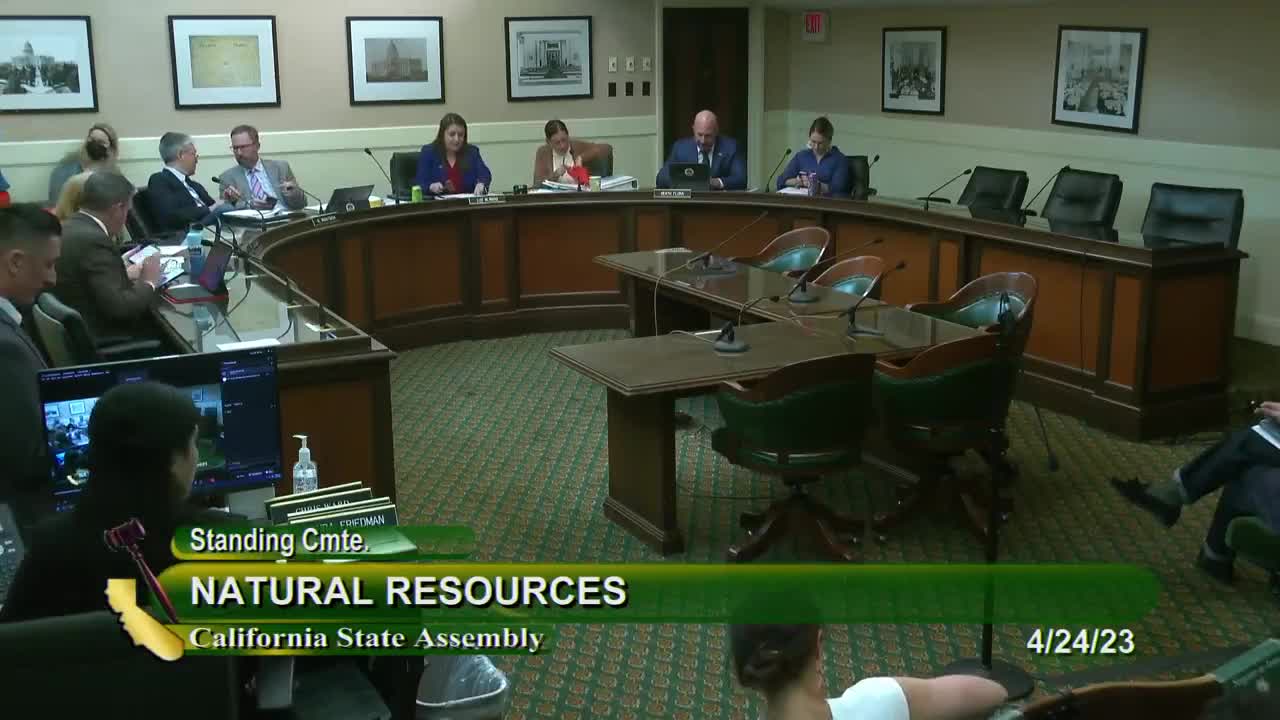 27MIN
Assembly Standing Committee on Natural Resources
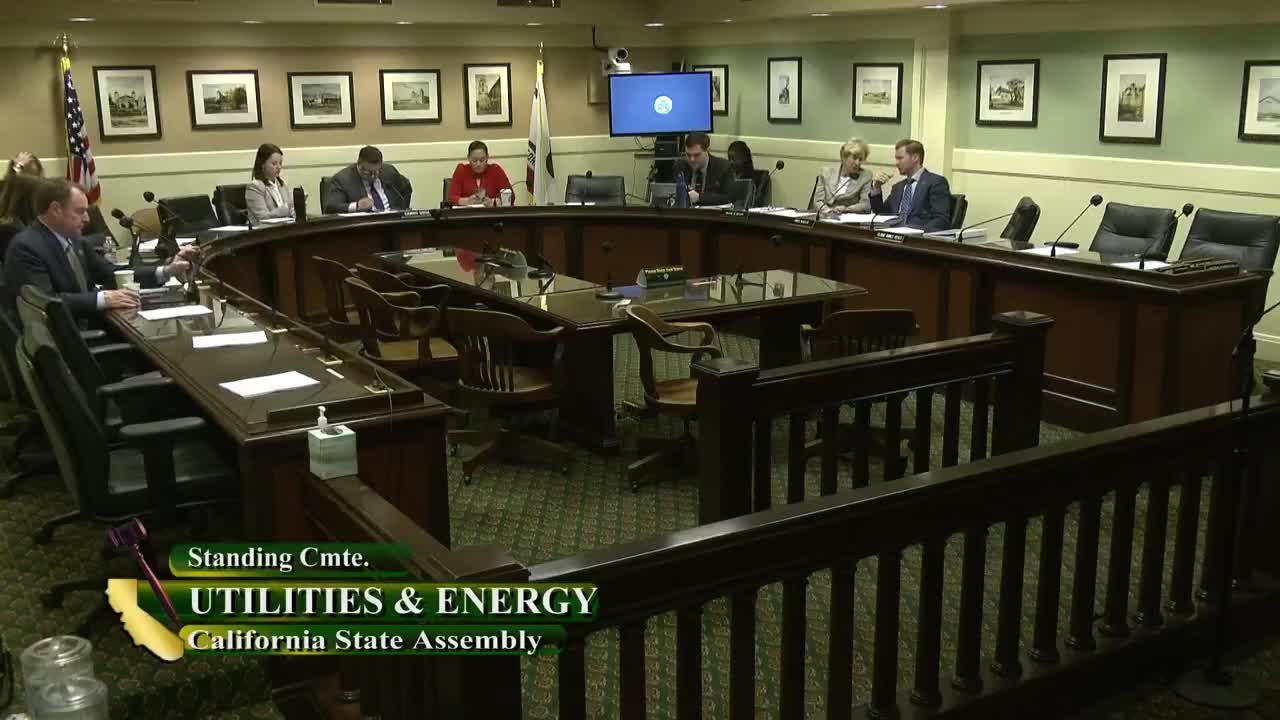 47MIN
Assembly Standing Committee on Utilities and Energy
Bill Author

Bill Co-Author(s):