ACR 40: Student financial aid: Free Application for Federal Student Aid (FAFSA) data.
- Session Year: 2025-2026
- House: Assembly
- Latest Version Date: 2025-02-21
Current Status:
In Progress
(2025-09-13: Ordered to inactive file at the request of Senator Grayson.)
Introduced
In Committee
Awaiting First Chamber Vote
Passed First Chamber
In Committee
Awaiting Second Chamber Vote
Passed Second Chamber
Enacted
This measure would state, among other things, the Legislature and the State of Californias commitment to protecting, to the fullest extent of the law, all the data and information provided by students and their families to Californias postsecondary education.
WHEREAS, President Trumps administration has indicated its intent to declare a national emergency to address illegal immigration through a mass deportation program; and
WHEREAS, The Governor of California has called for and this Legislature has convened a special legislative session to fund the legal defense against federal policies that conflict with state law and infringe upon the civil rights of Californians; and
WHEREAS, California is home to more foreign-born residents than anywhere else in the country, with almost one in three Californians being foreign born and one in two Californian children having at least one immigrant parent, and immigrants play a vital role in all sectors of our states economy and are valuable and essential members of the California community; and
WHEREAS, 3,300,000 Californians live in mixed-status households. For financial aid purposes, mixed-status families are those in which the student is a United States citizen or eligible noncitizen and the students parent or spouse does not have a social security number; and
WHEREAS, California students have expressed reluctance in filing the Free Application for Federal Student Aid (FAFSA), the primary form used by more than 2,000,000 Californians annually to access state and federal financial aid, over fear that federal authorities will use the newly required self-reported information provided on the application to pursue deportation efforts against them and their parents; and
WHEREAS, In the 202425 application cycle, FAFSA applications declined significantly due to technical difficulties and concerns of how new self-reported information by applicants and their parents or spouse would be used, preventing many students from receiving aid and completing their higher education; and
WHEREAS, Deportation and other interruptions in higher education seriously affect college completion, student success, economic mobility, and contributions to Californias economy and society, and higher education has demonstrably improved the lives of individuals and communities through workforce development and innovation contributing to the economy of the state and country; and
WHEREAS, The federal Privacy Act of 1974 (Public Law 93-579, as amended) prohibits the disclosure of an individuals data from a system of records without written or verbal consent, and the landmark 1982 United States Supreme Court decision, Plyler v. Doe (1982) 457 U.S. 202, held that states cannot constitutionally deny students a free public education based on immigration status; and
WHEREAS, California law declares that the attainment of education for the betterment of the individual and the community is paramount regardless of ones immigration status, protects undocumented students from fear and discrimination in educational institutions, and prohibits police from providing or retaining personal information and immigration status for immigration enforcement purposes; now, therefore, be it
Resolved by the Assembly of the State of California, the Senate thereof concurring, That the Legislature of the State of California denounces any deportation plans that would disrupt the education of students; and be it further
Resolved, That the Legislature and the State of California maximize state resources and investments to ensure that all students, regardless of their immigration status or that of their parents or spouse, can access all forms of financial aid available to them, as well as enroll and succeed in postsecondary education; and be it further
Resolved, That the Legislature and the State of California commit to protecting, to the fullest extent of the law, all the data and information provided by students and their families to Californias postsecondary education; and be it further
Resolved, That the Chief Clerk of the Assembly transmit copies of this resolution to the author for appropriate distribution.
|
Date
|
Status
|
|---|---|
| Sep 13, 2025 | Ordered to inactive file at the request of Senator Grayson. |
| Jun 25, 2025 | From committee: Be adopted. Ordered to Third Reading. (Ayes 7. Noes 0.) (June 25). |
| Jun 11, 2025 | Referred to Com. on ED. |
| Jun 4, 2025 | In Senate. To Com. on RLS. |
| Jun 4, 2025 | Introduced measure version corrected. |
| Jun 3, 2025 | Adopted and to Senate. (Page 1963.) |
| Jun 3, 2025 | Coauthors revised. |
| Mar 19, 2025 | Coauthors revised. |
| Mar 19, 2025 | From committee: Be adopted. Ordered to Third Reading. (Ayes 6. Noes 1.) (March 18). |
| Mar 3, 2025 | Referred to Com. on HIGHER ED. |
| Feb 21, 2025 | Introduced. To print. |
|
Date
|
Description
|
Location
|
Votes
|
|
|---|---|---|---|---|
| Jun 25, 2025 | Be adopted. Ordered to third reading | Senate Standing Committee on Education |
Passed |
|
| Mar 18, 2025 | Be adopted. To third reading. | Assembly Standing Committee on Higher Education |
Passed |
This list shows positions taken on this bill by organizations on the date displayed, which is linked to the original source.
Positions by individuals are not included.
|
Organization
|
Position
|
Date
|
|---|---|---|
| California Community College Chancellor’s Office | ** Support | |
| California Student Aid Commission | ** Support | |
| CFT- a Union of Educators & Classified Professionals, Aft, Afl-cio | ** Support | |
| Chief Executive Officers of the California Community Colleges Board | ** Support | |
| Community College League of California | ** Support | |
| faculty association of california's community colleges | ** Support | |
| Student Senate for California Community Colleges | ** Support | |
| University Of California Student Association | ** Support |
SENATE RULES COMMITTEE Office of Senate Floor Analyses (916) 651-1520 Fax: (916) 327-4478 | ACR 40 |
THIRD READING
Bill No: ACR 40
Author: Fong (D) and Celeste Rodriguez (D), et al.
Introduced: 2/21/25
Vote: 21
SENATE EDUCATION COMMITTEE: 7-0, 6/25/25
AYES: Pérez, Ochoa Bogh, Cabaldon, Choi, Cortese, Gonzalez, Laird
SUBJECT: Student financial aid: Free Application for Federal Student Aid (FAFSA) data
SOURCE: Author
DIGEST:
This resolution states the Legislature and the State of California’s commitment to protecting, to the fullest extent of the law, all the data and information provided by students and their families to California’s postsecondary education.
ANALYSIS:
Existing federal law:
- The federal Privacy Act of 1974 (Public Law 93-579, as amended) prohibits the disclosure of an individual’s data from a system of records without written or verbal consent, and the landmark 1982 United States Supreme Court decision, Plyler v. Doe (1982) 457 U.S. 202, held that states cannot constitutionally deny students a free public education based on immigration status.
- The Family Educational Rights and Privacy Act (FERPA) is a federal law that affords parents the right to have access to their children’s education records, the right to seek to have the records amended, and the right to have some control over the disclosure of personally identifiable information from the education records. When a student turns 18 years old, or enters a postsecondary institution at any age, the rights under FERPA transfer from the parents to the student (“eligible student”). (20 U.S.C. § 1232g and 34 Code of Federal Regulations Part 99)
Existing state law:
- Declares that the attainment of education for the betterment of the individual and the community is paramount regardless of one’s immigration status, protects undocumented students from fear and discrimination in educational institutions, and prohibits police from providing or retaining personal information and immigration status for immigration enforcement purposes. (Education Code § 220-221)
This measure:
- Resolves all of the following:
- That the Legislature of the State of California denounces any
deportation plans that would disrupt the education of students.
- That the Legislature and the State of California maximize state
resources and investments to ensure that all students, regardless of their immigration status or that of their parents or spouse, can access all forms of financial aid available to them, as well as enroll and succeed in postsecondary education.
- That the Legislature and the State of California commit to protecting,
to the fullest extent of the law, all the data and information provided by students and their families to California’s postsecondary education.
- That the Chief Clerk of the Assembly transmit copies of this
resolution to the author for appropriate distribution.
- Makes several findings and declarations regarding the negative impacts that the Trump administration’s threat of mass deportation has had on the completion rates of student aid applications. This decline is attributed to the fear of sharing information with federal authorities.
Comments
- Need for this bill. According to the author, “California’s higher education system and financial aid infrastructure serves millions throughout the state. The FAFSA is the primary form that millions of students use to apply for financial support and afford tuition for college. The FAFSA collects various data, including information on whether or not a student or parent is a U.S. citizen. Unfortunately, due to threats and concerns from actions emanating from the federal government, we have seen a decline in applications which directly threaten the ability of our students to access and complete their education. We must ensure all students have the opportunity to attend and receive a postsecondary education, especially those from underserved communities.”
The author further asserts, “ACR 40 reaffirms the state’s commitment towards ensuring access to higher education through all forms of financial aid and protecting student information.”
- FAFSA. The United States Department of Education (USDE) administers the FAFSA. It is the core document used to determine eligibility for all major federal and state financial aid programs, including Cal Grant, Pell Grant, institutional aid at the University of California and the California State University, work-study awards, scholarships, and federal student loans. Because financial aid for college considers the cost of attendance and a family’s ability to pay in determining eligibility for financial aid, the FAFSA completion requires personal information such as income and tax information and a social security number. The FAFSA Simplification Act came into effect in 2020. According to the California Student Aid Commission (CSAC), “The new FAFSA for the 2024-25 academic year introduced significant changes to the way students and families apply for and submit a FAFSA, which introduced barriers for many students, but especially for those in mixed-status families who are now required to undergo a substantial burden of proof compared to their peers. A key change to the FAFSA includes a direct data exchange of federal tax information with the Internal Revenue Service (IRS) intended to simplify and shorten the historically lengthy application. For such direct data exchange to occur, federal law requires that individuals (referred to as “contributors”) whose information is required to determine students’ eligibility (the applicant themselves, as well as their parent(s) or spouse) consent to the disclosure of their individual IRS data. The U.S. Department of Education’s Office of Federal Student Aid (FSA) now requires all contributors to create their own StudentAid.gov account for purposes of providing individual consent to such data sharing. The process for non-Social Security Number contributors to create a StudentAid.gov account requires such individuals to manually verify their identity with FSA by providing copies of documentation with their name and/or address. CSAC has seen a 32 percent decrease in FAFSA submissions among California high school seniors from mixed-status families compared to 2023-24.”
- Mixed-status families. The vast majority of high school and college students qualify for FAFSA application completion and can access both federal and state financial aid programs, including US citizen students with undocumented contributors such as parents or spouses. With the new FAFSA application changes, concerns regarding arrests, detention, and deportations of undocumented individuals under the Trump administration have been raised about data collected for the FAFSA and whether it may be used for purposes other than determining financial aid. Mixed-status families may face a difficult decision regarding the FAFSA application. They may have to choose between disclosing personal information to USDE about vulnerable contributors, and forgoing federal student aid opportunities, which may potentially affect their ability to finance their student’s college education. It is vital for students and families to be well informed about each option and to have choices regarding those options. This measure aims to solidify this state’s commitment to safeguarding the data and information provided by students and their families to California’s postsecondary education.
FISCAL EFFECT: Appropriation: No Fiscal Com.: No Local: No
SUPPORT: (Verified 6/26/25)
California Community Colleges, Chancellor’s Office
California Student Aid Commission
CFT - A Union of Educators & Classified Professionals, AFT, AFL-CIO
Community College League of California
Faculty Association of California's Community Colleges
University of California Student Association
OPPOSITION: (Verified 6/26/25)
None received
Prepared by: Olgalilia Ramirez / ED. / (916) 651-4105
6/26/25 16:11:43
**** END ****
SENATE COMMITTEE ON EDUCATION
Senator Sasha Renée Pérez, Chair
2025 - 2026 Regular
Bill No: ACR 40 Hearing Date: June 25, 2025
Author: | |||
Version: | February 21, 2025 | ||
Urgency: |
| Fiscal: | No |
Consultant: | Olgalilia Ramirez | ||
Subject: Student financial aid: Free Application for Federal Student Aid (FAFSA) data.
SUMMARY
This measure states the Legislature and the State of California’s commitment to protecting, to the fullest extent of the law, all the data and information provided by students and their families to California’s postsecondary education.
BACKGROUND
Existing federal law:
- The federal Privacy Act of 1974 (Public Law 93-579, as amended) prohibits the disclosure of an individual’s data from a system of records without written or verbal consent, and the landmark 1982 United States Supreme Court decision, Plyler v. Doe (1982) 457 U.S. 202, held that states cannot constitutionally deny students a free public education based on immigration status.
- The Family Educational Rights and Privacy Act (FERPA) is a federal law that affords parents the right to have access to their children’s education records, the right to seek to have the records amended, and the right to have some control over the disclosure of personally identifiable information from the education records. When a student turns 18 years old, or enters a postsecondary institution at any age, the rights under FERPA transfer from the parents to the student (“eligible student”). (20 U.S.C. § 1232g and 34 Code of Federal Regulations Part 99)
Existing state law:
- Declares that the attainment of education for the betterment of the individual and the community is paramount regardless of one’s immigration status, protects undocumented students from fear and discrimination in educational institutions, and prohibits police from providing or retaining personal information and immigration status for immigration enforcement purposes. (Education Code § 220-221)
ANALYSIS
This measure:
- Resolves all of the following:
- That the Legislature of the State of California denounces any deportation
plans that would disrupt the education of students.
- That the Legislature and the State of California maximize state resources
and investments to ensure that all students, regardless of their immigration status or that of their parents or spouse, can access all forms of financial aid available to them, as well as enroll and succeed in postsecondary education.
- That the Legislature and the State of California commit to protecting, to
the fullest extent of the law, all the data and information provided by students and their families to California’s postsecondary education.
- That the Chief Clerk of the Assembly transmit copies of this resolution to
the author for appropriate distribution.
- Makes several findings and declarations regarding the negative impacts that the Trump administration’s threat of mass deportation has had on the completion rates of student aid applications. This decline is attributed to the fear of sharing information with federal authorities.
STAFF COMMENTS
- Need for the bill. According to the author, “California’s higher education system and financial aid infrastructure serves millions throughout the state. The Free Application for Federal Student Aid (FAFSA) is the primary form that millions of students use to apply for financial support and afford tuition for college. The FAFSA collects various data, including information on whether or not a student or parent is a U.S. citizen. Unfortunately, due to threats and concerns from actions emanating from the federal government, we have seen a decline in applications which directly threaten the ability of our students to access and complete their education. We must ensure all students have the opportunity to attend and receive a postsecondary education, especially those from underserved communities.”
The author further asserts, “ACR 40 reaffirms the state’s commitment towards ensuring access to higher education through all forms of financial aid and protecting student information.”
- FAFSA. The United States Department of Education (USDE) administers the FAFSA. It is the core document used to determine eligibility for all major federal and state financial aid programs, including Cal Grant, Pell Grant, institutional aid at the University of California and the California State University, work-study awards, scholarships, and federal student loans. Because financial aid for college considers the cost of attendance and a family’s ability to pay in determining eligibility for financial aid, the FAFSA completion requires personal information such as income and tax information and a social security number. The FAFSA Simplification Act came into effect in 2020. According to the California Student Aid Commission (CSAC), “The new FAFSA for the 2024-25 academic year introduced significant changes to the way students and families apply for and submit a FAFSA, which introduced barriers for many students, but especially for those in mixed-status families who are now required to undergo a substantial burden of proof compared to their peers. A key change to the FAFSA includes a direct data exchange of federal tax information with the Internal Revenue Service (IRS) intended to simplify and shorten the historically lengthy application. For such direct data exchange to occur, federal law requires that individuals (referred to as “contributors”) whose information is required to determine students’ eligibility (the applicant themselves, as well as their parent(s) or spouse) consent to the disclosure of their individual IRS data. The U.S. Department of Education’s Office of Federal Student Aid (FSA) now requires all contributors to create their own StudentAid.gov account for purposes of providing individual consent to such data sharing. The process for non-Social Security Number contributors to create a StudentAid.gov account requires such individuals to manually verify their identity with FSA by providing copies of documentation with their name and/or address. CSAC has seen a 32 percent decrease in FAFSA submissions among California high school seniors from mixed-status families compared to 2023-24.”
- Mixed-status families. The vast majority of high school and college students qualify for FAFSA application completion and can access both federal and state financial aid programs, including US citizen students with undocumented contributors such as parents or spouses. With the new FAFSA application changes, concerns regarding arrests, detention, and deportations of undocumented individuals under the Trump administration have been raised about data collected for the FAFSA and whether it may be used for purposes other than determining financial aid. Mixed-status families may face a difficult decision regarding the FAFSA application. They may have to choose between disclosing personal information to USDE about vulnerable contributors, and forgoing federal student aid opportunities, which may potentially affect their ability to finance their student’s college education. It is vital for students and families to be well informed about each option and to have choices regarding those options. This measure aims to solidify this state’s commitment to safeguarding the data and information provided by students and their families to California’s postsecondary education.
- Related legislation.
SB 323 (Perez, 2025) requires the CSAC, commencing with the 2026–27 financial aid cycle, to amend the California Dream Act application (CADAA) and any of its grant processing systems to clarify and ensure that the CADAA can be used by any student eligible for state financial aid programs, regardless of their eligibility for federal financial aid. It also requires CSAC to consult the segments of postsecondary education in promoting the CADAA in a manner that maximizes the amount of federal aid that students may access while apprising students of the choices available regarding which application they and their families may use. SB 323 has been referred to the Assembly Higher Education Committee.
SUPPORT
California Community Colleges, Chancellor’s Office
California Student Aid Commission
CFT - A Union of Educators & Classified Professionals, AFT, AFL-CIO
Community College League of California
Faculty Association of California’s Community Colleges
University of California Student Association
OPPOSITION
None received
-- END --
ASSEMBLY THIRD READING
ATR Bill Id:ACR 40
Author:(Fong and Celeste Rodriguez)
As Introduced Ver:February 21, 2025
Majority vote
SUMMARY
States the Legislature and the State of California's commitment to protecting, to the fullest extent of the law, all the data and information provided by students and their families to California's postsecondary education.
Major Provisions
- States that the Legislature and the State of California denounces any deportation plans that would disrupt the education of students;
- States that the Legislature and the State of California shall maximize state resources and investments to ensure that all students, regardless if their immigration status or that of their parents or spouse, can access all forms of financial aid available to them, as well as enroll and succeed in postsecondary education;
- States that the Legislature and the State of California are committed to protecting, to the fullest extent of the law, all the data and information provided by students and their families to California's postsecondary education;
- Requires that the Chief Clerk of the Assembly transmit copies of this resolution to the author(s) (Assemblymember Fong and Assemblymember Celeste Rodriguez) for distribution.
COMMENTS
The urgency to protect California's students. President Trump's administration has indicated its intent to declare a national emergency to address illegal immigration through a mass deportation program. The Governor of California has called for, and this Legislature has convened, a special legislative session to fund the legal defense against federal policies that conflict with state law and infringe upon the civil rights of Californians.
Currently, California students have expressed reluctance in filing the Free Application for Federal Student Aid (FAFSA), the primary form used by more than 2,000,000 Californians annually to access state and federal financial aid, over fear that federal authorities will use the newly required self-reported information provided on the application to pursue deportation efforts against them and their parents.
Mixed-status households. California is home to more foreign-born residents than anywhere else in the country, with almost one in three Californians being foreign born and one in two Californian children having at least one immigrant parent. Immigrants play a vital role in all sectors of our state's economy and are valuable and essential members of the California community. 3,300,000 Californians live in mixed-status households meaning that for financial aid purposes, mixed-status families are those in which the student is a United States citizen or eligible noncitizen and the student's parent or spouse does not have a social security number.
Importance in continued student success. Deportation and other interruptions in higher education seriously affect college completion, student success, economic mobility, and contributions to California's economy and society, and higher education has demonstrably improved the lives of individuals and communities through workforce development and innovation contributing to the economy of the state and country. California law declares that the attainment of education for the betterment of the individual and the community is paramount regardless of one's immigration status, protects undocumented students from fear and discrimination in educational institutions, and prohibits police from providing or retaining personal information and immigration status for immigration enforcement purposes.
According to the Author
As stated by the author, "California's higher education system and financial aid infrastructure serves millions throughout the state. The Free Application for Federal Student Aid (FAFSA) is the primary form that millions of students use to apply for financial support and afford tuition for college. The FAFSA "collects various data, including information on whether or not a student or parent is a U.S. citizen. Unfortunately, due to threats and concerns from actions emanating from the federal government, we have seen a decline in applications which directly threaten the ability of our students to access and complete their education. We must ensure all students have the opportunity to attend and receive a postsecondary education, especially those from underserved communities.
ACR 40 denounces any potential immigration enforcement actions that threaten our students' education, and reaffirms the state's commitment towards ensuring access to higher education through all forms of financial aid."
Arguments in Support
The California Student Aid Commission (CSAC) notes that, "as the state agency responsible for administering state financial aid programs, CSAC is guided by its mission to promote educational equity by making postsecondary education affordable for all Californians, regardless of their immigration status or that of their family. As illustrated in our 2023 Renewing the Dream report, California has been a national and steadfast leader in creating educational and financial aid access pathways that have paved the way for hundreds of thousands of students from immigrant backgrounds to access financial aid and succeed in higher education. Our collective efforts to enact such policies have resulted in Californians entrusting us with their financial and personal information for the sole purpose of financial aid administration. Today, more than ever, California students and families expect the utmost protection of their financial aid information."
Arguments in Opposition
None.
FISCAL COMMENTS
This measure is keyed non-fiscal by Legislative Counsel.
VOTES
ASM HIGHER EDUCATION: 6-1-3
YES: Fong, Boerner, Jackson, Patel, Celeste Rodriguez, Sharp-Collins
NO: Jeff Gonzalez
ABS, ABST OR NV: DeMaio, Essayli, Muratsuchi
UPDATED
VERSION: February 21, 2025
CONSULTANT: Kiersten Wall / HIGHER ED. / (916) 319-3960 FN: 0000166
Date of Hearing: March 18, 2025
ASSEMBLY COMMITTEE ON HIGHER EDUCATION
Mike Fong, Chair
ABPCA Bill Id:ACR 40 (
Author:Fong) – As Introduced Ver:February 21, 2025
SUBJECT: Student financial aid: Free Application for Federal Student Aid (FAFSA) data
SUMMARY: States the Legislature and the State of California’s commitment to protecting, to the fullest extent of the law, all the data and information provided by students and their families to California’s postsecondary education. Specifically, this measure:
- States that the Legislature and the State of California denounces any deportation plans that would disrupt the education of students;
- States that the Legislature and the State of California shall maximize state resources and investments to ensure that all students, regardless if their immigration status or that of their parents or spouse, can access all forms of financial aid available to them, as well as enroll and succeed in postsecondary education;
- States that the Legislature and the State of California are committed to protecting, to the fullest extent of the law, all the data and information provided by students and their families to California’s postsecondary education;
- Requires that the Chief Clerk of the Assembly transmit copies of this resolution to the author(s) (Assemblymember Fong and Assemblymember Celeste Rodriguez) for distribution.
EXISTING LAW: Federal law.
- The federal Privacy Act of 1974 (Public Law 93-579, as amended) prohibits the disclosure of an individual’s data from a system of records without written or verbal consent, and the landmark 1982 United States Supreme Court decision, Plyler v. Doe (1982) 457 U.S. 202, held that states cannot constitutionally deny students a free public education based on immigration status.
- The Family Educational Rights and Privacy Act (FERPA) is a federal law that affords parents the right to have access to their children’s education records, the right to seek to have the records amended, and the right to have some control over the disclosure of personally identifiable information from the education records. When a student turns 18 years old, or enters a postsecondary institution at any age, the rights under FERPA transfer from the parents to the student (“eligible student”). The FERPA statute is found at 20 U.S.C. § 1232g and the FERPA regulations are found at 34 CFR Part 99.
California law.
- Under current law, California declares that the attainment of education for the betterment of the individual and the community is paramount regardless of one’s immigration status, protects undocumented students from fear and discrimination in educational institutions, and prohibits police from providing or retaining personal information and immigration status for immigration enforcement purposes. (California Education Code [EDC] Sections 220-221.1)
FISCAL EFFECT: Unknown. This measure is keyed non-fiscal by Legislative Counsel.
COMMENTS: Need for the measure. As stated by the author, “California’s higher education system and financial aid infrastructure serves millions throughout the state. The Free Application for Federal Student Aid (FAFSA) is the primary form that millions of students use to apply for financial support and afford tuition for college. The FAFSA collects various data, including information on whether or not a student or parent is a U.S. citizen. Unfortunately, due to threats and concerns from actions emanating from the federal government, we have seen a decline in applications which directly threaten the ability of our students to access and complete their education. We must ensure all students have the opportunity to attend and receive a postsecondary education, especially those from underserved communities.
ACR 40 denounces any potential immigration enforcement actions that threaten our students’ education, and reaffirms the state’s commitment towards ensuring access to higher education through all forms of financial aid.”
The urgency to protect California’s students. President Trump’s administration has indicated its intent to declare a national emergency to address illegal immigration through a mass deportation program. The Governor of California has called for, and this Legislature has convened, a special legislative session to fund the legal defense against federal policies that conflict with state law and infringe upon the civil rights of Californians.
Currently, California students have expressed reluctance in filing the Free Application for Federal Student Aid (FAFSA), the primary form used by more than 2,000,000 Californians annually to access state and federal financial aid, over fear that federal authorities will use the newly required self-reported information provided on the application to pursue deportation efforts against them and their parents.
Mixed-status households. California is home to more foreign-born residents than anywhere else in the country, with almost one in three Californians being foreign born and one in two Californian children having at least one immigrant parent. Immigrants play a vital role in all sectors of our state’s economy and are valuable and essential members of the California community. 3,300,000 Californians live in mixed-status households meaning that for financial aid purposes, mixed-status families are those in which the student is a United States citizen or eligible noncitizen and the student’s parent or spouse does not have a social security number.
Importance in continued student success. Deportation and other interruptions in higher education seriously affect college completion, student success, economic mobility, and contributions to California’s economy and society, and higher education has demonstrably improved the lives of individuals and communities through workforce development and innovation contributing to the economy of the state and country. California law declares that the attainment of education for the betterment of the individual and the community is paramount regardless of one’s immigration status, protects undocumented students from fear and discrimination in educational institutions, and prohibits police from providing or retaining personal information and immigration status for immigration enforcement purposes.
Arguments in support. The California Student Aid Commission (CSAC) notes that, “as the state agency responsible for administering state financial aid programs, CSAC is guided by its mission to promote educational equity by making postsecondary education affordable for all Californians, regardless of their immigration status or that of their family. As illustrated in our 2023 Renewing the Dream report, California has been a national and steadfast leader in creating educational and financial aid access pathways that have paved the way for hundreds of thousands of students from immigrant backgrounds to access financial aid and succeed in higher education. Our collective efforts to enact such policies have resulted in Californians entrusting us with their financial and personal information for the sole purpose of financial aid administration. Today, more than ever, California students and families expect the utmost protection of their financial aid information.”
Prior Legislation. AB 130 (Cedillo), Chapter 93, Statutes of 2011, allows students who meet AB 540 criteria (California Education Code (CDE) Section 68130.5 (a)) to apply for and receive nonstate, privately-funded scholarship for public colleges and universities.
AB 131 (Cedillo), Chapter 604, Statutes of 2011, allows students who meet the AB 540 criteria to apply and receive state-funded financial aid such as institutional grants, Cal Grant and Chafee Grant.
AB 540 (Firebaugh), Chapter 814, Statutes 2001, allows qualified students, including undocumented, U.S citizens, and permanent residents, to pay in-state tuition at California’s public colleges and universities.
SB 1159 (Lara), Chapter 752, Statutes 2014, requires all 40 licensing boards under the California Department of Consumer Affairs to consider applicants regardless of immigration status by 2016.
REGISTERED SUPPORT / OPPOSITION:
Support
California Student Aid Commission
Chief Executive Officers of The California Community Colleges Board
Faculty Association of California Community Colleges
Student Senate for California Community Colleges
Opposition
None on file.
Analysis Prepared by: Kiersten Wall / HIGHER ED. / (916) 319-3960
Discussed in Hearing
 10MIN
Senate Standing Committee on Education
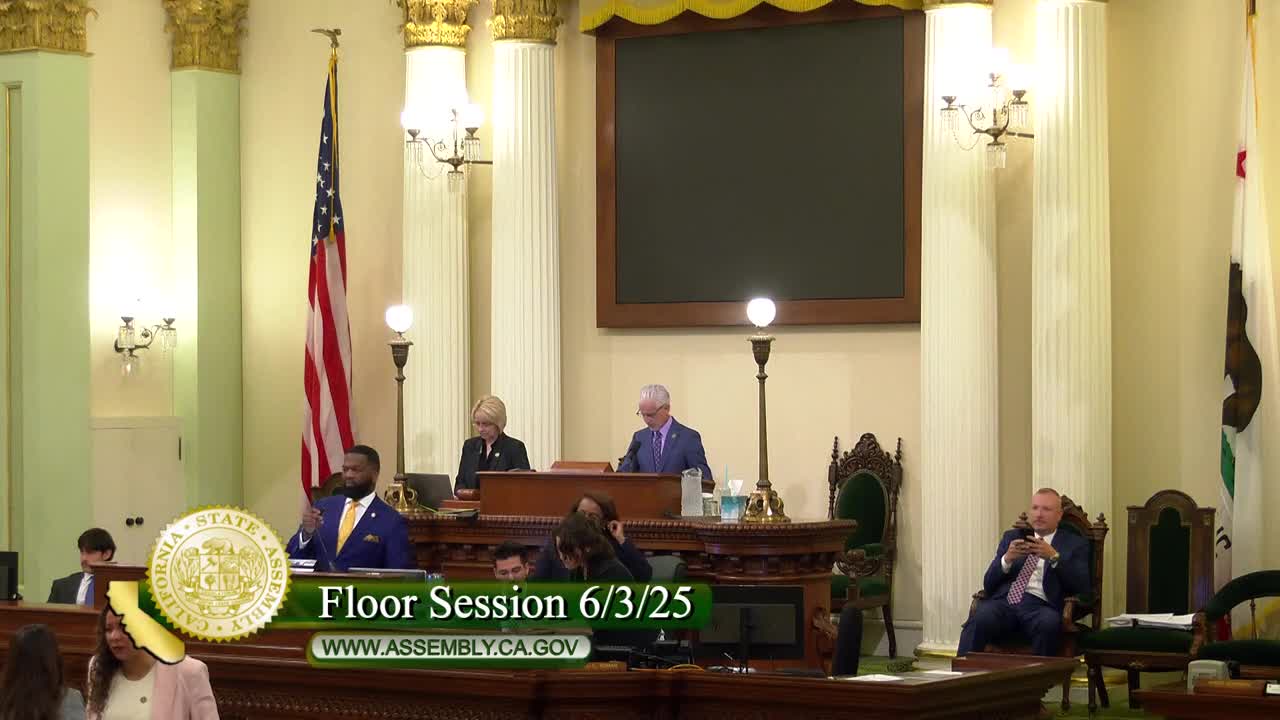 2MIN
Assembly Floor
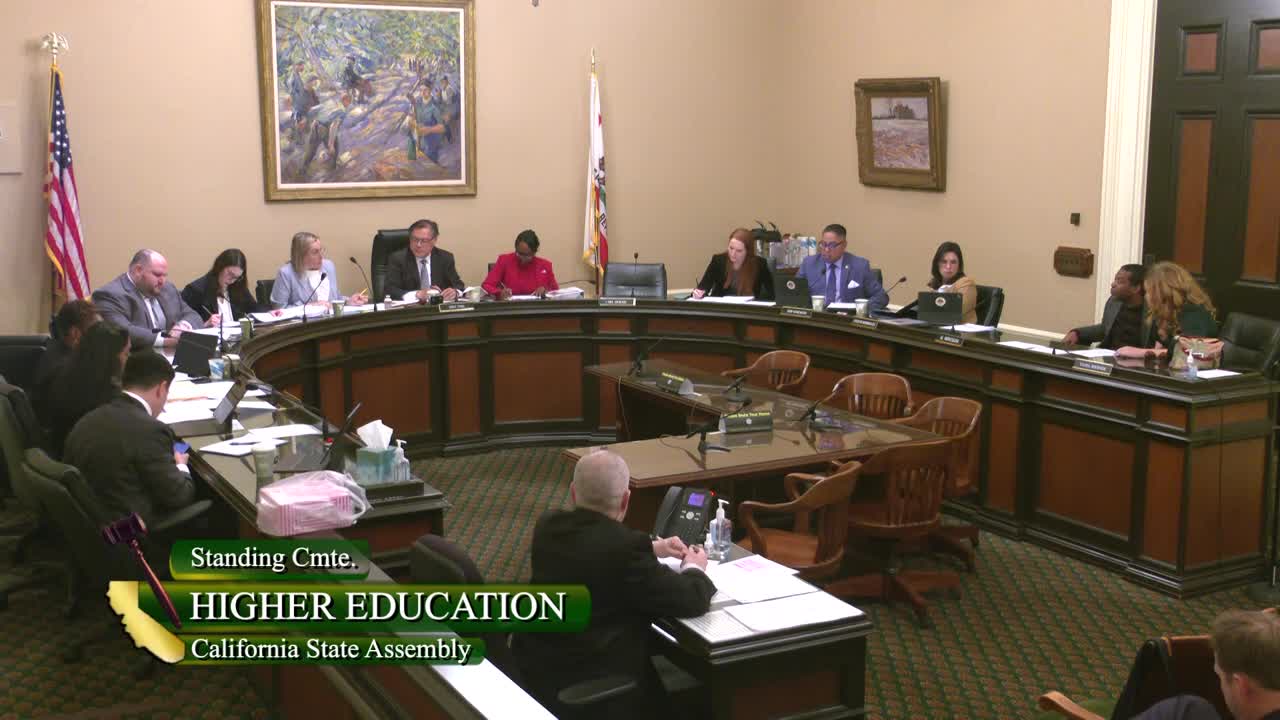 12MIN
Assembly Standing Committee on Higher Education


Bill Co-Author(s):