AB 317: California First Time Homeowner Dream Act.
- Session Year: 2025-2026
- House: Assembly
- Latest Version Date: 2025-04-29
Current Status:
In Progress
(2025-06-25: In committee: Set, second hearing. Hearing canceled at the request of author.)
Introduced
In Committee
Awaiting First Chamber Vote
Passed First Chamber
In Committee
Awaiting Second Chamber Vote
Passed Second Chamber
Enacted
(1)The
The California Environmental Quality Act (CEQA) requires a lead agency, as defined, to prepare, or cause to be prepared, and certify the completion of an environmental impact report (EIR) on a project that it proposes to carry out or approve that may have a significant effect on the environment or to adopt a negative declaration if it finds that the project will not have that effect. CEQA also requires a lead agency to prepare a mitigated negative declaration for a project that may have a significant effect on the environment if revisions in the project would avoid or mitigate that effect and there is no substantial evidence that the project, as revised, would have a significant effect on the environment. Existing law exempts various projects from CEQA, including projects related to the conversion of a structure with a certificate of occupancy as a motel, hotel, residential hotel, or hostel to supportive or transitional housing, as defined, that meet certain conditions.
This bill would exempt from CEQA the new construction of a single-family dwelling that meets specified conditions, including that the project contains one single-family dwelling that is 1,500 square feet or less with no more than 3 bedrooms, the property is intended to be sold to a first-time homebuyer, home buyer, and the lead agency determines that the developer of the project or the property owner provided sufficient legal commitments to meet the requirements of the exemption. The bill would require the lead agency, if it determines that a project qualifies for the exemption, to file a notice of exemption with the Office of Land Use and Climate Innovation, formerly known as the Office of Planning and Research, and the county clerk, as specified. By placing additional requirements on the lead agency to make a determination on whether the CEQA exemption applies, and on local agencies to determine whether the project developer provided sufficient legal commitments, as described, the bill would impose a state-mandated local program.
(2)The California Constitution generally limits ad valorem taxes on real property to 1% of the full cash value of that property, defined as the county assessors valuation of real property as shown on the 197576 tax bill and, thereafter, the appraised value of the property when purchased, newly constructed, or a change in ownership occurs after the 1975 assessment, subject to an annual inflation adjustment not to exceed 2%. Existing property tax law provides for the payment of taxes on the secured roll in 2 installments, which are due and payable on November 1 and February 1, respectively. Under existing property tax law, unpaid property taxes become delinquent and subject to specified penalties and fees. This bill would require, except as provided, payment of property taxes for a property to be deferred, without penalty or interest, until a change in ownership occurs, if specified requirements are met, including that the property is zoned for residential use and contains one newly constructed single-family dwelling that is 1,500 square feet or less with no more than 3 bedrooms. The bill would require the property owner to notify the assessor if specified conditions occur, including if the property is leased or rented, and would end the deferment upon notification. By imposing additional duties on local tax officials, the bill would impose a state-mandated local program.(3)The
The California Constitution requires the state to reimburse local agencies and school districts for certain costs mandated by the state. Statutory provisions establish procedures for making that reimbursement.
This bill would provide that, if the Commission on State Mandates determines that the bill contains costs mandated by the state, reimbursement for those costs shall be made pursuant to the statutory provisions noted above.
(1)The California Environmental Quality Act (CEQA) requires a lead agency, as defined, to prepare, or cause to be prepared, and certify the completion of an environmental impact report (EIR) on a project that it proposes to carry out or approve that may have a significant effect on the environment or to adopt a negative declaration if it finds that the project will not have that effect. CEQA also requires a lead agency to prepare a mitigated negative declaration for a project that may have a significant effect on the environment if revisions in the project would avoid or mitigate that effect and there is no substantial evidence that the project, as revised, would have a significant effect on the environment. Existing law exempts various projects from CEQA, including projects related to the conversion of a structure with a certificate of occupancy as a motel, hotel, residential hotel, or hostel to supportive or transitional housing, as defined, that meet certain conditions.
This bill would exempt from CEQA the new construction of a single-family dwelling that meets specified conditions, including that the project contains one single-family dwelling that is 1,500 square feet or less with no more than 3 bedrooms, the property is intended to be sold to a first-time homebuyer, and the lead agency determines that the developer of the project or the property owner provided sufficient legal commitments to meet the requirements of the exemption. The bill would require the lead agency, if it determines that a project qualifies for the exemption, to file a notice of exemption with the Office of Land Use and Climate Innovation, formerly known as the Office of Planning and Research, and the county clerk, as specified. By placing additional requirements on the lead agency to make a determination on whether the CEQA exemption applies, and on local agencies to determine whether the project developer provided sufficient legal commitments, as described, the bill would impose a state-mandated local program.
(2)The California Constitution generally limits ad valorem taxes on real property to 1% of the full cash value of that property, defined as the county assessors valuation of real property as shown on the 197576 tax bill and, thereafter, the appraised value of the property when purchased, newly constructed, or a change in ownership occurs after the 1975 assessment, subject to an annual inflation adjustment not to exceed 2%. Existing property tax law provides for the payment of taxes on the secured roll in 2 installments, which are due and payable on November 1 and February 1, respectively. Under existing property tax law, unpaid property taxes become delinquent and subject to specified penalties and fees.
This bill would require, except as provided, payment of property taxes for a property to be deferred, without penalty or interest, until a change in ownership occurs, if specified requirements are met, including that the property is zoned for residential use and contains one newly constructed single-family dwelling that is 1,500 square feet or less with no more than 3 bedrooms. The bill would require the property owner to notify the assessor if specified conditions occur, including if the property is leased or rented, and would end the deferment upon notification. By imposing additional duties on local tax officials, the bill would impose a state-mandated local program.
(3)The California Constitution requires the state to reimburse local agencies and school districts for certain costs mandated by the state. Statutory provisions establish procedures for making that reimbursement.
This bill would provide that, if the Commission on State Mandates determines that the bill contains costs mandated by the state, reimbursement for those costs shall be made pursuant to the statutory provisions noted above.
This act shall be known, and may be cited, as the California First Time Homeowner Dream Act.
SEC. 2.Section 21080.59 is added to the Public Resources Code, to read:21080.59.(a)This division does not apply to the new construction of a single-family dwelling that meets all of the following criteria:
(1)The single-family dwelling is 1,500 square feet or less with no more than three bedrooms.
(2)The property is intended to be sold, or transferred for less than four hundred thousand dollars ($400,000).
(3)The property is intended to be sold or transferred to a first-time homebuyer. home buyer.
(4)The applicable lead agency determines that the developer of the project or the property owner provided sufficient legal commitments to meet the requirements of this subdivision.
(b)If the lead agency determines that a project is not subject to this division pursuant to this section, and the lead agency determines to approve or carry out that project, the lead agency shall file a notice of exemption with the Office of Land Use and Climate Innovation and the county clerk of the county in which the project is located in the manner specified in subdivisions (b) and (c) of Section 21152.
SEC. 3.Section 2636.3 is added to the Revenue and Taxation Code, to read:2636.3.(a)Notwithstanding any other law, payment of property taxes for a property shall be deferred, without penalty or interest, if all of the following apply:(1)The property is zoned for residential use and contains one newly constructed single-family dwelling that is 1,500 square feet or less with no more than three bedrooms.(2)The property owner does not intend to occupy or use the property, and has notified the assessor pursuant to subparagraph (A) of paragraph (1) of subdivision (a) of Section 75.12, or meets the requirements of subparagraph (B) of paragraph (1) of subdivision (a) of Section 75.12.(3)The property is intended to be sold or transferred for less than four hundred thousand dollars ($400,000).(4)The property is intended to be sold or transferred to a first-time homebuyer.(5)The property owner requests deferment with the county assessor within 30 days of receiving the first tax bill for the property.(b)(1)Payment of property taxes that have been deferred pursuant to subdivision (a) shall be deferred until a change in ownership occurs or until the property owner notifies the assessor pursuant to subdivision (c).(2)First installments of property taxes that have been deferred pursuant to this section, shall be due and payable on December 10, or 30 days after the date the bill is mailed or electronically transmitted to the owner, whichever is later. Second installments of property taxes that have been deferred pursuant to this section shall be due and payable on April 10, or 30 days after the date the bill is mailed or electronically transmitted to the owner, whichever is later.(3)Deferred tax installments that are unpaid shall become delinquent at 5 p.m., or the close of business, whichever is later, of the due date and shall be subject to delinquency penalties as provided by law.(c)(1)The property owner shall notify the assessor within 45 days of the earliest date that any of the following occur:(A)The property changes ownership pursuant to an unrecorded contract of sale.(B)The property is leased or rented.(C)The property is occupied or used by the owner for any purpose other than provided in subdivision (b) of Section 75.12.(D)The property is occupied or used with the owners consent for any purpose other than provided in subdivision (b) of Section 75.12.(E)The property is listed for sale, sold, or transferred for greater than four hundred thousand dollars ($400,000).(2)The failure to provide the assessor the notice required under this subdivision, whether requested or not, shall result in a penalty in the amount specified in Section 482.(d)This section shall not preclude the reassessment of property on the assessment roll for January 1 following the date of completion. SEC. 4.SEC. 3.If the Commission on State Mandates determines that this act contains costs mandated by the state, reimbursement to local agencies and school districts for those costs shall be made pursuant to Part 7 (commencing with Section 17500) of Division 4 of Title 2 of the Government Code.
This act shall be known, and may be cited, as the California First Time Homeowner Dream Act.
SEC. 2.Section 21080.59 is added to the Public Resources Code, to read:21080.59.(a)This division does not apply to the new construction of a single-family dwelling that meets all of the following criteria:
(1)The single-family dwelling is 1,500 square feet or less with no more than three bedrooms.
(2)The property is intended to be sold, or transferred for less than four hundred thousand dollars ($400,000).
(3)The property is intended to be sold or transferred to a first-time homebuyer.
(4)The applicable lead agency determines that the developer of the project or the property owner provided sufficient legal commitments to meet the requirements of this subdivision.
(b)If the lead agency determines that a project is not subject to this division pursuant to this section, and the lead agency determines to approve or carry out that project, the lead agency shall file a notice of exemption with the Office of Land Use and Climate Innovation and the county clerk of the county in which the project is located in the manner specified in subdivisions (b) and (c) of Section 21152.
SEC. 3.Section 2636.3 is added to the Revenue and Taxation Code, to read:2636.3.(a)Notwithstanding any other law, payment of property taxes for a property shall be deferred, without penalty or interest, if all of the following apply:
(1)The property is zoned for residential use and contains one newly constructed single-family dwelling that is 1,500 square feet or less with no more than three bedrooms.
(2)The property owner does not intend to occupy or use the property, and has notified the assessor pursuant to subparagraph (A) of paragraph (1) of subdivision (a) of Section 75.12, or meets the requirements of subparagraph (B) of paragraph (1) of subdivision (a) of Section 75.12.
(3)The property is intended to be sold or transferred for less than four hundred thousand dollars ($400,000).
(4)The property is intended to be sold or transferred to a first-time homebuyer.
(5)The property owner requests deferment with the county assessor within 30 days of receiving the first tax bill for the property.
(b)(1)Payment of property taxes that have been deferred pursuant to subdivision (a) shall be deferred until a change in ownership occurs or until the property owner notifies the assessor pursuant to subdivision (c).
(2)First installments of property taxes that have been deferred pursuant to this section, shall be due and payable on December 10, or 30 days after the date the bill is mailed or electronically transmitted to the owner, whichever is later. Second installments of property taxes that have been deferred pursuant to this section shall be due and payable on April 10, or 30 days after the date the bill is mailed or electronically transmitted to the owner, whichever is later.
(3)Deferred tax installments that are unpaid shall become delinquent at 5 p.m., or the close of business, whichever is later, of the due date and shall be subject to delinquency penalties as provided by law.
(c)(1)The property owner shall notify the assessor within 45 days of the earliest date that any of the following occur:
(A)The property changes ownership pursuant to an unrecorded contract of sale.
(B)The property is leased or rented.
(C)The property is occupied or used by the owner for any purpose other than provided in subdivision (b) of Section 75.12.
(D)The property is occupied or used with the owners consent for any purpose other than provided in subdivision (b) of Section 75.12.
(E)The property is listed for sale, sold, or transferred for greater than four hundred thousand dollars ($400,000).
(2)The failure to provide the assessor the notice required under this subdivision, whether requested or not, shall result in a penalty in the amount specified in Section 482.
(d)This section shall not preclude the reassessment of property on the assessment roll for January 1 following the date of completion.
SEC. 4.If the Commission on State Mandates determines that this act contains costs mandated by the state, reimbursement to local agencies and school districts for those costs shall be made pursuant to Part 7 (commencing with Section 17500) of Division 4 of Title 2 of the Government Code.
|
Date
|
Status
|
|---|---|
| Jun 25, 2025 | In committee: Set, second hearing. Hearing canceled at the request of author. |
| Jun 16, 2025 | In committee: Set, first hearing. Hearing canceled at the request of author. |
| Jun 4, 2025 | Referred to Coms. on E.Q. and HOUSING. |
| May 28, 2025 | In Senate. Read first time. To Com. on RLS. for assignment. |
| May 27, 2025 | Read third time. Passed. Ordered to the Senate. (Ayes 73. Noes 0. Page 1729.) |
| May 15, 2025 | Read second time. Ordered to third reading. |
| May 14, 2025 | From committee: Do pass. (Ayes 15. Noes 0.) (May 14). |
| May 1, 2025 | Re-referred to Com. on APPR. pursuant to Assembly Rule 96. |
| Apr 30, 2025 | Re-referred to Com. on REV. & TAX. |
| Apr 29, 2025 | From committee chair, with author's amendments: Amend, and re-refer to Com. on REV. & TAX. Read second time and amended. |
| Apr 28, 2025 | In committee: Set, second hearing. Hearing canceled at the request of author. |
| Apr 21, 2025 | In committee: Set, first hearing. Hearing canceled at the request of author. |
| Apr 8, 2025 | From committee: Do pass and re-refer to Com. on REV. & TAX. (Ayes 14. Noes 0.) (April 7). Re-referred to Com. on REV. & TAX. |
| Mar 3, 2025 | Referred to Coms. on NAT. RES. and REV. & TAX. |
| Jan 27, 2025 | Read first time. |
| Jan 25, 2025 | From printer. May be heard in committee February 24. |
| Jan 24, 2025 | Introduced. To print. |
|
Date
|
Description
|
Location
|
Votes
|
|
|---|---|---|---|---|
| May 27, 2025 | AB 317 Jackson Assembly Third Reading | Assembly Floor |
Passed |
|
| May 14, 2025 | Do pass. | Assembly Standing Committee on Appropriations |
Passed |
|
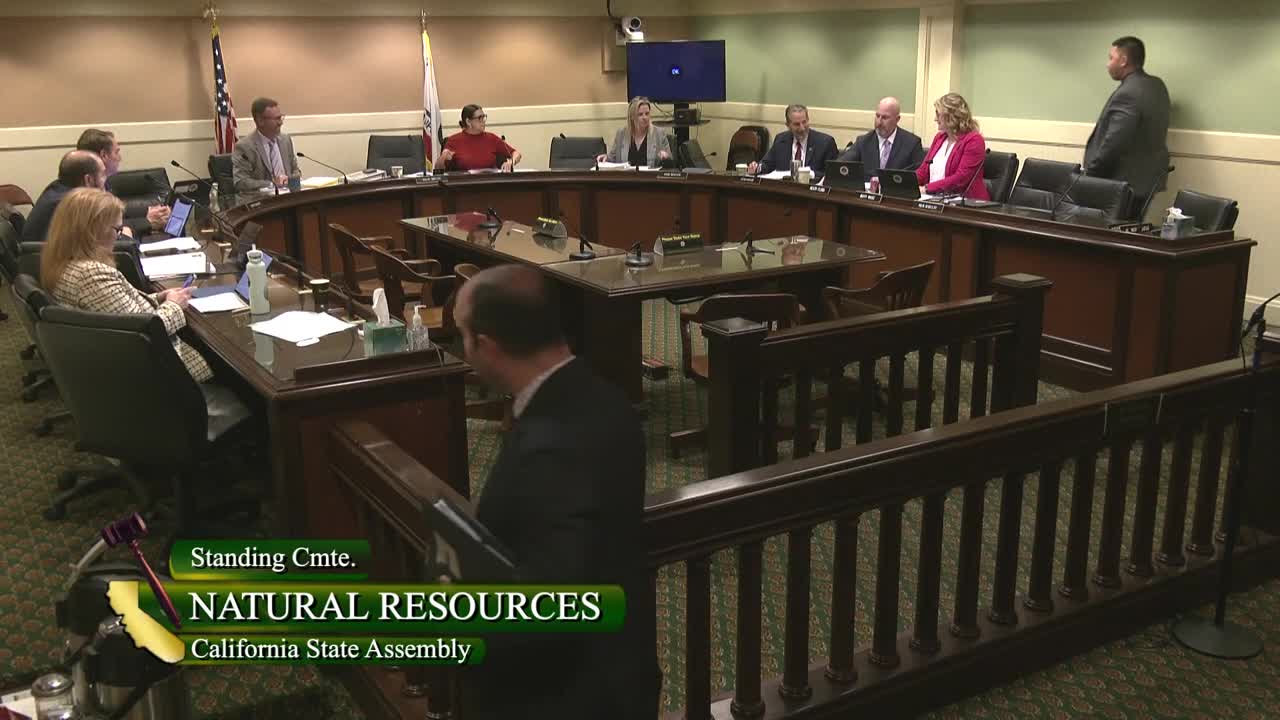
| Apr 7, 2025 | Do pass and be re-referred to the Committee on [Revenue and Taxation] | Assembly Standing Committee on Natural Resources |
Passed |
This list shows positions taken on this bill by organizations on the date displayed, which is linked to the original source.
Positions by individuals are not included.
|
Organization
|
Position
|
Date
|
|---|---|---|
| Southwest California Legislative Council | ** Support |
ASSEMBLY THIRD READING
ATR Bill Id:AB 317
Author:(Jackson)
As Amended Ver:April 29, 2025
Majority vote
SUMMARY
Establishes an exemption from the California Environmental Quality Act (CEQA) for new construction of a single-family dwelling that is 1,500 square feet or less with no more than three bedrooms, and is intended to be sold to a first-time homebuyer for less than $400,000.
Major Provisions
- Establishes CEQA exemption for new construction of a single-family dwelling that meets all of the following criteria:
- The dwelling is 1,500 square feet or less with no more than three bedrooms.
- The property is intended to be sold, or transferred for less than $400,000.
- The property is intended to be sold or transferred to a first-time homebuyer.
- The lead agency determines that the developer of the project or the property owner provided sufficient legal commitments to meet these requirements.
- Requires the lead agency to file a notice of exemption with the Office of Land Use and Climate Innovation and the county clerk of the county in which the project is located as specified.
COMMENTS
CEQA includes various statutory exemptions, as well as categorical exemptions in the CEQA Guidelines, for a wide range of residential projects. Since 1978, CEQA has included statutory exemptions for housing. There are now at least 15 distinct CEQA exemptions for housing projects. The majority of residential projects are approved via exemption or negative declaration under CEQA, or through ministerial permits where CEQA does not apply.
A few existing CEQA exemptions are specific to projects with an affordable housing fraction, the rest are available to affordable and market-rate projects alike. Each exemption includes a range of conditions, including requirements for prior planning-level review, as well as limitations on the location and characteristics of the site. These conditions are intended to guard against the approval of projects with significant environmental impacts that go undisclosed and unmitigated – endangering workers, residents and the greater environment. More recently, bills such as SB 35 (Wiener), Chapter 366, Statutes of 2017, and AB 2011 (Wicks), Chapter 647, Statutes of 2022, have established ministerial approval for housing projects, where local discretionary review, including CEQA, is replaced with construction labor requirements and exclusion of specified sensitive sites.
The CEQA Guidelines have included categorical exemptions for housing projects for decades, allowing projects with no significant environmental impacts to proceed to approval without environmental review. These exemptions are well-known and widely used for small housing projects of one to six units, as well larger housing projects in incorporated areas, on infill sites up to five acres, with no limit on the number of units.
According to the Author
AB 317 seeks to address the profound challenges that California′s housing crisis has placed on first-time buyers. The rising cost of homeownership, combined with lengthy regulatory delays, has made it difficult for many hardworking individuals and families to achieve the dream of owning a home. AB 317, the California First-Time Homeownership Dream Act, offers a practical solution by exempting small, affordable homes from CEQA review, thereby increasing the efficiency of the approval process. By cutting through bureaucratic delays, this bill helps make homeownership more attainable for those who need it most. I believe that providing Californians with a fair opportunity to own a home will foster stronger communities and contribute to economic stability. AB 317 is a step in the right direction to ensure that all Californians can own a home.
Arguments in Support
According to the Southwest California Legislative Council, AB 317 supports economic growth and strengthens communities by making homeownership attainable for more Californians. By facilitating the development of affordable housing and reducing financial obstacles, AB 317 helps address the state′s housing crisis while promoting sustainable growth and local investment.
Arguments in Opposition
According to Livable California, this bill′s exemption doesn′t seem appropriate to approving a series of single-family homes. To the contrary, if unusual circumstances, such as a location with a high probability of flooding or wildfire ignition, are involved, acknowledging and addressing the associated potentially significant impacts would seem imperative.
FISCAL COMMENTS
According to the Assembly Appropriations Committee, negligible state costs.
VOTES
ASM NATURAL RESOURCES: 14-0-0
YES: Bryan, Alanis, Connolly, Ellis, Flora, Garcia, Haney, Hoover, Kalra, Muratsuchi, Pellerin, Schultz, Wicks, Zbur
ASM APPROPRIATIONS: 15-0-0
YES: Wicks, Sanchez, Arambula, Calderon, Caloza, Dixon, Elhawary, Fong, Mark González, Hart, Pacheco, Pellerin, Solache, Ta, Tangipa
UPDATED
VERSION: April 29, 2025
CONSULTANT: Lawrence Lingbloom / NAT. RES. / (916) 319-2092 FN: 0000424
Date of Hearing: May 14, 2025
ASSEMBLY COMMITTEE ON APPROPRIATIONS
Buffy Wicks, Chair
ABPCA Bill Id:AB 317
Author:(Jackson) – As Amended Ver:April 29, 2025
Policy Committee: | Natural Resources | Vote: | 14 - 0 |
|
| ||
|
|
Urgency: No State Mandated Local Program: Yes Reimbursable: No
SUMMARY:
This bill establishes an exemption from the California Environmental Quality Act (CEQA) for the new construction of a single-family dwelling that meets specified criteria.
Specifically, this bill, among other things:
- Establishes a new CEQA exemption for the new construction of a single-family dwelling that meets all of the following criteria:
- The single-family dwelling is 1,500 square feet or less with no more than three bedrooms.
- The property is intended to be sold, or transferred for less than $400,000.
- The property is intended to be sold or transferred to a first-time homebuyer.
- The applicable lead agency determines that the developer of the project or the property owner provided sufficient legal commitments to meet requirements of this bill.
- Requires the lead agency to file a notice of exemption with the Office of Land Use and Climate Innovation and the county clerk of the county in which the project is located, as specified.
FISCAL EFFECT:
Negligible state costs.
COMMENTS:
1) Purpose. According to the author:
AB 317 seeks to address the profound challenges that California’s housing crisis has placed on first-time buyers. The rising cost of homeownership, combined with burdensome property taxes and lengthy regulatory delays, has made it difficult for many hardworking individuals and families to achieve the dream of owning a home. AB 317, the California First-Time Homeownership Dream Act, offers a practical solution by…exempting small, affordable homes from CEQA review, thereby increasing the efficiency of the approval process.
2) Background. CEQA includes various statutory exemptions, as well as categorical exemptions in the CEQA Guidelines, for a wide range of residential projects. Since 1978, CEQA has included statutory exemptions for housing. There are now at least 15 distinct CEQA exemptions for housing projects. The majority of residential projects are approved via exemption or negative declaration under CEQA, or through ministerial permits where CEQA does not apply.
A few CEQA exemptions are specific to projects with an affordable housing fraction; the rest are available to affordable and market-rate projects alike. Each exemption includes a range of conditions, including requirements for prior planning-level review, as well as limitations on the location and characteristics of the site. These conditions guard against the approval of projects with significant environmental impacts that go undisclosed and unmitigated. More recently, bills such as SB 35 (Wiener), Chapter 366, Statutes of 2017, and AB 2011 (Wicks), Chapter 647, Statutes of 2022, have established ministerial approval for housing projects, where local discretionary review, including CEQA, is replaced with construction labor requirements and exclusion of specified sensitive sites.
The CEQA Guidelines have included categorical exemptions for housing projects for decades, allowing projects with no significant environmental impacts to proceed to approval without environmental review. These exemptions are well-known and widely used for small housing projects of one to six units, as well larger housing projects in incorporated areas, on infill sites up to five acres, with no limit on the number of units.
Analysis Prepared by: Nikita Koraddi / APPR. / (916) 319-2081
Date of Hearing: April 7, 2025
ASSEMBLY COMMITTEE ON NATURAL RESOURCES
Isaac G. Bryan, Chair
ABPCA Bill Id:AB 317 (
Author:Jackson) – As Introduced Ver:January 24, 2025
SUBJECT: California First Time Homeowner Dream Act
SUMMARY: Establishes an exemption from the California Environmental Quality Act (CEQA) for new construction of a single-family dwelling that is 1,500 square feet or less with no more than three bedrooms, and is intended to be sold to a first-time homebuyer for less than $400,000. Also provides for deferral of property taxes on eligible dwellings.
EXISTING LAW:
- The CEQA Guidelines (Title 14, Division 6, Chapter 3 of the California Code of Regulations) include categorical exemptions for residential projects, including:
- Section 15303 for new construction or conversion of small structures, including:
- One single-family residence, or a second dwelling unit in a residential zone. In urbanized areas, up to three single-family residences may be constructed or converted under this exemption.
- A duplex or similar multi-family residential structure, totaling no more than four dwelling units. In urbanized areas, this exemption applies to apartments, duplexes and similar structures designed for not more than six dwelling units.
- Section 15332 for larger, infill development projects, as follows:
- The project is consistent with the applicable general plan designation and all applicable general plan policies as well as with applicable zoning designation and regulations;
- The proposed development occurs within city limits on a project site of no more than five acres substantially surrounded by urban uses;
- The project site has no value as habitat for endangered, rare, or threatened species;
- Approval of the project would not result in any significant effects relating to traffic, noise, air quality, or water quality; and,
- The site can be adequately served by all required utilities and public services.
- Section 15303 for new construction or conversion of small structures, including:
- Exempts from CEQA multi-family residential and mixed-use housing projects on infill sites within cities and unincorporated areas that are within the boundaries of an urbanized area or urban cluster. (Public Resources Code (PRC) 21159.25)
- Exempts from CEQA any residential development project, including any subdivision, or any zoning change that is undertaken to implement and is consistent with a specific plan for which an environmental impact report (EIR) has been certified, unless substantial changes or new information require the preparation of a supplemental EIR for the specific plan, in which case the exemption applies once the supplemental EIR is certified. (Government Code (GC) 65457)
- Exempts from CEQA specified residential housing projects which meet detailed criteria established to ensure the project does not have a significant effect on the environment, including:
- Affordable agricultural housing projects not more than 45 units within a city, or 20 units within an agricultural zone, on a site not more than five acres in size;
- Urban affordable housing projects not more than 100 units on a site not more than five acres in size; and,
- Urban infill housing projects not more than 100 units on a site not more than four acres in size which is within one-half mile of a major transit stop.
- Affordable agricultural housing projects not more than 45 units within a city, or 20 units within an agricultural zone, on a site not more than five acres in size;
(PRC 21159.20-21159.24)
- Requires metropolitan planning organizations (MPOs) to include a sustainable communities strategy (SCS), as defined, in their regional transportation plans, or an alternative planning strategy (APS), for the purpose of reducing greenhouse gas (GHG) emissions, aligns planning for transportation and housing, and creates specified incentives for the implementation of the strategies, including CEQA exemption or abbreviated review for residential or mixed-use residential "transit priority projects" if the project is consistent with the use designation, density, building intensity, and applicable policies specified for the project area in either an approved SCS or APS. (PRC 21155.1)
- Exempts from CEQA residential, mixed-use, and "employment center" projects, as defined, located within "transit priority areas," as defined, if the project is consistent with an adopted specific plan and specified elements of an SCS or APS. (PRC 21155.4)
- Establishes a ministerial approval process (i.e., not subject to CEQA) for certain multifamily affordable housing projects that are proposed in local jurisdictions that have not met regional housing needs. Requires eligible projects to meet specified standards, including paying prevailing wage to construction workers and use of a skilled and trained workforce. (GC 65913.4, added by SB 35 (Wiener), Chapter 366, Statutes of 2017)
- Establishes a ministerial approval process for affordable housing projects in commercial zones. Requires eligible projects to pay prevailing wage to construction workers and requires projects of 50 units or more to participate in an apprenticeship program and make specified healthcare contributions for construction workers. (GC 65912.100 et seq., added by AB 2011 (Wicks), Chapter 647, Statutes of 2022)
- Existing property tax law provides for the payment of taxes on the secured roll in two installments, which are due and payable on November 1 and February 1, respectively. Under existing property tax law, unpaid property taxes become delinquent and subject to specified penalties and fees.
THIS BILL:
- Establishes CEQA exemption for new construction of a single-family dwelling that meets all of the following criteria:
- The dwelling is 1,500 square feet or less with no more than three bedrooms.
- The property is intended to be sold, or transferred for less than $400,000.
- The property is intended to be sold or transferred to a first-time homebuyer.
- The lead agency determines that the developer of the project or the property owner provided sufficient legal commitments to meet these requirements.
- Requires the lead agency to file a notice of exemption with the Office of Land Use and Climate Innovation and the county clerk of the county in which the project is located as specified.
- Require payment of property taxes for an eligible property to be deferred, without penalty or interest, until a change in ownership occurs. Requires the property owner to notify the assessor if specified conditions occur, including if the property is leased or rented, and would end the deferment upon notification. (Note the property tax provisions of this bill are the jurisdiction of the Revenue and Taxation Committee, to which the bill has been double-referred.)
FISCAL EFFECT: Unknown
COMMENTS:
- Author’s statement:
AB 317 seeks to address the profound challenges that California’s housing crisis has placed on first-time buyers. The rising cost of homeownership, combined with burdensome property taxes and lengthy regulatory delays, has made it difficult for many hardworking individuals and families to achieve the dream of owning a home. AB 317, the California First-Time Homeownership Dream Act, offers a practical solution by providing property tax deferral for eligible first-time buyers and exempting small, affordable homes from CEQA review, thereby increasing the efficiency of the approval process. By reducing financial barriers and cutting through bureaucratic delays, this bill helps make homeownership more attainable for those who need it most. I believe that providing Californians with a fair opportunity to own a home will foster stronger communities and contribute to economic stability. AB 317 is a step in the right direction to ensure that all Californians can own a home.
- Existing CEQA exemptions for housing. CEQA includes various statutory exemptions, as well as categorical exemptions in the CEQA Guidelines, for a wide range of residential projects. Since 1978, CEQA has included statutory exemptions for housing. There are now at least 15 distinct CEQA exemptions for housing projects. The majority of residential projects are approved via exemption or negative declaration under CEQA, or through ministerial permits where CEQA does not apply.
A few existing CEQA exemptions are specific to projects with an affordable housing fraction, the rest are available to affordable and market-rate projects alike. Each exemption includes a range of conditions, including requirements for prior planning-level review, as well as limitations on the location and characteristics of the site. These conditions are intended to guard against the approval of projects with significant environmental impacts that go undisclosed and unmitigated – endangering workers, residents and the greater environment. More recently, bills such as SB 35 (Wiener) and AB 2011 (Wicks) have established ministerial approval for housing projects, where local discretionary review, including CEQA, is replaced with construction labor requirements and exclusion of specified sensitive sites.
The CEQA Guidelines have included categorical exemptions for housing projects for decades, allowing projects with no significant environmental impacts to proceed to approval without environmental review. These exemptions are well-known and widely used for small housing projects of one to six units, as well larger housing projects in incorporated areas, on infill sites up to five acres, with no limit on the number of units.
- Double referral. This bill has been double-referred to the Revenue and Taxation Committee.
REGISTERED SUPPORT / OPPOSITION:
Support
Southwest California Legislative Council
Opposition
Livable California (unless amended)
Analysis Prepared by: Lawrence Lingbloom / NAT. RES. /
Discussed in Hearing
View Older Hearings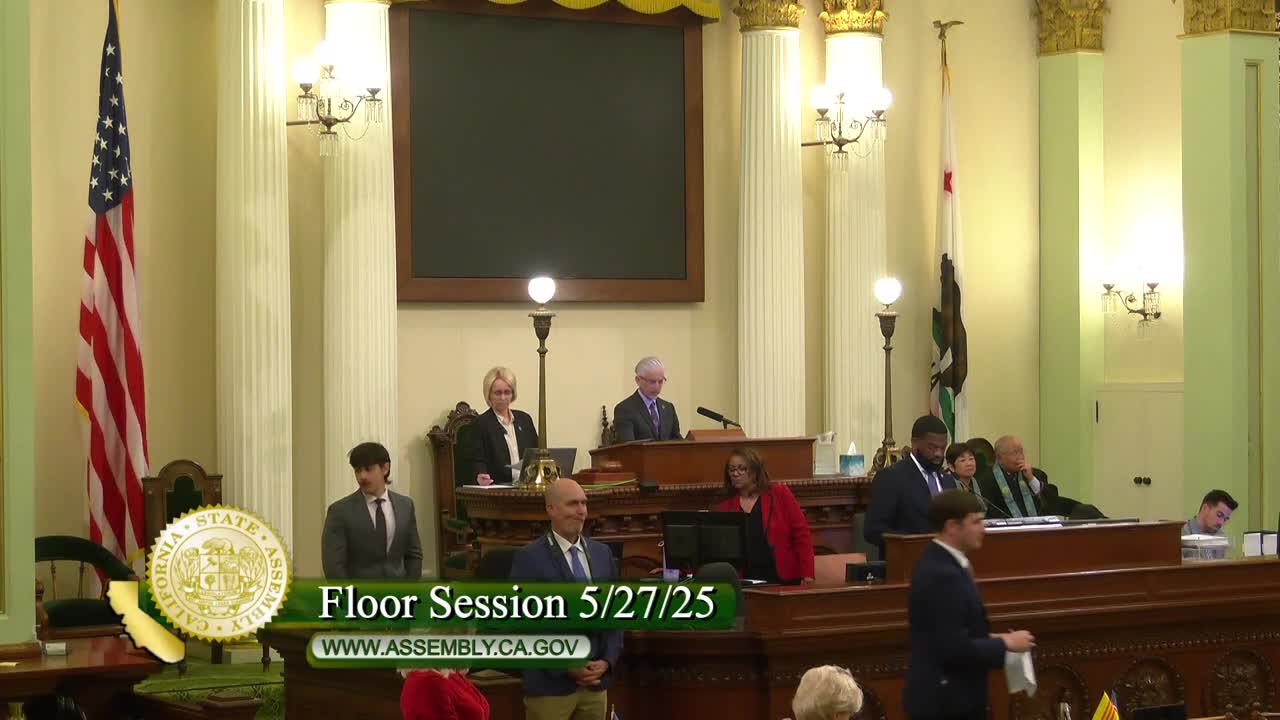
Bill Author

Bill Co-Author(s):