HR 134
- Session Year: 2025-2026
- House: Assembly
- Latest Version Date: 2026-08-06
Current Status:
In Progress
(2026-08-19: Coauthors revised.)
Introduced
In Committee
Awaiting First Chamber Vote
Passed First Chamber
In Committee
Awaiting Second Chamber Vote
Passed Second Chamber
Enacted
WHEREAS, November 8 is the anniversary of the signing of the federal Higher Education Act of 1965 (20 U.S.C. Sec. 1001 et seq.) by President Lyndon B. Johnson on November 8, 1965; and
WHEREAS, The Higher Education Act of 1965 focused on increasing postsecondary access and success for students, particularly for low-income and first-generation college students; and
WHEREAS, The Higher Education Act of 1965 helped usher in programs necessary for postsecondary access, retention, and completion for low-income and first-generation college students, including the Federal TRIO programs (20 U.S.C. Sec. 1070a11 et seq.) and the Federal Pell Grant program (20 U.S.C. Sec. 1070a); and
WHEREAS, Several programs provide services for individuals from first-generation and historically disadvantaged backgrounds to progress through the academic pipeline, including, but not limited to, all of the following programs:
(1)The Federal TRIO programs are the primary national efforts supporting underrepresented students in postsecondary education and are designed to identify individuals from low-income and first-generation backgrounds in order to prepare them for postsecondary education, provide them with support services, and motivate and prepare them for doctoral degree programs.
(2)The Puente Project and its mission to increase the number of educationally underrepresented students who enroll in four-year colleges and universities, who earn college and university degrees, and who return to their communities as mentors and leaders for future generations.
(3)The Educational Opportunity Program (EOP), which was created in the late 1960s to overcome economic and social barriers that prevented minorities and underrepresented students from attaining a college education; today, all 23 California State University campuses have an EOP to provide access and support services for students from first-generation and historically disadvantaged backgrounds.
(4)Umoja programs at the California Community Colleges, the California State University, and the University of California, which are committed to the academic success, personal growth, and self-actualization of African American and other students.
(5)The Asian American, Native Hawaiian, and Pacific Islander (AANHPI) Student Achievement Program at the California State University and the California Community Colleges, which provide culturally responsive services to enhance student educational experiences and promote higher education success for low-income, underserved, and first-generation AANHPI students and other underrepresented students; and
WHEREAS, The Federal Pell Grant program is the primary federal investment of financial aid for low-income college students, and is used by students at higher education institutions of their choice; and
WHEREAS, First-generation college student is an individual whose parents did not complete a baccalaureate degree, or, in the case of an individual who regularly resided with and received support from only one parent, an individual whose parent did not complete a baccalaureate degree; and
WHEREAS, First-generation college students may face additional academic, financial, and social challenges that lead to disparate outcomes in college access and completion and disparate labor market outcomes compared to their peers with parents who attended at least some college; and
WHEREAS, Fifty-six percent of all college students currently pursuing degrees are first-generation college students; and
WHEREAS, The Legislature recognizes that the immediate aftermath of the COVID-19 pandemic highlighted the disparities that first-generation college students experience compared to their peers; and
WHEREAS, In 2017, the Council for Opportunity in Education and the Center for First-generation Student Success jointly launched the inaugural First-Generation College Celebration; and
WHEREAS, The First-Generation College Celebration has continued to grow, and institutions of higher education, corporations, nonprofit organizations, and elementary and secondary schools now celebrate November 8 as National First-Generation College Celebration Day; now, therefore, be it
Resolved by the Assembly of the State of California, That the Assembly hereby designates the month of November as Californias First-Generation College Celebration Month; and be it further
Resolved, That the Chief Clerk of the Assembly transmit copies of this resolution to the author for appropriate distribution.
|
Date
|
Status
|
|---|---|
| Aug 19, 2026 | Coauthors revised. |
| Aug 19, 2026 | Read. Adopted. |
| Aug 19, 2026 | Read. Adopted. (Page 6258.). |
| Aug 13, 2026 | From committee: Be adopted. Ordered to Third Reading. (Ayes 6. Noes 0.) (August 13). |
| Aug 13, 2026 | Referred to Com. on RLS. |
| Aug 6, 2026 | Introduced. |
|
Date
|
Description
|
Location
|
Votes
|
|
|---|---|---|---|---|
| Aug 13, 2026 | Be adopted. To third reading. | Assembly Standing Committee on Rules |
Passed |
This list shows positions taken on this bill by organizations on the date displayed, which is linked to the original source.
Positions by individuals are not included.
Date of Hearing: August 13, 2026
ASSEMBLY COMMITTEE ON RULES
Blanca Pacheco, Chair
ABPCA Bill Id:HR 134 (
Author:Alvarez) – As Introduced Ver:August 6, 2026
SUBJECT: California’s First-Generation College Celebration Month.
SUMMARY: Designates the month of November as “California’s First-Generation College Celebration Month.” Specifically, this resolution makes the following legislative findings:
- November 8 is the anniversary of the signing of the federal Higher Education Act of 1965 (20 U.S.C. Sec. 1001 et seq.) by President Lyndon B. Johnson on November 8, 1965. The Higher Education Act of 1965 focused on increasing postsecondary access and success for students, particularly for low-income and first-generation college students.
- The Higher Education Act of 1965 helped usher in programs necessary for postsecondary access, retention, and completion for low-income and first-generation college students, including the Federal TRIO programs (20 U.S.C. Sec. 1070a–11 et seq.) and the Federal Pell Grant program (20 U.S.C. Sec. 1070a).
- The Federal Pell Grant program is the primary federal investment of financial aid for low-income college students, and is used by students at higher education institutions of their choice.
- “First-generation college student” is an individual whose parents did not complete a baccalaureate degree, or, in the case of an individual who regularly resided with and received support from only one parent, an individual whose parent did not complete a baccalaureate degree.
- First-generation college students may face additional academic, financial, and social challenges that lead to disparate outcomes in college access and completion and disparate labor market outcomes compared to their peers with parents who attended at least some college. Fifty-six percent of all college students currently pursuing degrees are first-generation college students.
- In 2017, the Council for Opportunity in Education and the Center for First-generation Student Success jointly launched the inaugural “First-Generation College Celebration.”
- The “First-Generation College Celebration” has continued to grow, and institutions of higher education, corporations, nonprofit organizations, and elementary and secondary schools now celebrate November 8 as “National First-Generation College Celebration Day.”
FISCAL EFFECT: This resolution is keyed non-fiscal by Legislative Counsel.
REGISTERED SUPPORT / OPPOSITION:
Support
None on file
Opposition
None on file
Analysis Prepared by: Michael Erke / RLS. / (916) 319-2800
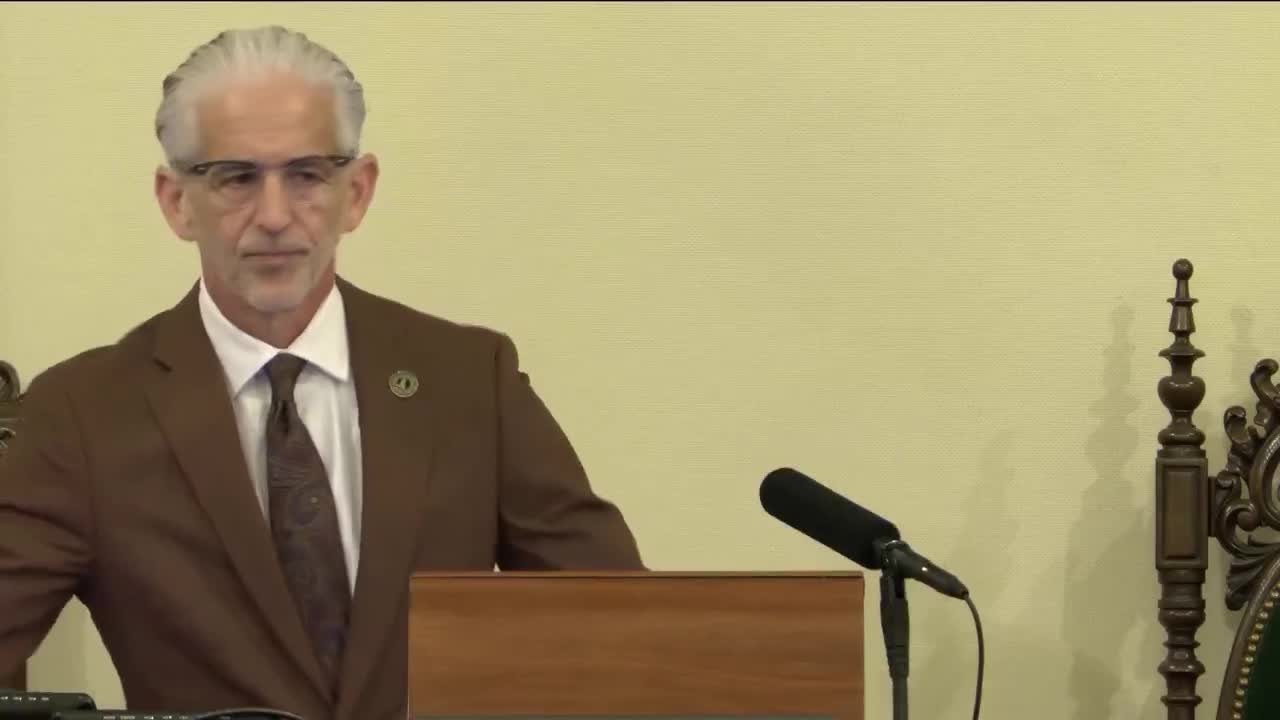
Bill Author
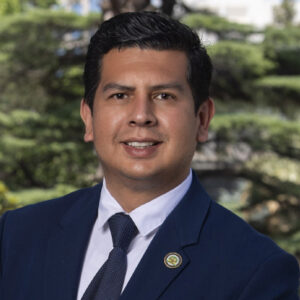
Bill Co-Author(s):