ACR 196: Lung Cancer Awareness.
- Session Year: 2023-2024
- House: Assembly
- Latest Version Date: 2024-07-18
Current Status:
Passed
(2024-07-18: Chaptered by Secretary of State - Res. Chapter 153, Statutes of 2024.)
Introduced
In Committee
First Chamber
In Committee
Second Chamber
Enacted
This measure would proclaim November 2024 as Lung Cancer Awareness Month and the second Saturday of November 2024 as Lung Cancer Screening Day.
This measure would proclaim November 2024 as Lung Cancer Awareness Month and the second Saturday of November 2024 as Lung Cancer Screening Day.
This measure would proclaim November 2024 as Lung Cancer Awareness Month and the second Saturday of November 2024 as Lung Cancer Screening Day.
This measure would proclaim November 2024 as Lung Cancer Awareness Month and the second Saturday of November 2024 as Lung Cancer Screening Day.
WHEREAS, Lung cancer is the leading cause of cancer-related death among individuals in the California and the United States, accounting for more deaths than colon cancer, breast cancer, and prostate cancer combined; and
WHEREAS, Ninety percent of the 66,835 deaths among Californians diagnosed with lung cancer from 2014 to 2019, inclusive, were attributable to cigarette smoking, despite Californias robust prevention program, which is attributed to accelerating the decline in lung cancer rates faster than the rest of the United States. California has the second highest number of new lung cancer cases and second highest number of annual lung cancer deaths in the United States; and
WHEREAS, Early detection is critical in improving lung cancer mortality. In California, the overall five-year survival rate for all stages of lung cancer is 25.2 percent. With earlier detection, the five-year survival rates for localized stage (64.8 percent) are far better than distant stage diagnoses (8.3 percent); and
WHEREAS, Significant health disparities exist for lung cancer survival for all racial and ethnic groups. American Indians (46.8 out of 100,000) and Black Californians (43 out of 100,000) have the highest incidence of lung cancer, as well as the highest mortality rate from lung cancer (55.5 out of 100,000 for American Indians and 29.5 out of 100,000 for Black Californians). All racial and ethnic groups have more late-stage diagnoses and fewer local diagnoses than non-Hispanic White individuals; and
WHEREAS, Since 2013, both the American Cancer Society and the United States Preventive Services Task Force have recommended lung cancer screening using a low dose computed tomography as a safe and effective method to detect lung cancer in its earliest stages and ultimately save lives from lung cancer, and this screening procedure is covered by most insurance plans, including Medi-Cal; and
WHEREAS, Anyone between 50 to 80 years of age who is currently smoking or has smoked in the past, is considered higher risk, and should discuss their eligibility for this screening with their health care provider, and people who still smoke should be offered cessation support; and
WHEREAS, Based on the 2022 Behavioral Risk Factor Survey data, the American Cancer Society estimates that the number of Californians who should be screened annually for lung cancer is about 850,000. However, less than 1 percent of individuals in California at high risk for lung cancer undergo lung cancer screening; and
WHEREAS, Californias successful tobacco prevention program, which includes cessation services and programs in every county to support tobacco prevention, has contributed to Californias lower smoking rate; and
WHEREAS, California has a free state quitline, Kickitca.org, and other local support to help people stop using tobacco and recover from nicotine addiction, which is a key treatment to improve the health of people with or without cancer. When high-quality lung cancer screening is combined with sustained tobacco abstinence, lung cancer mortality can be reduced by nearly 40 percent; and
WHEREAS, According to a 2022 study, nearly 70 percent of adults are not familiar with lung cancer screening and the low-dose computed tomography scan; and
WHEREAS, Educational efforts can increase awareness of lung cancer and lung cancer screening among the general public, patients and their families, and health care workers, thereby increasing the early detection of lung cancer; now, therefore, be it
Resolved by the Assembly of the State of California, the Senate thereof concurring, That the Legislature designates November 2024 as Lung Cancer Awareness Month and the second Saturday of November 2024 as Lung Cancer Screening Day; and be it further
Resolved, That the Legislature promotes efforts to increase awareness of, education about, and research on the mitigation of risk factors and health disparities for lung cancer, lung cancer screening for early diagnosis of people at high risk, and those who are mostly likely to benefit from lung cancer screening, and lung cancer treatment for better survival of people with lung cancer; and be it further
Resolved, That the Legislature recognizes the need for research on the early screening, diagnosis, and treatment of lung cancer; and be it further
Resolved, That the Legislature champions efforts to increase lung cancer screening by raising awareness among, and improving equitable access for, individuals who are eligible for lung cancer screening; and be it further
Resolved, That the Legislature encourages the people of California to observe Lung Cancer Awareness Month with appropriate awareness and educational activities; and be it further
Resolved, That the Chief Clerk of the Assembly transmit copies of this resolution to the author for appropriate distribution.
WHEREAS, Lung cancer is the leading cause of cancer-related death among individuals in the California and the United States, accounting for more deaths than colon cancer, breast cancer, and prostate cancer combined; and
WHEREAS, Ninety percent of the 66,835 deaths among Californians diagnosed with lung cancer from 2014 to 2019, inclusive, were attributable to cigarette smoking, despite Californias robust prevention program program, which is attributed to accelerating the decline in lung cancer rates faster than the rest of the United States. However, California still California has the second highest number of new lung cancer cases and second highest number of annual lung cancer deaths in the United States; and
WHEREAS, California has local variation for incidence of lung cancer, with 32 of 52 California counties, especially in northern California, having higher lung cancer incidence and mortality rates than the state average; andWHEREAS, Early detection is critical in improving lung cancer mortality and the 5-year survival rate for lung cancer in California is 27.5 percent and with earlier detection, there are higher 5-year survival rates for localized stage (63 percent) than distant stage (8 percent); mortality. In California, the overall five-year survival rate for all stages of lung cancer is 25.2 percent. With earlier detection, the five-year survival rates for localized stage (64.8 percent) are far better than distant stage diagnoses (8.3 percent); and
WHEREAS, Black men have the highest incidence of lung cancer and the highest mortality rate from lung cancer in the United States, and non-White individuals are 14 percent to 17 percent less likely to be diagnosed with lung cancer early; Significant health disparities exist for lung cancer survival for all racial and ethnic groups. American Indians (46.8 out of 100,000) and Black Californians (43 out of 100,000) have the highest incidence of lung cancer, as well as the highest mortality rate from lung cancer (55.5 out of 100,000 for American Indians and 29.5 out of 100,000 for Black Californians). All racial and ethnic groups have more late-stage diagnoses and fewer local diagnoses than non-Hispanic White individuals; and
WHEREAS, Significant health disparities exist for early-stage diagnosis (21.9 percent versus 27.3 percent), and 5-year survival (22.3 percent versus 27.4 percent) for Black compared to White Californians with similar trends for Latino and indigenous Californians; andWHEREAS, Since 2013, both the American Cancer Society and the United States Preventive Services Task Force have recommended lung cancer screening using a low dose computed tomography as a safe and effective method to detect lung cancer in its earliest stages and ultimately save lives from lung cancer, and this screening procedure is covered by most insurance plans, including Medi-Cal; and
WHEREAS, Anyone between 50 to 80 years of age who is currently smoking or has smoked in the past, is considered higher risk, and should discuss their eligibility for this screening with their health care provider, and people who still smoke should be offered cessation support; and
WHEREAS, The Based on the 2022 Behavioral Risk Factor Survey data, the American Cancer Society estimates that the number of Californians who should be screened annually for lung cancer is about 850,000. However, less than 1 percent of individuals in California at high risk for lung cancer undergo lung cancer screening; and
WHEREAS, Californias successful tobacco prevention program, which includes cessation services and programs in every county to support tobacco prevention, has contributed to Californias lower smoking rate; and
WHEREAS, California has a free state quitline, Kickitca.org, and other local support to help people stop using tobacco and them from icotine recover from nicotine addiction, which is a key treatment to improve the health of people with or without cancer; cancer. When high-quality lung cancer screening is combined with sustained tobacco abstinence, lung cancer mortality can be reduced by nearly 40 percent; and
WHEREAS, According to a 2022 study, nearly 70 percent of adults are not familiar with lung cancer screening and the low-dose computed tomography scan; and
WHEREAS, Educational efforts can increase awareness of lung cancer and lung cancer screening among the general public, patients and their families, and health care workers, thereby increasing the early detection of lung cancer; now, therefore, be it
Resolved by the Assembly of the State of California, the Senate thereof concurring, That the Legislature designates November 2024 as Lung Cancer Awareness Month and the second Saturday of November 2024 as Lung Cancer Screening Day; and be it further
Resolved, That the Legislature promotes efforts to increase awareness of, education about, and research on lung cancer screening and treatment, lung cancer risk factors, including for those who have never smoked, and for those who are most likely to benefit from lung cancer screening, and the mitigation of risk factors for lung cancer affecting minorities and individuals who have never smoked; the mitigation of risk factors and health disparities for lung cancer, lung cancer screening for early diagnosis of people at high risk, and those who are mostly likely to benefit from lung cancer screening, and lung cancer treatment for better survival of people with lung cancer; and be it further
Resolved, That the Legislature recognizes the need for research on the early screening, diagnosis, and treatment of lung cancer; and be it further
Resolved, That the Legislature champions efforts to increase lung cancer screening by raising awareness among, and improving equitable access for, individuals who are eligible for lung cancer screening; and be it further
Resolved, That the Legislature encourages the people of California to observe Lung Cancer Awareness Month with appropriate awareness and educational activities; and be it further
Resolved, That the Chief Clerk of the Assembly transmit copies of this resolution to the author for appropriate distribution.
WHEREAS, Lung cancer is the leading cause of cancer-related death among individuals in the California and the United States, accounting for more deaths than colon cancer, breast cancer, and prostate cancer combined; and
WHEREAS, Californias robust prevention program is attributed to accelerating the decline in lung cancer rates faster than the rest of the United States. However, California still has the second highest number of new lung cancer cases and second highest number of annual lung cancer deaths in the United States; and
WHEREAS, California has local variation for incidence of lung cancer, with 32 of 52 California counties, especially in northern California, having higher lung cancer incidence and mortality rates than the state average; and
WHEREAS, Early detection is critical in improving lung cancer mortality and the 5-year survival rate for lung cancer in California is 27.5 percent and with earlier detection, there are higher 5-year survival rates for localized stage (63 percent) than distant stage (8 percent); and
WHEREAS, Black men have the highest incidence of lung cancer and the highest mortality rate from lung cancer in the United States, and non-White individuals are 14 percent to 17 percent less likely to be diagnosed with lung cancer early; and
WHEREAS, Significant health disparities exist for early-stage diagnosis (21.9 percent versus 27.3 percent), and 5-year survival (22.3 percent versus 27.4 percent) for Black compared to White Californians with similar trends for Latino and indigenous Californians; and
WHEREAS, Since 2013, both the American Cancer Society and the United States Preventive Services Task Force have recommended lung cancer screening using a low dose computed tomography as a safe and effective method to detect lung cancer in its earliest stages and ultimately save lives from lung cancer, and this screening procedure is covered by most insurance plans, including Medi-Cal; and
WHEREAS, Anyone between 50 to 80 years of age who is currently smoking or has smoked in the past, is considered higher risk, and should discuss their eligibility for this screening with their health care provider, and people who still smoke should be offered cessation support; and
WHEREAS, The American Cancer Society estimates that the number of Californians who should be screened annually for lung cancer is about 850,000. However, less than 1 percent of individuals in California at high risk for lung cancer undergo lung cancer screening; and
WHEREAS, Californias successful tobacco prevention program, which includes cessation services and programs in every county to support tobacco prevention, has contributed to Californias lower smoking rate; and
WHEREAS, California has a free state quitline, Kickitca.org, and other local support to help people stop using tobacco and them from icotine addiction, which is a key treatment to improve the health of people with or without cancer; and
WHEREAS, According to a 2022 study, nearly 70 percent of adults are not familiar with lung cancer screening and the low-dose computed tomography scan; and
WHEREAS, Educational efforts can increase awareness of lung cancer and lung cancer screening among the general public, patients and their families, and health care workers, thereby increasing the early detection of lung cancer; now, therefore, be it
Resolved by the Assembly of the State of California, the Senate thereof concurring, That the Legislature designates November 2024 as Lung Cancer Awareness Month and the second Saturday of November 2024 as Lung Cancer Screening Day; and be it further
Resolved, That the Legislature promotes efforts to increase awareness of, education about, and research on lung cancer screening and treatment, lung cancer risk factors, including for those who have never smoked, and for those who are most likely to benefit from lung cancer screening, and the mitigation of risk factors for lung cancer affecting minorities and individuals who have never smoked; and be it further
Resolved, That the Legislature recognizes the need for research on the early screening, diagnosis, and treatment of lung cancer; and be it further
Resolved, That the Legislature champions efforts to increase lung cancer screening by raising awareness among, and improving equitable access for, individuals who are eligible for lung cancer screening; and be it further
Resolved, That the Legislature encourages the people of California to observe Lung Cancer Awareness Month with appropriate awareness and educational activities; and be it further
Resolved, That the Chief Clerk of the Assembly transmit copies of this resolution to the author for appropriate distribution.
|
Date
|
Status
|
|---|---|
| Jul 18, 2024 | Chaptered by Secretary of State - Res. Chapter 153, Statutes of 2024. |
| Jul 18, 2024 | Enrolled and filed with the Secretary of State at 3 p.m. |
| Jul 5, 2024 | In Assembly. Ordered to Engrossing and Enrolling. |
| Jul 3, 2024 | Adopted and to Assembly. (Ayes 39. Noes 0. Page 4933.) |
| Jul 1, 2024 | Ordered to special consent calendar. |
| Jun 26, 2024 | From committee: Ordered to third reading. |
| Jun 17, 2024 | In Senate. To Com. on RLS. |
| Jun 13, 2024 | Adopted and to Senate. (Page 5858.) |
| Jun 13, 2024 | Coauthors revised. |
| Jun 10, 2024 | From committee: Be adopted. To Consent Calendar. (Ayes 9. Noes 0.) (June 10). |
| Jun 3, 2024 | Re-referred to Com. on RLS. |
| May 30, 2024 | From committee chair, with author's amendments: Amend, and re-refer to Com. on RLS. Read second time and amended. |
| May 13, 2024 | Referred to Com. on RLS. |
| May 7, 2024 | From printer. |
| May 6, 2024 | Introduced. To print. |
|
Date
|
Description
|
Location
|
Votes
|
|
|---|---|---|---|---|
| Jul 3, 2024 | Special Consent ACR196 Ta et al. | Senate Floor |
Passed |
|
| Jun 13, 2024 | ACR 196 Ta Consent Calendar Second Day | Assembly Floor |
Passed |
|
| Jun 10, 2024 | Be adopted. To Consent Calendar. | Assembly Standing Committee on Rules |
Passed |
This list shows positions taken on this bill by organizations on the date displayed, which is linked to the original source.
Positions by individuals are not included.
|
Organization
|
Position
|
Date
|
|---|---|---|
| American Cancer Society | ** Support |
SENATE RULES COMMITTEE Office of Senate Floor Analyses (916) 651-1520 Fax: (916) 327-4478 | ACR 196 |
THIRD READING
Bill No: ACR 196
Author: Ta (R), et al.
Amended: 5/30/24 in Assembly
Vote: 21
ASSEMBLY FLOOR: 77-0, 6/13/24 (Consent) - See last page for vote
SUBJECT: Lung Cancer Awareness
SOURCE: American Cancer Society
DIGEST:
This resolution proclaims November 2024 as Lung Cancer Awareness Month and the second Saturday of November 2024 as Lung Cancer Screening Day.
ANALYSIS: This resolution makes the following legislative findings:
- Lung cancer is the leading cause of cancer-related death among individuals in the California and the United States, accounting for more deaths than colon cancer, breast cancer, and prostate cancer combined.
- Ninety percent of the 66,835 deaths among Californians diagnosed with lung cancer from 2014 to 2019, inclusive, were attributable to cigarette smoking, despite California’s robust prevention program, which is attributed to accelerating the decline in lung cancer rates faster than the rest of the United States. California has the second highest number of new lung cancer cases and second highest number of annual lung cancer deaths in the United States.
- Early detection is critical in improving lung cancer mortality. In California, the overall five-year survival rate for all stages of lung cancer is 25.2 percent. With earlier detection, the five-year survival rates for localized stage (64.8 percent) are far better than distant stage diagnoses (8.3 percent).
- Since 2013, both the American Cancer Society and the United States Preventive Services Task Force have recommended lung cancer screening using a low dose computed tomography as a safe and effective method to detect lung cancer in its earliest stages and ultimately save lives from lung cancer, and this screening procedure is covered by most insurance plans, including Medi-Cal.
- California has a free state quitline, Kickitca.org, and other local support to help people stop using tobacco and recover from nicotine addiction, which is a key treatment to improve the health of people with or without cancer. When high-quality lung cancer screening is combined with sustained tobacco abstinence, lung cancer mortality can be reduced by nearly 40 percent.
- Educational efforts can increase awareness of lung cancer and lung cancer screening among the general public, patients and their families, and health care workers, thereby increasing the early detection of lung cancer.
This resolution proclaims November 2024 as Lung Cancer Awareness Month and the second Saturday of November 2024 as Lung Cancer Screening Day.
Comments
According to the author,
ACR 196 would highlight the importance of early detection in improving lung cancer mortality in California. Lung Cancer is the leading cause of cancer-related death among individuals in California. Early detection is critical for improving lung cancer mortality and in California, the overall 5-year survival rate for all stages of lung cancer in California is 25.2%.
FISCAL EFFECT: Appropriation: No Fiscal Com.: No Local: No
SUPPORT: (Verified 6/26/24)
American Cancer Society (source)
OPPOSITION: (Verified )
None received
ASSEMBLY FLOOR: 77-0, 6/13/24
AYES: Addis, Aguiar-Curry, Alanis, Alvarez, Arambula, Bains, Bauer-Kahan, Bennett, Berman, Boerner, Bonta, Bryan, Calderon, Juan Carrillo, Wendy Carrillo, Cervantes, Chen, Connolly, Megan Dahle, Davies, Dixon, Essayli, Flora, Mike Fong, Friedman, Gabriel, Gallagher, Garcia, Gipson, Grayson, Haney, Hart, Holden, Hoover, Irwin, Jackson, Jones-Sawyer, Kalra, Lackey, Lee, Low, Lowenthal, Maienschein, McCarty, McKinnor, Muratsuchi, Stephanie Nguyen, Ortega, Pacheco, Papan, Jim Patterson, Joe Patterson, Pellerin, Petrie-Norris, Quirk-Silva, Ramos, Rendon, Reyes, Luz Rivas, Rodriguez, Blanca Rubio, Sanchez, Santiago, Schiavo, Soria, Ta, Ting, Valencia, Villapudua, Waldron, Wallis, Ward, Wicks, Wilson, Wood, Zbur, Robert Rivas
NO VOTE RECORDED: Mathis, Weber
Prepared by: Holly Hummelt / SFA / (916) 651-1520
6/26/24 14:00:03
**** END ****
Date of Hearing: June 10, 2024
ASSEMBLY COMMITTEE ON RULES
Blanca Pacheco, Chair
ABPCA Bill Id:ACR 196 (
Author:Ta) – As Amended Ver:May 30, 2024
SUBJECT: Lung Cancer Awareness.
SUMMARY: Proclaims November 2024 as Lung Cancer Awareness Month and the second Saturday of November 2024 as Lung Cancer Screening Day. Specifically, this resolution makes the following legislative findings:
- Lung cancer is the leading cause of cancer-related death among individuals in California and the United States, accounting for more deaths than colon cancer, breast cancer, and prostate cancer combined.
- 90 percent of the 66,835 deaths among Californians diagnosed with lung cancer from 2014 to 2019, inclusive, were attributable to cigarette smoking, despite California’s robust prevention program, which is attributed to accelerating the decline in lung cancer rates faster than the rest of the United States. California has the second highest number of new lung cancer cases and second highest number of annual lung cancer deaths in the United States.
- Early detection is critical in improving lung cancer mortality. In California, the overall five-year survival rate for all stages of lung cancer is 25.2 percent. With earlier detection, the five-year survival rates for localized stage (64.8 percent) are far better than distant stage diagnoses (8.3 percent).
- Significant health disparities exist for lung cancer survival for all racial and ethnic groups. American Indians (46.8 out of 100,000) and Black Californians (43 out of 100,000) have the highest incidence of lung cancer, as well as the highest mortality rate from lung cancer (55.5 out of 100,000 for American Indians and 29.5 out of 100,000 for Black Californians). All racial and ethnic groups have more late-stage diagnoses and fewer local diagnoses than non-Hispanic White individuals.
- Since 2013, both the American Cancer Society and the United States Preventive Services Task Force have recommended lung cancer screening using a low dose computed tomography as a safe and effective method to detect lung cancer in its earliest stages and ultimately save lives from lung cancer. This screening procedure is covered by most insurance plans, including Medi-Cal.
- Anyone between 50 to 80 years of age who is currently smoking or has smoked in the past, is considered higher risk, and should discuss their eligibility for this screening with their health care provider, and people who still smoke should be offered cessation support.
- California’s successful tobacco prevention program, which includes cessation services and programs in every county to support tobacco prevention, has contributed to California’s lower smoking rate.
- California has a free, state quitline, Kickitca.org, and other local support to help people stop using tobacco and recover from nicotine addiction, which is a key treatment to improve the health of people with or without cancer. When high-quality lung cancer screening is combined with sustained tobacco abstinence, lung cancer mortality can be reduced by nearly 40 percent.
- Educational efforts can increase awareness of lung cancer and lung cancer screening among the general public, patients and their families, and health care workers, thereby increasing the early detection of lung cancer.
FISCAL EFFECT: This resolution is keyed non-fiscal by Legislative Counsel.
REGISTERED SUPPORT / OPPOSITION:
Support
American Cancer Society Cancer Action Network
American Lung Association
California Life Sciences
Opposition
None on file
Analysis Prepared by: Michael Erke / RLS. / (916) 319-2800
Bill Author
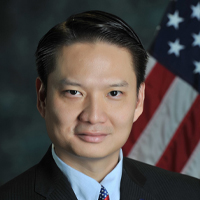
Bill Co-Author(s):