SB 26: Mental health professions: CARE Scholarship Program.
- Session Year: 2023-2024
- House: Senate
- Latest Version Date: 2024-08-30
Current Status:
Failed
(2024-09-25: In Senate. Consideration of Governor's veto pending.)
Introduced
In Committee
First Chamber
In Committee
Second Chamber
Enacted
What does this bill do?
Establishes a state CARE Scholarship Program to fund students training to become culturally competent marriage and family therapists, clinical social workers, professional clinical counselors, psychologists, or certain bachelor‑level county positions so more clinicians work for county behavioral health agencies that run CARE Act services. Scholarship recipients must agree to work for a county behavioral health agency supporting CARE Act services for at least three years after finishing their degree, and the department must post information about the program on its website.
The summary is provided by generative AI which can make mistakes. For original language, please view the details in the table below.
Existing law, the Community Assistance, Recovery, and Empowerment (CARE) Act, authorizes specified adult persons to petition a civil court to create a voluntary CARE agreement or a court-ordered CARE plan and implement services, to be provided by county behavioral health agencies, to provide behavioral health care, including stabilization medication, housing, and other enumerated services, to adults who are currently experiencing a severe mental illness and have a diagnosis identified in the disorder class schizophrenia and other psychotic disorders, and who meet other specified criteria.
Existing law requires the Department of Health Care Access and Information to perform various duties with respect to implementing health professions scholarship and loan programs.
This bill would, upon appropriation, establish the Community Assistance, Recovery, and Empowerment (CARE) Scholarship Program. The bill would require the department to administer the annual scholarship for purposes of increasing the number of culturally competent marriage and family therapists, clinical social workers, professional clinical counselors, and psychologists, as specified. The bill would require scholarship recipients to agree to work for county behavioral health agencies in meeting their needs and obligations to implement the CARE Act for a minimum of 3 years upon degree completion. The bill would require the department to post information related to the scholarship on its internet website.
Existing law, the Community Assistance, Recovery, and Empowerment (CARE) Act, authorizes specified adult persons to petition a civil court to create a voluntary CARE agreement or a court-ordered CARE plan and implement services, to be provided by county behavioral health agencies, to provide behavioral health care, including stabilization medication, housing, and other enumerated services, to adults who are currently experiencing a severe mental illness and have a diagnosis identified in the disorder class schizophrenia and other psychotic disorders, and who meet other specified criteria.
Existing law requires the Department of Health Care Access and Information to perform various duties with respect to implementing health professions scholarship and loan programs.
This bill would, upon appropriation, establish the Community Assistance, Recovery, and Empowerment (CARE) Scholarship Program. The bill would require the department to administer the annual scholarship for purposes of increasing the number of culturally competent licensed marriage and family therapists, clinical social workers, professional clinical counselors, and psychologists, as specified. The bill would require scholarship recipients to agree to work for county behavioral health agencies in meeting its their needs and obligations to implement the CARE Act for a minimum of 3 years upon being licensed to practice in this state. degree completion. The bill would require the department to post information related to the scholarship on its internet website.
Existing law, the Community Assistance, Recovery, and Empowerment (CARE) Act, authorizes specified adult persons to petition a civil court to create a voluntary CARE agreement or a court-ordered CARE plan and implement services, to be provided by county behavioral health agencies, to provide behavioral health care, including stabilization medication, housing, and other enumerated services, to adults who are currently experiencing a severe mental illness and have a diagnosis identified in the disorder class schizophrenia and other psychotic disorders, and who meet other specified criteria.
Existing law requires the Department of Health Care Access and Information to perform various duties with respect to implementing health professions scholarship and loan programs.
This bill would, upon appropriation, establish the Community Assistance, Recovery, and Empowerment (CARE) Scholarship Program. The bill would require the department to develop the program, as prescribed, to provide annual scholarships to individuals pursuing a degree program that meets the requirements for licensure as a marriage and family therapist, as defined. administer the annual scholarship for purposes of increasing the number of culturally competent licensed marriage and family therapists, clinical social workers, professional clinical counselors, and psychologists, as specified. The bill would require scholarship recipients to agree to work for county behavioral health agencies in meeting its needs and obligations to implement the CARE Act for a minimum of 3 years. years upon being licensed to practice in this state. The bill would require the department to post information related to the scholarship on its internet website.
Existing law, the Community Assistance, Recovery, and Empowerment (CARE) Act, authorizes specified adult persons to petition a civil court to create a voluntary CARE agreement or a court-ordered CARE plan and implement services, to be provided by county behavioral health agencies, to provide behavioral health care, including stabilization medication, housing, and other enumerated services, to adults who are currently experiencing a severe mental illness and have a diagnosis identified in the disorder class schizophrenia and other psychotic disorders, and who meet other specified criteria.
Existing law requires the Department of Health Care Access and Information to perform various duties with respect to implementing health professions scholarship and loan programs.
This bill would, upon appropriation, establish the Community Assistance, Recovery, and Empowerment (CARE) Scholarship Program. The bill would require the department to develop the program, as prescribed, to provide annual scholarships to individuals pursuing a degree program that meets the requirements for licensure as a marriage and family therapist, as defined. The bill would require scholarship recipients to agree to work for county behavioral health agencies in meeting its needs and obligations to implement the CARE Act for a minimum of 3 years. The bill would require the department to post information related to the scholarship on its internet website.
Existing law establishes the Joint Legislative Audit Committee and defines its scope and duties.This bill would make nonsubstantive changes to these provisions.Existing law establishes the Joint Legislative Audit Committee and defines its scope and duties.
This bill would make nonsubstantive changes to these provisions.
The Legislature finds and declares all of the following:
(a)Mental health and homelessness remain critical issues for the State of California, with over 150,000 homeless individuals, many of whom are experiencing mental health issues. While the Community Assistance, Recovery, and Empowerment (CARE) Act was enacted to provide community-based behavioral health services and supports to tackle these issues, California must increase the number of mental health practitioners that are willing to work for this program.
(b)Due to the costs of higher education in behavioral health, graduates are incentivized to work for private industry to subsidize the costs of their education. As a result, very few mental health practitioners work for the public at the state and county level, making it increasingly difficult for the state to provide adequate behavioral health care to its vulnerable citizens.
(c)California must increase the number of culturally competent, licensed mental health practitioners that are trained and licensed to diagnose mental health disorders among unhoused individuals by incentivizing mental health practitioner graduates to work with county behavioral health agencies in implementing the needs of the CARE Court program.
SEC. 2.Article 3.6 (commencing with Section 128460) is added to Chapter 5 of Part 3 of Division 107 of the Health and Safety Code, to read:3.6.Community Assistance, Recovery, and Empowerment (CARE) Scholarship Program128460.(a)There is hereby created the Community Assistance, Recovery, and Empowerment (CARE) Scholarship Program within the department.
(b)The department shall administer an annual scholarship for purposes of increasing the number of culturally competent marriage and family therapists, clinical social workers, professional clinical counselors, and psychologists needed to work for county behavioral health agencies to implement the CARE Act.
(c)The department shall develop the necessary requirements to implement the scholarship program.
(d)Applicants for the scholarship shall meet both of the following requirements:
(1)The applicant is pursuing a degree program that meets the requirements for licensure as a marriage and family therapist, clinical social worker, professional clinical counselor, or psychologist pursuant to the laws of this state, or is pursuing a bachelors degree program that meets the requirements for a position with a county pursuant to the CARE Act.
(2)The applicant agrees to work for a county behavioral health agency in support of the countys CARE Act needs and obligations for a minimum of three years upon completion of their degree.
(e)The department shall post information regarding the CARE Scholarship Program on its internet website.
(f)This article shall be operative upon appropriation by the Legislature.
The Legislature finds and declares all of the following:
(a)Mental health and homelessness remain critical issues for the State of California, with over 150,000 homeless individuals, many of whom are experiencing mental health issues. While the Community Assistance, Recovery, and Empowerment (CARE) Act was enacted to provide community-based behavioral health services and supports to tackle these issues, California must increase the number of mental health practitioners that are willing to work for this program.
(b)Due to the costs of higher education in behavioral health, graduates are incentivized to work for private industry to subsidize the costs of their education. As a result, very few mental health practitioners work for the public at the state and county level, making it increasingly difficult for the state to provide adequate behavioral health care to its vulnerable citizens.
(c)California must increase the number of culturally competent, licensed mental health practitioners that are trained and licensed to diagnose mental health disorders among unhoused individuals by incentivizing mental health practitioner graduates to work with county behavioral health agencies in implementing the needs of the CARE Court program.
SEC. 2.Article 3.6 (commencing with Section 128460) is added to Chapter 5 of Part 3 of Division 107 of the Health and Safety Code, to read:3.6.Community Assistance, Recovery, and Empowerment (CARE) Scholarship Program128460.(a)There is hereby created the Community Assistance, Recovery, and Empowerment (CARE) Scholarship Program within the department.
(b)The department shall administer an annual scholarship for purposes of increasing the number of culturally competent licensed marriage and family therapists, clinical social workers, professional clinical counselors, and psychologists needed to work for county behavioral health agencies to implement the CARE Act.
(c)The department shall develop the necessary requirements to implement the scholarship program.
(d)Applicants for the scholarship shall meet all both of the following requirements:
(1)The applicant is pursuing a degree program that meets the requirements for licensure as a marriage and family therapist, clinical social worker, professional clinical counselor, or psychologist pursuant to the laws of this state. state, or is pursuing a bachelors degree program that meets the requirements for a position with a county pursuant to the CARE Act.
(2)The applicant agrees to work for a county behavioral health agency in support of the countys CARE Act needs and obligations for a minimum of three years upon being licensed to practice in this state. completion of their degree.
(e)The department shall post information regarding the CARE Scholarship Program on its internet website.
(f)This article shall be operative upon appropriation by the Legislature.
The Legislature finds and declares all of the following:
(a)Mental health and homelessness remain critical issues for the State of California, with over 150,000 homeless individuals, many of whom are experiencing mental health issues. While the Community Assistance, Recovery, and Empowerment (CARE) Act was enacted to provide community-based behavioral health services and supports to tackle these issues, California cannot effectively implement the CARE Court program without increasing must increase the number of mental health practitioners that are willing to work for this program.
(b)Due to the costs of higher education in mental and behavioral health, graduates are incentivized to work for private industry to subsidize the costs of their education. As a result, very few mental health practitioners work for the public at the state and county level, making it increasingly difficult for the state to provide adequate mental and behavioral health care to its vulnerable citizens.
(c)California must increase the number of culturally competent, licensed mental health practitioners that are trained and licensed to diagnose mental health disorders among unhoused individuals by incentivizing mental health practitioner graduates to work with county behavioral services health agencies in implementing the needs of the CARE Court program.
SEC. 2.Article 3.6 (commencing with Section 128460) is added to Chapter 5 of Part 3 of Division 107 of the Health and Safety Code, to read:3.6.Community Assistance, Recovery, and Empowerment (CARE) Scholarship Program128460.(a)There is hereby created the Community Assistance, Recovery, and Empowerment (CARE) Scholarship Program within the department.
(b)The department shall administer an annual scholarship for purposes of increasing the number of culturally competent, competent licensed marriage and family therapists therapists, clinical social workers, professional clinical counselors, and psychologists needed to work for county behavioral health agencies to implement the CARE Act.
(c)The department shall make recommendations to the director concerning all of the following:(1)A standard contractual agreement to be signed by the director and any licensed marriage and family therapist that would require the licensed marriage and family therapist who receives a scholarship under the program to serve in a county behavioral health agency in support of the countys CARE Act needs and obligations for a minimum of three years.(2)The maximum allowable total scholarship amount per individual licensed marriage and family therapist.(3)The maximum allowable annual scholarship amount per individual licensed marriage and family therapist.(c)The department shall develop the necessary requirements to implement the scholarship program.
(d)Applicants for the scholarship shall meet all of the following requirements:
(1)The applicant is pursuing a degree program that meets the requirements for licensure as a marriage and family therapist pursuant to Chapter 13 (commencing with Section 4980) of Division 2 of the Business and Professions Code. therapist, clinical social worker, professional clinical counselor, or psychologist pursuant to the laws of this state.
(2)The applicant agrees to work for a county behavioral health agency in support of the countys CARE Act needs and obligations for a minimum of three years upon licensure as a marriage and family therapist. being licensed to practice in this state.
(e)The department shall post information regarding the CARE Scholarship Program on its internet website.
(f)For purposes of this article, a marriage and family therapist is an individual licensed pursuant to Chapter 13 (commencing with Section 4980) of Division 2 of the Business and Professions Code.(g)(f)This article shall be operative upon appropriation by the Legislature.
The Legislature finds and declares all of the following:
(a)Mental health and homelessness remain critical issues for the State of California, with over 150,000 homeless individuals, many of whom are experiencing mental health issues. While the Community Assistance, Recovery, and Empowerment (CARE) Act was enacted to provide community-based behavioral health services and supports to tackle these issues, California cannot effectively implement the CARE Court program without increasing the number of mental health practitioners that are willing to work for this program.
(b)Due to the costs of higher education in mental and behavioral health, graduates are incentivized to work for private industry to subsidize the costs of their education. As a result, very few mental health practitioners work for the public at the state and county level, making it increasingly difficult for the state to provide adequate mental and behavioral health care to its vulnerable citizens.
(c)California must increase the number of culturally competent, licensed mental health practitioners that are trained and licensed to diagnose mental health disorders among unhoused individuals by incentivizing mental health practitioner graduates to work with county behavioral services agencies in implementing the needs of the CARE Court program.
SEC. 2.Article 3.6 (commencing with Section 128460) is added to Chapter 5 of Part 3 of Division 107 of the Health and Safety Code, to read:3.6.Community Assistance, Recovery, and Empowerment (CARE) Scholarship Program128460.(a)There is hereby created the Community Assistance, Recovery, and Empowerment (CARE) Scholarship Program within the department.
(b)The department shall administer an annual scholarship for purposes of increasing the number of culturally competent, licensed marriage and family therapists needed to work for county behavioral health agencies to implement the CARE Act.
(c)The department shall make recommendations to the director concerning all of the following:
(1)A standard contractual agreement to be signed by the director and any licensed marriage and family therapist that would require the licensed marriage and family therapist who receives a scholarship under the program to serve in a county behavioral health agency in support of the countys CARE Act needs and obligations for a minimum of three years.
(2)The maximum allowable total scholarship amount per individual licensed marriage and family therapist.
(3)The maximum allowable annual scholarship amount per individual licensed marriage and family therapist.
(d)Applicants for the scholarship shall meet all of the following requirements:
(1)The applicant is pursuing a degree program that meets the requirements for licensure as a marriage and family therapist pursuant to Chapter 13 (commencing with Section 4980) of Division 2 of the Business and Professions Code.
(2)The applicant agrees to work for a county behavioral health agency in support of the countys CARE Act needs and obligations for a minimum of three years upon licensure as a marriage and family therapist.
(e)The department shall post information regarding the CARE Scholarship Program on its internet website.
(f)For purposes of this article, a marriage and family therapist is an individual licensed pursuant to Chapter 13 (commencing with Section 4980) of Division 2 of the Business and Professions Code.
(g)This article shall be operative upon appropriation by the Legislature.
SECTION 1.Section 10501 of the Government Code is amended to read:10501.The Joint Legislative Audit Committee is hereby created. The committee shall determine the policies of the Auditor General, ascertain facts, review reports and take action thereon, and make reports and recommendations to the Legislature and to the houses thereof concerning the state audit, the revenues and expenditures of the state and its departments, subdivisions, and agencies, whether created by the California Constitution or otherwise, and such other matters as may be provided for in the Joint Rules of the Senate and Assembly. The committee has a continuing existence and may meet, act, and conduct its business at any place within this state, during the sessions of the Legislature or any recess thereof, and in the interim period between sessions.The Joint Legislative Audit Committee is hereby created. The committee shall determine the policies of the Auditor General, ascertain facts, review reports and take action thereon, and make reports and recommendations to the Legislature and to the houses thereof concerning the state audit, the revenues and expenditures of the State, state and its departments, subdivisions, and agencies agencies, whether created by the California Constitution or otherwise, and such other matters as may be provided for in the Joint Rules of the Senate and Assembly. The committee has a continuing existence and may meet, act, and conduct its business at any place within this State state, during the sessions of the Legislature or any recess thereof, and in the interim period between sessions.
|
Date
|
Status
|
|---|---|
| Sep 25, 2024 | In Senate. Consideration of Governor's veto pending. |
| Sep 25, 2024 | Vetoed by the Governor. |
| Sep 4, 2024 | Enrolled and presented to the Governor at 4 p.m. |
| Aug 28, 2024 | Assembly amendments concurred in. (Ayes 39. Noes 0. Page 5586.) Ordered to engrossing and enrolling. |
| Aug 28, 2024 | In Senate. Concurrence in Assembly amendments pending. |
| Aug 27, 2024 | Read third time. Passed. (Ayes 75. Noes 0. Page 6662.) Ordered to the Senate. |
| Aug 19, 2024 | Read third time and amended. |
| Aug 19, 2024 | Read second time. Ordered to third reading. |
| Aug 19, 2024 | Ordered to third reading. |
| Aug 15, 2024 | From committee: Do pass. (Ayes 14. Noes 0.) (August 15). |
| Jul 2, 2024 | July 2 set for first hearing. Placed on suspense file. |
| Jun 19, 2024 | From committee: Do pass and re-refer to Com. on APPR. (Ayes 16. Noes 0.) (June 18). Re-referred to Com. on APPR. |
| May 13, 2024 | Referred to Com. on HEALTH. |
| Jan 25, 2024 | In Assembly. Read first time. Held at Desk. |
| Jan 25, 2024 | Read third time. Passed. (Ayes 34. Noes 0. Page 3034.) Ordered to the Assembly. |
| Jan 22, 2024 | Read second time. Ordered to third reading. |
| Jan 18, 2024 | From committee: Do pass. (Ayes 6. Noes 0. Page 3010.) (January 18). |
| Jan 17, 2024 | Set for hearing January 18. |
| Jan 16, 2024 | January 16 hearing: Placed on APPR suspense file. |
| Jan 12, 2024 | Set for hearing January 16. |
| Jan 11, 2024 | Read second time and amended. Re-referred to Com. on APPR. |
| Jan 10, 2024 | From committee: Do pass as amended and re-refer to Com. on APPR. (Ayes 11. Noes 0. Page 2970.) (January 10). |
| Jan 4, 2024 | Set for hearing January 10. |
| Jan 3, 2024 | Re-referred to Com. on HEALTH. |
| Jan 3, 2024 | From committee with author's amendments. Read second time and amended. Re-referred to Com. on RLS. |
| Jan 18, 2023 | Referred to Com. on RLS. |
| Dec 6, 2022 | From printer. May be acted upon on or after January 5. |
| Dec 5, 2022 | Introduced. Read first time. To Com. on RLS. for assignment. To print. |
|
Date
|
Description
|
Location
|
Votes
|
|
|---|---|---|---|---|
| Aug 28, 2024 | Unfinished Business SB26 Umberg et al. Concurrence | Senate Floor |
Passed |
|
| Aug 27, 2024 | SB 26 Umberg Senate Third Reading By Mike Fong | Assembly Floor |
Passed |
|
| Aug 15, 2024 | Do pass. | Assembly Standing Committee on Appropriations |
Passed |
|
| Jun 18, 2024 | Do pass and be re-referred to the Committee on [Appropriations] | Assembly Standing Committee on Health |
Passed |
|
| Jan 25, 2024 | Senate 3rd Reading SB26 Umberg et al. | Senate Floor |
Passed |
|
| Jan 18, 2024 | Do pass | Senate Standing Committee on Appropriations |
Passed |
|
| Jan 16, 2024 | Placed on suspense file | Senate Standing Committee on Appropriations |
Passed |
|
| Jan 10, 2024 | Do pass as amended, but first amend, and re-refer to the Committee on [Appropriations] | Senate Standing Committee on Health |
Passed |
This list shows positions taken on this bill by organizations on the date displayed, which is linked to the original source.
Positions by individuals are not included.
|
Organization
|
Position
|
Date
|
|---|---|---|
| American Civil Liberties California Action | ** Against | |
| Association of Independent California Colleges Universities | ** Support | |
| california board of behavioral sciences | ** Support | |
| California Contract Cities Association | ** Support | |
| California Council Of Community Behavioral Health Agencies | ** Support | |
| California Youth Empowerment Network | ** Against | |
| County of Santa Clara | ** Support | |
| Disability Rights California | ** Against | |
| Mental Health America of California | ** Against | |
| Palo Alto University | ** Support | |
| The Chicago School | ** Support |
SENATE RULES COMMITTEE Office of Senate Floor Analyses (916) 651-1520 Fax: (916) 327-4478 | SB 26 |
VETO
Bill No: SB 26
Author: Umberg (D), et al.
Enrolled: 8/30/24
Vote: 27
SENATE HEALTH COMMITTEE: 11-0, 1/10/24
AYES: Eggman, Nguyen, Glazer, Gonzalez, Grove, Hurtado, Limón, Menjivar, Rubio, Wahab, Wiener
NO VOTE RECORDED: Roth
SENATE APPROPRIATIONS COMMITTEE: 6-0, 1/18/24
AYES: Portantino, Jones, Bradford, Seyarto, Wahab, Wiener
NO VOTE RECORDED: Ashby
SENATE FLOOR: 34-0, 1/25/24
AYES: Alvarado-Gil, Archuleta, Ashby, Atkins, Becker, Bradford, Caballero, Dahle, Dodd, Durazo, Eggman, Glazer, Gonzalez, Grove, Hurtado, Laird, Limón, McGuire, Menjivar, Min, Newman, Nguyen, Niello, Ochoa Bogh, Padilla, Roth, Rubio, Seyarto, Skinner, Smallwood-Cuevas, Umberg, Wahab, Wiener, Wilk
NO VOTE RECORDED: Allen, Blakespear, Cortese, Jones, Portantino, Stern
SENATE FLOOR: 39-0, 8/28/24
AYES: Allen, Archuleta, Ashby, Atkins, Becker, Blakespear, Bradford, Caballero, Cortese, Dahle, Dodd, Durazo, Eggman, Glazer, Gonzalez, Grove, Hurtado, Jones, Laird, Limón, McGuire, Menjivar, Min, Newman, Nguyen, Niello, Ochoa Bogh, Padilla, Portantino, Roth, Rubio, Seyarto, Skinner, Smallwood-Cuevas, Stern, Umberg, Wahab, Wiener, Wilk
NO VOTE RECORDED: Alvarado-Gil
ASSEMBLY FLOOR: 75-0, 8/27/24 - See last page for vote
SUBJECT: Mental health professions: CARE Scholarship Program
SOURCE: Author
DIGEST:
This bill creates the Community Assistance, Recovery, and Empowerment (CARE) Scholarship Program, upon appropriation by the Legislature, to administer an annual scholarship for purposes of increasing the number of culturally competent, marriage and family therapists, clinical social workers, professional clinical counselors, and psychologists needed to work for county behavioral health agencies to implement the CARE Act.
ANALYSIS:
Existing law:
- Enacts the CARE Act to help connect an individual with a court-ordered care plan for up to 12 months, with the possibility to extend for an additional 12 months, that provides a clinically appropriate, community-based set of services and supports that are culturally and linguistically competent, which include short-term stabilization medications, wellness and recovery supports, a CARE navigator, connection to social services, and a housing plan. [Welfare and Institutions Code §5970, et seq.]
- Establishes the Board of Behavioral Sciences (BBS) within the Department of Consumer Affairs to administer the Marriage and Family Therapist (LMFT) Act, the Educational Psychologist Practice Act, the Clinical Social Worker (LCSW) Practice Act, and the Professional Clinical Counselor (LPCC) Act. [Business and Professions Code §4990.12]
- Establishes Department of Health Care Access and Information (HCAI) to, among other functions, collect, analyze, and publish data about healthcare workforce and health professional training, identify areas of health workforce shortages, and provide scholarships, loan repayments, and grants to students, graduates, and institutions providing direct patient care in areas of unmet need. Authorizes HCAI to award competitive grants to entities and individuals it deems qualified to expand the supply of behavioral health counselors, coaches, peer supports, and other allied health care providers serving children and youth. [Health and Safety Code (HSC) §127000, §127825, et seq.]
- Establishes the Health Professions Education Fund within HCAI to provide loans to students. Authorizes HCAI to receive private donations and specifies that all money in the fund is continuously appropriated to HCAI. [HSC §128355]
- Establishes the Licensed Mental Health Services Provider Education Program (LMHSPEP) with the mission of increasing and diversifying California’s health care workforce by providing scholarships and loan repayments to health professional students and graduates who provide direct patient care. Funds LMHSPEP through a $20 surcharge for renewal and licensure fees of psychologists, LMFTs, LCSWs, and LPCCs. [HSC §128454]
This bill:
- Creates the CARE Scholarship Program within HCAI, upon appropriation by the Legislature, to administer an annual scholarship for purposes of increasing the number of culturally competent psychologists, LMFTs, LCSWs, and LPCCs needed to work for county behavioral health agencies to implement the CARE Act.
- Requires HCAI to develop the necessary requirements to implement the scholarship program.
- Requires applicants for the scholarship to meet all of the following requirements:
- The applicant is pursuing a degree program that meets the requirements for licensure as a Marriage and Family Therapist, Clinical Social Worker, Professional Clinical Counselor, or psychologist pursuant to the laws of this state, or is pursuing a bachelor’s degree program that meets the requirements for a position with a county pursuant to the CARE Act.
- The applicant agrees to work for a county behavioral health agency in support of the county’s CARE Act needs and obligations for a minimum of three years upon completion of their degree.
- Requires HCAI to post information regarding the CARE Scholarship Program on its website.
Comments
- Author’s statement. According to the author, SB 1338 (Umberg and Eggman, Chapter 319, Statutes of 2022) created the CARE Act (also known as CARE Court) as a response to the urgent need for innovative solutions for individuals who are suffering with untreated schizophrenia spectrum and psychotic disorders, often unhoused in our communities, and who face high risks for repeated hospitalization, incarceration, institutionalization, mental health conservatorship, and premature death. However, it is well documented that there is a significant shortage of behavioral health care professionals in California. The shortage of professionals in this space, that was apparent before the passage of CARE Court, has hindered prompt medical treatment for many Californians. Therefore, this bill aims to further support the CARE Court’s implementation by creating the CARE Scholarship fund. This program would provide annual scholarships to individuals pursuing a degree in behavioral health if they agree to work for the CARE program in county behavior health agencies. This scholarship would help financially support and incentivize a new workforce to effectively implement CARE Court and mend California’s mental health, substance abuse, and homelessness crises.
- CARE Act. The CARE Act, also known as CARE Court, was developed to help connect a person in crisis with a court-ordered care plan for up to 12 months, with the possibility to extend for an additional 12 months. The framework provides individuals with a clinically appropriate, community-based set of services and supports that are culturally and linguistically competent, which includes short-term stabilization medications, wellness and recovery supports, connection to social services, and a housing plan. According to the California Health and Human Services Agency’s (CHHSA) website, housing is an important component—finding stability and staying connected to treatment, even with the proper supports, is next to impossible while living outdoors, in a tent, or in a vehicle. CHHSA states that CARE Court is an upstream diversion to prevent more restrictive conservatorships or incarceration, based on evidence that demonstrates many people can stabilize, begin healing, and exit homelessness in less restrictive, community-based care settings. With advances in treatment models, new longer-acting antipsychotic treatments, and the right clinical team and housing plan, individuals who have historically suffered tremendously on the streets or during avoidable incarceration can be successfully stabilized and supported in the community. CHHSA further states that CARE Court is not for everyone experiencing homelessness or mental illness; rather it focuses on people with schizophrenia spectrum or other psychotic disorders who lack medical decision-making capacity, before they enter the criminal justice system or become so impaired that they end up in a LPS conservatorship due to mental illness. CHSSA states that although homelessness has many faces in California, among the most tragic is the face of the sickest who suffer from treatable mental health conditions, and CARE Court aims to connect these individuals to effective treatment and support, mapping a path to long-term recovery. CARE Court is estimated to help thousands of Californians on their journey to sustained wellness. The first cohort of counties to implement CARE Court include Glenn, Orange, Riverside, San Diego, Stanislaus, and Tuolumne, and the City and County of San Francisco, beginning no later than October 1, 2023. The second cohort of counties, representing the remaining population of the state, is required to begin implementing CARE Court no later than December 1, 2024, unless a county is provided additional time if it experiences a state or local emergency and the delay of the provision of the CARE Court is necessary as a result of the emergency. All counties are ultimately required to implement CARE Court by December 1, 2025.
- LMH Program. AB 938 (Yee, Chapter 437, Statutes of 2003) established the LMH Program, which became operational in 2005. The LMH Program is administered by HCIA’s Health Professions Education Foundation (HPEF) and is supported by grants, donations, licensing fees, and special funds. HPEF provides scholarship and loan repayment programs to students and graduates who agree to practice in California's medically underserved communities. For a 24-month service obligation in a medically underserved area, providing a minimum of 32 hours of direct patient care, an individual may receive up to $15,000 for loan repayment for practicing and providing direct care in a publicly funded or public mental health facility, a non-profit mental health facility, or a Mental Health Professional Shortage Area. Applicants can receive three awards for a total possible award of up to $45,000 for loan repayment. Selection for awards is based on the following criteria: work experience; cultural and linguistic competence; career goals; community service; community background; and, fluency in a language other than English. Priority is given to individuals whose community background and commitment indicates the likelihood of long-term employment in a qualified facility even after the service obligation has ended.
- HCAI workforce programs. HCAI currently oversees the Health Care Workforce Program through its Health Care Workforce Development Division to improve access to medical, mental, and dental health care providers in underserved areas throughout California. The program conducts research to identify areas of unmet need and administers grants that provide financial incentives to individuals and institutions to increase the number of providers in those areas, as well as to promote diversity and cultural competency within the health care workforce. HCAI administers several scholarship and loan forgiveness programs that provide financial assistance to qualified health care professionals in exchange for working in underserved areas of California and provides funds to institutions that train health professionals to provide health care in California’s medically underserved areas. Among these programs are the Workforce, Education, and Training (WET) program that was part of the Mental Health Services Act. The WET program aims to remedy the shortage of mental health practitioners in the public mental health system (PMHS) via programs that fund stipends, mental health loan assumption, education capacity, consumer and family member employment, and regional partnerships. Some of these funds went to create the Mental Health Loan Assumption Program, in order to retain qualified professionals working within the PMHS. Counties determine which professions are eligible for their hard-to-fill or ‑retain positions. Some of the eligible professions include: registered or licensed psychologists, registered or licensed psychiatrists, postdoctoral psychological assistants, postdoctoral psychological trainees, registered or licensed MFTs, registered or licensed Clinical Social Workers, LPCCs, LPCC interns, and registered or licensed psychiatric mental health nurse practitioners in California.
- Recent HCAI workforce awards. On March 30, 2023, the Governor’s Office announced that HCAI is issuing more than $150 million in grants to bolster the health care workforce: $117.7 million in grants to support the behavioral health providers at 134 nonprofit community-based organizations (CBOs) across California; and, a $33.7 million award to the California Social Work Education Center, administered by the University of California at Berkeley, to 892 students pursuing careers in social work.
The CBO Behavioral Health Workforce Grant Program will support scholarships, loan repayments, stipends, and recruitment and retention incentives for as many as 5,000 eligible individuals. Funding for the CBO Behavioral Health Workforce Grant Program comes from the Children and Youth Behavioral Health Initiative, the anchor of California’s Master Plan for Kids’ Mental Health. CYBHI supports and expands the workforce to meet the demand for mental health and substance use disorder care to children and youth through age 25.
FISCAL EFFECT: Appropriation: No Fiscal Com.: Yes Local: No
SUPPORT: (Verified 9/30/24)
Association of Independent California Colleges & Universities
California Board of Behavioral Sciences
California Council of Community Behavioral Health Agencies
California Contract Cities Association
County of Santa Clara
Palo Alto University
The Chicago School
OPPOSITION: (Verified 9/30/24)
American Civil Liberties California Action
California Youth Empowerment Network
Disability Rights California
Mental Health America of California
ARGUMENTS IN SUPPORT: The Board of Behavioral Sciences (BBS) supports this bill and states that this bill would create a scholarship program in order to incentivize those seeking licensure as an MFT, CSW, PCC, or psychologist to work in a county behavioral health agency in support of the CARE Act. The BBS is supportive of this effort to encourage employment in underserved areas where it is most needed. In its discussion, the BBS also wished to relay to the author that there are several counties which have not yet updated their administrative systems so that they are able to employ PCCs. PCCs are the BBS's newest license type, and the BBS began issuing this license type in 2012. Currently, there are approximately 4,300 actively licensed PCCs in California. Ensuring that all counties are able to utilize PCCs is an additional avenue that could help ensure sufficient staffing to implement the CARE Act.
ARGUMENTS IN OPPOSITION: ACLU California Action, California Youth Empowerment Network, Disability Rights California, and Mental Health America of California, as a coalition, argue that they share the author’s interest in expanding the workforce available to support individuals living with serious mental illness who are unlikely to survive safely in the community without supports, and whose condition is substantially deteriorating. The coalition notes that many of these individuals are unhoused in our community and face high risks for repeated hospitalization, incarceration, institutionalization, mental health conservatorship, and premature death, and the numbers show that California does not have enough mental health professionals, peers, and outreach workers specialized in supporting this population. They agree that the state must immediately take steps to fill this gap. The coalition urges the author to expand this bill to incentivize mental health professionals to serve in an array of roles and programs evidenced to meet the needs of individuals with serious mental illness and housing instability. The coalition states they will oppose this bill unless it is amended to expand the proposed scholarship program to accept applicants who agree to work for a county behavioral health agency for at least three years in support of any of the county’s programs to treat individuals with serious mental illness and housing instability, not just the CARE Act. The coalition also notes that counties are working to roll out new mental health programs that will require significant personnel, such as mobile crisis teams. However, this bill proposes to only incentivize licensed mental health professionals to serve in roles related to the CARE Act, a new program that has no evidence basis or proven results, while leaving counties still unable to fill roles in their existing and other emerging programs.
GOVERNOR'S VETO MESSAGE: This bill would require HCAI to create and administer the CARE Scholarship Program to increase the number of culturally competent licensed MFTs, CSWs, PCCs, and psychologists. While I support the author's goal to advance the CARE Act and address behavioral health provider shortages, this program is duplicative of the existing scholarship and loan forgiveness programs under HCAI, such as the Behavioral Health Scholarship Program. Additionally, this bill would result in General Fund cost pressures in the millions of dollars and should be considered in the annual budget process. In partnership with the Legislature this year, my Administration has enacted a balanced budget that avoids deep program cuts to vital services and protected investments in education, health care, climate, public safety, housing, and social service programs that millions of Californians rely on. It is important to remain disciplined when considering bills with significant fiscal implications that are not included in the budget, such as this measure.
ASSEMBLY FLOOR: 75-0, 8/27/24
AYES: Addis, Aguiar-Curry, Alanis, Alvarez, Arambula, Bains, Bauer-Kahan, Bennett, Berman, Boerner, Bonta, Juan Carrillo, Wendy Carrillo, Chen, Connolly, Megan Dahle, Davies, Dixon, Essayli, Flora, Mike Fong, Friedman, Gabriel, Gallagher, Garcia, Gipson, Grayson, Haney, Hart, Holden, Hoover, Irwin, Jackson, Jones-Sawyer, Kalra, Lackey, Lee, Low, Lowenthal, Maienschein, Mathis, McCarty, McKinnor, Muratsuchi, Stephanie Nguyen, Pacheco, Papan, Jim Patterson, Joe Patterson, Pellerin, Petrie-Norris, Quirk-Silva, Ramos, Rendon, Reyes, Luz Rivas, Rodriguez, Blanca Rubio, Sanchez, Santiago, Schiavo, Soria, Ta, Ting, Valencia, Villapudua, Waldron, Wallis, Ward, Weber, Wicks, Wilson, Wood, Zbur, Robert Rivas
NO VOTE RECORDED: Bryan, Calderon, Cervantes, Ortega
Prepared by: Reyes Diaz / HEALTH / (916) 651-4111
10/9/24 13:11:56
SENATE RULES COMMITTEE Office of Senate Floor Analyses (916) 651-1520 Fax: (916) 327-4478 | SB 26 |
UNFINISHED BUSINESS
Bill No: SB 26
Author: Umberg (D), et al.
Amended: 8/19/24
Vote: 21
SENATE HEALTH COMMITTEE: 11-0, 1/10/24
AYES: Eggman, Nguyen, Glazer, Gonzalez, Grove, Hurtado, Limón, Menjivar, Rubio, Wahab, Wiener
NO VOTE RECORDED: Roth
SENATE APPROPRIATIONS COMMITTEE: 6-0, 1/18/24
AYES: Portantino, Jones, Bradford, Seyarto, Wahab, Wiener
NO VOTE RECORDED: Ashby
SENATE FLOOR: 34-0, 1/25/24
AYES: Alvarado-Gil, Archuleta, Ashby, Atkins, Becker, Bradford, Caballero, Dahle, Dodd, Durazo, Eggman, Glazer, Gonzalez, Grove, Hurtado, Laird, Limón, McGuire, Menjivar, Min, Newman, Nguyen, Niello, Ochoa Bogh, Padilla, Roth, Rubio, Seyarto, Skinner, Smallwood-Cuevas, Umberg, Wahab, Wiener, Wilk
NO VOTE RECORDED: Allen, Blakespear, Cortese, Jones, Portantino, Stern
ASSEMBLY FLOOR: 75-0, 8/27/24 - See last page for vote
SUBJECT: Mental health professions: CARE Scholarship Program
SOURCE: Author
DIGEST:
This bill creates the Community Assistance, Recovery, and Empowerment (CARE) Scholarship Program, upon appropriation by the Legislature, to administer an annual scholarship for purposes of increasing the number of culturally competent, marriage and family therapists, clinical social workers, professional clinical counselors, and psychologists needed to work for county behavioral health agencies to implement the CARE Act.
Assembly Amendments
allows for those who are pursuing a bachelor’s degree program that meets the requirements for a position with a county pursuant to the CARE Act to qualify for the scholarships. These amendments also change the requirement from being licensed as one of those mental health professionals to instead having completed a degree as one of those mental health professionals to qualify for a scholarship.
ANALYSIS:
Existing law:
- Enacts the CARE Act to help connect an individual with a court-ordered care plan for up to 12 months, with the possibility to extend for an additional 12 months, that provides a clinically appropriate, community-based set of services and supports that are culturally and linguistically competent, which include short-term stabilization medications, wellness and recovery supports, a CARE navigator, connection to social services, and a housing plan. [Welfare and Institutions Code (WIC) §5970, et seq.]
- Establishes the Board of Behavioral Sciences (BBS) within the Department of Consumer Affairs to administer the Marriage and Family Therapist (LMFT) Act, the Educational Psychologist Practice Act, the Clinical Social Worker (LCSW) Practice Act, and the Professional Clinical Counselor (LPCC) Act. [Business and Professions Code (BPC) §4990.12]
- Establishes Department of Health Care Access and Information (HCAI) to, among other functions, collect, analyze, and publish data about healthcare workforce and health professional training, identify areas of health workforce shortages, and provide scholarships, loan repayments, and grants to students, graduates, and institutions providing direct patient care in areas of unmet need. Authorizes HCAI to award competitive grants to entities and individuals it deems qualified to expand the supply of behavioral health counselors, coaches, peer supports, and other allied health care providers serving children and youth. [Health and Safety Code (HSC) §127000, §127825, et seq.]
- Establishes the Health Professions Education Fund within HCAI to provide loans to students. Authorizes HCAI to receive private donations and specifies that all money in the fund is continuously appropriated to HCAI. [HSC §128355]
- Establishes the Licensed Mental Health Services Provider Education Program (LMHSPEP) with the mission of increasing and diversifying California’s health care workforce by providing scholarships and loan repayments to health professional students and graduates who provide direct patient care. Funds LMHSPEP through a $20 surcharge for renewal and licensure fees of psychologists, LMFTs, LCSWs, and LPCCs. [HSC §128454]
This bill:
- Creates the CARE Scholarship Program within HCAI, upon appropriation by the Legislature, to administer an annual scholarship for purposes of increasing the number of culturally competent psychologists, LMFTs, LCSWs, and LPCCs needed to work for county behavioral health agencies to implement the CARE Act.
- Requires HCAI to develop the necessary requirements to implement the scholarship program.
- Requires applicants for the scholarship to meet all of the following requirements:
- The applicant is pursuing a degree program that meets the requirements for licensure as a MFT, CSW, PCC, or psychologist pursuant to the laws of this state, or is pursuing a bachelor’s degree program that meets the requirements for a position with a county pursuant to the CARE Act.
- The applicant agrees to work for a county behavioral health agency in support of the county’s CARE Act needs and obligations for a minimum of three years upon completion of their degree.
- Requires HCAI to post information regarding the CARE Scholarship Program on its website.
Comments
- Author’s statement. According to the author, SB 1338 (Umberg and Eggman, Chapter 319, Statutes of 2022) created the CARE Act (also known as CARE Court) as a response to the urgent need for innovative solutions for individuals who are suffering with untreated schizophrenia spectrum and psychotic disorders, often unhoused in our communities, and who face high risks for repeated hospitalization, incarceration, institutionalization, mental health conservatorship, and premature death. However, it is well documented that there is a significant shortage of behavioral health care professionals in California. The shortage of professionals in this space, that was apparent before the passage of CARE Court, has hindered prompt medical treatment for many Californians. Therefore, this bill aims to further support the CARE Court’s implementation by creating the CARE Scholarship fund. This program would provide annual scholarships to individuals pursuing a degree in behavioral health if they agree to work for the CARE program in county behavior health agencies. This scholarship would help financially support and incentivize a new workforce to effectively implement CARE Court and mend California’s mental health, substance abuse, and homelessness crises.
- CARE Act. The CARE Act, also known as CARE Court, was developed to help connect a person in crisis with a court-ordered care plan for up to 12 months, with the possibility to extend for an additional 12 months. The framework provides individuals with a clinically appropriate, community-based set of services and supports that are culturally and linguistically competent, which includes short-term stabilization medications, wellness and recovery supports, connection to social services, and a housing plan. According to the California Health and Human Services Agency’s (CHHSA) website, housing is an important component—finding stability and staying connected to treatment, even with the proper supports, is next to impossible while living outdoors, in a tent, or in a vehicle. CHHSA states that CARE Court is an upstream diversion to prevent more restrictive conservatorships or incarceration, based on evidence that demonstrates many people can stabilize, begin healing, and exit homelessness in less restrictive, community-based care settings. With advances in treatment models, new longer-acting antipsychotic treatments, and the right clinical team and housing plan, individuals who have historically suffered tremendously on the streets or during avoidable incarceration can be successfully stabilized and supported in the community. CHHSA further states that CARE Court is not for everyone experiencing homelessness or mental illness; rather it focuses on people with schizophrenia spectrum or other psychotic disorders who lack medical decision-making capacity, before they enter the criminal justice system or become so impaired that they end up in a LPS conservatorship due to mental illness. CHSSA states that although homelessness has many faces in California, among the most tragic is the face of the sickest who suffer from treatable mental health conditions, and CARE Court aims to connect these individuals to effective treatment and support, mapping a path to long-term recovery. CARE Court is estimated to help thousands of Californians on their journey to sustained wellness. The first cohort of counties to implement CARE Court include Glenn, Orange, Riverside, San Diego, Stanislaus, and Tuolumne, and the City and County of San Francisco, beginning no later than October 1, 2023. The second cohort of counties, representing the remaining population of the state, is required to begin implementing CARE Court no later than December 1, 2024, unless a county is provided additional time if it experiences a state or local emergency and the delay of the provision of the CARE Court is necessary as a result of the emergency. All counties are ultimately required to implement CARE Court by December 1, 2025.
- LMH Program. AB 938 (Yee, Chapter 437, Statutes of 2003) established the LMH Program, which became operational in 2005. The LMH Program is administered by HCIA’s Health Professions Education Foundation (HPEF) and is supported by grants, donations, licensing fees, and special funds. HPEF provides scholarship and loan repayment programs to students and graduates who agree to practice in California's medically underserved communities. For a 24-month service obligation in a medically underserved area, providing a minimum of 32 hours of direct patient care, an individual may receive up to $15,000 for loan repayment for practicing and providing direct care in a publicly funded or public mental health facility, a non-profit mental health facility, or a MHPSA. Applicants can receive three awards for a total possible award of up to $45,000 for loan repayment. Selection for awards is based on the following criteria: work experience; cultural and linguistic competence; career goals; community service; community background; and, fluency in a language other than English. Priority is given to individuals whose community background and commitment indicates the likelihood of long-term employment in a qualified facility even after the service obligation has ended.
- HCAI workforce programs. HCAI currently oversees the Health Care Workforce Program through its Health Care Workforce Development Division to improve access to medical, mental, and dental health care providers in underserved areas throughout California. The program conducts research to identify areas of unmet need and administers grants that provide financial incentives to individuals and institutions to increase the number of providers in those areas, as well as to promote diversity and cultural competency within the health care workforce. HCAI administers several scholarship and loan forgiveness programs that provide financial assistance to qualified health care professionals in exchange for working in underserved areas of California and provides funds to institutions that train health professionals to provide health care in California’s medically underserved areas. Among these programs are the Workforce, Education, and Training (WET) program that was part of the Mental Health Services Act. The WET program aims to remedy the shortage of mental health practitioners in the public mental health system (PMHS) via programs that fund stipends, mental health loan assumption, education capacity, consumer and family member employment, and regional partnerships. Some of these funds went to create the Mental Health Loan Assumption Program, in order to retain qualified professionals working within the PMHS. Counties determine which professions are eligible for their hard-to-fill or ‑retain positions. Some of the eligible professions include: registered or licensed psychologists, registered or licensed psychiatrists, postdoctoral psychological assistants, postdoctoral psychological trainees, registered or licensed MFTs, registered or licensed CSWs, LPCCs, LPCC interns, and registered or licensed psychiatric mental health nurse practitioners in California.
- Recent HCAI workforce awards. On March 30, 2023, the Governor’s Office announced that HCAI is issuing more than $150 million in grants to bolster the health care workforce: $117.7 million in grants to support the behavioral health providers at 134 nonprofit community-based organizations (CBOs) across California; and, a $33.7 million award to the California Social Work Education Center, administered by the University of California at Berkeley, to 892 students pursuing careers in social work.
The CBO Behavioral Health Workforce Grant Program will support scholarships, loan repayments, stipends, and recruitment and retention incentives for as many as 5,000 eligible individuals. Funding for the CBO Behavioral Health Workforce Grant Program comes from the Children and Youth Behavioral Health Initiative, the anchor of California’s Master Plan for Kids’ Mental Health. CYBHI supports and expands the workforce to meet the demand for mental health and substance use disorder care to children and youth through age 25.
FISCAL EFFECT: Appropriation: No Fiscal Com.: Yes Local: No
According to the Assembly Appropriations Committee, HCAI anticipates cost pressures of an unknown amount, likely several million dollars, to develop and establish the scholarship program (General Fund). HCAI estimates 5% of the amount appropriated will be needed for state administration if HCAI uses the framework of an existing grant program to implement the CARE Scholarship Program. If HCAI must create a new grant program, HCAI estimates needing 6% to 10% of the funds appropriated to the grant program for administration.
SUPPORT: (Verified 8/27/24)
Association of Independent California Colleges & Universities
California Board of Behavioral Sciences
California Council of Community Behavioral Health Agencies
California Contract Cities Association
Palo Alto University
The Chicago School
OPPOSITION: (Verified 8/27/24)
American Civil Liberties California Action
California Youth Empowerment Network
Disability Rights California
Mental Health America of California
ARGUMENTS IN SUPPORT: The Board of Behavioral Sciences (BBS) supports this bill and states that this bill would create a scholarship program in order to incentivize those seeking licensure as an MFT, CSW, PCC, or psychologist to work in a county behavioral health agency in support of the CARE Act. The BBS is supportive of this effort to encourage employment in underserved areas where it is most needed. In its discussion, the BBS also wished to relay to the author that there are several counties which have not yet updated their administrative systems so that they are able to employ PCCs. PCCs are the BBS's newest license type, and the BBS began issuing this license type in 2012. Currently, there are approximately 4,300 actively licensed PCCs in California. Ensuring that all counties are able to utilize PCCs is an additional avenue that could help ensure sufficient staffing to implement the CARE Act.
ARGUMENTS IN OPPOSITION: ACLU California Action, California Youth Empowerment Network, Disability Rights California, and Mental Health America of California, as a coalition, argue that they share the author’s interest in expanding the workforce available to support individuals living with serious mental illness who are unlikely to survive safely in the community without supports, and whose condition is substantially deteriorating. The coalition notes that many of these individuals are unhoused in our community and face high risks for repeated hospitalization, incarceration, institutionalization, mental health conservatorship, and premature death, and the numbers show that California does not have enough mental health professionals, peers, and outreach workers specialized in supporting this population. They agree that the state must immediately take steps to fill this gap. The coalition urges the author to expand this bill to incentivize mental health professionals to serve in an array of roles and programs evidenced to meet the needs of individuals with serious mental illness and housing instability. The coalition states they will oppose this bill unless it is amended to expand the proposed scholarship program to accept applicants who agree to work for a county behavioral health agency for at least three years in support of any of the county’s programs to treat individuals with serious mental illness and housing instability, not just the CARE Act. The coalition also notes that counties are working to roll out new mental health programs that will require significant personnel, such as mobile crisis teams. However, this bill proposes to only incentivize licensed mental health professionals to serve in roles related to the CARE Act, a new program that has no evidence basis or proven results, while leaving counties still unable to fill roles in their existing and other emerging programs.
ASSEMBLY FLOOR: 75-0, 8/27/24
Ayes: Addis, Aguiar-Curry, Alanis, Alvarez, Arambula, Bains, Bauer-Kahan, Bennett, Berman, Boerner, Bonta, Juan Carrillo, Wendy Carrillo, Chen, Connolly, Megan Dahle, Davies, Dixon, Essayli, Flora, Mike Fong, Friedman, Gabriel, Gallagher, Garcia, Gipson, Grayson, Haney, Hart, Holden, Hoover, Irwin, Jackson, Jones-Sawyer, Kalra, Lackey, Lee, Low, Lowenthal, Maienschein, Mathis, McCarty, McKinnor, Muratsuchi, Stephanie Nguyen, Pacheco, Papan, Jim Patterson, Joe Patterson, Pellerin, Petrie-Norris, Quirk-Silva, Ramos, Rendon, Reyes, Luz Rivas, Rodriguez, Blanca Rubio, Sanchez, Santiago, Schiavo, Soria, Ta, Ting, Valencia, Villapudua, Waldron, Wallis, Ward, Weber, Wicks, Wilson, Wood, Zbur, Robert Rivas
Noes:
No Vote Recorded: Bryan, Calderon, Cervantes, Ortega
Prepared by: Reyes Diaz / HEALTH / (916) 651-4111
8/27/24 19:43:35
**** END ****
SENATE THIRD READING
STR Bill Id:SB 26
Author:(Umberg)
As Amended Ver:January 11, 2024
Majority vote
SUMMARY
Establishes, upon appropriation, the Community Assistance, Recovery, and Empowerment (CARE) Scholarship Program. Requires the Department of Health Care Access and Information (HCAI) to administer an annual scholarship for purposes of increasing the number of culturally competent licensed marriage and family therapists (MFTs), clinical social workers (CSWs), professional clinical counselors (PCCs), and psychologists, and requires scholarship recipients to agree to work for county behavioral health agencies in meeting its needs and obligations to implement the CARE Act for a minimum of three years upon being licensed to practice in this state.
Major Provisions
COMMENTS
- CARE Court. CARE Court was developed to help connect a person in crisis with a court-ordered care plan for up to 12 months, with the possibility to extend for an additional 12 months. The framework provides individuals with a clinically appropriate, community-based set of services and supports that are culturally and linguistically competent, which includes short-term stabilization medications, wellness and recovery supports, connection to social services, and a housing plan. According to the California Health and Human Services Agency's (CalHHS) website, housing is an important component—finding stability and staying connected to treatment, even with the proper supports, is next to impossible while living outdoors, in a tent, or in a vehicle. CalHHS states that CARE Court is an upstream diversion to prevent more restrictive conservatorships or incarceration, based on evidence that demonstrates many people can stabilize, begin healing, and exit homelessness in less restrictive, community-based care settings. The first cohort of counties to implement CARE Court included Glenn, Orange, Riverside, San Diego, Stanislaus, and Tuolumne, and the City and County of San Francisco, beginning no later than October 1, 2023. The second cohort of counties, representing the remaining population of the state, is required to begin implementing CARE Court no later than December 1, 2024, unless a county is provided additional time if it experiences a state or local emergency and the delay of the provision of the CARE Court is necessary as a result of the emergency. All counties are ultimately required to implement CARE Court by December 1, 2025.
- Licensed Mental Health Services Provider Education Program (LMH Program). In exchange for a 12-month service obligation to serve medically underserved areas and/or in a qualified facility in California, eligible mental health professionals may receive a loan repayment of up to $15,000. Awardees are expected to meet program requirements for the duration of the LMH Program. Applicants currently licensed and practicing in one of the eligible disciplines below can receive loan repayment assistance through the LMH Program:
- Associate CSW;
- Licensed PCC;
- Associate MFT;
- Licensed Psychologist;
- Associate PCC;
- Postdoctoral Psychological Assistant;
- CSW;
- Postdoctoral Psychological Trainee;
- MFT; and,
- Waivered Psychologist.
An applicant must provide direct client care in one of the following eligible geographic areas or approved site designations:
- Children's Hospital;
- Health Professional Shortage Area – Mental Health;
- Non-Profit Mental Health Facility that contracts with a county entity to provide mental health services;
- Clinics providing Reproductive Health and abortion-related services;
- Publicly Funded Mental Health Facility;
- State-Operated Health Facility;
- Correctional Facility;
- Public Mental Health Facility;
- Substance Use Facility;
- County-Operated Health Facility;
- Public School Facility; and,
- Veteran's Facility.
- HCAI workforce programs. HCAI currently oversees the Health Care Workforce Program through its Health Care Workforce Development Division to improve access to medical, mental, and dental health care providers in underserved areas throughout California. The program conducts research to identify areas of unmet need and administers grants that provide financial incentives to individuals and institutions to increase the number of providers in those areas, as well as to promote diversity and cultural competency within the health care workforce. HCAI administers several scholarship and loan forgiveness programs that provide financial assistance to qualified health care professionals in exchange for working in underserved areas of California and provides funds to institutions that train health professionals to provide health care in California's medically underserved areas. Among these programs are the Workforce, Education, and Training (WET) program that was part of the Mental Health Services Act. The WET program aims to remedy the shortage of mental health practitioners in the public mental health system (PMHS) via programs that fund stipends, mental health loan assumption, education capacity, consumer and family member employment, and regional partnerships. Some of these funds went to create the Mental Health Loan Assumption Program, in order to retain qualified professionals working within the PMHS. Counties determine which professions are eligible for their hard-to-fill or ‑retain positions. Some of the eligible professions include: registered or licensed psychologists, registered or licensed psychiatrists, postdoctoral psychological assistants, postdoctoral psychological trainees, registered or licensed MFTs, registered or licensed CSWs, PCCs, PCC interns, and registered or licensed psychiatric mental health nurse practitioners in California.
According to the Author
SB 1338 (Umberg), Chapter 319, Statues of 2022, created the CARE Act (also known as CARE Court) as a response to the urgent need for innovative solutions for individuals who are suffering with untreated schizophrenia spectrum and psychotic disorders, often unhoused in our communities, and who face high risks for repeated hospitalization, incarceration, institutionalization, mental health conservatorship, and premature death. However, it is well-documented that there is a significant shortage of behavioral healthcare professionals in California. The shortage of professionals in this space, that was apparent before the passage of CARE Court, has hindered prompt medical treatment for many Californians. Therefore, this bill aims to further support the CARE Act's implementation by creating the CARE Scholarship fund. This program would provide annual scholarships to individuals pursuing a degree in behavioral health if they agree to work for the CARE Program in county behavior health agencies. The author concludes that this scholarship would help financially support and incentivize a new workforce to effectively implement the CARE Act and mend California's mental health, substance abuse, and homelessness crises.
Arguments in Support
The Board of Behavioral Sciences (BBS) supports this bill and states that this bill would create a scholarship program in order to incentivize those seeking licensure as an MFT, CSW, PCC, or psychologist to work in a county behavioral health agency in support of the CARE Act. The BBS is supportive of this effort to encourage employment in underserved areas where it is most needed. In its discussion, the BBS also wished to relay to the author that there are several counties which have not yet updated their administrative systems so that they are able to employ PCCs. PCCs are the BBS's newest license type, and the BBS began issuing this license type in 2012. Currently, there are approximately 4,300 actively licensed PCCs in California. Ensuring that all counties are able to utilize PCCs is an additional avenue that could help ensure sufficient staffing to implement the CARE Act.
Arguments in Opposition Unless Amended
ACLU California Action, California Youth Empowerment Network, Disability Rights California, and Mental Health America of California write in coalition that they share the authors' interest in expanding the workforce available to support individuals living with serious mental illness who are unlikely to survive safely in the community without supports, and whose condition is substantially deteriorating. The coalition notes that many of these individuals are unhoused in our community and face high risks for repeated hospitalization, incarceration, institutionalization, mental health conservatorship, and premature death and the numbers show that California does not have enough mental health professionals, peers, and outreach workers specialized in supporting this population, and they agree that the State must immediately take steps to fill this gap. The coalition urges the author to expand this bill to incentivize mental health professionals to serve in an array of roles and programs evidenced to meet the needs of individuals with serious mental illness and housing instability. The coalition states they will oppose this bill unless it is amended to expand the proposed scholarship program to accept applicants who agree to work for a county behavioral health agency for at least three years in support of any of the county's programs to treat individuals with serious mental illness and housing instability, not just CARE Court. The coalition also notes that Counties are working to roll out new mental health programs that will require significant personnel, such as mobile crisis teams. However, this bill proposes to only incentivize licensed mental health professionals to serve in roles related to CARE Court, a new program that has no evidence basis or proven results, while leaving counties still unable to fill roles in their existing and other emerging programs.
FISCAL COMMENTS
According to the Assembly Appropriations Committee, HCAI anticipates cost pressures of an unknown amount, likely several million dollars, to develop and establish the scholarship program (General Fund). HCAI estimates 5% of the amount appropriated will be needed for state administration if HCAI uses the framework of an existing grant program to implement the CARE Scholarship Program. If HCAI must create a new grant program, HCAI estimates needing 6% to 10% of the funds appropriated to the grant program for administration.
VOTES
SENATE FLOOR: 34-0-6
YES: Alvarado-Gil, Archuleta, Ashby, Atkins, Becker, Bradford, Caballero, Dahle, Dodd, Durazo, Eggman, Glazer, Gonzalez, Grove, Hurtado, Laird, Limón, McGuire, Menjivar, Min, Newman, Nguyen, Niello, Ochoa Bogh, Padilla, Roth, Rubio, Seyarto, Skinner, Smallwood-Cuevas, Umberg, Wahab, Wiener, Wilk
ABS, ABST OR NV: Allen, Blakespear, Cortese, Jones, Portantino, Stern
ASM HEALTH: 16-0-0
YES: Bonta, Waldron, Aguiar-Curry, Arambula, Jackson, Flora, Haney, Jones-Sawyer, Maienschein, McCarty, Joe Patterson, Rodriguez, Sanchez, Santiago, Schiavo, Weber
ASM APPROPRIATIONS: 14-0-1
YES: Wicks, Sanchez, Arambula, Bryan, Calderon, Wendy Carrillo, Dixon, Mike Fong, Grayson, Haney, Hart, Pellerin, Ta, Villapudua
ABS, ABST OR NV: Jim Patterson
UPDATED
VERSION: January 11, 2024
CONSULTANT: Lara Flynn / HEALTH / (916) 319-2097 FN: 0004083
SENATE THIRD READING
STR Bill Id:SB 26
Author:(Umberg)
As Amended Ver:August 19, 2024
Majority vote
SUMMARY
Establishes, upon appropriation, the Community Assistance, Recovery, and Empowerment (CARE) Scholarship Program. Requires the Department of Health Care Access and Information (HCAI) to administer an annual scholarship for purposes of increasing the number of culturally competent licensed marriage and family therapists (MFTs), clinical social workers (CSWs), professional clinical counselors (PCCs), and psychologists, and requires scholarship recipients to agree to work for county behavioral health agencies in meeting its needs and obligations to implement the CARE Act for a minimum of three years upon completion of their degree.
Major Provisions
COMMENTS
CARE Court. CARE Court was developed to help connect a person in crisis with a court-ordered care plan for up to 12 months, with the possibility to extend for an additional 12 months. The framework provides individuals with a clinically appropriate, community-based set of services and supports that are culturally and linguistically competent, which includes short-term stabilization medications, wellness and recovery supports, connection to social services, and a housing plan. According to the California Health and Human Services Agency's (CalHHS) website, housing is an important component—finding stability and staying connected to treatment, even with the proper supports, is next to impossible while living outdoors, in a tent, or in a vehicle. CalHHS states that CARE Court is an upstream diversion to prevent more restrictive conservatorships or incarceration, based on evidence that demonstrates many people can stabilize, begin healing, and exit homelessness in less restrictive, community-based care settings. The first cohort of counties to implement CARE Court included Glenn, Orange, Riverside, San Diego, Stanislaus, and Tuolumne, and the City and County of San Francisco, beginning no later than October 1, 2023. The second cohort of counties, representing the remaining population of the state, is required to begin implementing CARE Court no later than December 1, 2024, unless a county is provided additional time if it experiences a state or local emergency and the delay of the provision of the CARE Court is necessary as a result of the emergency. All counties are ultimately required to implement CARE Court by December 1, 2025.
Licensed Mental Health Services Provider Education Program (LMH Program). In exchange for a 12-month service obligation to serve medically underserved areas and/or in a qualified facility in California, eligible mental health professionals may receive a loan repayment of up to $15,000. Awardees are expected to meet program requirements for the duration of the LMH Program. Applicants currently licensed and practicing in one of the eligible disciplines below can receive loan repayment assistance through the LMH Program:
- Associate CSW;
- Licensed PCC;
- Associate MFT;
- Licensed Psychologist;
- Associate PCC;
- Postdoctoral Psychological Assistant;
- CSW;
- Postdoctoral Psychological Trainee;
- MFT; and,
- Waivered Psychologist.
An applicant must provide direct client care in one of the following eligible geographic areas or approved site designations:
- Children's Hospital;
- Health Professional Shortage Area – Mental Health;
- Non-Profit Mental Health Facility that contracts with a county entity to provide mental health services;
- Clinics providing Reproductive Health and abortion-related services;
- Publicly Funded Mental Health Facility;
- State-Operated Health Facility;
- Correctional Facility;
- Public Mental Health Facility;
- Substance Use Facility;
- County-Operated Health Facility;
- Public School Facility; and,
- Veteran's Facility.
HCAI workforce programs. HCAI currently oversees the Health Care Workforce Program through its Health Care Workforce Development Division to improve access to medical, mental, and dental health care providers in underserved areas throughout California. The program conducts research to identify areas of unmet need and administers grants that provide financial incentives to individuals and institutions to increase the number of providers in those areas, as well as to promote diversity and cultural competency within the health care workforce. HCAI administers several scholarship and loan forgiveness programs that provide financial assistance to qualified health care professionals in exchange for working in underserved areas of California and provides funds to institutions that train health professionals to provide health care in California's medically underserved areas. Among these programs are the Workforce, Education, and Training (WET) program that was part of the Mental Health Services Act. The WET program aims to remedy the shortage of mental health practitioners in the public mental health system (PMHS) via programs that fund stipends, mental health loan assumption, education capacity, consumer and family member employment, and regional partnerships. Some of these funds went to create the Mental Health Loan Assumption Program, in order to retain qualified professionals working within the PMHS. Counties determine which professions are eligible for their hard-to-fill or ‑retain positions. Some of the eligible professions include: registered or licensed psychologists, registered or licensed psychiatrists, postdoctoral psychological assistants, postdoctoral psychological trainees, registered or licensed MFTs, registered or licensed CSWs, PCCs, PCC interns, and registered or licensed psychiatric mental health nurse practitioners in California.
According to the Author
SB 1338 (Umberg), Chapter 319, Statues of 2022, created the CARE Act (also known as CARE Court) as a response to the urgent need for innovative solutions for individuals who are suffering with untreated schizophrenia spectrum and psychotic disorders, often unhoused in our communities, and who face high risks for repeated hospitalization, incarceration, institutionalization, mental health conservatorship, and premature death. However, it is well-documented that there is a significant shortage of behavioral healthcare professionals in California. The shortage of professionals in this space, that was apparent before the passage of CARE Court, has hindered prompt medical treatment for many Californians. Therefore, this bill aims to further support the CARE Act's implementation by creating the CARE Scholarship fund. This program would provide annual scholarships to individuals pursuing a degree in behavioral health if they agree to work for the CARE Program in county behavior health agencies. The author concludes that this scholarship would help financially support and incentivize a new workforce to effectively implement the CARE Act and mend California's mental health, substance abuse, and homelessness crises.
Arguments in Support
The Board of Behavioral Sciences (BBS) supports this bill and states that this bill would create a scholarship program in order to incentivize those seeking licensure as an MFT, CSW, PCC, or psychologist to work in a county behavioral health agency in support of the CARE Act. The BBS is supportive of this effort to encourage employment in underserved areas where it is most needed. In its discussion, the BBS also wished to relay to the author that there are several counties which have not yet updated their administrative systems so that they are able to employ PCCs. PCCs are the BBS's newest license type, and the BBS began issuing this license type in 2012. Currently, there are approximately 4,300 actively licensed PCCs in California. Ensuring that all counties are able to utilize PCCs is an additional avenue that could help ensure sufficient staffing to implement the CARE Act.
Arguments in Opposition
ACLU California Action, California Youth Empowerment Network, Disability Rights California, and Mental Health America of California write in coalition that they share the authors' interest in expanding the workforce available to support individuals living with serious mental illness who are unlikely to survive safely in the community without supports, and whose condition is substantially deteriorating. The coalition notes that many of these individuals are unhoused in our community and face high risks for repeated hospitalization, incarceration, institutionalization, mental health conservatorship, and premature death and the numbers show that California does not have enough mental health professionals, peers, and outreach workers specialized in supporting this population, and they agree that the State must immediately take steps to fill this gap. The coalition urges the author to expand this bill to incentivize mental health professionals to serve in an array of roles and programs evidenced to meet the needs of individuals with serious mental illness and housing instability. The coalition states they will oppose this bill unless it is amended to expand the proposed scholarship program to accept applicants who agree to work for a county behavioral health agency for at least three years in support of any of the county's programs to treat individuals with serious mental illness and housing instability, not just CARE Court. The coalition also notes that Counties are working to roll out new mental health programs that will require significant personnel, such as mobile crisis teams. However, this bill proposes to only incentivize licensed mental health professionals to serve in roles related to CARE Court, a new program that has no evidence basis or proven results, while leaving counties still unable to fill roles in their existing and other emerging programs.
FISCAL COMMENTS
According to the Assembly Appropriations Committee, HCAI anticipates cost pressures of an unknown amount, likely several million dollars, to develop and establish the scholarship program (General Fund). HCAI estimates 5% of the amount appropriated will be needed for state administration if HCAI uses the framework of an existing grant program to implement the CARE Scholarship Program. If HCAI must create a new grant program, HCAI estimates needing 6% to 10% of the funds appropriated to the grant program for administration.
VOTES
SENATE FLOOR: 34-0-6
YES: Alvarado-Gil, Archuleta, Ashby, Atkins, Becker, Bradford, Caballero, Dahle, Dodd, Durazo, Eggman, Glazer, Gonzalez, Grove, Hurtado, Laird, Limón, McGuire, Menjivar, Min, Newman, Nguyen, Niello, Ochoa Bogh, Padilla, Roth, Rubio, Seyarto, Skinner, Smallwood-Cuevas, Umberg, Wahab, Wiener, Wilk
ABS, ABST OR NV: Allen, Blakespear, Cortese, Jones, Portantino, Stern
ASM HEALTH: 16-0-0
YES: Bonta, Waldron, Aguiar-Curry, Arambula, Jackson, Flora, Haney, Jones-Sawyer, Maienschein, McCarty, Joe Patterson, Rodriguez, Sanchez, Santiago, Schiavo, Weber
ASM APPROPRIATIONS: 14-0-1
YES: Wicks, Sanchez, Arambula, Bryan, Calderon, Wendy Carrillo, Dixon, Mike Fong, Grayson, Haney, Hart, Pellerin, Ta, Villapudua
ABS, ABST OR NV: Jim Patterson
UPDATED
VERSION: August 19, 2024
CONSULTANT: Lara Flynn / HEALTH / (916) 319-2097 FN: 0004145
Date of Hearing: July 2, 2024
ASSEMBLY COMMITTEE ON APPROPRIATIONS
Buffy Wicks, Chair
SBPCA Bill Id:SB 26
Author:(Umberg) – As Amended Ver:January 11, 2024
Policy Committee: | Health | Vote: | 16 - 0 |
|
| ||
|
|
Urgency: No State Mandated Local Program: No Reimbursable: No
SUMMARY:
This bill establishes, upon appropriation, the Community Assistance, Recovery, and Empowerment (CARE) Scholarship Program to provide an annual scholarship for the purpose of increasing the number of culturally competent, licensed behavioral health practitioners to implement the CARE Court program.
Specifically, this bill:
- Establishes the CARE Scholarship Program in the Department of Health Care Access and Information (HCAI) and requires HCAI to administer an annual scholarship for the purpose of increasing the number of culturally competent licensed marriage and family therapists (LMFTs), clinical social workers (LCSWs), professional clinical counselors (LPCCs), and psychologists needed to work for county behavioral health agencies to implement the CARE Act.
- Requires HCAI to develop requirements to implement the scholarship program and to post information about the program on its website.
- Requires a scholarship applicant be pursuing an appropriate degree program and to agree to work for a county behavioral health agency in support of the county’s CARE Act needs for at least three years upon licensure.
- Conditions the program on an appropriation by the Legislature.
FISCAL EFFECT:
HCAI anticipates cost pressures of an unknown amount, likely several million dollars, to develop and establish the scholarship program (General Fund). HCAI estimates 5% of the amount appropriated will be needed for state administration if HCAI uses the framework of an existing grant program to implement the CARE Scholarship Program. If HCAI must create a new grant program, HCAI estimates needing 6% to 10% of the funds appropriated to the grant program for administration.
According to the Legislative Analyst’s Office, the General Fund faces a structural deficit in the tens of billions of dollars over the next several fiscal years.
COMMENTS:
- Purpose. According to the author:
SB 1338 (Umberg 2022) created the CARE Act (also known as CARE Court) as a response to the urgent need for innovative solutions for individuals who are suffering with untreated schizophrenia spectrum and psychotic disorders, often unhoused in our communities, and who face high risks for repeated hospitalization, incarceration, institutionalization, mental health conservatorship, and premature death. However, it is well-documented that there is a significant shortage of behavioral healthcare professionals in California. The shortage of professionals in this space, that was apparent before the passage of CARE Court, has hindered prompt medical treatment for many Californians. Therefore, SB 26 aims to further support the CARE Act’s implementation by creating the CARE Scholarship fund. This program would provide annual scholarships to individuals pursuing a degree in behavioral health if they agree to work for the CARE program in county behavior health agencies. This scholarship would help financially support and incentivize a new workforce to effectively implement the CARE Act and mend California’s mental health, substance abuse, and homelessness crises.
- Background.
CARE Court. CARE Court was developed to help connect a person in crisis with a court-ordered care plan for up to 12 months, with the possibility to extend the plan for an additional 12 months. The CARE Court framework provides individuals with culturally, linguistically, and clinically appropriate, community-based services and supports that may include short-term stabilization medications, wellness and recovery supports, connection to social services, and a housing plan. The California Health and Human Services Agency’s website states CARE Court is an upstream diversion to prevent more restrictive conservatorships or incarceration, based on evidence that demonstrates many people can stabilize, begin healing, and exit homelessness in less restrictive, community-based care settings.
The first cohort of counties to implement CARE Court includes Glenn, Orange, Riverside, San Diego, Stanislaus, and Tuolumne, and the City and County of San Francisco, beginning no later than October 1, 2023. The remainder of the counties in the state are required to begin implementing CARE Court no later than December 1, 2024, unless a county is provided additional time due to a state or local emergency. All counties must implement CARE Court by December 1, 2025.
HCAI Health Workforce Programs. HCAI administers several scholarship and loan forgiveness programs that provide financial assistance for health care professionals in exchange for working in underserved areas of California, and provides funds to institutions that train health professionals to provide health care in California’s medically underserved areas. For example, the Workforce, Education, and Training Program funds stipends, mental health loan assumption, education capacity, consumer and family member employment, and regional partnerships. The Licensed Mental Health Services Provider Education Program (LMH Program) provides scholarships and loan repayments to health professional students and graduates who provide direct patient care.
Author’s Budget Request. The author requested $10 million in the budget for this bill; however, the budget agreement includes no such funding.
Analysis Prepared by: Allegra Kim / APPR. / (916) 319-2081
Date of Hearing: June 18, 2024
ASSEMBLY COMMITTEE ON HEALTH
Mia Bonta, Chair
SBPCA Bill Id:SB 26
Author:(Umberg) – As Amended Ver:January 11, 2024
SENATE VOTE: 34-0
SUBJECT: Mental health professions: CARE Scholarship Program.
SUMMARY: Establishes, upon appropriation, the Community Assistance, Recovery, and Empowerment (CARE) Scholarship Program. Requires the Department of Health Care Access and Information (HCAI) to administer an annual scholarship for purposes of increasing the number of culturally competent licensed marriage and family therapists (MFTs), clinical social workers (CSWs), professional clinical counselors (PCCs), and psychologists, and requires scholarship recipients to agree to work for county behavioral health agencies in meeting its needs and obligations to implement the CARE Act for a minimum of three years upon being licensed to practice in this state. Specifically, this bill:
- Establishes the CARE Scholarship Program requiring HCAI to administer an annual scholarship to increase the number of culturally competent MFTs, CSWs, PCCs, and psychologists needed to work for county behavioral health agencies to implement the CARE Act.
- Requires HCAI to develop the necessary requirements to implement the CARE Scholarship Program, and requires applicants for the scholarship to meet all of the following requirements:
- Is pursuing a degree program that meets the requirements for licensure as an MFT, CSW, PCC, or psychologist; and,
- Agrees to work for a county behavioral health agency in support of the county’s CARE Act needs and obligations for a minimum of three years upon being licensed to practice in this state.
- Requires HCAI to post information regarding the CARE Scholarship Program on its internet website.
- Finds and declares that, California must increase the number of culturally competent, licensed mental health practitioners that are trained and licensed to diagnose mental health disorders among unhoused individuals by incentivizing mental health practitioner graduates to work with county behavioral health agencies.
EXISTING LAW:
- Enacts the CARE Court Act to help connect an individual with a court-ordered care plan for up to 12 months, with the possibility to extend for an additional 12 months, that provides a clinically appropriate, community-based set of services and supports that are culturally and linguistically competent, which include short-term stabilization medications, wellness and recovery supports, a CARE navigator, connection to social services, and a housing plan. [Welfare and Institutions Code (WIC) §5970, et seq.]
- Establishes the Lanterman-Petris-Short Act to end the inappropriate, indefinite, and involuntary commitment of persons with mental health disorders, developmental disabilities, and chronic alcoholism, as well as to safeguard a person’s rights, provide prompt evaluation and treatment, and provide services in the least restrictive setting appropriate to the needs of each person. Permits involuntary detention of a person deemed to be a danger to self or others, or “gravely disabled,” as defined, for periods of up to 72 hours for evaluation and treatment, or for up-to 14 days and up-to 30 days for additional intensive treatment in county-designated facilities. [WIC §5000, et seq.]
- Establishes the Board of Behavioral Sciences (BBS) within the Department of Consumer Affairs to administer MFT Act, the Educational Psychologist Practice Act, the CSW Practice Act, and the PCC Act. [Business and Professions Code §4990.12]
- Establishes HCAI to, among other functions, collect, analyze, and publish data about healthcare workforce and health professional training, identify areas of health workforce shortages, and provide scholarships, loan repayments, and grants to students, graduates, and institutions providing direct patient care in areas of unmet need. Authorizes HCAI to award competitive grants to entities and individuals it deems qualified to expand the supply of behavioral health counselors, coaches, peer supports, and other allied health care providers serving children and youth. [Health and Safety Code (HSC) §127000, §127825, et seq.]
- Establishes the Health Professions Education Fund within HCAI to provide loans to students. Authorizes HCAI to receive private donations and specifies that all money in the fund is continuously appropriated to HCAI. [HSC §128355]
- Establishes the Licensed Mental Health Services Provider Education Program (LMH Program) within HCAI with the mission of increasing and diversifying California’s health care workforce by providing scholarships and loan repayments to health professional students and graduates who provide direct patient care. Funds the LMH Program through a $20 surcharge for renewal and licensure fees of psychologists, MFTs, CSWs, andLPCCs. [HSC §128454]
FISCAL EFFECT: According to the Senate Appropriations Committee, HCAI anticipates unknown significant General Fund (GF) cost pressures, likely several millions of dollars, for development and establishment of the scholarship program. HCAI estimates 5% of the amount appropriated would be needed for state administration
COMMENTS:
- PURPOSE OF THIS BILL. According to the author, SB 1338 (Umberg) Chapter 319, Statues of 2022, created the CARE Act (also known as CARE Court) as a response to the urgent need for innovative solutions for individuals who are suffering with untreated schizophrenia spectrum and psychotic disorders, often unhoused in our communities, and who face high risks for repeated hospitalization, incarceration, institutionalization, mental health conservatorship, and premature death. However, it is well-documented that there is a significant shortage of behavioral healthcare professionals in California. The shortage of professionals in this space, that was apparent before the passage of CARE Court, has hindered prompt medical treatment for many Californians. Therefore, this bill aims to further support the CARE Act’s implementation by creating the CARE Scholarship fund. This program would provide annual scholarships to individuals pursuing a degree in behavioral health if they agree to work for the CARE Program in county behavior health agencies. The author concludes that this scholarship would help financially support and incentivize a new workforce to effectively implement the CARE Act and mend California’s mental health, substance abuse, and homelessness crises.
- BACKGROUND.
- CARE Court. CARE Court was developed to help connect a person in crisis with a court-ordered care plan for up to 12 months, with the possibility to extend for an additional 12 months. The framework provides individuals with a clinically appropriate, community-based set of services and supports that are culturally and linguistically competent, which includes short-term stabilization medications, wellness and recovery supports, connection to social services, and a housing plan. According to the California Health and Human Services Agency’s (CalHHS) website, housing is an important component—finding stability and staying connected to treatment, even with the proper supports, is next to impossible while living outdoors, in a tent, or in a vehicle. CalHHS states that CARE Court is an upstream diversion to prevent more restrictive conservatorships or incarceration, based on evidence that demonstrates many people can stabilize, begin healing, and exit homelessness in less restrictive, community-based care settings. The first cohort of counties to implement CARE Court included Glenn, Orange, Riverside, San Diego, Stanislaus, and Tuolumne, and the City and County of San Francisco, beginning no later than October 1, 2023. The second cohort of counties, representing the remaining population of the state, is required to begin implementing CARE Court no later than December 1, 2024, unless a county is provided additional time if it experiences a state or local emergency and the delay of the provision of the CARE Court is necessary as a result of the emergency. All counties are ultimately required to implement CARE Court by December 1, 2025.
- LMH Program. In exchange for a 12-month service obligation to serve medically underserved areas and/or in a qualified facility in California, eligible mental health professionals may receive a loan repayment of up to $15,000. Awardees are expected to meet program requirements for the duration of the LMH Program. Applicants currently licensed and practicing in one of the eligible disciplines below can receive loan repayment assistance through the LMH Program:
- Associate CSW;
- Licensed PCC;
- Associate MFT;
- Licensed Psychologist;
- Associate PCC;
- Postdoctoral Psychological Assistant;
- CSW;
- Postdoctoral Psychological Trainee;
- MFT; and,
- Waivered Psychologist.
An applicant must provide direct client care in one of the following eligible geographic areas or approved site designations:
- Children’s Hospital;
- Health Professional Shortage Area – Mental Health;
- Non-Profit Mental Health Facility that contracts with a county entity to provide mental health services;
- Clinics providing Reproductive Health and abortion-related services;
- Publicly Funded Mental Health Facility;
- State-Operated Health Facility;
- Correctional Facility;
- Public Mental Health Facility;
- Substance Use Facility;
- County-Operated Health Facility;
- Public School Facility; and,
- Veteran’s Facility.
- HCAI workforce programs. HCAI currently oversees the Health Care Workforce Program through its Health Care Workforce Development Division to improve access to medical, mental, and dental health care providers in underserved areas throughout California. The program conducts research to identify areas of unmet need and administers grants that provide financial incentives to individuals and institutions to increase the number of providers in those areas, as well as to promote diversity and cultural competency within the health care workforce. HCAI administers several scholarship and loan forgiveness programs that provide financial assistance to qualified health care professionals in exchange for working in underserved areas of California and provides funds to institutions that train health professionals to provide health care in California’s medically underserved areas. Among these programs are the Workforce, Education, and Training (WET) program that was part of the Mental Health Services Act. The WET program aims to remedy the shortage of mental health practitioners in the public mental health system (PMHS) via programs that fund stipends, mental health loan assumption, education capacity, consumer and family member employment, and regional partnerships. Some of these funds went to create the Mental Health Loan Assumption Program, in order to retain qualified professionals working within the PMHS. Counties determine which professions are eligible for their hard-to-fill or ‑retain positions. Some of the eligible professions include: registered or licensed psychologists, registered or licensed psychiatrists, postdoctoral psychological assistants, postdoctoral psychological trainees, registered or licensed MFTs, registered or licensed CSWs, PCCs, PCC interns, and registered or licensed psychiatric mental health nurse practitioners in California.
- Author’s Budget request. The author has requested funding in the current year budget for the implementation of this bill, which will go into effect upon appropriation.
- Recent budget proposals to reduce workforce funding. The 2023 Budget Act, to address a GF shortfall, implemented a package of delays and fund shifts to a number of the healthcare workforce programs adopted in the 2022 Budget Act. These delays and fund shifts included the following:
- CHW. Delay of $115 million GF from 2023-24 until 2024-25 ($57.5 million) and 2025-26 ($57.5 million).
- Addiction Psychiatry and Addiction Medicine Fellowship Programs. Shift of $48.5 million from GF to Mental Health Services Fund (MHS Fund) in 2023-24.
- University and College Training Grants for Behavioral Health Professionals. Shift of $52 million from GF to MHS Fund in 2023-24.
- Expand Masters in Social Work Slots at Public Schools of Social Work. Shift of $30 million from GF to MHS Fund in 2023-24.
- Social Work Initiative. Shift of $51.9 million from GF to MHS Fund in 2023-24.
In addition to these fund shifts and delays, the 2023 Budget Act included ongoing GF expenditure authority of $2.8 million to support the California Medicine Scholars Program, a pilot project to enable a statewide pathway to medicine to prepare community college students for careers as primary care physicians in underserved communities.
- New GF and MHS Fund Budget Solutions at May Revision. The Governor’s May Revision proposes the following GF budget solutions:
- Health Care Workforce Reductions – CHWs. HCAI requests reduction of GF expenditure authority of $188.9 million ($6.6 million state operations and $182.3 million local assistance) in 2024-25, and $57.5 million in 2025-26 that currently supports workforce development programs for CHWs. According to HCAI, if these reductions are approved, $15 million would be available for community health workers programs.
- Health Care Workforce Reductions – Nursing Initiative. HCAI requests reduction of GF expenditure authority of $70 million ($2.7 million state operations and $67.3 million local assistance) in 2023-24, $70 million ($7 million state operations and $63 million local assistance) in 2024-25, and $70 million in 2025-26 that currently supports workforce development programs for nursing-related professionals. The January budget originally proposed delaying $70 million GF from 2023-24 until 2025-26. According to HCAI, if these reductions are approved, no additional funding would be available for the nursing initiative.
- Health Care Workforce Reductions – Social Work Initiative. HCAI requests reduction of GF expenditure authority of $70.1 million ($3.5 million state operations and $66.6 million local assistance) and expenditure authority from the MHS Fund of $51.9 million in 2025-26 that currently supports workforce development initiatives to expand the number of social workers in California. The January budget originally proposed delaying these resources from 2023-24 until 2025-26. According to HCAI, if these reductions are approved, no additional funding would be available for the social work initiative.
- Health Care Workforce Reductions – Addiction Psychiatry and Medicine Fellowships. HCAI requests reduction of expenditure authority from the MHS Fund of $48.5 million in 2025-26 that currently supports addiction psychiatry and addiction medicine fellowships. According to HCAI, if these reductions are approved, approximately $800,000 would be available for addiction psychiatry or addiction medicine fellowships.
- Health Care Workforce Reductions – University and College Grants for Behavioral Health Professionals. HCAI requests reduction of expenditure authority from the MHS Fund of $52 million in 2025-26 that currently supports expansion of grants for behavioral health professionals. The January budget originally proposed delaying these resources from 2023-24 until 2025-26. According to HCAI, if these reductions are approved, no additional funding would be available for university and college grants for behavioral health professionals.
- Health Care Workforce Reductions – Expansion of Masters in Social Work Slots. HCAI requests reduction of expenditure authority from the MHS Fund of $30 million in 2025-26 that currently supports expansion of slots for Masters in Social Work (MSW) in California colleges and universities. The January budget originally proposed delaying these resources from 2023-24 until 2025-26. According to HCAI, if these reductions are approved, no additional funding would be available for the expansion of MSW slots in California.
- Health Care Workforce Reductions – Psychiatry Local Behavioral Health Programs. HCAI requests reduction of expenditure authority from the MHS Fund of $7 million in 2025-26 that currently supports loan repayment programs for psychiatrists who agree to a term of service at a local behavioral health department. The January budget originally proposed delaying these resources from 2023-24 until 2025-26. According to HCAI, if these reductions are approved, no additional funding would be available for psychiatry loan repayment programs for local behavioral health.
- Health Care Workforce Reductions – California Medicine Scholars Program. HCAI requests reduction of GF expenditure authority of $2.8 million in 2024-25, 2025-26, and 2026-27, that currently supports medical professional pipeline programs through the California Medicine Scholars Program. According to HCAI, if these reductions are approved, $2.8 million would remain available for the California Medicine Scholars Program.
- Health Care Workforce Reductions – Health Professions Careers Opportunity Program. HCAI requests reduction of annual GF expenditure authority of $16 million ($800,000 state operations and $15.2 million local assistance) that currently supports the Health Professions Careers Opportunity Program. According to HCAI, if these reductions are approved, this would be an ongoing reduction of $16 million to the Health Professions Careers Opportunity Program.
- Health Care Workforce Reductions – Song-Brown Nursing. HCAI requests reduction of GF expenditure authority of $15 million in 2024-25 that currently supports nurse training in the Song-Brown Healthcare Workforce Training Program. According to HCAI, if these reductions are approved, $1 million would be available for nursing training in Song-Brown.
- Health Care Workforce Reductions – Song-Brown Residencies. HCAI requests reduction of GF expenditure authority of $10 million in 2024-25 that currently supports residency programs in the Song-Brown Healthcare Workforce Training Program. According to HCAI, the ongoing $33 million GF resources allocated to Song-Brown residencies would continue in 2025-26 and beyond.
- Health Care Workforce Reductions – Prior Year Healthcare Workforce. HCAI requests reduction of GF expenditure authority of $231 million ($3.5 million state operations and $227.5 million local assistance) in 2023-24 to reflect unspent prior year funds and current year savings for health care workforce programs.
- Children and Youth Behavioral Health Initiative – Workforce Programs. According to HCAI, $208.3 million would be maintained for behavioral health workforce programs implemented as part of the Children and Youth Behavioral Health Initiative. A significant portion of these resources support development and training of certified wellness coaches, recently added as a benefit in the Medi-Cal program. According to the Medi-Cal Local Assistance Estimate, wellness coaches offer six core services, including: (1) wellness promotion and education; (2) screening; (3) care coordination; (4) individual support; (5) group support; and, (6) crisis referral.
- New GF and MHS Fund Budget Solutions at May Revision. The Governor’s May Revision proposes the following GF budget solutions:
- SUPPORT. The BBS supports this bill and states that this bill would create a scholarship program in order to incentivize those seeking licensure as an MFT, CSW, PCC, or psychologist to work in a county behavioral health agency in support of the CARE Act. The BSS is supportive of this effort to encourage employment in underserved areas where it is most needed. In its discussion, the BBS also wished to relay to the author that there are several counties which have not yet updated their administrative systems so that they are able to employ PCCs. PCCs are the BBS’s newest license type, and the BSS began issuing this license type in 2012. Currently, there are approximately 4,300 actively licensed PCCs in California. Ensuring that all counties are able to utilize PCCs is an additional avenue that could help ensure sufficient staffing to implement the CARE Act.
- OPPOSE UNLESS AMENDED. ACLU California Action, California Youth Empowerment Network, Disability Rights California, and Mental Health America of California write in coalition that they share the authors’ interest in expanding the workforce available to support individuals living with serious mental illness who are unlikely to survive safely in the community without supports, and whose condition is substantially deteriorating. The coalition notes that many of these individuals are unhoused in our community and face high risks for repeated hospitalization, incarceration, institutionalization, mental health conservatorship, and premature death and the numbers show that California does not have enough mental health professionals, peers, and outreach workers specialized in supporting this population, and they agree that the State must immediately take steps to fill this gap.
The coalition urges the author to expand this bill to incentivize mental health professionals to serve in an array of roles and programs evidenced to meet the needs of individuals with serious mental illness and housing instability. The coalition states they will oppose this bill unless it is amended to expand the proposed scholarship program to accept applicants who agree to work for a county behavioral health agency for at least three years in support of any of the county’s programs to treat individuals with serious mental illness and housing instability, not just CARE Court.
The coalition also notes that Counties are working to roll out new mental health programs that will require significant personnel, such as mobile crisis teams. However, this bill proposes to only incentivize licensed mental health professionals to serve in roles related to CARE Court, a new program that has no evidence basis or proven results, while leaving counties still unable to fill roles in their existing and other emerging programs.
- PREVIOUS LEGISLATION.
- AB 921 (Bonta) of 2023 would have required HCAI to establish a mentorship program to connect eligible students enrolled in a relevant undergraduate program or in an HCAI-approved behavioral health certification program with concrete resources and mentorship that would convert the educational experience to sustained employment. AB 921 was held on the Assembly Appropriations Committee suspense file.
- AB 2666 (Salas) of 2022 would have required HCAI to establish and administer a grant program to allocate stipends to students in behavioral health fields of study and practice who are participating in internships or completing licensure hours at federally qualified health centers (FQHCs). AB 2666 was vetoed by Governor Newsom, who stated in part, that he shares the author’s commitment to supporting a strong pipeline of trained behavioral health professionals, but this program is duplicative of California’s recent efforts in this area. HCAI has programs that provide stipends to behavioral health professionals including those that choose to work in FQHCs. Today, many of California's students who are studying to become behavioral health providers and who can provide post-graduate services at certain facilities receive financial support from HCAI's Allied Healthcare Scholarship Program. Additionally, the 2022 Budget includes a $1.4 billion health care workforce initiative, including $248 million over five years to increase the number of licensed behavioral health professionals through grants to existing university or college behavioral health professional training programs, as well as through stipends, scholarships, and loan repayment.
- SB 539 (Caballero) of 2019 would have created the Mental Health Services Workforce Education and Training Account, as specified, to be continuously appropriated to HCAI for the purpose of funding the WET five-year plan. SB 539 was held on the Senate Appropriations Committee suspense file.
- AB 1619 (Weber) of 2019 would have appropriated $20 million from the GF to HCAI to increase available grant moneys for students eligible to apply for Mental Health Loan Assumption Program and to, among other things, attract and encourage eligible students from culturally and ethnically diverse communities. AB 1619 was held on the Assembly Appropriations Committee suspense file.
- POLICY COMMENT. Given the breadth of the types of mental health professionals eligible for loan forgiveness when serving medically underserved areas and/or in a qualified facility in California under the existing LMH Program, and the Mental Health Loan Assumption Program (which is specific to public health/county programs), as well as the deep cuts proposed to workforce programs in the Governor’s May Revision, the Author may wish to consider whether or not instructing HCAI to develop a duplicative program without funding is the best use of limited state workforce dollars.
REGISTERED SUPPORT / OPPOSITION:
Support
Association of Independent California Colleges & Universities (AICCU)
Board of Behavioral Sciences
California Contract Cities Association
The Chicago School
Opposition
None on file.
Analysis Prepared by: Lara Flynn / HEALTH / (916) 319-2097
SENATE RULES COMMITTEE Office of Senate Floor Analyses (916) 651-1520 Fax: (916) 327-4478 | SB 26 |
THIRD READING
Bill No: SB 26
Author: Umberg (D), et al.
Amended: 1/11/24
Vote: 21
SENATE HEALTH COMMITTEE: 11-0, 1/10/24
AYES: Eggman, Nguyen, Glazer, Gonzalez, Grove, Hurtado, Limón, Menjivar, Rubio, Wahab, Wiener
NO VOTE RECORDED: Roth
SENATE APPROPRIATIONS COMMITTEE: 6-0, 1/18/24
AYES: Portantino, Jones, Bradford, Seyarto, Wahab, Wiener
NO VOTE RECORDED: Ashby
SUBJECT: Mental health professions: CARE Scholarship Program
SOURCE: Author
DIGEST:
This bill creates the Community Assistance, Recovery, and Empowerment (CARE) Scholarship Program, upon appropriation by the Legislature, to administer an annual scholarship for purposes of increasing the number of culturally competent, licensed marriage and family therapists, clinical social workers, professional clinical counselors, and psychologists needed to work for county behavioral health agencies to implement the CARE Court.
ANALYSIS:
Existing law:
- Enacts CARE Court to help connect an individual with a court-ordered care plan for up to 12 months, with the possibility to extend for an additional 12 months, that provides a clinically appropriate, community-based set of services and supports that are culturally and linguistically competent, which include short-term stabilization medications, wellness and recovery supports, a CARE Court navigator, connection to social services, and a housing plan. (WIC §5970, et seq.)
- Establishes the Board of Behavioral Sciences (BBS) within the Department of Consumer Affairs to administer the Marriage and Family Therapist (LMFT) Act, the Educational Psychologist Practice Act, the Clinical Social Worker (LCSW) Practice Act, and the Professional Clinical Counselor (LPCC) Act. (BPC §4990.12)
- Establishes the Department of Health Care Access and Information (HCAI) to, among other functions, collect, analyze, and publish data about healthcare workforce and health professional training, identify areas of health workforce shortages, and provide scholarships, loan repayments, and grants to students, graduates, and institutions providing direct patient care in areas of unmet need. Authorizes HCAI to award competitive grants to entities and individuals it deems qualified to expand the supply of behavioral health counselors, coaches, peer supports, and other allied health care providers serving children and youth. (HSC §127000, §127825, et seq.)
- Establishes the Health Professions Education Fund within HCAI to provide loans to students. Authorizes HCAI to receive private donations and specifies that all money in the fund is continuously appropriated to HCAI. (HSC §128355)
- Establishes the Licensed Mental Health Services Provider Education Program (LMHSPEP) with the mission of increasing and diversifying California’s health care workforce by providing scholarships and loan repayments to health professional students and graduates who provide direct patient care. Funds LMHSPEP through a $20 surcharge for renewal and licensure fees of psychologists, LMFTs, LCSWs, and LPCCs. [HSC §128454]
This bill:
- Creates the CARE Scholarship Program within HCAI, upon appropriation by the Legislature, to administer an annual scholarship for purposes of increasing the number of culturally competent psychologists, LMFTs, LCSWs, and LPCCs needed to work for county behavioral health agencies to implement CARE Court.
- Requires HCAI to develop the necessary requirements to implement the scholarship program.
- Requires applicants for the scholarship to meet all of the following requirements:
- The applicant is pursuing a degree program that meets the requirements for licensure as a MFT, CSW, PCC, or psychologist pursuant to the laws of this state.
- The applicant agrees to work for a county behavioral health agency in support of the county’s CARE Court needs and obligations for a minimum of three years upon being licensed to practice in this state.
- Requires HCAI to post information regarding the CARE Scholarship Program on its website.
Comments
- Author’s statement. According to the author, SB 1338 (Umberg and Eggman, Chapter 319, Statutes of 2022) created the CARE Act (also known as CARE Court) as a response to the urgent need for innovative solutions for individuals who are suffering with untreated schizophrenia spectrum and psychotic disorders, often unhoused in our communities, and who face high risks for repeated hospitalization, incarceration, institutionalization, mental health conservatorship, and premature death. However, it is well documented that there is a significant shortage of behavioral health care professionals in California. The shortage of professionals in this space, that was apparent before the passage of CARE Court, has hindered prompt medical treatment for many Californians. Therefore, this bill aims to further support the CARE Court’s implementation by creating the CARE Scholarship fund. This program would provide annual scholarships to individuals pursuing a degree in behavioral health if they agree to work for the CARE program in county behavior health agencies. This scholarship would help financially support and incentivize a new workforce to effectively implement CARE Court and mend California’s mental health, substance abuse, and homelessness crises.
- CARE Court. CARE Court was developed to help connect a person in crisis with a court-ordered care plan for up to 12 months, with the possibility to extend for an additional 12 months. The framework provides individuals with a clinically appropriate, community-based set of services and supports that are culturally and linguistically competent, which includes short-term stabilization medications, wellness and recovery supports, connection to social services, and a housing plan. According to the California Health and Human Services Agency’s (CHHSA) website, housing is an important component—finding stability and staying connected to treatment, even with the proper supports, is next to impossible while living outdoors, in a tent, or in a vehicle. CHHSA states that CARE Court is an upstream diversion to prevent more restrictive conservatorships or incarceration, based on evidence that demonstrates many people can stabilize, begin healing, and exit homelessness in less restrictive, community-based care settings. With advances in treatment models, new longer-acting antipsychotic treatments, and the right clinical team and housing plan, individuals who have historically suffered tremendously on the streets or during avoidable incarceration can be successfully stabilized and supported in the community. CHHSA further states that CARE Court is not for everyone experiencing homelessness or mental illness; rather it focuses on people with schizophrenia spectrum or other psychotic disorders who lack medical decision-making capacity, before they enter the criminal justice system or become so impaired that they end up in a LPS conservatorship due to mental illness. CHSSA states that although homelessness has many faces in California, among the most tragic is the face of the sickest who suffer from treatable mental health conditions, and CARE Court aims to connect these individuals to effective treatment and support, mapping a path to long-term recovery. CARE Court is estimated to help thousands of Californians on their journey to sustained wellness. The first cohort of counties to implement CARE Court include Glenn, Orange, Riverside, San Diego, Stanislaus, and Tuolumne, and the City and County of San Francisco, beginning no later than October 1, 2023. The second cohort of counties, representing the remaining population of the state, is required to begin implementing CARE Court no later than December 1, 2024, unless a county is provided additional time if it experiences a state or local emergency and the delay of the provision of the CARE Court is necessary as a result of the emergency. All counties are ultimately required to implement CARE Court by December 1, 2025.
- LMH Program. AB 938 (Yee, Chapter 437, Statutes of 2003) established the LMH Program, which became operational in 2005. The LMH Program is administered by HCIA’s Health Professions Education Foundation (HPEF) and is supported by grants, donations, licensing fees, and special funds. HPEF provides scholarship and loan repayment programs to students and graduates who agree to practice in California's medically underserved communities. For a 24-month service obligation in a medically underserved area, providing a minimum of 32 hours of direct patient care, an individual may receive up to $15,000 for loan repayment for practicing and providing direct care in a publicly funded or public mental health facility, a non-profit mental health facility, or a MHPSA. Applicants can receive three awards for a total possible award of up to $45,000 for loan repayment. Selection for awards is based on the following criteria: work experience; cultural and linguistic competence; career goals; community service; community background; and, fluency in a language other than English. Priority is given to individuals whose community background and commitment indicates the likelihood of long-term employment in a qualified facility even after the service obligation has ended.
- HCAI workforce programs. HCAI currently oversees the Health Care Workforce Program through its Health Care Workforce Development Division to improve access to medical, mental, and dental health care providers in underserved areas throughout California. The program conducts research to identify areas of unmet need and administers grants that provide financial incentives to individuals and institutions to increase the number of providers in those areas, as well as to promote diversity and cultural competency within the health care workforce. HCAI administers several scholarship and loan forgiveness programs that provide financial assistance to qualified health care professionals in exchange for working in underserved areas of California and provides funds to institutions that train health professionals to provide health care in California’s medically underserved areas. Among these programs are the Workforce, Education, and Training (WET) program that was part of the Mental Health Services Act. The WET program aims to remedy the shortage of mental health practitioners in the public mental health system (PMHS) via programs that fund stipends, mental health loan assumption, education capacity, consumer and family member employment, and regional partnerships. Some of these funds went to create the Mental Health Loan Assumption Program, in order to retain qualified professionals working within the PMHS. Counties determine which professions are eligible for their hard-to-fill or ‑retain positions. Some of the eligible professions include: registered or licensed psychologists, registered or licensed psychiatrists, postdoctoral psychological assistants, postdoctoral psychological trainees, registered or licensed MFTs, registered or licensed CSWs, LPCCs, LPCC interns, and registered or licensed psychiatric mental health nurse practitioners in California.
- Recent HCAI workforce awards. On March 30, 2023, the Governor’s Office announced that HCAI is issuing more than $150 million in grants to bolster the health care workforce: $117.7 million in grants to support the behavioral health providers at 134 nonprofit community-based organizations (CBOs) across California; and, a $33.7 million award to the California Social Work Education Center, administered by the University of California at Berkeley, to 892 students pursuing careers in social work.
The CBO Behavioral Health Workforce Grant Program will support scholarships, loan repayments, stipends, and recruitment and retention incentives for as many as 5,000 eligible individuals. Funding for the CBO Behavioral Health Workforce Grant Program comes from the Children and Youth Behavioral Health Initiative, the anchor of California’s Master Plan for Kids’ Mental Health. CYBHI supports and expands the workforce to meet the demand for mental health and substance use disorder care to children and youth through age 25.
FISCAL EFFECT: Appropriation: No Fiscal Com.: Yes Local: No
According to the Senate Appropriations Committee, HCAI anticipates unknown significant General Fund cost pressures, likely several millions of dollars, for development and establishment of the scholarship program. HCAI estimates five percent of the amount appropriated would be needed for state administration.
SUPPORT: (Verified 1/18/24)
None received
OPPOSITION: (Verified 1/18/24)
Prepared by: Reyes Diaz / HEALTH / (916) 651-4111
1/22/24 15:22:46
**** END ****
SENATE COMMITTEE ON
Senator Anthony Portantino, Chair
2023 - 2024 Regular Session
SB 26 (Umberg) - Mental health professions: CARE Scholarship Program
Version: | Policy Vote: |
Urgency: | Mandate: |
Hearing Date: | Consultant: |
Bill Summary:
SB 26 would create the Community Assistance, Recovery, and Empowerment (CARE) Scholarship Program to provide for an annual scholarship for purposes of increasing the number of culturally competent licensed marriage and family therapists, clinical social workers, professional clinical counselors, and psychologists needed to work for county behavioral health agencies to implement the CARE Court program.
Fiscal Impact:
The Department of Health Care Access and Information (HCAI) anticipates unknown significant General Fund cost pressures, likely several millions of dollars, for development and establishment of the scholarship program. HCAI estimates 5 percent of the amount appropriated would be needed for state administration.
Background:
CARE Court was developed to help connect a person in crisis with a court-ordered care plan for up to 12 months, with the possibility to extend for an additional 12 months. The framework provides individuals with a clinically appropriate, community-based set of services and supports that are culturally and linguistically competent, which includes short-term stabilization medications, wellness and recovery supports, connection to social services, and a housing plan. The first cohort of counties to implement CARE Court includes Glenn, Orange, Riverside, San Diego, Stanislaus, and Tuolumne, and the City and County of San Francisco, beginning no later than October 1, 2023. The second cohort of counties, representing the remaining population of the state, is required to begin implementing CARE Court no later than December 1, 2024, unless a county is provided additional time if it experiences a state or local emergency and the delay of the provision of the CARE Court is necessary as a result of the emergency. All counties are ultimately required to implement CARE Court by December 1, 2025.
HCAI administers several scholarship and loan forgiveness programs that provide financial assistance to qualified health care professionals in exchange for working in underserved areas of California and provides funds to institutions that train health professionals to provide health care in California’s medically underserved areas. Among these programs is the Workforce, Education, and Training Program that aims to remedy the shortage of mental health practitioners in the public mental health system via programs that fund stipends, mental health loan assumption, education capacity, consumer and family member employment, and regional partnerships.
Proposed Law:
Specific provisions of the bill would:
- Create the CARE Scholarship Program within HCAI to administer an annual scholarship for purposes of increasing the number of culturally competent licensed marriage and family therapists, clinical social workers, professional clinical counselors, and psychologists needed to work for county behavioral health agencies to implement the CARE Court program.
- Require HCAI to post information regarding the CARE Scholarship Program on its internet website.
- Make the program operative upon appropriation by the Legislature.
-- END --
SENATE COMMITTEE ON HEALTH
Senator Dr. Susan Talamantes Eggman, Chair
BILL NO: SB 26
AUTHOR: | Umberg | ||
VERSION: | January 3, 2024 | ||
HEARING DATE: | January 10, 2024 | ||
CONSULTANT: | Reyes Diaz | ||
SUBJECT: Mental health professions: CARE Scholarship Program
SUMMARY:
Creates the Community Assistance, Recovery, and Empowerment (CARE) Scholarship Program, upon appropriation by the Legislature, to administer an annual scholarship for purposes of increasing the number of culturally competent, licensed marriage and family therapists needed to work for county behavioral health agencies to implement the CARE Act.
Existing law:
- Enacts the CARE Court Act to help connect an individual with a court-ordered care plan for up to 12 months, with the possibility to extend for an additional 12 months, that provides a clinically appropriate, community-based set of services and supports that are culturally and linguistically competent, which include short-term stabilization medications, wellness and recovery supports, a CARE navigator, connection to social services, and a housing plan. [WIC §5970, et seq.]
- Establishes the Board of Behavioral Sciences (BBS) within the Department of Consumer Affairs to administer the Marriage and Family Therapist (LMFT) Act, the Educational Psychologist Practice Act, the Clinical Social Worker (LCSW) Practice Act, and the Professional Clinical Counselor (LPCC) Act. [BPC §4990.12]
- Establishes Department of Health Care Access and Information (HCAI) to, among other functions, collect, analyze, and publish data about healthcare workforce and health professional training, identify areas of health workforce shortages, and provide scholarships, loan repayments, and grants to students, graduates, and institutions providing direct patient care in areas of unmet need. Authorizes HCAI to award competitive grants to entities and individuals it deems qualified to expand the supply of behavioral health counselors, coaches, peer supports, and other allied health care providers serving children and youth. [HSC §127000, §127825, et seq.]
- Establishes the Health Professions Education Fund within HCAI to provide loans to students. Authorizes HCAI to receive private donations and specifies that all money in the fund is continuously appropriated to HCAI. [HSC §128355]
- Establishes the Licensed Mental Health Services Provider Education Program (LMHSPEP) with the mission of increasing and diversifying California’s health care workforce by providing scholarships and loan repayments to health professional students and graduates who provide direct patient care. Funds LMHSPEP through a $20 surcharge for renewal and licensure fees of psychologists, LMFTs, LCSWs, and LPCCs. [HSC §128454]
This bill:
- Creates the CARE Scholarship Program within HCAI, upon appropriation by the Legislature, to administer an annual scholarship for purposes of increasing the number of culturally competent LMFTs needed to work for county behavioral health agencies to implement the CARE Act.
- Requires HCAI to make recommendations to the director concerning all of the following:
- A standard contractual agreement to be signed by the director and any LMFT that would require the LMFT who receives a scholarship under the program to serve in a county behavioral health agency in support of the county’s CARE Act needs and obligations for a minimum of three years;
- The maximum allowable total scholarship amount per individual LMFT; and,
- The maximum allowable annual scholarship amount per individual licensed marriage and family therapist.
- Requires applicants for the scholarship to meet all of the following requirements:
- The applicant is pursuing a degree program that meets the requirements for licensure as a MFT; and,
- The applicant agrees to work for a county behavioral health agency in support of the county’s CARE Act needs and obligations for a minimum of three years upon licensure as a LMFT.
- Requires HCAI to post information regarding the CARE Scholarship Program on its website.
FISCAL EFFECT:
This bill has not been analyzed by a fiscal committee.
COMMENTS:
- Author’s statement. According to the author, SB 1338 (Umberg and Eggman, Chapter 319, Statutes of 2022) created the CARE Act (also known as CARE Court) as a response to the urgent need for innovative solutions for individuals who are suffering with untreated schizophrenia spectrum and psychotic disorders, often unhoused in our communities, and who face high risks for repeated hospitalization, incarceration, institutionalization, mental health conservatorship, and premature death. However, it is well documented that there is a significant shortage of behavioral health care professionals in California. The shortage of professionals in this space, that was apparent before the passage of CARE Court, has hindered prompt medical treatment for many Californians. Therefore, this bill aims to further support the CARE Court’s implementation by creating the CARE Scholarship fund. This program would provide annual scholarships to individuals pursuing a degree in behavioral health if they agree to work for the CARE program in county behavior health agencies. This scholarship would help financially support and incentivize a new workforce to effectively implement CARE Court and mend California’s mental health, substance abuse, and homelessness crises.
- CARE Court. CARE Court was developed to help connect a person in crisis with a court-ordered care plan for up to 12 months, with the possibility to extend for an additional 12 months. The framework provides individuals with a clinically appropriate, community-based set of services and supports that are culturally and linguistically competent, which includes short-term stabilization medications, wellness and recovery supports, connection to social services, and a housing plan. According to the California Health and Human Services Agency’s (CHHSA) website, housing is an important component—finding stability and staying connected to treatment, even with the proper supports, is next to impossible while living outdoors, in a tent, or in a vehicle. CHHSA states that CARE Court is an upstream diversion to prevent more restrictive conservatorships or incarceration, based on evidence that demonstrates many people can stabilize, begin healing, and exit homelessness in less restrictive, community-based care settings. With advances in treatment models, new longer-acting antipsychotic treatments, and the right clinical team and housing plan, individuals who have historically suffered tremendously on the streets or during avoidable incarceration can be successfully stabilized and supported in the community. CHHSA further states that CARE Court is not for everyone experiencing homelessness or mental illness; rather it focuses on people with schizophrenia spectrum or other psychotic disorders who lack medical decision-making capacity, before they enter the criminal justice system or become so impaired that they end up in a LPS conservatorship due to mental illness. CHSSA states that although homelessness has many faces in California, among the most tragic is the face of the sickest who suffer from treatable mental health conditions, and CARE Court aims to connect these individuals to effective treatment and support, mapping a path to long-term recovery. CARE Court is estimated to help thousands of Californians on their journey to sustained wellness. The first cohort of counties to implement CARE Court include Glenn, Orange, Riverside, San Diego, Stanislaus, and Tuolumne, and the City and County of San Francisco, beginning no later than October 1, 2023. The second cohort of counties, representing the remaining population of the state, is required to begin implementing CARE Court no later than December 1, 2024, unless a county is provided additional time if it experiences a state or local emergency and the delay of the provision of the CARE Court is necessary as a result of the emergency. All counties are ultimately required to implement CARE Court by December 1, 2025.
- LMH Program. AB 938 (Yee, Chapter 437, Statutes of 2003) established the LMH Program, which became operational in 2005. The LMH Program is administered by HCIA’s Health Professions Education Foundation (HPEF) and is supported by grants, donations, licensing fees, and special funds. HPEF provides scholarship and loan repayment programs to students and graduates who agree to practice in California's medically underserved communities. For a 24-month service obligation in a medically underserved area, providing a minimum of 32 hours of direct patient care, an individual may receive up to $15,000 for loan repayment for practicing and providing direct care in a publicly funded or public mental health facility, a non-profit mental health facility, or a MHPSA. Applicants can receive three awards for a total possible award of up to $45,000 for loan repayment. Selection for awards is based on the following criteria: work experience; cultural and linguistic competence; career goals; community service; community background; and, fluency in a language other than English. Priority is given to individuals whose community background and commitment indicates the likelihood of long-term employment in a qualified facility even after the service obligation has ended.
- HCAI workforce programs. HCAI currently oversees the Health Care Workforce Program through its Health Care Workforce Development Division to improve access to medical, mental, and dental health care providers in underserved areas throughout California. The program conducts research to identify areas of unmet need and administers grants that provide financial incentives to individuals and institutions to increase the number of providers in those areas, as well as to promote diversity and cultural competency within the health care workforce. HCAI administers several scholarship and loan forgiveness programs that provide financial assistance to qualified health care professionals in exchange for working in underserved areas of California and provides funds to institutions that train health professionals to provide health care in California’s medically underserved areas. Among these programs are the Workforce, Education, and Training (WET) program that was part of the Mental Health Services Act. The WET program aims to remedy the shortage of mental health practitioners in the public mental health system (PMHS) via programs that fund stipends, mental health loan assumption, education capacity, consumer and family member employment, and regional partnerships. Some of these funds went to create the Mental Health Loan Assumption Program, in order to retain qualified professionals working within the PMHS. Counties determine which professions are eligible for their hard-to-fill or ‑retain positions. Some of the eligible professions include: registered or licensed psychologists, registered or licensed psychiatrists, postdoctoral psychological assistants, postdoctoral psychological trainees, registered or licensed MFTs, registered or licensed CSWs, LPCCs, LPCC interns, and registered or licensed psychiatric mental health nurse practitioners in California.
- Recent HCAI workforce awards. On March 30, 2023, the Governor’s Office announced that HCAI is issuing more than $150 million in grants to bolster the health care workforce: $117.7 million in grants to support the behavioral health providers at 134 nonprofit community-based organizations (CBOs) across California; and, a $33.7 million award to the California Social Work Education Center, administered by the University of California at Berkeley, to 892 students pursuing careers in social work.
The CBO Behavioral Health Workforce Grant Program will support scholarships, loan repayments, stipends, and recruitment and retention incentives for as many as 5,000 eligible individuals. Funding for the CBO Behavioral Health Workforce Grant Program comes from the Children and Youth Behavioral Health Initiative, the anchor of California’s Master Plan for Kids’ Mental Health. CYBHI supports and expands the workforce to meet the demand for mental health and substance use disorder care to children and youth through age 25. - Prior legislation. AB 921 (Bonta of 2023) would have required HCAI to establish a mentorship program to connect eligible students enrolled in a relevant undergraduate program or in an HCAI-approved behavioral health certification program with concrete resources and mentorship that would convert the educational experience to sustained employment. AB 921 was held on the Assembly Appropriations Committee suspense file.
AB 2666 (Salas of 2022) would have required HCAI to establish and administer a grant program to allocate stipends to students in behavioral health fields of study and practice who are participating in internships or completing licensure hours at federally qualified health centers (FQHCs). AB 2666 was vetoed by Governor Newsom, who stated in part, that he shares the author’s commitment to supporting a strong pipeline of trained behavioral health professionals, but this program is duplicative of California’s recent efforts in this area. HCAI has programs that provide stipends to behavioral health professionals including those that choose to work in FQHCs. Today, many of California's students who are studying to become behavioral health providers and who can provide post-graduate services at certain facilities receive financial support from HCAI's Allied Healthcare Scholarship Program. Additionally, the 2022 Budget includes a $1.4 billion health care workforce initiative, including $248 million over five years to increase the number of licensed behavioral health professionals through grants to existing university or college behavioral health professional training programs, as well as through stipends, scholarships, and loan repayment.
SB 539 (Caballero of 2019) would have created the Mental Health Services Workforce Education and Training Account, as specified, to be continuously appropriated to HCAI for the purpose of funding the WET five-year plan. SB 539 was held on the Senate Appropriations Committee suspense file.
AB 1619 (Weber of 2019) would have appropriated $20 million from the General Fund to HCAI to increase available grant moneys for students eligible to apply for Mental Health Loan Assumption Program and to, among other things, attract and encourage eligible students from culturally and ethnically diverse communities. AB 1619 was held on the Assembly Appropriations Committee suspense file.
- Why only LMFTs? Definitions for “licensed mental health care professionals” typically also include psychologists, LCSWs, and LPCCs. It is unclear why this bill only includes LMFTs when CARE Court could benefit from other professions.
SUPPORT AND OPPOSITION:
Support: None received
Oppose: None received
-- END --
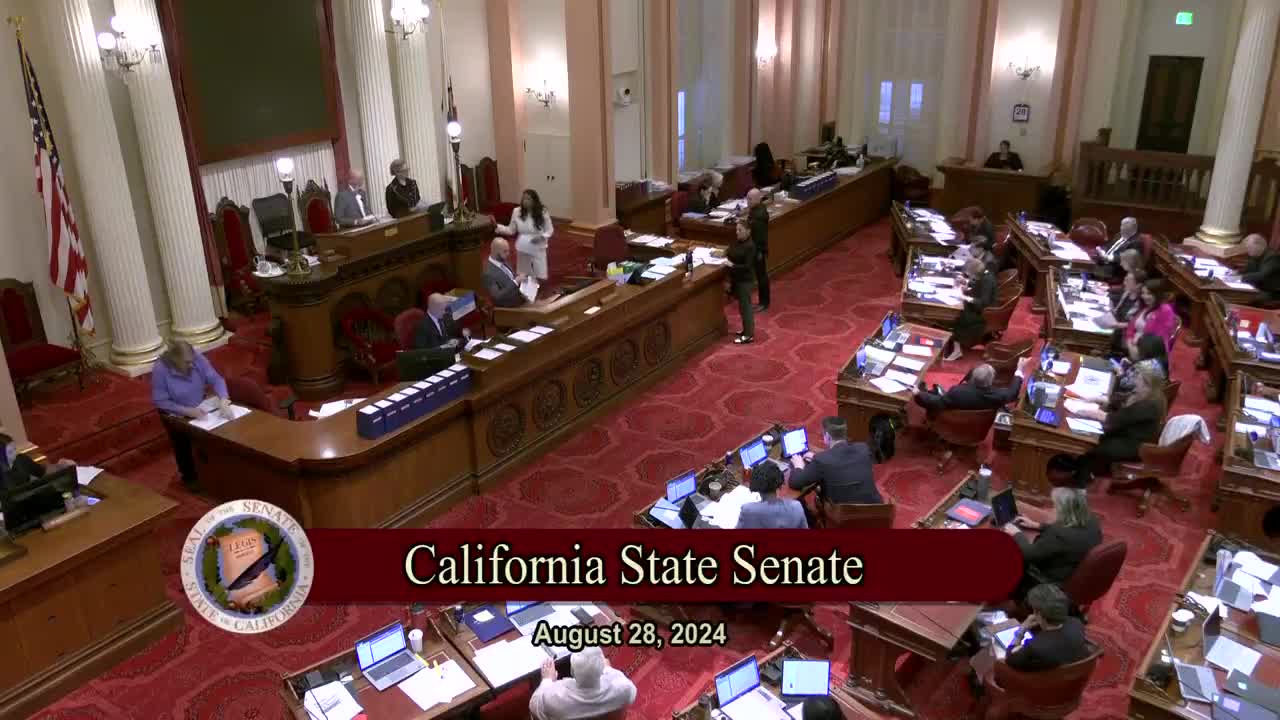
Bill Author